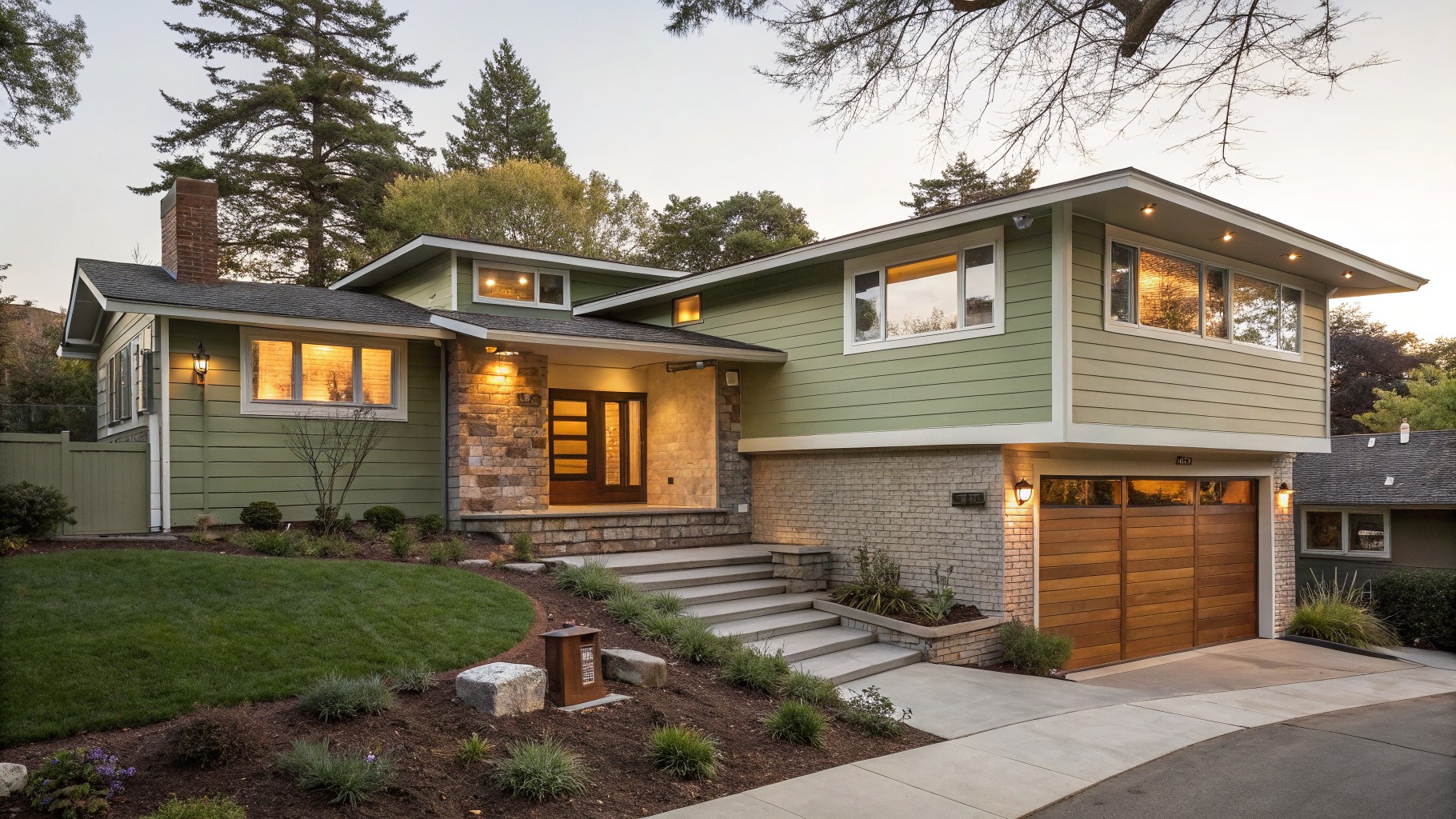
When choosing exterior colors for a split-level house, the different roof pitches and siding sections can make balance tricky if the shades do not transition smoothly.
Paint often looks different once it meets the actual brick or trim in full sunlight, and I have noticed this shift many times while walking around neighborhoods.
I always check how a color holds up next to landscaping before committing.
Many homeowners overlook how shadows from trees or changes in weather affect the overall look.
Stepping outside at dawn and again in late afternoon reveals whether the scheme truly ties the levels together or leaves them feeling disconnected.
Sage Green Siding
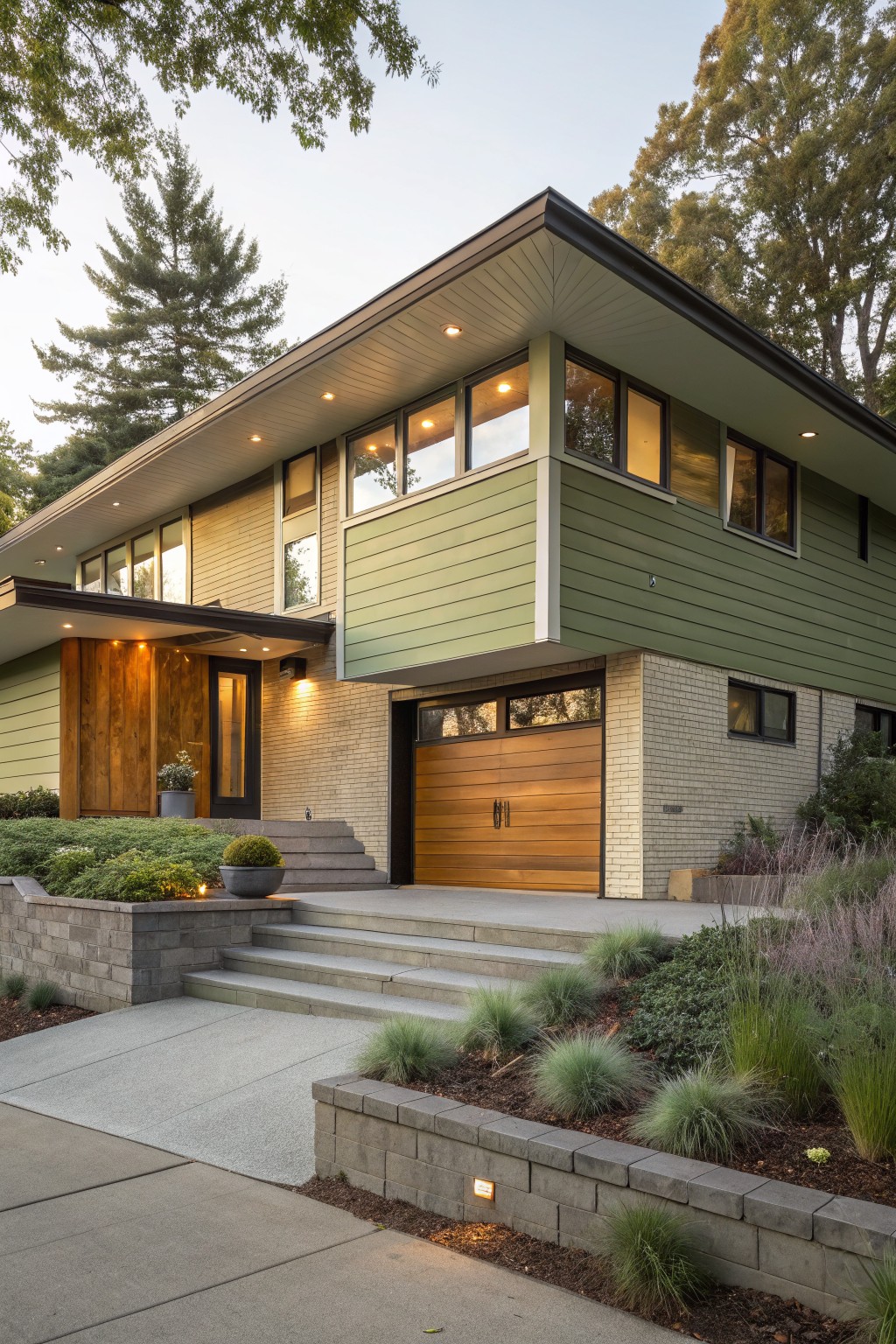
This split level uses a soft sage green on the upper siding. It is a muted color that sits between gray and green without pushing too far in either direction.
The finish feels calm next to the wood and lighter masonry. It works best on homes with some natural texture around the base and holds up well in changing light. Pair it with warm wood doors or trim to keep the whole look balanced.
Creamy White Siding
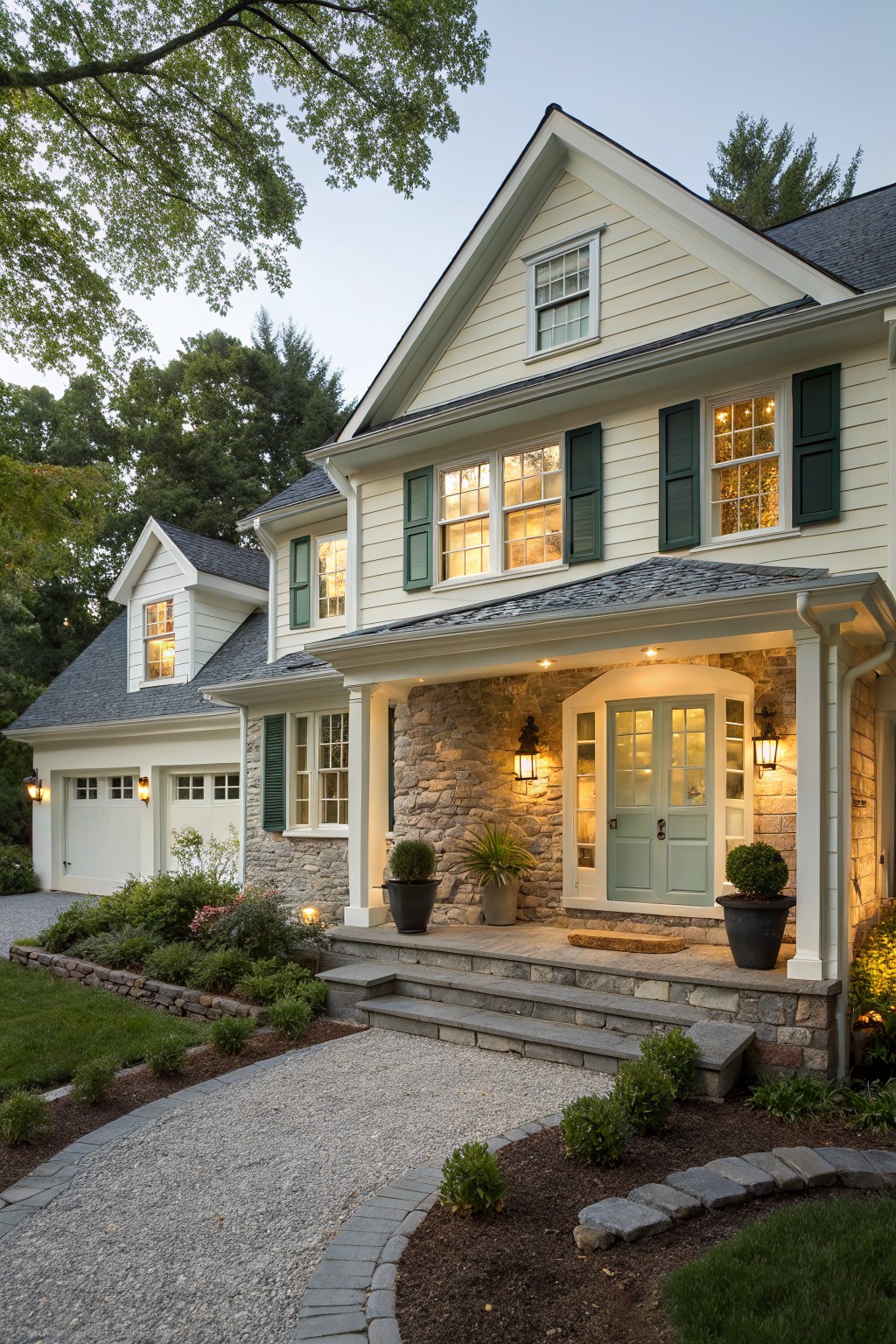
This split-level uses a soft cream on the main siding that feels warm and settled rather than bright. The color has a slight warmth that helps it sit comfortably next to the stone base without looking washed out or too stark.
It reads close to Benjamin Moore Cloud White or Sherwin Williams Alabaster, with a touch of the softness seen in Behr Swiss Coffee. The shade works well on split-levels because it keeps the upper story from feeling heavy while still giving the house some presence against the roof and trim.
Soft Blue Gray Siding
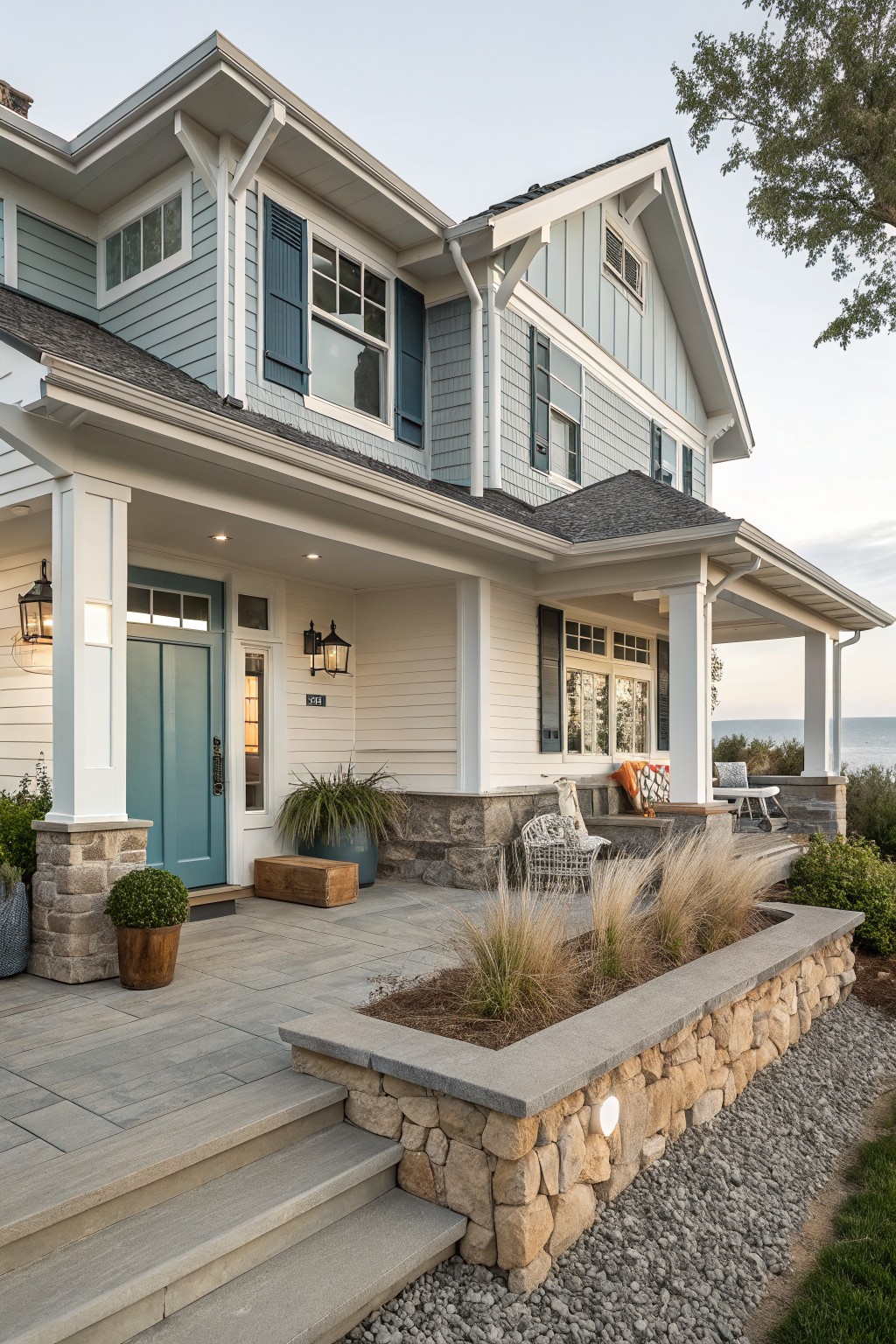
A soft blue gray on the main siding is a good choice for split level homes. It keeps the look calm and helps the upper and lower sections feel more connected instead of fighting each other.
This color sits in a cool range with a touch of gray that keeps it from going too bright. It works especially well with white trim and stone foundations, though it can start to feel flat if the roof or other details are too dark.
Soft Off-White Siding
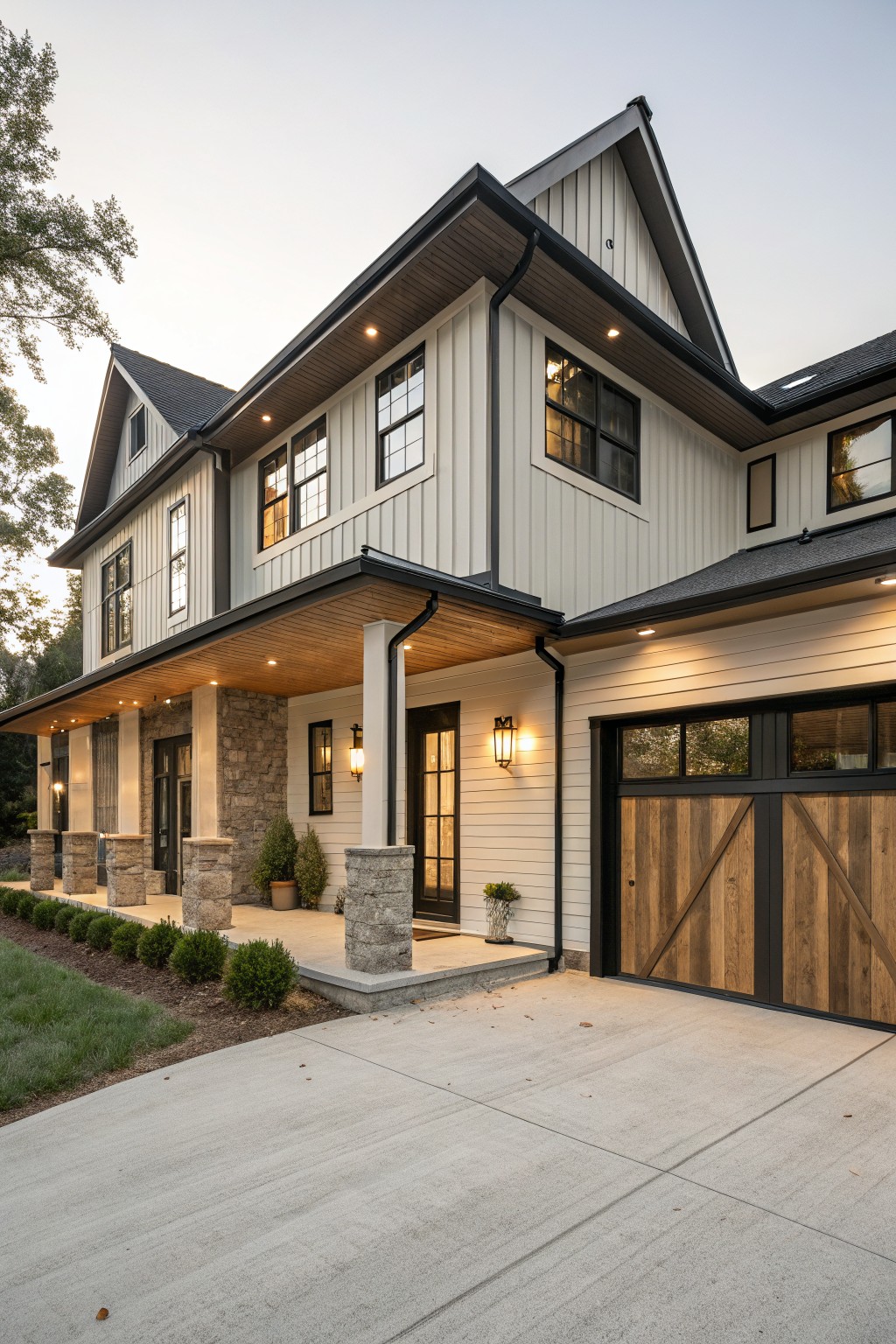
This split-level uses a soft off-white on the main siding. It is a light neutral that feels clean but not stark, sitting somewhere between white and a pale greige.
The color has a gentle warm undertone that helps the dark trim and stone base read as intentional rather than harsh. It works well on homes with mixed materials because it keeps the overall look bright and balanced without competing with the roof or other details.
Soft Greige Siding
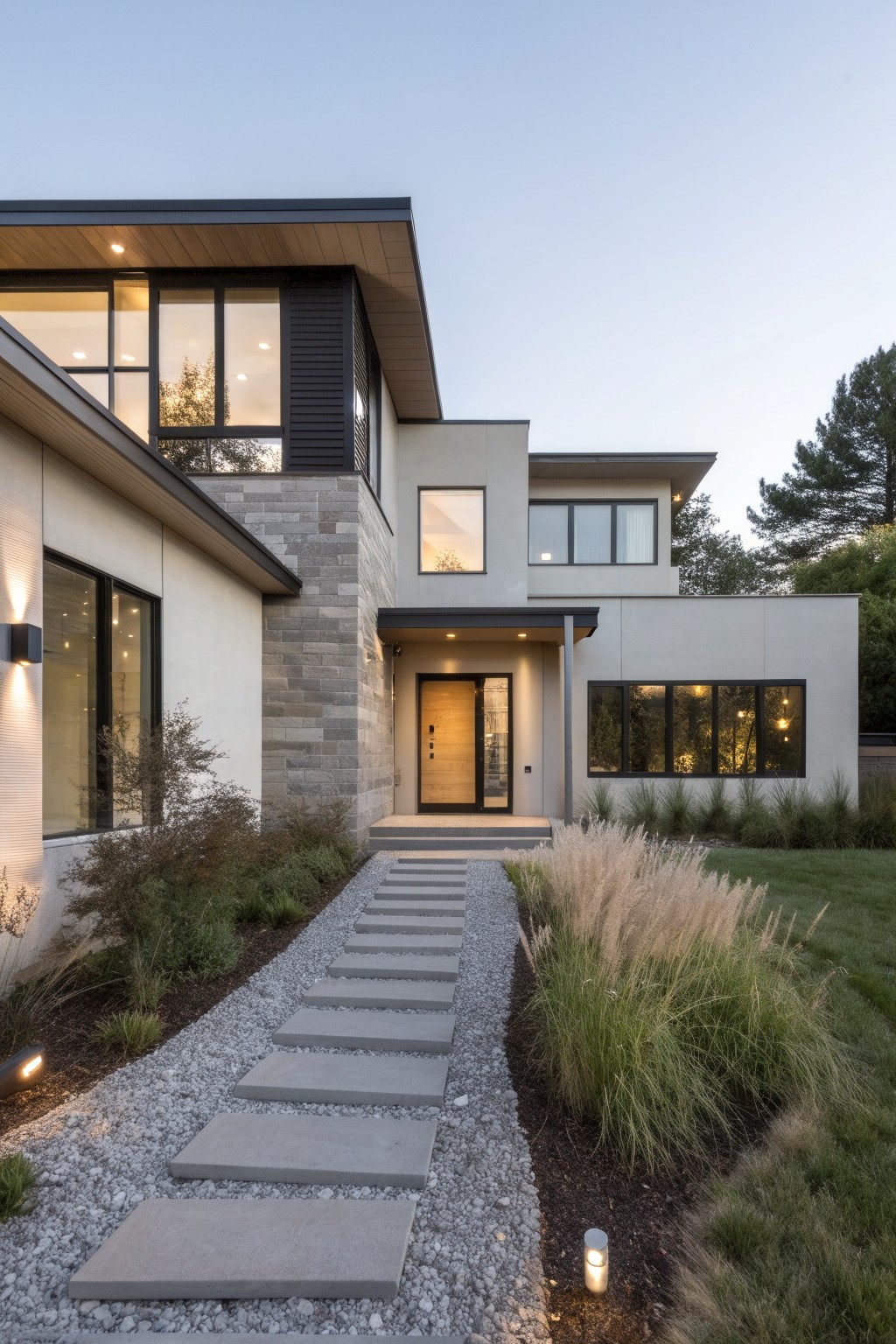
This split level uses a soft greige on the main exterior walls. It is a warm light gray that leans slightly toward beige rather than staying cool.
The color has a gentle warmth that keeps the house from feeling flat next to the stone sections. It pairs well with darker window frames and helps the different levels read as one connected shape instead of separate blocks.
Soft Green Siding
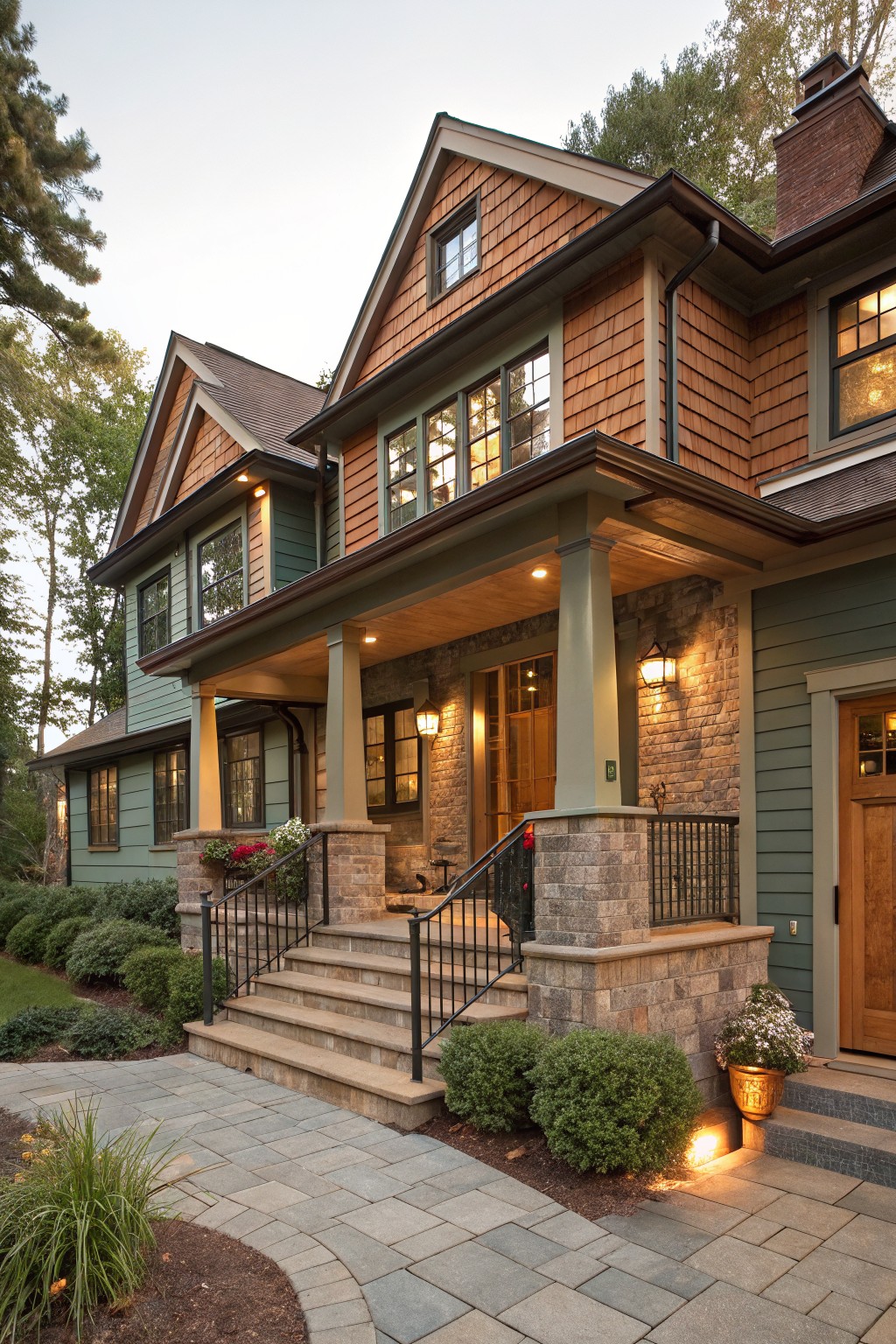
This split level uses a soft sage green on the siding. The color sits in a muted green family with cool undertones that help the house feel steady rather than busy.
It pairs well with warmer wood shakes because the green stays quiet and does not compete. Try it with warm white trim or natural wood doors, and test a sample first since the shade can shift depending on the light.
Soft Sage Green Siding
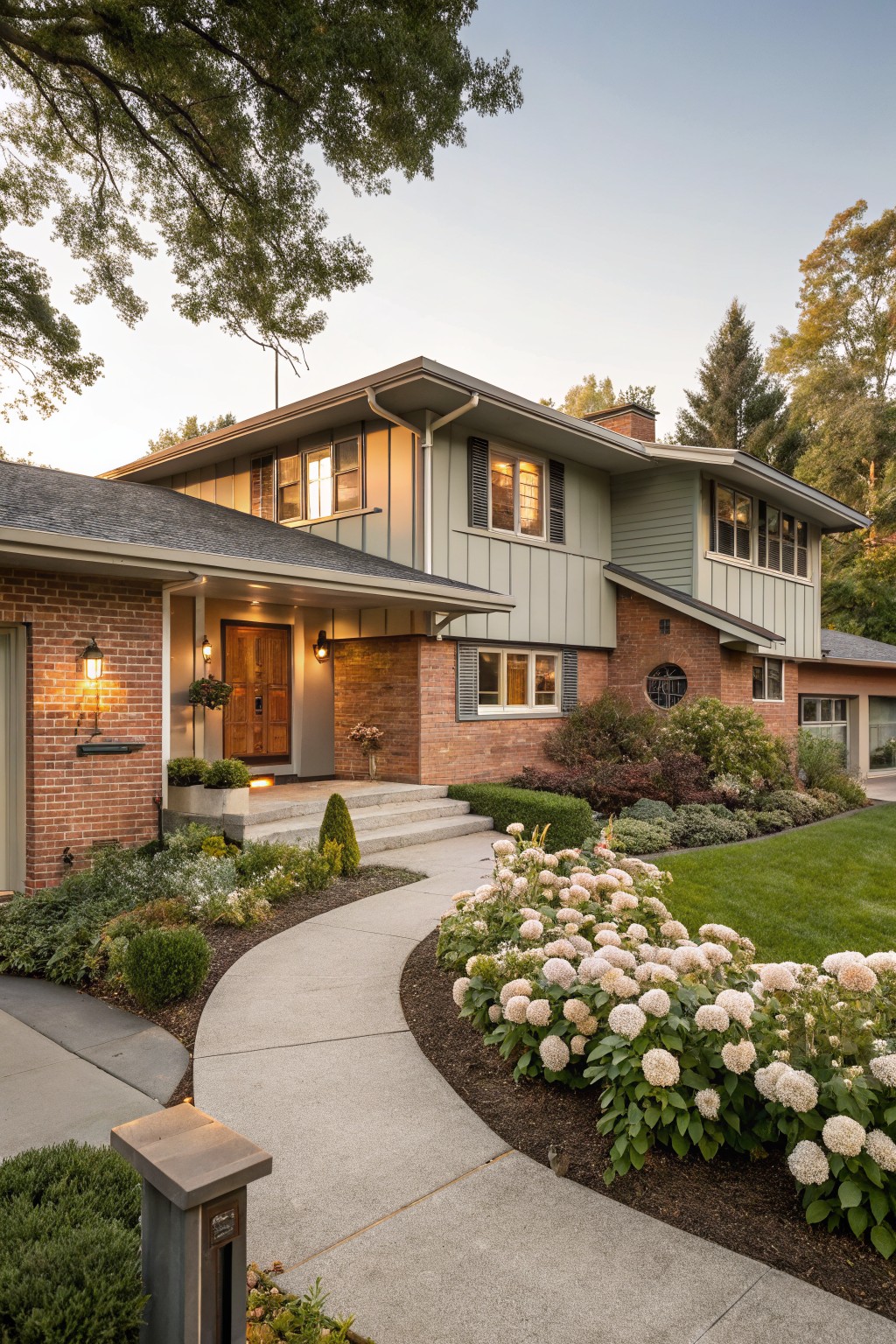
This soft sage green siding gives the split level a quiet, grounded look. It sits in that gray-green range that feels natural rather than bold, and it helps the upper level blend with the brick below instead of standing out too much.
The color has a muted undertone that keeps it from turning too cool in shade or too bright in sun. It works best on homes with warm brick or wood trim, and it pairs easily with simple landscaping or dark roofing. Watch the depth though. Too light and it can wash out next to brick.
Pale Yellow Siding
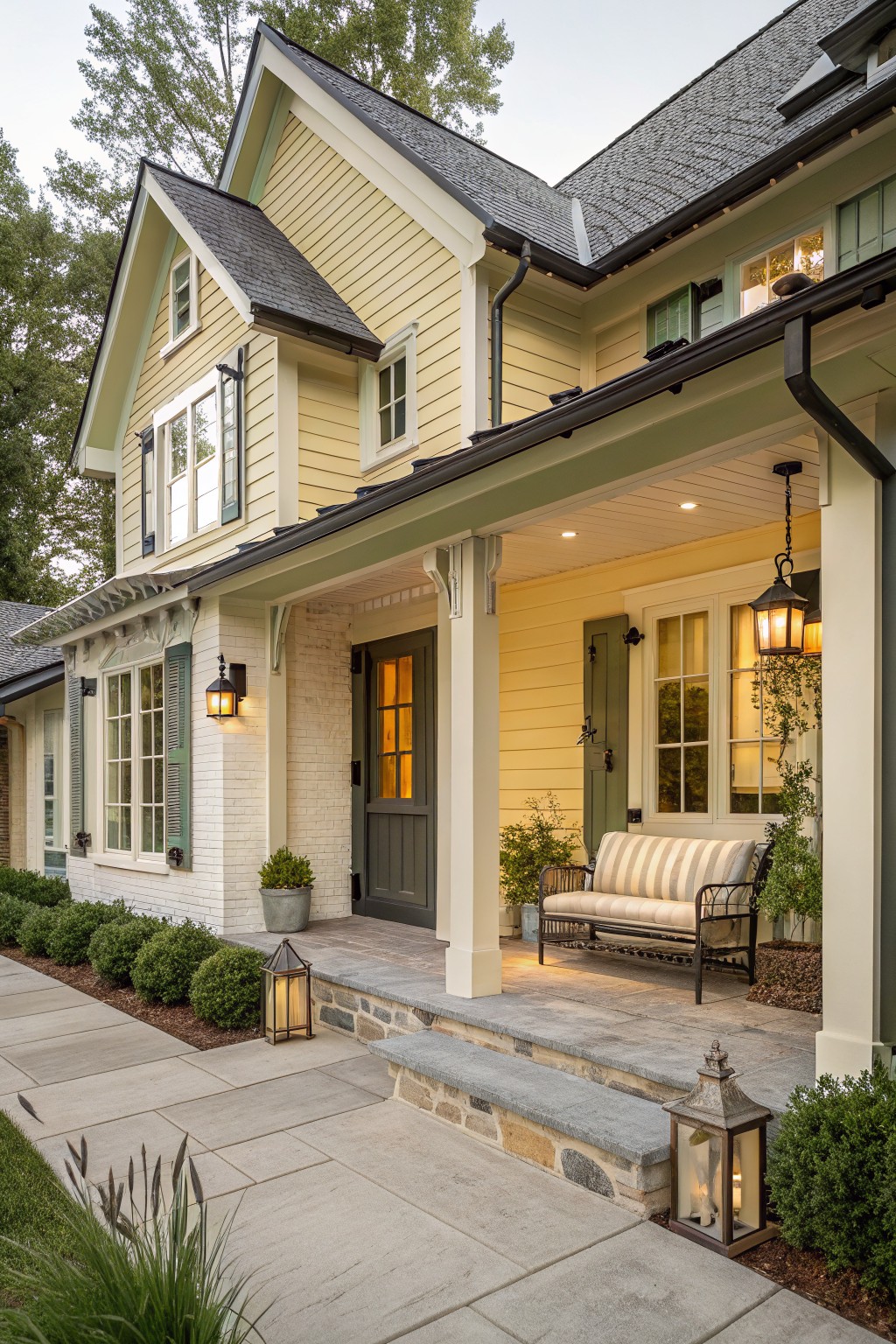
This pale yellow siding gives the house a gentle lift without feeling too bright. It sits in that soft range between cream and light green, which helps the whole exterior feel balanced rather than flat. The color works because it stays quiet next to the stone base and white trim.
It has a mild green undertone that shows up more in shade than in full sun. That makes it a good fit for homes with lots of trees or older brick and stone details. Pair it with warm white trim and avoid anything too stark, or the yellow can start to read cooler than you expect.
Blue Gray Siding With White Trim
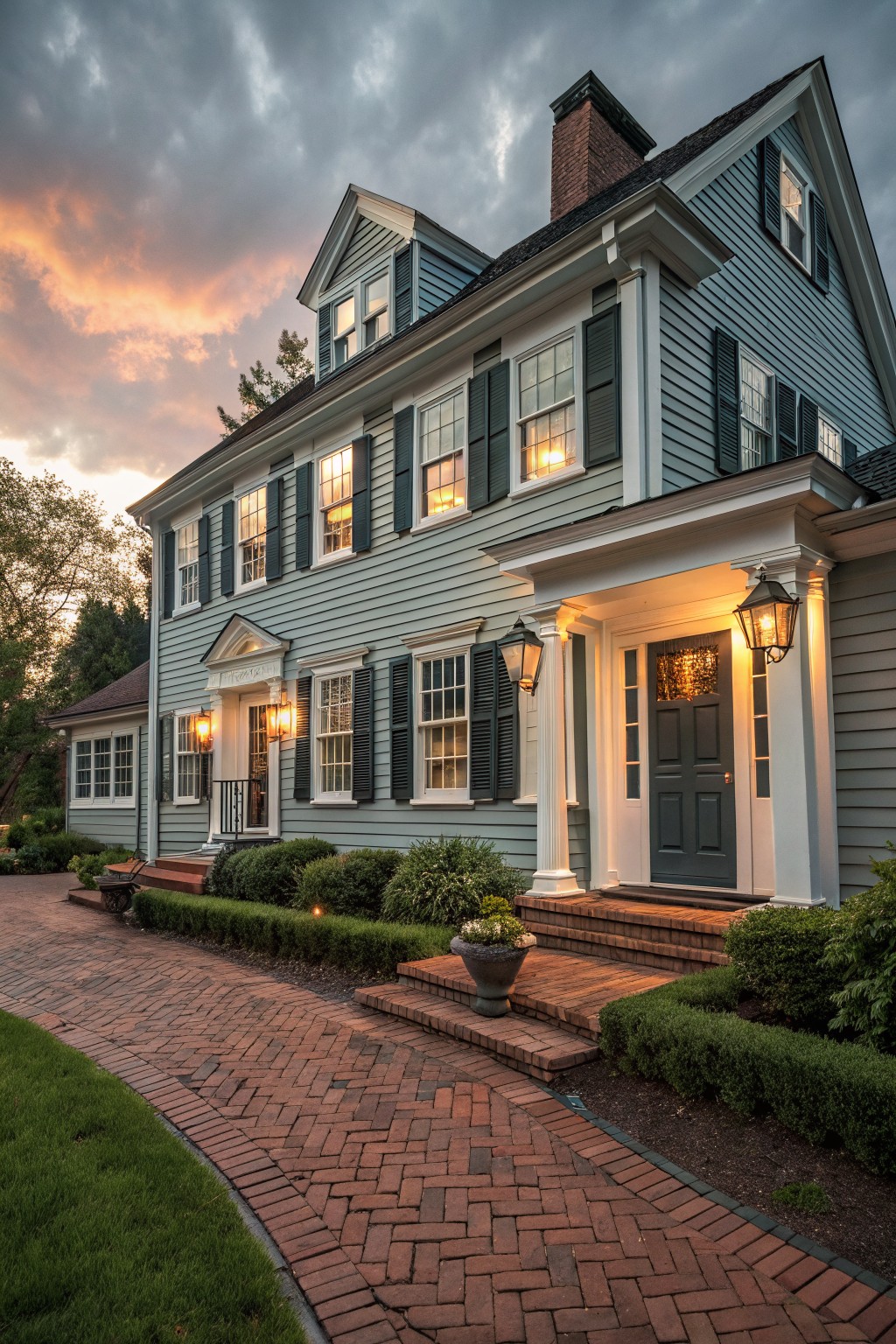
This soft blue gray gives split level homes a quiet, balanced look without feeling too bold. It sits right between gray and blue, with a cool undertone that keeps the whole exterior feeling calm and put together.
It reads closest to Sherwin Williams Rainwashed, Benjamin Moore Harbor Gray, Behr Silver Blue, or Farrow & Ball Light Blue. The color works well with white trim and red brick details, though it can look a bit flat if the light is very harsh.
Soft Sage Green With Wood Accents
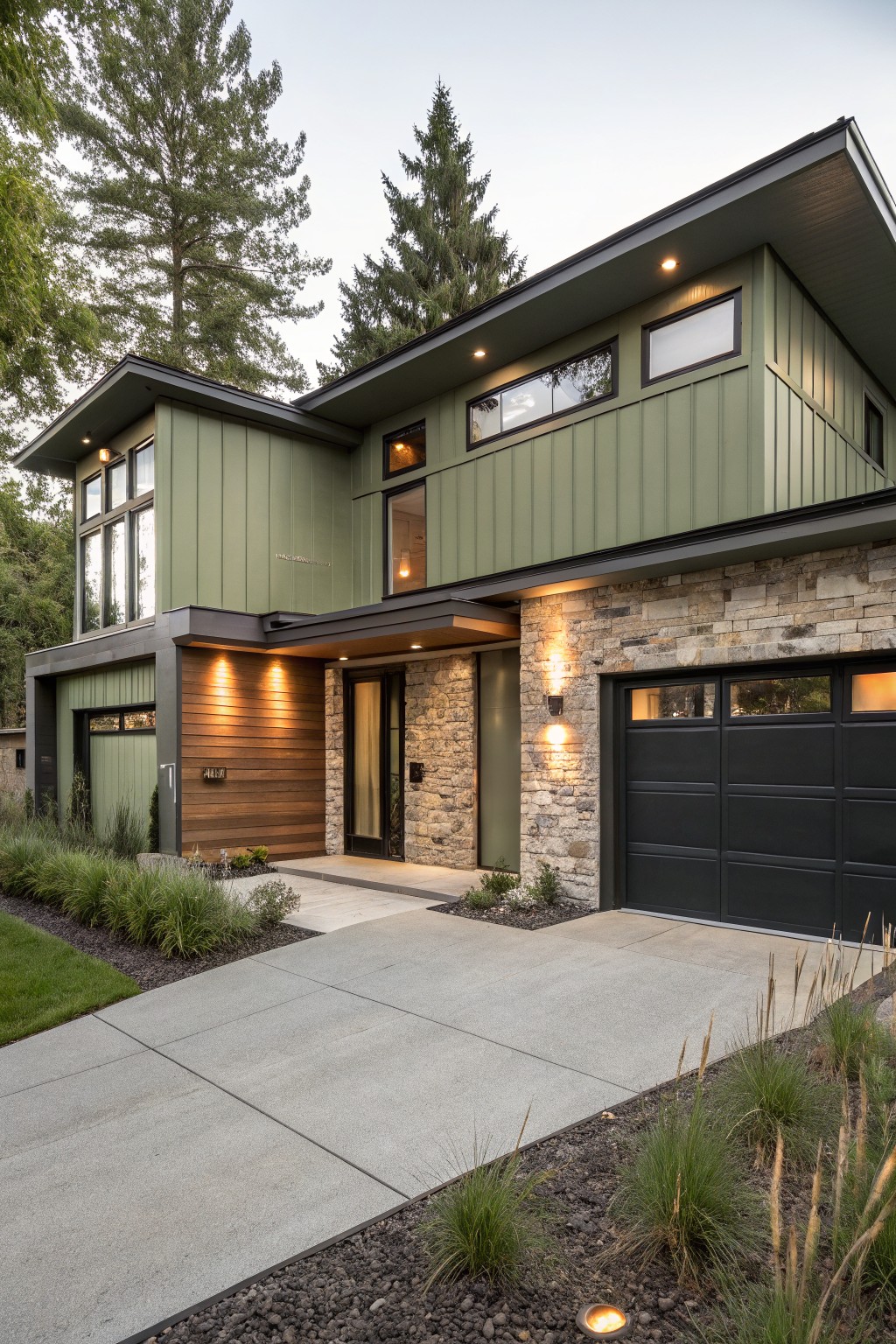
This soft sage green gives a split-level home a quiet, settled look. It sits between gray and green, so it feels natural rather than bold, and it helps the upper and lower sections read as one house instead of two separate parts.
The color has a slight gray undertone that keeps it from turning too yellow in bright light. It pairs easily with wood accents and stone, though it can look flat if the trim is too light or the roof is very dark.
Soft Sage Green With White Stone
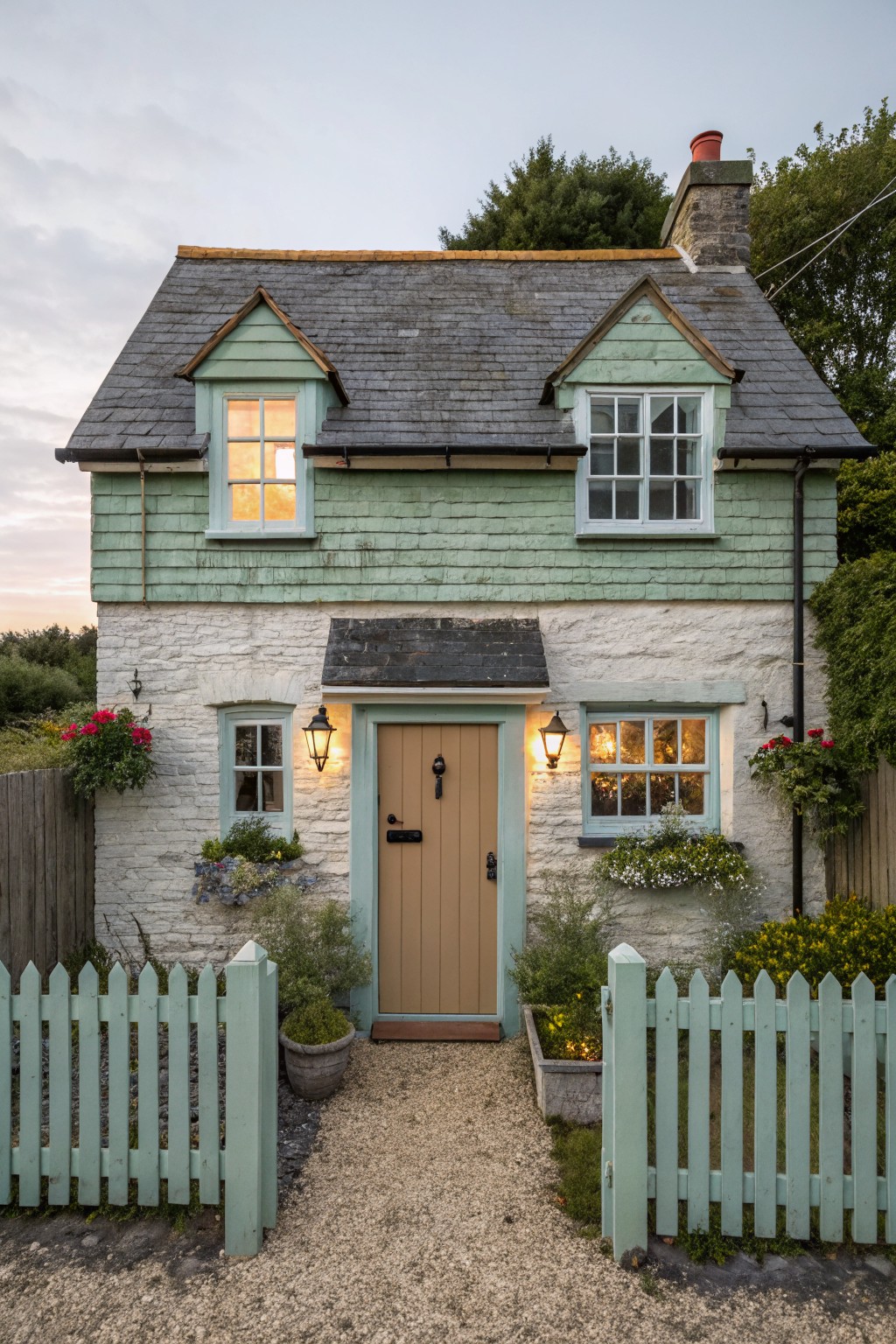
A soft sage green covers the upper siding on this split-level home. The color sits in a gentle middle ground between blue and green, which keeps the whole front from feeling too heavy on top.
It works well against the white stone below and the dark roof, and similar shades like Sherwin Williams Rainwashed or Benjamin Moore Saybrook Sage give the same quiet effect. It can shift a bit cooler in shade, so test a sample on the actual wall first.
Dark brown siding
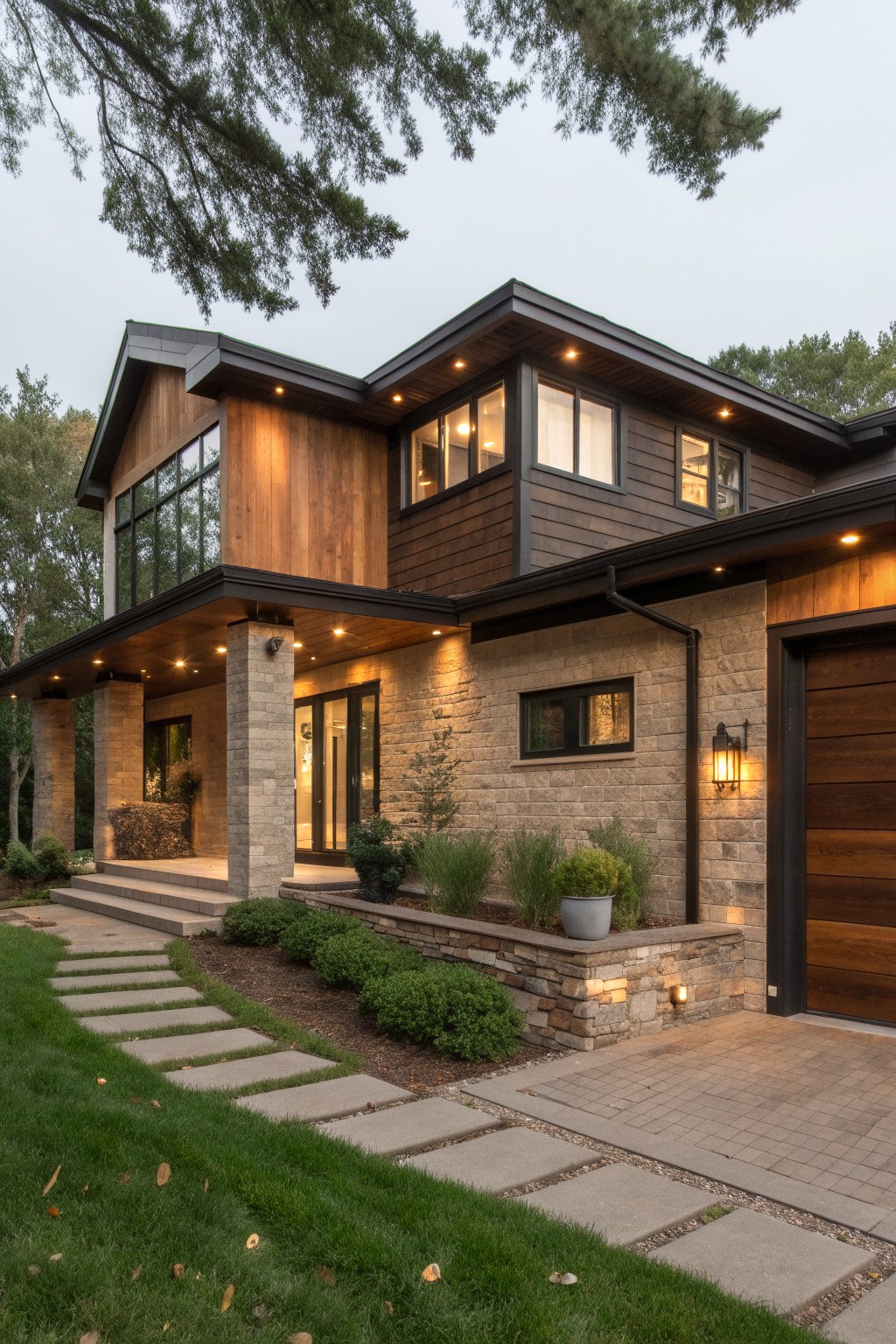
This dark brown siding brings a solid, balanced feel to the upper level of a split level home. It sits in the deep brown color family and looks closest to Sherwin Williams Urbane Bronze, Benjamin Moore Dragon’s Breath, or Behr Black Bean.
The warm undertones help the color blend with stone and wood without turning too stark. It tends to work best on homes that already have natural textures around the base.
Soft Peach Siding
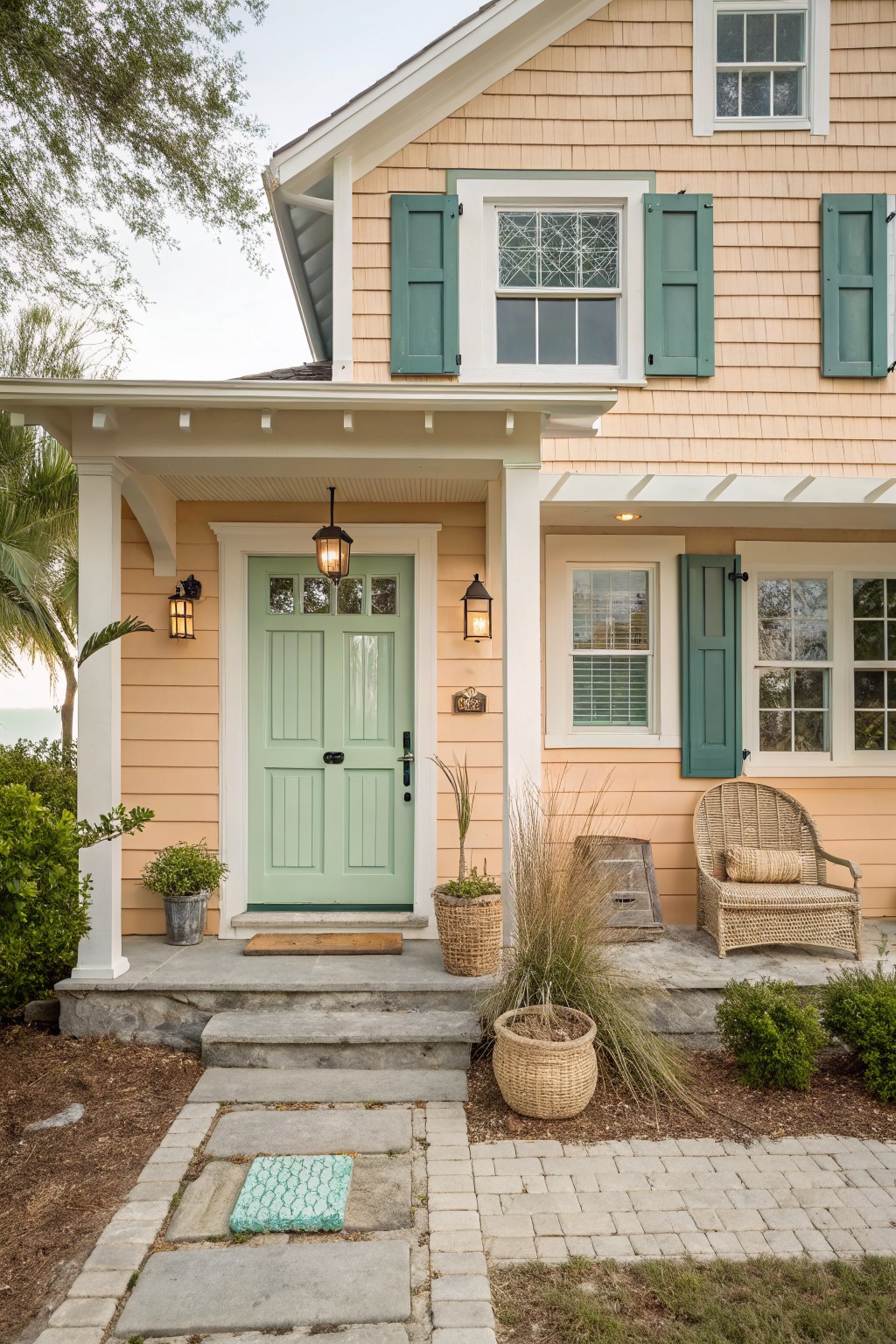
A soft peach beige works nicely on split-level homes because it adds warmth without making the different rooflines feel choppy. This color sits in that light terracotta range and gives the whole exterior a gentle, lived-in look.
It has a slight pinkish undertone that shows up more in direct sun, so it pairs best with crisp white trim and deeper green accents like the door and shutters here. Avoid using it on homes with heavy red brick since the two can fight each other.
Muted blue gray siding
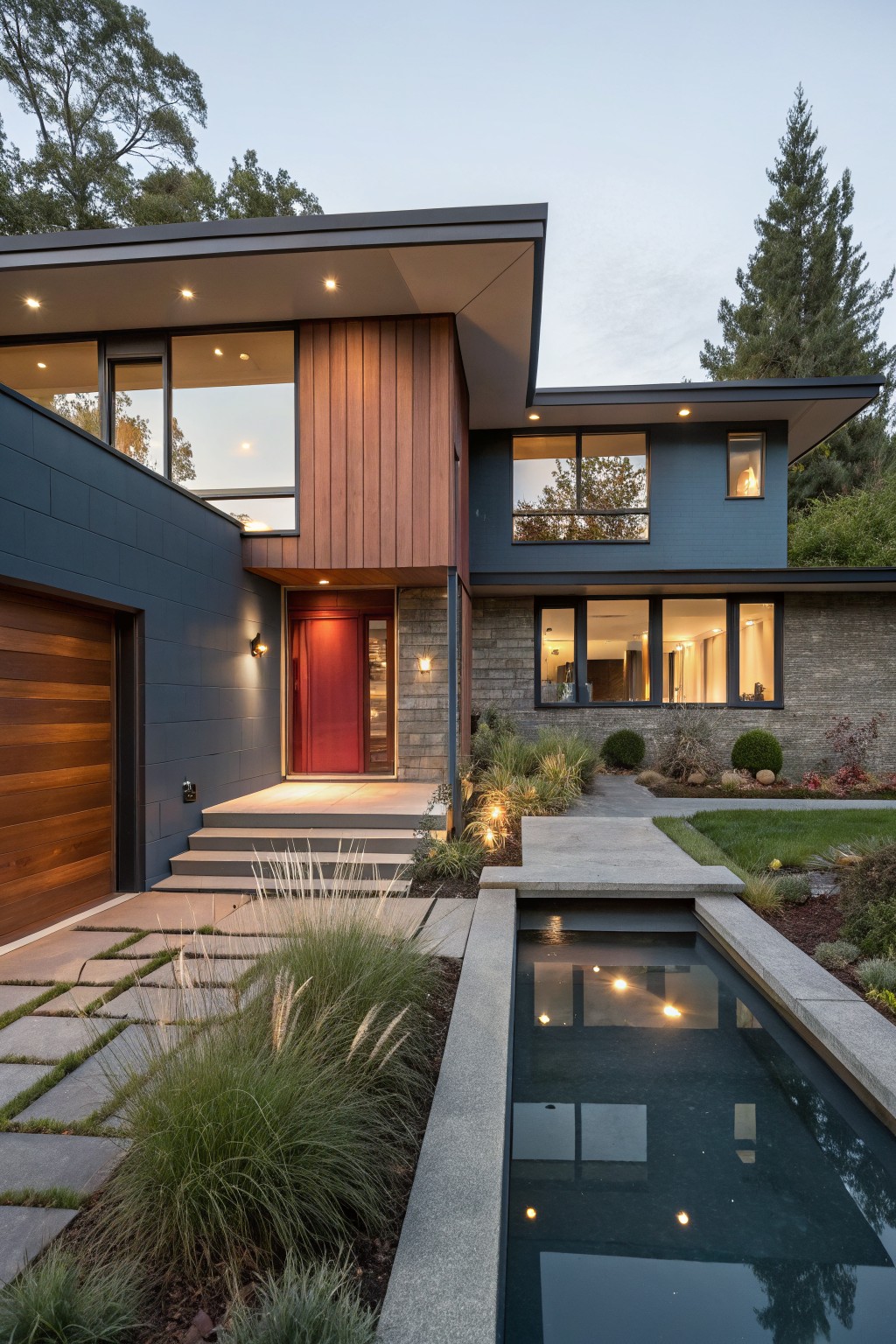
This muted blue gray is a cool toned color that gives the house a calm and modern look without feeling too stark. It works because the gray base keeps the blue from going too bright or coastal, so it sits nicely against the wood accents and stone areas on the exterior.
The color has a slight blue undertone that shows up more in natural light. It pairs best with warm wood tones and darker trim, and it suits split level homes that need something a little softer than a full charcoal or navy. Watch how it reads next to any red brick or very warm stone since those can make the blue feel cooler than expected.
Blue Gray Siding
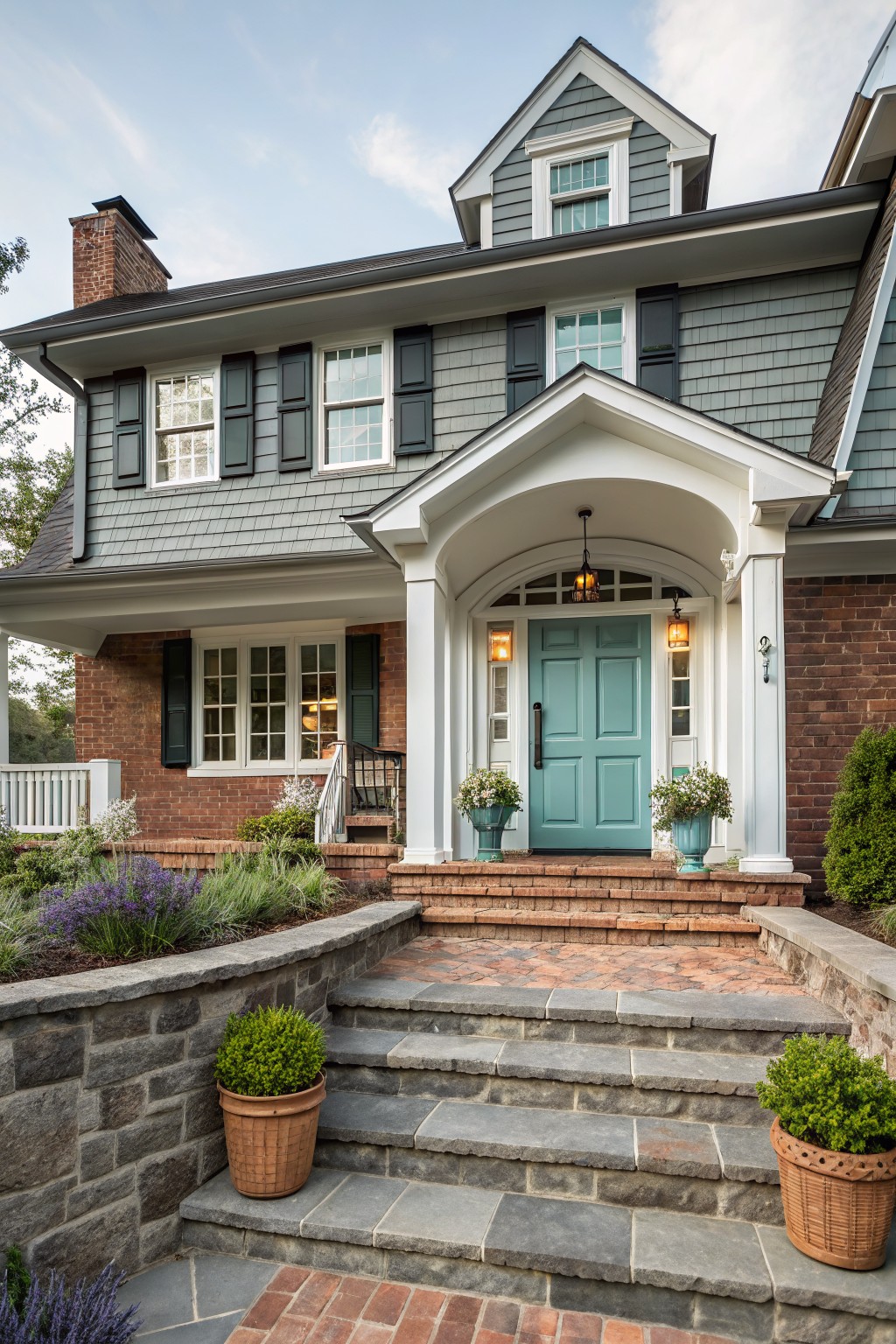
The main color on this house is a soft blue gray siding. It gives a calm, even look that helps tie the upper and lower levels together without making the whole place feel heavy.
This shade has cool undertones that sit nicely against brick and white trim. It works best on homes with simple rooflines and pairs easily with a brighter door if you want a bit of contrast.
Soft Sage Green For Natural Landscapes
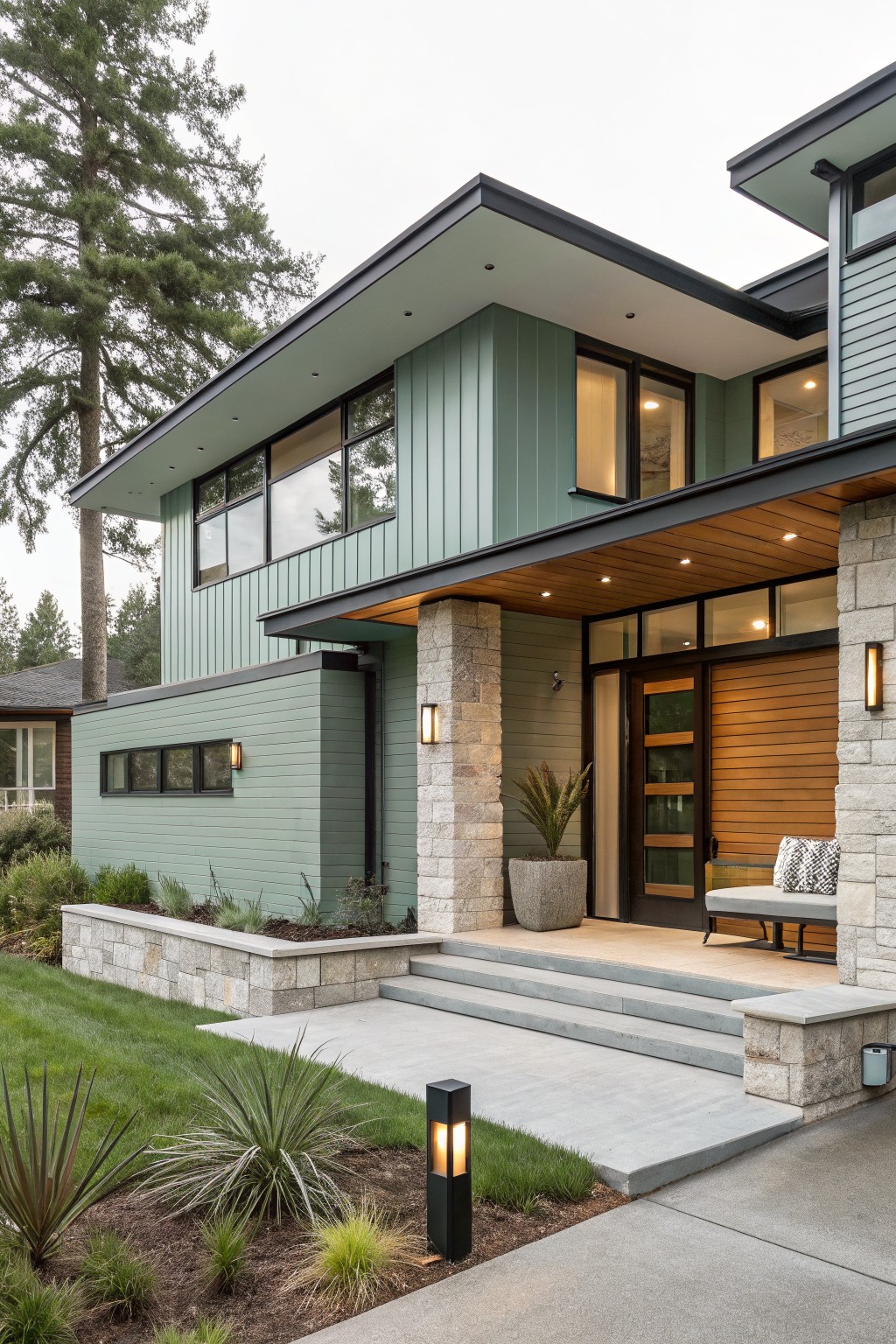
This muted sage green gives split-level homes a calm, grounded look that still feels fresh. It sits in that soft gray-green range and works especially well when you want the color to blend with trees and natural surroundings without fading away.
It reads best against stone and wood details, so try pairing it with warm white trim or dark windows. Shades like Sherwin Williams Evergreen Fog, Benjamin Moore Saybrook Sage, or Behr Soft Sage come close if you want to test the same feel.
Soft Sage Green Door
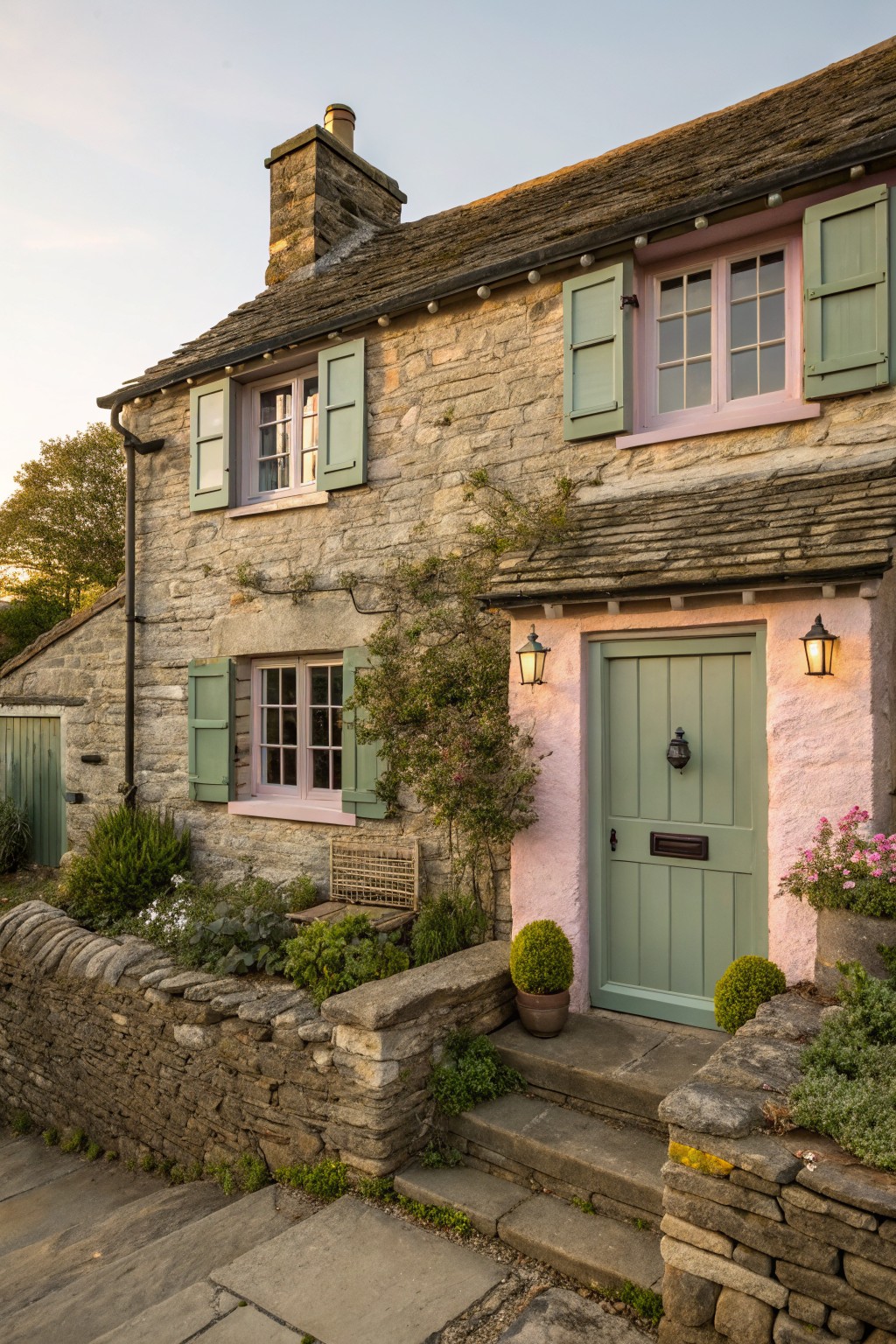
This muted sage green on the front door gives the stone house a calm, settled look. It sits somewhere between gray and green, which keeps it from feeling too bright or too dull against the rough masonry. The color reads closest to Farrow & Ball Pigeon, Benjamin Moore Saybrook Sage, or Sherwin Williams Halcyon Green.
The slight cool undertone helps it blend with the stone rather than fight it. It works best on homes with natural materials and looks good paired with simple black or dark metal hardware. Too much sun can make it shift cooler, so test a sample on the actual door before committing.
Frequently Asked Questions
Q: How do I pick colors if the lower level sits deeper into the ground? A: Choose a slightly darker shade for that tucked-in section to ground the whole house. Then shift to a lighter tone upstairs so the levels feel more even. This keeps the eye moving smoothly without extra effort.
Q: What if my trim already has a strong color that might clash? A: Match the trim shade to one of the main wall colors instead of fighting it. That pulls everything together fast. Test a small patch first to see how it settles next to the split sections.
Q: Should the garage door match the lower level or stand out? A: Blend it with the lower wall color so it does not pull focus downward. A flat finish helps it recede a bit more. The upper level can then take a brighter note to restore balance.
Q: How do I check if the scheme works from the street? A: Stand across the road at eye level and squint at the house. See whether one level jumps out too much. Shift one color a notch lighter or darker until the proportions look steadier.