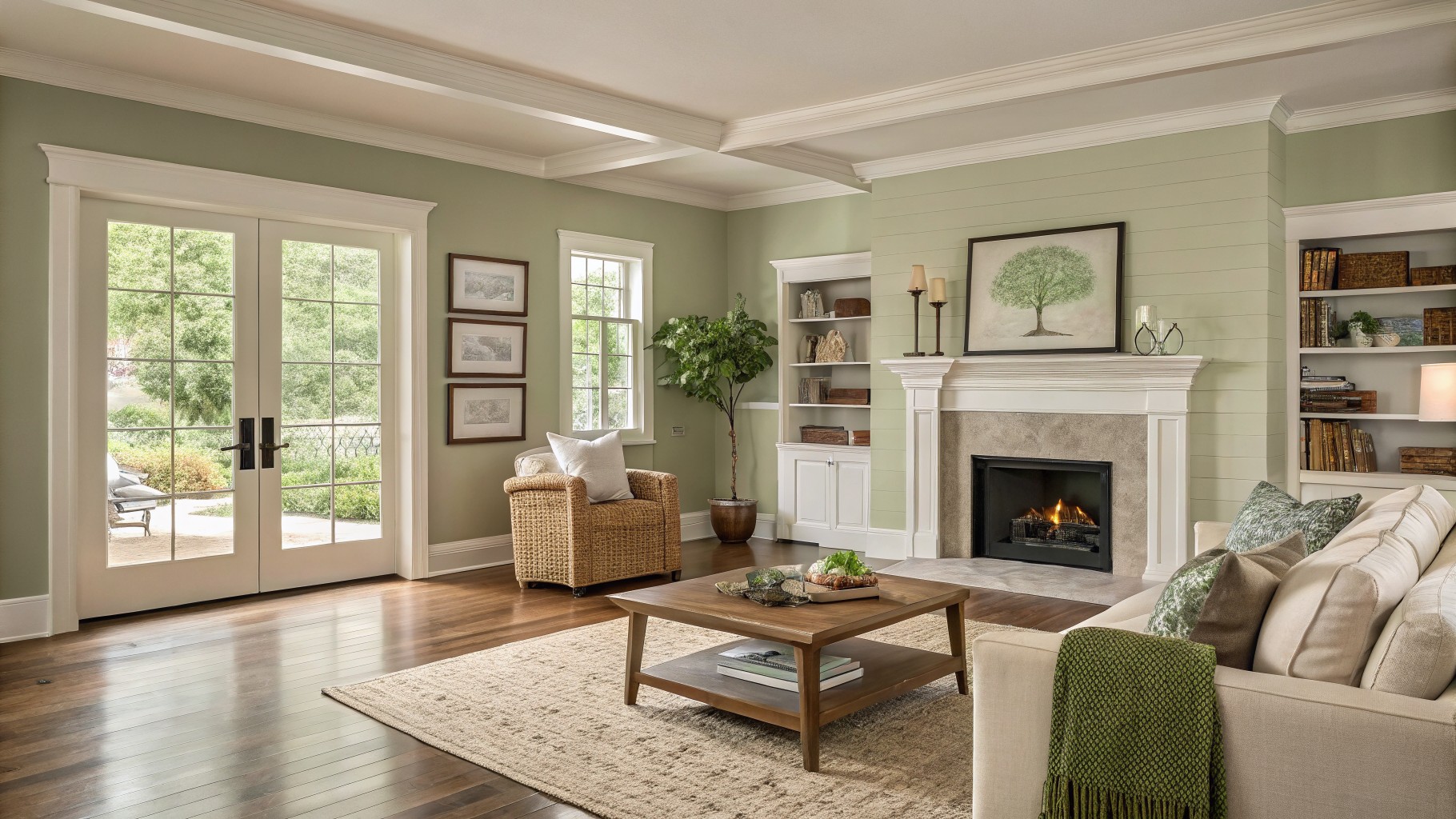
I like to start by looking at how paint colors interact with the natural light that comes into each room throughout the day.
Undertones become obvious only after you live with a sample on the wall for a while and watch it next to your trim and floors.
Testing a few options in the actual space saves a lot of regret later on.
I have repainted more than one room because a color shifted in ways I did not expect when the whole house came together.
Some shades simply hold up better across different areas than others do.
Soft Sage Green Walls
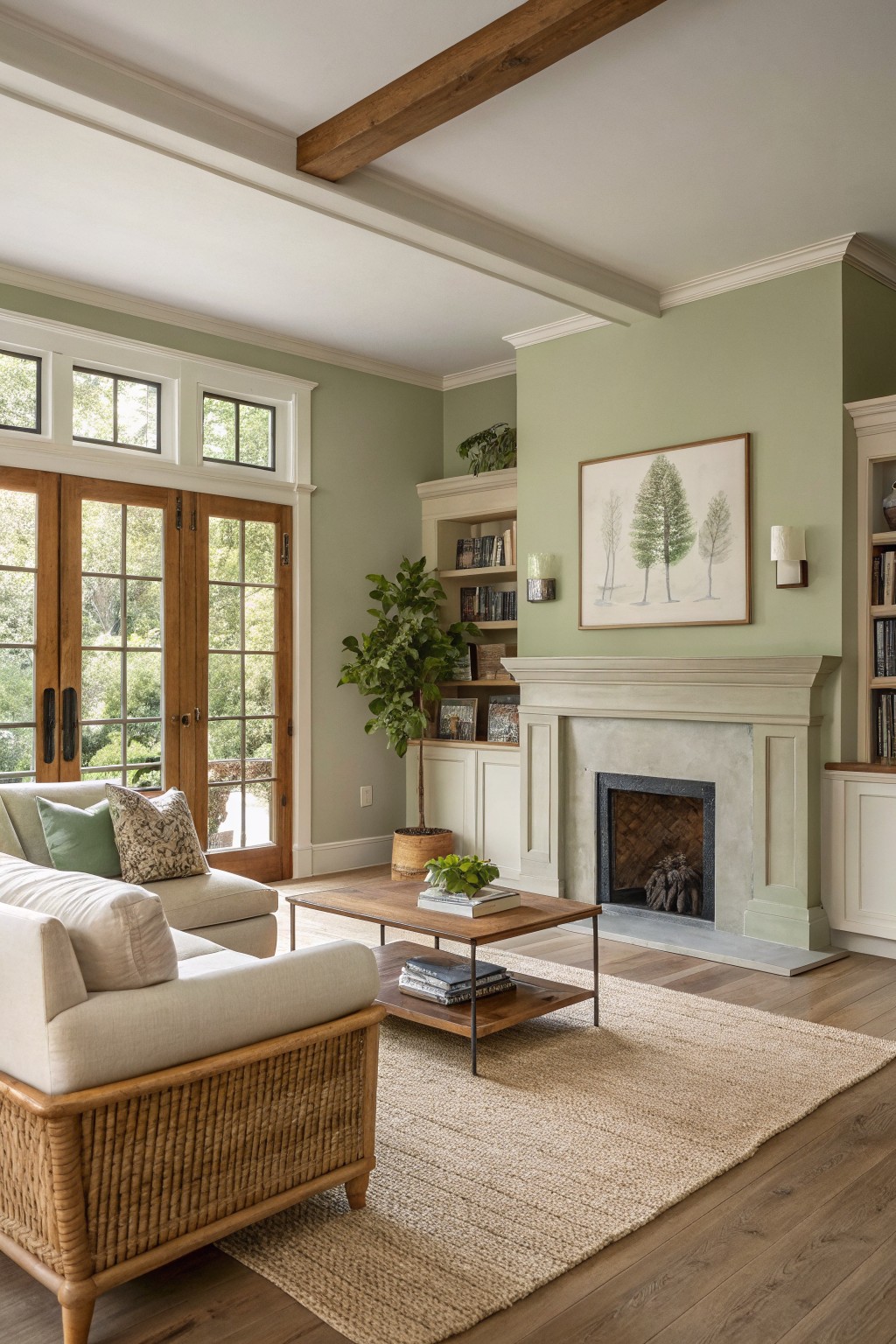
This soft sage green brings a calm, steady feel to a room without pulling too much attention. It sits in that nice middle ground between green and gray, which makes it easy to use across multiple spaces for better flow.
It reads closest to Sherwin Williams Dried Thyme or Benjamin Moore Saybrook Sage, with a touch of the same tone in Behr Soft Sage. The color works best with warm wood floors and white trim, though it can feel a bit flat if the room gets very little natural light.
Soft Blue Gray Cabinets
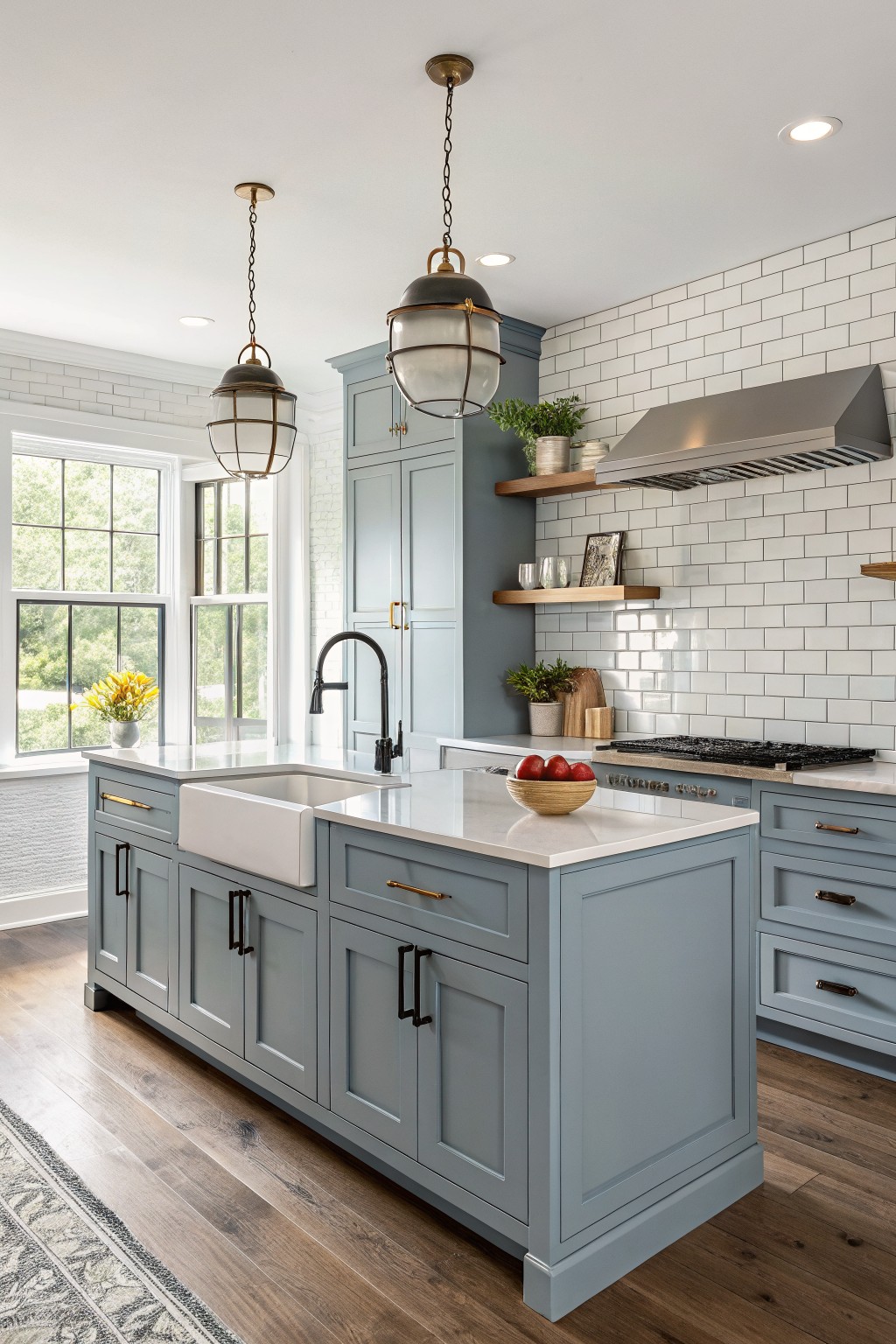
This soft blue gray gives kitchens a calm but steady look without feeling too cold. It sits right between gray and blue, so it works easily from room to room. You can get close with Sherwin Williams Rainwashed, Benjamin Moore Wythe Blue, or Behr Silver Strand.
The color has a cool undertone that holds up next to white counters and warm wood floors. It looks best with simple hardware and clean trim so the cabinets stay the main focus. Avoid pairing it with too many warm yellow tones or it can start to feel off.
Soft Sage Green Bedroom Walls
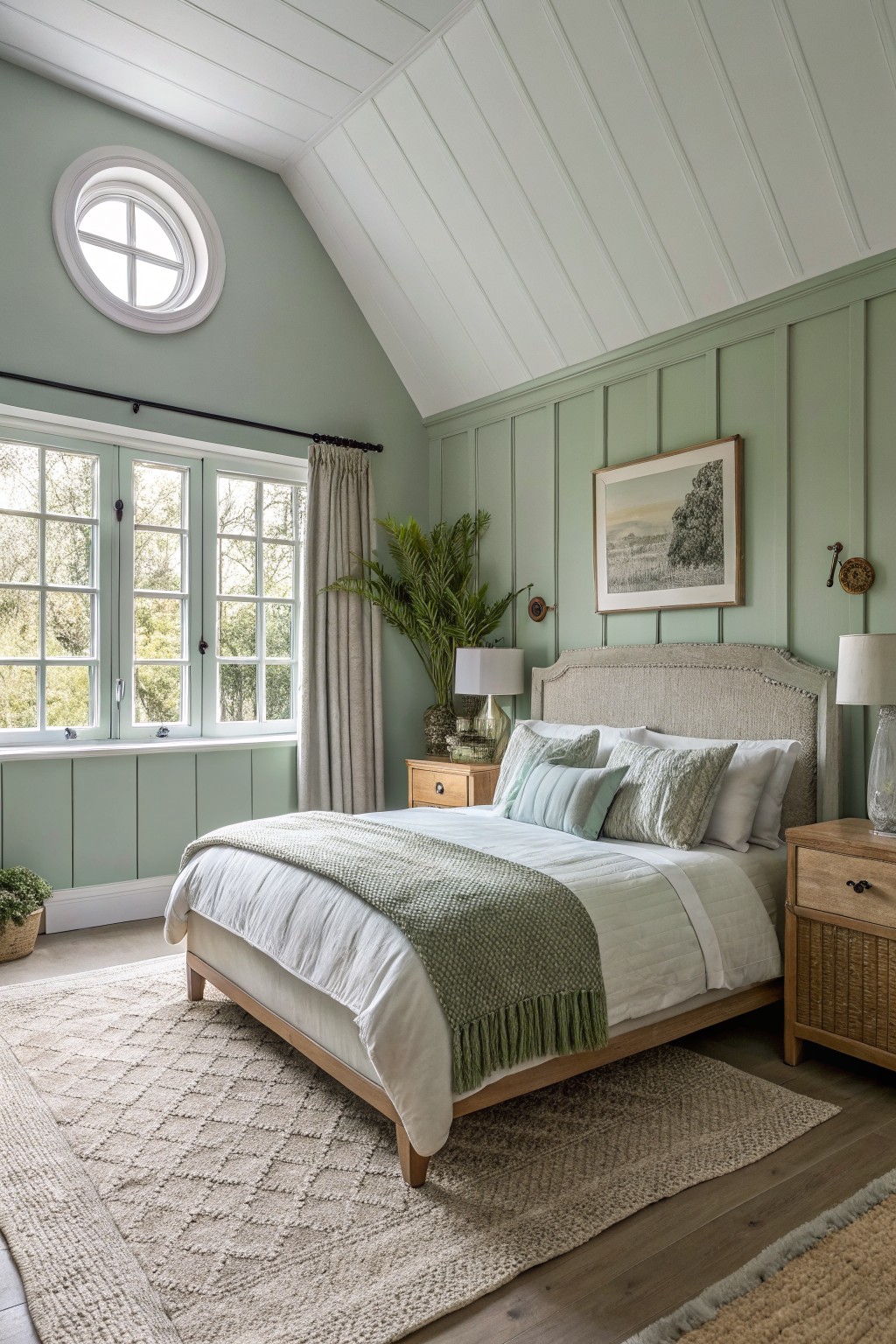
This soft sage green works well because it feels calm and a little gray without going flat or cold. It sits nicely between green and neutral, so the room still feels light even when the sun moves around. People often reach for shades like this when they want something cohesive that still gives the walls some presence.
It has a muted undertone that plays nicely with warm wood floors and simple white trim. Try it in bedrooms or any space where you want things to feel settled rather than busy. Just test it first in a spot that gets less light, since the gray side can show up more there.
Soft Blue Gray Walls
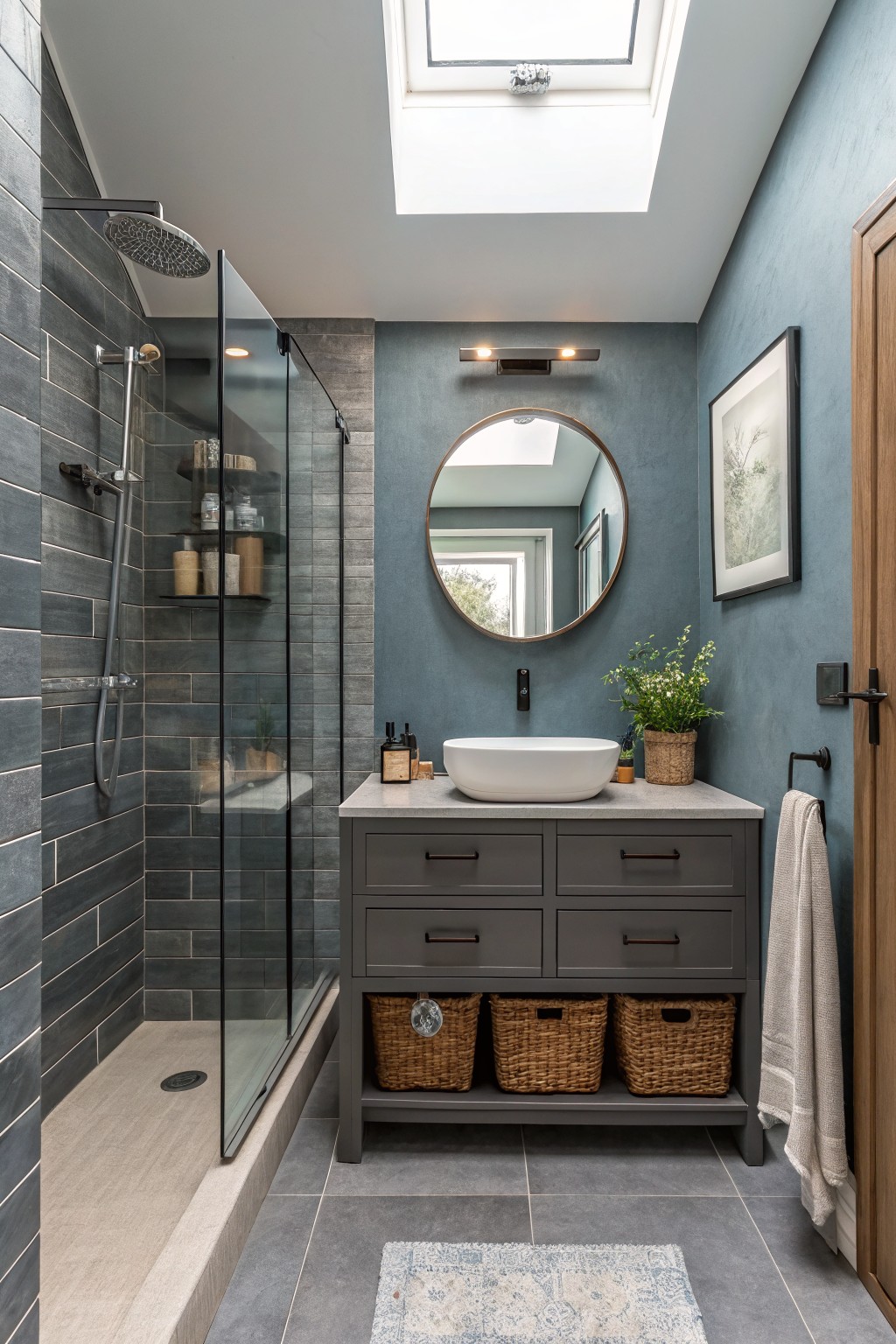
This soft blue gray reads as a cool, muted tone that feels calm and steady in a bathroom. It has enough gray in it to keep things grounded while still giving a hint of color that makes the space feel fresh.
The color works best with gray tile, white fixtures, and simple wood accents. It can shift a little cooler in low light, so testing it on a large sample helps make sure it stays balanced next to darker cabinetry and stone surfaces.
Warm terracotta walls
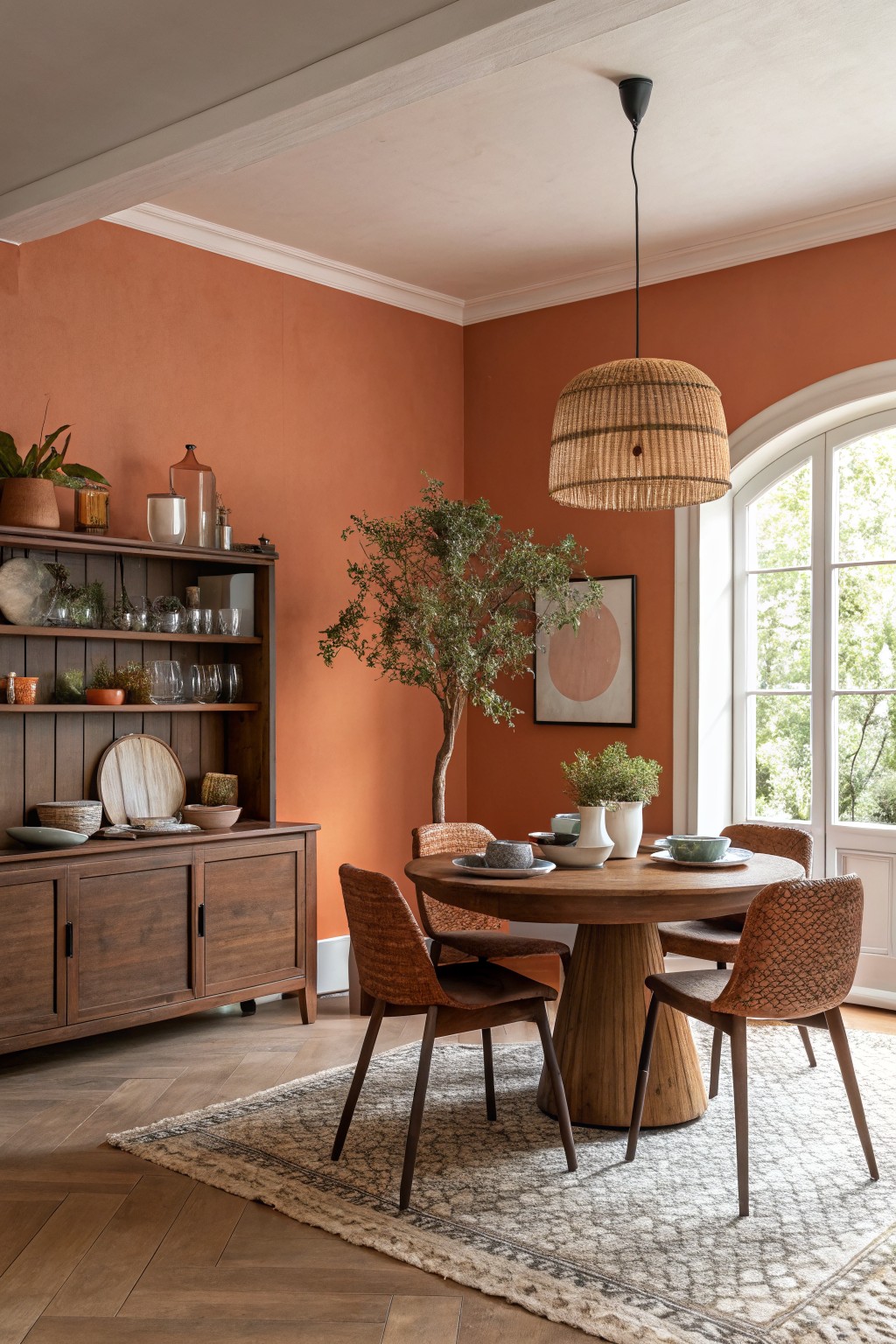
A warm terracotta paint color like this one gives a room a cozy, settled look without feeling heavy. It sits somewhere between orange and brown, and that earthy tone helps wood furniture and natural textures feel more connected.
It has a soft red undertone that shows up more in warmer light. This makes it work well in dining areas or living rooms where you want some depth but still need the space to feel open. Pair it with medium wood tones and simple neutral textiles so the color stays the main focus.
Warm Greige Hallway Walls
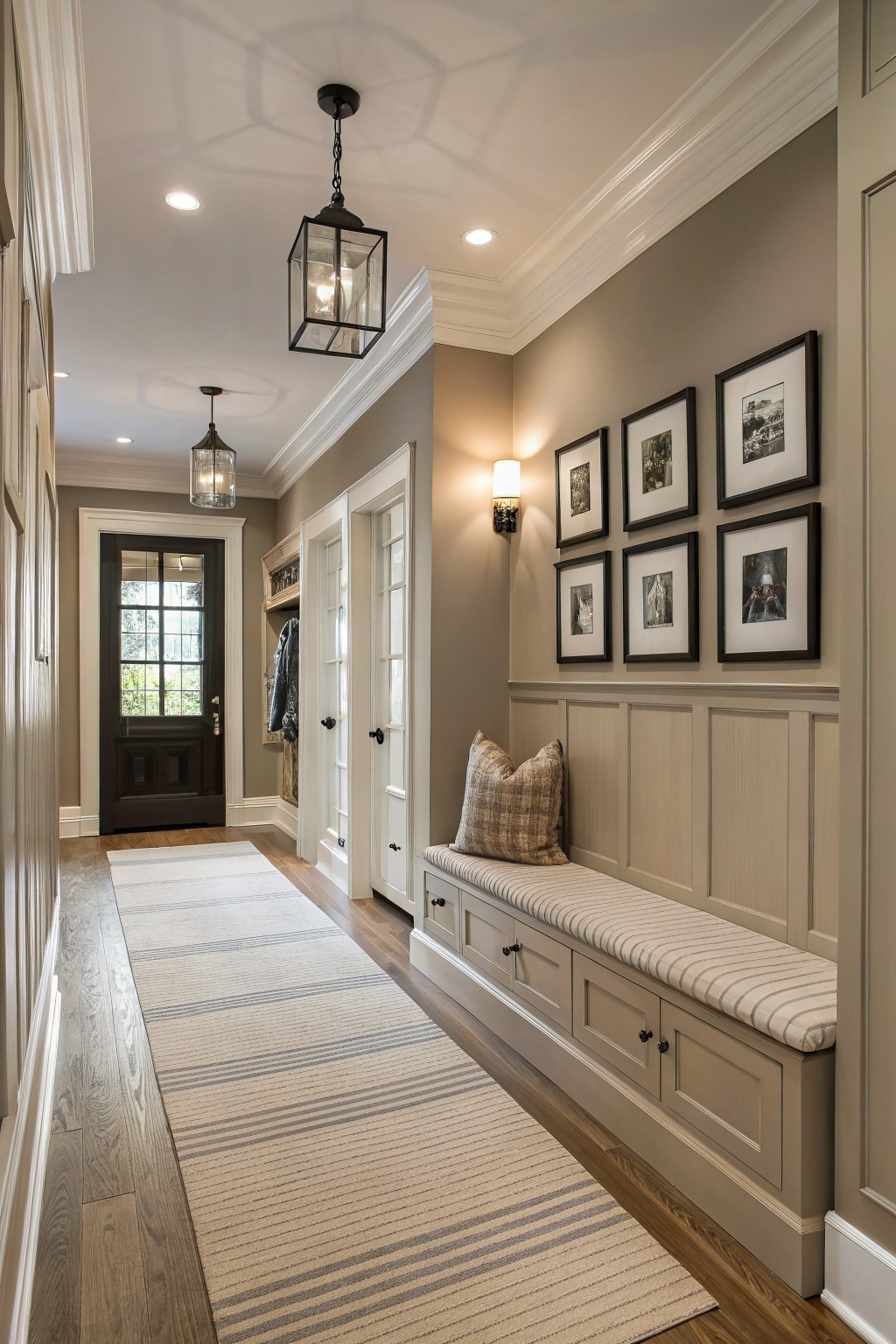
A warm greige like this one brings a quiet balance to a hallway without making the space feel too gray or too beige. It has enough depth to feel cozy while still keeping the room light and connected to the rest of the house.
The color carries a soft taupe undertone that stays steady next to white trim and wood floors. It works well in any room where you want things to flow without extra effort, though it can start to look a little flat if the lighting is very dim.
Warm White Walls That Feel Soft
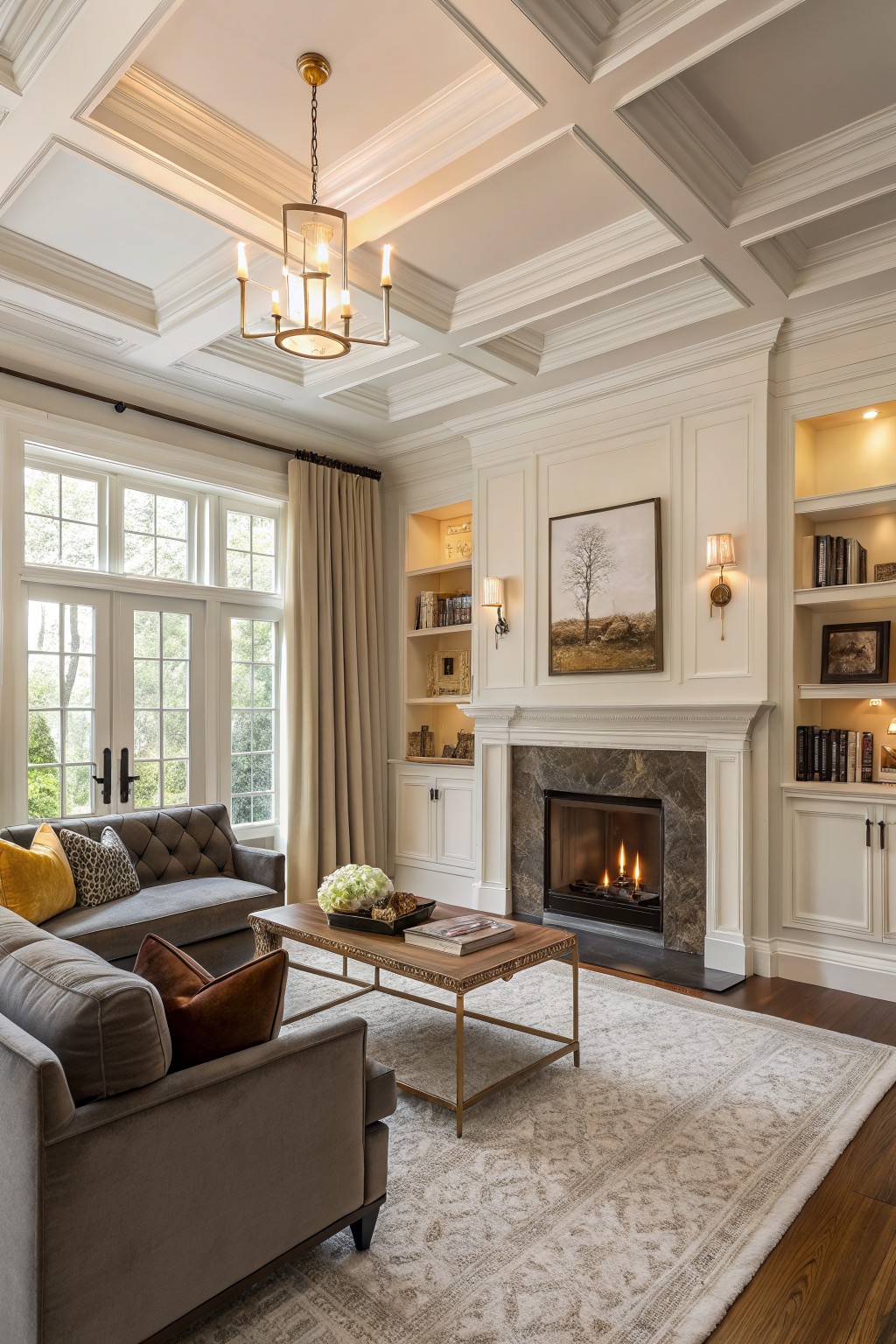
This warm white has a gentle cream undertone that keeps the room feeling bright without looking stark. It works well on walls when you want a clean backdrop that still feels inviting next to wood floors and darker furniture. Popular options in this family include Sherwin Williams Alabaster, Benjamin Moore White Dove, Behr Creamy White, and Farrow & Ball Wimborne White.
The color sits nicely against the white trim and built-ins, giving a layered look without high contrast. It handles natural light from the windows well and pairs easily with wood tones or stone around a fireplace. Just watch that it does not pull too yellow in very warm lighting.
Soft Blue Ceilings
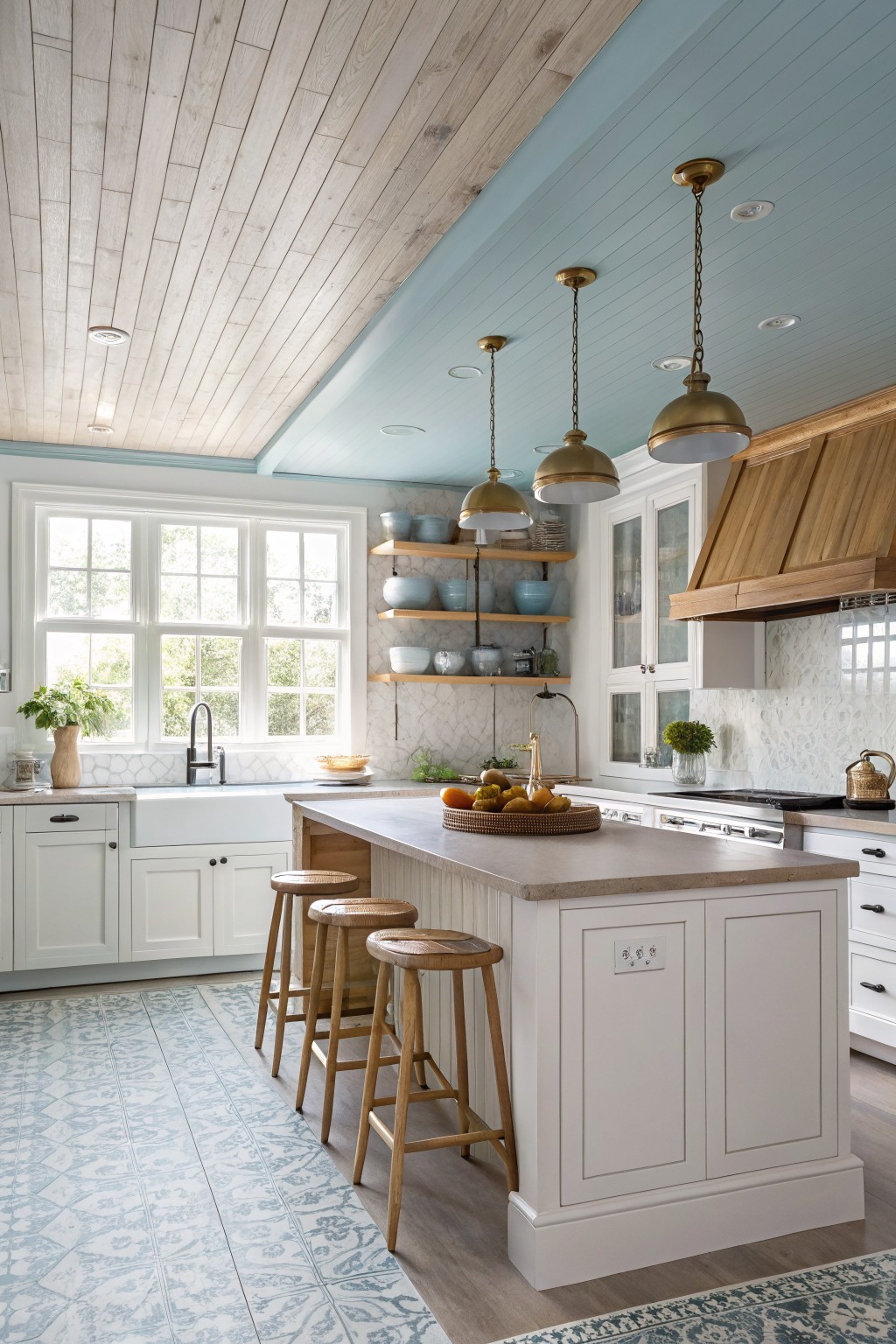
A soft blue ceiling adds a gentle wash of color that feels calm and open. This pale blue family works well because it stays light while still giving the room a bit of character without clashing with white walls or wood tones. It reads very close to Benjamin Moore Palladian Blue or Sherwin Williams Light Blue, and can also lean toward Farrow & Ball Light Blue depending on the lighting.
The color has a cool undertone that keeps things feeling fresh rather than heavy. It works best in rooms with plenty of natural light and pairs easily with white cabinetry and simple wood floors. Just test a sample first since these blues can pick up green notes in some spaces.
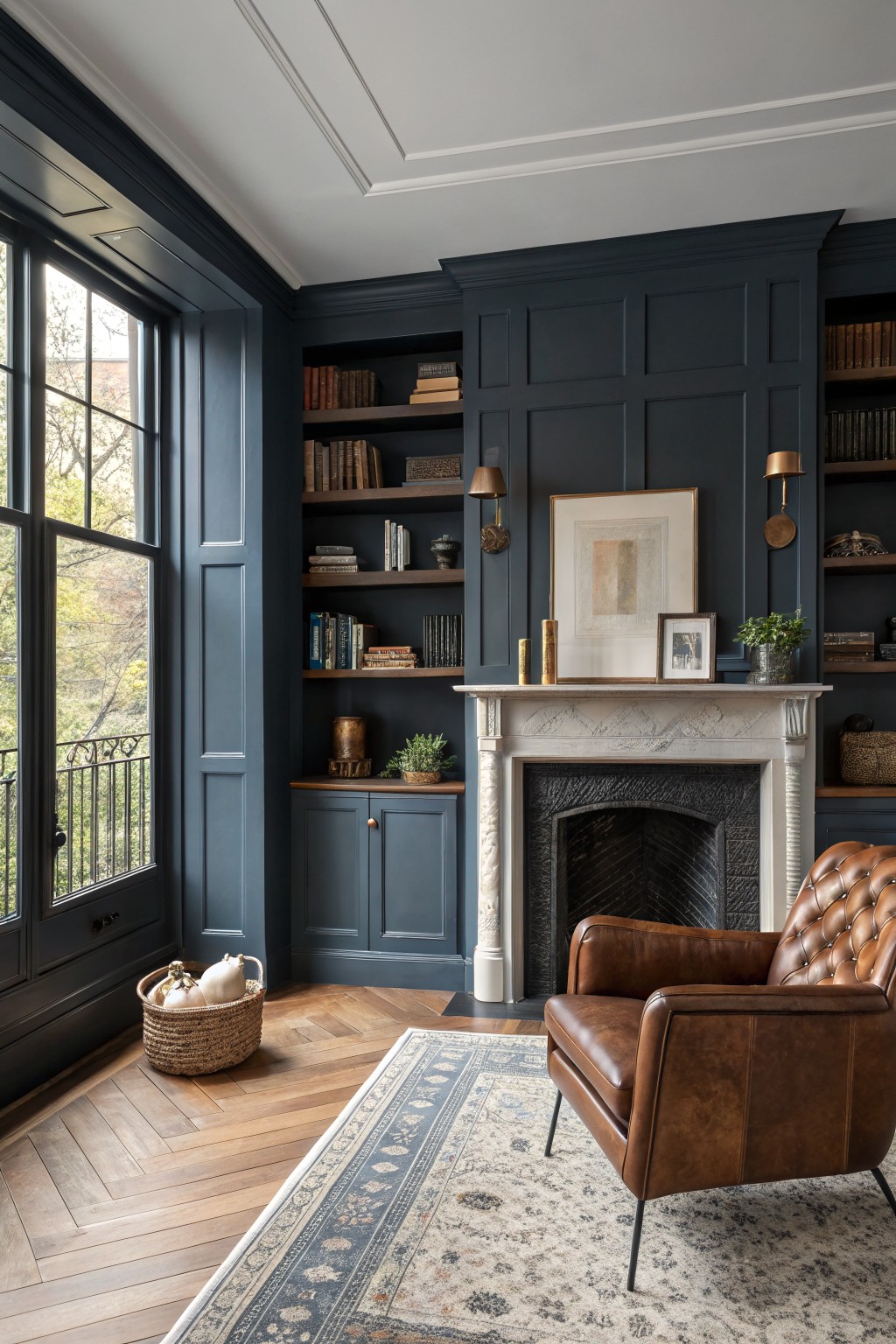
A deep navy blue works well on walls and built-ins when you want a room to feel grounded without going fully black. This shade has a bit of gray in it, so it stays calm rather than too bright or flashy. It pairs nicely with warm wood floors and lighter stone details like the fireplace surround here.
The color holds up in both natural daylight and evening light, which makes it useful in libraries or sitting rooms that get mixed use. Keep the trim the same color or go with a soft off-white if you want a bit more contrast. It also looks good next to leather and brass accents without feeling heavy.
Soft Sage Green Hallway Walls
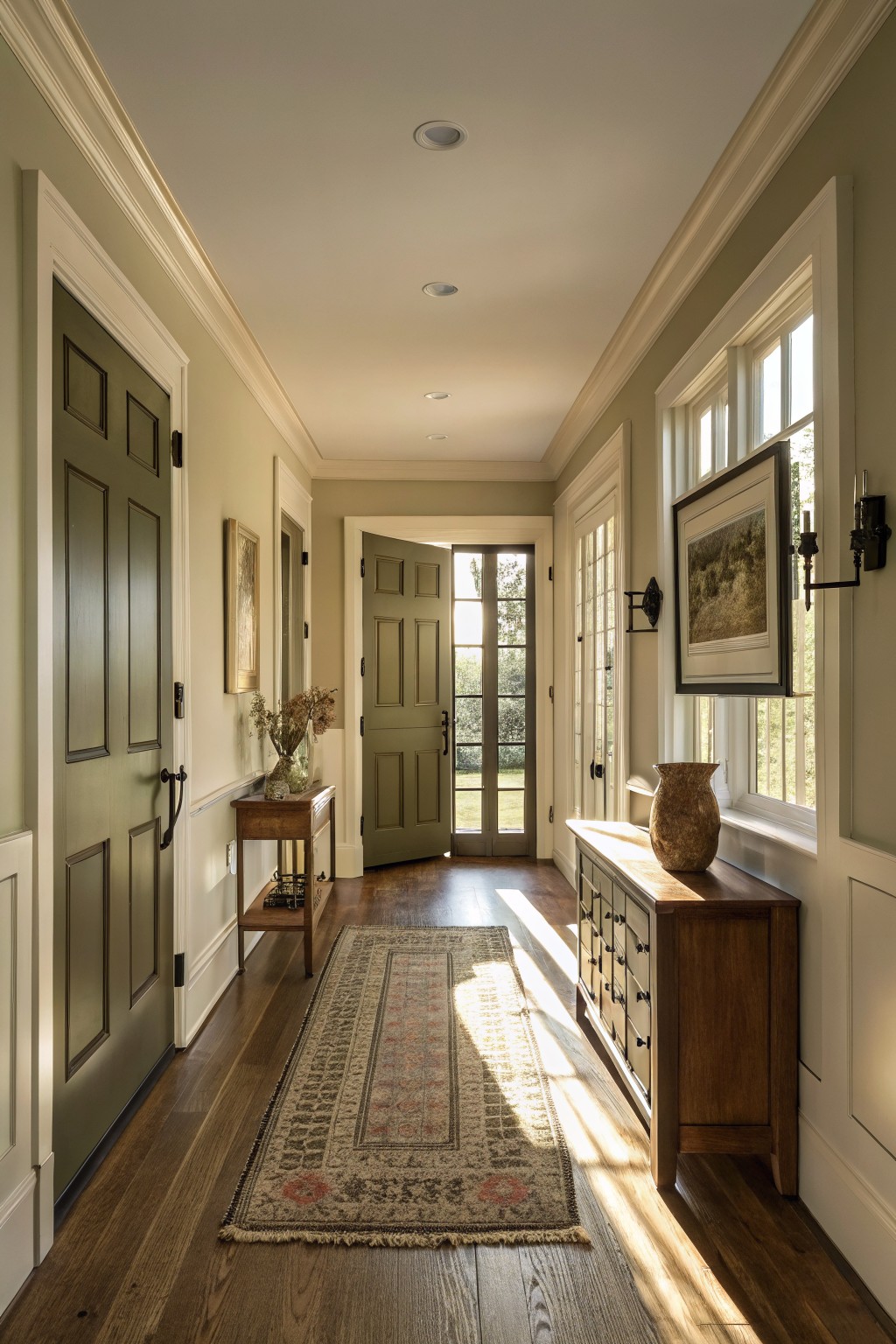
This soft sage green gives a calm base that works across many rooms without feeling too strong. It sits somewhere between gray and green so it reads as a gentle neutral that still brings a bit of nature inside.
The color has a warm undertone that keeps wood floors from looking cold and pairs nicely with white trim. It works best in hallways and open spaces where you want the paint to flow from room to room without big shifts in mood.
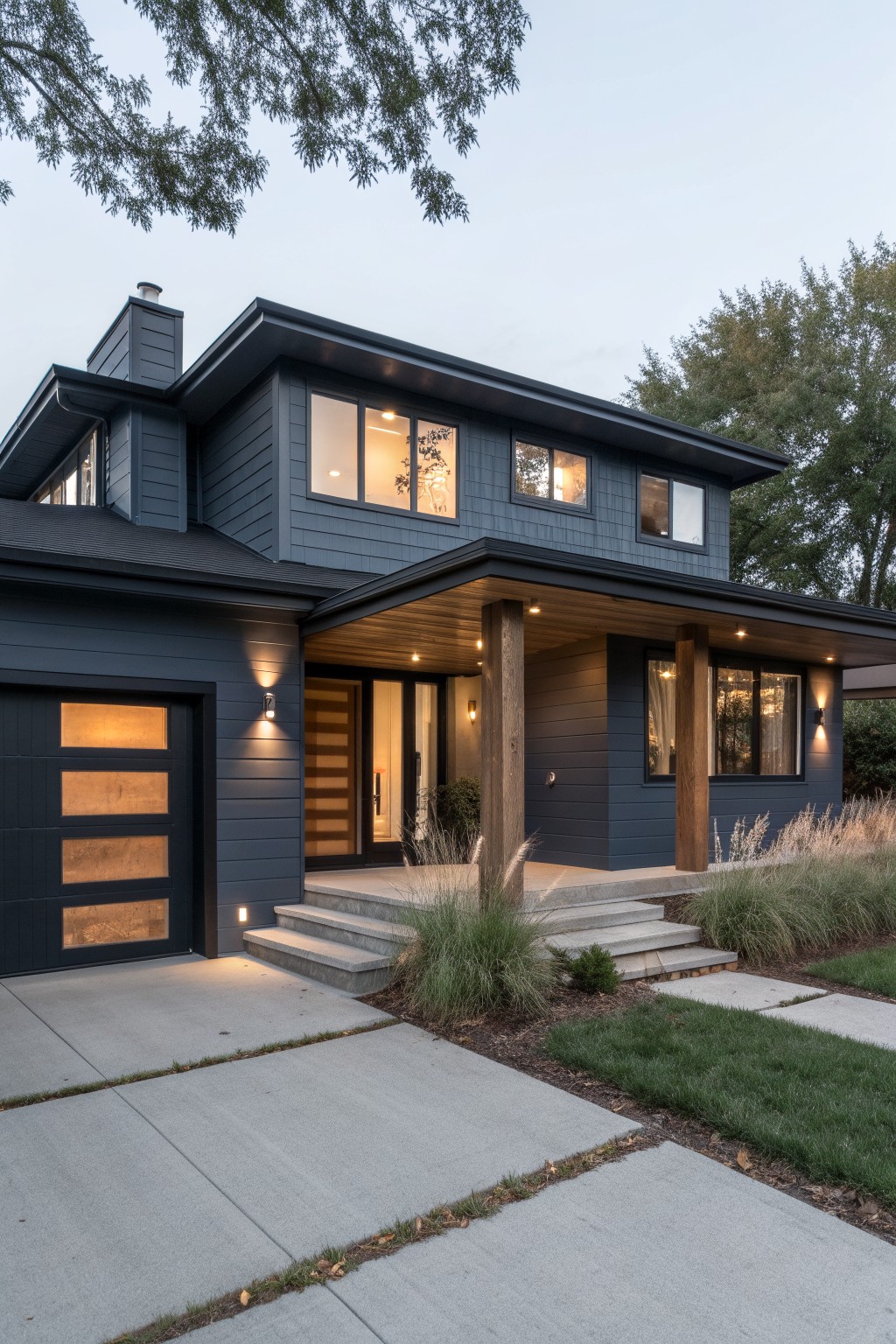
This house uses a deep navy blue gray on the siding. It is a cool toned color that feels solid and modern without being too stark. It reads close to Sherwin Williams Naval or Benjamin Moore Hale Navy.
The cool undertones sit well next to warm wood beams and light concrete. It works best on homes that want a strong but simple base color that still lets natural materials show through.
Warm White Siding
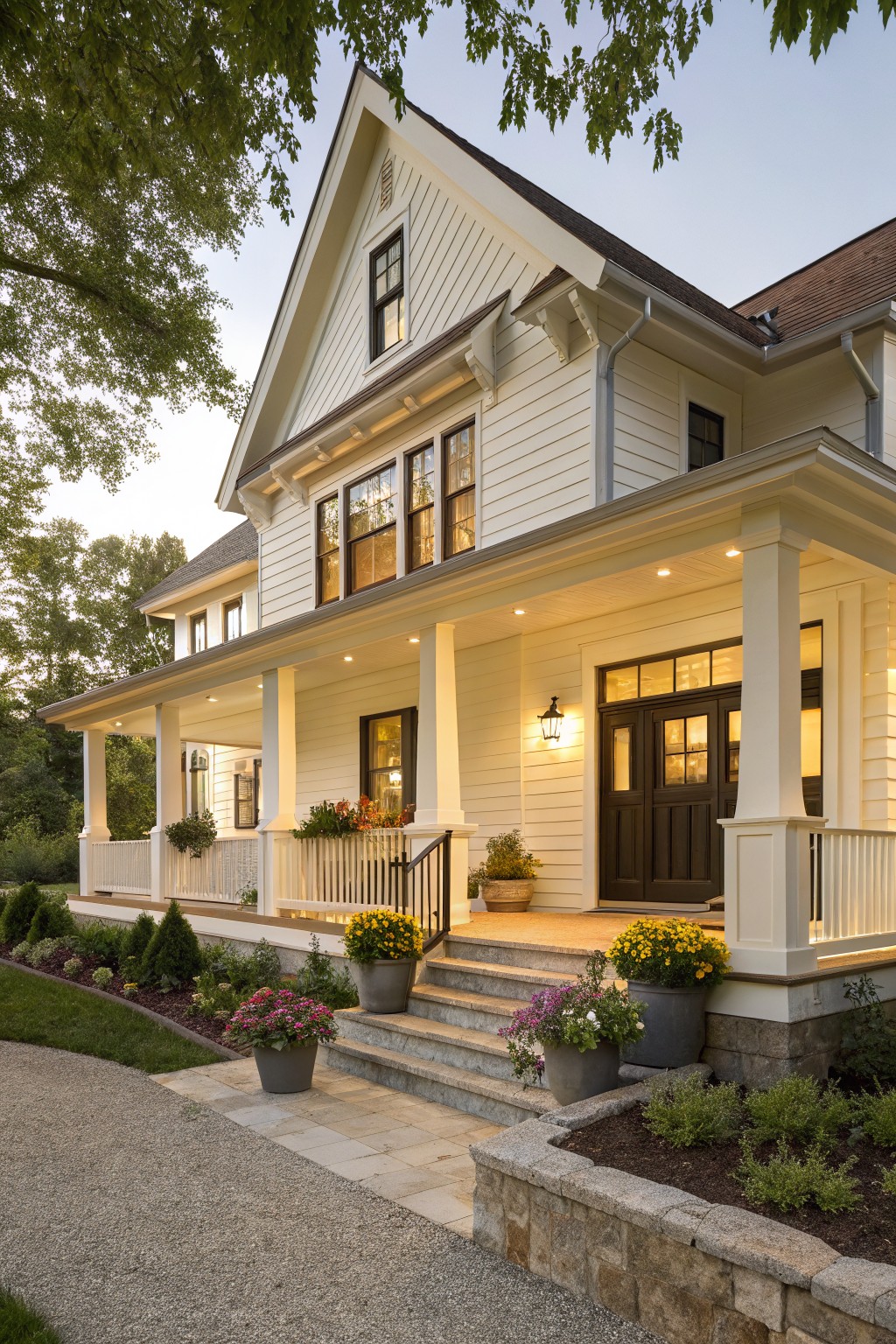
This house uses a warm white on the siding. It reads as clean and bright but still has enough softness to feel welcoming instead of stark. Many people choose this kind of white when they want the exterior to look fresh without standing out too much from the surroundings.
The undertone leans slightly creamy, which helps it sit nicely next to stone and darker trim. It works well on older homes or any place where you want the color to feel calm and easy to live with year after year. Pair it with warm white trim and a darker door if you want the same soft look throughout.
Soft Sage Green Siding
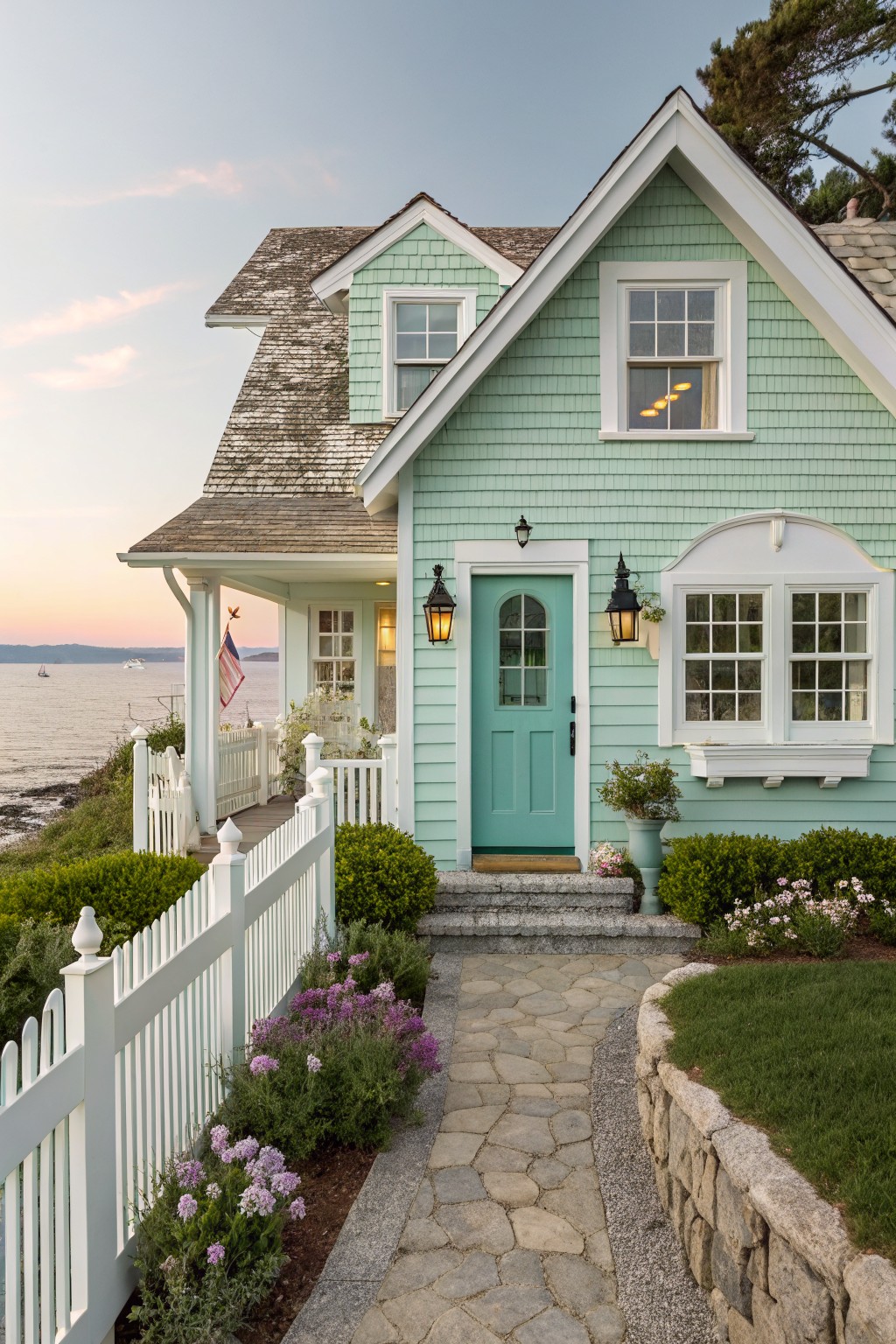
This soft sage green on the siding has a light, slightly cool feel that keeps the whole house looking fresh. It sits somewhere between green and blue, which makes it easy to live with and less likely to feel dated over time. Colors like this tend to work well on older homes where you want something gentle but still noticeable from the street.
It pairs best with crisp white trim and simple stone or gravel details. The shade can look a bit cooler in shade or on overcast days, so testing a sample on the actual wall helps before committing. Good matches include Sherwin Williams Sea Salt, Benjamin Moore Saybrook Sage, Behr Soft Sage, or Farrow & Ball Pale Powder.
Soft Beige Siding
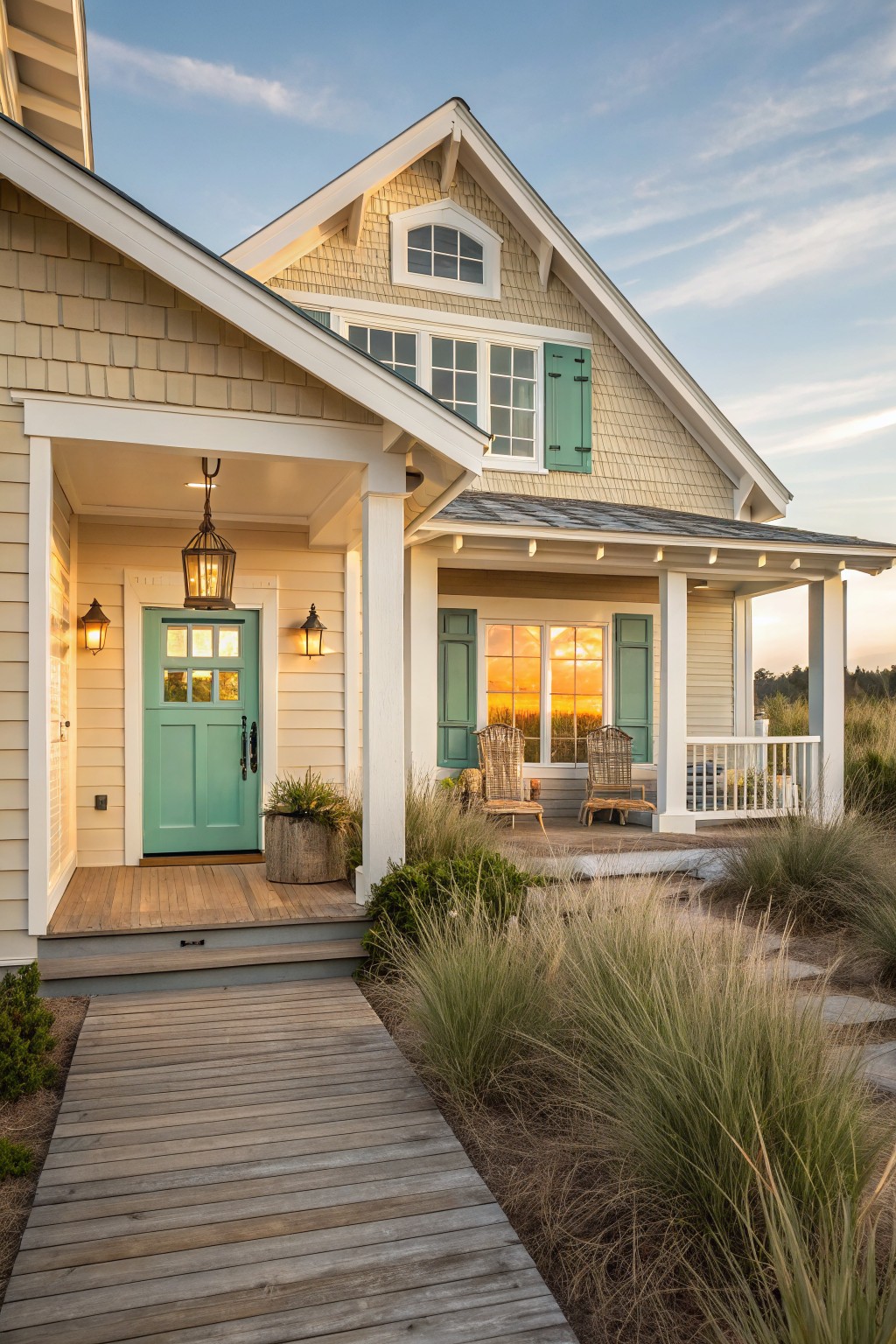
This siding color is a soft warm beige that sits right in the middle of neutral territory. It feels calm and easy on the eyes without pulling too yellow or too gray in most light. Homeowners like it because it lets the house blend into its setting while still looking fresh and put together.
The undertone stays fairly warm, so it works nicely with white trim and a darker roof. It also holds up well next to natural wood accents or a bit of green from shutters or landscaping. Just watch how it reads in strong afternoon sun, since that can make the warmth show up more than expected.
Warm Off-White Brick Exteriors
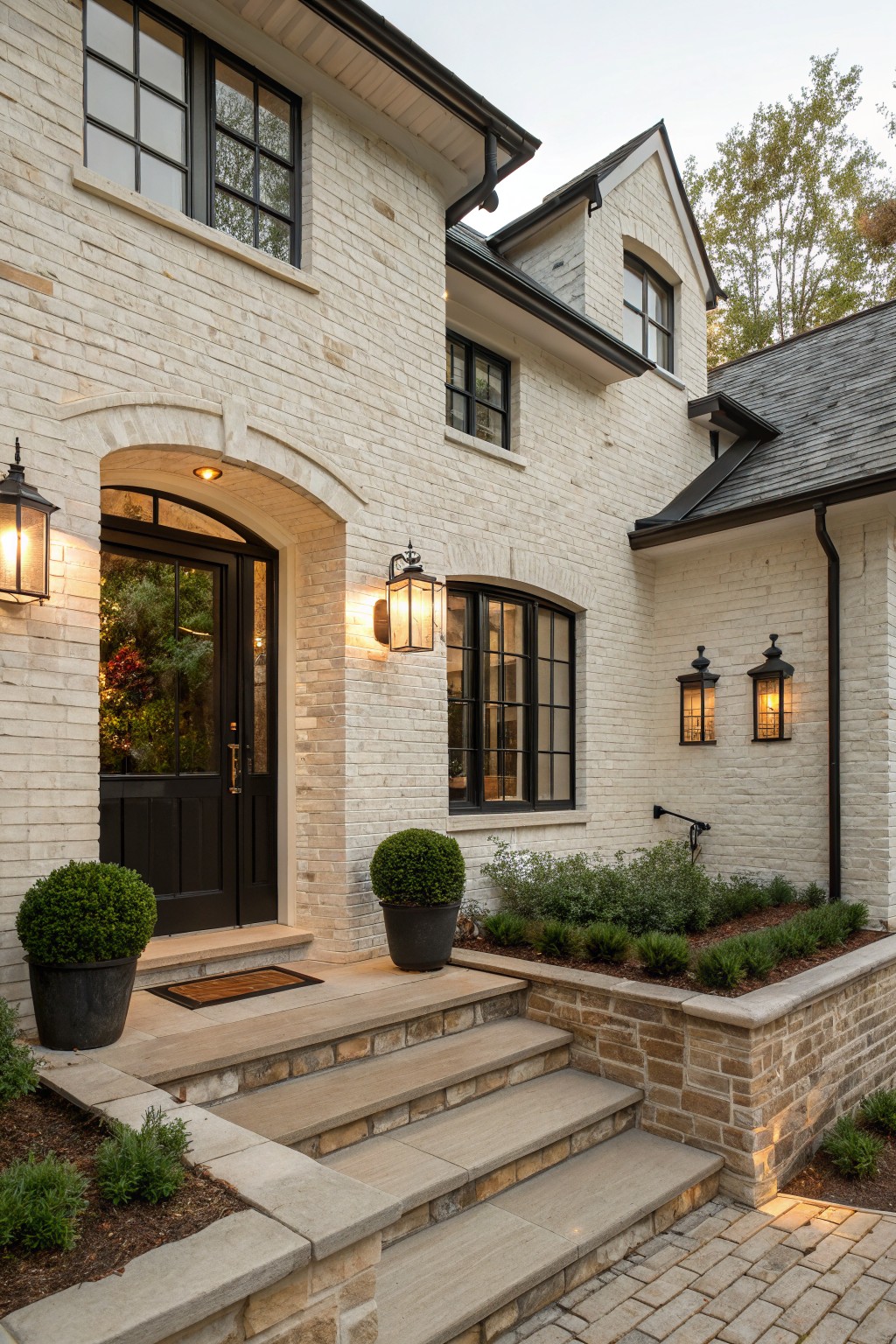
This house shows a soft warm white on the brick that feels calm and lived-in rather than bright or stark. It sits somewhere between a true white and a light greige, which helps it blend with the surrounding stone. Sherwin Williams Alabaster or Benjamin Moore Cloud White give a similar look, though the exact match can shift a little depending on the light.
The color works best when paired with darker windows and natural stone, keeping the whole exterior from feeling too washed out. It suits traditional homes especially well but can read slightly yellow on overcast days, so it helps to test a sample on the actual wall first.
Soft Gray Siding
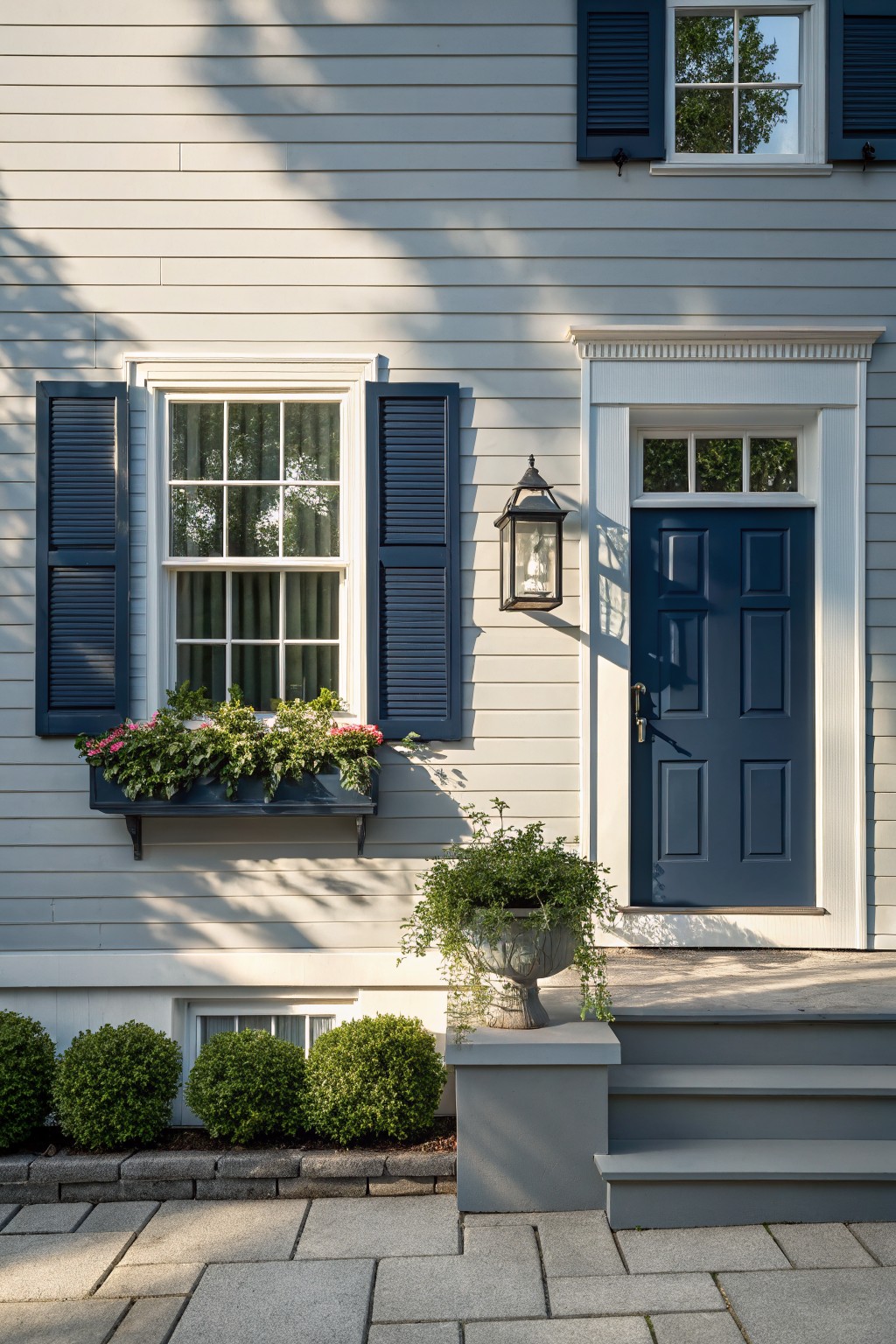
This light gray siding gives the whole house a calm and steady look. It falls into the warm gray family and feels like a good choice when you want something neutral that still has a bit of softness. It seems closest to Sherwin Williams Repose Gray or Benjamin Moore Collingwood, with Behr Silver Drop and Farrow & Ball Light Gray sitting in the same range.
The color has a gentle warmth that keeps the exterior from feeling too cool or stark. It pairs nicely with deeper blues on doors and shutters while letting white trim stay crisp. Just watch how it shifts in full sun since the warmth can come through more once the light hits it.
Warm Yellow Front Doors
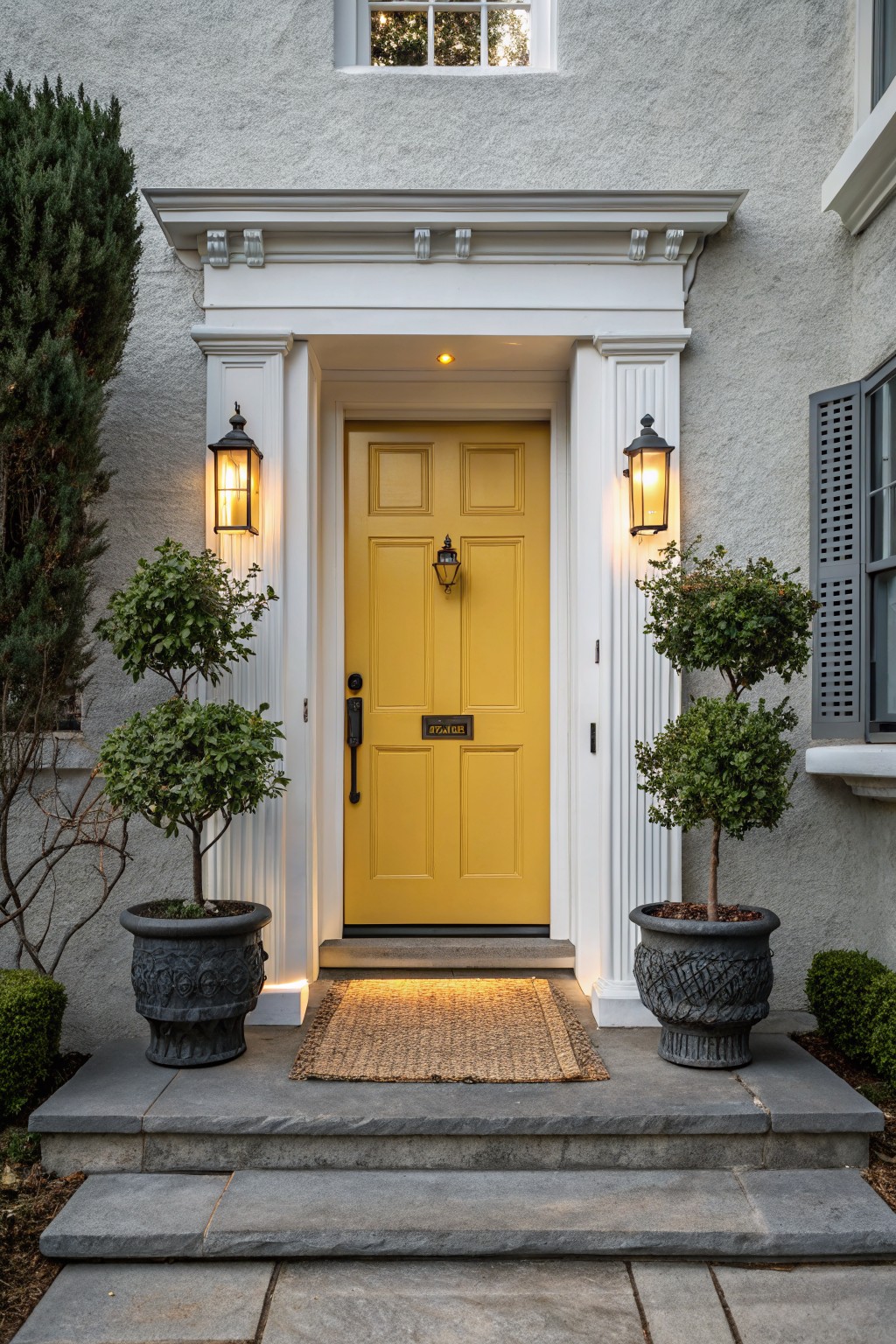
A warm golden yellow makes a good choice for an exterior door because it feels friendly and still looks clean next to most house styles. This color sits between a true bright yellow and a softer butter tone, which keeps it from looking too bold or childish on the outside. It reads close to Benjamin Moore’s “Golden Afternoon,” Sherwin Williams “Daffodil,” Behr “Sunny Disposition,” and Farrow & Ball “Babouche” in a slightly muted version.
The slight warmth in the undertone helps the yellow sit nicely against white trim without clashing. It also holds up well next to stone or masonry because the natural textures keep the color grounded. Just test it on a sample board first since yellow can shift toward green or orange depending on the light around your house.
Soft Sage Green Cottage Siding
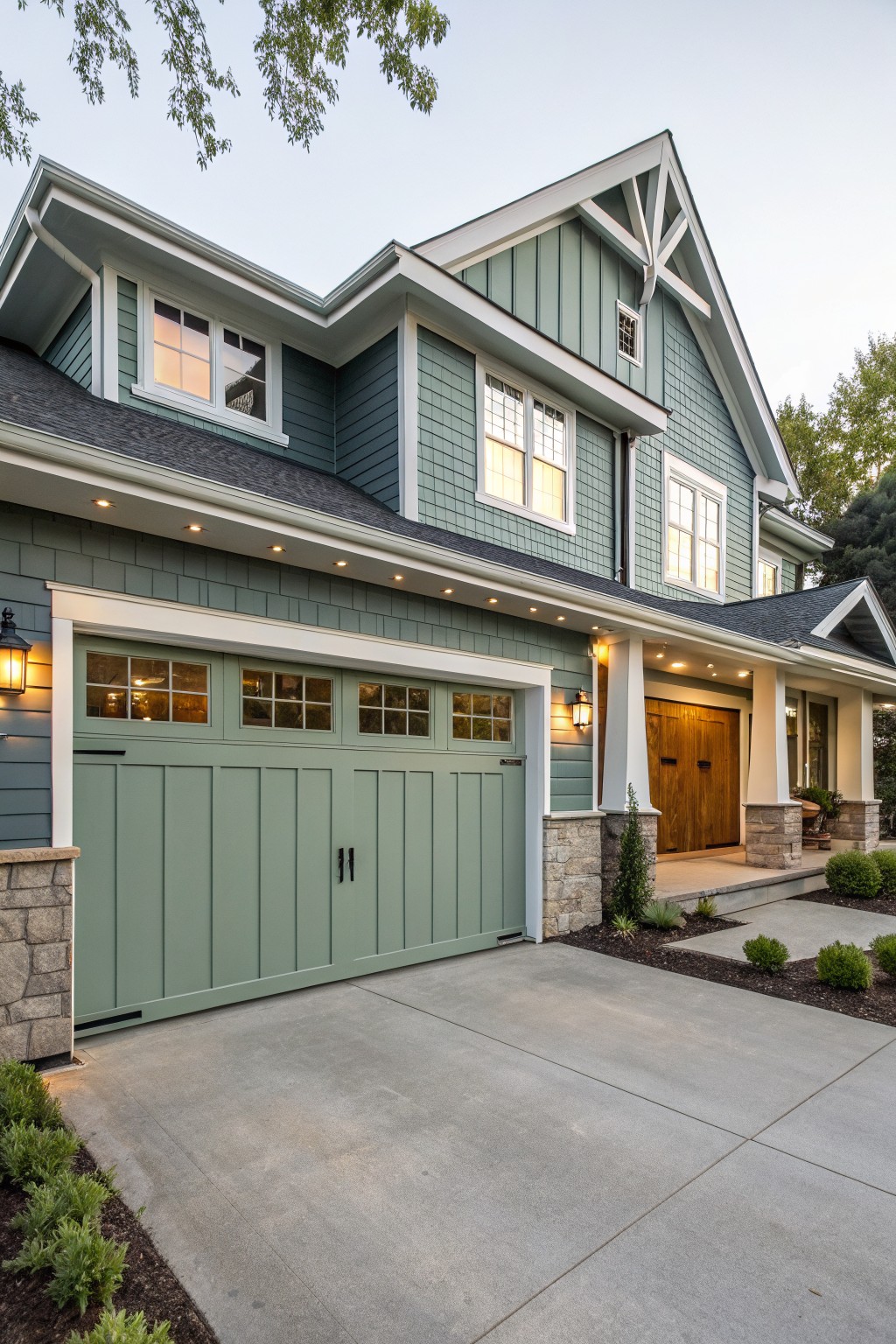
This soft sage green on the siding gives the whole house a calm and grounded look. It is a muted green with some gray mixed in, and it looks closest to Sherwin Williams Evergreen Fog or Benjamin Moore Saybrook Sage.
The color holds up well next to white trim and stone. It works best on homes with simple architecture and pairs nicely with wood doors or a dark roof. Watch that it does not read too cool in strong afternoon light.
A Soft Green Porch Ceiling
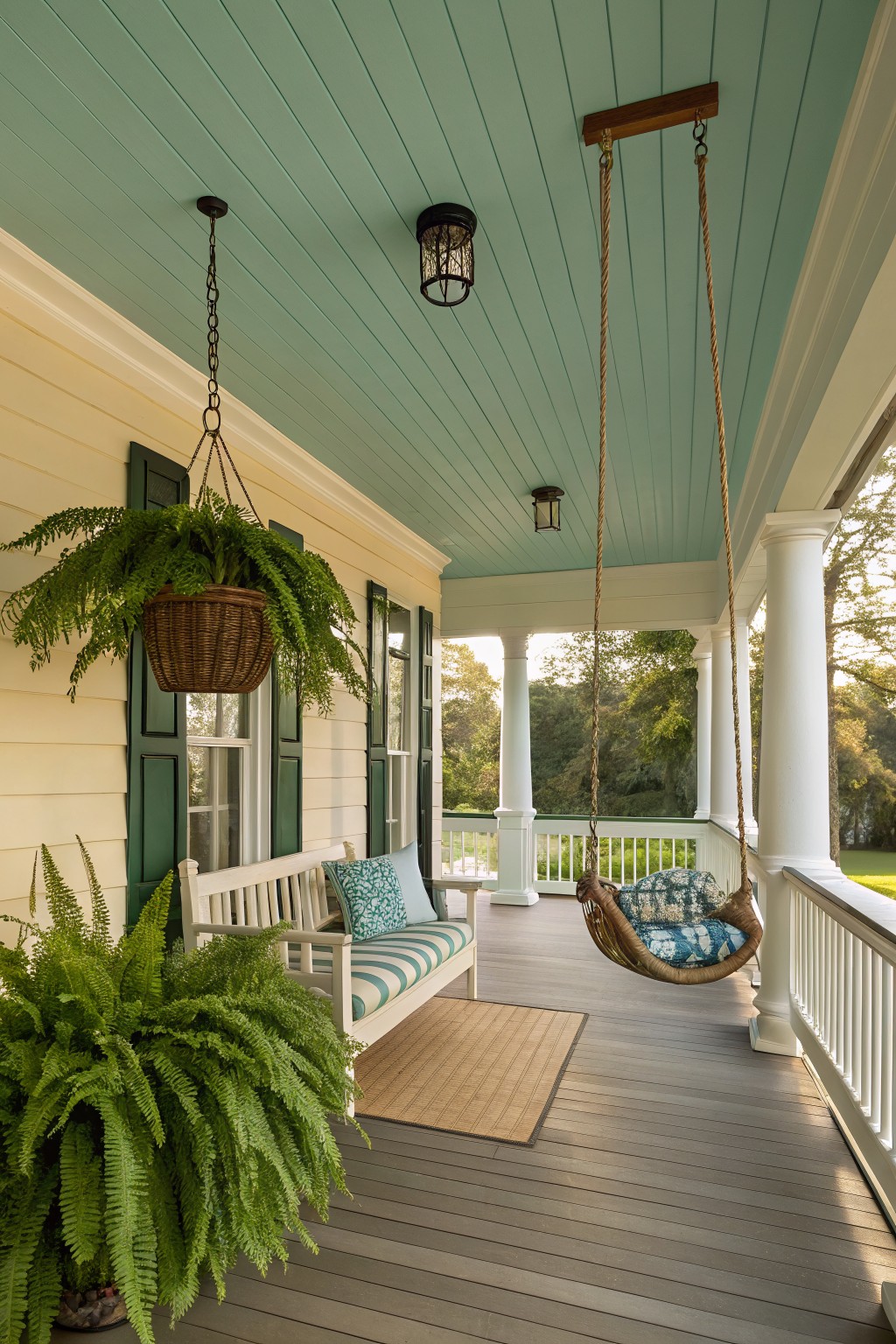
A soft seafoam green works well on this porch ceiling because it feels light and fresh without being too bold. The color sits somewhere between green and blue, which gives the space a calm outdoor feel that still connects to the house.
It pairs nicely with white trim and the darker wood floor below. On an exterior, this kind of shade can look a little cooler in bright sun, so it helps to test it on a sample board first to see how it shifts throughout the day.
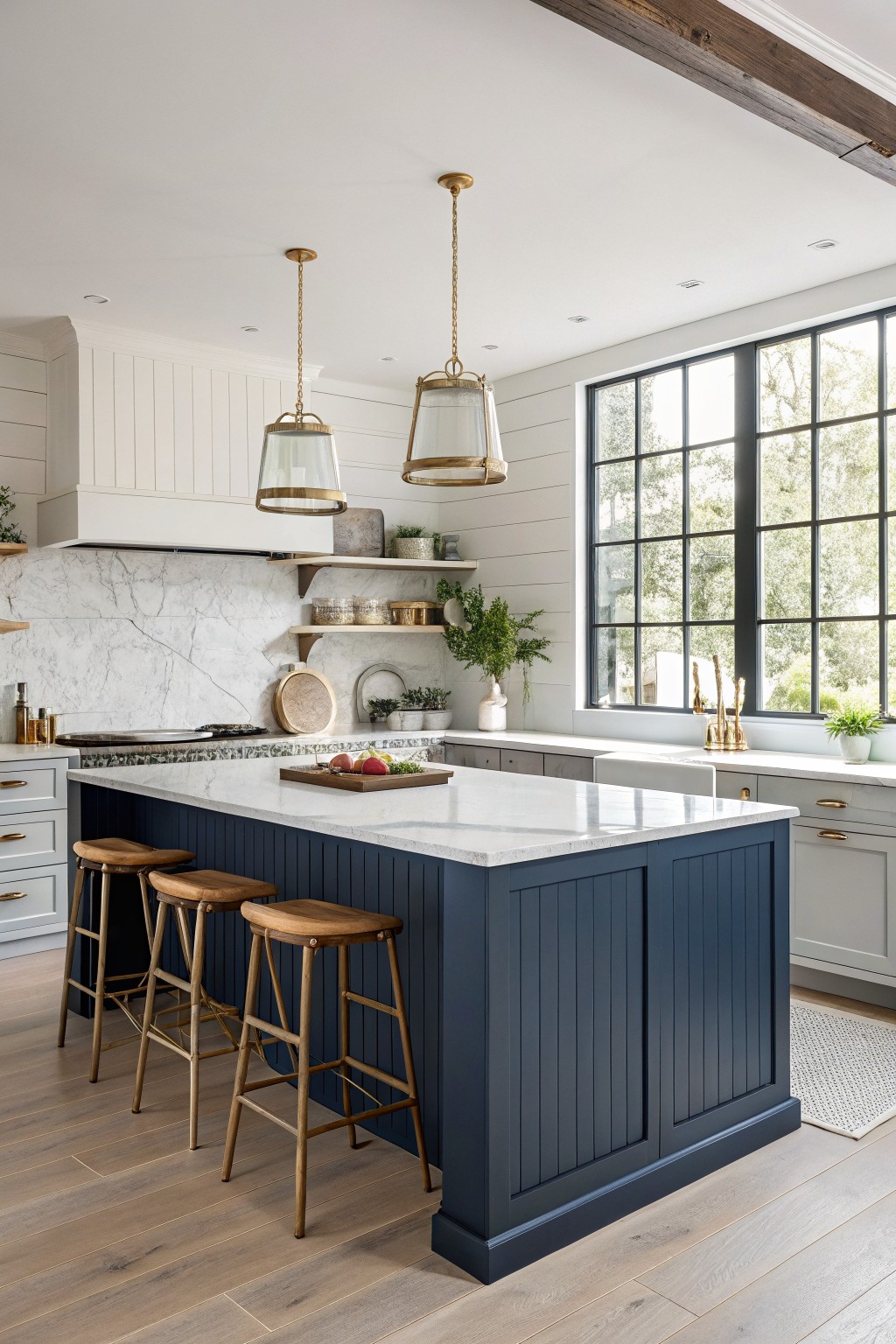
This deep navy blue works well on the island because it gives the kitchen a grounded feel without making the whole space feel dark. It sits nicely between the white walls and the wood floor, and the color holds its own against the marble counters. Many people like this kind of blue because it adds some weight to a room that might otherwise feel too light and open.
It has a slight gray undertone that keeps it from looking too bright or coastal. The color pairs nicely with warm wood tones like the stools and the beams overhead. It works best in kitchens that get steady daylight, and it can look a little heavy in smaller rooms with low light. Good matches for this shade include Benjamin Moore Hale Navy, Sherwin Williams Naval, and Farrow & Ball Hague Blue.
Warm Terracotta Living Room Walls

This room uses a warm terracotta on the walls. It is an earthy orange-brown that feels grounded without being heavy and gives the space a natural, lived-in look.
The color carries a soft red undertone that sits nicely next to wood and stone. It works best in rooms with good light and pairs well with simple wood furniture and neutral textiles. Try it in living areas or family rooms where you want a bit of warmth without going too bold.
Soft Gray Walls
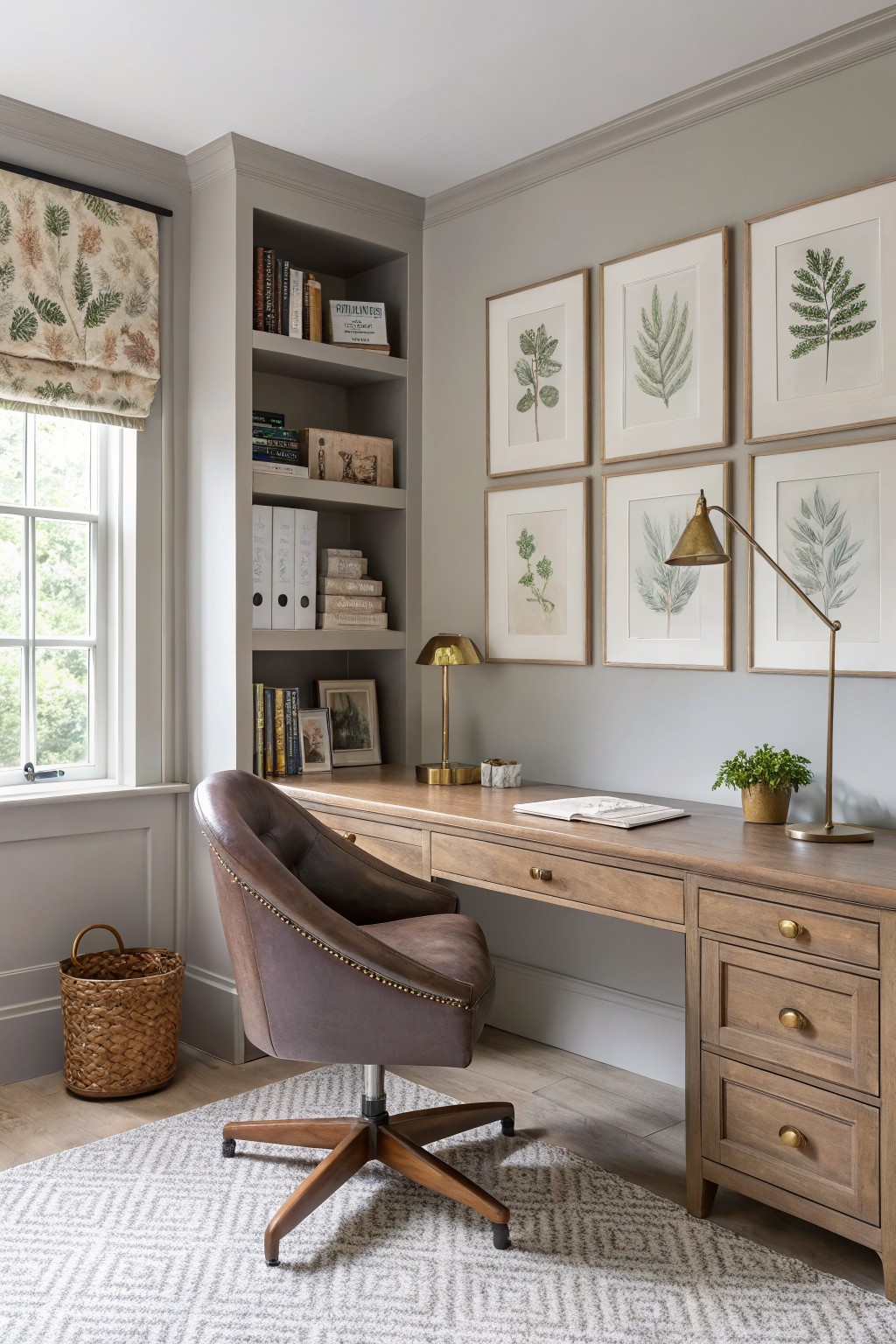
This soft gray on the walls sits between a true gray and a light greige with a faint green undertone. It feels calm and steady without pulling too cool or too warm, which makes it easy to live with in a workspace or any room that needs a quiet background. It reads closest to Sherwin Williams Repose Gray or Benjamin Moore Revere Pewter.
The color sits nicely next to the wood desk and built-in shelves, keeping the whole space feeling open and grounded. It works best with warm wood tones and simple brass or bronze accents, though it can look flat if the lighting is too cool or if you pair it with stark white trim.
Warm Greige Siding
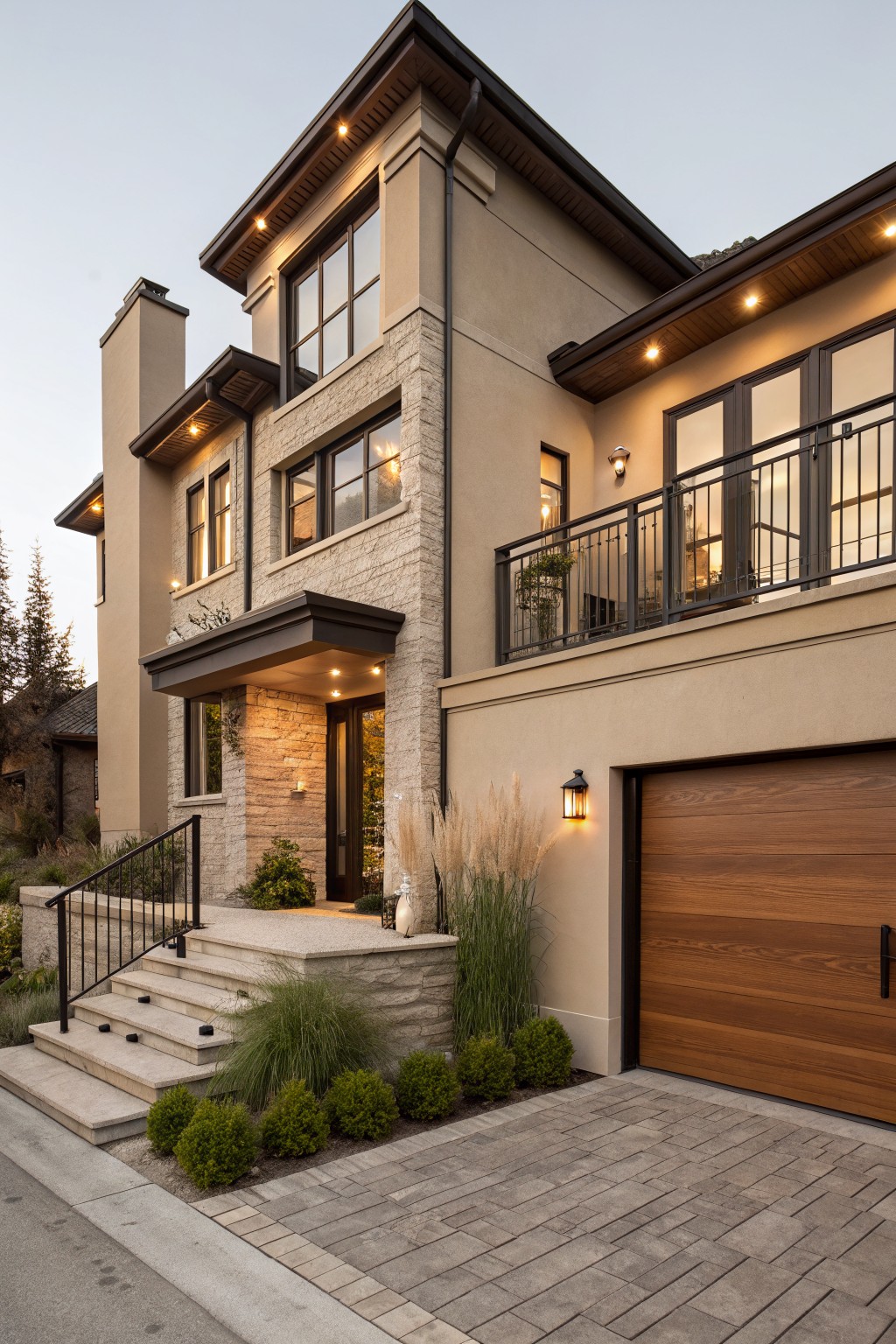
This house shows a soft warm greige on the main walls. It sits right between beige and gray and has a gentle warmth that keeps the exterior from feeling flat or cold.
The color pairs easily with wood tones like the garage door and the stone accents around the entry. It works best on homes that want a simple neutral that still feels a little lived in rather than stark.
A deep teal vanity
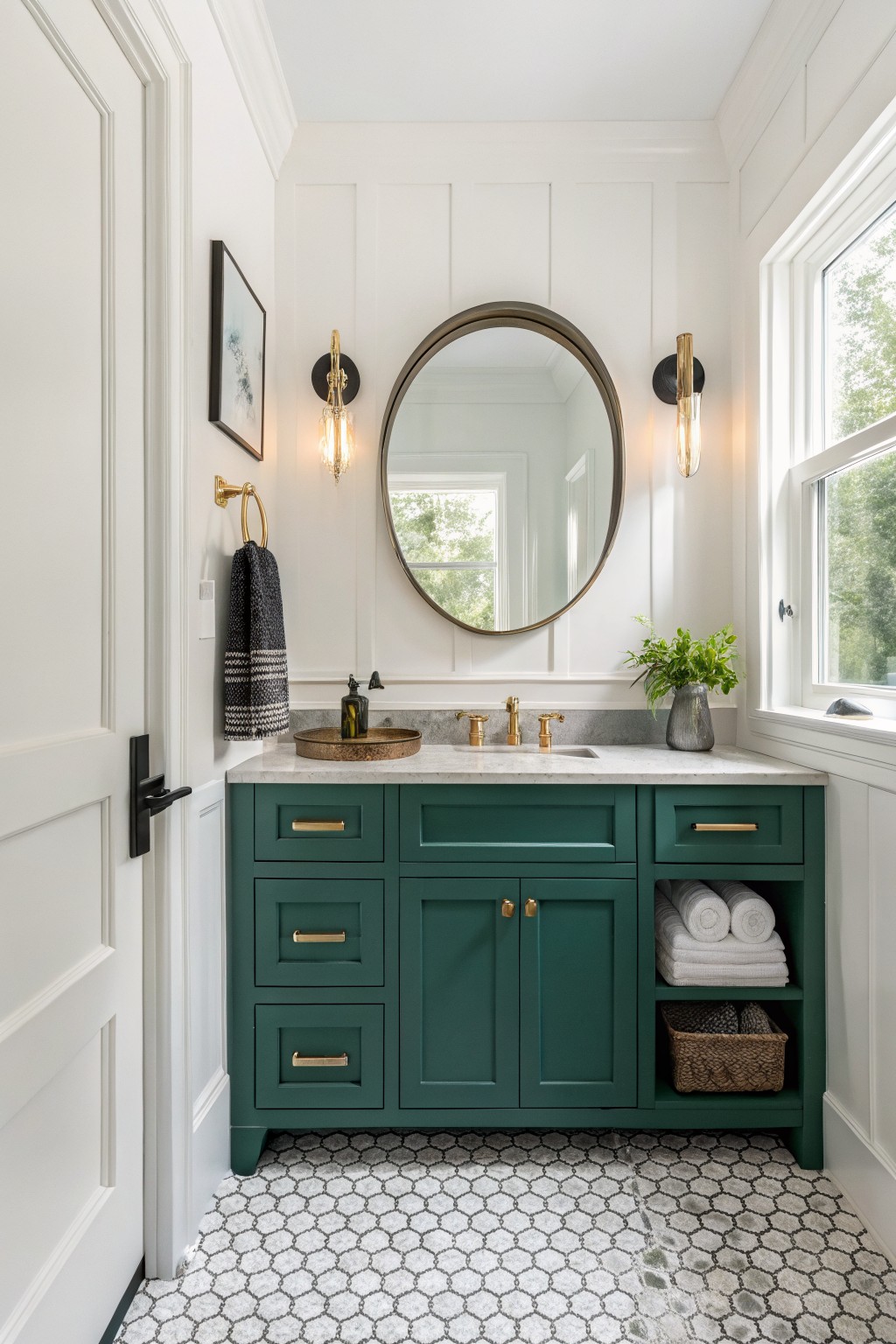
This deep teal green on the cabinet brings a nice grounded feel to a bathroom without making it feel heavy. It sits somewhere between a forest green and a true teal, with a cool undertone that keeps the white walls around it looking crisp and bright.
It works especially well with brass hardware and light stone counters, and it holds up nicely in rooms with good natural light. If your space gets less light, the color can read a bit darker than expected, so testing a sample on the actual cabinet is worth doing.
Soft Sage Green Exterior Siding
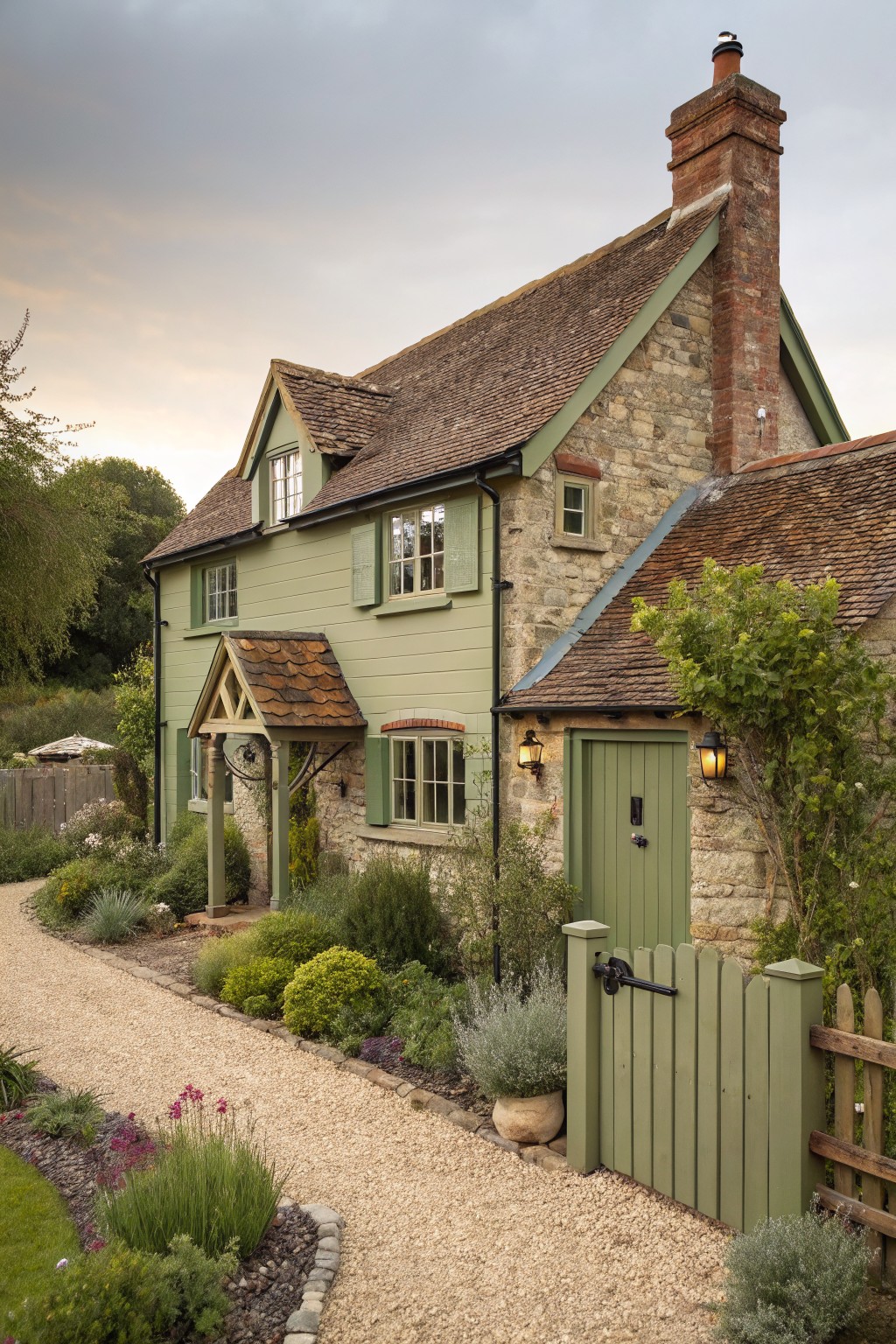
A muted sage green works nicely on exterior siding because it feels calm and blends into the surroundings without looking too bold. This one has a bit of gray in it, which keeps it from turning too bright in sunlight. It reads very close to Farrow & Ball Lichen or Sherwin Williams Clary Sage, and it also sits near Benjamin Moore’s Saybrook Sage.
The color pairs well with stone and wood tones, and it holds up nicely against a darker roof. Just watch how it shifts in different light since the gray undertone can look cooler on overcast days.
Frequently Asked Questions
Q: How do I make sure the colors flow smoothly from the living room into the kitchen? A: Pick a base color and tweak it slightly warmer or cooler for each space. Test the transition by viewing both rooms from the doorway at once. This small shift keeps things interesting without breaking the feel.
Q: What about using one color everywhere to keep it super simple? A: That works great in smaller homes but can feel flat in larger ones. Try the same hue on walls but vary the sheen for subtle interest between rooms.
Q: Should I worry about furniture and decor matching these paint choices? A: Focus first on the walls since they set the main tone. Then bring in pieces that pick up tones from your chosen colors. The flow comes through when accents echo across rooms naturally.