Over the years I have watched how paint on a house changes with the angle of the sun and next to things like stone or trim.
What looks balanced in one light can suddenly feel too dark or washed out when the weather turns or the landscaping fills in.
Samples help avoid those mistakes.
I like to put a few coats up on different sides of the house to see the real effect before making a final choice.
Several timeless options stand out because they work with the architecture rather than against it through every season.
Soft Yellow Siding

This soft yellow works well on classic homes because it feels warm without being too bright. It has a gentle buttery tone that sits nicely against white trim and brings out the texture of the siding in daylight.
It tends to read a little creamier in the shade and pairs easily with brick steps or dark shutters. Try it on older houses where you want something friendly but still traditional. Good matches include Sherwin Williams Butter Up, Benjamin Moore Pale Yellow, Behr Lemon Meringue, and Farrow & Ball Yellow Ground.
Soft Sage Green Siding
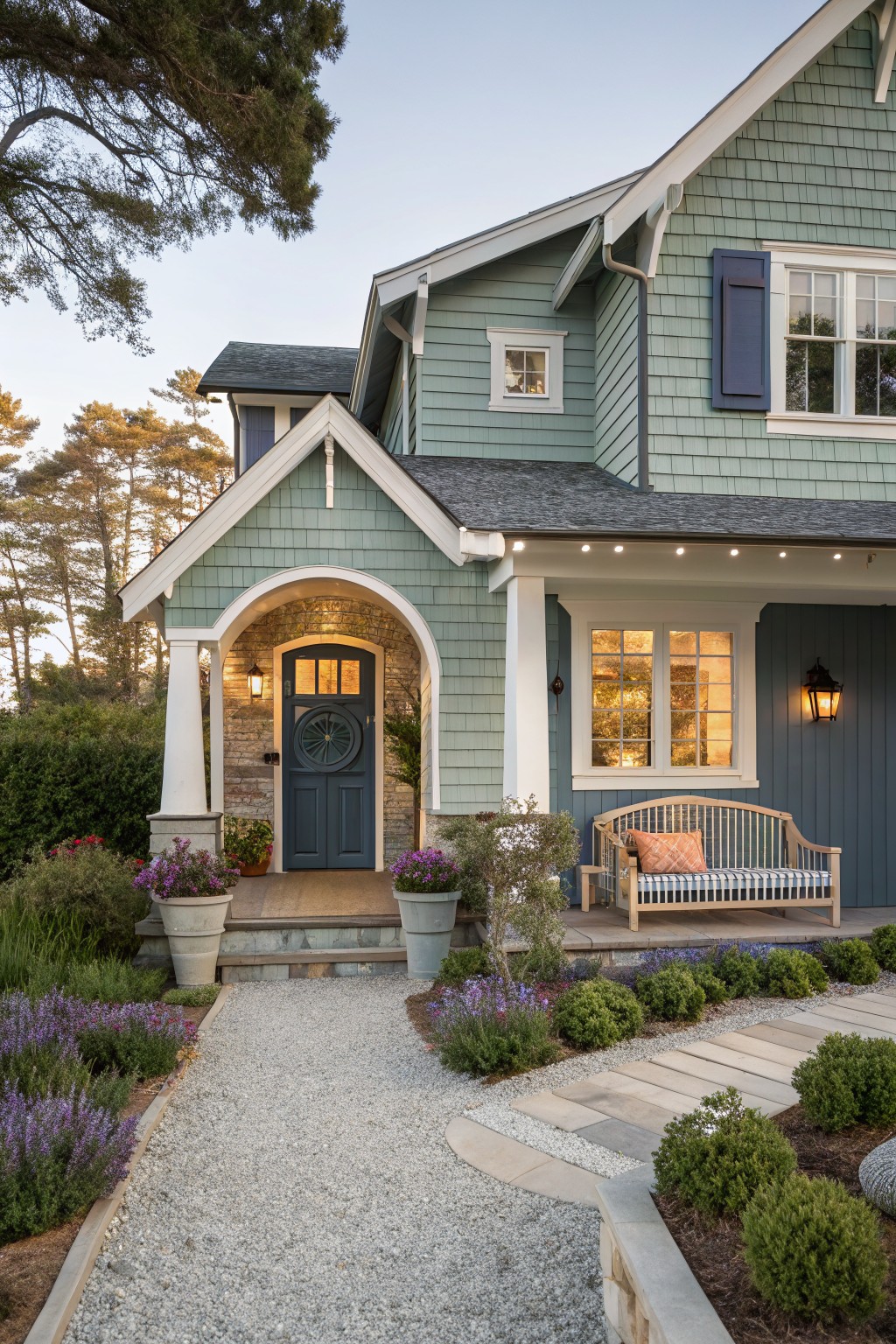
This soft sage green gives the house a calm, settled look that still feels fresh. It sits somewhere between green and gray, which helps it blend with trees and stone without fading into the background.
The color has a cool undertone that reads a little bluer in shade and softer in full sun. It works best with crisp white trim and natural wood details. Try Sherwin Williams Evergreen Fog, Benjamin Moore Saybrook Sage, or Farrow & Ball Pigeon if you want a similar feel.
Soft Gray Stone Siding

A soft gray on the stone exterior gives this house its steady, classic look. The color sits right in the middle of warm and cool, so it feels balanced rather than stark.
This gray works best when it has cream or off-white trim to keep things light. It also pairs well with a blue or green door and holds up nicely against both stone and brick.
Deep Charcoal Gray Siding

A deep charcoal gray like the one on this house siding gives a clean, solid look that holds up over time. It feels classic rather than trendy because it stays in the background and lets the rest of the house do the talking. Many people choose this shade when they want something darker than a standard gray but not quite black.
The color has a cool undertone that works best with warm wood accents and light trim. It pairs well with most roof colors and masonry, though it can look a little heavy on smaller homes if there is not enough contrast around the windows and doors. Popular matches include Sherwin Williams Iron Ore, Benjamin Moore Kendall Charcoal, and Behr Black Fox.
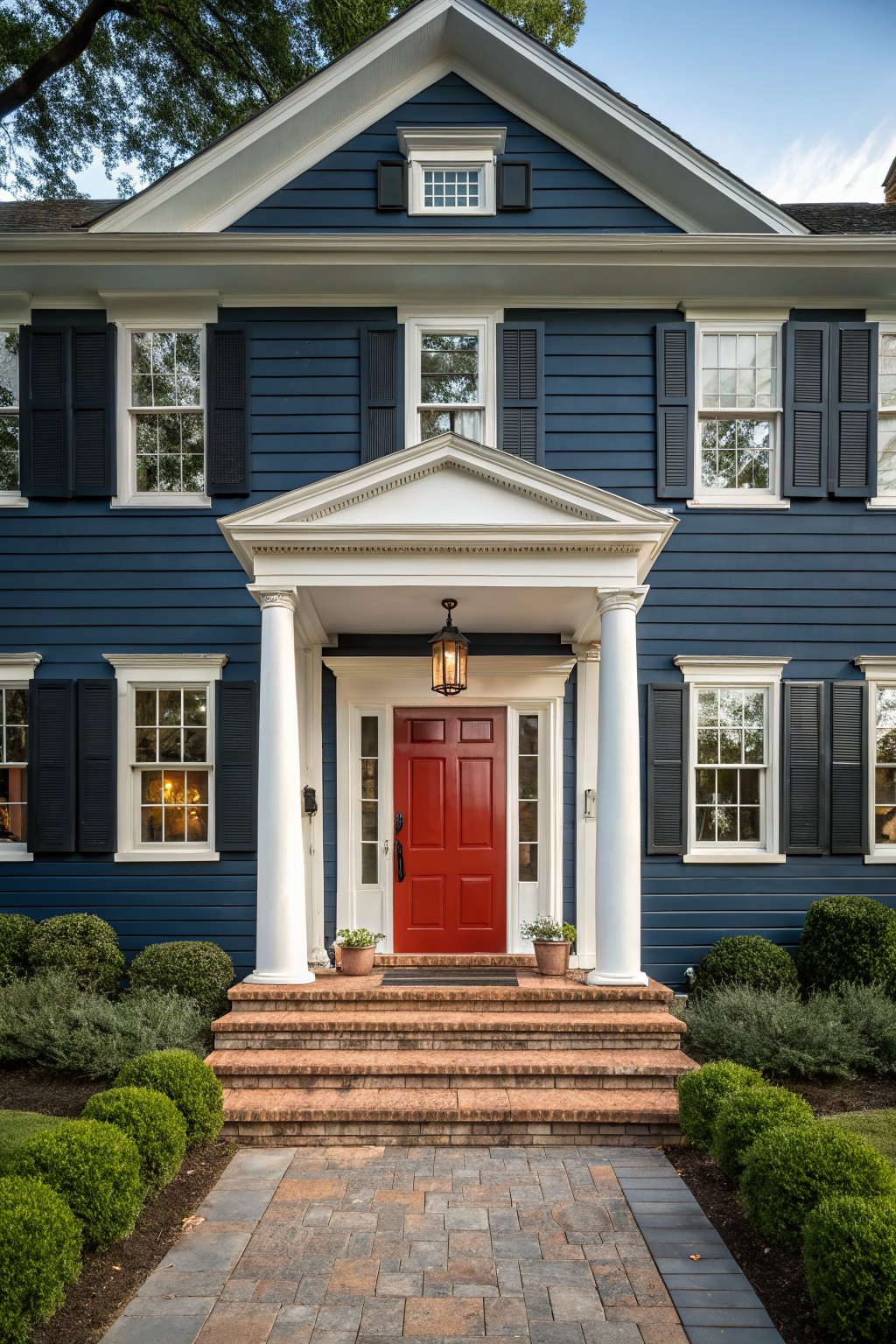
A deep navy blue works well on exterior siding because it feels classic without being too stark. This shade has a bit of depth that keeps the house from looking flat, especially when the light changes through the day. It reads as a true navy rather than a grayish or overly bright version.
It pairs nicely with white trim and columns, and it holds up against most roof colors and brick paths. Benjamin Moore Hale Navy or Sherwin Williams Naval come close, as does Behr Midnight Blue if you want something slightly softer. Just watch how it shifts in full sun before committing.
Soft Blue Gray Siding
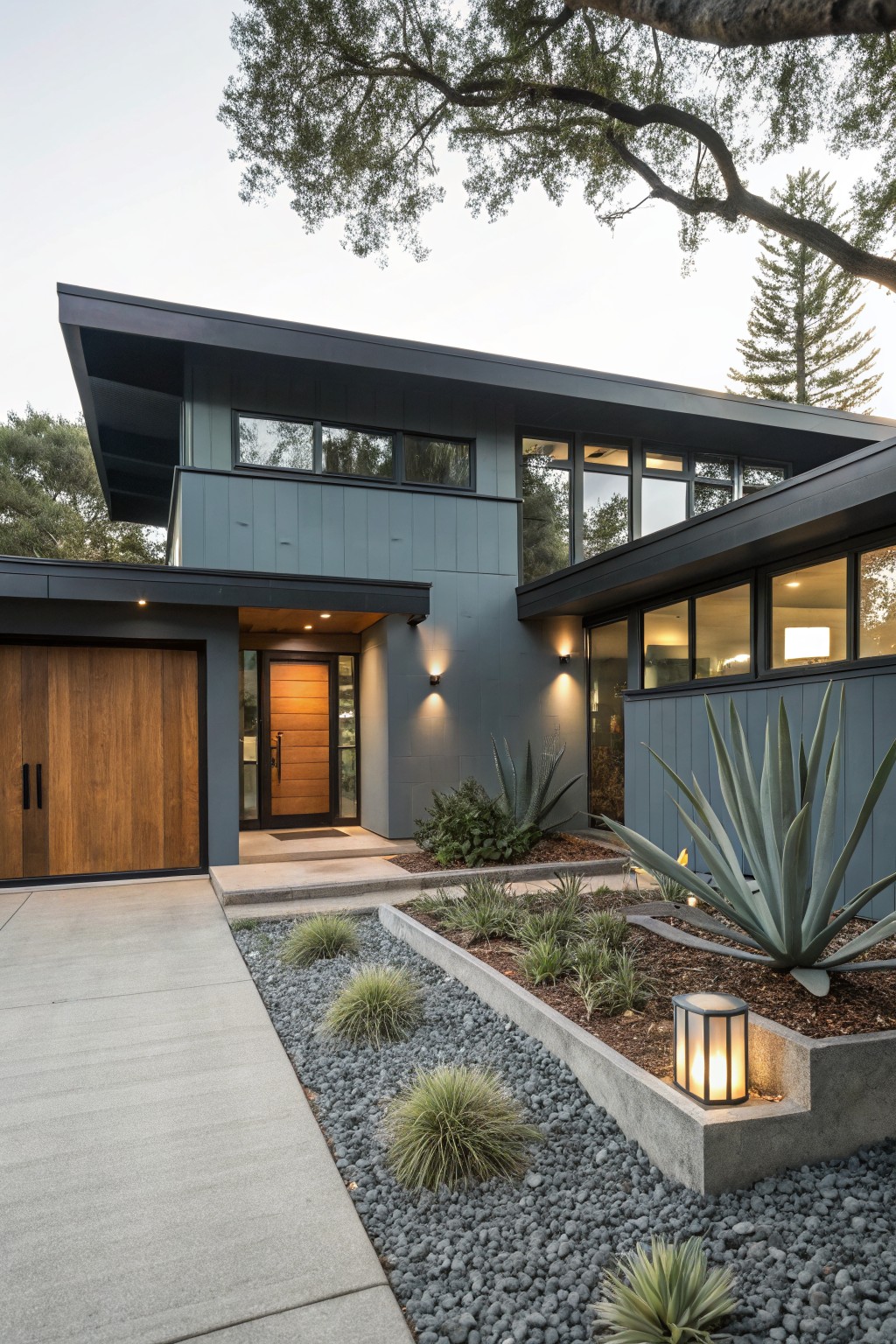
This muted blue gray makes a strong choice for exterior siding. It falls into the cool neutral family and gives a clean look that still feels approachable rather than stark. People keep coming back to shades like this because they sit well with most home styles and hold up over time without looking dated.
The color carries a slight blue undertone that shows up more in full sun but stays soft overall. It pairs easily with wood doors and simple concrete features. Look for something close to Sherwin Williams Rainwashed, Benjamin Moore Harbor Gray, or Behr Silver Bullet if you want a similar result.
Creamy White Siding
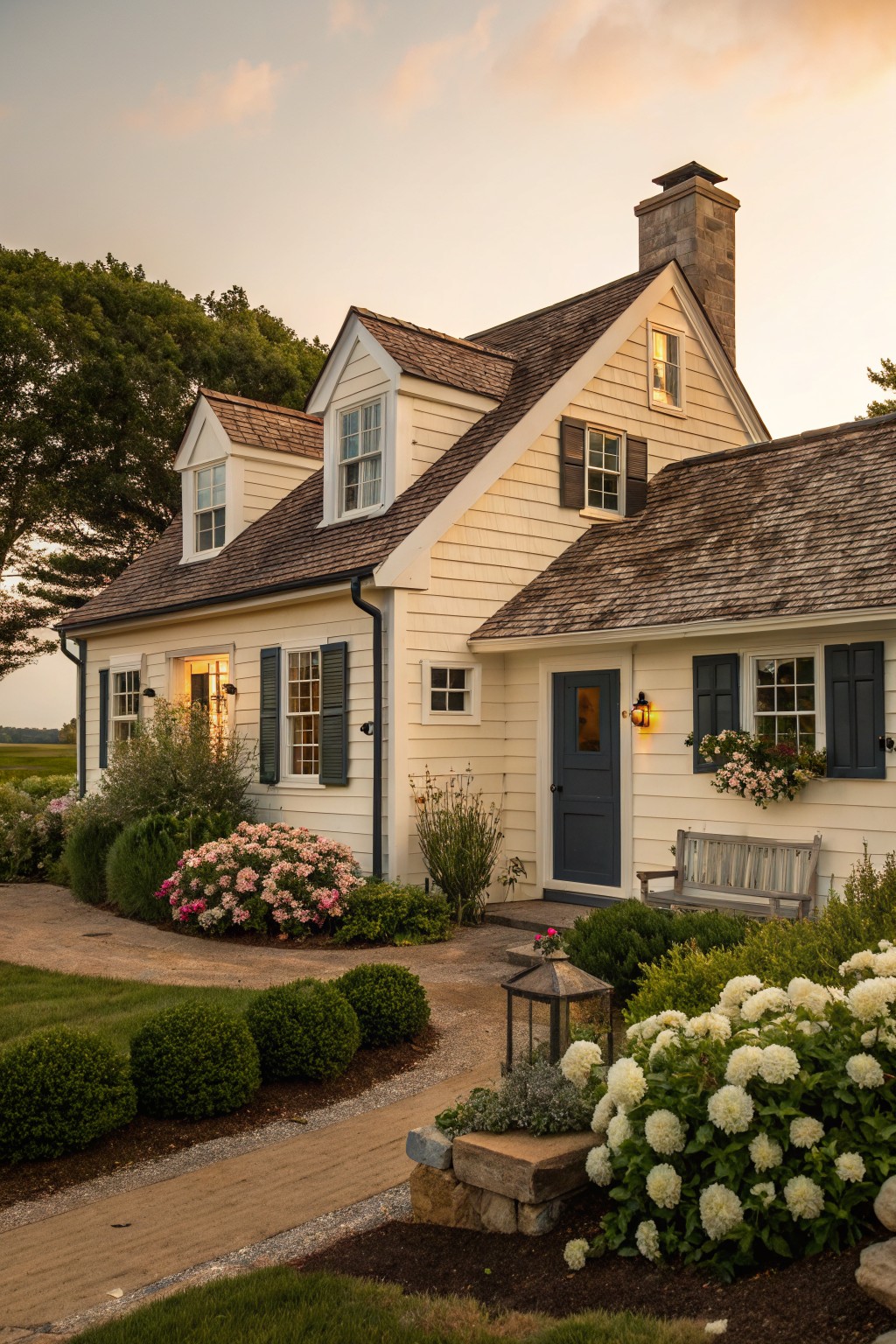
This house uses a creamy white on the siding. It is a soft warm white that feels bright without turning stark or cold, and it gives the whole exterior a clean classic look that works on many older homes.
The color has a gentle cream undertone that sits nicely next to stone and dark trim. It pairs well with charcoal roofs and deep blue accents on doors and shutters, and it stays looking fresh in both morning and late day light.
Muted Sage Green Siding

This soft sage green on the siding gives a calm look that still feels classic on the outside of a house. It sits somewhere between gray and green without leaning too hard in either direction. The color reads closest to Benjamin Moore Saybrook Sage or Sherwin Williams Clary Sage. Behr Aged Sage and Farrow & Ball French Gray are also close in feel.
It holds up well next to brick and wood trim because the undertone stays quiet. The shade works best on homes with simple details and natural materials. Just keep an eye on how it shifts in full sun since it can pick up a bit more gray.
Soft Teal Green Siding
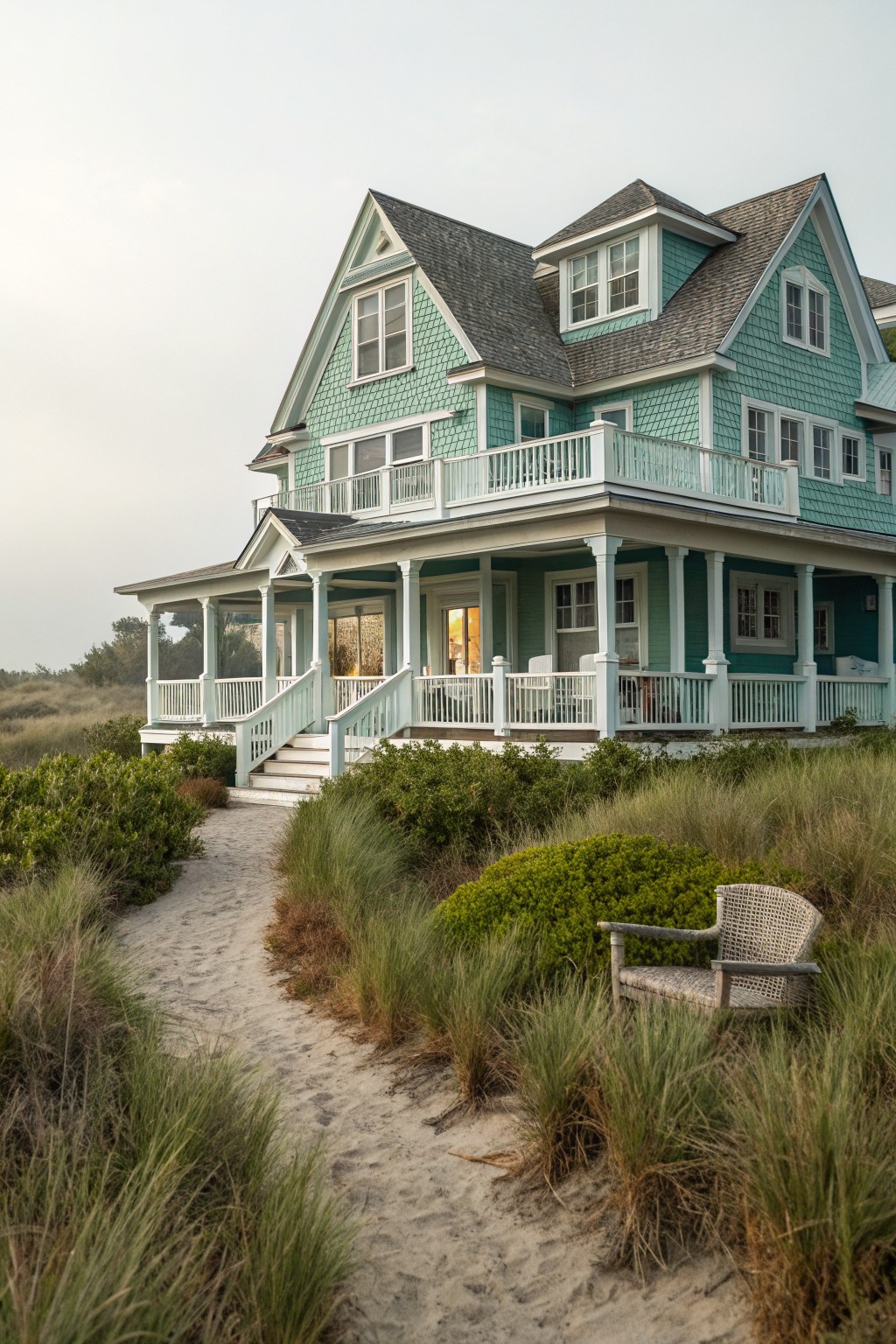
A soft teal green covers the siding on this house. It sits right between green and blue and feels easy by the water. The color stays light but still has enough depth to look solid next to white trim and a dark roof.
It pairs well with sandy paths and beach grasses because the undertone stays cool without turning harsh. Try it on homes near the coast or in open yards where light hits it most of the day. A few good matches are Sherwin Williams Breezeway, Benjamin Moore Ocean Air, Behr Aqua Sea, and Farrow & Ball Dix Blue.
Warm Beige Siding
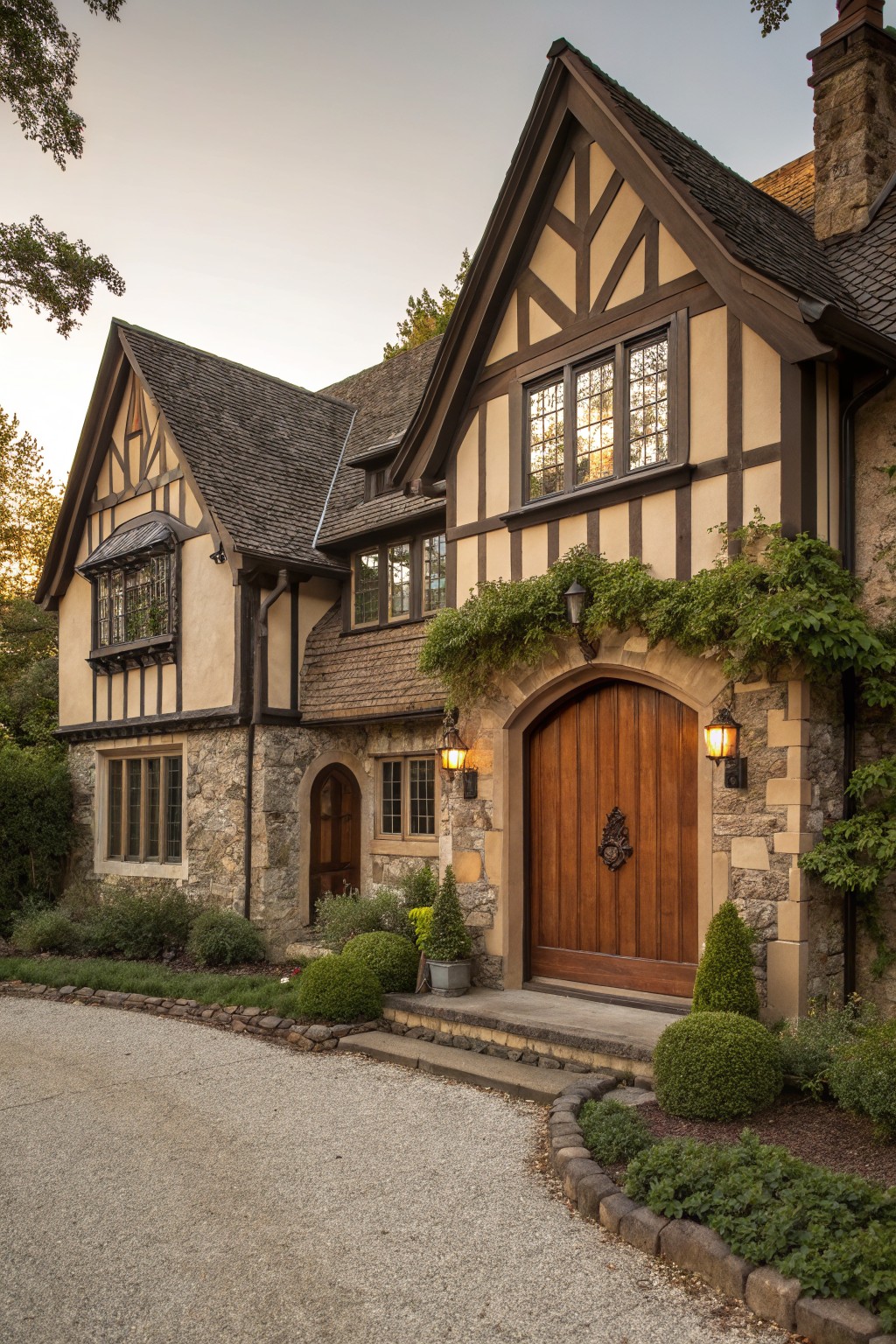
A warm beige like this holds up nicely on traditional homes. It sits between tan and soft taupe with just enough warmth to feel lived in rather than stark, and it lets the dark timber framing stand out without competing.
This color works best on stucco or plaster exteriors where it can pick up gentle shifts in daylight. Pair it with natural stone, dark wood beams, and simple landscaping, and avoid anything too cool or gray that might make the beige look flat by comparison. Sherwin Williams Whole Wheat, Benjamin Moore Manchester Tan, and Behr Toasted Barley all sit close to this shade.
Buttery Yellow Siding

A soft yellow like this one gives a house a gentle, welcoming feel that still reads classic. It sits in that pale buttery range with a touch of warmth rather than leaning bright or cool. The color looks closest to Benjamin Moore Hawthorne Yellow or Sherwin Williams Biltmore Gold, with Behr Mellow Morning as another close option.
It works especially well against white trim and simple stone details. The undertone stays fairly even so the yellow does not shift too much in morning or evening light. This shade suits older homes or traditional styles best and pairs easily with natural wood doors or dark roofing.
Classic White Exterior Trim

A classic white makes a strong choice for exterior trim on brick homes. It brightens the details without competing with the brick and has that clean look people keep coming back to year after year.
This white carries a touch of warmth that helps it sit comfortably next to red brick and dark doors. It works best on traditional houses and pairs well with black or deep green accents, though it can look too stark if the trim gets too much direct sun without any softening from nearby greenery.
Coastal Teal Blue Siding

This soft teal green works well on houses because it feels calm and a little coastal without looking trendy. The color sits right between blue and green, so it does not shift too much when the light changes during the day. Many older homes still use shades like this because they hold up nicely next to white trim and natural wood doors.
It looks good with stone foundations and gray roofs, though it can start to feel flat if the trim is too bright or the surrounding plants are very dark. Try something close to Benjamin Moore Wythe Blue, Sherwin Williams Rainwashed, or Behr Oceanic if you want a similar tone.
Warm Brown Siding
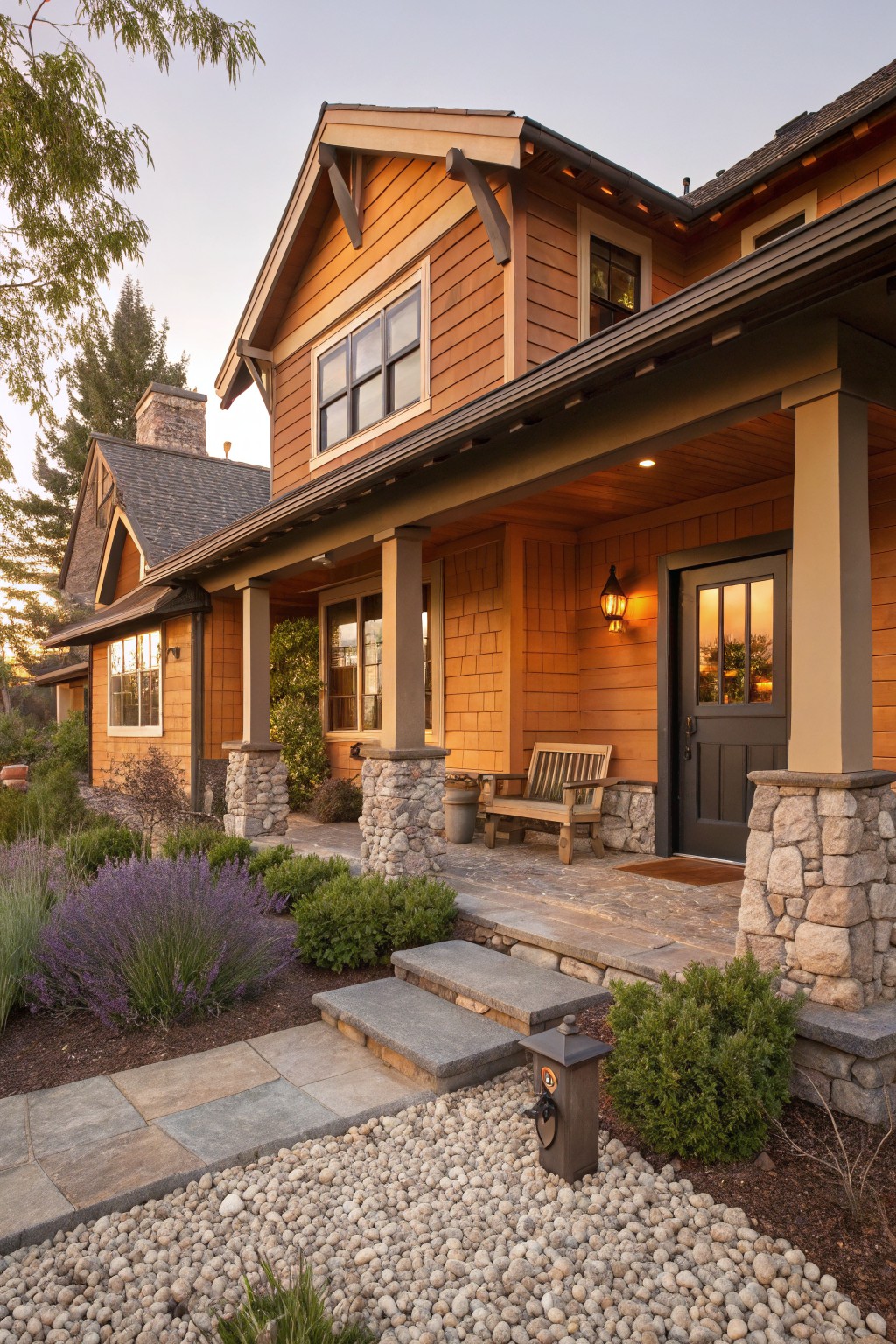
This warm brown siding gives the house a solid, lived-in look that holds up over time. It falls into the golden brown family and reads closest to Sherwin Williams Redwood, Benjamin Moore Tudor Brown, Behr Toasted Pecan, or Farrow & Ball Tanner’s Brown.
The slight orange undertone helps it sit comfortably next to stone and darker trim without feeling stark. It works best on wood-sided homes that get good natural light and pairs easily with natural materials like cedar accents or gray roofing.
Muted Blue Gray Siding

This muted blue gray works well on older brick homes because it keeps the surface feeling calm without going flat. It sits somewhere between blue and gray, with a cool lean that still reads soft in daylight. People often like it because the color holds up over time and does not fight the natural texture of brick or stone.
It pairs best with dark trim and simple black or charcoal details, which keep the look grounded. Watch how it shifts in different light though. In shade it can lean more gray, while full sun brings out a bit more blue. Sherwin Williams Rainwashed, Benjamin Moore Wythe Blue, Behr Silver Fox, and Farrow & Ball Inchyra Blue all sit close to this tone.
Classic Sage Green Siding

A soft sage green makes a solid choice for exterior siding. This muted shade sits between green and gray and feels calm without fading into the background. It reads very close to Sherwin Williams Evergreen Fog or Benjamin Moore Saybrook Sage.
The color works especially well against stone and wood trim. It suits traditional homes and blends easily with most roof colors. One thing to watch is how the gray undertone can look cooler in shade than it does in full sun.
Soft Pink Siding
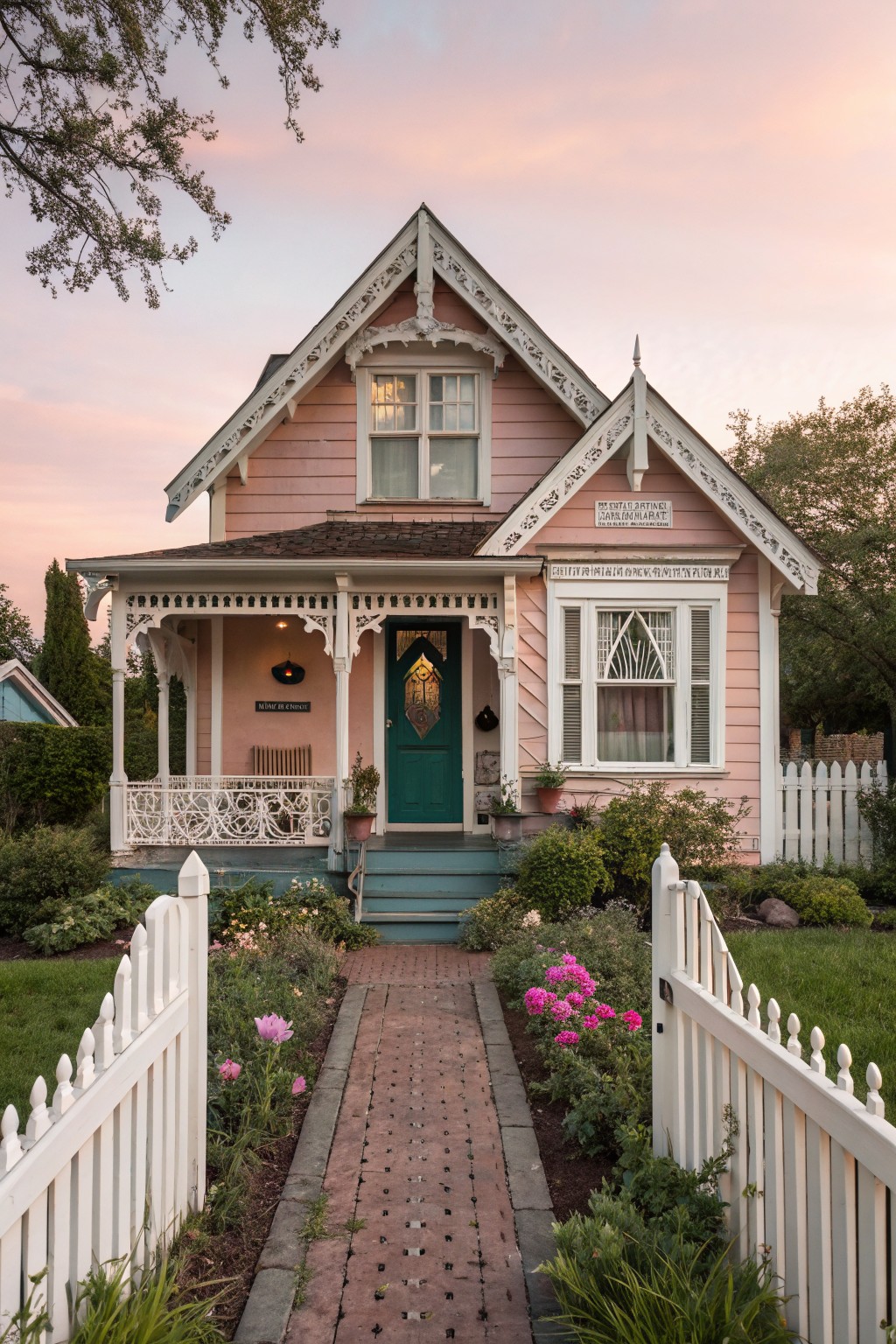
A soft pink like this one brings a quiet charm to classic homes without feeling overly sweet. It has a muted, slightly dusty quality that keeps the color grounded and timeless. This shade works especially well on older siding where you want something gentle but still noticeable from the street.
The undertone leans warm with a hint of gray, which helps it blend nicely with white trim and darker roofs. It suits cottages and traditional exteriors best, though it can look a bit washed out if the light is very harsh. Pair it with crisp white details and let the garden colors do the rest.
Soft Sage Siding

This soft sage green sits right in that middle ground between gray and green. It gives the house a calm, settled look that still feels fresh. Colors in this range have held up well over the years because they pair easily with different roof colors and trim styles without needing constant updates.
The tone has a light warm cast that keeps it from turning too cool against darker windows or wood accents. It works best on homes with some natural texture nearby, like stone or wood, and it can shift a bit grayer in low light so it helps to test a sample on the actual siding first.
Frequently Asked Questions
Q: How do I test one of these colors on my house without wasting time and paint?
A: Grab a quart of the shade you like and brush it onto a large piece of plywood. Prop the board against your siding and watch it through a full day. Morning light and afternoon shadows will show you what really works.
Q: What if my roof is a dark color and I want one of the lighter classics on the walls?
A: Choose a warm off-white or soft gray that sits next to the roof without clashing. Walk around the block and note how similar homes handle the same mix. The contrast will look clean once the trim is painted to match the roof.
Q: Do any of these colors need extra coats to stay looking fresh?
A: Two solid coats over primer usually does the job on clean surfaces. Focus on the north side first since it fades slower and gives you a good benchmark. Touch up scuffs as they appear instead of waiting for a full repaint.