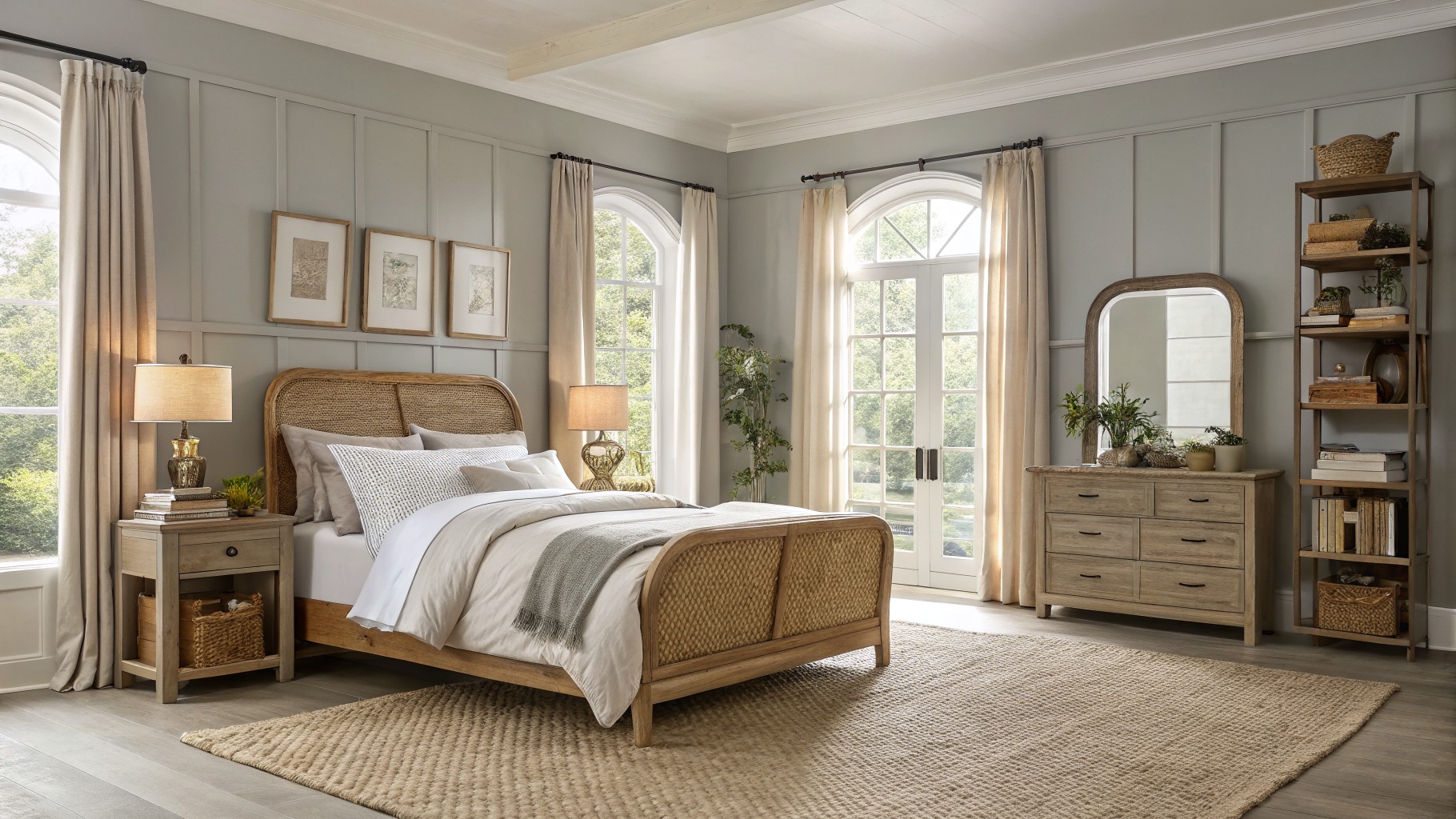
I have learned over time that paint colors rarely stay the same once they cover the walls in a real room.
The light shifts throughout the day and pulls out undertones that were not obvious on the sample.
I always put a few coats on a board and move it around next to the trim and furniture before committing.
Testing matters more than the initial choice.
A few shades in particular seem to work better because they adapt without fighting the existing surfaces.
Soft Greige Walls
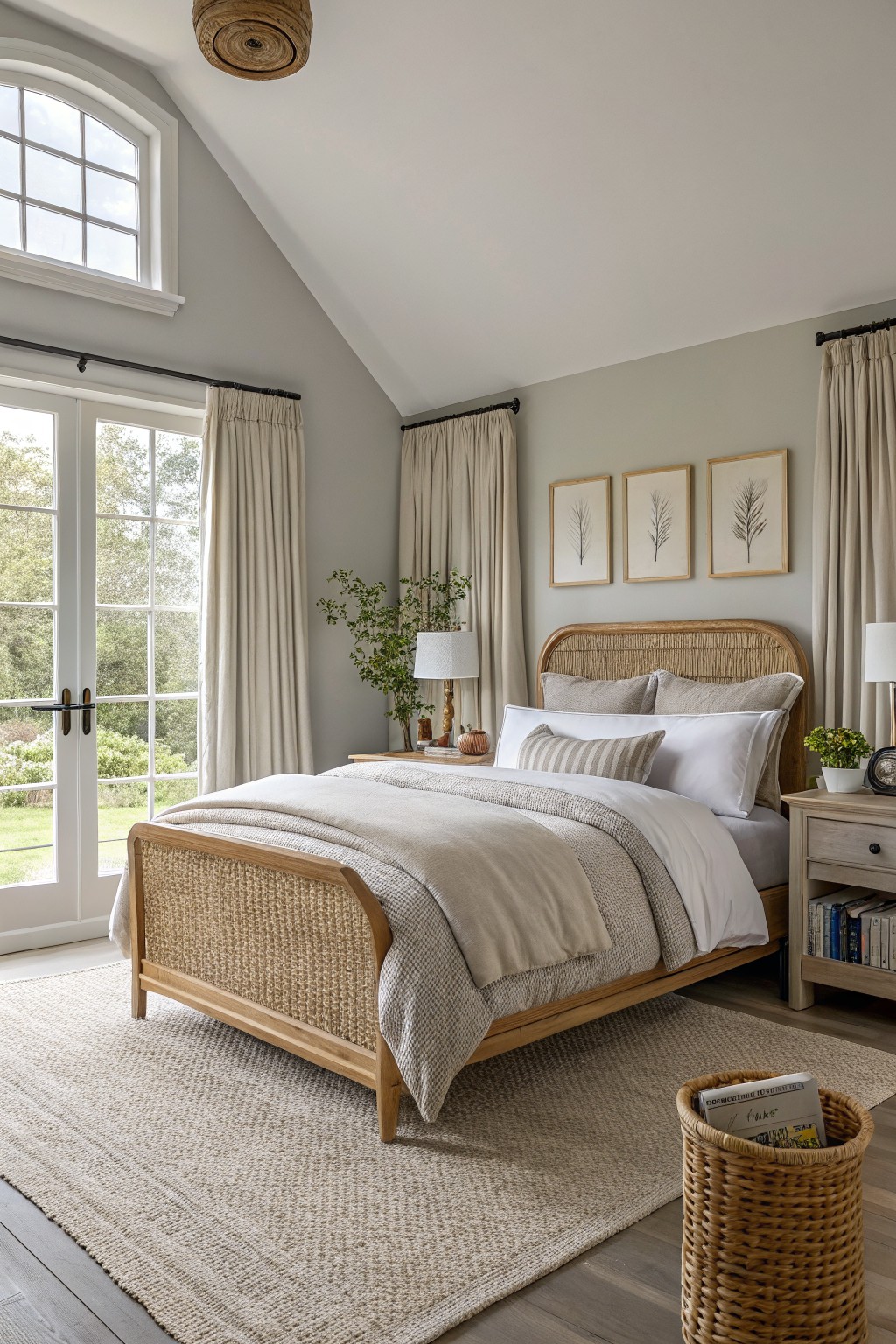
This light greige sits right in the middle between gray and warm beige. It gives the room a calm, settled look that feels easy to live with day after day. The color stays quiet enough that the wood furniture and white bedding stand out without fighting it.
It carries a soft taupe undertone that shows up more in afternoon light. That makes it pair well with natural wood tones and linen textures, though it can lean a little flat if the room gets very little natural light. Try it in bedrooms or guest rooms where you want something restful but not too cool.
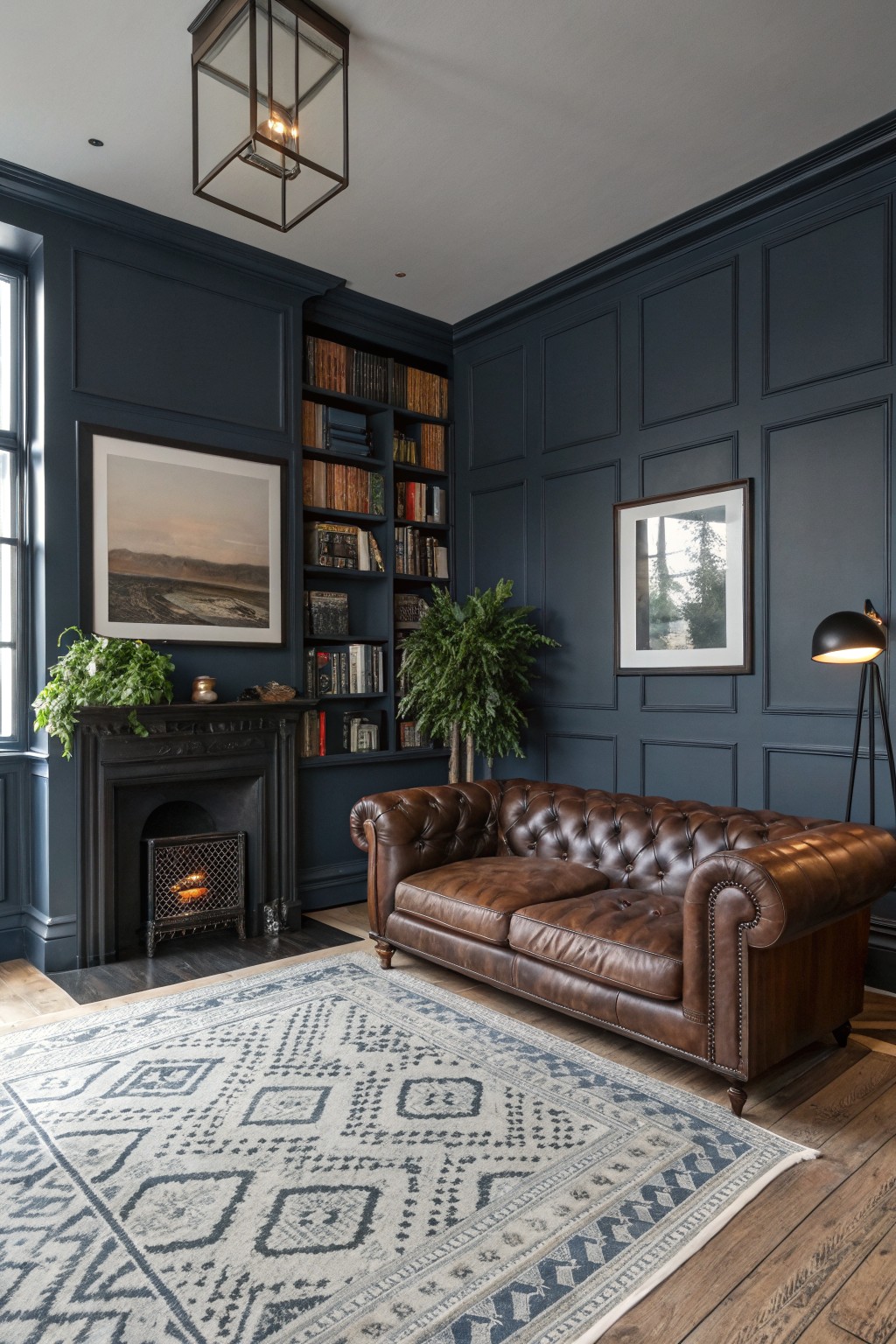
A deep navy blue is the main color on these walls. It gives the room a solid, grounded feel that still reads calm rather than heavy.
This shade sits right between blue and almost black, so it picks up a slight cool cast in lower light. It works best with warm wood tones, leather, and simple white or cream trim to keep the space from feeling too closed in.
Warm Greige Living Room Walls
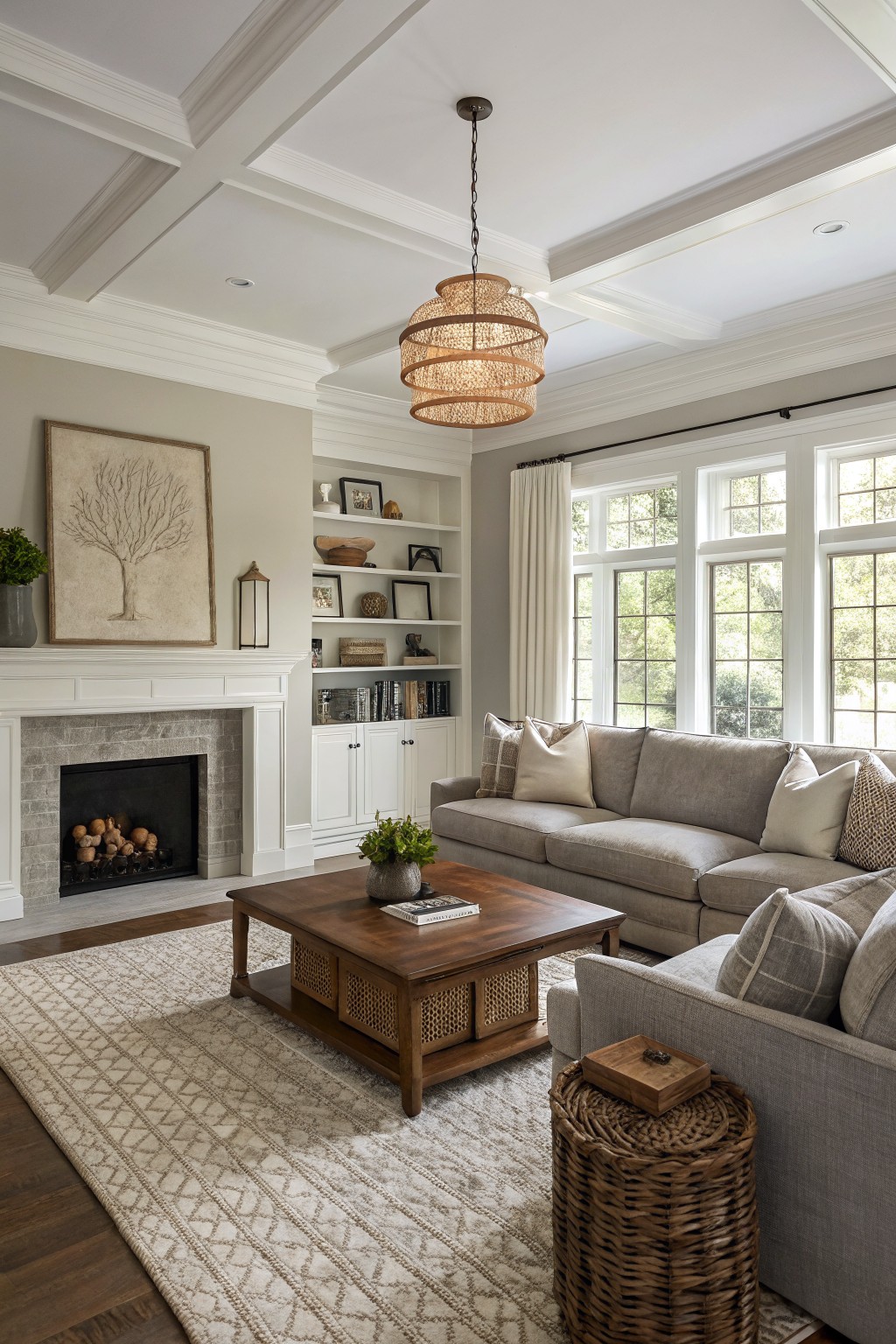
This soft greige has a gentle warmth that keeps the room feeling calm and lived in. It sits somewhere between gray and beige, so it shifts nicely with the light throughout the day. Colors like Sherwin Williams Agreeable Gray or Benjamin Moore Edgecomb Gray give a similar look, and Behr Silver Fox lands close too.
The undertone stays warm enough to work with wood floors and white trim without turning cool or flat. It suits living rooms or family spaces where you want something easy that still feels a bit softer than plain gray. Just watch how it reads next to very bright whites, since that can make the greige pull slightly cooler than expected.
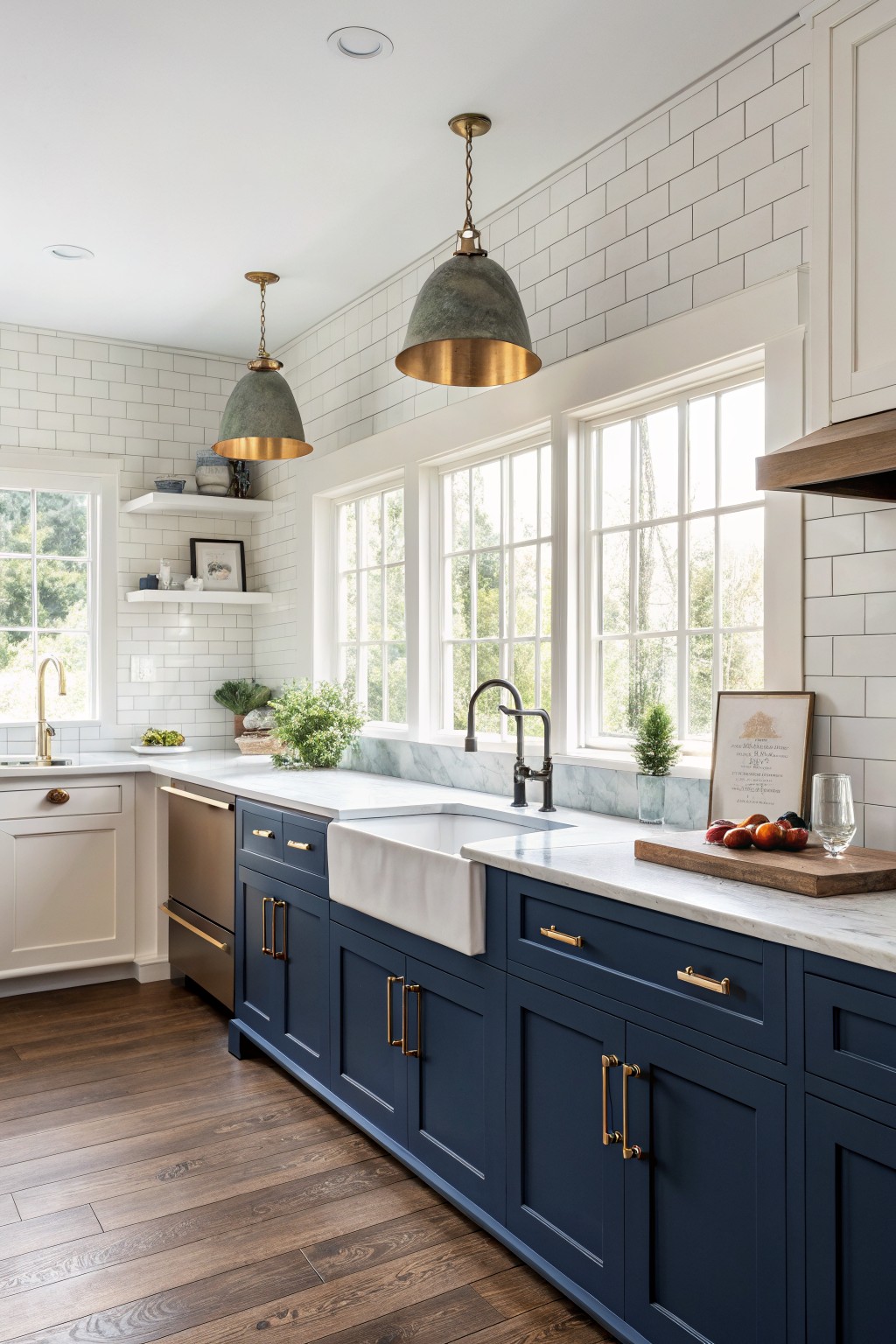
A deep navy blue works really well on kitchen cabinets when you want something that feels solid but not heavy. This shade sits between blue and almost black, which gives it a nice grounded feel without making the room feel closed in. It pairs easily with white counters and warm wood floors.
Navy like this tends to have a slight cool undertone, so it looks best with plenty of natural light or crisp white trim to keep it from going too dark. It works in both traditional and newer kitchens, and it holds up nicely next to brass hardware or marble surfaces. Try it on lower cabinets first if you want to test how it reads in your space.
Soft Sage Green Walls
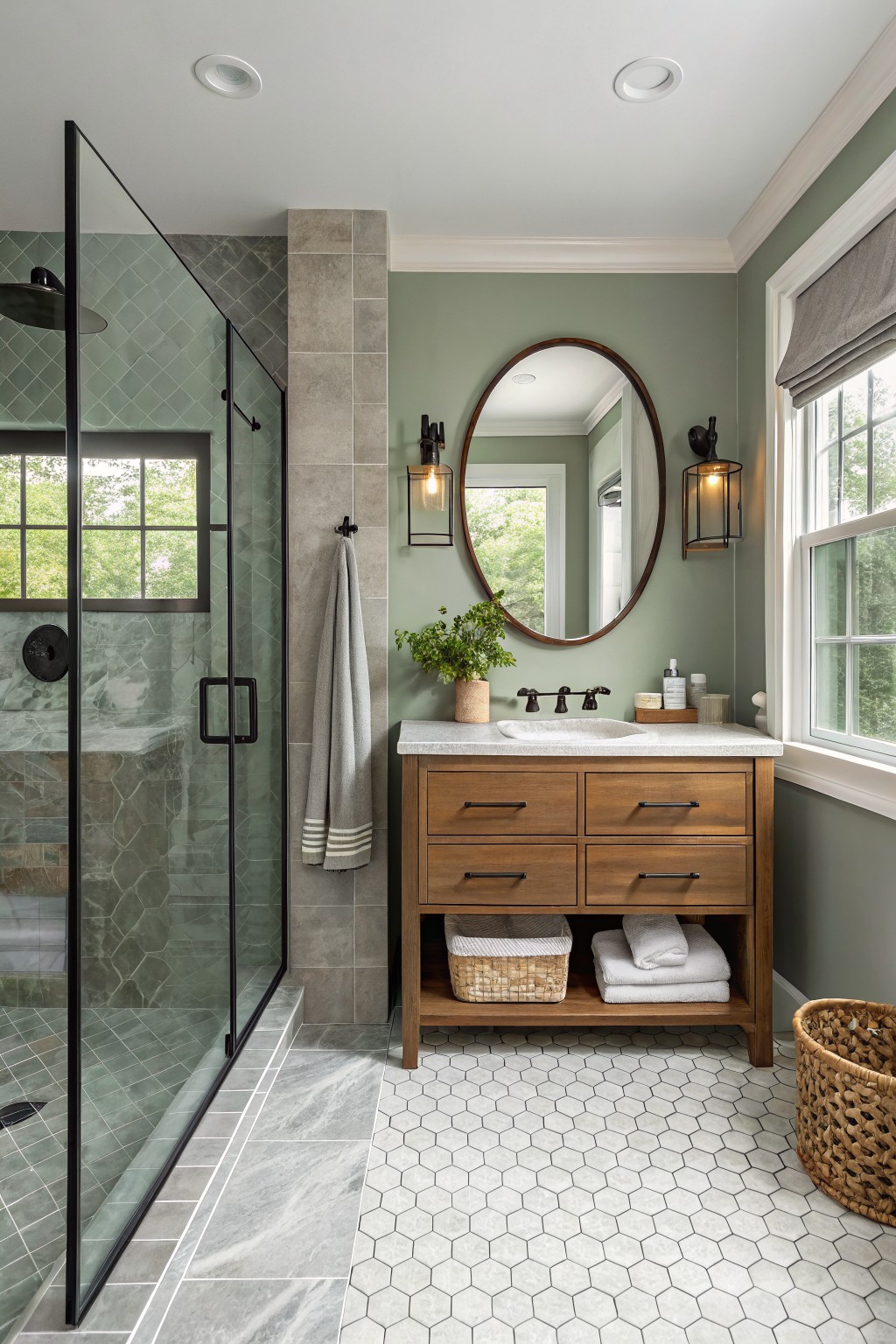
This soft sage green on the walls has a gentle, earthy tone that feels calm without being too cool or gray. It brings a bit of nature indoors and keeps the room from feeling stark, especially when paired with wood and stone.
It works best in spaces with steady light so the color stays balanced rather than turning flat. The shade sits nicely next to warm wood cabinetry and white tile, and similar colors include Benjamin Moore Saybrook Sage, Sherwin Williams Clary Sage, or Farrow & Ball Mizzle.
Warm Terracotta Walls
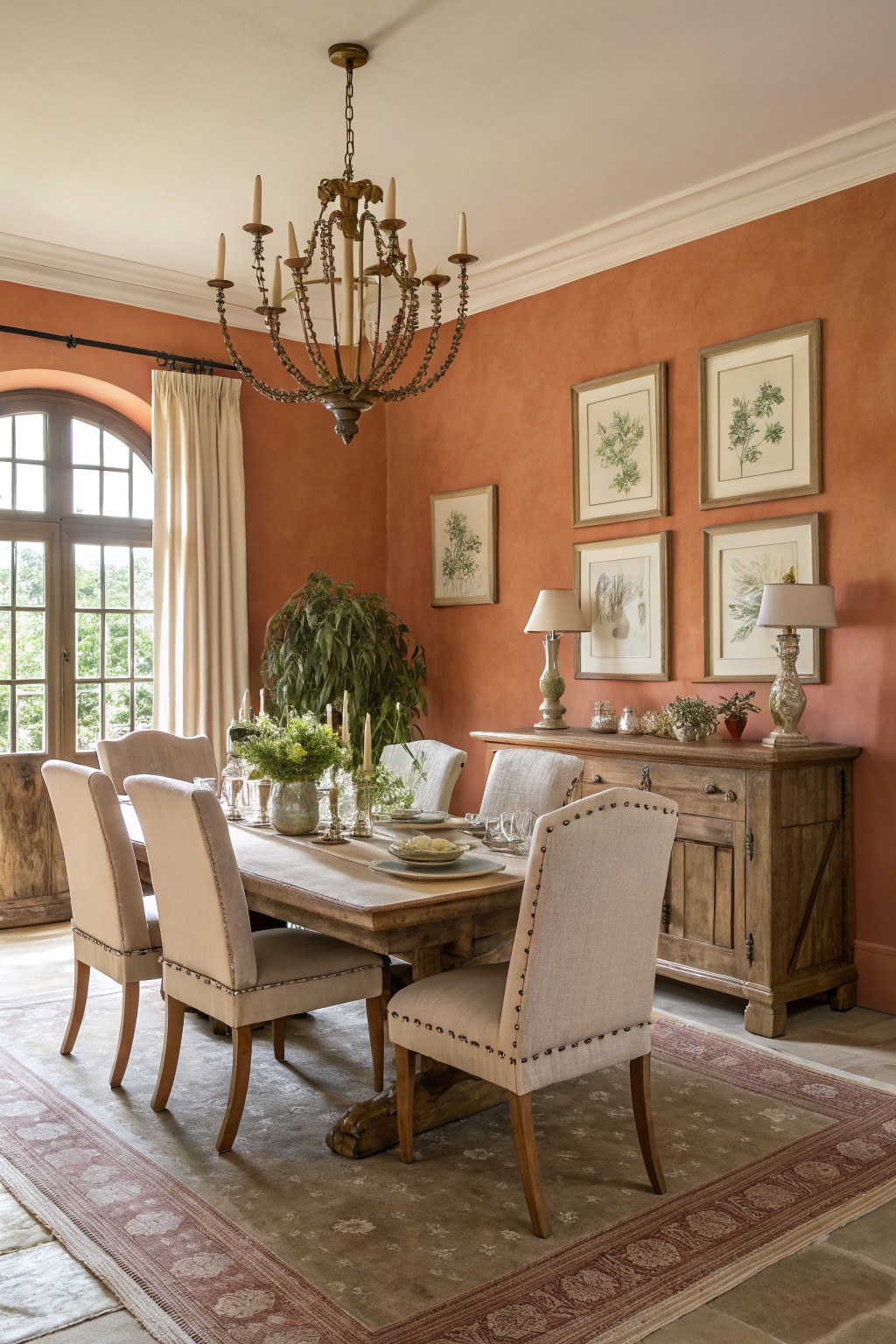
This warm terracotta brings a soft earthy tone to the room that feels both inviting and a little grounded. It has gentle brown and orange undertones that keep the space from looking too bright or flat, especially next to wood furniture and stone floors.
The color works best in rooms that get steady natural light because it can shift toward a pinkish cast in cooler conditions. It pairs easily with linen upholstery and natural wood, though it tends to look best when the trim stays light and simple rather than competing for attention.
Soft Warm Gray Walls
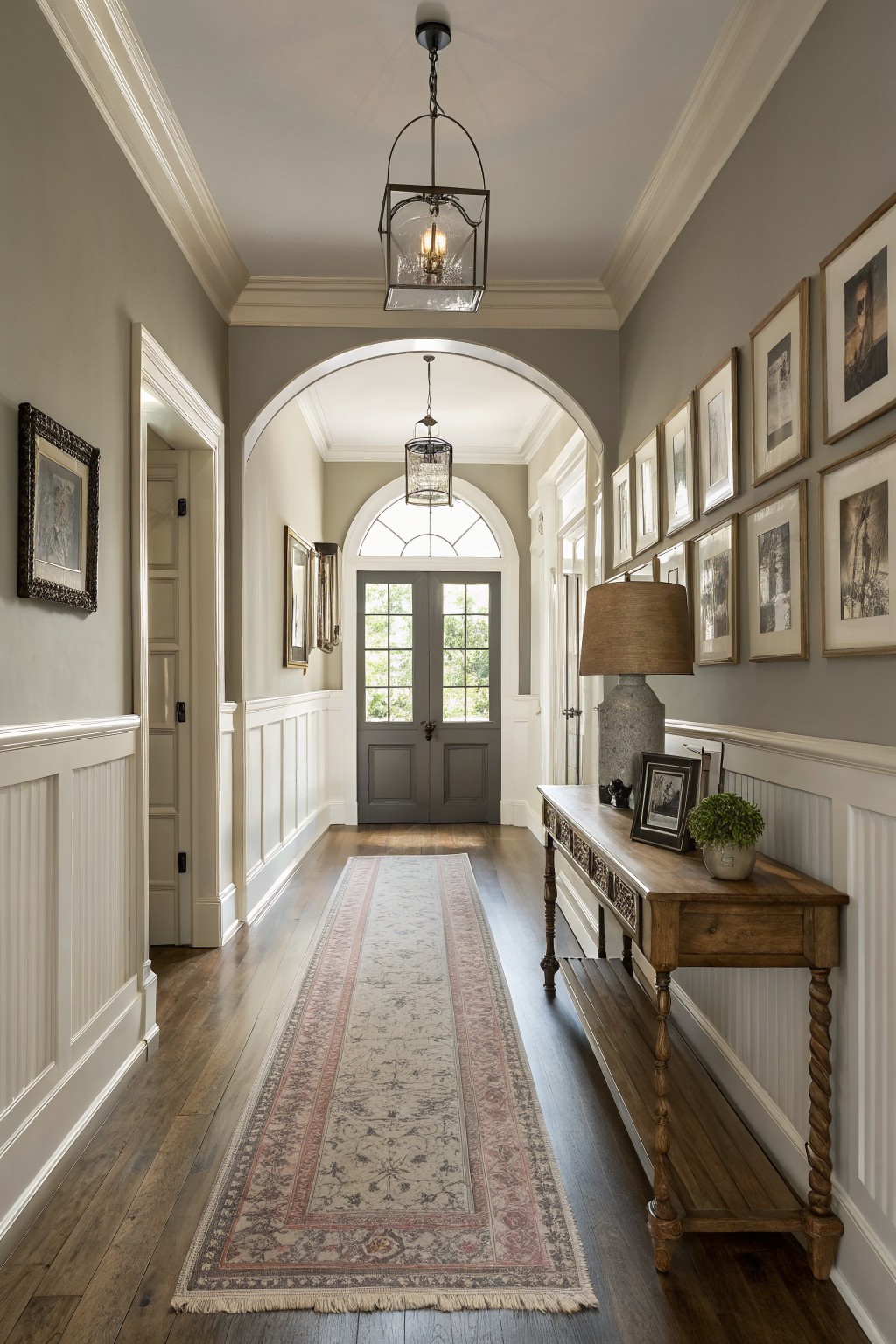
A soft warm gray works really well in hallways and open spaces because it feels calm without going flat. This color family sits between gray and greige, and it looks closest to Sherwin Williams Agreeable Gray or Benjamin Moore Edgecomb Gray. It brings a quiet background that still lets wood floors and white trim stand out.
The undertone leans slightly beige, which keeps the space from feeling too cool under indoor light. It pairs nicely with crisp white trim and darker wood floors, and it suits homes that want a relaxed, put-together look. Just watch the lighting in your own room since the beige can read stronger in north-facing spaces.
Soft Sage Green Home Office Built-Ins
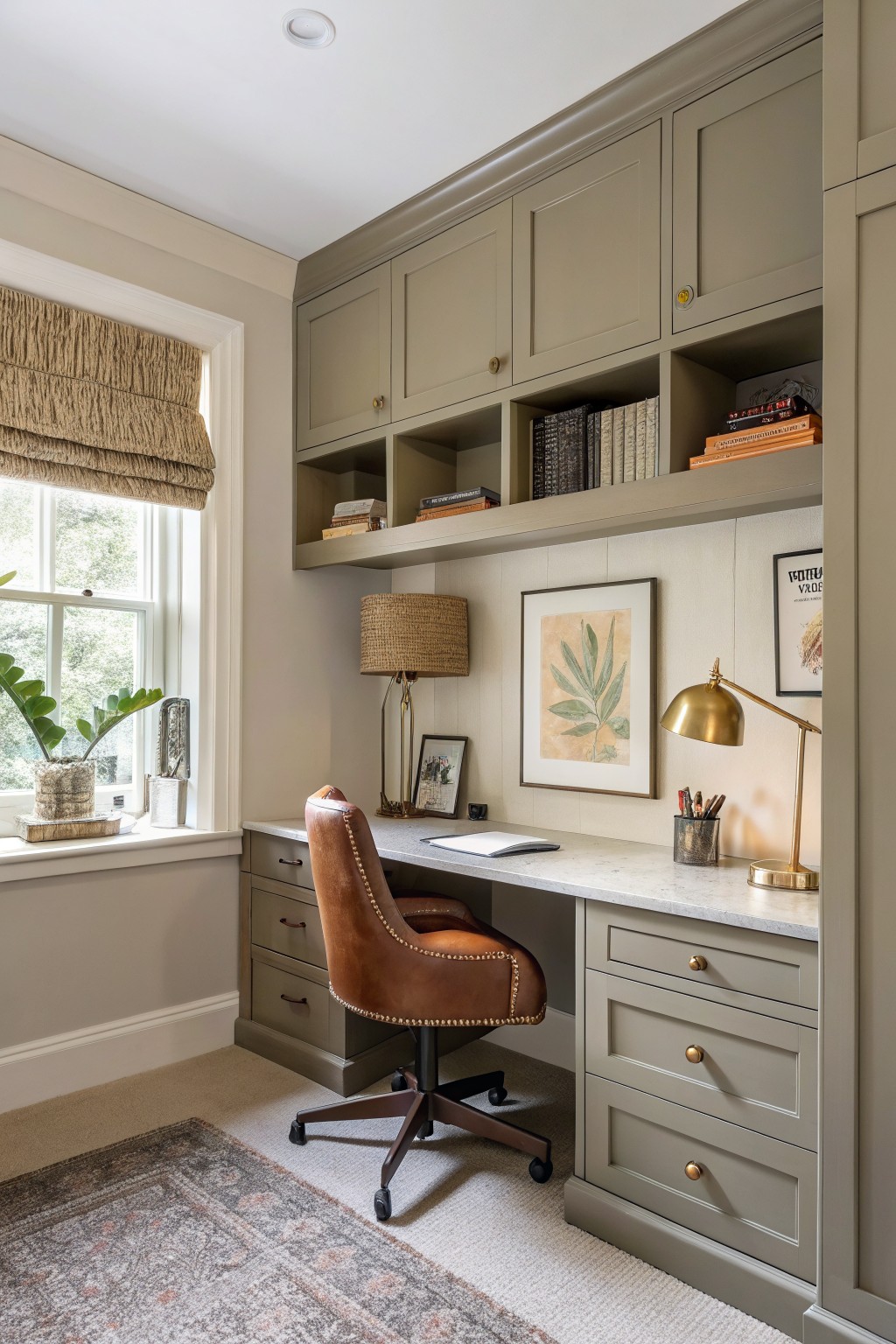
This soft sage green brings a calm, grounded feel to built-in cabinetry and desks. It has a muted tone with light gray undertones that keeps the color from feeling too bold or trendy while still adding quiet interest to the room.
It works especially well with warm wood tones and light stone surfaces. The color holds up nicely in both natural daylight and softer indoor lighting, though it can lean a bit more gray in low light. Many people use this shade on built-ins because it adds depth without making a smaller room feel closed in.
Soft Mint Green Walls
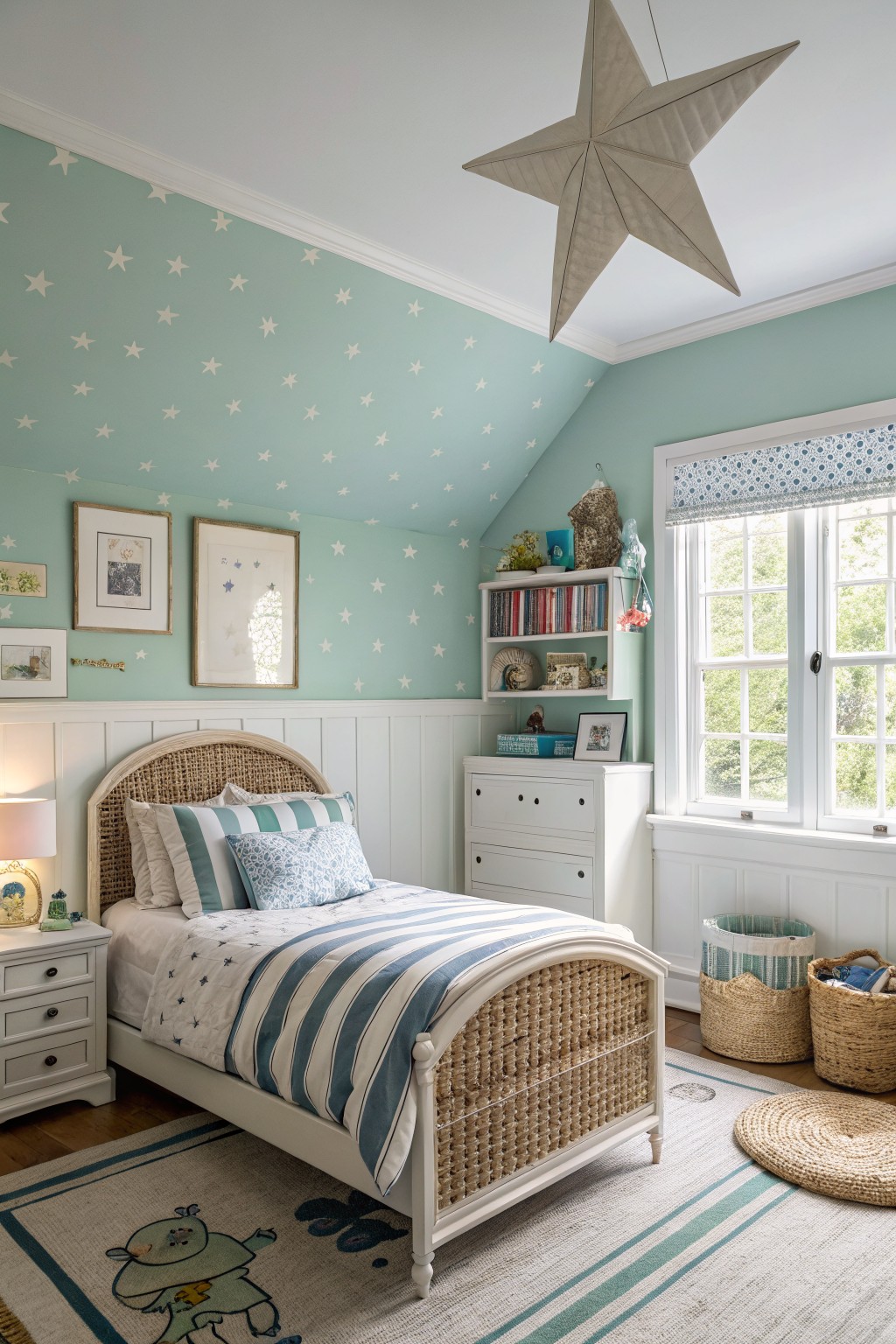
This soft mint green brings a gentle freshness to the room without feeling too bold. It sits in that nice in-between spot where green meets blue, giving the walls a light, relaxed tone that works especially well in smaller spaces or rooms that get decent daylight.
The color has cool undertones so it reads clean next to white trim and wood floors. It can feel a touch chilly if the room gets mostly indirect light, so pairing it with warm textiles or natural wood helps keep things balanced.
Soft Yellow Walls

A soft butter yellow like the one on these walls gives a room a gentle lift without feeling too bright. It has a light, creamy tone that sits between white and a true yellow, which makes the space feel welcoming and easy to be in.
This shade works best with white trim and warm wood tones, and it holds up well in areas that get both natural light and some shade during the day. Similar colors from major brands include Sherwin Williams Daffodil, Benjamin Moore Hawthorne Yellow, and Behr Lemon Meringue.
Soft Sage Green Entryway Built-Ins
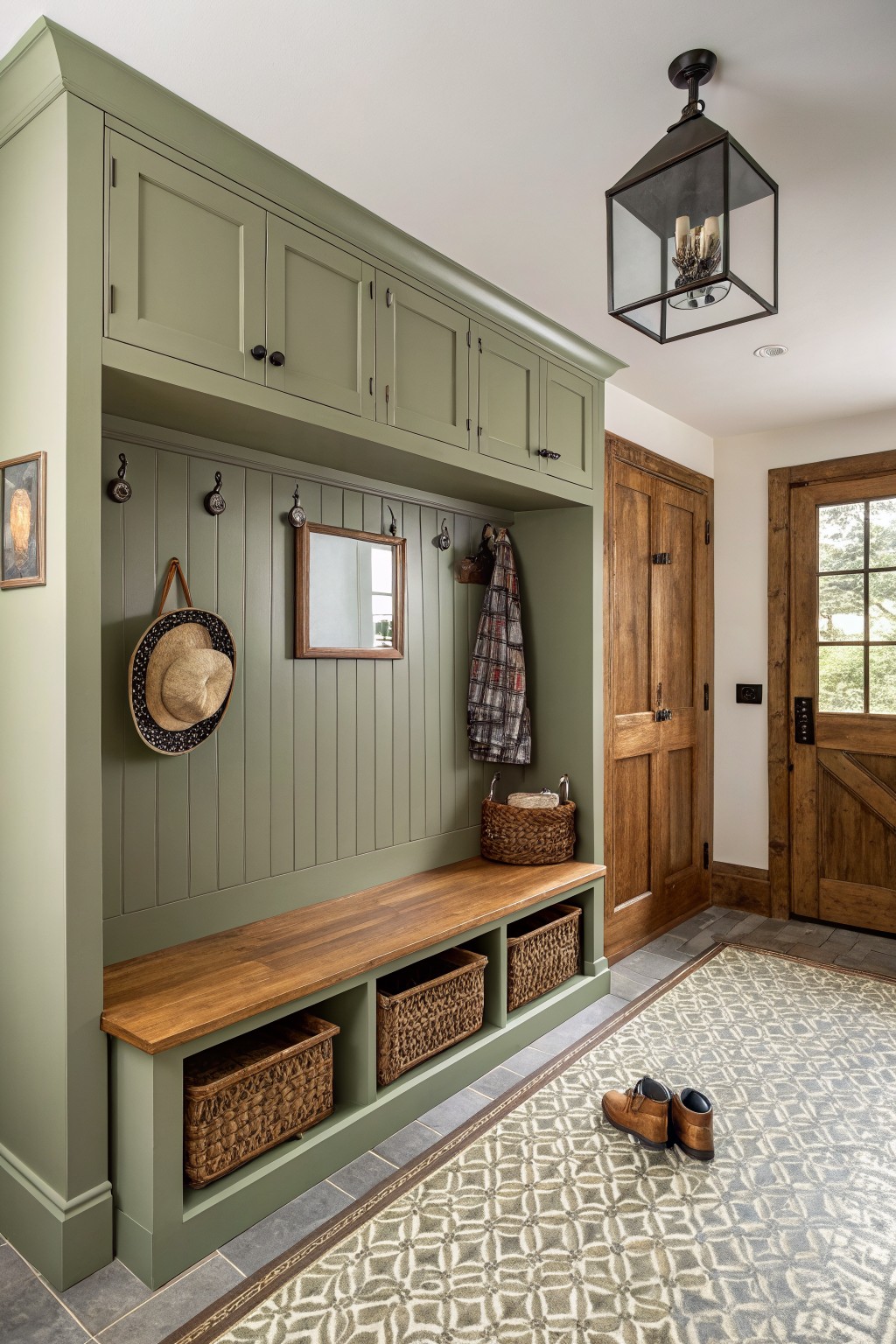
A muted sage green covers the walls and the full built-in unit here. It is a soft gray-green that feels calm and a little earthy without turning cold or flat.
This shade works especially well with warm wood tones on the bench and floor. It also pairs nicely with natural baskets and simple hooks, making it a good choice for entryways or mudrooms where you want color that still feels practical.
Deep Green Cabinetry

A deep green on built-in cabinetry gives a room that solid, grounded feeling right away. This shade has enough depth to feel substantial while still working with lighter floors and ceilings.
It leans slightly cool with a hint of blue in the undertone. The color holds up well in spaces with natural light and pairs easily with warm wood tones or simple white marble. Closest matches would be Benjamin Moore Hunter Green, Sherwin Williams Forest Green, or Farrow & Ball Green Smoke.
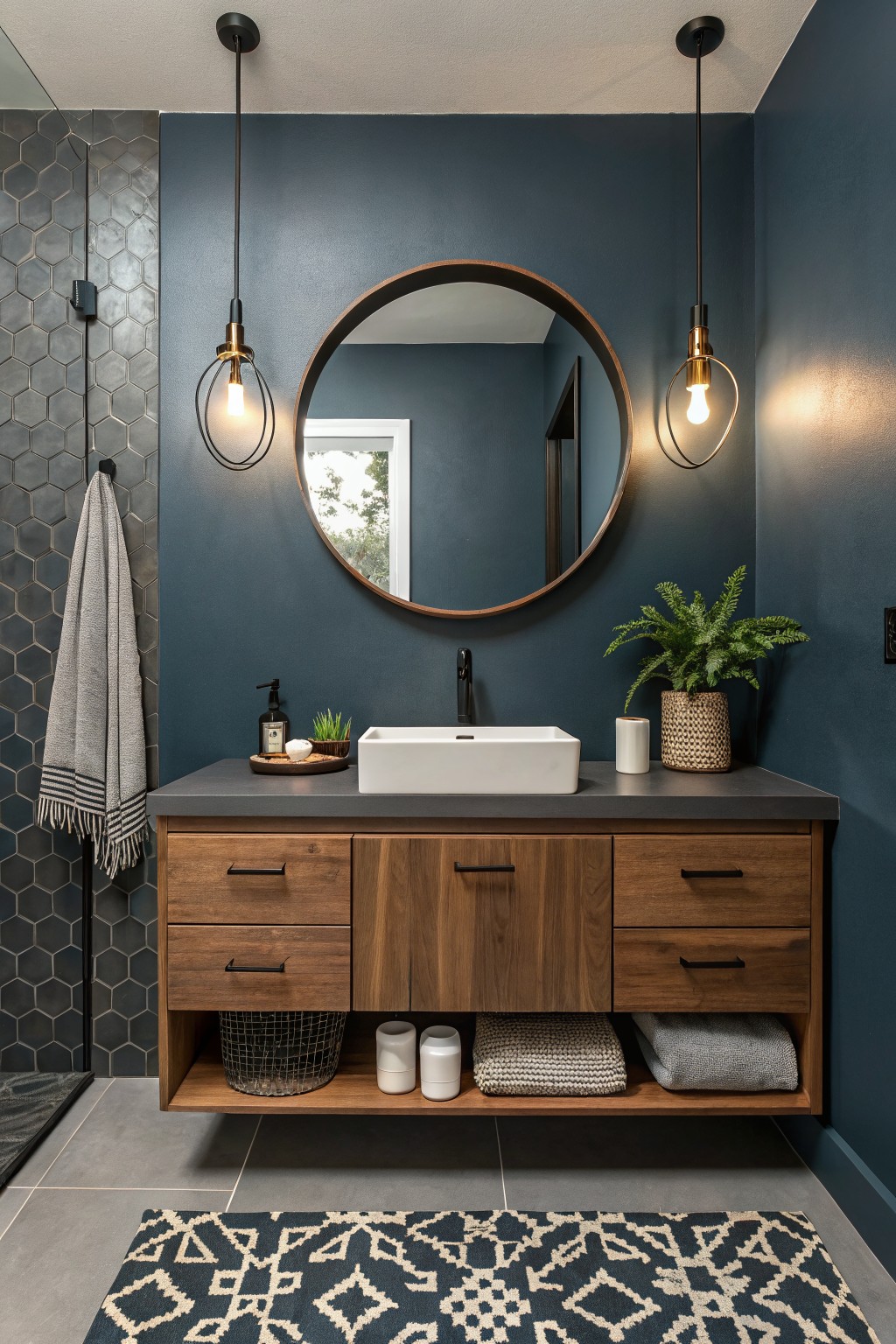
A deep navy blue like this one brings a solid, quiet feel to the room. It reads as a true navy with a touch of gray in the undertone, which helps it stay calm instead of feeling heavy.
This color pairs especially well with warm wood cabinetry and dark counters because the contrast keeps the space from looking flat. It works in bathrooms that get decent natural light, but it can feel a bit closed in if the room is tiny and the lighting stays dim.
Soft Blue Living Room Walls
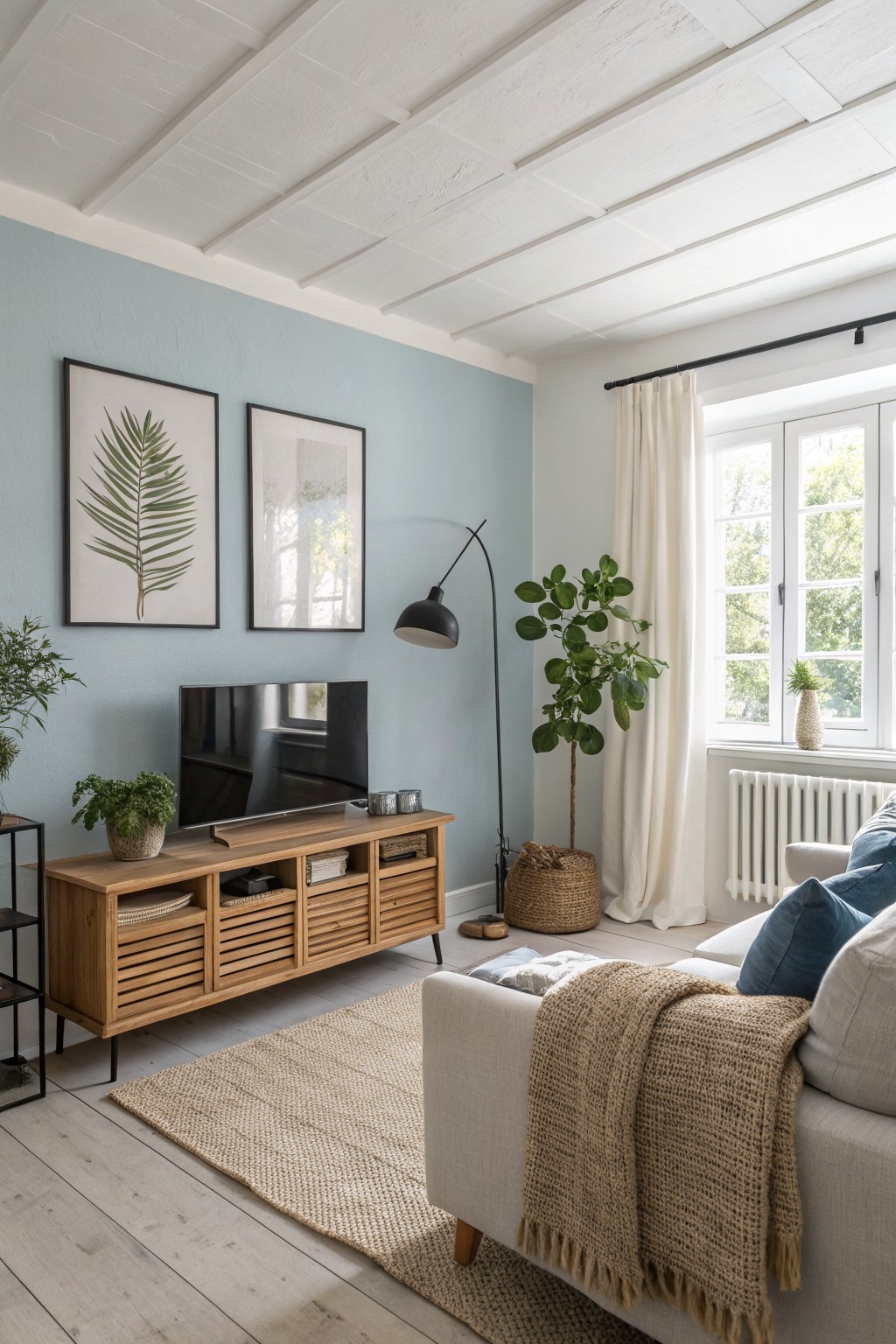
This soft blue wall color brings a quiet, fresh feeling to the space without making it feel cold. It leans slightly toward gray, which keeps it calm and easy to live with over time. You could try Sherwin Williams Rainwashed, Benjamin Moore Palladian Blue, or Farrow & Ball Light Blue for a similar look.
The cool undertone sits nicely against warm wood tones like the console and light flooring. It works best in rooms with good natural light and pairs well with simple neutrals and natural textures.
Warm Peach Walls
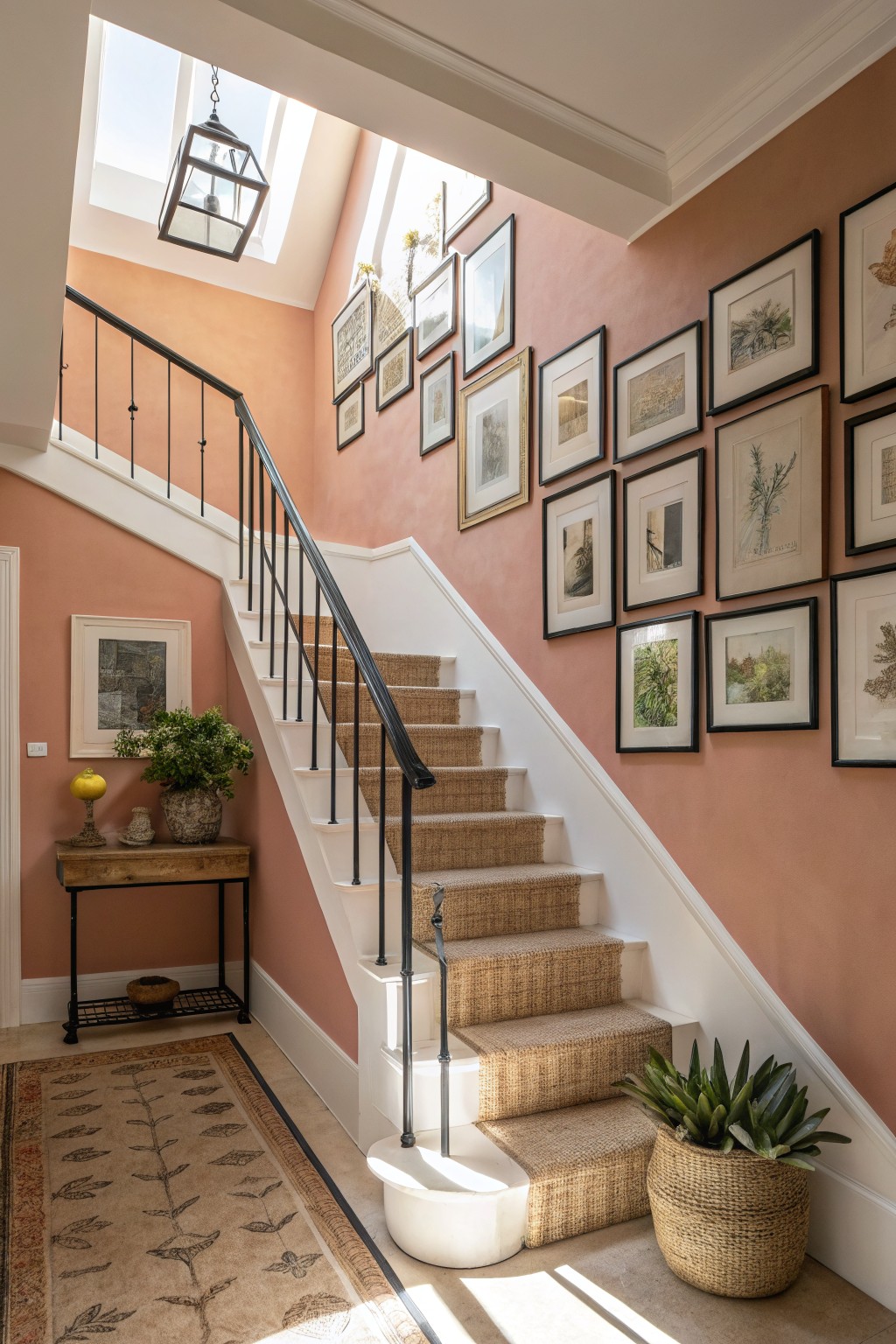
This stairwell shows a soft warm peach on the walls. It is a muted terracotta shade with gentle orange undertones that feels cozy but still light.
The color sits nicely against white trim and helps wood tones look richer. It works well in hallways and staircases where you want a bit of warmth without making the space feel heavy. Similar shades include Farrow & Ball Setting Plaster, Benjamin Moore Sweet Apricot, Sherwin Williams Coral Clay, and Behr Baked Peach.
Muted Green Cabinets
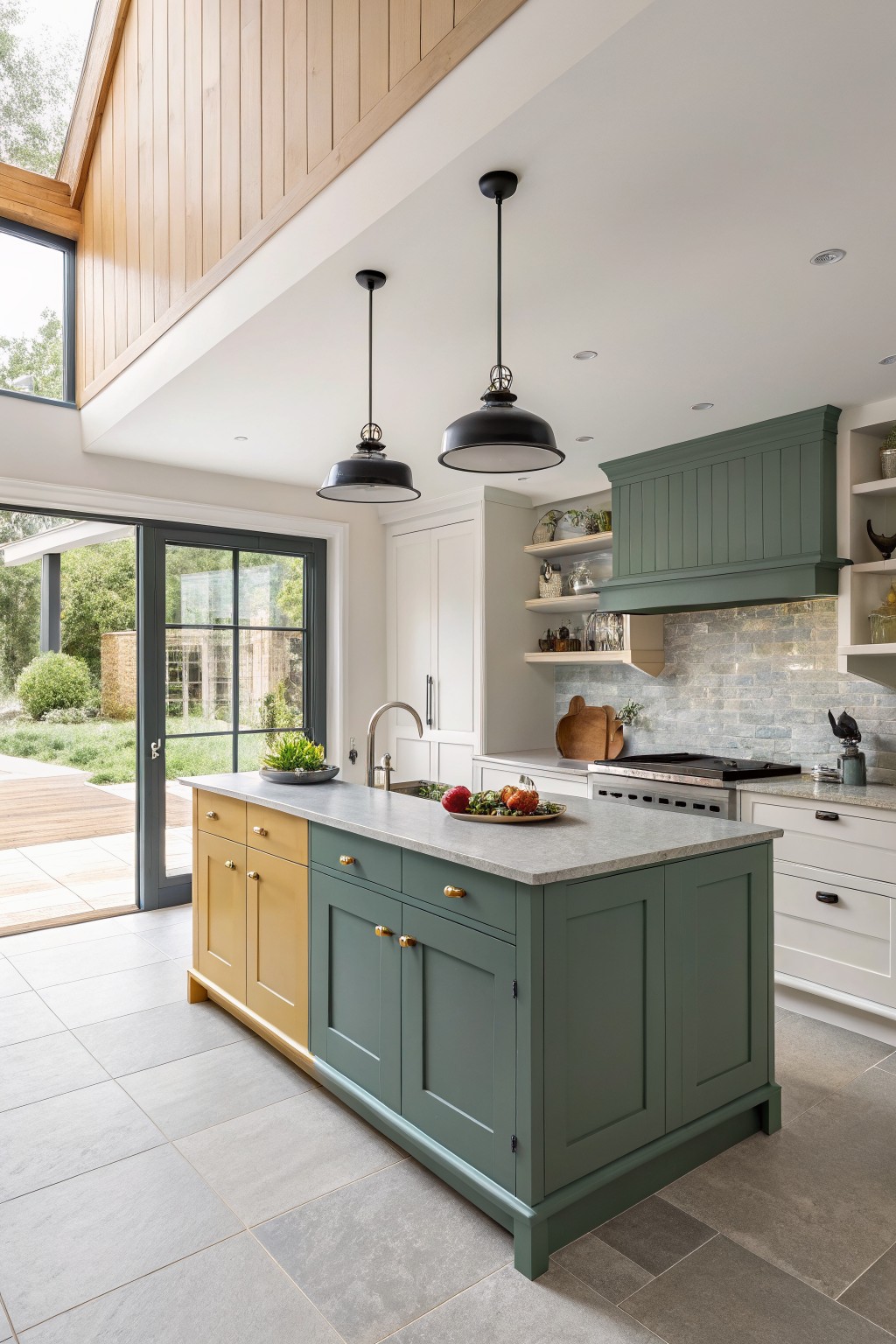
This muted green on the cabinets and island has a soft sage feel that sits somewhere between gray and green. It gives the kitchen a calm look without feeling flat or too bold.
The color carries a bit of gray in the undertone so it stays steady in bright light and pairs easily with wood tones or white trim. It works well in kitchens that mix a few different materials and still want a bit of color.
Soft Blush Pink Walls
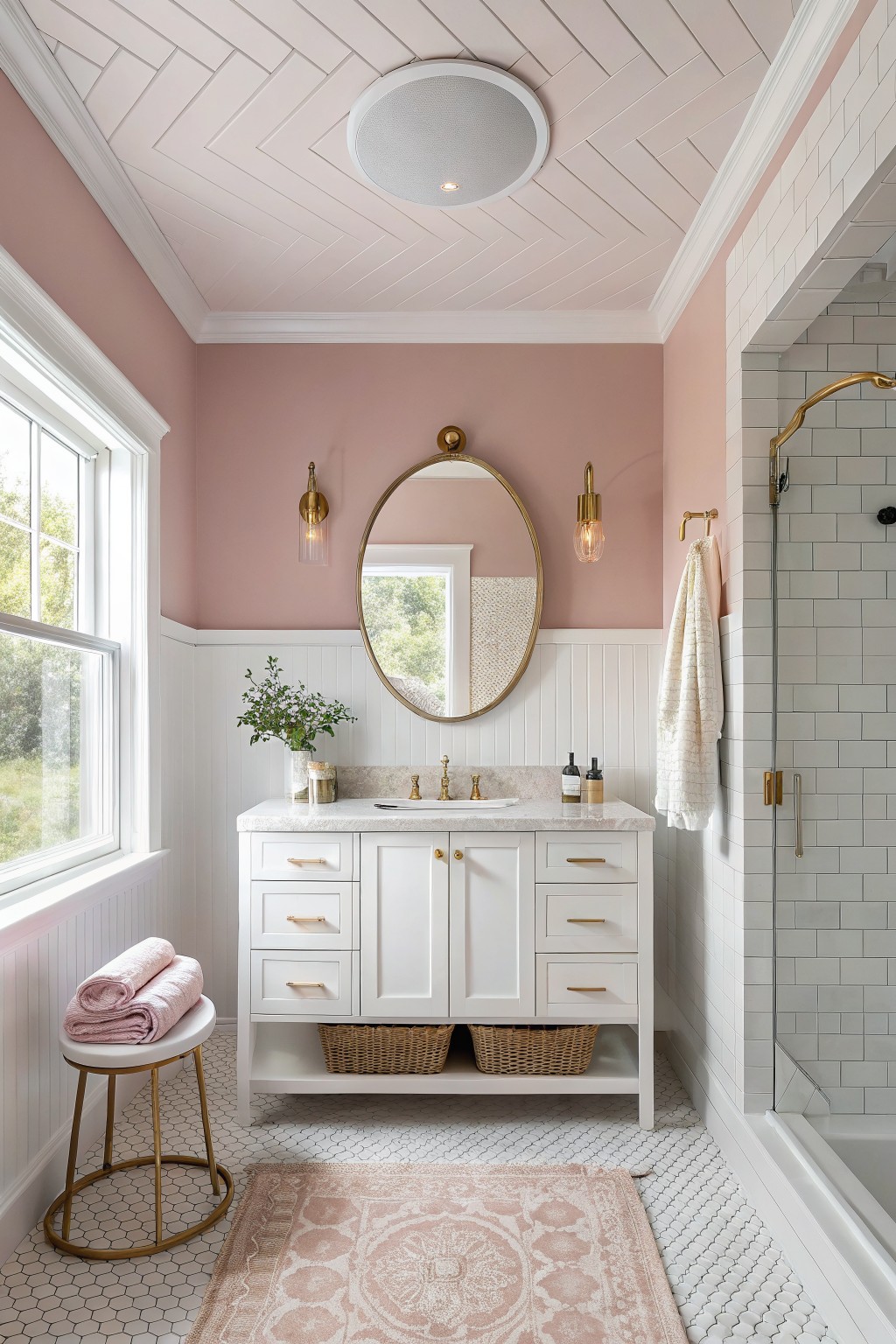
This soft blush pink brings a gentle warmth to the room without feeling too sweet. It sits somewhere between a pale rose and a light peach, which makes it easy to live with in smaller spaces like bathrooms. Colors like Benjamin Moore’s First Light, Sherwin Williams Blushing Bride, or Behr’s Pink Whisper give a similar soft effect.
The warmth comes through more in natural light, so it reads a little cozier than a true cool pink. White trim and simple brass accents keep it from feeling too precious, and it works especially well with wood tones or marble. Just test it on a bigger sample first since the undertone can shift depending on the time of day.
Soft Sage Green Kitchen Walls
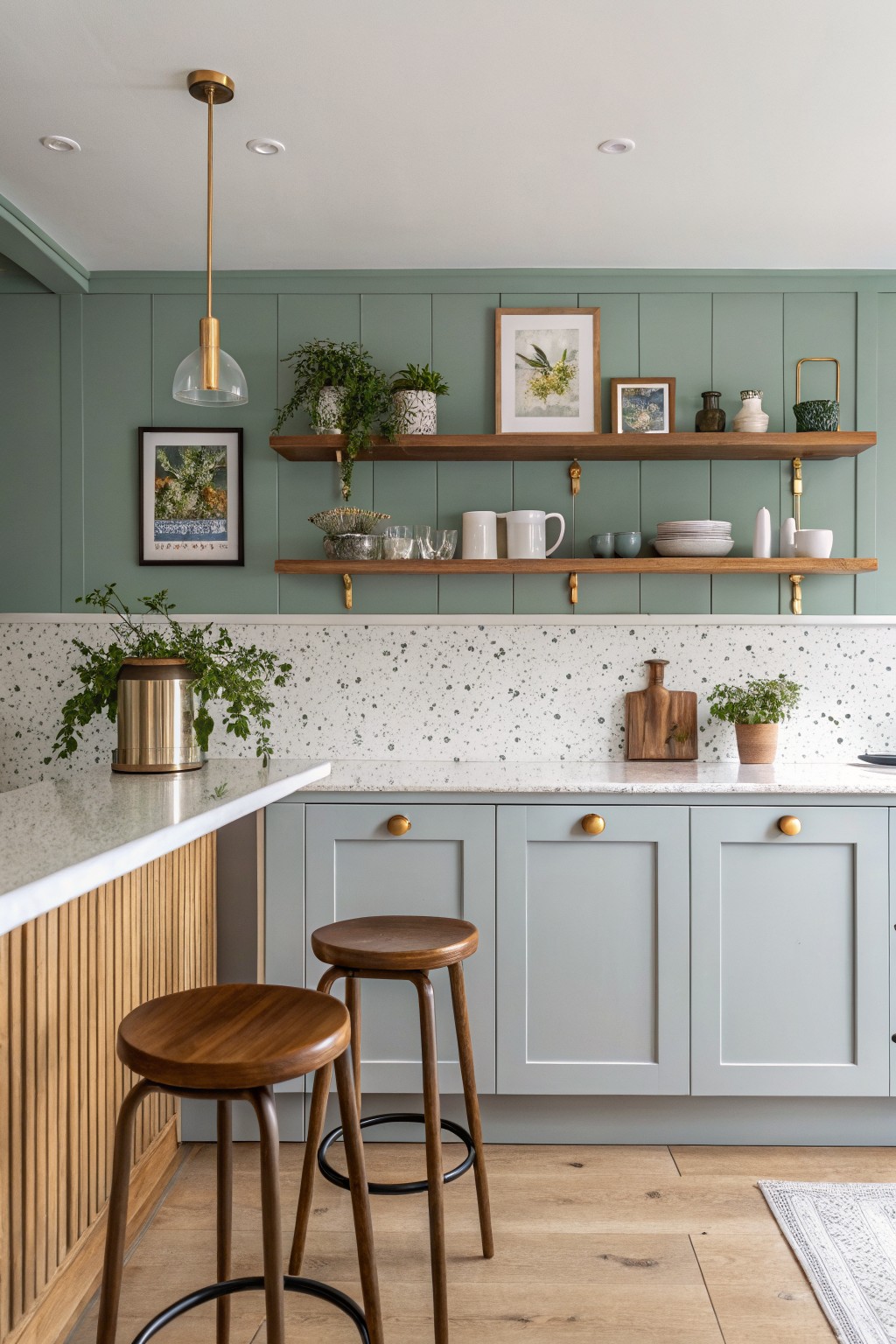
This soft sage green gives the kitchen a calm, lived-in feel without going too cool or too bright. It has that gentle mix of green and gray that makes it easy to live with day after day.
The undertone stays fairly neutral so it works well with warm wood tones and simple cabinetry in a similar shade. It looks best in rooms with decent natural light and pairs nicely with white counters or light stone.
Warm Beige Walls
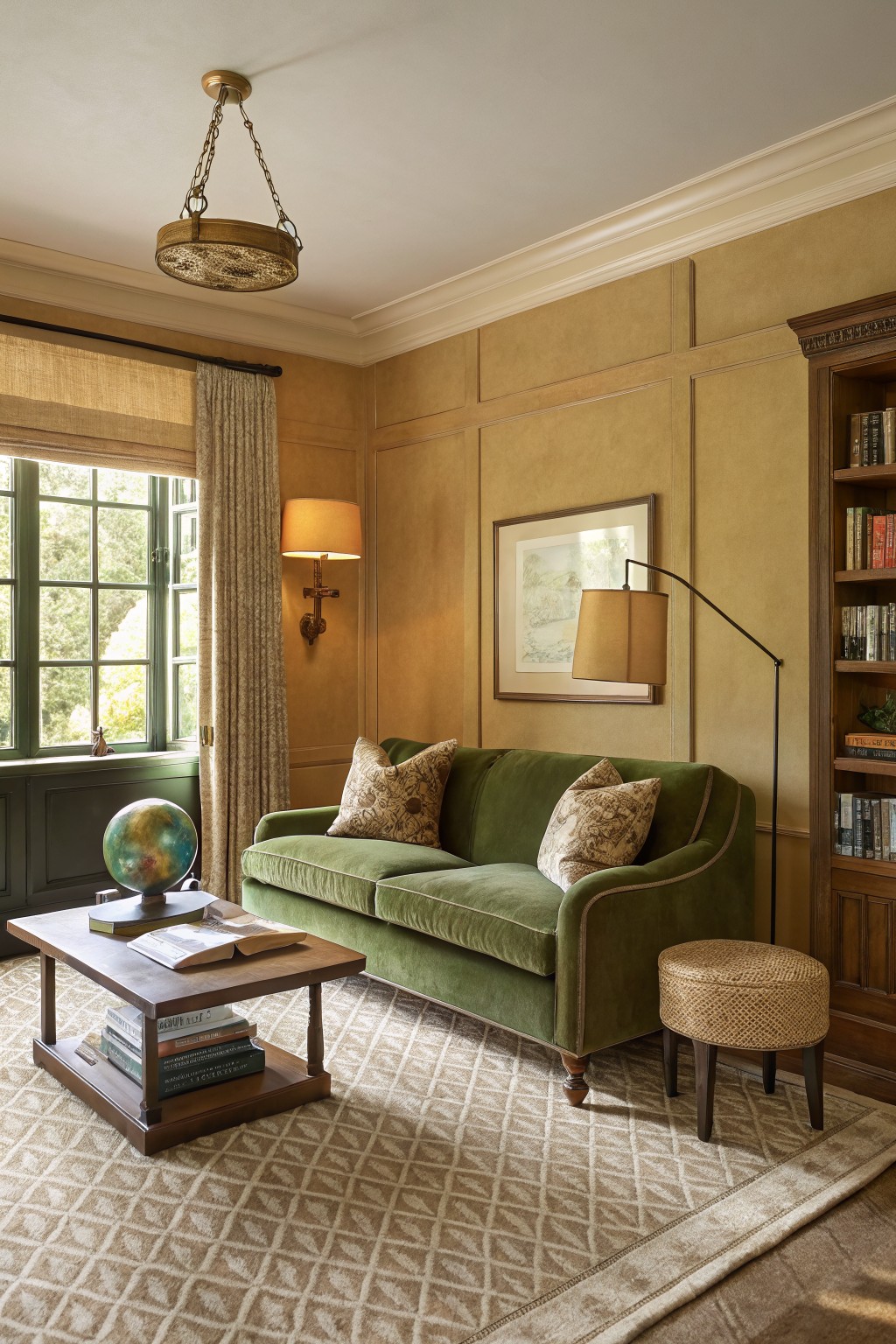
A warm beige like this brings a soft, lived-in feel to a room without making it feel flat. It sits somewhere between tan and light brown, with a gentle golden cast that keeps things from looking too stark. Colors such as Benjamin Moore Manchester Tan or Sherwin Williams Bungalow Beige read very close to what is on these walls.
The yellow undertone helps it sit comfortably next to wood tones and deeper greens. It works best in spaces that get decent daylight, since low light can push it a little darker than expected. Pair it with white trim if you want a cleaner look, or let it blend with stained wood for a quieter effect.
A Deep Teal Door
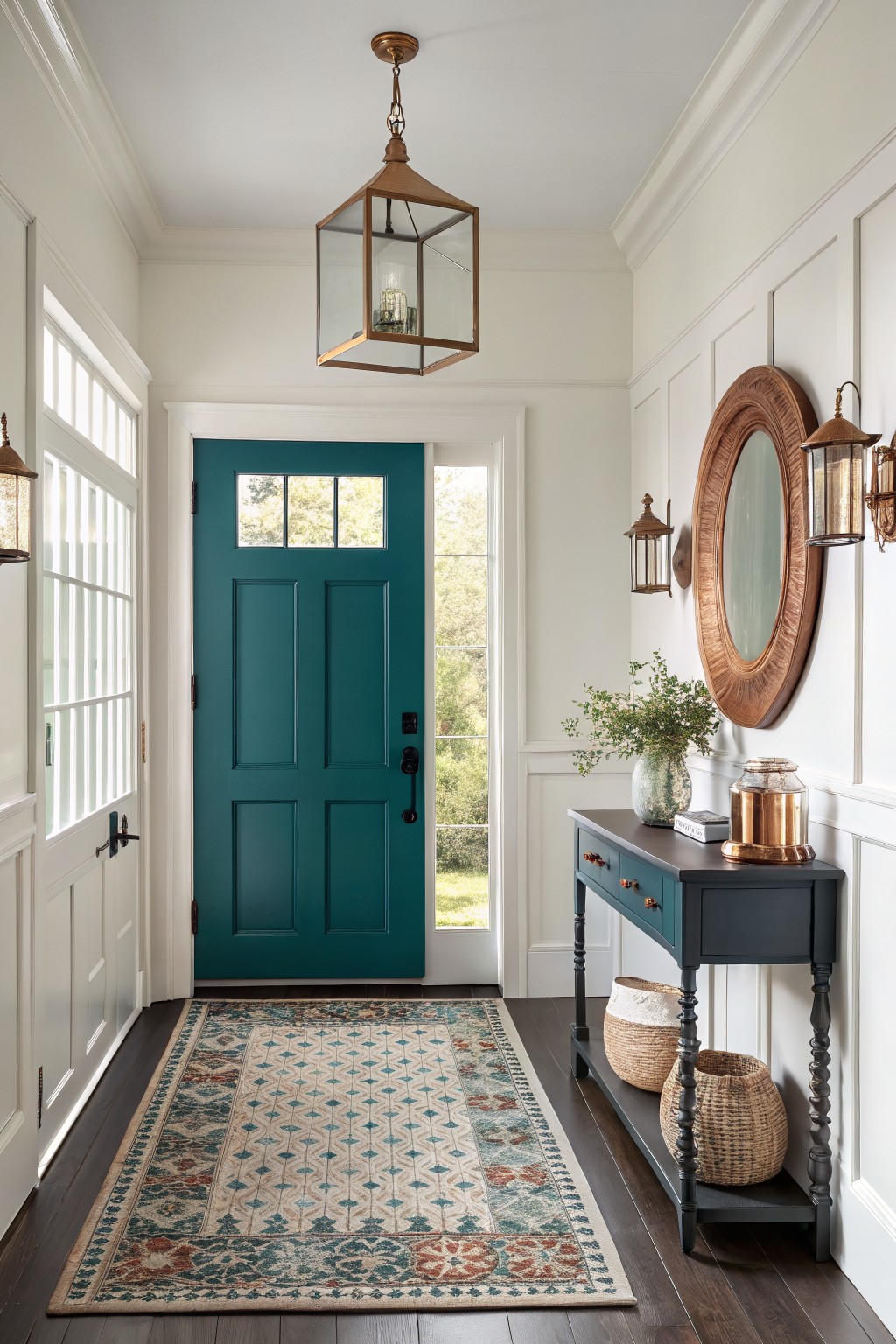
A deep teal like this one gives an entryway a quiet lift without trying too hard. It sits in that blue-green family and feels steady next to white walls and dark floors. You see similar shades in Sherwin Williams Teal Trust, Benjamin Moore Pacific Ocean, Farrow & Ball Vardo, and Behr Deep Sea Dive.
It carries a cool undertone that stays calm even when the light shifts through the day. It works best with crisp white trim and simple wood tones. Skip it if your space already runs cool, since the color can lean a bit chilly in low light.
Soft Sage Green Sunroom Walls
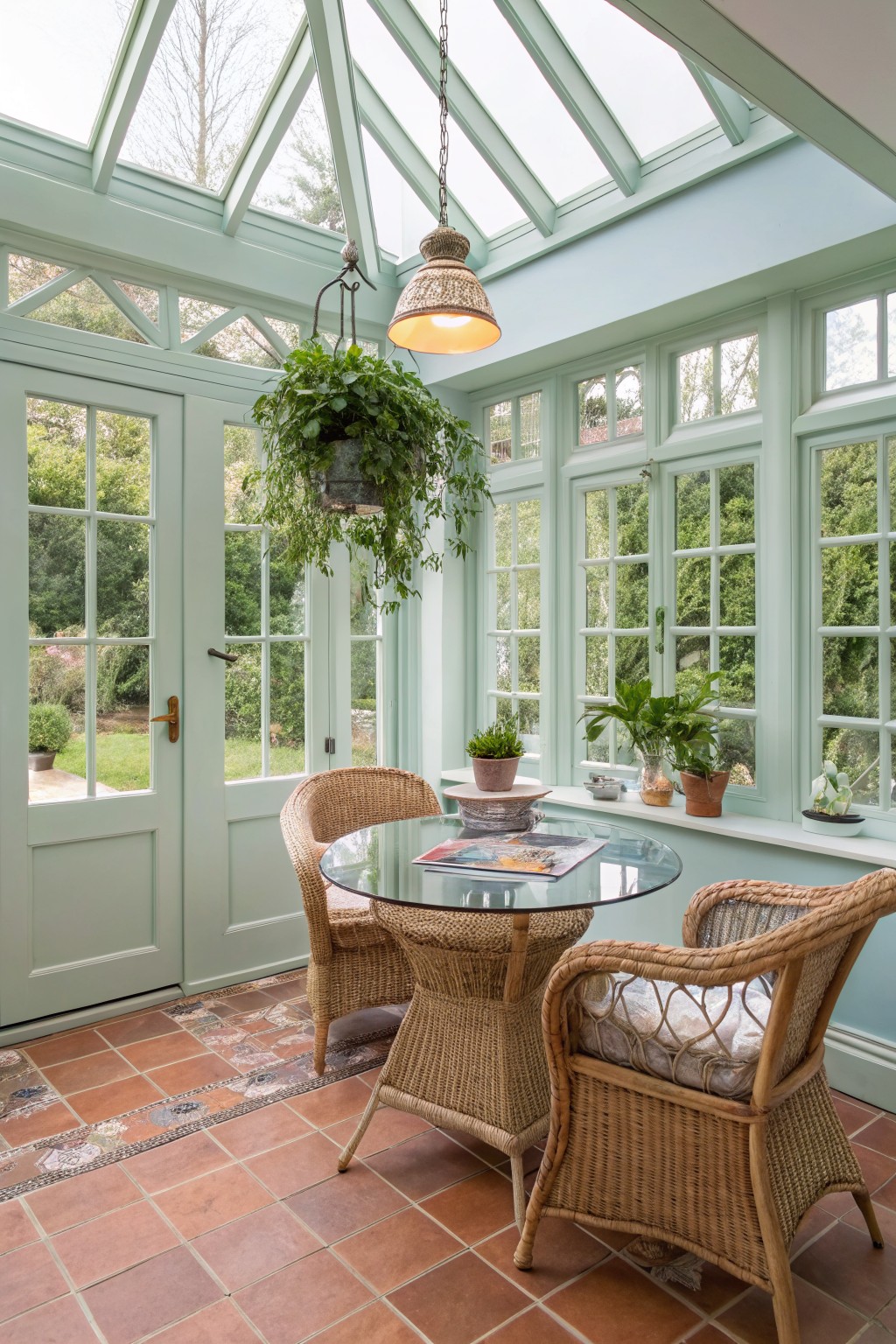
This soft sage green sits right in that easy middle ground between gray and green. It feels fresh without trying too hard and works especially well in rooms that get steady daylight.
The color has a slight cool undertone that keeps it calm next to wood and tile. It suits sunrooms or any space with big windows, though it can look a little dull if the light stays low for long periods.
Soft Greige Paneled Walls
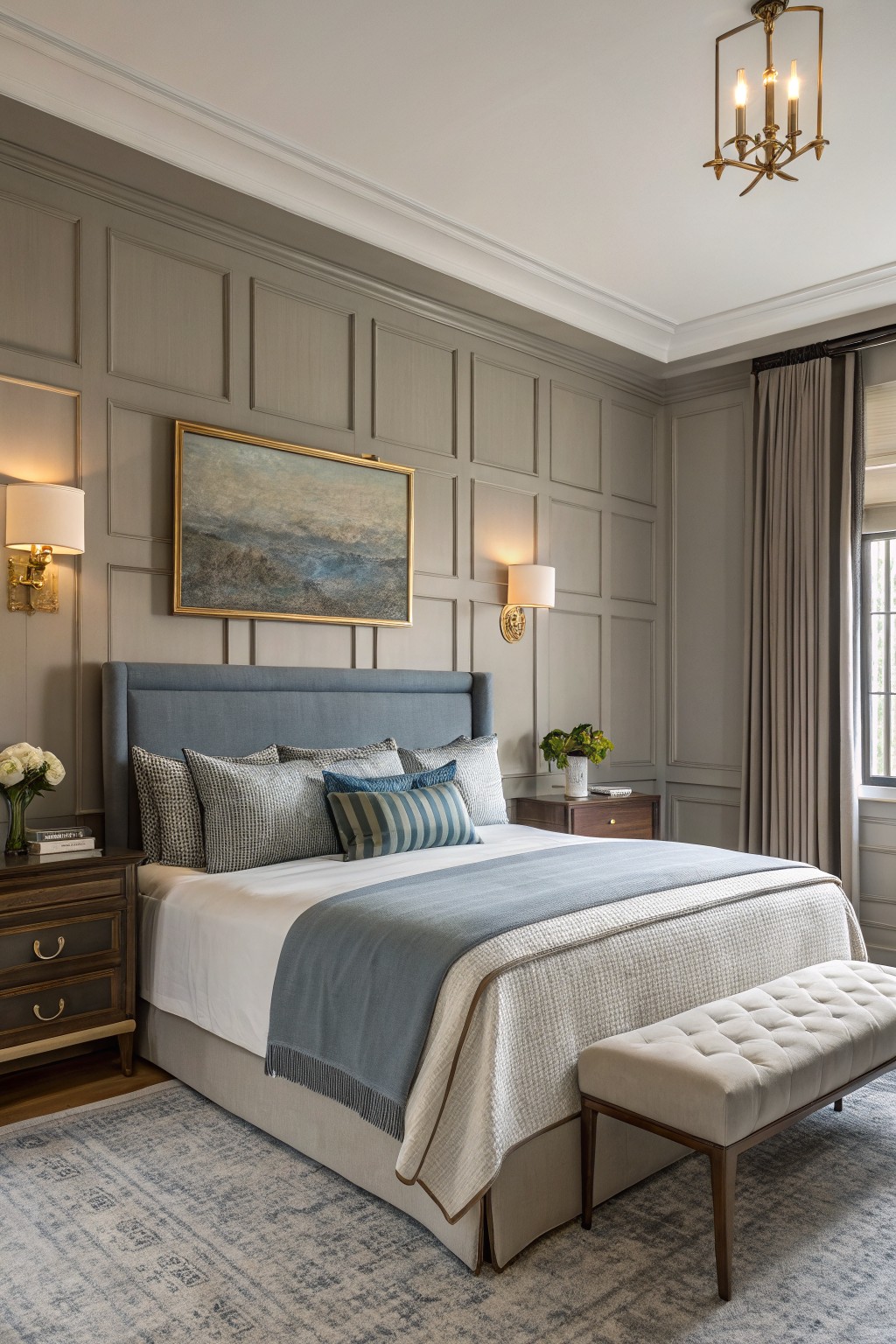
This soft greige reads very close to Sherwin Williams Agreeable Gray or Benjamin Moore Edgecomb Gray. It is a quiet neutral that sits nicely between gray and beige without leaning too far in either direction.
The color has a gentle warmth that keeps the room feeling comfortable rather than stark. It works especially well on paneled walls and pairs easily with wood furniture and simple textiles.
Soft Mint Green Laundry Room Walls
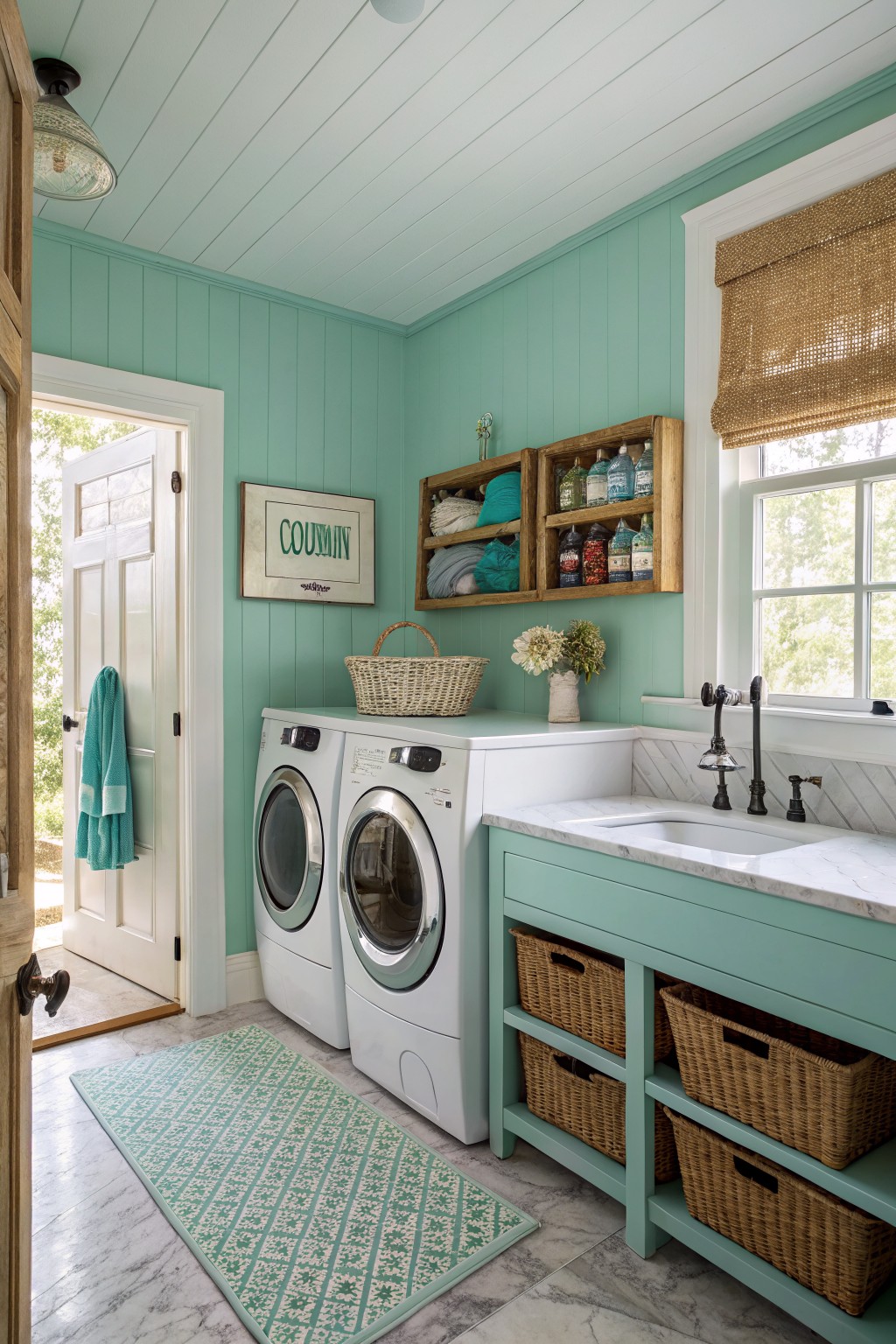
This soft mint green gives the walls a light and easy feel that works well in a laundry room. It is a cool-leaning green with just enough blue to keep it from looking too yellow or flat. Many people reach for shades like this when they want something brighter than sage but still calm and simple.
It sits nicely next to white trim and marble surfaces. The color stays steady in both morning light and later in the day. Try it with warm wood tones or black hardware if you want a bit more contrast without losing the soft look. It works in Benjamin Moore Seafoam, Sherwin Williams Spearmint, Behr Aqua Haze, or Farrow & Ball Teresa’s Green.
Frequently Asked Questions
Q: How do I pick the best color for my north facing room from these options?
A: Go with warmer tones like soft greiges or taupes. They counteract the cool light and make the space feel cozy right away.
Q: Can I use these colors on cabinets or is it walls only?
A: These shades work great on cabinets too. Just prep the surface well and use a cabinet specific paint for a smooth finish that lasts.
Q: What if the color looks nothing like the photos online?
A: Lighting plays tricks. But test it in your room before the full paint job.