When I step out onto the patio in the evening, the lack of privacy is usually the first thing I notice about the space.
Adding panels made from basic materials lets me carve out areas that feel more like an extension of the house rather than just open yard.
That change makes a big difference.
I have tried mixing lattice with a few planters and it softens the edges while still blocking the view.
Over time those setups have become the spots where I actually want to spend time instead of heading back inside.
Vertical Wood Slat Panels For Balcony Privacy
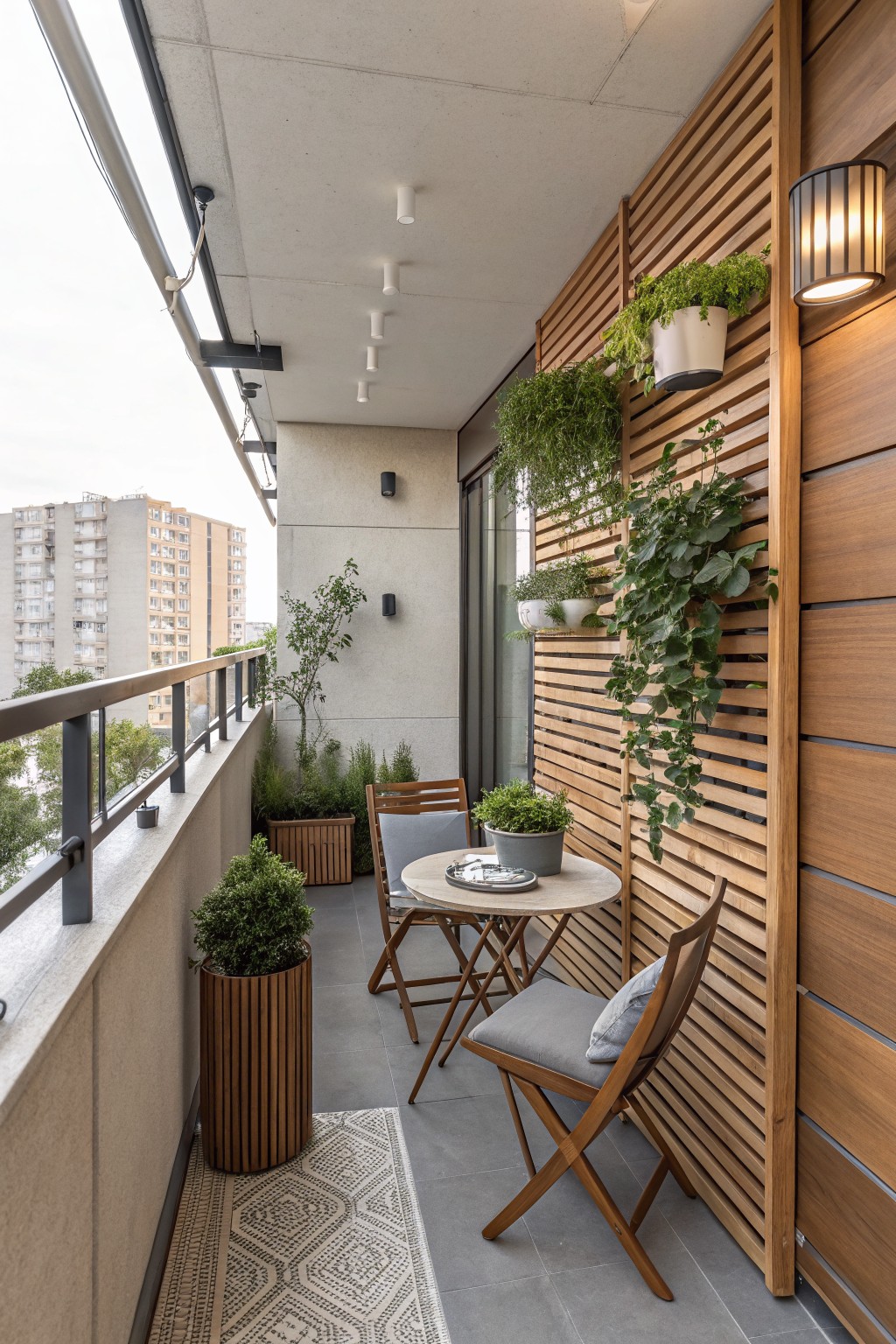
Wood slat panels work well when you need privacy on a balcony but still want to keep the space from feeling closed in. The vertical lines let some light through and create a simple screen along one side without taking up floor space.
Mount planters directly onto the slats or let trailing plants hang from the top edge. This setup suits narrow balconies or apartments where you want a quick DIY screen that also adds a bit of greenery.
Lattice Panels With Planters

Lattice panels work well when you want privacy without putting up a solid wall that blocks everything. The open grid lets some light through while giving plants a place to sit, and the whole thing feels lighter than a plain fence.
This setup suits patios or decks where you need screening along one side. You can mount the lattice on an existing fence or wall and tuck small planters into the openings, which makes it easy to adjust as the plants grow or as the seasons change.
Wood Slat Screens For Outdoor Privacy
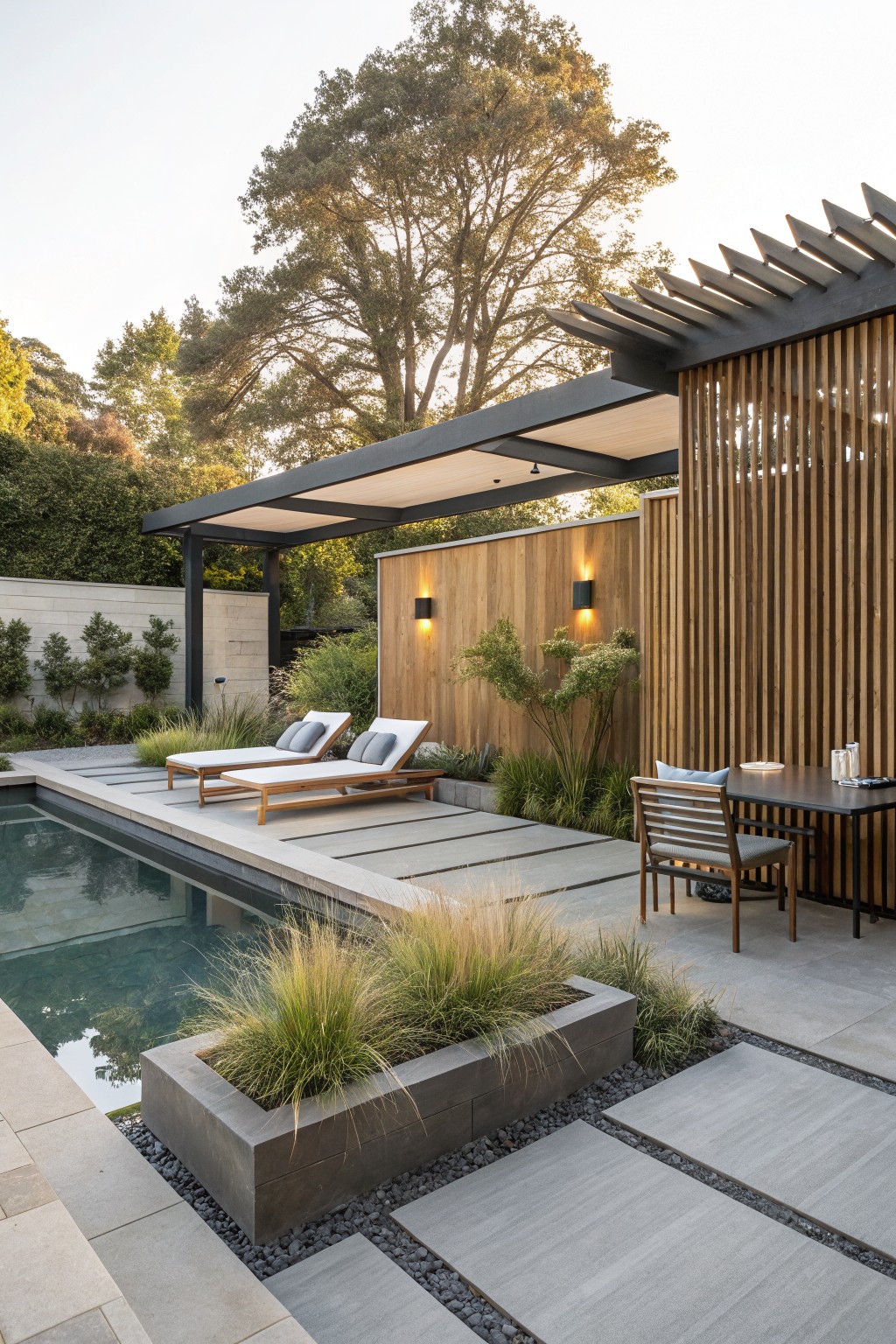
Vertical wood slats give you a clean way to screen off an outdoor living area without making it feel closed in. They block the view from the side while still letting air move through, which keeps the space comfortable on warm days. Many people like how the simple lines add some structure without needing a full wall.
This works best along the edge of a patio or pool deck where you want separation from a neighbor or street. You can build the screen yourself with straight lumber attached to a frame, and it pairs easily with planters or a pergola if you want more coverage later on.
Lattice Panels For Garden Privacy

Lattice panels give you a quick way to block a view while still letting light and air move through the space. They work especially well when you want something lighter than a solid fence, and the open grid makes it easy for climbing plants to take hold and fill in over a season or two.
Place them along a side path or at the edge of a small yard where you need a bit of separation from neighbors. They suit older homes with simple gardens and look best when kept to one or two sections rather than running the full length of the property.
Wood Slat Panels Create Simple Outdoor Privacy

Wood slat panels give you a clean way to add privacy on a balcony or rooftop without blocking all the light. The vertical spacing keeps the area from feeling boxed in while still hiding the view from neighbors or the street.
They work best when mounted to an existing railing or built as a freestanding screen behind seating. Use weather-treated lumber and keep the gaps consistent so the whole thing feels balanced and finished.
Wood Slat Screens For Deck Privacy
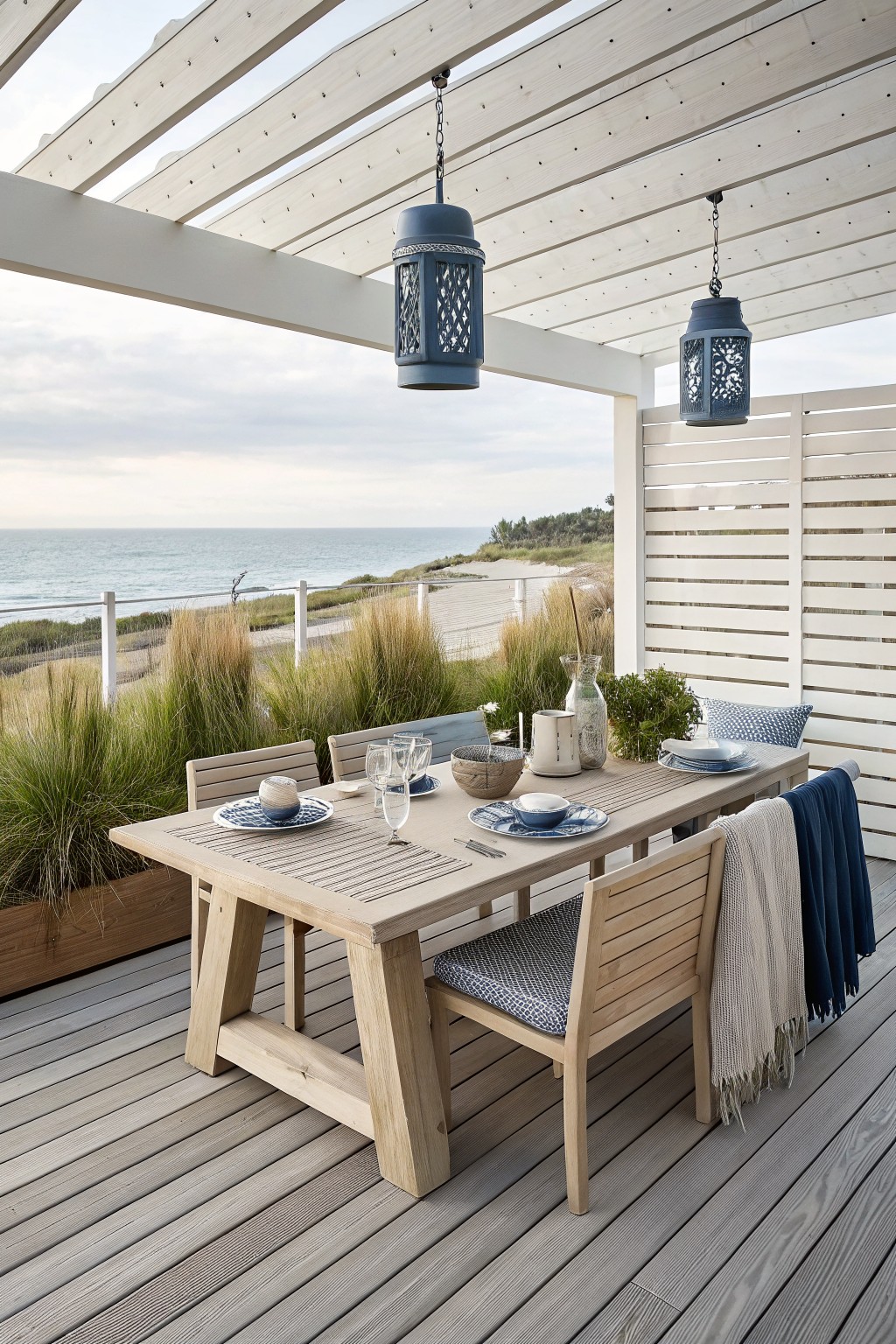
Vertical wood slat panels work well when you need privacy on one side of a deck without blocking light or air flow. They give a clean look that fits many outdoor spaces and can be built to match a pergola or railing.
These screens suit decks that sit close to neighbors or open views. Keep the spacing even so the panels feel balanced, and use the same wood tone as your deck for a simple finish.
Lattice Panels With Climbing Vines

Lattice works well when you want privacy on a patio without making the space feel closed in. The grid lets some light and air through while giving vines a place to grow and fill out over the season.
This approach suits homes with a side fence or open edge near neighbors. Set a few planters along the base and train the plants upward. It softens the look compared to solid boards and blends into the garden as the vines spread.
Vertical Wood Slats For Side Privacy

Vertical wood slats work well when you want to close off the sides of an outdoor structure without making it feel boxed in. They give some visual separation from the rest of the yard while still letting air and light move through the space.
This setup suits poolside patios or backyard seating areas where full walls would feel too heavy. You can adjust the spacing between the slats depending on how much privacy you need, and the material holds up outdoors with basic sealing.
Wood Slat Panels With Planters
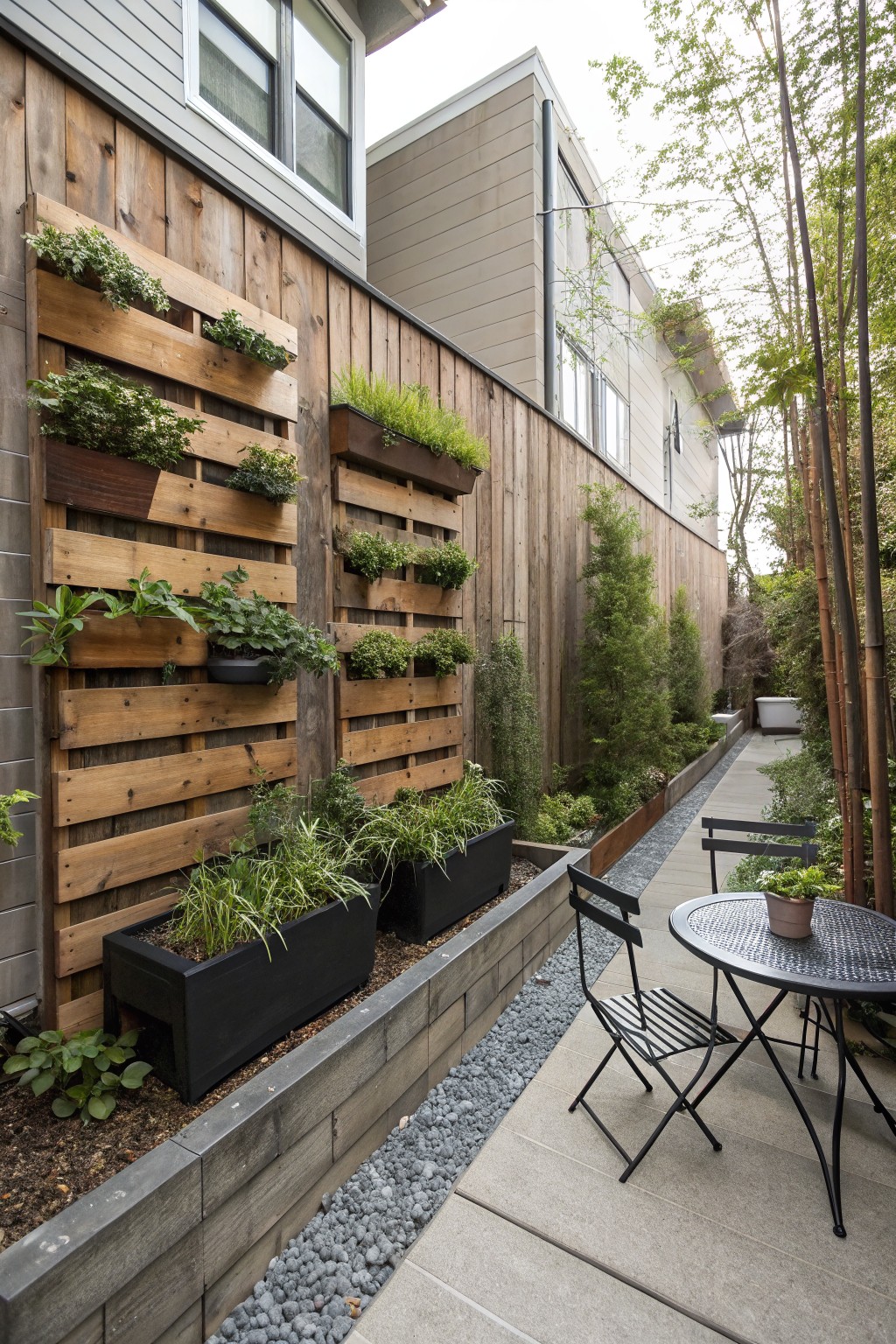
Mounting vertical wood slats on a wall and adding planters directly to them gives you a simple privacy screen that also brings in greenery. It works especially well along narrow side yards where you need to block sight lines without crowding the ground space.
You can put this up on any long blank wall next to a patio or path. Just keep the panels sturdy, choose plants that can handle the sun exposure, and leave enough room for the boxes to drain properly.
Wall-Mounted Lattice Panels Add Simple Privacy
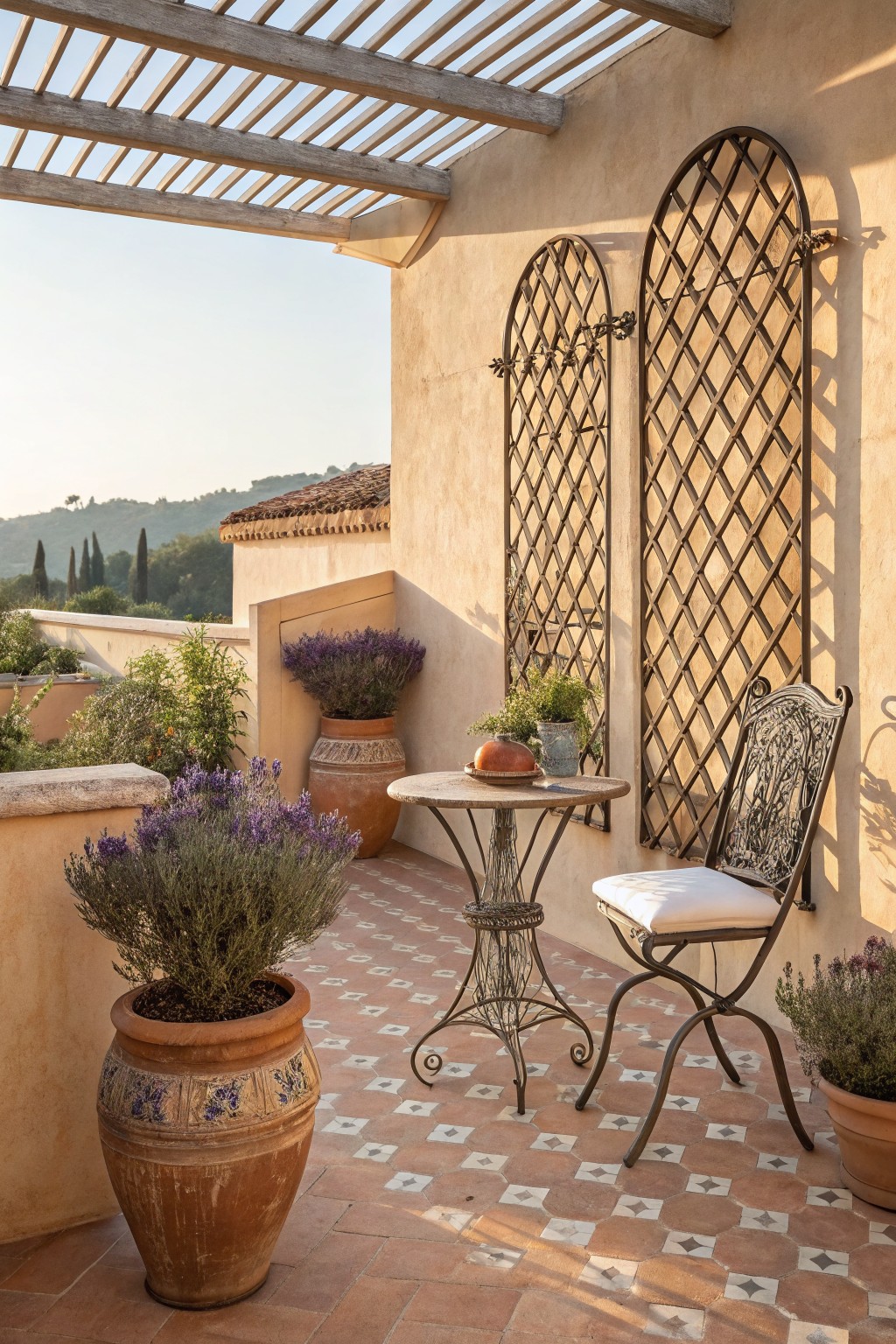
Lattice panels mounted right on a wall give you privacy without eating up floor space on a patio. They block the view from outside while still letting air and some light through, which keeps the area from feeling closed in.
This works best on a side or back wall where you need screening from neighbors. Just secure the panels at a comfortable height and let vines grow up them if you want more coverage over time.
Use a Wood Lattice Panel With Planters for Balcony Privacy

A wood lattice panel gives you a simple way to add privacy on a balcony while still letting in light and air. The grid pattern keeps the space from feeling closed in, and planters mounted right on the panel bring in greenery that helps screen the view without needing a solid wall.
This works best on upper decks or balconies where you need to block a direct line of sight from nearby buildings. You can attach boxes or hang pots at different heights and let plants trail or climb to fill in the gaps over time.
Horizontal Slats For Quick Privacy Screens
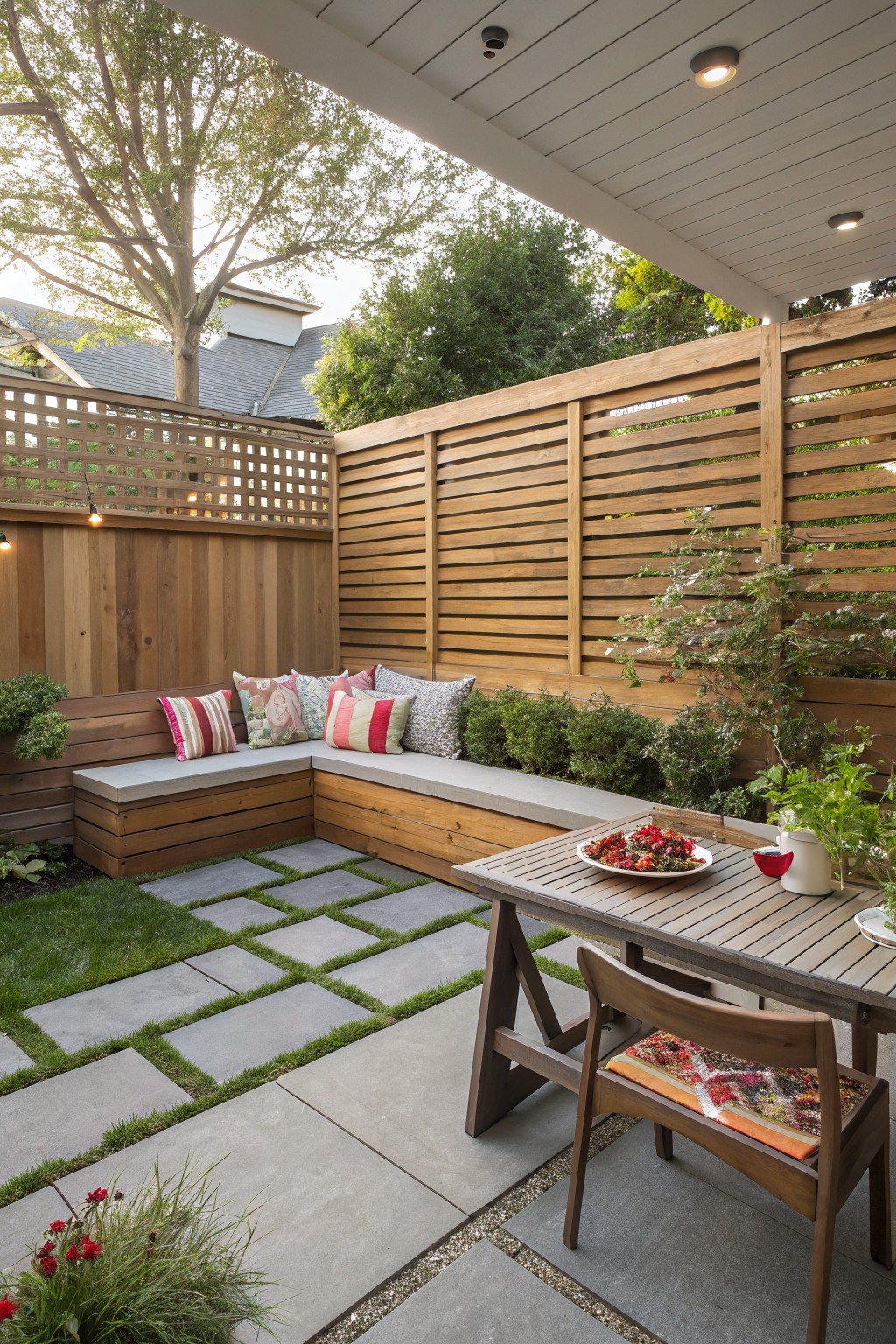
Many people turn to horizontal wood slats when they want privacy around a patio without building a solid wall. The slats block sight lines from the sides while still letting some air and light through, which keeps the space from feeling boxed in.
This approach works well along the edges of a seating area or at the back of a small yard. You can build the panels to match your existing fence height and leave room at the bottom for planting if you want to soften the look over time.
Horizontal Wood Slats For Garden Privacy
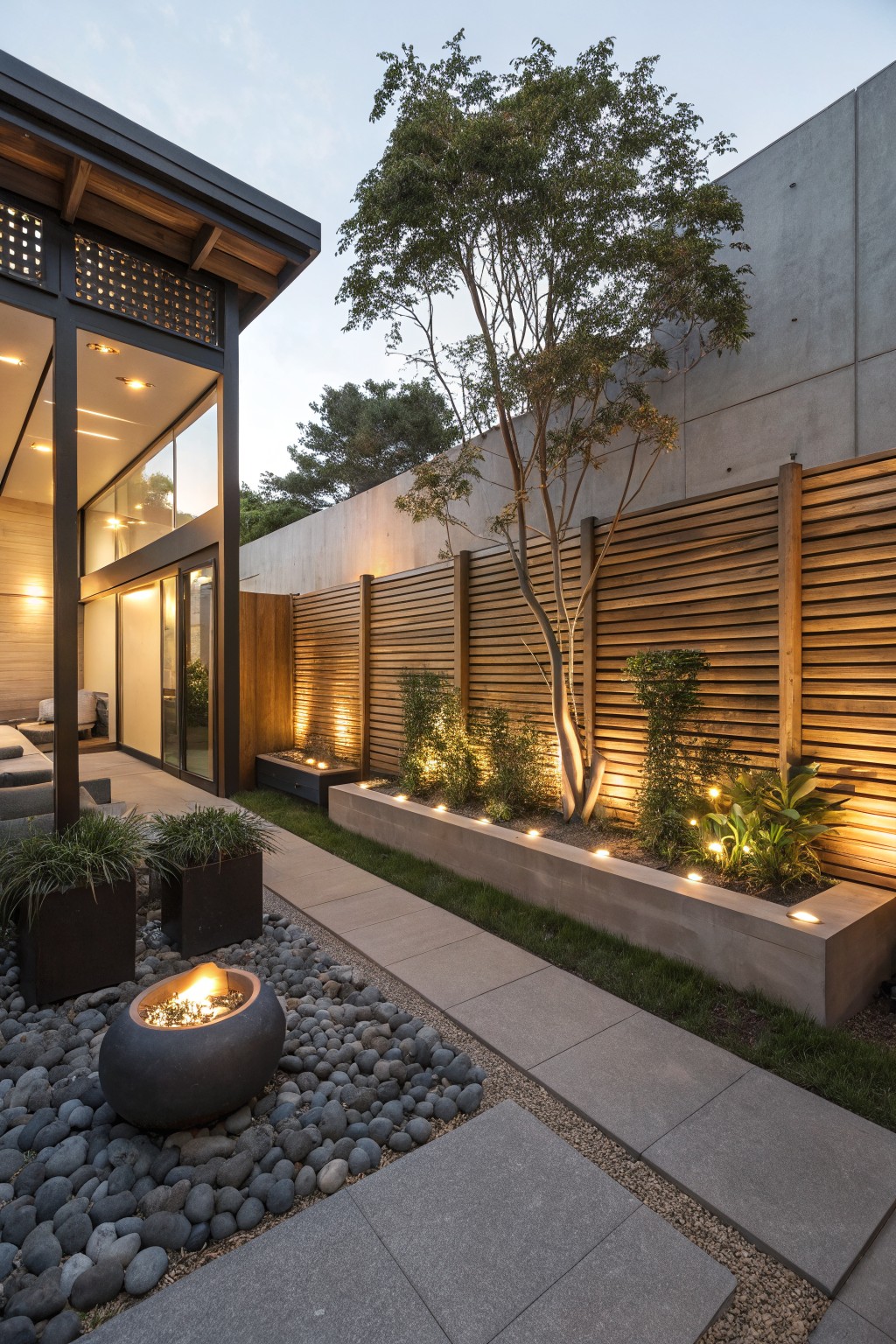
Horizontal wood slats create a simple privacy screen that blocks the view without making the space feel boxed in. They work well on a blank wall or fence where you need coverage but still want some air and light to pass through.
Mount the slats on vertical posts and add a raised planter along the base. This lets you tuck in plants and low lighting while keeping the whole thing low maintenance. It suits modern homes with straight lines and limited yard space.
Lattice Panels With Planters For Simple Privacy

Wood lattice works well for privacy because it blocks views without cutting off all light and air. Adding planters at the base gives the panels extra weight and lets plants fill in over time, which softens the look and makes the screen feel more permanent.
This setup works best on rooftops, decks, or balconies where you need screening but still want an open feel. You can build the frames from standard lumber and set the planters on wheels if you want to move them later.
Horizontal Wood Slats For Privacy

Wood slats give you a straightforward way to block views around an outdoor space without making it feel closed in. The horizontal boards in this setup create a solid backdrop that keeps the hot tub area private while still fitting with the surrounding deck and garden.
This approach works best on small patios or decks where you need screening along one or two sides. Attach the slats to posts or an existing wall, and leave small gaps if you want a bit of airflow and light. Just watch the height so it does not shade the whole area.
Privacy Panels Using Wood Slats And Lattice

Wood slat panels with sections of lattice give you privacy without making the space feel completely closed in. The solid parts block the view where you need it most, while the lattice lets in light and gives vines a place to climb. This mix works especially well along narrow side yards where you want screening but still need some air and brightness.
It suits homes with tight lot lines or long walkways between the house and fence. You can build it in sections so it stays simple to put up or adjust later. Just make sure the lattice is placed where you want plants to grow through rather than where you need full coverage.
Wood Slat Screens Behind Outdoor Kitchens
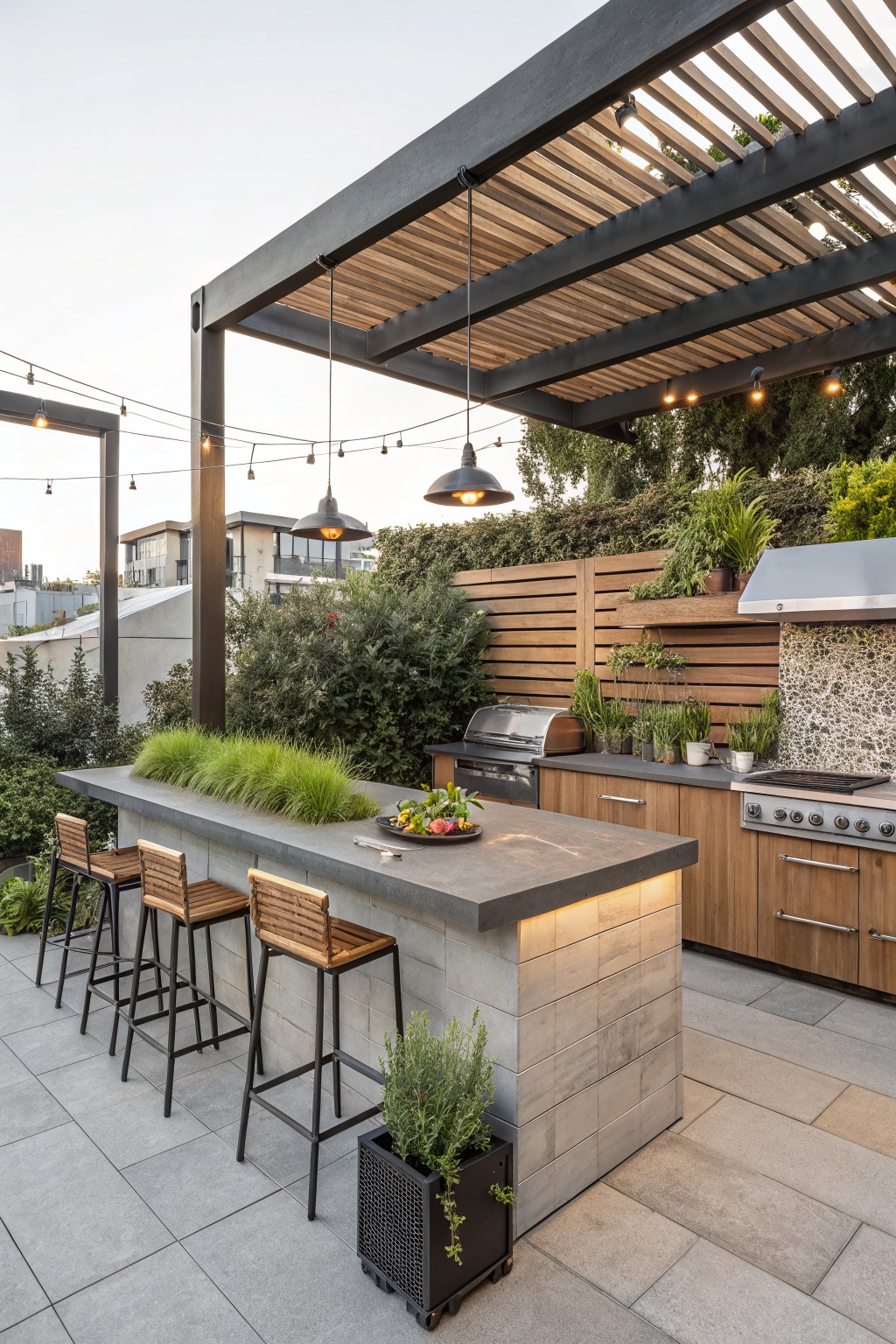
Wood slat panels work well when you want privacy without losing light or airflow around an outdoor kitchen. The vertical slats here form a simple screen that hides the space behind the counter while still letting the area feel connected to the rest of the patio.
You can build similar panels with basic lumber and mount them to posts or an existing fence. They suit rooftops and side yards where full walls would feel too heavy, and adding a few planters along the top helps soften the look over time.
Vertical Wood Slats For Outdoor Privacy

Vertical wood slats work well when you need to block a side view without closing off the whole space. They let some light and air through while giving a solid screen that feels more natural than a solid wall. In the photo the slats stand tall beside a stone wall and pair with large planters at the base.
This approach suits patios or terraces that sit close to a neighbor or street. Build the panels in sections so they are easy to move or adjust later. Keep the spacing even and use a simple frame to hold the slats steady.
Use Planters To Add Soft Screening On A Porch
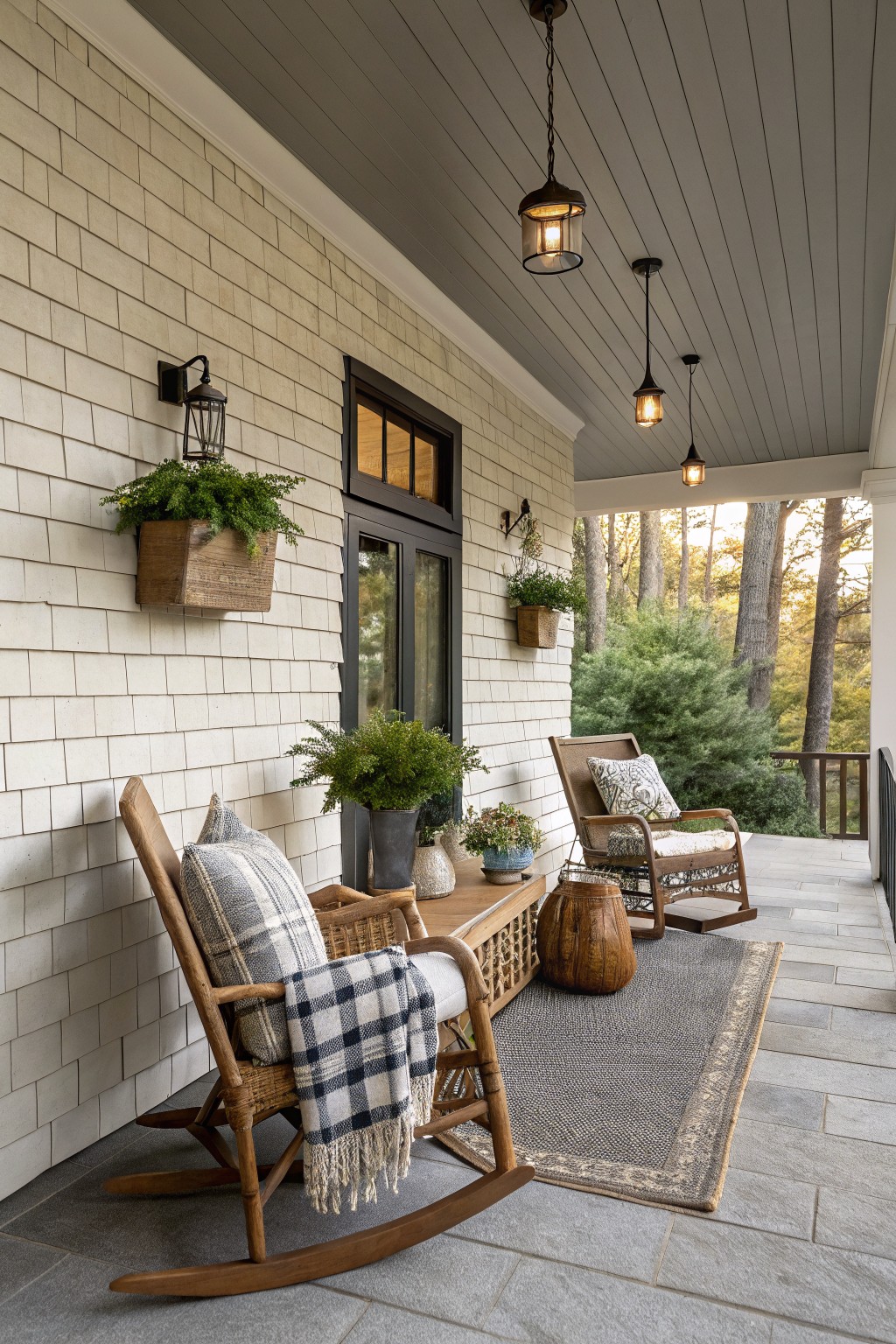
Wall mounted planters give you an easy way to bring in greenery without taking up floor space. They help break up the view from outside while still keeping the porch feeling open and light. A few well placed pots on the ground can do the same job at seating level.
This works best on a covered porch where you want a bit more privacy from the street or neighbors. Stick with simple wood boxes or basic pots that match your siding or railing. Keep the plants low maintenance so the look stays neat without much work.
Frequently Asked Questions
Q: How do I protect the wood slats from rain and sun?
A: Seal the wood with a good outdoor stain before you build. Reapply it every couple of years to keep things looking fresh. This helps the panels hold up without much fuss.
Q: Which plants hold up well in the planters for privacy?
A: Go with tall grasses or evergreen shrubs that like your local climate. They fill in fast and add softness to the hard wood look.
Q: Can I attach these panels to a deck railing?
A: Use sturdy brackets or screws into the posts. Check that everything lines up level before you tighten them down. This keeps the whole setup safe and solid.