I’ve found that backyards tend to feel more open than they should when the edges are left completely exposed to neighbors or the street.
Simple additions like planters or panels can make a real difference in how much privacy a space actually provides during everyday use.
Some setups end up blocking too much light or airflow once they are in place.
I like to look at what already exists in the yard before deciding which changes would blend in without extra work.
Trying one project on a small section first shows me whether the idea fits the way we actually use the space.
Horizontal Slat Screens For Side Privacy
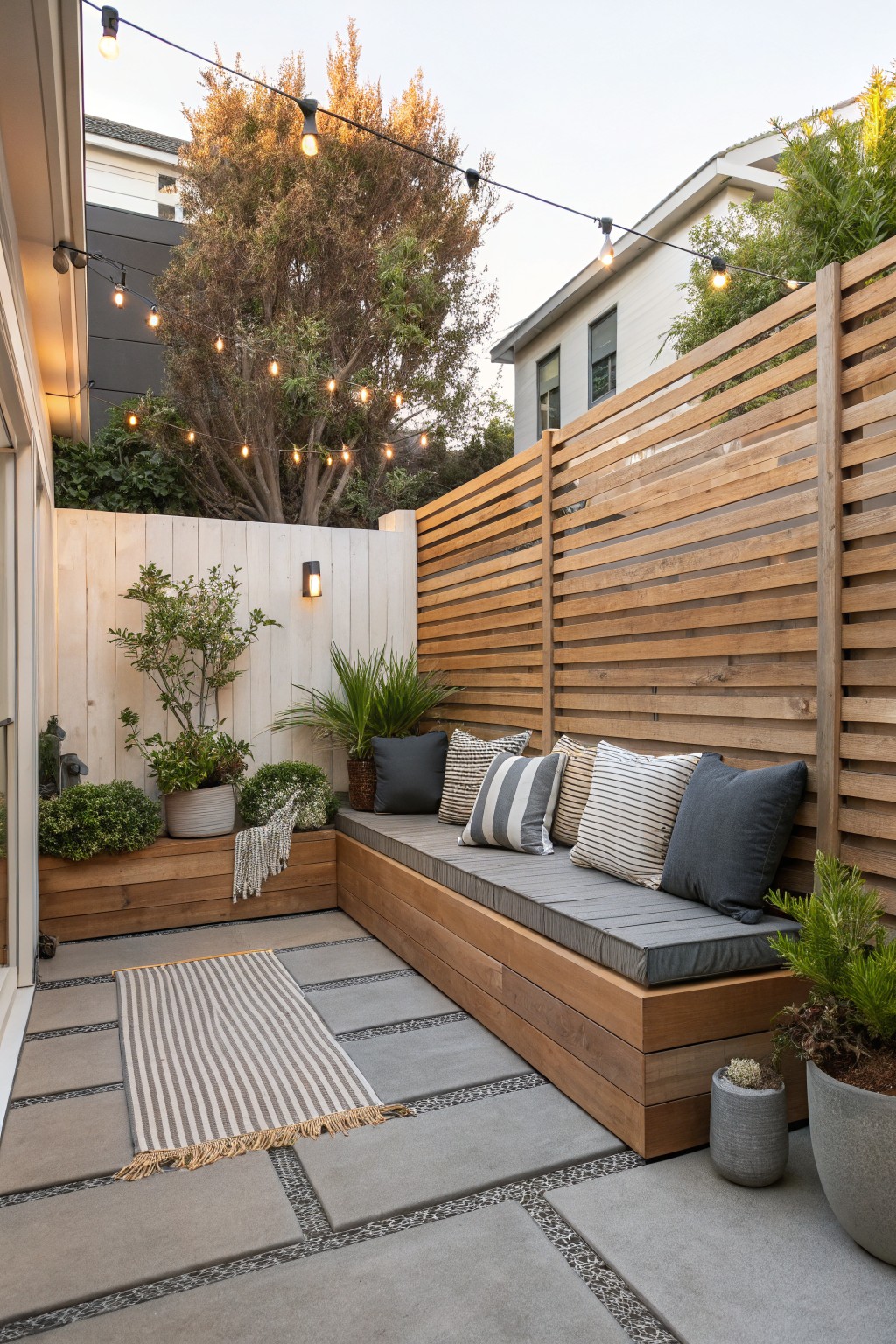
A row of horizontal wood slats makes a fast privacy fix along one side of a patio. It blocks the view without closing the space in completely and gives you a flat surface to lean a bench against.
This works best on narrow lots where you need coverage along just one fence line. Keep the slats spaced evenly, use weather-treated lumber, and add a couple of large planters at the base if you want extra greenery without more building.
Mix Lattice Panels Into A Solid Fence
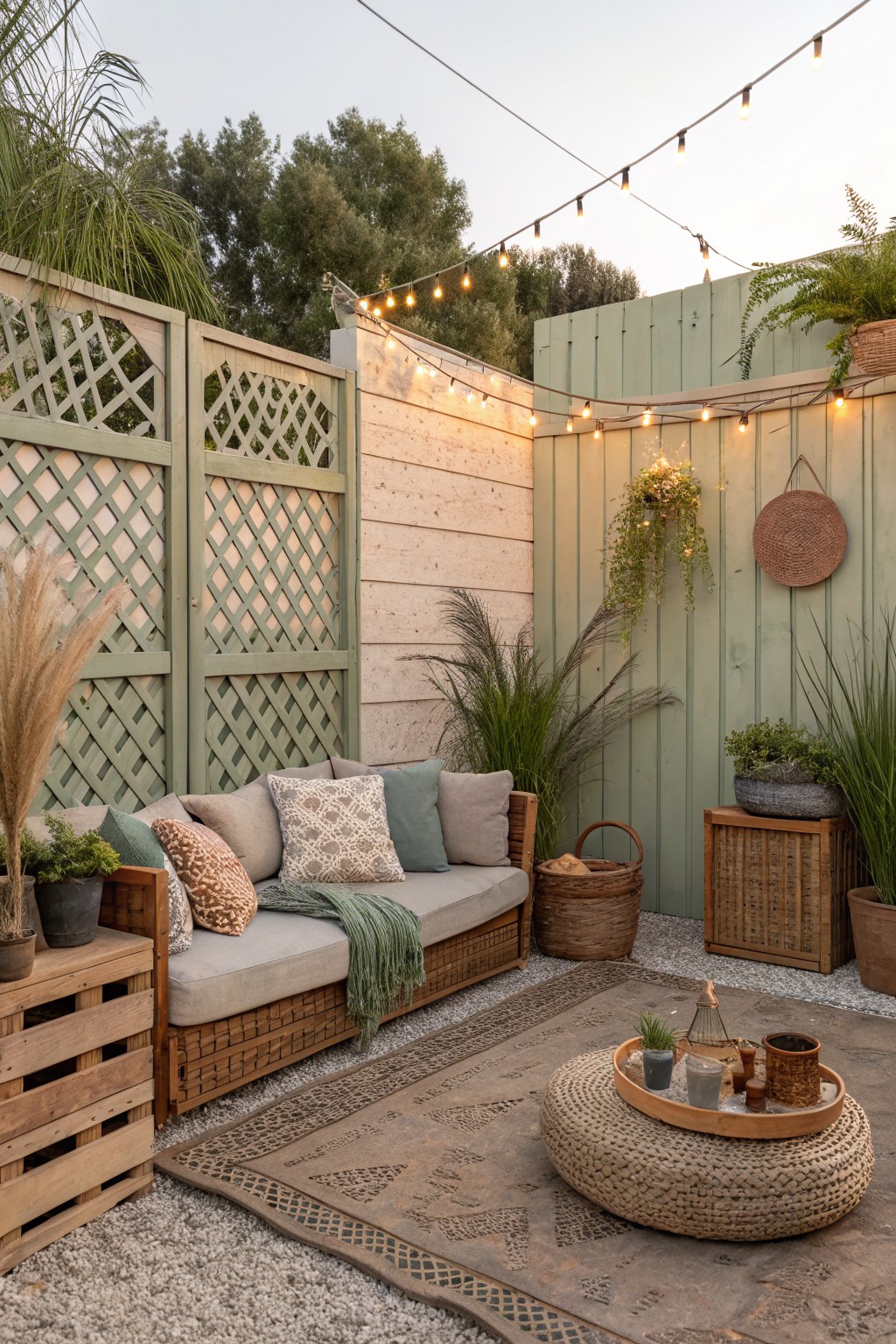
Mixing lattice sections into a solid fence gives you privacy without making the whole yard feel boxed in. The solid parts block the view while the lattice lets in some light and air and gives vines a place to grow.
This setup works best along side or back property lines on smaller lots. Frame the lattice well so it stays sturdy, and add a few planters at the base if you want extra screening over time.
Mix Wood and Metal for Backyard Privacy
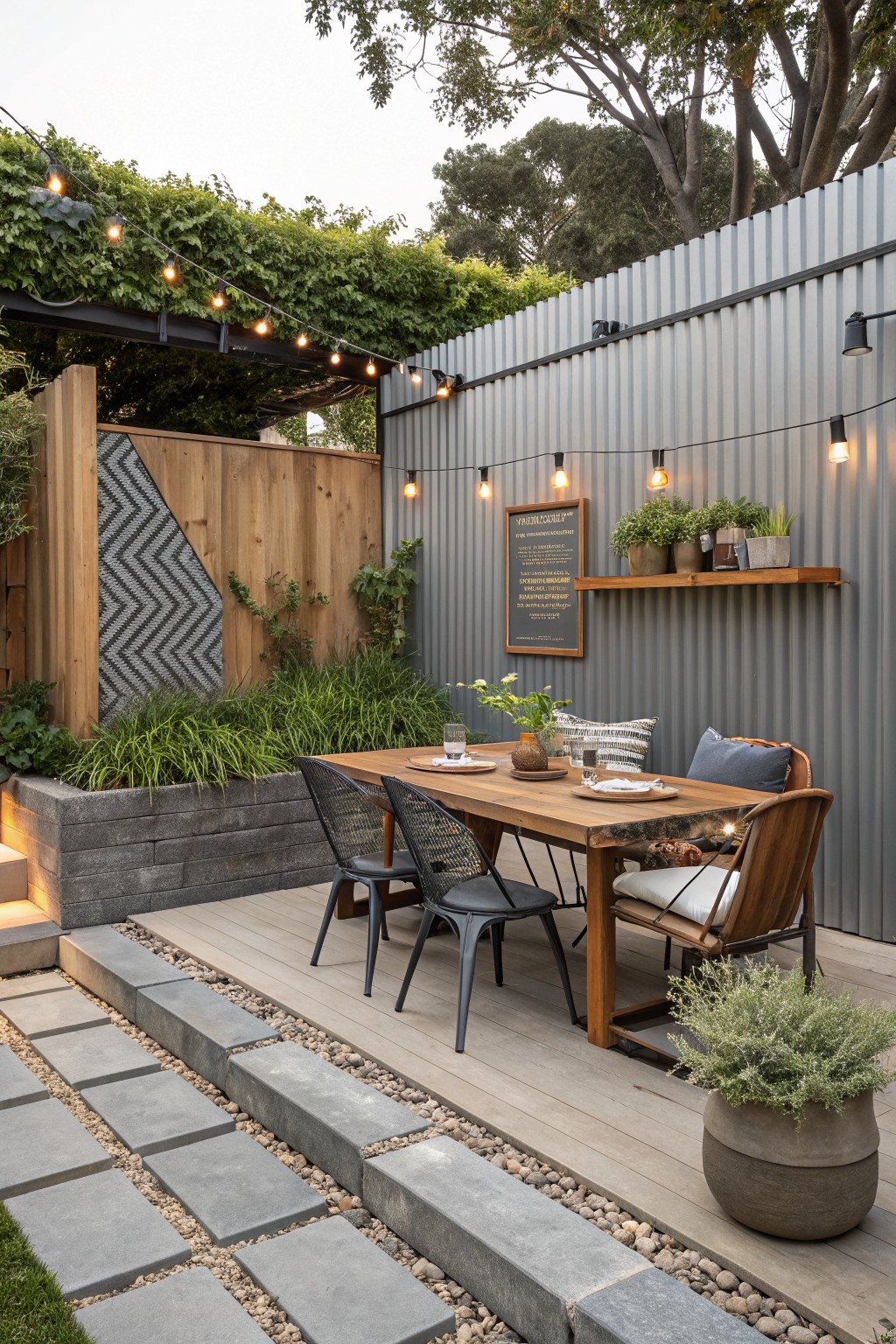
Mixing wood and metal fencing gives you solid privacy without making the yard feel closed in. The wood adds some warmth while the metal covers a larger area fast, and together they block views from neighboring homes or streets.
This setup works best in side yards or along the back line where you need coverage on a weekend project. Keep the wood section shorter if you want some light through, and use the metal where you need the most height.
Lattice Panels And Planters For Privacy
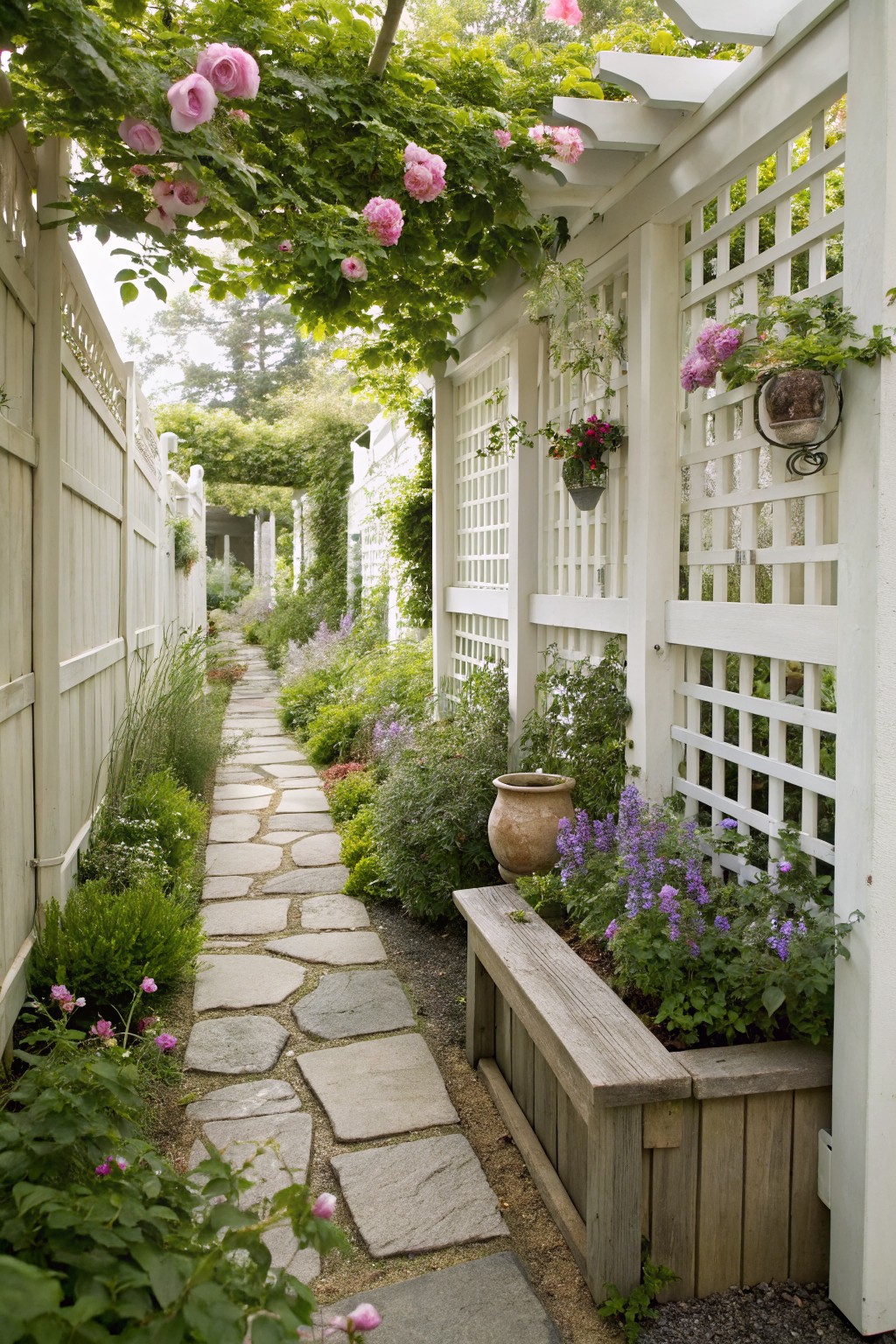
Lattice panels work well for privacy because they block the view without making a space feel closed in. The open grid lets light and air through while giving climbing plants something to grow on, which adds another layer over time. This approach fits narrow side yards or paths where a solid fence would feel too heavy.
It works best along property lines or between seating areas and neighbors. Set the panels on a low base or attach them to a simple planter box so the structure stays sturdy. Choose lightweight wood or vinyl that you can install in a weekend, and add potted plants at the base for extra screening right away.
Horizontal Slat Fencing For Backyard Privacy
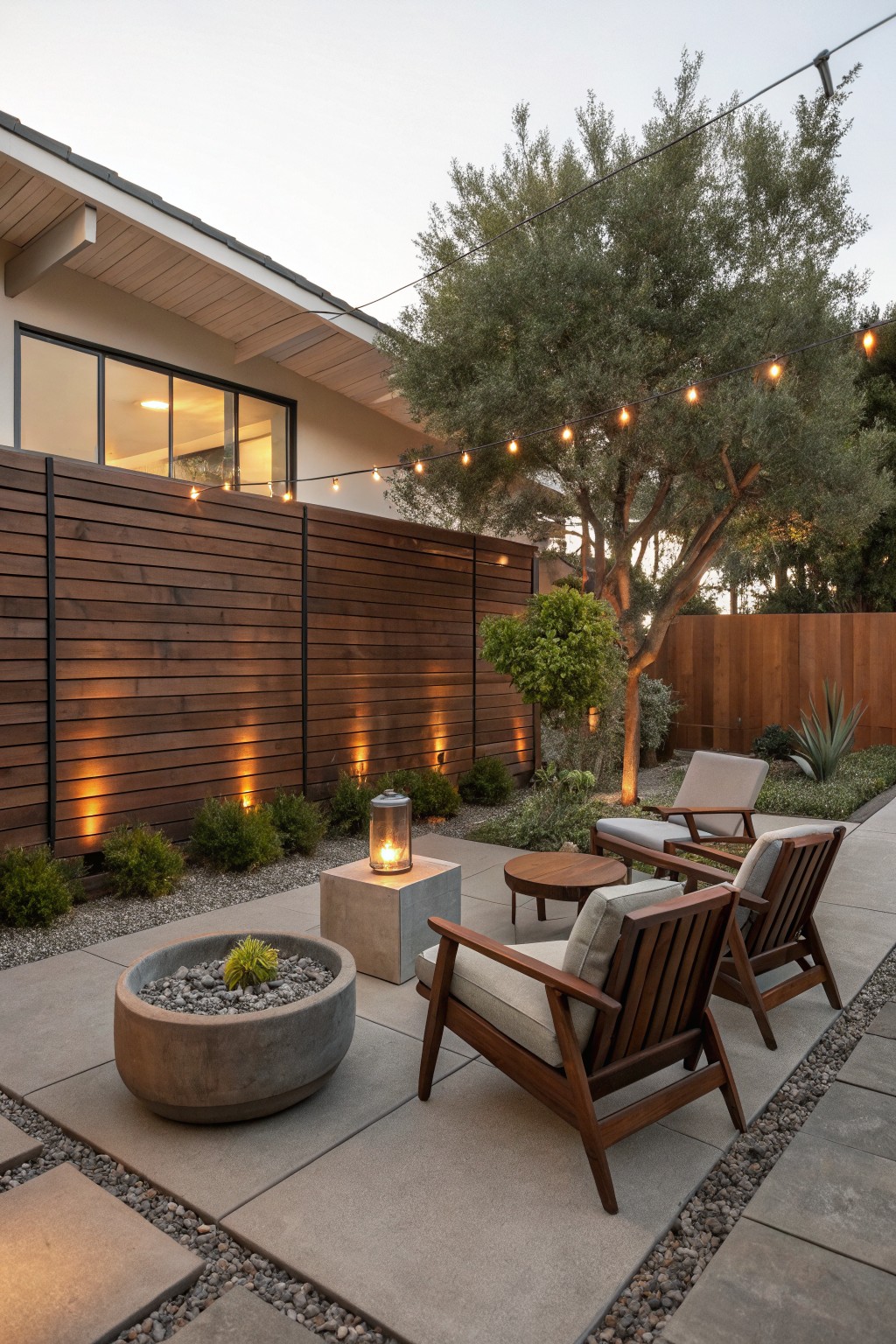
Horizontal wood slats make a strong privacy screen because they block the view from outside while still letting some light and breeze through the gaps. This setup works especially well when the fence runs right along a patio edge, turning an open yard into a more contained space without feeling heavy.
It suits smaller backyards or side yards where you want screening without a solid wall. The wood can be stained to match existing structures, and the horizontal layout keeps the look simple and straightforward to build over a weekend.
Combine Metal Screens With Planters for Backyard Privacy

Metal screens cut with open patterns give you privacy without turning a space into a solid wall. They let light through and add some interest while the plants in front soften the look and help block lower sight lines.
This setup works best along a side property line or next to a patio where you need quick screening. You can mount the panels directly to the back of raised wooden planters so everything stays in one piece and the plants get good soil depth.
Line A Deck With Tall Planters
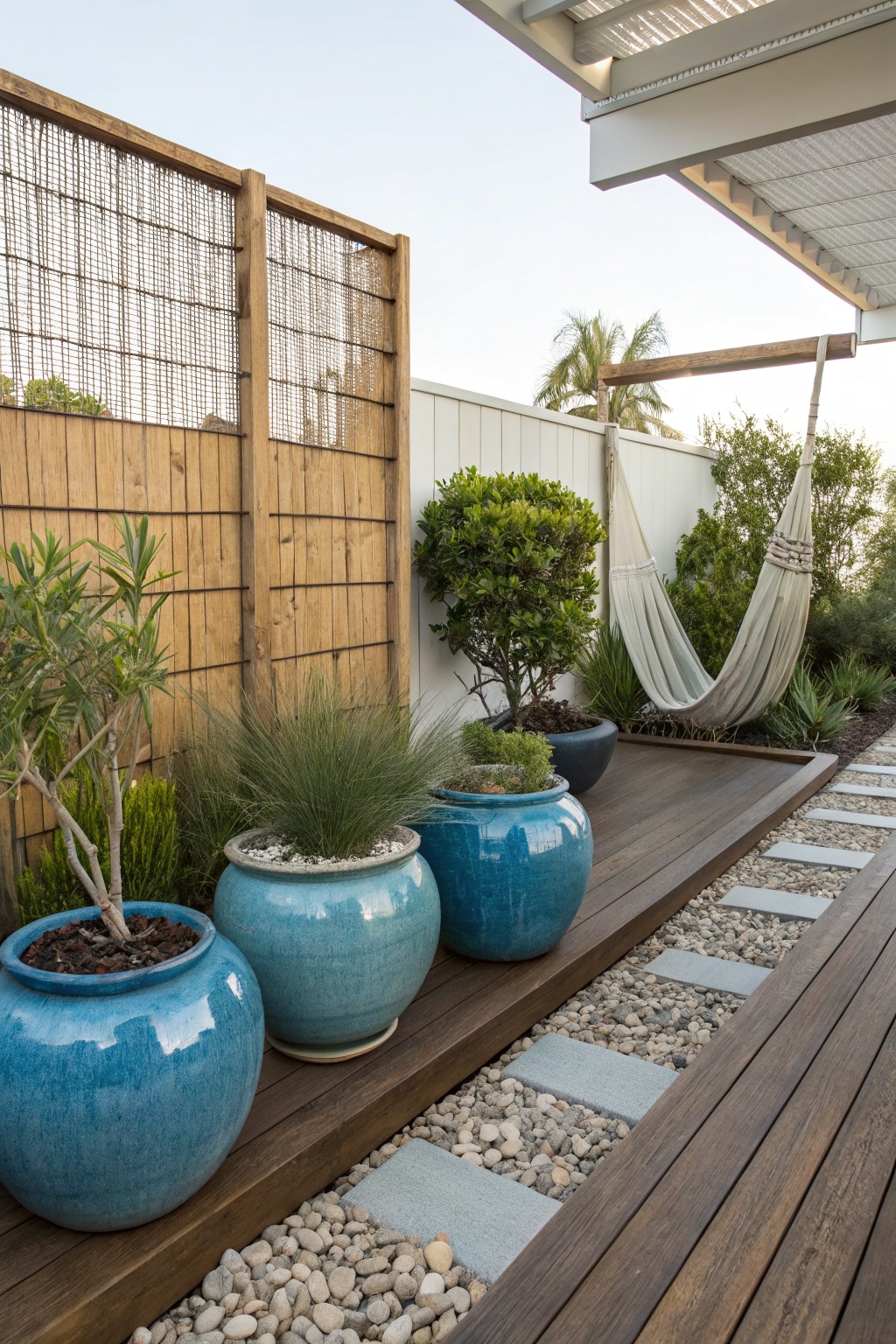
Large planters give you a simple way to add height and block views along the edge of a deck. They work especially well when you already have a fence in place and just need a bit more coverage without adding another structure.
Set a row of big pots right against the fence line. This works best on smaller decks or in side yards where you want privacy but still need to keep the space open and easy to walk through.
Mount Planters on a Wall for Easy Privacy
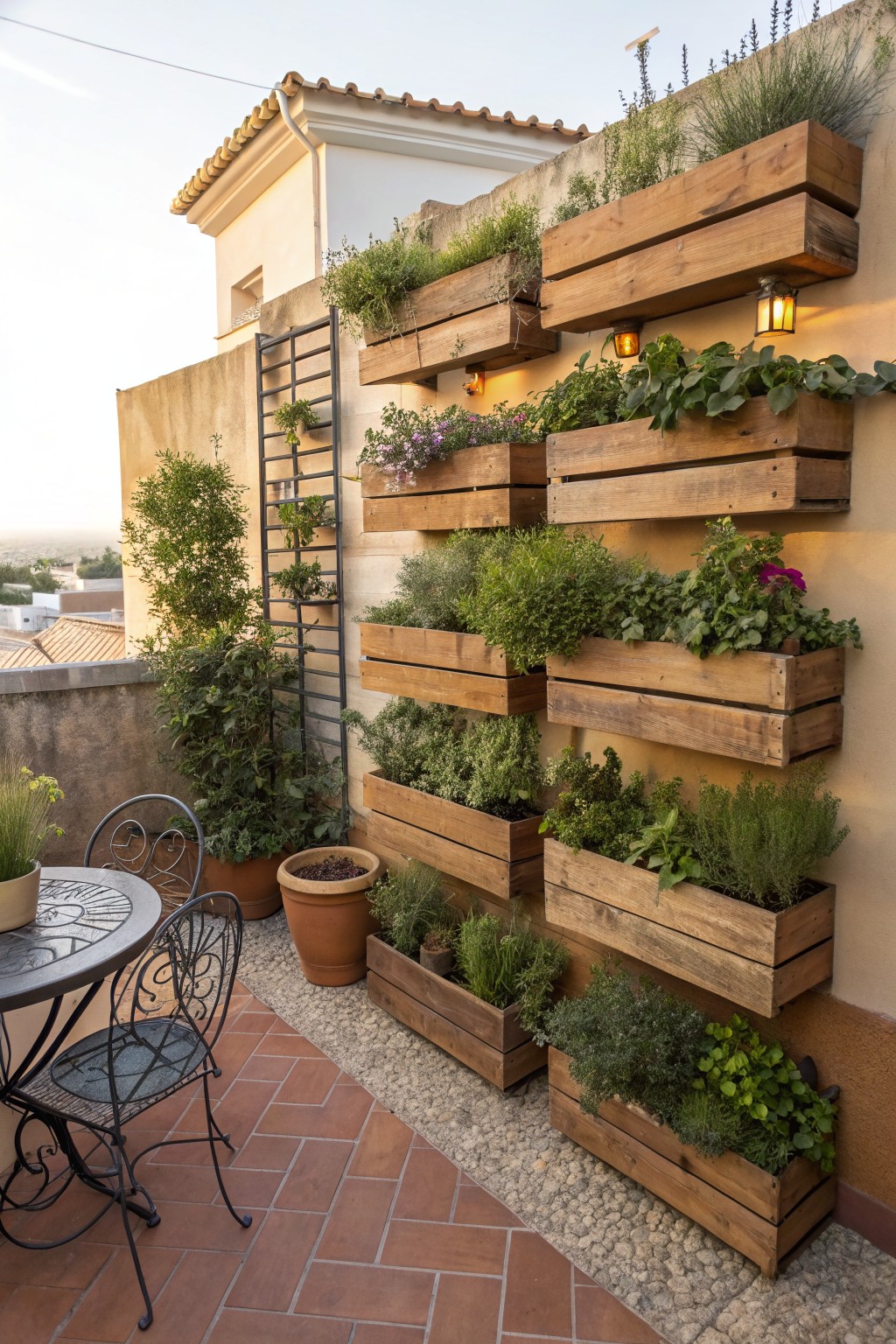
Vertical planters give you a quick way to block views without putting up a solid fence. The wooden boxes hold soil and plants at different heights, so they create a living screen that softens the space while still letting in some light.
This setup works best along a patio or balcony wall that gets decent sun. Secure the boxes well since they get heavy once filled, and choose plants that match your climate so the screen stays full without constant work.
Tall Woven Planters For Side Screening
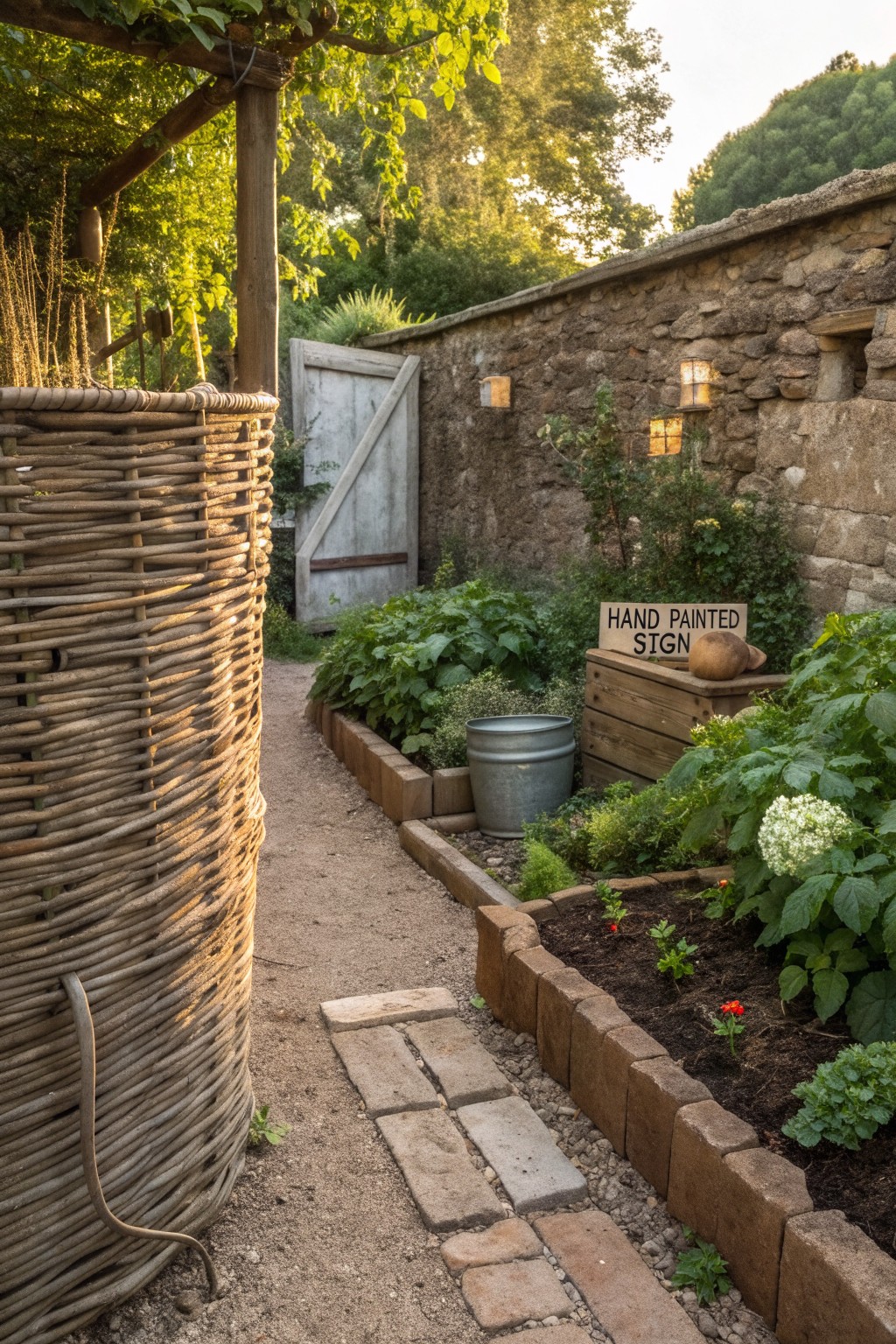
Tall woven planters work well when you want privacy along a garden path without building a full fence. They create a natural barrier that feels softer than wood or metal and lets some light and air through while still blocking the view.
Place them where the path runs close to a property line or where you need to hide a utility area. They suit smaller yards especially well since they take up little width and can double as extra planting space.
Folding Screens For Quick Deck Privacy
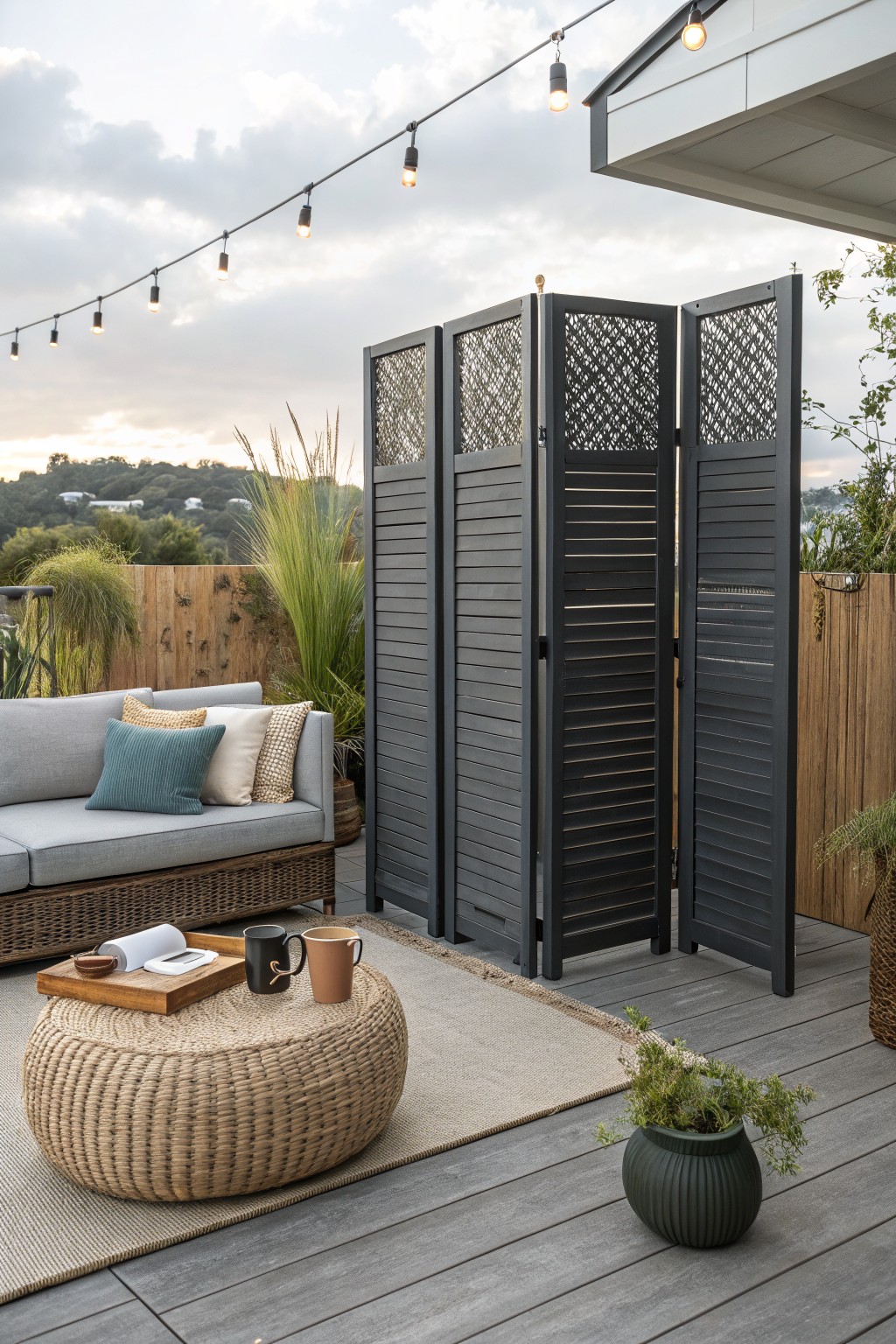
Folding screens give you a fast way to carve out privacy on a deck or patio. They stand on their own, need no digging or posts, and can be shifted around whenever the seating layout changes.
They suit smaller yards or rental spaces where a permanent fence is not an option. Place one or two panels behind a seating area to block the main sight line while still letting in light and air.
Line A Fence With Pots For Extra Screening
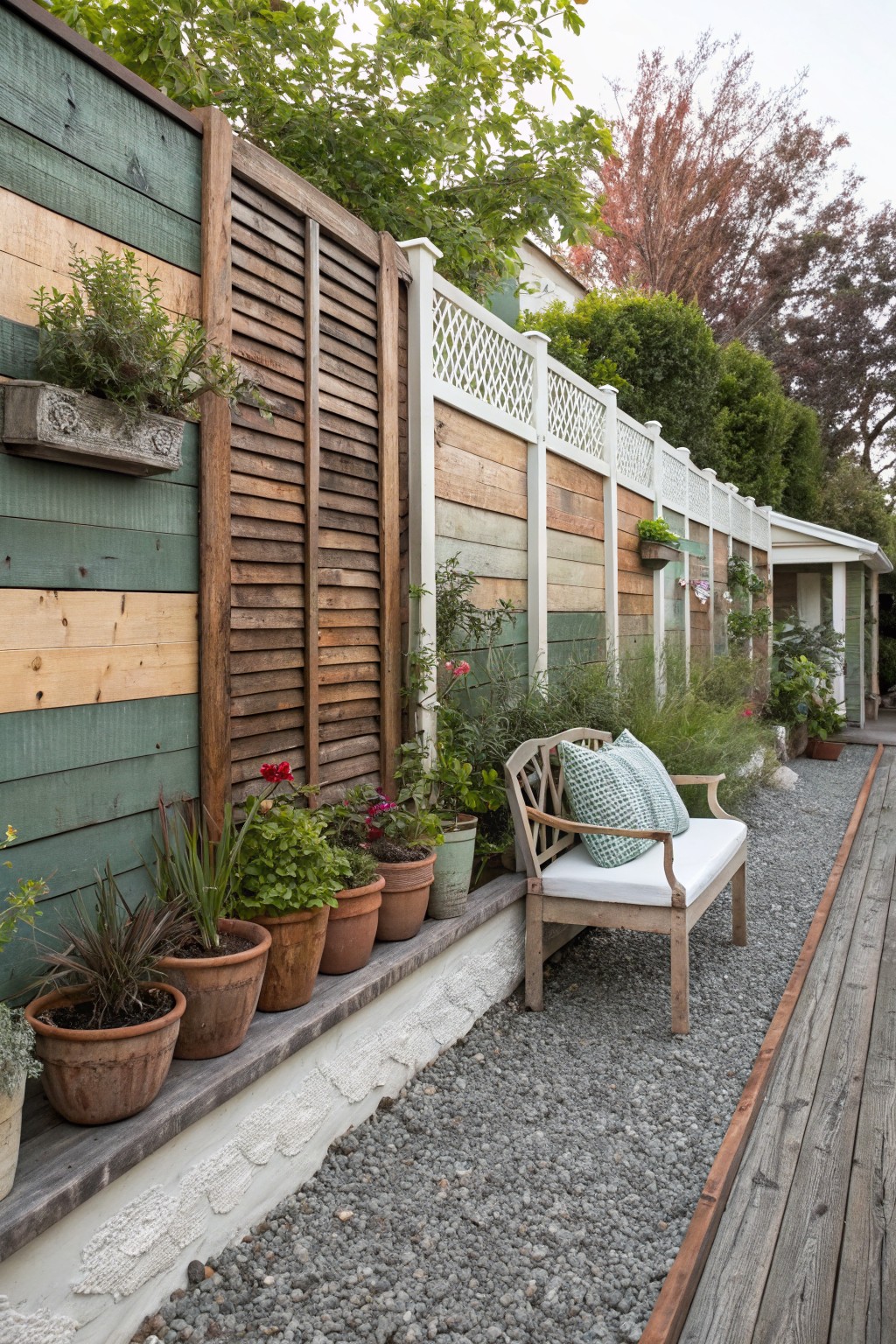
A plain fence often gets the job done for privacy but can feel a bit stark on its own. Setting a row of pots along the base adds height and fullness right where you need it most, especially in spots where digging permanent beds is not practical.
This approach works well along side yards or back property lines on smaller lots. Use a mix of taller plants in bigger pots and smaller ones in front so the screen builds up quickly without blocking light or airflow.
Bamboo Screens With Large Planters
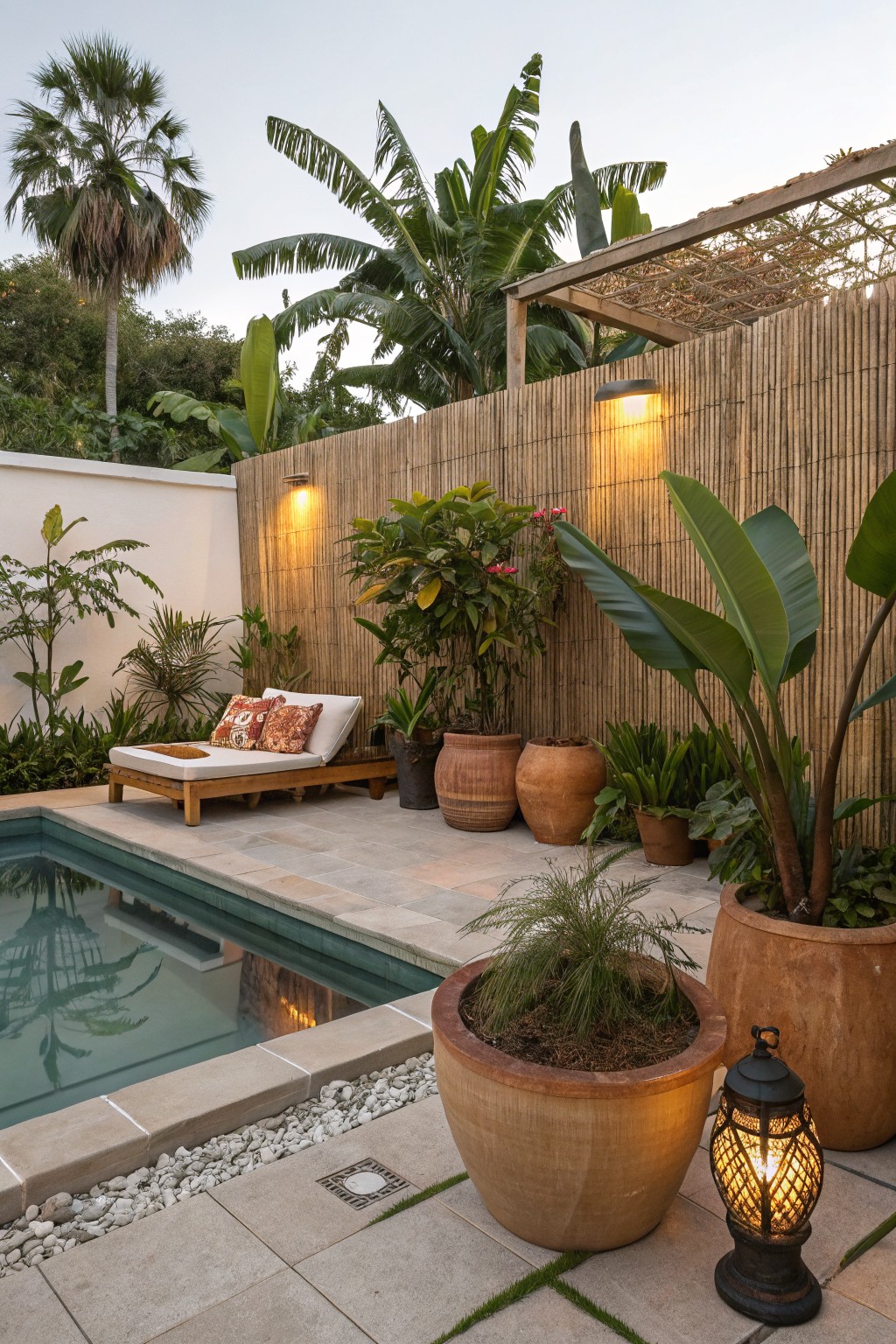
A bamboo screen gives you instant height and blocks the view from outside. Pairing it with a few oversized planters in front adds another layer that feels softer and more natural than the screen alone.
This works best along the edge of a patio or pool where you need privacy without building a full fence. Place the planters close together so the plants fill in the gaps and keep the whole thing from looking too flat. It suits smaller yards that still need a clear boundary.
Vertical Slats And Planters For Privacy
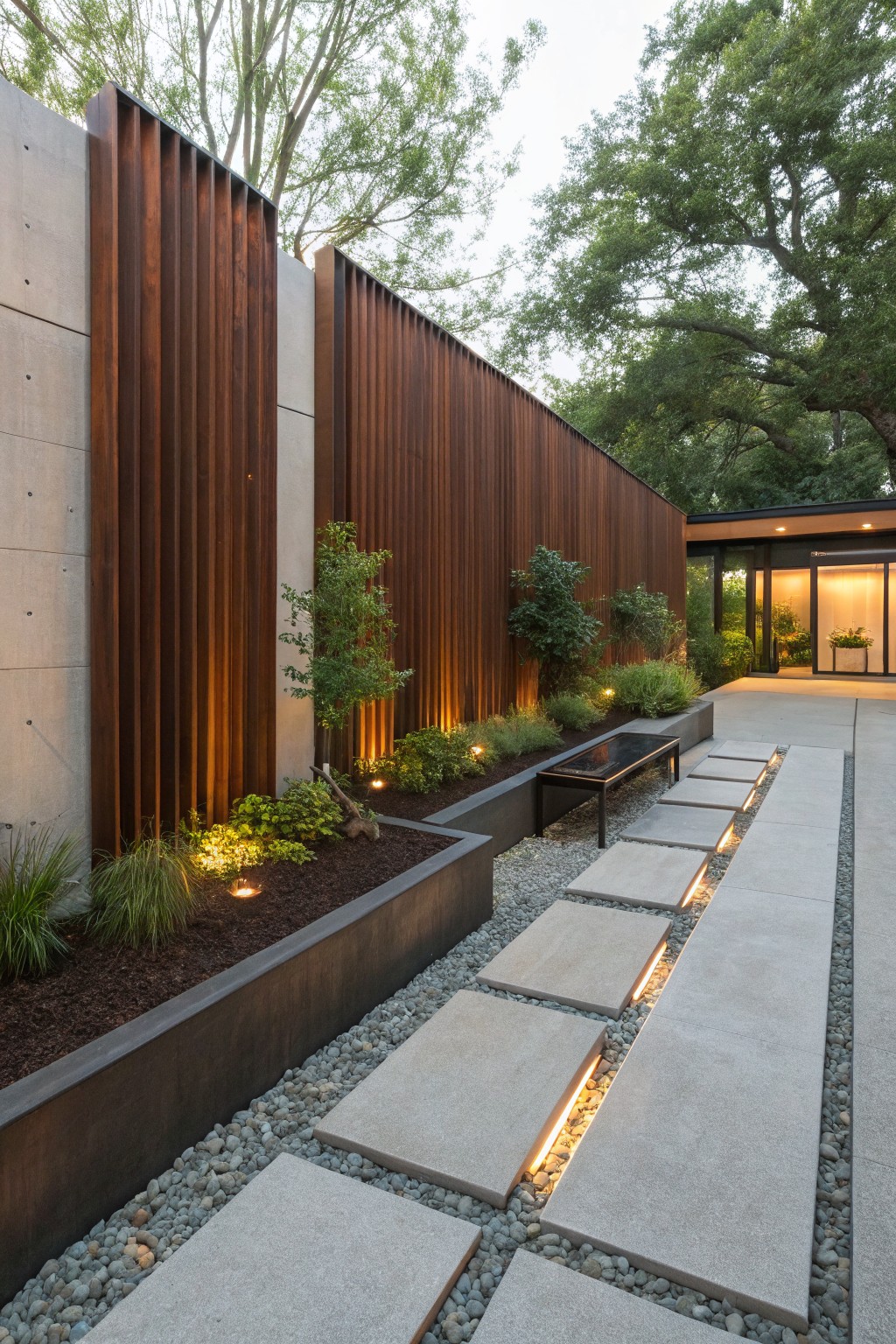
Vertical wood slat panels make a strong privacy screen because they block the view while still letting some light through. Adding low concrete planters along the base helps soften the wall and gives you room to add shrubs that grow up and fill in the gaps over time.
This approach works well along side yards or property edges where you need height without a solid fence. It suits homes with modern or simple architecture and can be built in sections using basic lumber and planter boxes that sit right on the ground.
Mount Planters On Your Fence For Added Height
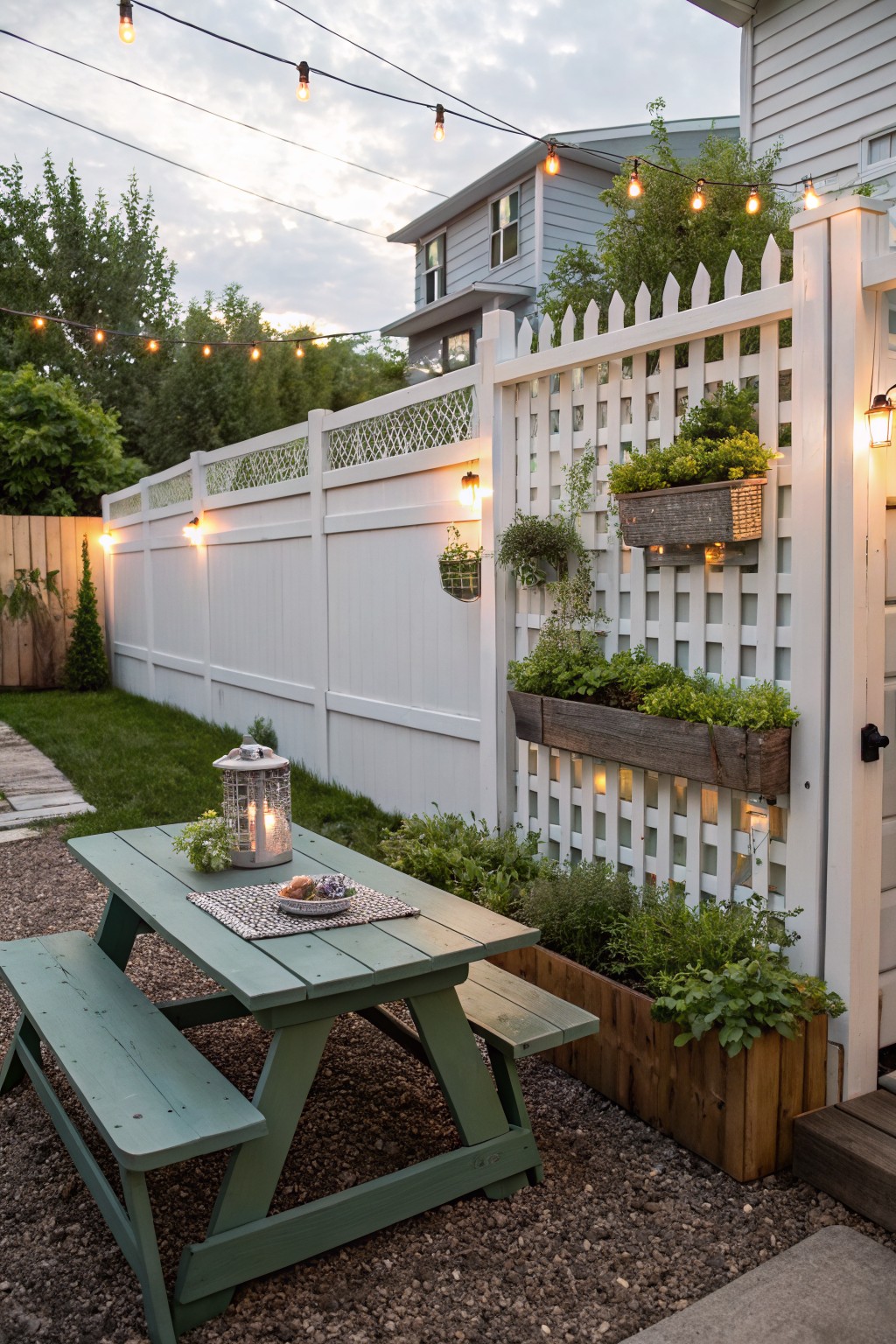
Attaching planter boxes straight to a fence gives you privacy without losing ground space in a small yard. The boxes sit at different heights so the plants fill in gaps and create a softer screen than the fence alone.
This approach works best along the edge of a patio or gravel dining area where you want to block a side view. Use sturdy brackets, pick boxes with good drainage, and water carefully so the fence boards stay dry over time.
Line Your Fence With Planters for Quick Privacy

One simple way to improve privacy in a backyard is to place planters along the top of a fence or low wall. The plants add height and density without needing a full second fence or tall screen.
This setup works best on a solid wood fence where you can run a narrow ledge or shelf. Mix a few taller shrubs with smaller pots so the greenery fills in gaps and softens the fence line over time.
Slatted Panels for Outdoor Privacy
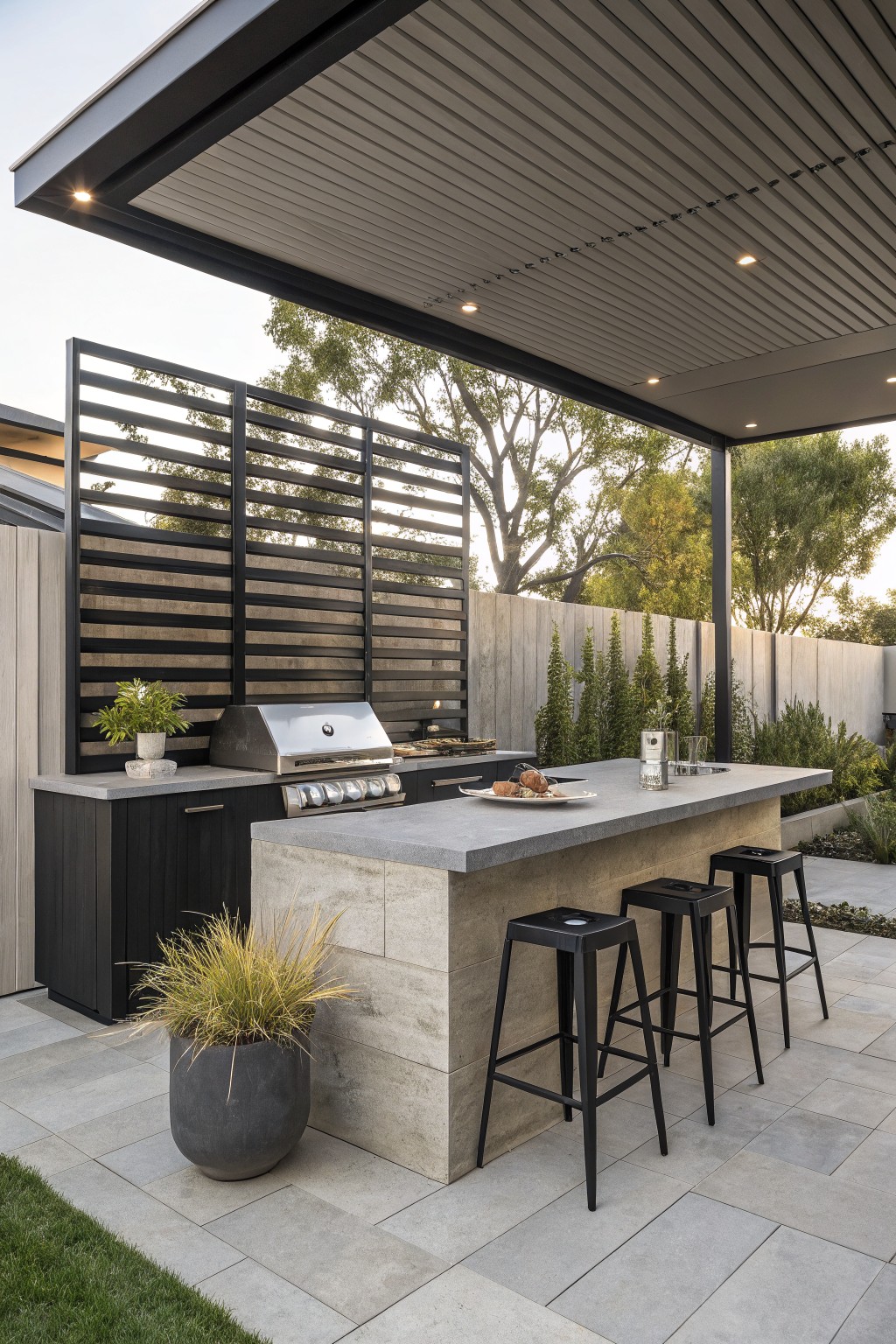
Slatted panels give you privacy without making an outdoor space feel boxed in. The horizontal lines let air move through and keep the area from looking too solid while still hiding what you want to hide.
Build one with simple boards and mount it behind a seating area or kitchen counter. It works especially well on smaller lots or next to a neighbor’s fence where a solid wall would feel too closed off.
Vertical Planter Walls Add Privacy Fast
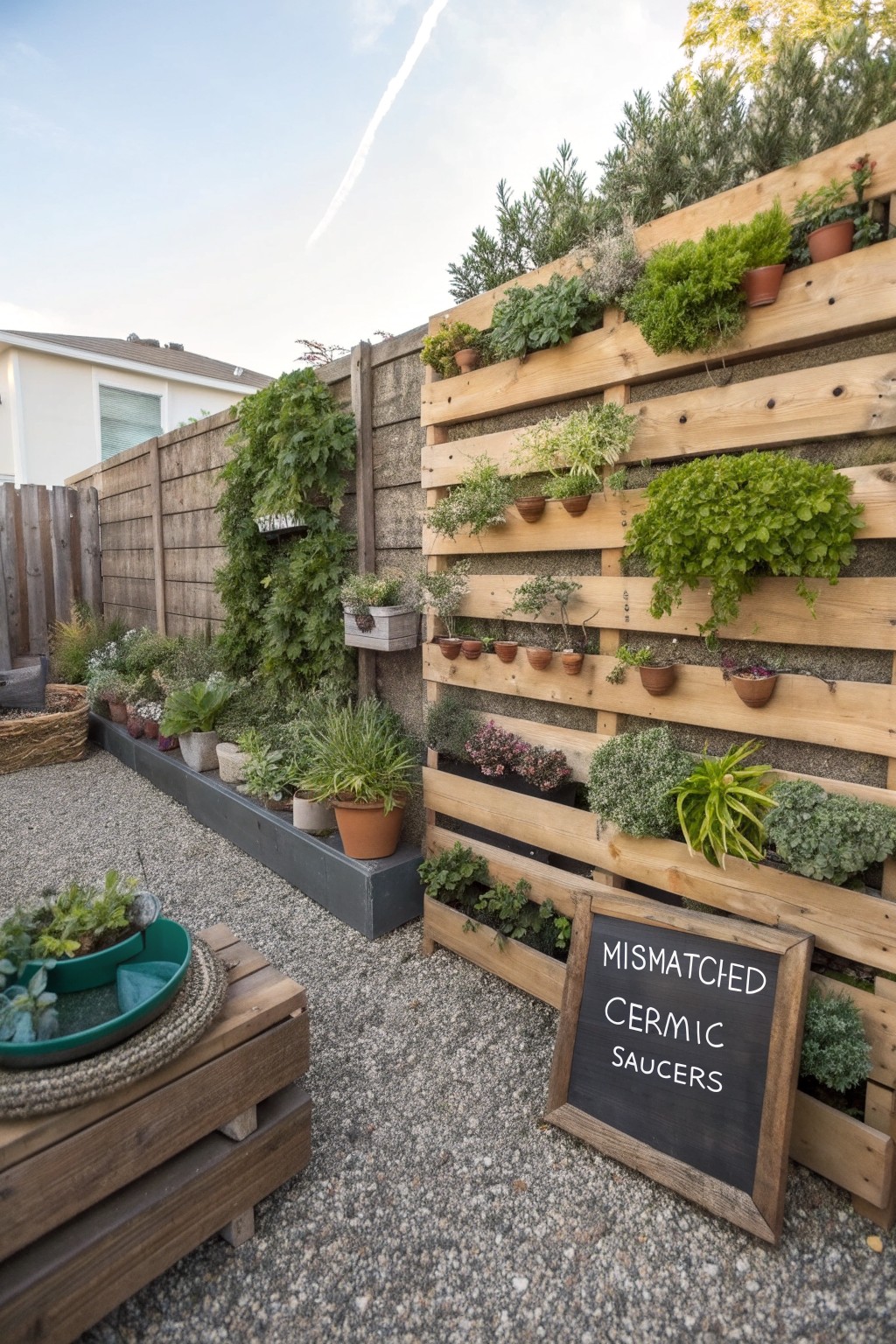
A simple slatted wall can give you privacy while still letting in light and air. Instead of a solid fence, the gaps hold small pots and planters that fill in with greenery over time. It softens the look and makes the space feel more like a garden than a barrier.
This setup works best along the side or back edge of a yard where you need coverage without full shade. Use sturdy wood and secure the panels well since the plants add weight. Keep the pots easy to reach so you can water and swap them as needed.
Pergola and Shade Fabric for Easy Backyard Privacy
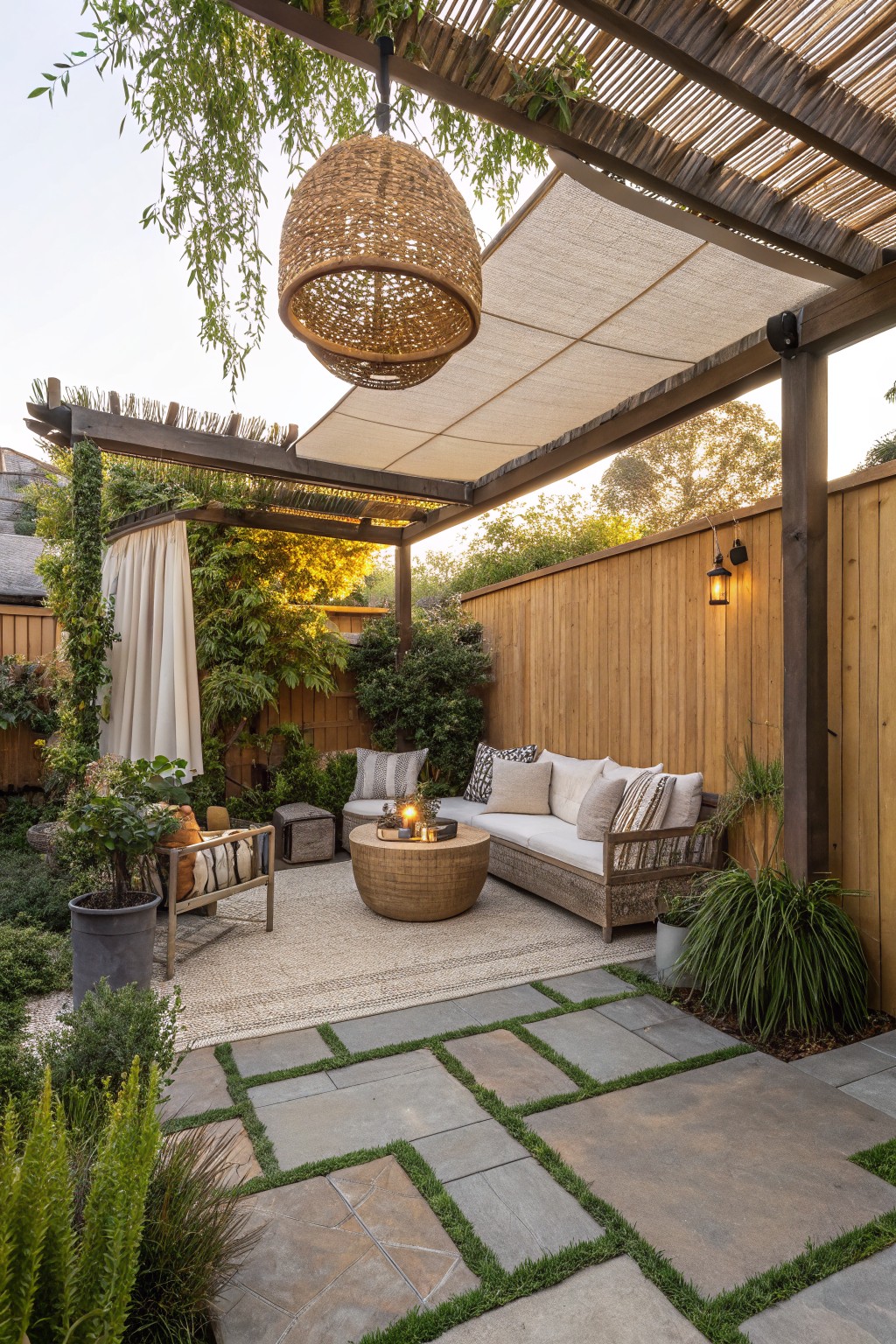
A pergola topped with fabric gives you a quick way to carve out a private spot without building full walls. The overhead cover blocks views from above while the sides stay open, so the space still feels airy. Pairing it with a few tall planters or a fence on one or two sides adds the screening most people want for relaxing outside.
This setup works well on smaller lots or in neighborhoods where houses sit close together. You can put it up over an existing patio or deck in a weekend, and the fabric can be swapped out if you want more or less shade later. Just keep the structure simple so it does not block light to the rest of the yard.
Tall Planters Block Views Without a Full Fence
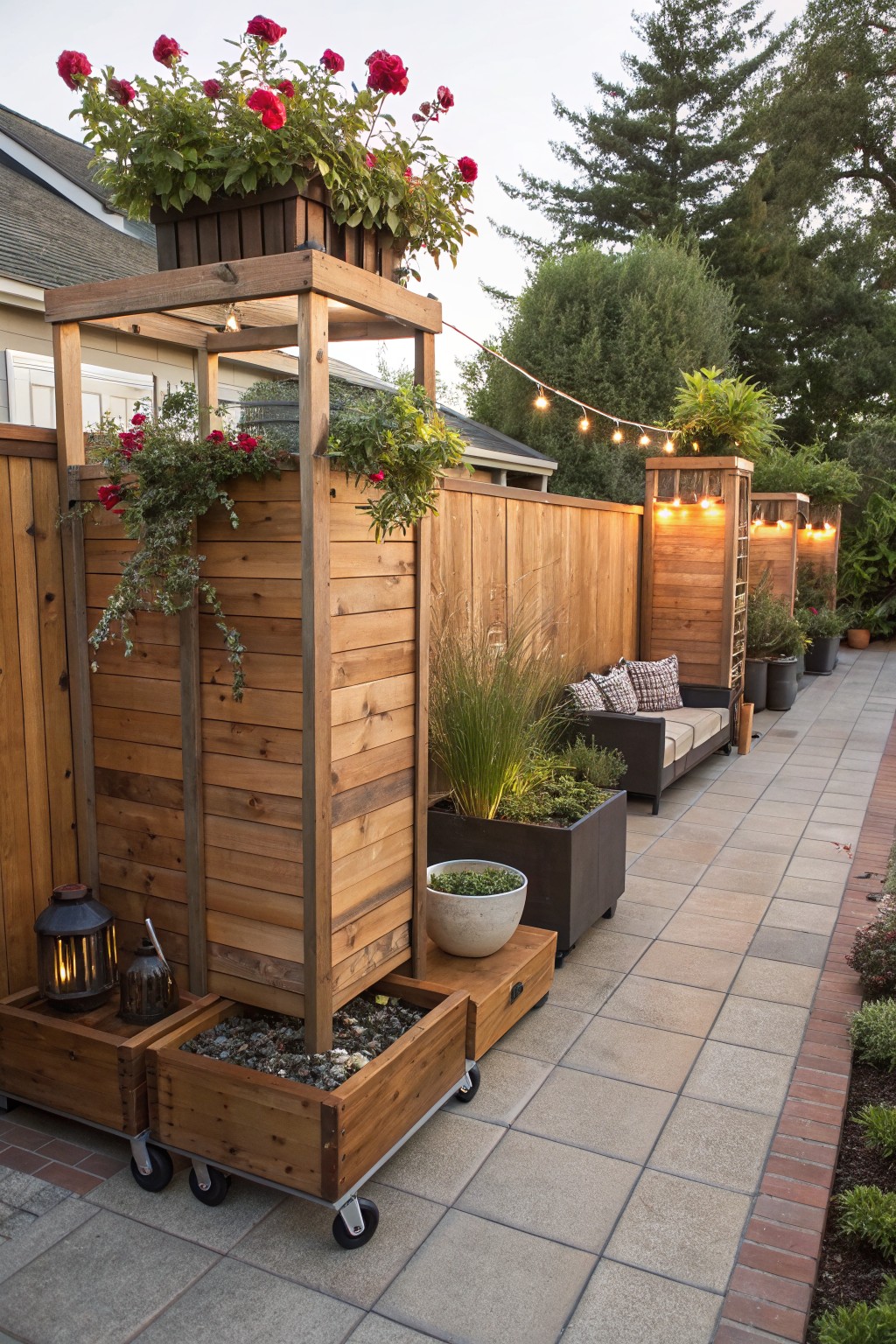
Tall planters give you privacy in a weekend without building a whole new fence. They add height right where you need it and let you move things around if the layout changes. The wooden boxes in this setup sit on wheels so one person can shift them when needed.
Place them along the edge of a patio or deck to screen a neighbor’s yard or a busy walkway. They work best in smaller yards where a solid fence would feel too heavy. Fill them with tall grasses or climbing plants to get coverage faster.
Layer Plants Against The Fence For More Privacy

A basic fence often leaves a yard feeling open. Adding plants right up against it creates a softer screen that blocks views without making the space feel closed in.
Try vines that climb the fence panels and set a few taller shrubs or potted evergreens in front of them. This approach works especially well along side yards or property edges where you need quick coverage on a weekend project.
Add Built In Seating Along A Privacy Fence
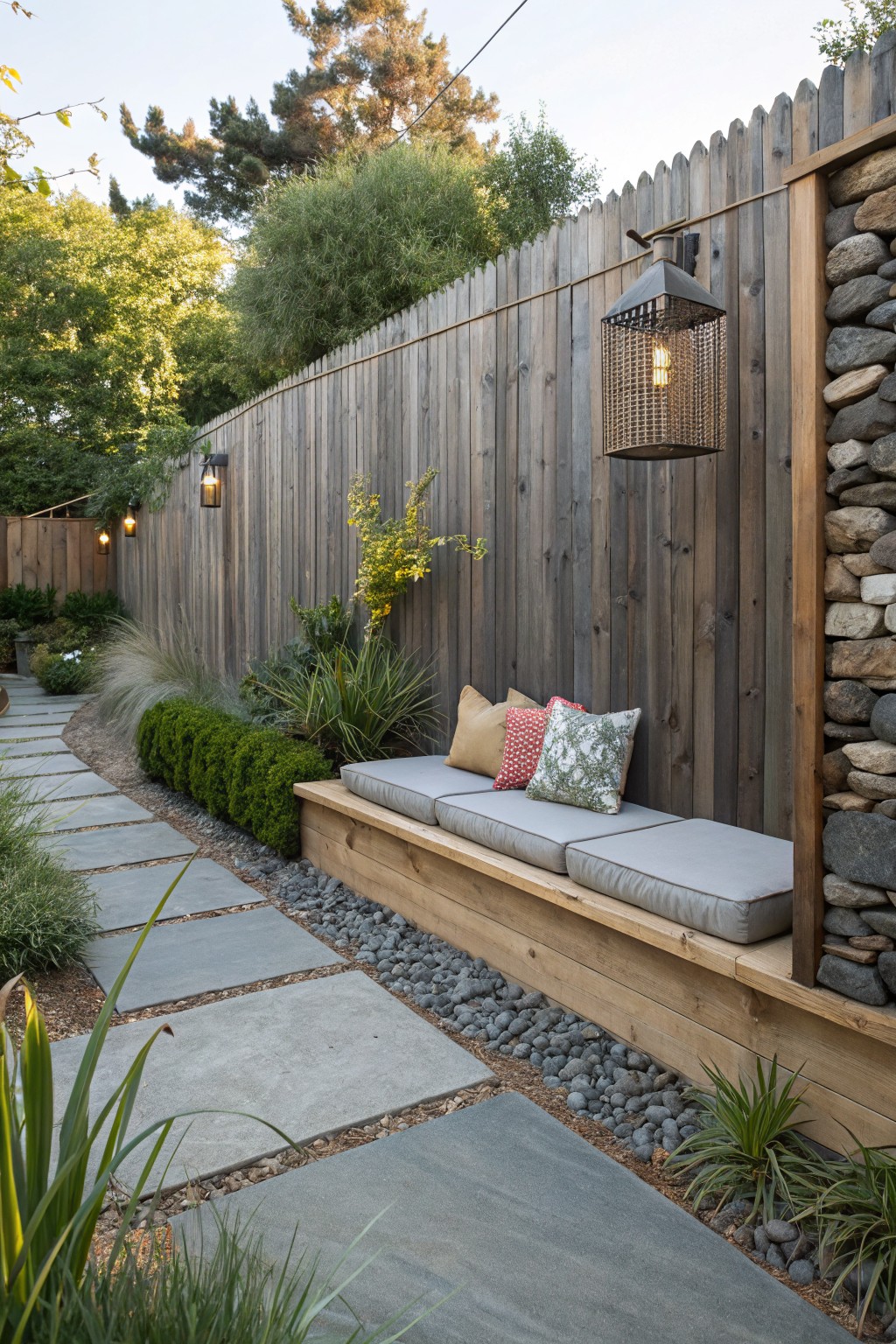
A tall fence already blocks the view from neighbors, but adding a bench right against it turns that same structure into a place to sit and relax. The planting in front adds another layer of coverage and keeps the wood from feeling too stark.
This setup works best along the side or back edge of a yard where you want a quiet corner without eating up floor space. Keep the bench simple and match the fence height so the whole thing still feels like one solid screen.
Train Climbing Vines For Natural Privacy
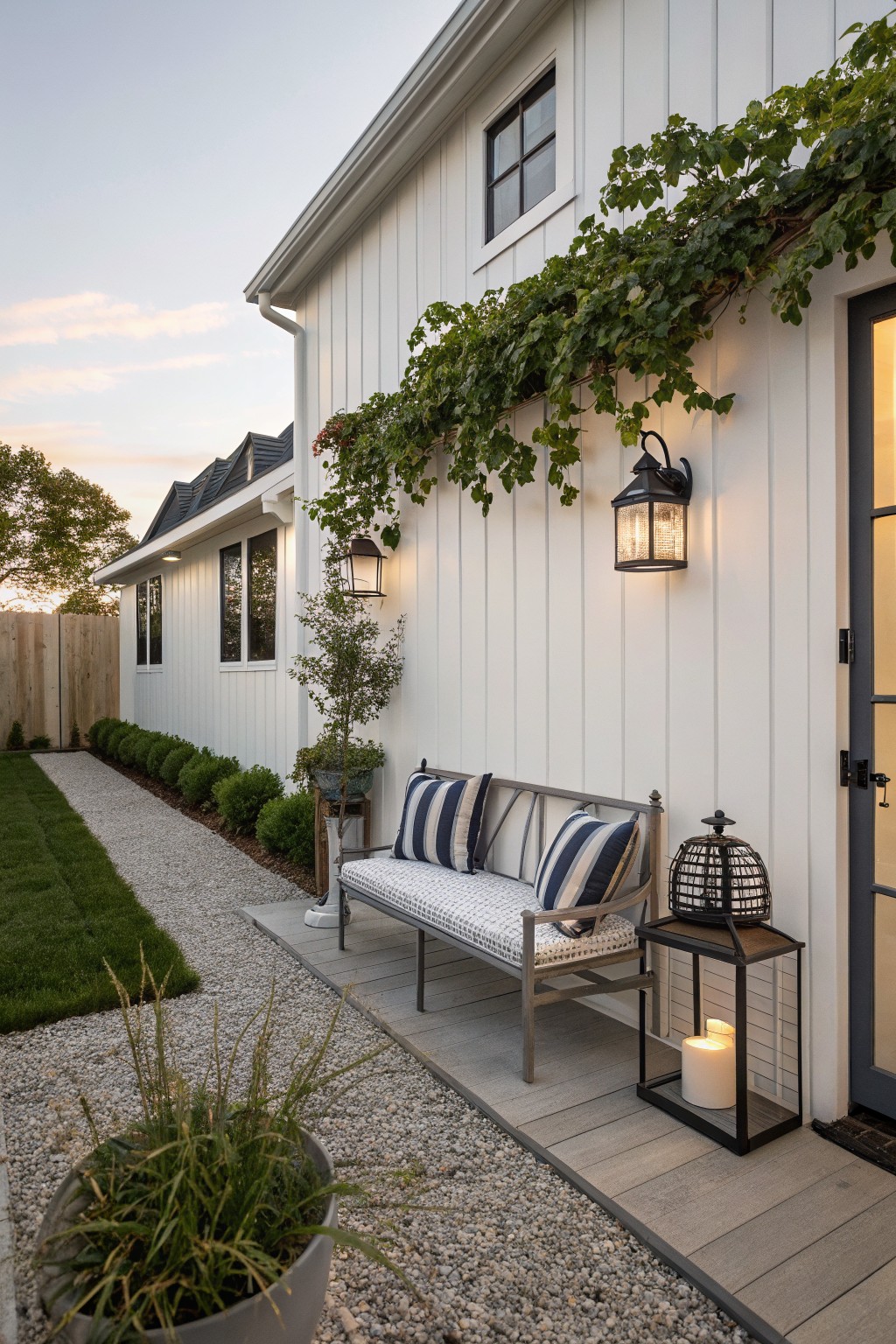
Climbing vines offer a simple way to add privacy to a porch or patio without putting up extra panels or fences. They grow fast, soften the look of the house wall, and create a living screen that still lets in light and air.
Set them in large pots at the base or tuck them into a narrow bed along the foundation. Give the vines a basic trellis or let them run along an existing ledge. This approach suits smaller yards and works especially well next to a seating area where you want some cover but not a heavy structure.
Use Concrete Blocks For A Living Privacy Wall
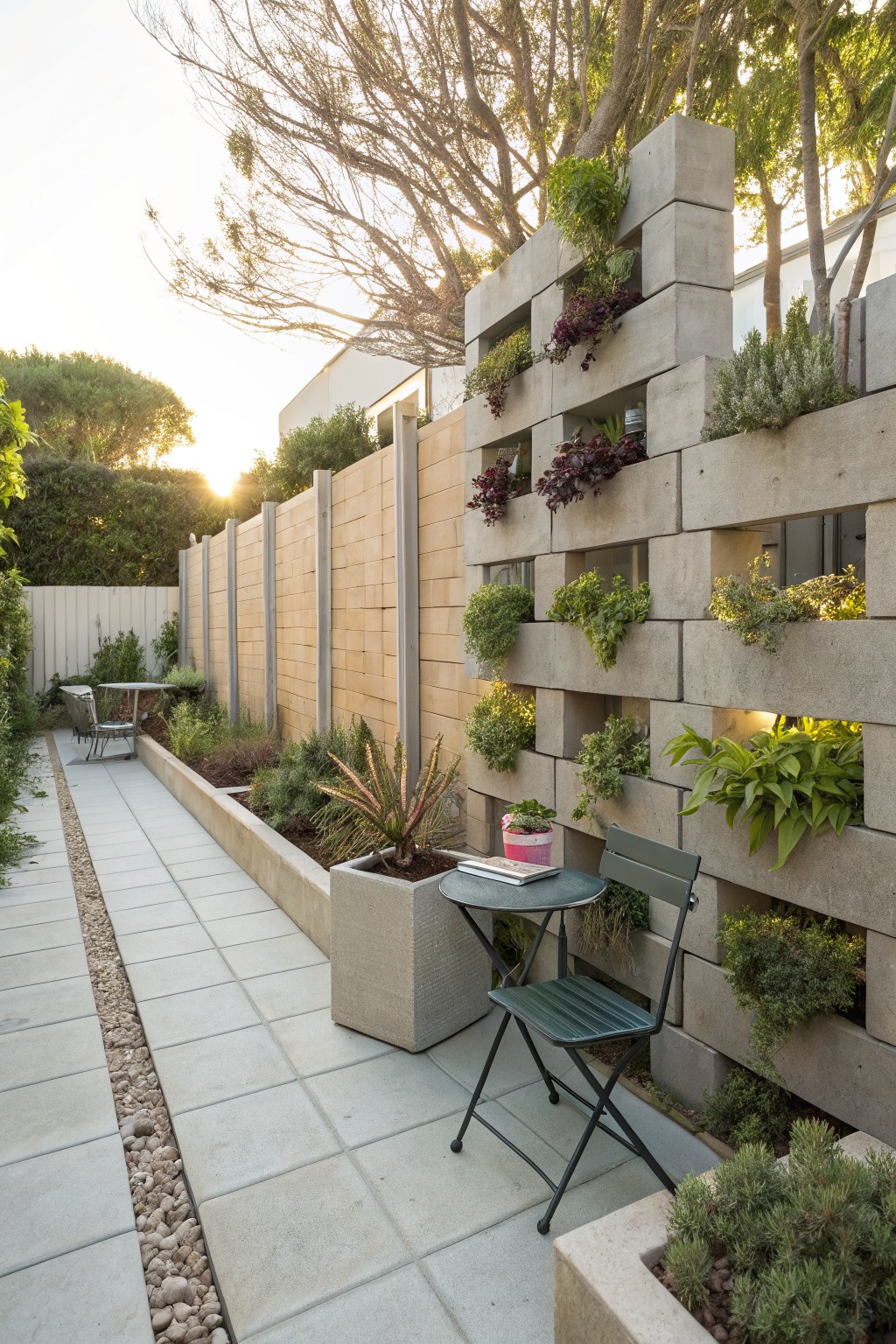
A wall built from concrete blocks with open pockets gives you solid privacy without making the space feel closed in. The openings let you tuck in plants at different heights so the greenery softens the structure while still blocking the view from outside.
This works well along a side yard or at the back of a narrow lot where you need height but do not want a solid fence. Keep the blocks natural or paint them to match your house, and choose plants that can handle the sun and the pockets they grow in.
Add Hanging Planters to Fences

Hanging planters give a fence extra height and soften the look of plain wood. They work well when you want privacy without building anything taller or more solid.
Place them at different levels along the fence so the plants fill gaps and create a layered screen. This approach suits smaller yards where a basic fence already exists but needs more coverage from the side or back.
Train Fruit Trees Along Your Fence
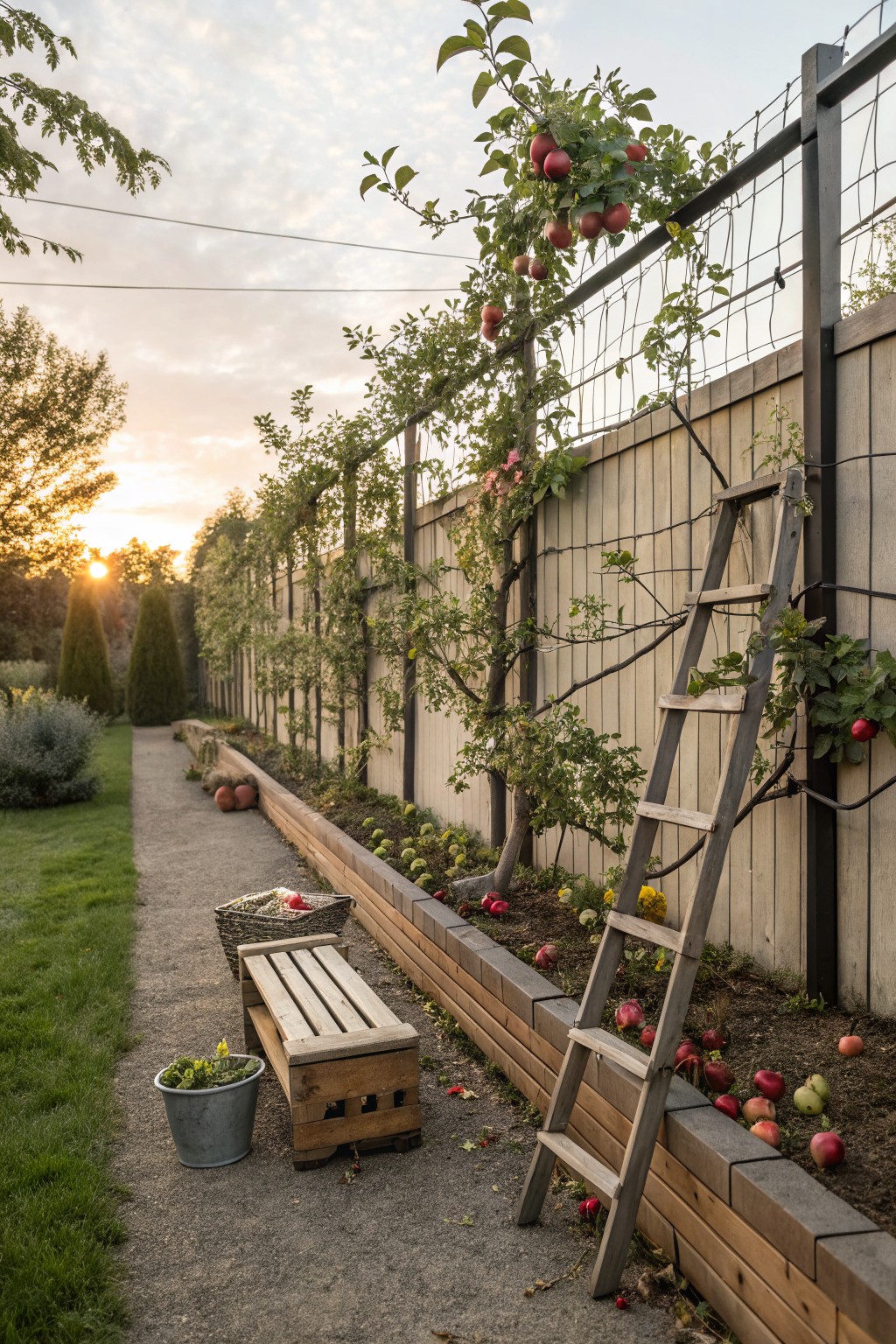
Training fruit trees flat against a fence turns a basic boundary into something useful and productive. The branches stay contained, the trees stay manageable, and you still get privacy plus a crop of fruit each year. It works especially well in tight side yards where a full tree would take up too much room.
This approach suits homes with long fence lines and a bit of sun. You set up horizontal wires or a simple grid, then prune the trees a couple of times a season to keep them flat. Just watch that the fence can handle the weight once the trees mature.
Frequently Asked Questions
Q: What size should I make a planter if my yard is small? A: Measure the space first and build a box about four feet long. This keeps it from crowding the area while still giving you a solid privacy screen once plants fill in.
Q: How do I attach a panel to an existing fence without it looking off? A: Screw the new panel directly to the fence posts at the top and bottom. Use wood that matches the fence color so it blends right in from the start.
Q: Will these projects hold up through winter storms? A: Pick pressure-treated lumber and anchor everything to solid posts. Check the base each spring and tighten bolts if anything shifts after heavy wind or snow.
Q: Can I add a panel this weekend if I only have basic hand tools? A: Yes, grab pre-cut lumber and skip power tools if you want. It takes a couple hours once you lay out the pieces and mark your cuts.