I’ve found that backyards often feel more like usable extensions of the house once privacy is added in a way that matches how the space actually gets used day to day.
When I look at adding timber frames or vines, the real test is whether they keep the area open enough for seating and movement while still cutting off sight lines from nearby homes.
Some setups work better than others in real yards.
The ones that layer a simple structure with climbing plants usually settle into the landscape over time without needing constant fixes.
Trying a couple of these combinations in my own yard made it clear how the choice of materials changes whether the space feels comfortable for regular use.
Mix Timber Fencing With Lattice And Vines
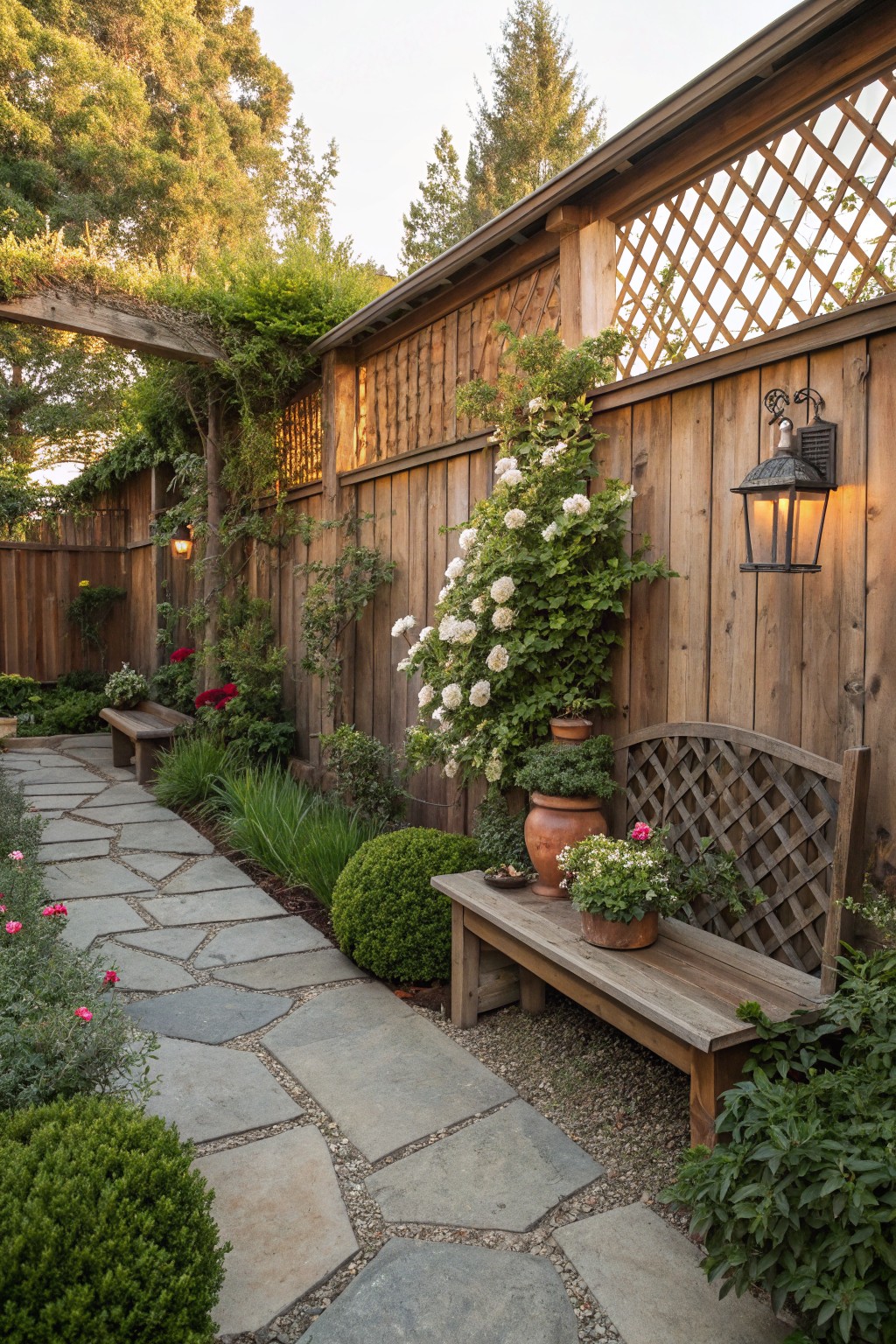
A solid timber fence can feel heavy on its own, but adding sections of lattice gives vines room to grow and softens the look. The result is privacy that still feels open and tied to the garden instead of like a blank wall.
This approach works best along side yards or behind seating areas where you want to block the view from neighbors without losing all the light. Plant something vigorous like climbing hydrangea or a fast rose so the lattice fills in within a couple seasons, and keep the base planting simple so the fence stays the main feature.
Timber Pergola With Lattice And Vines
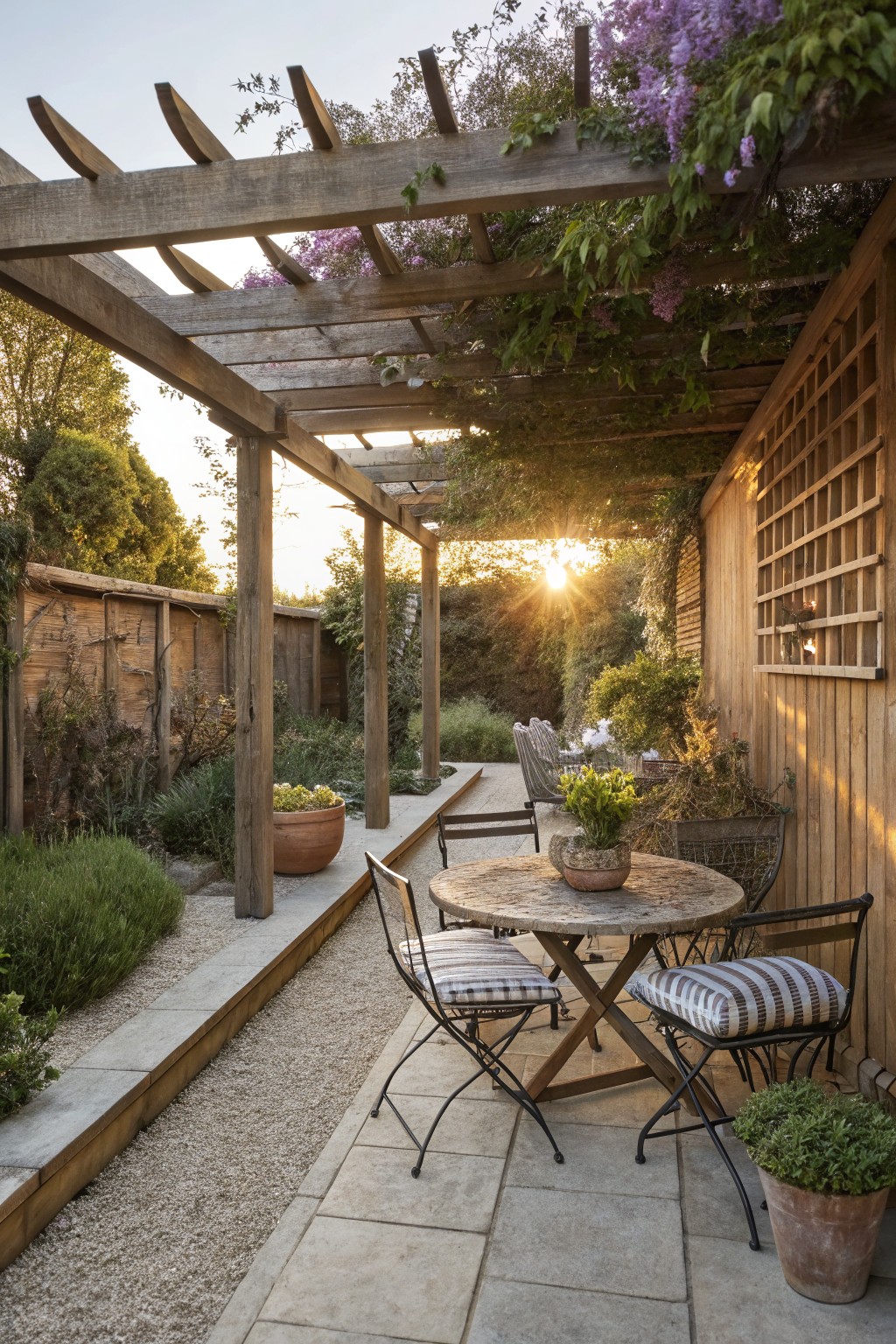
A timber pergola with lattice sides and climbing vines gives a patio a private feel without closing it off completely. The wood adds structure while the vines soften the edges and fill in gaps over time, which works well when you want shade and screening at once.
This approach suits smaller backyards that sit near other homes. Set the pergola over a seating or dining spot and choose vines that grow thick enough to block views from the sides. It pairs best with simple furniture and needs occasional trimming to keep the growth under control.
Timber Walls With Lattice And Vines
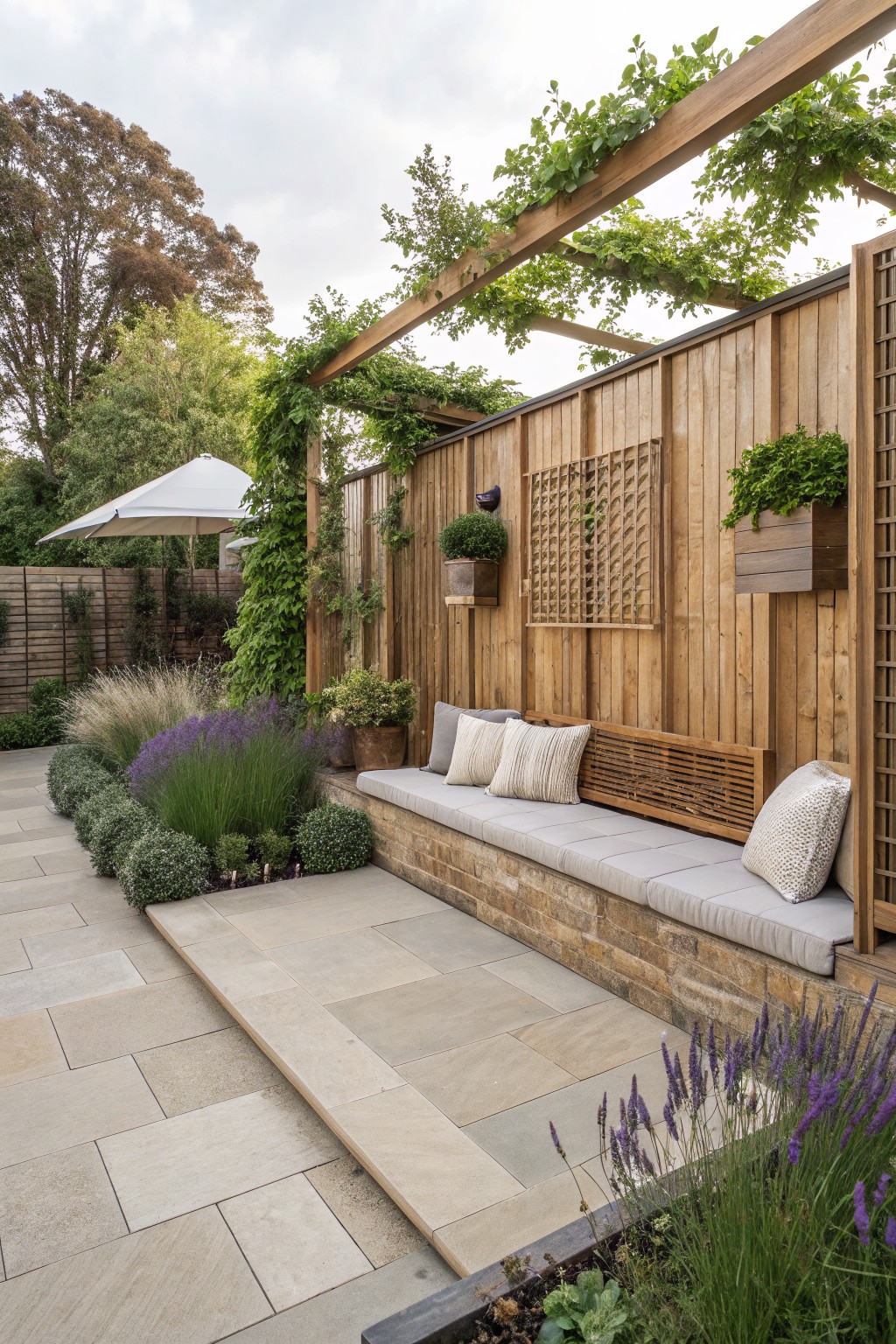
A simple timber wall can give solid privacy on its own, but adding lattice panels and letting vines grow over them makes the screen feel lighter and more natural. The mix keeps the space from feeling boxed in while still blocking the view from outside.
This setup works best along the side or back of a patio where you want seating that stays private without losing all the light. It suits smaller yards especially well because the vines fill in over a season or two and the wood lasts for years with basic sealing.
Create Privacy with a Wooden Gate and Vine Arbor
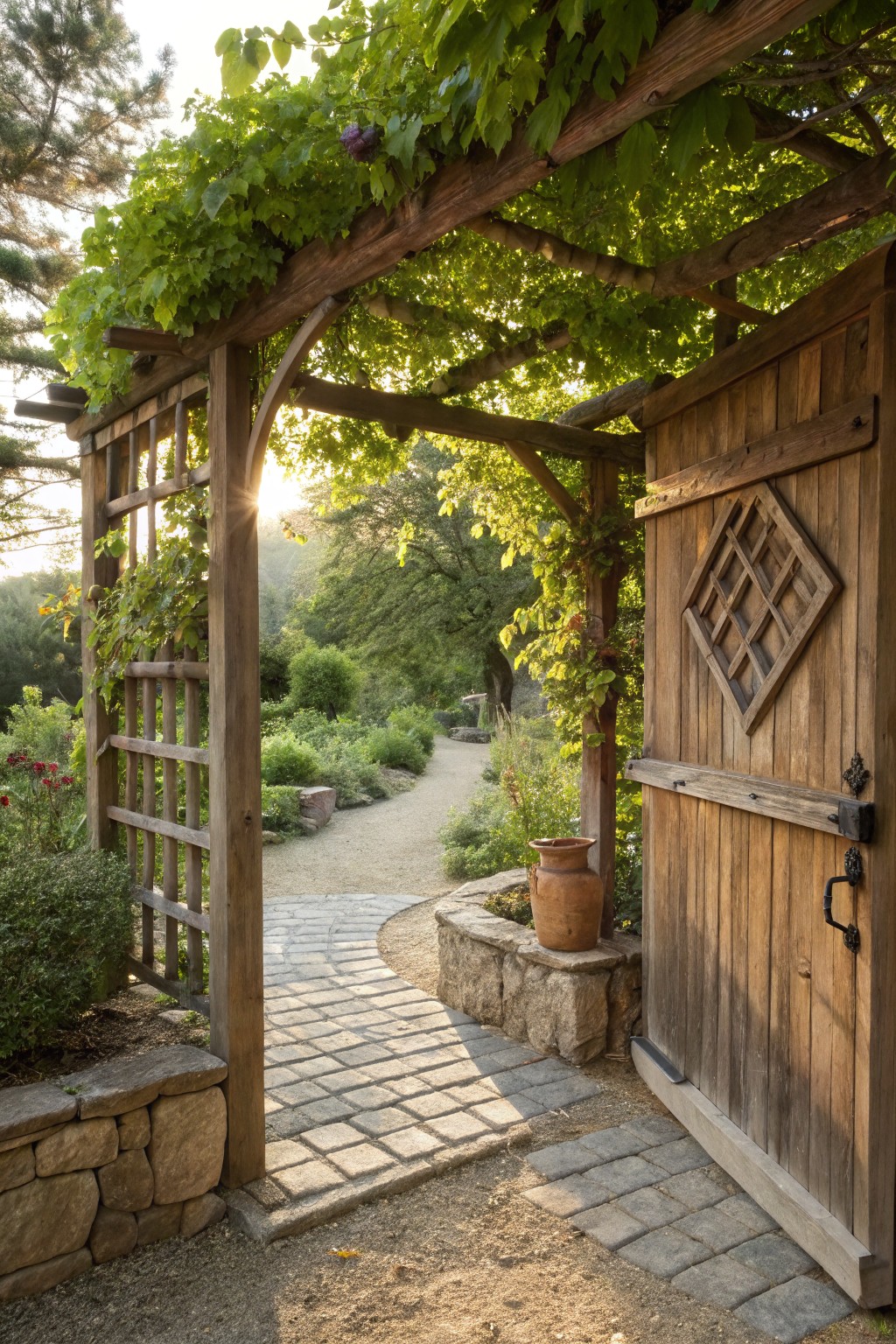
A simple gate set into an arbor makes a strong boundary without feeling like a wall. The wood and lattice give structure while the vines soften everything and fill in the gaps over time. It works especially well at the edge of a yard where you want to separate one area from another.
This setup suits homes with larger lots or side yards that need a clear division. Use rot-resistant timber for the frame and choose fast-growing vines that can handle your climate. Keep the planting beds right at the base so the vines have room to climb without extra support.
Timber Pergolas with Lattice Panels for Backyard Privacy
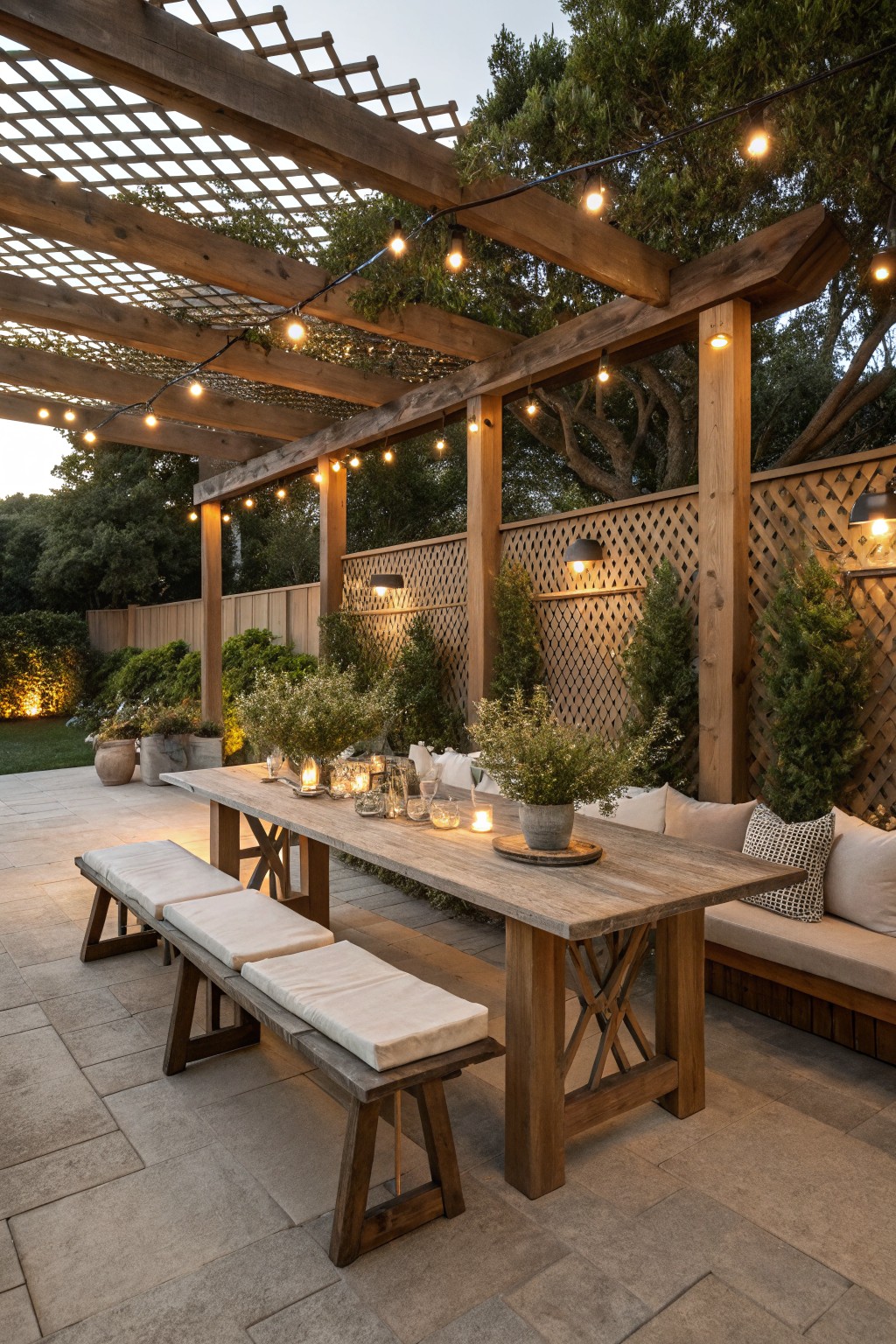
A timber pergola fitted with lattice panels gives a backyard seating area a sense of enclosure without turning it into a solid room. The wood frame feels sturdy and permanent, while the lattice breaks up sight lines just enough to keep things private from nearby homes or the street.
This setup works best on patios that sit along a fence line or property edge. Run the lattice between the posts on the open sides and leave the top open so the space still gets light and air. Over time a few climbing vines can fill in the pattern if you want more coverage.
Layer Solid Fencing With Lattice For Privacy
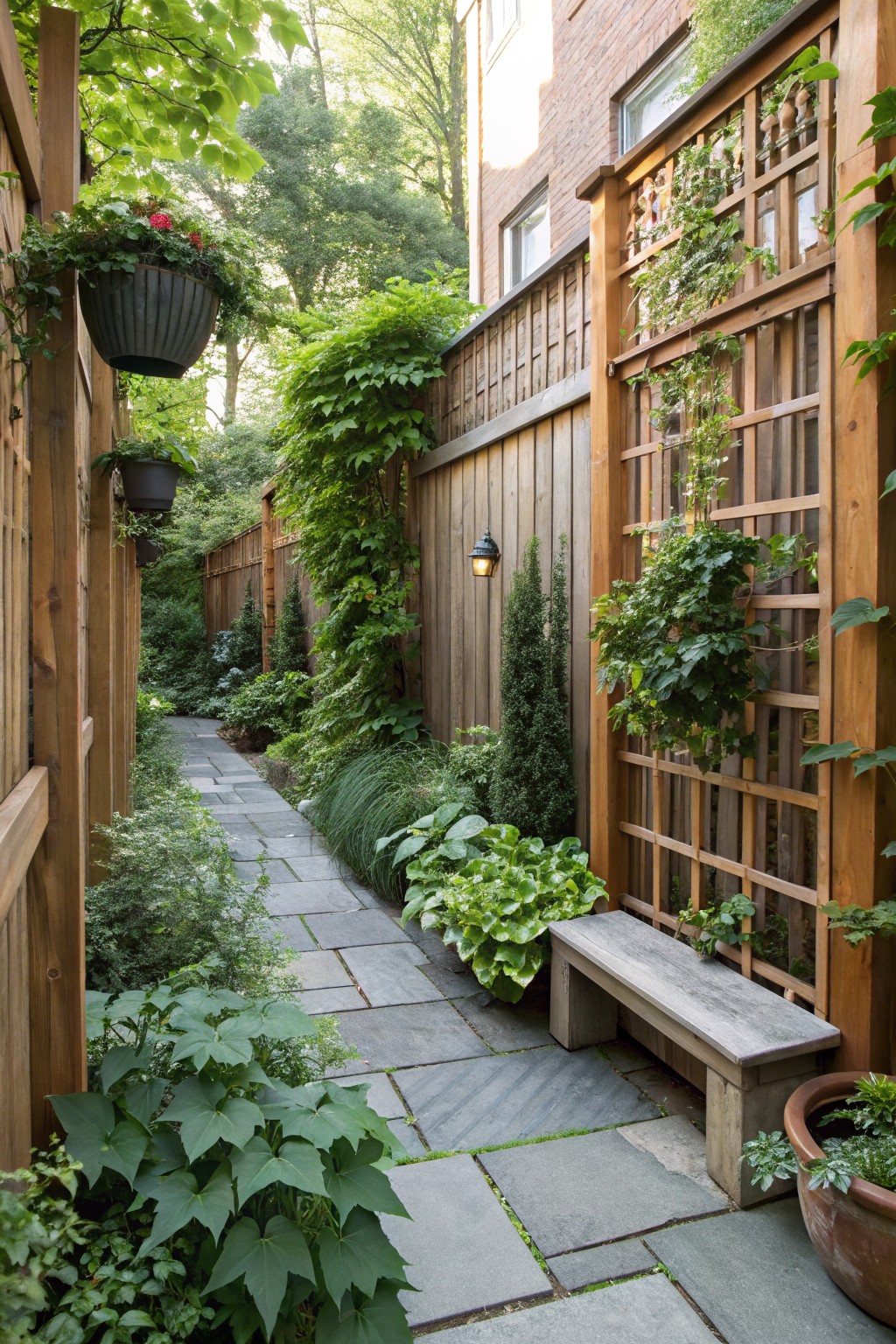
A solid timber fence gives you a strong base for privacy, but adding lattice sections on top or beside it lets vines climb and fill in the gaps over time. This mix keeps the space from feeling too closed in while still blocking views from neighboring yards or windows.
It works well along narrow side paths or between houses where you need screening without losing all the light. Plant fast-growing vines at the base of the lattice and give them a season or two to establish. The solid lower boards handle the main coverage, while the open lattice softens the look and supports the plants.
Lattice Screens with Climbing Vines
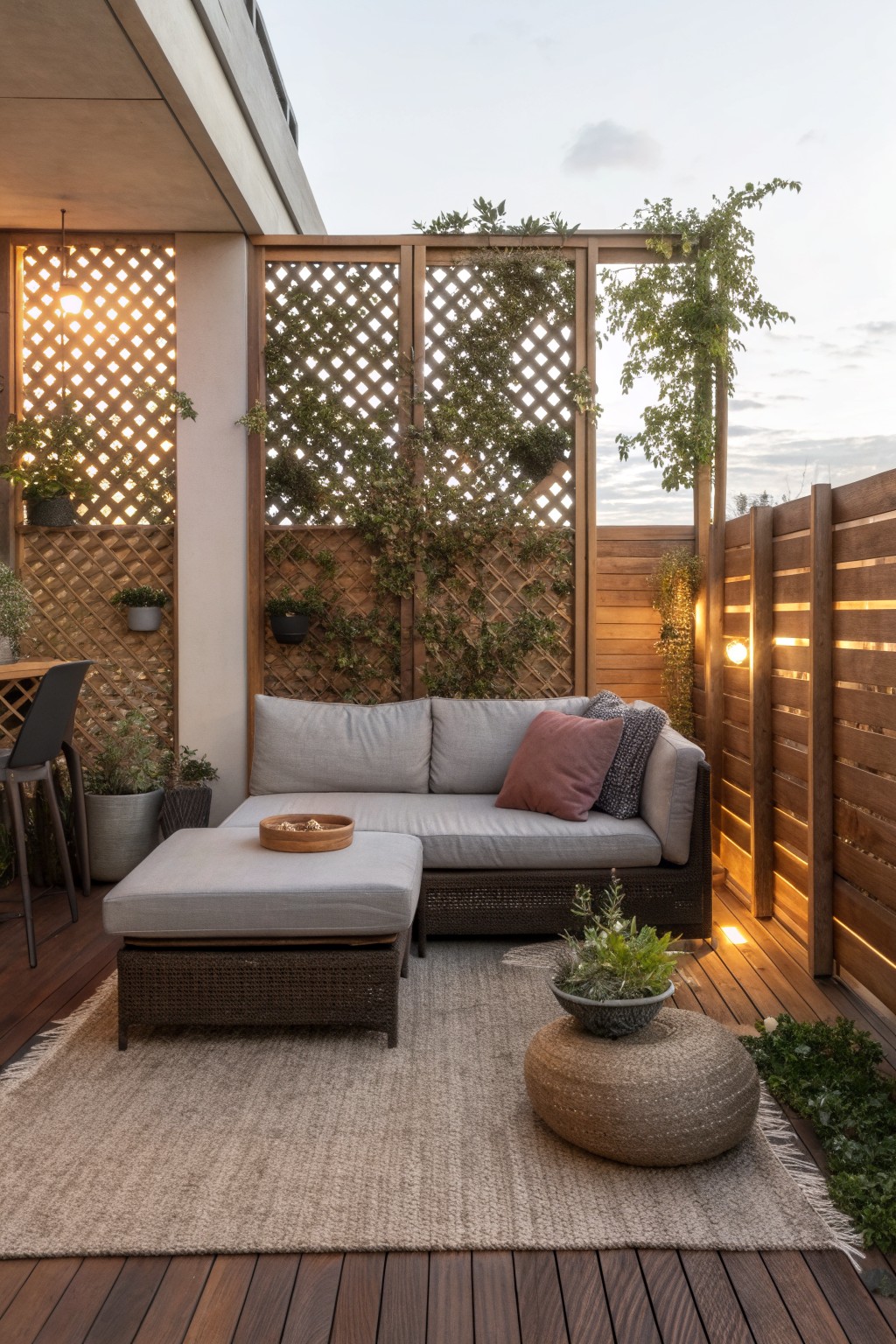
Lattice panels give you privacy without making an outdoor space feel closed in. The open pattern lets light and air through while the vines grow in and fill the gaps over a season or two. It keeps the area feeling like part of the yard instead of a separate room.
This approach works best along the edges of a deck or patio where you want to screen off neighbors or the street. Use a simple timber frame, add the lattice, and plant something that climbs easily. Once the vines take hold, the screen softens on its own and needs little extra work.
Lattice Trellis With Climbing Vines For Privacy
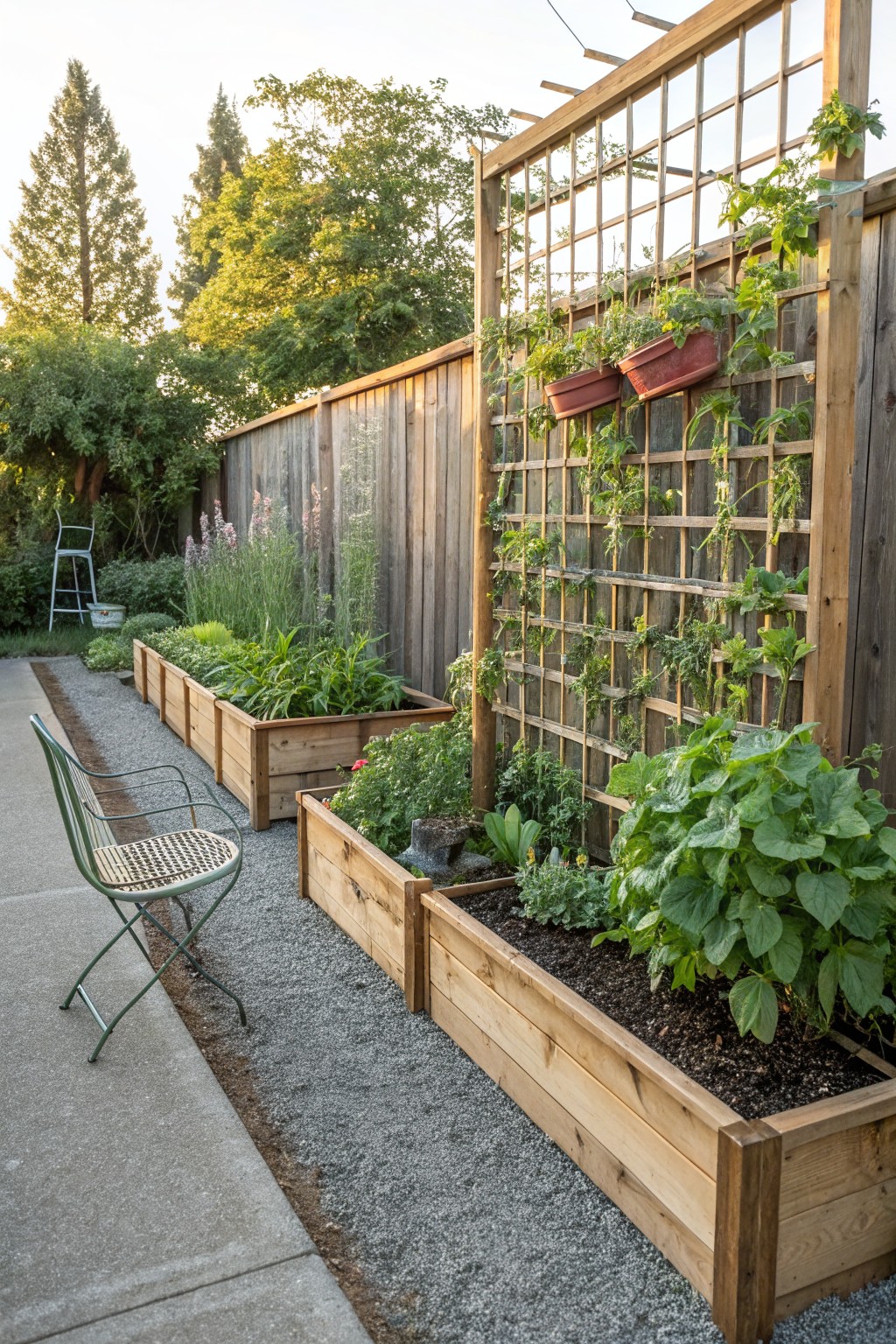
A lattice section added to a fence gives you a simple way to block the view while still letting in some light and air. The vines grow up the grid and turn the whole thing into a living screen over a season or two.
This approach fits best along the edge of a garden where you already have raised beds or planting space. Use sturdy posts so the weight of the vines does not pull the fence out of line, and pick plants that match how much sun the spot gets.
Pair Timber Fencing With Lattice And Vines
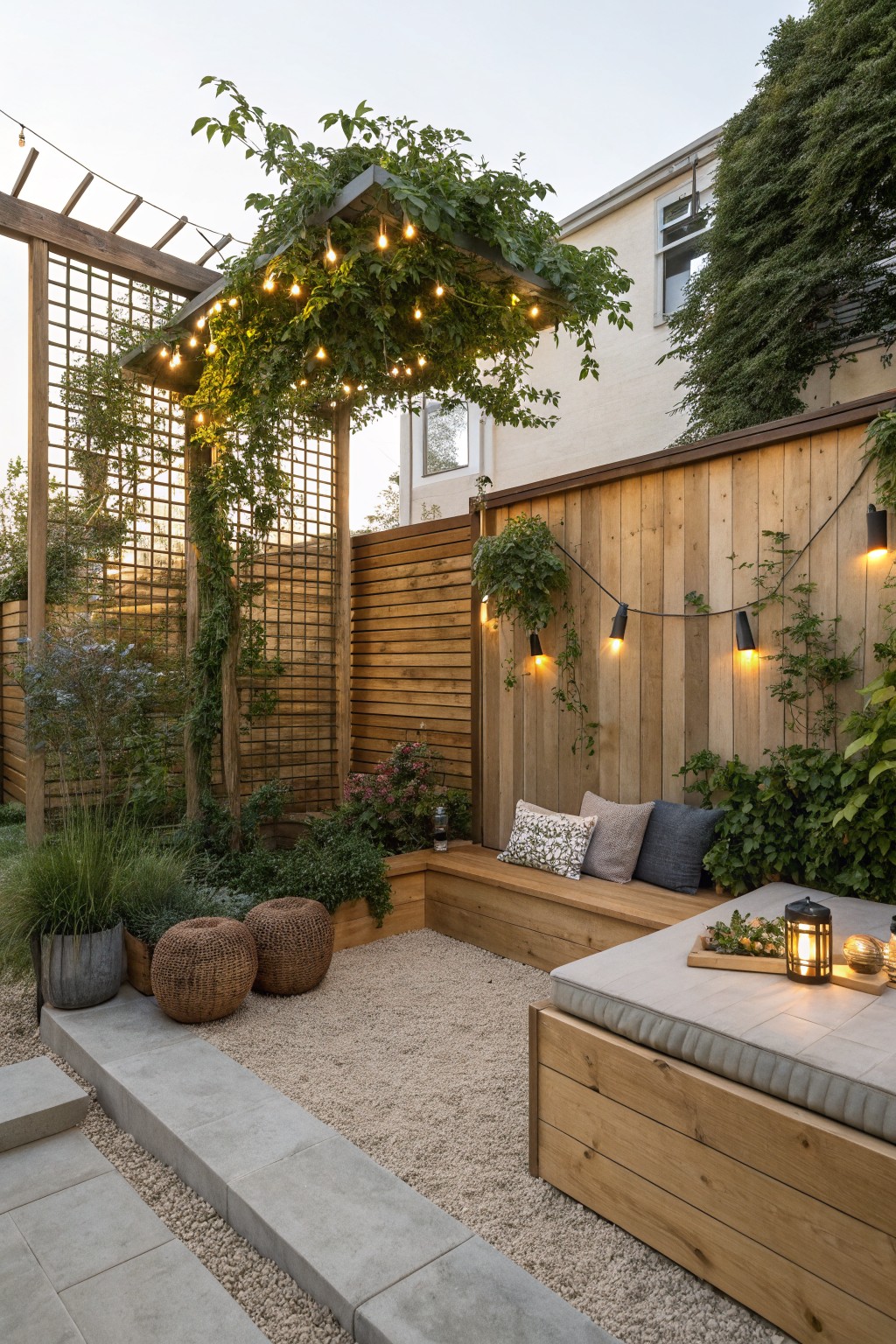
Many backyards already have a basic fence but still feel exposed. Adding lattice sections and letting vines climb over them gives more privacy without making the space feel boxed in. The wood keeps things sturdy and the plants soften the whole look over time.
This setup works best along the back or side of a patio where you want to screen neighbors but still let in some light and air. It suits smaller yards especially well since the vines take up little ground space once they get going. Just make sure the fence can support the weight as the plants fill in.
Lattice And Vines For Natural Screening
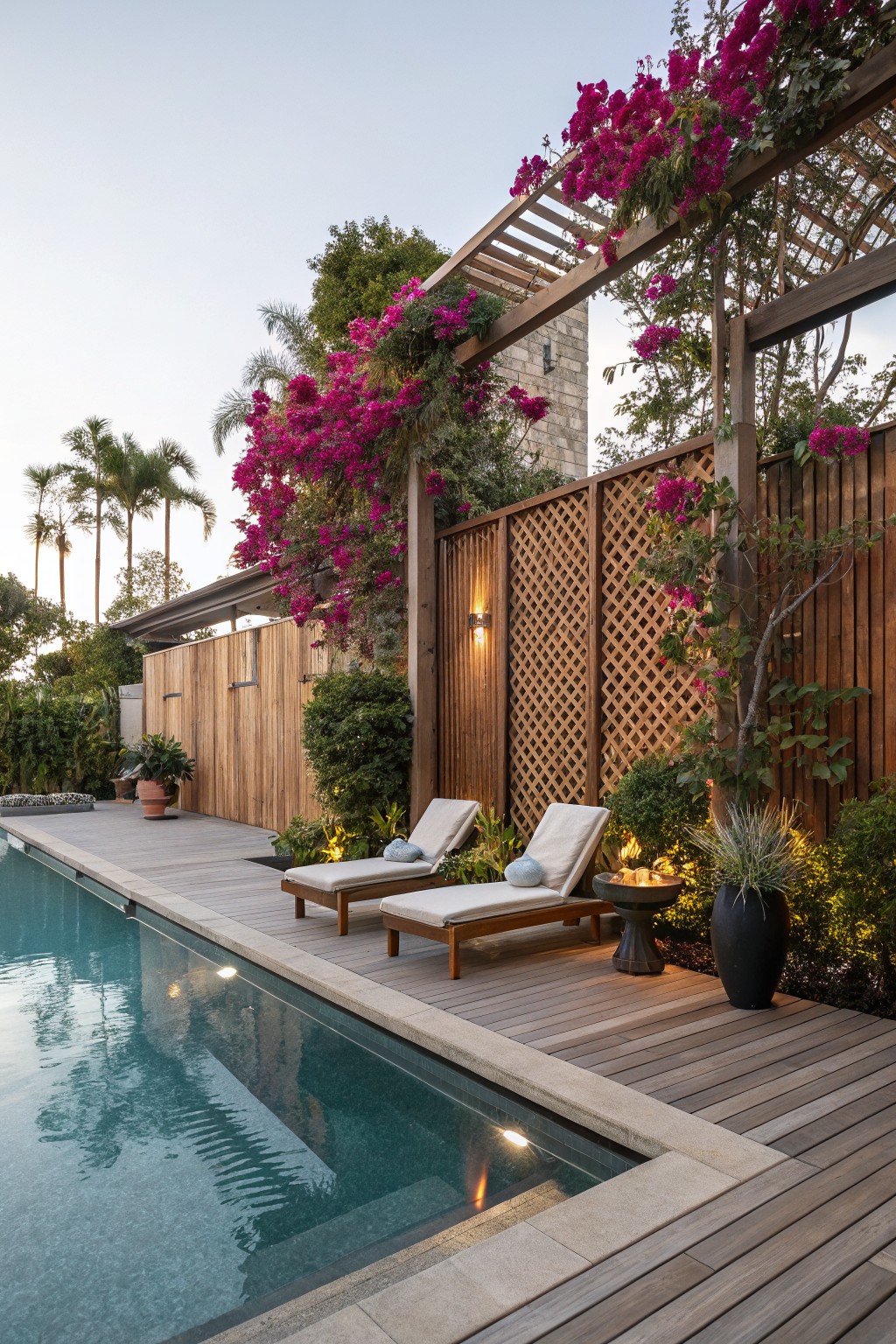
Lattice panels set into a timber fence give you a simple way to add privacy without making the space feel closed in. The open grid lets light and air through while still blocking the view, and vines quickly soften the look as they grow across the surface.
This works well along the edge of a pool deck or patio where you want separation from neighbors but still like an open feel. Plant something vigorous like bougainvillea or another climber at the base and let it fill in over a season or two. Just make sure the fence is sturdy enough to support the weight once the vines mature.
Lattice Screens With Vines For Side Privacy
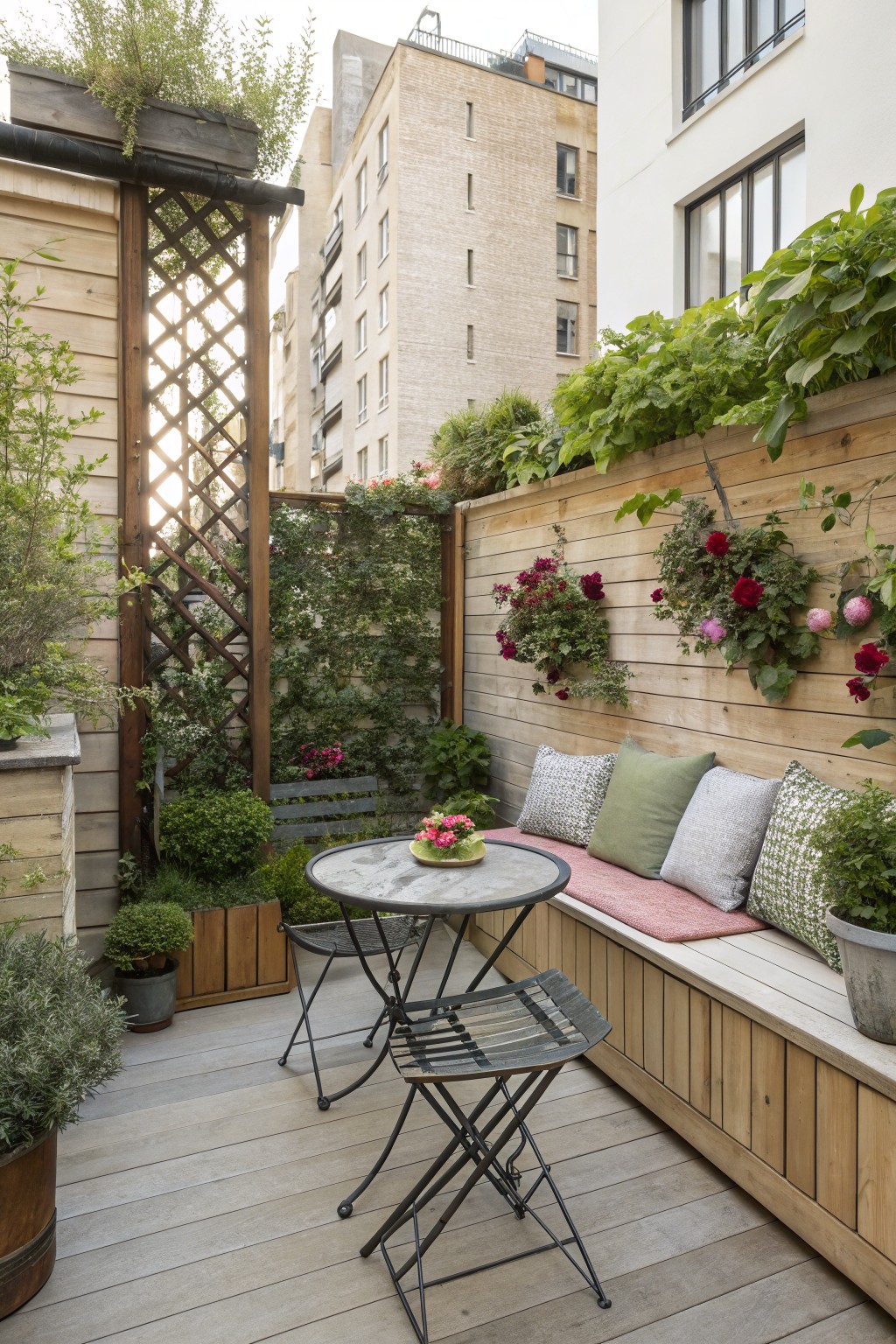
Lattice panels give you a simple way to block views from the side without making the space feel boxed in. The open grid lets light through while still offering a base for vines to climb and fill out over a season or two.
This works especially well on narrow decks or patios next to neighboring buildings. Mount the lattice on a timber frame, add a few climbing plants at the base, and let them grow up naturally. Keep the vines trimmed if you want to maintain some openness.
Pergola Privacy With Lattice Panels And Climbing Vines
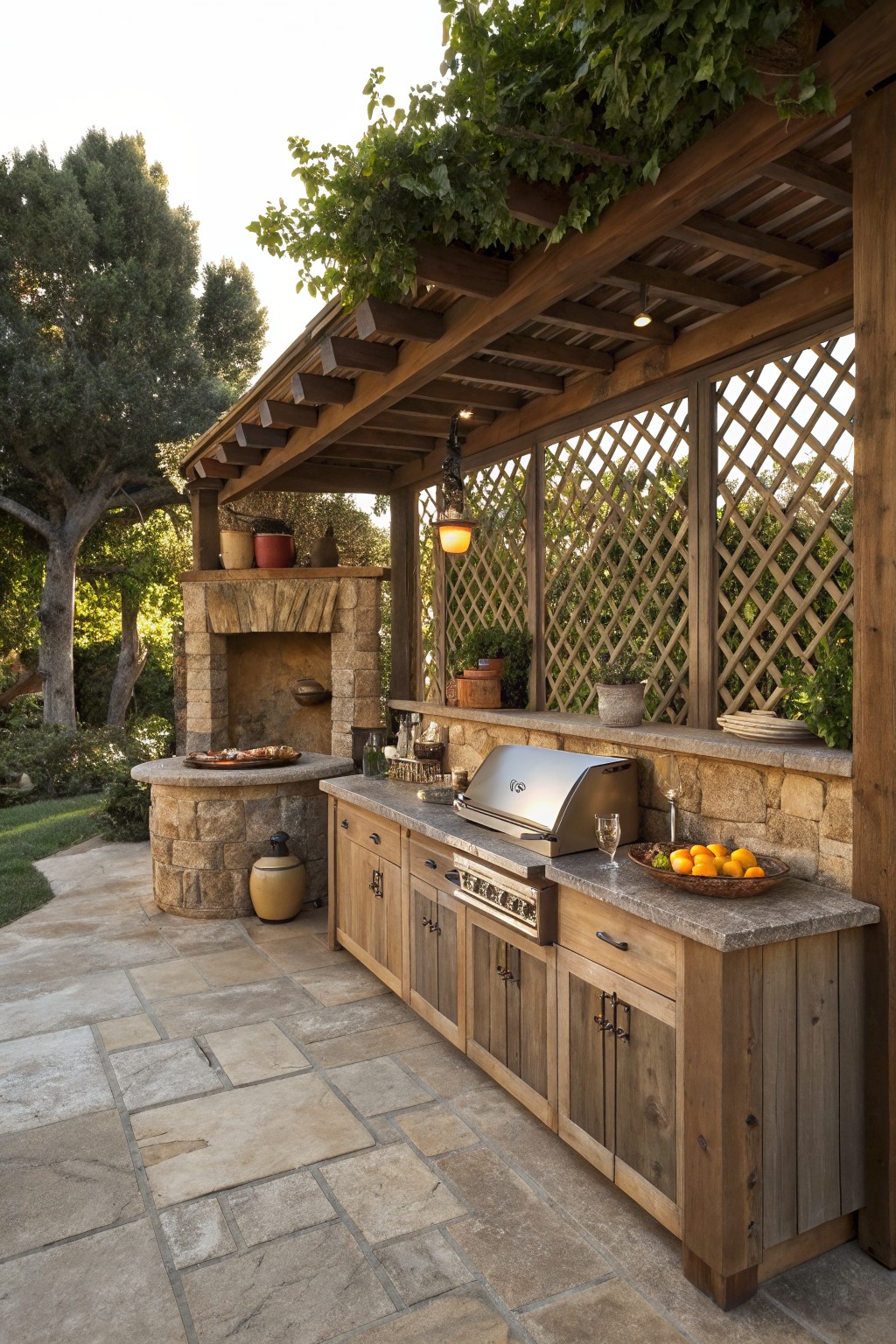
A pergola covered in lattice and vines gives an outdoor kitchen or seating area real privacy without closing it in completely. The wood frame adds structure while the lattice breaks up sight lines and the vines fill in over time for more shade and seclusion. This approach feels natural in a backyard and works especially well when you want to separate the space from the rest of the yard.
It suits homes with room for a built structure and some patience while the plants grow in. Place it along one or two sides of a patio where neighbors or the street are visible, and choose vines that match your climate so they do not need constant care. Keep the wood tones simple and let the plants do most of the screening work.
Pergola With Lattice And Climbing Vines
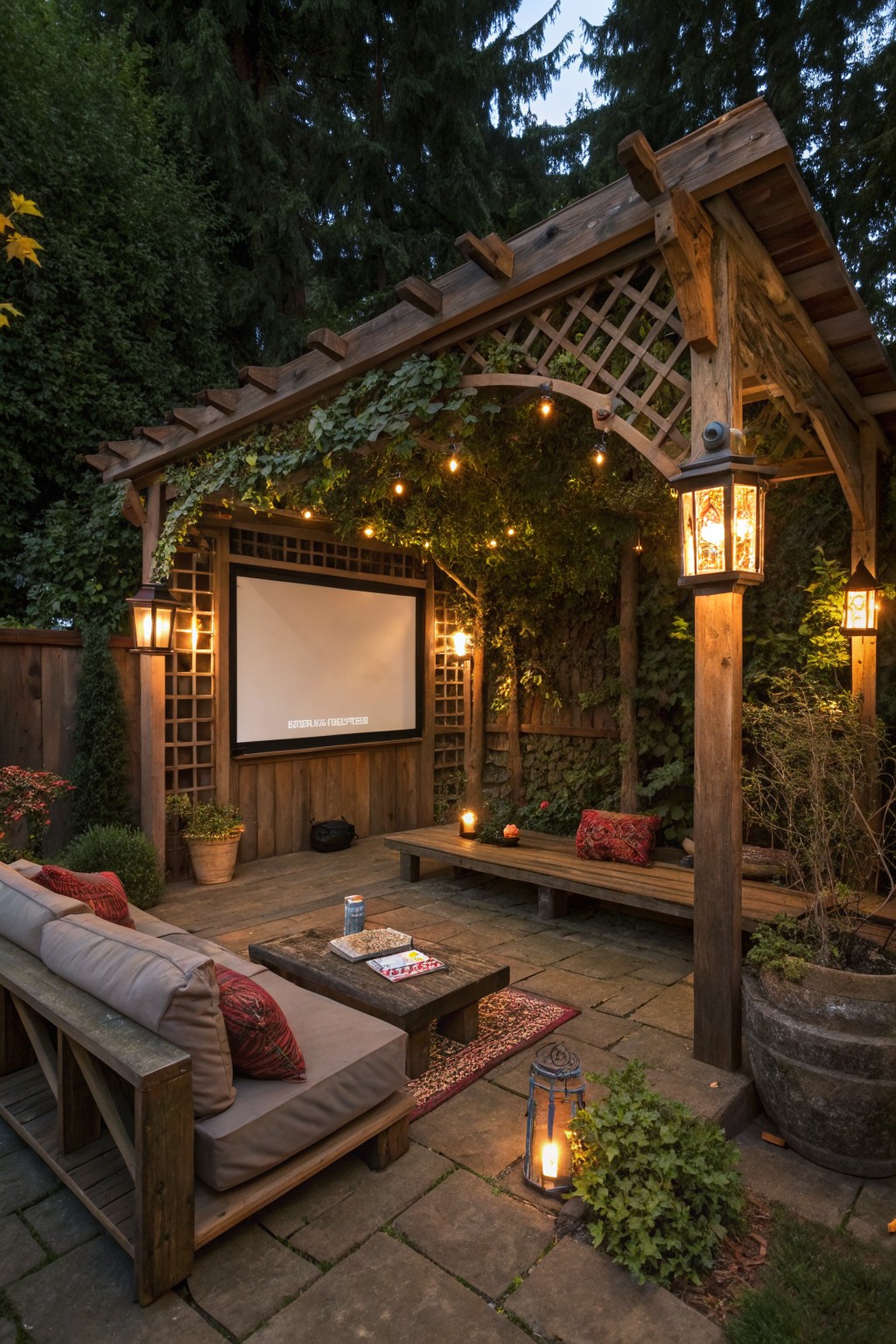
A timber pergola fitted with lattice sides and covered in vines gives you a clear way to carve out a private spot in the backyard. The structure defines the space while the vines gradually fill in the gaps and soften the look over time.
This approach works best on a patio or deck where you already have seating and want to limit views from nearby houses. Plant the vines at the base of the posts and give them something solid to climb so they cover the lattice faster.
Layer Timber Fences With Lattice And Vines
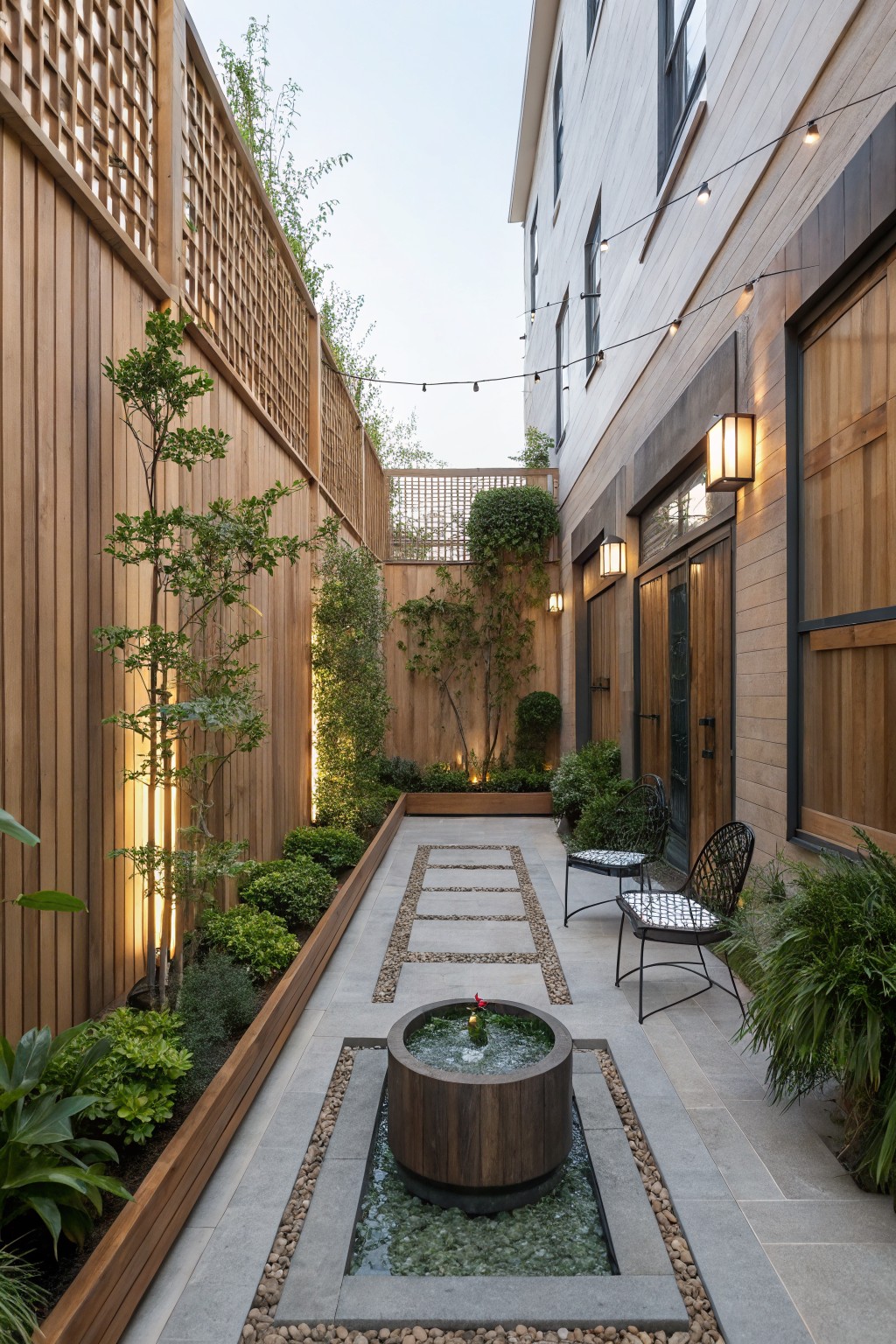
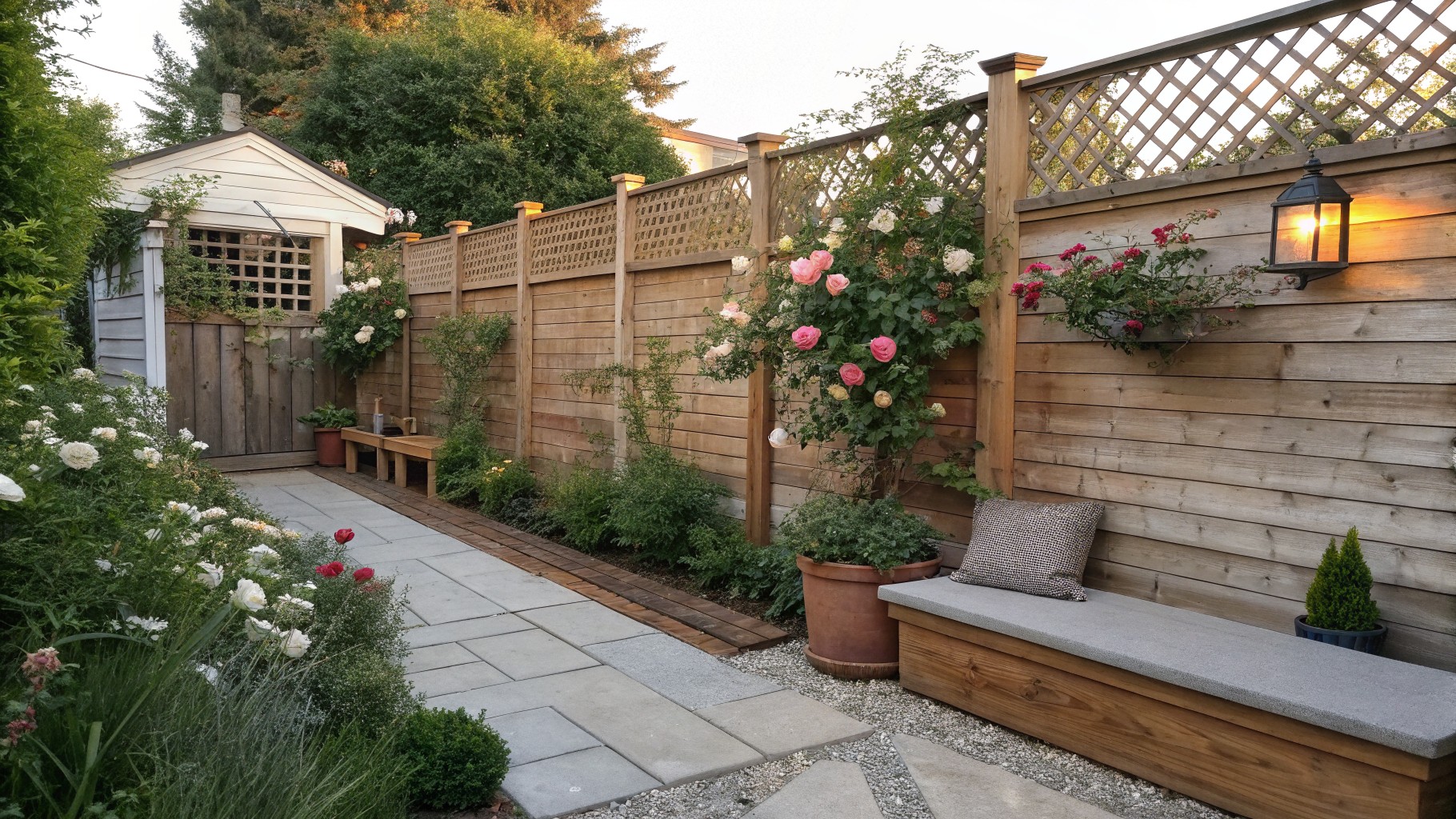
Narrow side yards often feel exposed because standard fences stop at eye level. Running lattice along the top of a solid timber fence gives vines a place to climb without blocking all the light right away.
This setup suits homes where the yard sits close to neighbors or the street. Choose a fast climber like jasmine or clematis, plant it at the base, and let it fill the lattice over one or two seasons. The wood stays the main structure while the vines add softness and extra screening.
Lattice And Vines Along A Garden Path
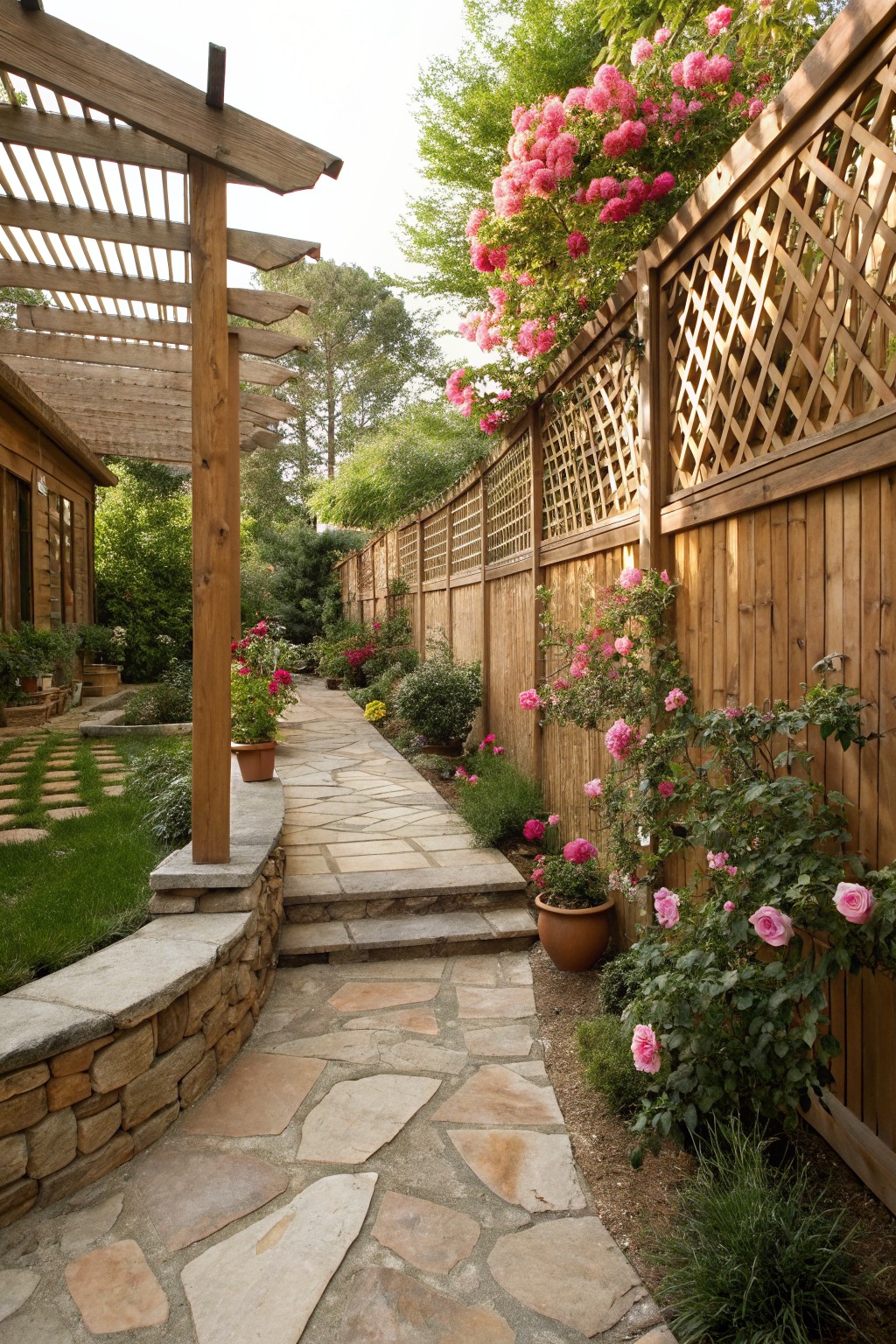
A fence with lattice panels on top lets you keep a solid base for privacy while giving vines room to grow upward. Climbing roses or similar plants soften the wood and fill in the open sections over a season or two. This approach works well in narrow side yards where full shade or heavy screening is not needed.
It suits homes that already have a path or bed running along the fence line. Use pressure-treated timber for the frame and make sure the lattice is attached securely so it can handle the weight of mature vines.
Use Timber Lattice and Vines for Simple Privacy Screens
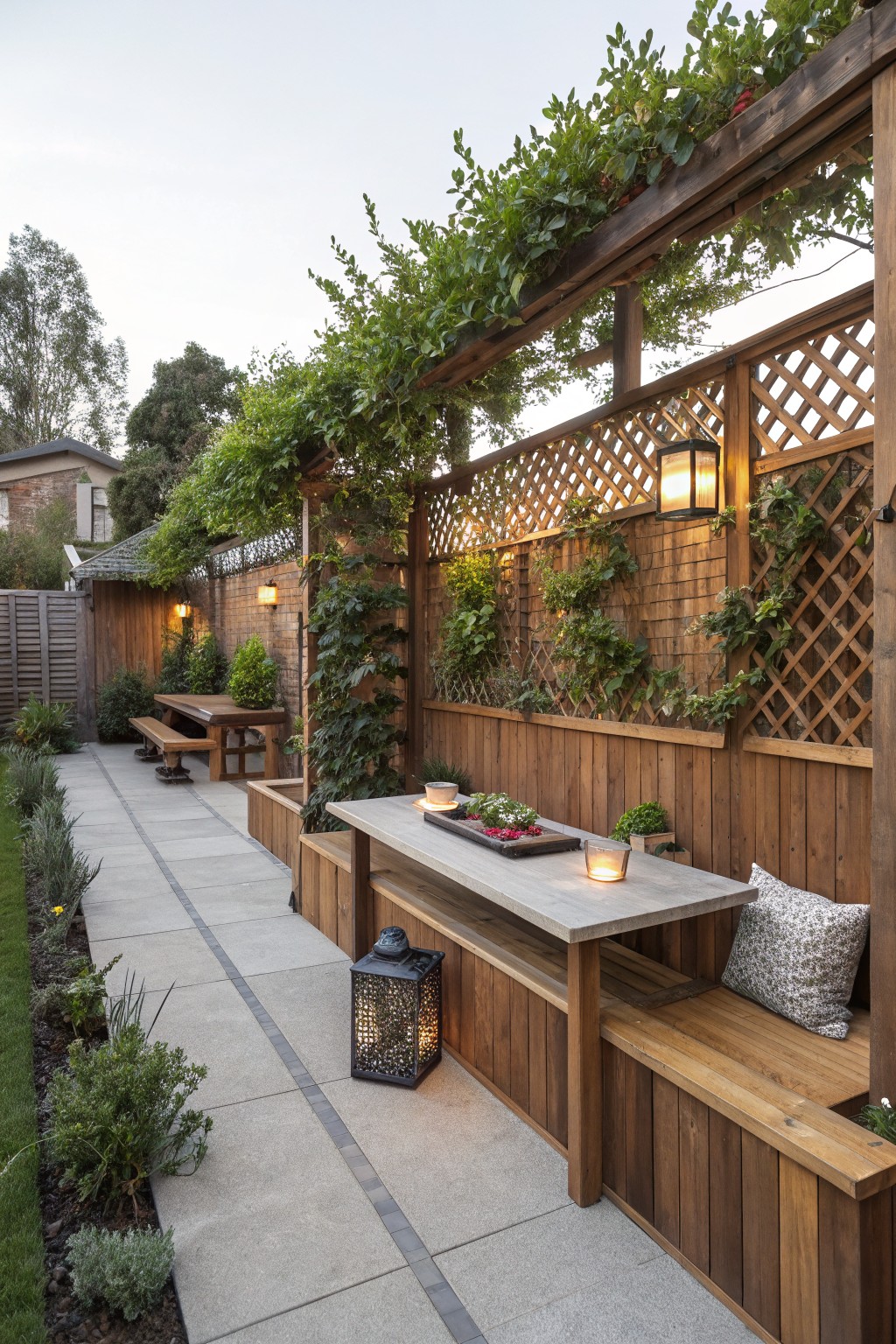
A timber frame with lattice panels gives you a solid base that vines can climb. The combination blocks sight lines while still letting in light and air, which makes the space feel more private without turning it into a solid wall.
This approach works best along the side or back edge of a patio where you need screening from neighbors. Plant fast-growing vines at the base and let them fill in over a season or two. The wood lasts longer if you choose a weather-treated species and keep the vines from sitting directly against the boards.
Grow Climbing Vines Over a Timber Pergola
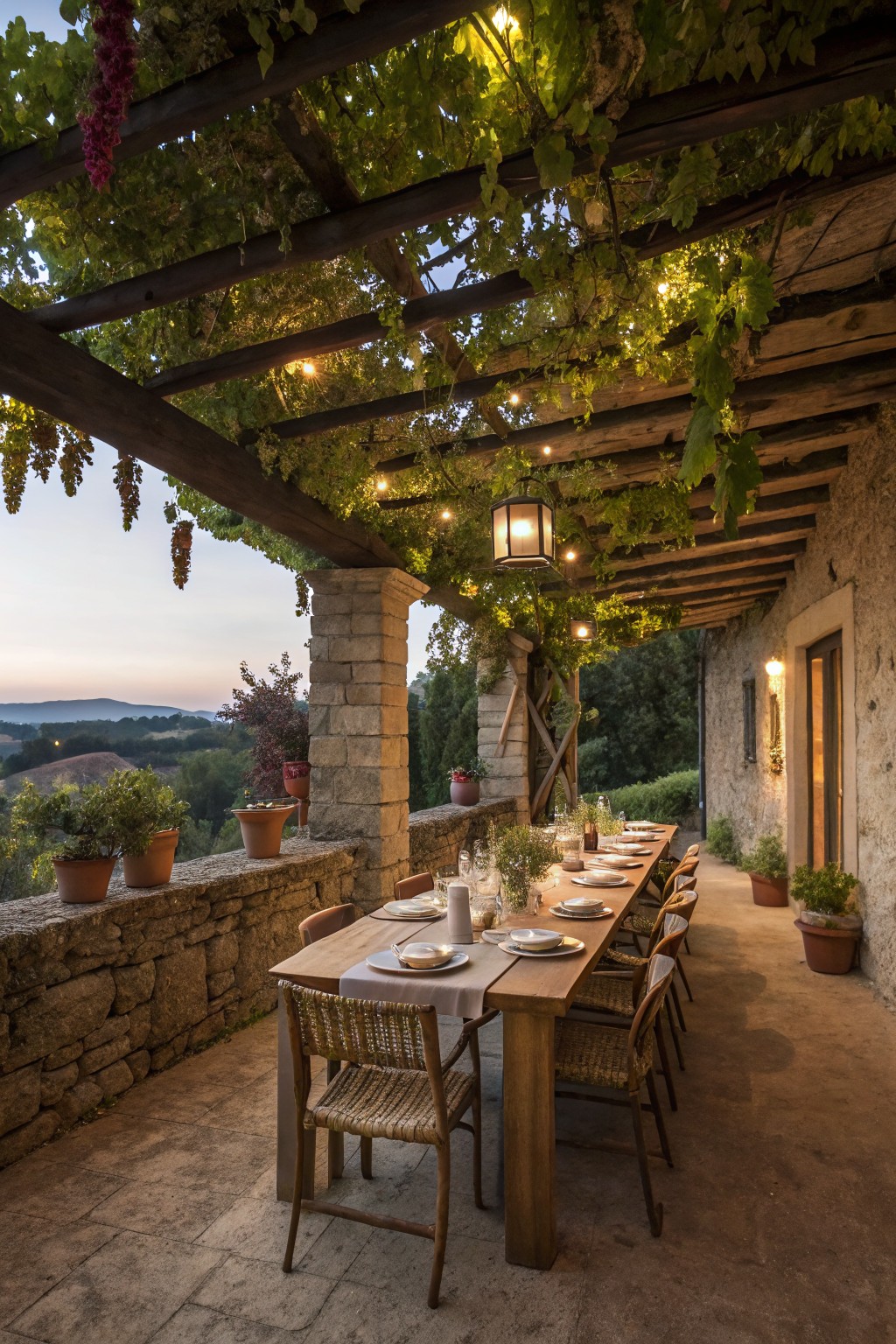
A simple timber pergola can turn an open patio into a more private spot without building solid walls. The vines fill in the gaps over time and create a living ceiling that blocks some of the view from above while still letting in light and air.
This works well on stone or concrete patios where you want a bit of enclosure around a dining table. Place the posts close to the seating area so the vines can drape down naturally, and choose a fast-growing variety if you want coverage in just a couple of seasons. Make sure the structure is sturdy enough to handle the weight once the plants mature.
Lattice And Vines For Privacy
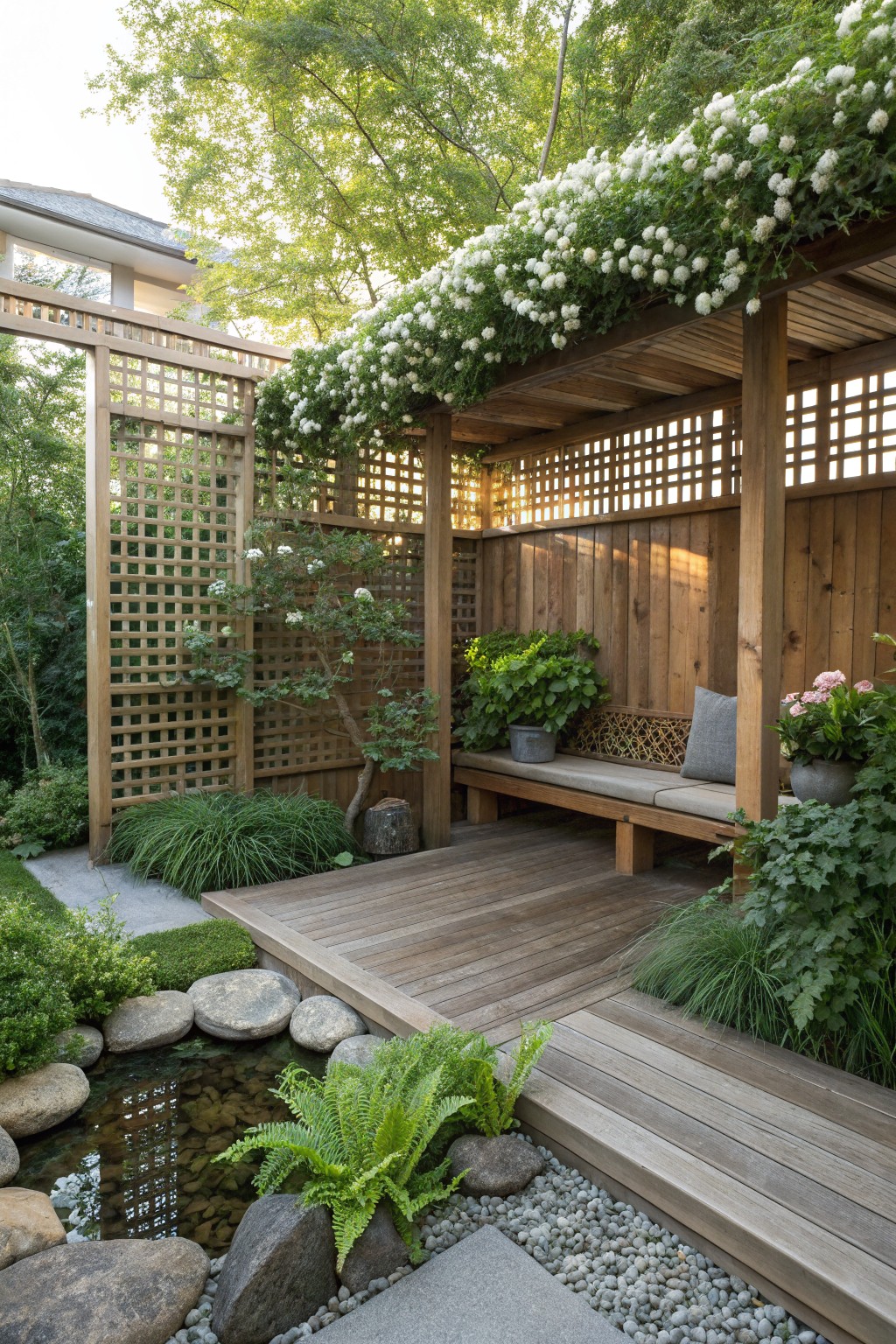
A simple timber frame with lattice panels gives you a quick way to add privacy without building a solid wall. When you let climbing vines grow over the top and sides, the whole thing softens and blends into the garden over time.
This works best along the edge of a deck or patio where you want to block a neighbor’s view but still keep some light and air. Use a sturdy wood like cedar, space the lattice so the vines can weave through easily, and pick a fast grower that handles your climate. Just watch how much shade the vines end up casting on the seating area below.
Pergola Privacy with Timber Lattice and Vines
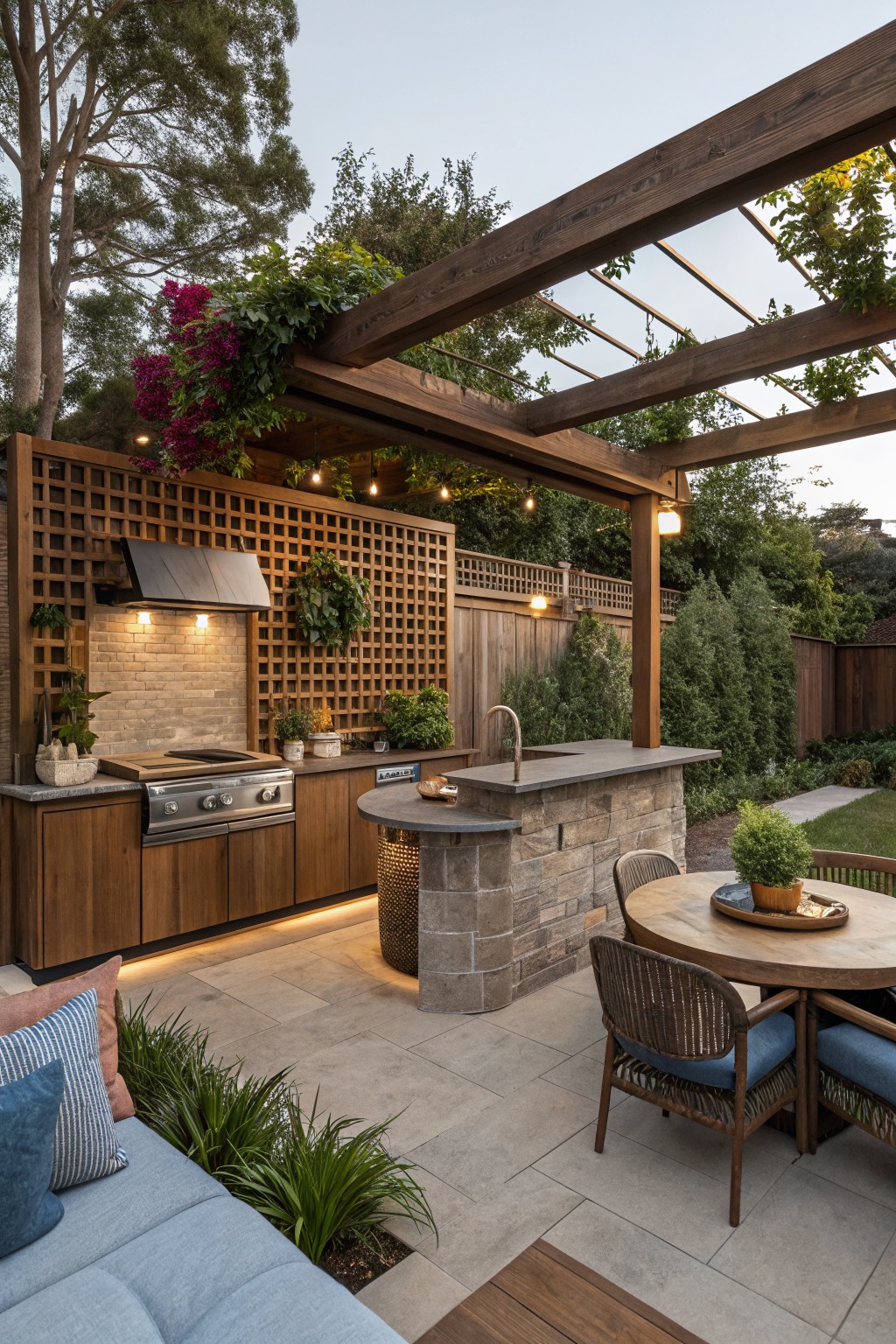
A pergola built with heavy timber and lattice panels gives an outdoor space real privacy without making it feel closed in. The lattice lets vines climb and fill in the gaps, creating a living screen that softens the edges and blocks views from nearby yards.
This setup works best on patios that sit close to property lines or need a bit of separation between cooking and seating areas. It suits homes that already have wood fencing or garden structures, and it holds up well when the vines are kept trimmed so they do not take over the frame.
Create Private Corners With Timber Arbors And Vines
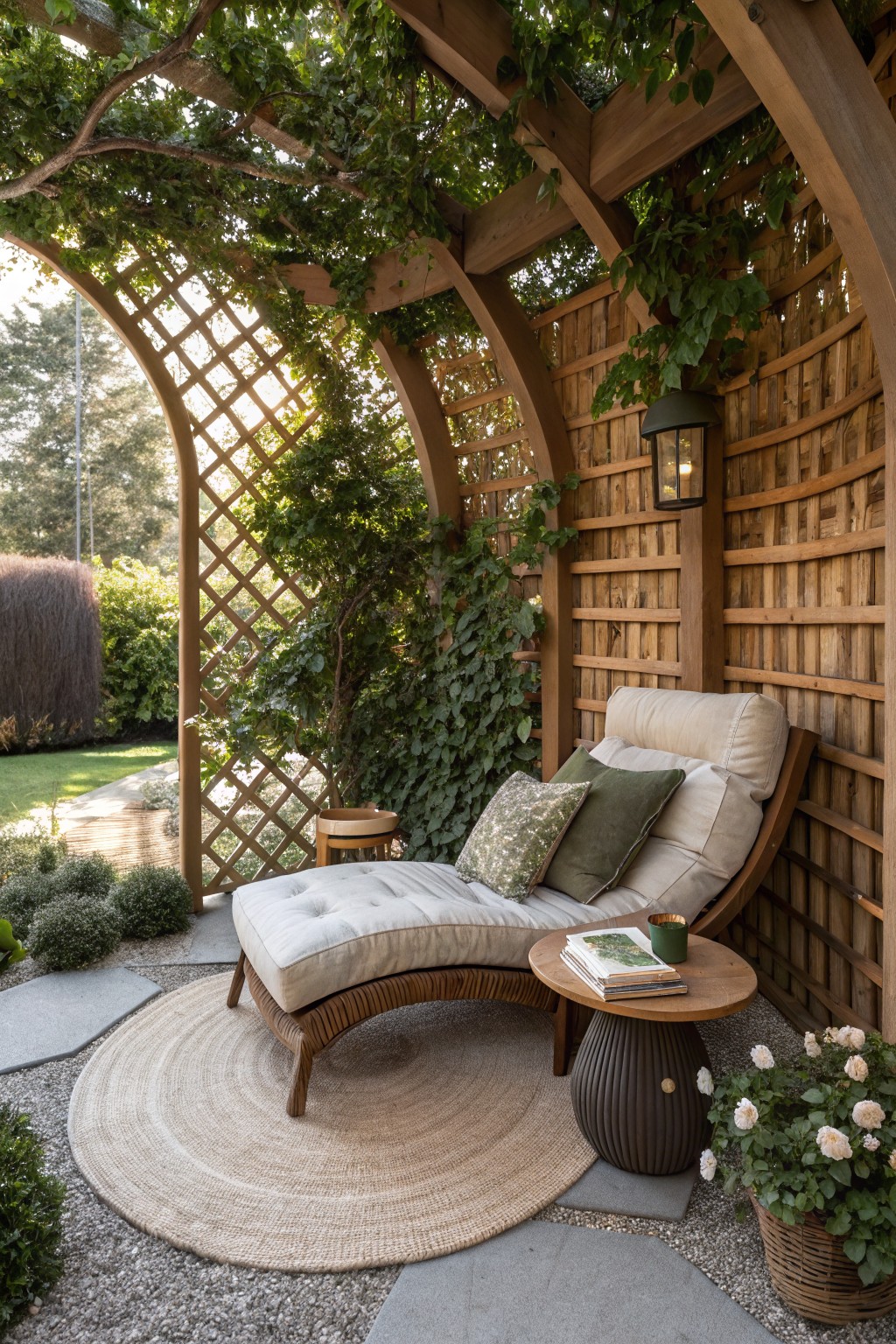
A simple timber frame with lattice sides and vines growing across it can turn an open spot into a quiet place to sit. The wood gives structure while the plants fill in over time and soften the edges without blocking all the light.
This works best along a fence line or in a corner of the yard where you want some separation from the rest of the garden. Keep the wood tones natural so they blend with other fences or decks, and choose vines that grow quickly in your climate.
Lattice And Vines For Simple Privacy Screening
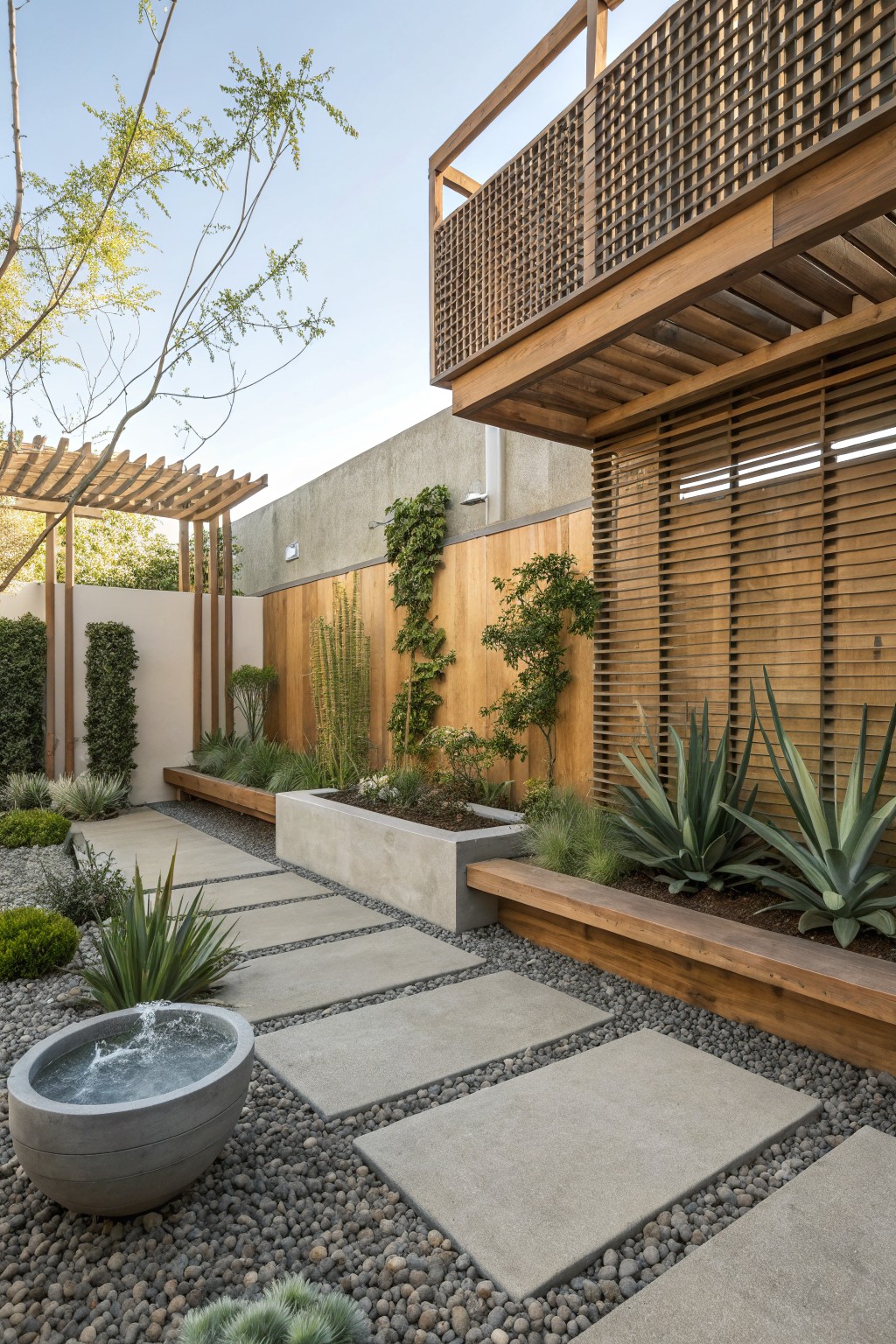
Lattice panels on upper levels paired with climbing vines below give you privacy without building a solid wall. The open pattern lets light through while the vines fill in over time and soften the look. This approach works especially well in narrower side yards or along shared fences where you want screening that still feels open.
It suits homes with existing wood structures or balconies since the lattice can attach directly to them. Plant fast-growing vines at the base and let them reach upward, or add a few taller shrubs in front for extra coverage right away. Just make sure the vines have room to spread and that you prune them once or twice a year so they do not overwhelm the lattice.
Combine Timber Fencing and Lattice for Privacy
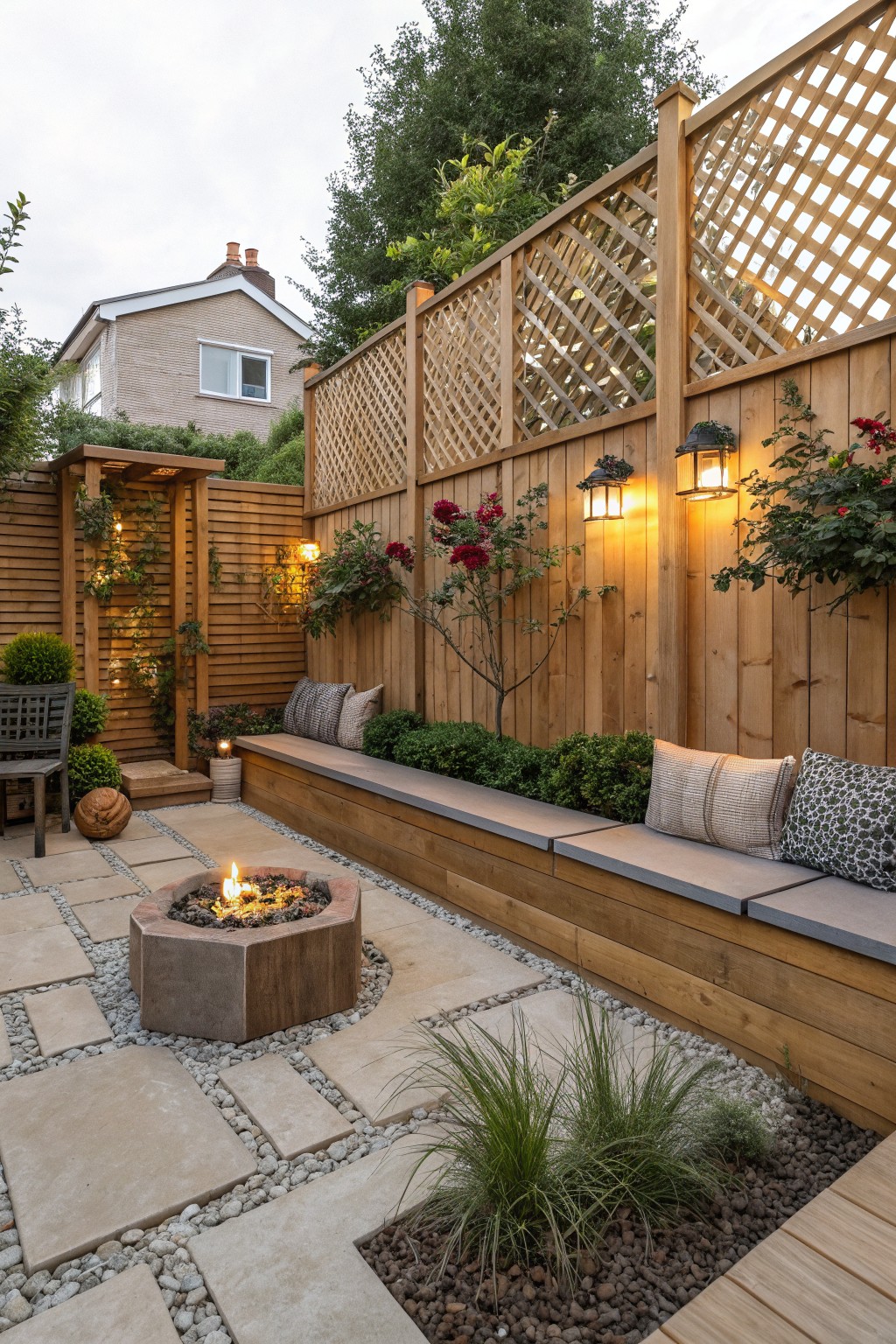
A solid timber fence already blocks the view from neighbors, but adding lattice sections along the top keeps the space from feeling too closed in. Vines can climb through the lattice over a season or two and add a softer layer without much extra work.
This approach fits along side or back boundaries where full enclosure is needed but total shade is not. It works on most lot sizes and pairs well with a low bench or simple plantings at the base.
Climbing Vines on Timber Garden Structures
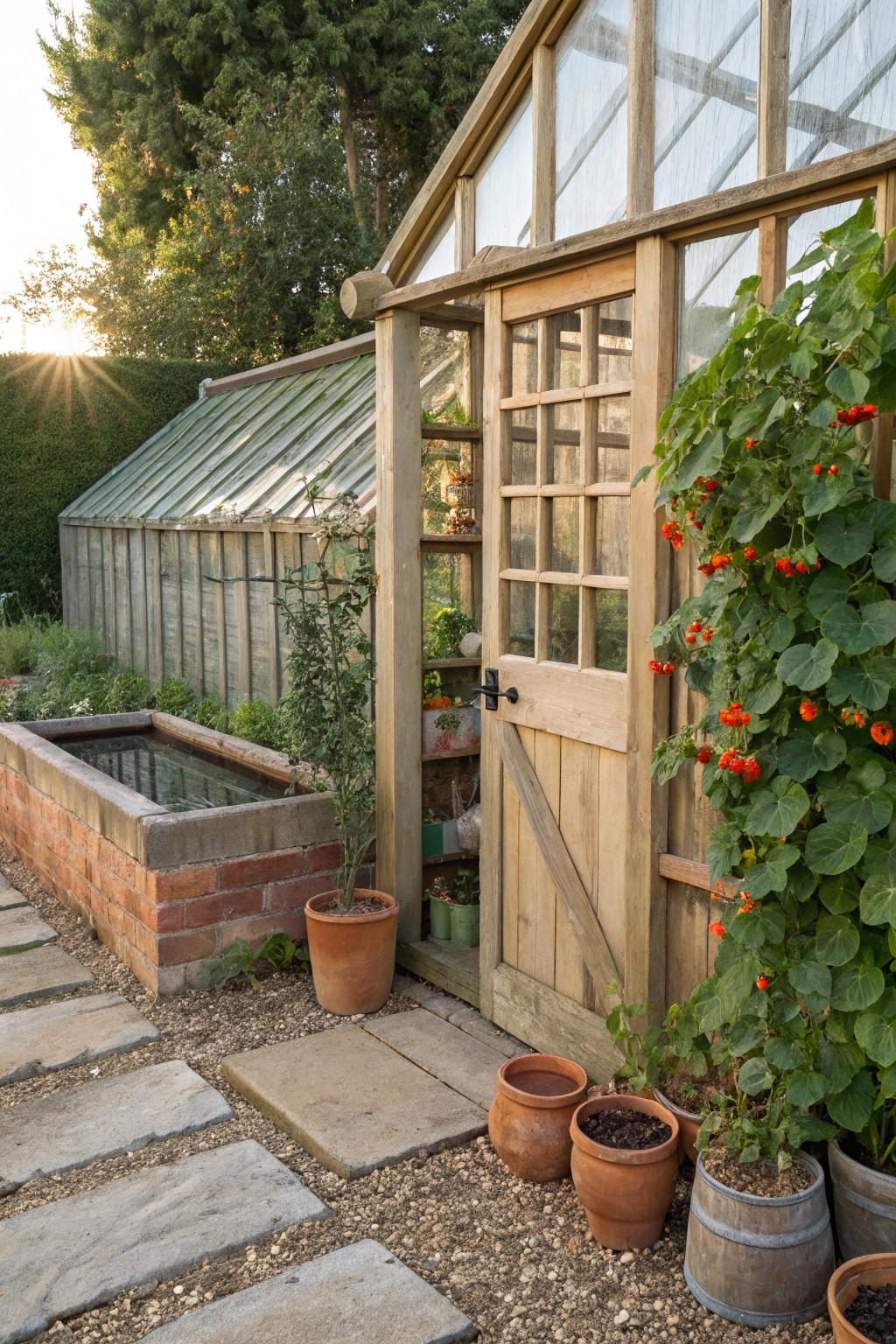
Climbing vines work well on timber buildings because they turn a plain wall into a living screen without needing extra fencing. The plants soften the wood over time and give a bit of privacy while still letting light through the glass or lattice sections.
This approach suits any backyard with a shed, greenhouse, or similar structure. Start with a fast-growing variety that can handle your climate, and give the vines something to grip on the timber. Just keep an eye on growth so it does not cover windows or doors you still need to use.
Lattice and Vines for Side Privacy
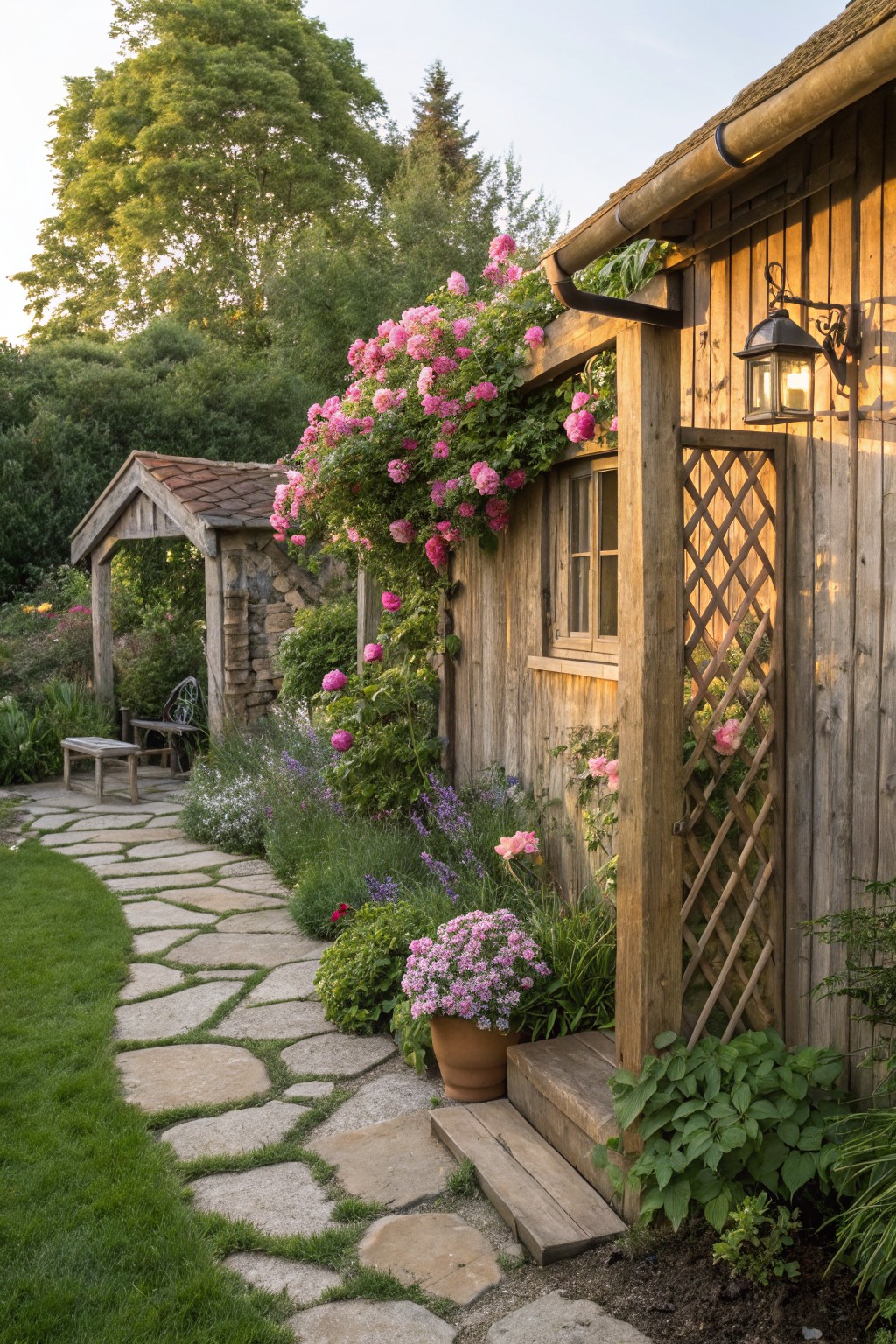
Lattice panels paired with climbing vines give you a simple way to screen the side of a house or shed without building a solid wall. The open grid lets light through while the vines fill in over time and create a soft barrier that feels more natural than fencing.
This approach works best along narrow side yards or near a path where you want coverage but still need airflow and some light. Timber lattice holds up well in most climates and gives the vines something to grip, though you may need to guide the plants in the first year or two.
Frequently Asked Questions
Q: How fast will the vines actually cover the lattice for solid privacy?
A: Most climbing vines need one full growing season before they fill out enough to block views. Plant them close together at the base and water deeply during dry spells to speed things along.
Q: Which timber works best if I want to skip yearly sealing?
A: Cedar stands up well to weather without extra coatings. Set the posts in gravel instead of concrete so moisture can drain and the wood lasts longer.
Q: Can I train vines on an old fence or do I need fresh lattice?
A: You can add vines to an existing fence if the boards are still sturdy. Screw a few lattice sections in place first so the plants have room to spread without pulling on the older wood.