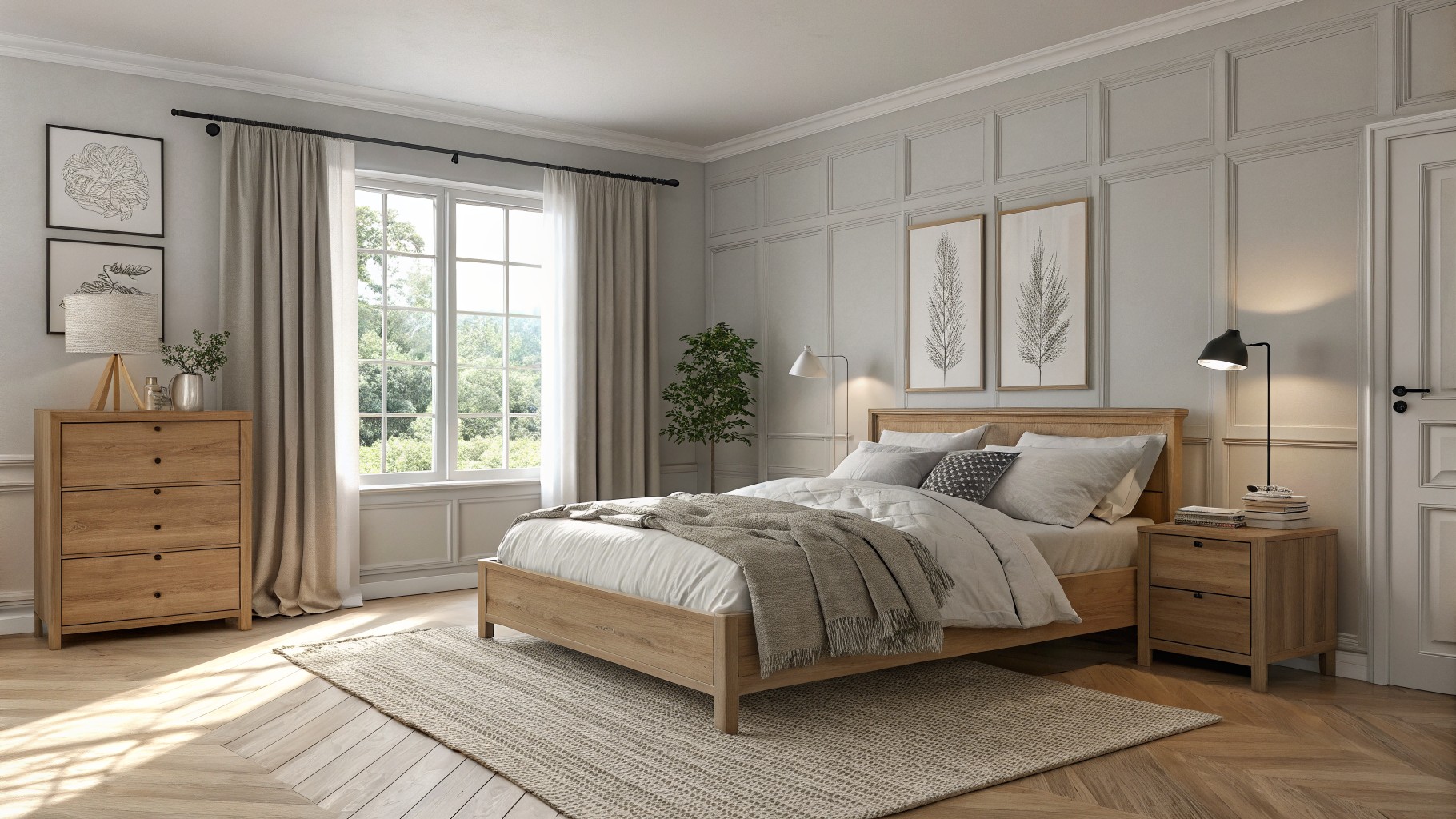
I have found that bedroom colors shift noticeably once the curtains close and the only light comes from a bedside lamp.
The undertones show up clearly when the paint meets the actual trim and the fabric on the bed.
Testing matters.
Many colors that seem calm on a small chip turn flat or overly cool when they cover an entire wall next to wood floors.
I always check how each one reads at dusk before buying the larger cans.
Soft Greige Bedroom Walls
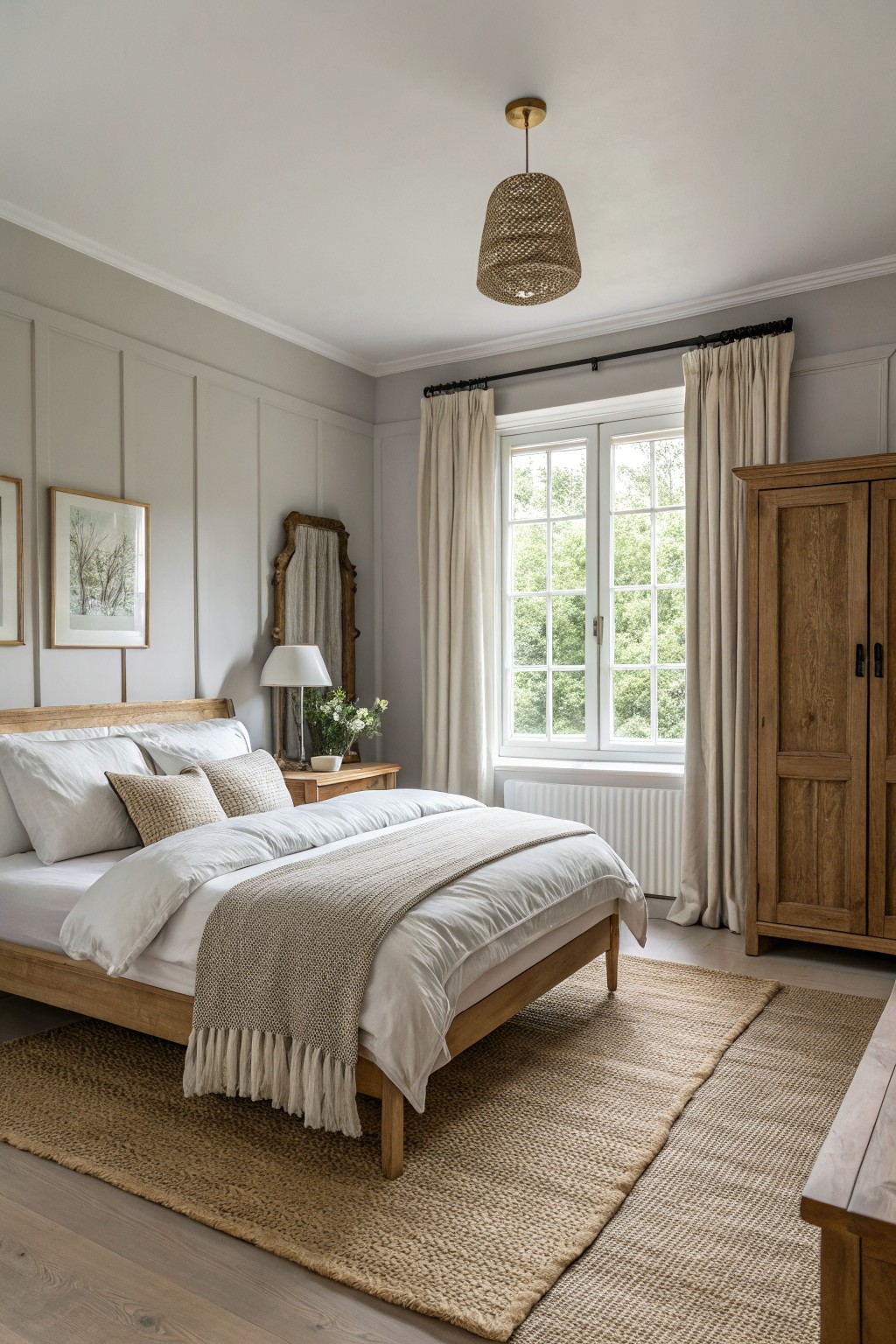
A soft greige is a good choice for bedrooms because it stays neutral without feeling cold or flat. This light warm gray blends just enough beige into the mix, so the walls feel gentle and settled rather than stark.
It shows a mild warm undertone that comes through next to wood floors and white trim. Pair it with natural oak furniture or simple linen to keep the room relaxed. Colors like Benjamin Moore Revere Pewter, Sherwin Williams Agreeable Gray, or Behr Silver Satin come close to this effect.
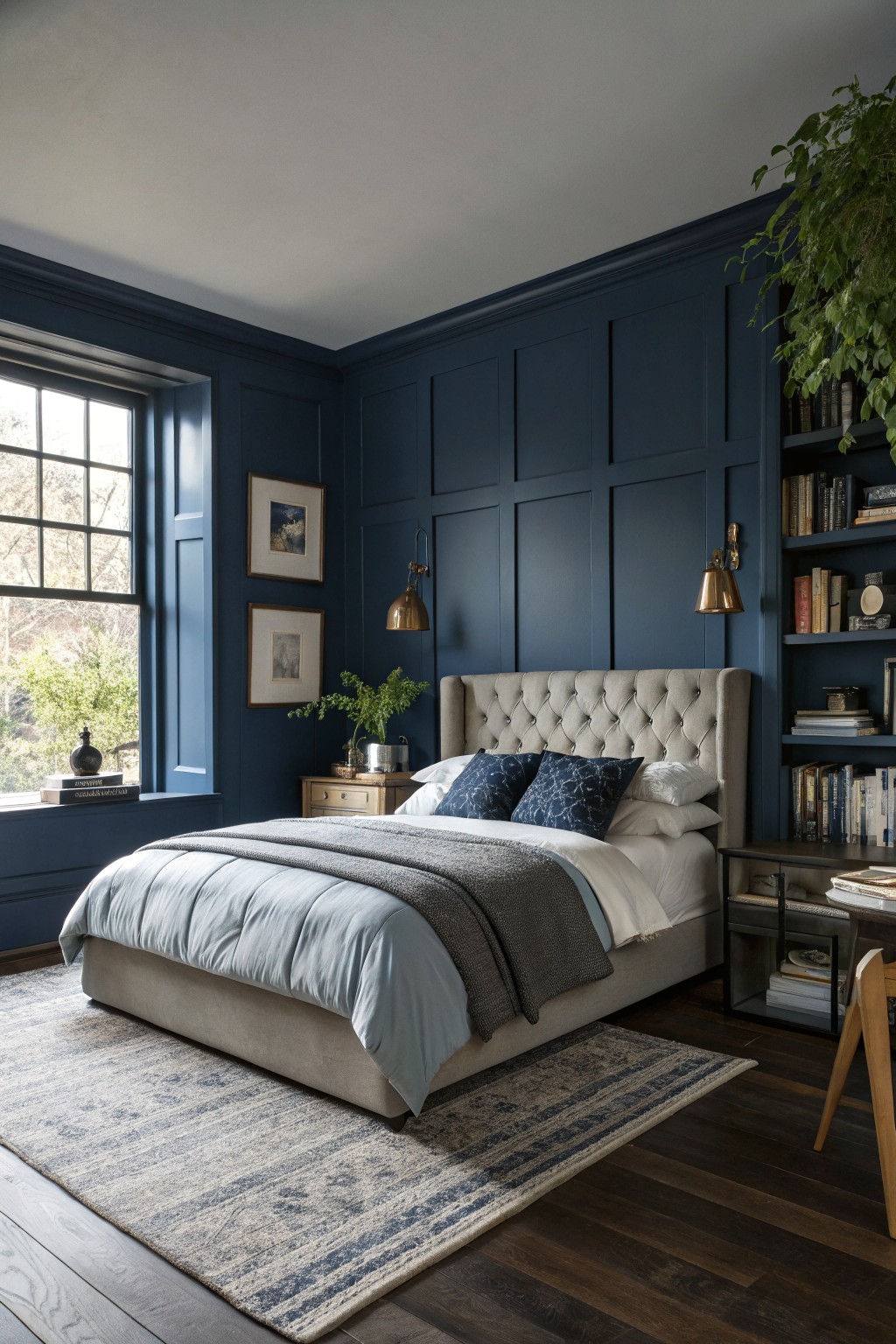
A deep navy blue gives a bedroom that grounded, restful feel without making the space feel closed in. This color sits on the cooler side and has enough depth to hold its own against wood tones and soft textiles. It works especially well in rooms with decent natural light, where the blue stays true rather than turning flat.
It pairs best with warm wood floors, white trim, and lighter linens to stop it from feeling heavy. Test it in both morning and evening light since the undertone can lean a touch greener or more inky depending on the room. Close matches include Sherwin Williams Naval, Benjamin Moore Hale Navy, Behr Midnight Show, and Farrow & Ball Stiffkey Blue.
Soft Mint Green Walls

This bedroom uses a soft mint green on the walls that feels fresh without being too bright. It sits somewhere between green and blue and works well in spaces meant for rest. Colors like Sherwin Williams Sea Salt, Benjamin Moore Palladian Blue, Behr Aqua Foam, or Farrow and Ball Borrowed Light come close.
The color has a cool undertone that pairs nicely with white trim and natural wood accents. It can make a room feel airy and calm, especially with plenty of natural light, though it may read a bit cooler in north facing rooms.
Sage Green Bedroom Walls

This muted sage green brings a quiet, earthy feel to the bedroom. It sits between gray and green with a soft warmth that keeps the space relaxed rather than cool or stark.
The color works well with wood tones and natural textures, and it stays steady in both daylight and evening light. It suits rooms that already have some warmth from flooring or furniture, though it can shift slightly greener in bright sun, so a test patch helps.
Light Greige Bedroom Paint
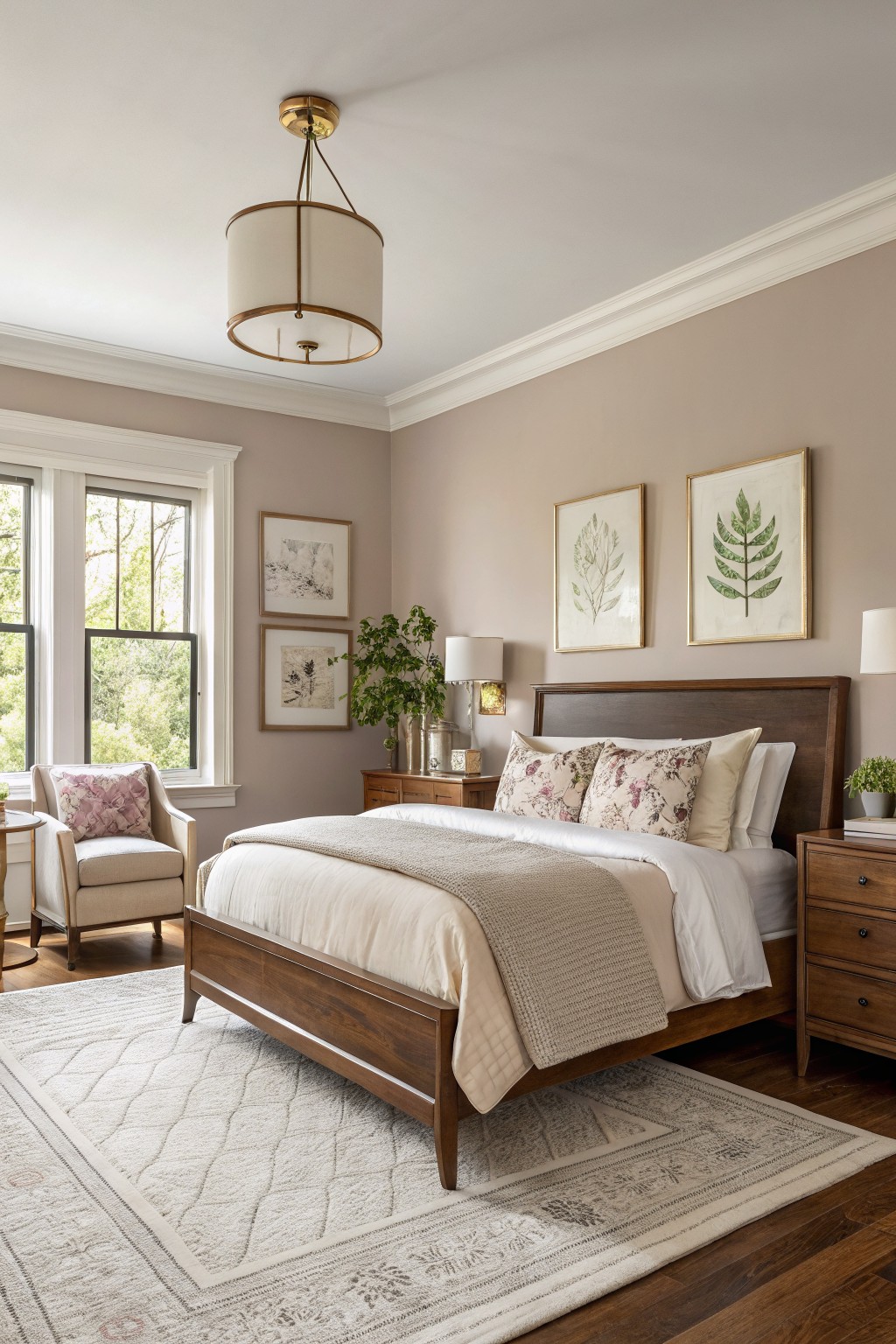
This bedroom uses a soft greige on the walls. It is a warm neutral that sits between beige and gray, offering a gentle color that feels restful without disappearing.
The shade has a light warm undertone that works with dark wood furniture and white bedding. It suits bedrooms with good natural light and pairs easily with both traditional and simple modern pieces.
Soft Rose Walls For A Calm Bedroom
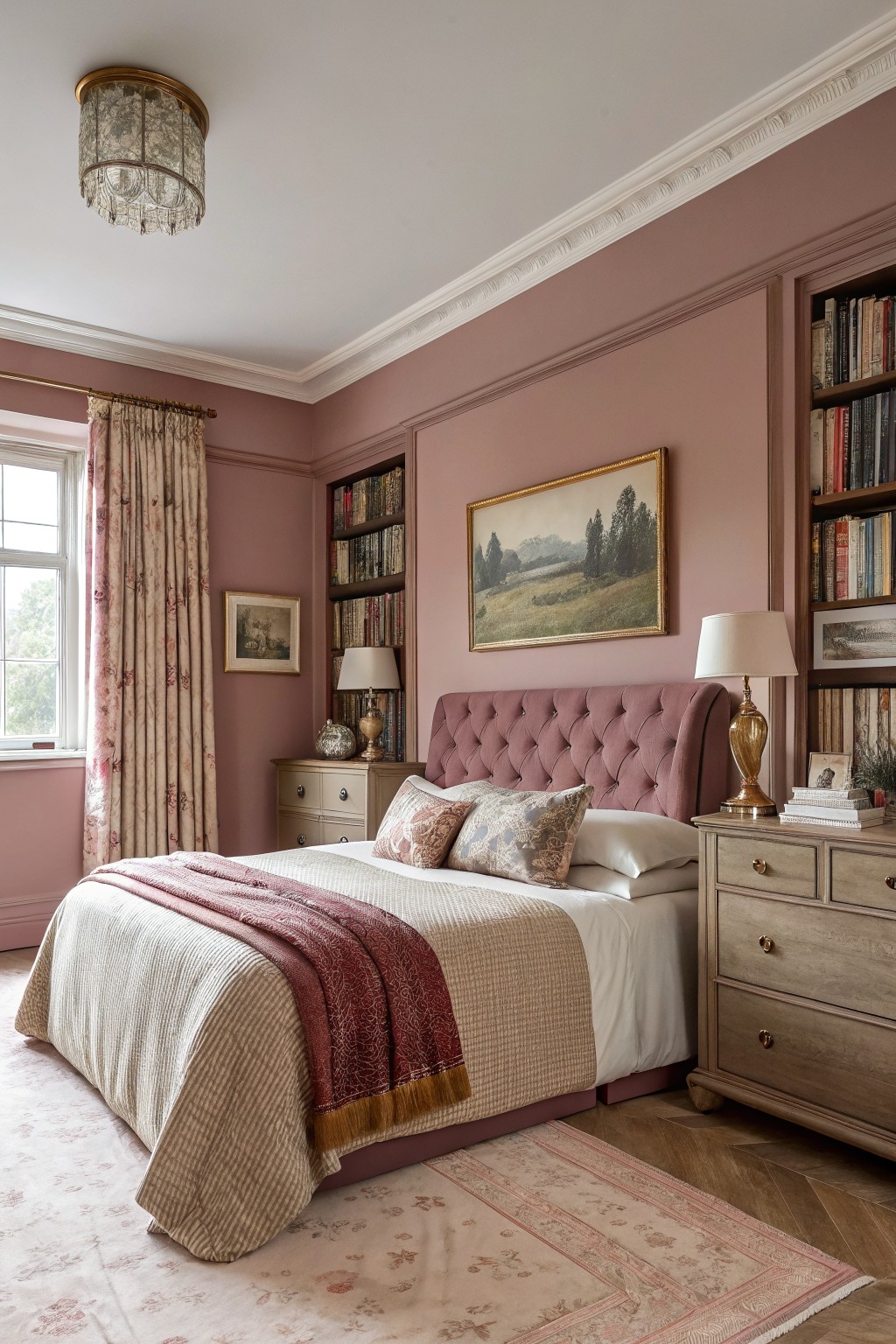
A dusty rose paint color covers the walls here. It is a muted pink with warm undertones that feels soft without turning sugary or flat.
This shade holds up well next to wood furniture and cream textiles. It suits bedrooms that get decent daylight and works best when paired with simple trim rather than anything too stark.
Warm White Bedroom Walls
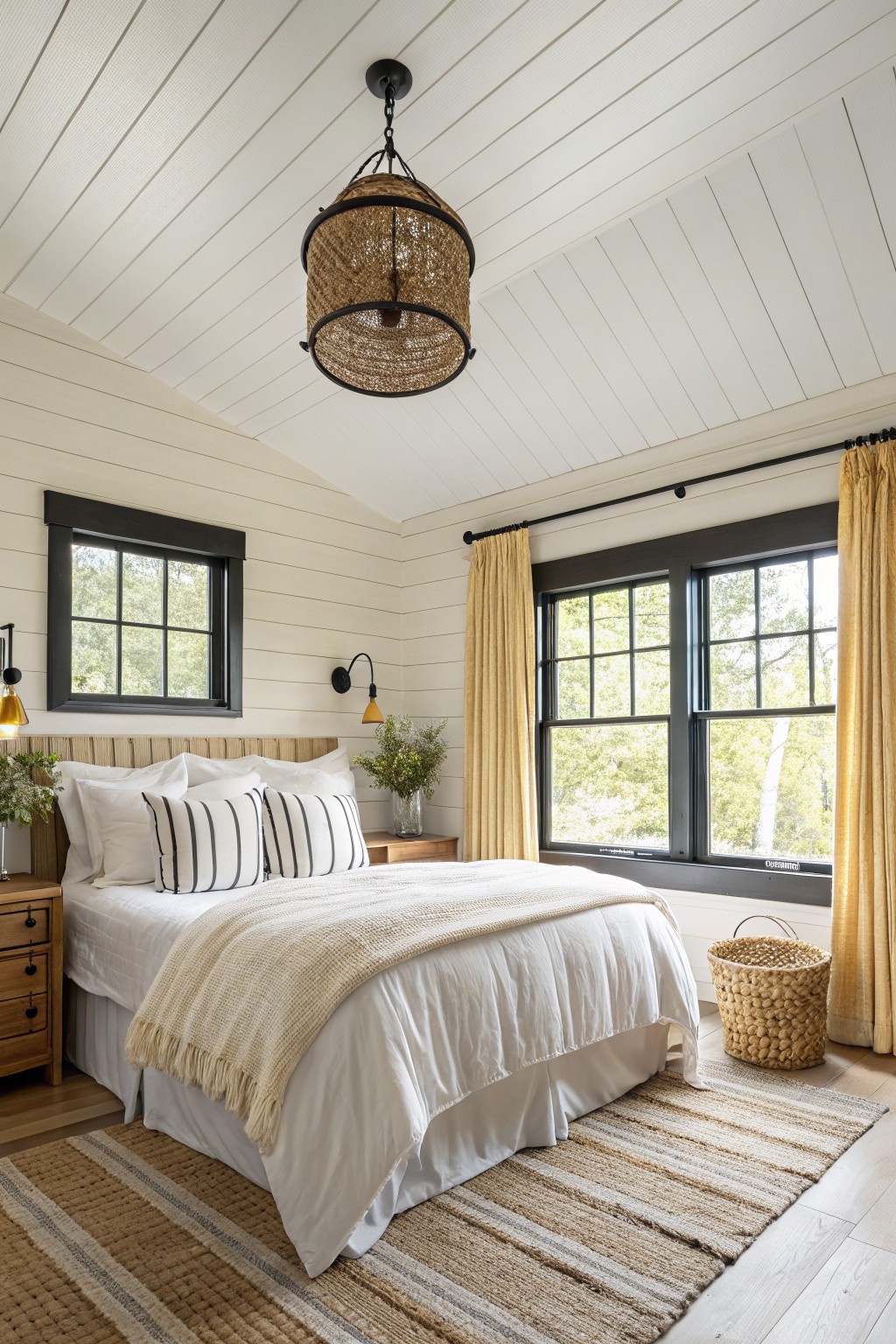
The walls are painted in a soft warm white. This kind of color keeps the room feeling bright and open while still feeling comfortable and lived-in. It pairs naturally with wood tones and darker accents without fighting them.
It has a gentle creamy undertone that shows up more in warmer light. Use it in bedrooms with wood floors or trim, and it works especially well when you want something simple that lets other textures stand out. Popular matches include Benjamin Moore Simply White, Sherwin Williams Alabaster, Behr Swiss Coffee, or Farrow & Ball Wimborne White.
Soft Sage Green Walls
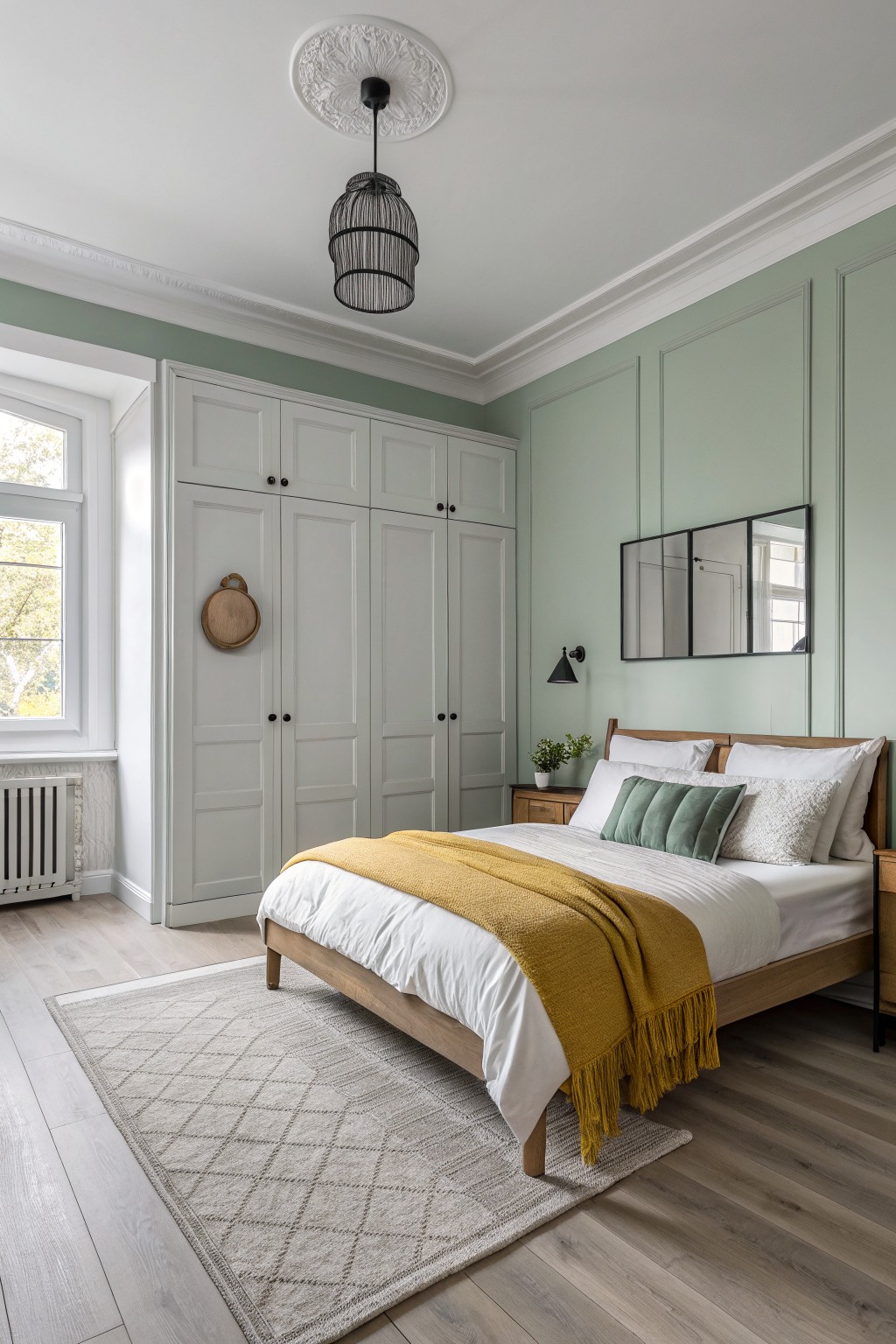
A soft sage green gives bedrooms that quiet, restful feel without going too dark or cold. The color sits somewhere between gray and green, so it feels calm and a little earthy at the same time.
It works best with white trim and warm wood tones, which help the green read softer instead of flat. In rooms with decent natural light the shade stays gentle, though it can lean a bit cooler in low light, so testing a sample on the wall is worth doing.
Warm Greige Bedroom Walls
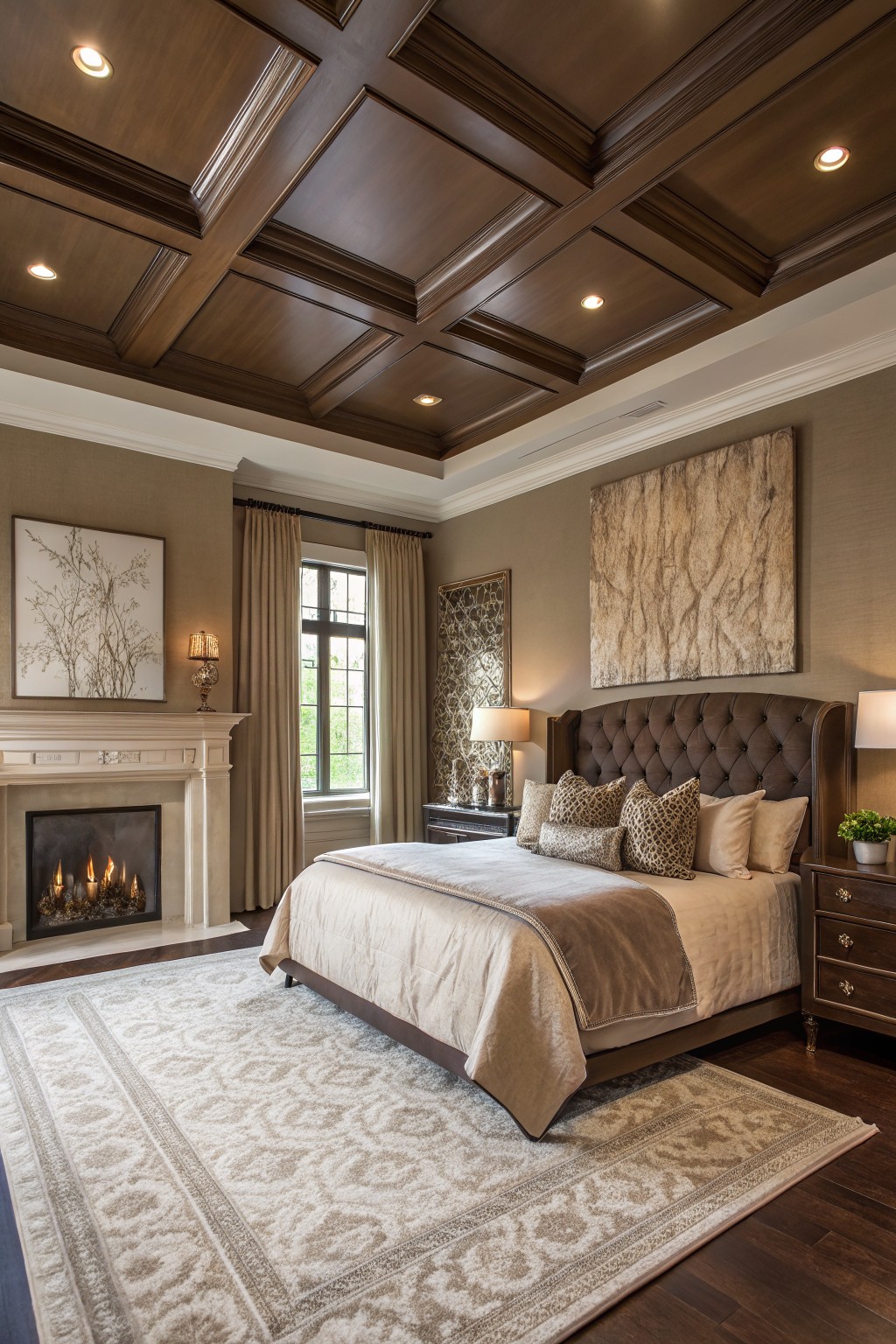
This bedroom uses a warm greige on the walls. The color sits between beige and gray and gives the space a soft, steady background that feels restful without going flat.
It has a light beige undertone that keeps the dark wood ceiling and trim from looking too heavy. The shade works well with both cool and warm accents and suits bedrooms that get decent daylight. Closest matches include Sherwin Williams Accessible Beige, Benjamin Moore Revere Pewter, Behr Greige, and Farrow & Ball Elephant’s Breath.
Muted Sage Green Bedroom Walls
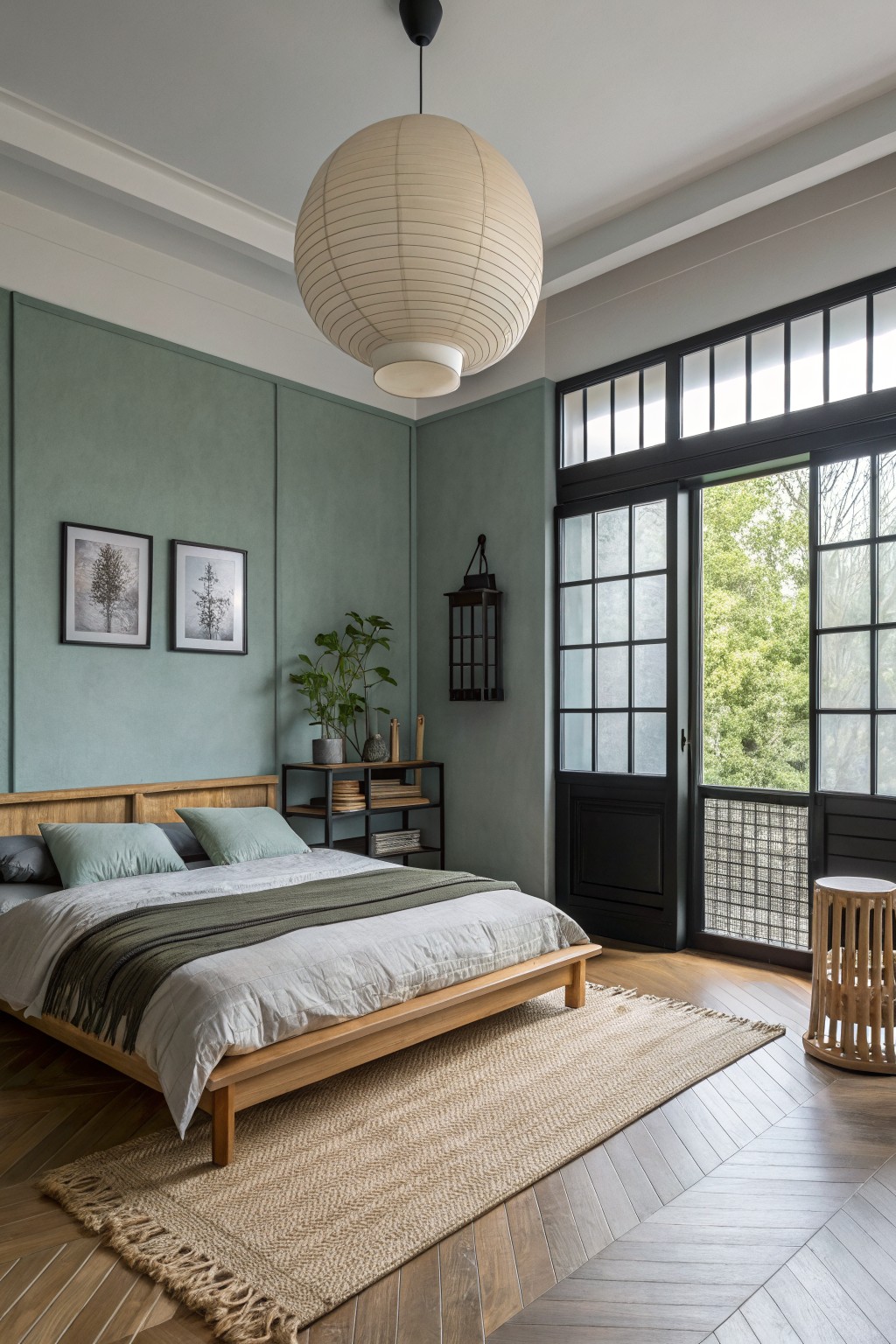
This bedroom uses a muted sage green on the walls. It is a soft, slightly cool green with gray undertones that feels calm without going flat.
The color works well with wood floors and black trim, and it keeps the room feeling grounded. It suits bedrooms that need a quiet look and pairs easily with natural wood and simple linens. A soft sage green like this often reads close to Benjamin Moore Soft Fern or Sherwin Williams Rainwashed.
Warm Terracotta Walls
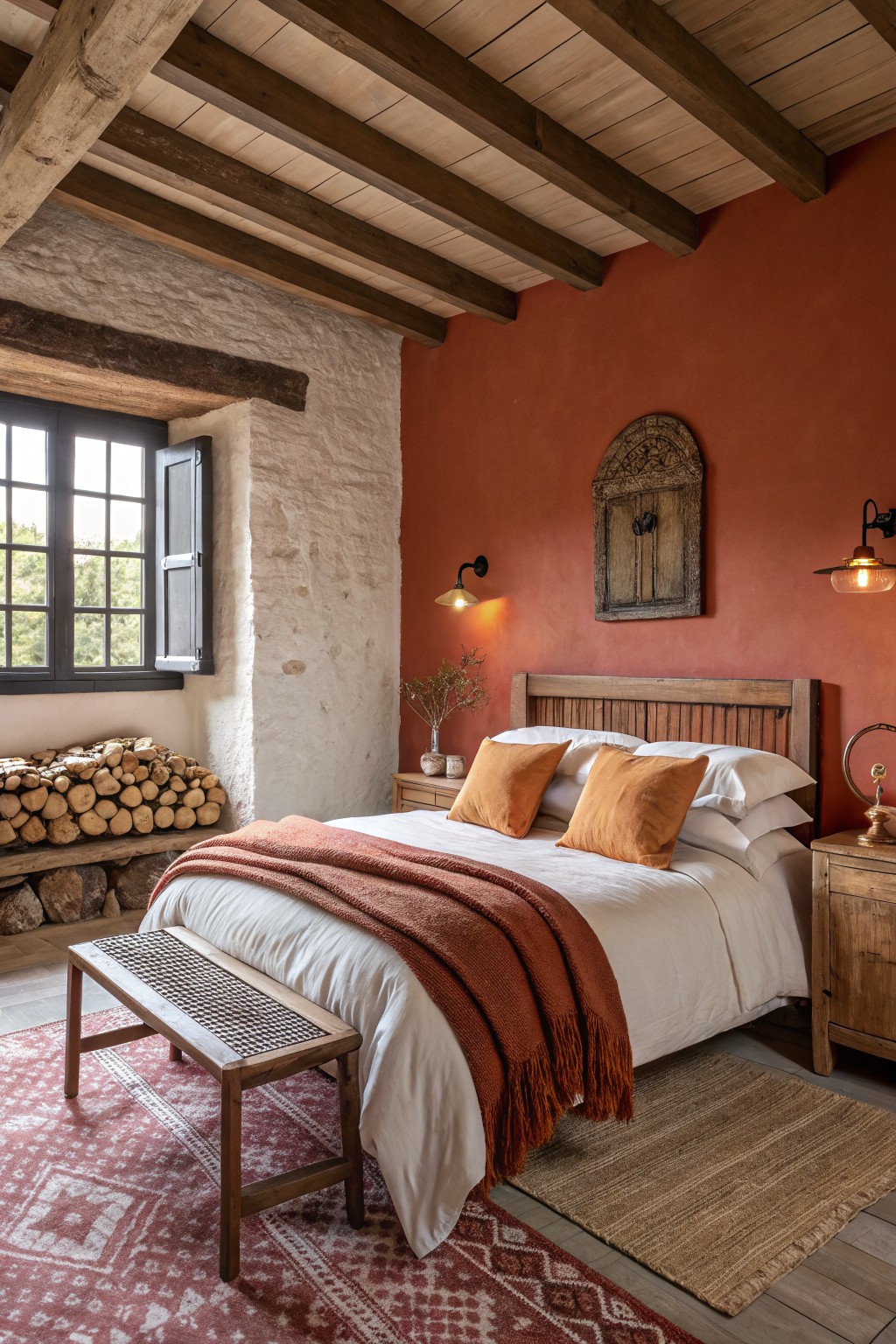
This bedroom uses a warm terracotta on the walls. It is a rich earthy red orange that feels grounded and a little cozy without turning too dark.
The color has soft orange undertones that sit nicely against wood and stone. It works best in spaces with decent natural light and pairs easily with white bedding or simple wood furniture. Good matches include Sherwin Williams Baked Clay, Benjamin Moore Moroccan Spice, Behr Canyon Ridge, and Farrow & Ball Red Earth.
Soft Blue Gray Walls
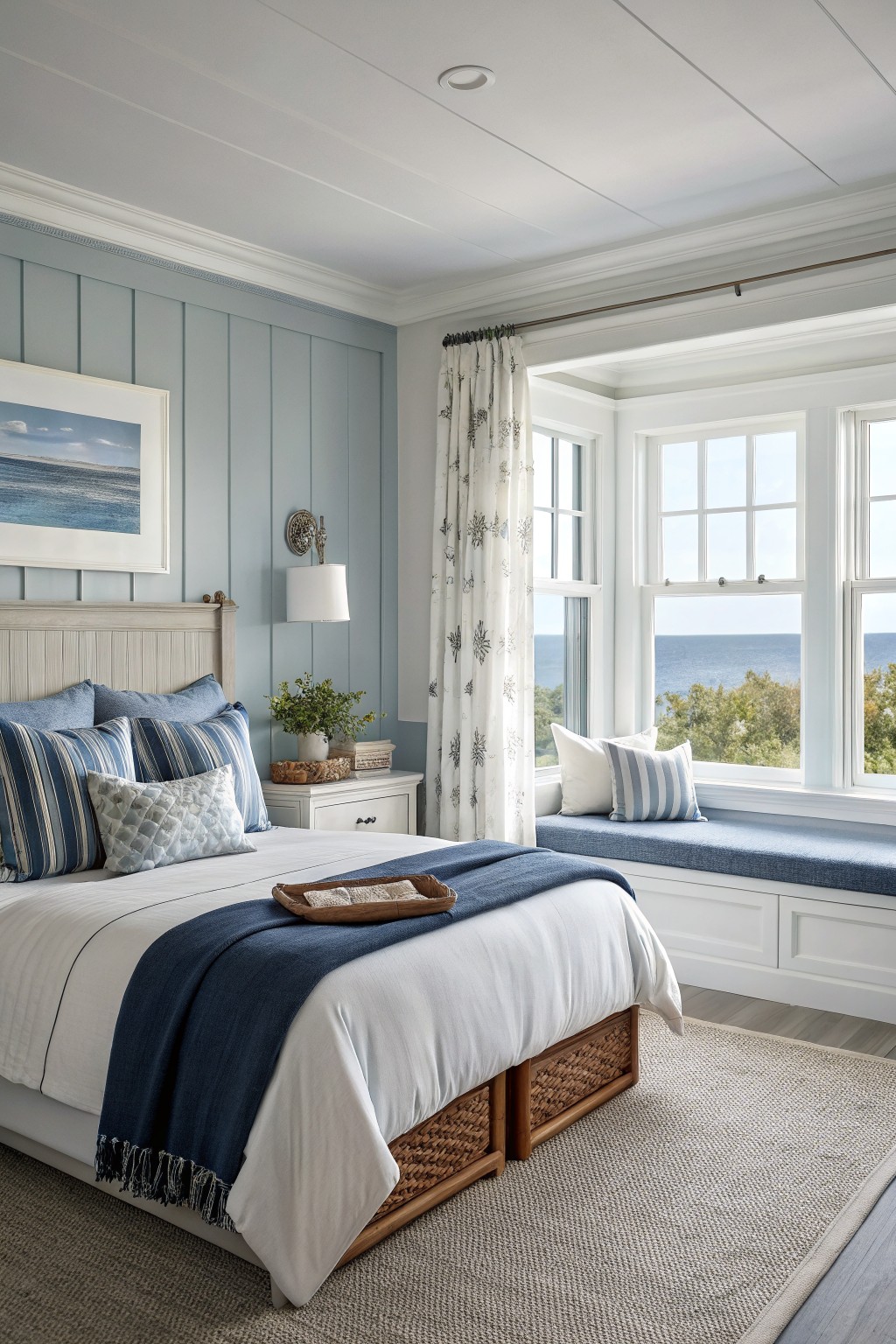
A soft blue gray gives bedrooms that calm, quiet feel without turning them cold. It sits in a nice middle spot, light enough to keep things open but with enough color to feel intentional.
The gray undertone helps it sit comfortably next to white trim and wood tones. It works best in rooms with decent natural light and pairs easily with simple bedding or neutral textiles.
Dark Charcoal Bedroom Walls
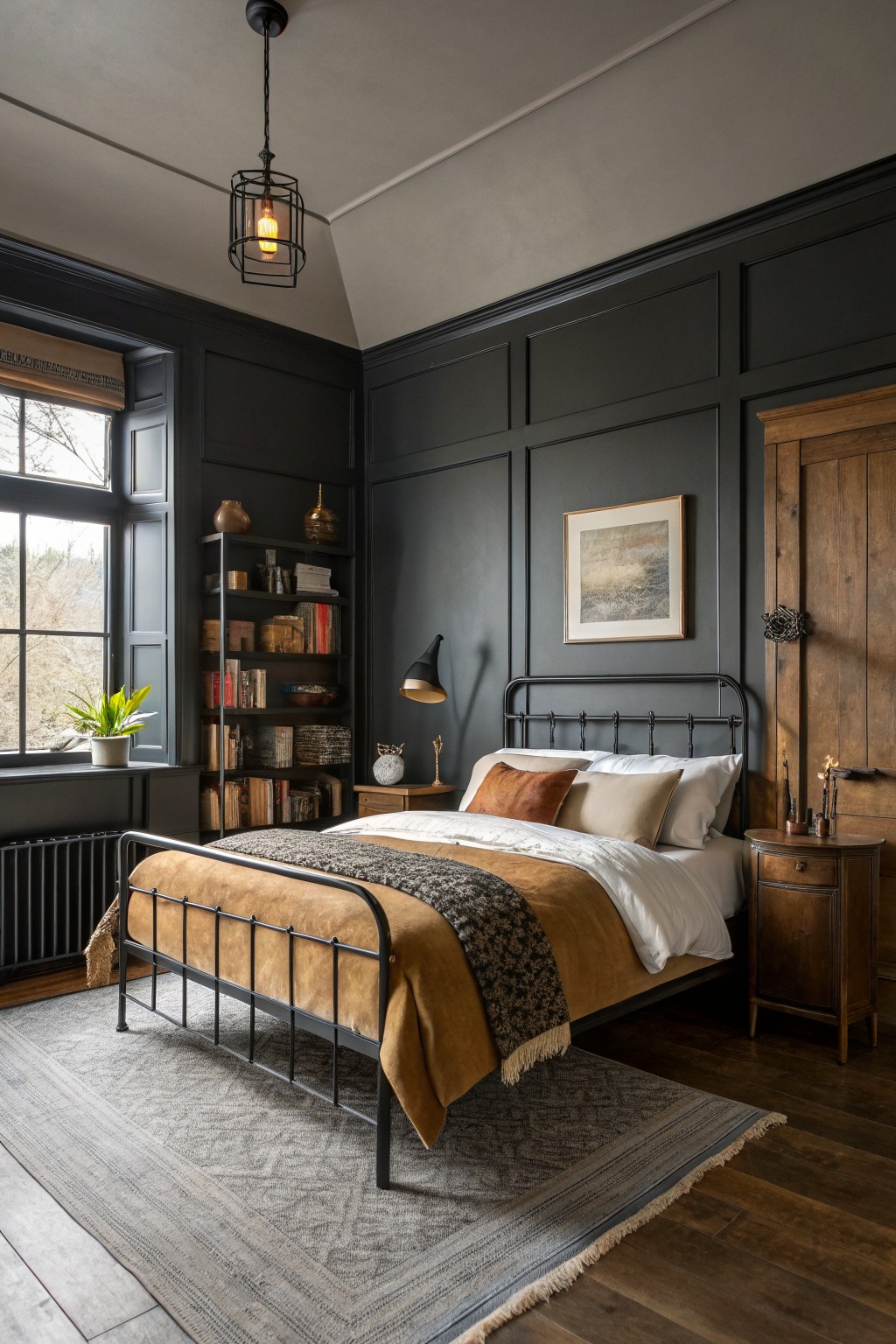
A deep charcoal gray gives a bedroom that enclosed, quiet feeling many people want at the end of the day. The color sits somewhere between gray and near-black, which helps the room feel settled without going fully dark.
It works best with warm wood floors and simple black accents because those keep it from looking flat or cold. In lower light it can read a little softer, so test it on a sample board first if your room does not get much daylight.
Soft Blush Pink Walls
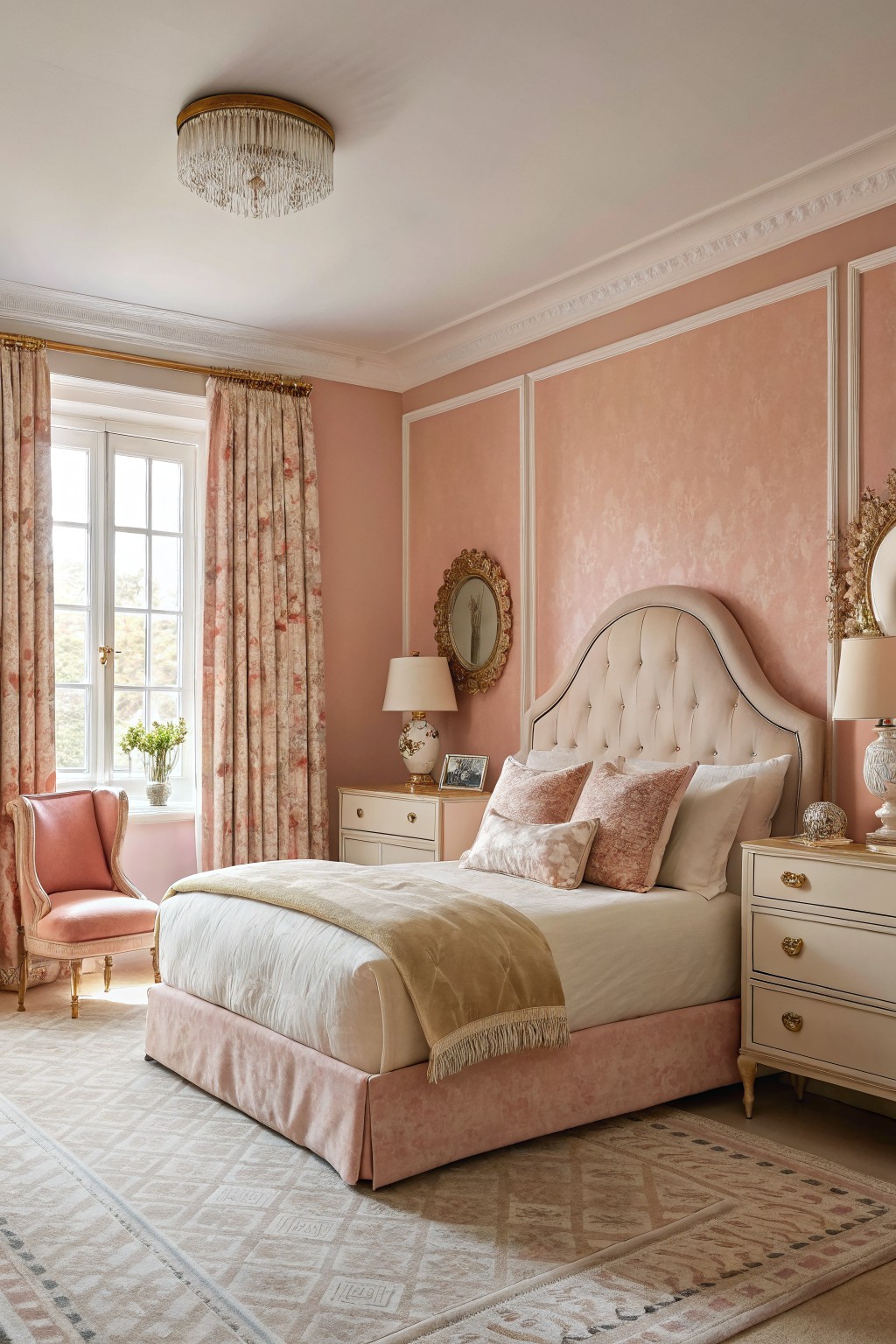
This bedroom uses a soft warm pink on the walls. It is a muted blush color with a light peachy undertone that keeps the space feeling gentle rather than sugary. The shade sits nicely against white trim and helps the room feel calm but not flat.
It works best in bedrooms that get decent natural light. Pair it with cream bedding or light wood furniture so the pink stays soft. Too much dark contrast can make it feel heavier than intended.
Earthy Sage Green Bedroom Walls
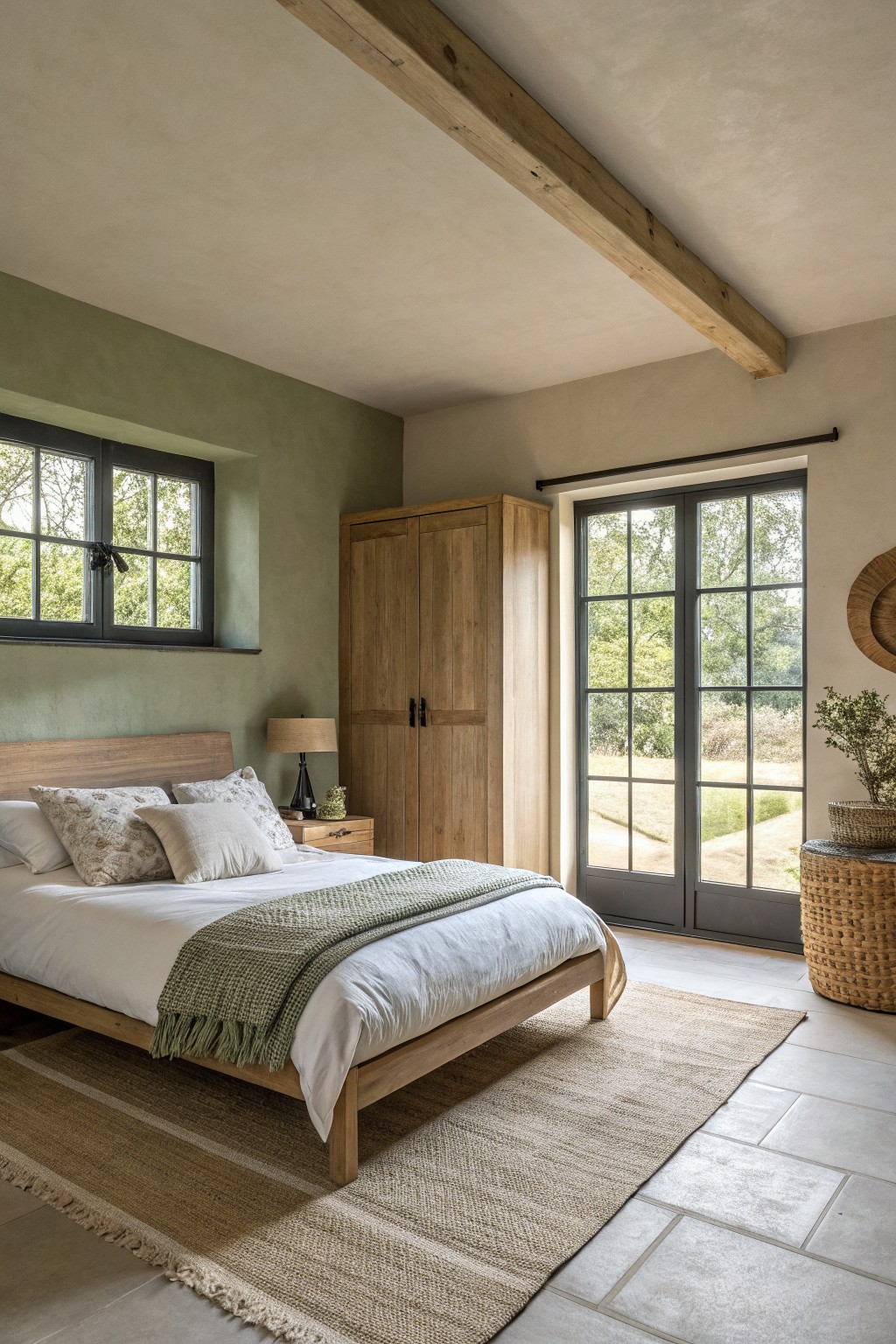
A soft sage green works well on bedroom walls when you want a color that feels calm but still has some life to it. This shade sits in that middle ground between gray and green, and it reads nicely against wood furniture and beams without competing with them.
It carries a gentle warm undertone that keeps the space from turning chilly in low light. Try it with white or off-white trim and simple wood tones, as seen in options like Sherwin Williams Evergreen Fog or Benjamin Moore Saybrook Sage.
Light Sage Green Bedroom Walls

A soft sage green covers the walls in this bedroom. It is a muted, light green with a touch of gray that keeps the space feeling calm and open rather than bold or bright.
The color works well with white trim and wood floors. It stays gentle through the day and pairs easily with simple bedding or natural wood pieces. Watch how it shifts a little cooler in strong light.
Deep teal bedroom walls

A deep teal works nicely in bedrooms because it feels calm and a little enclosed without turning the room too dark. This color has cool blue undertones that keep it from feeling heavy, and it pairs easily with warm wood floors and furniture.
It reads best with white or off-white trim and simple bedding in soft neutrals. Watch the lighting though, since the teal can shift cooler in the evening. Sherwin Williams Evergreen Fog, Benjamin Moore Aegean Teal, or Farrow & Ball Inchyra Blue are close matches.
Gray Green Bedroom Walls
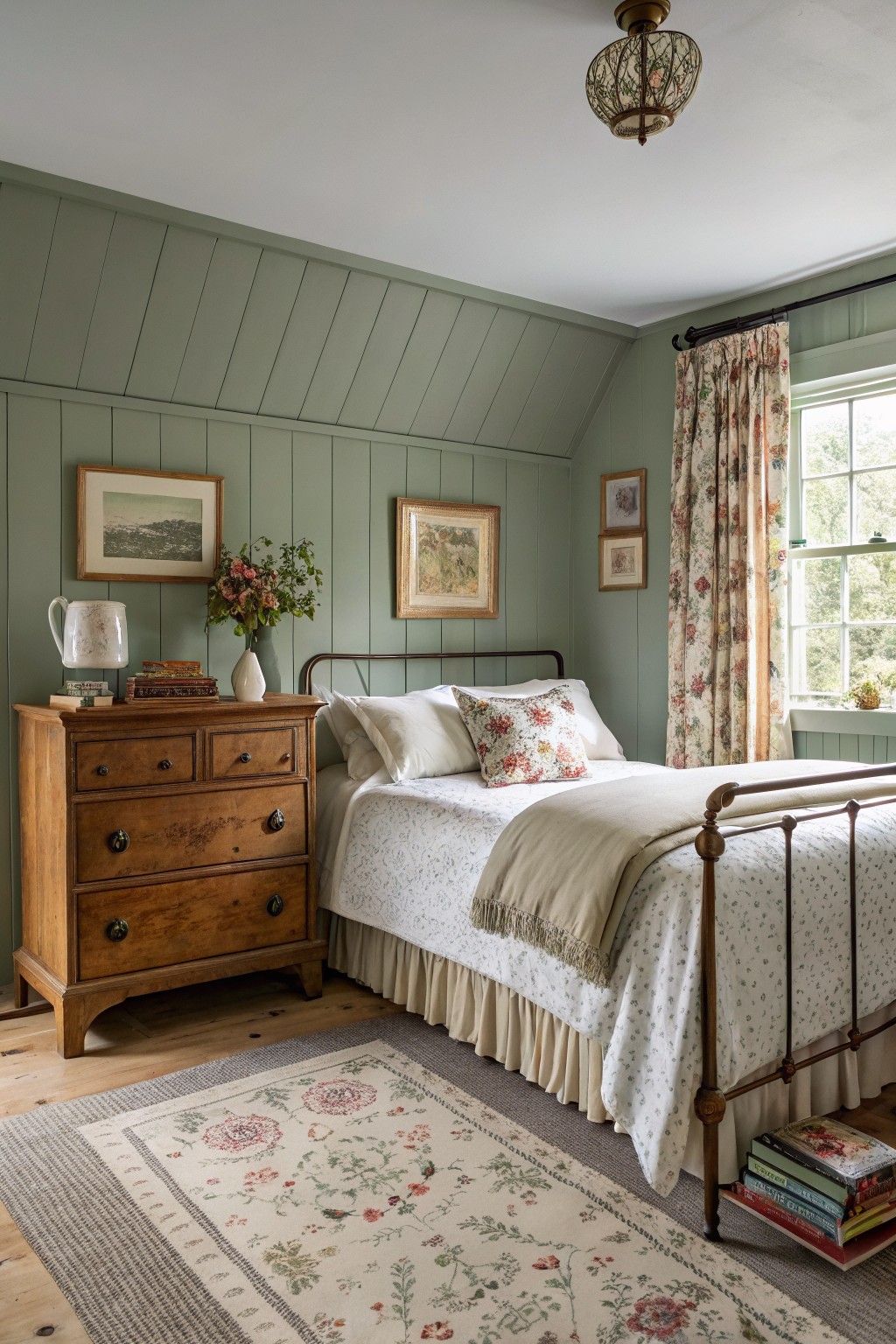
This soft sage green on the walls creates a calm bedroom without feeling flat or overly cool. It sits between gray and green, giving the space a quiet, settled look that works well for rest.
The color has a light gray undertone that sits nicely against warm wood furniture and white bedding. It performs best with plenty of natural light and pairs easily with both painted trim and simple layered textiles. Closest matches include Sherwin Williams Clary Sage, Benjamin Moore Saybrook Sage, and Farrow & Ball French Gray.
Soft Blue Gray Bedroom Walls
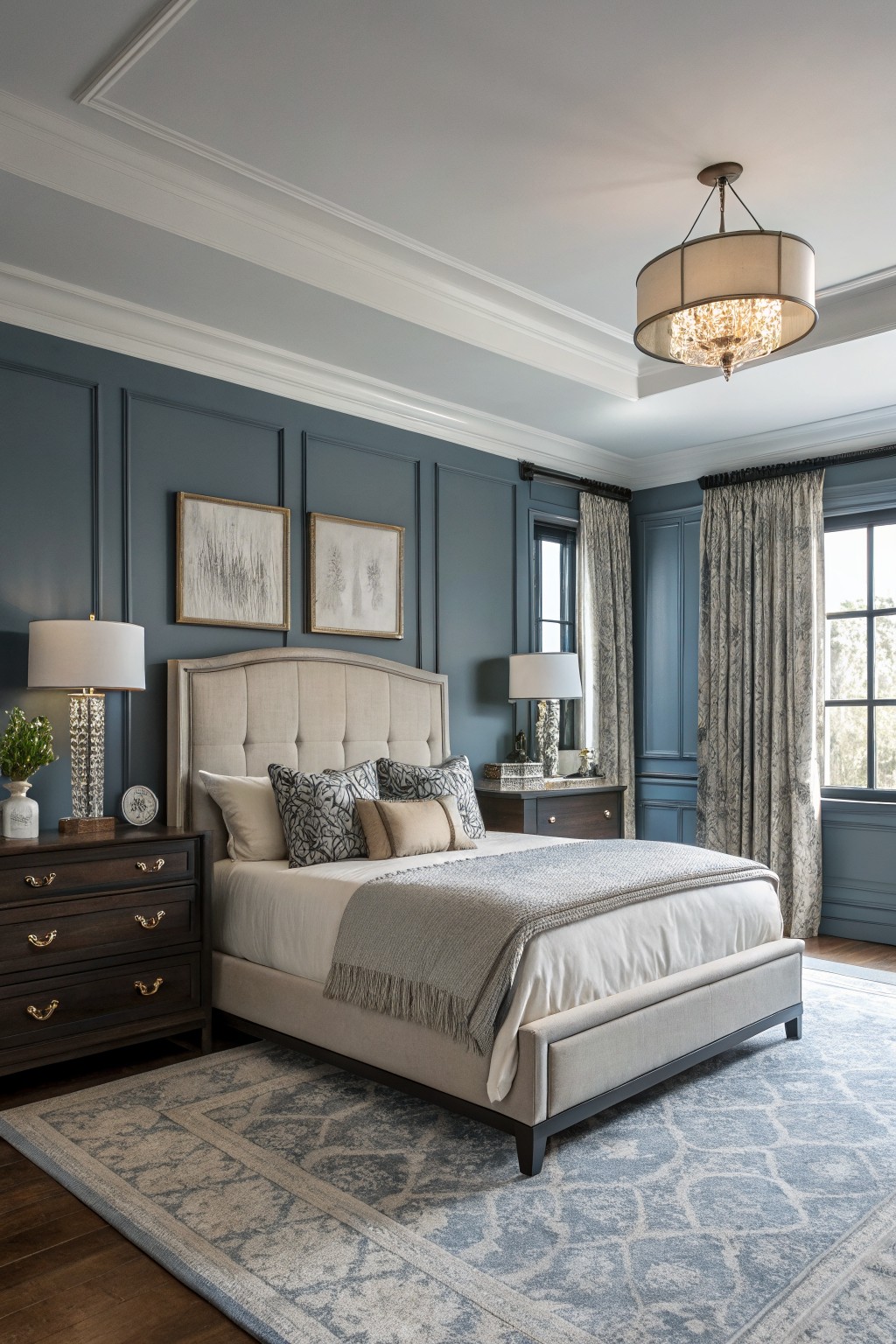
A soft blue gray covers the walls here and creates a steady, restful backdrop. It sits between blue and gray without leaning too far in either direction, which helps the room feel calm rather than chilly.
This color has a slight cool undertone that reads best with warm wood tones and white trim. It works well in bedrooms that get steady daylight and pairs easily with linen or cotton bedding in beige or cream.
Soft Gray Walls
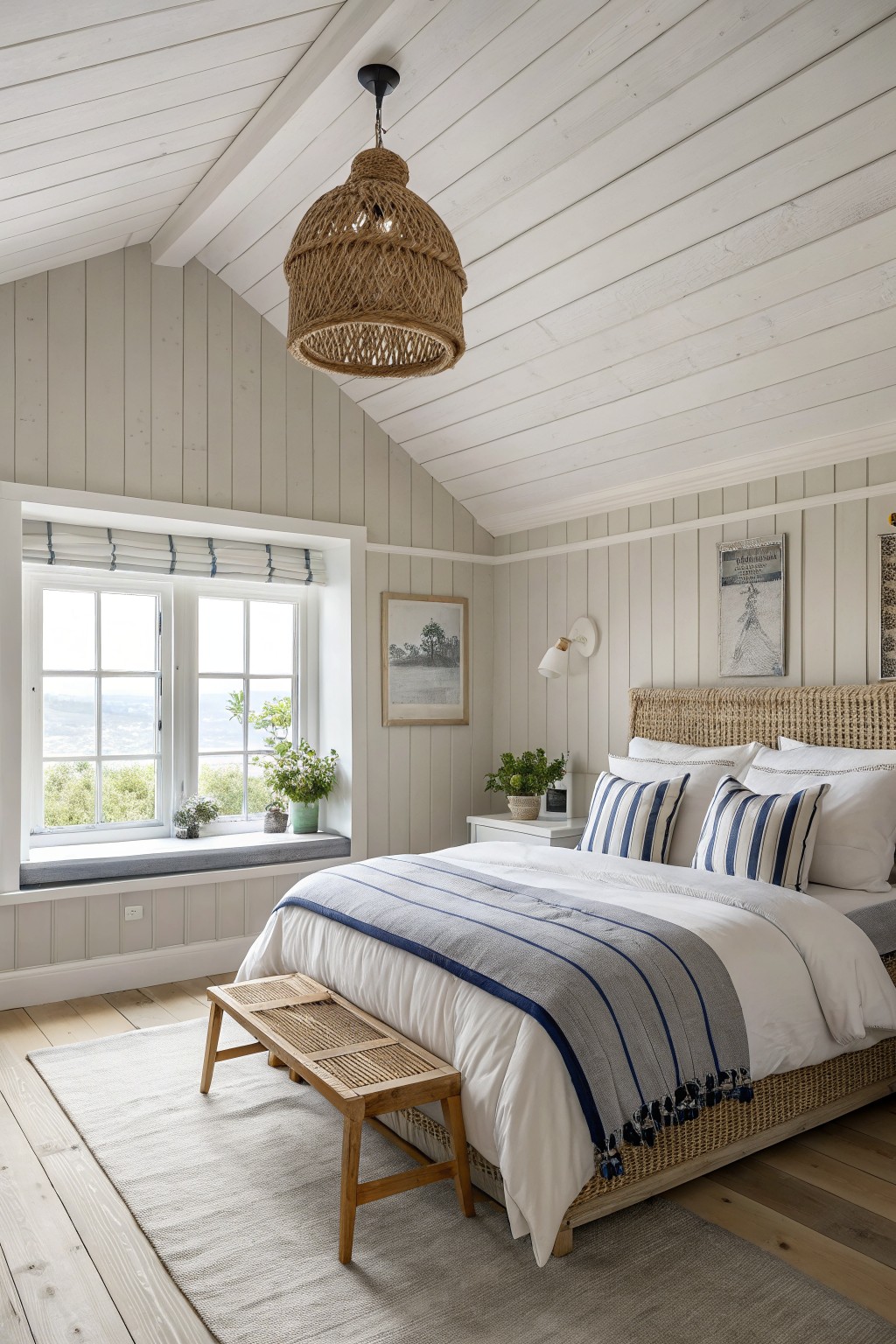
This bedroom uses a soft gray on the walls that sits right between cool and warm. It feels calm without turning flat, and the light tone helps the room stay bright even when the ceiling slopes low.
The color has a faint warm undertone that plays nicely with wood floors and white trim. It suits spaces that get steady daylight, though it can read a touch cooler under strong overhead lights, so test it first if your room leans that way.
Frequently Asked Questions
Q: How do I test a color before painting the whole room?
A: Grab a few sample pots and paint large boards to prop against each wall. Check them morning and night so you see the true effect with your windows and lamps. This step keeps you from living with a shade that feels off once it covers everything.
Q: What if my dark wood furniture clashes with a soft blue scheme I like?
A: Layer in warm neutrals like greige on the walls to balance the cool tones. The wood grain will stand out nicely instead of fighting the color. Your bedding can pull the whole look together without extra effort.
Q: My room feels small. Should I avoid deeper shades from these ideas?
A: Pick a deeper tone but use it on just one wall behind the bed. The rest of the room stays lighter so the space still opens up. You get that cozy retreat vibe without the walls closing in.
Q: How do I pick one scheme when I like several options?
A: Start with the colors already in your favorite bedding or rug. Match the wall paint to those tones first. The room settles into a calm whole without needing a full redo.