I have watched more than one backyard lose its appeal because the space never felt truly separate from what was happening next door.
The right mix of solid barriers and softer layers often makes the difference between a yard you use every evening and one that stays mostly empty.
Some ideas only prove their worth after a full season of weather and growth.
Fences can give immediate structure while plants fill in over time and screens let you shift things around without starting over.
I tend to try plantings early because they settle into the space in ways that drawings never quite capture.
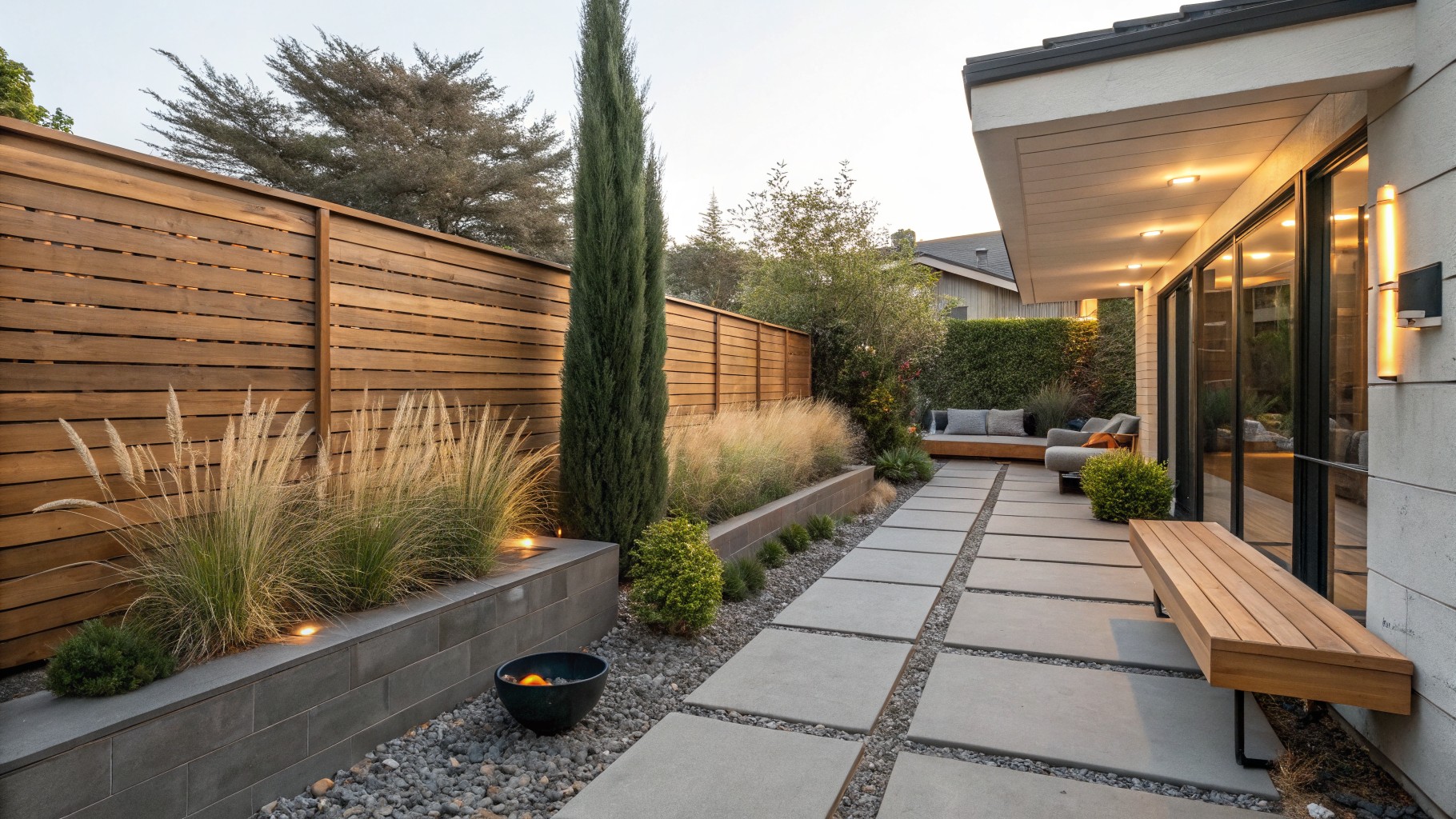
Mix Fencing With Tall Grasses For Side Yard Privacy

A fence gives you a solid base for privacy, but pairing it with tall grasses makes the screen feel less harsh and more effective in narrow spaces. The plants soften the look while adding height and movement that a fence alone cannot provide.
This approach works best along the side of a house or in slim backyards where space is tight. Plant the grasses close to the fence so they grow up and fill any gaps over time. It suits modern homes and stays low maintenance once the plants are established.
Grow Vines Over Screens For Layered Privacy
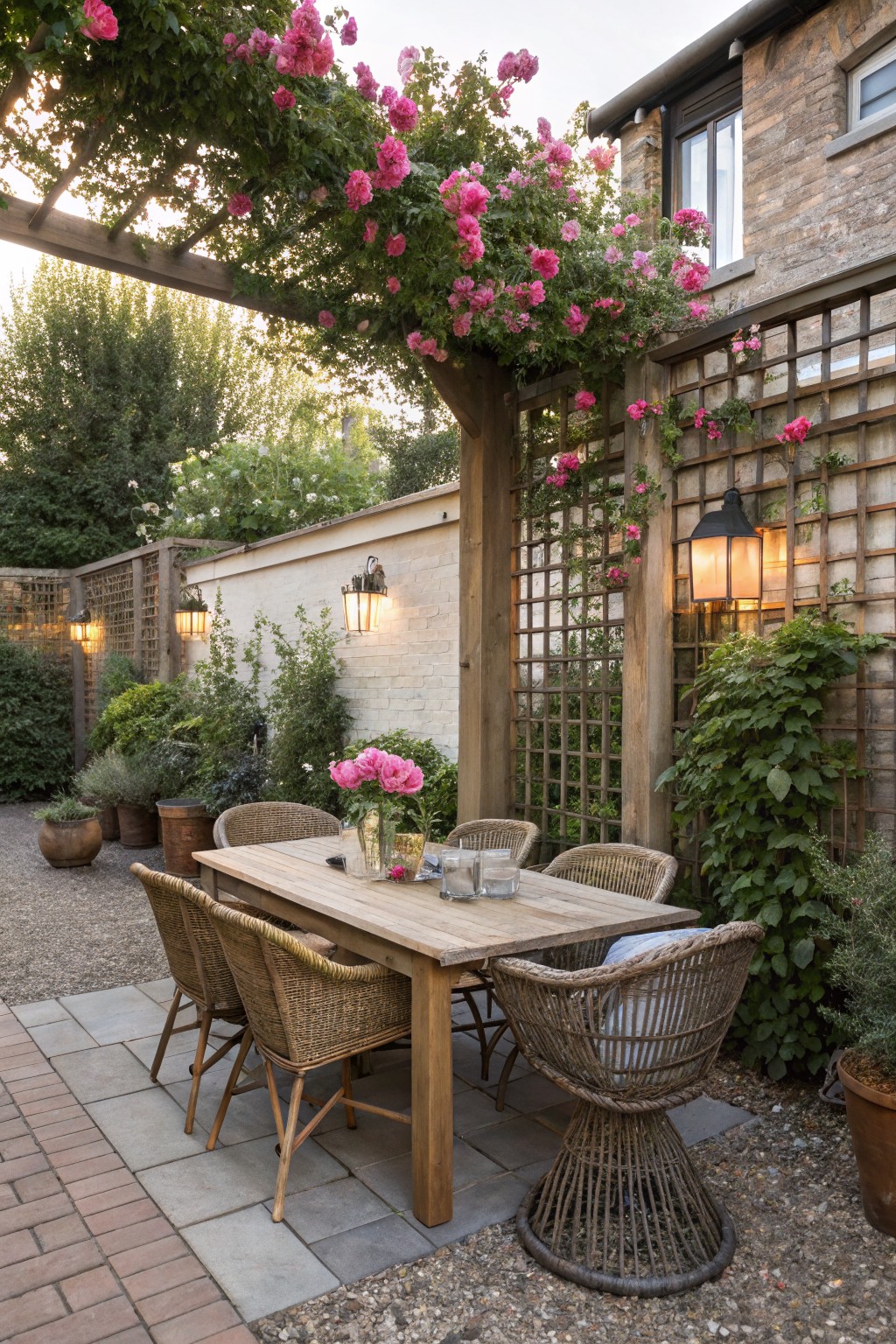
A wooden lattice screen works better when you let vines grow across it. The plants fill in the gaps and soften the look while still blocking the view from neighbors. This setup gives you privacy without making the space feel closed off.
It works well on patios that sit close to a fence line or side property edge. Use a sturdy trellis or lattice that can handle the weight, and choose a vine that grows fast in your climate. Just keep the plants trimmed so they do not overwhelm the seating area.
Use Metal Screens With Integrated Plants For Privacy
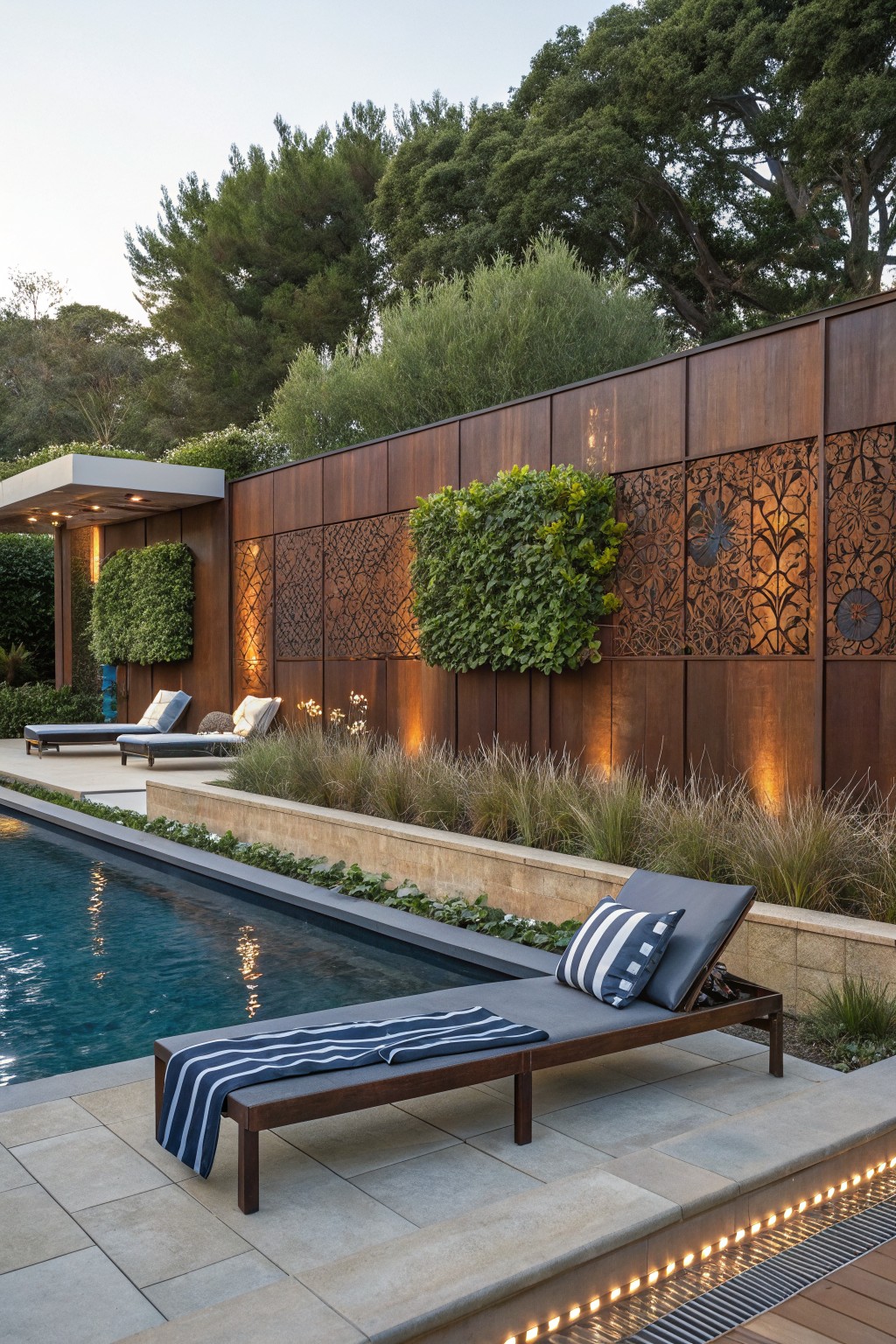
A metal screen wall with cutout patterns can give you solid privacy while still letting in some light and air. Adding plants that grow right into the panels softens the look and makes the barrier feel more like part of the garden instead of just a fence.
This setup works well along pool decks or patios where you want to block the view from one side without closing everything in. Choose panels with larger openings so the plants have room to fill in, and keep the planting simple with one or two varieties that can handle the sun exposure.
Layer Fences And Plants For Privacy

Mixing a solid wood fence with a bamboo screen creates a layered boundary that blocks views without feeling too closed in. The horizontal wood panels give a sturdy base while the vertical bamboo adds texture and lets a bit of light filter through.
This approach works best in compact yards where a full solid fence would feel heavy. Add a few potted plants along the base to fill gaps and soften the edge over time.
Add Tiered Plant Shelves to Fences

Mounting horizontal shelves on a fence or wall and filling them with plants gives you a living screen that blocks the view from neighbors. It works especially well when you want greenery without adding another solid fence panel right next to an existing one.
This approach fits homes with narrow yards or patios that already have an outdoor kitchen or seating area. Keep the shelves at different heights so the plants fill in at eye level, and choose sturdy brackets that can handle wet soil.
Bamboo Fencing Backed By Tall Plants
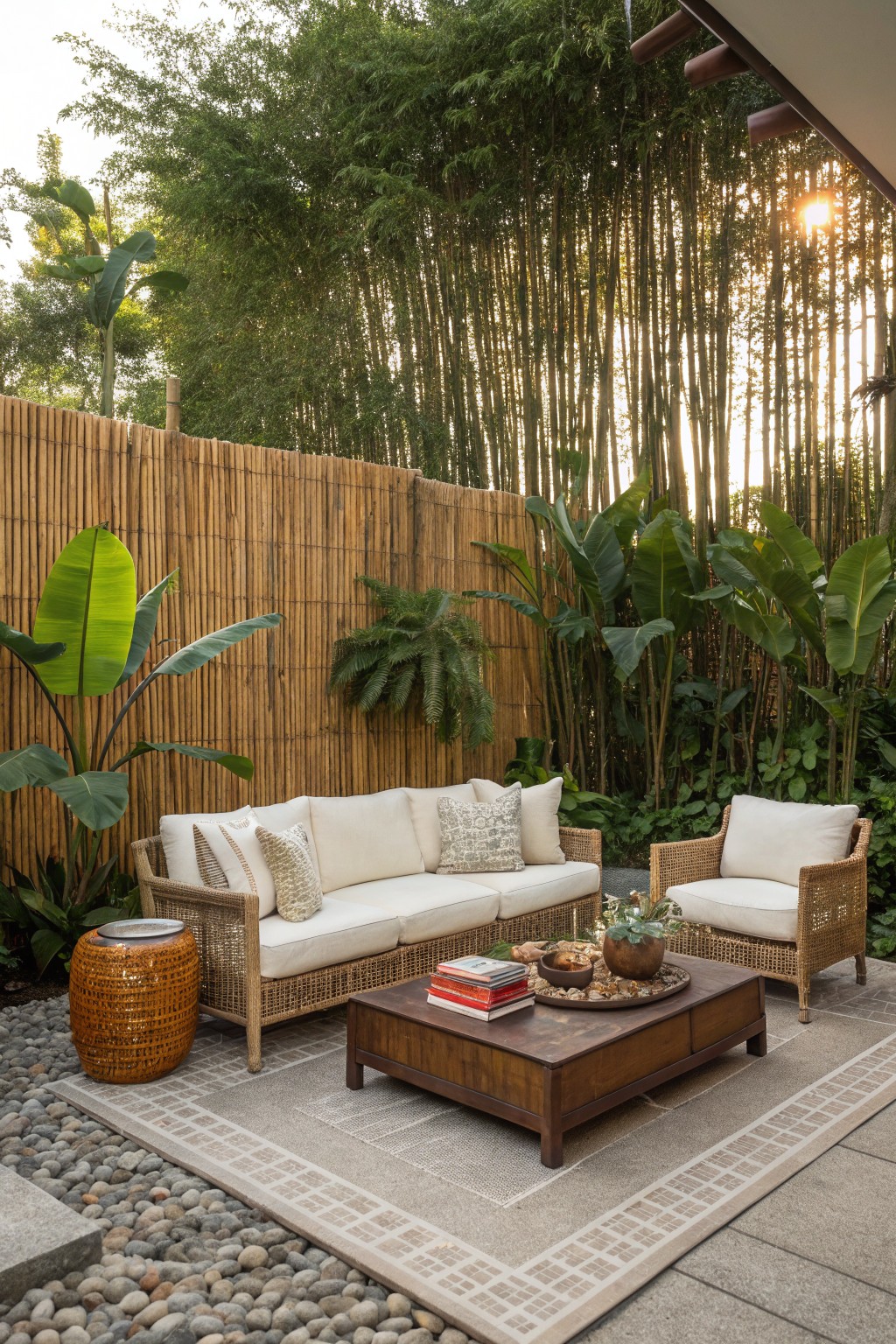
Bamboo fencing gives quick privacy without feeling too heavy or formal. When you place tall plants right behind it the screen becomes thicker and more natural so neighbors cannot see through easily.
This works best on patios or small yards where you want a relaxed enclosed feel. Use sturdy fencing and choose plants that grow tall and dense in your climate so the barrier stays full over time.
Layer Walls And Plants For Side Yard Privacy

Solid walls give you instant height and block direct sight lines from neighbors. Adding a few large pots with trees softens the look and keeps the space from feeling like a bunker.
This setup works best in narrow side yards or small paved areas where you need screening without losing light. Choose pots that can handle wind and pick trees that stay full through the seasons so the privacy holds year round.
Grow Vines Over Fences for Layered Privacy
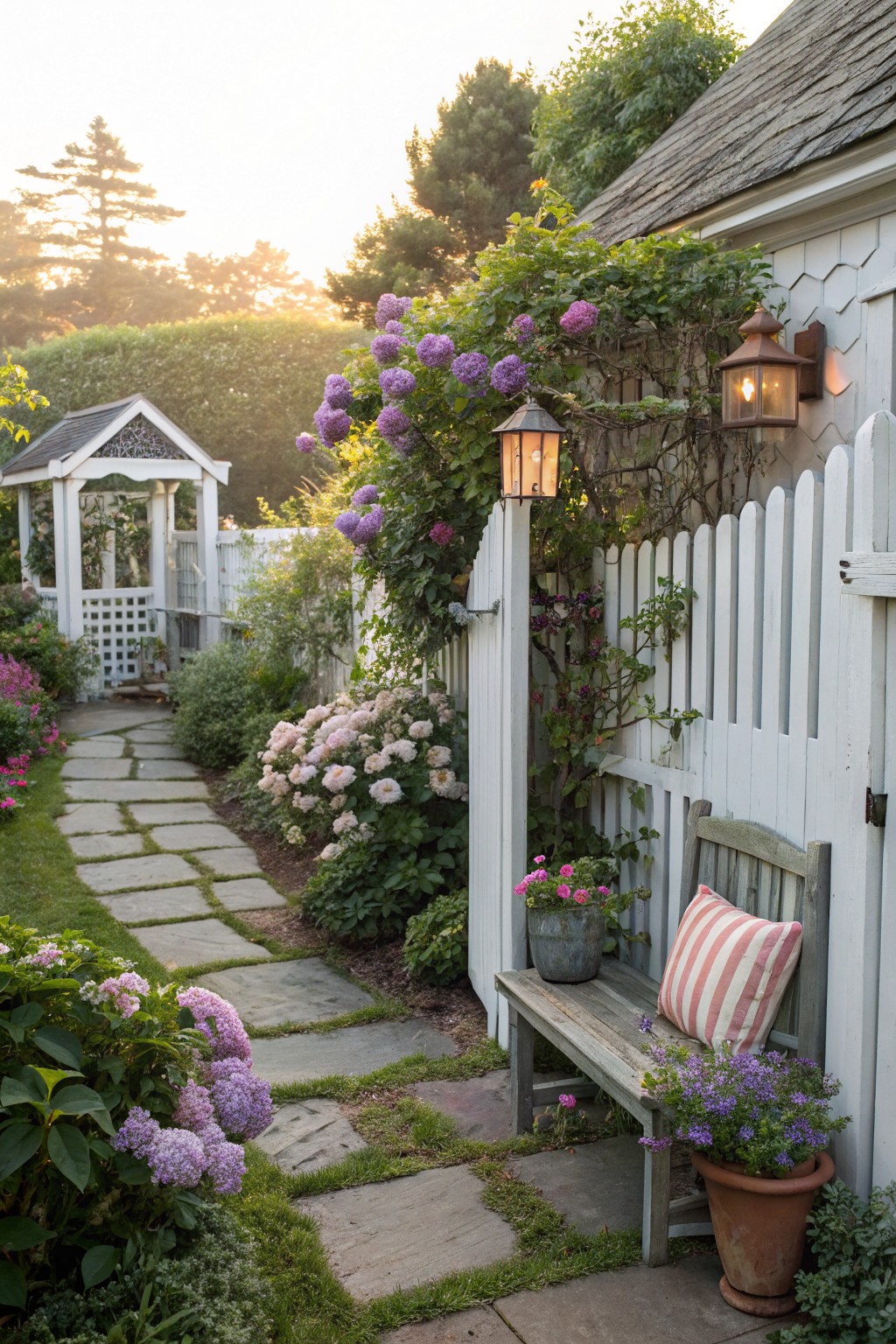
Letting climbing plants cover parts of a fence gives you privacy without making the yard feel closed in. The vines add height and thickness over time, so even a shorter fence can block views while still letting in light and air.
This works best along side boundaries where you need screening but want to keep things light. Pick vines that match your growing conditions and give them something to climb on right from the start. The flowers help the fence blend into the garden instead of standing out as a barrier.
Pair a Tall Wood Wall with Dense Planting
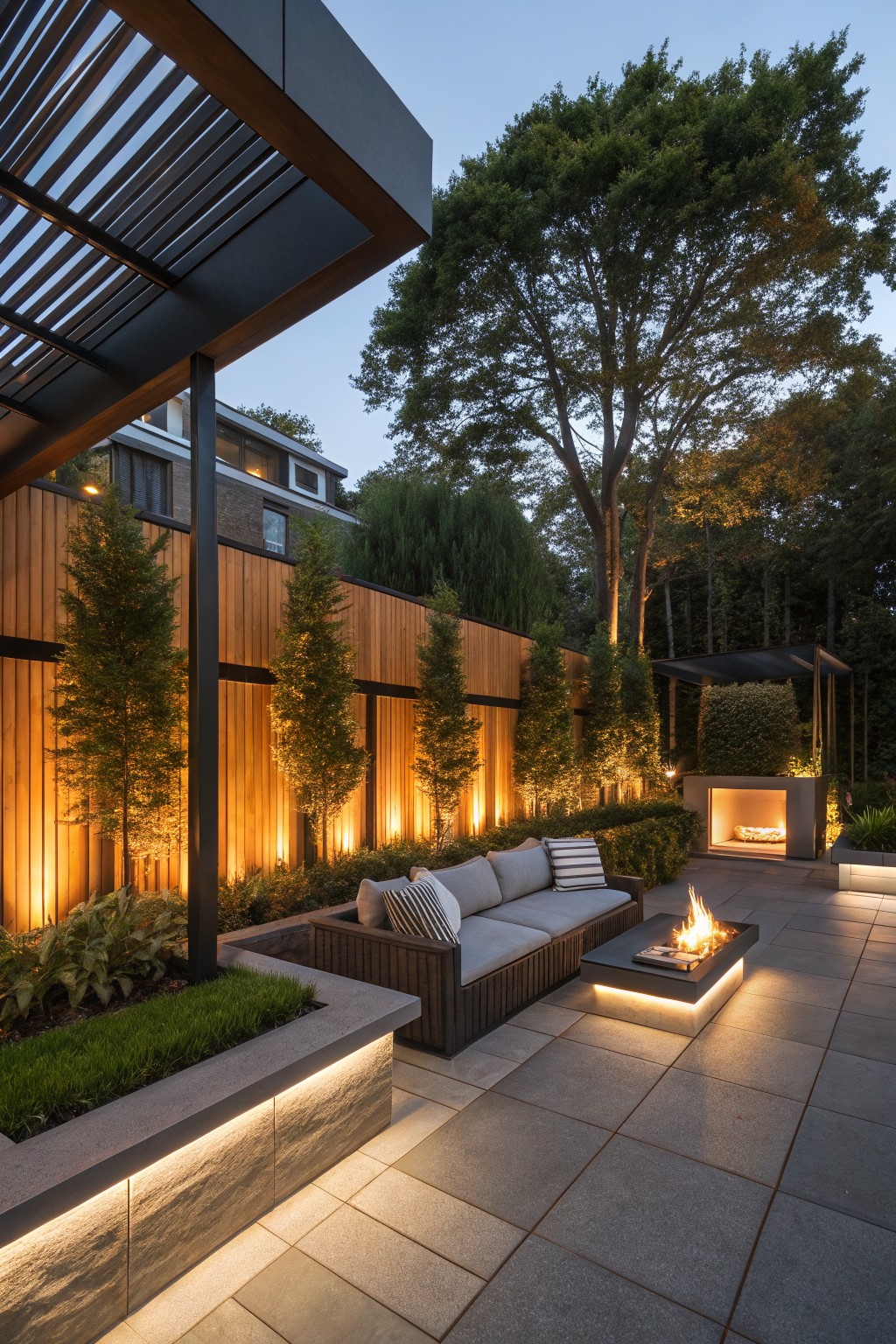
A tall wood wall gives you solid privacy right away without waiting for plants to grow in. When you back it with a row of evergreens and shrubs, the barrier feels more natural and blocks views more completely than either element could on its own.
This setup works best along the sides or back of a patio where neighbor sightlines are an issue. Keep the wall height consistent with local codes and space the plants close enough that they fill gaps as they mature.
Lattice Screens With Plants

A lattice screen gives you privacy without building a solid wall. It filters the view while still letting light through, and it looks softer once plants start to fill in around it.
This setup works best along side yards or the edge of a patio where you need quick coverage. Place the screen where it blocks the main sight line, then add a few taller pots in front so the plants can grow up and through the grid.
Combine Tall Plants With An Overhead Screen For Privacy
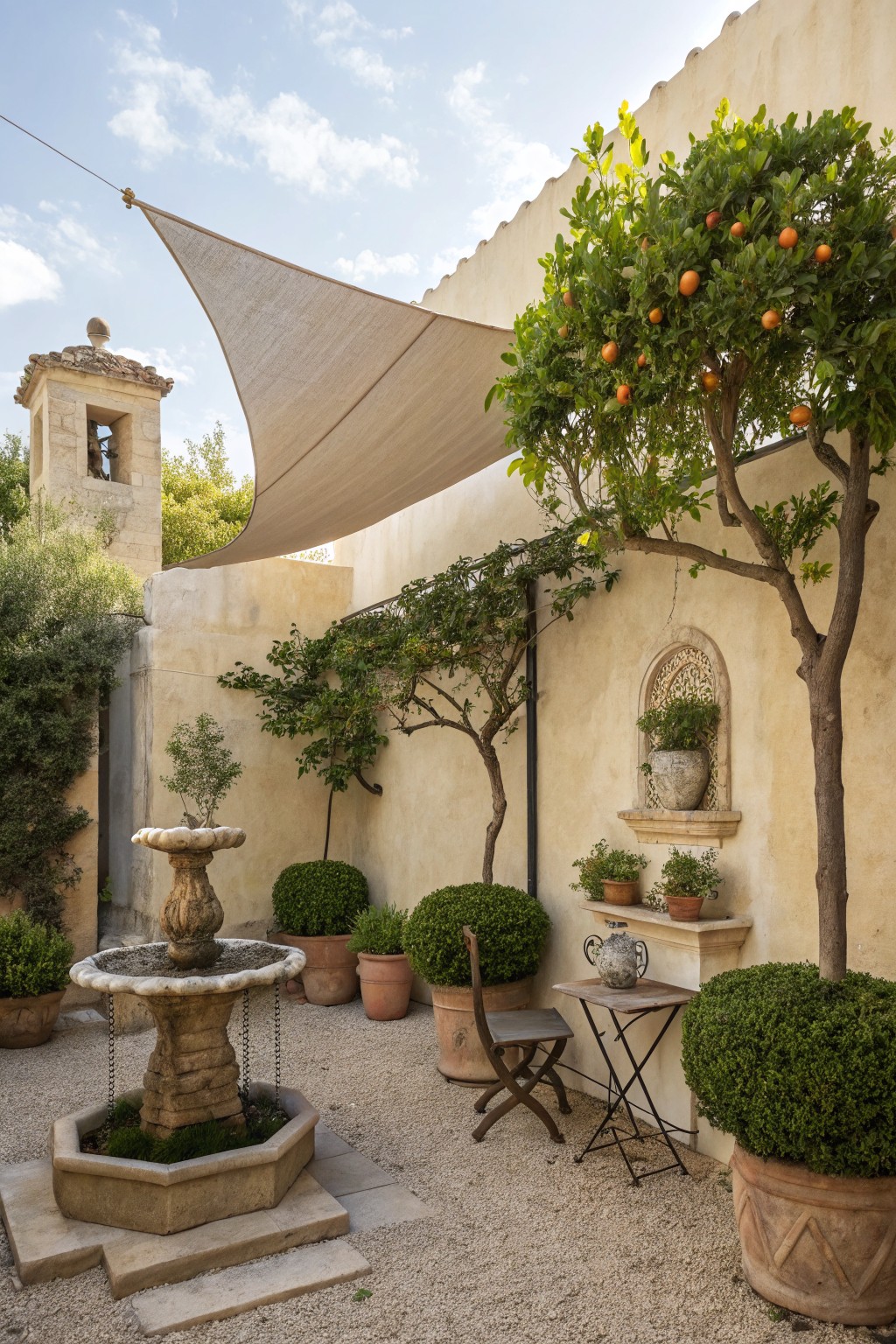
Many backyards feel exposed because they rely only on low fences or open space. Adding a few tall potted trees along the edge and stretching a simple fabric screen overhead can block sight lines from above and the sides at once. The result feels enclosed without needing a tall solid wall.
This approach works well in small courtyards or side yards where a fence alone would feel too heavy. Place the largest pots near seating areas and angle the screen to catch the main view from a neighbor’s window. Just check that the fabric can handle wind and that the pots have good drainage so the plants stay healthy through the seasons.
Add Planters Into Fence Panels

A fence with small built-in planters breaks up the solid look while still blocking the view from next door. The plants soften the wood and give the boundary a bit more depth without needing a separate garden bed along the ground.
This works best on a side or back fence where you want coverage but still like some greenery. Keep the planters low maintenance and choose plants that can handle the sun exposure on your lot.
Combine Fences and Plants for More Privacy
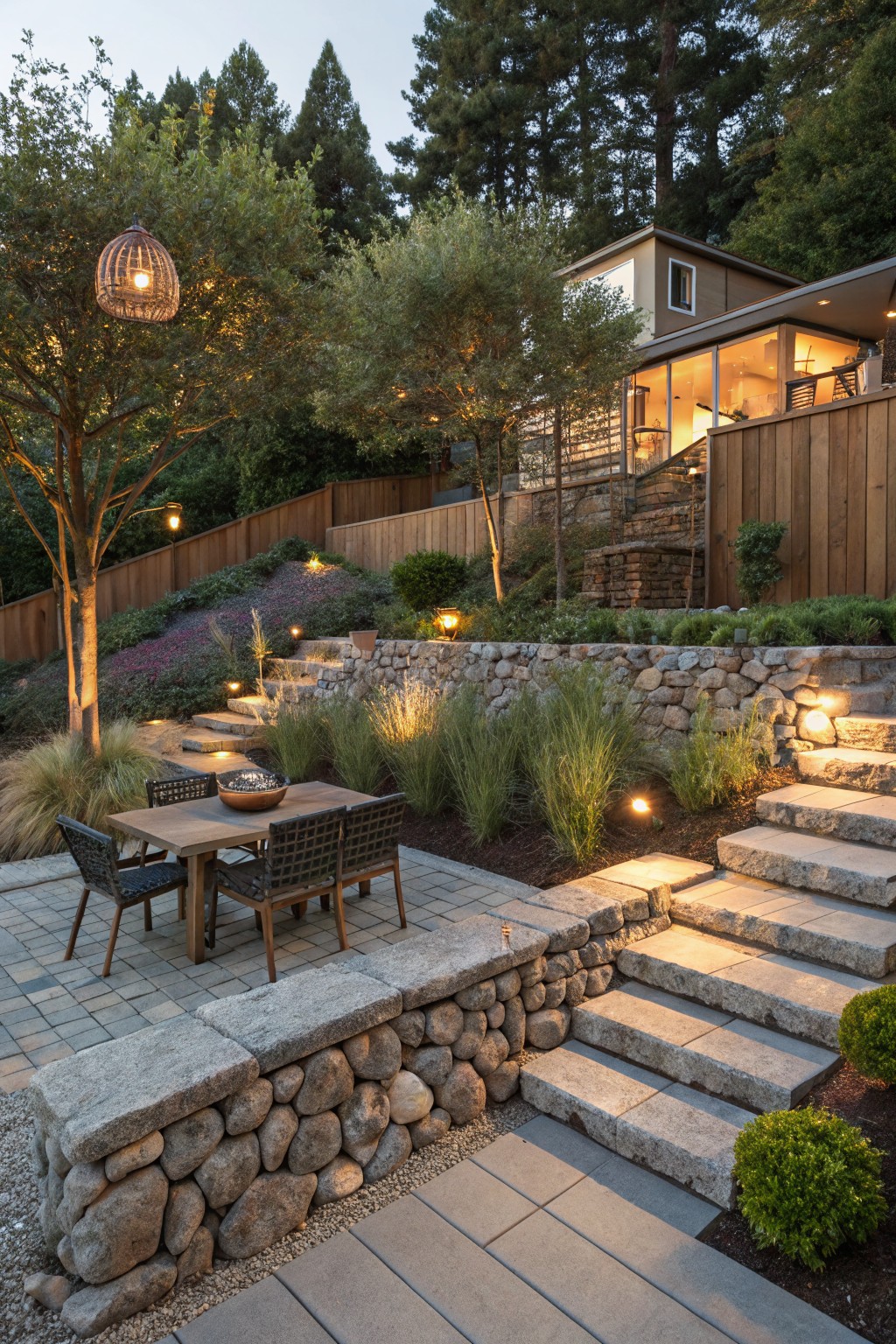
Many backyards feel exposed because they rely on just one element for screening. Adding a fence along with layered plants right in front of it gives you solid coverage that also looks natural over time.
This setup works best on sloped sites where you can run the fence at different heights and fill the gaps with tall grasses and trees. Keep the plants dense near seating areas so the space feels enclosed without needing a full wall.
Build Privacy with a Wooden Frame and Hanging Panel

A wooden screen like this one turns an open patio into a more sheltered spot without needing a full fence around the yard. The tall posts create structure while the fabric panel blocks the view from one side, which keeps things feeling enclosed but still open to the sky.
This works best on smaller lots or along a shared property line where you want a defined seating area. Add a few tall plants at the base to soften the look and fill any gaps, and keep the fabric simple so it does not fight with the rest of the yard.
Layer Plants Along A Tall Fence

A fence gives a solid start, but it often needs more to feel private. Placing shrubs and small trees along the base adds another layer that fills in gaps and blocks views from above or the sides.
This works well in narrower yards where you cannot add much depth. Choose evergreens that grow steadily and keep them pruned so they stay full without pressing against the fence.
Combine Tall Hedges With A Screen For Privacy
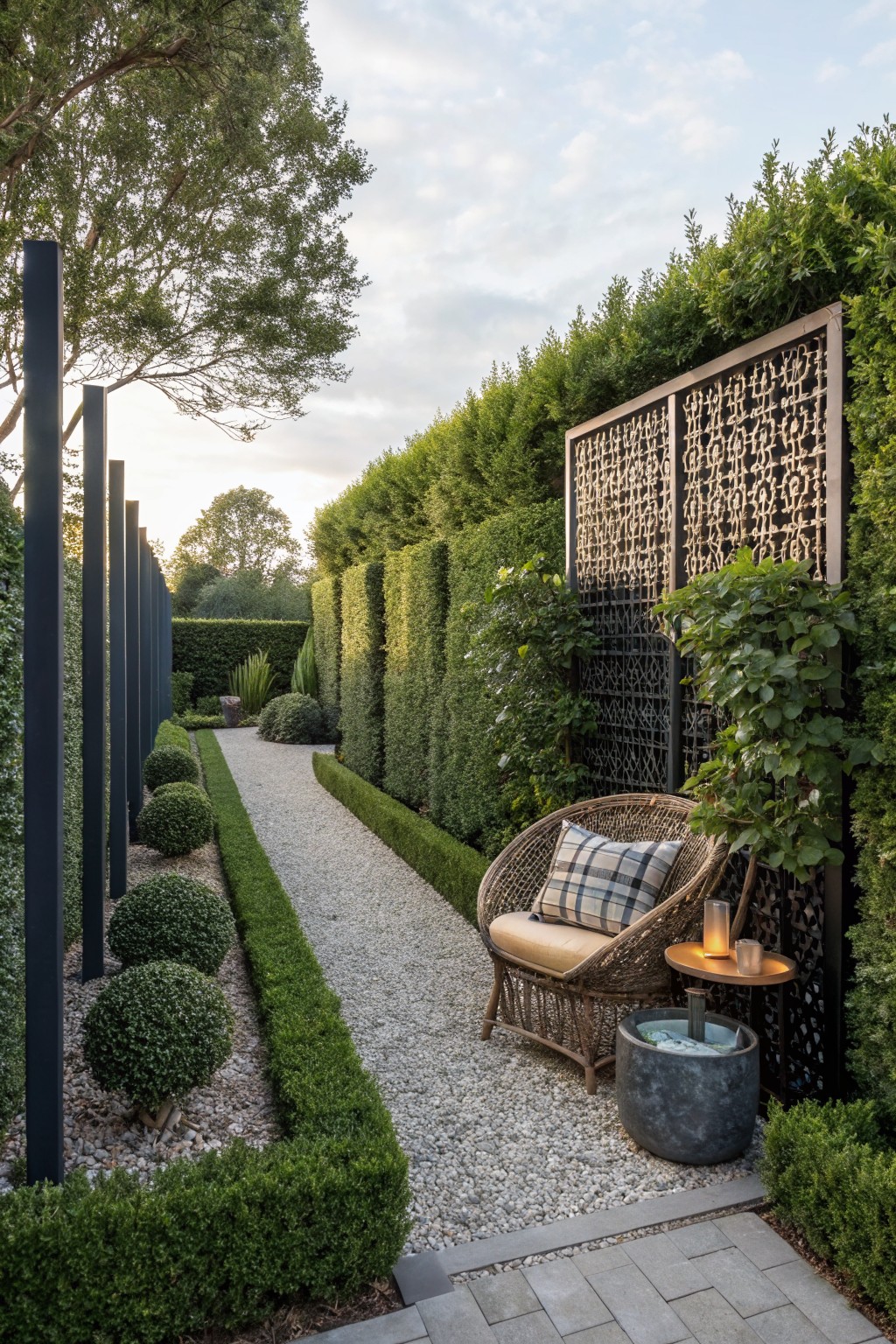
A row of dense hedges already gives solid coverage, but adding a decorative screen in front of part of it creates even better results. The screen blocks direct sightlines at eye level while the greenery fills in the gaps and softens the look. This mix works well in narrow side yards or along paths where you need privacy without closing everything in completely.
Place the screen where you sit or walk most often, and let the hedges handle the rest of the length. It suits homes with straight property lines and gives you options if one material starts to wear or needs replacing later. Keep the screen simple so it does not compete with the plants.
Combine Fences And Tall Plants For Privacy
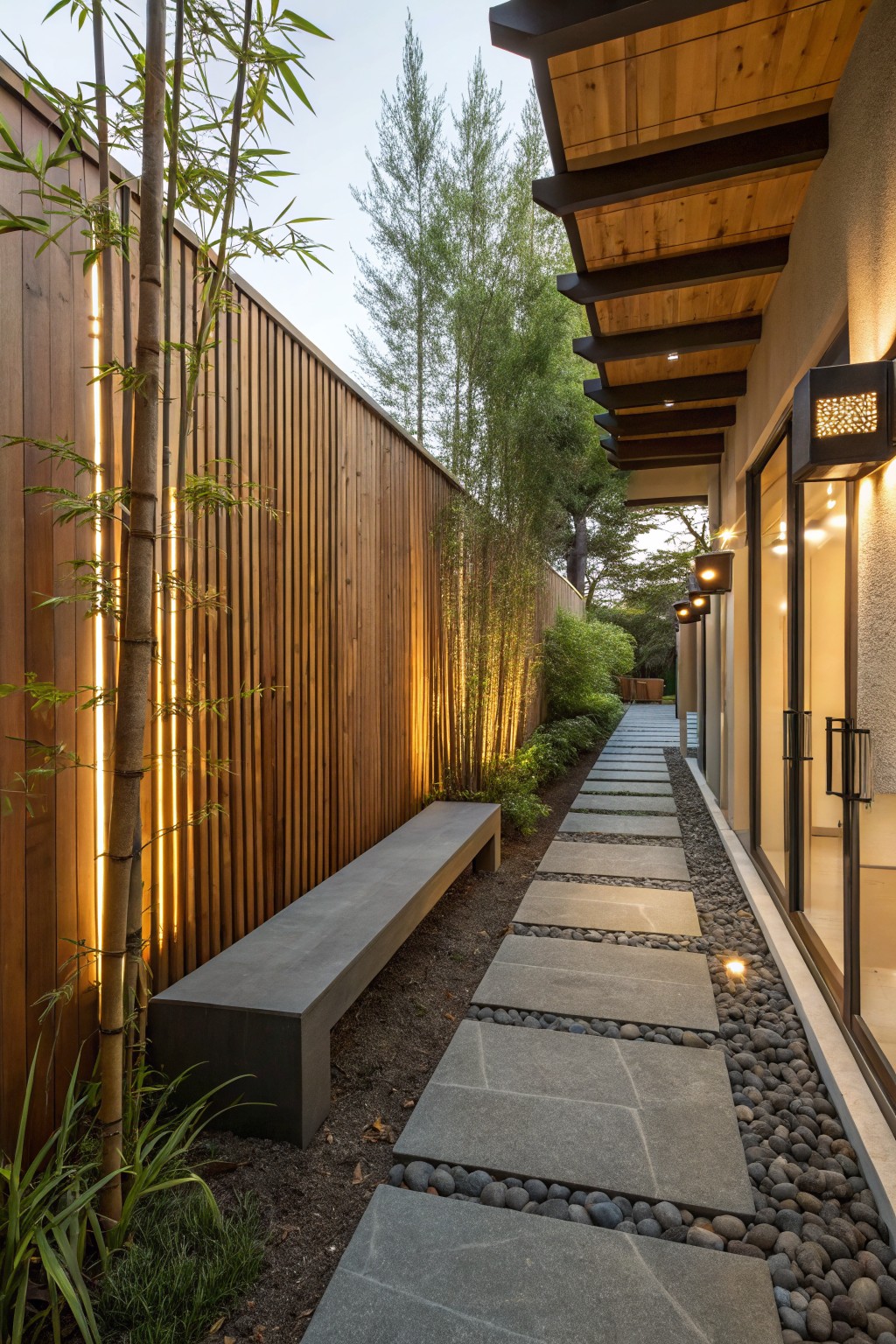
A tall fence paired with dense planting gives you solid privacy without making the space feel closed in. The vertical lines of the fence break up the view while the plants soften the edge and add height where it matters most.
This setup works well along property lines or narrow side yards where you need screening but still want some light and air. Use a wood fence with simple vertical details and choose fast-growing plants that stay narrow so the path or seating area does not feel crowded.
Mix Screens With Overhead Vines For Side Privacy
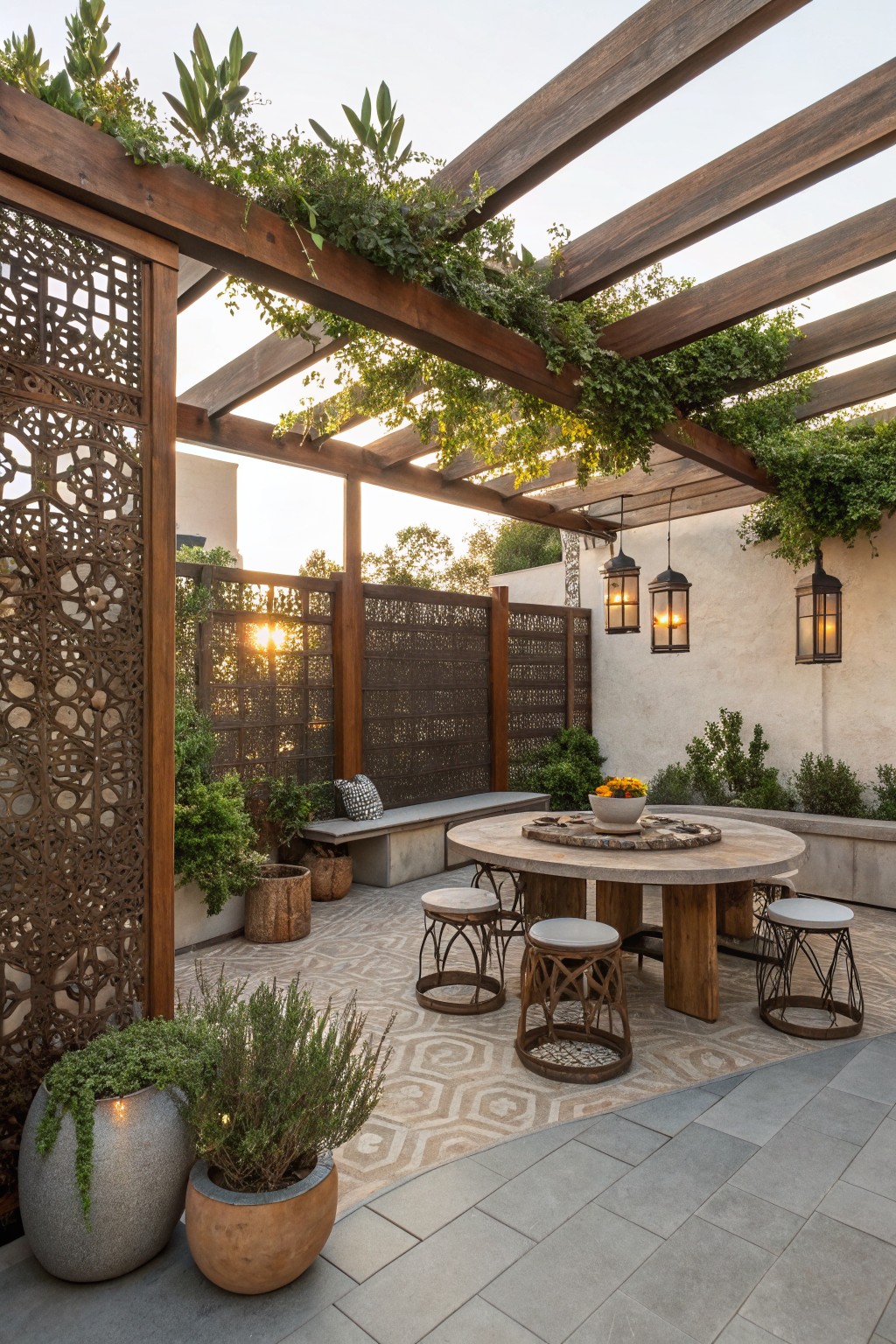
A decorative screen paired with trailing plants overhead gives solid privacy without making the space feel boxed in. The screen blocks the lower view while the vines add cover from above and keep the area from looking too heavy.
This setup works best on patios that sit close to a neighbor’s yard or along one open side. Put the screen where the sight line is strongest and let plants hang from a pergola or trellis to finish the job.
Use Curtains On Outdoor Structures For Privacy
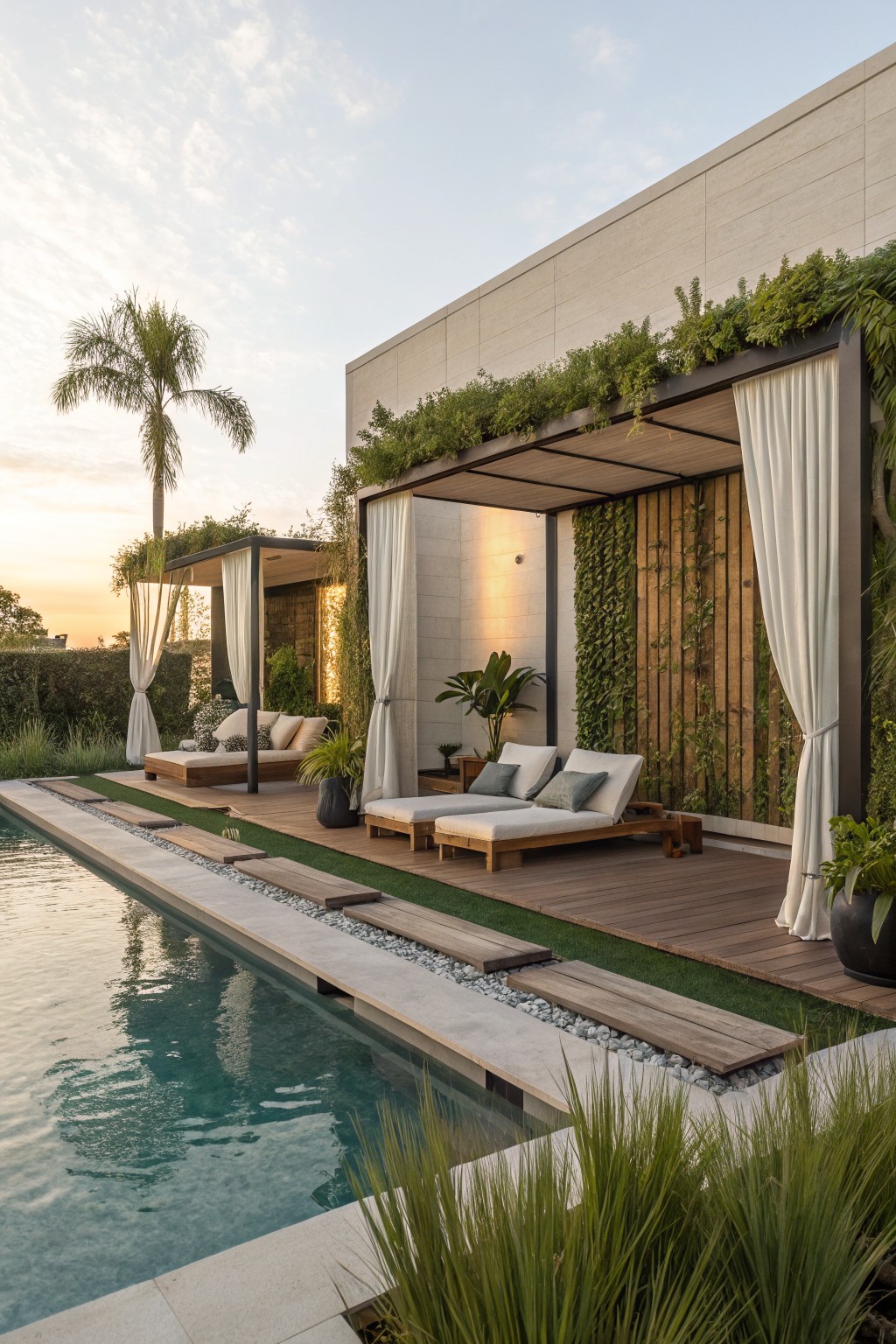
Curtains give you a simple way to control how much privacy an outdoor seating area gets. They slide or tie back when you want an open feel and close up fast if neighbors can see in. The fabric softens the look of wood and metal frames without blocking light or air flow.
This idea works best on pergolas or covered decks next to a pool or patio. Hang weatherproof panels on two or three sides so you can adjust them depending on the time of day or how close the houses are. Keep the bottom edge a few inches off the ground to avoid mildew.
Growing Vines Over Pergolas For Privacy
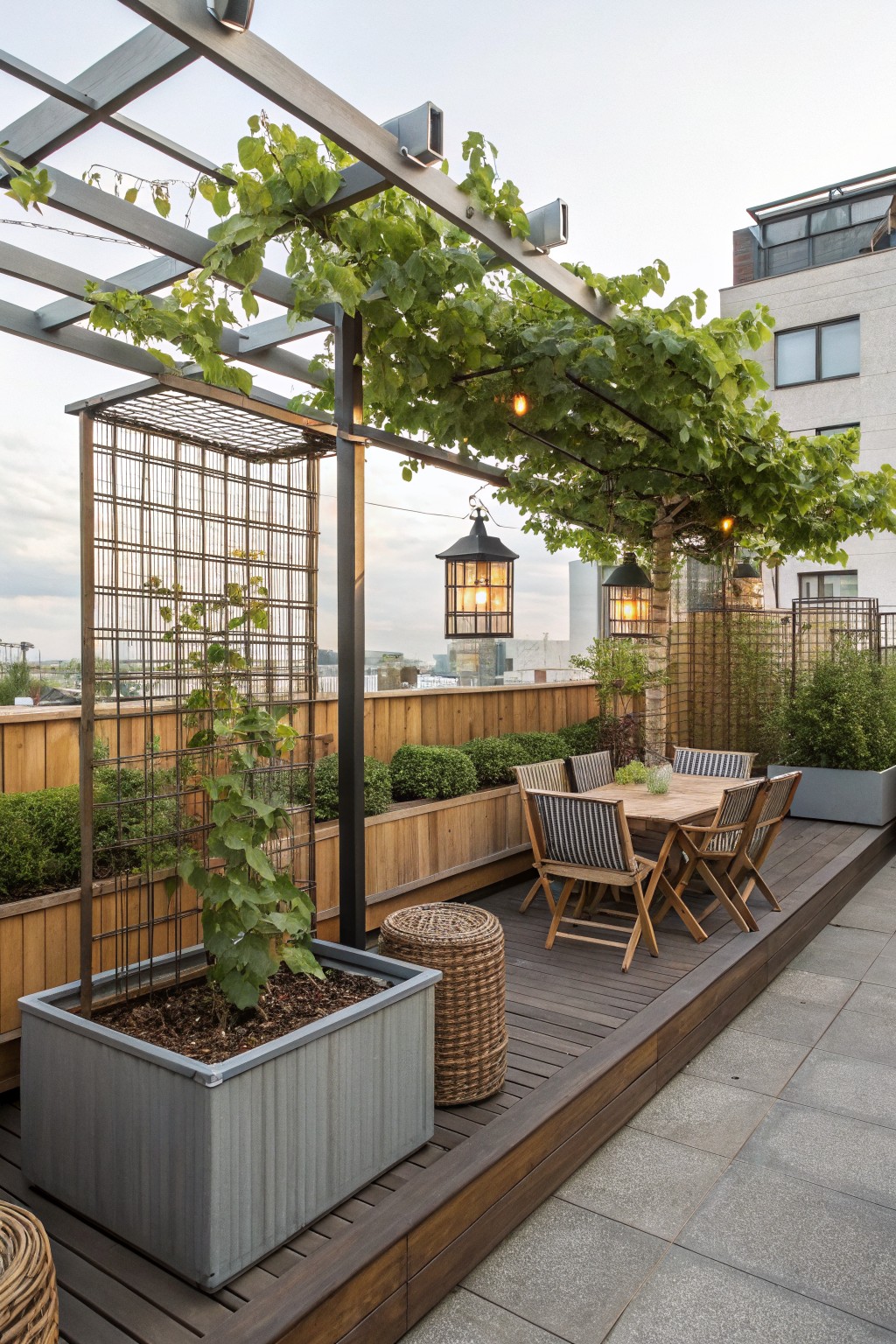
Climbing vines on a pergola can give you a living screen that softens the view from nearby buildings without putting up another solid wall. The greenery fills in over a season or two and still lets some light through, so the space stays usable instead of feeling closed off.
This works best on decks or rooftops where you need height but want to avoid heavy construction. Use sturdy planters at the base, pick a fast grower, and let it run along the top beams so it drops down naturally where you need coverage most.
Use a Tall Fence with Integrated Lighting

A tall fence gives you the most direct privacy from neighbors, and adding lights along it makes the space feel usable after dark without needing extra fixtures elsewhere. The steady glow highlights the wood grain and keeps the area from feeling closed in.
This setup works best on a side or back property line where you want a clean separation. Keep the fence height consistent, space the lights evenly, and add a narrow planting bed at the base so the structure feels softer over time.
Layer Plants Along Walls For Privacy

Many yards sit too close to neighboring homes or sit below a slope where everything feels open. Adding a row of tall hedges right behind a low wall and letting vines climb up the surface creates a living screen that blocks views without making the space feel closed in.
This approach works best when you already have some kind of structure like brick or stone to work with. Plant evergreens at the base so the lower part stays full year-round, then choose vines that fill in the wall over a season or two. It keeps the yard feeling like an outdoor room while cutting down on direct sightlines from above or beside the property.
Grow Vines Over A Pergola For Privacy
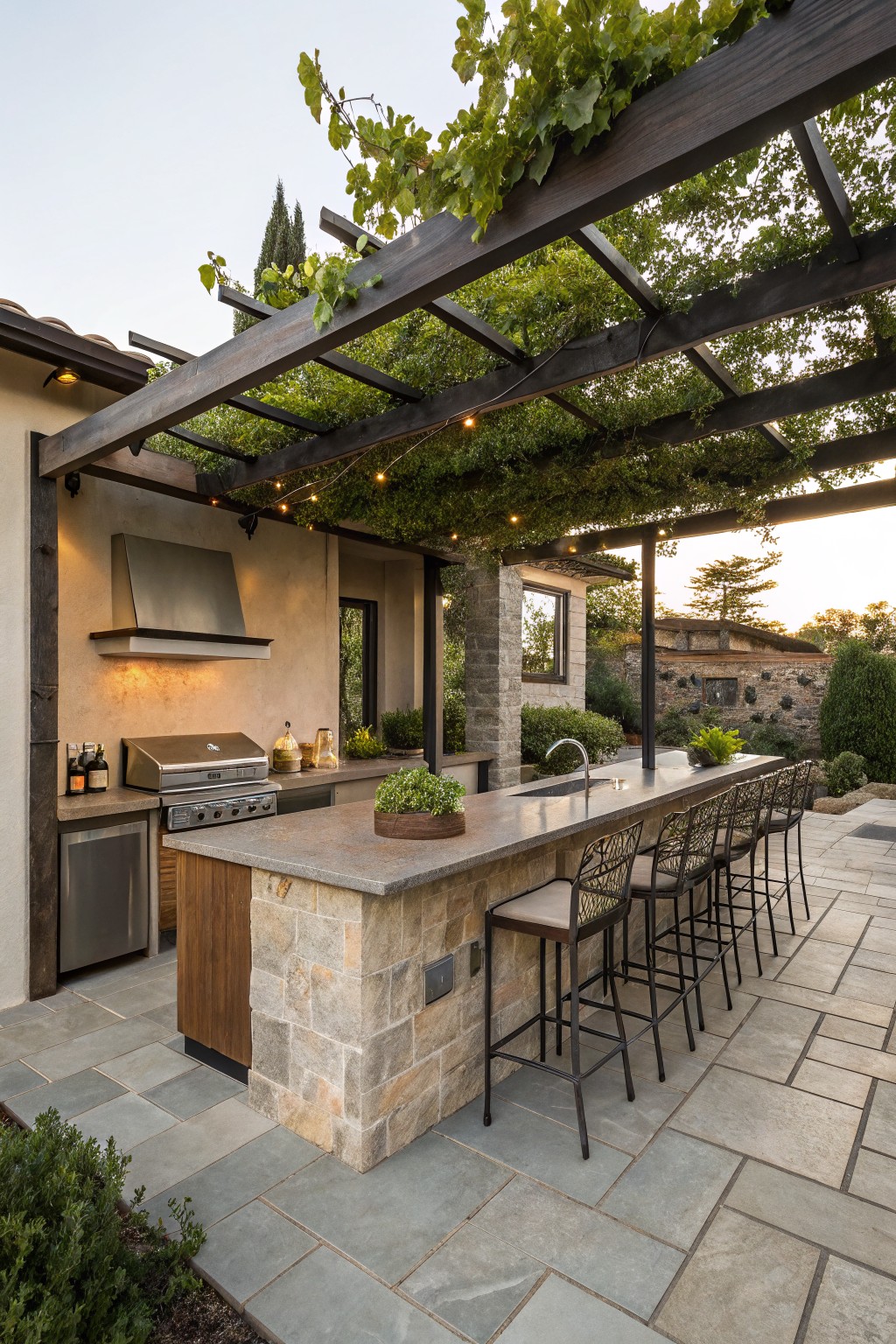
One easy way to add privacy to an outdoor kitchen or bar area is to let vines grow thick across the top of a pergola. The plants form a living screen overhead that blocks sightlines from upper floors or neighboring homes while still letting in some light.
This approach suits homes with existing patio structures and works best when the vines are allowed to fill in fully over a season or two. Just check that the pergola can handle the weight and pick a variety that grows well in your area.
Layer Wooden Lattice With Planting
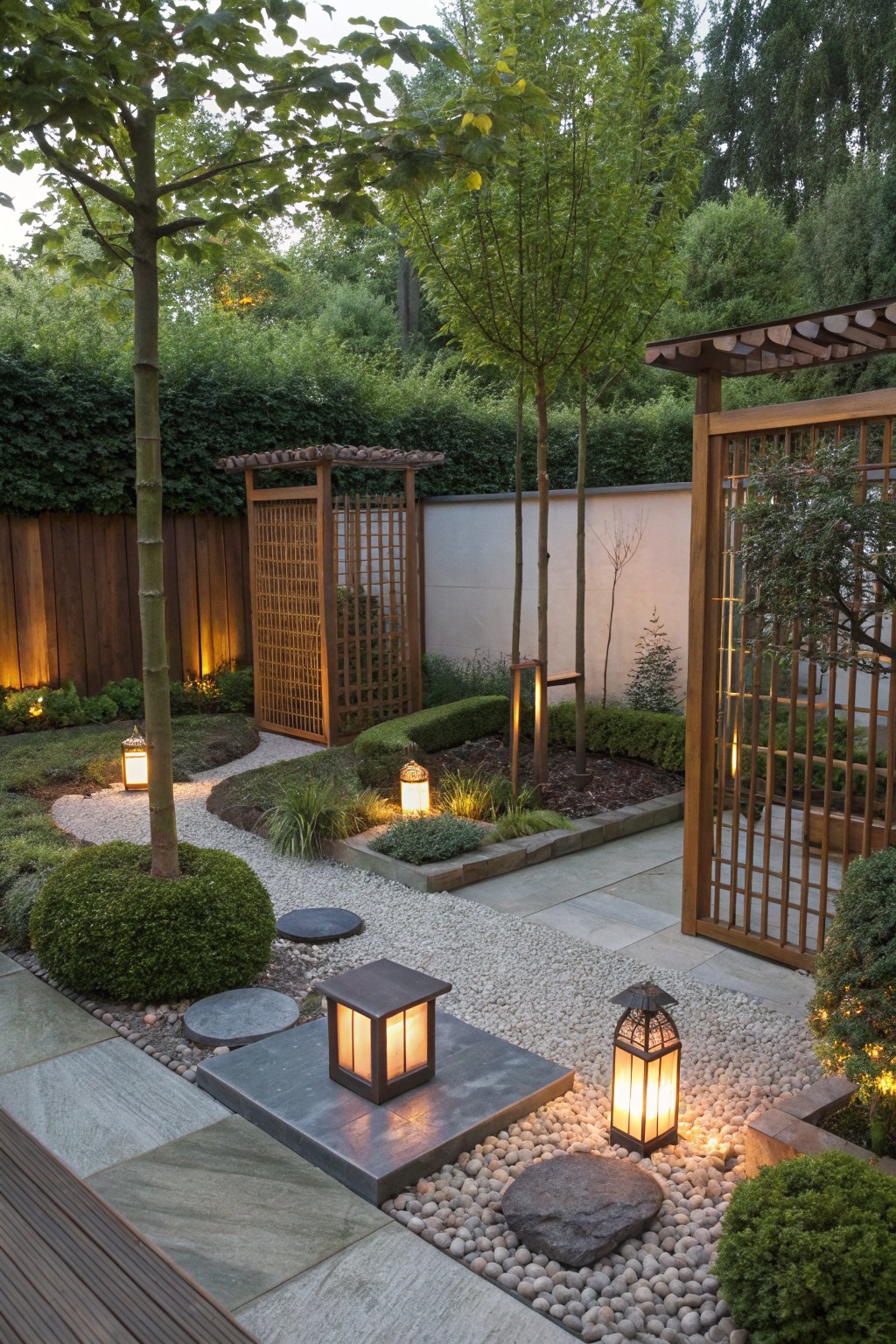
Mixing wooden lattice screens into the garden gives privacy without blocking everything off at once. The grid pattern lets some light and air through while still breaking the view from neighbors, and it pairs naturally with trees and shrubs that fill in over time.
Set the screens along the property line or in spots where you need the most cover, then plant taller trees behind them and lower shrubs in front. This approach works especially well in narrow side yards or smaller lots where a tall solid fence would feel too closed in.
Frequently Asked Questions
Q: How often do I need to trim plants to keep them from spilling onto the neighbor’s yard?
A: Trim once or twice a year during the growing season. Focus on the top and sides facing their property. This keeps everything neat without constant work.
Q: What works if my yard gets little sun for privacy plants?
A: Go with shade-loving varieties like ferns or hostas at the base. Tall grasses or a solid fence handle the upper part better. You still block views without fighting the light conditions.
Q: Can screens replace a fence in a small space?
A: Set up a folding screen on your patio for instant coverage. Move it around as needed and add potted plants to soften the edges.