I’ve spent time trying to make our backyard corner work for meals, and the main issue usually comes down to how the furniture fits the daily flow rather than just how it looks in photos.
Many setups promise easy entertaining but end up feeling cramped once you add plates and chairs that actually get used.
I keep coming back to ideas that allow for quick changes depending on the weather or the number of people.
Practical details matter more than they seem.
A couple of the suggestions here focus on pergola additions that create usable shade without blocking too much light, and those are the ones I’d test first in our own space.
Add a Pergola to Create a Clear Outdoor Dining Spot
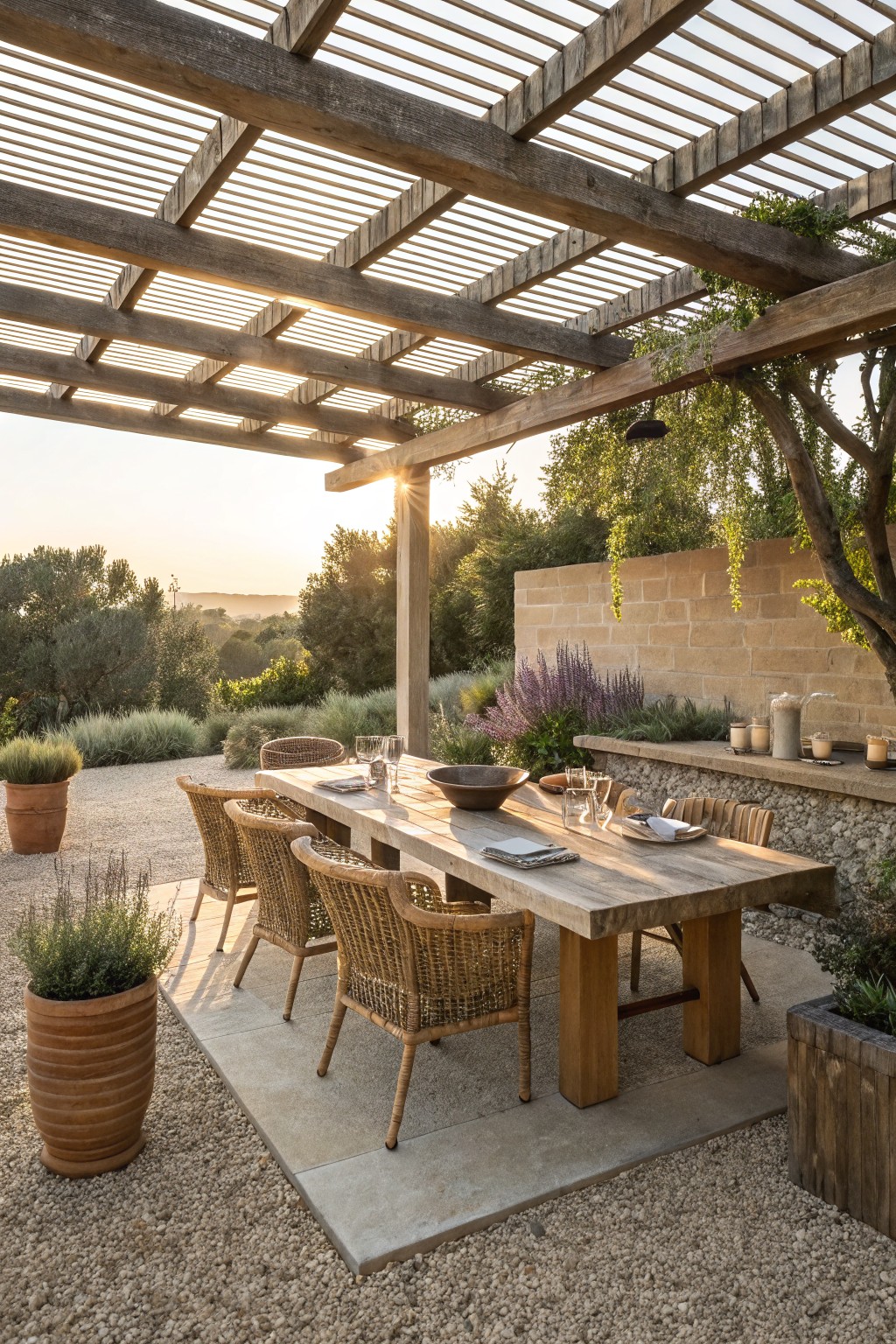
A pergola gives an outdoor dining area a sense of structure without closing it in. It marks the space as intentional, offers some shade, and helps the table and chairs feel settled rather than just set out on open ground. In this setup the pergola sits over a long table and simple seating, turning a gravel corner into a usable dining zone.
This approach works best on patios or in backyard corners where you want a defined place to eat without building a full room. Keep the materials simple so the structure blends with the surroundings, and make sure the size fits the table you plan to use. Avoid placing it too close to heavy tree cover that could block light or drop debris on the surface.
Mix Bench Seating With Chairs For Outdoor Dining
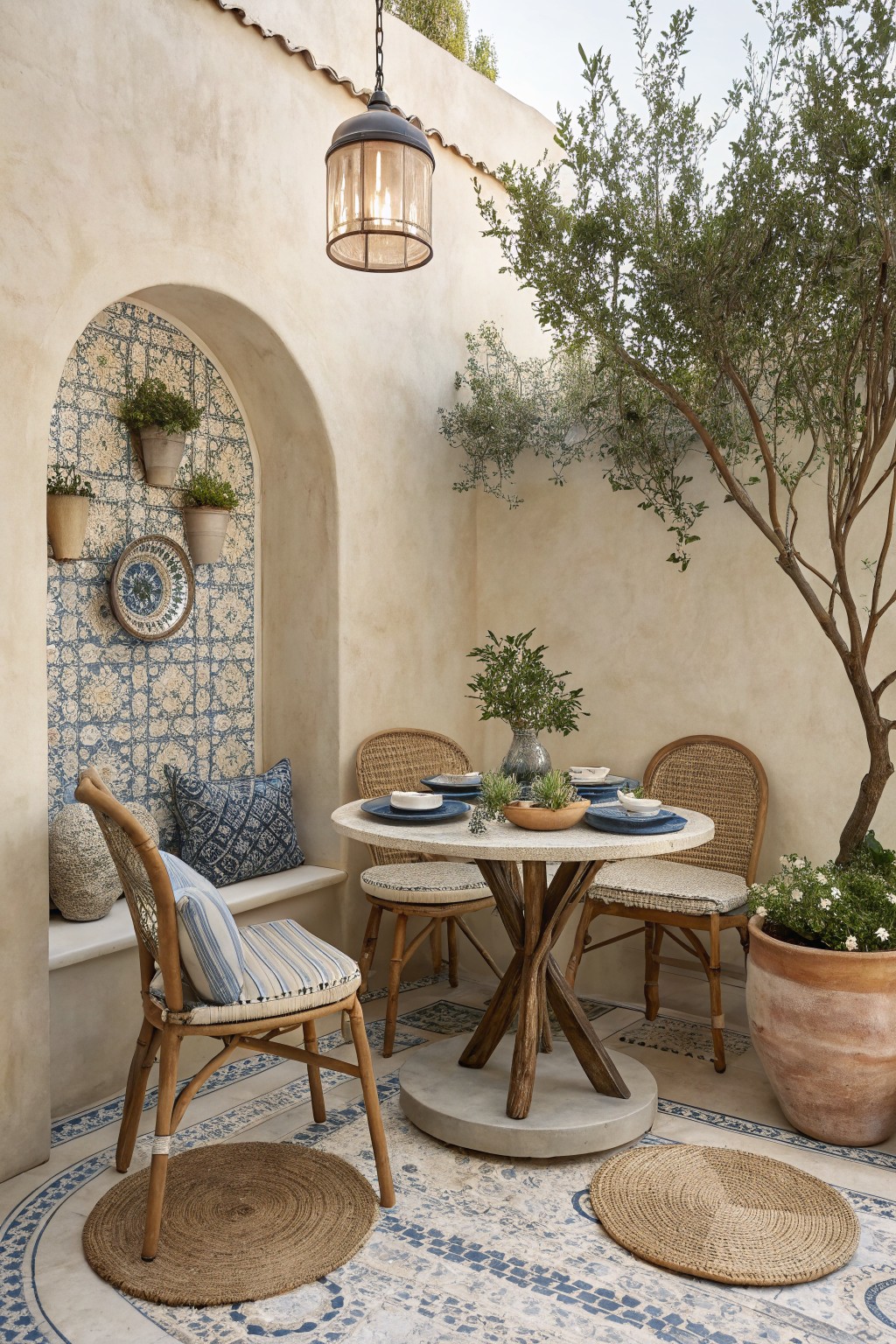
A built-in bench gives an outdoor dining area extra seating without taking up floor space. It works especially well in corners or against walls where chairs alone would feel cramped. The bench also adds a bit of structure so the table does not float in the middle of the patio.
This setup suits small courtyards or side yards that already have some architecture to lean on. Keep a few lightweight chairs that can move around the table as needed. Just make sure the bench cushions are weatherproof if the space stays open year-round.
Define Outdoor Dining Areas With A Rug
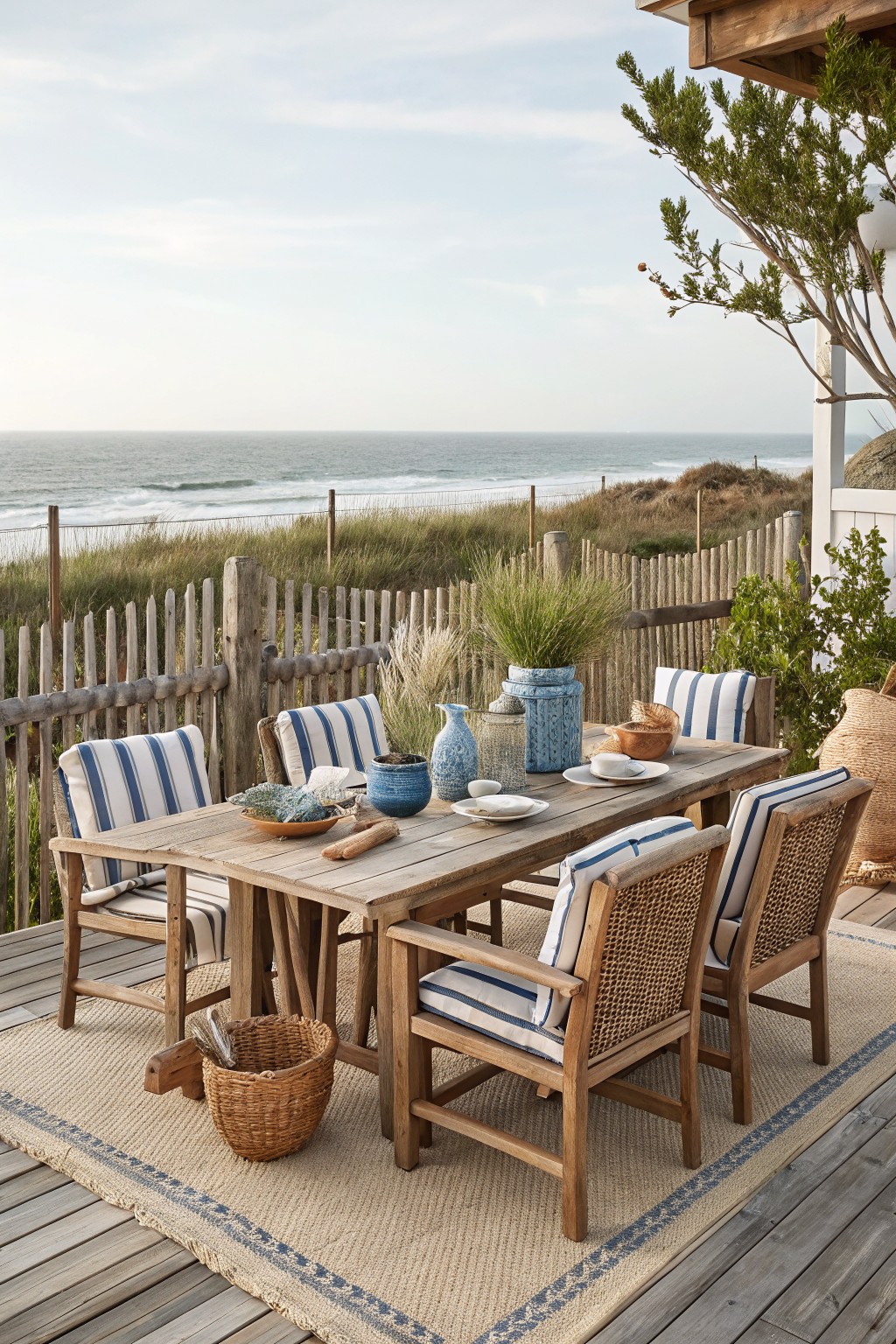
A rug under the table and chairs turns an open deck into a clear dining zone. It keeps everything feeling grounded and helps the space read as one intentional spot rather than just furniture sitting on boards.
This approach works well on wooden decks or patios where you want to separate eating from the rest of the yard. Pick a flat-weave outdoor rug that is easy to clean and large enough for the chairs to stay on it when pulled out.
Cover Outdoor Dining With A Simple Slatted Roof
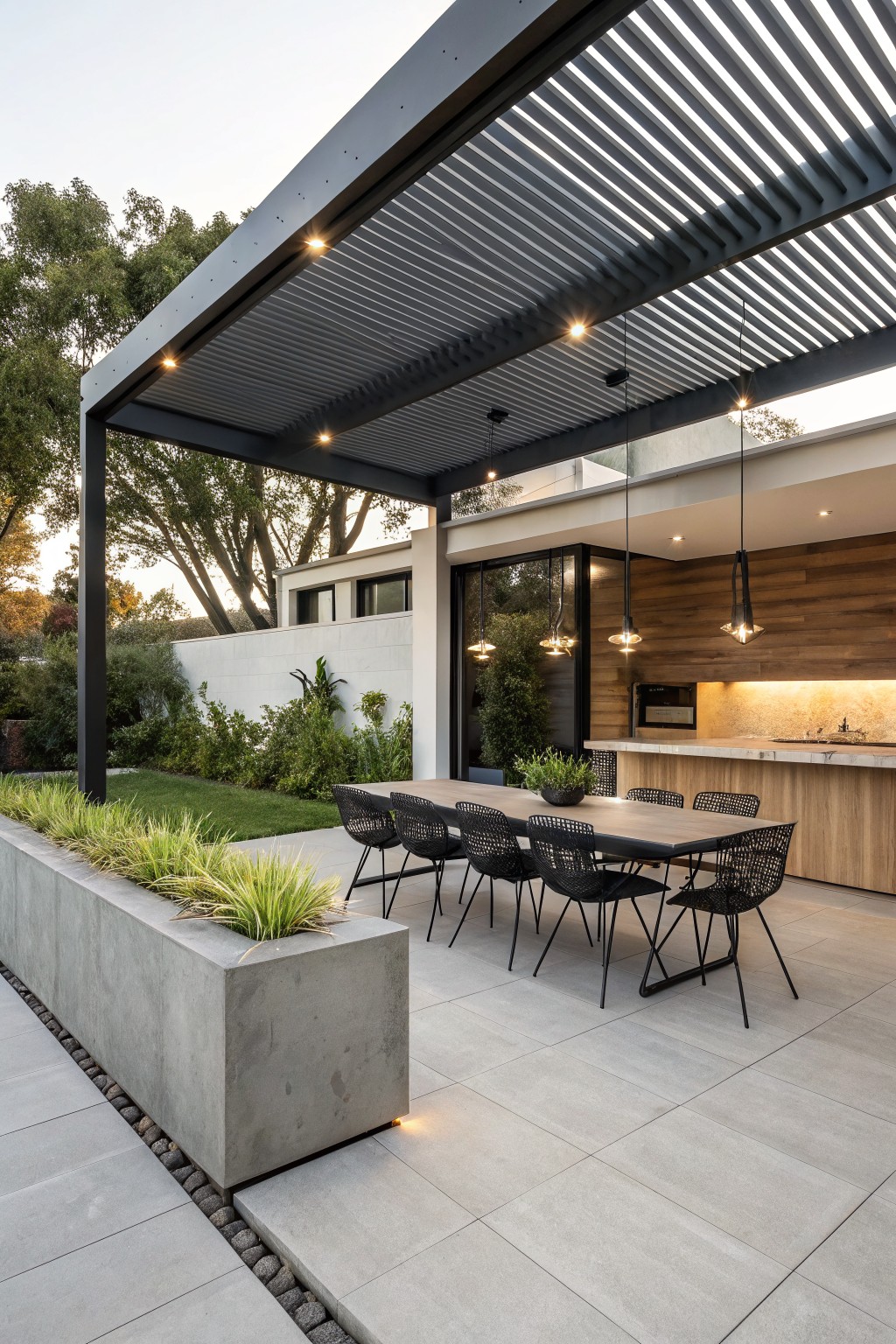
Many homeowners want to keep the table and the grill close together so meals stay easy when everyone is outside. A slatted overhead structure does that job without turning the space into a full room.
This setup works best on patios that sit right off the house and already have room for both a long table and a counter. Use it when you want shade during the day but still like seeing some sky, and make sure the lights hang low enough to work after dark.
Built-In Seating Around a Central Table
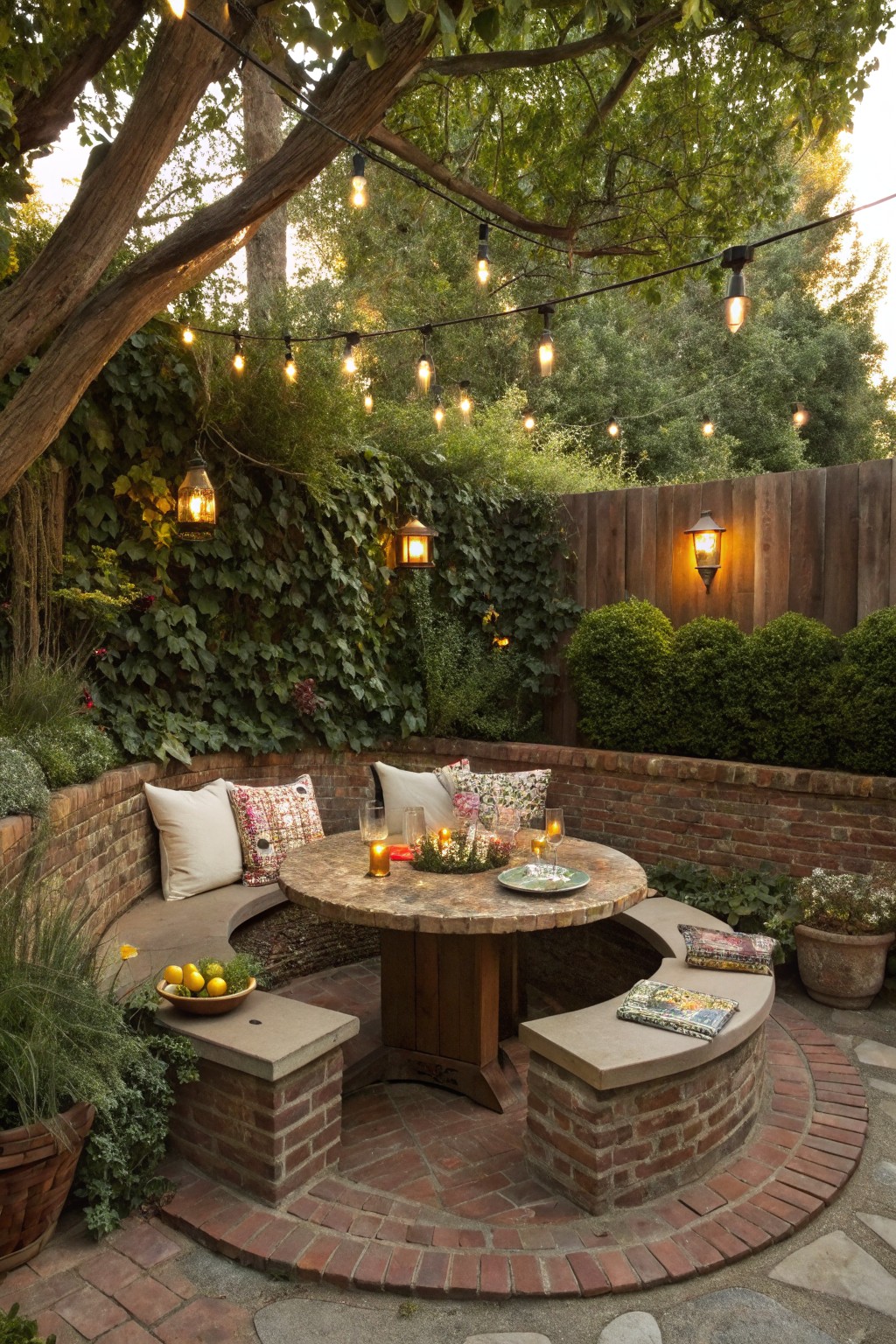
A round table with curved brick benches built right into the patio creates a natural dining spot that feels settled and complete. This layout works especially well in corner areas where you want to define the space without adding lots of separate furniture that can shift around or crowd the area.
It suits smaller yards or homes that already have brick or stone edging in place. Keep the seating low and wide so people can move easily, and add simple overhead lights to make the table usable once the sun goes down. Avoid making the curve too tight or the benches too deep, or the spot can start to feel cramped during meals.
Pergola Shade Makes Outdoor Dining More Practical
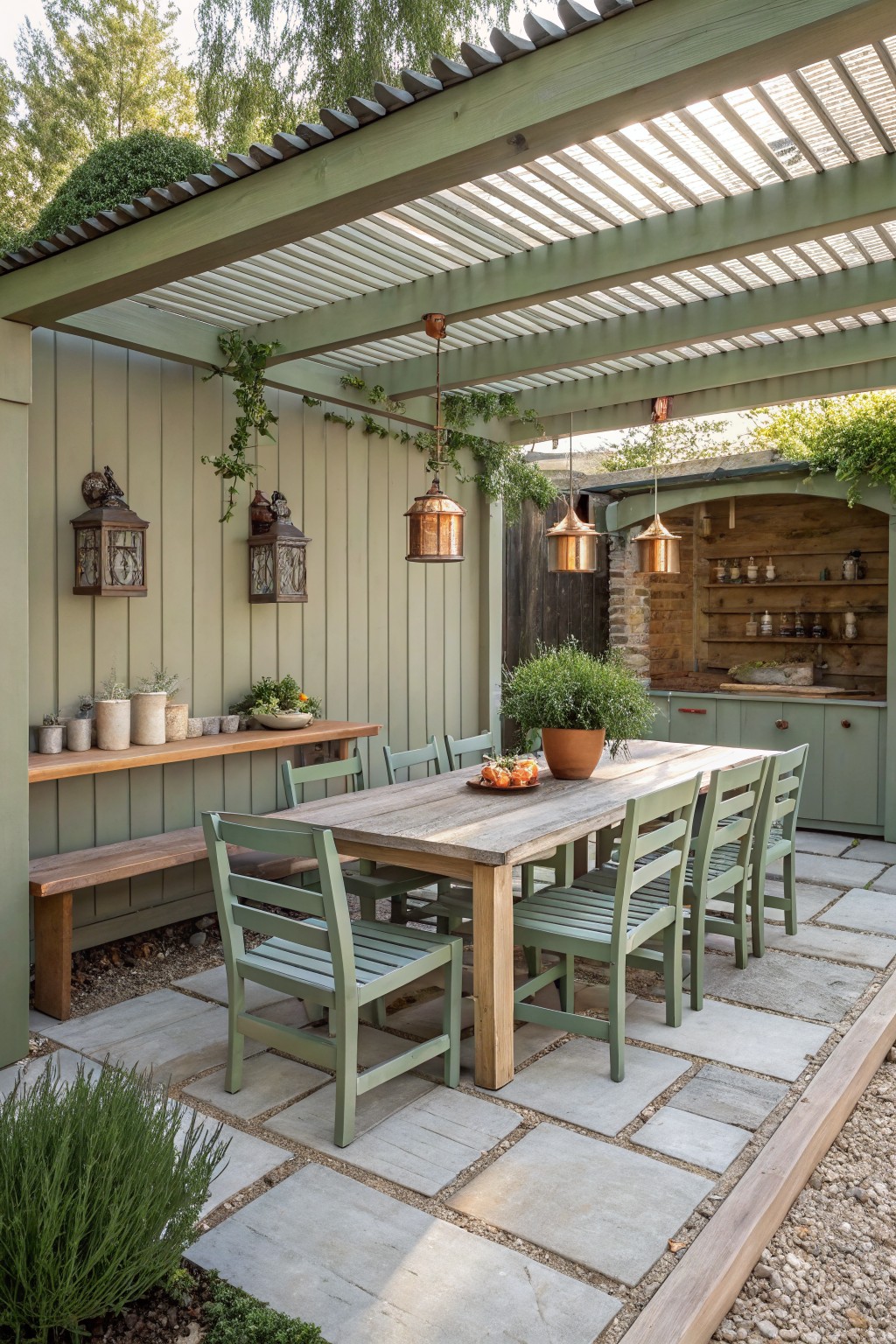
A pergola over the dining table gives just enough cover to keep the sun off during meals without closing the space in. It also creates a clear spot for hanging lights so the table stays usable into the evening.
This works well on a paved patio right off the kitchen where you already spend time. Size the structure to fit your table and chairs with room to walk around, and keep the overhead slats open enough for some light and air.
Shade a Small Balcony Table with an Offset Umbrella
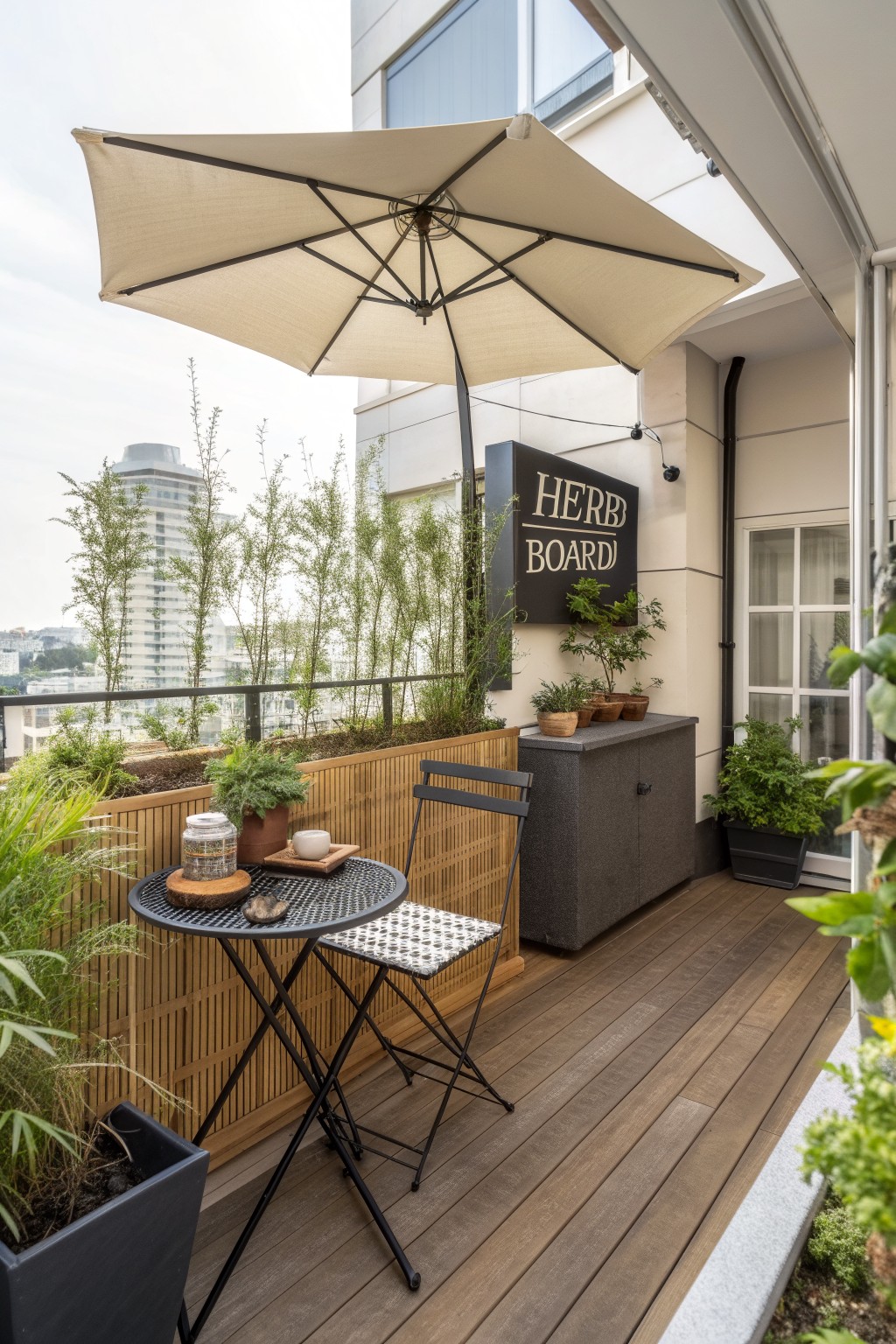
Small outdoor dining spots often run into trouble with shade because a regular umbrella pole takes over the center of the table. An offset umbrella fixes that by letting the canopy hang from the side, so the table stays clear and you still get good coverage.
This works best on narrow balconies or decks where space is tight. Pair the umbrella with a compact folding set so you can open it up for meals and tuck everything away when you need the floor space back.
Keep Outdoor Dining Close To The Bar
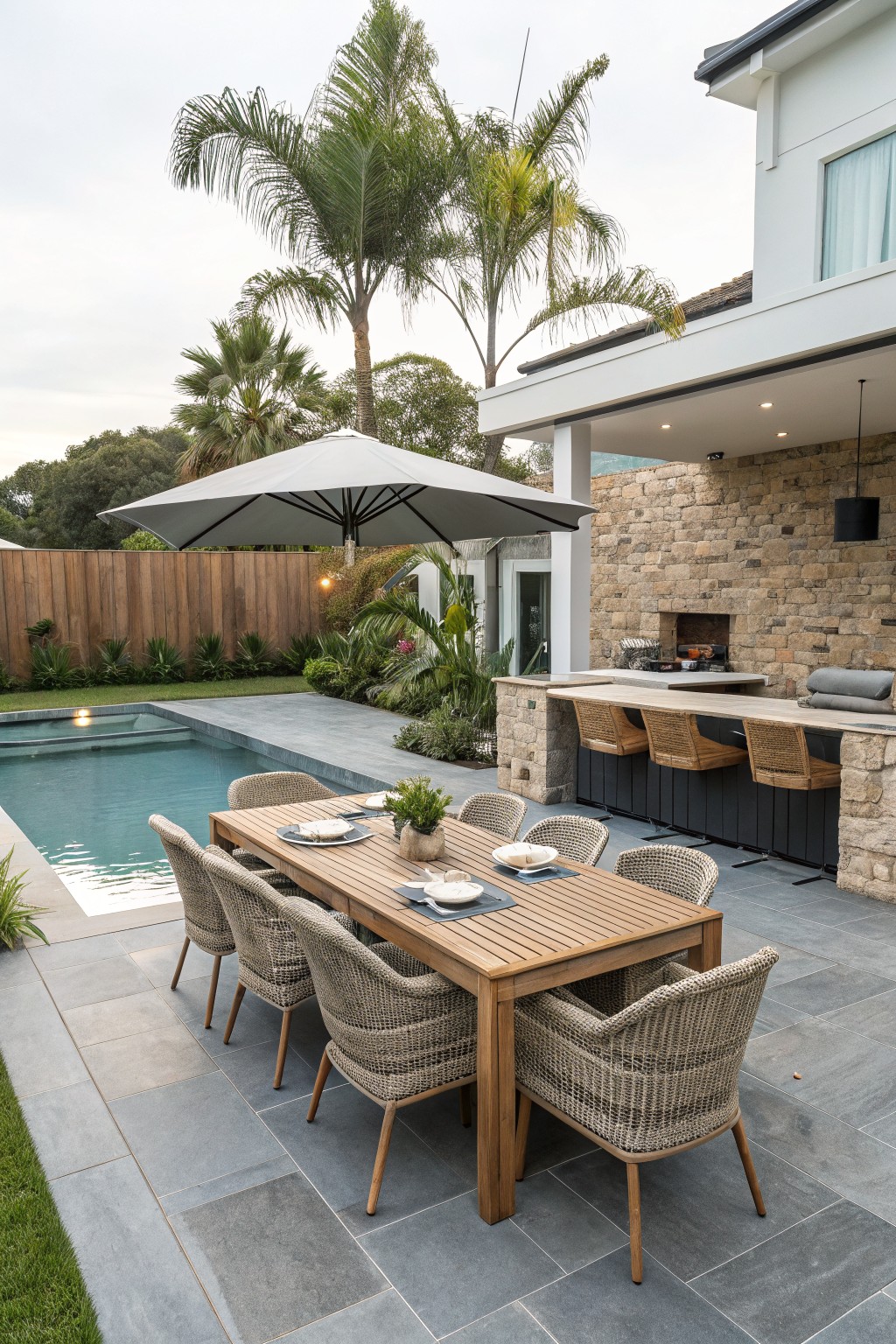
Placing the dining table right next to an outdoor bar or kitchen counter makes serving much easier during meals and gatherings. Guests can grab drinks or plated food without extra trips inside, and the cook stays part of the conversation instead of running back and forth.
This setup works best on patios or pool decks where space allows a clear path between the two zones. Use the same flooring material under both areas so they feel connected, and add shade over the table so people can stay comfortable even in bright sun.
Layer Rugs to Define an Outdoor Dining Spot
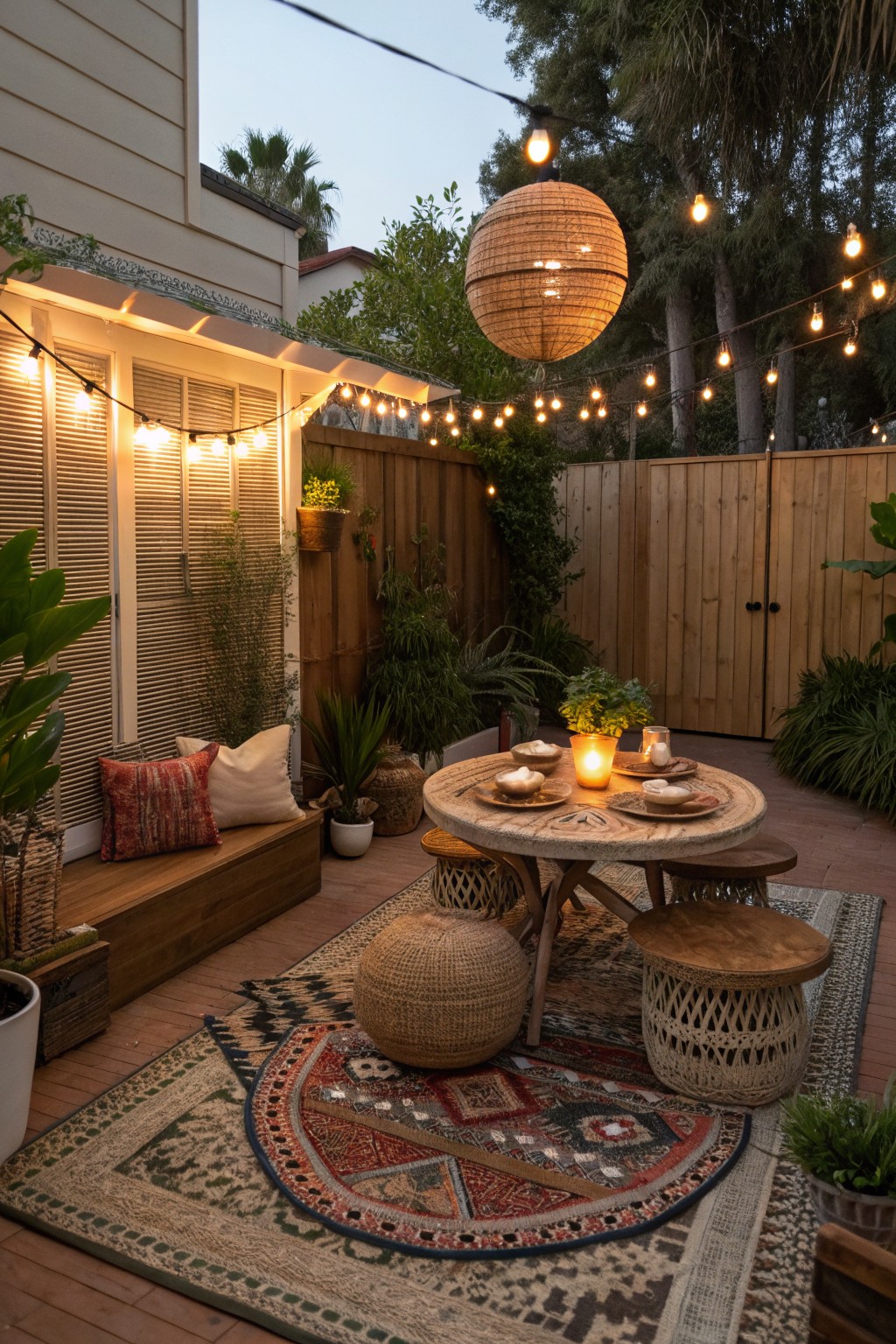
Layering a couple of rugs under the table and chairs helps turn an open patio into a real dining area. It adds some softness underfoot and keeps the space from feeling too hard or scattered, especially when you have mixed seating like stools and low poufs.
This works well on brick or concrete patios where you want a bit of warmth without building anything permanent. Just make sure the rugs can handle weather and that the biggest one sits flat so chairs do not catch on the edges.
Pair a Bench With Chairs on the Table
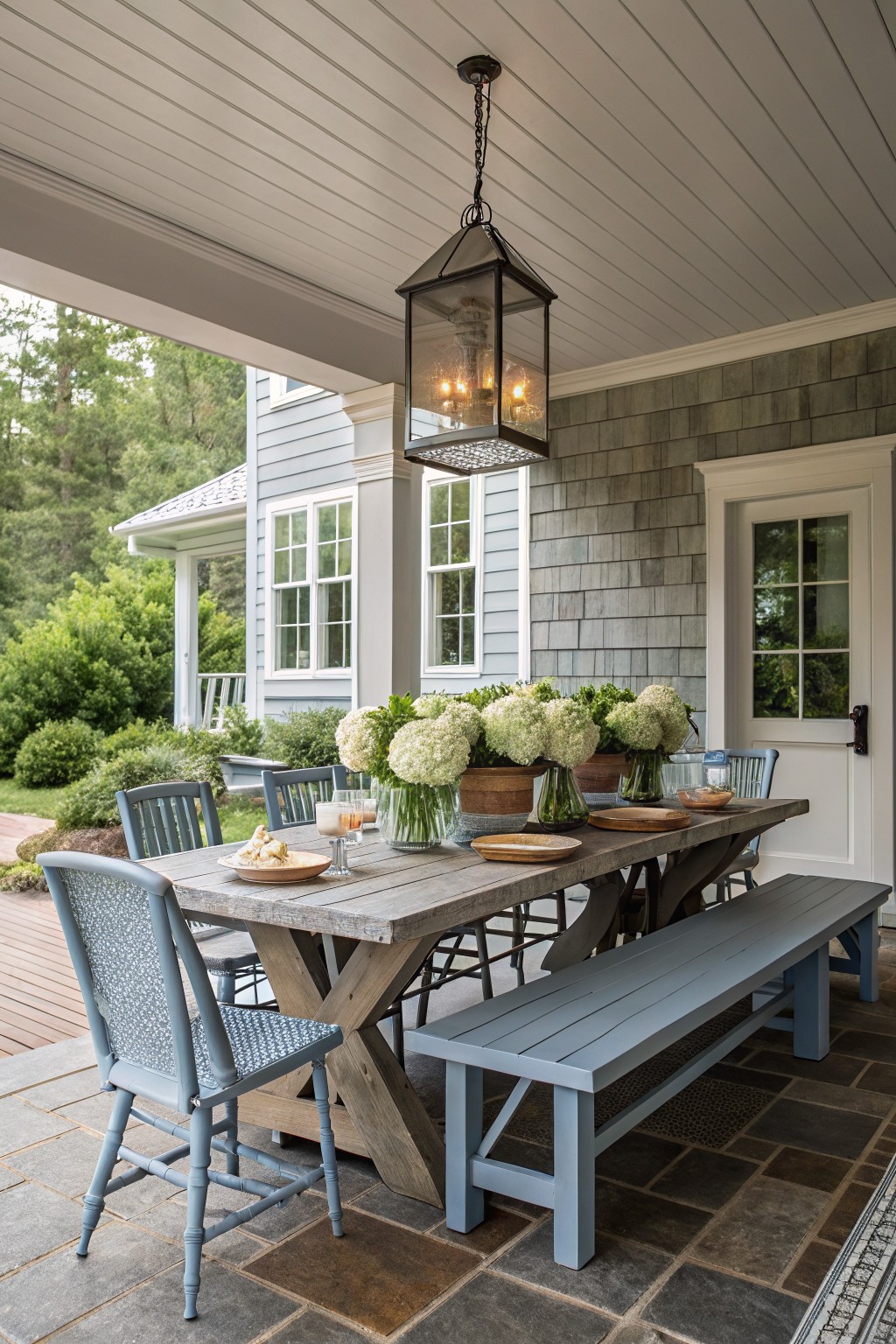
A bench along one side of an outdoor dining table makes the setup more flexible. It lets you seat extra people without adding more chairs, and it gives the space a casual look that feels right for everyday meals outside.
This works best on a covered porch or patio where the table stays in place all season. Keep the bench a bit lower than the chairs so everyone sits comfortably, and leave enough room on the other side for people to pull out their seats without bumping the table.
Add A Large Dining Table To Your Patio
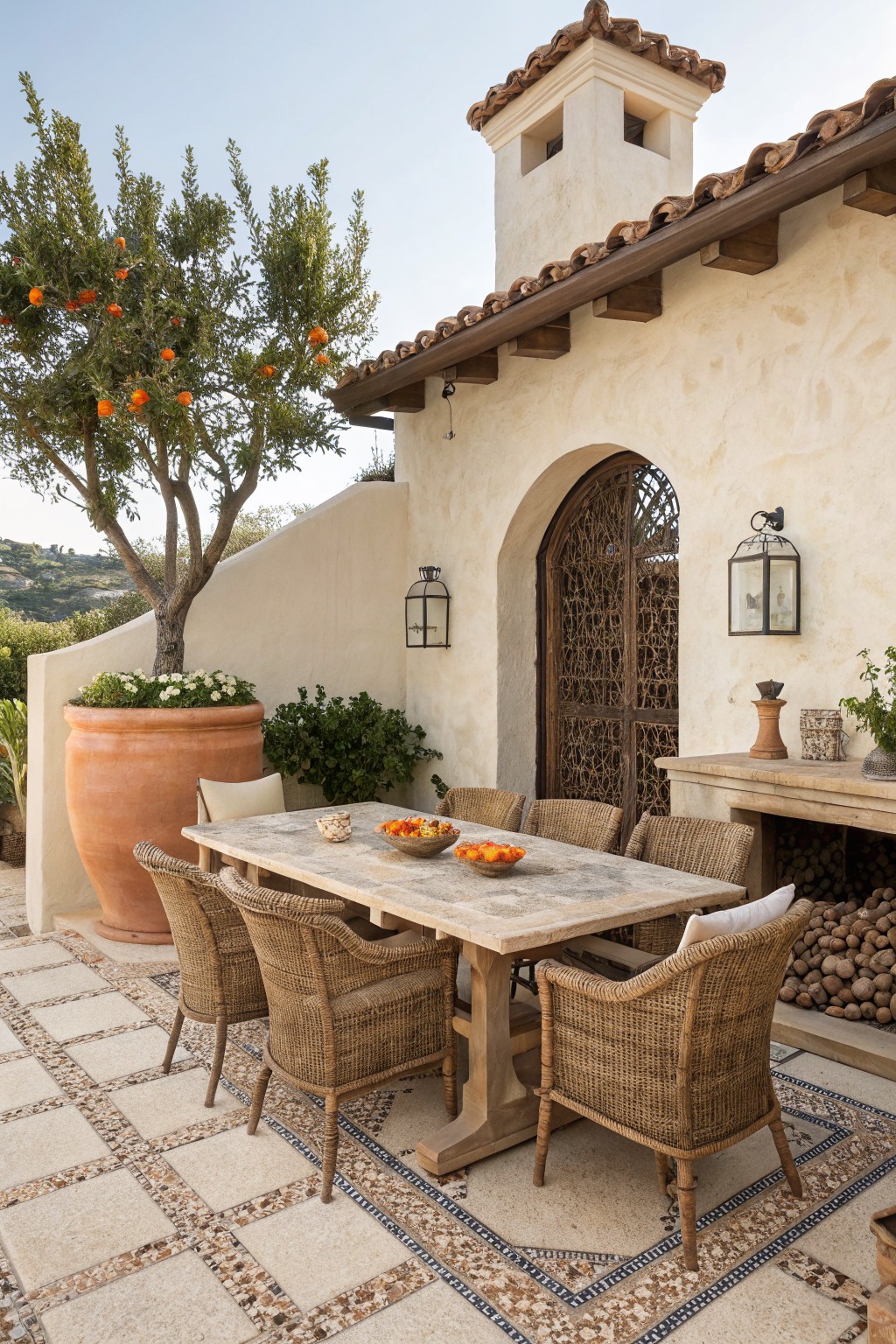
A long table makes outdoor meals simpler when you regularly host more than a few people. It gives everyone a clear spot without needing extra side tables or constant rearranging.
This works best on a level paved area right next to the house, where the table can stay in place through the season. Woven chairs hold up well outdoors and keep the setup from feeling too heavy.
Foldable Furniture For Small Balconies
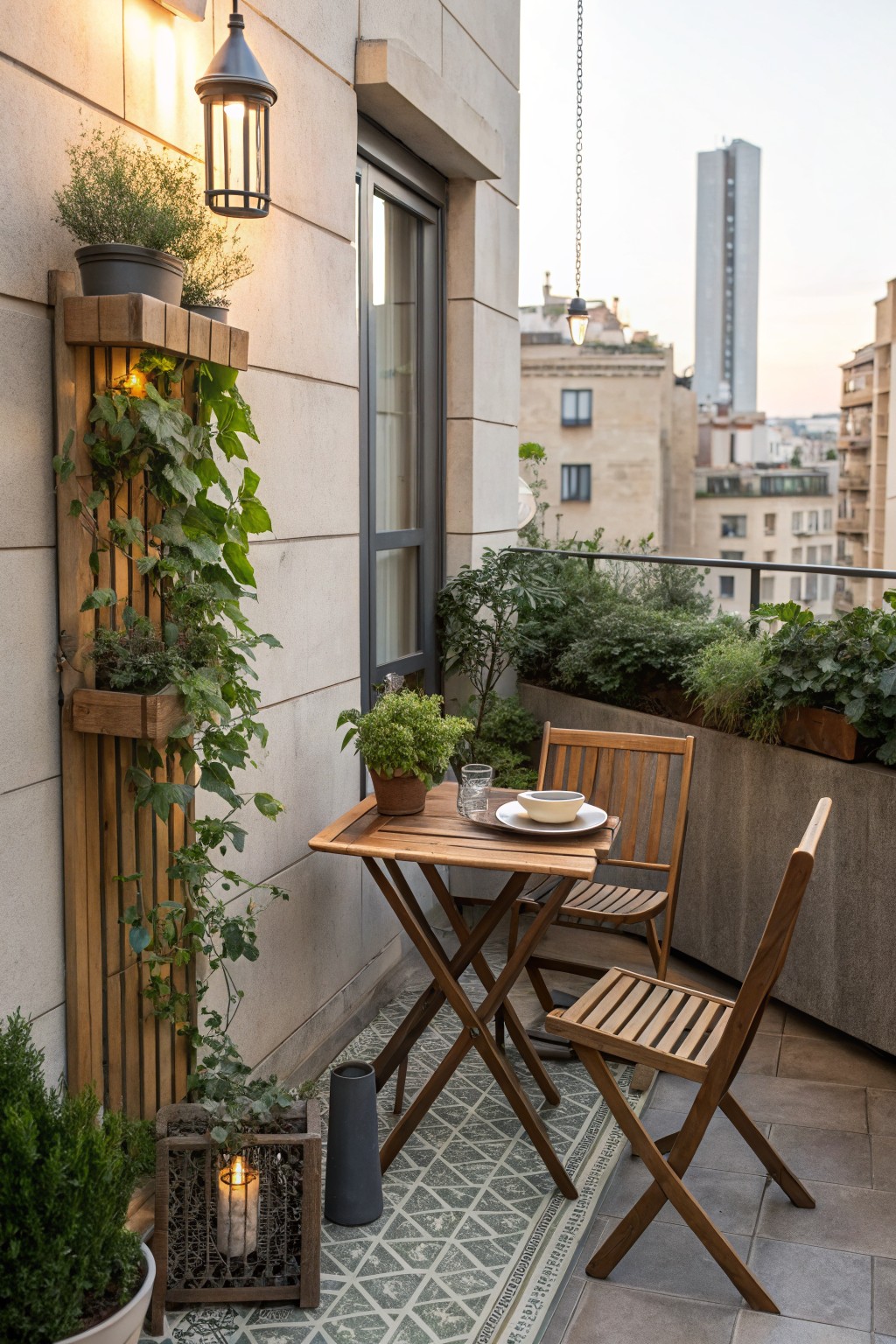
Many people skip outdoor dining because they think their balcony is too small. A simple foldable table and chairs can change that without taking up permanent space. These pieces tuck away easily when not needed and still give you a proper spot to eat outside.
This setup works especially well on apartment balconies or narrow patios where fixed furniture would crowd the area. Look for sturdy wood or metal versions that hold up to weather, and keep a couple of lightweight chairs that can stack or fold flat. Just measure your space first so the table does not block doors or walkways.
String Lights Over the Dining Table
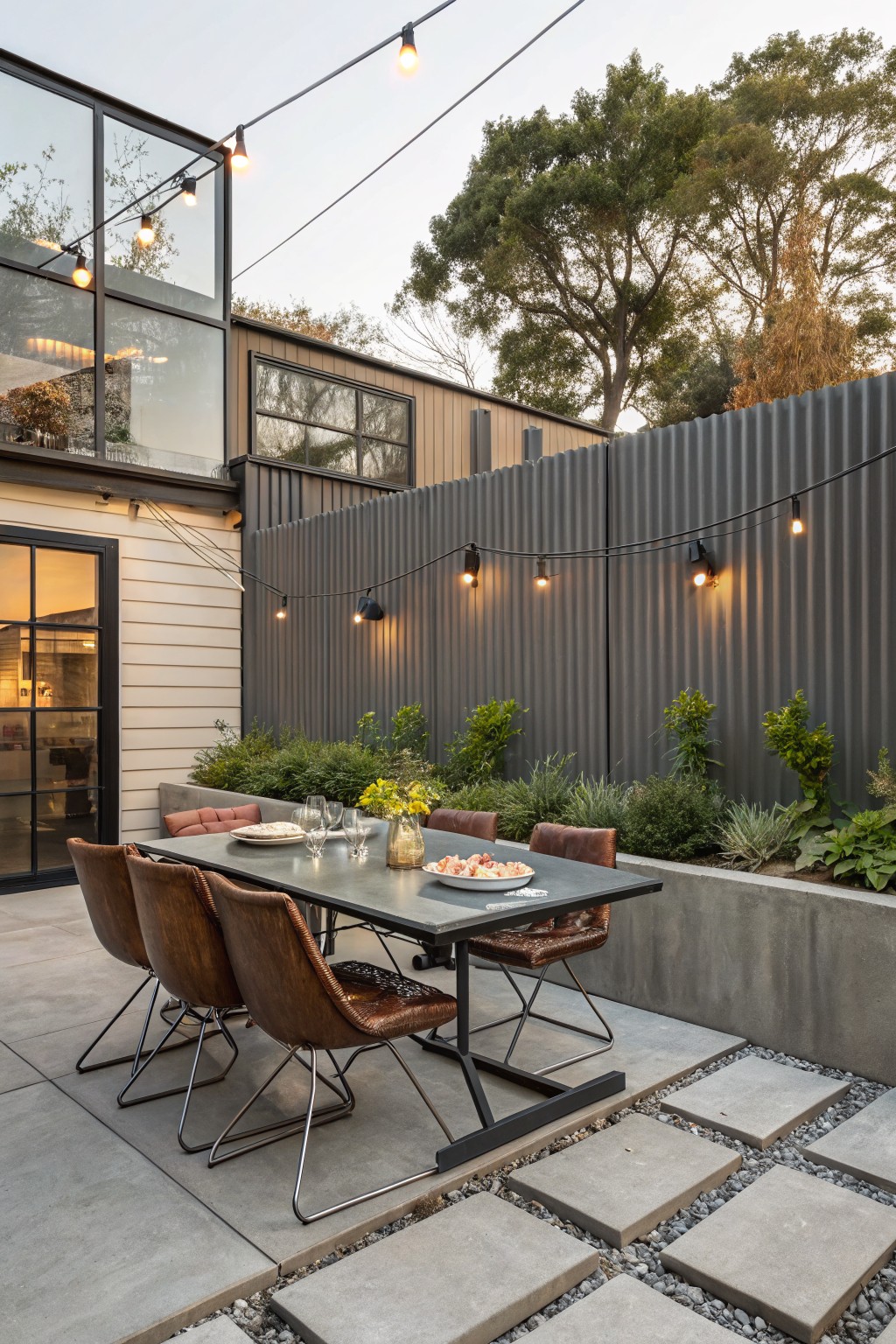
String lights are one of the simplest ways to make an outdoor dining table usable after sunset. They give off a soft, even light that feels comfortable for meals without overpowering the space or requiring permanent fixtures.
Run them from the house to a fence or wall, keeping the wires high enough to clear heads but low enough to feel enclosed. This works especially well on concrete patios or small backyard areas where bigger lighting would feel out of scale.
Pergolas for Outdoor Dining
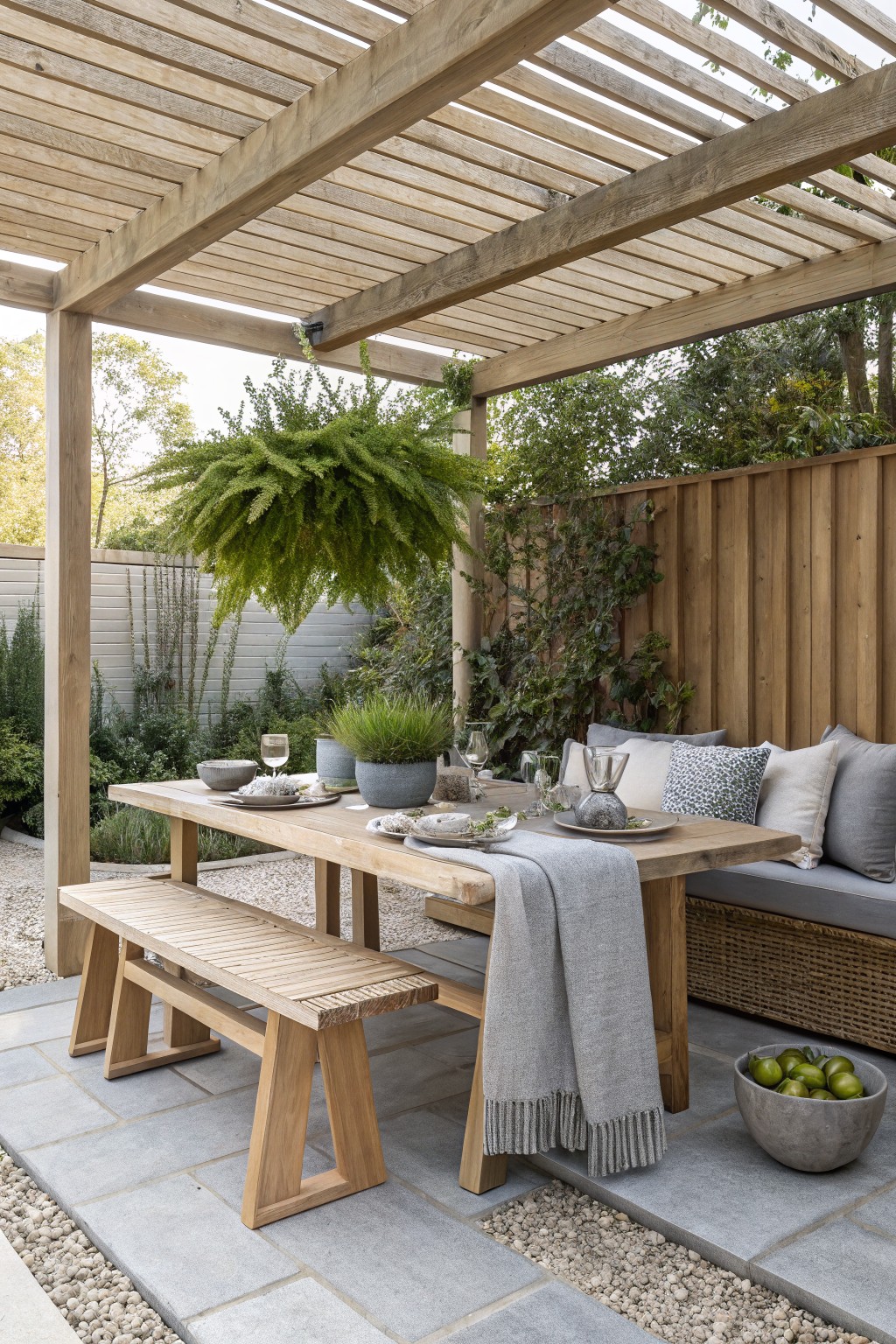
A pergola gives an outdoor table a clear sense of place without making the space feel enclosed. It adds light shade and helps the dining area stand out from the rest of the yard.
This setup works best on patios or decks where you want a spot that feels ready for meals. Keep the table long and add a bench on one side so the space stays simple and easy to use.
Use a Pergola to Shade the Dining Table
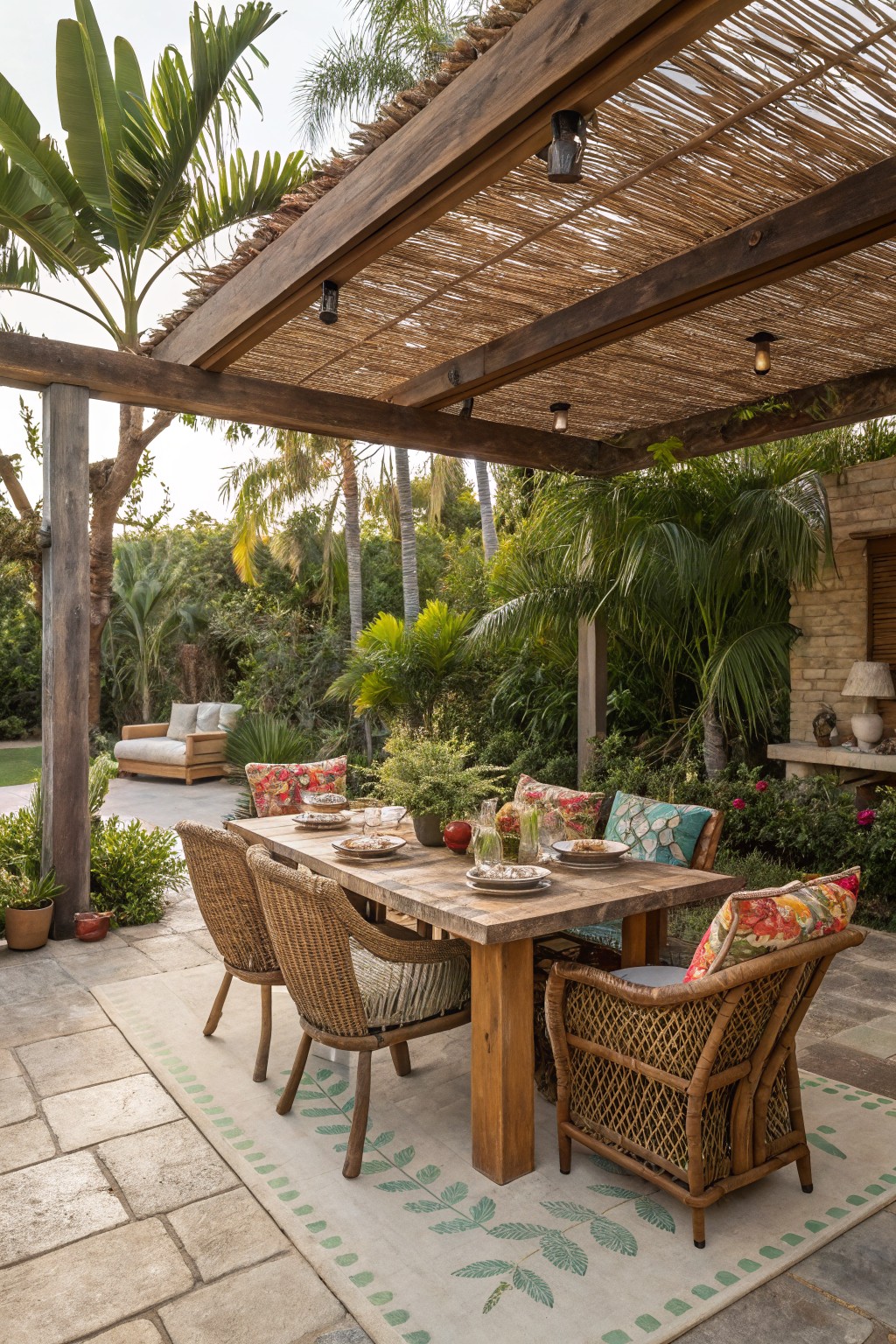
A pergola overhead makes an outdoor dining area feel more settled and usable. It blocks direct sun without closing off the space, so meals stay comfortable even on warm days. The structure also gives you a clear spot to hang simple lights for evenings.
This setup works well on patios or backyard corners where you want a defined dining zone without building a full room. Keep the sides open and choose a roof material that lets in some light. Just watch the height so the table and chairs still feel easy to move around.
Pergolas Work Well Over Outdoor Dining Tables
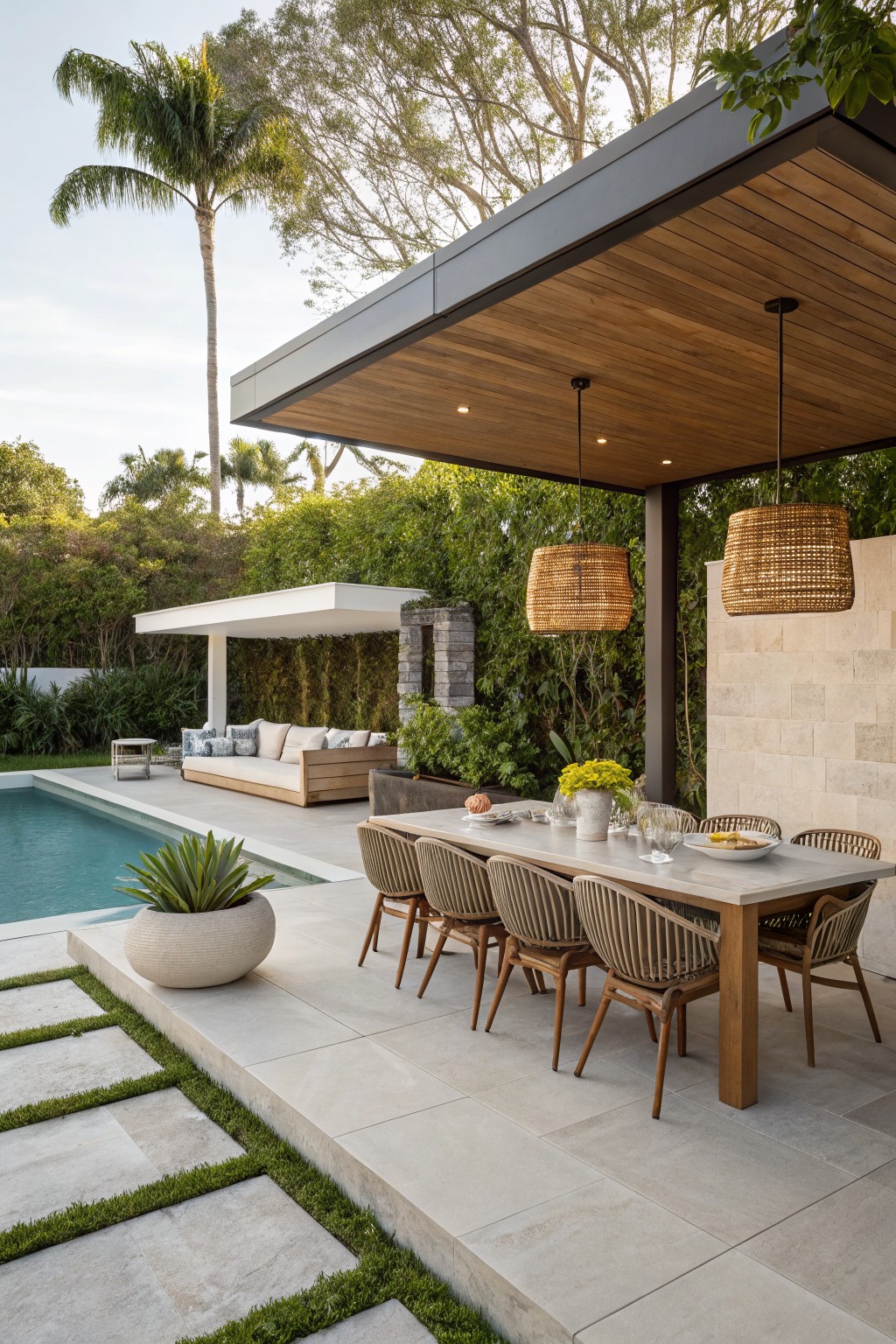
A pergola overhead turns a regular patio table into a defined dining spot without making the space feel closed in. The structure gives just enough shade and shelter while keeping the open air feel that most people want outdoors.
This idea works best on larger patios or poolside areas where you already have room for a full table and chairs. Keep the ceiling height comfortable and use simple hanging lights so the space stays practical for evening meals.
Define an Outdoor Dining Spot With a Curved Patio
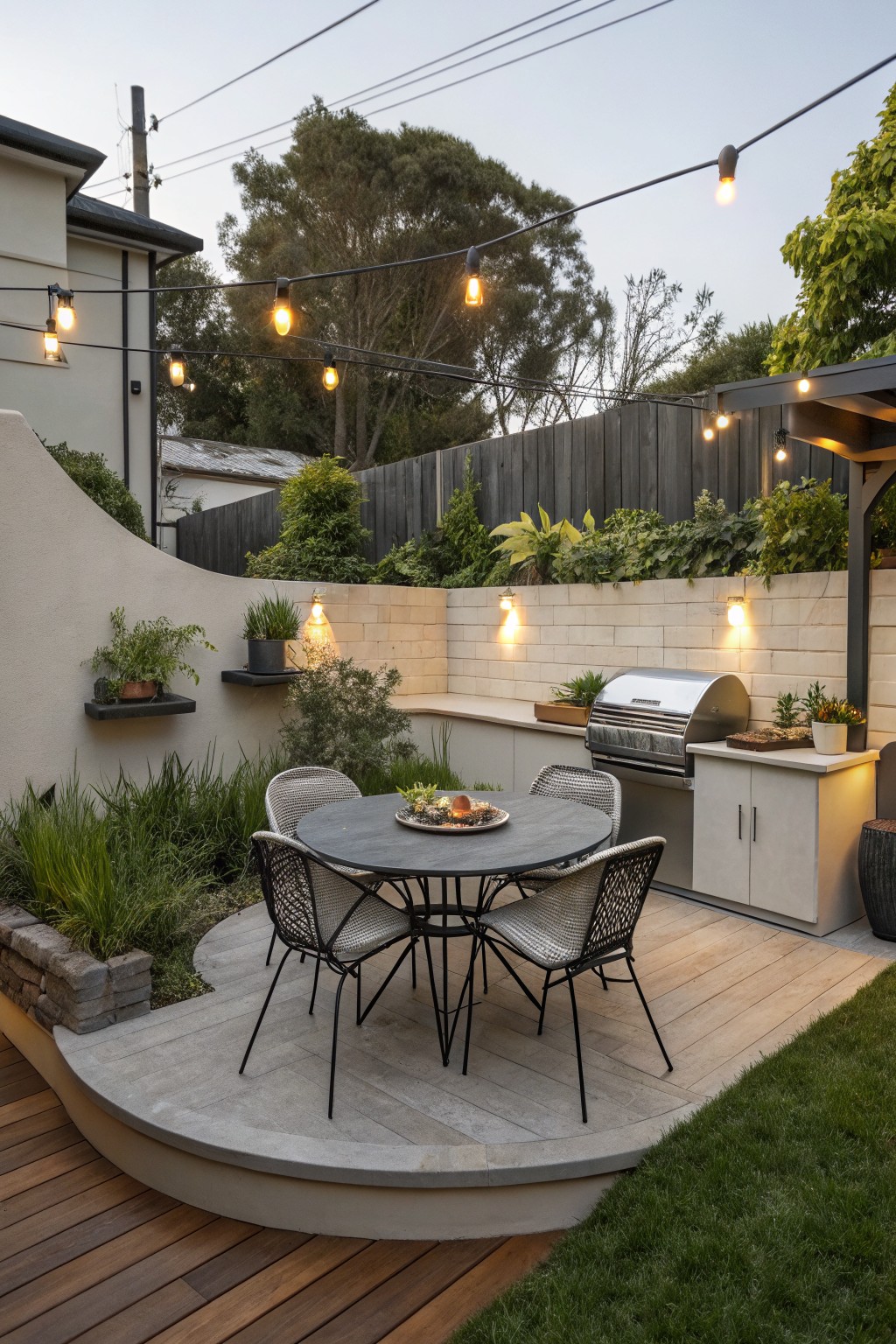
A curved patio base helps set an outdoor dining area apart from the rest of the yard without needing walls or extra structures. It gives the table and chairs their own clear zone while still keeping the space open and easy to move around. Many people like this shape because it feels softer than a square layout and works well even in smaller backyards.
This setup works best on a level patch of ground next to a grill or outdoor kitchen. Keep the curve simple and match the material to your deck or path so it blends in. Just make sure the dining chairs have enough room to pull out without hitting the edge.
Set Up a Long Table for Group Outdoor Meals
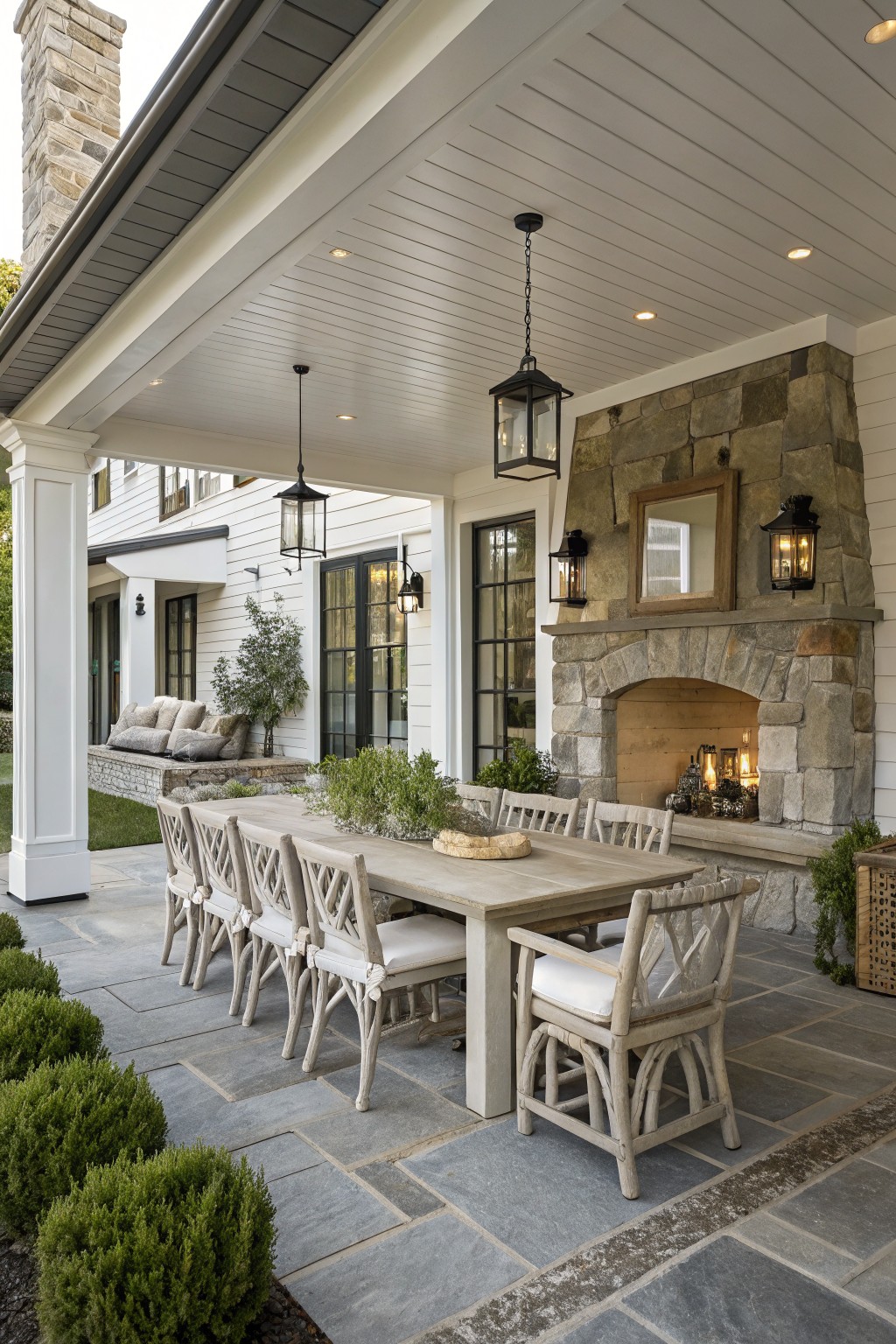
A long table makes outdoor dining feel more practical when you regularly host several people at once. It gives everyone room to sit without crowding and keeps the focus on the meal and conversation.
This approach works well on a covered patio where you can add seating on both sides and place a fireplace at one end for warmth. It suits homes with enough open space and turns the area into a spot for everyday use rather than just occasional events.
Add a Pergola for Shaded Outdoor Dining
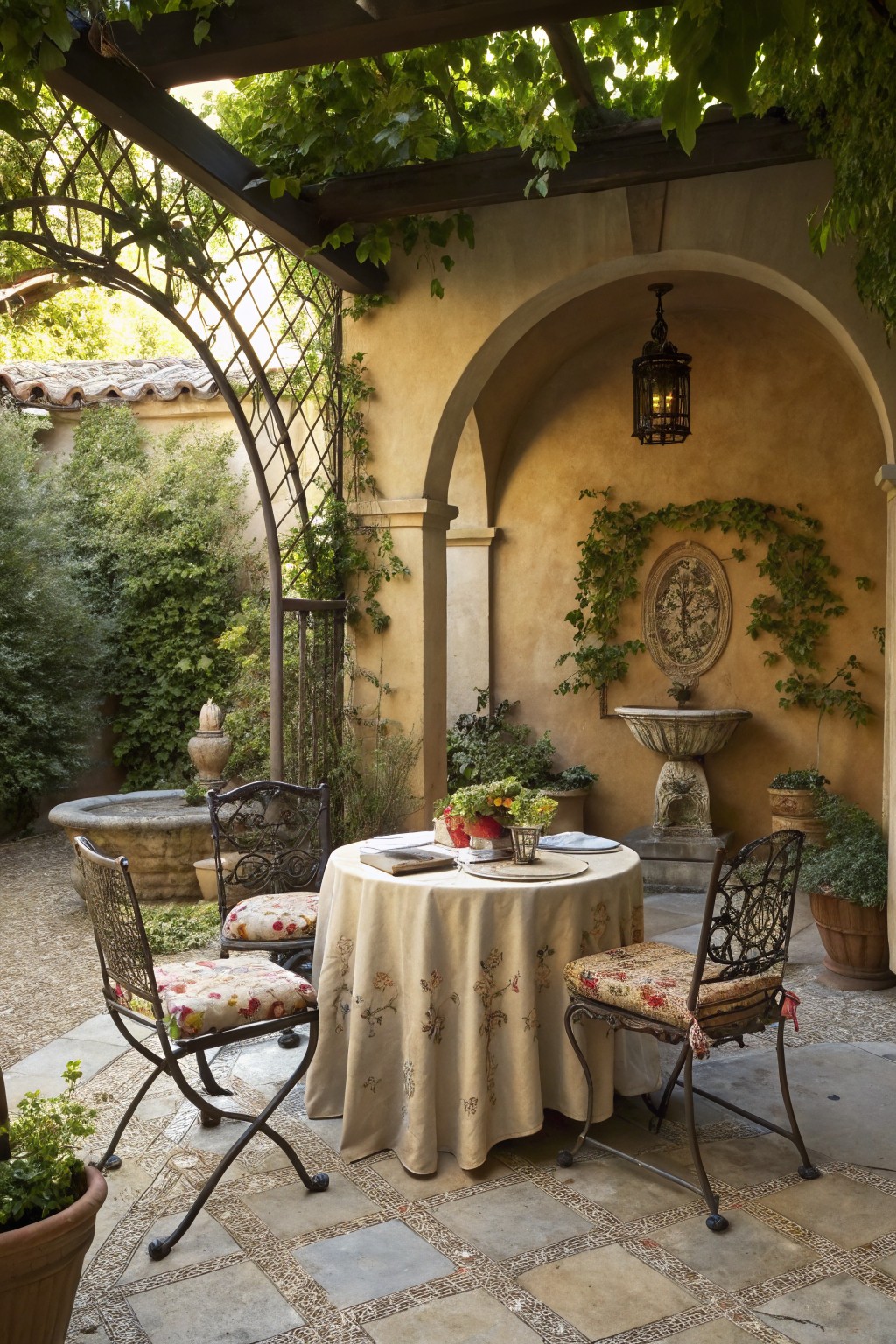
A pergola gives an outdoor table a clear spot to sit without full sun beating down all day. It creates a simple roof that still feels open, which makes meals more comfortable in warm weather and helps define the space without closing it in.
This setup works best on a patio or in a corner where you can attach it to an existing wall or fence. Keep the table size modest so the area stays easy to move around, and let vines grow over the top if you want extra shade as the seasons change.
Frequently Asked Questions
Q: My patio gets full sun every afternoon. What gives some relief without a full cover?
A: String up a simple sail shade between posts or the house. It blocks the worst rays and you can roll it away when you want. Pick a light color so it does not trap heat.
Q: Bugs show up the second we sit down to eat outside. How do I keep them off the food?
A: Set out a few citronella candles around the table edges (they smell nice too). They cut down on mosquitoes without much fuss. Keep a mesh food cover handy too for the plates.
Q: A corner spot feels cramped with a regular dining set. What seating fits better?
A: Try a bench along one wall with a narrow table. It saves space and still seats four comfortably.