Sloped backyards tend to sit unused because the drop makes it tough to place seating or create spots that feel level underfoot.
I have walked through yards where the tilt looked manageable on paper but left no real room for daily use once you tried to add anything practical.
Levels change everything.
Breaking the slope into workable zones often reveals space that was always there but never accessible before.
A few of the simpler terracing ideas seem worth testing first on my own yard to see how they hold up over a full season.
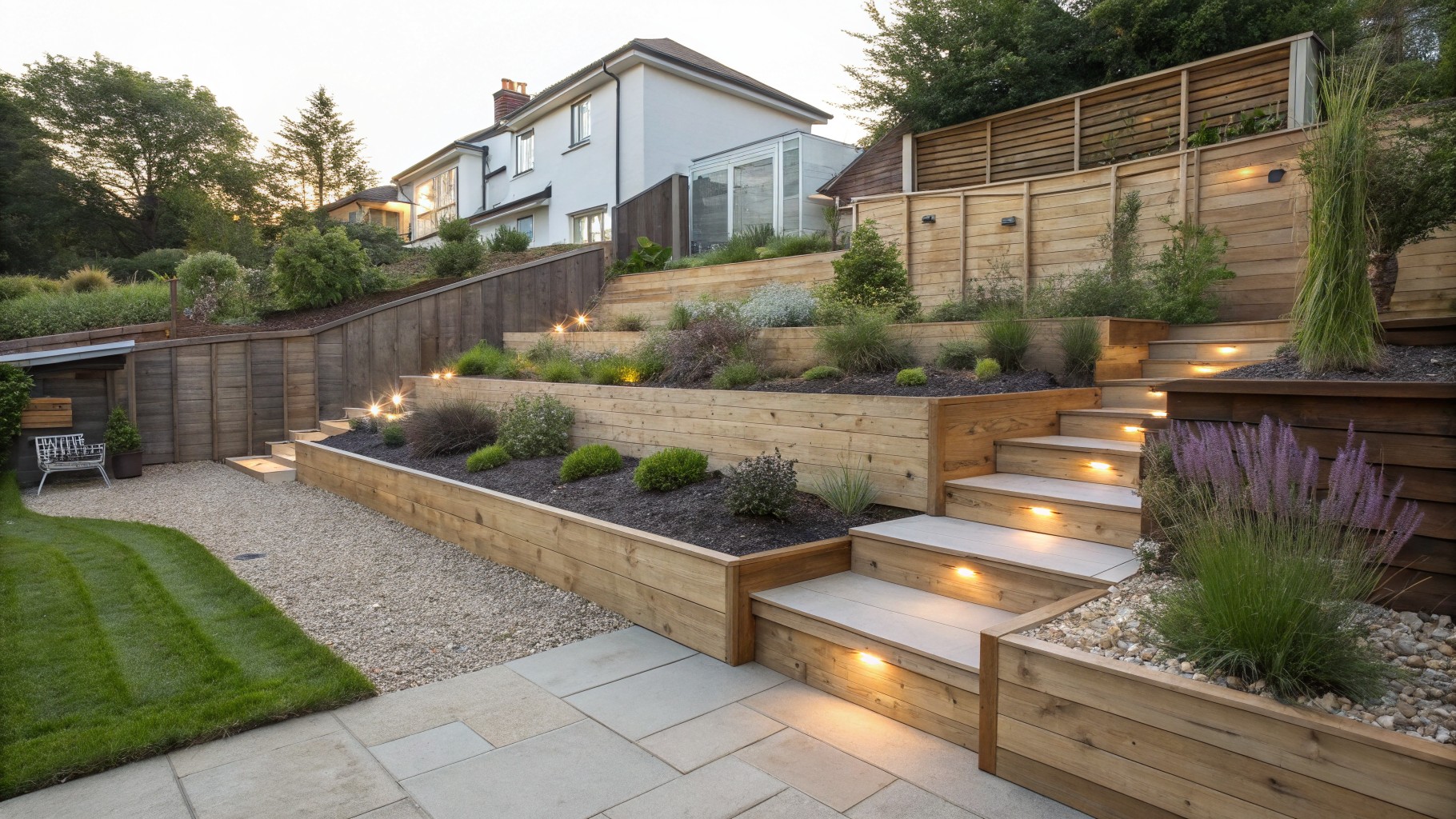
Terrace A Slope With Retaining Walls

Many small sloped yards stay hard to use until you break them into flat zones. Retaining walls made from wood let you stack levels that stay stable and give you room for paths or planting beds.
This setup works best on moderate hills where full grading feels like too much work. Build from the bottom up and keep each wall low enough to feel natural. The result turns a steep drop into something you can actually walk around and enjoy.
Tiered Decking Creates Clear Zones On A Slope

Sloped yards often feel like wasted space because everything slides into one messy area. Adding deck levels at different heights turns the slope into separate spots you can actually use, like one area for seating and another for moving through the yard.
Start with a main platform for lounging and connect it to a lower or higher section with simple steps. This approach works best on small backyards where you need both seating and walking space without everything feeling crammed together.
Use Retaining Walls to Create a Level Patio
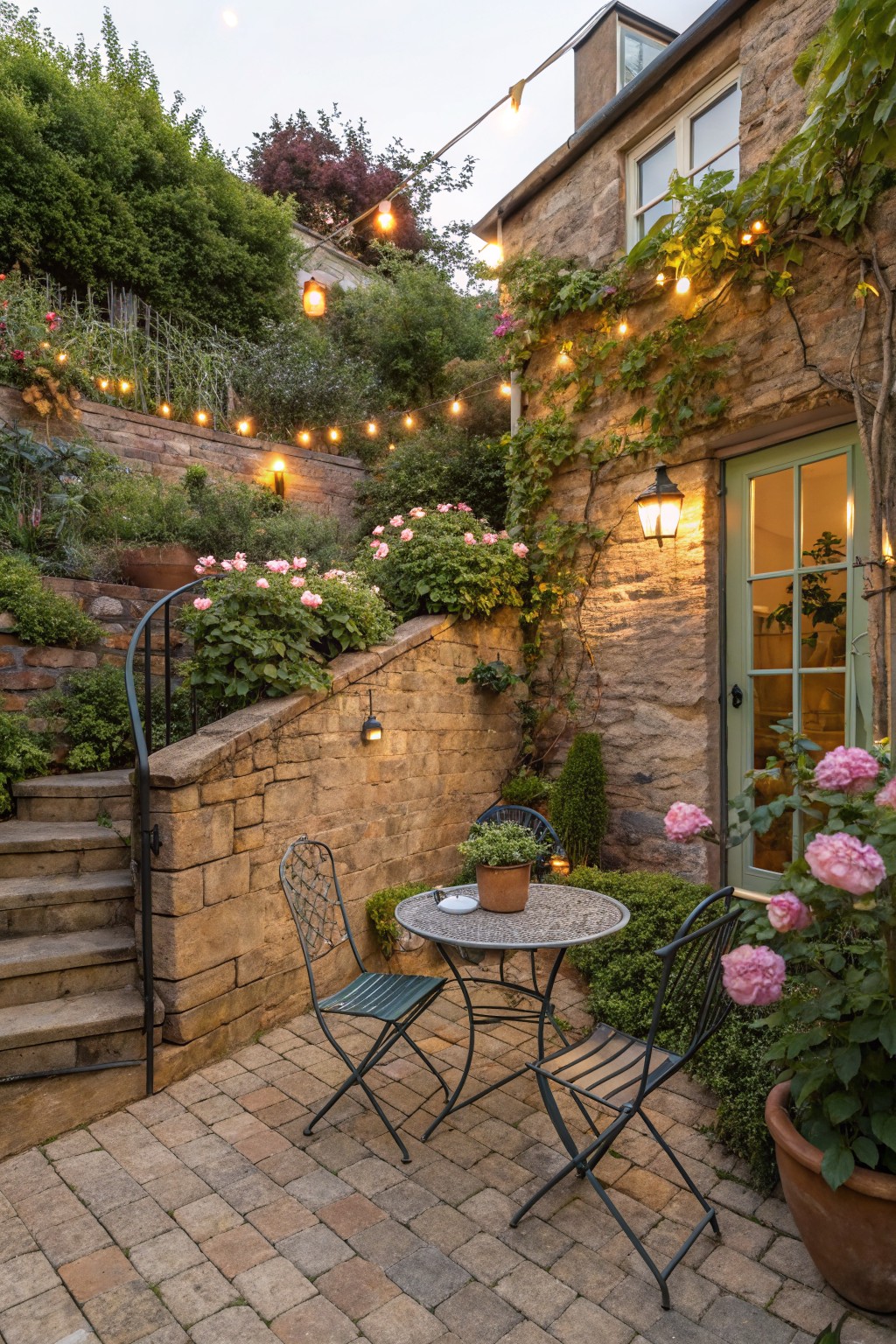
A sloped yard often leaves you with nowhere flat to put furniture. Building a low retaining wall cuts into the hill and gives you a stable patch of ground for seating without fighting the angle the whole time.
This approach works best on modest slopes where you do not need a full terrace system. Keep the wall height modest and match the material to existing steps or paths so the new level feels like part of the original yard rather than an add-on.
Use Steps To Create Multiple Levels In A Small Yard
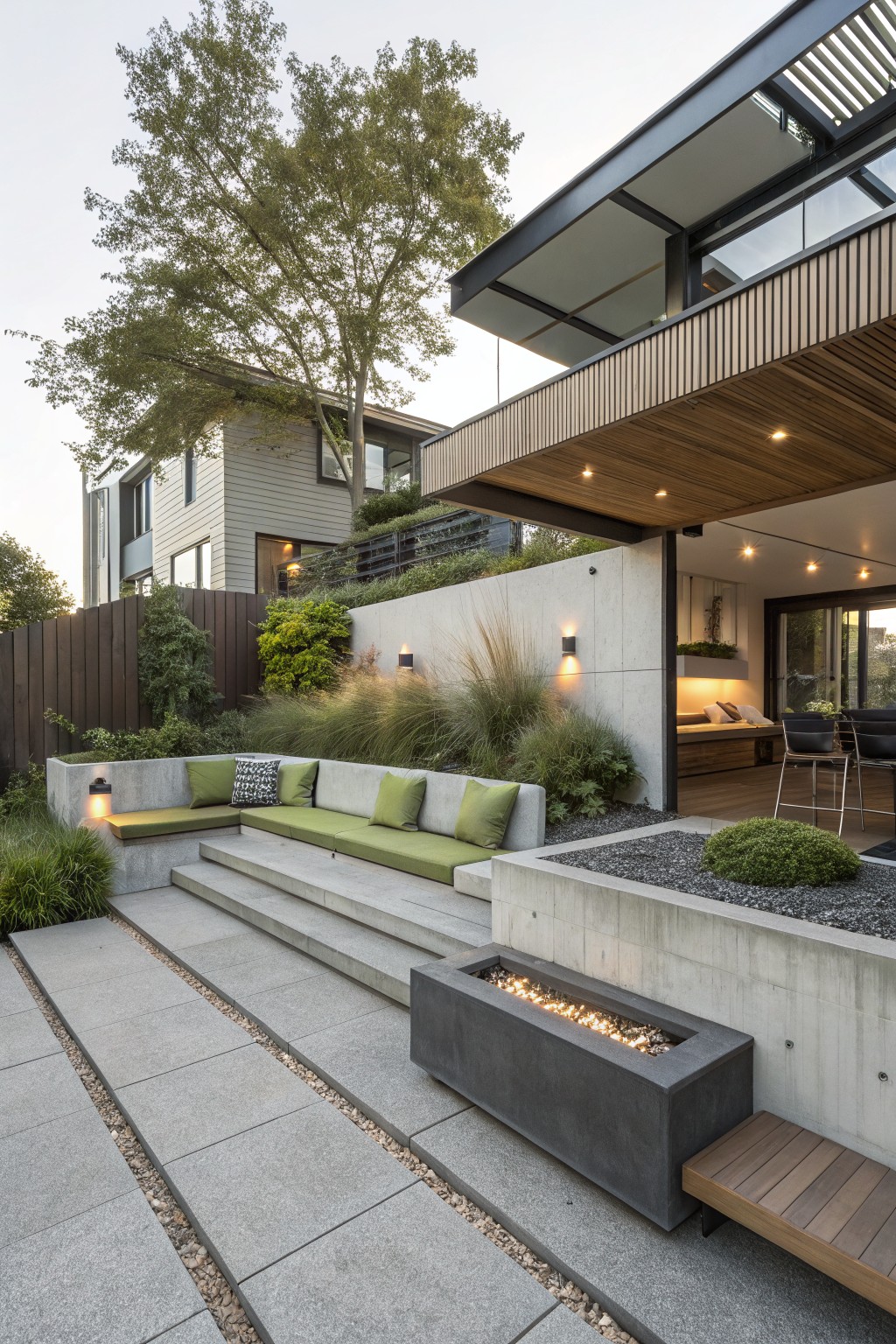
Steps and low retaining walls can turn a sloped backyard into several flat, usable areas instead of one awkward slope. This setup works well because each level can serve a different purpose without needing a huge amount of space. The concrete steps here connect a lower path to a raised seating zone, keeping everything connected but clearly separated.
This approach suits small yards where you want room for both seating and a fire pit without everything feeling crammed together. It works best on gentle to moderate slopes and pairs nicely with simple materials like concrete and wood. Just make sure the steps are wide enough to feel comfortable and that drainage is handled properly so water does not collect on the lower levels.
Stairs Turn a Slope into Separate Outdoor Zones

Stairs do more than just get you from one level to the next. They can split a small sloped yard into clear areas that each feel like their own spot. In this setup the lower patio works for dining and sitting while the upper section holds the fireplace, and the steps themselves act as the divider.
This approach works best on yards that drop more than a few feet. Keep the stairs wide enough for plants along the sides and use simple materials that match the patio so the whole thing feels connected instead of chopped up. Avoid narrow or steep steps if you want the space to feel comfortable for regular use.
Use Stone Steps To Manage A Sloped Yard
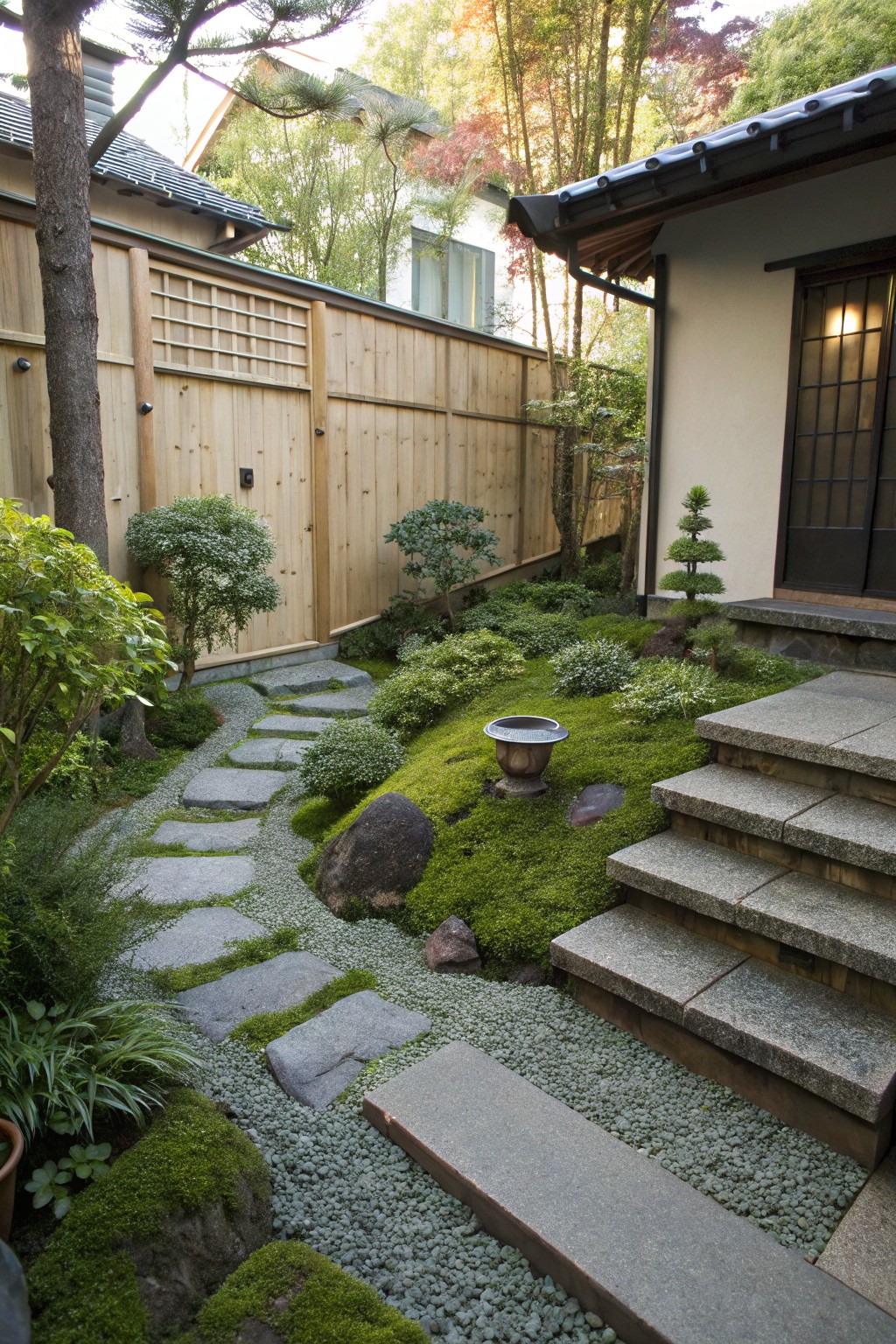
Stone steps make a big difference on a small slope because they turn an awkward hill into something you can walk across without slipping or struggling. They also help break the space into smaller zones so the yard feels more usable instead of just tilted ground.
Try placing the steps where people naturally want to move between levels, such as from a higher planting area down toward the house or a lower path. This approach works best on modest slopes where you do not want to bring in heavy machinery or lose too much planting space.
Incorporate Built-In Seating Into Decking

Built-in seating saves space and keeps the layout clean in a small sloped yard. Instead of adding separate chairs that crowd the area, the bench becomes part of the deck itself and turns the edge into a usable spot for sitting without losing floor room.
This approach works best when the yard drops or rises and you need flat zones for gathering. It suits homes where the outdoor space is tight and you want low-maintenance seating that stays in place through the seasons. Just make sure the bench height matches how people actually sit so it stays comfortable.
Use Retaining Walls to Create Flat Levels on a Slope
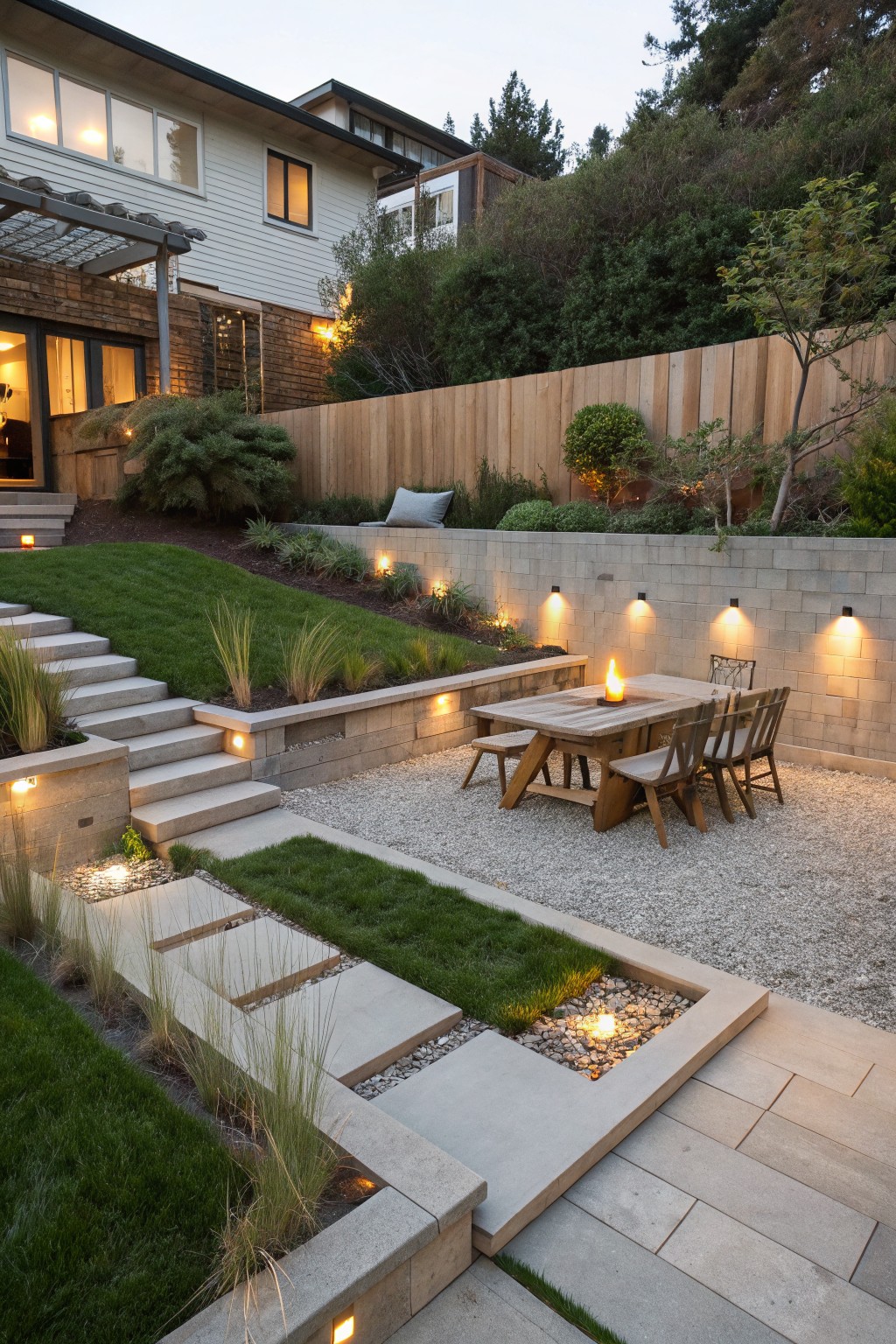
Retaining walls make a big difference on a sloped backyard because they turn awkward ground into separate flat zones. You can keep one level for grass and planting while another holds a gravel surface for seating. This approach stops the whole yard from feeling like one steep run and gives you places that actually work for sitting or walking.
It works especially well in smaller yards where every flat spot counts. Place the walls to follow the natural grade instead of fighting it, and keep the materials simple so the levels feel connected. Watch the height of each wall so it stays easy to maintain and does not block light from the house.
Create Usable Levels With Stairs And Retaining Walls

A sloped backyard often feels cramped until you add stairs and retaining walls to break it into flat zones. The steps make it easy to move between levels while the walls hold back the soil and give you room for planting beds right where you need them.
This setup suits narrow yards best because it turns wasted slope into actual living space. Wooden walls keep the look simple and let you tuck in low lights along the stairs so the whole area stays practical after dark.
Terrace the Slope with Raised Beds
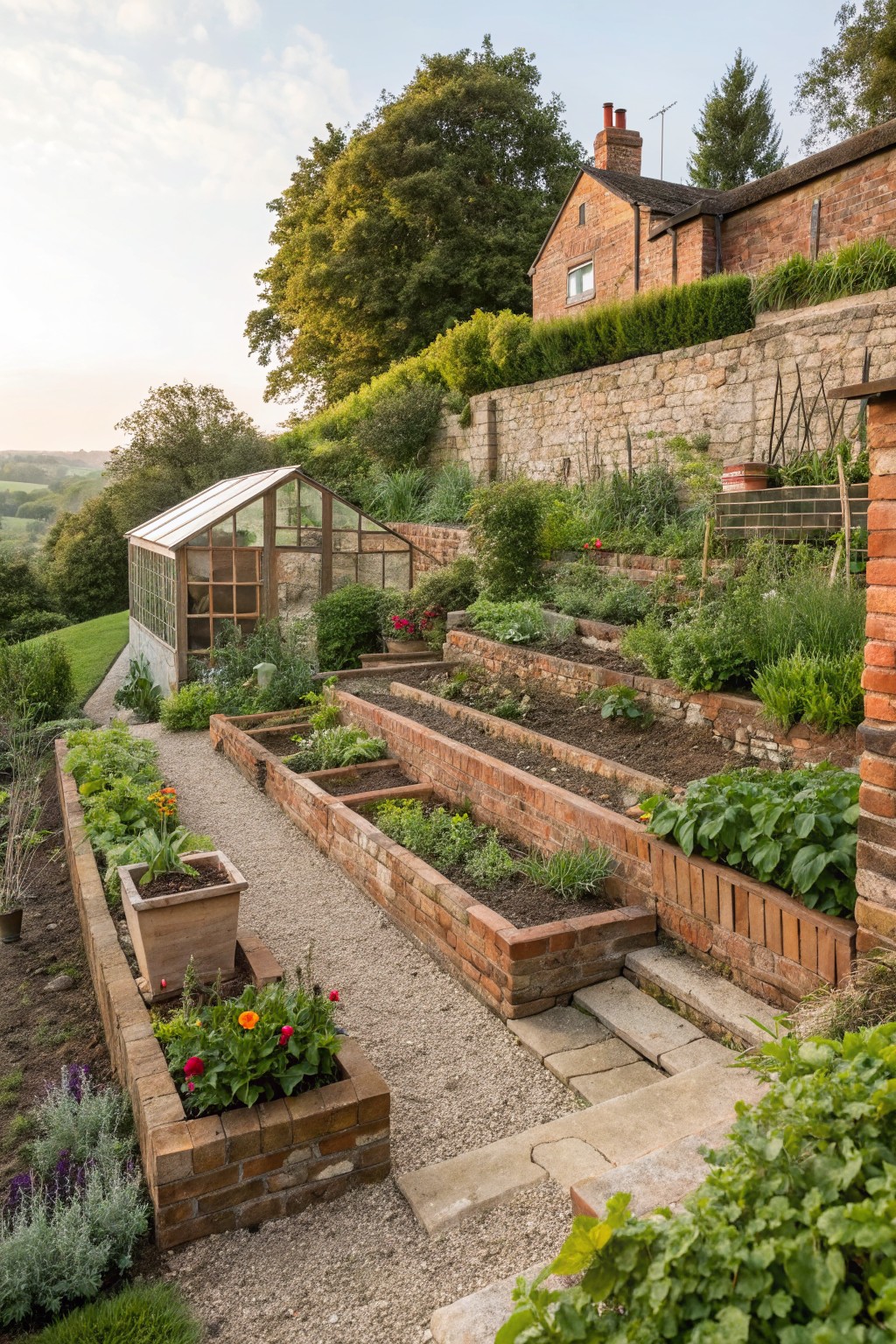
A sloped backyard often feels like wasted space because the ground is hard to plant or walk on. Turning the slope into stepped beds solves that by creating flat, workable areas that stay in place year after year. Brick edging holds the soil and gives each level a clean edge without needing a lot of extra structure.
This approach suits small yards best because it adds planting room without spreading out too far. Start at the top and work down so each bed sits level, and keep the paths between them wide enough to reach everything easily. The greenhouse in the photo shows how the same idea can include a sheltered spot for starting plants.
Terracing Turns a Slope Into Usable Space

Terracing works well on small sloped backyards because it breaks the hill into flat spots you can actually use. The steps between levels also help guide movement from one area to the next without making the whole yard feel like one steep drop.
This approach suits homes where the yard falls away from the house. Keep the terraces simple and connect them with wide steps so each level can serve a different purpose like seating or dining.
Terracing A Slope To Create Usable Levels

Terracing works well on a small sloped backyard because it turns one awkward incline into several flat, usable spots. Stairs combined with a raised planter box help separate the space so one level can handle play while another stays open for seating or just moving around.
This approach suits homes where the yard drops off quickly and you need to keep things practical without losing much ground. Focus on sturdy materials for the steps and planters so the levels stay solid over time and the different zones remain easy to reach.
Terrace The Slope To Form Separate Zones

Terracing works well on a small sloped backyard because it turns an awkward incline into flat, usable spaces. Each level can serve a different purpose, such as a lower patio for a fire pit and an upper deck for dining, so the yard feels bigger and more organized.
This approach suits homes where the slope runs right up to the house. Wide steps with built-in lighting help connect the levels and keep the space practical at night. Just watch the height of each retaining wall so the changes do not feel too steep or cramped.
Build Raised Decking To Create Usable Levels On A Slope

A sloped backyard often leaves you with awkward angles and wasted space. Building a deck at one main height, then stepping it up or down for the pool and seating, turns the whole area into something you can actually walk on and enjoy.
This approach suits smaller yards where you cannot expand outward. Keep the decking wide enough for furniture and circulation, and tie the lower level into any existing stairs so the slope feels handled rather than hidden.
Stone Steps Turn a Slope Into Separate Zones
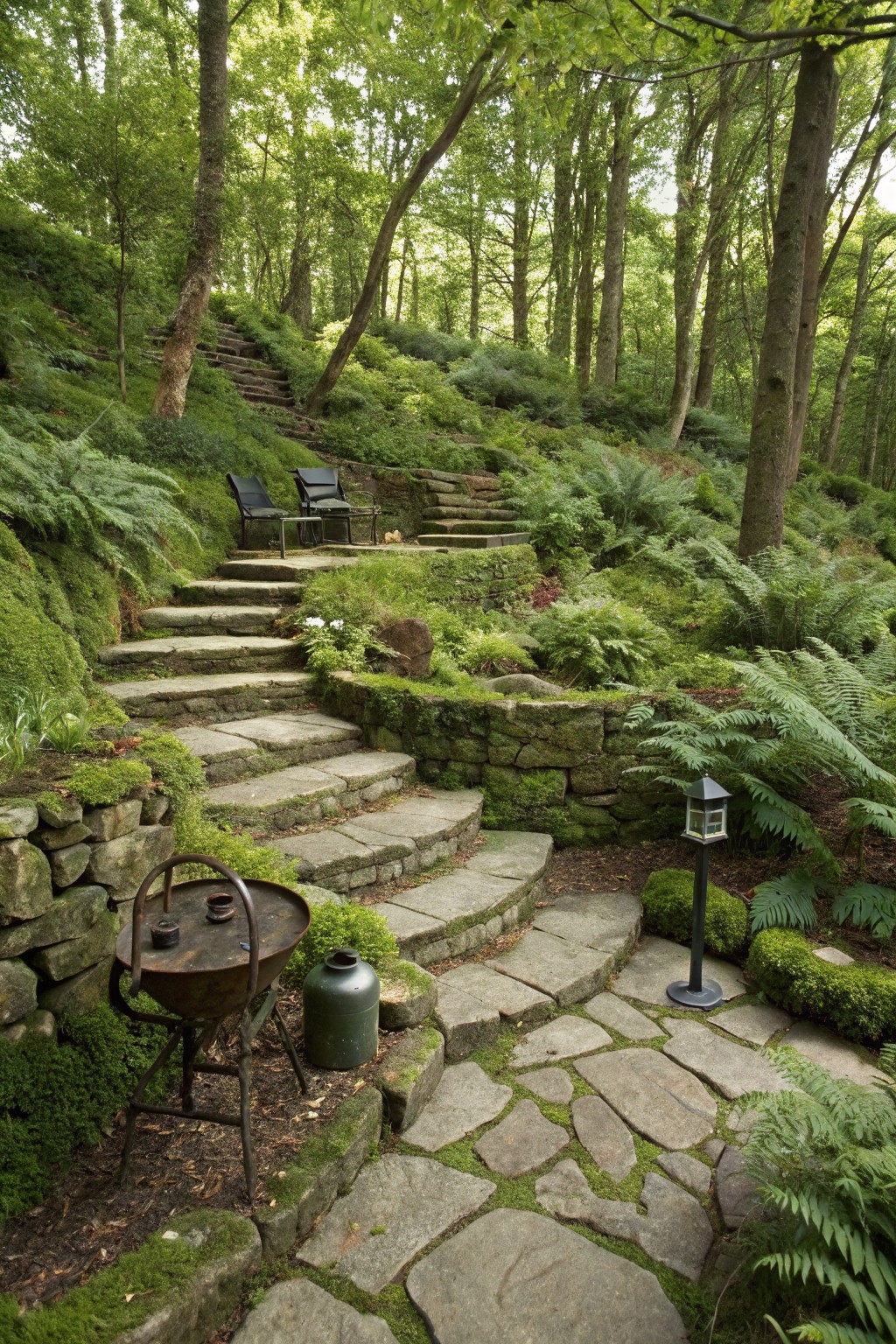
Stone steps work well on a sloped backyard because they break the hill into smaller, walkable sections instead of leaving one steep drop. They also mark clear transitions between different areas, so you can have a seating spot on one level and a path or garden bed on the next without everything feeling jumbled.
This approach works best on yards that already have some natural grade changes. Keep the steps fairly wide and use the same stone for connecting paths so the whole layout feels like one plan rather than separate patches.
Terrace the Slope with Retaining Walls

Retaining walls turn a steep backyard into something you can actually use. They hold back the hill and create flat spots where you can set up tables, chairs, and a place to gather without everything sliding away. Stone works especially well because it blends into the landscape and lasts.
This approach suits homes on hills where the yard drops away quickly. Start with one main level near the house for dining or seating, then add a lower or higher zone if space allows. Keep the walls low enough to feel natural and make sure drainage is handled so water does not pool behind them.
Create Usable Levels with Deck Steps and Platforms
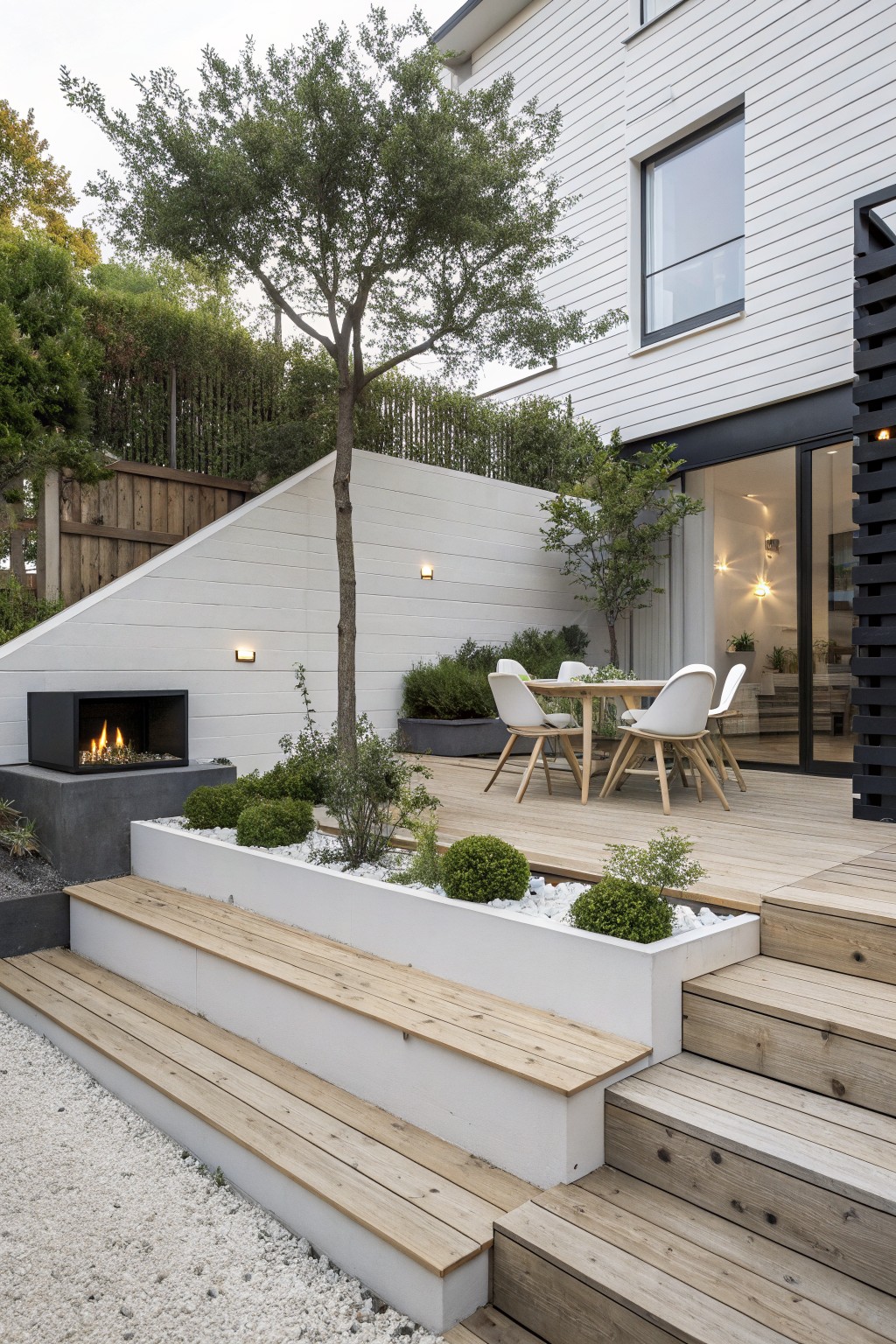
A sloped backyard often feels wasted until you add decking and steps that turn the drop into flat zones. The wood platforms give you solid places to sit and eat without fighting the hill, and the built-in steps make it easy to move between them.
This approach works well on small yards where every level needs a purpose. Keep the decking simple and let the steps double as extra seating if space is tight. It suits homes with a gentle slope more than steep drops, where you might need more support underneath.
Terrace The Slope With Raised Beds
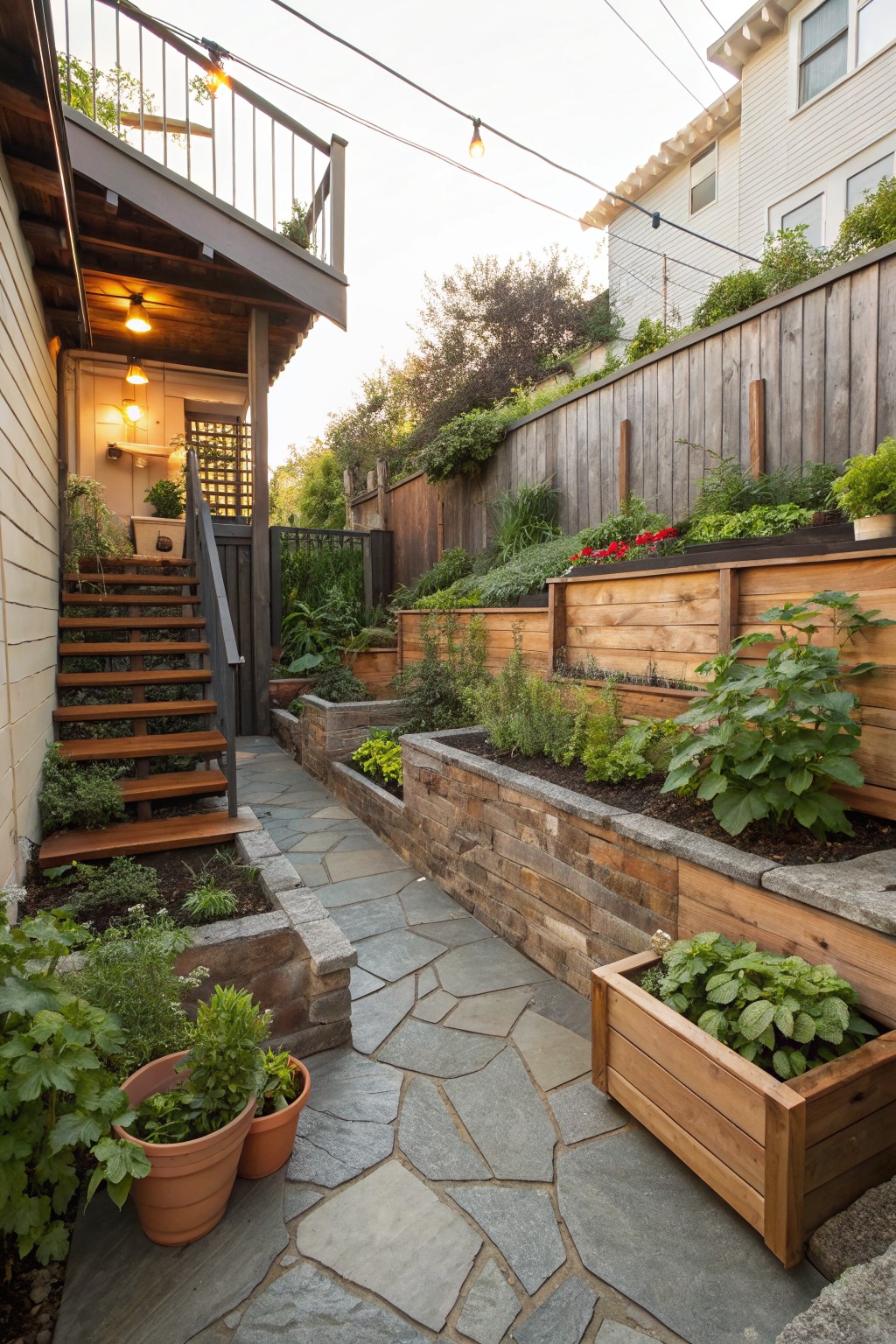
One simple way to make a small sloped backyard feel more usable is to terrace it with raised beds. The beds hold back the soil and turn the incline into a series of flat planting zones that are easier to maintain and walk around. This approach also adds structure without needing a big redesign.
It works well in narrow side yards or backyards where the drop is too steep for regular lawn or planting. Keep the path between levels wide enough to move through comfortably and use materials that match the house so everything feels connected. Check local codes for wall height before you build.
Build Steps to Divide a Sloped Yard Into Levels
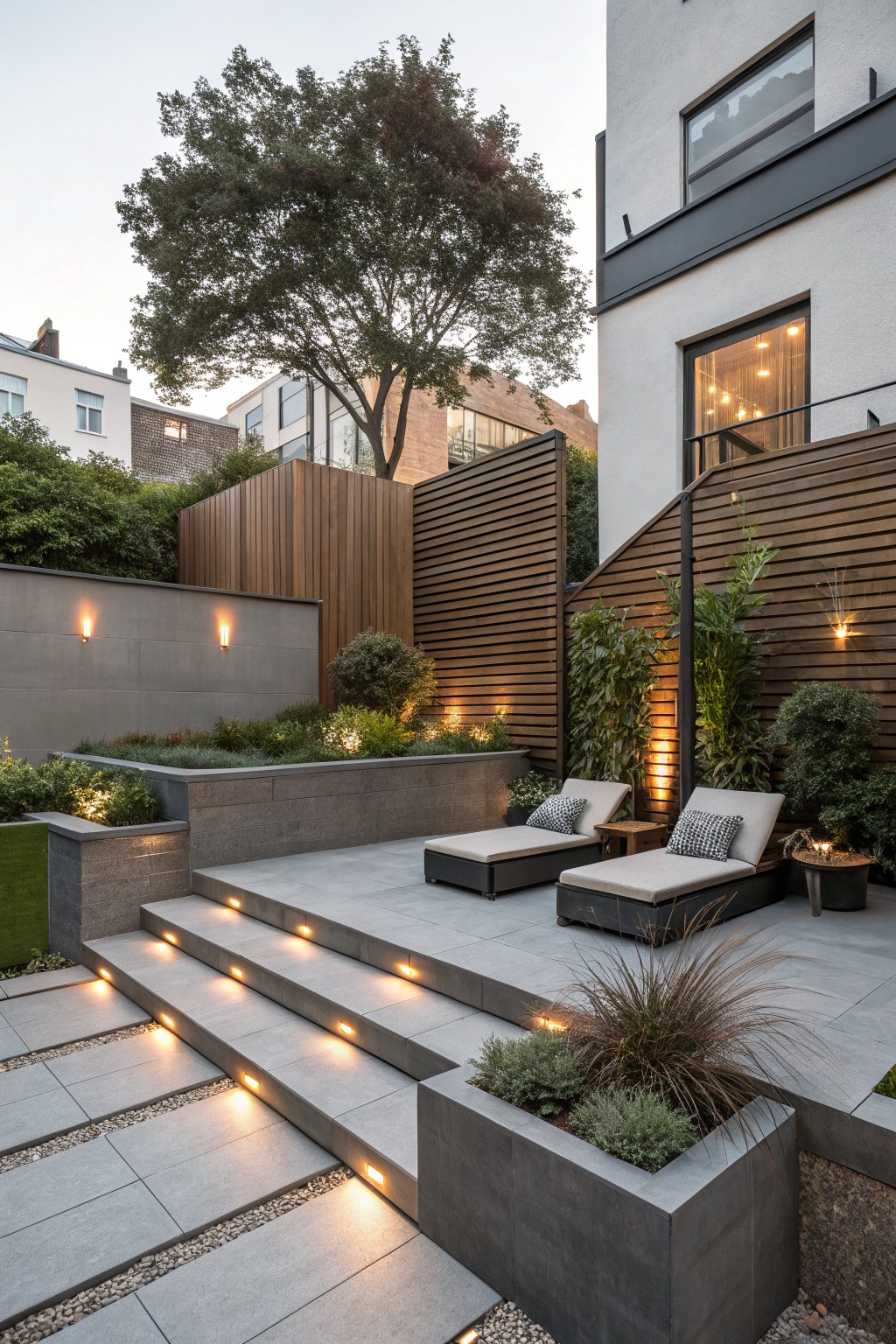
Steps are one of the simplest ways to handle a slope without losing the whole backyard to a steep drop. They let you split the space into smaller, flatter zones so each area feels more usable on its own.
In a small yard this works especially well because the steps double as both a path and a divider. Place seating or planting on the different levels so the space does not feel like one long hill. Keep the steps wide enough for furniture and add low lighting if you want to use the area after dark.
Build Multi Level Decking To Handle The Slope
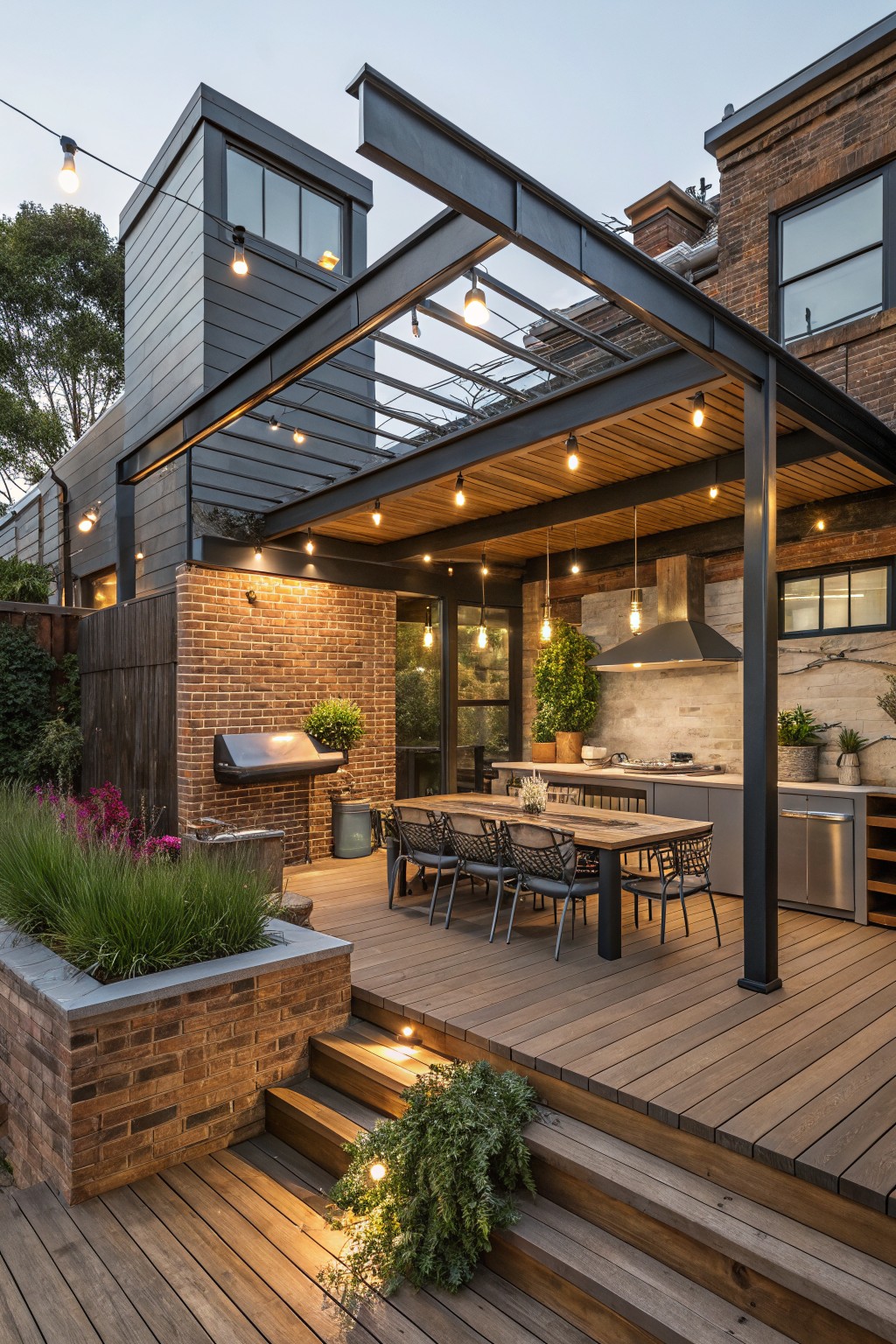
A simple way to deal with a small sloped backyard is to create flat deck platforms at different heights. This turns the drop into separate zones instead of leaving one awkward slanted space.
You can connect the levels with wide steps and place the outdoor kitchen on the lower section so the main deck stays open for dining. It suits homes where the yard falls away from the back of the house and keeps the whole area feeling connected without heavy retaining walls.
Build a Small Structure on a Raised Deck

A small outbuilding set on its own deck can turn a sloped backyard into something more usable. Instead of fighting the slope across the whole yard, you can create one flat, defined area that feels separate from the rest. The deck gives you a solid floor while the structure itself adds walls and a bit of shelter.
This works well in narrow or uneven yards where you need one clear spot for seating or storage. Keep the deck simple and match the structure to the main house so it does not feel like an afterthought. Watch the height of the deck so it does not block views or create awkward steps down to the rest of the garden.
Use Decking To Form Multiple Levels In A Sloped Yard

Adding decking that steps down in sections turns a tricky slope into two or three clear zones. The wood platforms give flat space for walking and sitting while the change in height keeps the whole area from feeling cramped or uneven.
This setup works best in narrow backyards where a single flat patio would leave wasted corners. Keep the lower level for seating and let the upper deck lead toward the house so traffic moves naturally between them.
Layer Deck Levels To Zone A Sloped Yard

Building a few simple deck levels can turn a tricky slope into separate spots that actually work. The steps and platforms create clear zones without needing a full regrade, so you get places to sit, eat, or gather that feel intentional instead of cramped.
This approach fits homes where the yard drops away from the house and you want both seating and a little elevation change. Keep the materials consistent and the steps wide enough to double as extra seating if space gets tight.
Frequently Asked Questions
Q: Where do I start when picking spots for different zones on my slope?
A: Walk the yard at different times of day and note where you naturally stop to rest. Those spots usually work well for seating or a small table. Build from there with the easiest level changes first.
Q: What if my slope runs straight toward the house?
A: Add a low barrier or planted strip across the top edge to slow water flow. Then shape the zones below it so rain moves around the sides instead. This keeps everything drier without major digging.
Q: How can I link the levels if I skip big stairs?
A: Run a simple gravel path that zigzags gently across the slope. It takes up little room and feels like part of the garden rather than an add-on.