I have found that small backyards often stay empty because the layout ignores how people actually move through the space or pause for a few minutes at the end of the day.
Gravel underfoot creates a surface that feels settled without constant upkeep, and it pairs well with planters that can shift as the seasons change.
Simple seating placed near those planters gives the area a purpose that goes beyond just looking neat from the window.
That balance turns the yard into something usable.
I would test a basic seating spot first in my own space to see how the rest of the layout falls into place.
Gravel Patio With Large Planters
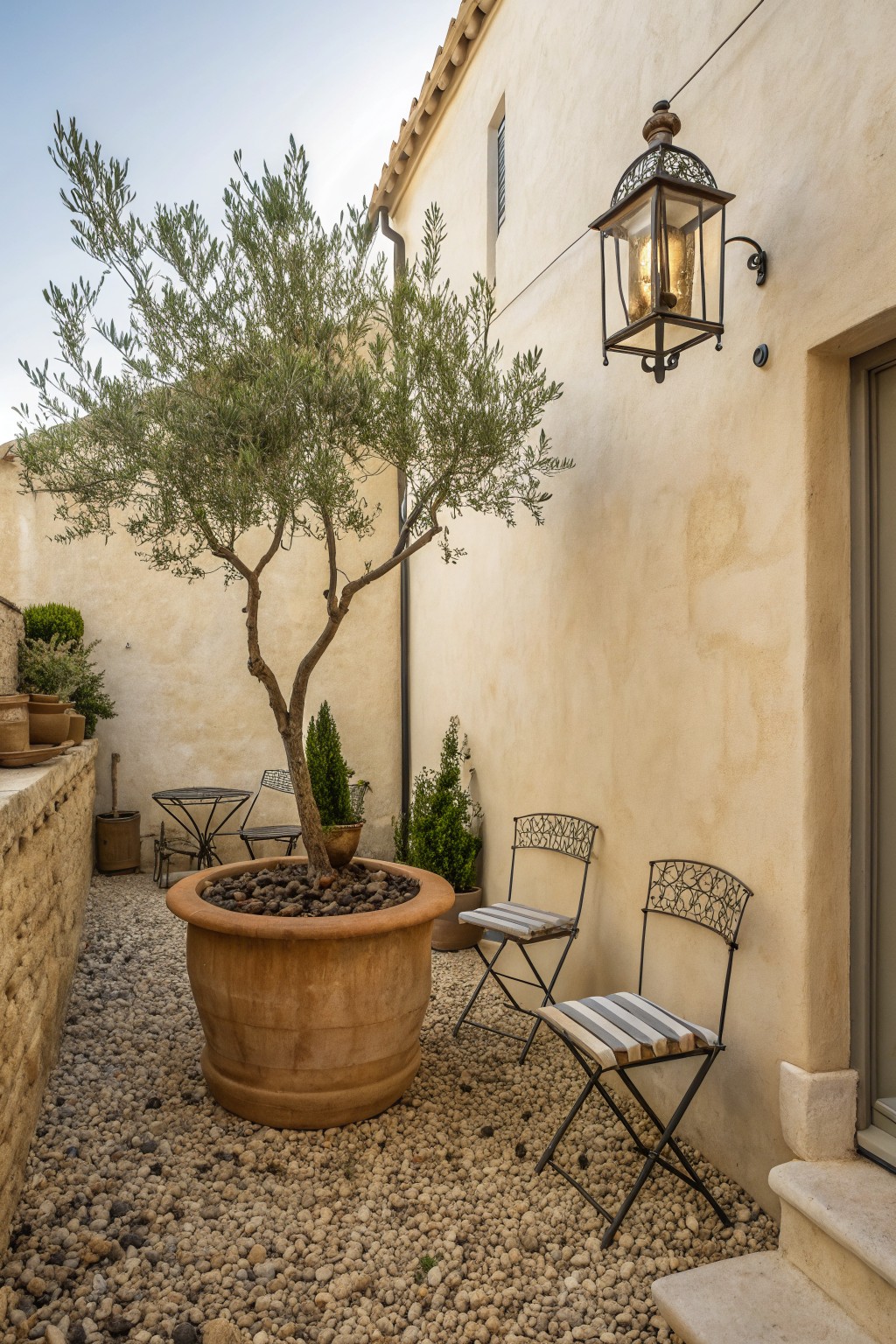
Gravel makes a good base for small outdoor spaces because it drains well and stays low maintenance over time. Adding one or two oversized planters gives you height and greenery without the work of building raised beds or laying permanent paving.
This approach works best in narrow side yards or small back corners where you want a simple spot to sit. Stick with basic folding chairs so the area can be cleared quickly when needed.
Gravel Paths With Stepping Stones
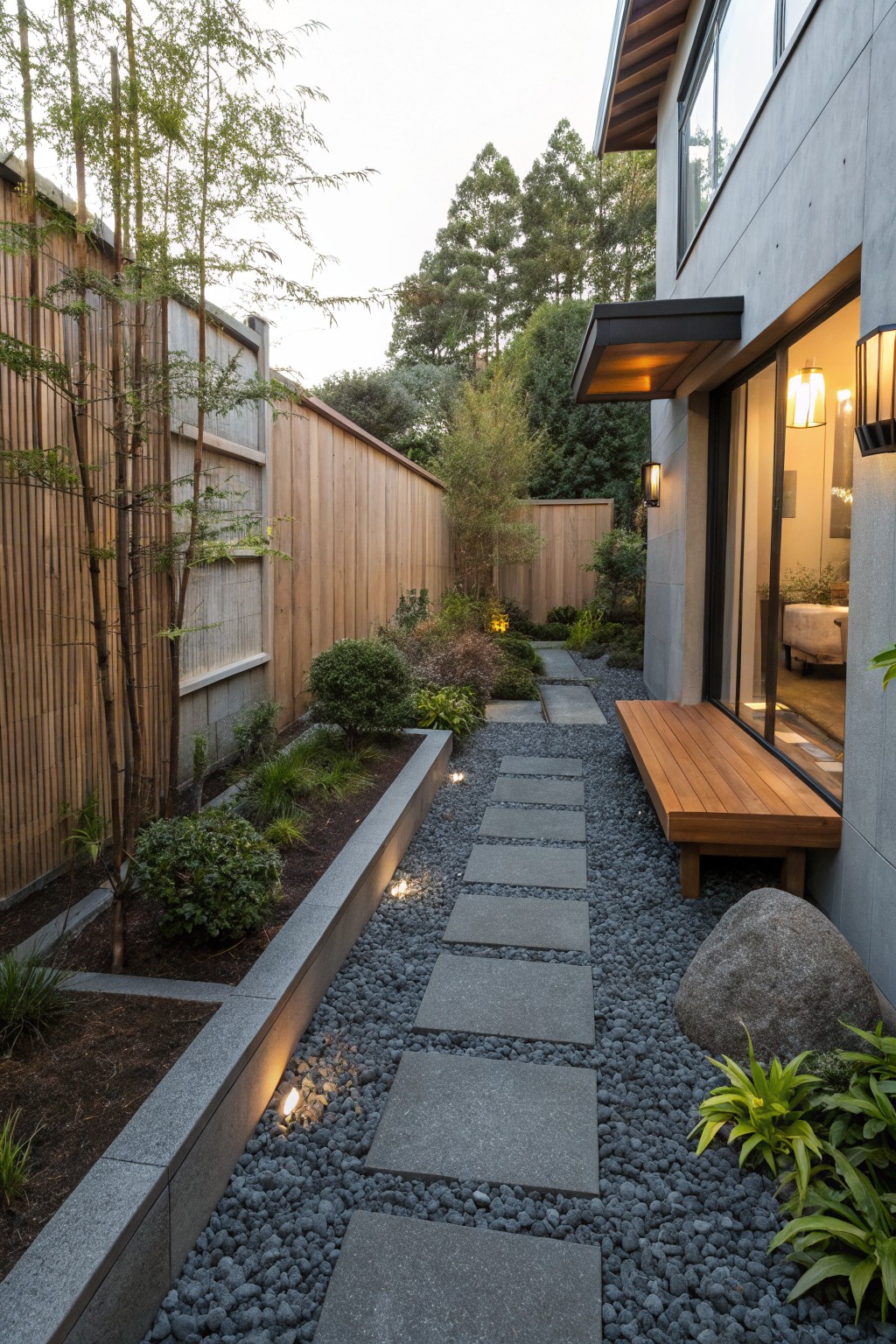
A gravel path with stepping stones is one of the simplest ways to handle a narrow side yard. It keeps the ground covered without needing much paving, and the stones give you a clear walking surface that stays dry and easy to follow.
This setup works best in tight spaces where you want to connect the front to the back or create a quiet walkway. Keep the gravel layer thin, add a few larger pavers for steps, and place a basic bench along one side if there is room. The plants can stay low so the path still feels open.
Try a Daybed on Gravel for Simple Seating
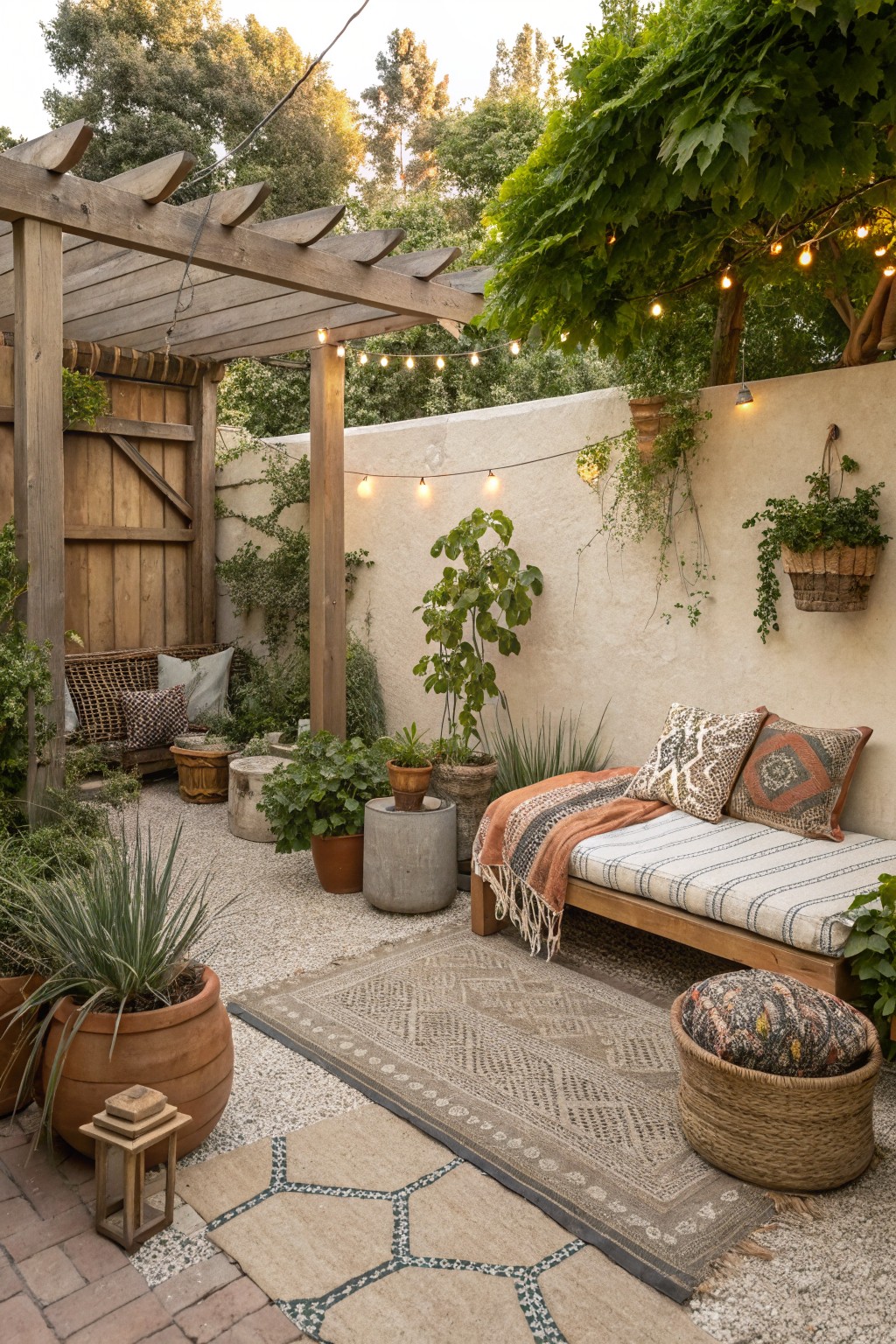
A daybed gives you one solid piece of furniture that handles both sitting and lounging, which keeps things easy in a small yard. Gravel underneath makes the surface level and drains well without much work.
Set the daybed against a wall or under a basic pergola, then add a few large planters around the edges. This layout works best in compact spaces where you want seating without crowding the ground with pavers or decking.
Gravel Paths Around An Outdoor Bar
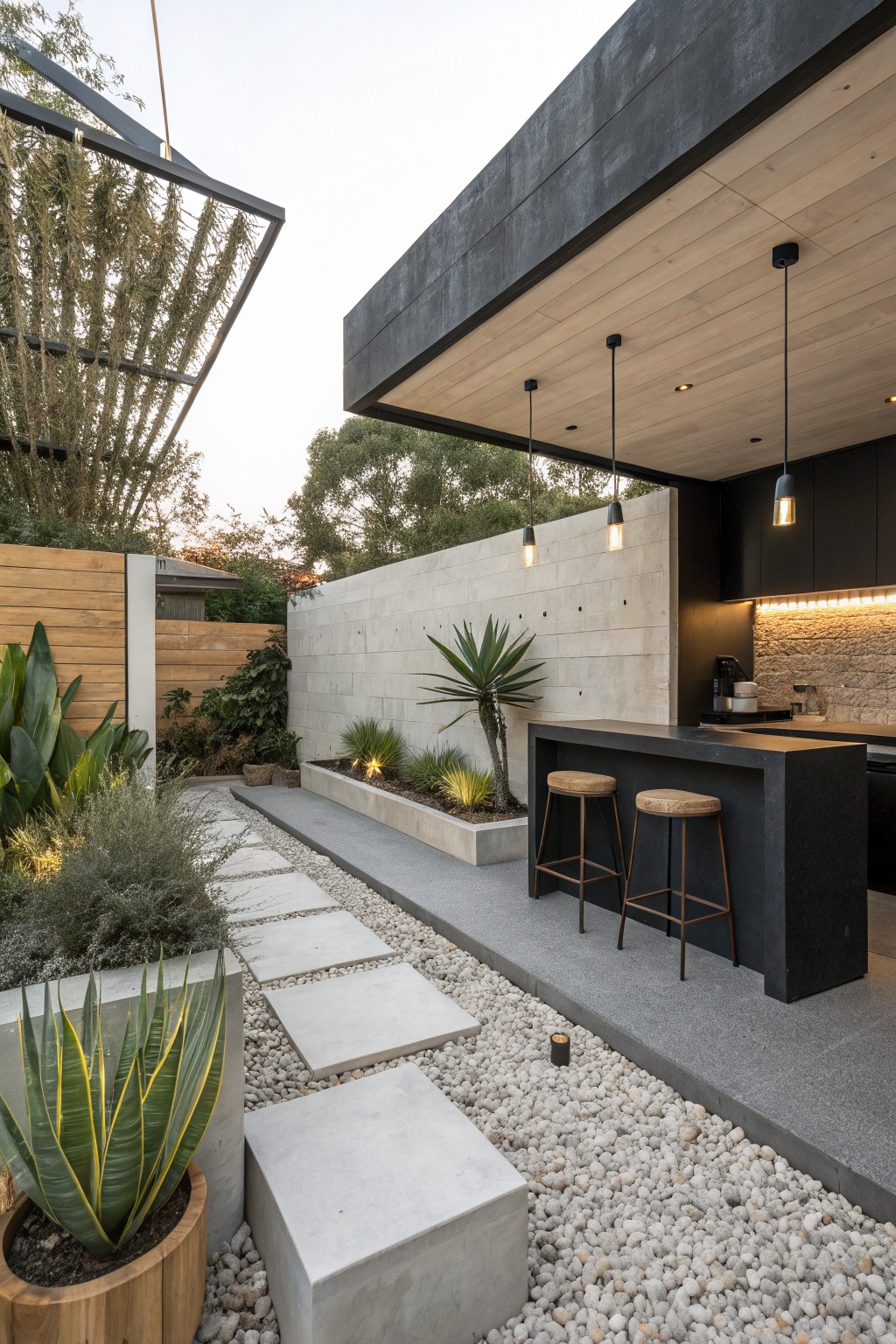
Gravel works well as a base when you want to add an outdoor bar without pouring a full patio. It drains easily after rain and keeps the cost down compared to concrete or decking. The stepping stones make it simple to walk through without tracking gravel everywhere.
This approach suits small backyards where you need a clear path but do not want high maintenance. Add a few large planters along the sides to break up the gravel and give the space some softness. The bar and stools stay usable year round with very little upkeep.
Gravel With Planters And A Simple Bench
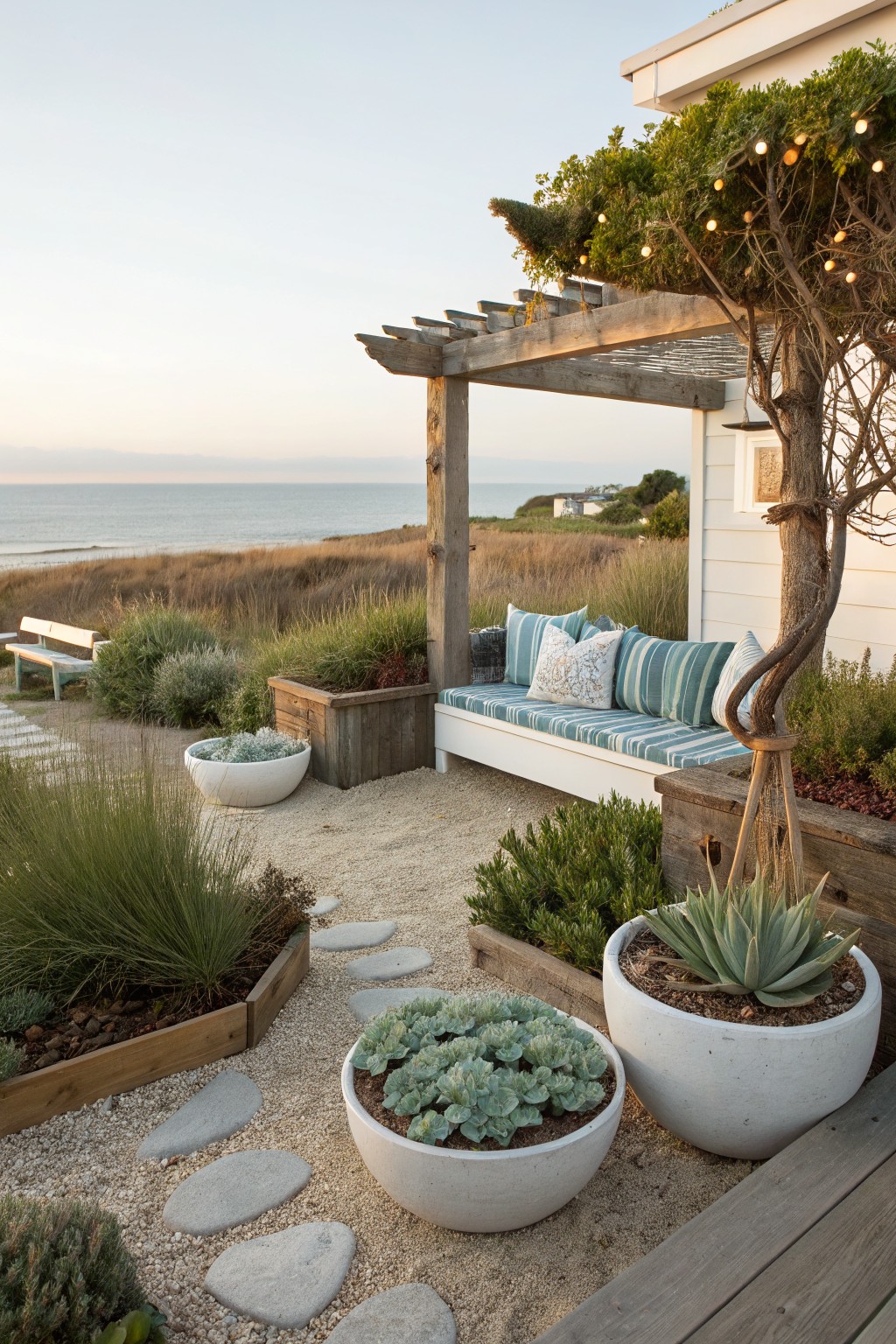
Gravel works well as a low cost base for a small seating spot because it drains easily and needs little upkeep. Placing several planters of different sizes around the edges helps define the area without building walls or adding much structure.
This setup suits a side yard or corner of a backyard where you want a place to sit without spending a lot. Keep the bench plain and use lightweight pots so you can move things around if needed.
Built In Bench Seating Along The Fence
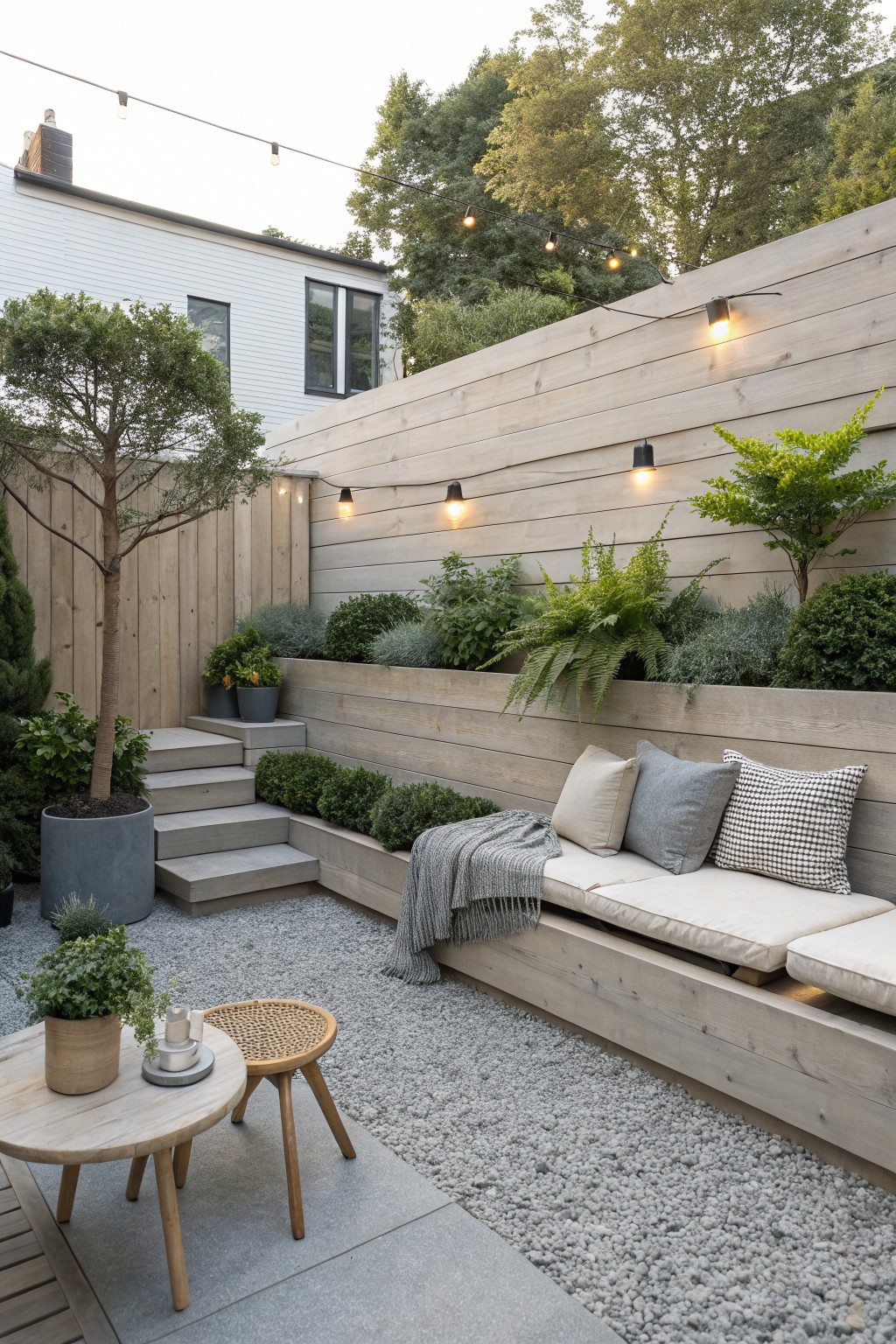
A built in bench along the back or side fence gives you seating without adding extra furniture that eats up space. It works especially well in small yards where every foot counts and you want room to move around.
This approach pairs easily with gravel underfoot and a few simple planters. It suits homes with plain fencing and limited square footage, and it stays affordable since you can build it from basic lumber. Keep the bench height comfortable and leave enough open ground in front so the area does not feel closed in.
Gravel And Planter Boxes For Easy Outdoor Seating
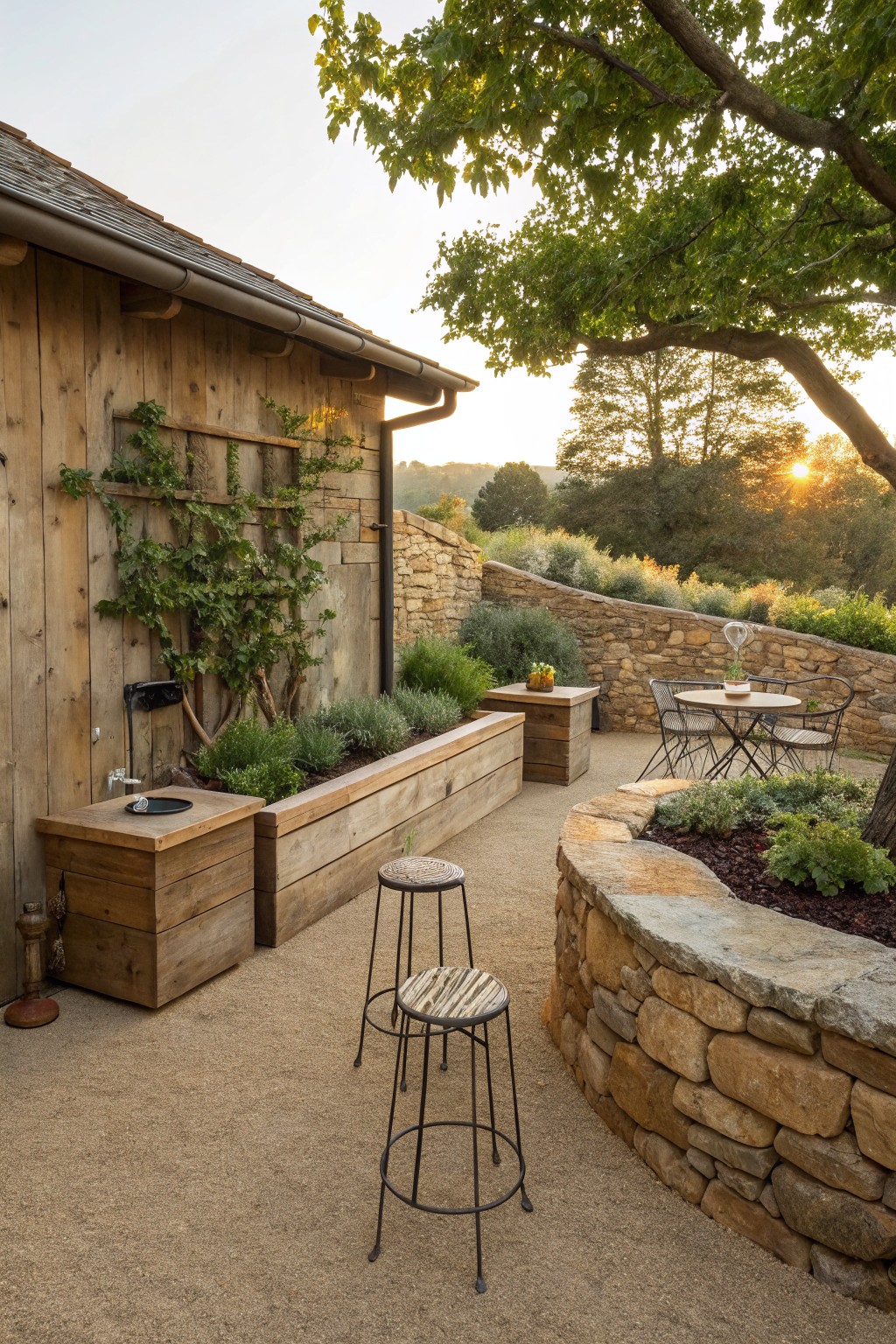
Gravel makes a simple base for small backyard spots because it drains well and needs little upkeep. Raised wooden planters add structure without taking up much room and help separate the seating area from the rest of the yard.
Place a few basic metal stools near the planters so people can sit and talk without needing a full table setup. This works best on flat ground near the house where you want something quick to install and easy to change later.
Gravel Beds With Raised Planters
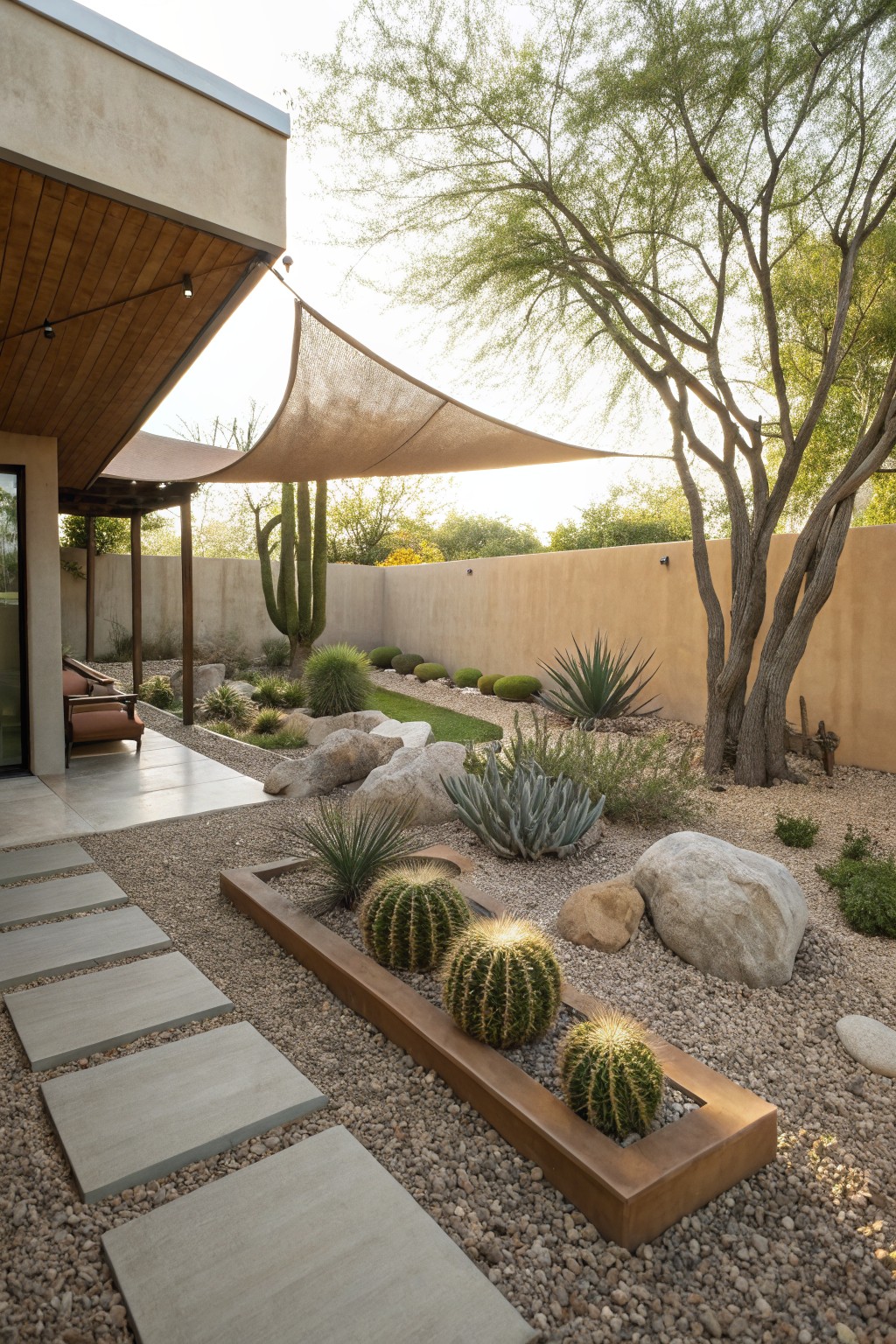
Gravel makes a solid base for small backyards because it drains well and cuts down on weeding and watering. Raised planters keep plants grouped and easy to reach, so you can add cacti or succulents without spreading them across the whole yard.
This setup works best in dry climates on flat lots. Lay landscape fabric first, keep the gravel layer thin, and choose simple wood or concrete planters that match the house so the space stays low cost and low fuss.
Gravel With Simple Wood Seating
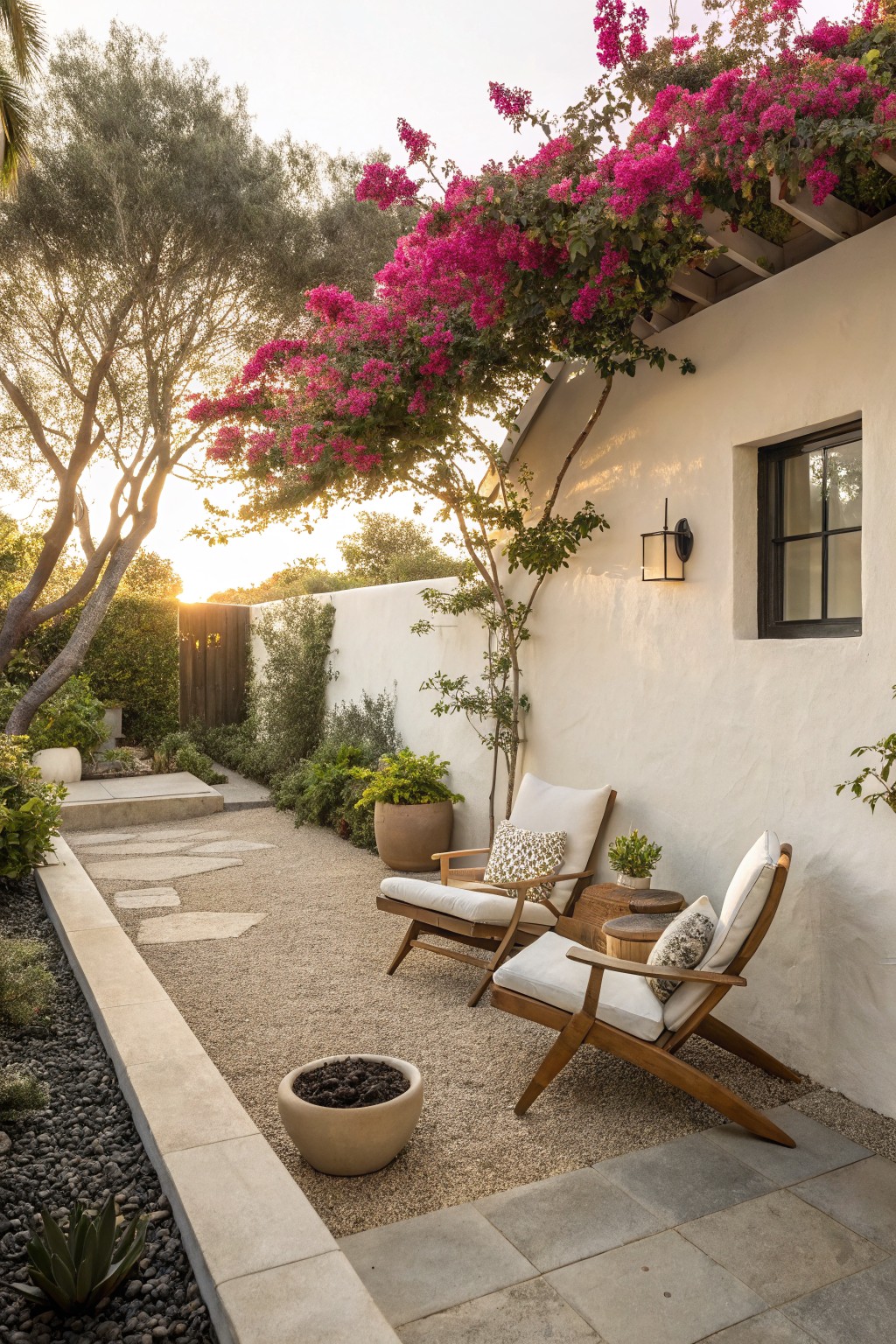
Gravel makes a quick and low cost base for a small seating area. It drains well and feels casual without needing much upkeep. A couple of basic wood chairs and a few planters are enough to turn an empty side yard into a place to sit.
This setup works best in narrow or awkward spaces where a full patio would feel too heavy. Keep the chairs lightweight and the planters movable so you can shift things around as needed. It suits homes that want a relaxed backyard without big construction.
Gravel Strips Beside Planters
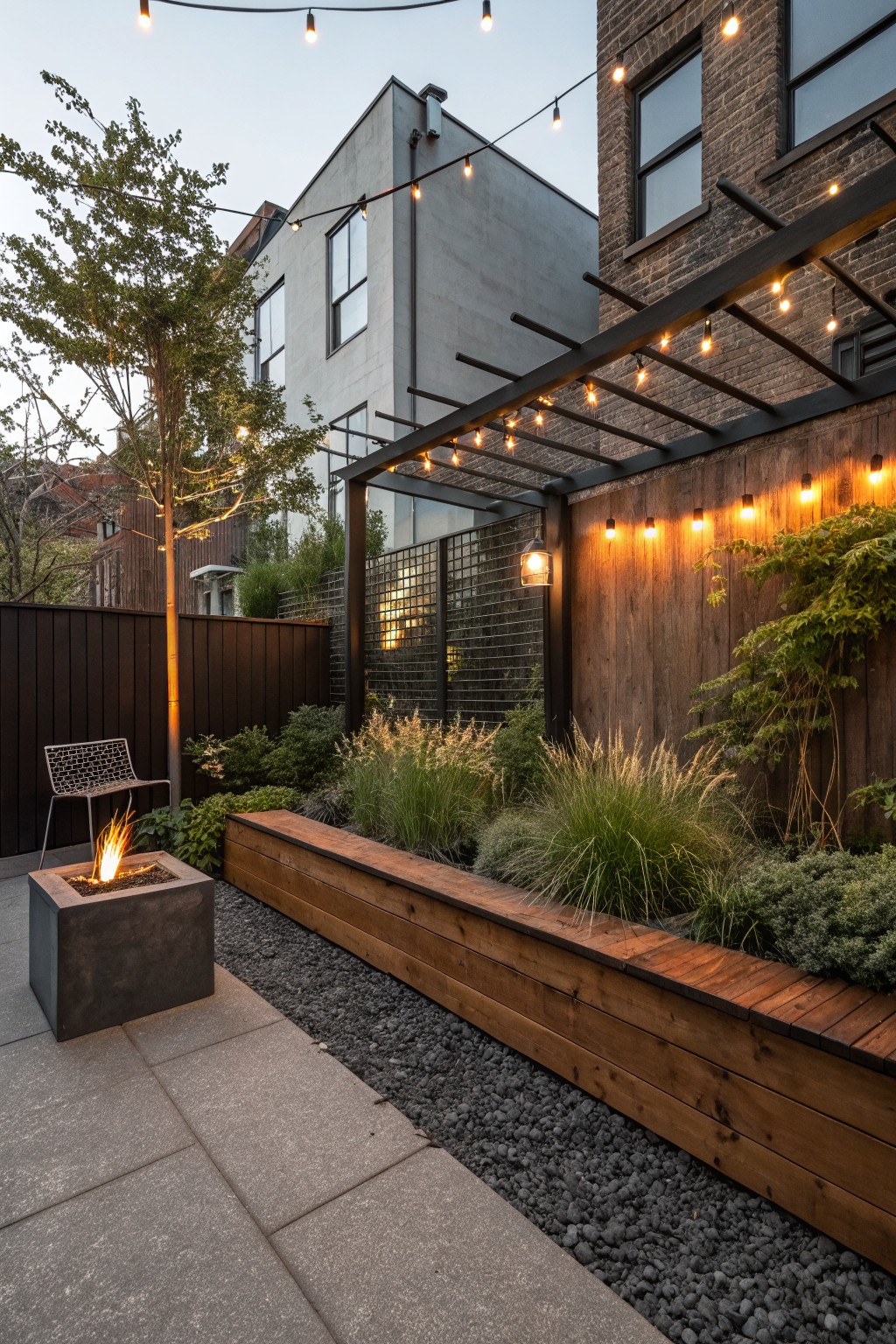
Gravel works well in small backyards because it costs less than pavers or decking and still gives a clean finished look. It drains quickly too, which helps keep the area usable after rain without much upkeep.
Place it in a narrow strip along the front of a raised wooden planter like the one in the photo. This setup separates the planting bed from the main patio surface and leaves room for a simple chair and fire pit nearby. It suits homes with tight outdoor space and works best when the gravel is contained by the planter edge so it stays in place over time.
Gravel Makes An Affordable Patio Base
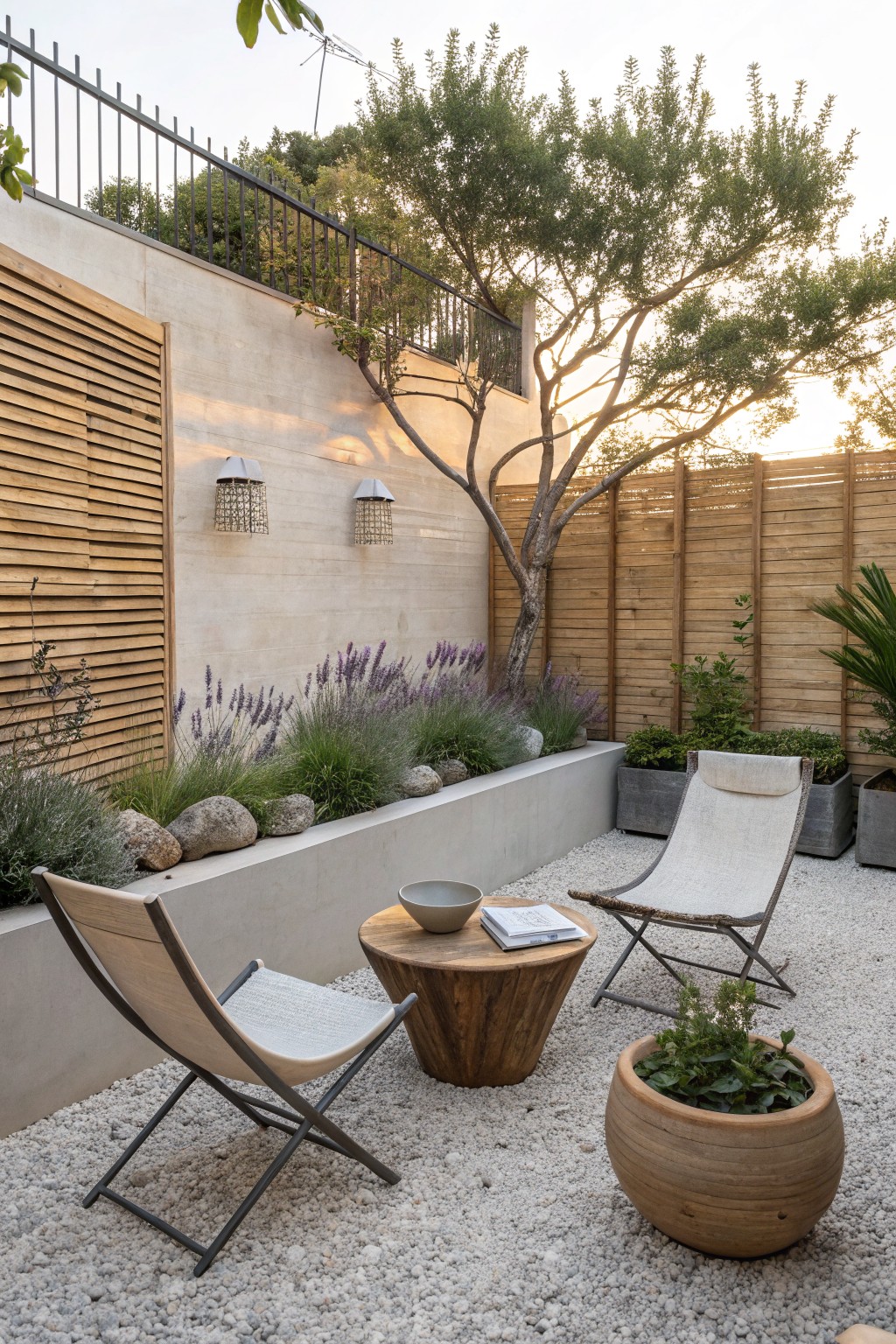
Gravel is one of the easiest ways to cover a small backyard without spending much. It drains well, feels casual, and gives you a flat surface for seating without the cost of concrete or pavers.
Place a couple of simple folding chairs and a low table in the middle, then add a few large planters around the edges. This works especially well in sunny side yards or narrow spaces where you want something quick and low maintenance.
Gravel With Pallet Seating For A Low Cost Patio
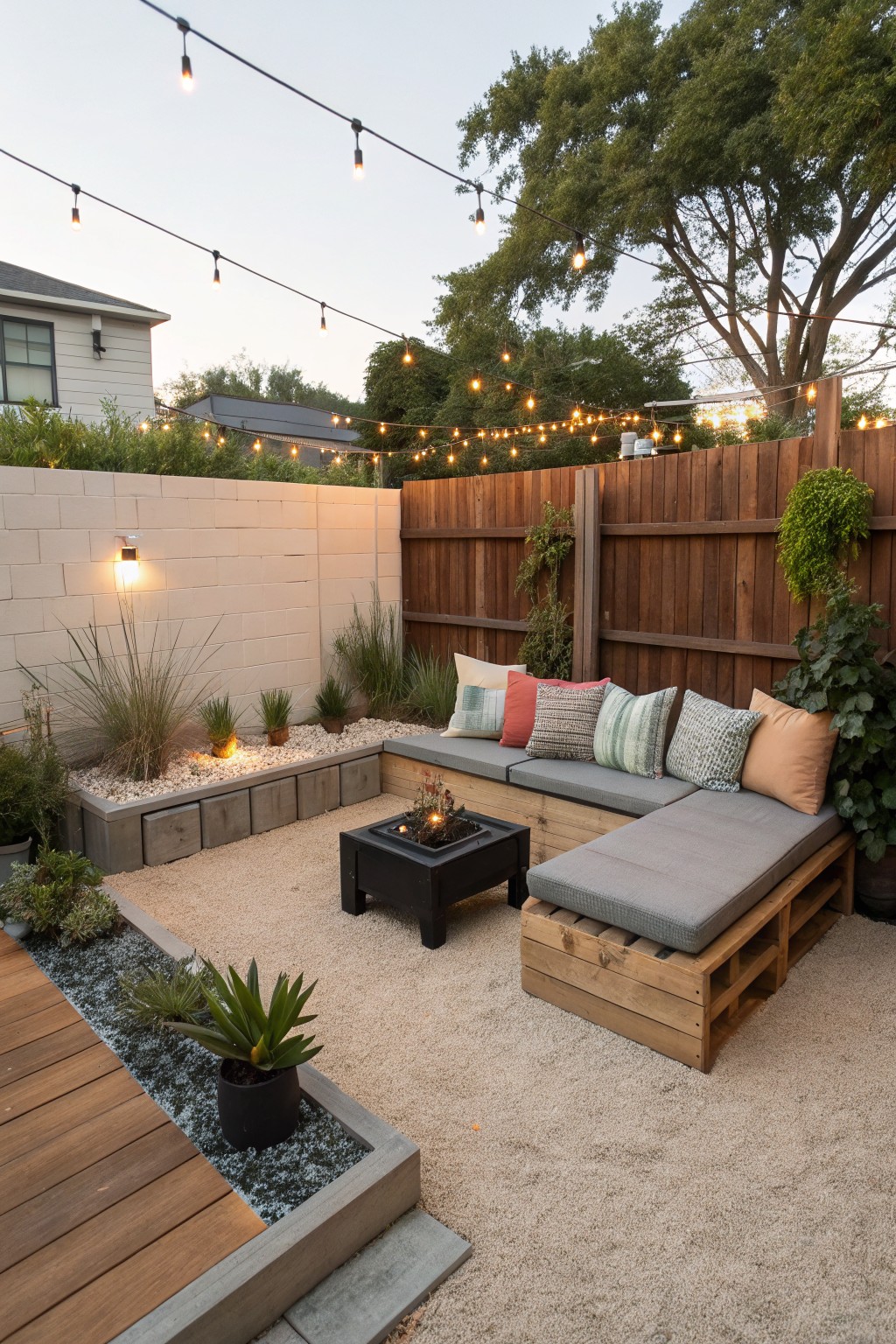
Gravel works well as a base in small backyards because it drains easily and needs very little upkeep. Pairing it with simple pallet seating keeps costs down and lets you shape the lounge area to fit the space you have.
This setup suits homes where the yard is mostly dirt or old concrete. Keep the gravel layer thick enough to stay in place, and use the pallets to form an L shape or straight bench along one side. Add a few planters at the edges if you want a bit more green without extra work.
Concrete Borders Make Gravel Yards Look Tidy
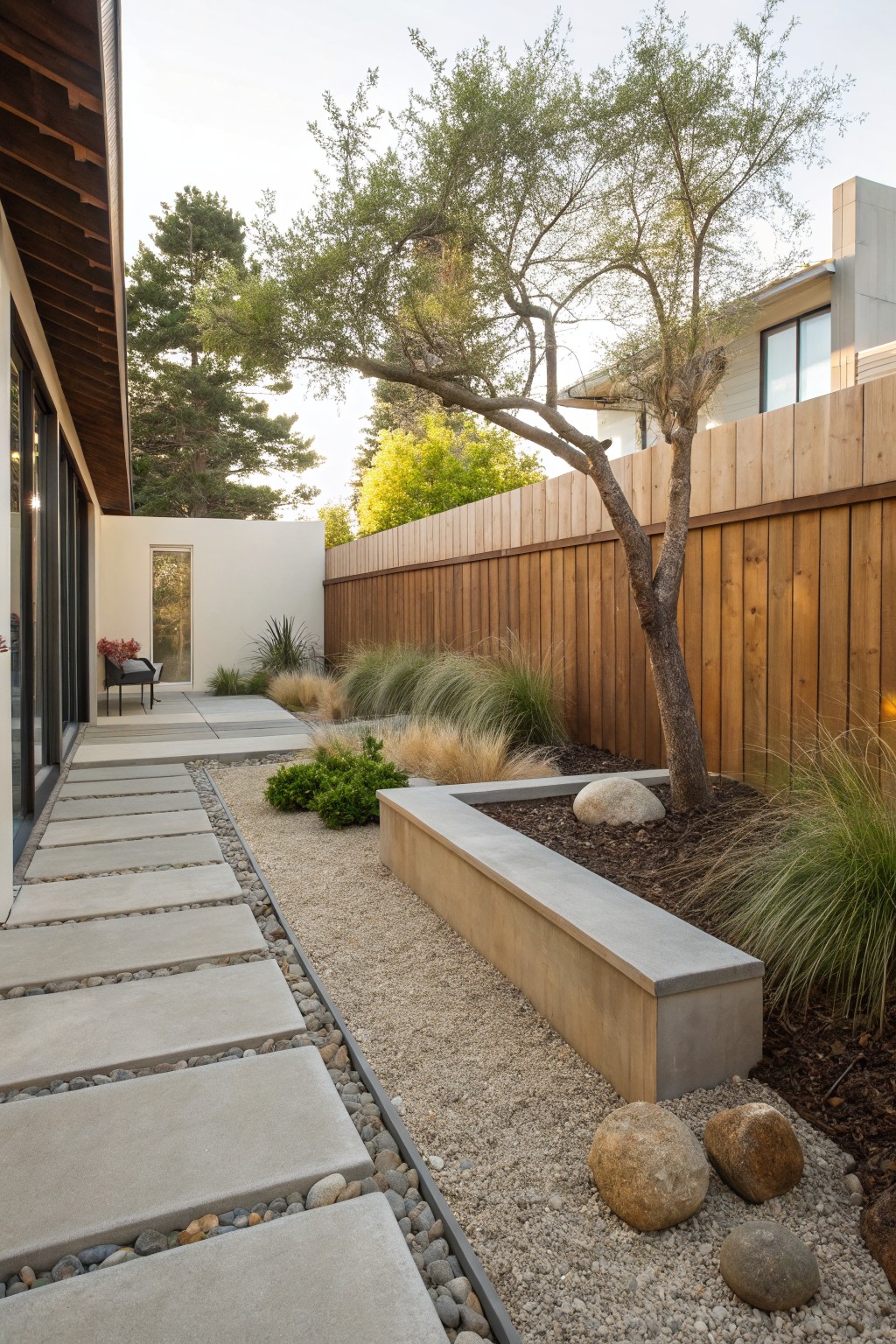
Gravel works fine on its own, but it can look messy without clear edges. Adding simple concrete borders helps keep the gravel in place and gives planting areas a clean shape that lasts.
This setup suits small backyards that need low upkeep. Place the borders around trees or group plants inside them so the rest of the yard stays open and easy to walk on.
Gravel Paths With Clustered Planters
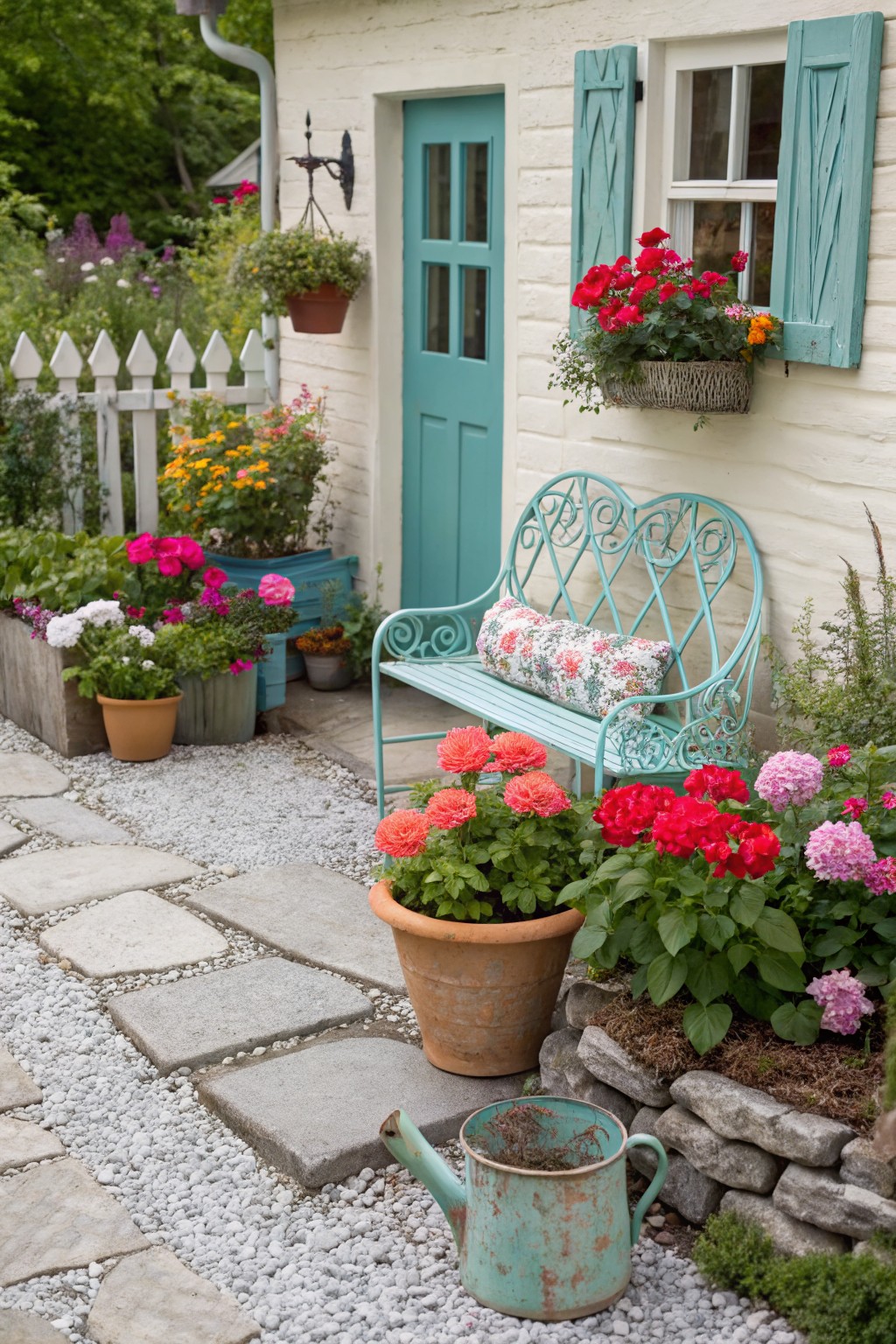
Gravel paths paired with lots of planters make a small backyard feel finished without costing much. The loose material is cheap to spread, drains well, and lets you change the layout later if needed. Placing pots of different sizes along the edges gives the space height and color while keeping the ground open.
This approach suits narrow side yards or tiny back gardens where a full patio would feel cramped. Keep the bench simple and add only a few large pots near the seating so the path stays clear and easy to walk on.
Gravel Courtyards With Curved Seating
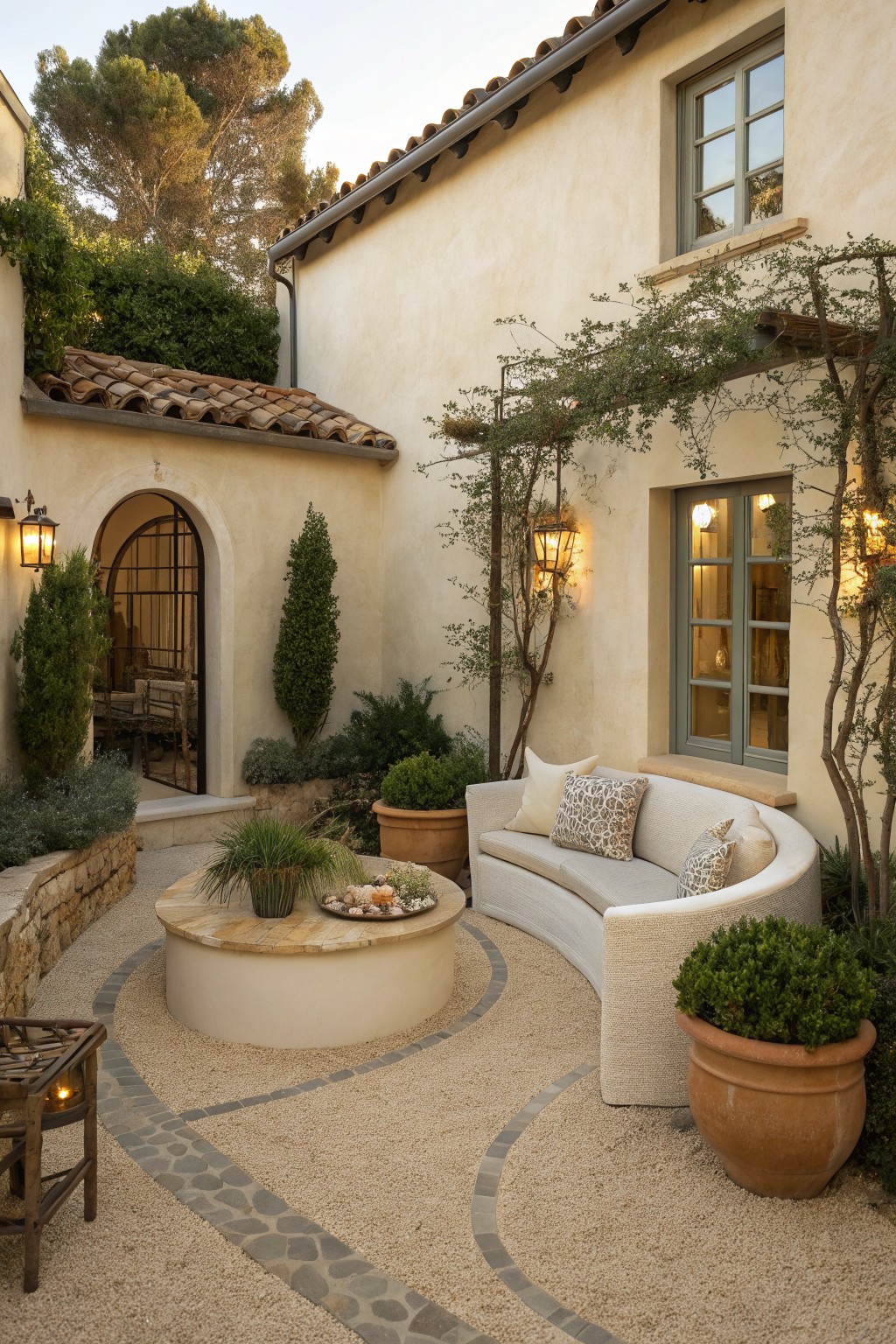
Gravel works well for small backyard seating areas because it is cheap, easy to install, and gives the space a relaxed feel. Pairing it with a curved sofa creates a natural gathering spot that feels enclosed without needing walls or fencing. A few large planters help soften the edges and keep the look simple.
This setup suits homes with limited outdoor space or awkward corners where a standard patio would feel cramped. Keep the gravel layer a few inches deep so it stays comfortable, and choose weather resistant seating that can stay out year round.
Gravel Paths With Stepping Stones
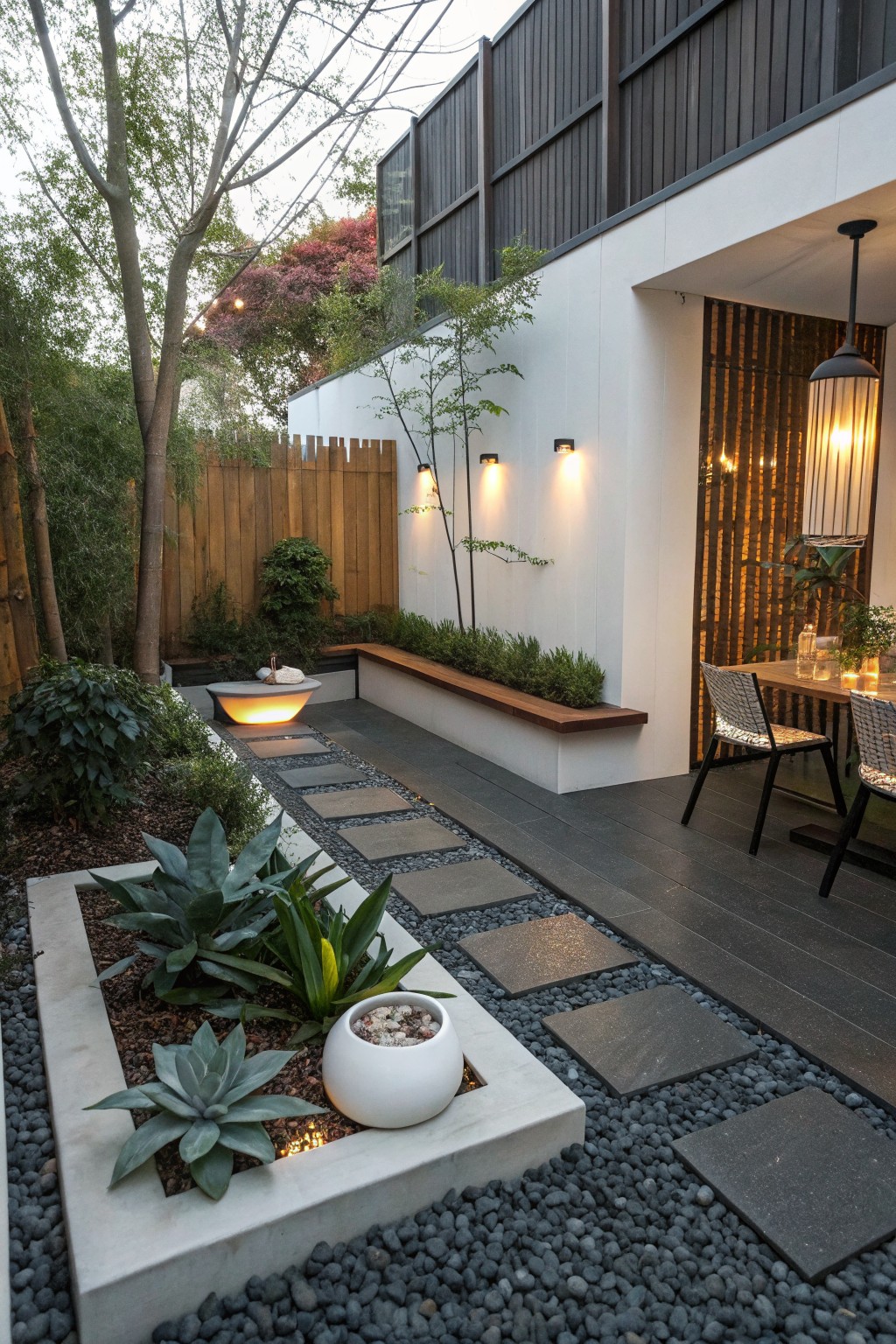
Gravel works well in small backyards because it costs less than full paving and still gives you a clean surface to walk on. Pairing it with a few large stepping stones keeps the look simple and helps you move through the space without tracking mud everywhere.
This setup suits narrow side yards or tight patios where you want to connect a seating area to the rest of the garden. Keep the gravel layer thin, choose stones that sit flat, and add a few low planters along the edge so the whole thing stays low maintenance.
Gravel Paths With Raised Planters
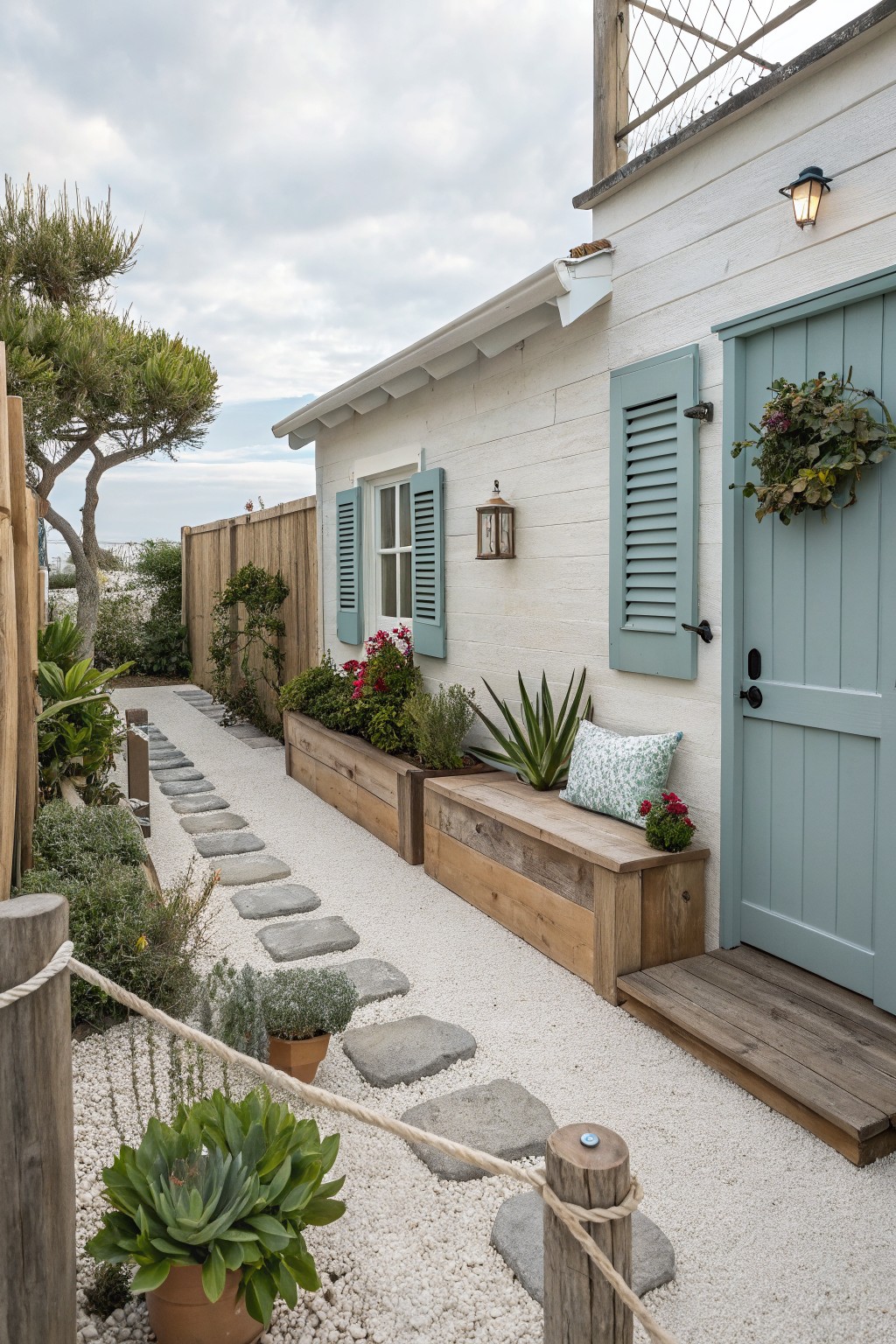
Gravel works well as a simple ground cover in small yards because it drains fast and needs almost no upkeep. Pairing it with long raised planters gives you a clean edge for planting without taking up much width.
Build the planters from basic wood and set a bench against them so the whole setup doubles as seating. This layout fits narrow side yards or tight lots where you want some greenery without a full garden.
Gravel Creates An Affordable Patio Surface
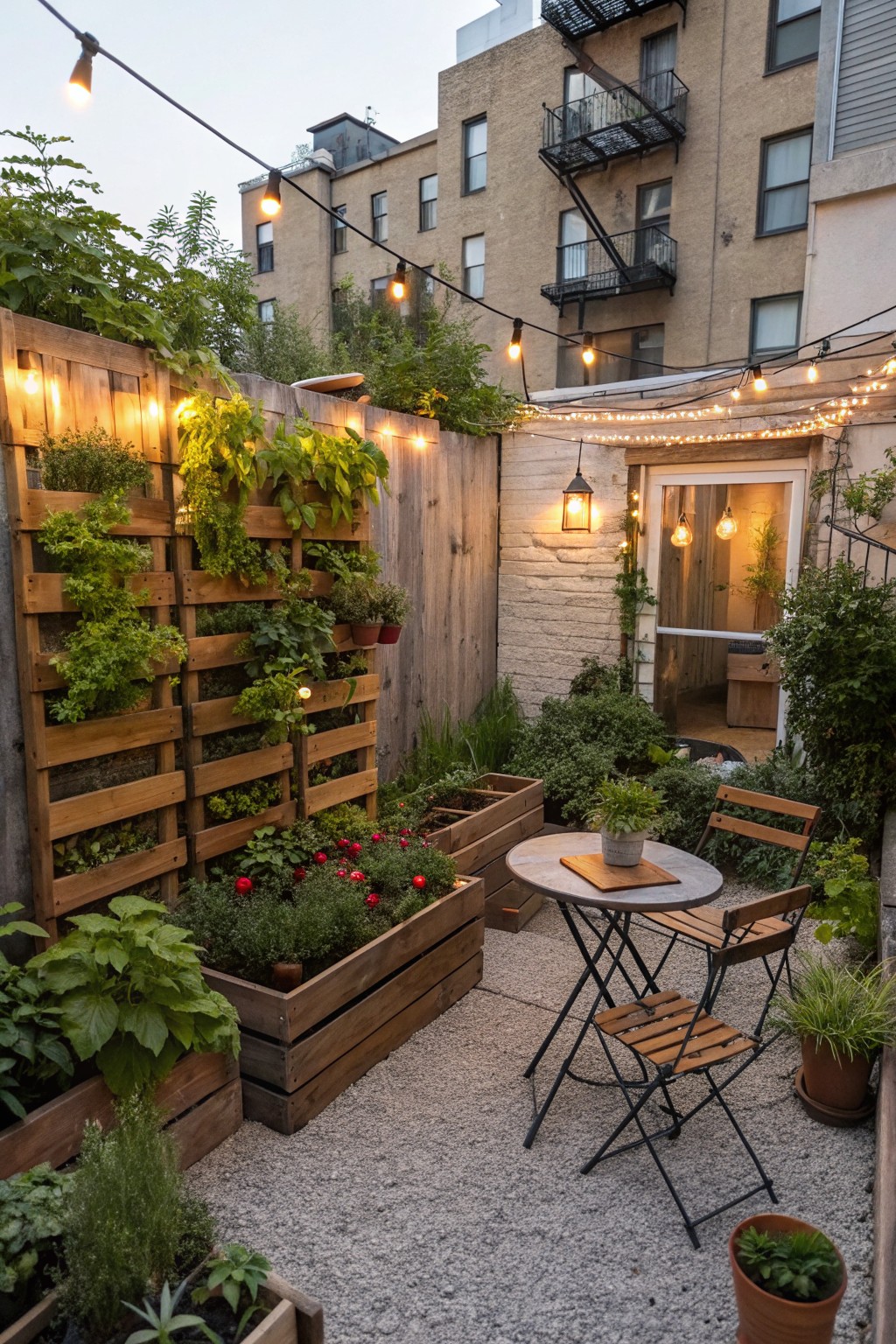
Gravel gives you a quick way to cover bare ground and make a small backyard feel finished. It drains well, stays cooler than concrete, and costs far less than building a deck or pouring a slab.
Lay it over landscape fabric in any shape that fits your space, then place a few raised planters around the edges. A basic table and chairs slide right onto it, and you can add simple string lights if you want evening use.
Gravel Paths With Stepping Stones
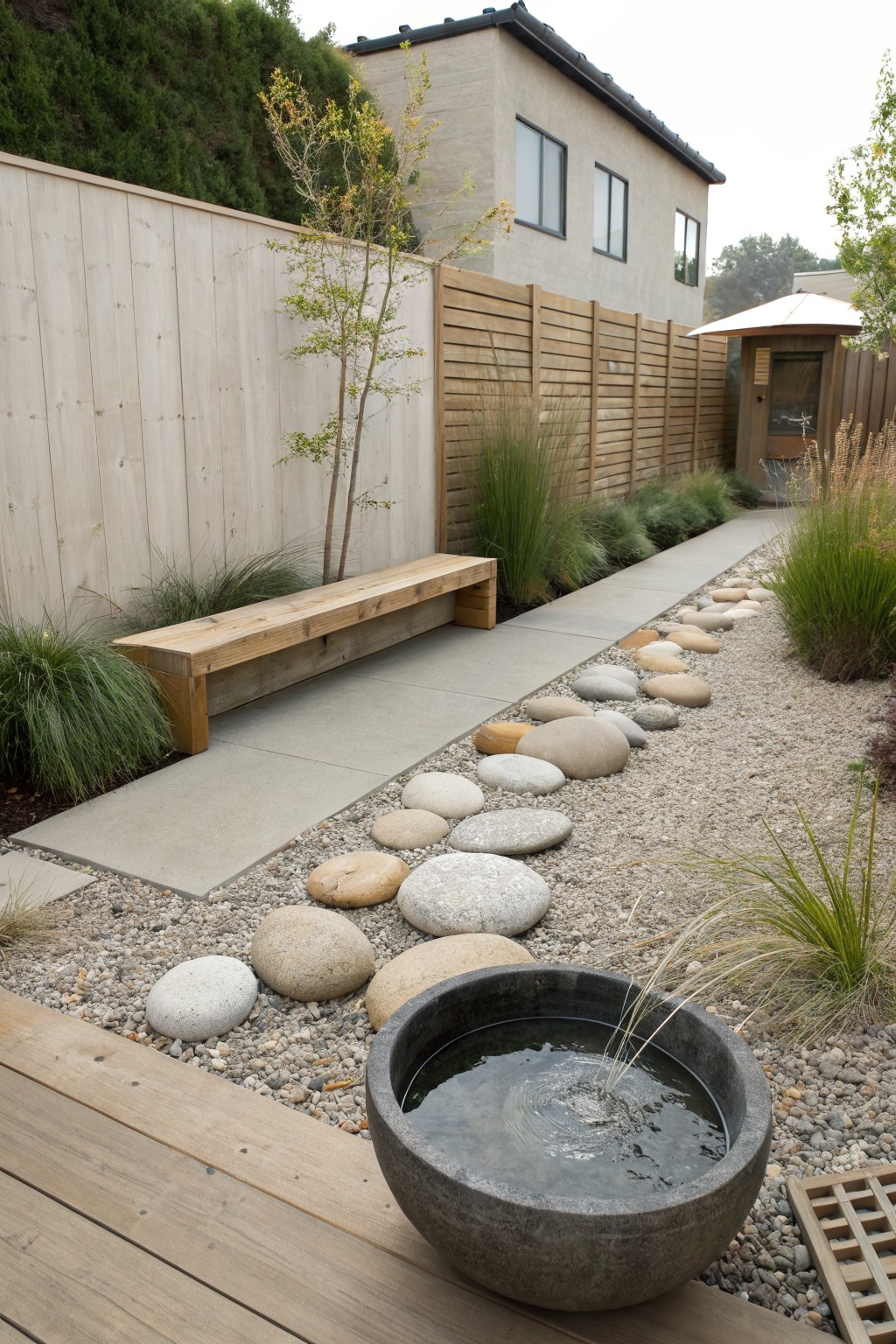
Gravel is one of the easiest materials for small backyards because it is cheap, drains well, and needs little upkeep. Laying flat stepping stones through the gravel creates a simple path that keeps feet dry and gives the space a bit of structure without a full hard surface.
This setup works well along fences or in narrow side areas where a solid patio would feel too heavy. Space the stones evenly so walking feels natural, and keep the gravel layer thin enough to rake smooth when it shifts. A basic bench placed along the edge turns the path into a place to sit without adding much cost.
Gravel Makes An Easy Base For Outdoor Seating
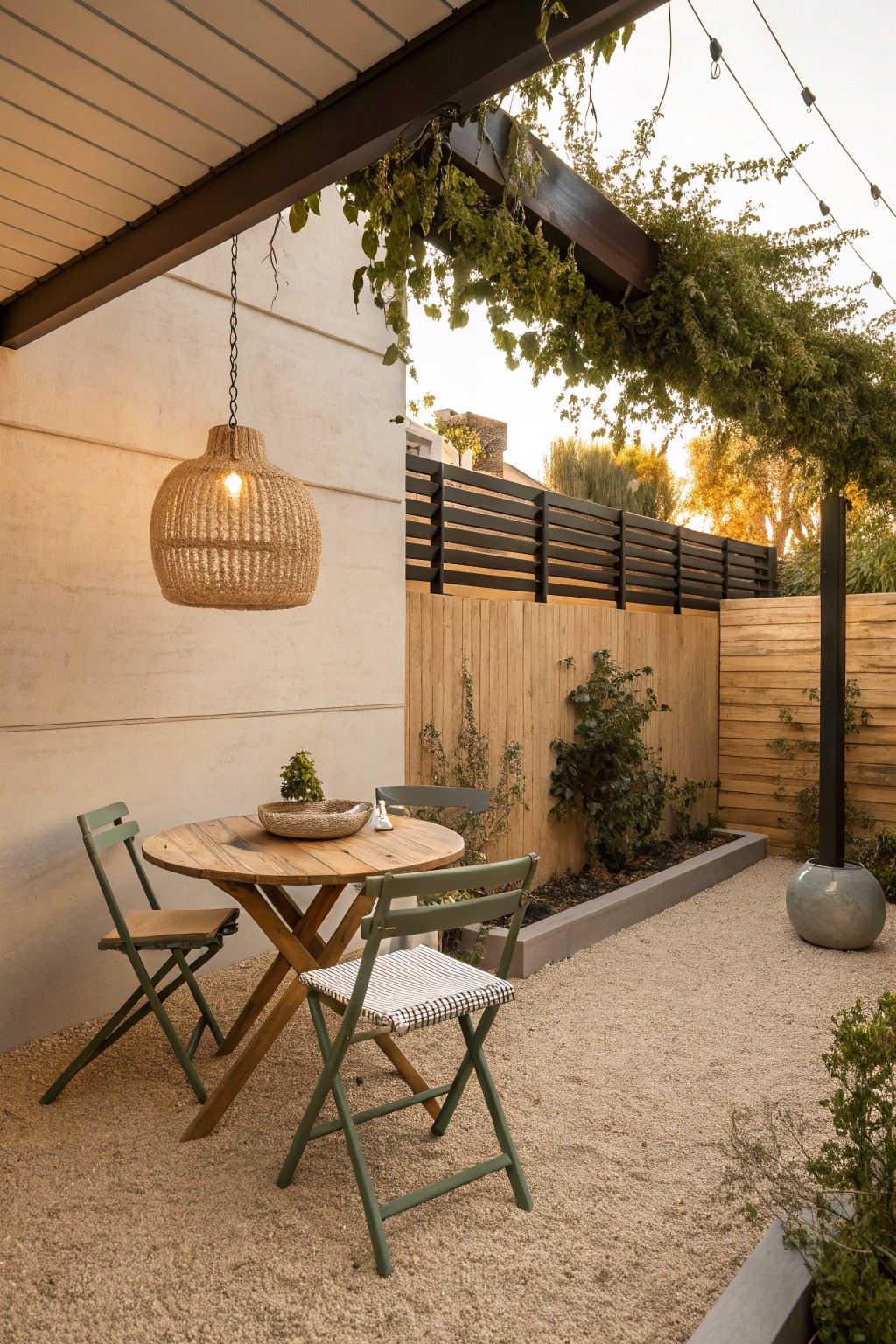
Gravel gives you a fast way to create a usable seating area without heavy construction. It drains well after rain and stays cooler than concrete in warm weather, which makes it practical for a small backyard where you want something simple and affordable.
Spread a layer over landscape fabric, add a low border if you like, and set down a small table with folding chairs. This works especially well in sunny side yards or behind a fence where you need a spot for meals without committing to a full patio.
Gravel Paths With Brick Edging
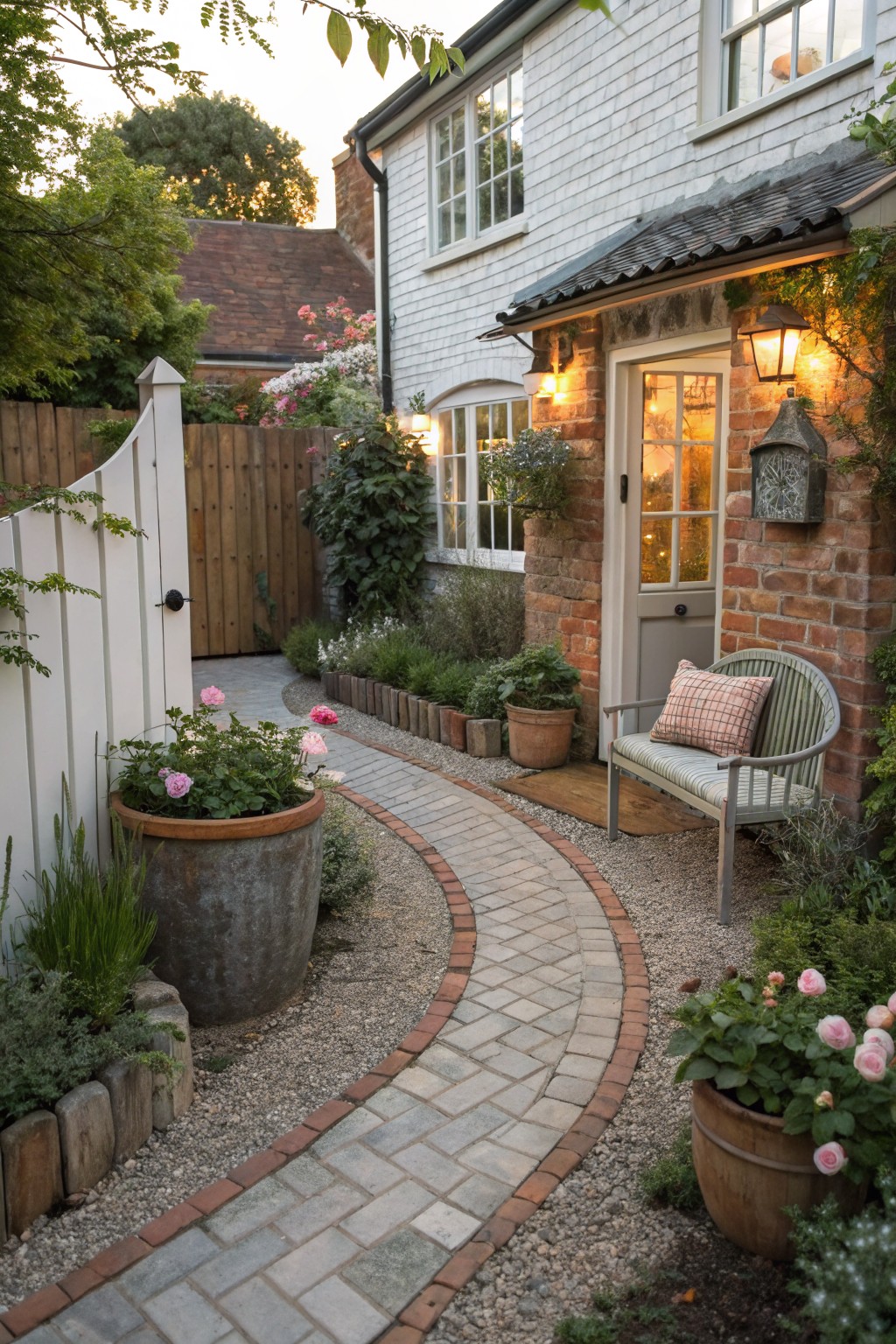
A gravel path with a brick border gives a small backyard an easy sense of movement without taking up much space. The curve helps the area feel less cramped than a straight line would, and the materials stay simple and low cost.
This setup works best in narrow side yards or behind the house where you want a clear route but still need room for pots and a bench. Keep the gravel layer thin and the edging low so it stays easy to maintain over time.
Make A Simple Gravel Path With Pavers
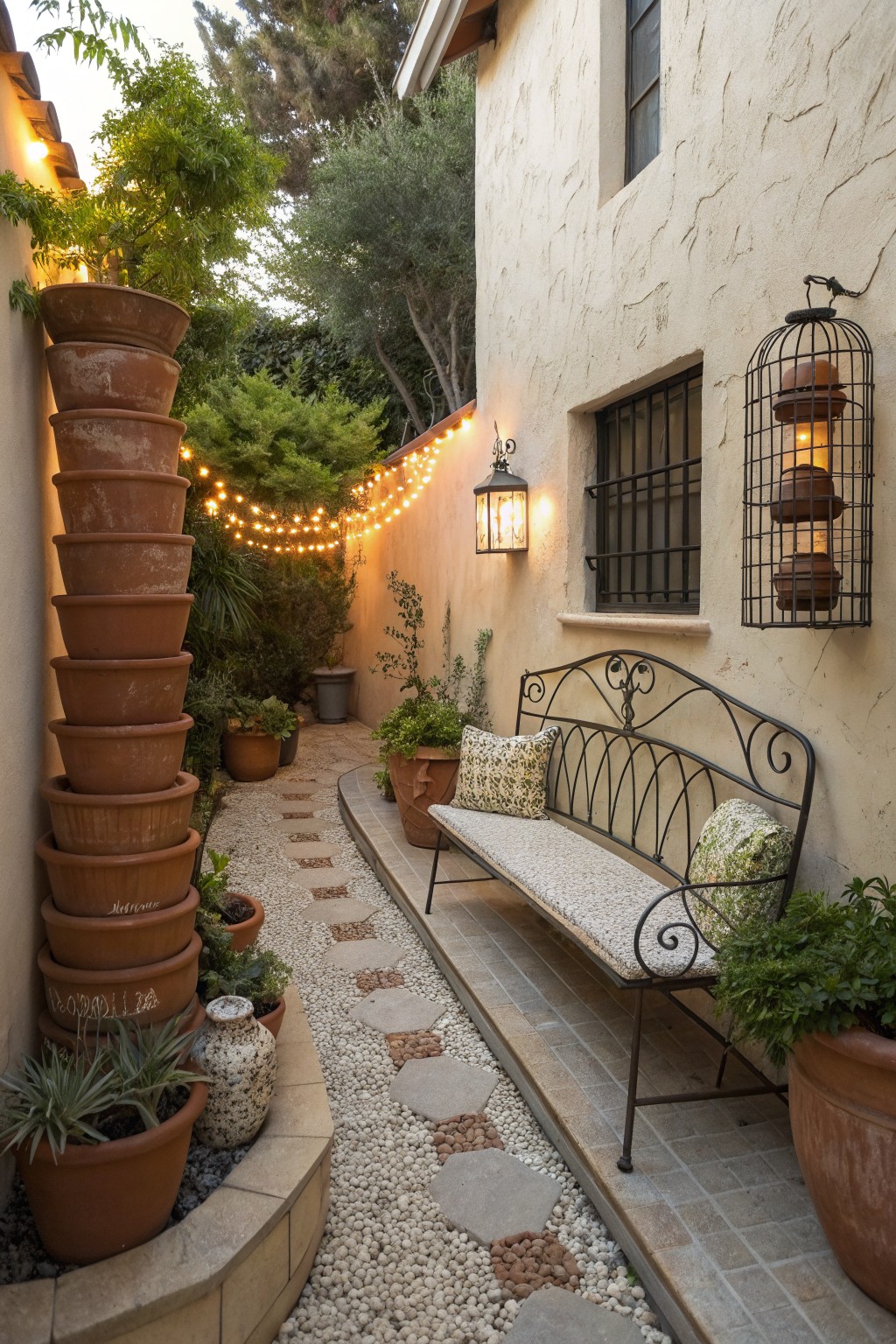
Gravel paths are one of the easiest ways to give a small backyard some structure without spending much. They drain well, cost less than solid paving, and let you shape the route around whatever is already growing there.
Set the path along one edge of the space and add a bench plus a few large planters on the side. This keeps the middle open and gives you a clear place to walk or sit without crowding the area.
Frequently Asked Questions
Q: How do I keep weeds from showing up in the gravel over time? A: Rake the surface lightly every couple of weeks to disturb any small sprouts. A thin layer of fresh gravel on top now and then blocks most light from reaching the soil below. Hand pulling takes care of anything that still breaks through.
Q: Where should I place a bench so it feels inviting but leaves room to walk around? A: Set the bench against a fence or wall to free up the middle of the yard. Flank it with two planters at the ends to create a natural frame. This setup keeps paths clear while giving you a defined spot to sit.
Q: Do the planters need anything special if they sit right on the gravel? A: Choose pots with drainage holes so excess water runs straight through. Set each one on a couple of flat stones to raise it slightly off the gravel. Check the soil moisture more often since gravel dries things out faster than regular ground.