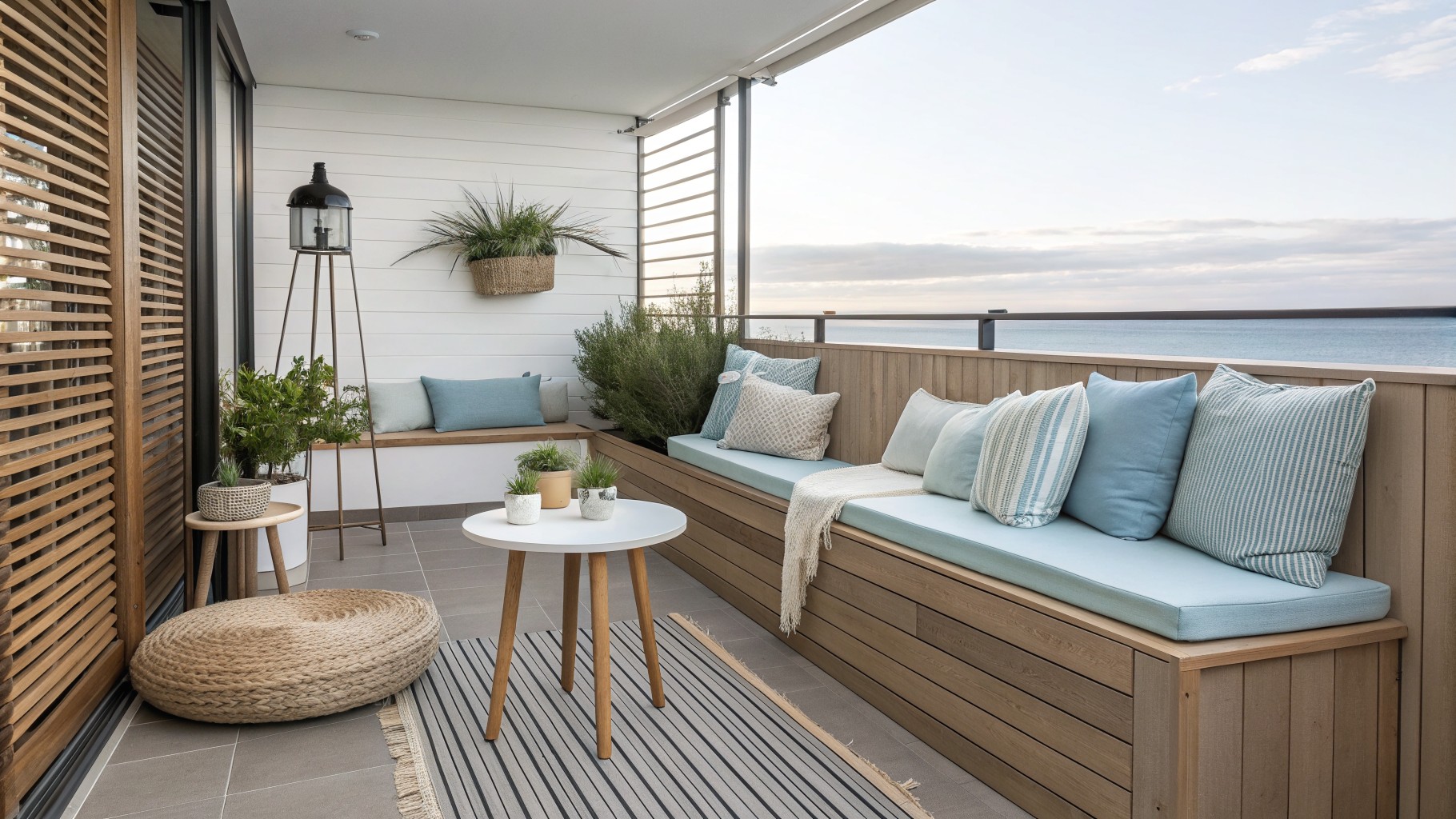
When I look at backyard seating spots the ones that actually get used tend to have some form of screening to cut down on outside views.
That kind of boundary helps the space feel more like an extension of the house rather than an open area anyone can see into.
I remember adding a simple trellis with vines to my deck a few years ago and it shifted how comfortable the whole area became right away.
Materials matter a lot here since some hold up better in weather while others add texture that matches the surrounding garden.
Privacy does not have to mean total isolation.
Wood Slat Screens For Private Balcony Seating
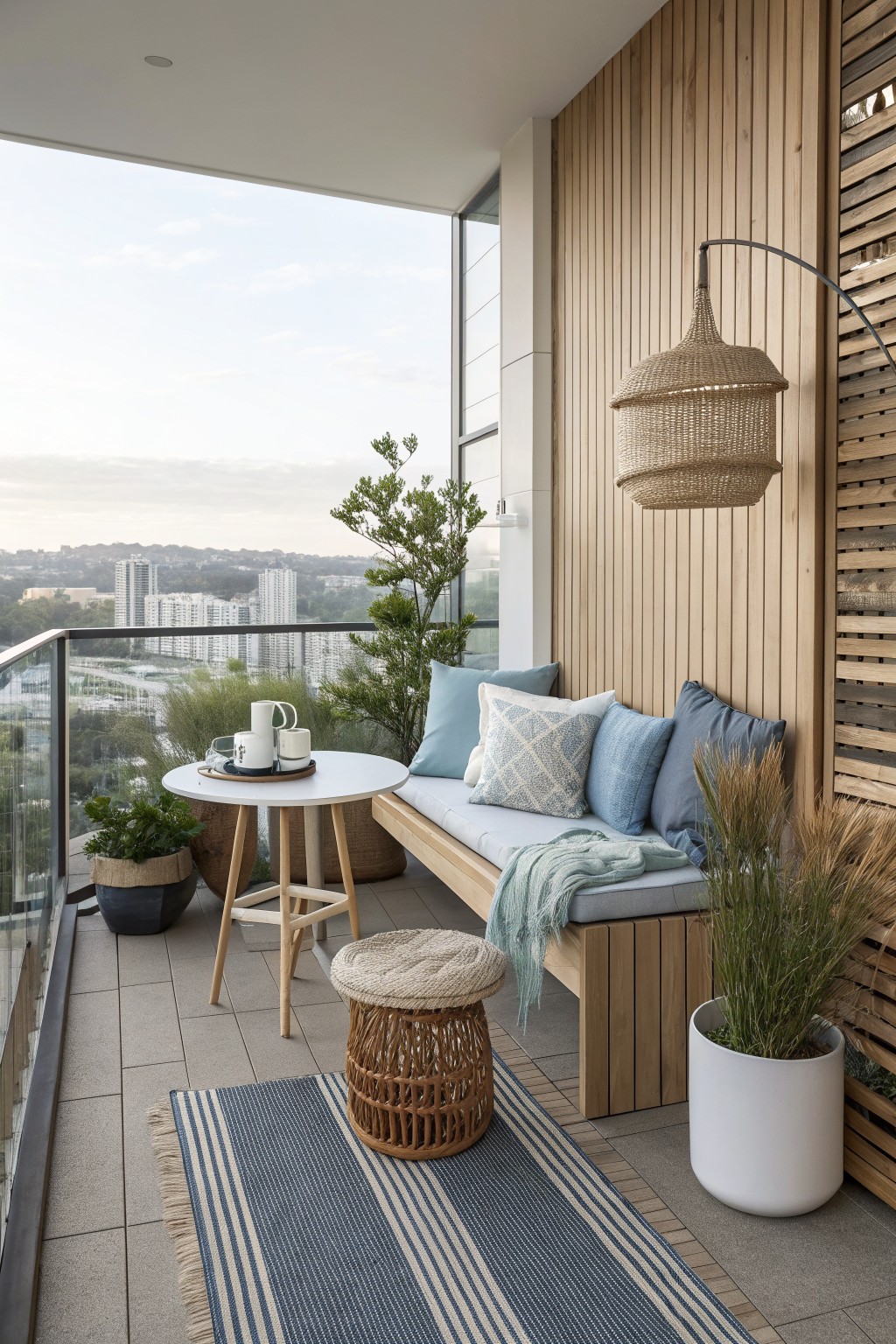
Wood slat screens give a balcony seating spot a quiet, enclosed feel without cutting off all light or air. They block direct views from neighbors while still letting the space feel open enough for everyday use. Many people like how the vertical lines add texture without needing a full wall.
This setup works best on upper-floor balconies or side patios where privacy is limited. Place the screen behind a bench or chairs and add a couple of tall plants in front to soften the edge. Keep the wood tone similar to any nearby decking so the whole area feels pulled together.
Lattice Screens For Private Porch Seating
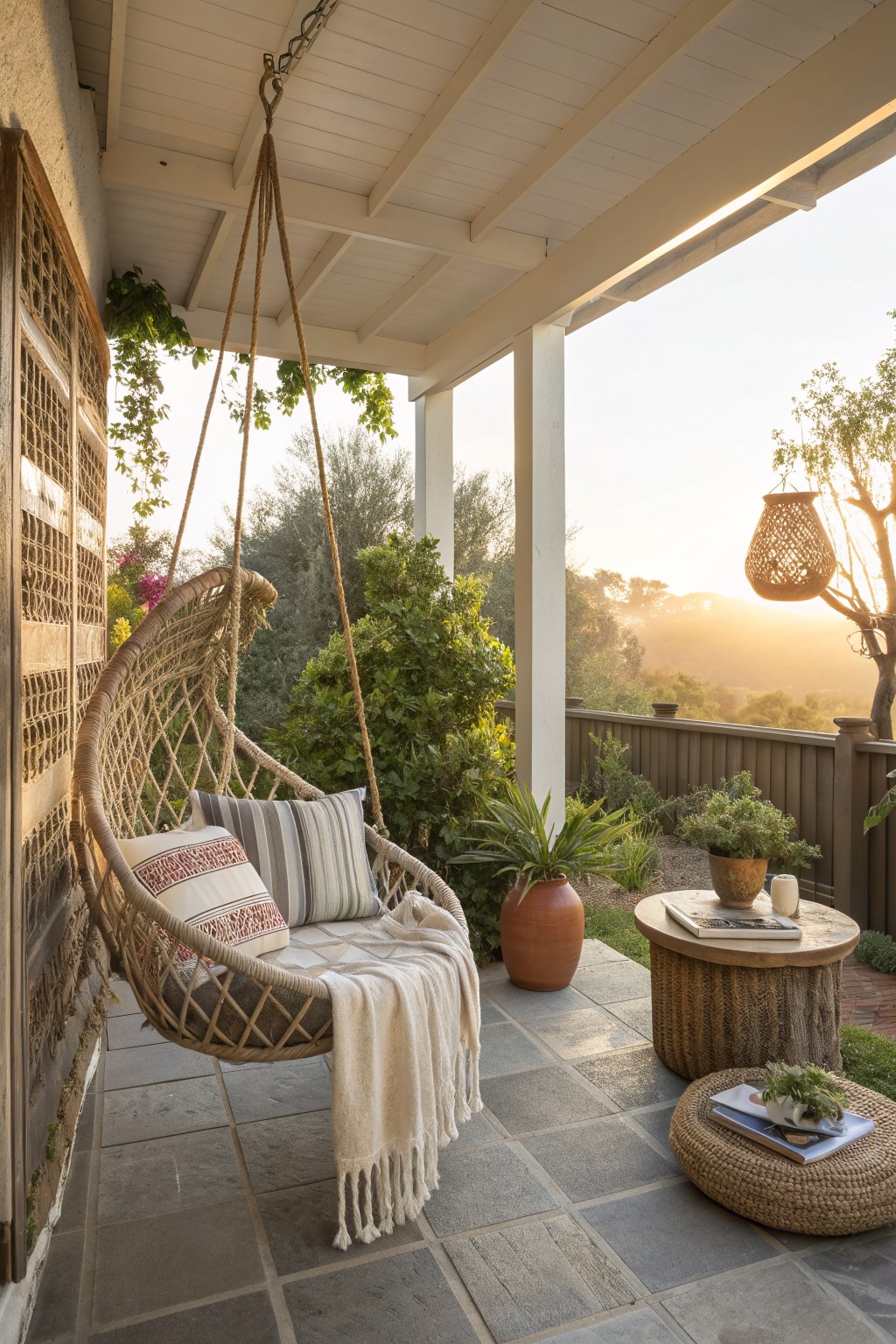
A simple lattice panel can give an outdoor seating area a bit more privacy without closing it in completely. It works especially well on a covered porch where you still want to enjoy the view and fresh air but prefer not to feel completely exposed.
This setup suits homes with existing porches or patios that back up to neighbors or open land. Keep the screen natural in tone so it blends with woven furniture and plants rather than standing out as a separate feature.
Horizontal Slat Screens Around Outdoor Seating
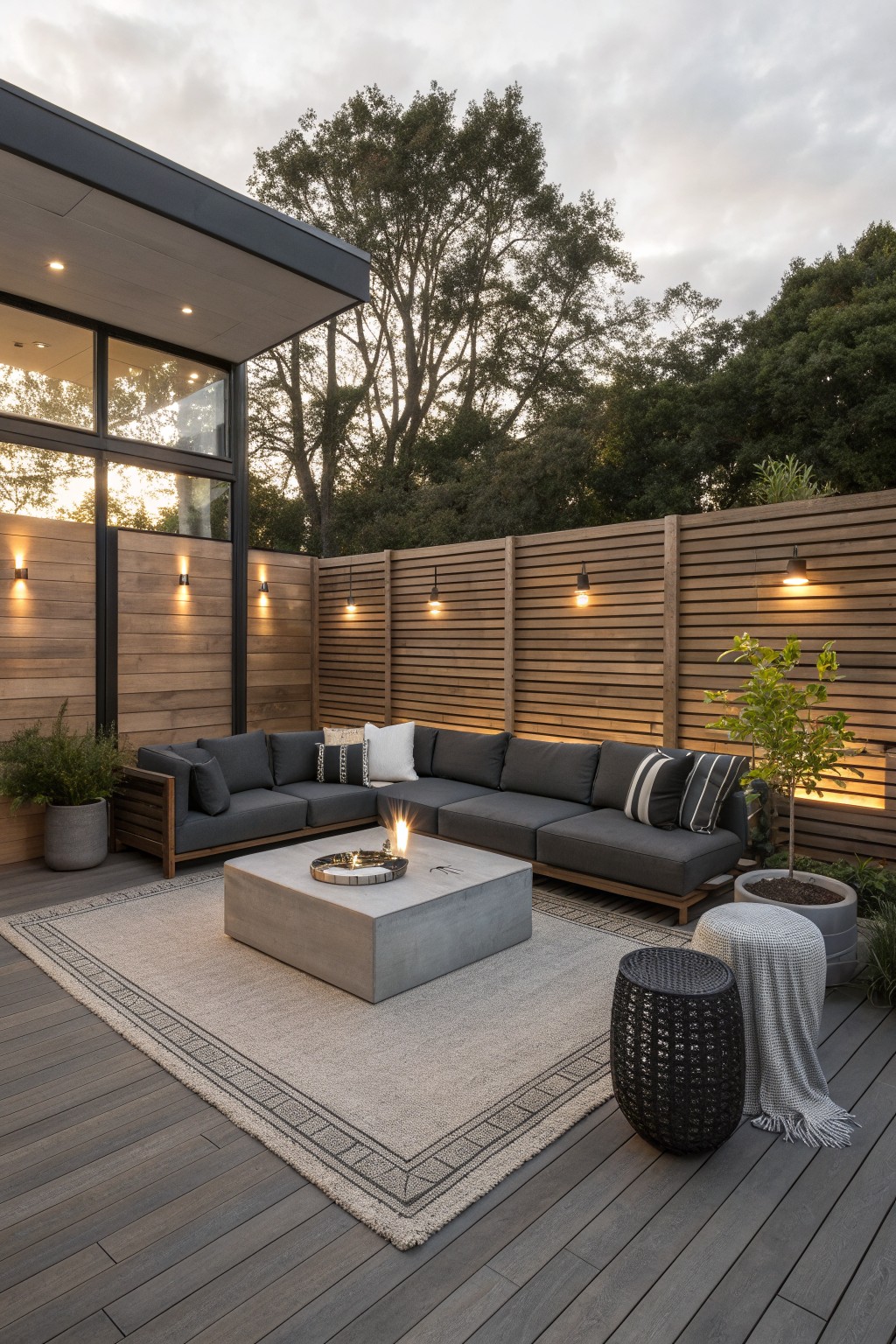
A simple row of horizontal wood slats can turn an open deck into a more private spot without making it feel closed in. The screens block the view from outside while still letting light and air move through the space.
This approach works well on decks or patios that sit close to other homes or yards. Use weather-resistant wood and keep the spacing consistent so the look stays clean.
Privacy Screens Around Pool Loungers
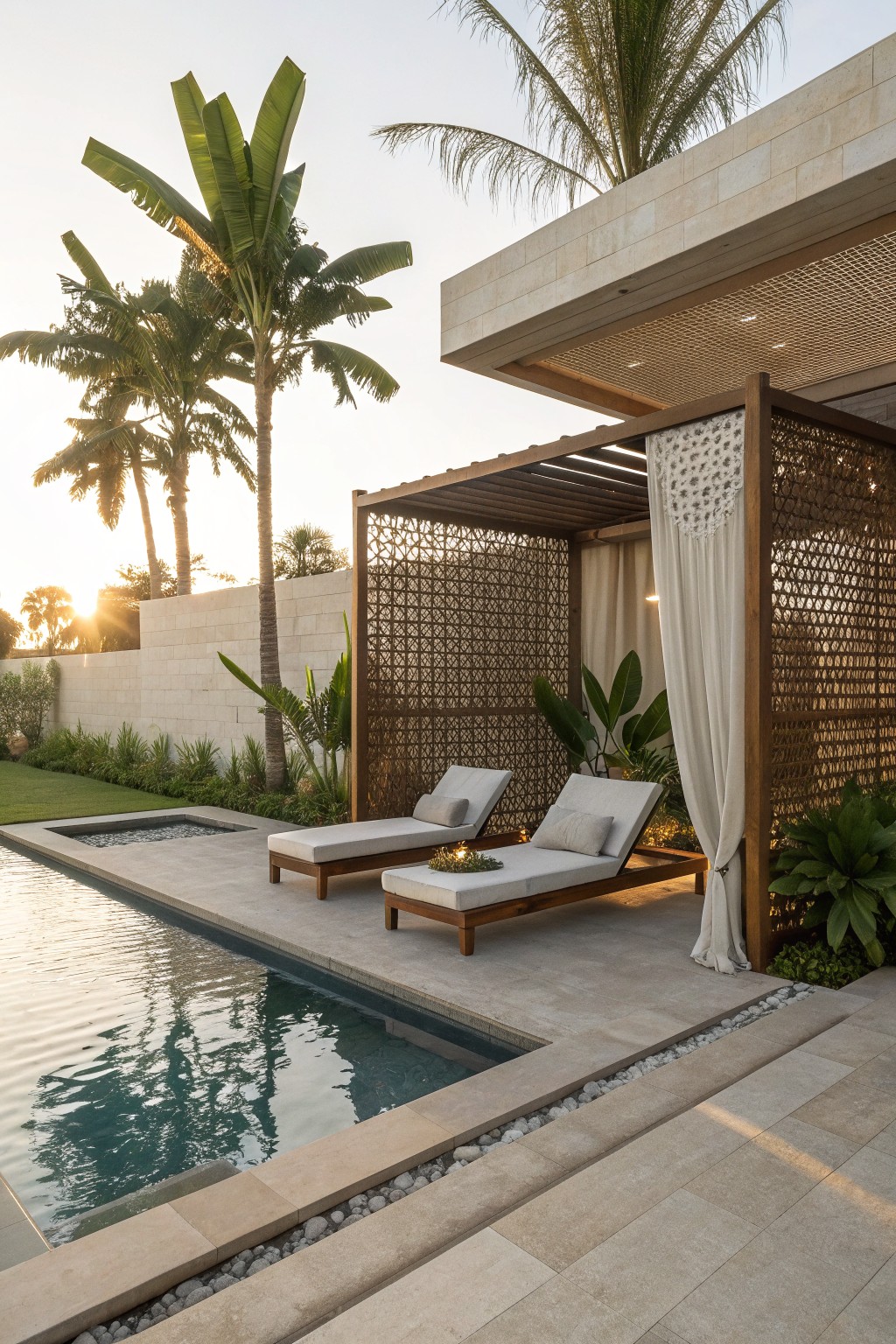
Privacy screens work well when you want seating right next to a pool without feeling completely exposed. The wooden lattice panels here block views from the sides while still letting in light and air. Adding a simple curtain on one section gives extra control if you need more shade or seclusion during the day.
This setup suits homes with a pool deck or patio that sits close to a property line or shared space. The screens keep the area feeling private without building a full wall. Just make sure the materials can handle sun and moisture so they hold up over time.
Privacy Screens Made From Metal Panels
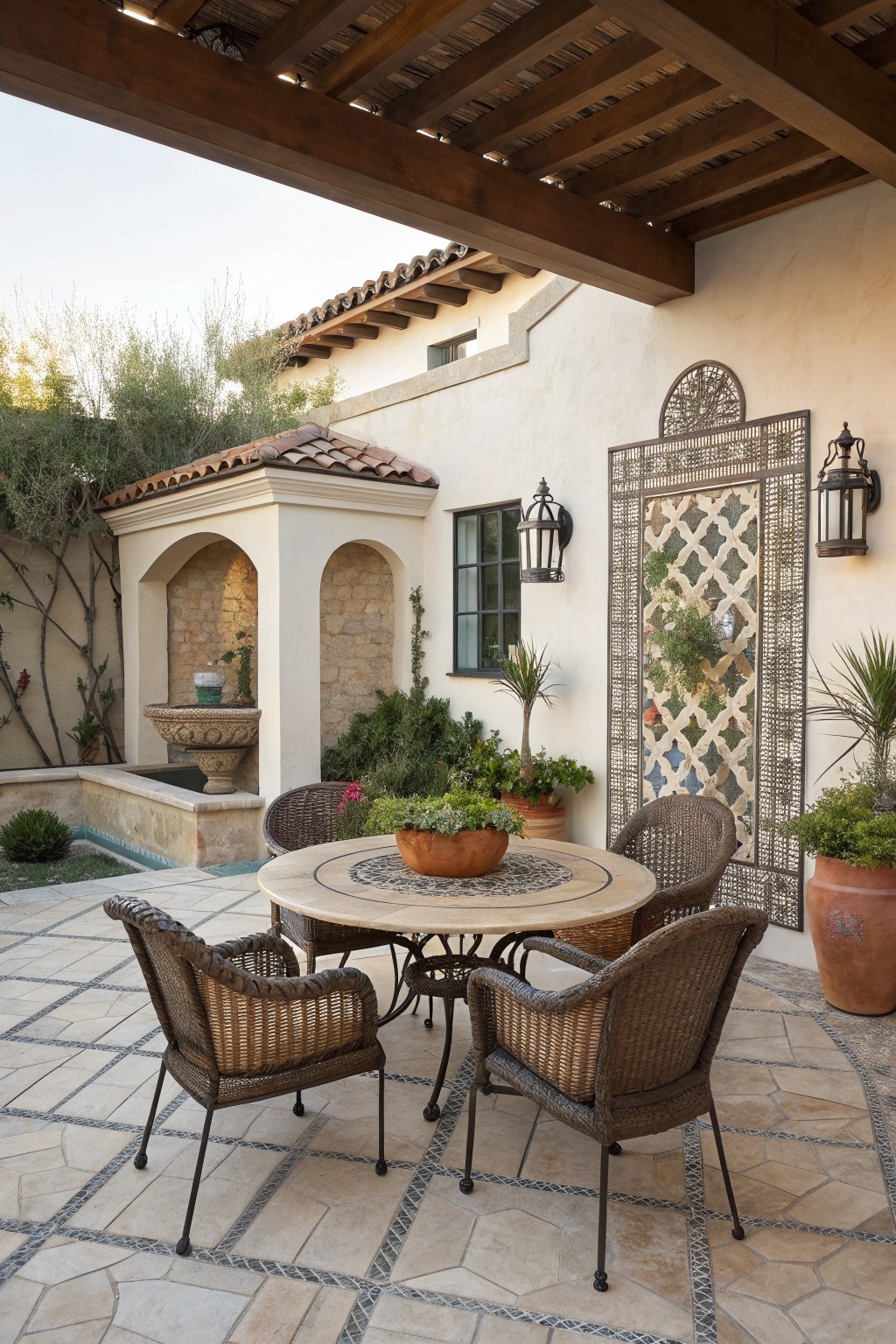
A metal privacy screen can give an outdoor seating area the separation it needs without making the space feel closed in. The open pattern lets light and air through while hiding whatever is on the other side, which works well when the patio sits near a property line or neighbor’s yard.
Place the screen against a wall or along the edge of the seating zone and set a few large pots in front of it. This softens the look and ties the screen into the rest of the patio without extra construction. It suits homes with simple stucco or tile surfaces where you want a bit of pattern but not a full fence.
Living Walls For Built-In Privacy
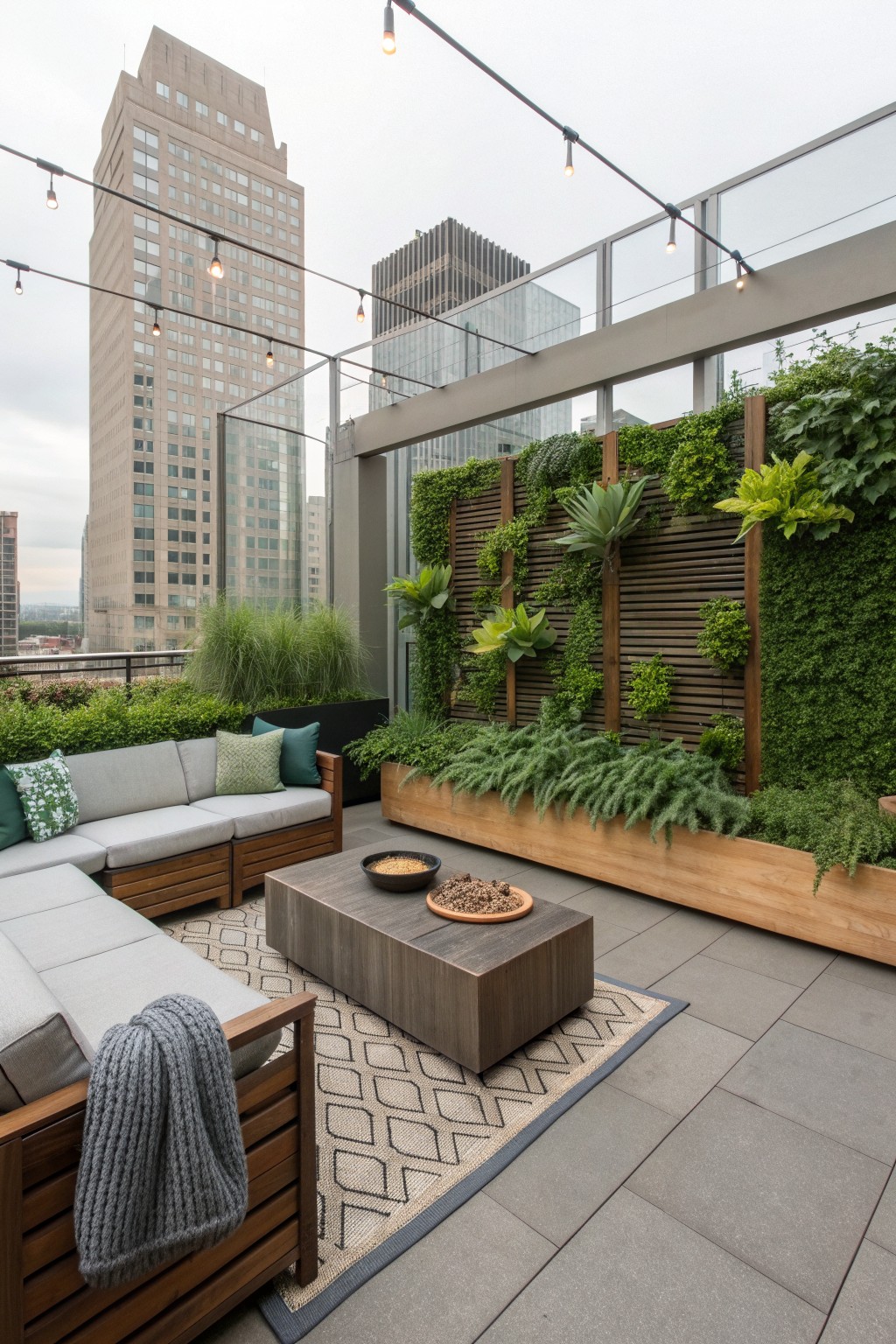
A living wall gives you privacy without making the space feel closed in. The mix of trailing and upright plants softens the edge of the seating area while blocking views from nearby buildings. It works especially well on rooftops or balconies where a solid fence would feel too heavy.
This setup suits urban homes that need screening but still want plenty of greenery. Mount the panels on a sturdy frame with a built-in planter at the base so watering stays simple. Just make sure the wall gets enough sun and that you choose plants suited to your climate.
Layering Hedges And A Trellis For Privacy

One simple way to create privacy around an outdoor seating area is to combine a dense hedge with a wooden trellis and climbing plants. The hedge blocks most of the view at eye level while the trellis adds height and support for vines that fill in over time.
This approach works best on patios that sit near a property line or garden edge. It gives a natural screen without closing the space in completely and suits homes that already have some planting room behind the seating.
Woven Screens For Outdoor Privacy
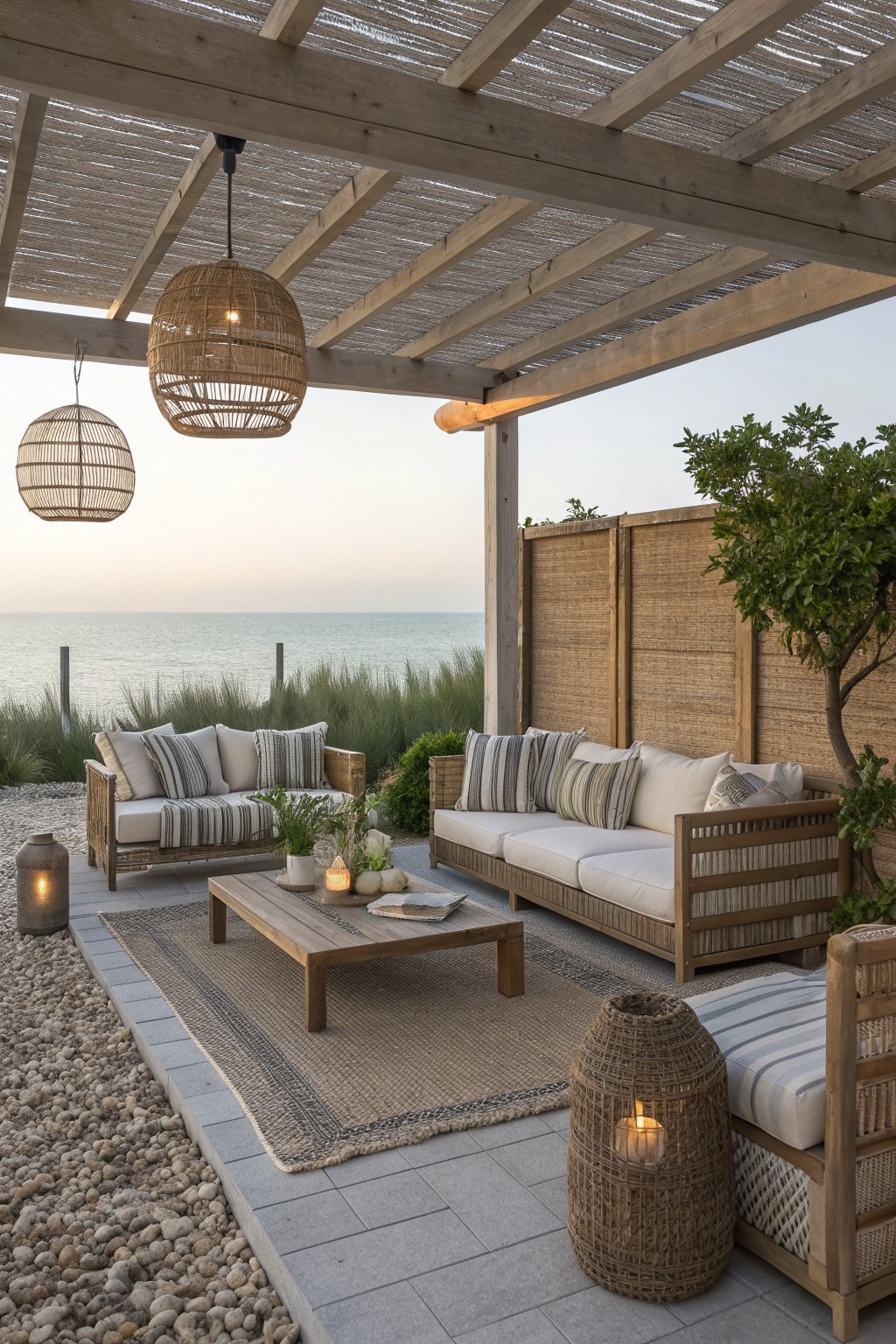
Woven screens add privacy to an outdoor seating area without cutting off the view or making the space feel boxed in. The natural material works especially well with wood furniture and simple cushions, and it holds up nicely in coastal or breezy spots.
Place the screens along one or two sides of the seating zone where you want a bit more seclusion. They suit patios near neighbors or open yards, and they look best when kept low enough to still enjoy the surroundings.
A Tall Fence Creates Privacy for Outdoor Seating
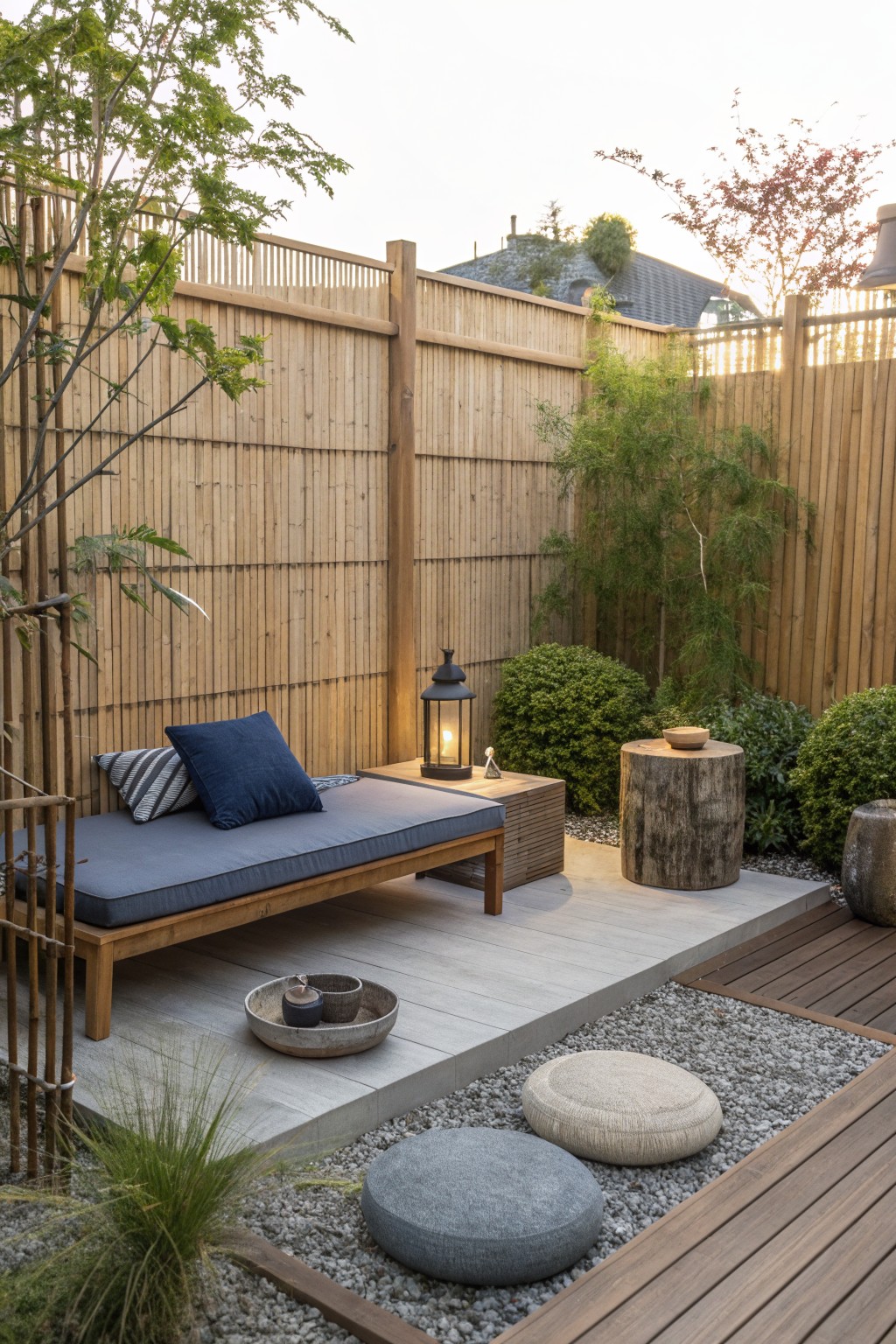
A tall fence makes a simple and effective privacy screen around an outdoor seating spot. It turns an open patio into a more enclosed area where you can relax without feeling watched by neighbors.
This approach works especially well in smaller yards or side spaces where you want a defined seating zone. Use wood that matches your decking and leave room for a few plants along the base to soften the look.
Glass Panels For Outdoor Privacy
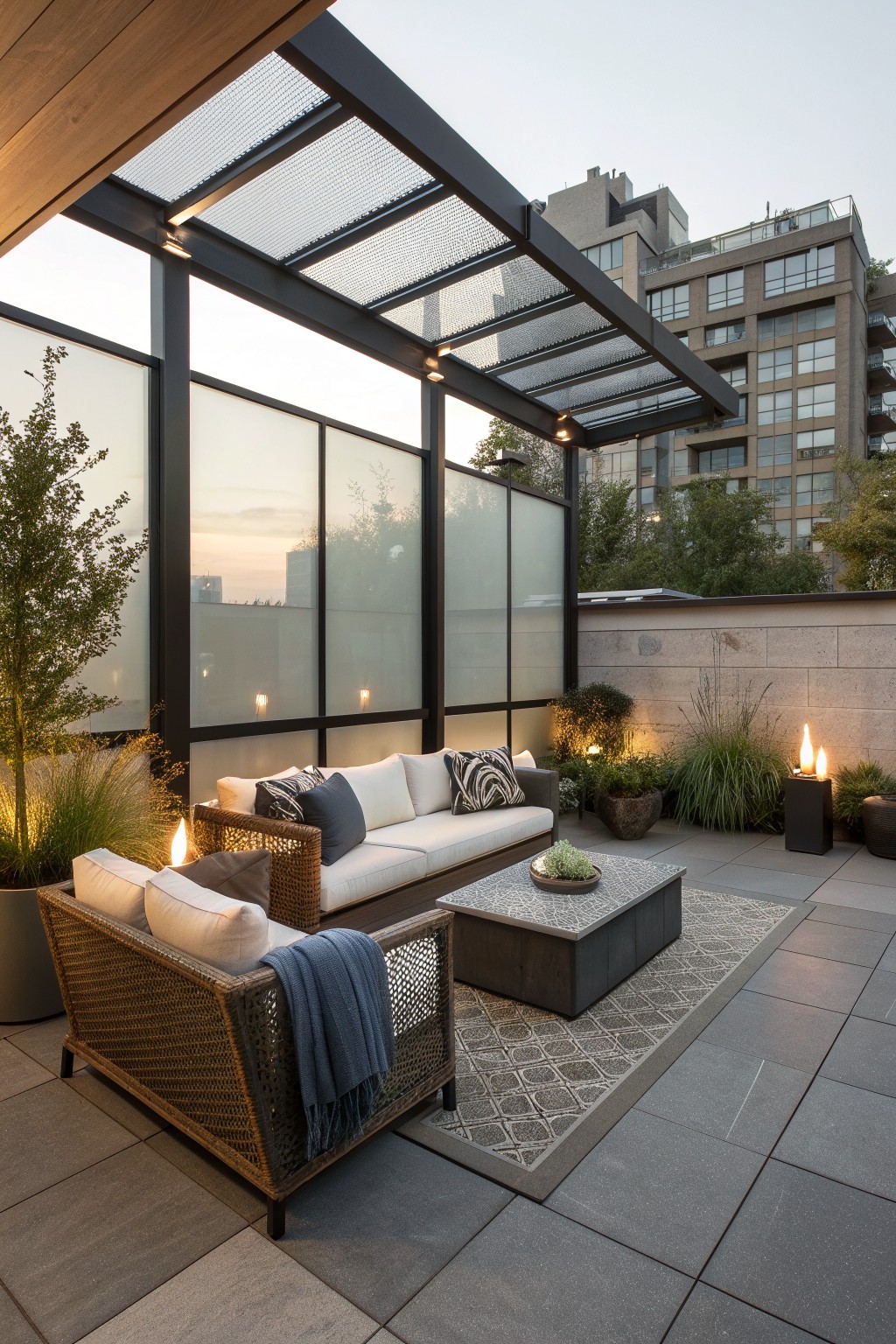
Glass panels around an outdoor seating area give you privacy without making the space feel closed in. They block the view from neighbors while still letting in plenty of light, which works especially well on rooftops or tight urban patios.
This setup suits homes where you want a defined outdoor room rather than an open deck. Use similar panels on two or three sides and keep one side open for easy access and airflow.
Wall Planters For Narrow Patio Privacy
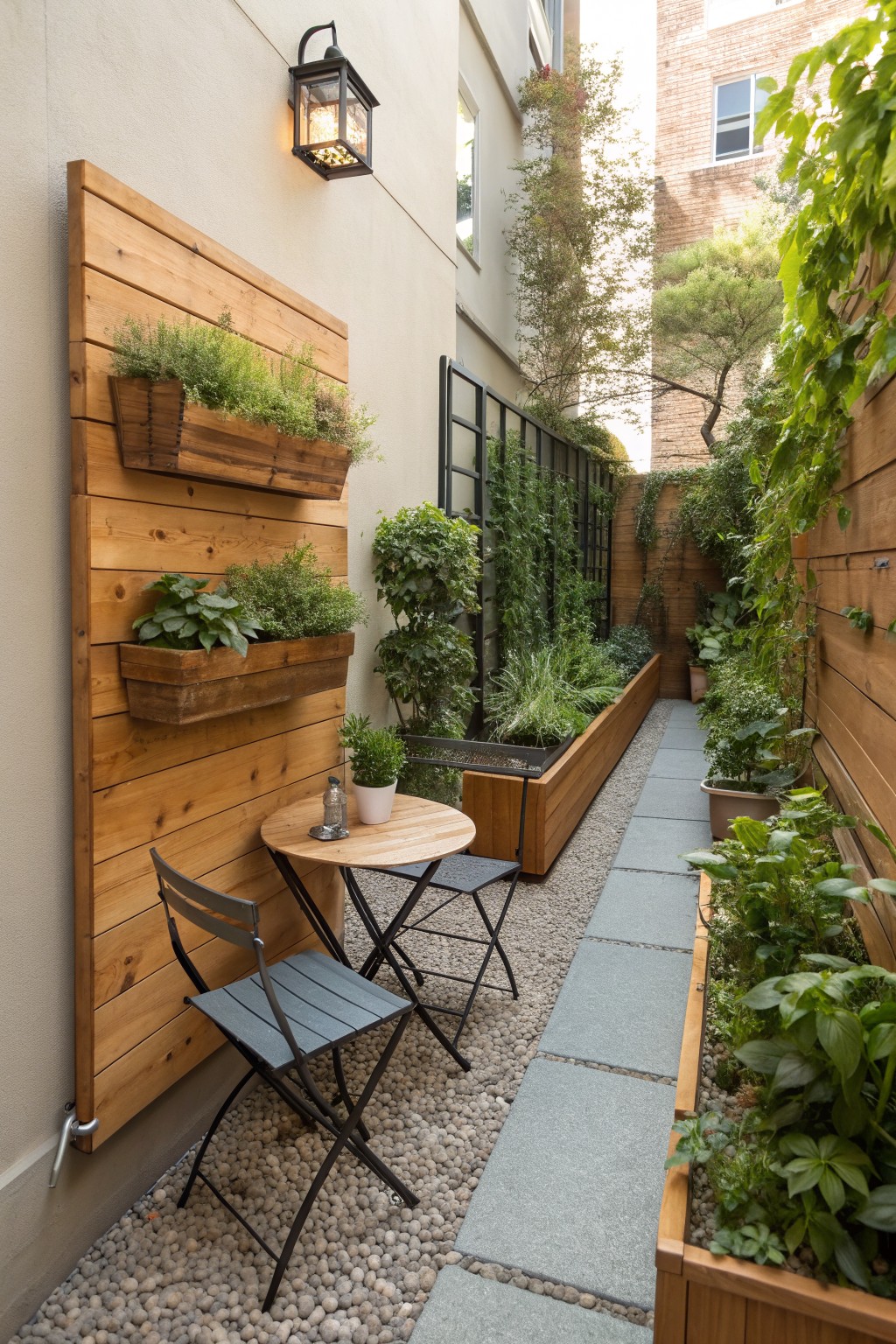
Mounting planters directly onto a side wall gives you greenery and a screen at the same time. In tight outdoor spots this keeps the floor clear while still blocking views from neighbors or the street. The wood blends with most fencing and the plants soften the look without taking up much room.
This setup works well in side yards, small urban patios, or any long narrow space where a full fence would feel too heavy. Use sturdy brackets, pick plants that handle partial shade, and keep the planters at a height that is easy to water.
Vertical Wood Screens For Outdoor Privacy
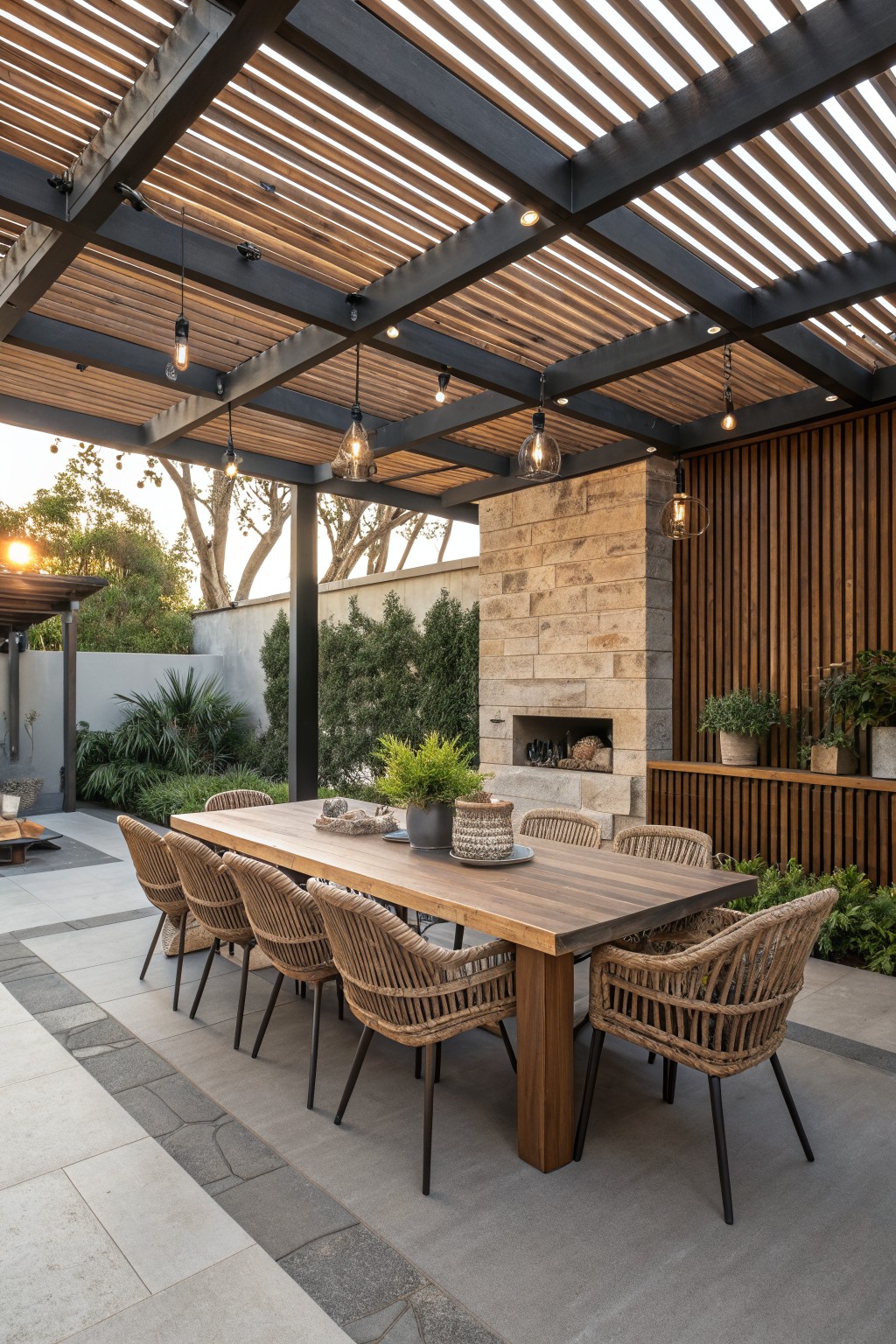
A tall wood screen along one side of a patio gives the space a clear boundary without blocking light or air flow. It works especially well when the seating area sits close to a neighboring yard or a busy walkway.
This approach suits homes with a deck or patio that needs a bit more separation. Run the screen behind the dining table and keep the other sides open so the area still feels connected to the rest of the yard.
Curtains On A Pergola For Easy Privacy
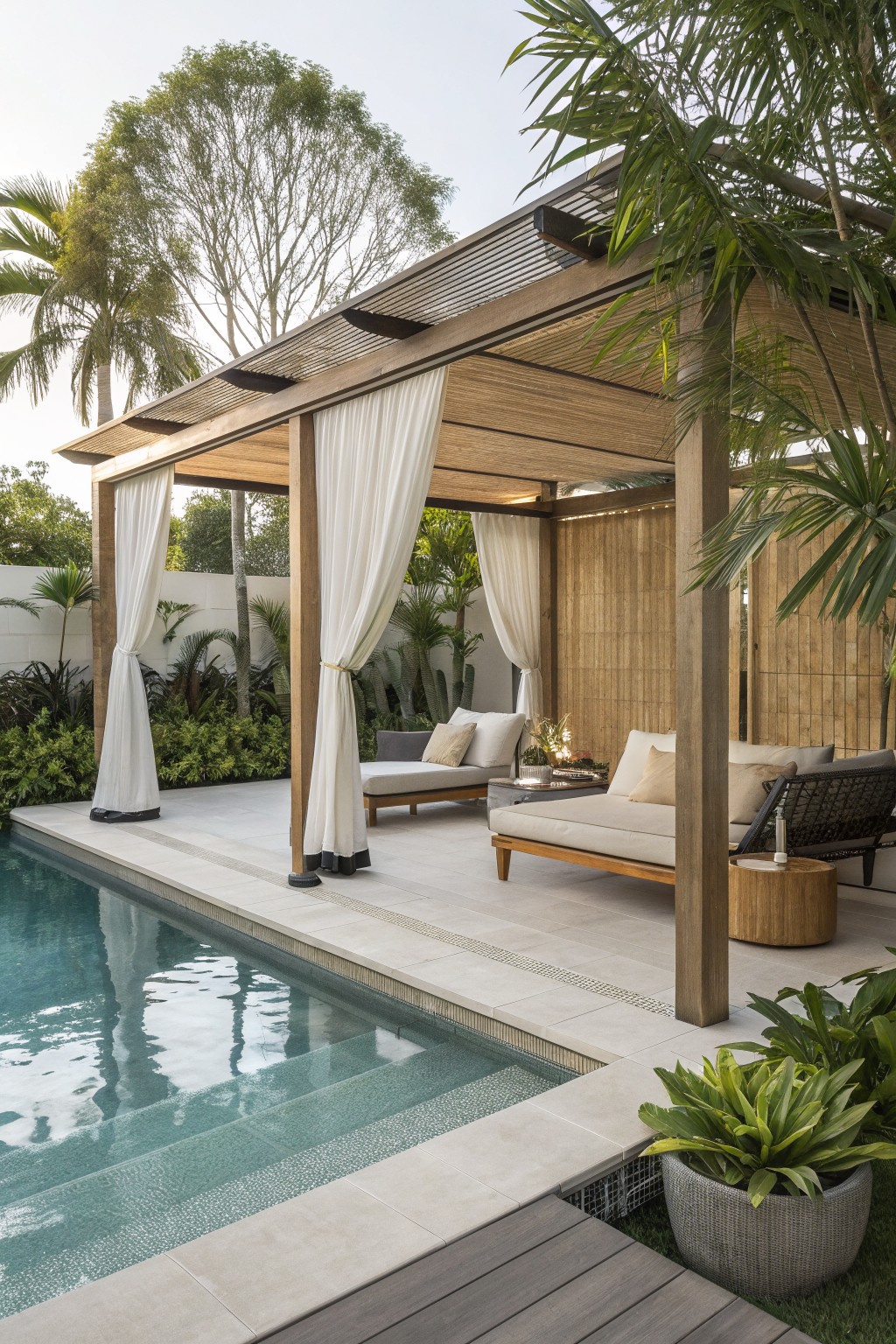
Hanging curtains from a pergola gives you flexible privacy without adding solid walls. The fabric can stay open on nice days and close off the space when you want more seclusion from the yard or neighbors. It works especially well over seating areas that sit right next to a pool or open lawn.
This approach fits homes with wooden structures and plenty of sun. Use outdoor fabric and simple tiebacks so the curtains stay practical and do not get in the way when not needed.
A Solid Wall Gives Outdoor Seating Real Privacy
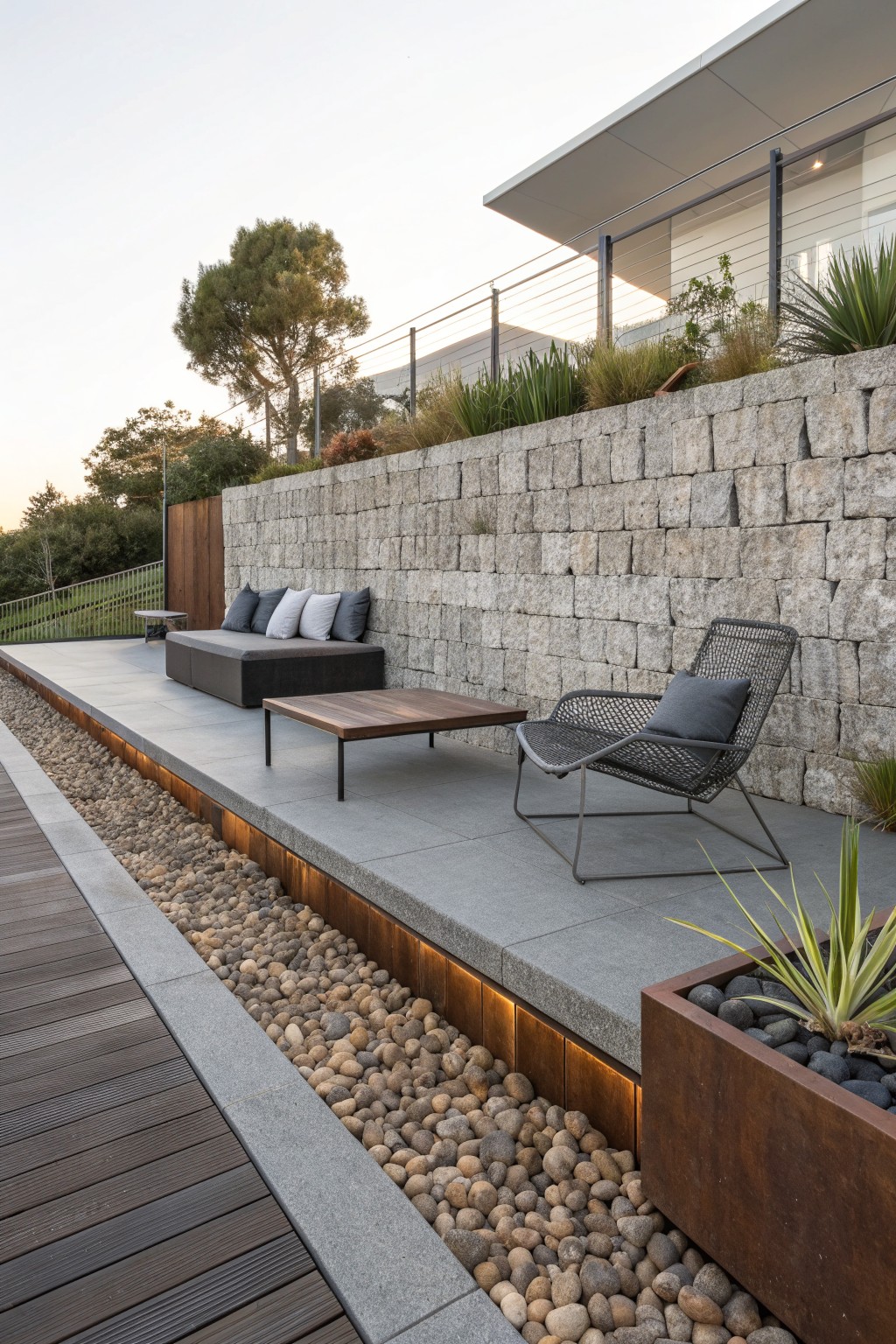
A solid wall right behind the seating turns an open patio into a space that actually feels private. The stone wall here blocks views from higher ground and neighboring homes while still letting in light and air.
This approach works especially well on sloped sites or tight urban yards where planting alone may not be enough. Place the seating directly against the wall and keep the top of the wall at least six feet high so people feel enclosed without it becoming dark or heavy.
Enclosed Porches That Add Privacy To Outdoor Seating
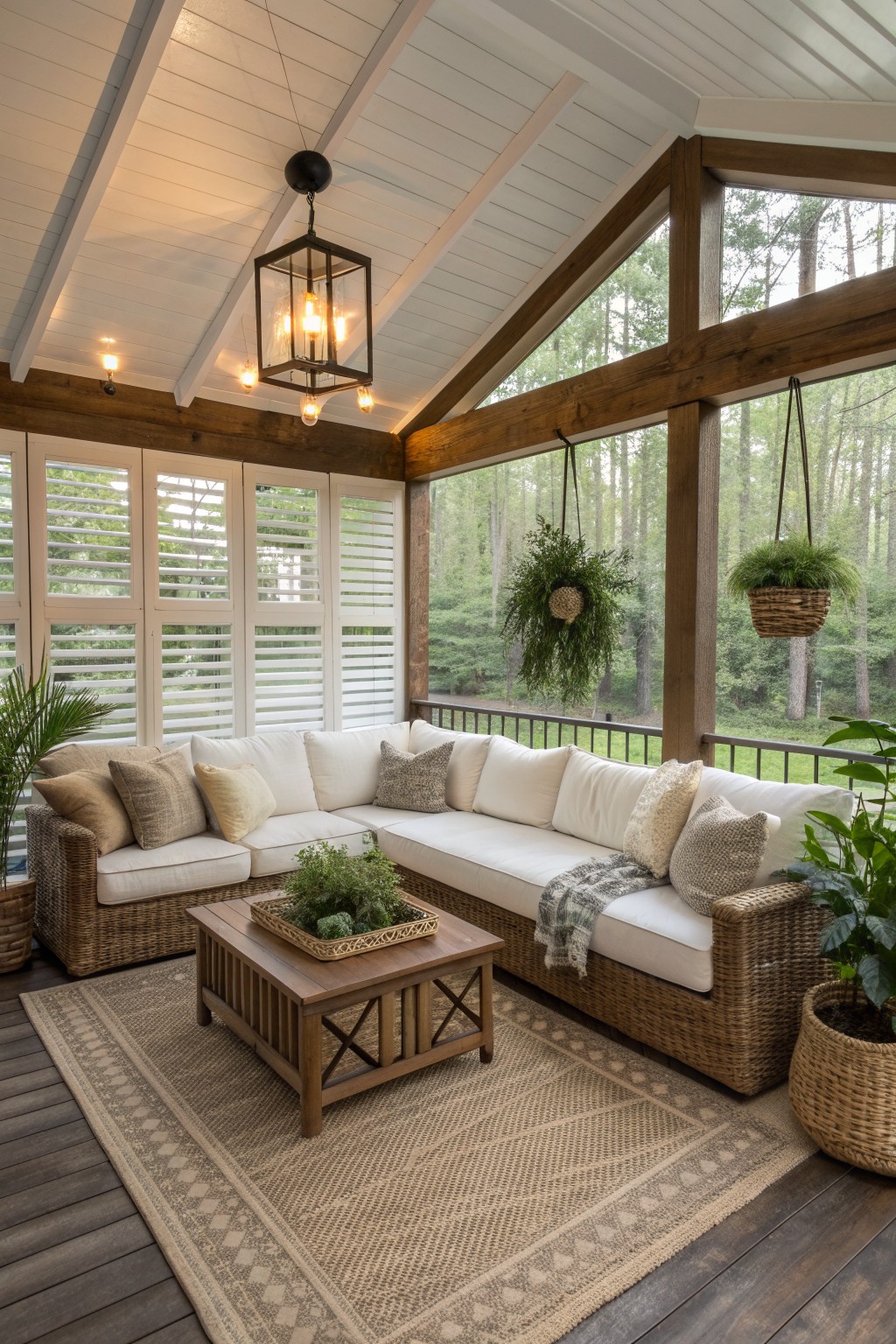
An enclosed porch gives you outdoor seating that feels protected without cutting you off from the view. The walls and windows create a natural screen from neighbors or the street while still letting in light and fresh air.
This setup works best on homes that already have a covered porch or deck space. A large sectional with simple cushions and a central table keeps things comfortable, and you can open the windows or shutters when you want more of a breeze.
Patterned Screens for Private Outdoor Seating
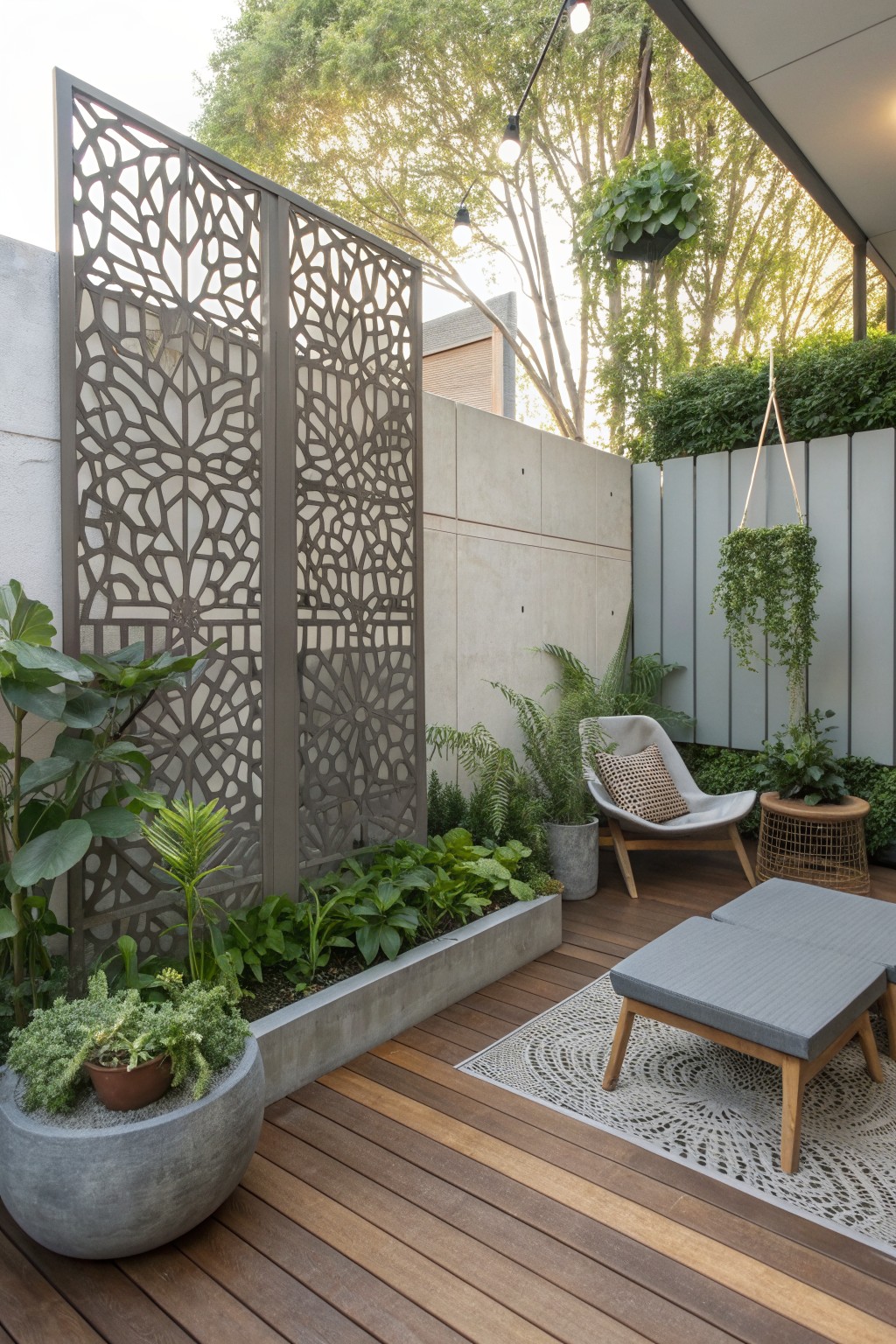
A simple way to make an outdoor seating area feel more private is to add screens with cutout patterns. These panels block views from outside while still letting in light and air, so the space feels enclosed without turning into a solid wall.
This works well on decks or patios that sit close to neighboring yards or fences. Place the screens along one or two sides of the seating zone and keep the rest open so the area stays bright and connected to the garden.
Built-In Seating Against A Privacy Fence
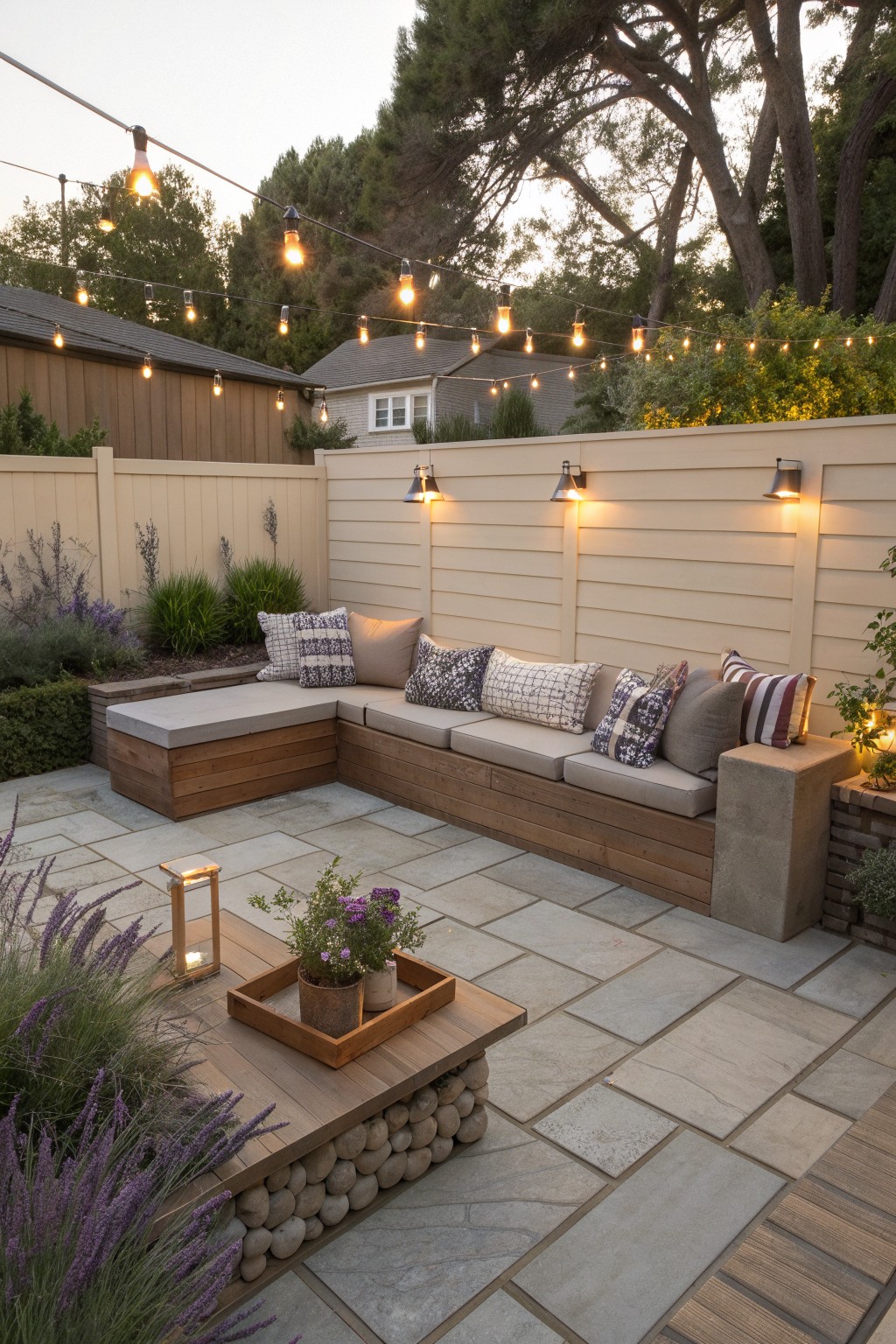
Built-in benches right against a tall fence give you seating and privacy in one move. The fence acts as a solid back while keeping the whole area feeling enclosed and sheltered from outside views.
This works best on smaller patios or side yards where you need to block neighbors without adding extra structures. Keep the fence height consistent and choose simple cushions so the bench stays comfortable through the seasons.
Living Walls Create Natural Privacy Screens
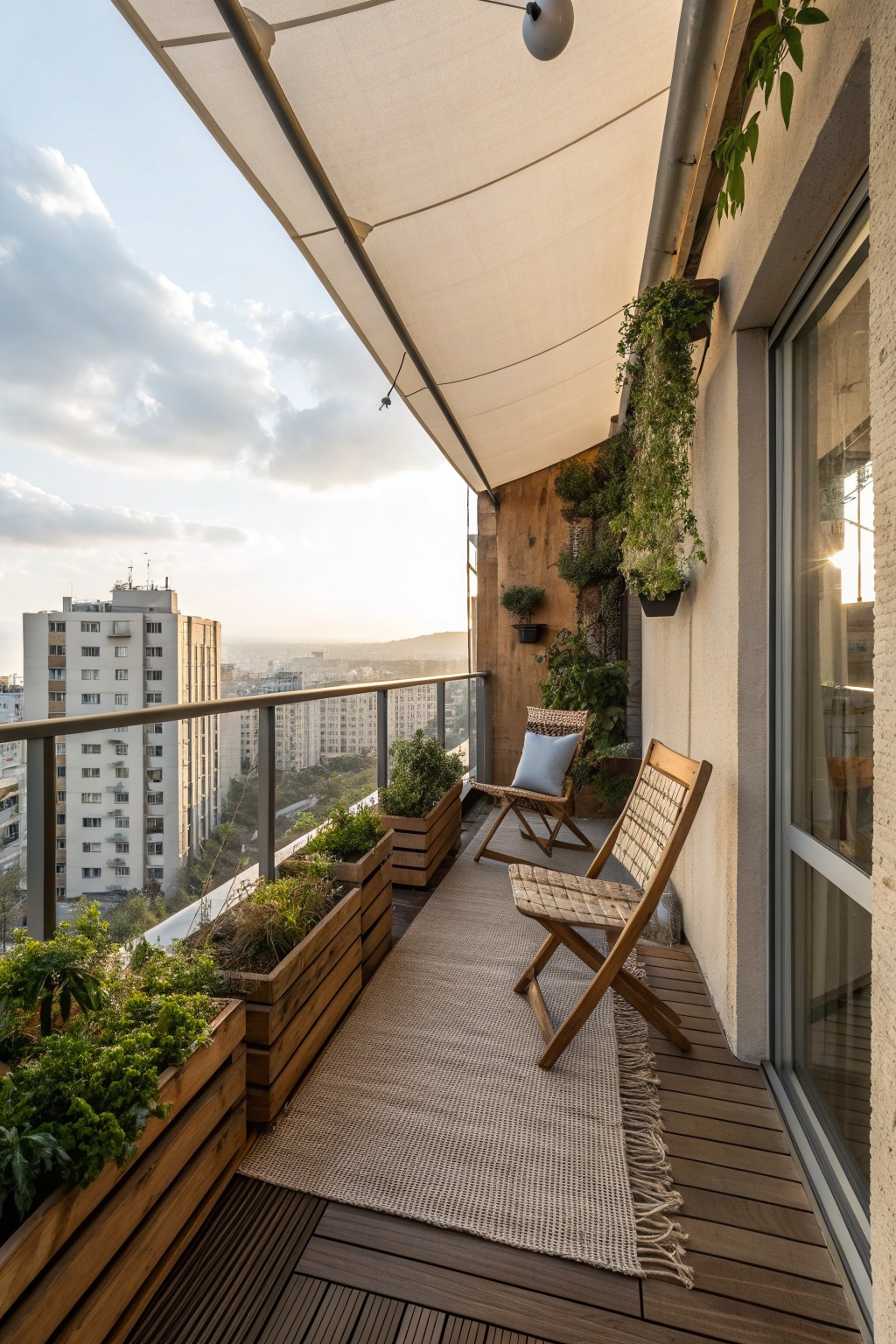
A living wall mounted along one side of a balcony gives seating areas privacy without feeling closed in. The plants soften the edge of the space while still letting in light and air.
This works best on urban balconies or patios where you sit near neighboring buildings. Mount simple planters on a fence or wall and choose trailing varieties that fill in quickly.
Pergola With Vines for Simple Privacy
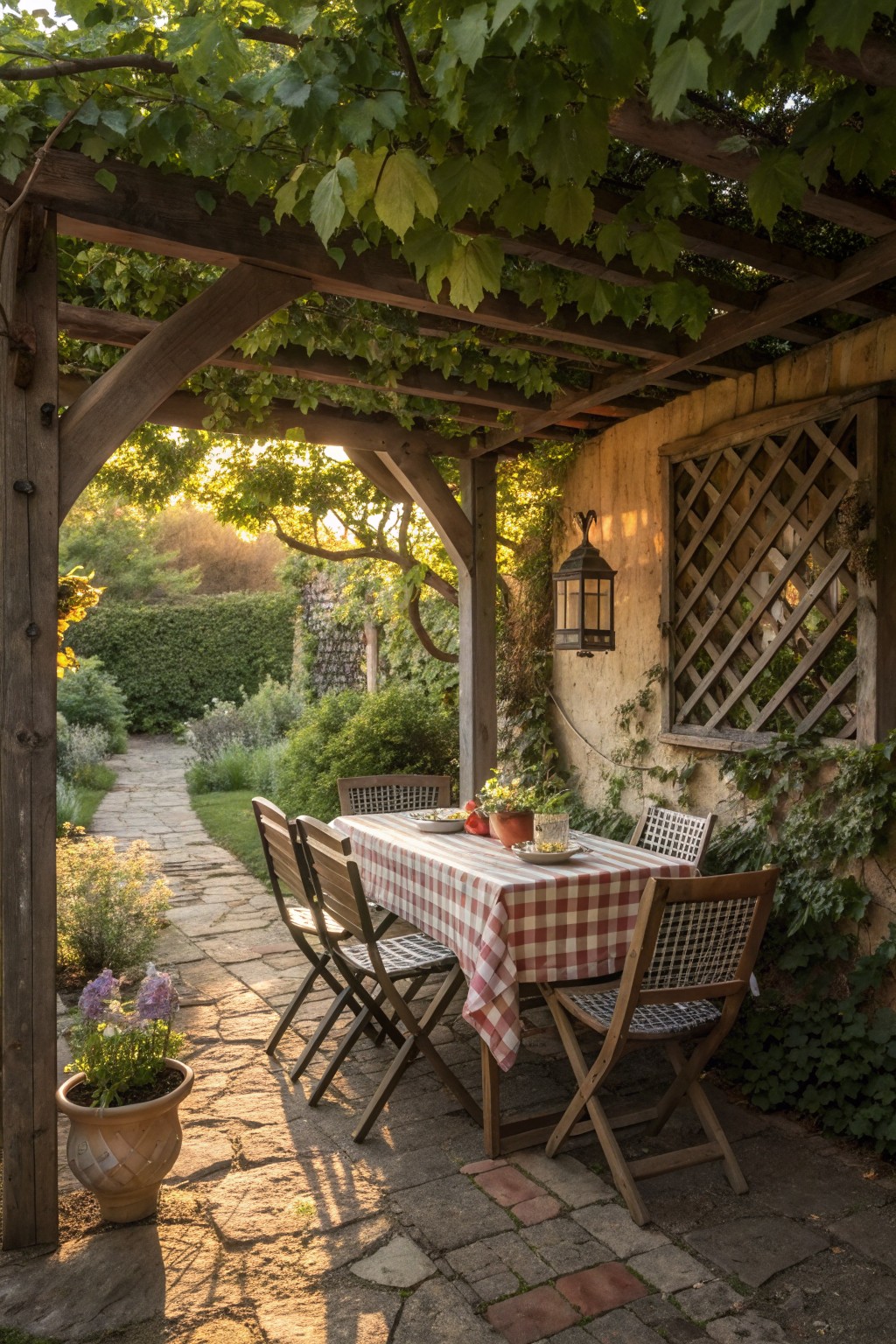
A vine-covered pergola gives outdoor seating a natural screen without needing extra panels or fences. The thick growth overhead and along the sides blocks sight lines while still keeping the space open and airy.
This setup works best in a backyard with room for the vines to spread. Pick a fast-growing variety that suits your climate and give the structure a few seasons to fill in.
Frequently Asked Questions
Q: How do I keep the screens from looking too heavy next to my chairs?
A: Pick lightweight options like sheer fabric panels or slim wood slats. These let some light through while still giving privacy. Try matching the screen color to your seating cushions for a pulled together feel.
Q: Will rain ruin most of these privacy screen ideas?
A: Go for treated wood or metal frames with weatherproof fabric. Hose them off now and then and they stay looking fresh. Skip anything that soaks up water easily.
Q: What if I want to move the setup around my yard?
A: Choose freestanding screens on bases. They shift easily when you want a change.


