When I look at a small backyard the first thing that stands out is how the planting layout either opens up the space or makes it feel boxed in.
Containers work well because they let you adjust the arrangement without digging up the whole yard each season.
Vertical planting changes everything.
Raised beds add clear lines that help define pathways and keep the soil in place as plants fill in over the years.
I tend to try one new setup at a time so I can see how it actually holds up once the weather and growth patterns settle in.
Vertical Wall Planters For Small Yards

Small backyards often run out of ground space fast. Stacking planters on the wall lets you grow plenty of plants without crowding the floor or needing big beds.
This setup works best along a solid fence or house wall where you can bolt on brackets and run a few rows. It suits homes with gravel yards or patios that need more growing room without major digging.
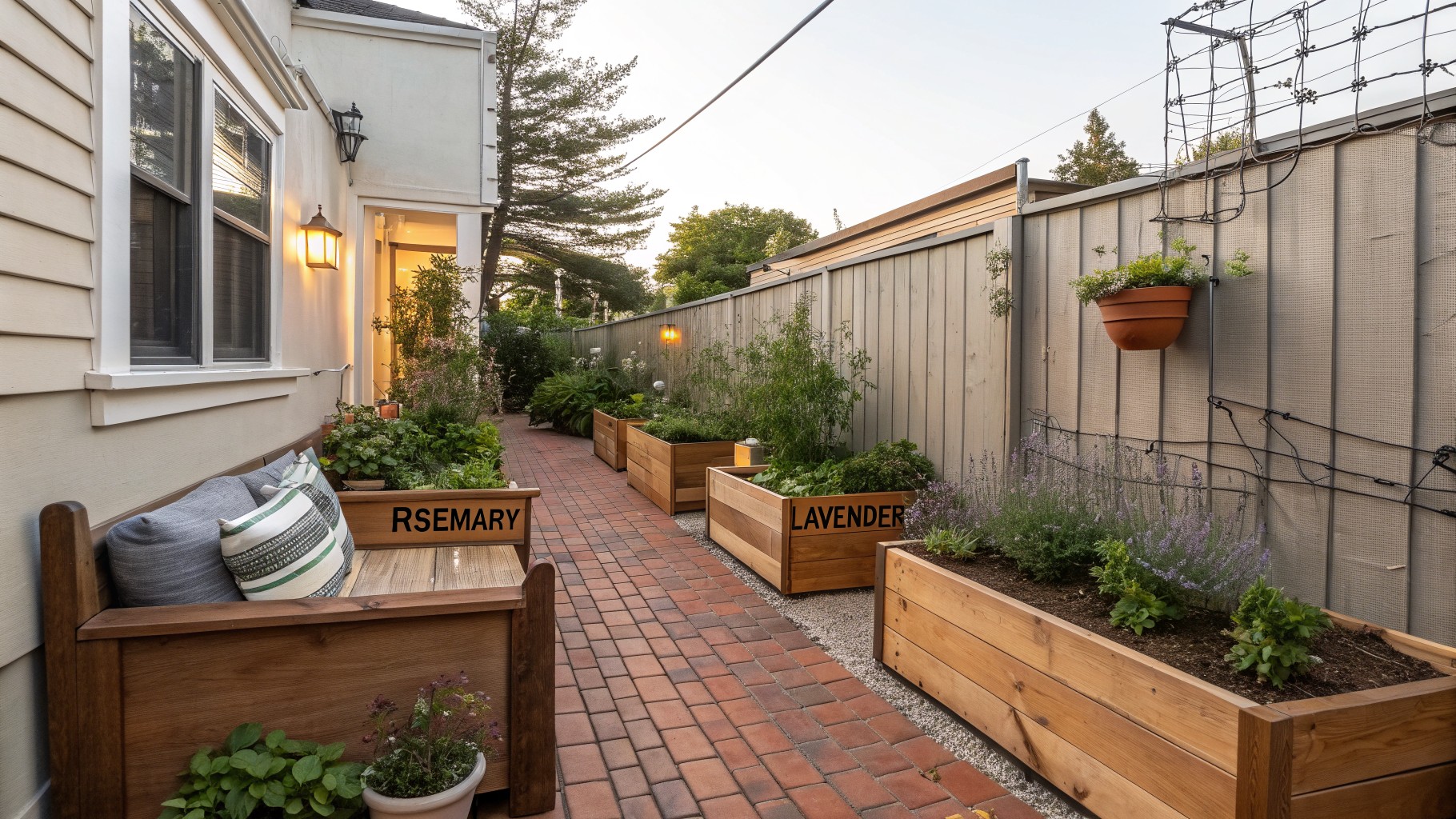
Raised Beds Along A Gravel Path

Raised beds paired with a gravel path give structure to a narrow backyard without crowding it. The beds create clear planting zones while the path keeps the space usable and easy to walk through even after rain.
This works well in small yards where space is tight and drainage matters. Keep the beds at a comfortable height, use simple edging, and add a few containers only where the path widens so the layout stays open.
Raised Beds With Vertical Planting
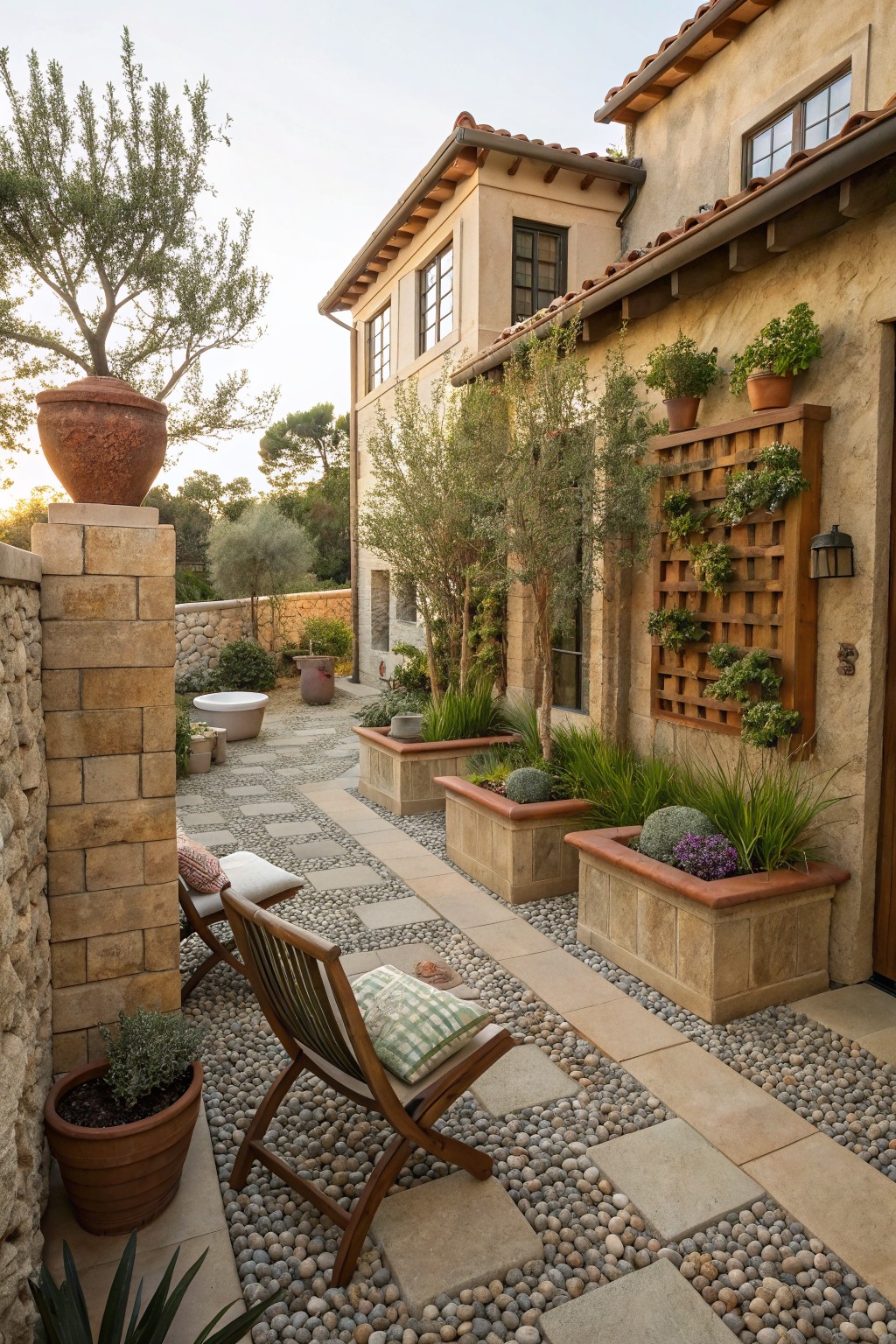
Raised beds already help keep plants organized in a small yard, but adding a vertical panel turns the same space into something much more productive. The wooden lattice mounted right above the beds lets vines and smaller pots climb upward instead of spreading out across the ground. It works especially well when the rest of the yard is mostly paved.
This setup suits homes with limited soil or tight side yards where you still want a decent amount of greenery. Keep the vertical section narrow so it does not crowd the walkway, and choose plants that stay fairly light so the frame stays secure over time.
Raised Beds With Concrete Borders

Raised beds built with concrete edges help keep a small garden looking neat and easy to manage. The solid borders hold everything in place, so you can plant in sections without worrying about soil spilling onto paths or grass.
This setup suits compact backyards that need clear structure. Add a few large containers near the beds and a simple vertical screen along one wall to increase planting room without crowding the space.
Combine Raised Beds With Wall Trellises

Raised beds already give you good soil control and easier access, but adding a simple trellis right against the house wall takes the same space further. You can grow more without widening the beds or crowding the path. The vertical layer keeps things from feeling flat and lets vines or trailing plants fill in above the lower beds.
This setup works especially well along narrow side yards or where the house wall faces a walkway. Mount a sturdy grid or simple frame, then hang pots or train climbers directly on it. Just make sure the structure is secure and the pots are not too heavy for the mounting points.
Terraced Retaining Walls Turn Slopes Into Garden Beds

Sloped yards often limit what you can grow because soil washes away and flat space is scarce. Terraced retaining walls solve this by carving the hill into a series of level beds that hold soil and plants without constant erosion.
The approach works on any noticeable grade and pairs well with stone or block materials that blend into the landscape. It suits homes where the backyard drops away from the house and gives you room for both small containers and larger shrubs in the same area.
Raised Beds With Large Containers
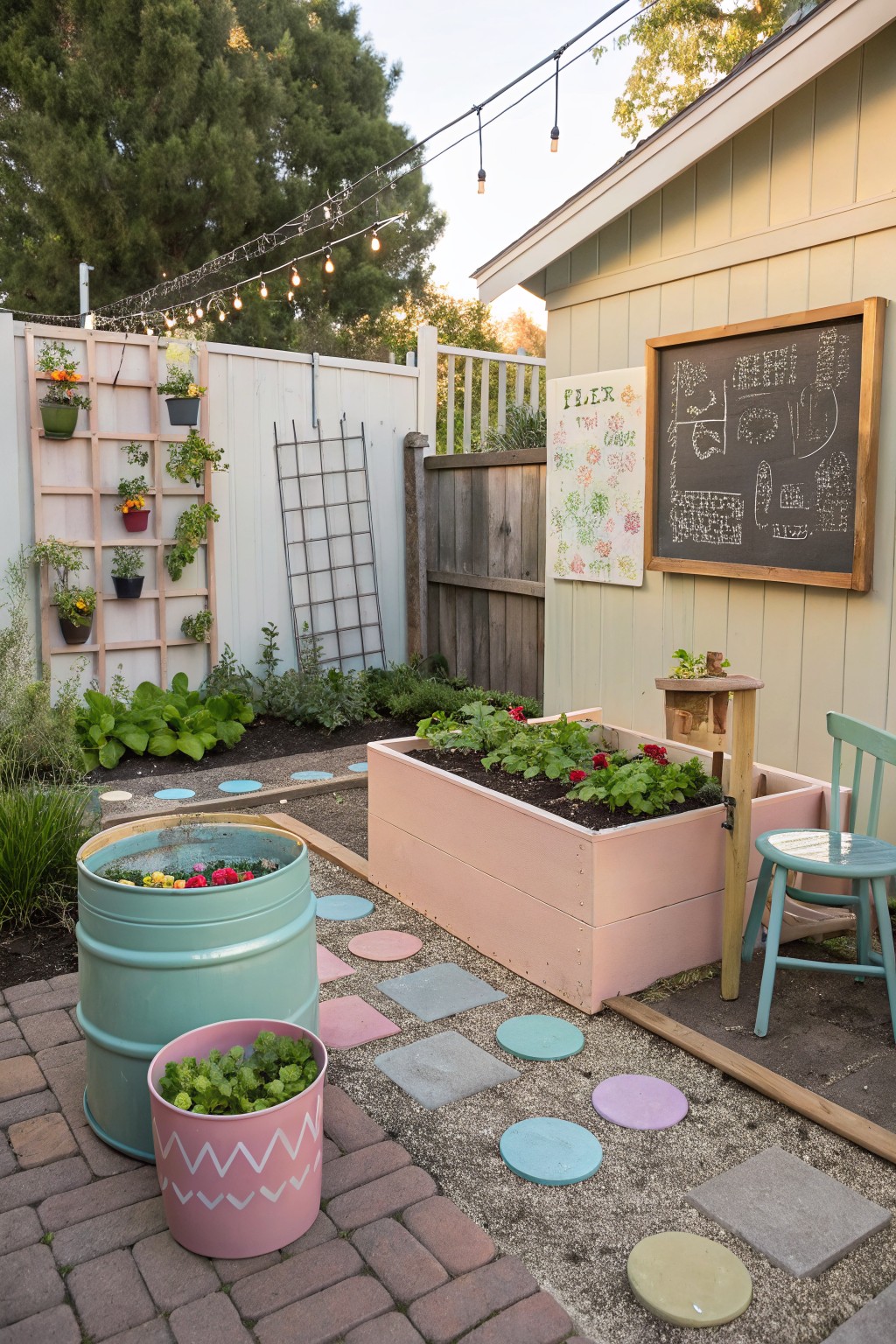
Mixing a raised bed with oversized containers gives you more planting space without needing a big open yard. The bed handles bigger crops while the barrels and pots let you tuck plants into corners or move them around as needed. This setup works especially well when ground soil is poor or you want to keep things neat.
It suits small backyards, side yards, or rental spaces where digging is limited. Choose containers that match the bed color or material so everything feels connected, and leave room for a simple path between them. Keep the largest pieces against a fence or wall to save walking space.
Large Containers Next To Built-In Seating

Large pots placed right beside a built-in bench give a small patio instant garden feel. They add height and color without needing extra ground space or permanent beds.
This works best on decks or paved yards where soil is limited. Pick a few oversized pots in matching tones and group them at the ends or corners so the seating area still feels open.
Vertical Shelving Along a Fence

Small backyards often run out of ground space quickly. Putting up simple wooden shelves on an existing fence adds growing room without crowding the area below.
This approach works best in narrow yards or along side fences where you still want access to the ground beds. Keep the shelves at a comfortable height for watering and use them for herbs or smaller pots so the lower beds stay open for bigger plants.
Raised Beds Create Defined Planting Zones

Raised beds give a small backyard a clear layout without crowding the space. They lift the planting area so the beds stand out against the ground cover and make it simple to group plants by type or height.
This approach works best in fenced yards or on slight slopes where you need defined edges. Place the beds along one side and run a gravel path with stepping stones in front so you can reach everything without stepping on the soil.
Wall Grids For Herbs And Climbing Plants

A grid mounted on a wall lets you add plants without crowding the ground. It works especially well in narrow side yards or along a house wall where space is tight, and it pairs easily with a raised bed running underneath.
Place the grid where it gets decent light and use it for herbs or trailing plants in smaller pots. Keep the lower area open for larger containers or a bed of vegetables so the whole setup stays practical rather than overcrowded.
Vertical Planters Along Fences Maximize Small Yards

Narrow side yards often get overlooked because there is little room for traditional beds. Mounting planters right on the fence adds growing space at different heights and keeps the ground clear for walking.
This setup suits tight urban lots or long passages between houses. Use sturdy brackets, pick lighter pots, and group plants that need similar water so the whole thing stays manageable over time.
Raised Beds With Vertical Trellises
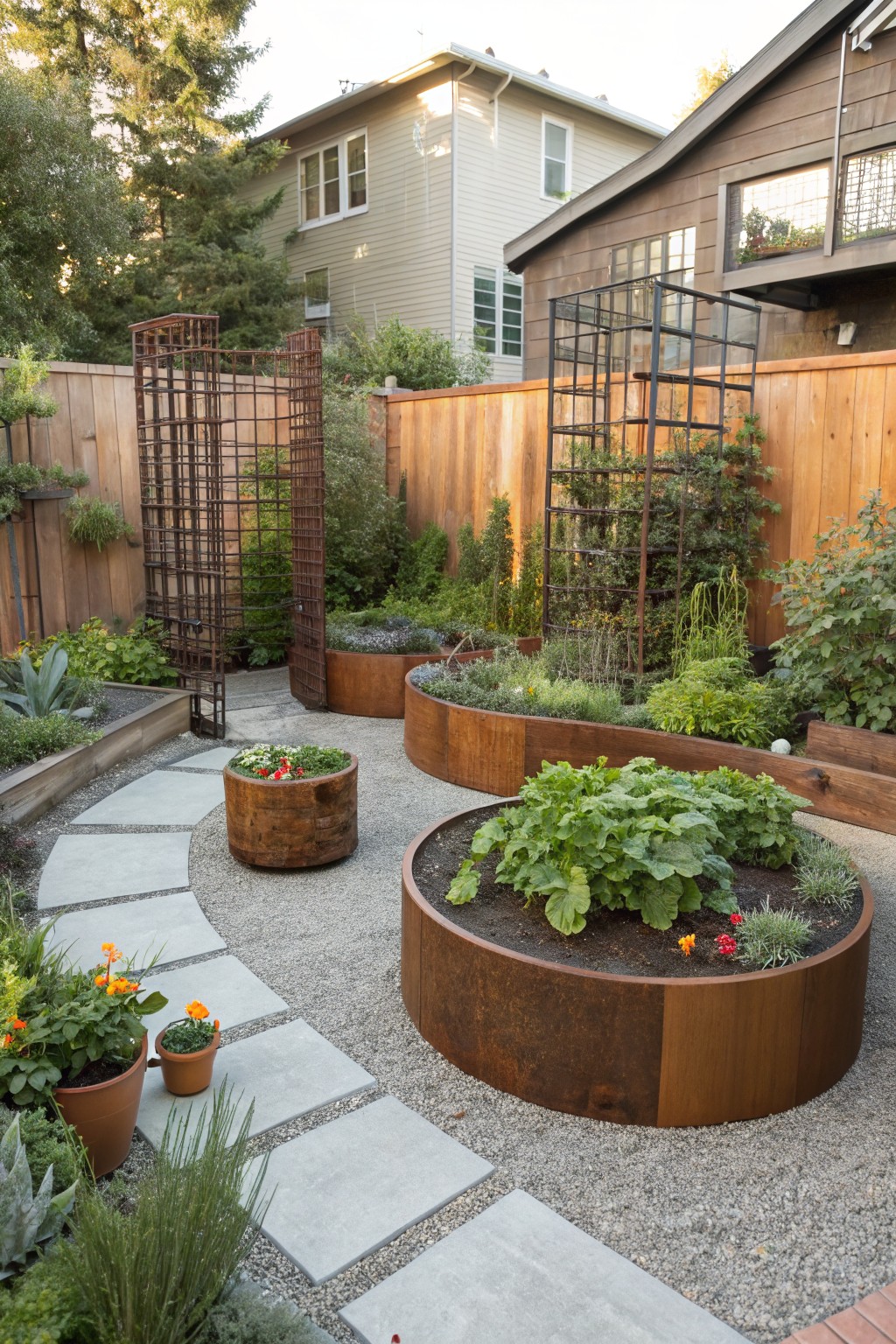
Raised beds work especially well when they include some height. Metal versions like these let you grow more in a tight space while the attached wire towers support climbing plants without extra structures.
This setup suits small yards with gravel or simple paths. Keep the beds curved or grouped to follow the flow of the space, and choose sturdy vertical pieces that match the bed material so everything holds together over time.
Raised Beds Beside A Gravel Walkway

Many backyard gardens feel more manageable when raised beds sit right next to a simple path. The beds keep soil and plants contained while the path gives easy access for watering and harvesting without compacting the ground.
This layout suits smaller yards that need clear walking space. Use gravel with a few stepping stones so the path stays dry and low maintenance, and keep the beds narrow enough to reach across from either side.
Raised Beds With Vertical Supports
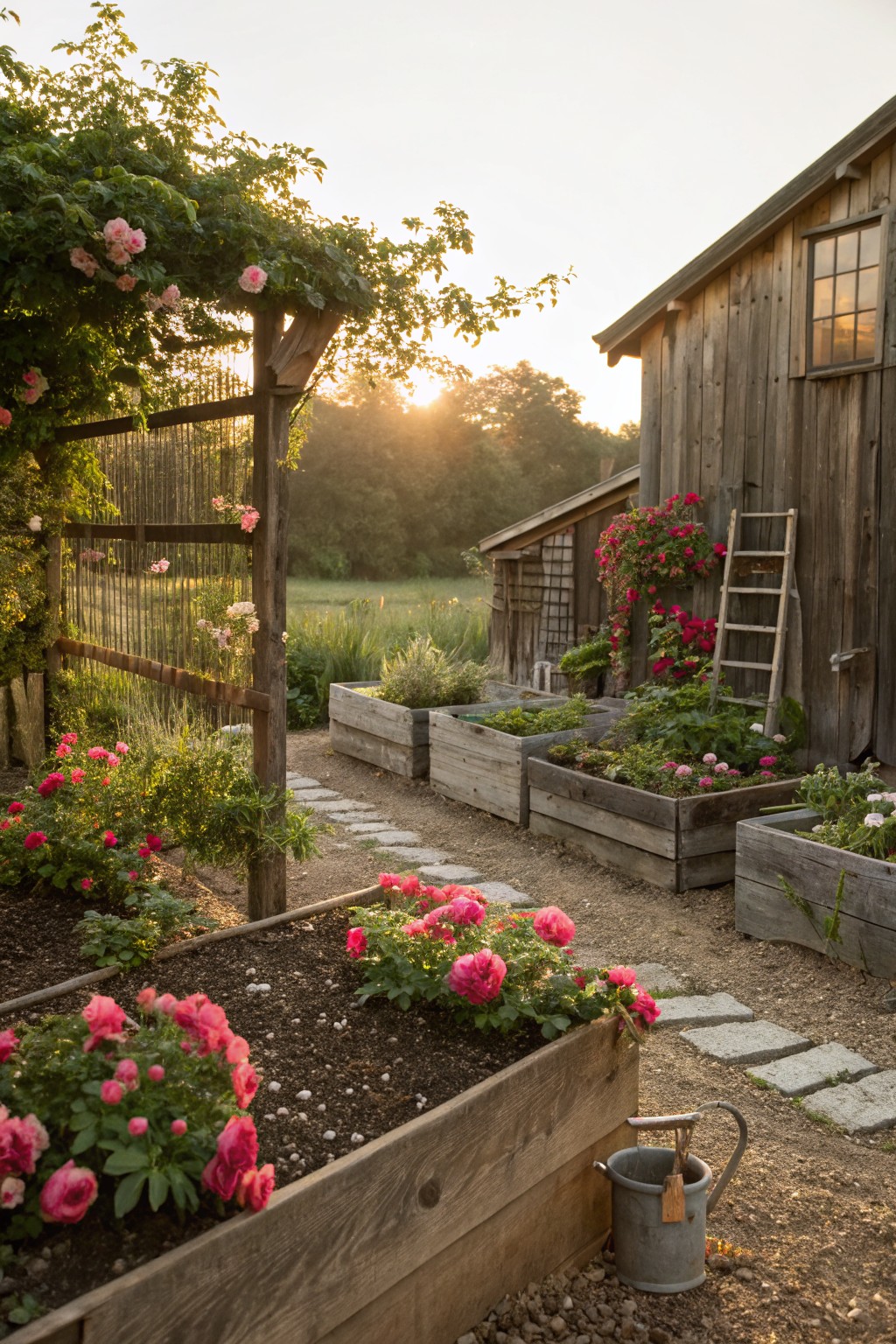
Raised beds already help keep a small garden tidy and productive. Adding a simple vertical trellis at one end lets you grow climbing plants without spreading out across the ground. The structure stays compact while still giving the space height and layers of color.
This setup works best in narrow side yards or small back gardens where every square foot counts. Keep the beds narrow enough to reach across easily and let the vertical plants take over the upper area.
Wall-Mounted Trellises For Climbing Plants
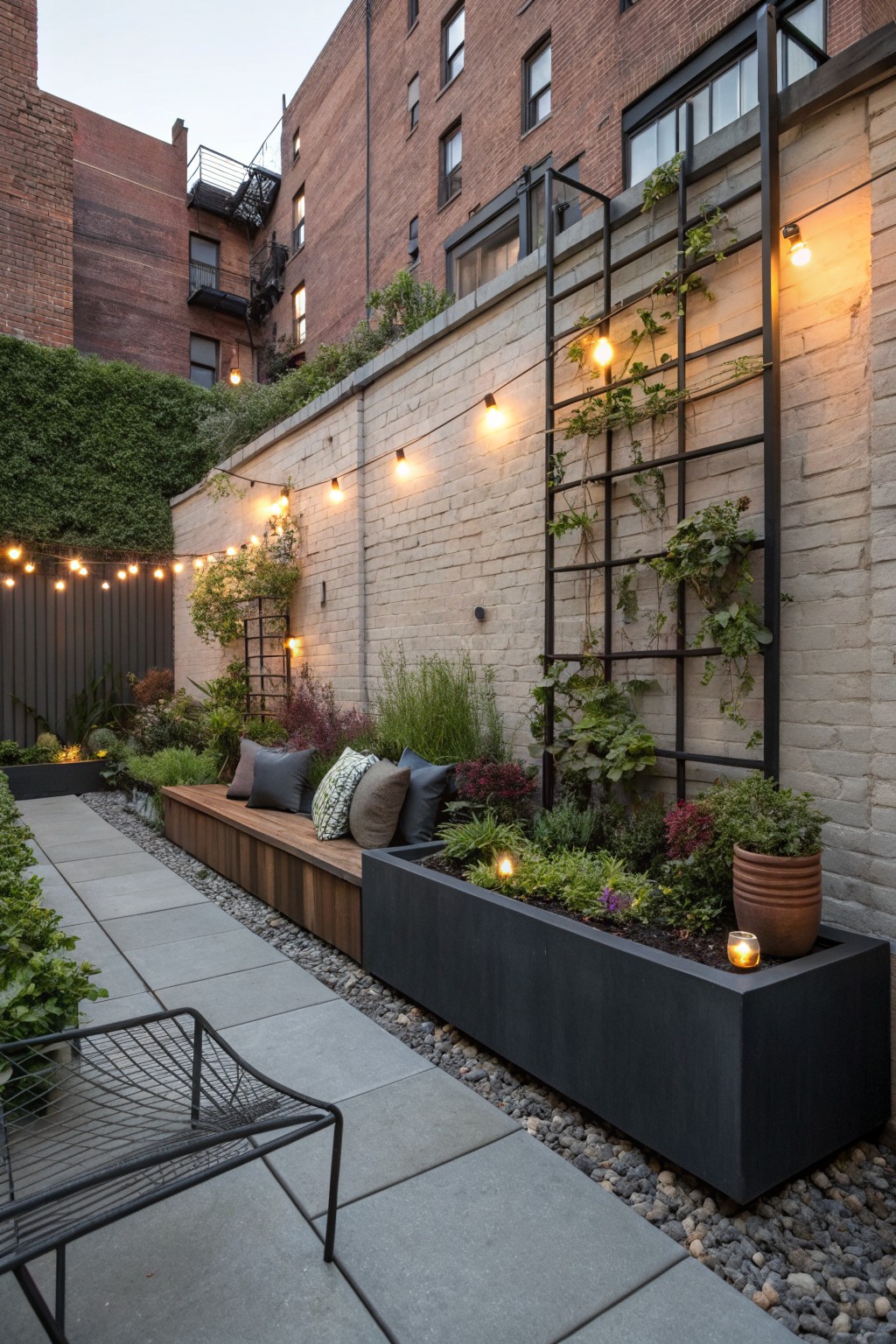
A wall-mounted grid lets you grow climbing plants without losing floor space. In tight backyards this keeps the ground clear for paths or seating while still adding plenty of greenery along the sides.
It works best on plain walls or fences where you can attach a simple metal or wood frame. Make sure the structure is sturdy enough for the plants you want to grow and leave room at the base for a narrow planter or container.
Raised Beds On A Slope

Raised beds built in tiers can turn a tricky slope into useful growing space. The beds step down the hill in a way that keeps the soil level and makes it easy to reach every plant without fighting the grade.
This setup works best on smaller lots where flat ground is limited. Keep the beds narrow enough to tend from the sides and use the same wood or material throughout so the whole garden feels connected rather than scattered.
Add A Stone Edged Pond To A Small Yard
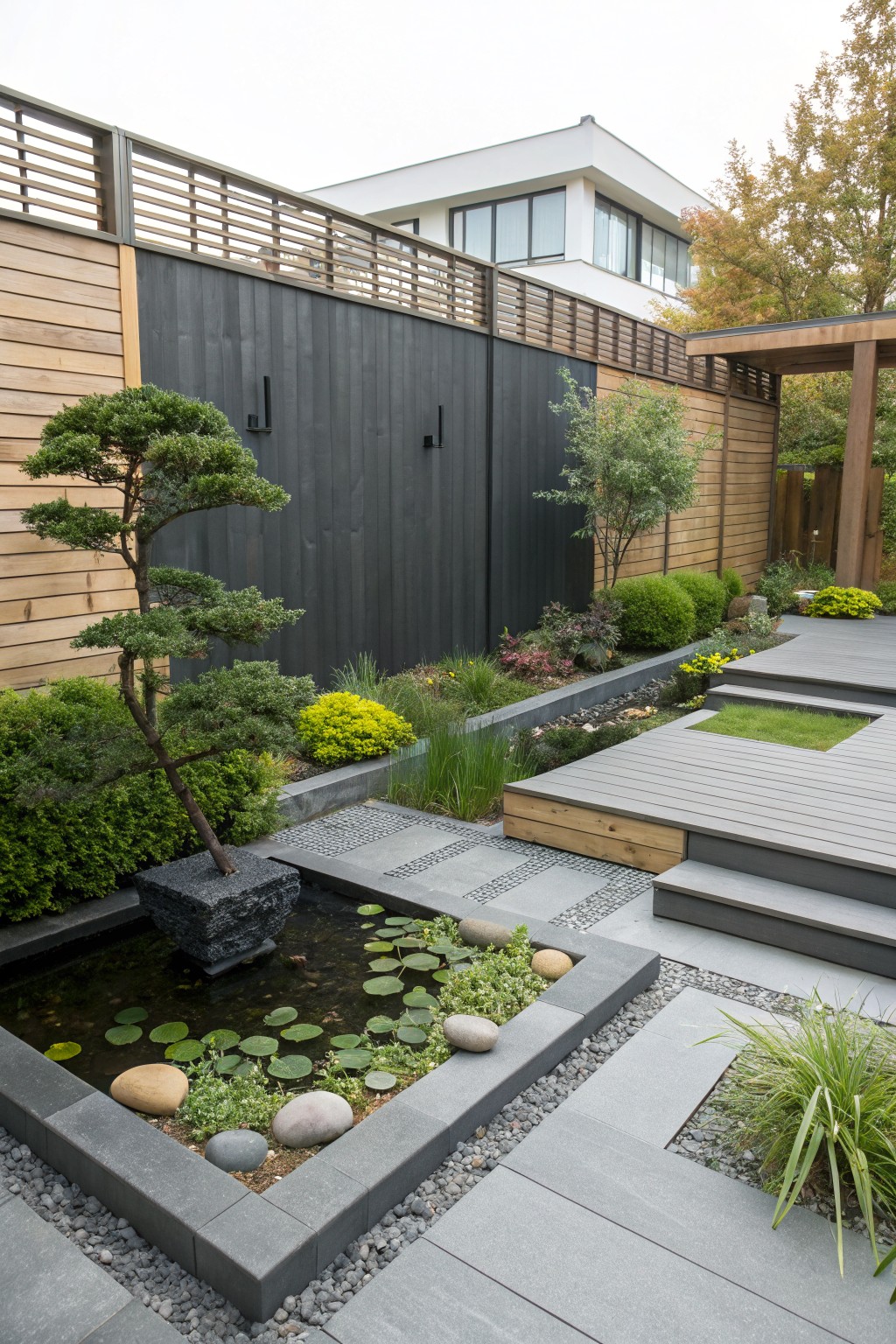
A small pond gives a backyard some life without needing a lot of space. Stone borders around it help keep the water contained and create a clear edge that works with nearby gravel and paths.
This setup suits compact yards where you want a focal point that still feels organized. Match the edging material to other beds if you can, and keep the surrounding plants low so the water stays visible.
Raised Beds With Built-In Seating

One simple way to stretch a small backyard is to build raised beds that also support seating. The flat top edge gives you a place to sit without adding separate furniture that would crowd the space.
This setup works well when you keep the beds at a comfortable height and use containers nearby for extra plants. It suits narrow lots or townhomes where you need both growing room and a spot to relax without overfilling the yard.
Frequently Asked Questions
Q: How often should I water containers in a small sunny yard? A: Check the soil with your finger each afternoon since pots dry out faster than ground beds. Water until it runs out the bottom and skip a day if rain is in the forecast. Grouping them in a partly shaded corner cuts down on daily checks.
Q: Can raised beds sit right next to a vertical trellis without crowding plants? A: Place the bed a foot away from the trellis base so roots have room to spread. Train vines upward while keeping low growers in the bed itself. This setup keeps pathways clear and lets both areas get decent airflow.
Q: What works if I want to move my container garden around each season? A: Set pots on wheeled plant stands from the start so shifting them takes one person. Stick to lighter soil mixes with plenty of perlite to keep weight down. Try the new spot for a week and watch how the plants react before committing.