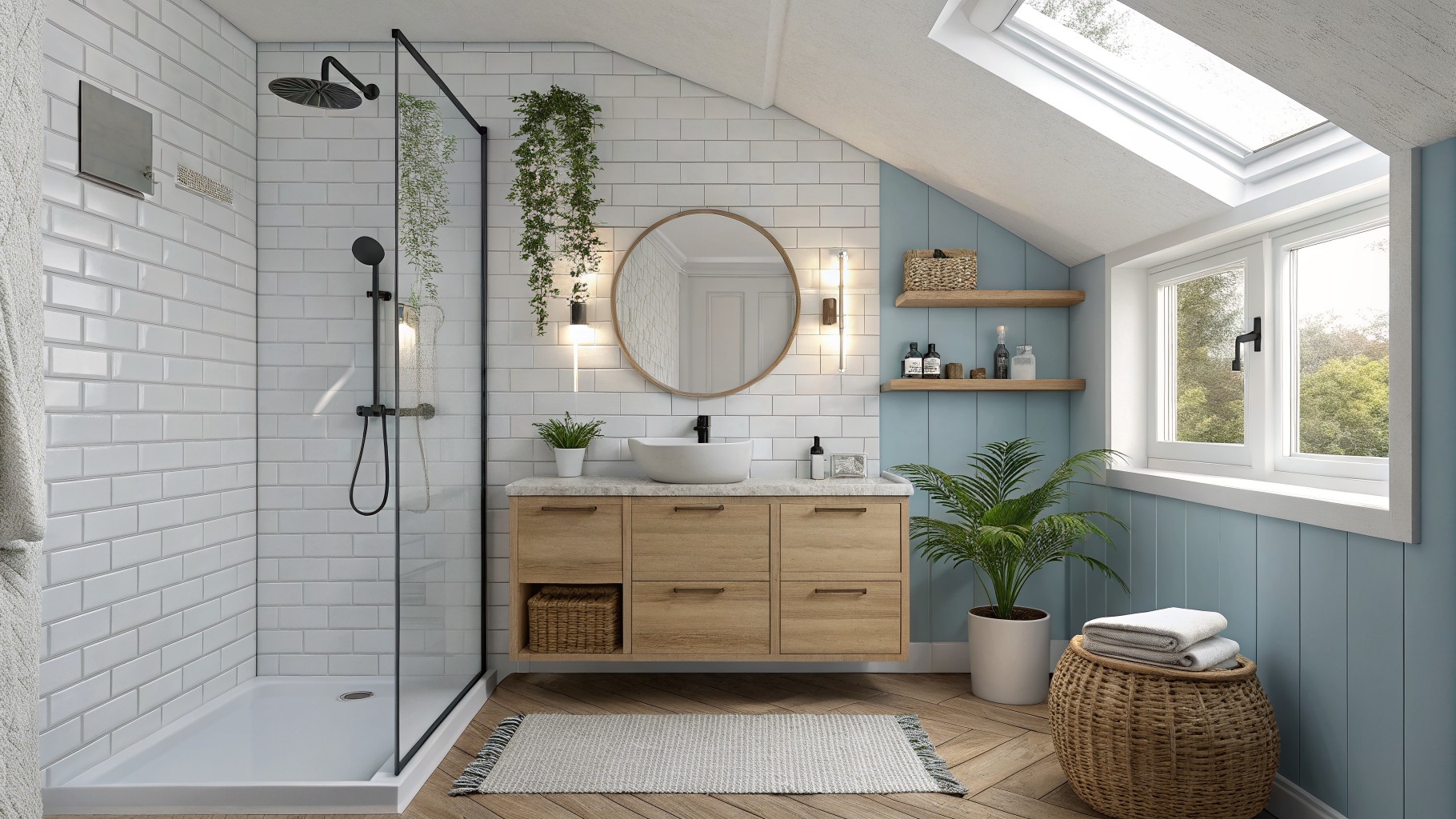
I have noticed that in tight bathrooms the way light hits the walls can pull out unexpected undertones that make the space feel tighter by midday.
Paint next to white tile or a dark vanity often shifts more than you expect once it is up.
Test samples on the actual wall first.
I usually watch how each shade reads from morning through evening because the same color can look cooler or muddier depending on the fixture bulbs and any small window.
That step saves me from picking something that only works in the store aisle.
Soft Blue Gray Walls
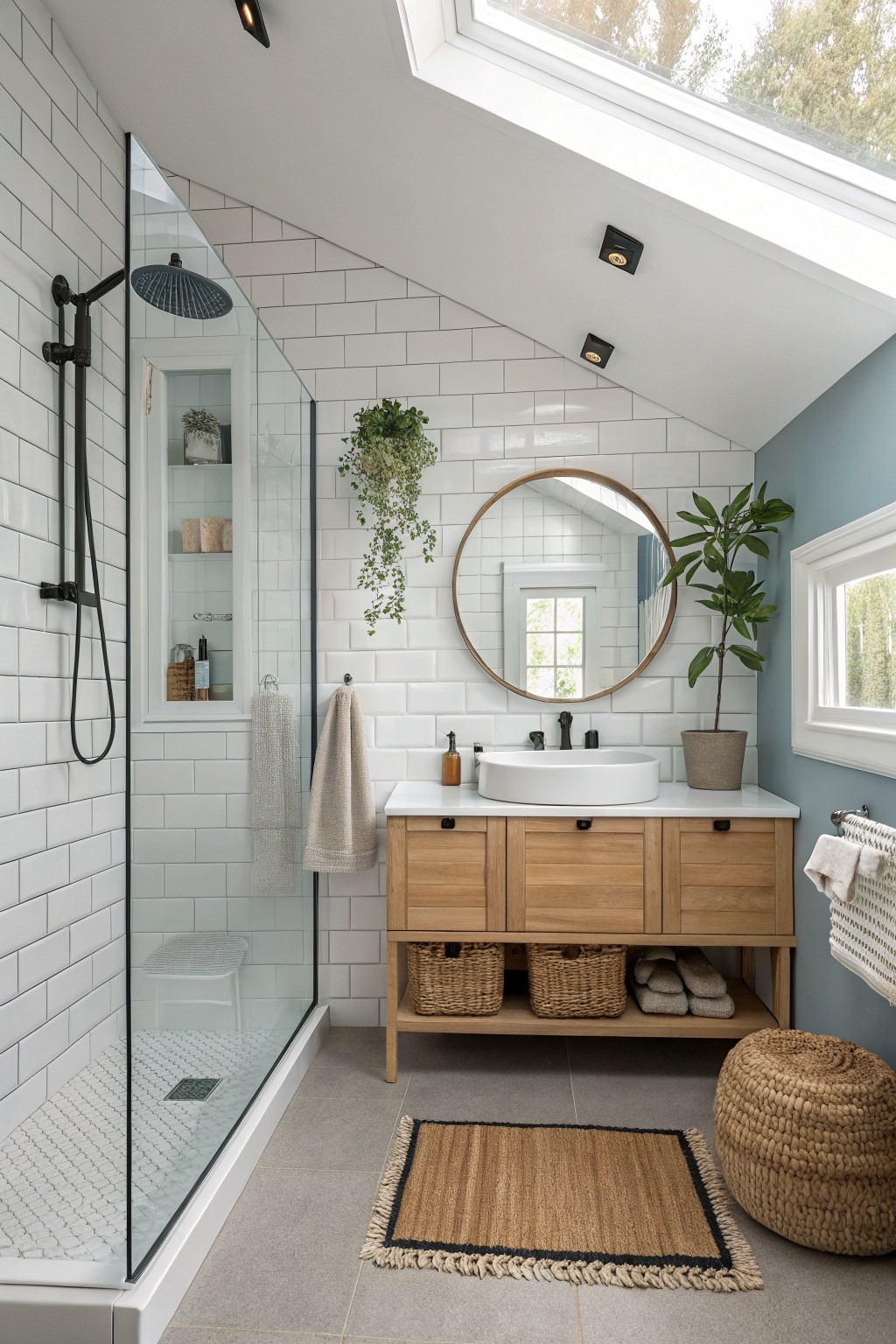
A soft blue gray works nicely in small bathrooms because it feels calm and a little open at the same time. This color sits in a light blue gray family and gives the walls enough depth to feel interesting without making the room look smaller.
It has a gentle cool undertone that pairs well with white tile and light wood. Use it on one or two walls with white trim to keep the space bright, and watch how it shifts a bit cooler in low light.
Soft Yellow Walls
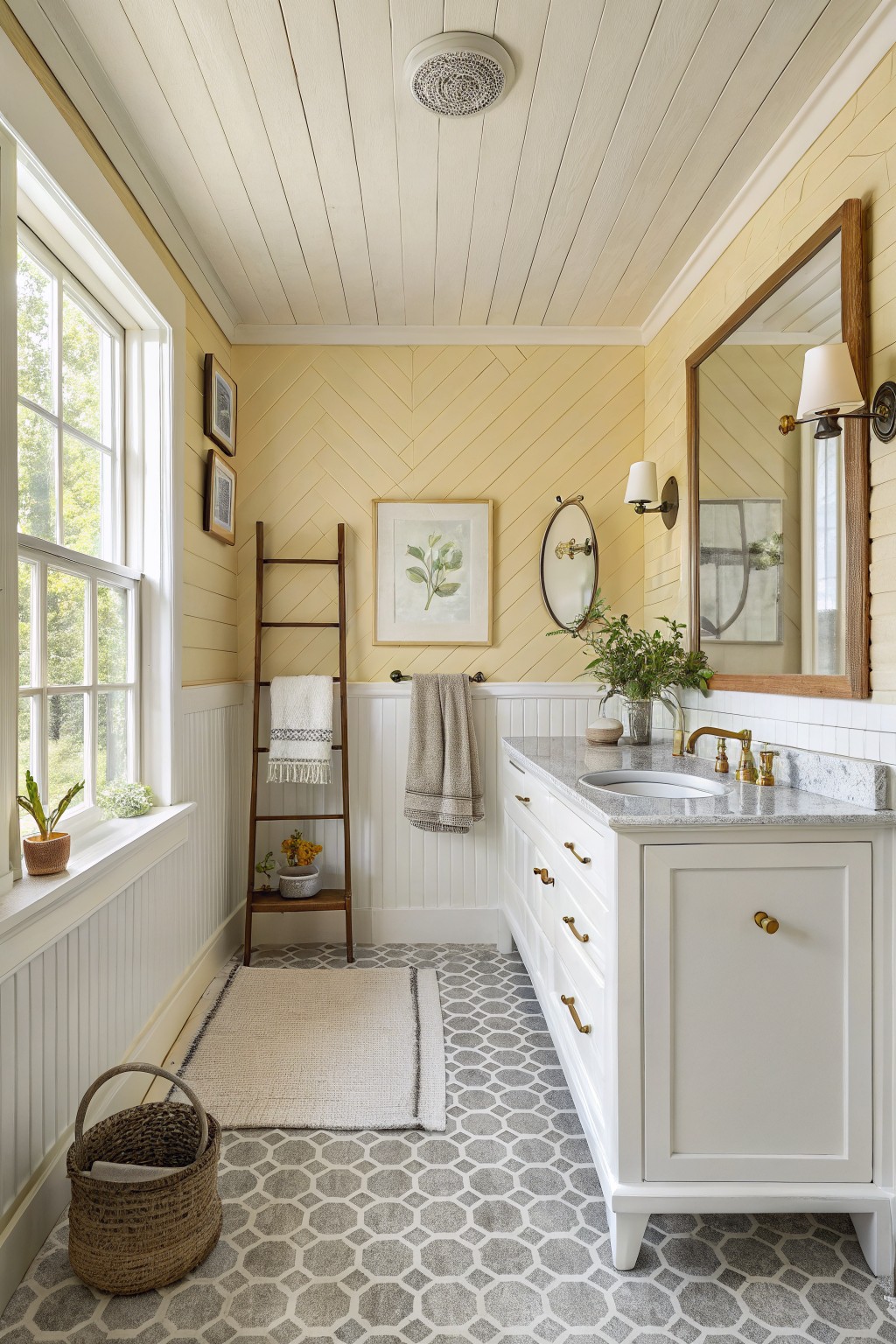
A soft buttery yellow like this brings a gentle warmth to a small bathroom without making the space feel closed in. It sits somewhere between cream and pale lemon, which keeps the room feeling airy even with the lower wainscoting and patterned floor.
The color has a quiet warmth that pairs well with white trim and wood accents. It works best in bathrooms that get decent natural light, though it can still hold its own in lower light if you keep the trim crisp and avoid heavy dark tones nearby. Likely matches include Sherwin Williams Lemon Chiffon, Benjamin Moore Pale Yellow, Behr Sunbeam Yellow, and Farrow & Ball Hay.
Soft Greige Walls
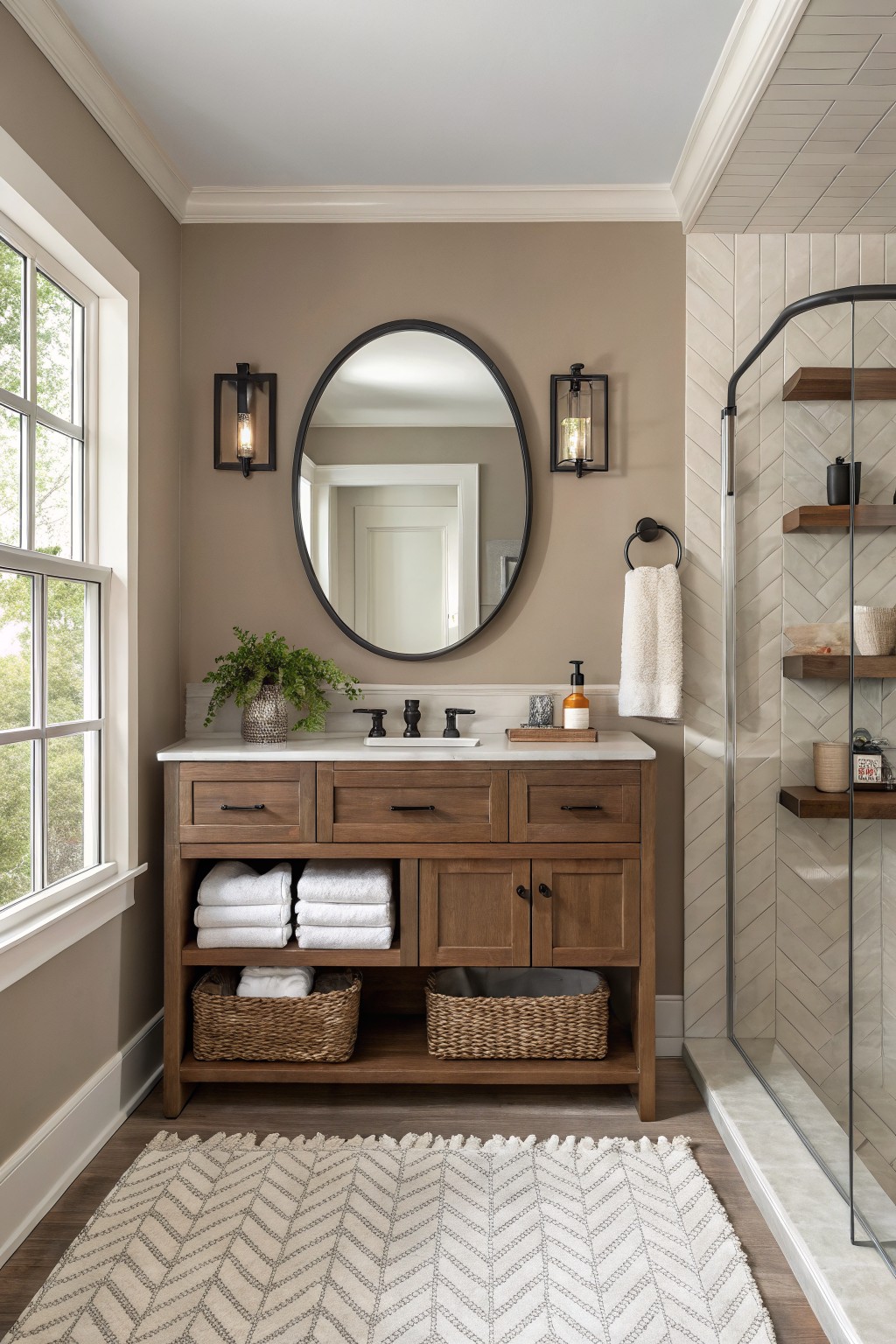
This soft greige sits right between beige and gray with a gentle warm undertone. It keeps a small bathroom from feeling stark while still letting the space read as light and open.
The color works well with wood vanities and white trim because it does not fight the natural tones. It suits bathrooms that get some daylight and looks best when kept to matte or eggshell finishes so the warmth stays soft rather than flat.
Soft Sage Green With White Beadboard
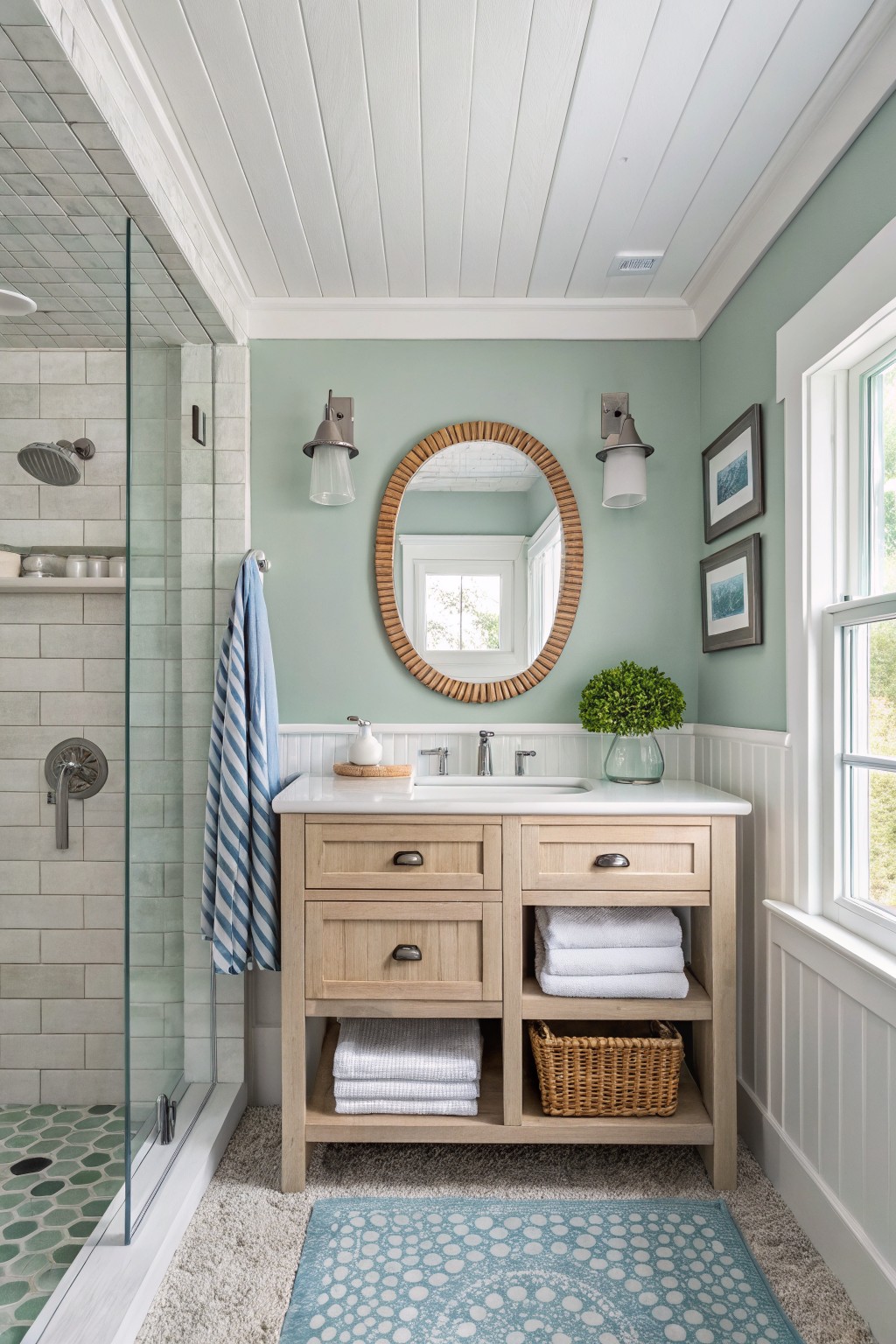
This soft sage green keeps a small bathroom feeling open and calm. It sits in that light green family with a gentle cool undertone that bounces light around without looking too bright or cold.
The color works especially well next to white beadboard and light wood cabinets. Try something like Sherwin Williams Sea Salt, Benjamin Moore Saybrook Sage, or Behr Soft Fern if you want a close match.
Soft Green Walls
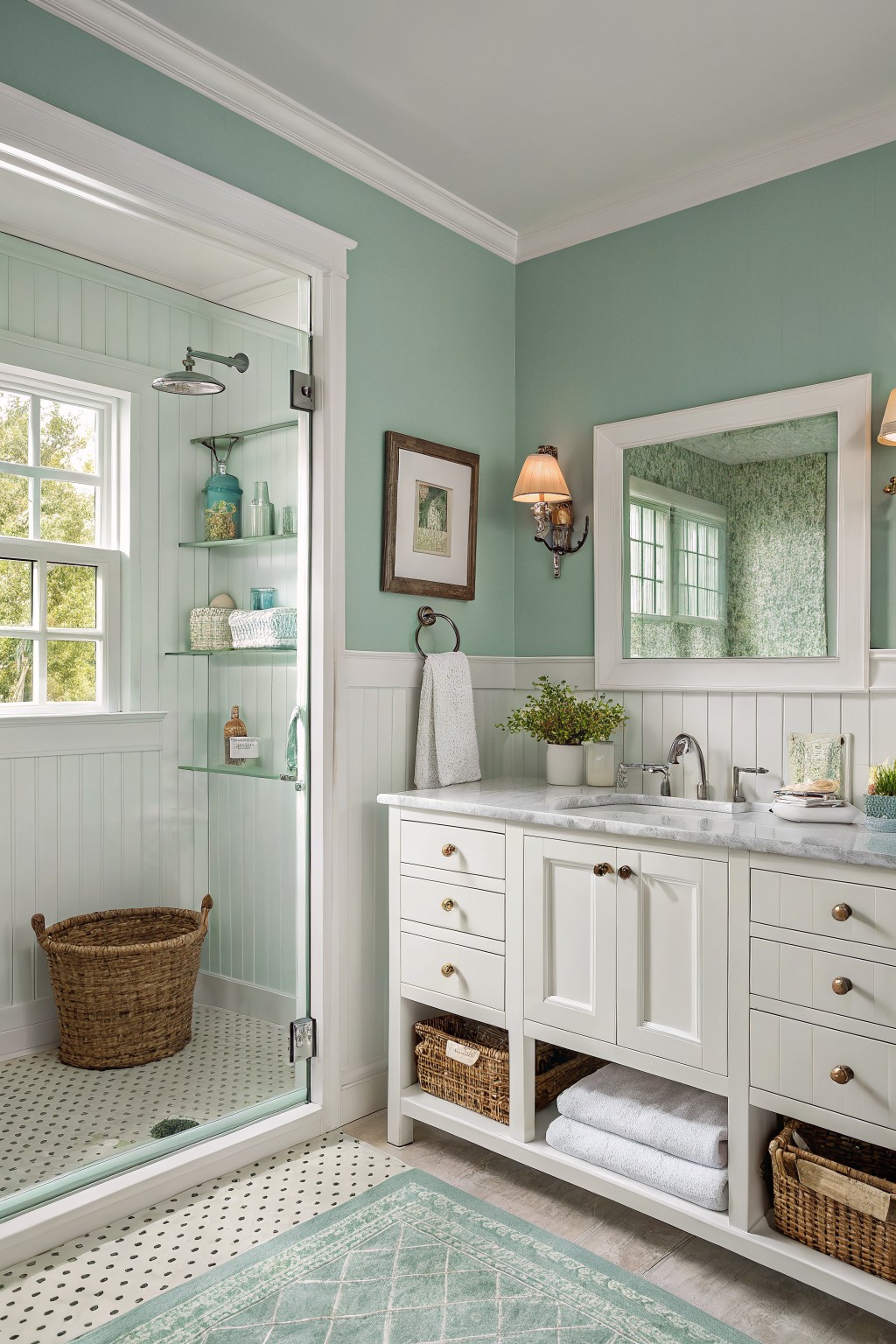
A soft green works well in small bathrooms because it feels light without going flat. This one sits in the pale sage family and gives the room a gentle wash of color that still keeps things bright. It pairs easily with white cabinetry and marble counters.
The color has a cool lean that stays fresh under natural light but can read a little blue in the evening. White trim helps it stay clean, and natural baskets or wood accents keep it from feeling too chilly. Try it if you want something a step beyond plain white but still easy to live with.
Muted Sage Green Walls
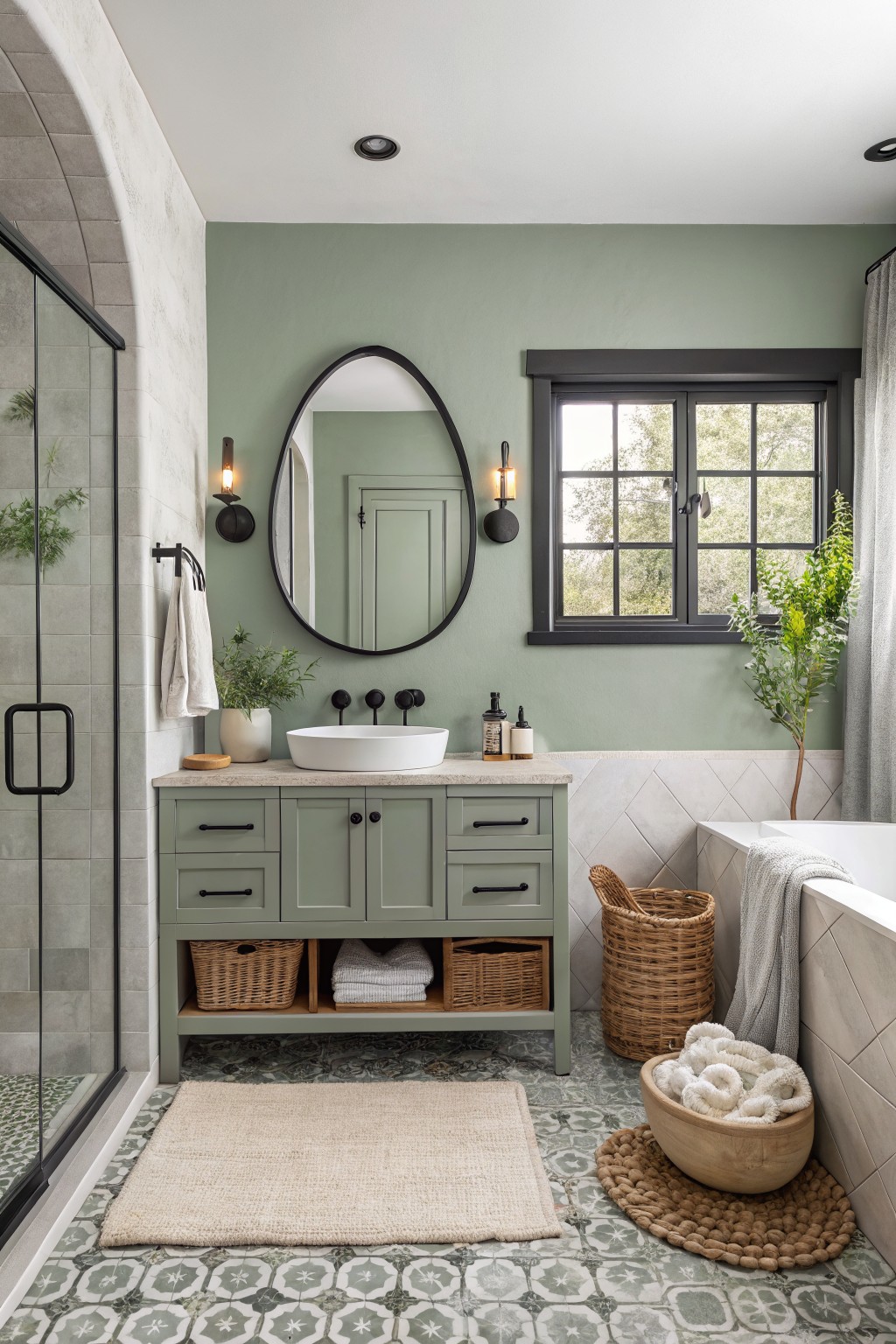
This bathroom uses a soft sage green on the walls. It is a muted green with gray undertones that keeps the space feeling open and restful rather than closed in. Small bathrooms often benefit from this kind of color because it sits back quietly and does not fight for attention.
The cool lean works best with light tile, wood tones, and simple black fixtures. Try Sherwin Williams Evergreen Fog, Benjamin Moore Soft Fern, Behr Aloe, or Farrow & Ball Pigeon if you want something close.
Soft Mint Green Walls
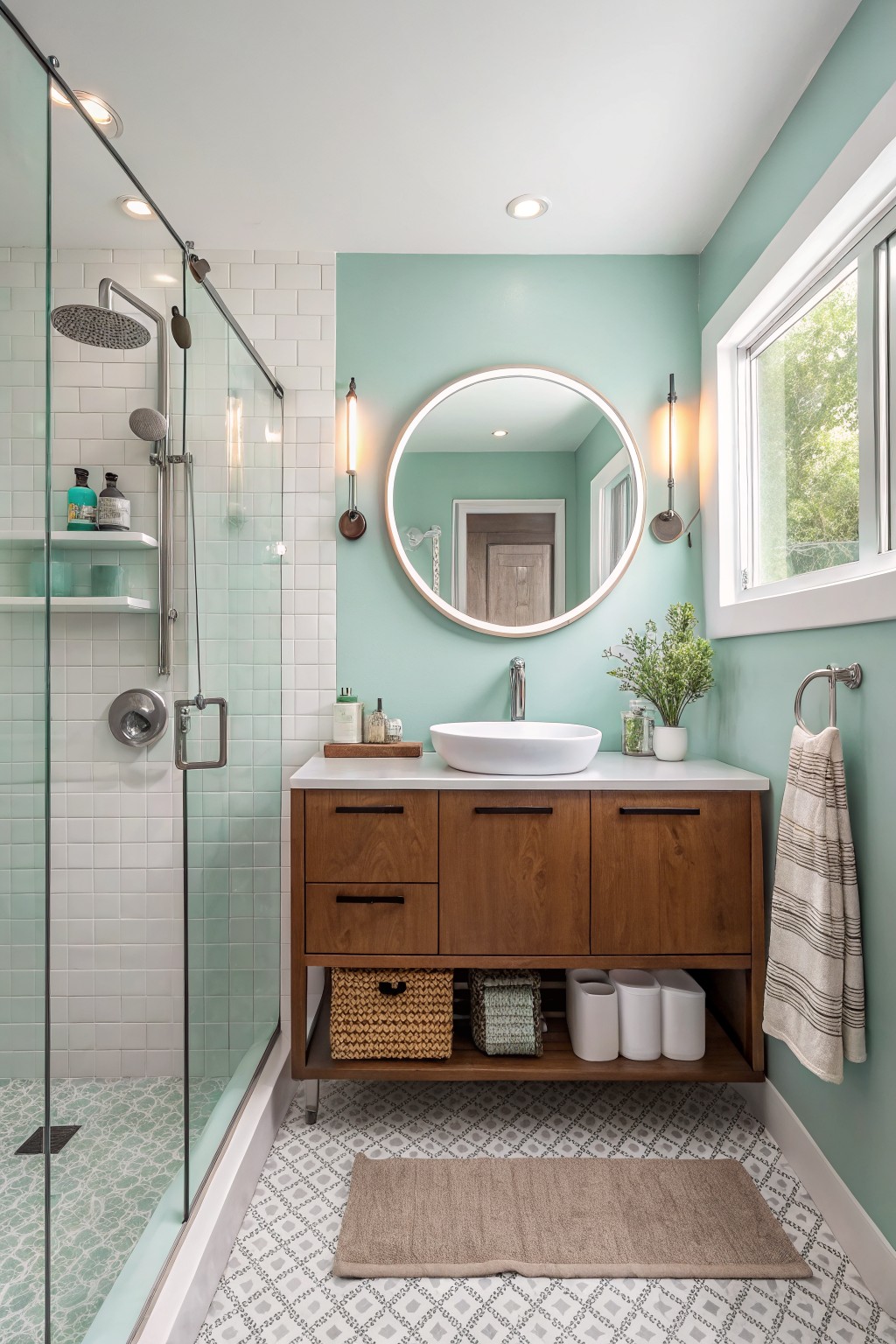
This soft mint green brings a light, fresh feeling to a small bathroom. It sits in that gentle blue-green range that keeps things feeling open and airy rather than heavy. The color reads closest to Sherwin Williams Sea Salt, Benjamin Moore Palladian Blue, or Behr Aqua Foam.
It works best with white tile and wood cabinetry because the cool undertone keeps the space from feeling too warm or closed in. Watch the lighting though. In rooms with little natural light the color can lean more gray than you expect.
Soft Blush Pink Walls
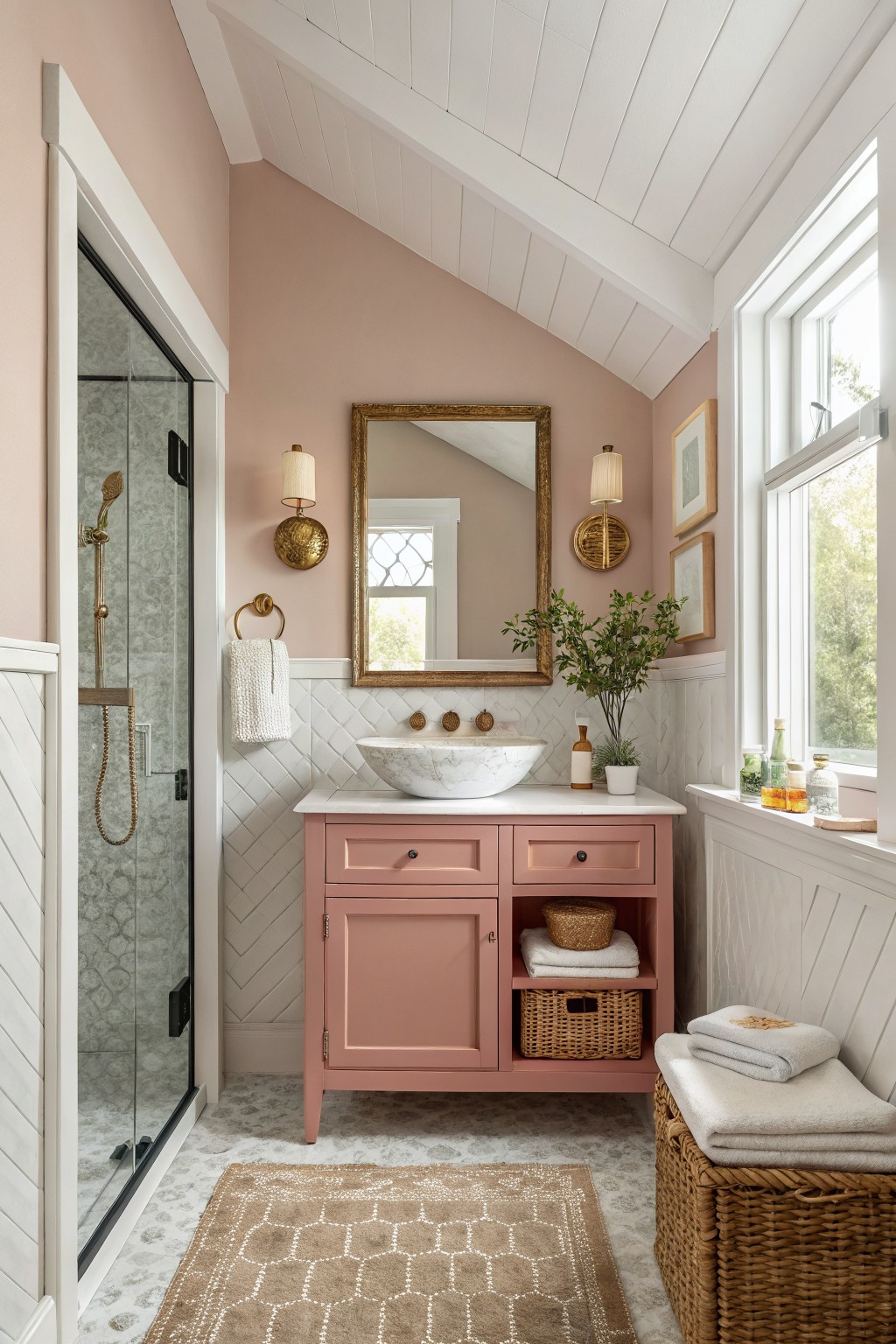
This bathroom uses a soft blush pink on the walls that feels warm without turning too sweet. The color has a gentle peach undertone that keeps the space feeling light and a little inviting even in a compact room.
It pairs well with white trim and marble surfaces, and it works nicely with both wood tones and brass fixtures. In small bathrooms, this kind of muted pink can make the walls recede a bit instead of closing in. Similar shades include Benjamin Moore Pale Pink, Sherwin Williams Romance, Behr Blush Pink, and Farrow & Ball Pink Ground.
Warm Beige Walls In A Small Bath
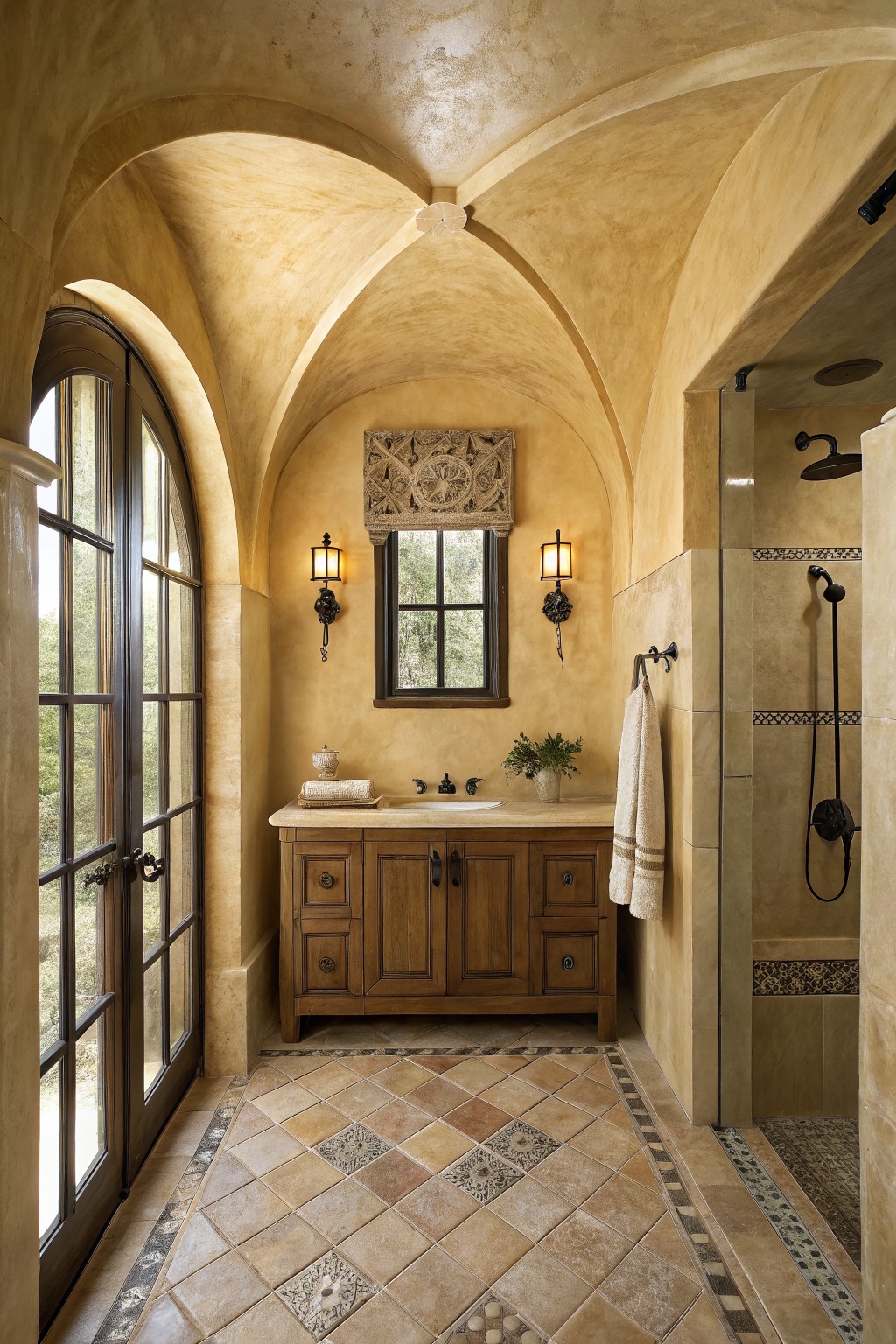
This bathroom uses a warm beige on the walls and ceiling. It is a soft neutral with gentle yellow undertones that keeps the space feeling light while still feeling grounded.
The color works well with wood cabinetry and stone tile. It suits small bathrooms that get decent daylight and pairs best with simple white or off-white trim.
Soft Lavender Gray Walls
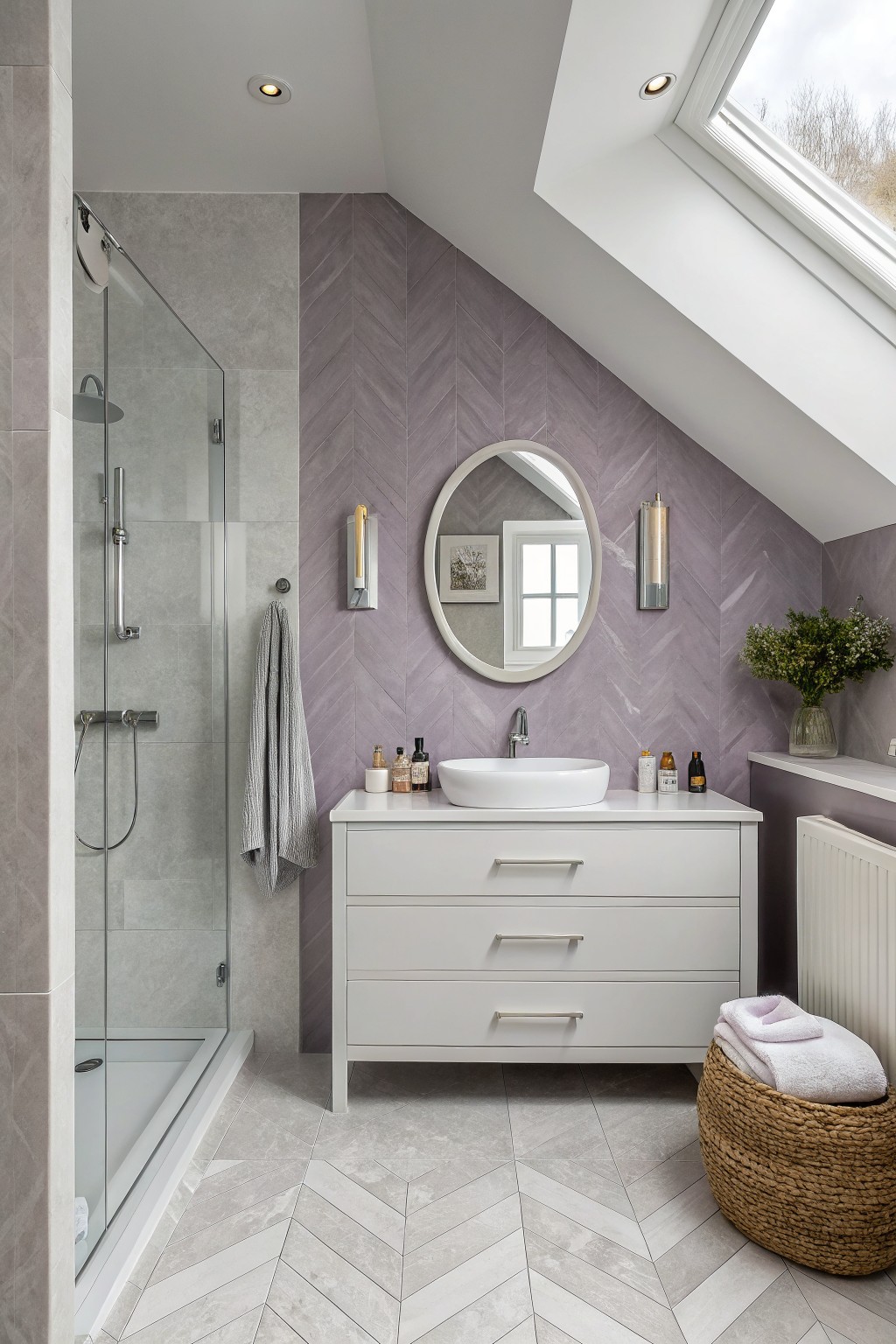
This muted lavender gray brings a soft, cool tone to small bathrooms without making them feel closed in. It reads very close to Farrow & Ball Calluna or Benjamin Moore’s Gray Owl, with similar options like Sherwin Williams Silver Strand and Behr’s Soft Lilac Gray.
The color has a gentle purple undertone that stays light enough to reflect back daylight. It pairs cleanly with white vanities and pale gray flooring, though it can look flat if the room has no natural light at all.
Muted blue gray walls
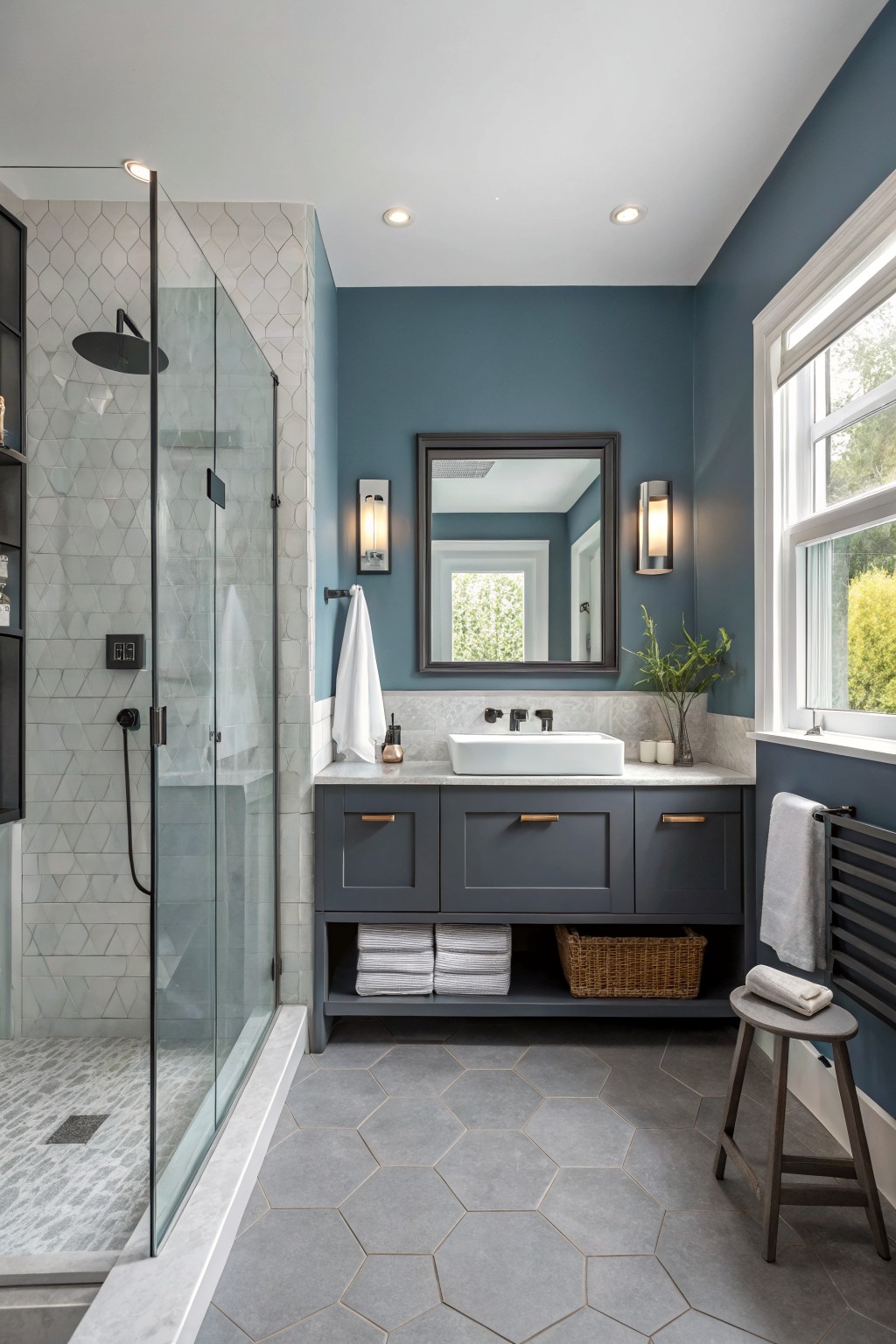
A muted blue gray works well in small bathrooms because it keeps the space feeling calm and open. This color sits between gray and blue with cool undertones that do not push the walls forward.
It pairs nicely with white fixtures and gray tile. The shade can read a little cooler in bright light so test it on the wall first.
Warm Greige Walls
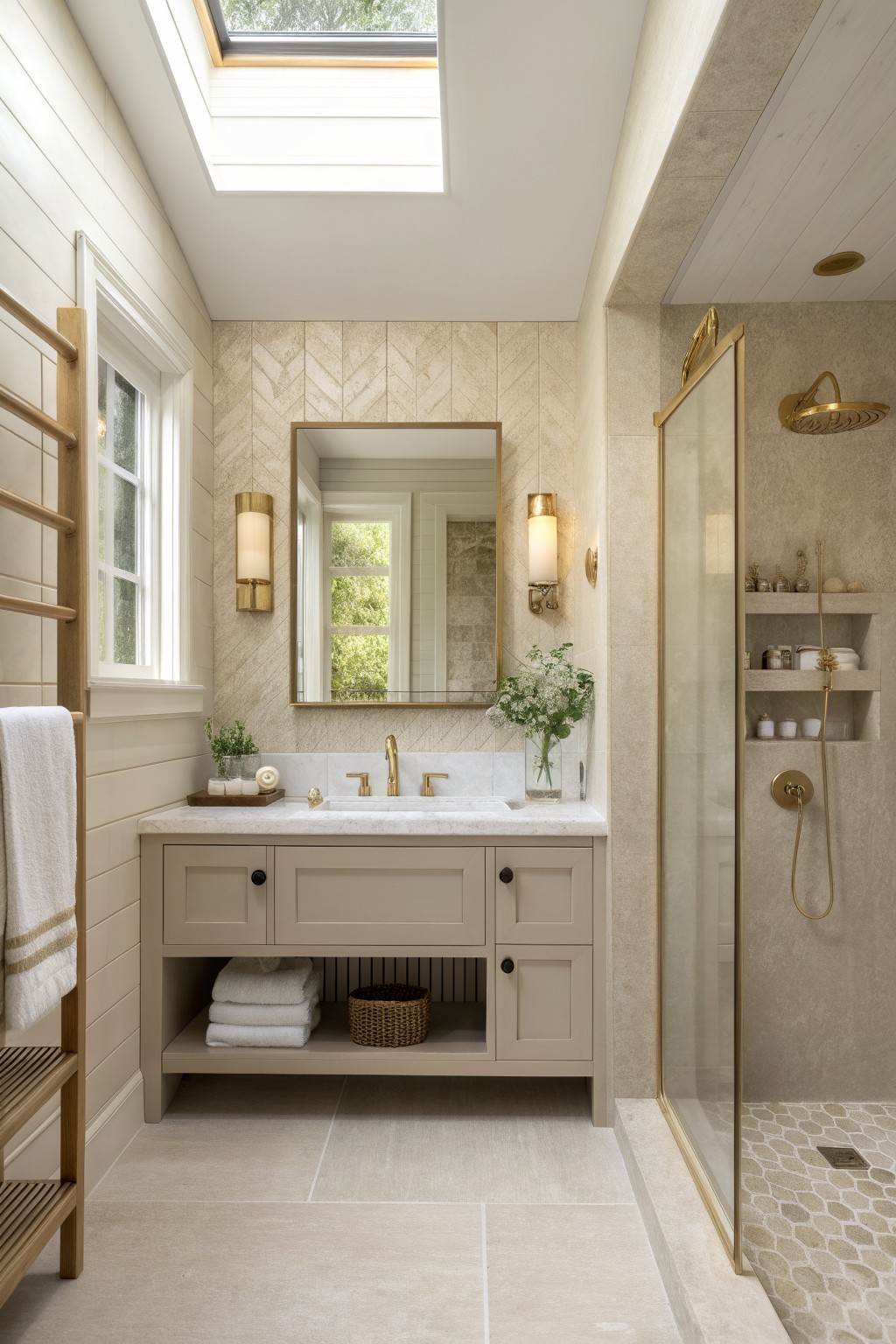
This bathroom shows a soft warm greige on the painted walls. It sits between beige and gray, with a gentle warmth that keeps the space feeling calm and open rather than stark.
The color has a light depth that works nicely with wood tones and marble. It pairs well with brass fixtures too, though it can pick up more pink if the lighting is very cool.
Pale Yellow Walls
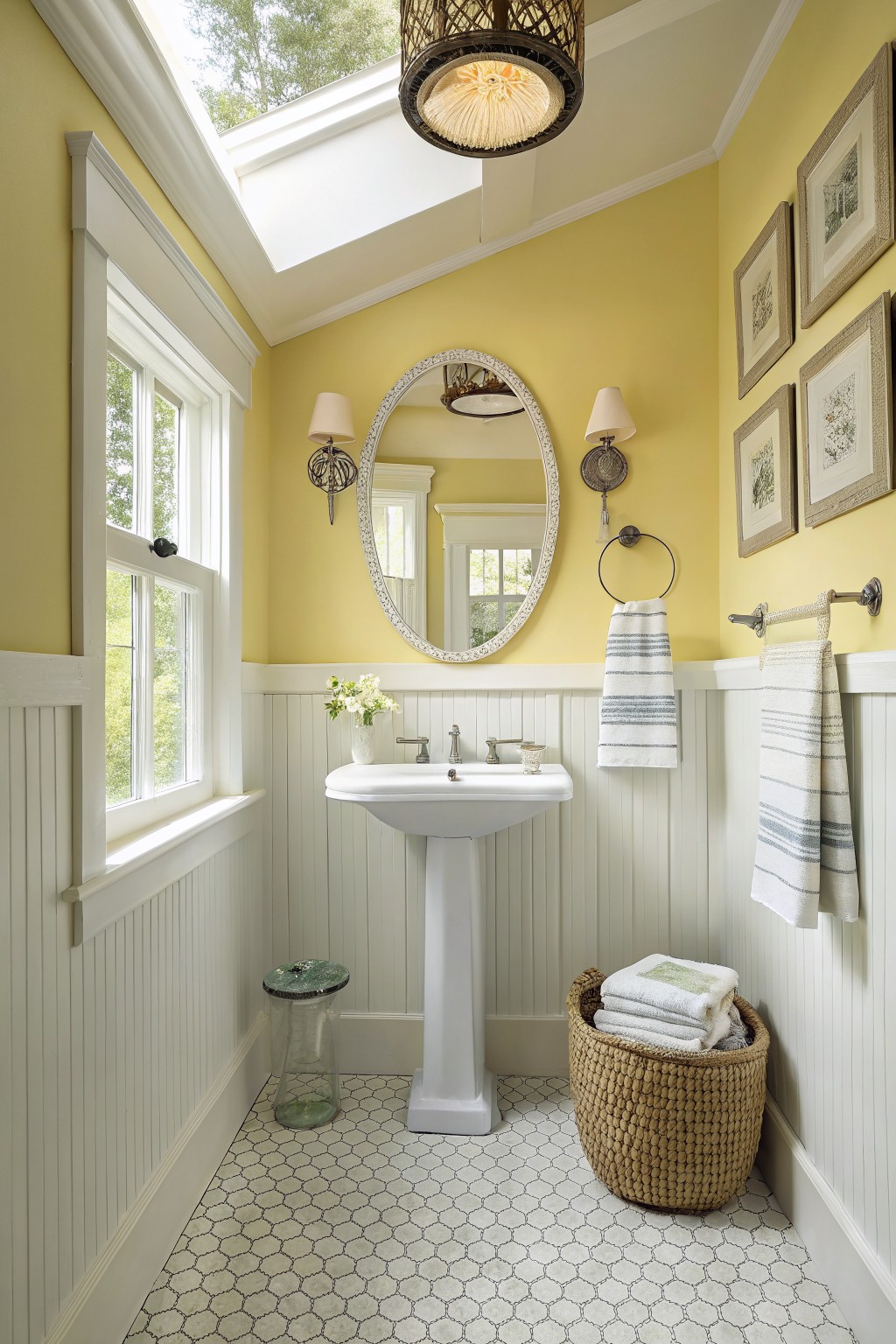
This pale yellow gives a small bathroom a gentle lift without feeling too bright. It sits right in that soft buttery range and works well when you want light to bounce around the room while still keeping things cozy. The color has a warm undertone that pairs nicely with white trim and simple tile.
It tends to look its best in spaces with decent natural light. Pair it with cool whites on the lower walls or cabinetry to keep the yellow from leaning too warm. Watch out for strong overhead lighting that can push it toward green.
Greige Walls With Warm Wood Accents
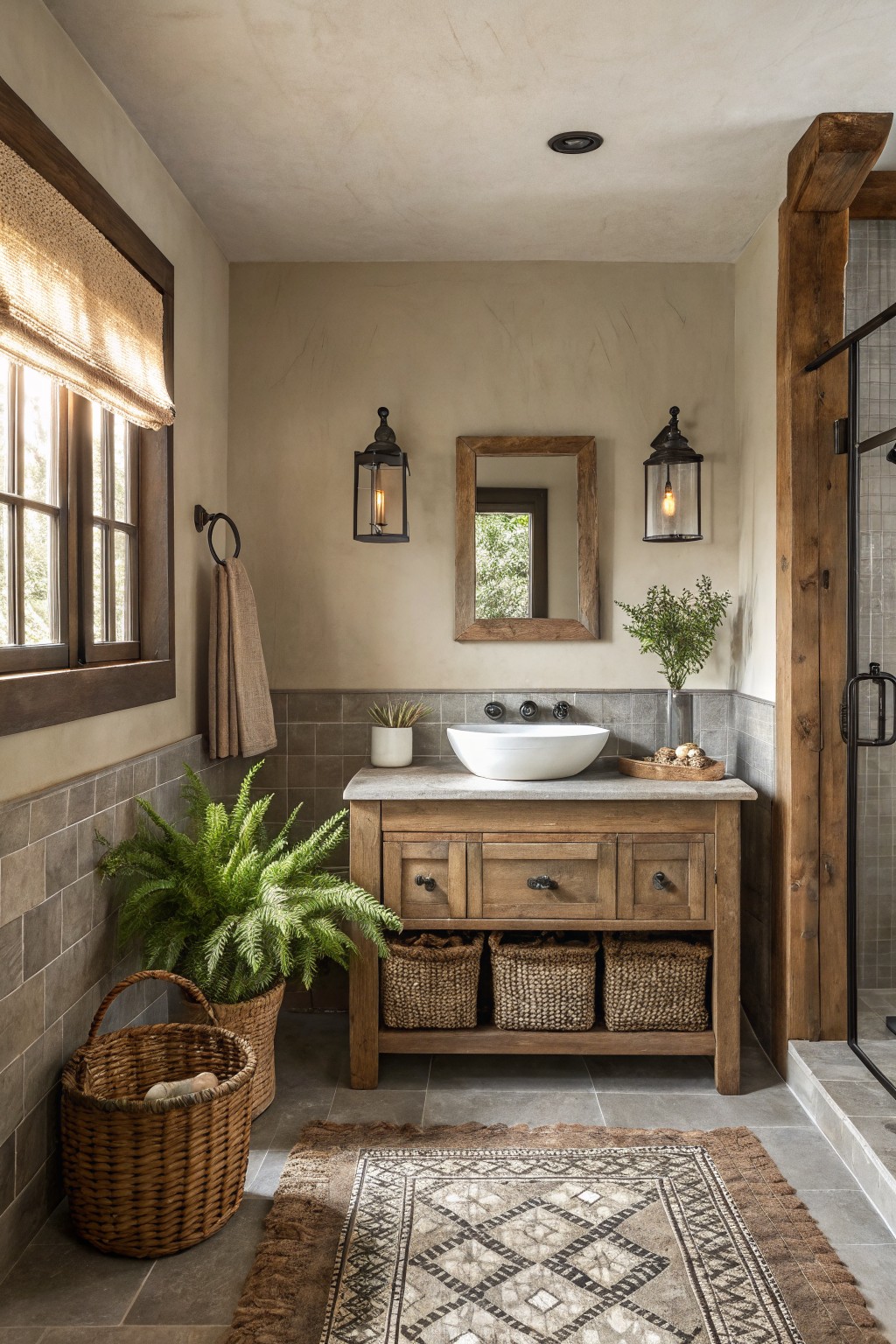
A warm greige works well on bathroom walls when you want something that feels calm and open at the same time. This color sits between beige and gray, so it picks up warmth from wood and stone without turning too yellow or too cool under different lights.
It has a soft depth that keeps the room from feeling flat, and it pairs easily with wood vanities, tile, and woven textures. Try Sherwin Williams Accessible Beige, Benjamin Moore Edgecomb Gray, Behr Almond Wisp, or Farrow & Ball Elephant’s Breath if you want a similar tone.
Airy Sage Green Walls
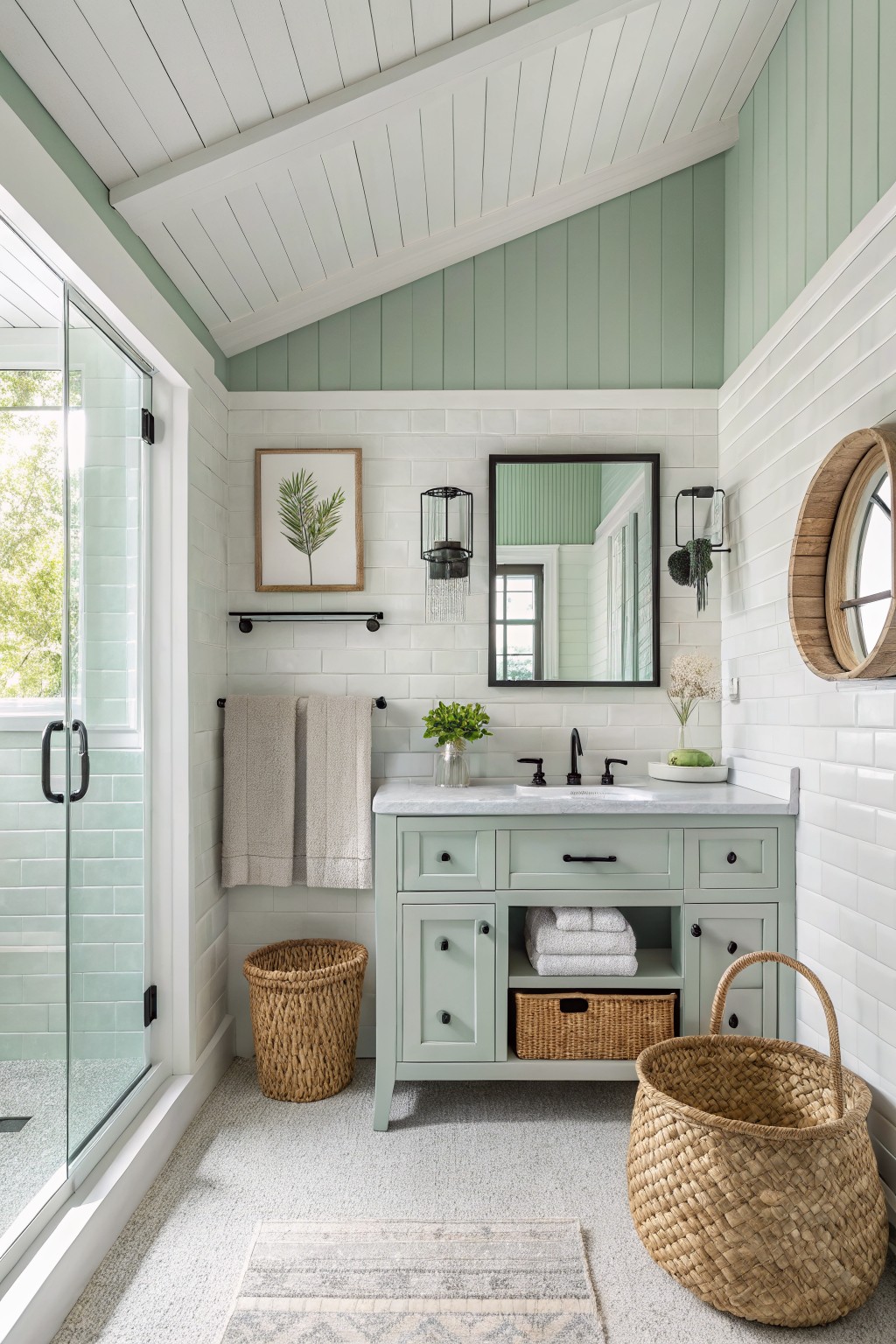
A soft sage green on the walls gives a small bathroom a calm, airy feel without making it look cold. This color family reads close to Sherwin Williams Sea Salt, Benjamin Moore Saybrook Sage, or Behr Silver Sage.
The cool undertone keeps the room feeling open even with white tile and a darker vanity. It works best in spaces that get decent natural light and pairs easily with simple white trim or light wood tones.
Soft Lavender Blue Walls
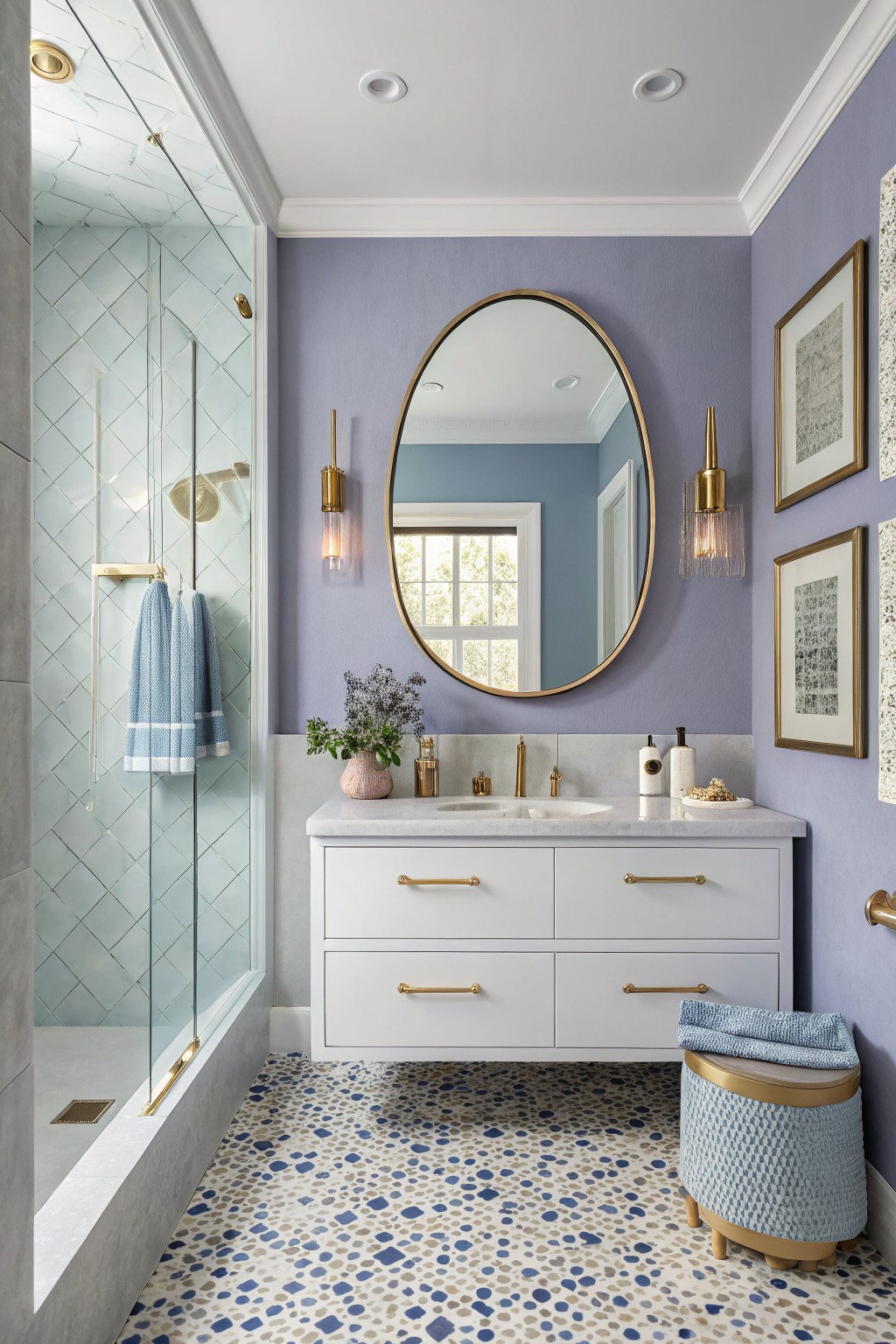
This soft lavender blue brings a gentle cool tone to small bathrooms. It keeps the space feeling open without going flat or cold. The color sits somewhere between blue and purple, which gives it a quiet freshness that works well when you want something a little different from plain gray or white.
It has a slight cool undertone that reads best in rooms with decent natural light. Pair it with white trim and light marble or tile to keep things bright. Too many dark accents can make it feel heavier than it needs to be.
Pale Sage Green Walls
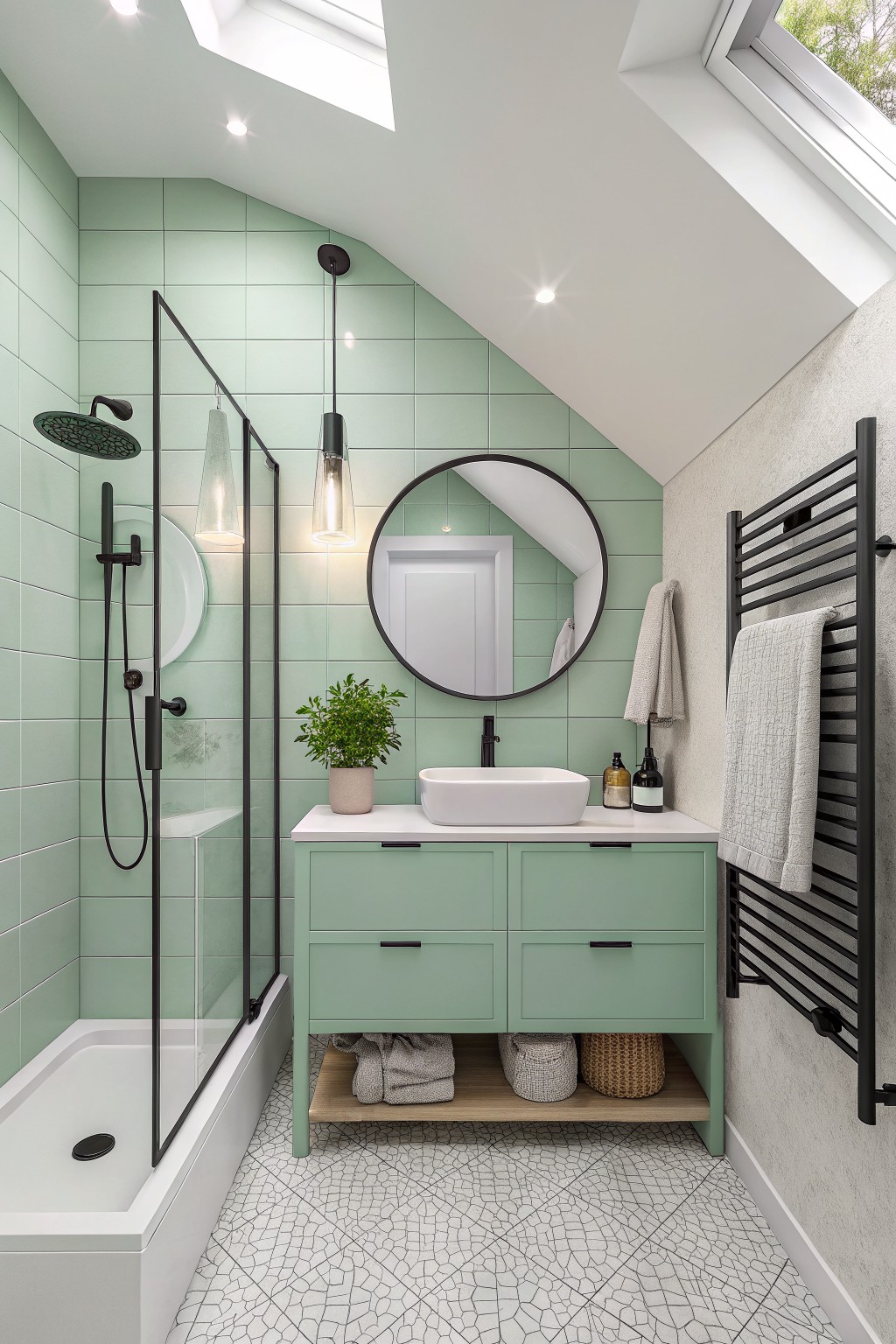
This pale sage green brings a quiet freshness to a small bathroom without making it feel chilly. It sits somewhere between mint and gray green, which helps the room feel open even when the ceiling slopes.
The cool undertone works best with white tile, light wood, and black accents. Pair it with warm wood shelves or a natural fiber rug if you want to keep the space from feeling too stark.
Warm Beige With Gray Undertones
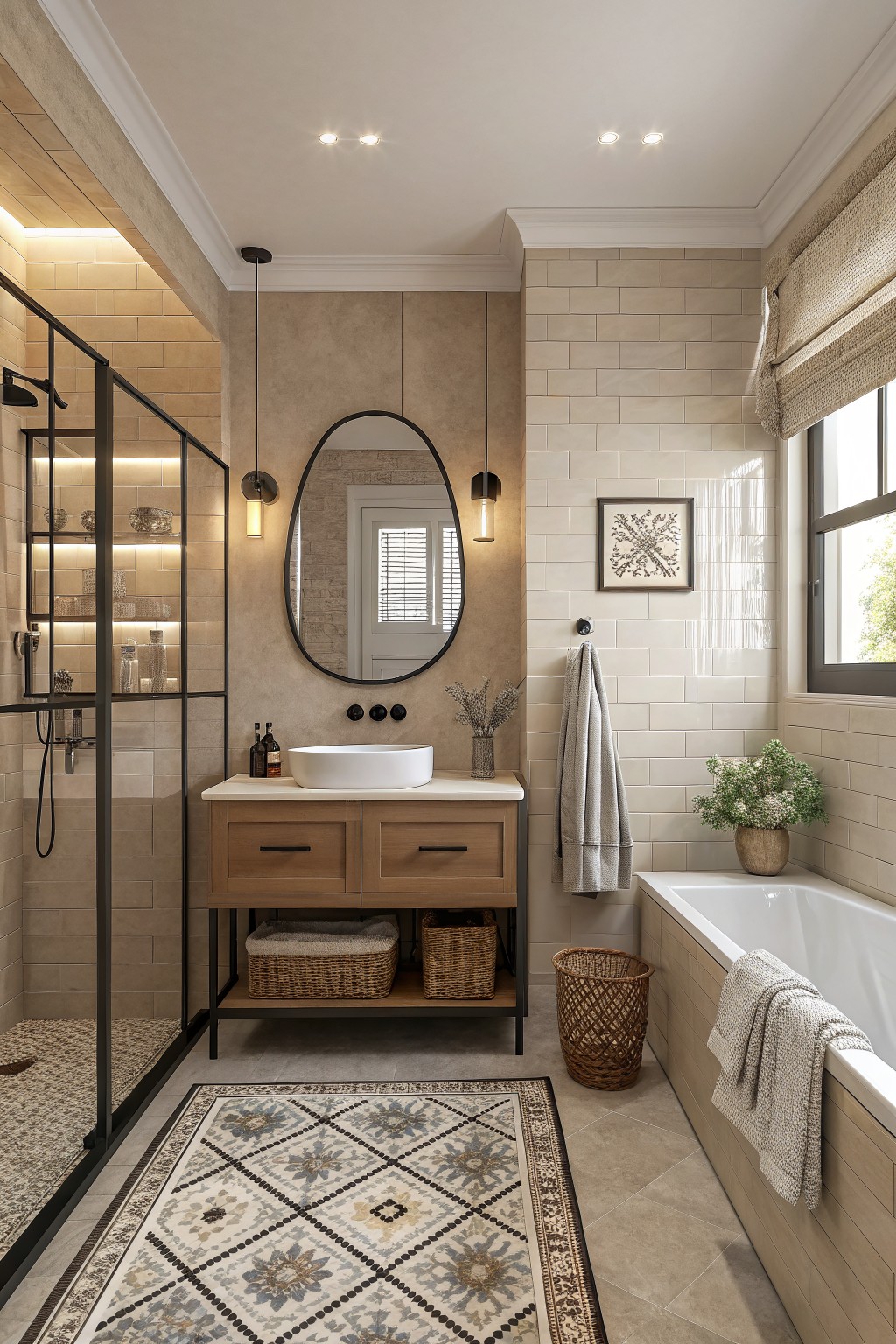
This bathroom uses a warm beige on the main walls. It is a soft neutral with a touch of gray that stays light enough to open up the space without feeling cold.
The color reads best with wood cabinetry and light tile. It works well in small baths that get some natural light and pairs easily with white fixtures or simple black hardware. Best matches would be Sherwin Williams Accessible Beige, Benjamin Moore Edgecomb Gray, Behr Creamy Mushroom, or Farrow & Ball Elephant’s Breath.
Frequently Asked Questions
Q: Should I paint my ceiling the same color as the walls? A: Match the ceiling to your wall color for a seamless stretch that makes the room feel taller. A sharp contrast at the top stops the eye and shrinks the space instead.
Q: How do I test these shades without committing to a full paint job? A: Paint large samples on foam boards and move them around the bathroom at different times. Check how each one shifts with your lighting before you buy the gallons.
Q: What if my bathroom gets almost no natural light? A: Choose the palest options with warm undertones to bounce what little light you have. These keep the room from feeling closed in even under artificial bulbs.
Q: Can darker accents still work with these light paint colors? A: Add one darker element like a single towel rack or small shelf. Keep the rest minimal so the pale walls stay the main feature that expands the space.