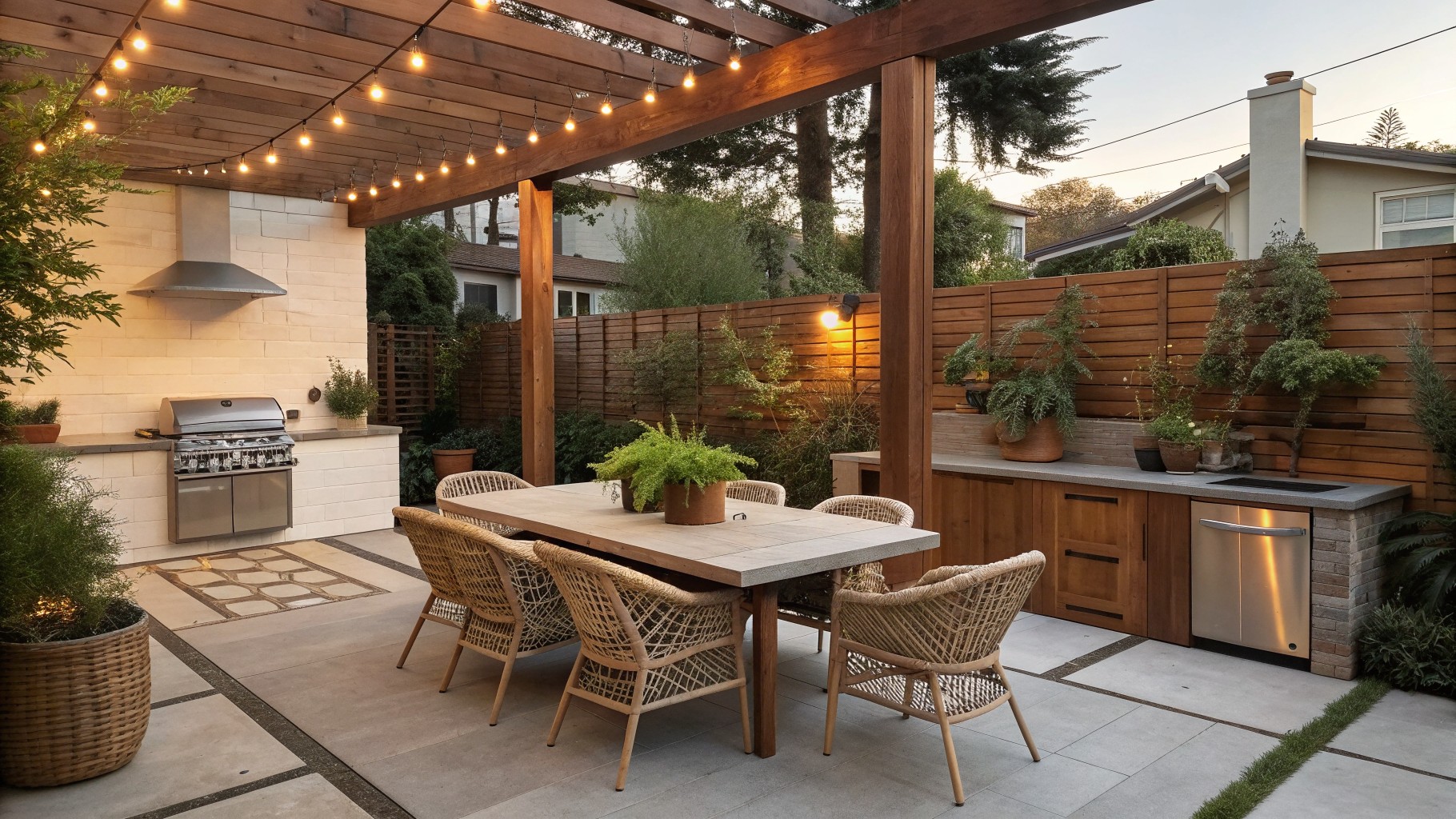
I often notice that full privacy fences can make a backyard feel smaller than it really is once they go up.
When I started thinking about ways to add screening without that boxed-in effect, lattice kept coming up as a practical middle ground that still lets air move through.
It also gives climbing plants a place to grow and adds a bit of structure that changes with the seasons.
Over time I have seen how different lattice styles affect both the look from inside the house and how usable the space feels on weekends.
Small tests help sort out what actually works.
Lattice Panels For Partial Privacy

Lattice works well when you want some screening around an outdoor space but do not want to shut it in completely. The open pattern blocks direct views while still letting light and air move through, so the patio stays bright instead of feeling closed off.
It suits homes with small backyards or side patios where full solid fencing would make the area feel cramped. Place the lattice along one or two sides near seating, and add a few plants in front if you need a bit more coverage later on.
Lattice For Light Privacy Screening
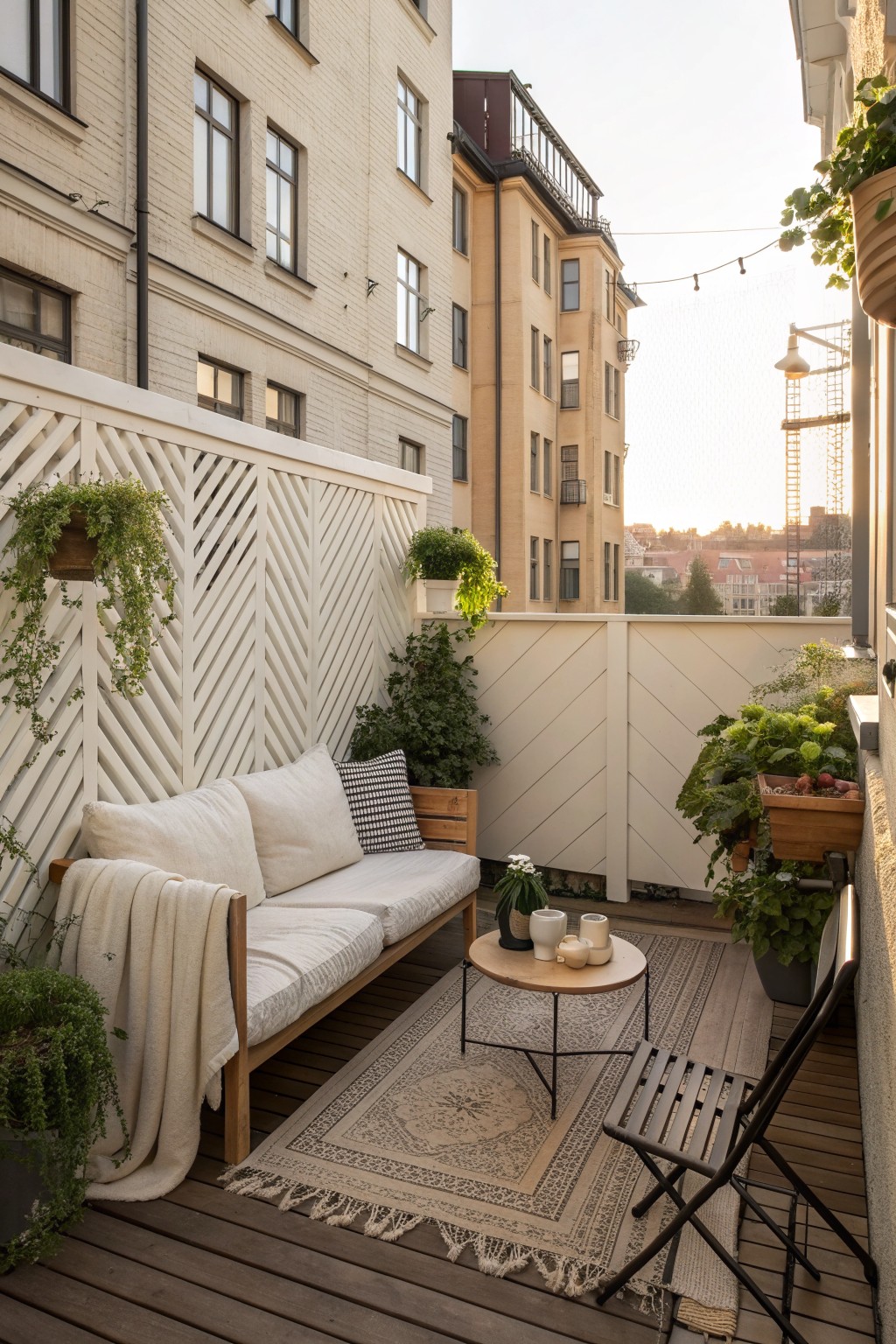
Lattice panels work well when you want some privacy without closing off the whole space. The open pattern lets light and air move through while still breaking the line of sight from neighbors or the street. Many people like this look on balconies and small decks because it feels less heavy than solid fencing.
It suits homes with tight outdoor areas where you still want to keep the open feeling. Try painting the lattice the same color as nearby trim so it blends in, and add a few plants along the base if you want more coverage over time. Just watch the spacing so it does not feel too closed in.
Lattice Screens for Partial Privacy
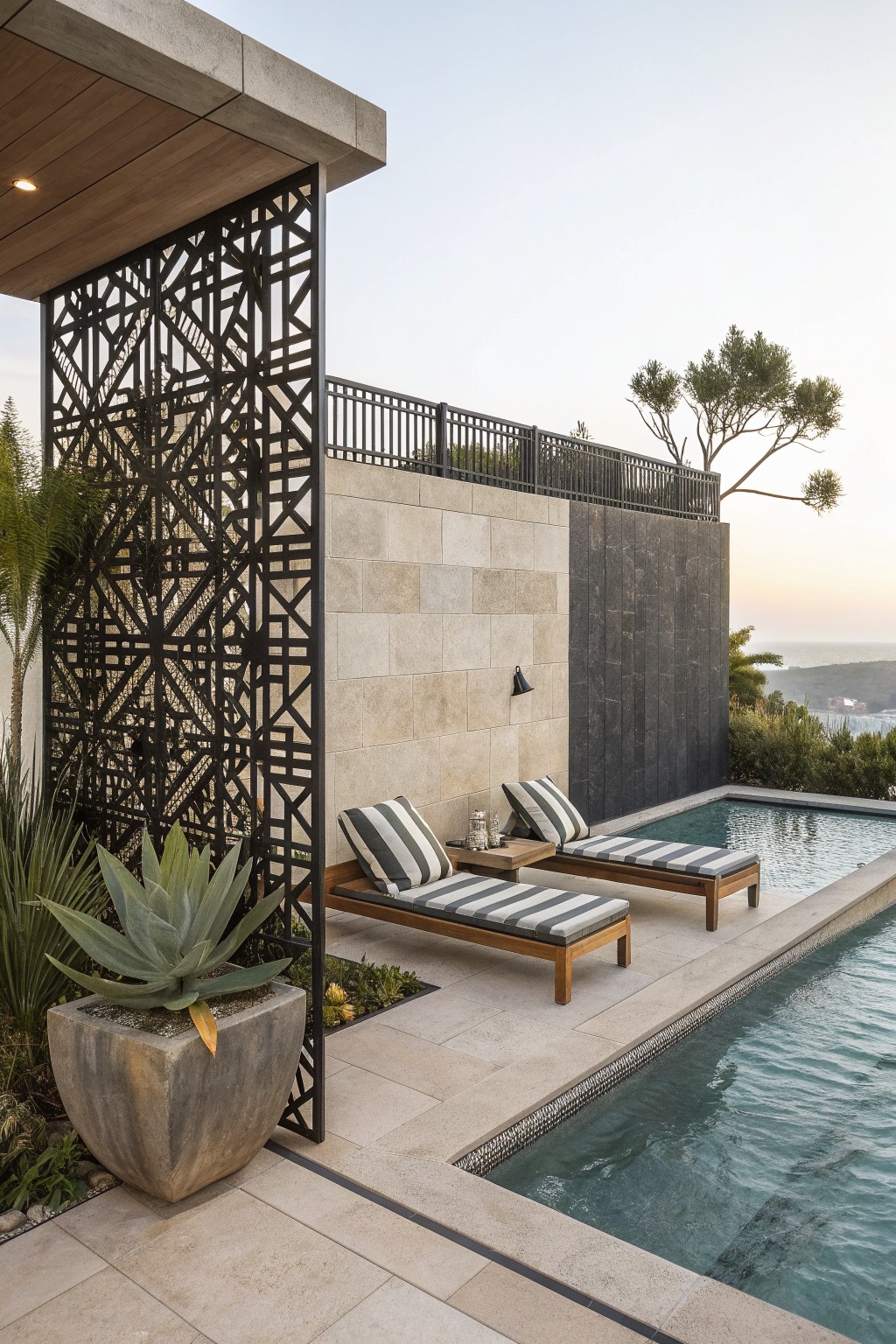
A lattice panel with a bold geometric cutout can give you privacy near a pool or patio without making the space feel closed in. The open pattern blocks direct views from one side while still letting light and air move through, which keeps the area from feeling boxed off.
Place it next to seating zones where you need a visual break but do not want a solid wall. It works best on modern or contemporary outdoor spaces where the contrast between the dark screen and lighter paving or walls adds interest without extra decoration.
Lattice Fencing Along Narrow Side Yards

Lattice gives you a way to screen a side passage without turning it into a tunnel. The open grid blocks direct sight lines from the street or neighbors while still letting light and air reach the plants along the edges. In this setup the panels sit right against the house and run the length of the walk, which keeps the space usable instead of closed off.
Run the same style of lattice on one or both sides of a narrow yard and keep the path simple so it does not feel crowded. It works best on homes with a clear side entrance or utility area that needs a bit of cover but not a solid wall. Make sure the spacing matches the amount of privacy you want, since tighter grids hide more but can start to feel heavy.
Bamboo Screening For Side Privacy
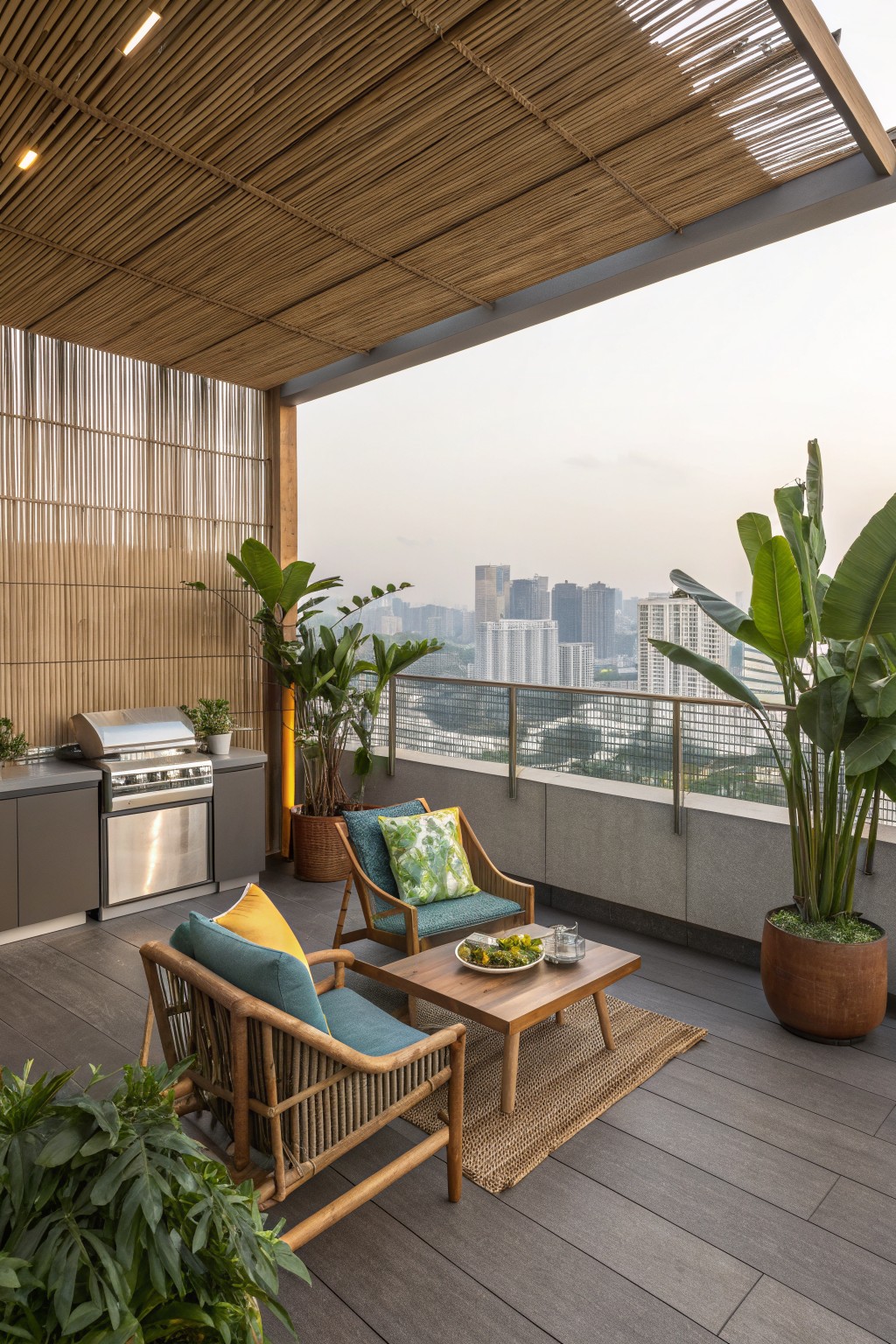
One simple way to add privacy on a balcony or deck is to run a vertical bamboo screen along one side. It blocks the view from that direction without cutting off air flow or making the space feel boxed in.
This approach works best on upper level outdoor areas where you want to keep the main view open but need a bit of cover next to seating or a cooking spot. Keep the screen height in line with nearby railings so it feels natural rather than added on.
Pergola Lattice For Overhead Screening
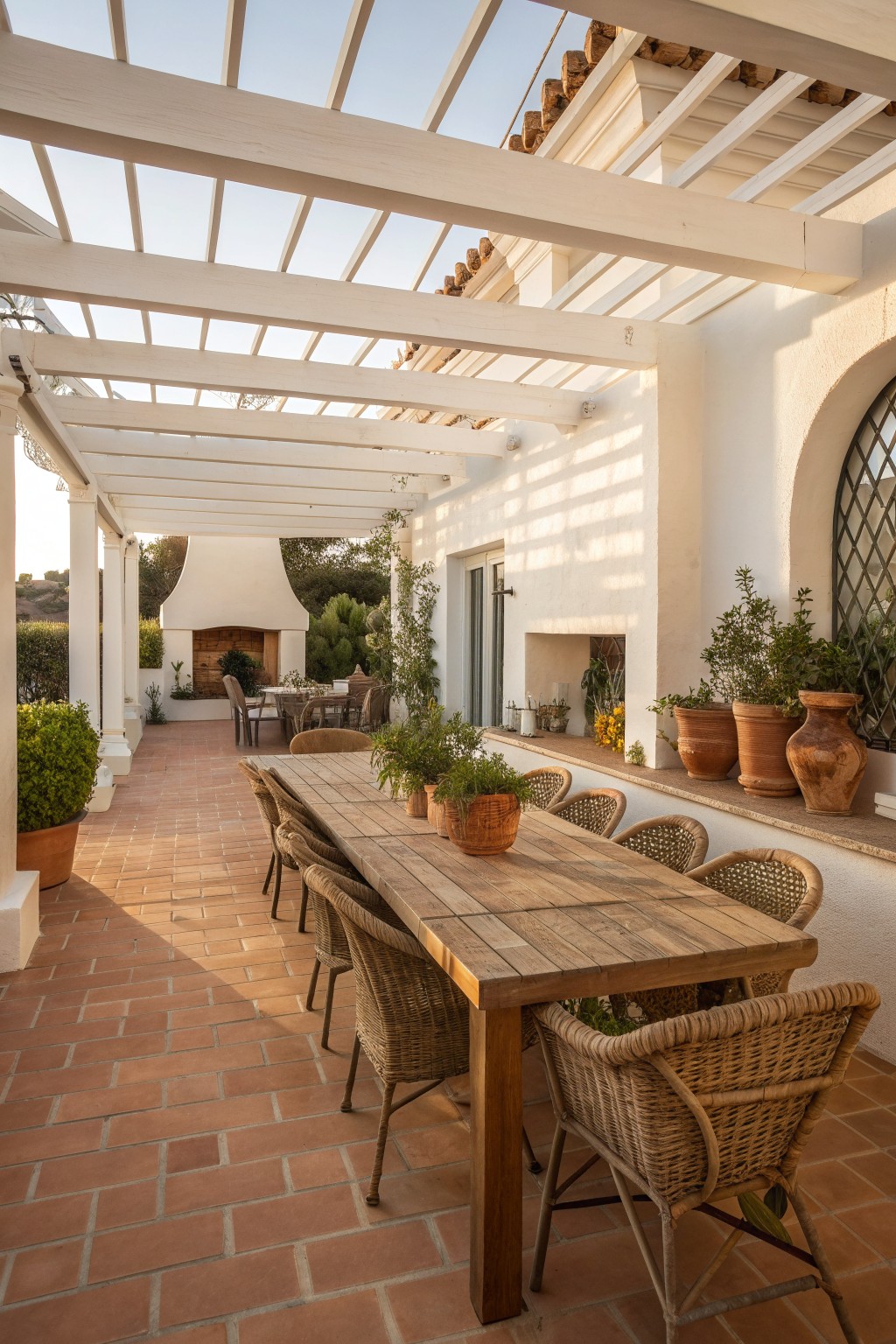
An open lattice pergola gives partial screening without closing off the space. The spaced beams filter sunlight and create a light overhead layer that still feels open to the air and views.
This works best on patios that get strong sun but need some relief. Keep the structure simple and painted to match the house so it blends in rather than competes with the surrounding walls and plantings.
Vertical Slat Screens for Partial Privacy
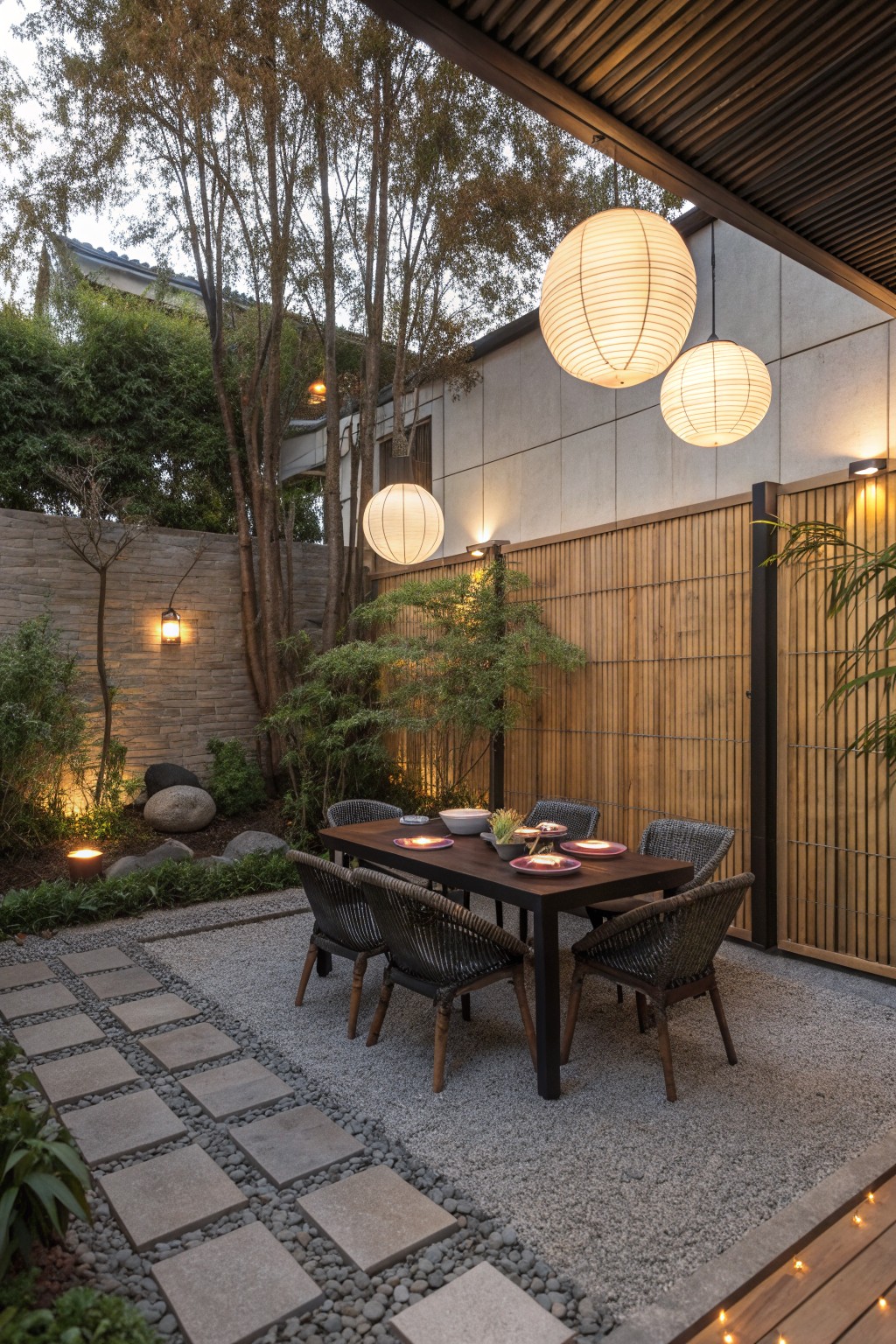
A vertical slat fence gives just enough screening to make an outdoor dining spot feel more private without shutting out the surroundings. The gaps let light and air move through, so the area still feels open rather than boxed in.
This works well on side yards or smaller patios where full enclosure would feel too heavy. Match the wood tone to nearby structures and keep the height around eye level for the best balance.
Lattice Panels For Partial Screening
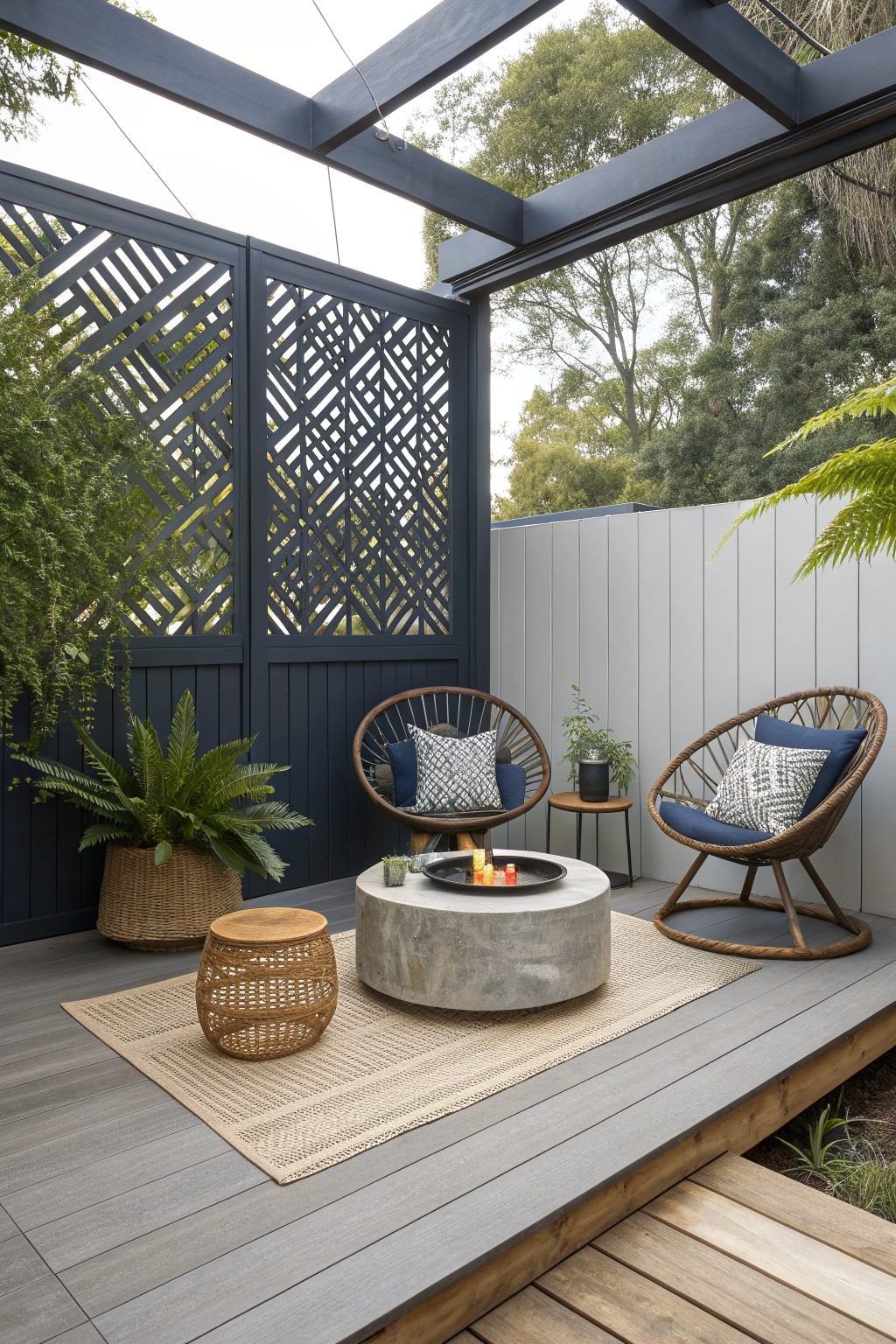
Lattice works well when you want privacy without making an outdoor space feel closed in. The open pattern lets light and air move through while still blocking some of the view from outside, which keeps the area usable even on smaller patios or decks.
This approach suits homes with nearby neighbors or side yards where full solid fencing would feel too heavy. Place the panels where you need the most screening, such as along one side of a seating area, and keep the rest more open so the space stays bright and connected to the yard.
Lattice Railings for Partial Screening on Porches
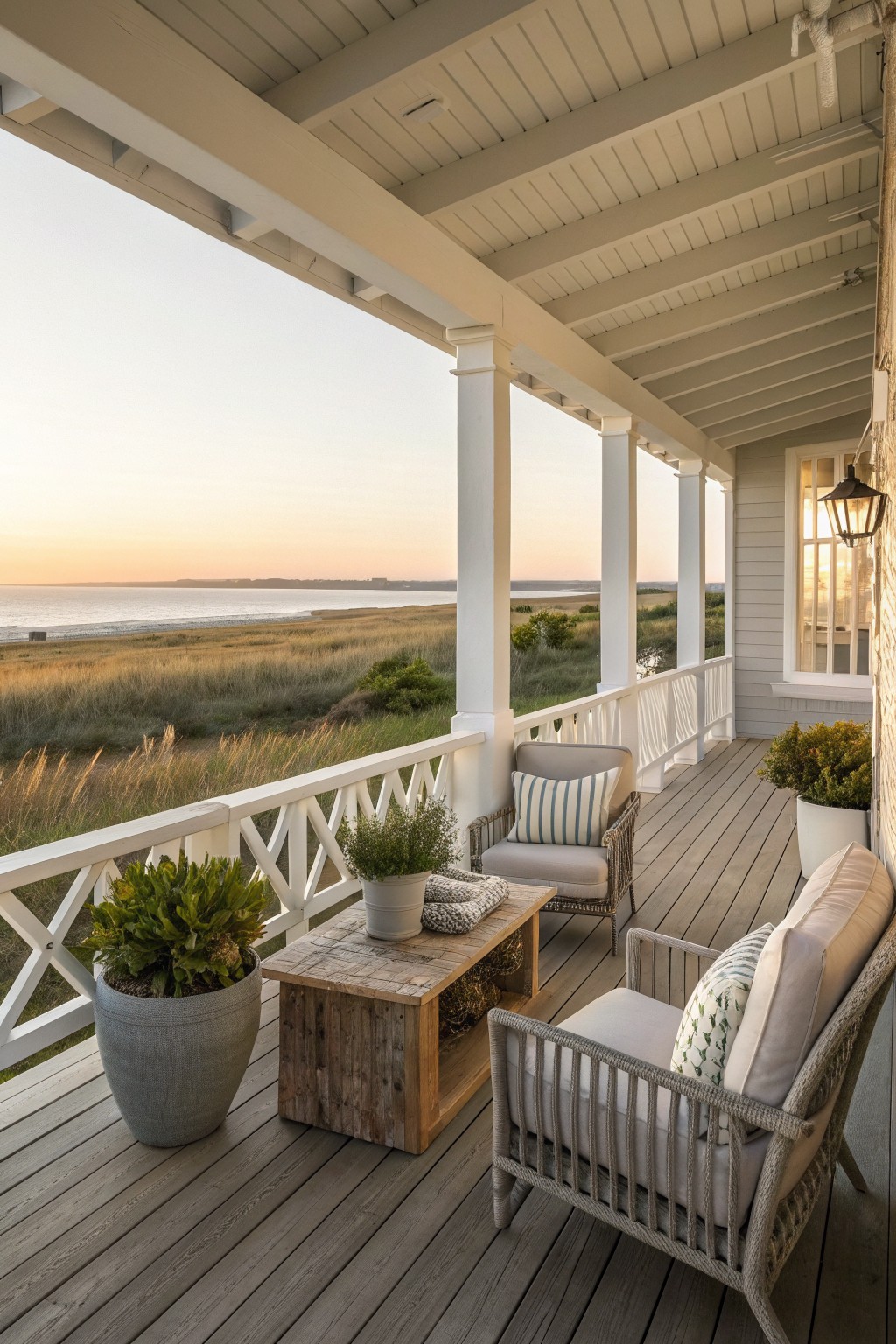
Lattice railings work well when you want a bit of privacy without losing the view from a porch or deck. The open pattern lets air and light through while softening the line between the seating area and whatever sits beyond it. Many people like this look on homes near water or open fields because it feels lighter than a solid fence.
This approach suits older homes or coastal styles where you still want the space to feel connected to the surroundings. Keep the lattice section lower so it blocks the most direct sight lines from outside while the upper rail stays open. It also holds up better in wind than a full panel would.
Lattice With Climbing Vines For Soft Screening
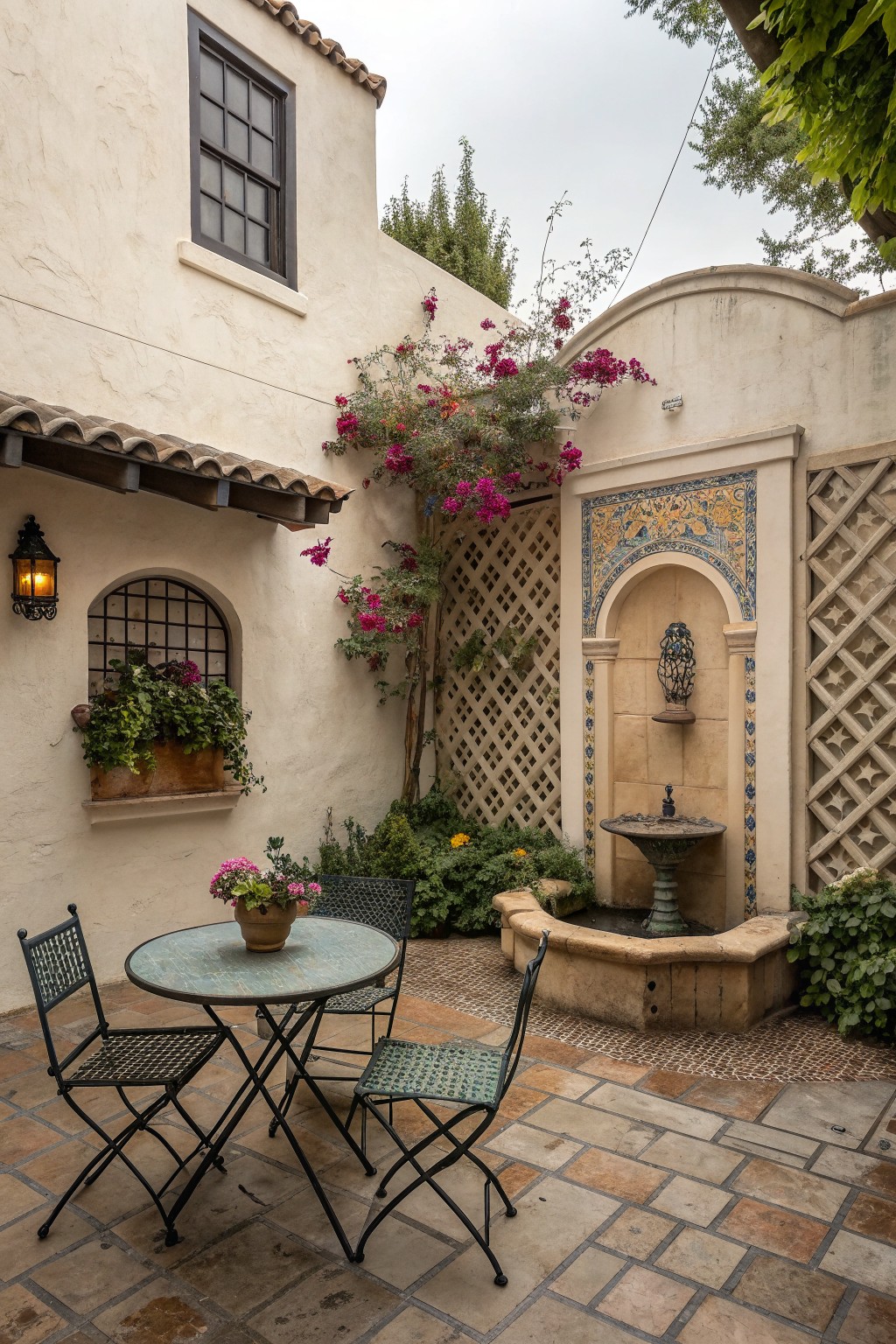
Lattice gives you a way to block part of a view without making the space feel boxed in. The grid pattern lets air and light move through, and it gives vines something to climb so the screen softens as the plants fill in.
This works best along the edge of a patio or near a seating area where you want a bit of separation from the rest of the yard. Keep the panels simple and let the vines do most of the covering so the fence stays light rather than heavy.
Lattice Pergola for Partial Overhead Screening
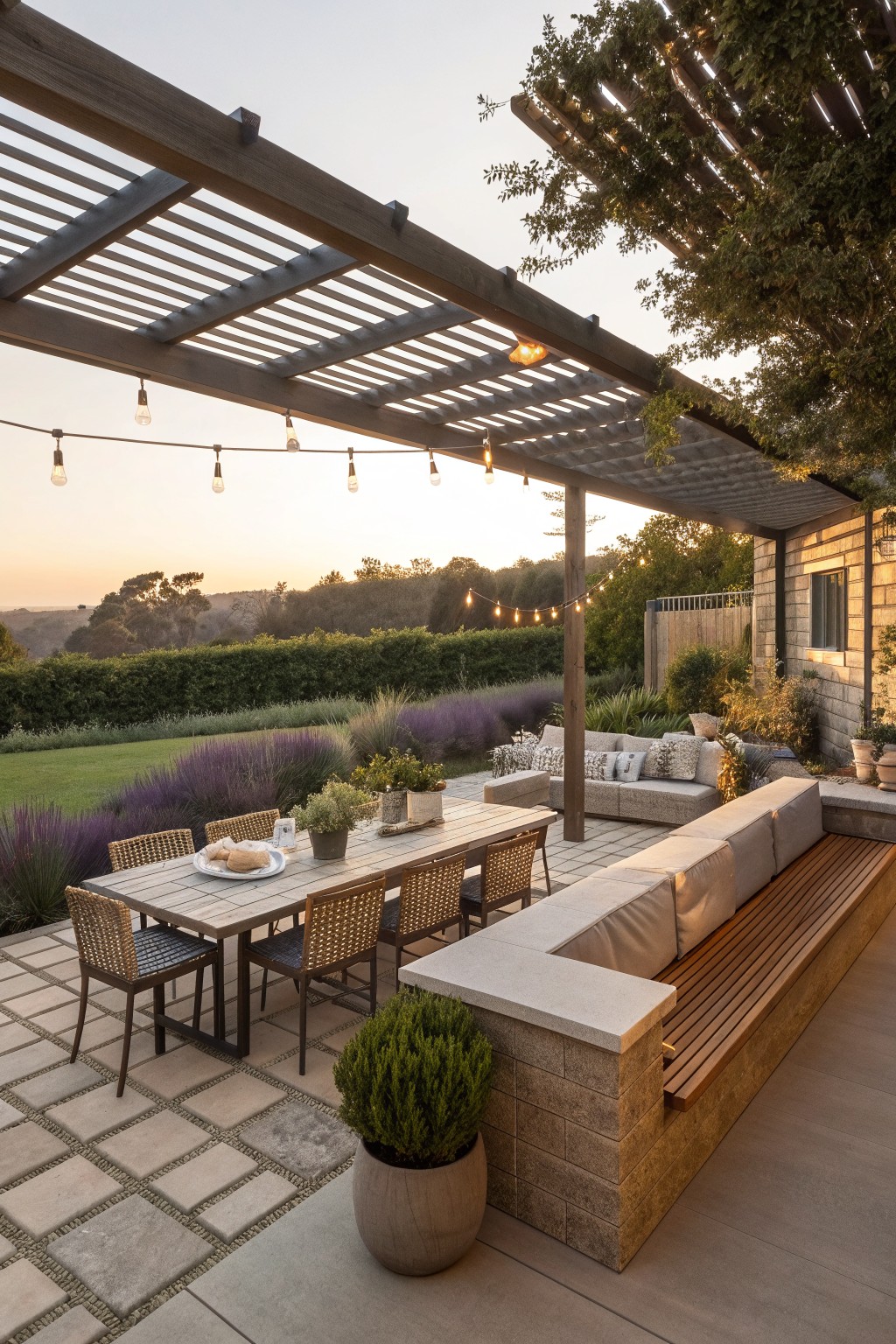
A lattice pergola gives just enough cover to make an outdoor space feel defined without closing it in. The open slats filter sunlight and create soft shade while still letting in breezes and views.
This setup works best on patios that face open land or gardens. Keep the sides clear and use the roof structure itself for screening. Add low walls or built-in seating along one edge if you need a bit more ground-level privacy.
Partial Privacy with Lattice Panels

Lattice works well when you want some screening without shutting off a space completely. The open pattern lets air move through and keeps the area from feeling closed in, which makes it a good fit for patios and poolside spots where full walls would feel too heavy.
It suits homes with simple wood structures and works best when the lattice is used on one or two sides rather than all around. Keep the scale in mind so the pattern does not look too busy next to seating or larger pieces of furniture.
Overhead Lattice for Partial Screening
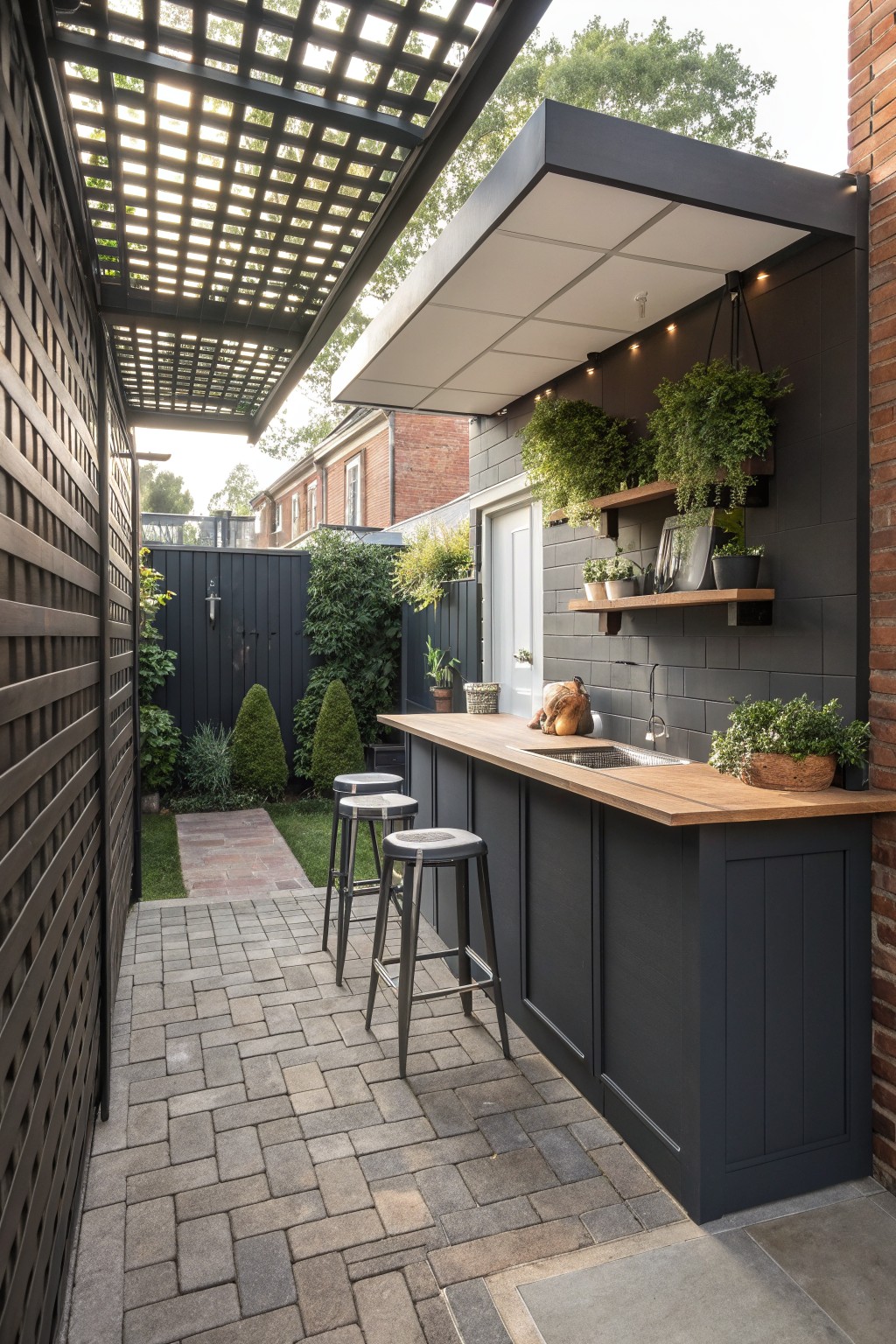
An overhead lattice gives just enough coverage to make an outdoor space feel more private without closing it in completely. It filters sunlight and adds structure above while still letting air and views move through, which works especially well along the side of a house or in a narrow yard.
Place the lattice above a seating or cooking area and combine it with a solid fence or wall below for balanced screening. This setup suits homes that need light overhead but still want separation from neighbors or the street.
Plant Pots Along the Fence for Partial Screening
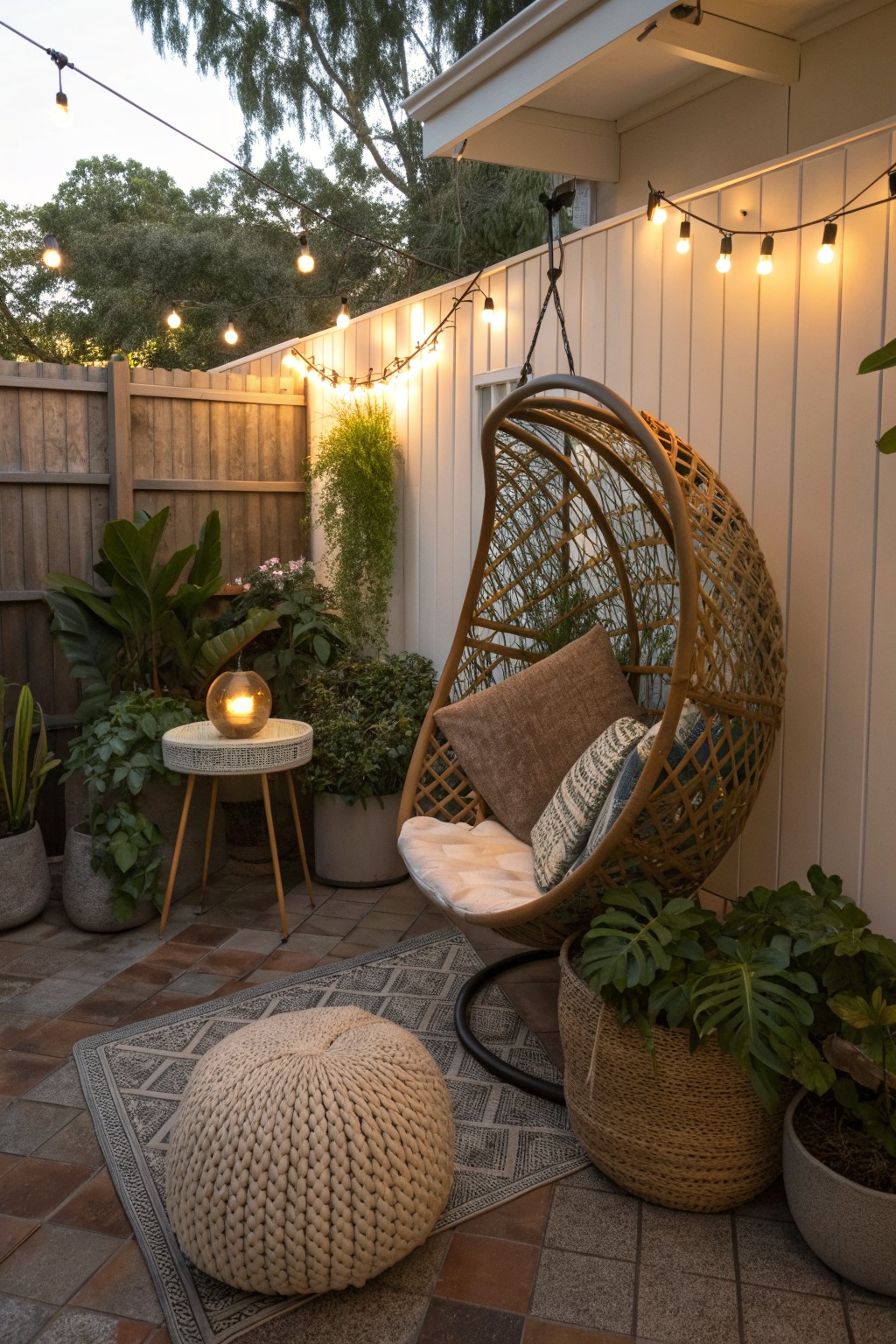
Many people use rows of potted plants to break up a fence line without blocking everything. The greenery adds height and texture while still letting some light and breeze pass through, which keeps the space from feeling closed in.
This approach works best on patios or small yards where you want flexible screening that can move or change with the seasons. Cluster the pots near seating spots and pick taller varieties that fill in gradually over time.
Horizontal Slats For Light Privacy Screening
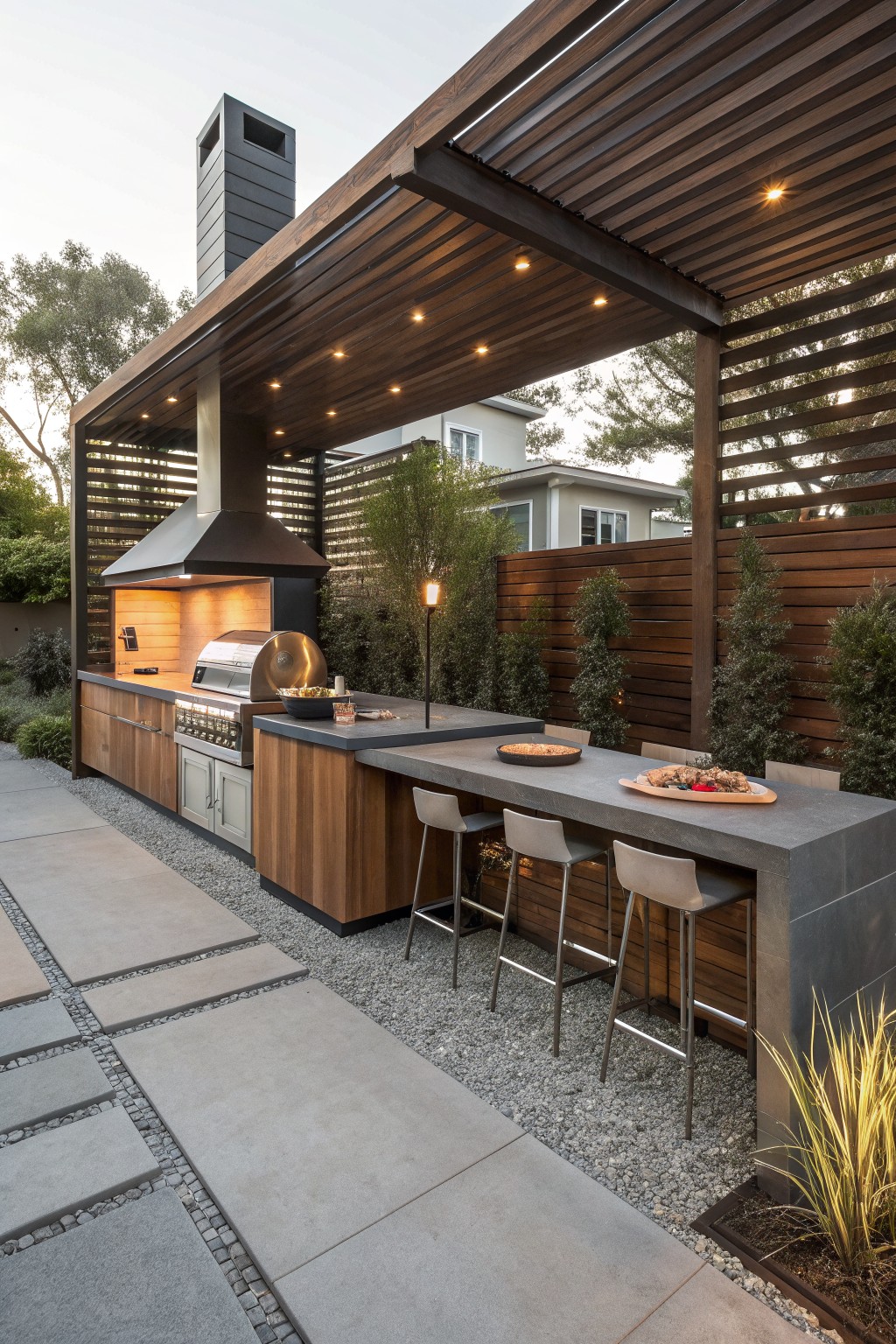
Many people want a bit of separation in their outdoor space without building a solid wall that closes everything in. Horizontal slats do this well because they break up sight lines while still letting air and some light pass through.
This works best along the edges of a patio or around an outdoor kitchen where you want privacy from neighbors but not a heavy enclosed feel. Space the slats evenly and match the wood tone to nearby structures so the screen blends in rather than stands out.
Horizontal Slat Fencing For Partial Screening
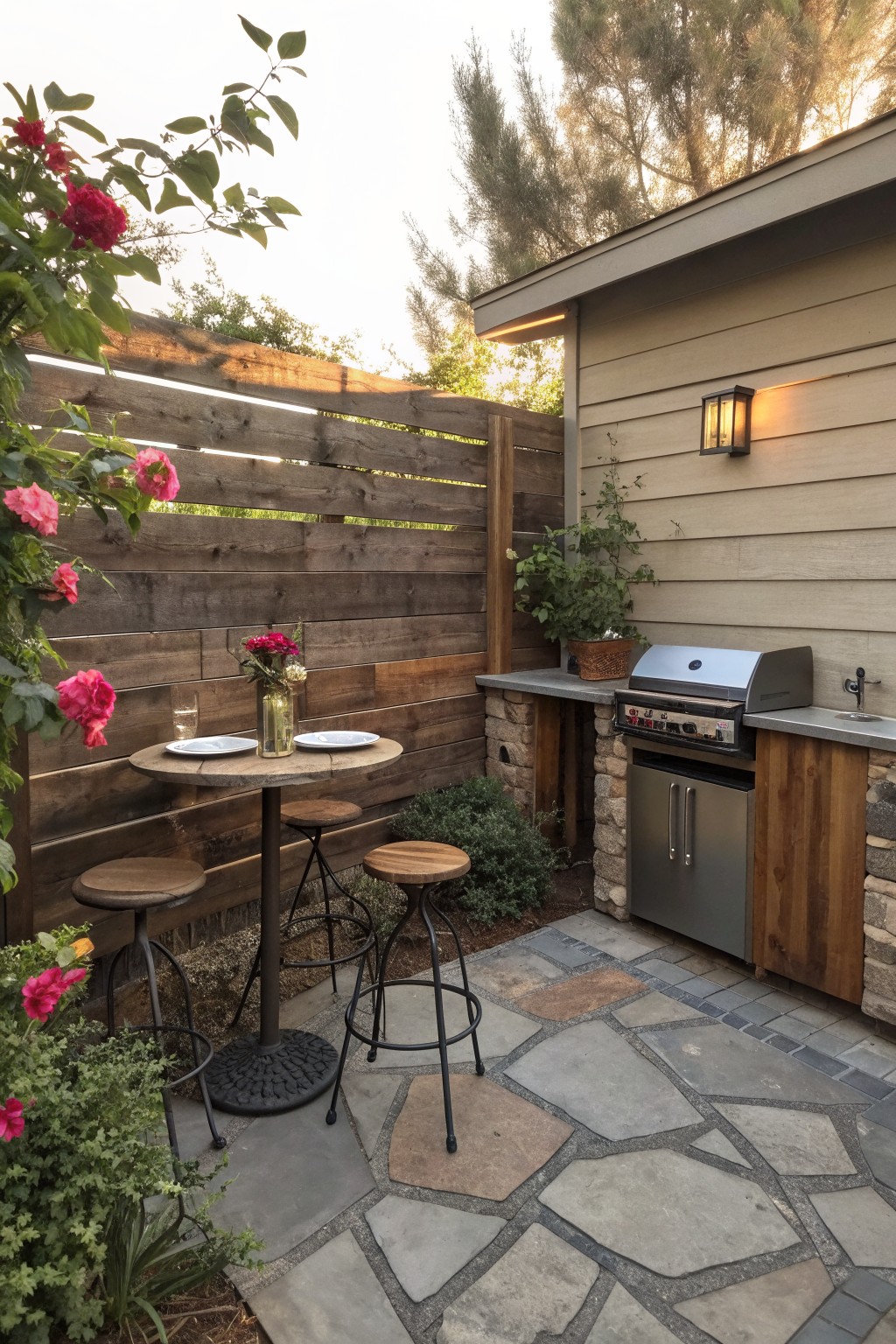
Horizontal slat fences give just enough privacy while still letting light and air move through the space. The gaps keep the area from feeling closed in, which works especially well when you want to separate a patio from the rest of the yard without losing the open feel.
This style suits smaller backyards or side yards where a full solid fence would make things feel too dark or tight. It pairs easily with simple paving and a few plants along the base, and it holds up well in most climates as long as the wood is treated.
Lattice for Mounting Potted Plants
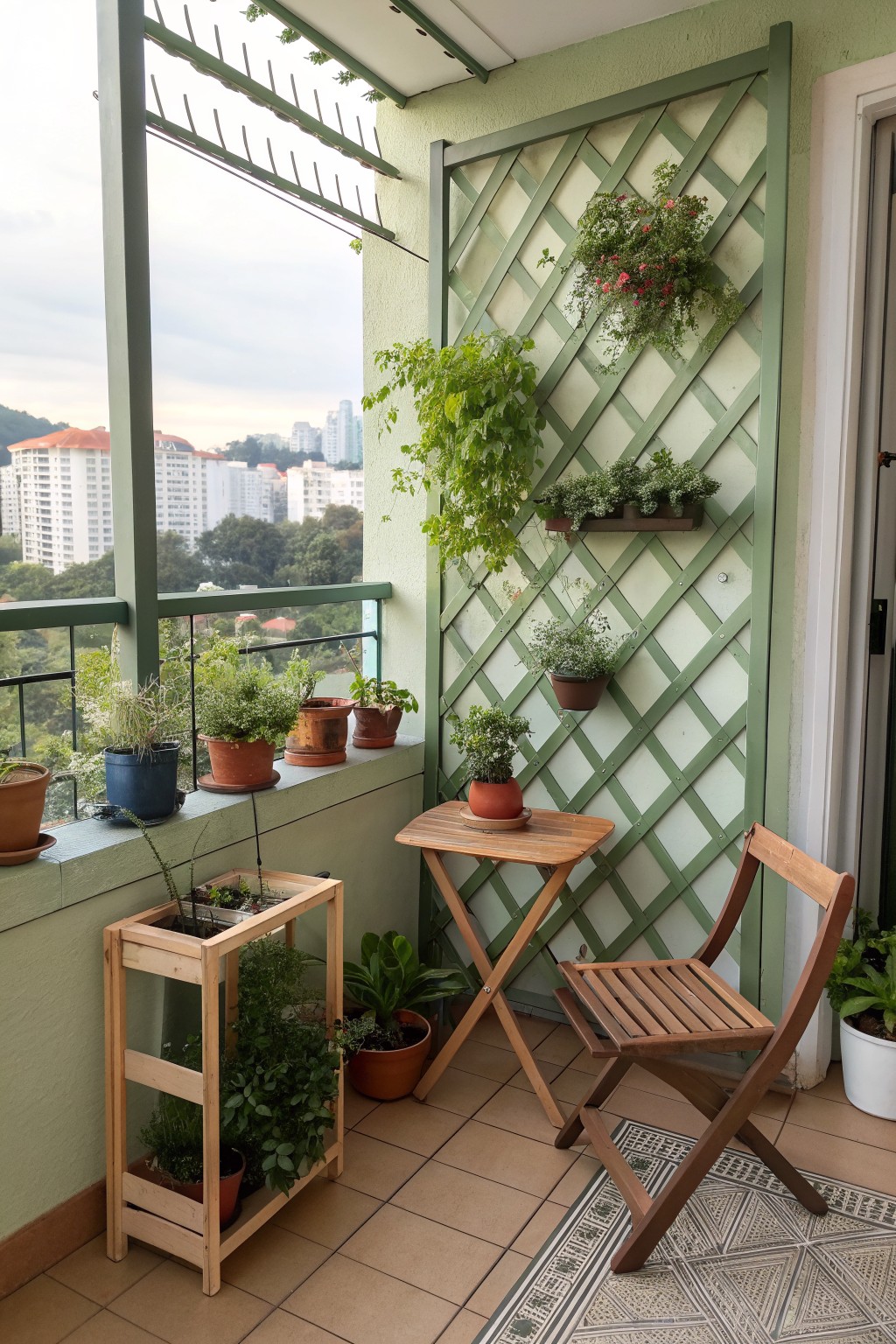
Lattice works well when you want partial screening without blocking all the light. The grid gives you a simple way to attach pots at different heights so the plants fill in the gaps over time and create a soft green layer.
This setup suits balconies and small patios where a full fence would feel too heavy. Use sturdy hooks or small shelves and stick to lighter pots so nothing pulls on the lattice over time.
Lattice Panels For Gentle Privacy Screening
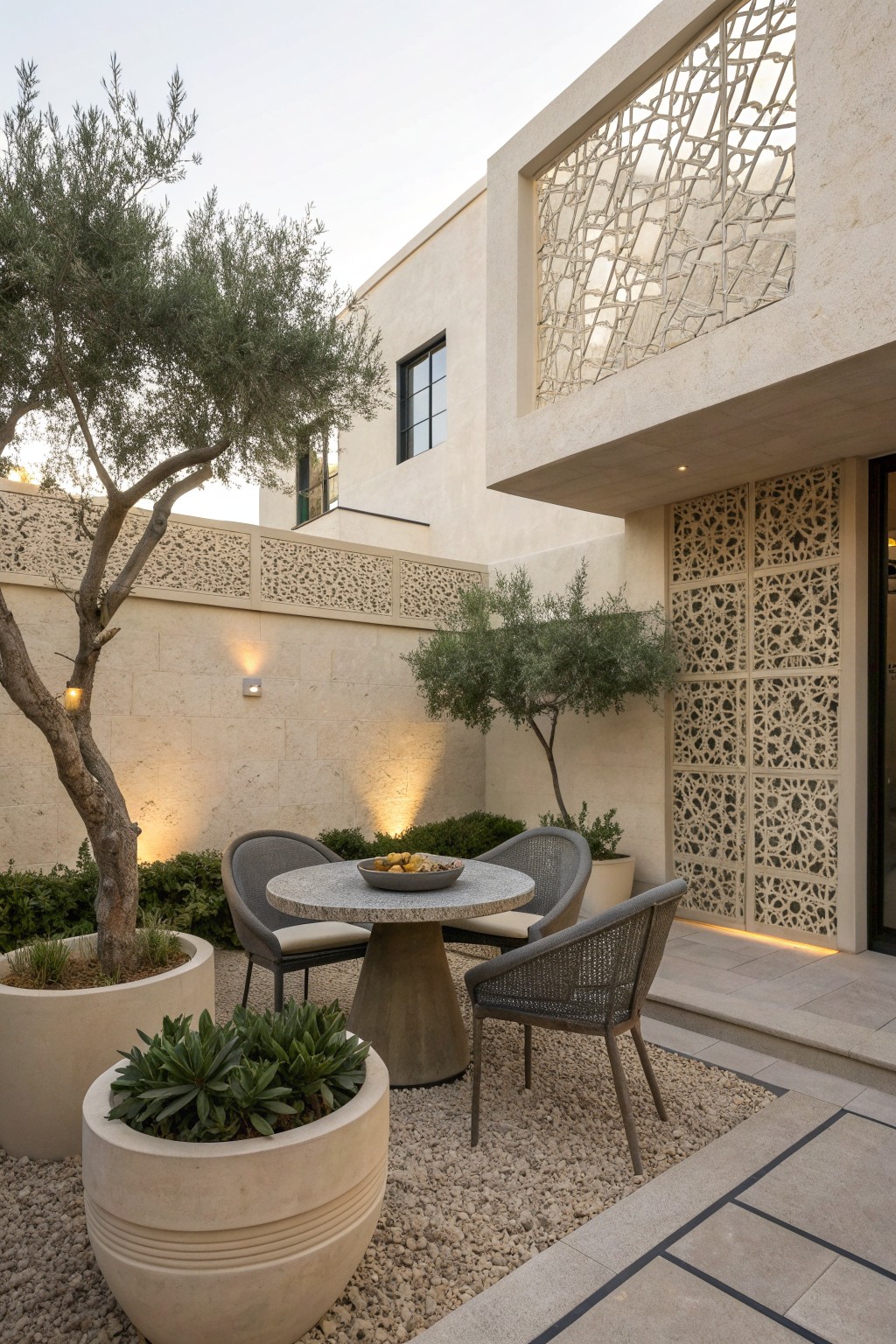
Lattice panels work well when you want some privacy without closing off an outdoor space completely. The open patterns let light and air move through while softening the look of plain walls around a patio or courtyard. Many people like this approach because it feels less heavy than solid fencing yet still creates a boundary.
This idea suits homes with existing stucco or masonry walls where you can mount the panels directly. It works especially well in warmer climates where you still want to enjoy the outdoors without full enclosure. Keep the pattern scale in mind so it does not feel too busy next to seating areas.
Slatted Pergolas For Light Overhead Screening
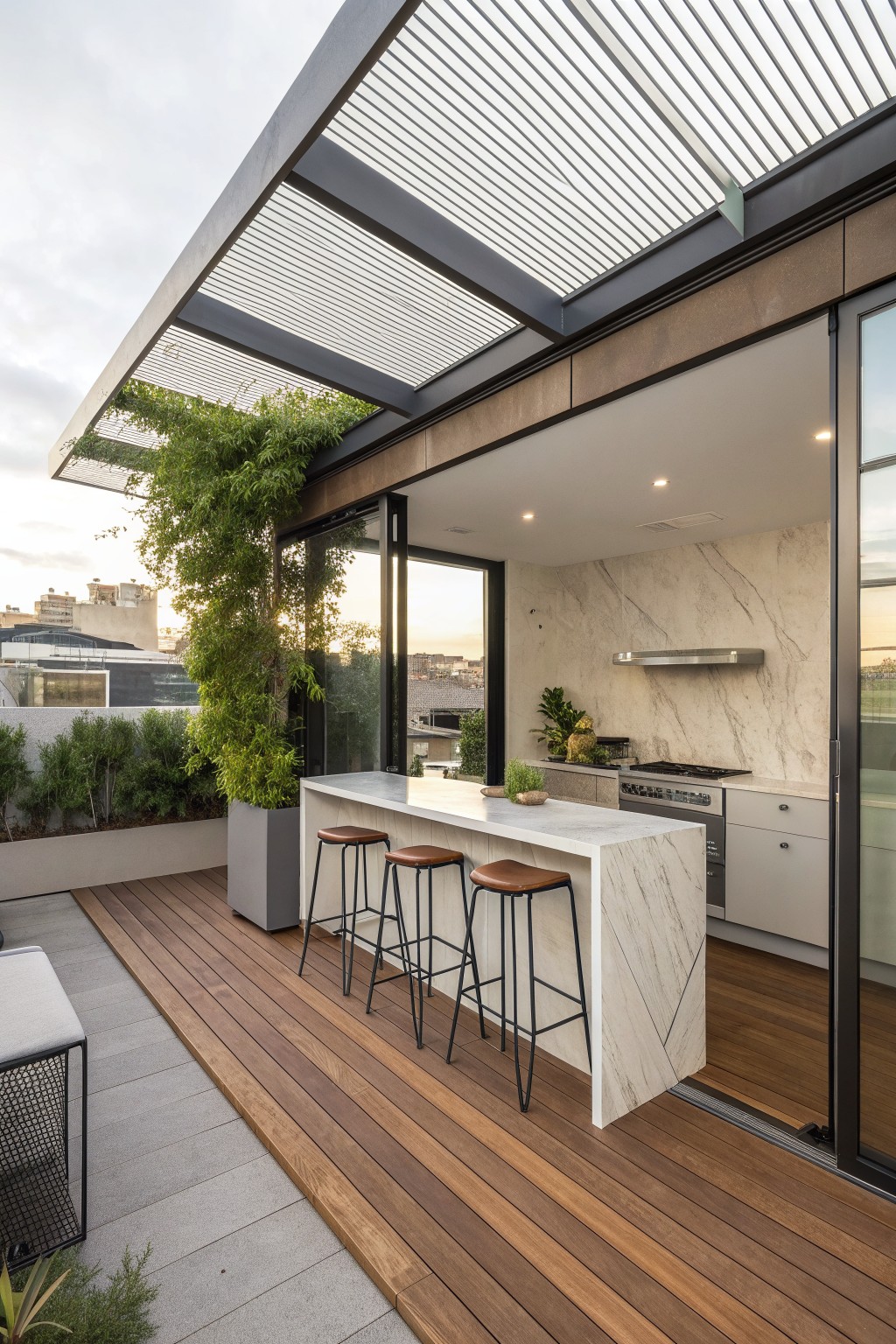
A slatted roof structure works well when you want partial screening without boxing in an outdoor space. The gaps let air and light move through while softening views from above, which keeps the area feeling open rather than enclosed.
This setup suits rooftops and upper decks where full side fencing would feel too heavy. Space the slats based on how much coverage you need, and keep the frame simple so it blends with the rest of the deck.
Overhead Lattice for Partial Screening
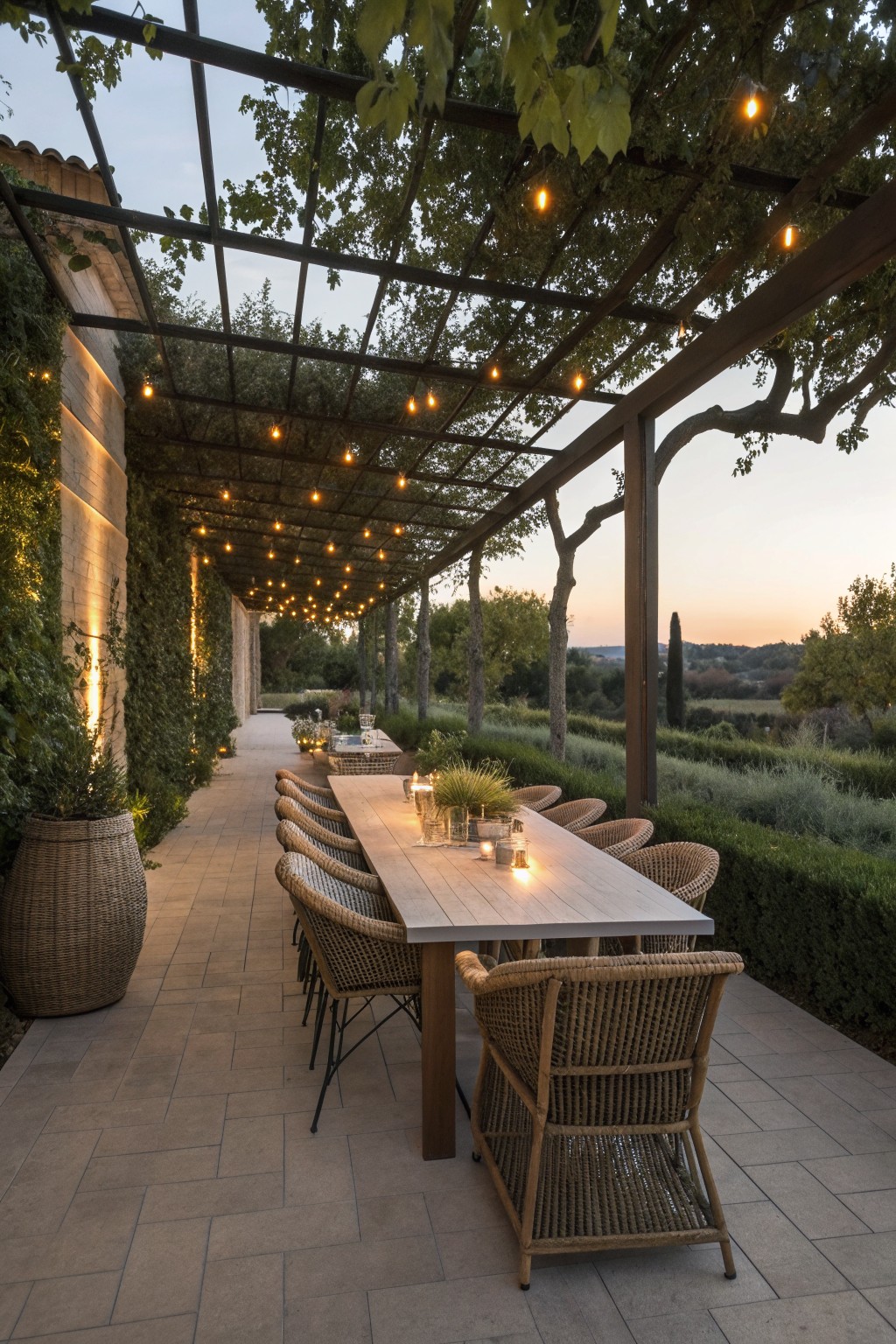
An overhead lattice works well when you want some cover without making the space feel closed in. The grid lets light through while vines can grow across it to add a bit of screening from above.
This setup suits patios or decks where full shade is not needed. Keep the spacing wide enough so it does not get too dark underneath, and choose vines that will not grow too heavy for the frame.
Slatted Wood Screens for Partial Privacy
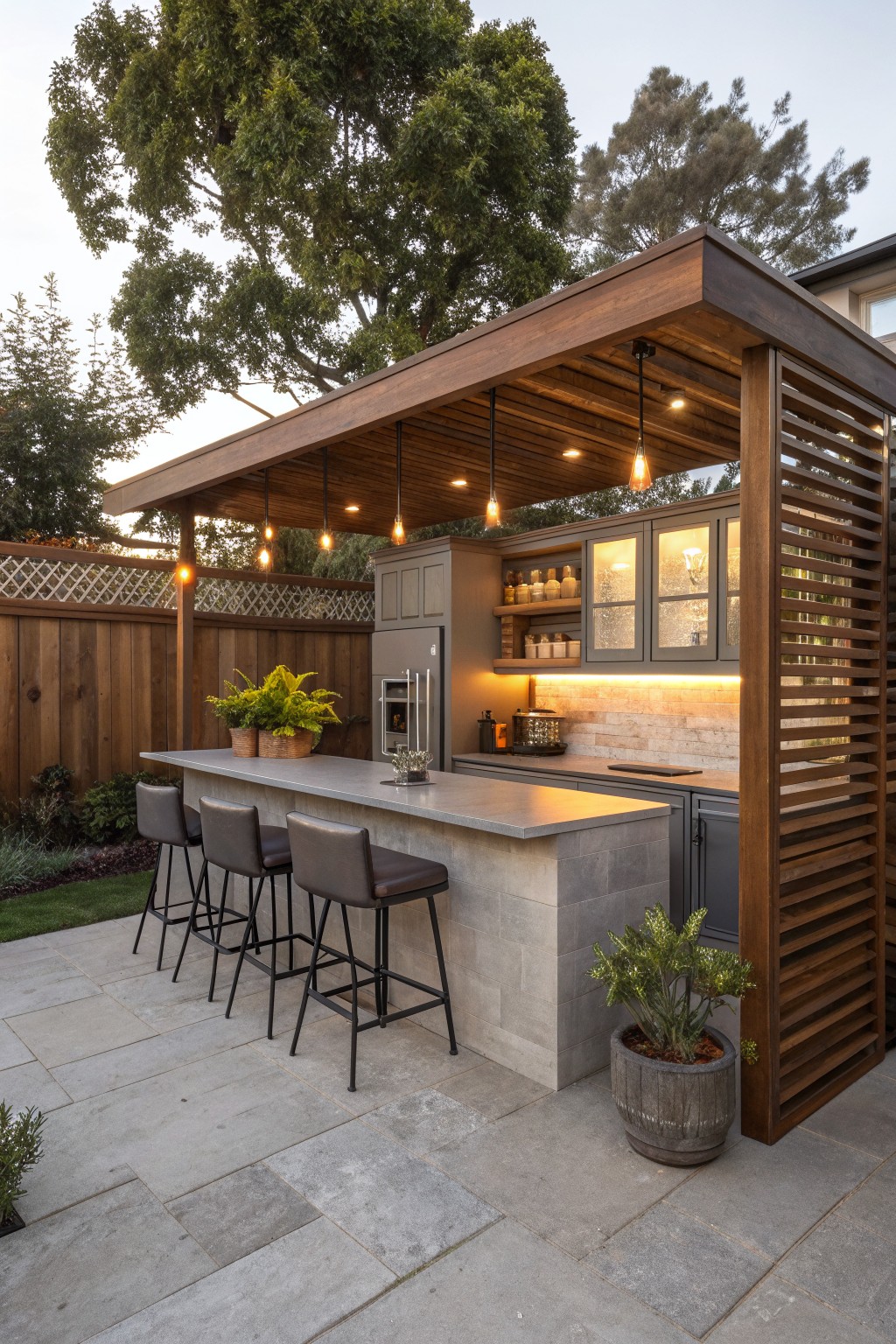
Vertical wood slats can give an outdoor kitchen or bar just enough separation without making the space feel closed in. The gaps let light and air move through while softening views from the side or back of the yard.
This works best on patios that sit near property lines or shared spaces. Keep the slats spaced evenly and match the wood tone to nearby fences or structures so the screen feels like part of the overall layout rather than an add-on.
Curved Lattice Screens For Patio Privacy

A curved lattice fence gives an outdoor seating area a sense of enclosure without cutting it off from the surrounding garden. The open grid lets light and air through while blocking direct views from other parts of the yard, which makes the space feel more settled and usable.
This layout works best on patios that back onto open lawns or water features. Keep the seating tucked inside the curve and choose a neutral wood tone so the fence blends with decking and nearby planting rather than standing out as a hard barrier.
Frequently Asked Questions
Q: Will lattice hold up if I live in a rainy area? A: Choose pressure treated wood and apply a sealant every couple of years so moisture does not seep in and cause rot. Check the bottom edges each fall for any soft spots that need attention.
Q: Can I install this myself or should I hire help? A: Start with basic tools and follow simple plans if you have some experience building things. Many people finish a small section in a weekend.
Q: How much space should I leave between the lattice strips for the right look? A: Space them about two inches apart so vines can climb easily while still giving decent screening from the street. That gap keeps the fence from feeling too solid.


