I have watched plenty of dark rooms come alive once the right bright paint went on the walls and started reflecting what little light came through the windows.
One color I tested last year looked crisp in the store but picked up a yellow undertone next to my wooden floors that made the space feel even heavier.
Paying attention to how each shade interacts with the existing trim and furniture helps avoid those disappointments later on.
It is worth bringing home a few samples and watching them through morning and afternoon light before making a final choice.
The ones that work best usually have a soft brightness rather than a harsh glare.
Bright White Walls
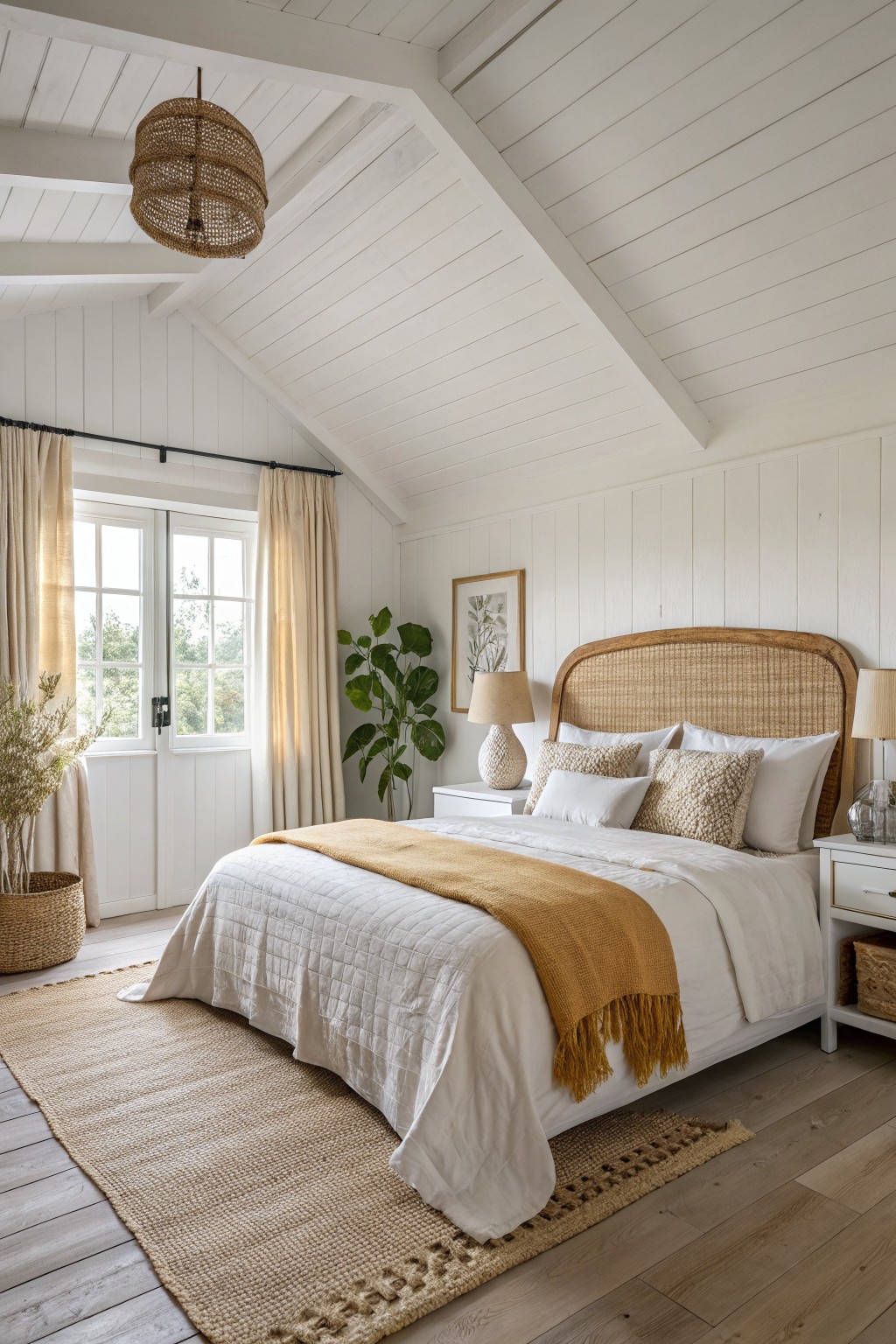
A bright white is one of the simplest ways to make a room feel larger and lighter. This color family includes options like Benjamin Moore Simply White, Sherwin Williams Pure White, and Behr Ultra Pure White.
It sits clean with almost no undertone, so it works nicely against wood floors and white trim. In rooms with angled ceilings or limited windows, it helps bounce light around without feeling stark.
Soft Green Walls
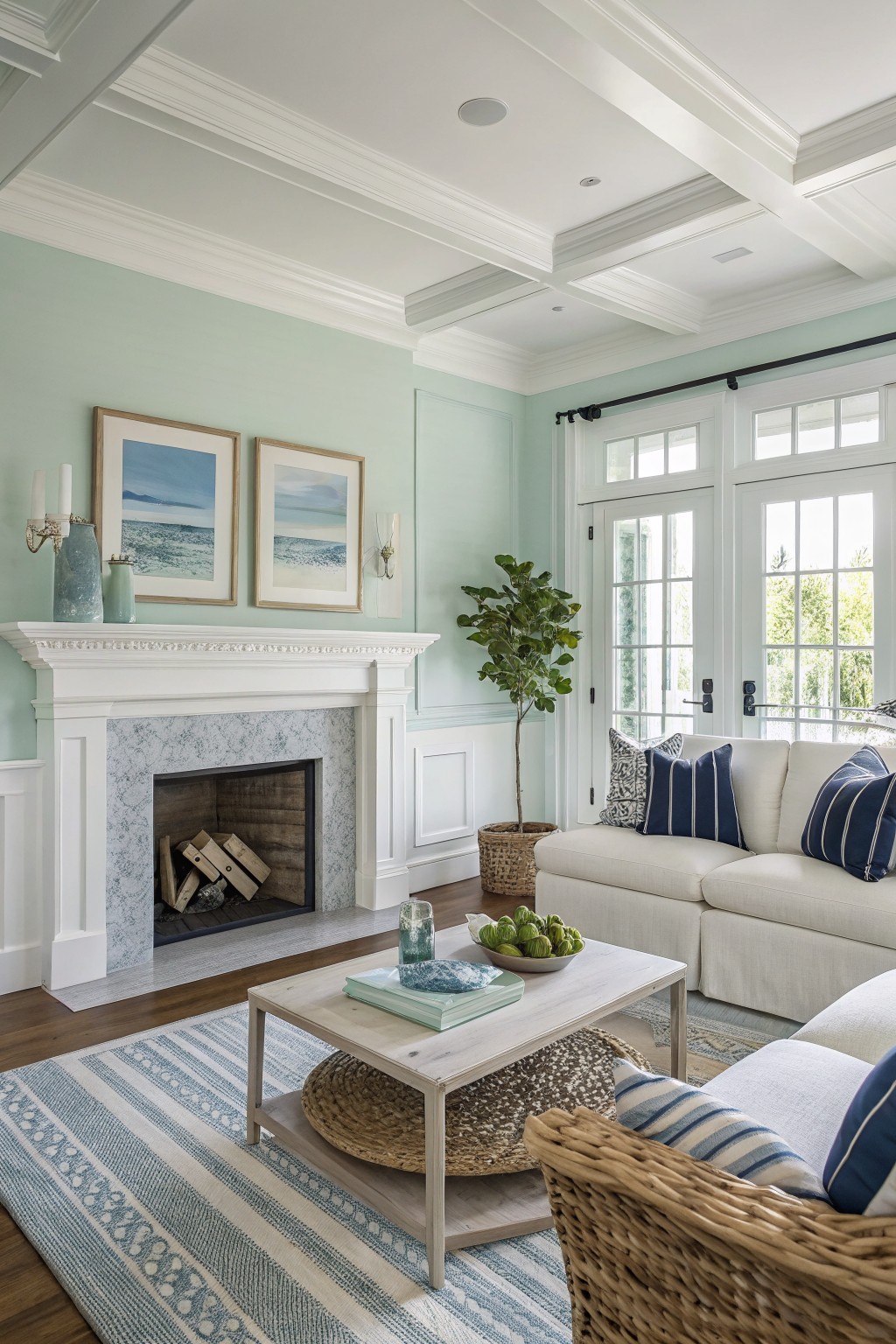
A pale green paint works nicely when you want to brighten up a darker room without going full white. This shade has a gentle cool feel that bounces light around while still feeling calm and livable.
It tends to sit best with crisp white trim and wood floors. The color can look a touch washed out in low light, so it helps to test a sample on the actual wall first.
Soft Blue Green Cabinets
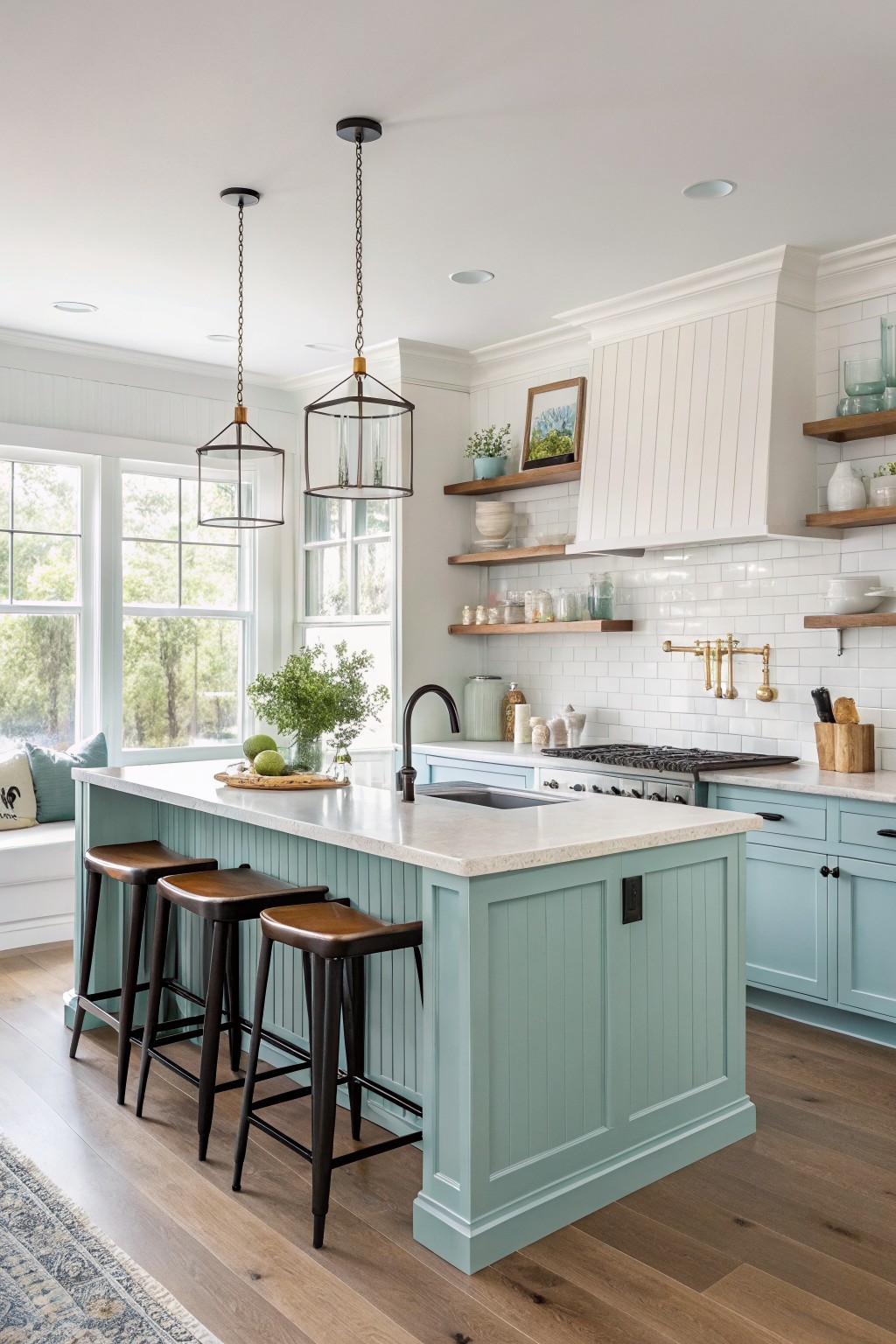
This soft blue green gives kitchens a fresh lift without turning them too cool or sharp. It sits in that nice middle ground between blue and green, so it brightens up darker spaces while still feeling calm and livable.
The color has a touch of gray in it that helps it stay quiet next to white counters and wood floors. It works especially well on cabinets when you want something a little different from plain white or gray. Try it with warm wood tones and simple black hardware if you want it to feel grounded.
Soft Yellow Walls
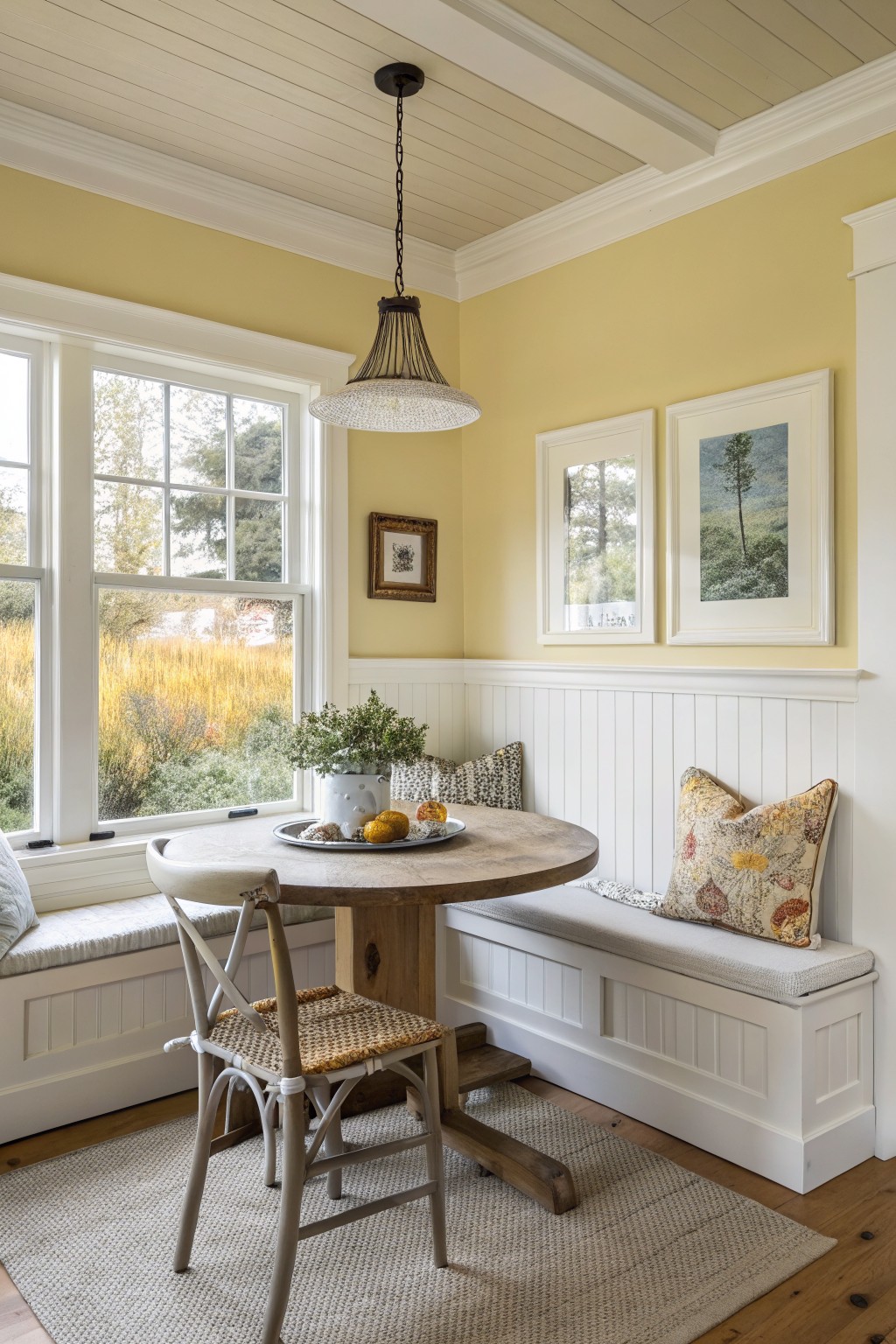
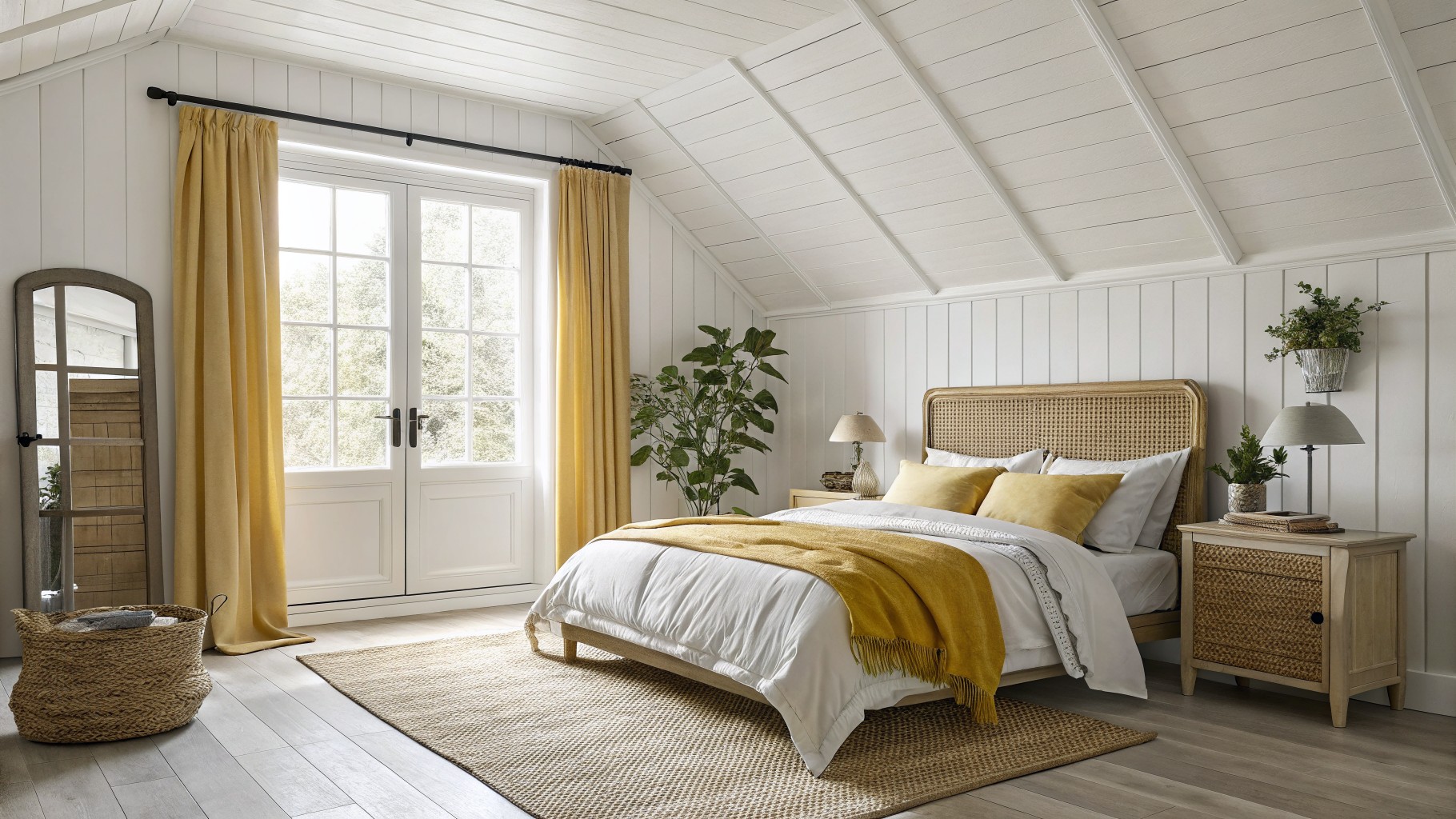
A soft yellow like this works well when you want to bring light into a darker room without going too bold. It has a warm, buttery tone that feels cheerful and fresh, especially against white trim and wood elements.
This shade sits nicely with natural wood floors and woven textures, and it tends to look best in spaces that get some daylight. Pair it with crisp whites or light neutrals if you want to keep things feeling open and calm.
Light Greige Walls
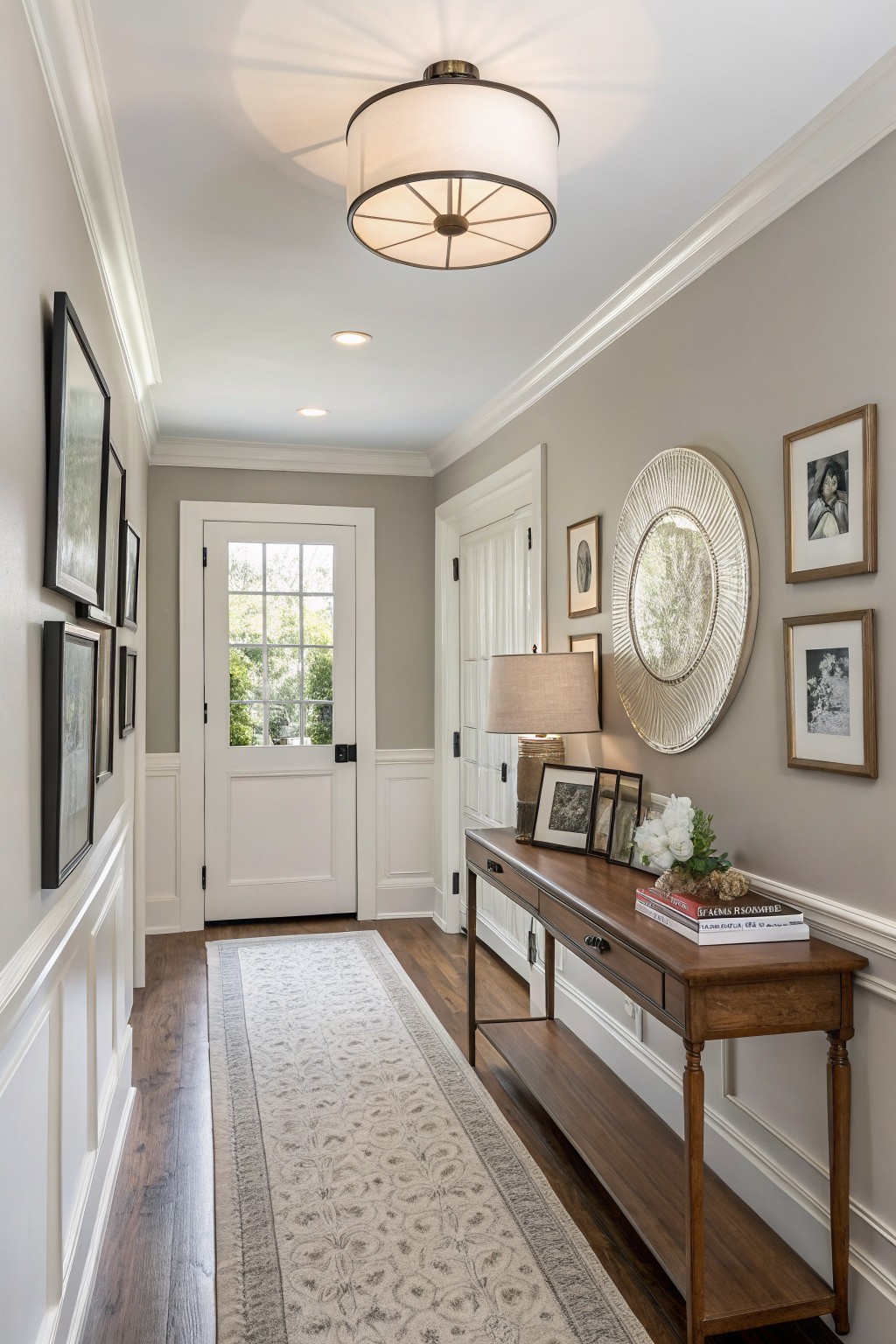
A light greige works well in hallways because it brings in just enough warmth without darkening the space. This color sits somewhere between gray and beige, and it keeps the room feeling open even when natural light is limited. Matches that come close include Sherwin Williams Accessible Beige, Benjamin Moore Collingwood, and Behr Silver Gray.
The soft warm undertone pairs nicely with white trim and darker wood floors, which helps the color stay calm rather than cool. It suits homes that need a neutral backdrop that still feels lived in, though it can look flat if the lighting is very dim.
Soft mint green walls
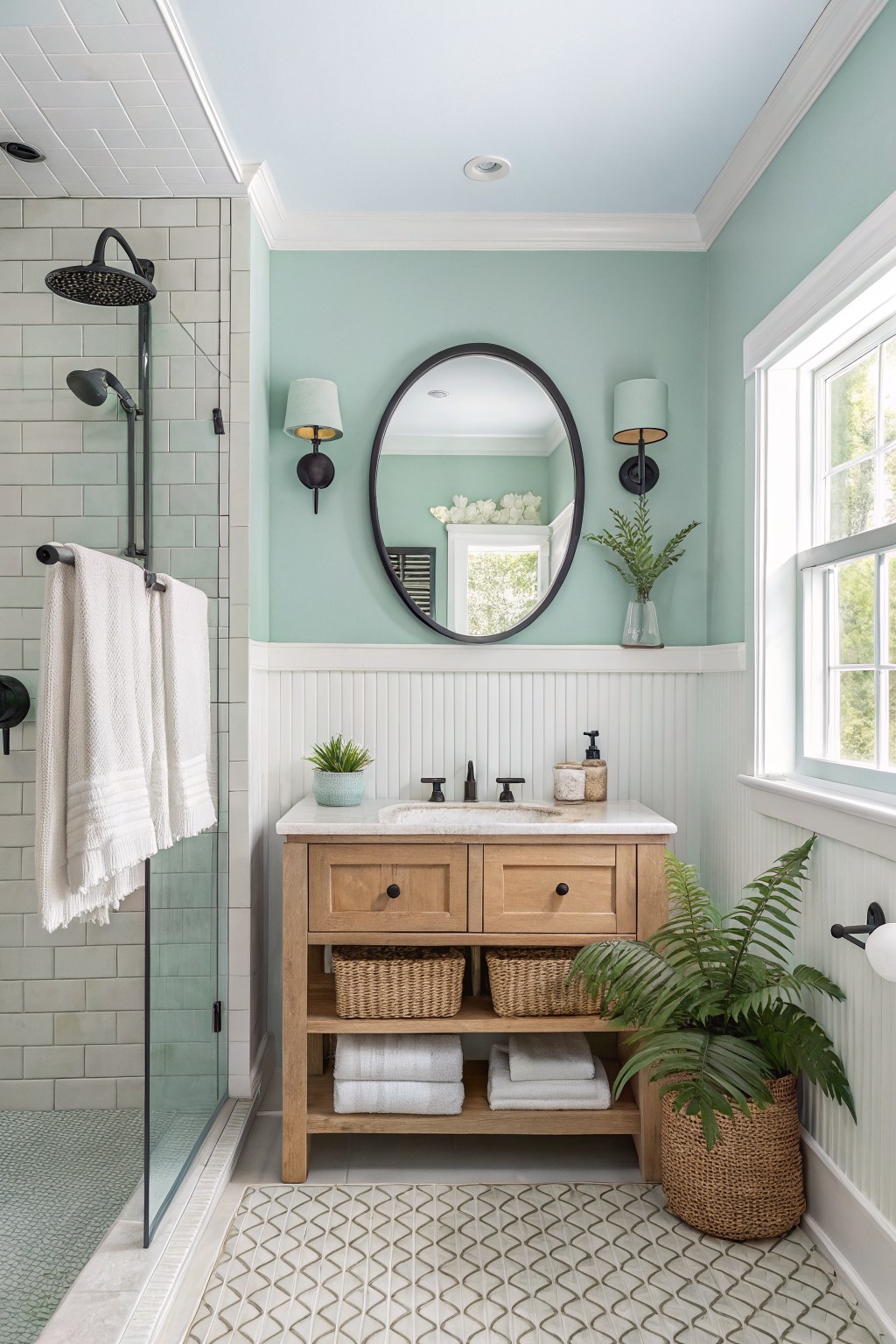
This soft mint green works well for brightening bathrooms and other compact rooms that need more light. It has a gentle cool tone that reflects daylight nicely and keeps the space from closing in. You might like something close to Benjamin Moore Palladian Blue, Sherwin Williams Sea Salt, or Farrow & Ball Pale Powder for the same quiet feel.
The color looks fresh next to white trim and natural wood cabinetry. It handles a bit of humidity without turning too stark, though it can read cooler in low light so test a sample on the wall first.
Soft Lavender Walls
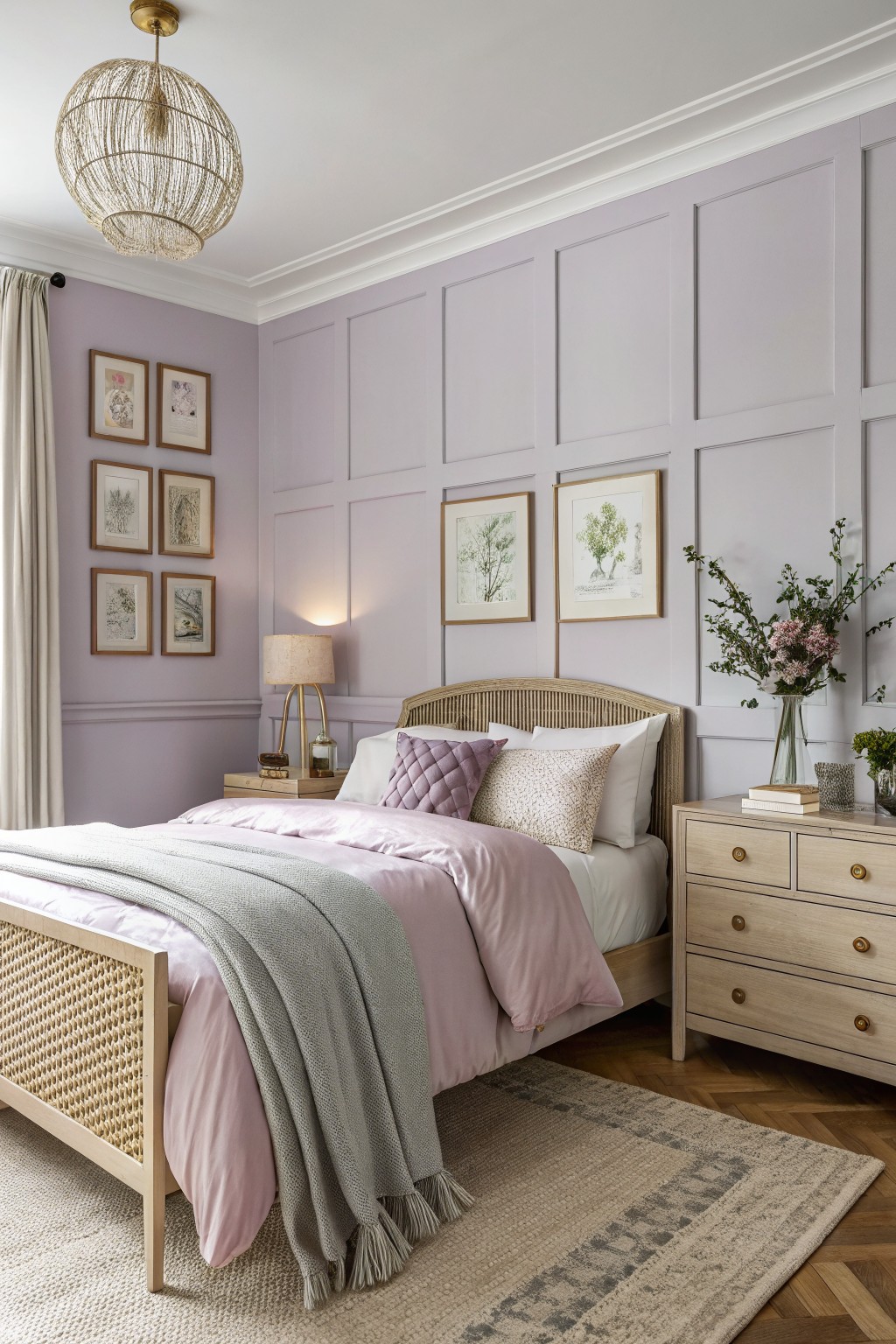
A soft lavender paint color can help brighten up rooms that feel a bit dark. This shade sits between gray and purple, and it looks closest to Benjamin Moore Pale Lilac or Sherwin Williams Light Lavender. It also reads very close to Farrow & Ball’s Skylight in some lights. People reach for it when they want something gentle that still adds a little color.
It carries a quiet gray undertone that stops it from feeling too sweet or childish. This color works especially well with warm wood floors and simple trim, and it suits bedrooms or small sitting areas where you want a calm but lifted mood.
Sunny Yellow Walls
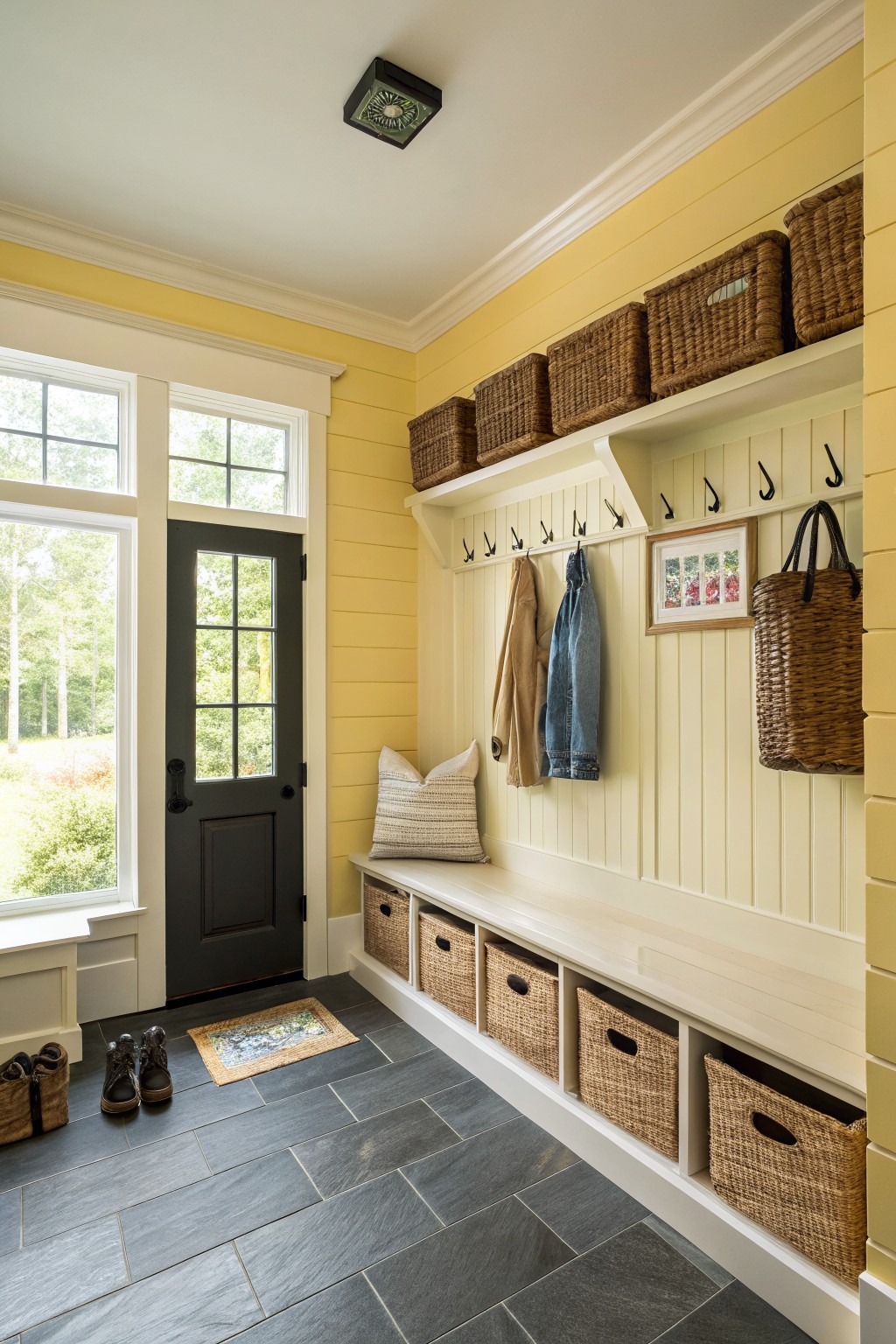
This sunny yellow paint is a strong pick when you want to open up a darker entry or mudroom. It falls into the warm yellow family and gives the space a clean, lifted look without feeling too bold or overpowering.
The color has a soft, slightly creamy undertone that pairs nicely with white trim and wood tones. It works best in rooms with some natural light and looks good next to simple storage pieces or a bench. Try it in smaller spaces where you need a little extra brightness.
Soft Blue Gray Walls
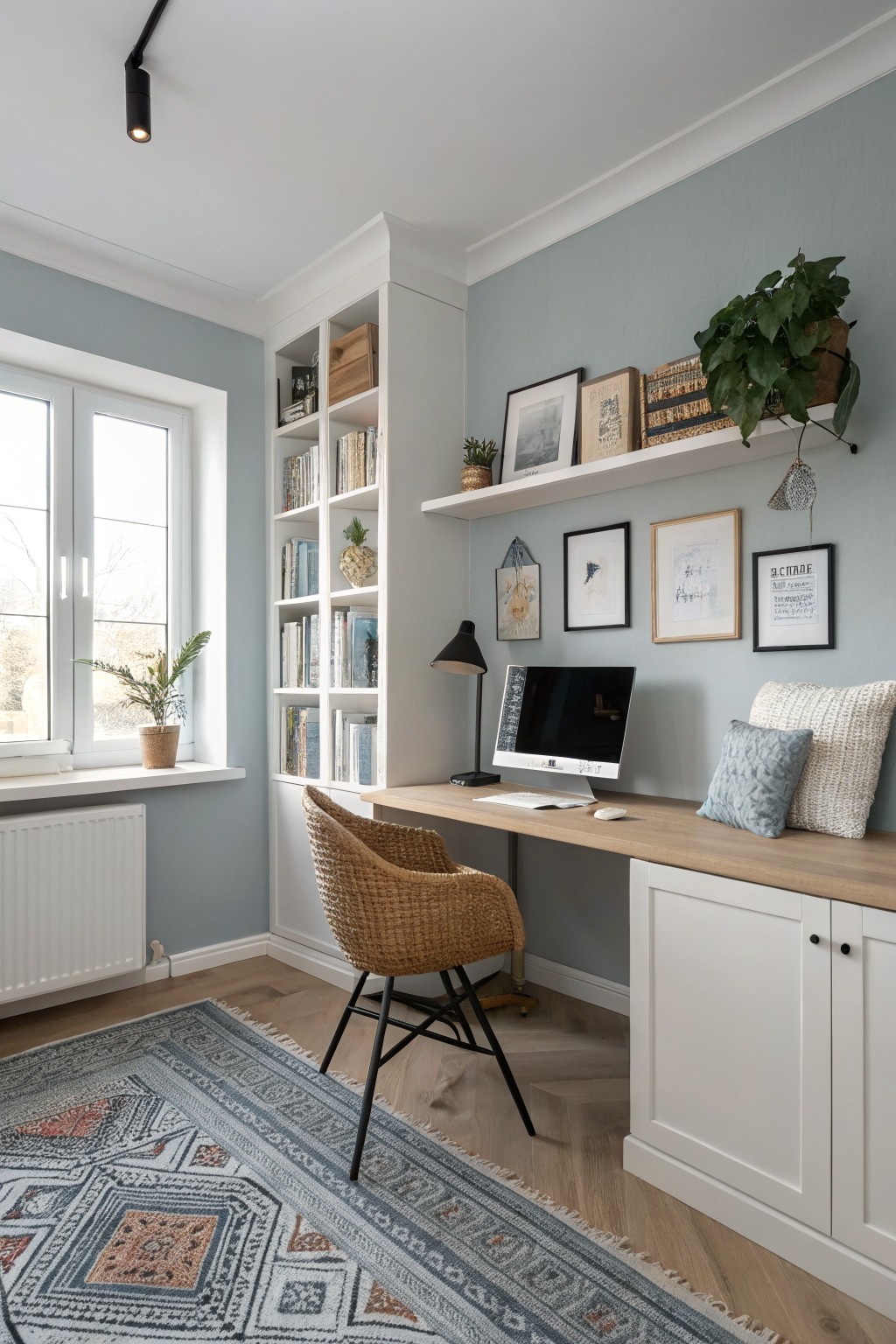
This soft blue gray works well when you want to open up a darker room without making it feel cold. It has a gentle cool tone that still reads warm enough next to wood floors and white trim. Colors like this often sit nicely between Benjamin Moore Palladian Blue and Sherwin Williams Silver Strand. Behr Silver Blue gives a similar soft effect too.
The color stays calm even when light changes through the day. It pairs easily with white cabinetry and natural wood furniture. Just watch that it does not lean too green in north facing rooms.
Soft Mint Green Cabinets
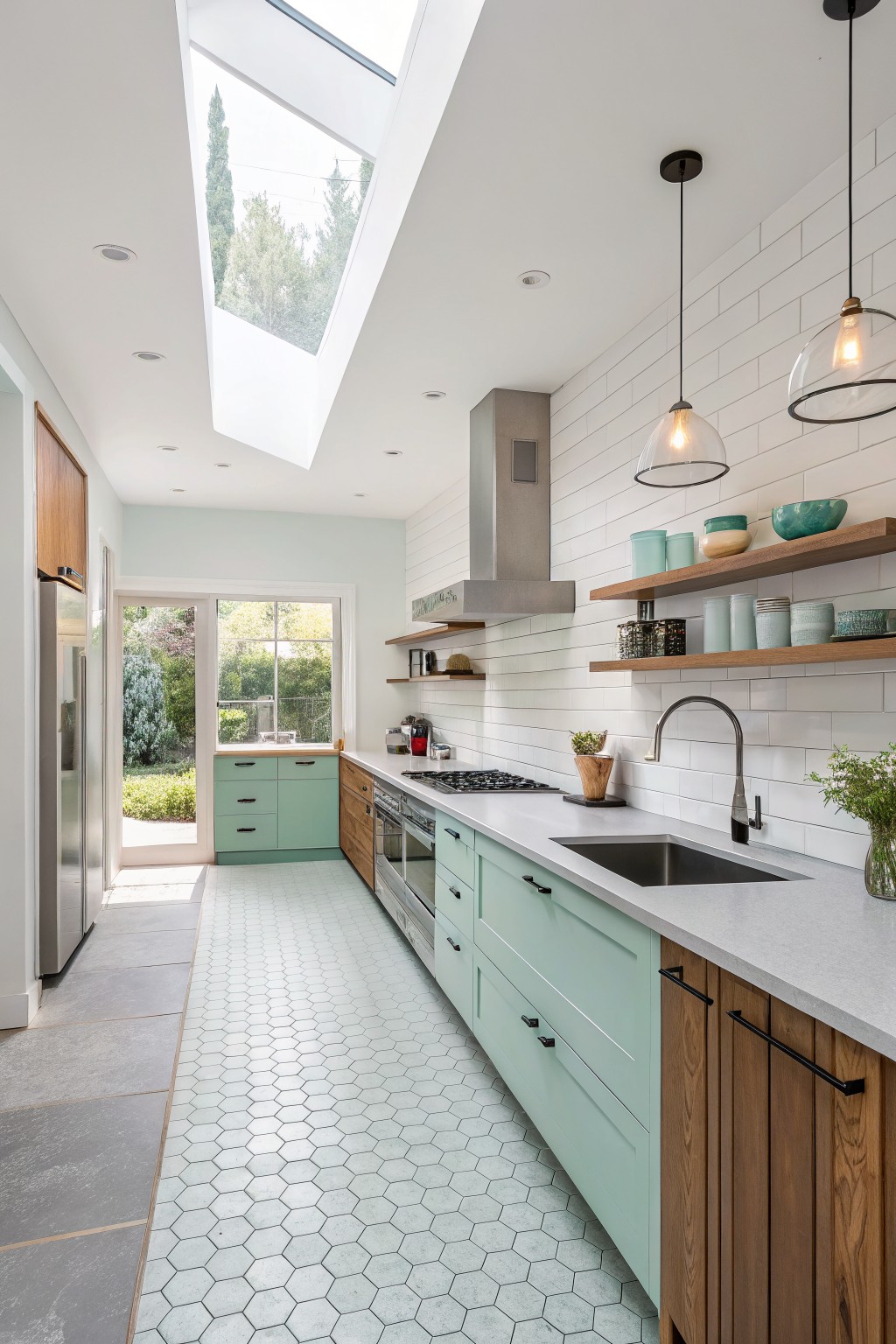
This soft mint green on the cabinets is a light and fresh choice that helps brighten up a kitchen. It is a cool-leaning green that still feels soft rather than sharp. The color reads very close to Sherwin Williams Rainwashed, Benjamin Moore Healing Aloe, Behr Whisper Green, and Farrow & Ball Green Ground.
It works well with white tile and natural wood because the cool undertone keeps the space from feeling heavy. This kind of green suits kitchens that get decent daylight and looks best with simple black or dark hardware rather than warm metals.
Warm beige walls
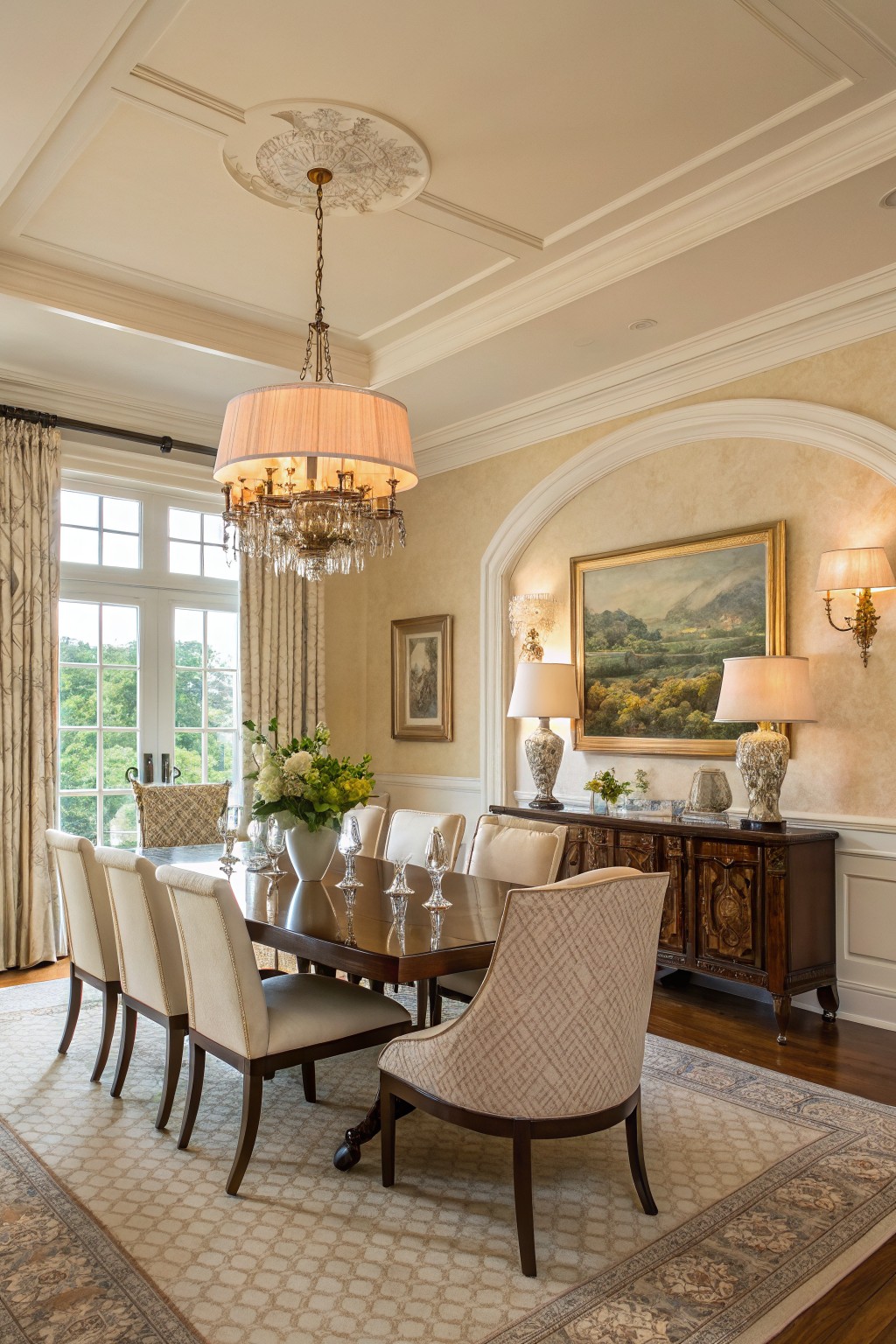
A soft warm beige like this works well when you want to brighten a darker dining room without going all the way to white. It has a gentle creamy tone that bounces light around and keeps the space from feeling closed in.
The color sits nicely next to dark wood furniture and cream upholstery. It tends to look best with white or off-white trim so the walls stay light and the room feels more open overall.
Soft Sage Green Cabinets
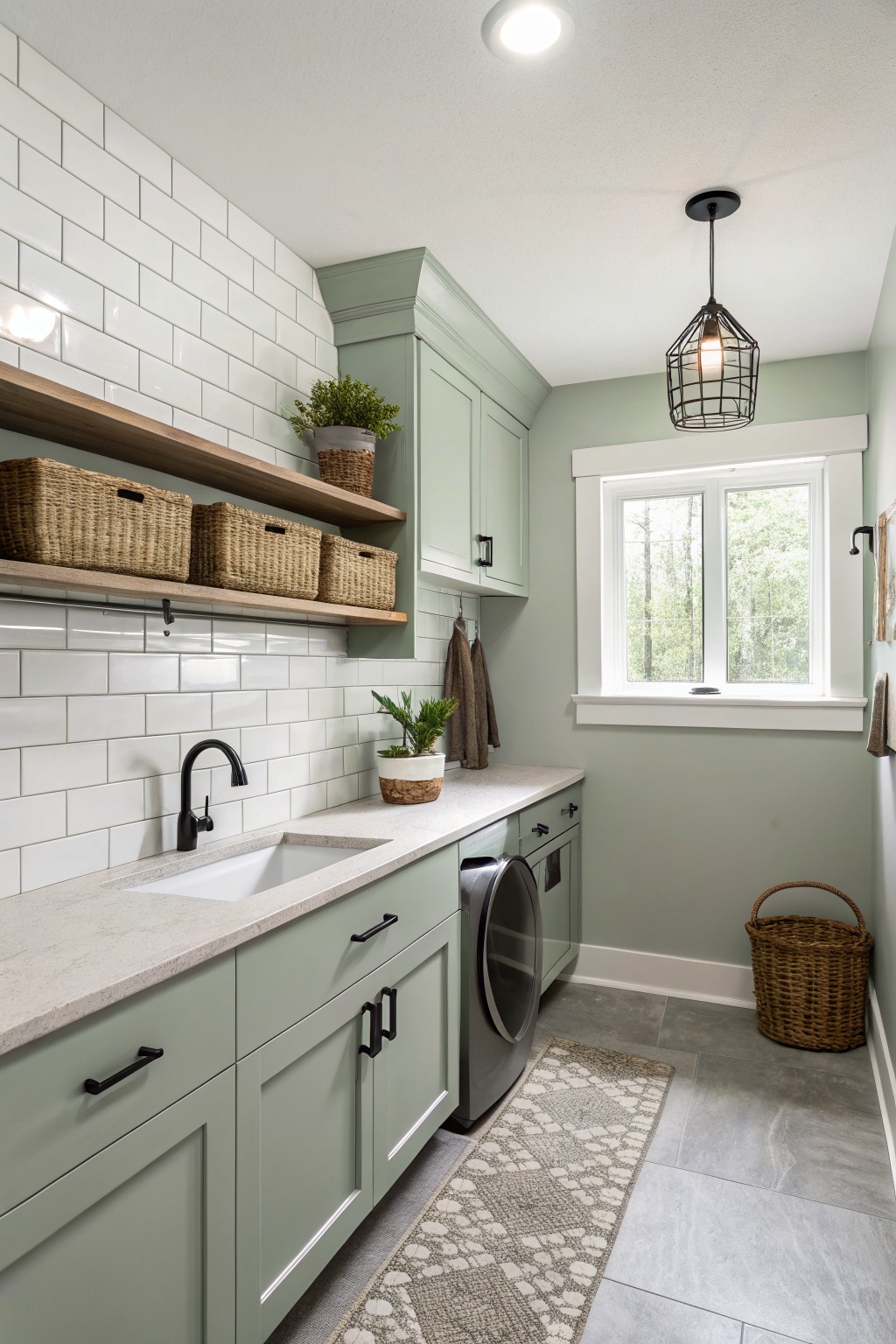
A soft sage green like the one on these cabinets can make a small utility room feel much lighter. It sits somewhere between gray and green, so it avoids looking too bright or too dull while still reflecting light well. Colors in this range work nicely when you want something a little different from plain white or beige.
This shade has cool undertones that pair cleanly with white tile and wood shelves, though it can look a touch flat if the room gets very little natural light. It tends to suit laundry rooms, mudrooms, or small bathrooms best when you keep the trim crisp and add simple black or wood accents for contrast. Benjamin Moore’s October Mist, Sherwin Williams’ Evergreen Fog, Behr’s Aloe Vera, and Farrow & Ball’s Lichen all sit close to this tone.
Soft Blue Walls
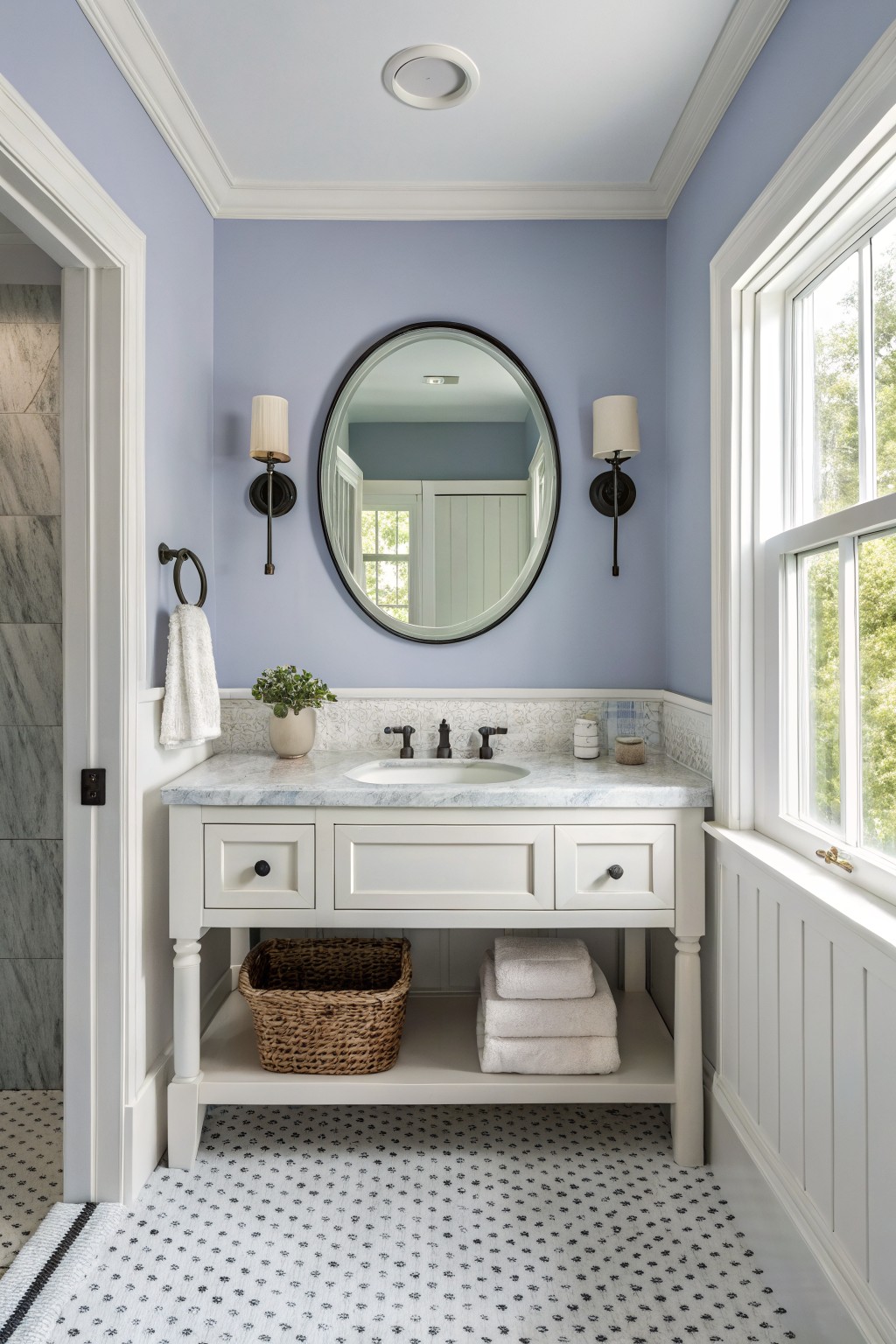
This is a soft blue with a touch of cool lavender in it. The color family is a pale blue that feels light and fresh, and it looks closest to Benjamin Moore Palladian Blue or Sherwin Williams Light Blue.
It brightens small rooms without going too icy because the slight gray undertone keeps it calm. Pair it with white trim and warm wood or stone details so the space still feels balanced instead of chilly.
Soft Sage Green Walls
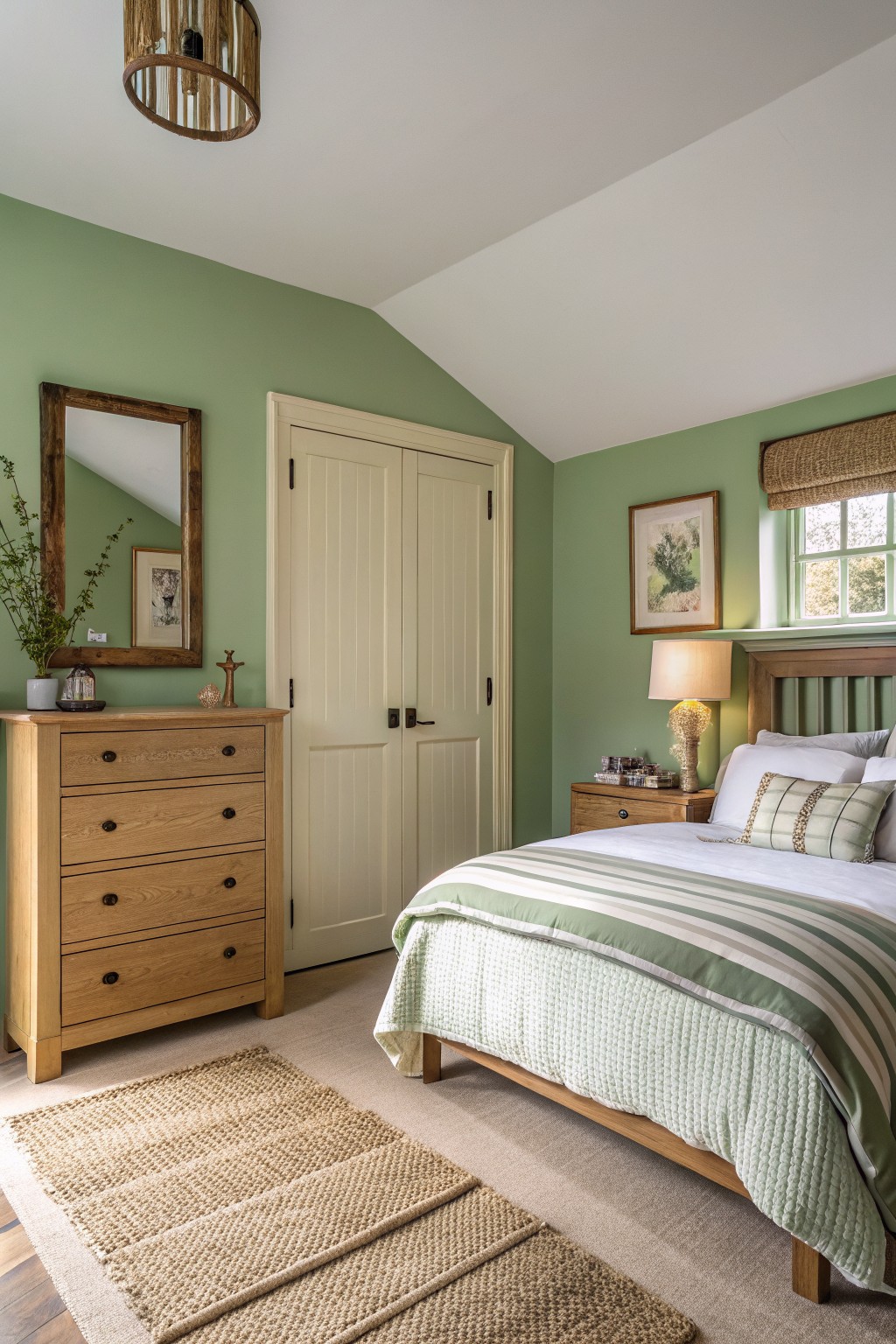
This soft sage green brings a quiet freshness to a room without feeling too bright or overwhelming. It sits in that middle ground between green and gray, which helps it reflect light nicely and make the space feel more open even when natural light is limited. Colors like this read closest to Benjamin Moore’s Saybrook Sage, Sherwin Williams’ Rainwashed, or Farrow & Ball’s Lichen.
The slight gray undertone keeps it from turning too yellow or blue in different lights, so it pairs easily with wood furniture and simple white trim. It works well in bedrooms or smaller living spaces where you want something calm that still feels current.
Soft Coral Built-Ins
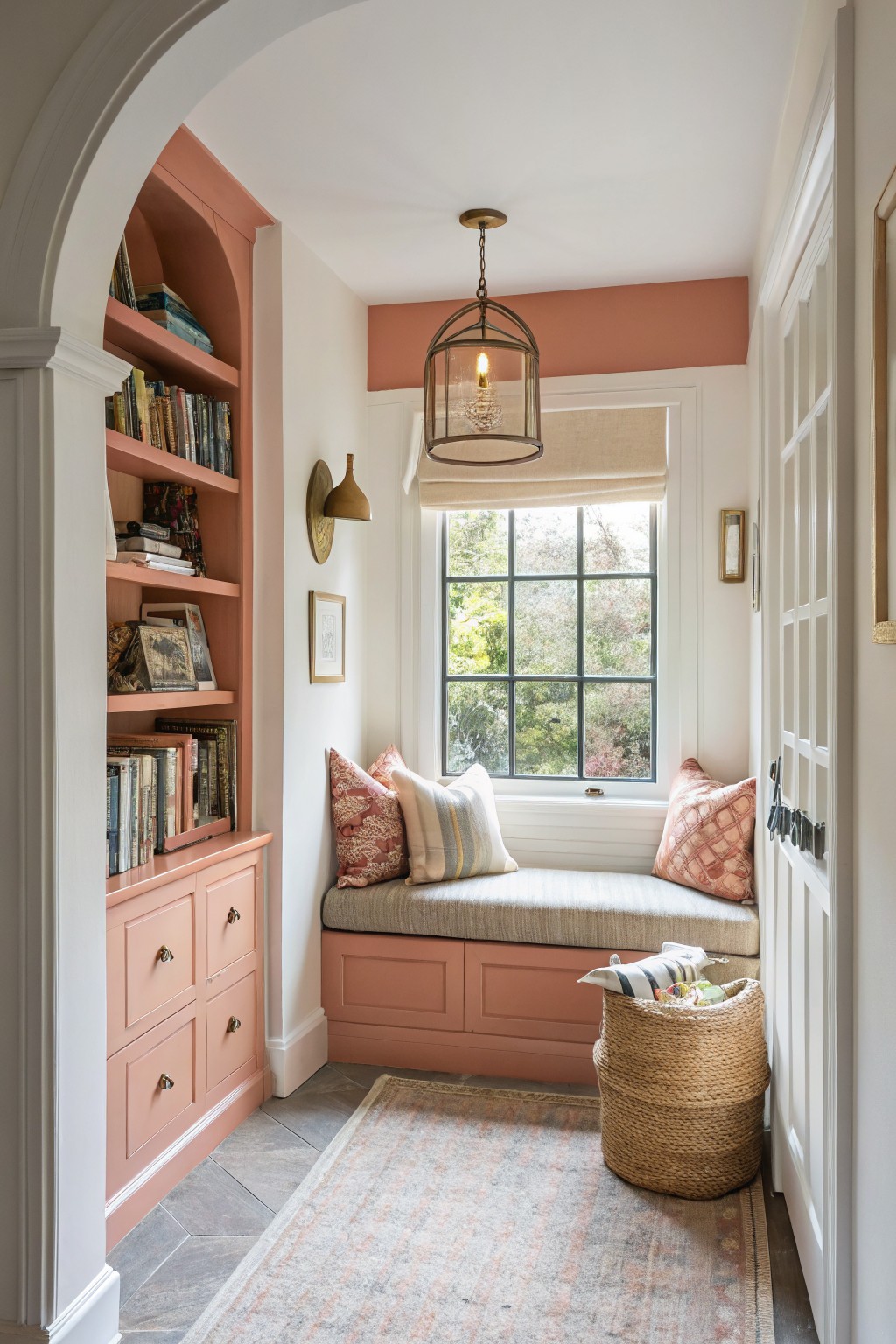
A warm coral like this one adds a gentle lift to smaller spaces that need a little extra light. It sits somewhere between peach and soft terracotta, and it feels cozy without closing the room in. Good matches would be Benjamin Moore Soft Coral, Sherwin Williams Coral Sands, or Behr Coral Cove.
The color stays warm enough to pair nicely with white trim and gray stone floors. It works especially well on built-ins or a bench where you want a touch of color but still need the space to feel open.
Soft Mint Green Kitchen Cabinets
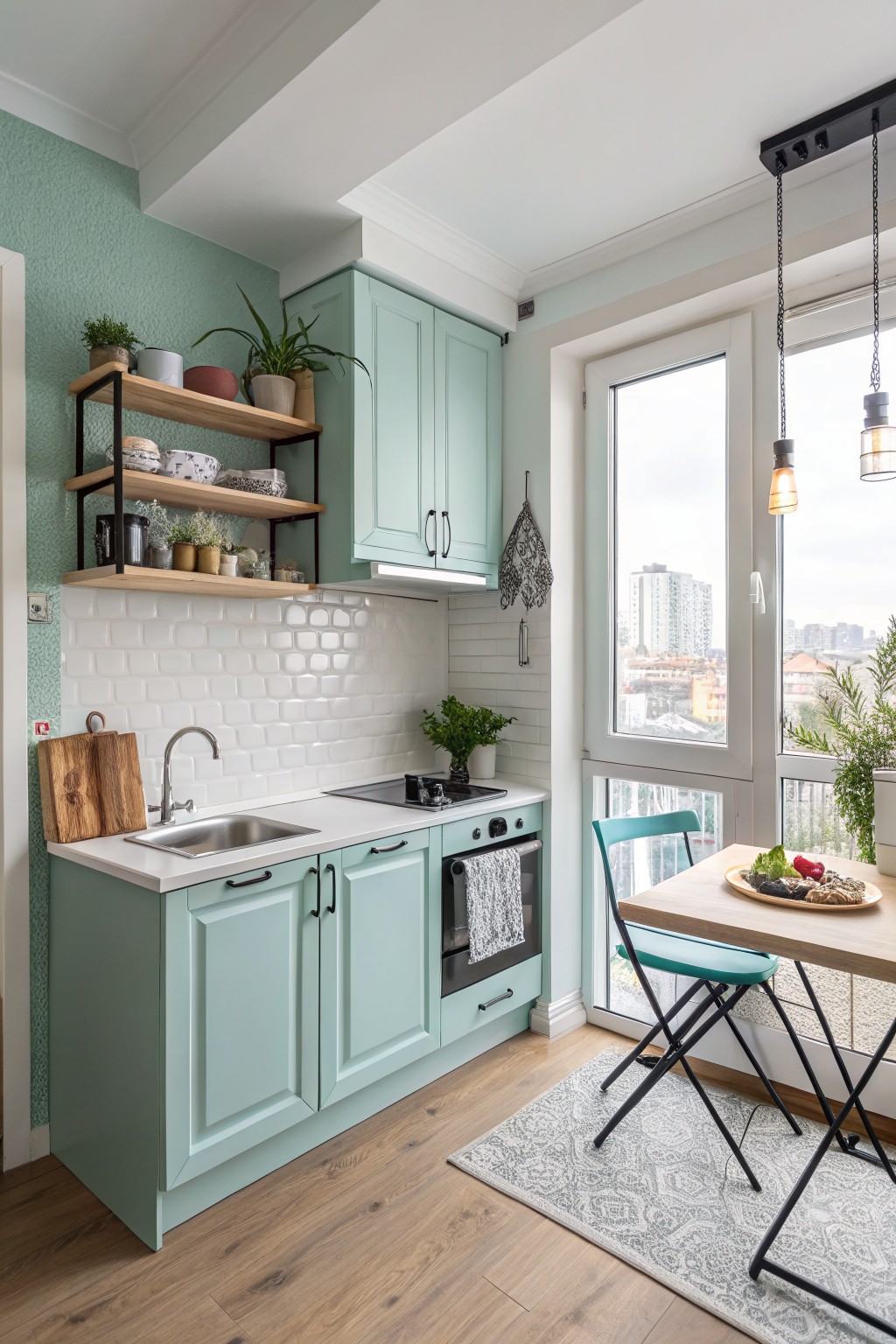
This soft mint green brings a light, clean feel to kitchens that need more brightness. It sits somewhere between green and blue, which helps it reflect light without looking too cool or washed out on its own.
The color works best on cabinetry when paired with white counters and simple wood floors. It can make a small or dimly lit space feel a bit more open, though it does show dirt and fingerprints more than a true neutral would.
Soft Blue Gray Hallway Walls
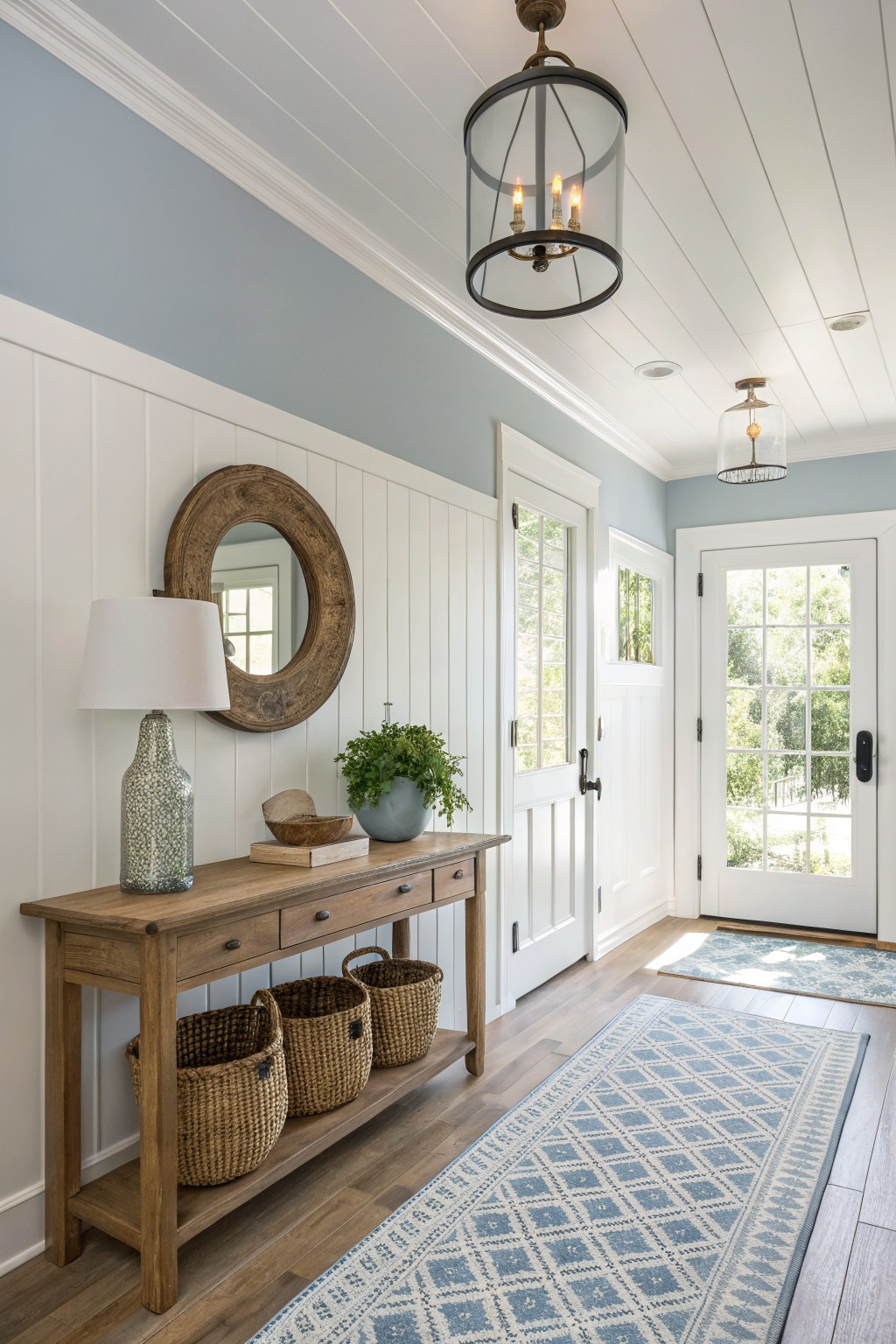
A soft blue gray is one of those colors that can make a darker hallway feel much lighter. It has a gentle cool tone that bounces light around without turning the space icy or flat.
This shade sits nicely next to white trim and warm wood floors. Benjamin Moore Wythe Blue or Sherwin Williams Rainwashed give a similar quiet feel, while Behr Silver Drop works if you want something a touch lighter.
Creamy White Built Ins
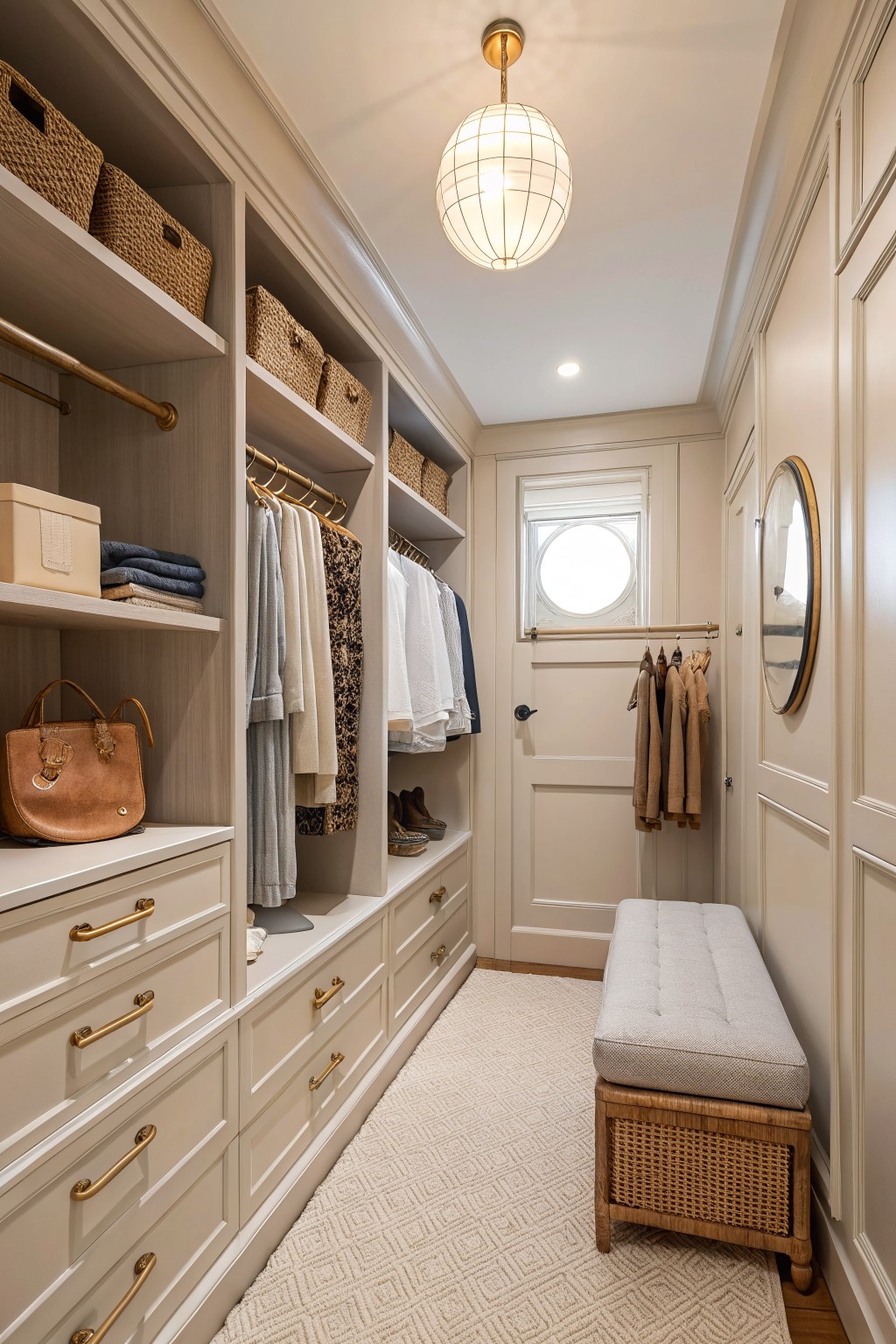
This warm off-white paint color helps small or dark closets feel much brighter without looking stark. It sits somewhere between a true white and a soft neutral, which makes the whole room feel lighter and more open even when natural light is limited.
The slight creamy undertone works nicely with wood shelves and brass hardware, and it keeps the space from feeling cold. It suits narrow rooms or built-in storage areas best when you want everything to blend together rather than stand out.
Soft Mint Green Bathroom Walls
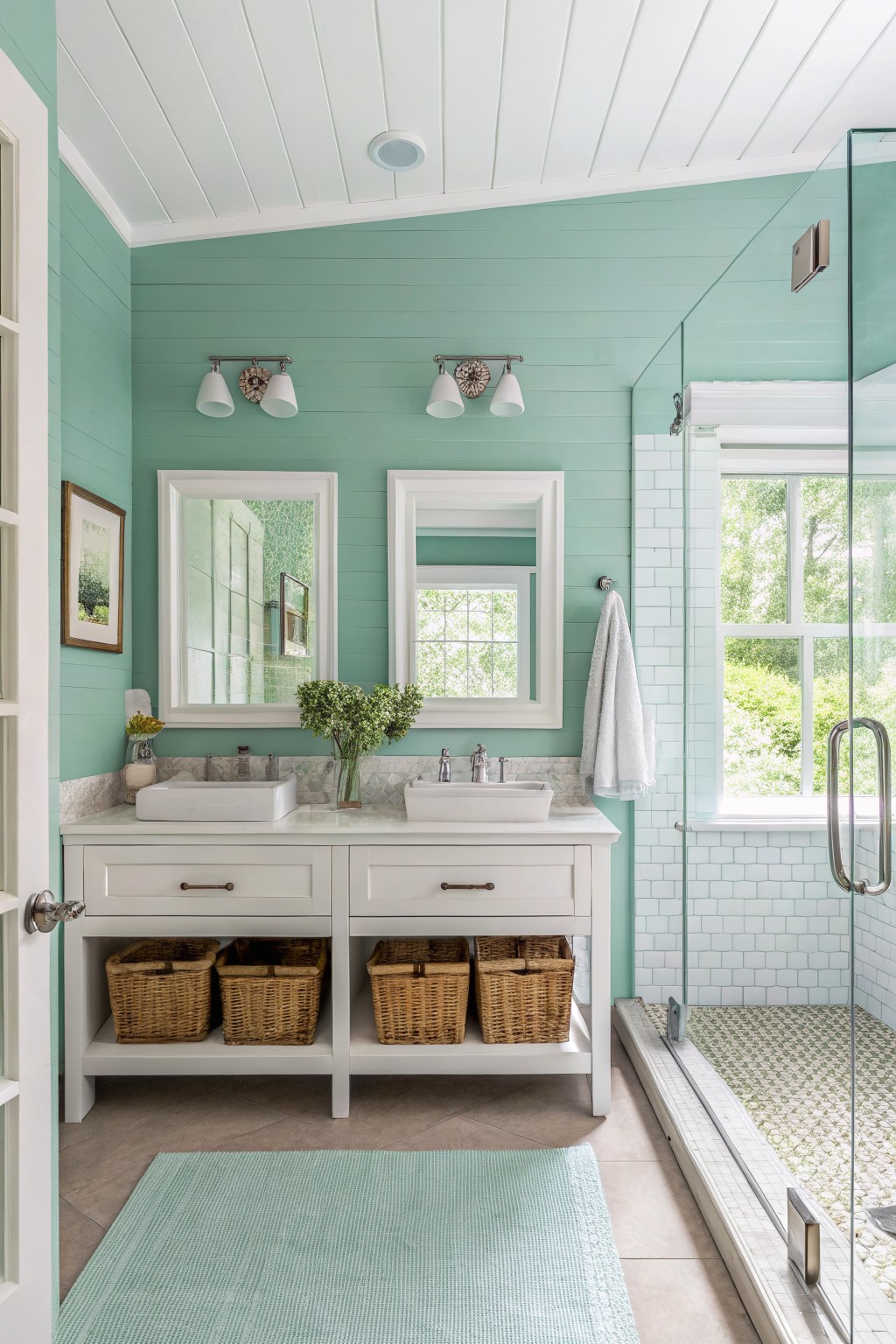
This soft mint green works well for brightening up darker bathrooms or smaller rooms that need more light. It sits in that nice middle ground between green and aqua, so it feels fresh without turning too cool or too sweet. Many people reach for colors like this when they want something cheerful that still feels calm.
It has a light undertone with just a touch of blue, which helps it open up the space when paired with white trim and wood floors. Try it in baths or laundry rooms where you want some color but nothing too heavy. It looks close to Sherwin Williams Sea Salt or Benjamin Moore Palladian Blue, depending on the light.
Frequently Asked Questions
Q: Which bright color works best if my dark room gets almost no natural light? A: Warm shades like creamy yellow or soft peach help fake a sunny feel. They reflect what little light you have without turning gray. Stick to matte finishes to hide any wall flaws too.
Q: Do I need to repaint the ceiling as well? A: A white ceiling pulls the eye up and makes the space feel taller. Match it to your trim for a clean break.
Q: How can I keep the bright paint from clashing with my dark furniture? A: Choose colors that echo tones already in your rugs or pillows. Layer in some lighter accessories like curtains to tie everything together. The contrast actually makes the furniture pop in a good way.