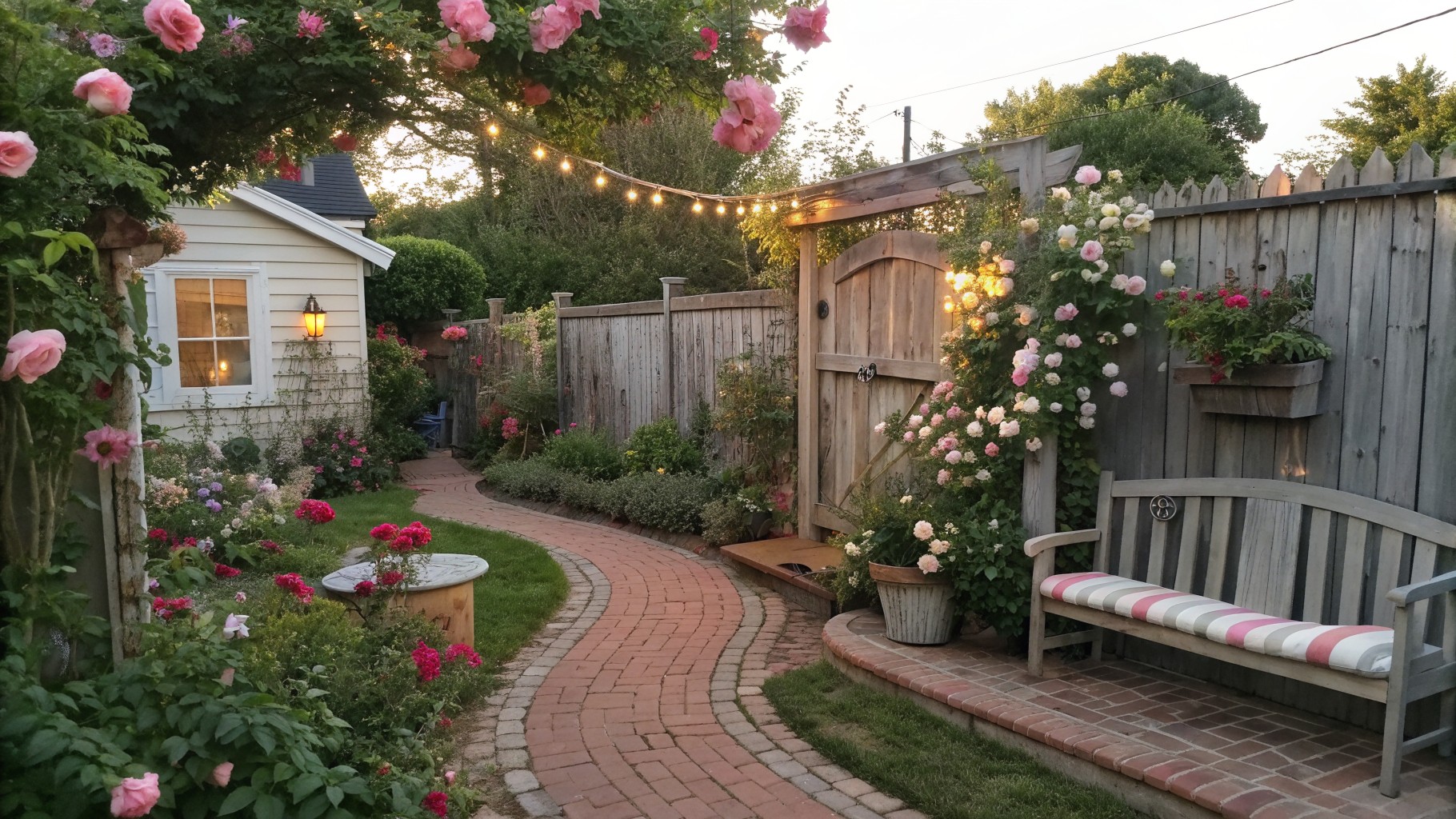
I often notice that privacy in a garden depends less on the height of the fence and more on how the plants knit into the structure over time.
Climbing vines can turn a plain boundary into something that shapes the whole layout and gives the yard a sense of depth.
Some setups work better than others once the roots settle in.
I would try the slower growing options first in my yard because they usually need less work to stay in bounds.
Paying attention to how the beds are edged around the base makes a real difference in how tidy everything stays after a couple of years.
Covering A Fence With Climbing Roses
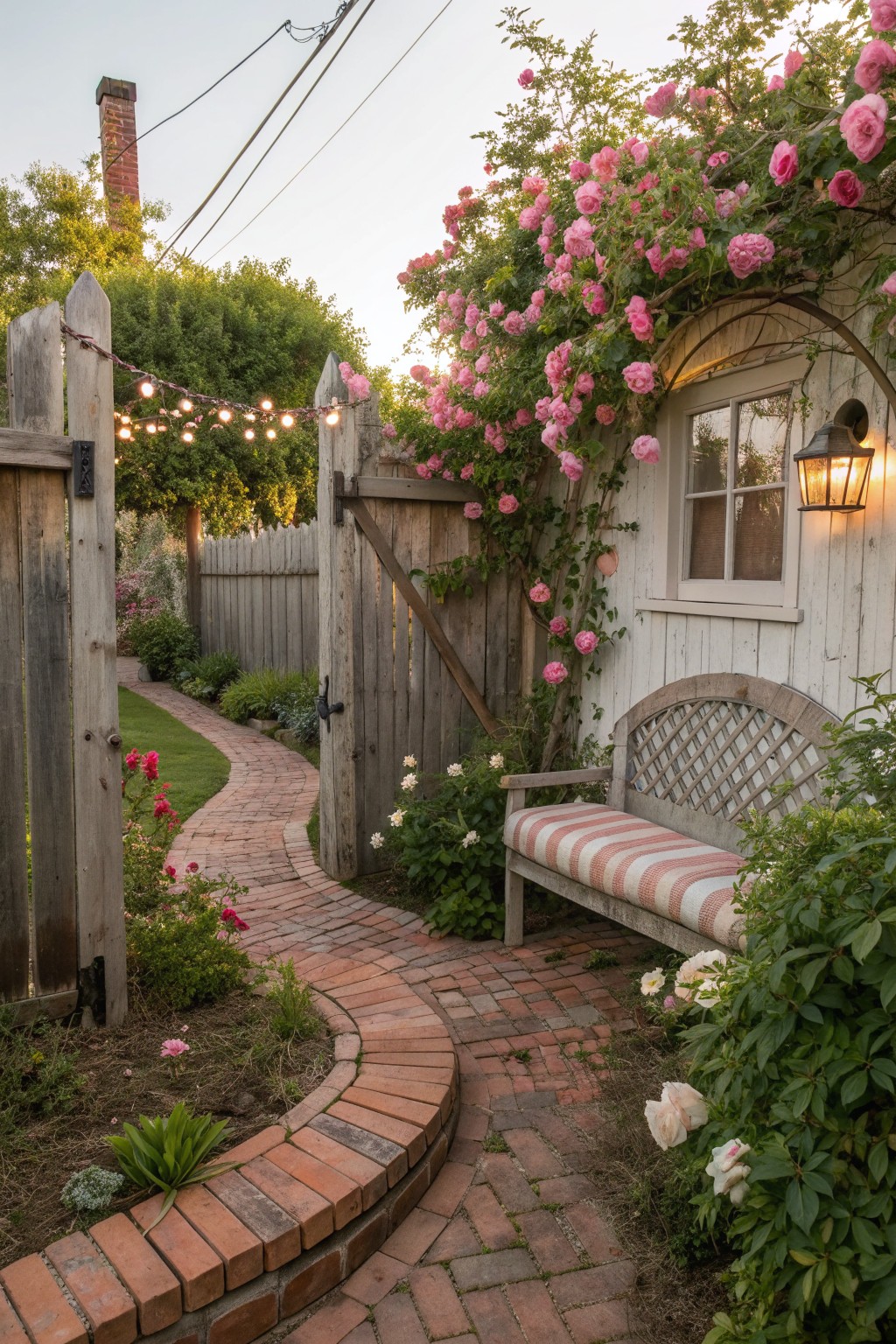
Climbing roses work well on a wooden fence because they soften the look of the boards and give you privacy without needing a tall solid wall. The flowers add color through the season and the vines fill in gaps over time so the fence feels more like part of the garden.
This idea suits a side yard or the area near a gate where you want screening but still need some light and air to pass through. Make sure the fence is solid enough to support the weight and give the plants something to grip as they grow upward.
Climbing Plants On Dark Fences For Side Gardens
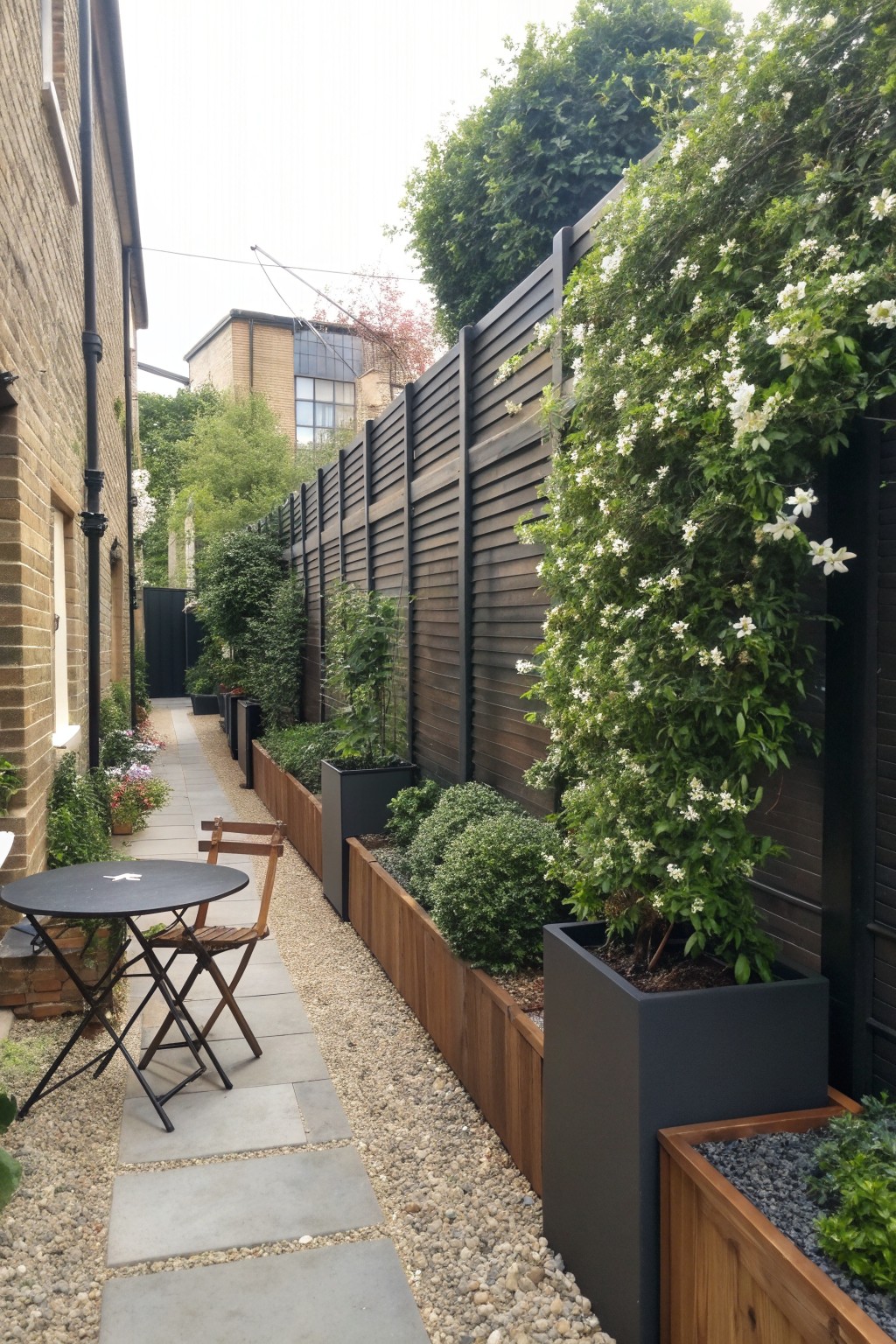
A dark fence paired with climbing plants works well for narrow side yards that need privacy without closing everything in. The plants soften the solid surface and add height and color right where it is needed most.
This setup suits homes with limited ground space. Place large planters along the fence base so the vines can climb freely, and choose flowering varieties that stay manageable. It keeps the area feeling lighter than a solid wall of greenery would.
Fences With Climbing Plants for Natural Privacy
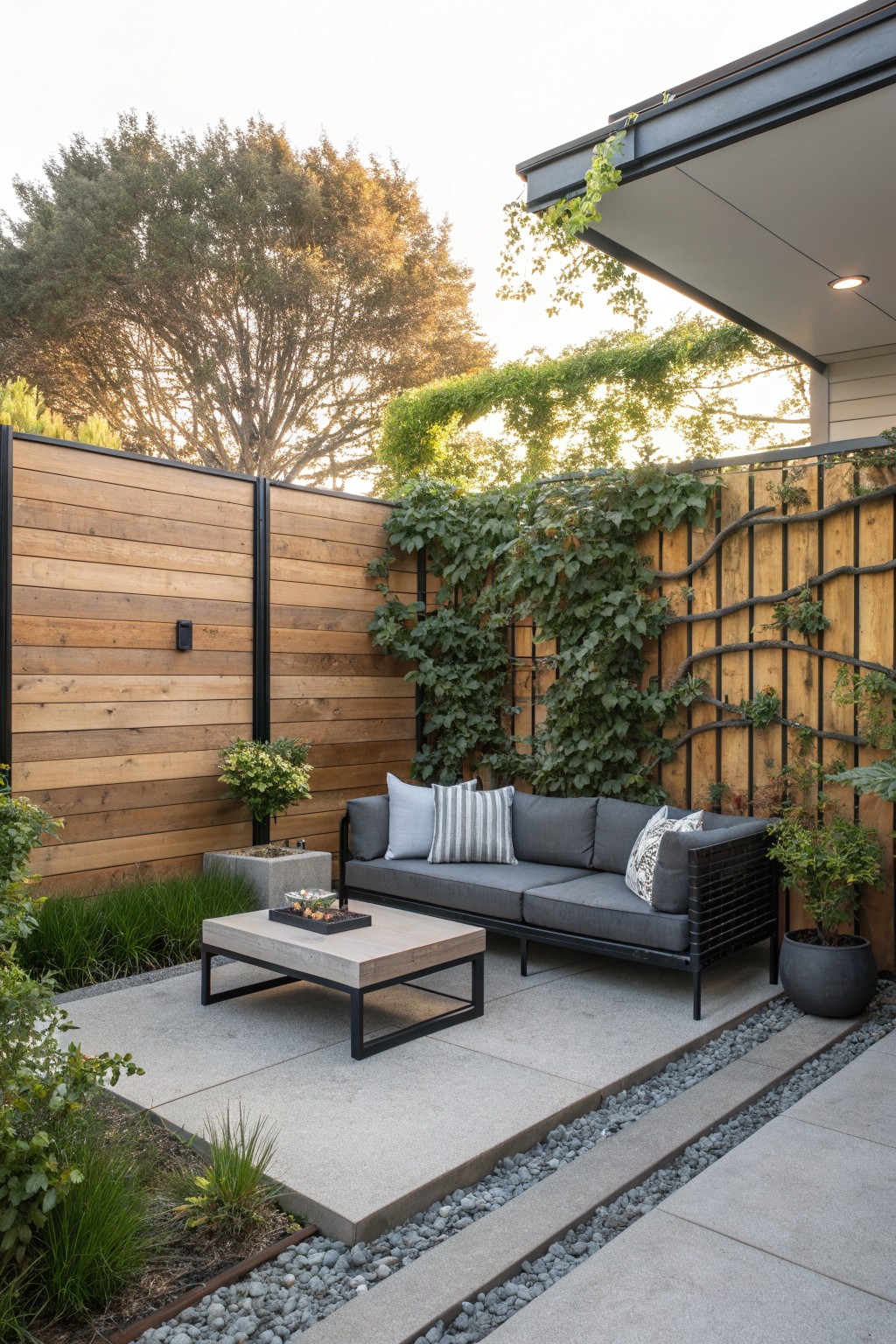
Many people add climbing plants to their garden fences because it creates a living screen that feels softer than solid wood or metal alone. The vines grow up open sections and fill in over a season or two, giving privacy without making the space feel closed off.
This approach works best on patios or side yards that sit close to neighbors. It suits homes that already have wood fencing, as long as you leave enough open trellis space for the plants to climb and keep the beds weeded so the vines do not spread too far.
Grow Climbing Plants Over Walls For Privacy
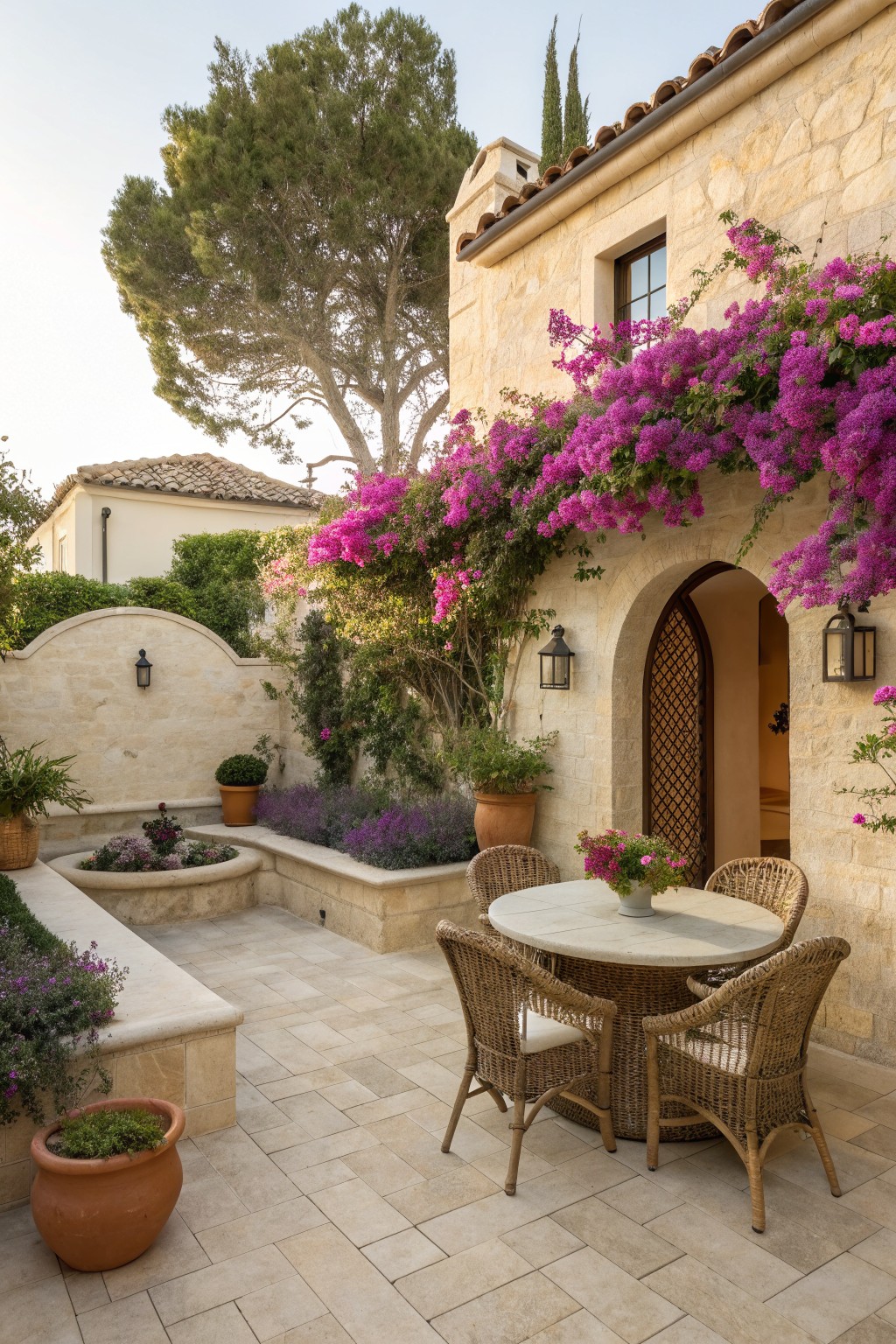
Climbing plants can turn a plain wall or arch into a living screen that blocks views without making the space feel closed in. The thick growth adds color and softness while still letting some light and air through, which works better than a solid fence in many garden settings.
This approach suits homes with stone or stucco exteriors where you want privacy around a patio or seating area. Give the vines a sturdy trellis or wires for support and pick a variety that grows well in your climate so it fills in quickly without constant trimming.
Bamboo Fences With Climbing Plants
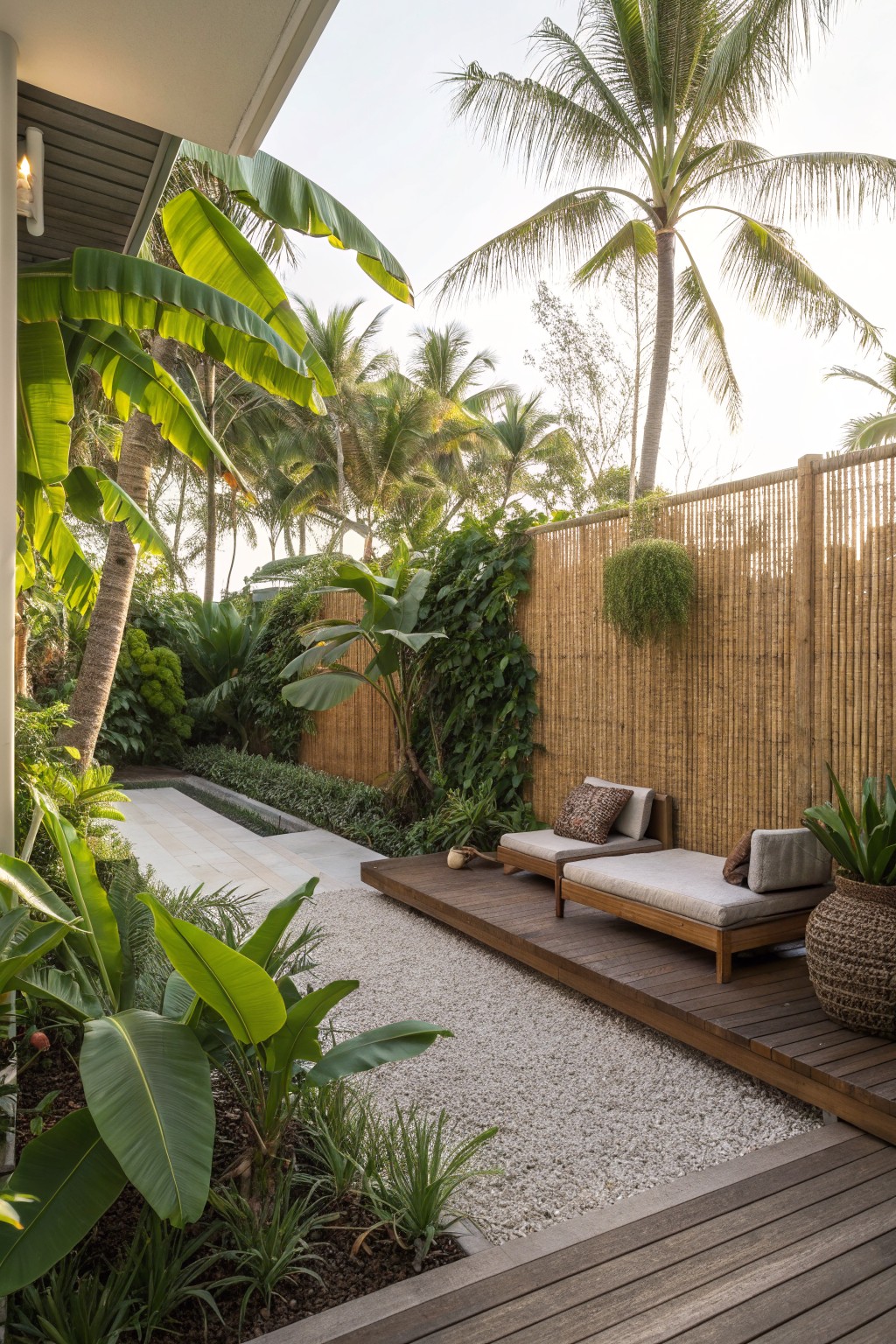
Bamboo makes a quick privacy screen on its own, but adding climbing plants turns it into something that blends with the rest of the garden. The vines soften the look of the fence while still blocking the view from outside.
This approach works best along the edge of a deck or patio where you want shade and coverage without building a solid wall. Just give the plants something to grab onto and keep the fence base clear so air can move through.
Climbing Roses Over A Garden Gate
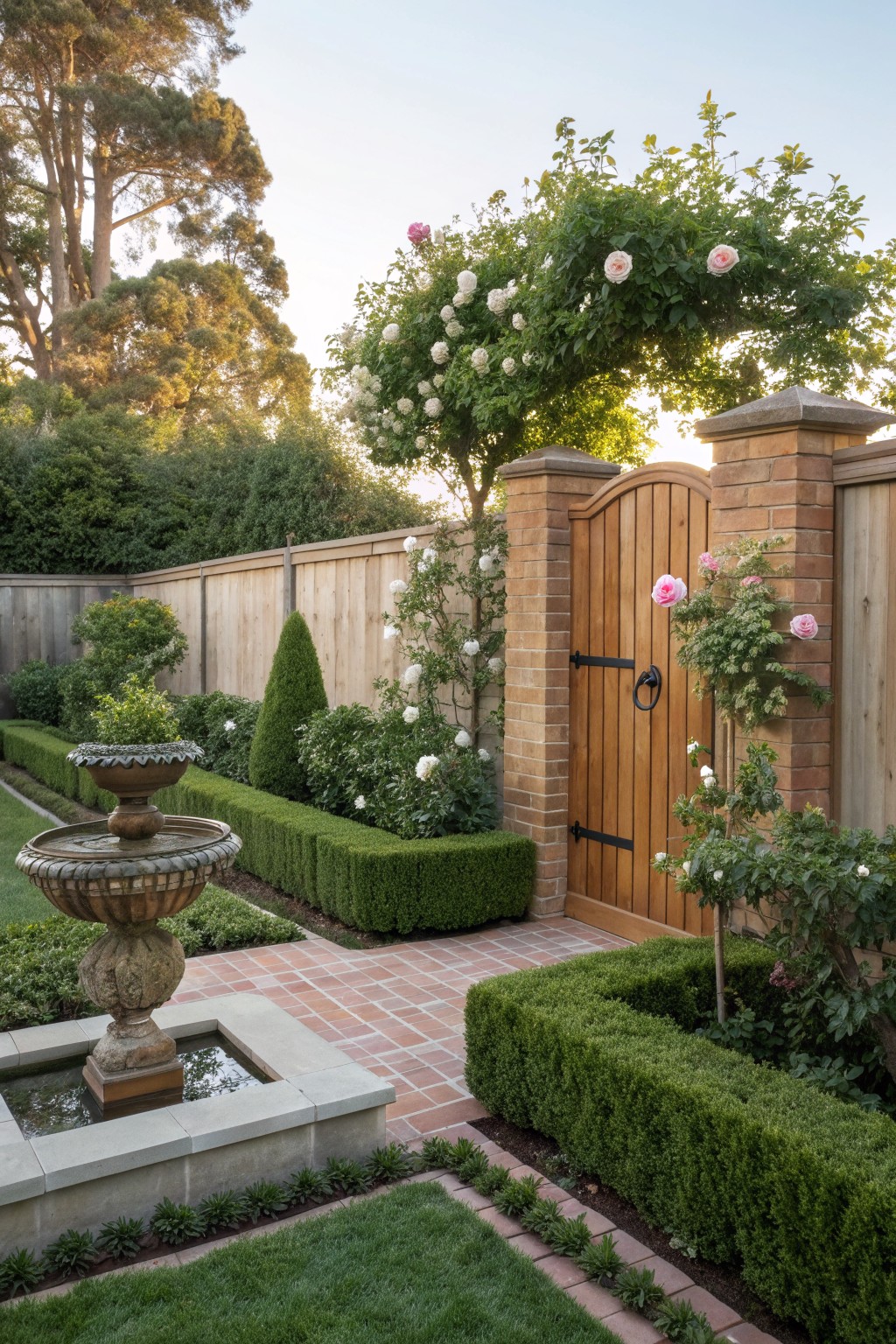
Letting climbing roses grow across a wooden gate gives the fence line a softer, more private feel without adding height. The plants create a natural screen that still feels open and welcoming from inside the garden.
This approach works well along side or back property lines where you want some seclusion but do not want a solid wall. Choose a sturdy gate and train the vines along the top and sides so they fill in over time.
Wooden Picket Fences For Cottage Privacy

A simple wooden picket fence gives a garden clear boundaries while still feeling open and welcoming. The weathered boards and basic gate keep things practical and let the planting take center stage instead of a solid wall.
This approach suits older homes or cottage style yards where you want some separation from the road or neighbors. Add climbing plants along the fence to fill in the gaps and gain more privacy without losing the light, natural look.
Climbing Vines On Wooden Privacy Fences
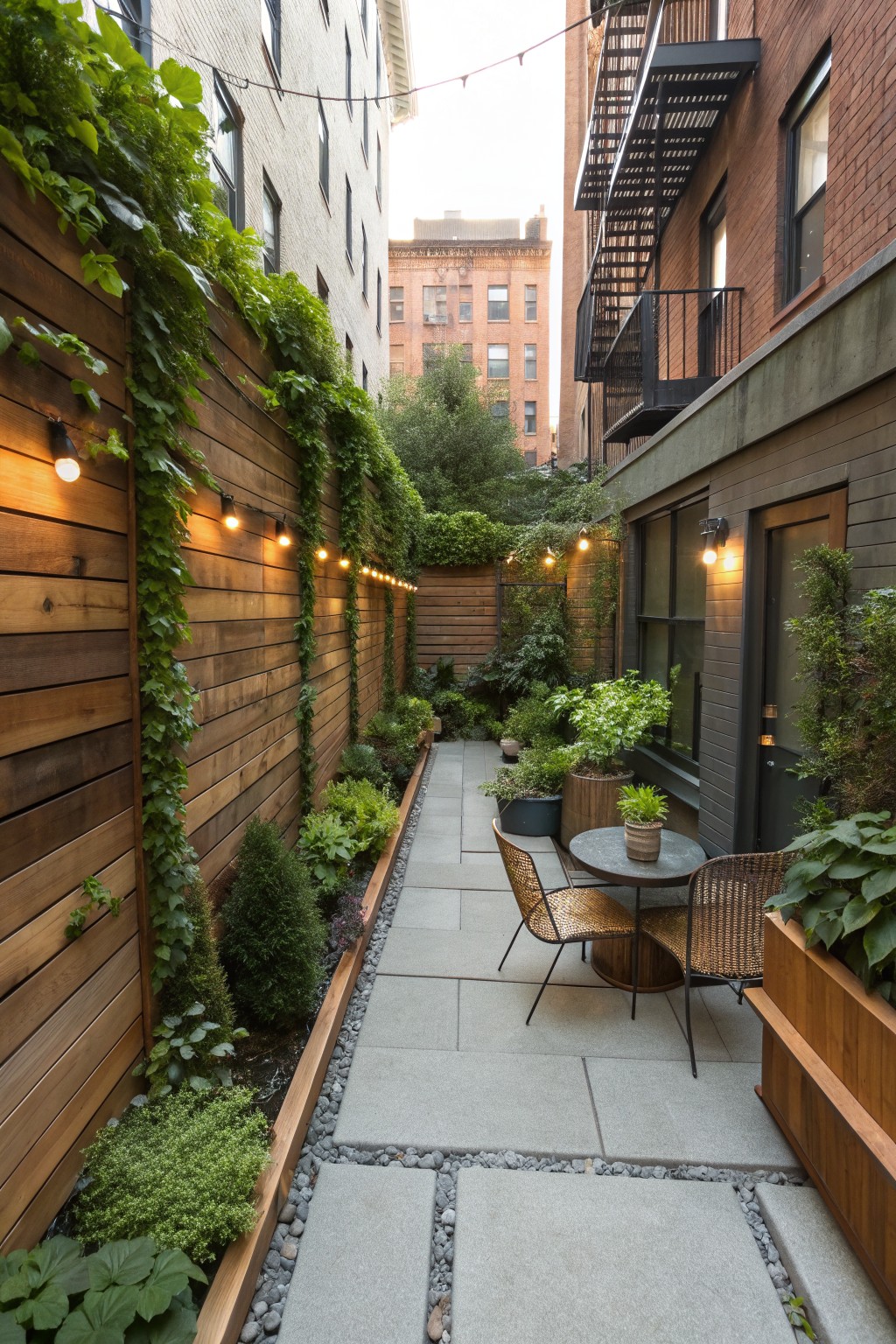
Narrow spaces often need height for privacy, and covering a fence with climbing plants does that without adding bulk at ground level. The vines soften the look of the wood while creating a green screen that feels more natural than a solid barrier. In this setup the plants are trained up simple vertical boards, which keeps everything contained along the edges.
This approach works well in townhomes or tight courtyards where you want screening but still need to keep the path open. Pick vines that match your climate and check that the fence is sturdy enough to hold the growth over time. Water and trim regularly so the plants stay full but do not overwhelm the structure.
Add A Living Wall Section To Your Fence Line

A living wall tucked into part of a fence gives privacy without making the whole thing feel like a solid barrier. It softens the look and brings in greenery that changes with the seasons while still blocking views from outside.
This works best along side yards or property edges where you want coverage but not total enclosure. Pick a sturdy climbing plant that fills in quickly and match it to the fence height so the green section sits at eye level.
Grow Climbing Plants Over a Privacy Fence
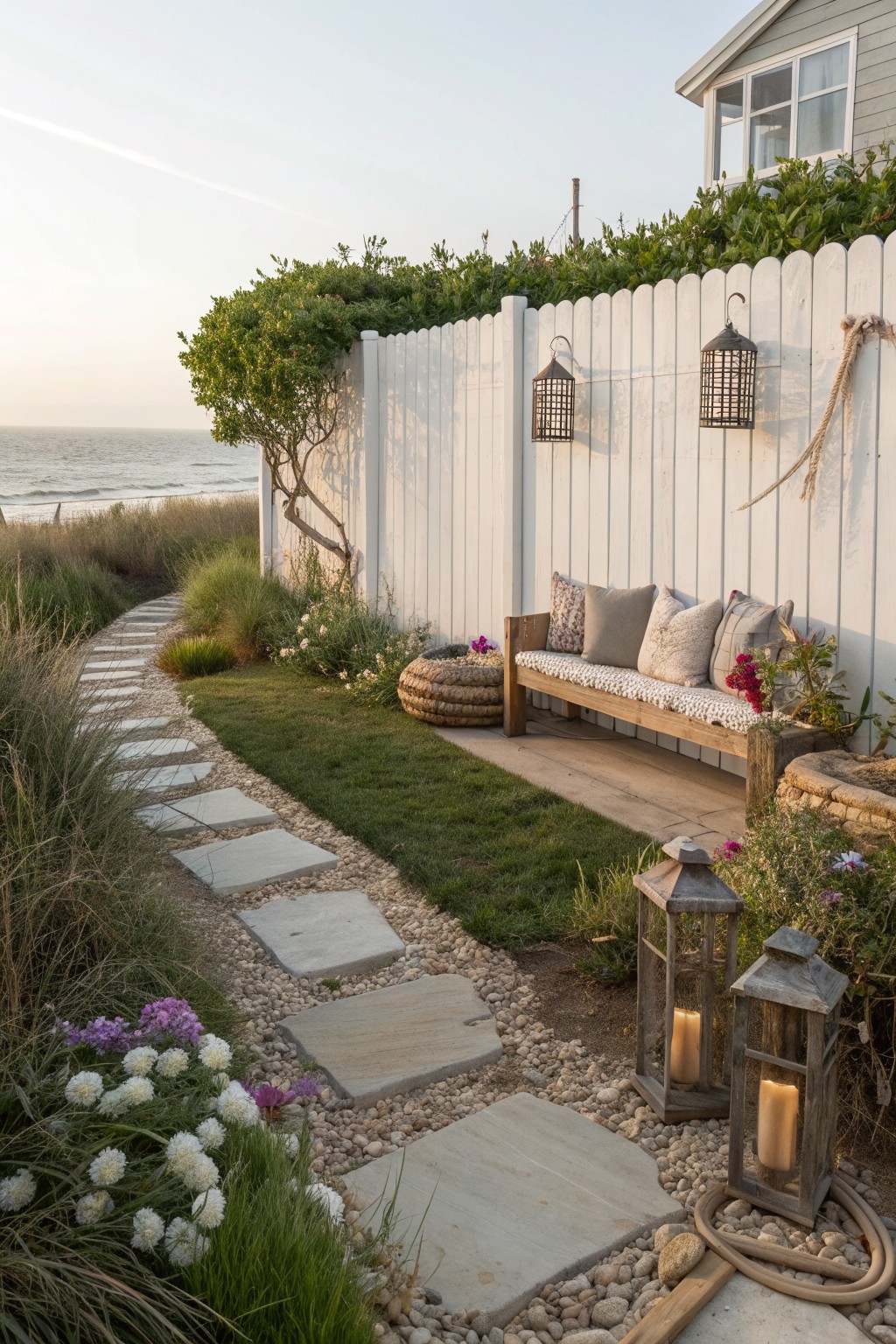
A plain fence can start to feel heavy after a while, but letting vines grow across the top changes the whole look. The plants add softness and give you a living screen that still feels open above eye level.
This approach works well along side yards or coastal properties where you want privacy without a solid wall of wood or vinyl. Pick a sturdy fence and choose vines that match your climate so they fill in without constant trimming.
Growing Climbing Vines Over A Fence
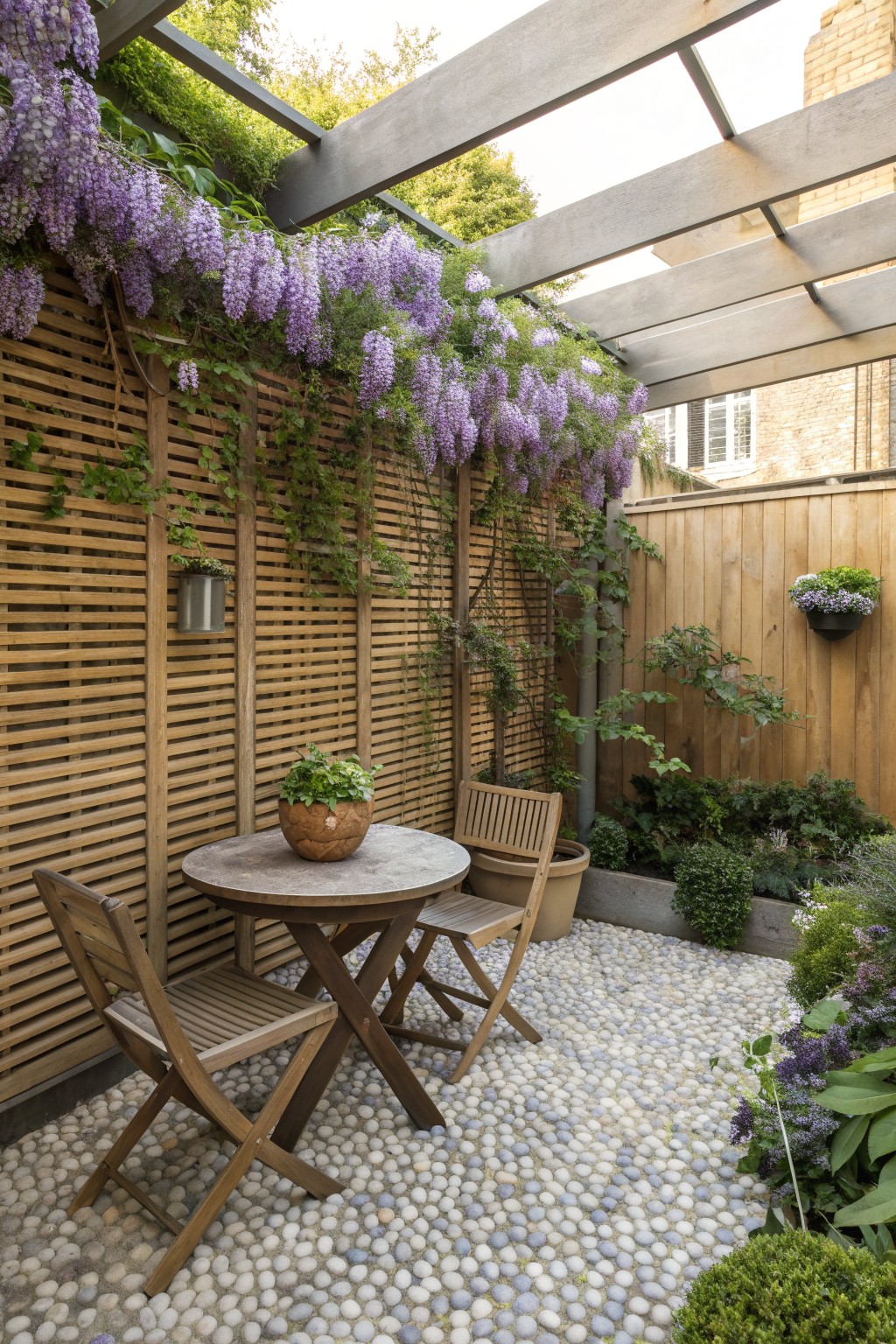
Climbing plants can turn a basic fence into a living screen that adds privacy without blocking all the light. Vines like wisteria grow quickly and fill in the open slats, so the area feels more enclosed while still looking natural.
This approach suits smaller yards or patios where you need screening but do not want a solid wall. Pick a sturdy fence or add a simple trellis, and give the plants room to spread along the top edge so they drape nicely over time.
Climbing Plants Turn a Fence Into a Living Screen
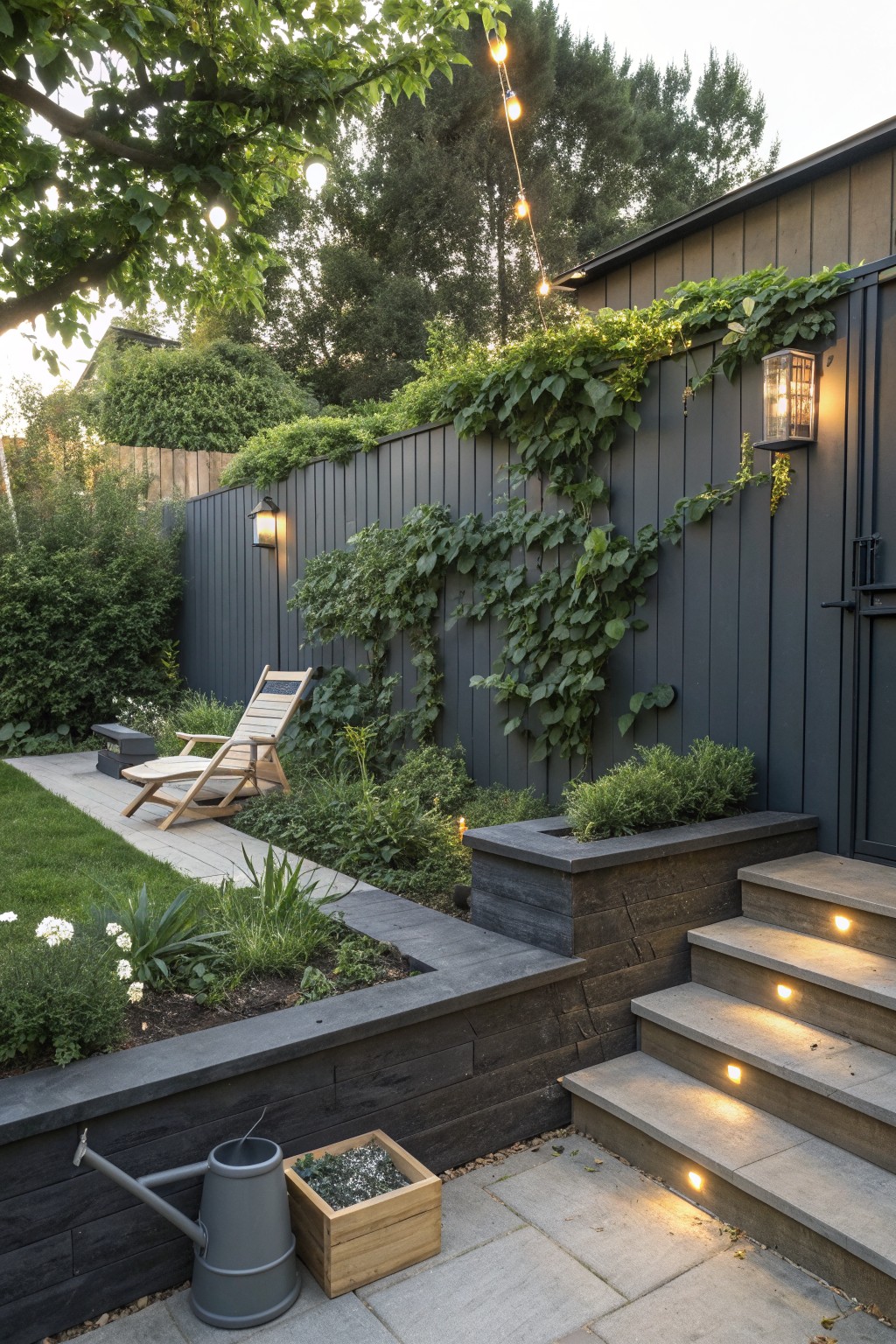
A fence covered in climbing vines gives you privacy without making the yard feel closed in. The plants soften the look of the fence and blend it into the garden so the whole space feels more like an extension of the outdoors.
This works especially well on a solid fence that already has good sun exposure. Pick fast-growing vines that suit your climate, train them along wires or the fence itself, and keep an eye on watering while they get established. It suits smaller yards or homes where you want greenery without adding more structures.
Climbing Plants On Stone Walls
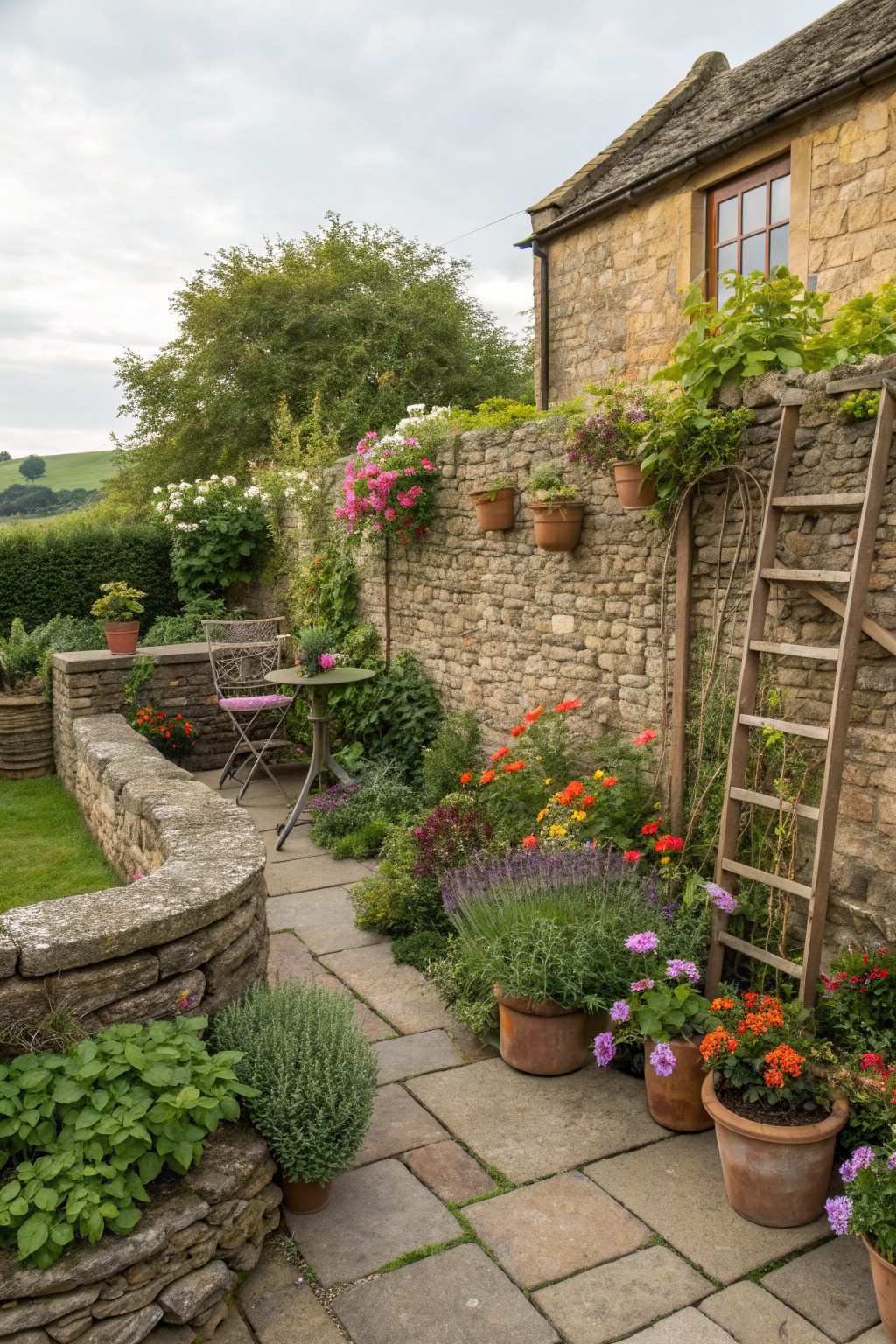
Many gardeners turn to climbing plants when they need privacy without adding a tall fence or hedge. Vines grow up the surface of a stone wall and fill in over time, giving soft coverage that also brings color and texture to the garden.
This approach works best along property lines or beside a patio where you want a living screen. Give the plants a simple trellis or wire support at first, and choose varieties that match your sun and climate so the coverage stays full without constant trimming.
Grid Trellis On A Masonry Wall
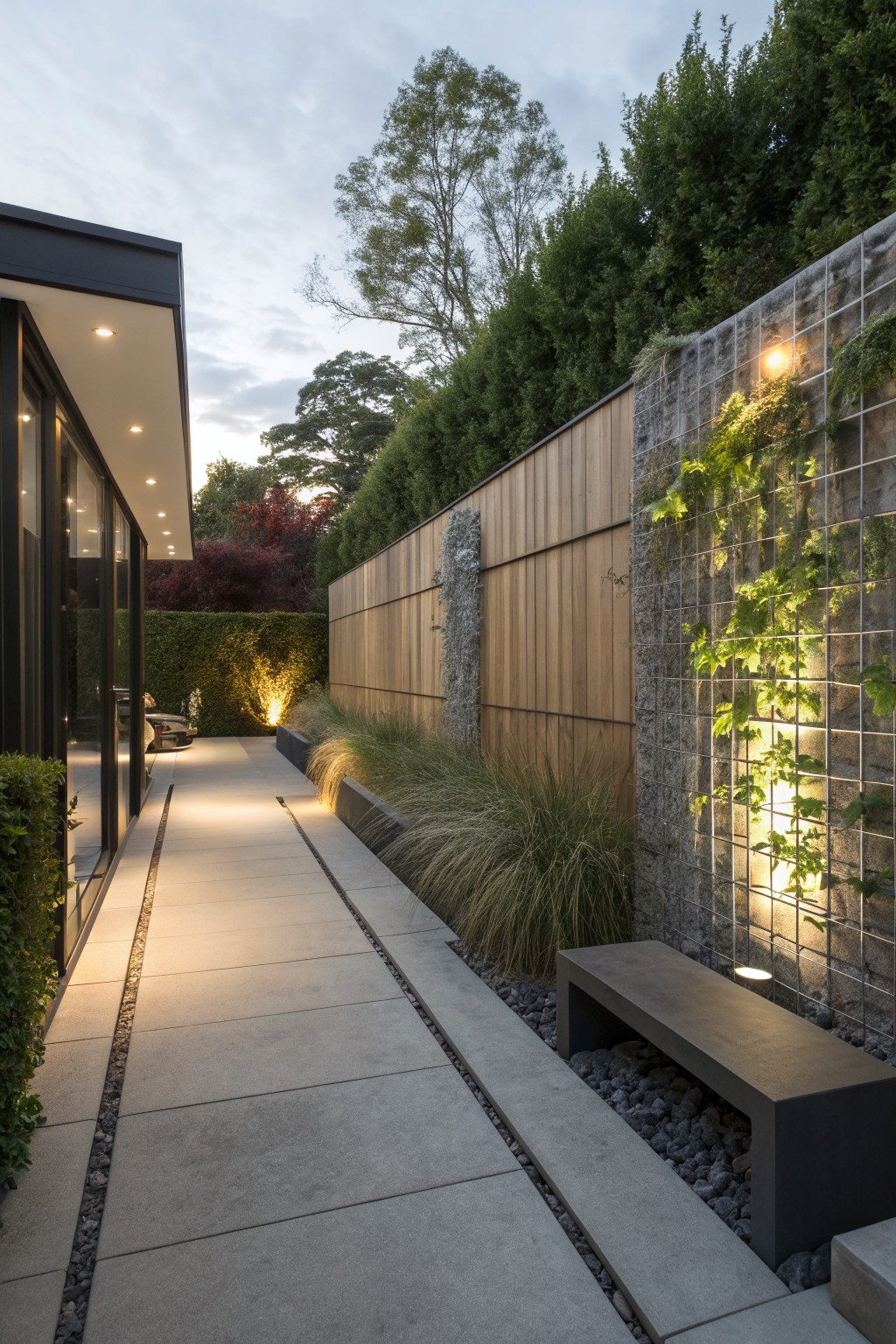
Mounting a simple wire grid on a solid wall gives climbing plants a place to grow straight up and fill in over time. This turns an otherwise plain surface into a living privacy layer that softens the look without adding bulk.
It works best in narrow side yards or along paths where space is tight and you still want coverage. The grid keeps the vines organized, and the plants eventually hide most of the wall while letting some texture show through.
Grow Climbing Plants Over Railings
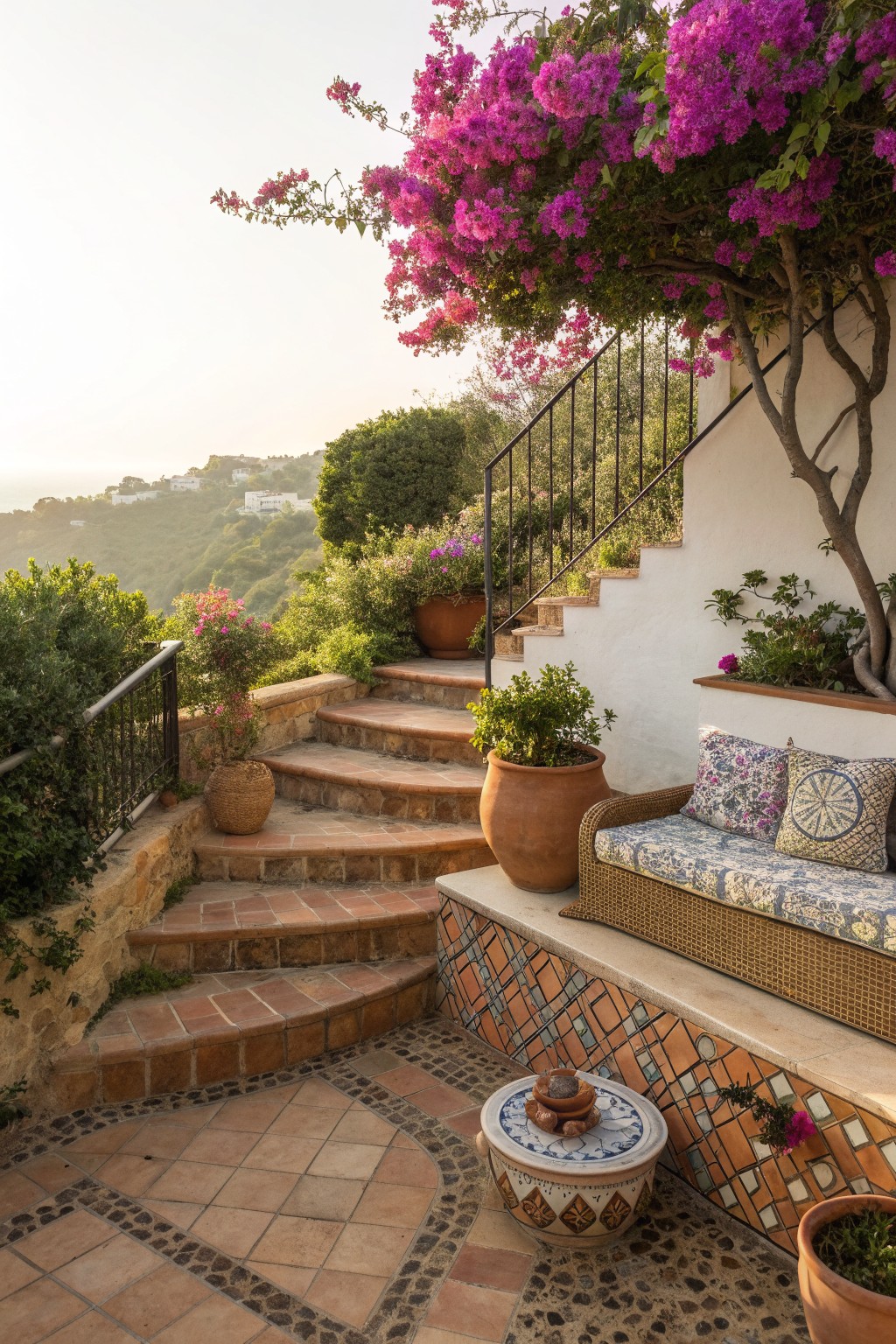
Climbing plants can turn a basic metal railing into a living privacy screen. In sloped gardens or stair areas, the vines fill in gaps quickly and block views from below or the side without needing a full fence. The flowers add color while the foliage creates a softer boundary that still lets in light and air.
This works best on sunny slopes where the plants get good drainage. Pick a vigorous vine suited to your climate and train it along the railing early so it covers evenly. Check that the structure can handle the weight once the plant matures.
Climbing Plants On A Wooden Fence For Privacy
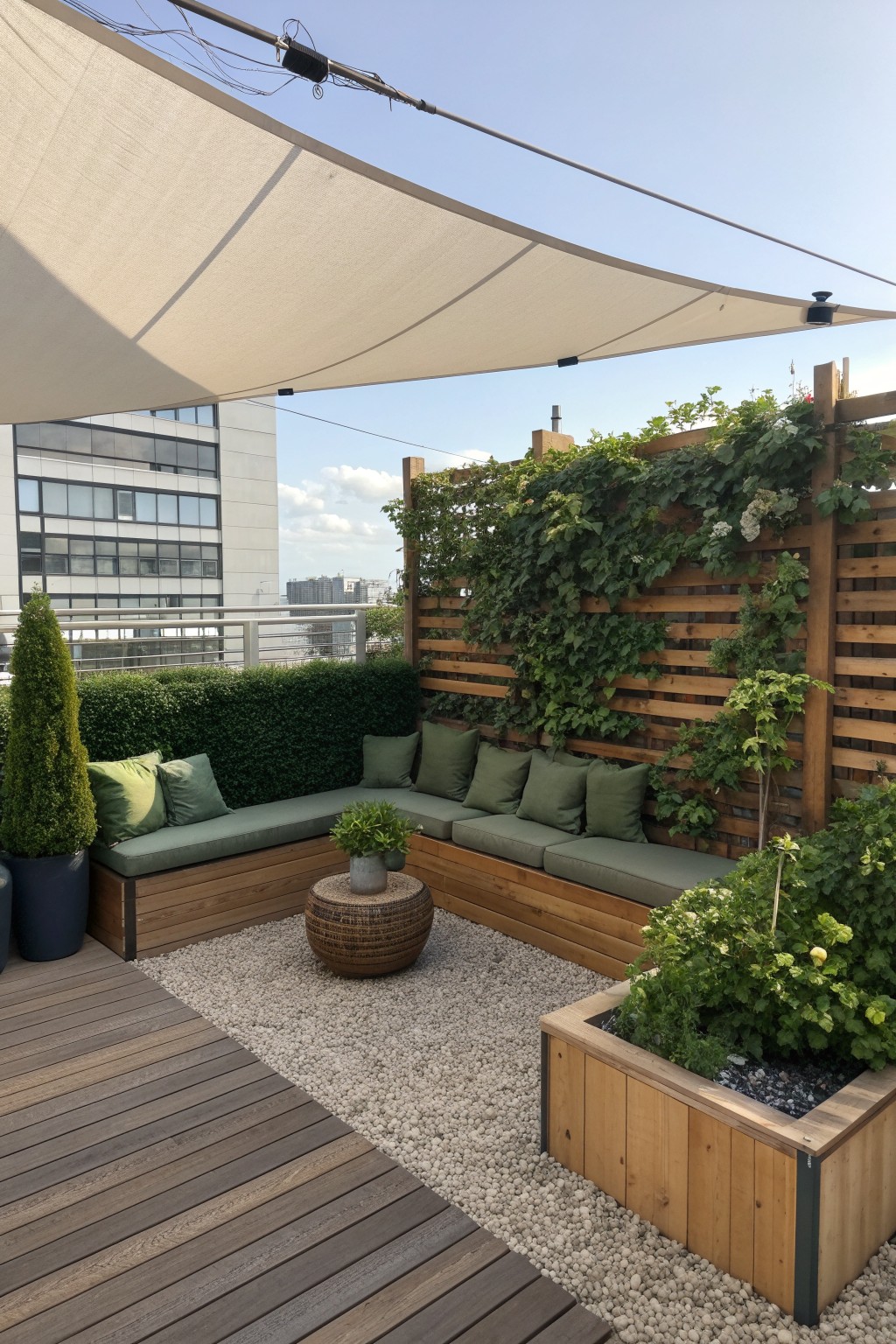
A fence covered in climbing plants gives an outdoor seating area real privacy without making it feel closed in. The vines soften the wood and create a living screen that blocks views from nearby buildings while still letting in light and air. Many people like this approach because it turns a basic structure into something that grows and changes over the seasons.
This works best on rooftops or side yards where you need screening but do not want solid walls. Use a slatted or trellis-style fence so the plants have plenty of places to attach, and choose fast-growing vines that suit your climate. Just make sure the fence is sturdy enough to handle the weight once the plants fill in.
Bamboo Fencing For Garden Privacy
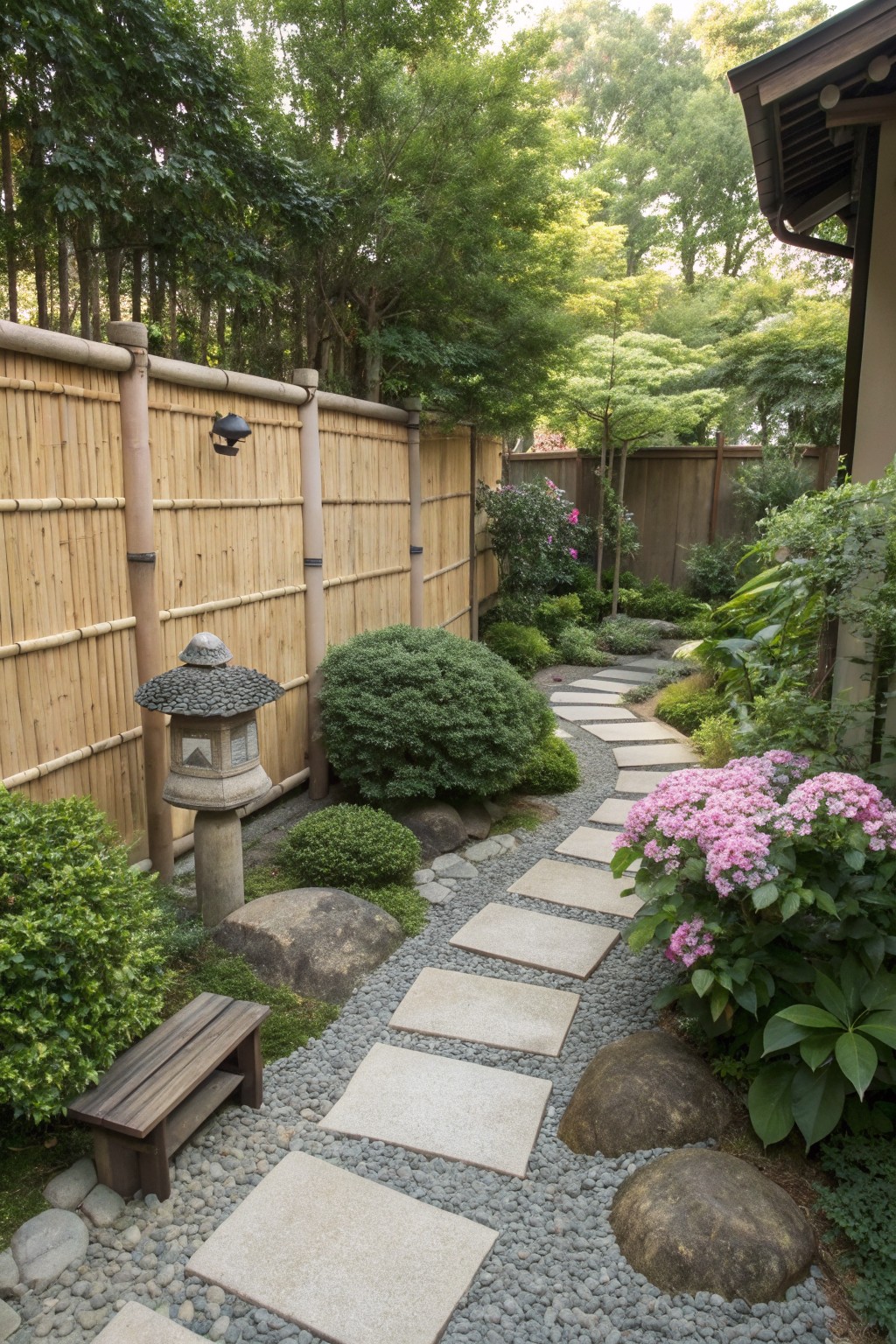
Bamboo fencing gives a clean screen that feels natural and still lets some light through. It works well along a path because it defines the space without making the garden feel boxed in.
Place it on one side of a gravel path with stepping stones to keep the look simple and open. This approach suits side yards or narrow lots where you need privacy but want to keep the focus on the planting.
Use Pallets for a Vertical Garden Screen
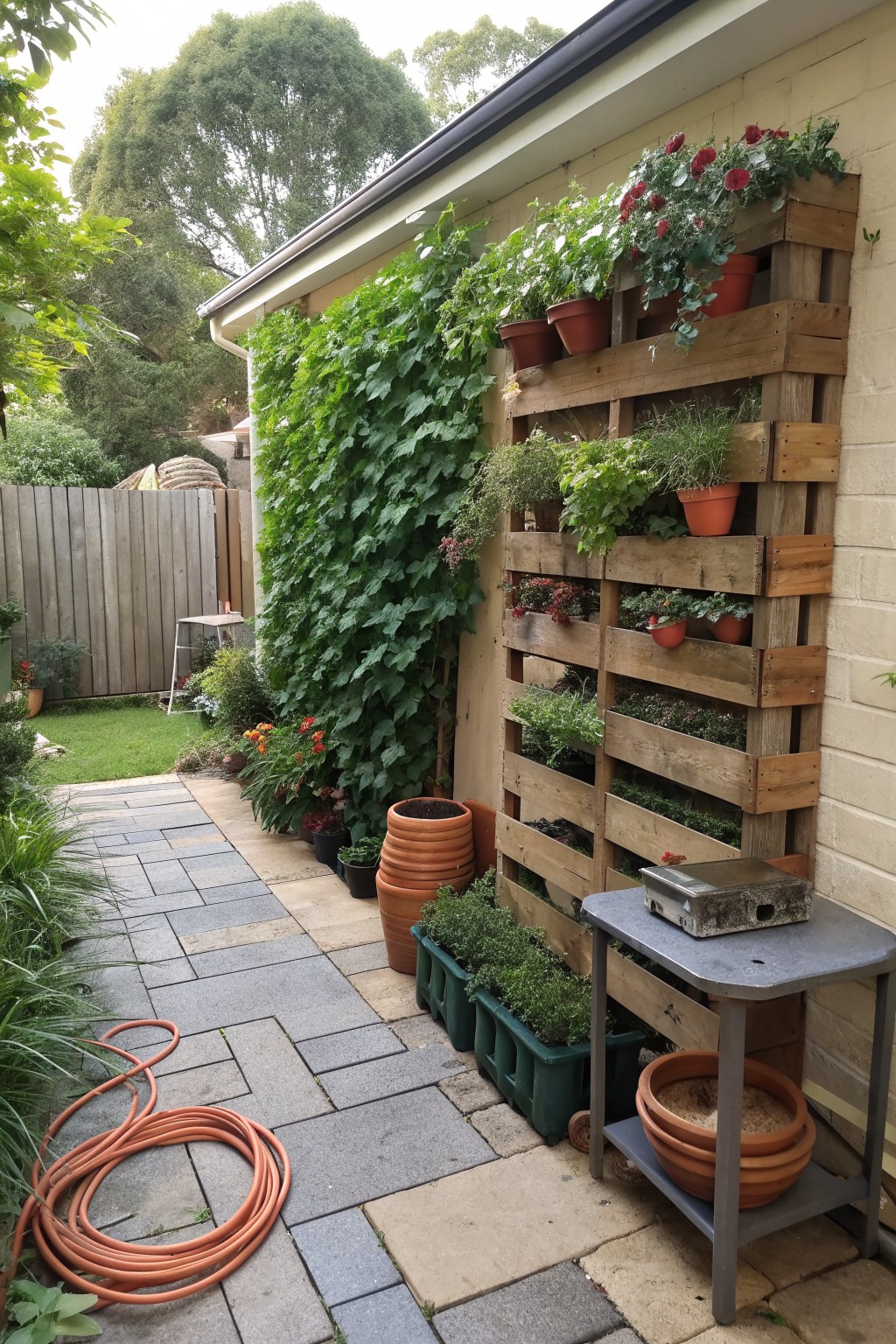
Attaching wooden pallets to a wall gives you an easy way to grow more plants without taking up ground space. The open slats hold pots at different heights, and vines can climb across the whole setup to form a green layer that blocks the view beyond.
This works best along a side boundary or against a shed where you need quick coverage. Secure the pallets firmly, use lightweight pots, and pick fast-growing climbers so the screen fills in within a season or two.
Climbing Plants Along Brick Garden Walls
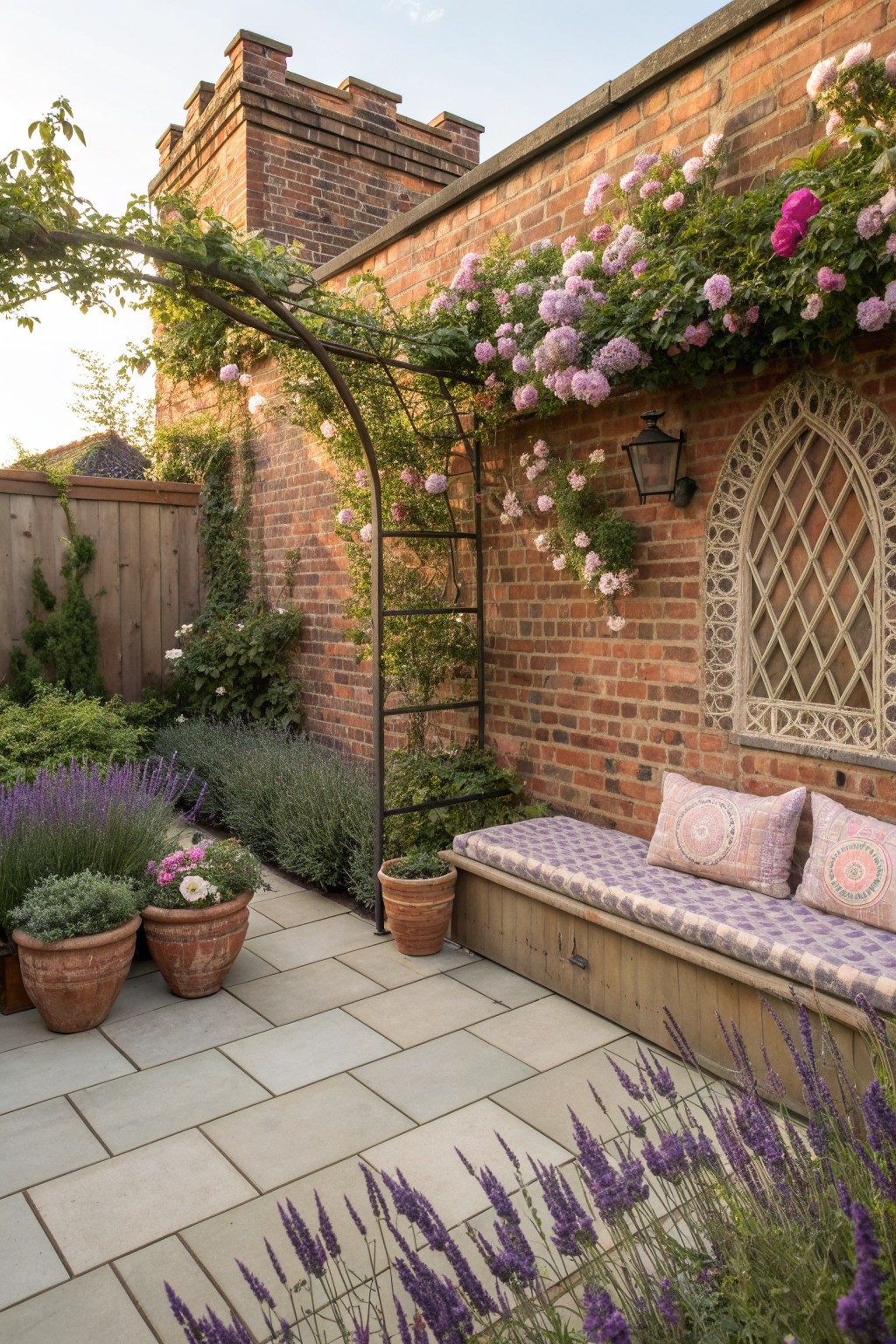
A solid brick wall already gives privacy, but covering it with climbing plants turns it into something softer and more alive. The vines fill in the surface, add color through the seasons, and keep the space from feeling too hard or closed in.
This works well in smaller yards where you need screening without adding another fence. Train the plants on wires or a simple trellis so they spread evenly, and choose varieties that suit your light and climate. A built-in bench placed right against the planted wall makes the spot feel even more sheltered.
Climbing Plants On Pergolas For Privacy
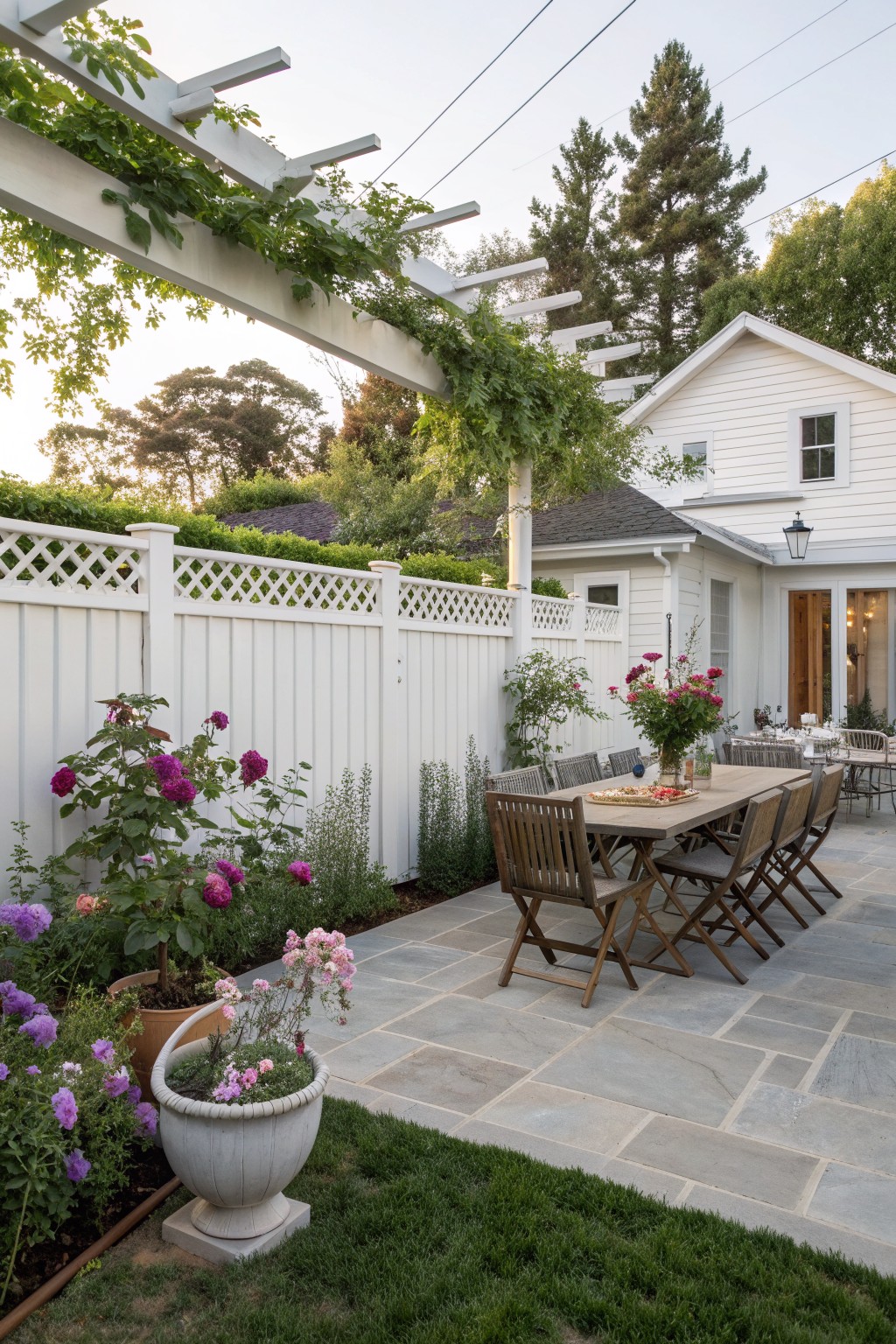
A solid fence gives you a base layer of privacy, but adding climbing plants on a pergola takes it further by creating cover from above. The vines soften the structure and fill in gaps without making the space feel closed in. This approach works especially well when you want shade and screening at the same time.
It suits homes with existing patios or decks that sit close to neighbors. Choose vines that grow quickly along the beams and keep the fence height consistent so the two elements work together. Make sure the pergola is sturdy enough to handle the weight once the plants mature.
Build Planters Into Your Garden Fence
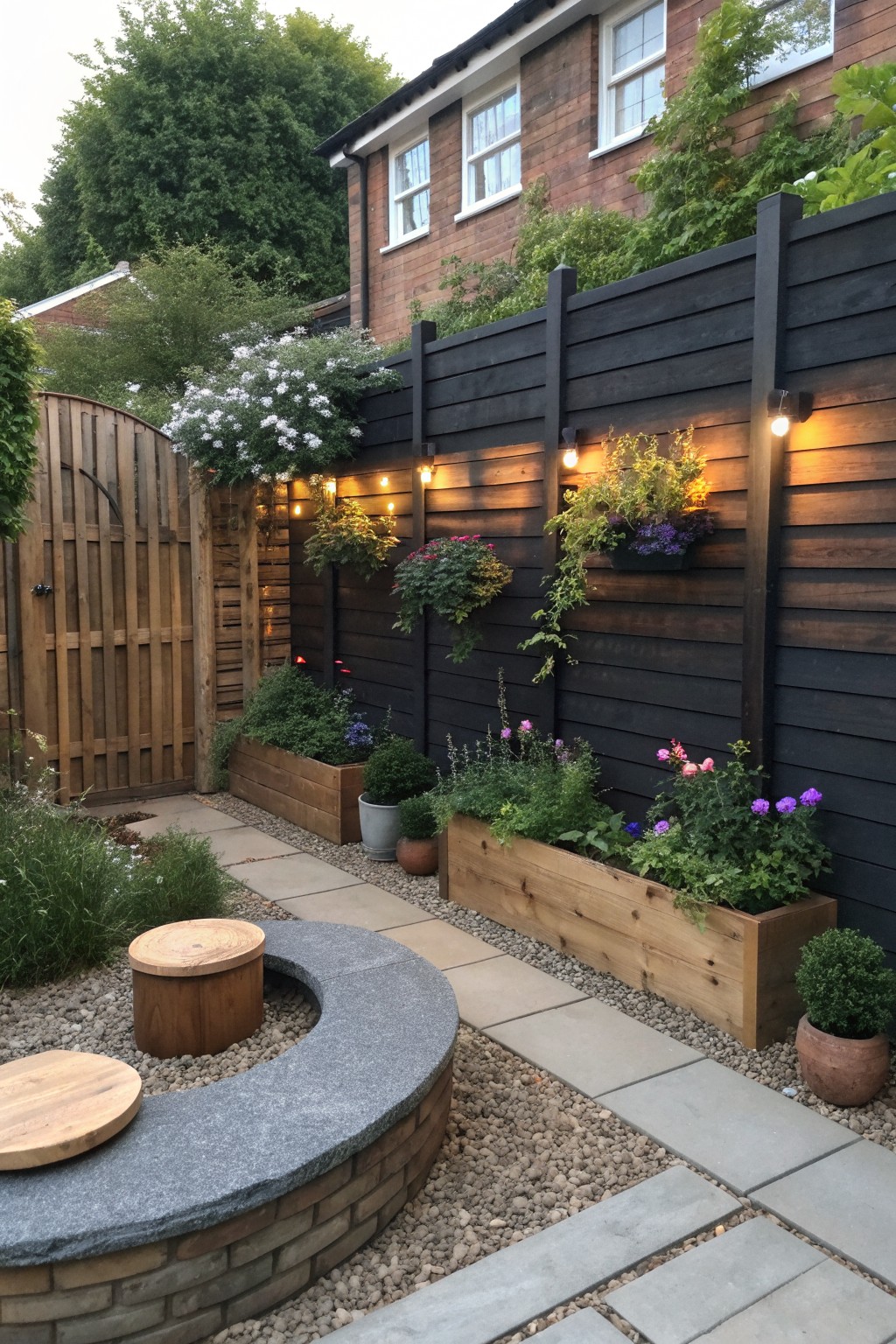
Adding planters along the base of a fence gives you an easy way to layer in more height and greenery without crowding the ground. The built-in boxes keep plants off the path and let climbers or trailing varieties cover more of the fence surface over time.
This setup suits narrow side yards or back gardens where you need screening from neighbors. Dark fence boards make the plants pop, and you can tuck in a mix of upright shrubs and hanging pots to fill gaps quickly. Just make sure the boxes have good drainage so the wood lasts.
Frequently Asked Questions
Q: How fast will the climbing plants actually hide my fence?
A: Most vines fill in after one full growing season if you water them at the base every week. Pick fast growers like morning glory or clematis for quicker coverage.
Q: Do I need to add a trellis to my existing fence?
A: Many fences already have spots where vines can grab hold. If the surface is too smooth, run a few horizontal wires across it first.
Q: What if some plants die off in the first year?
A: Swap in tougher varieties the next spring after checking sun and soil. The fence still gives basic privacy while the new ones settle in.
Q: Can I plant these right next to a wooden fence?
A: Leave a small gap so air reaches the boards. The plants will climb without trouble from that spot.


