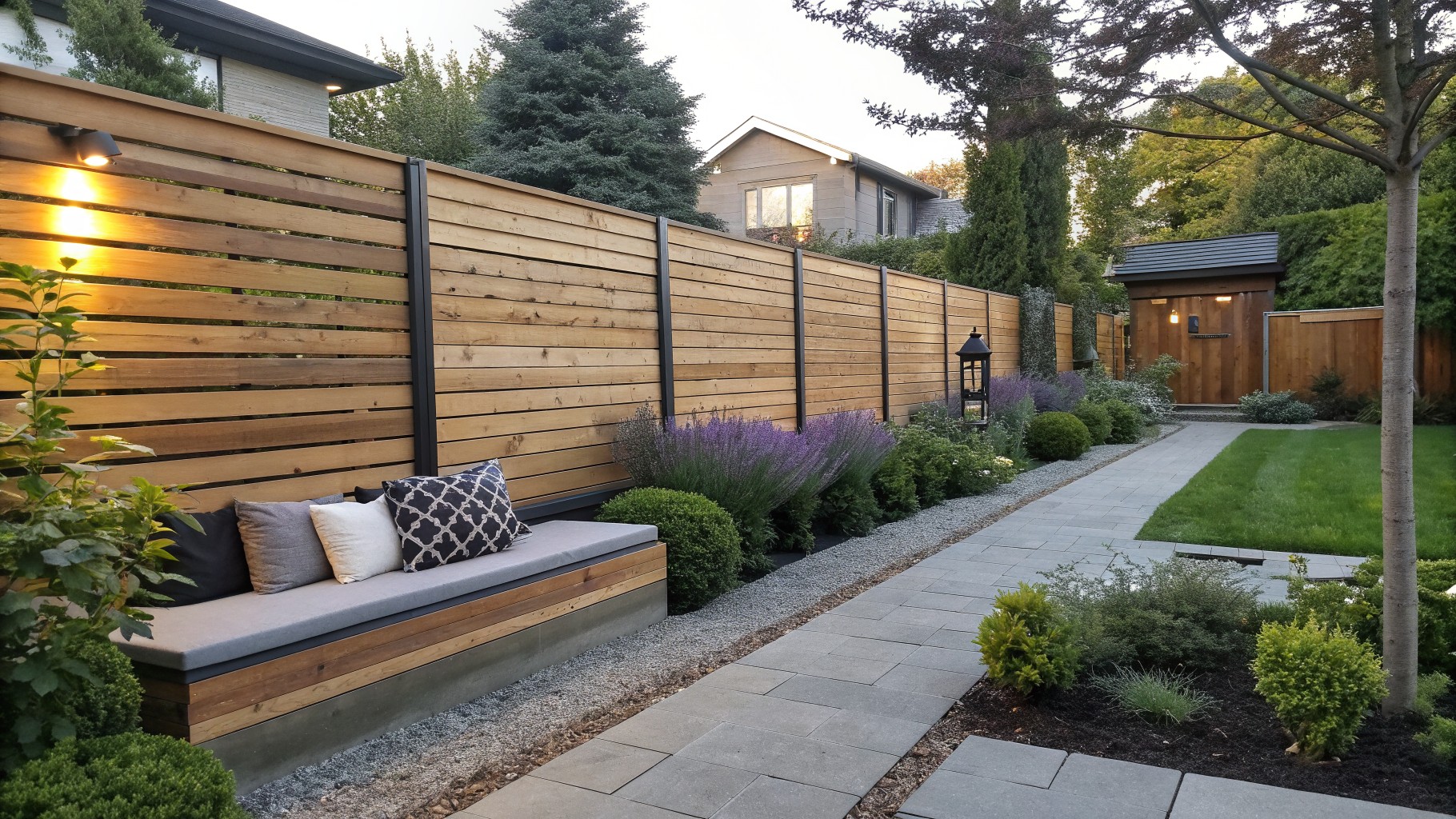
I often notice that fences end up defining how a yard grows and settles more than any single planting does.
Cedar tends to handle that role well because it softens over time without constant sealing or repairs.
It holds up.
In my own yard I keep thinking about how the grain and color can either blend with nearby shrubs or stand apart too sharply depending on the layout.
A few of these setups look like they could be adapted in stages to test how they sit with existing beds and paths.
Horizontal Cedar Fencing With Layered Planting
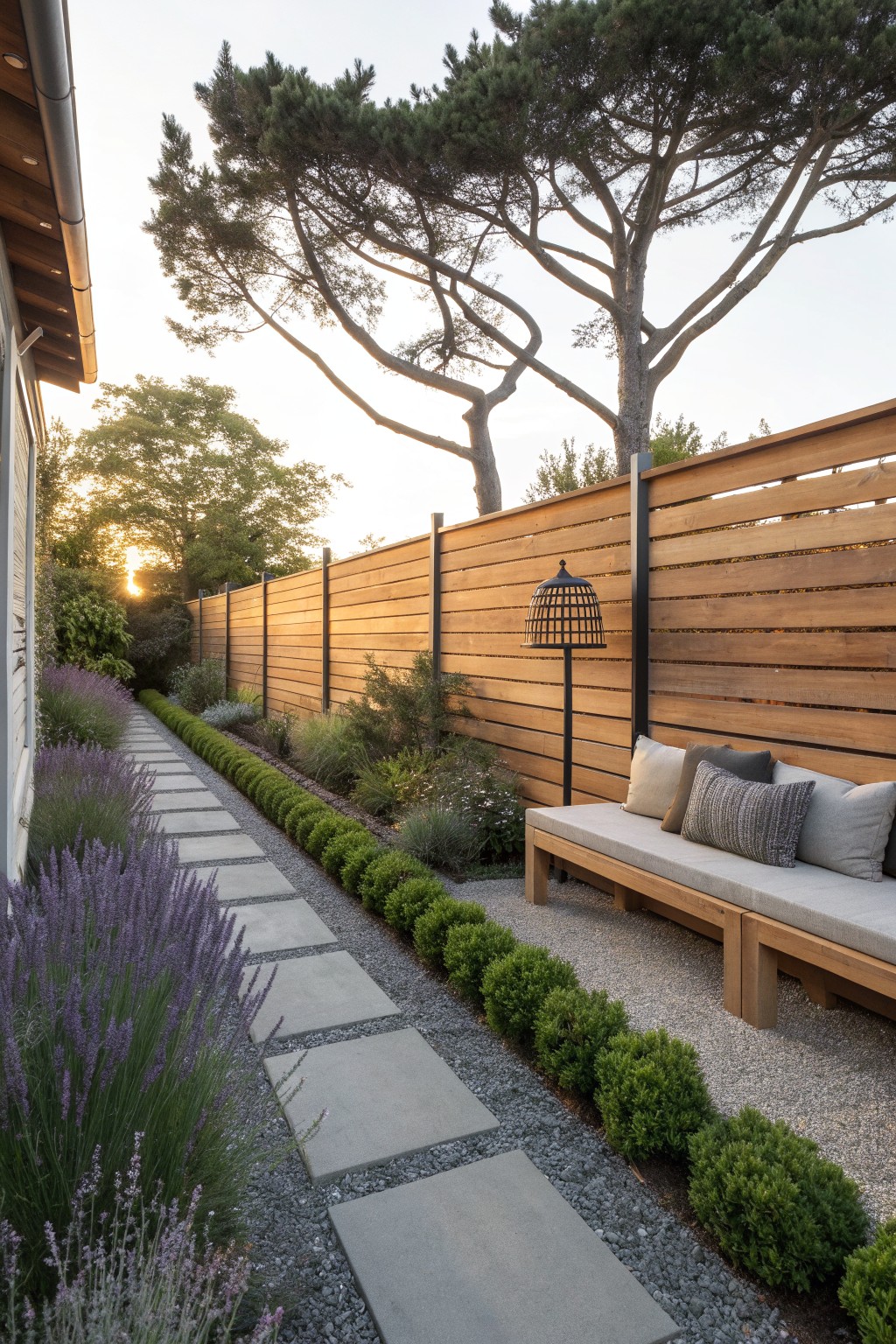
A horizontal cedar fence gives a clean look that still feels natural. The slats let a bit of light through while creating solid privacy, and a narrow strip of layered shrubs and perennials along the base softens the whole line without much work.
This approach suits long side yards or back property lines where you want screening that does not feel heavy. Keep the plants low and compact so the fence stays visible, and use gravel or stepping stones to reduce weeding and watering.
Match the Gate to Your Cedar Fence
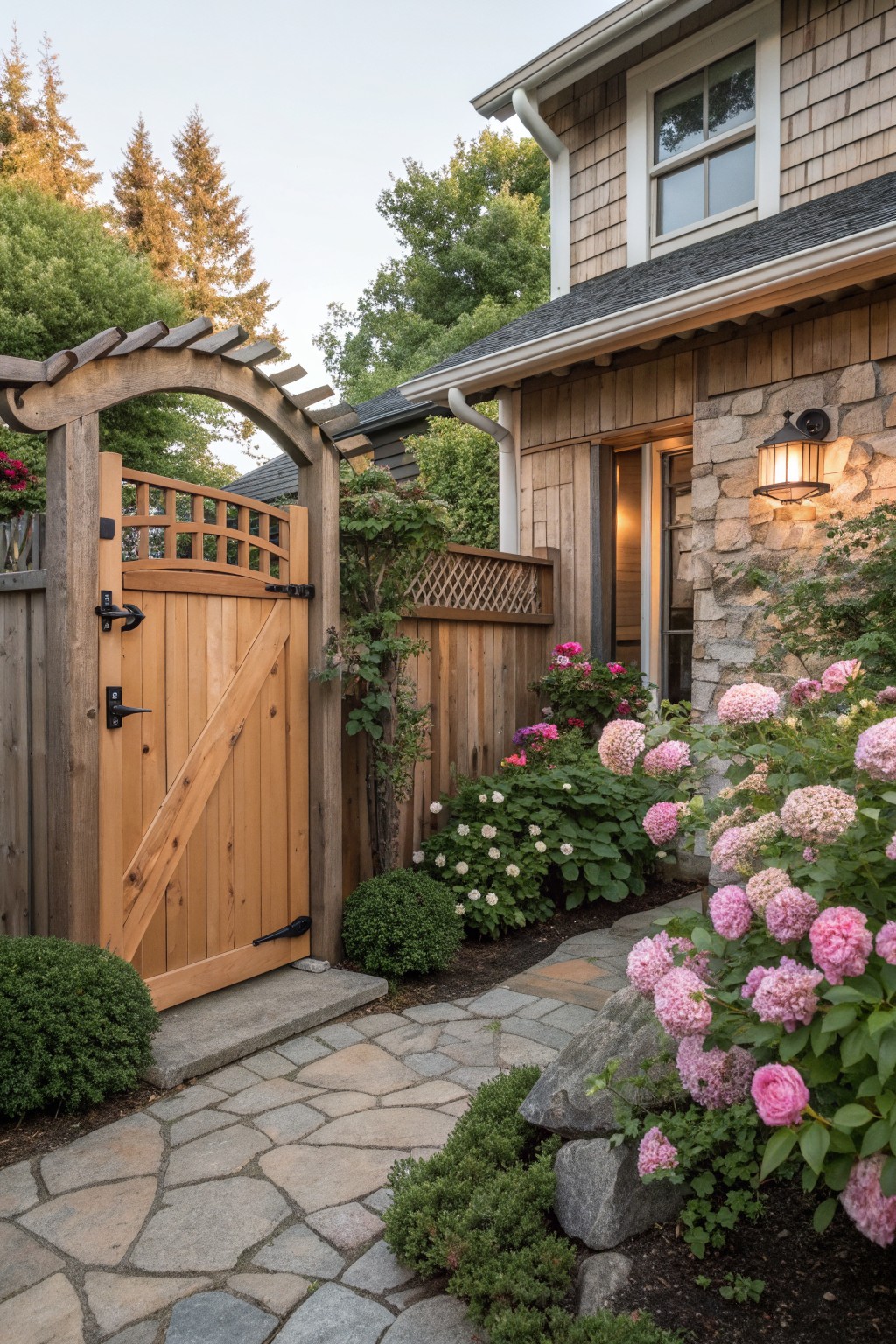
Cedar fences often look best when the gate uses the same wood and style. This keeps the whole run looking like one piece instead of two separate elements. The gate here sits right in line with the fence boards and uses the same vertical grain and simple bracing.
Homeowners like this because it avoids the common problem of a gate that looks added on later. It works especially well on side yards or front entries where you want privacy but still need daily access. Keep the hardware dark and minimal so it does not compete with the wood.
Horizontal Cedar Fences for Simple Outdoor Privacy
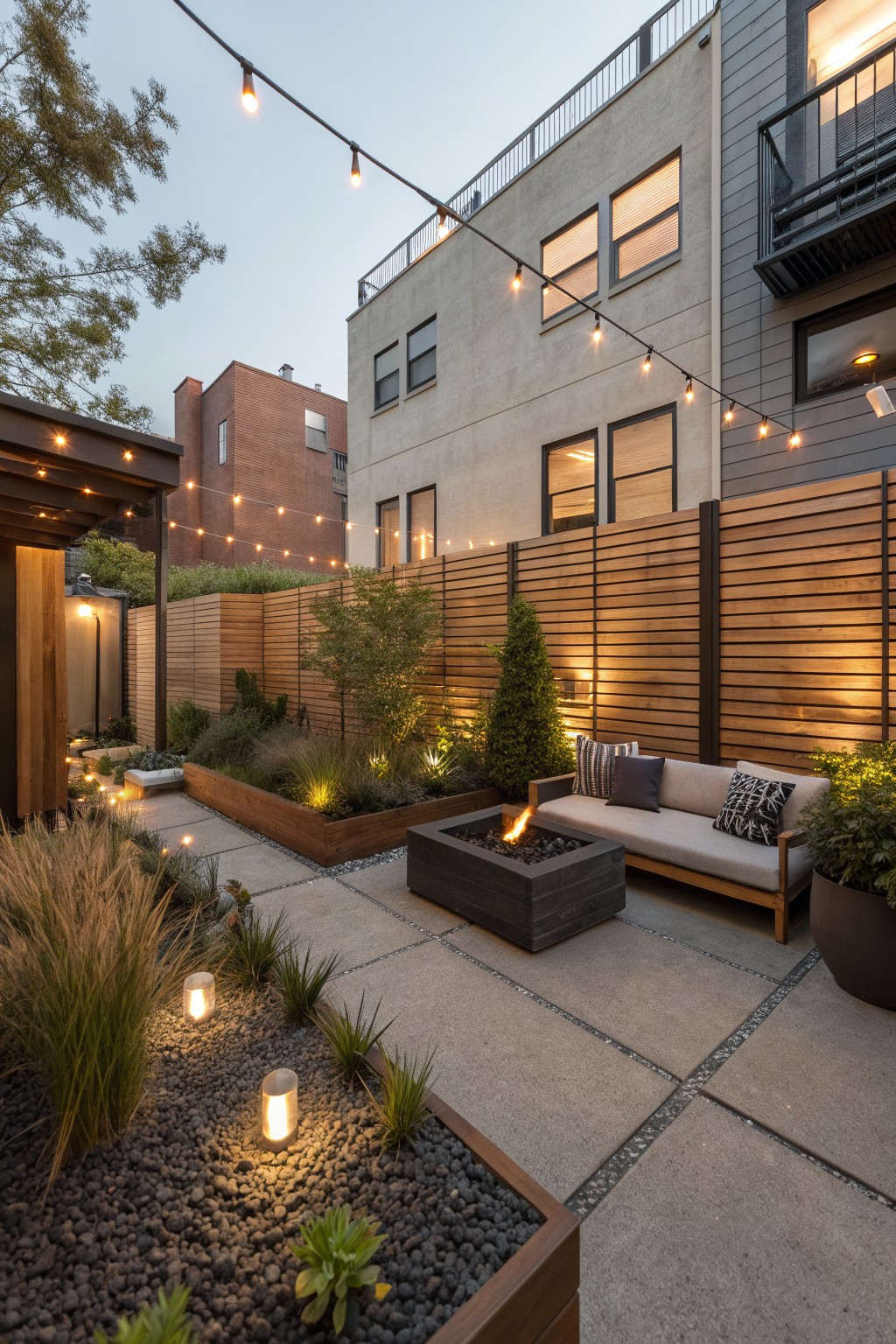
A horizontal cedar fence gives an outdoor space clear boundaries while keeping the feel open and natural. The wood ages to a soft gray and needs little upkeep beyond an occasional rinse, which makes it a practical choice for people who want privacy without constant maintenance.
This approach works best on patios or small yards where you want to separate a seating area from the rest of the property. Run the fence along one or two sides of the space and keep plantings low in front so the wood stays the main feature. It suits both modern and traditional homes and pairs easily with concrete or gravel paving.
Cedar Fences Along Garden Paths
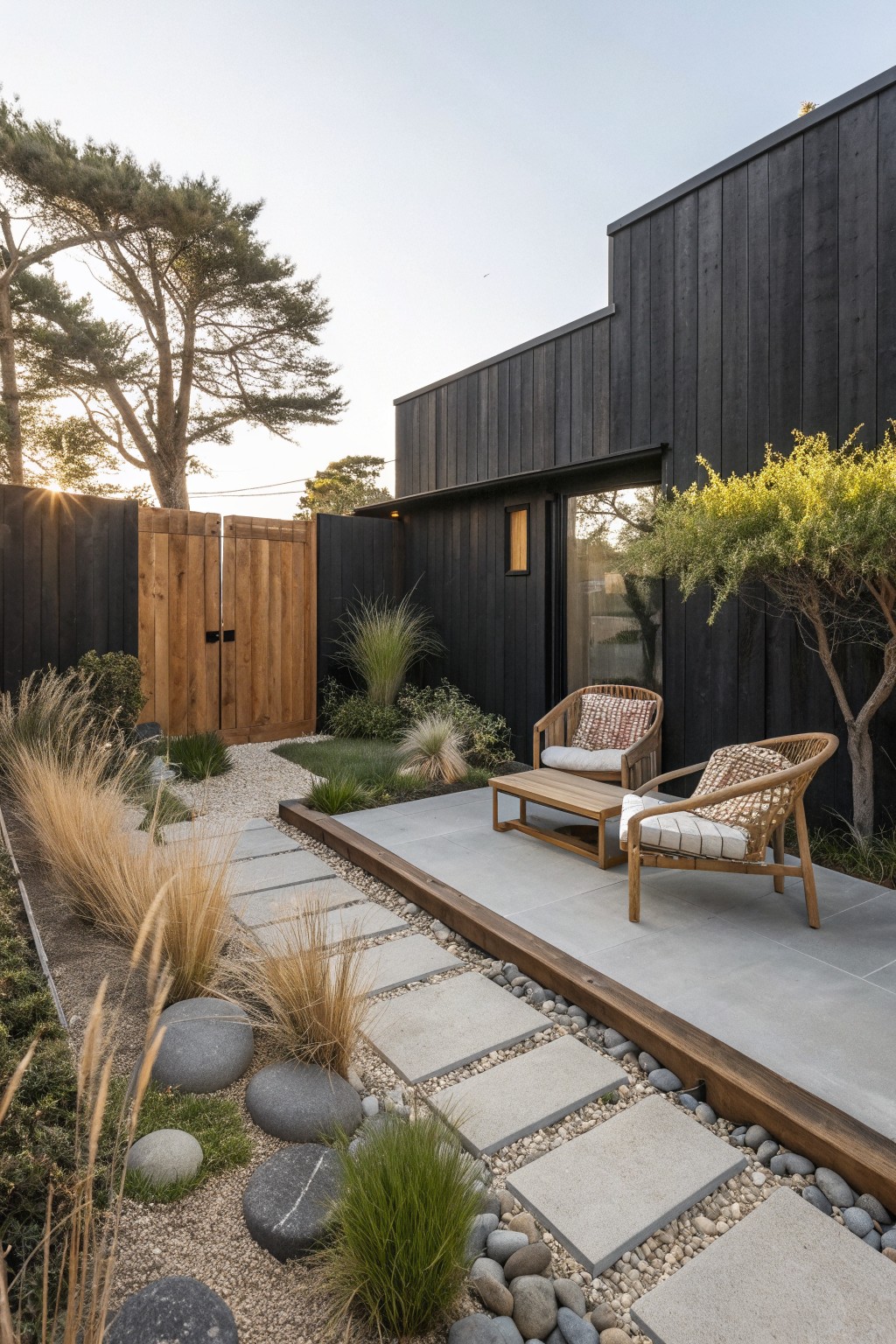
A cedar privacy fence can do more than just block the view next door. When you run one along a simple gravel path with stepping stones, the fence starts to feel like part of the garden instead of something added on later. The natural wood tones work easily with grasses and low ground cover, which keeps the whole area looking calm without much work.
This setup suits smaller side yards or back corners where you want privacy but still need a way to walk through. Keep the planting light so the fence stays the main line, and choose stones that sit level in the gravel so the path stays easy to maintain over time.
Cedar Fences for Private Patios
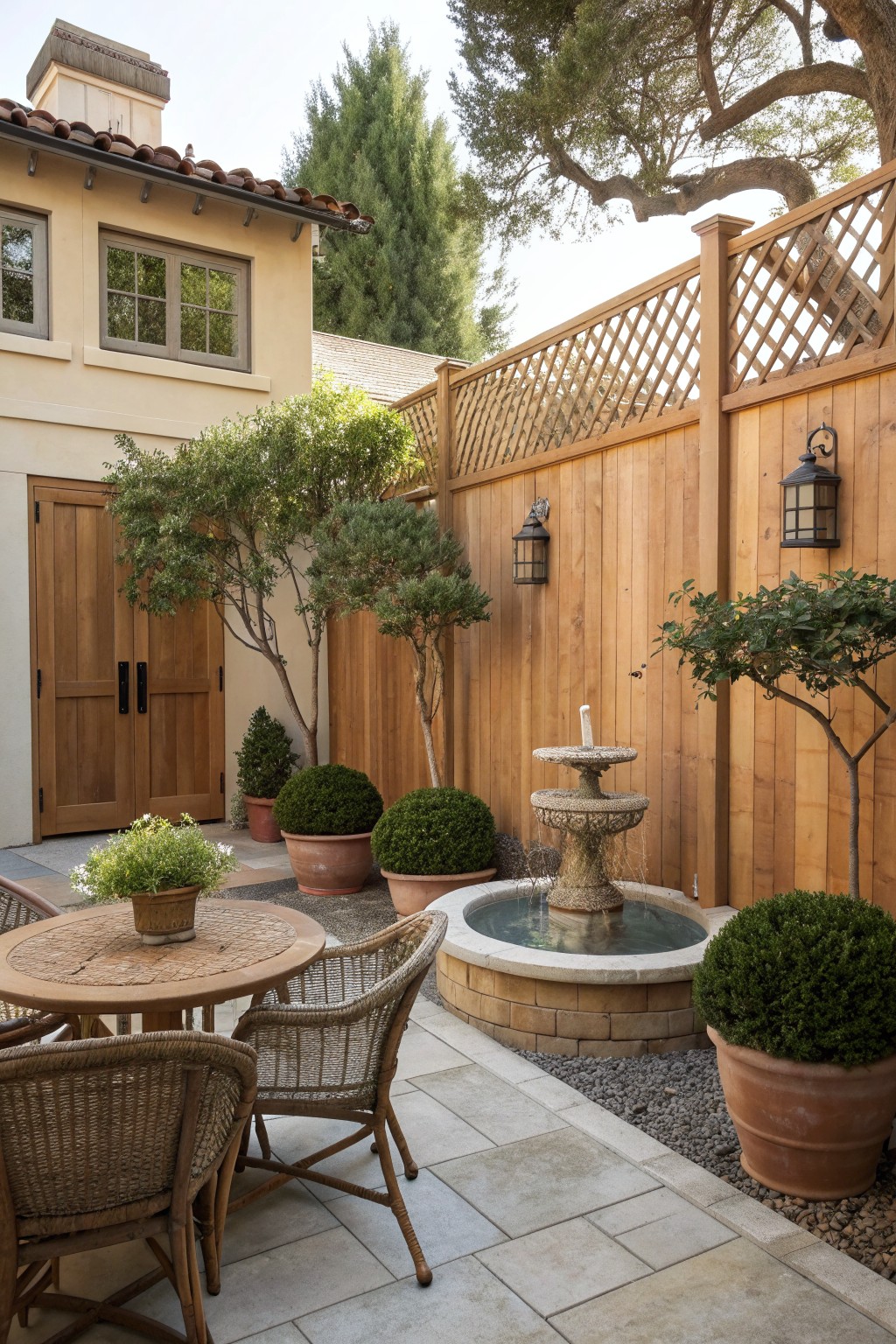
A cedar privacy fence turns an open patio into a quiet spot without much work later on. The wood has a warm tone that pairs easily with plants and stone, and it holds up well outdoors once installed.
Run the fence along the back and sides of a seating area to cut off sight lines from the street or neighbors. This setup works best on smaller lots where you want a simple natural screen that does not need painting or staining every year.
Cedar Fence Behind Raised Beds
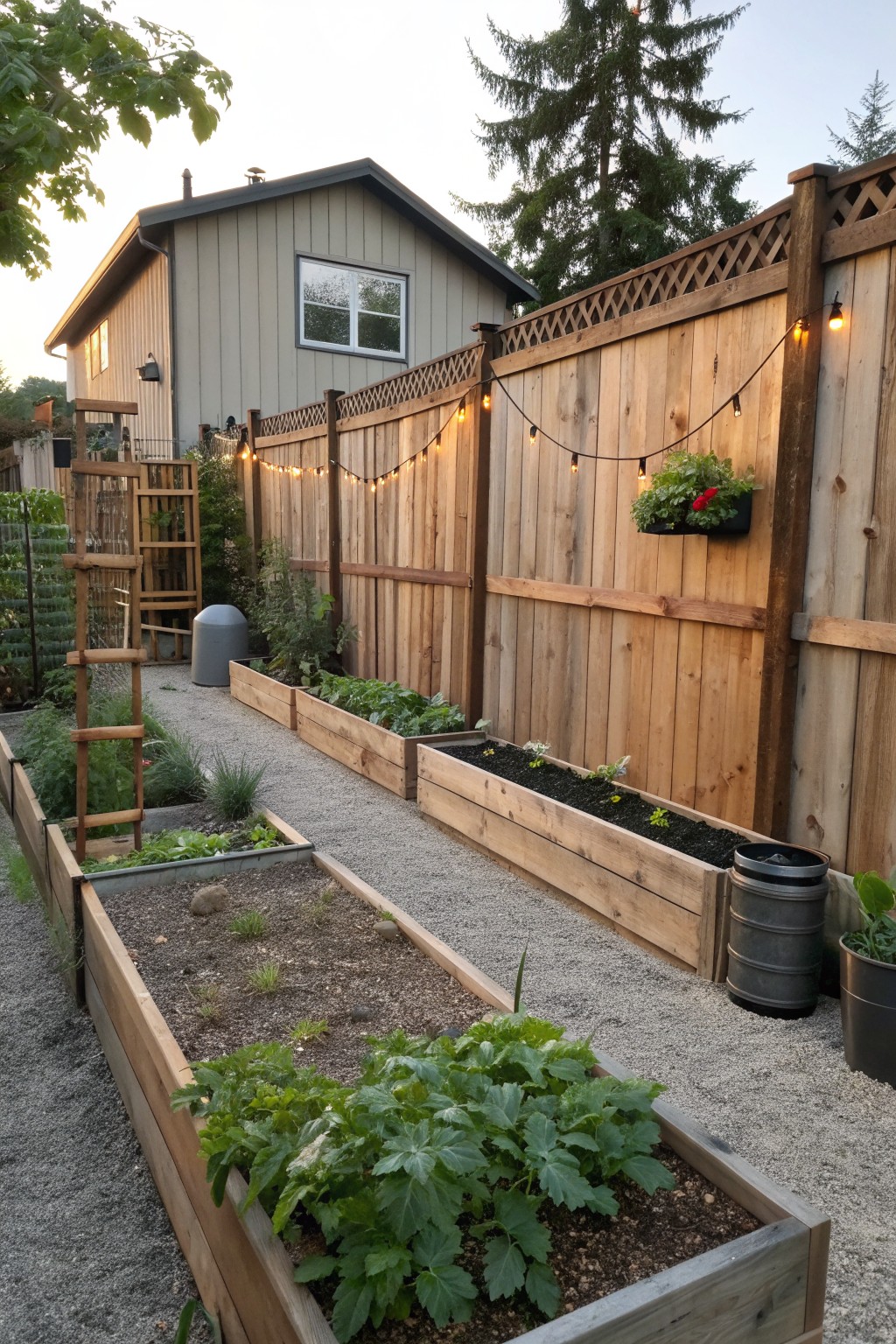
Running raised beds along a cedar privacy fence gives the garden a clear edge and makes the whole space feel more organized. The fence blocks wind and views while the beds keep soil contained and easier to work with year after year.
This layout suits smaller yards where you want privacy without losing growing room. Keep the fence height moderate so it does not shade the beds too much, and use gravel paths between them for simple drainage and low upkeep.
Cedar Fences for Narrow Side Yards
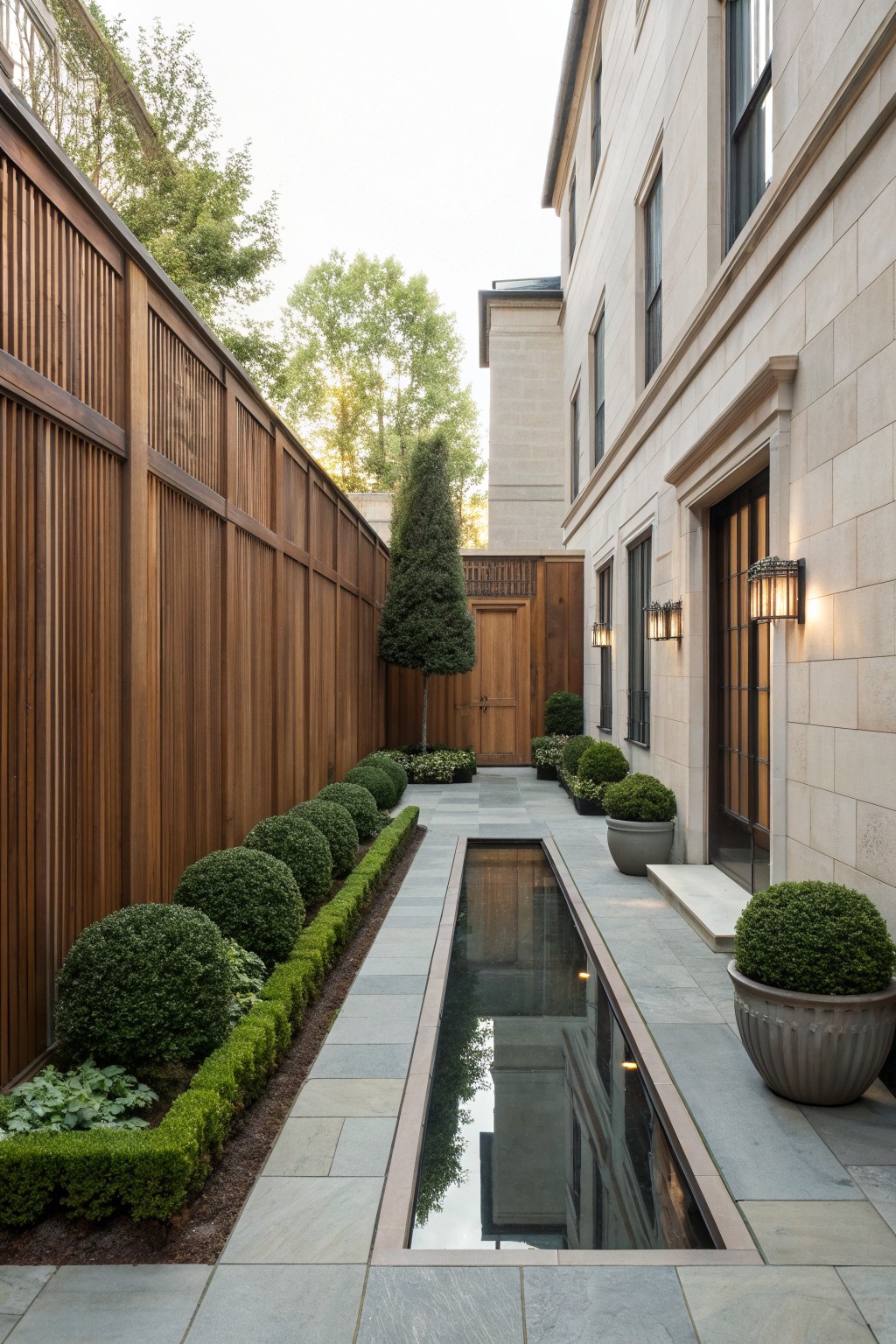
A tall cedar fence works especially well when a side yard is tight and you want privacy without making the space feel closed off. The vertical boards give height and a clean backdrop while the wood color stays simple next to green plants.
Keep the planting low and rounded so the fence stays the main feature. Clipped shrubs along the base add structure but still leave room for a narrow path or water channel down the middle. This setup suits homes where the side yard is mainly for access or quiet use rather than large gatherings.
Cedar Fences with Climbing Plants
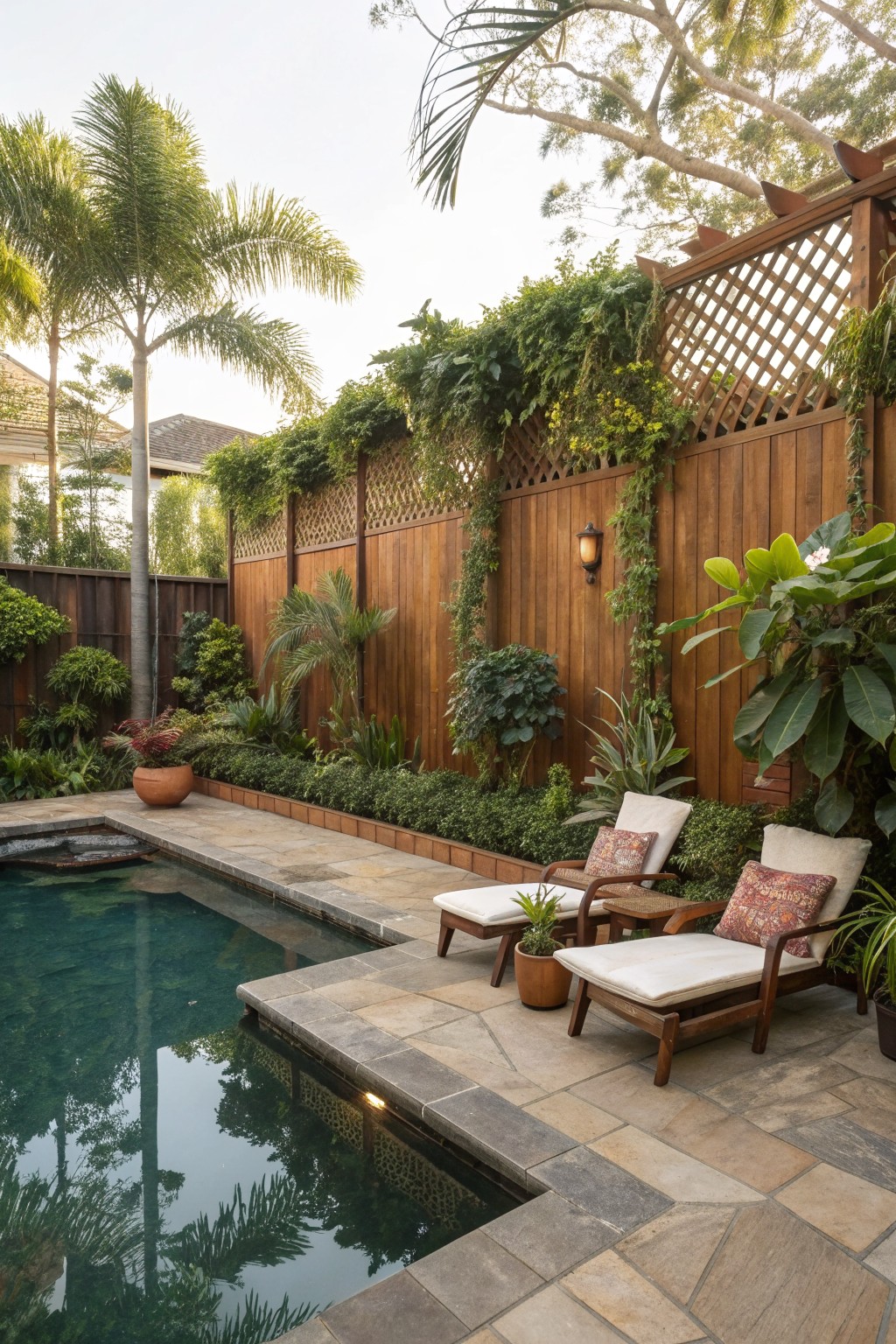
Cedar fencing already gives a clean, solid look that lasts with little upkeep. Letting vines grow up the surface softens the wood and adds a layer of living texture that changes with the seasons.
This approach works best along the edge of a pool or seating area where you want privacy without a blank wall feel. Plant at the base in a narrow bed and choose vines that match your sun and water conditions so the fence stays low maintenance over time.
Horizontal Cedar Slats for Clean Privacy
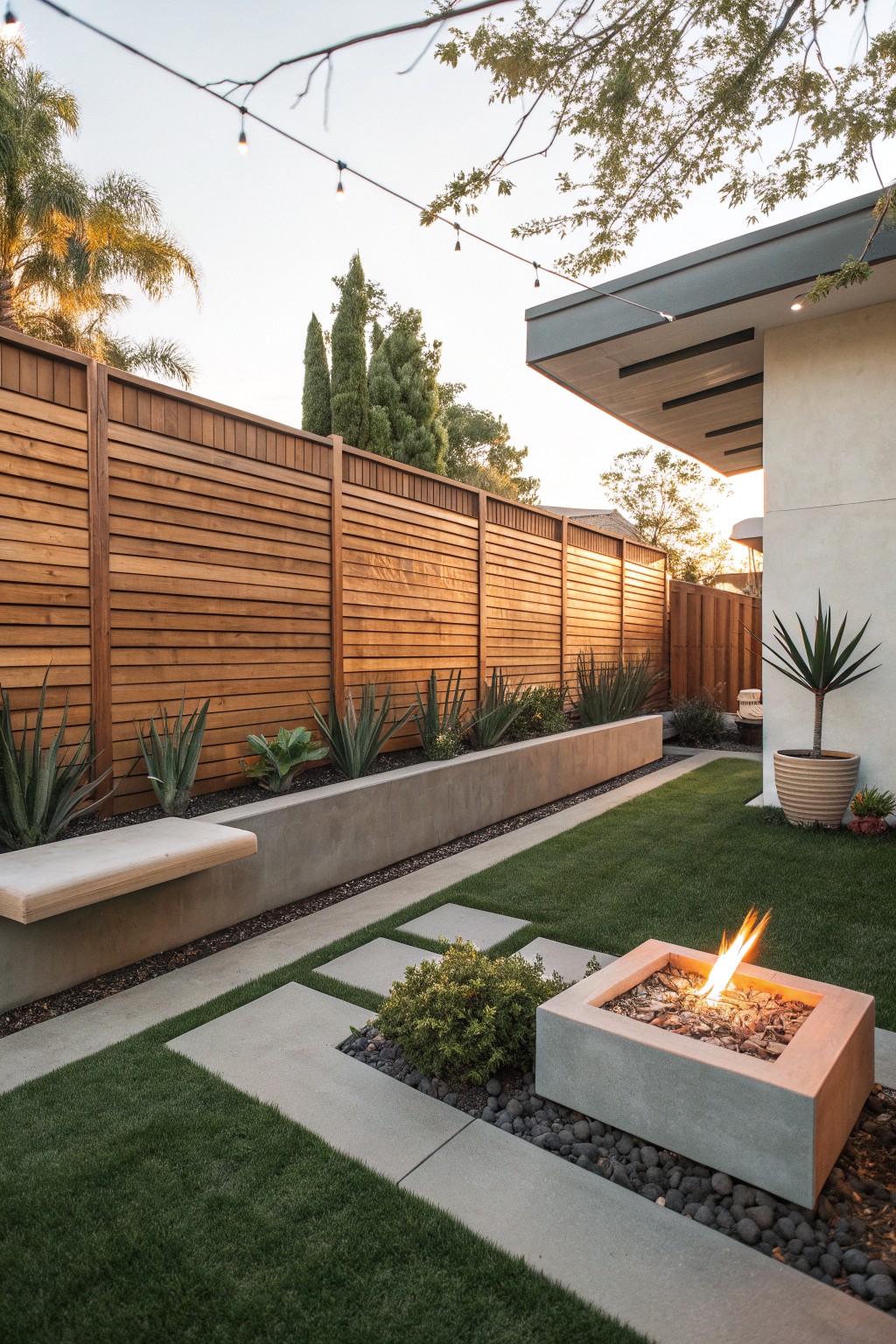
A horizontal layout on cedar fencing gives the whole yard a steadier, more modern look while still blocking the view from outside. The boards sit tight and even, so the fence feels like a finished wall instead of a row of planks.
This style works best along the back or side of a yard where you want privacy without a heavy vertical pattern. It pairs well with simple concrete borders and low plants, and it needs only a light seal every couple of years to stay that way.
Cedar Privacy Fences Around Outdoor Seating Areas
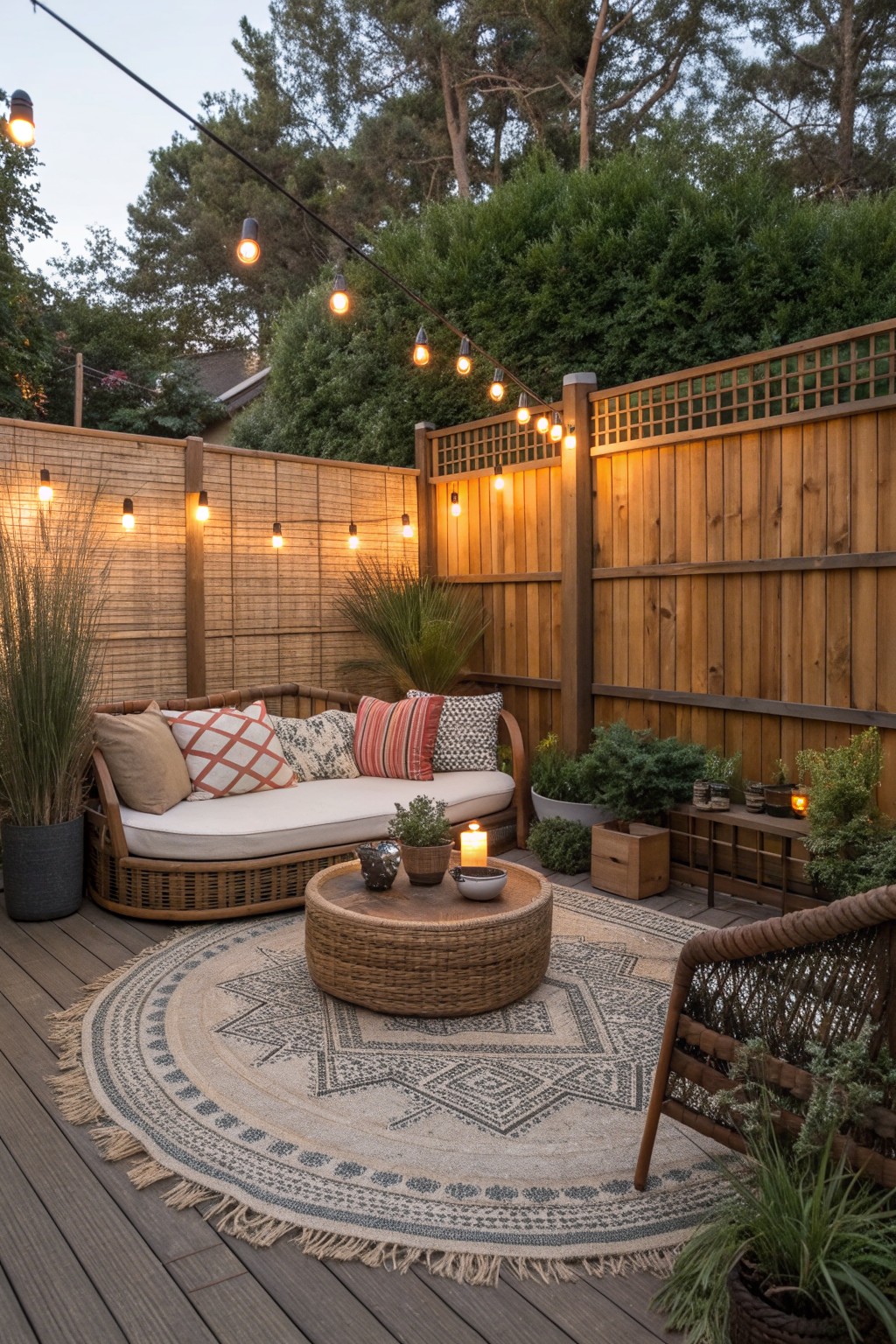
Cedar privacy fences give an outdoor seating spot a clear boundary without cutting it off from the rest of the yard. The wood ages to a soft gray that works with most plantings and keeps the space feeling natural rather than closed in.
This setup works best on decks or patios that sit close to neighboring homes. A simple vertical board style on two sides and a lower screen on the third side gives enough privacy while still letting light and air move through.
Cedar Privacy Fences Along Narrow Walkways
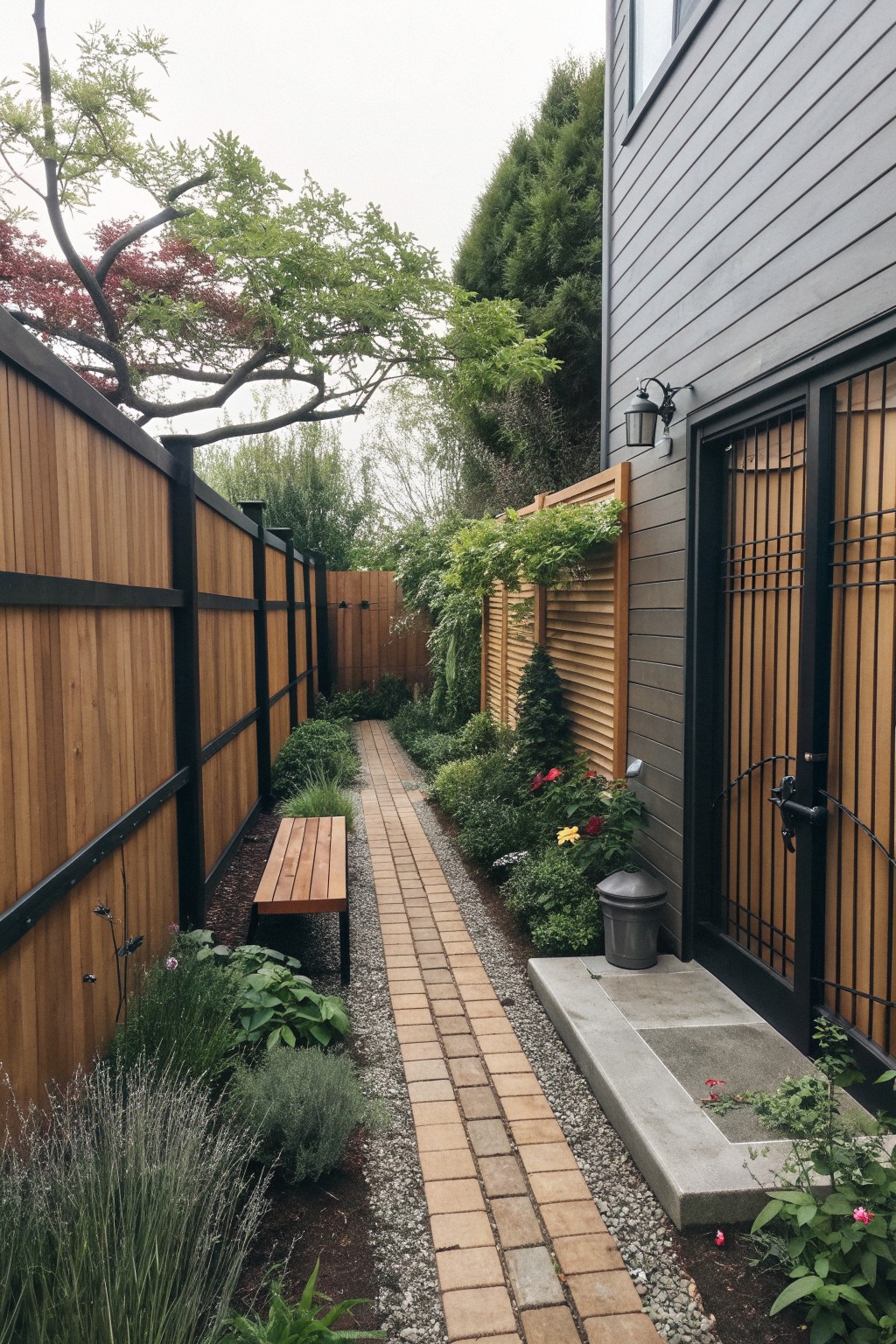
A cedar fence works well in tight side yards because it gives solid privacy without eating up much space. The vertical boards create a clean backdrop that lets the planting beds in front do the rest of the work. Gravel along the edges keeps the path dry and cuts down on weeding.
This setup suits homes with long, narrow lots where you want a simple route from the front to the back. Keep the fence height consistent and let low shrubs and ground cover soften the base. Avoid overcrowding the beds so the fence stays the main feature.
Cedar Fencing With Gravel Beds
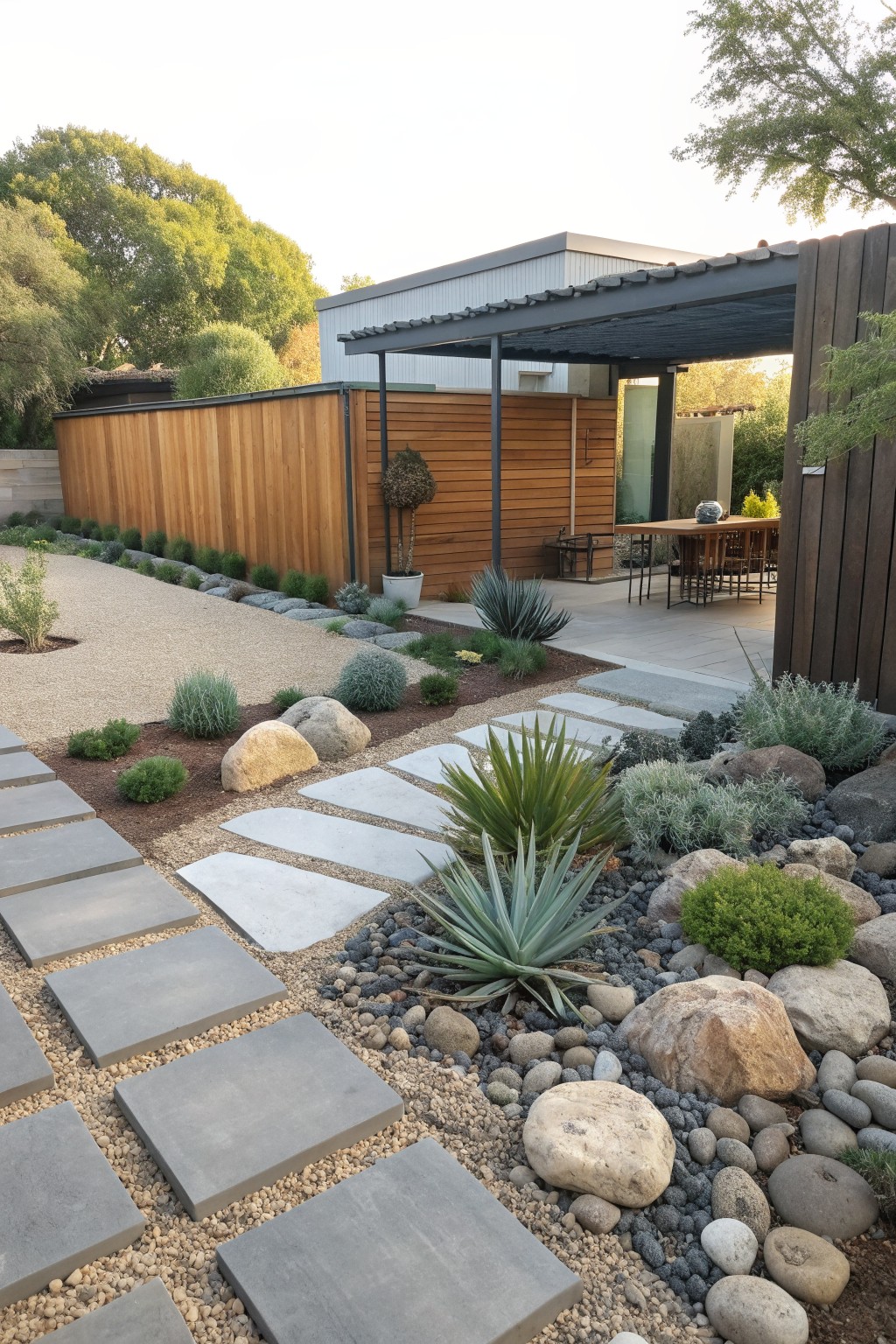
Cedar fences work especially well when the ground in front of them stays simple. Gravel and larger stones keep the area clean without needing much watering or weeding, and the wood still shows off its natural color against the lighter ground.
This setup suits side yards or back corners where you want privacy but do not want a lot of upkeep. Just make sure the fence is set on a slight base so water drains away from the posts, and choose plants that stay low so they do not crowd the boards.
Horizontal Cedar Slats for Privacy
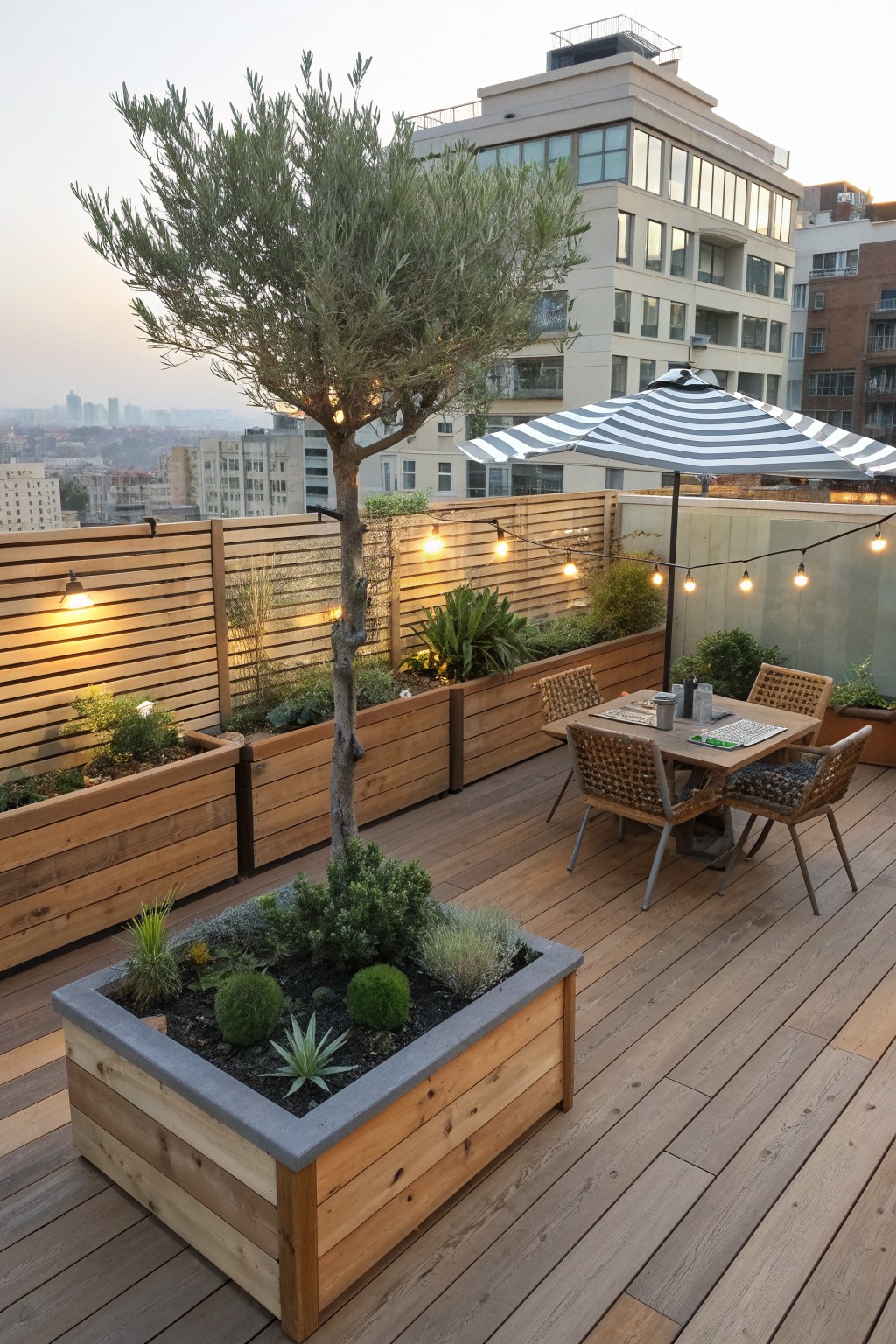
Many people turn to horizontal cedar fencing when they want privacy without a heavy or closed-in feel. The clean lines keep the space looking open while still blocking views from nearby buildings, and the wood tones tie right in with the deck and planters.
This approach works especially well on rooftops and decks where you need screening but still want airflow and some light. Cedar holds up with little maintenance, so it stays practical in spots that get sun and weather exposure all year.
Cedar Fences Add Privacy to Pool Decks
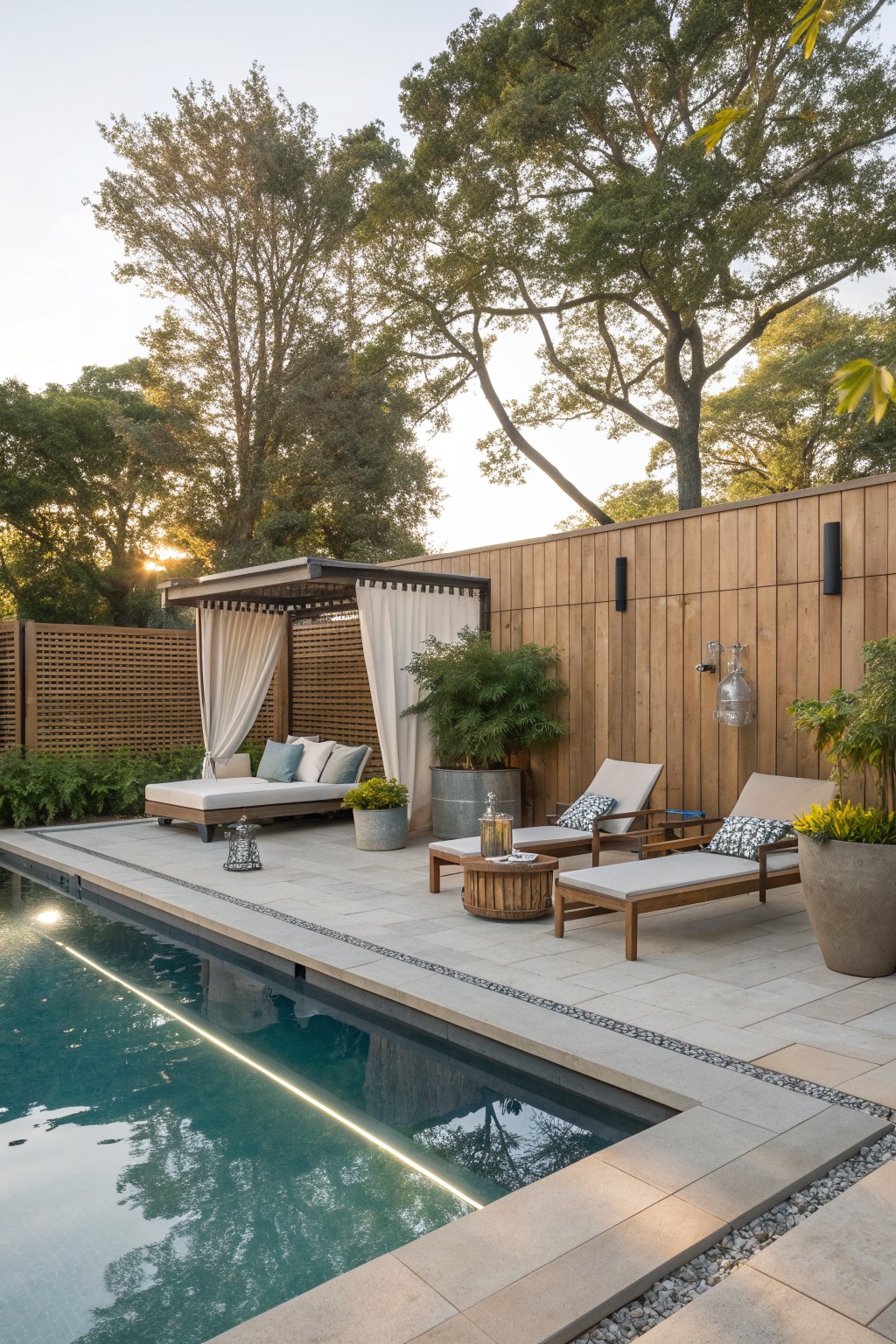
A tall cedar fence can turn an open pool deck into a more private space without needing constant care. The wood holds up well outdoors and gives a clean, natural backdrop that works with most backyard styles.
This setup suits homes with smaller yards or close neighbors. Run the fence along the property line or right at the edge of the patio, and keep plantings simple so the wood stays the main feature.
Cedar Fences With Stone Columns
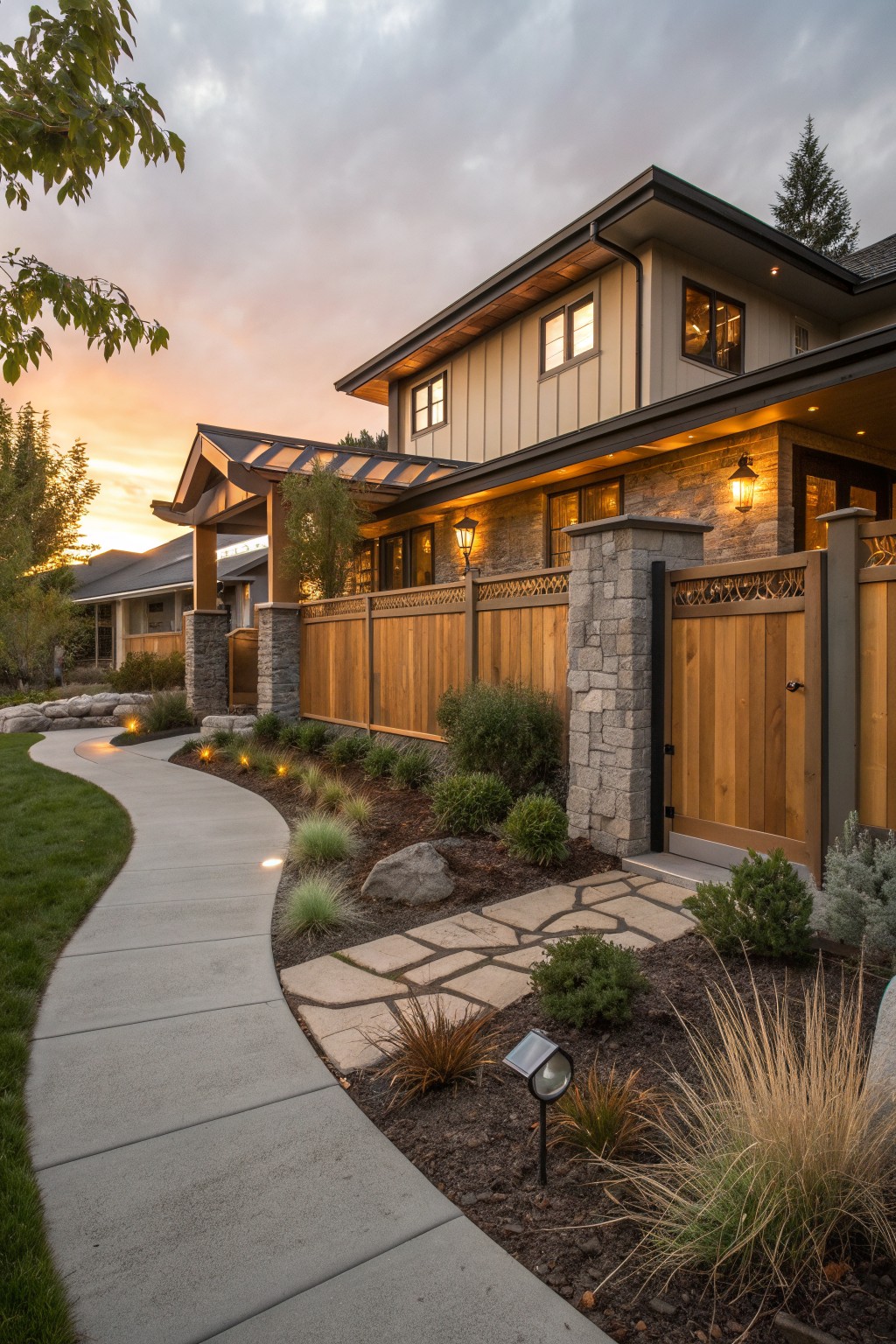
Cedar fencing looks more grounded when it is broken up by stone columns instead of running in one long stretch. The mix keeps the wood from feeling heavy and gives the whole boundary a finished look that works with many house styles.
This approach suits homes that already use stone on the exterior or want a low-maintenance border that still feels natural. Just make sure the stone matches the scale of the fence so neither material overpowers the other.
Cedar Privacy Fences Around Outdoor Kitchens
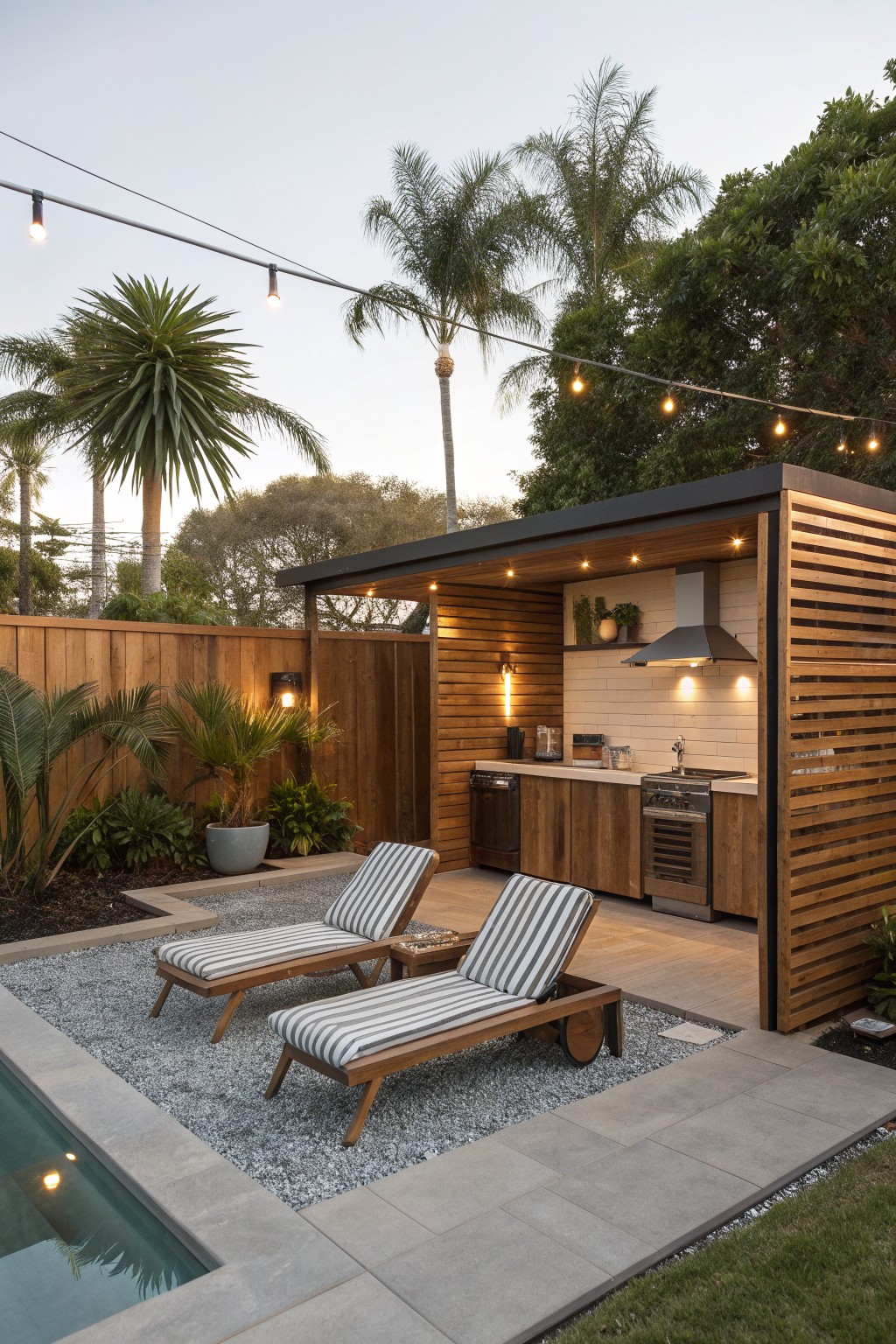
Cedar works well when you want to screen off an outdoor kitchen without losing the natural feel. The vertical boards and horizontal slats create a solid boundary that still lets in some light and air while keeping the space private from neighbors.
This setup works best on smaller lots or side yards where you need clear separation between the cooking area and the rest of the yard. Keep the fence height around six or seven feet and let the wood weather on its own if you want low maintenance.
Cedar Fences With Built-In Benches
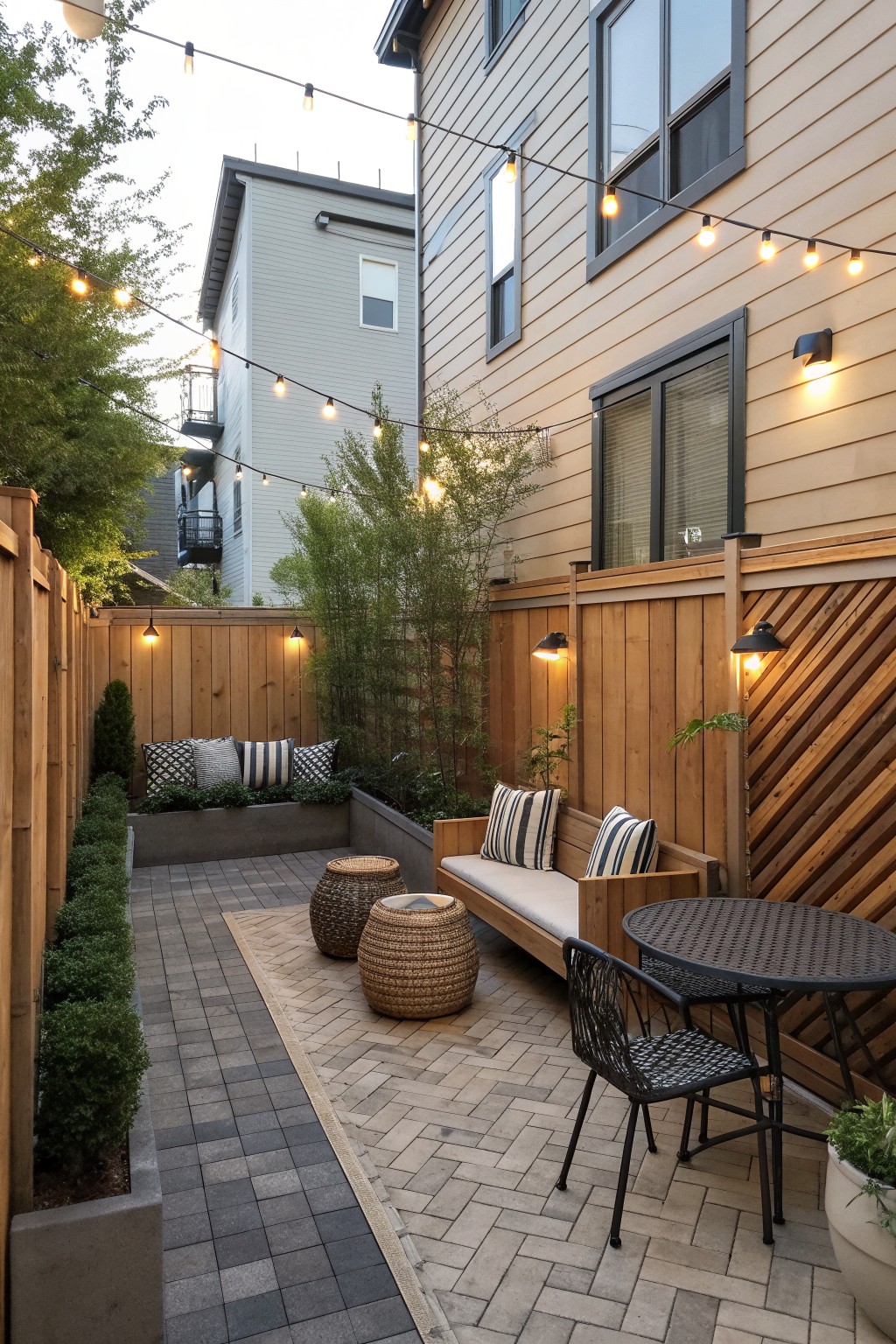
A cedar privacy fence can do more than just block the view from next door. Adding a simple bench along the base turns the fence into usable seating and makes the whole area feel more finished without extra furniture.
This setup works best on narrow patios or side yards where space is tight. Keep the bench low and the wood sealed so it holds up with little upkeep over time.
Cedar Fence with a Metal Trellis Grid
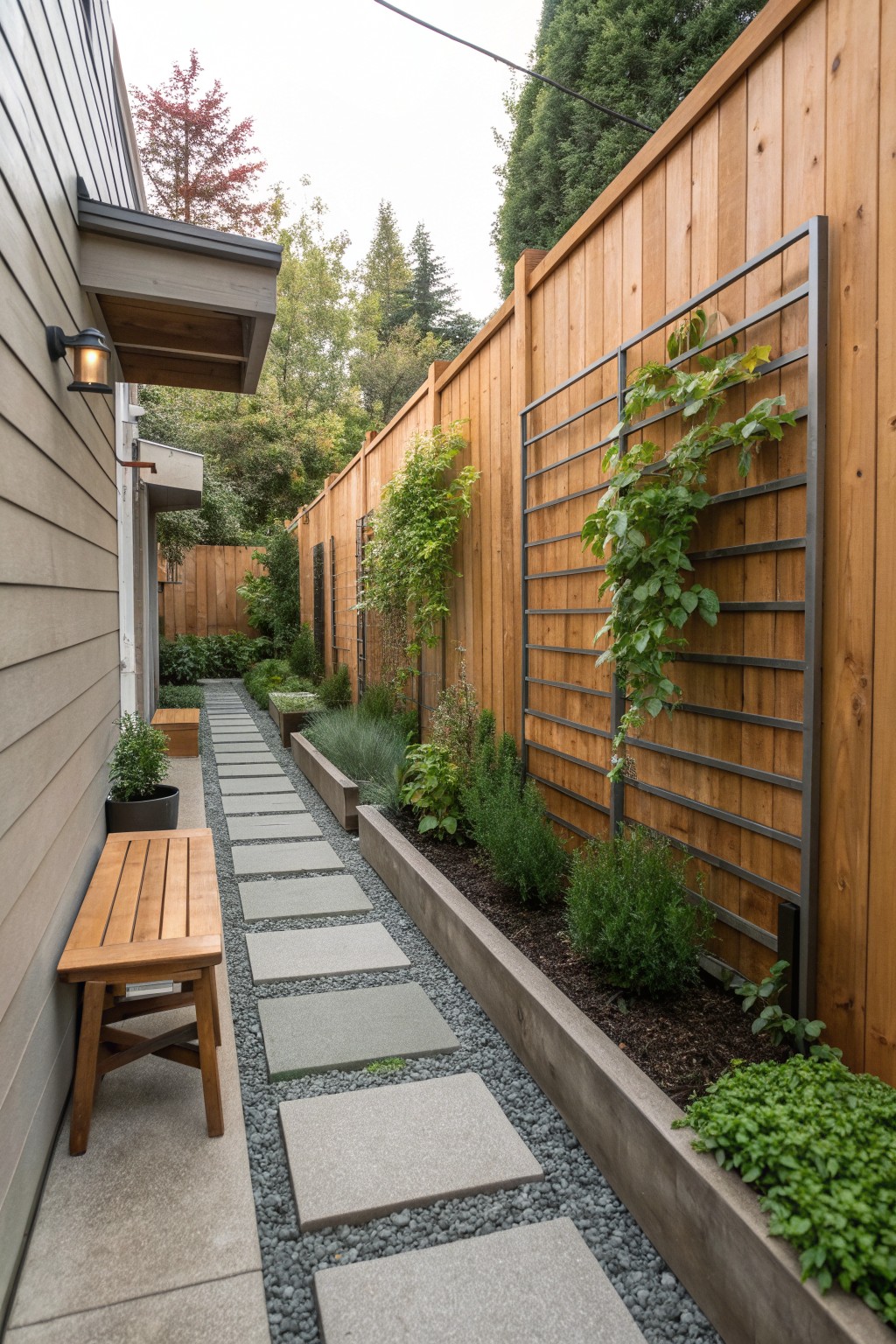
A cedar privacy fence already blocks the view, but adding a simple metal trellis gives vines a place to climb without crowding the ground. This keeps the fence looking softer while the wood stays protected from constant soil contact.
It works best along narrow side yards or property lines where you want coverage but little upkeep. Just mount the grid on the fence face, plant climbers at the base, and let them fill in over a season or two.
Built-In Bench Seating Along Cedar Fencing
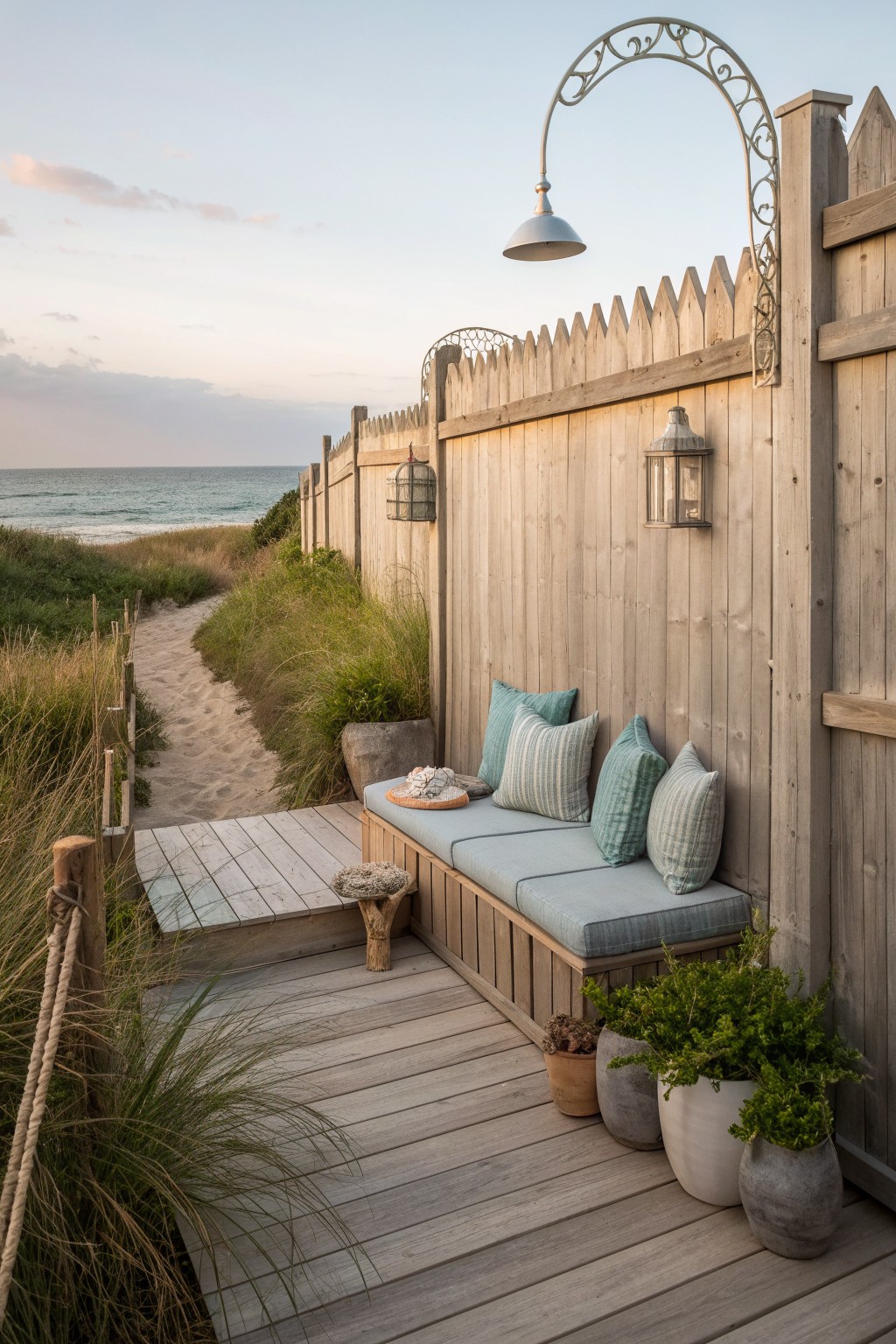
A built-in bench right against the fence turns the whole structure into usable space instead of just a boundary. It keeps the area feeling open while giving you a place to sit without adding separate furniture that needs moving or storing.
This works especially well on decks or patios where space is tight. Keep cushions simple and weather-resistant, and leave room for a few pots at the base so the planting softens the wood without crowding the seat.
Frequently Asked Questions
Q: How soon after putting up the cedar fence should I expect to do any upkeep? A: Give the wood a full year to settle first. Then wipe down any mildew spots with a mild cleaner and rinse them off. That single step usually keeps the surface clean for years.
Q: Will the boards stay straight if I live in an area with big temperature swings? A: Pick thicker stock when you buy the lumber and space the posts close together. This setup handles expansion without much twisting or cupping down the road.
Q: Can I add climbing plants without trapping moisture against the fence? A: Mount a simple wire grid a few inches in front of the boards. The vines grow on the grid instead and air still moves freely behind them.
Q: What happens if a section starts to look faded after a couple of seasons? A: A quick coat of clear sealer on just that area blends it back in with the rest. You do not need to redo the whole fence.


