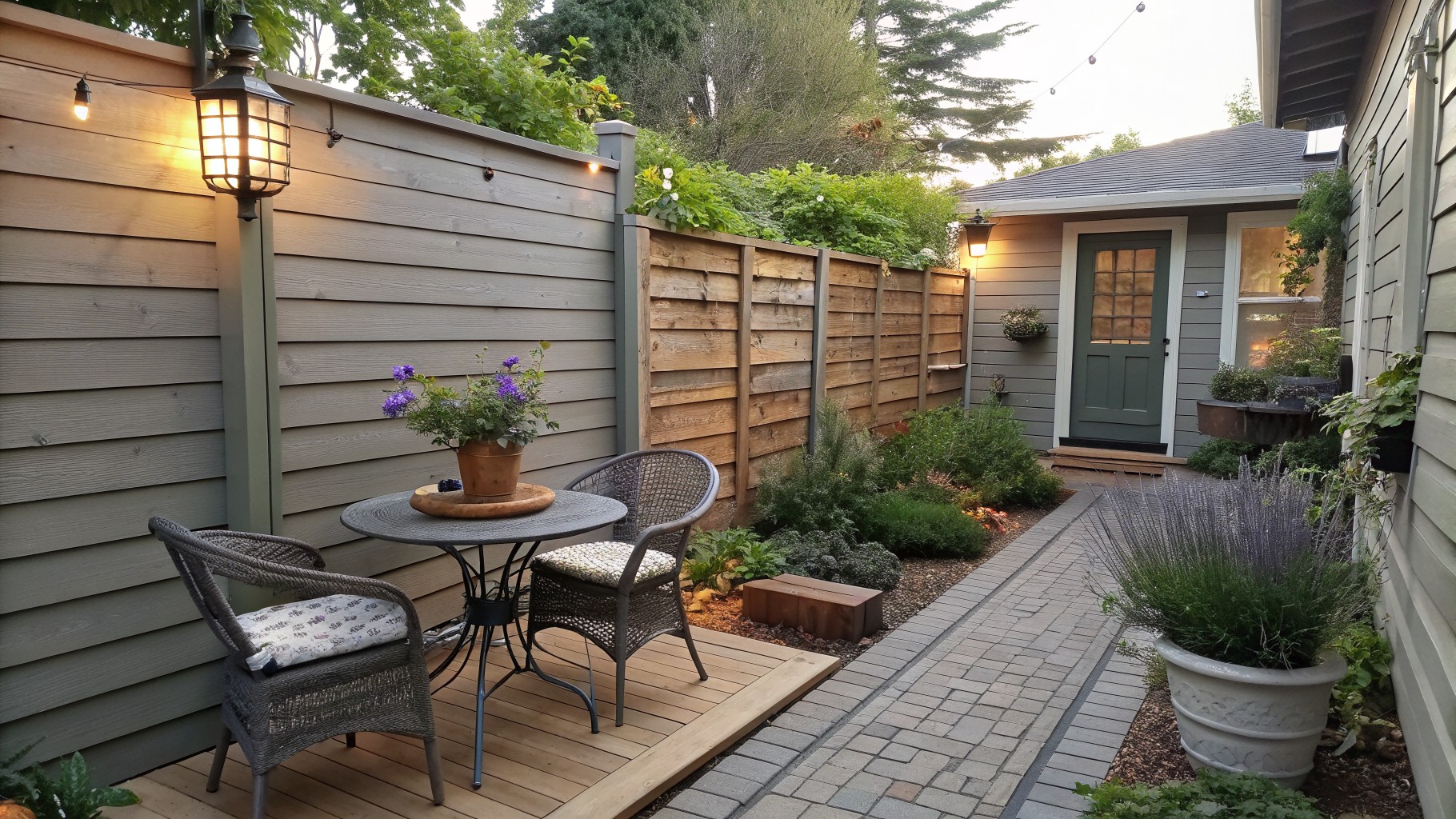
Adding privacy to a backyard often changes how much time I actually spend outside.
A good fence can turn an exposed patch of grass into something that feels more like an extension of the house.
I have noticed that budget builds sometimes fail when people skip the basic anchoring steps.
Many of the materials I have tried hold up better than expected once they settle into the landscape.
Test one section before committing to the whole perimeter.
Horizontal Wood Fencing For Side Yards
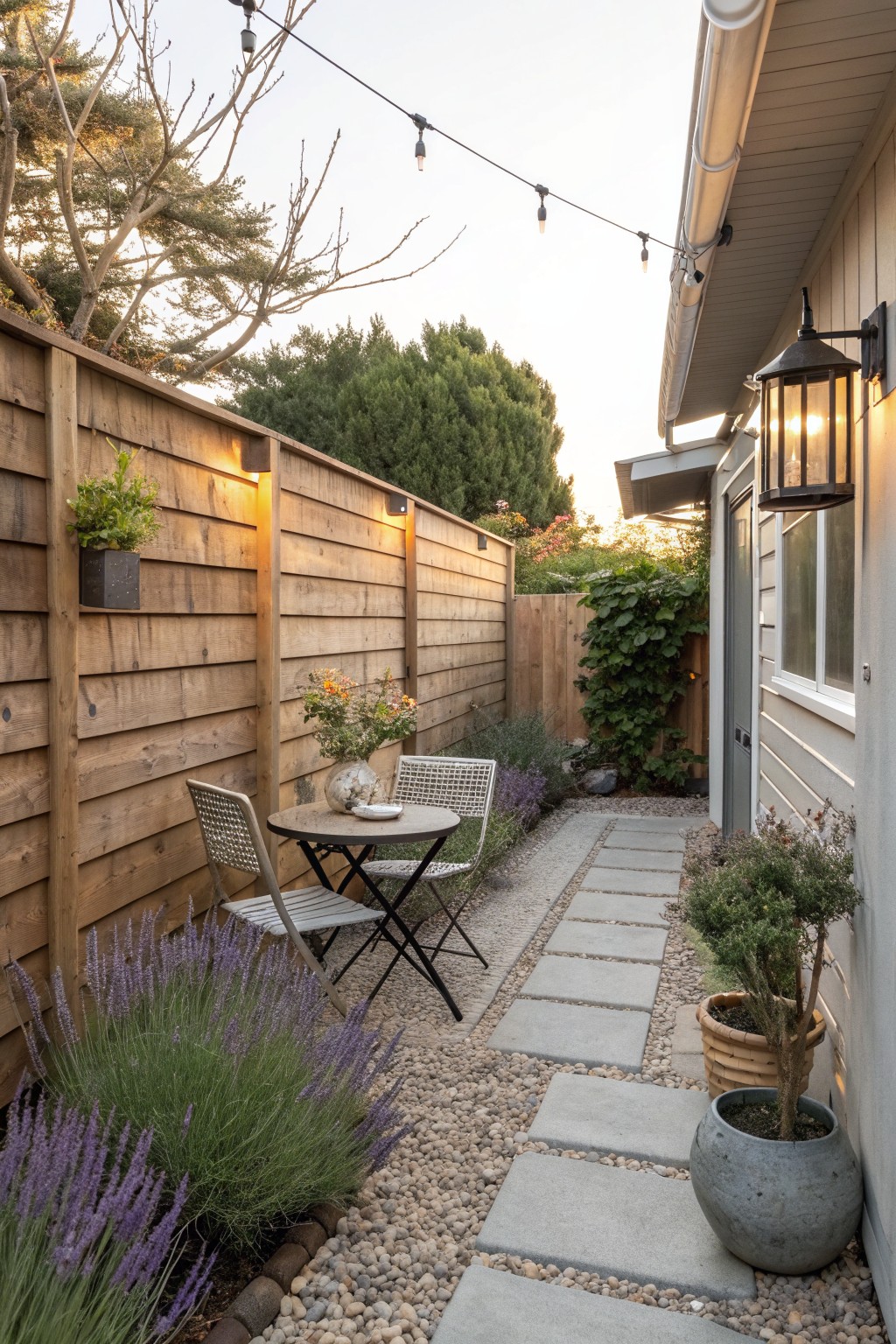
A basic wood fence with horizontal boards can give solid privacy without costing much. It works especially well in narrow spaces along the side of a house where you need a screen but do not want to spend on fancy materials or tall posts.
You can put this style up yourself using standard lumber and keep the height around six feet. It suits small lots or townhomes where the fence needs to block views from the neighbor but still let some light through the top. Just make sure the boards are tightly spaced so there are no big gaps.
Wood Fence With Climbing Plants
A plain wood fence already gives solid privacy, but adding climbing plants turns it into something that feels less like a barrier and more like part of the garden. The plants soften the look, fill in gaps over time, and make the fence work harder without needing extra materials.
This idea works best in narrow side yards or small patios where you need height but want to keep the space from feeling closed in. Use fast-growing vines on the fence itself and hang a few planters at different levels to get coverage quicker while the vines fill in.
Bamboo Fencing For Affordable Privacy
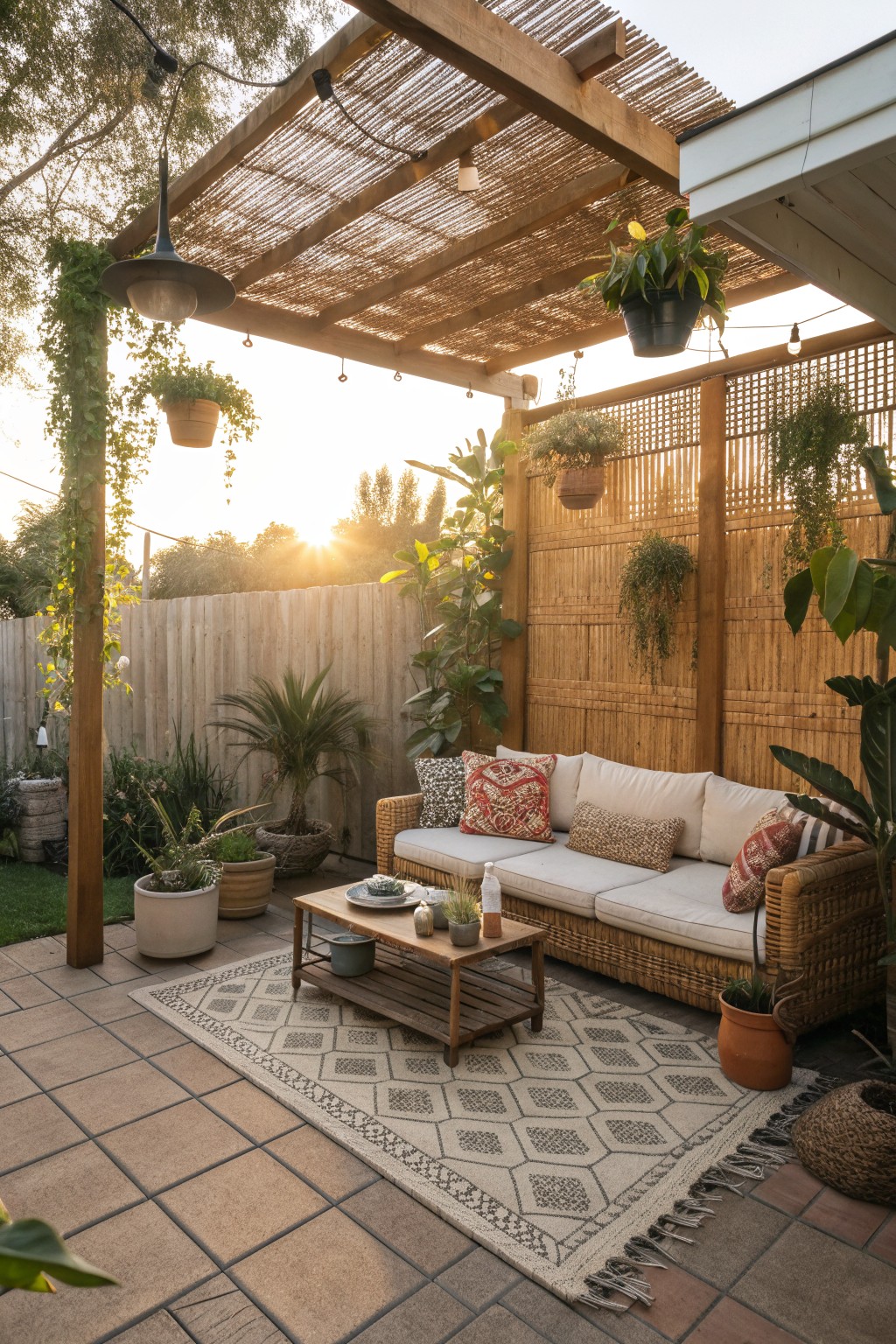
Bamboo panels work well when you want privacy on a patio without spending much. They block views from neighbors while still letting some light through, and the natural look blends easily with wood structures like pergolas.
This approach suits smaller backyards or side yards where a full fence feels too heavy. Set the panels between posts or attach them to an existing frame, then add a few plants in front if you want extra coverage. Watch the height so it stays under local rules for side yards.
Concrete Blocks As A Privacy Fence
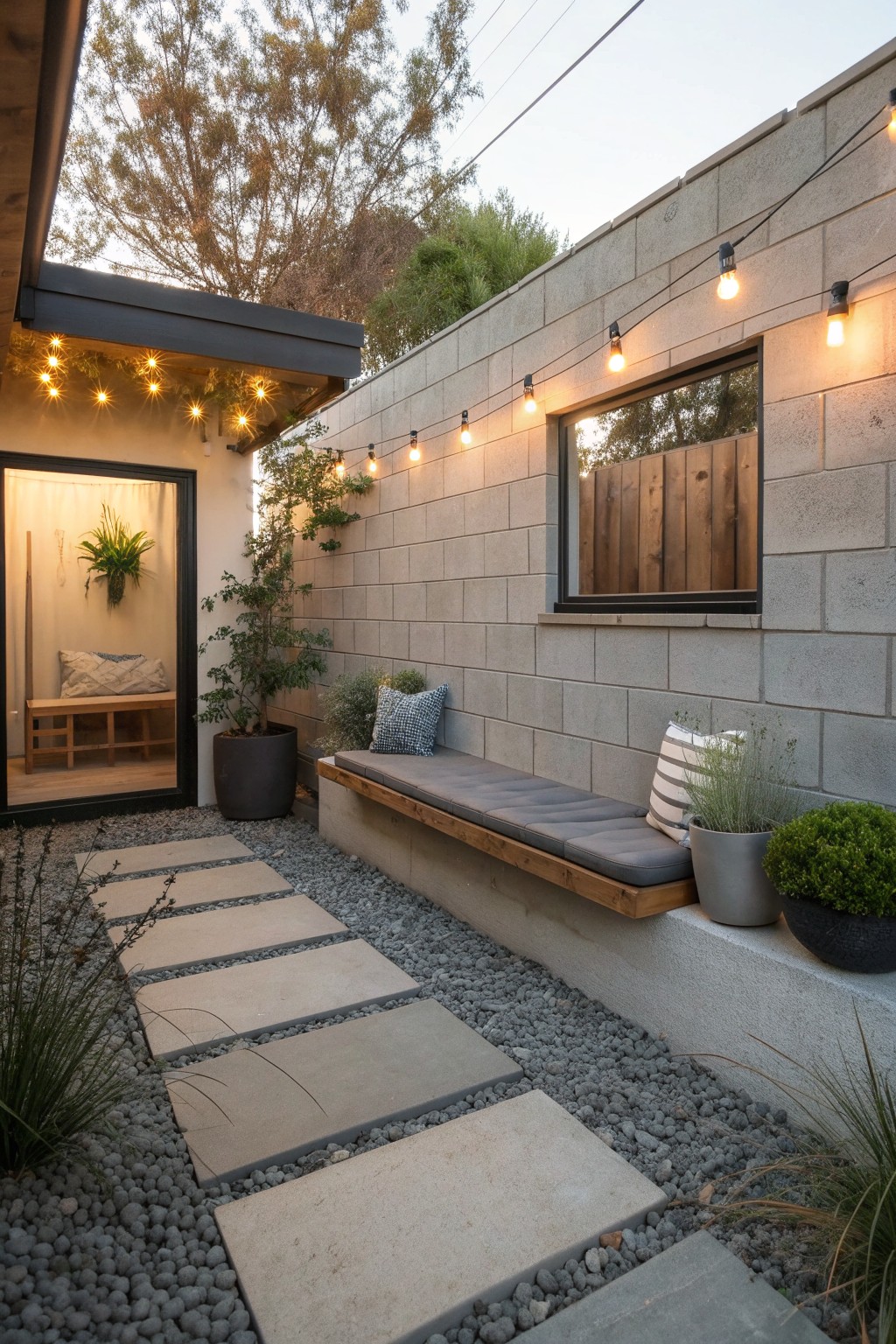
Concrete blocks give you a fast way to build a solid privacy wall without a big budget. They stack straight, need little maintenance, and block views completely once they are up. Many people like them for side yards or narrow outdoor spaces where wood fencing might feel too light.
You can add a simple wood cap or a built-in bench along the base to make the wall more useful. This approach works best on small lots or along property lines where you want lasting privacy on a tight budget. Just check local rules before you start, since some areas limit wall height.
Wood Fences With Lattice For Outdoor Privacy

A simple wood fence with lattice panels can turn an open patio into a more private spot without a lot of extra cost. The solid lower boards block most of the view from outside while the lattice at the top keeps the space from feeling boxed in.
This style works well on smaller yards or side patios where you want some enclosure but still need light and airflow. Paint the fence a single color to tie it in with nearby plants or furniture, and keep the lattice sections open enough that the area does not feel dark.
Stacked Stone Walls for Solid Privacy
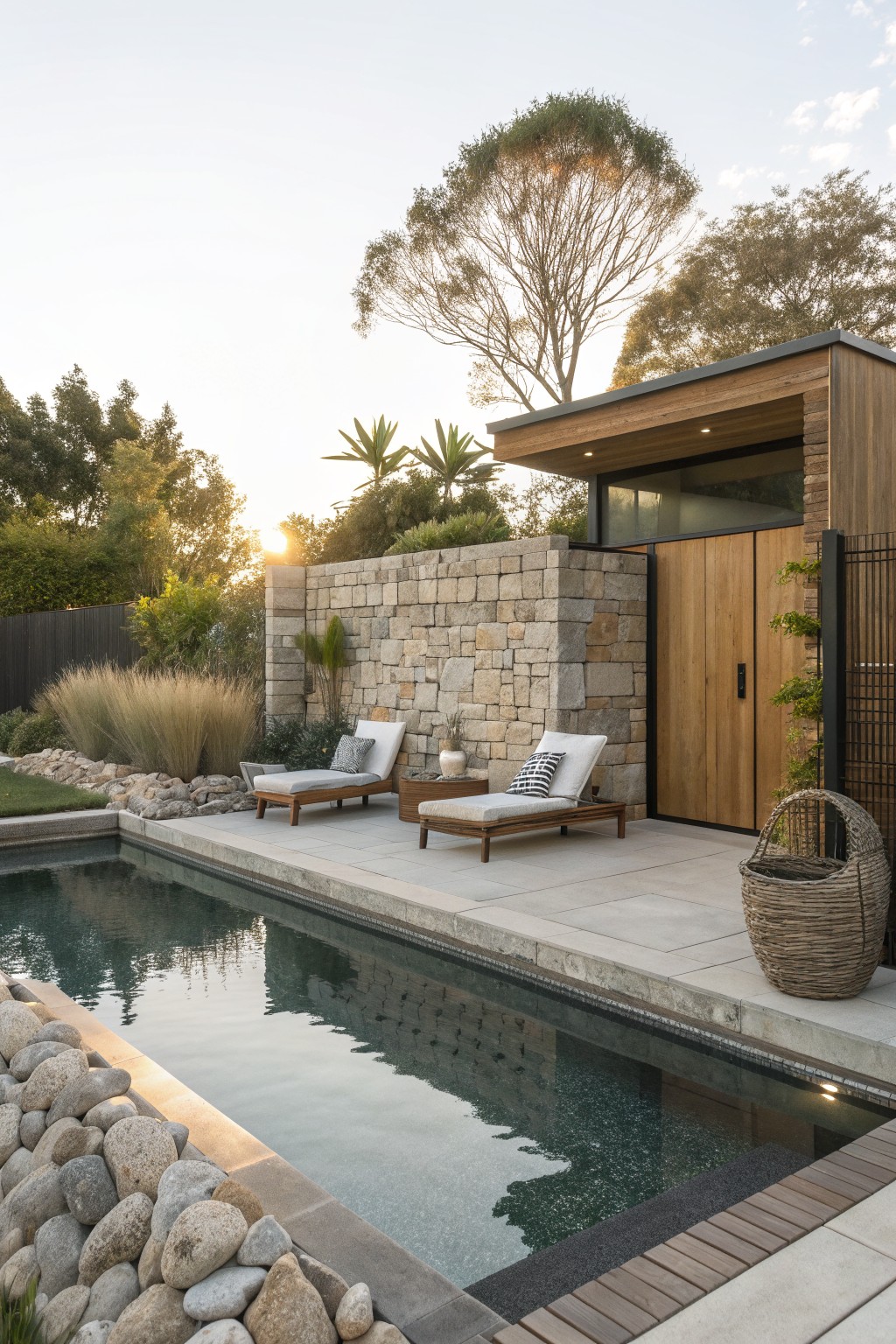
A stacked stone wall gives you real privacy without needing a tall wooden fence or hedge. It blocks the view completely and holds up well in any weather, which makes it a practical choice for pool decks or backyard seating areas.
You can build one with local or reclaimed stone to keep costs down, and it works best on properties that already have some hardscaping or a pool. Just make sure the wall height matches your local rules so it stays useful without causing issues later.
Woven Reed Panels For Side Screening
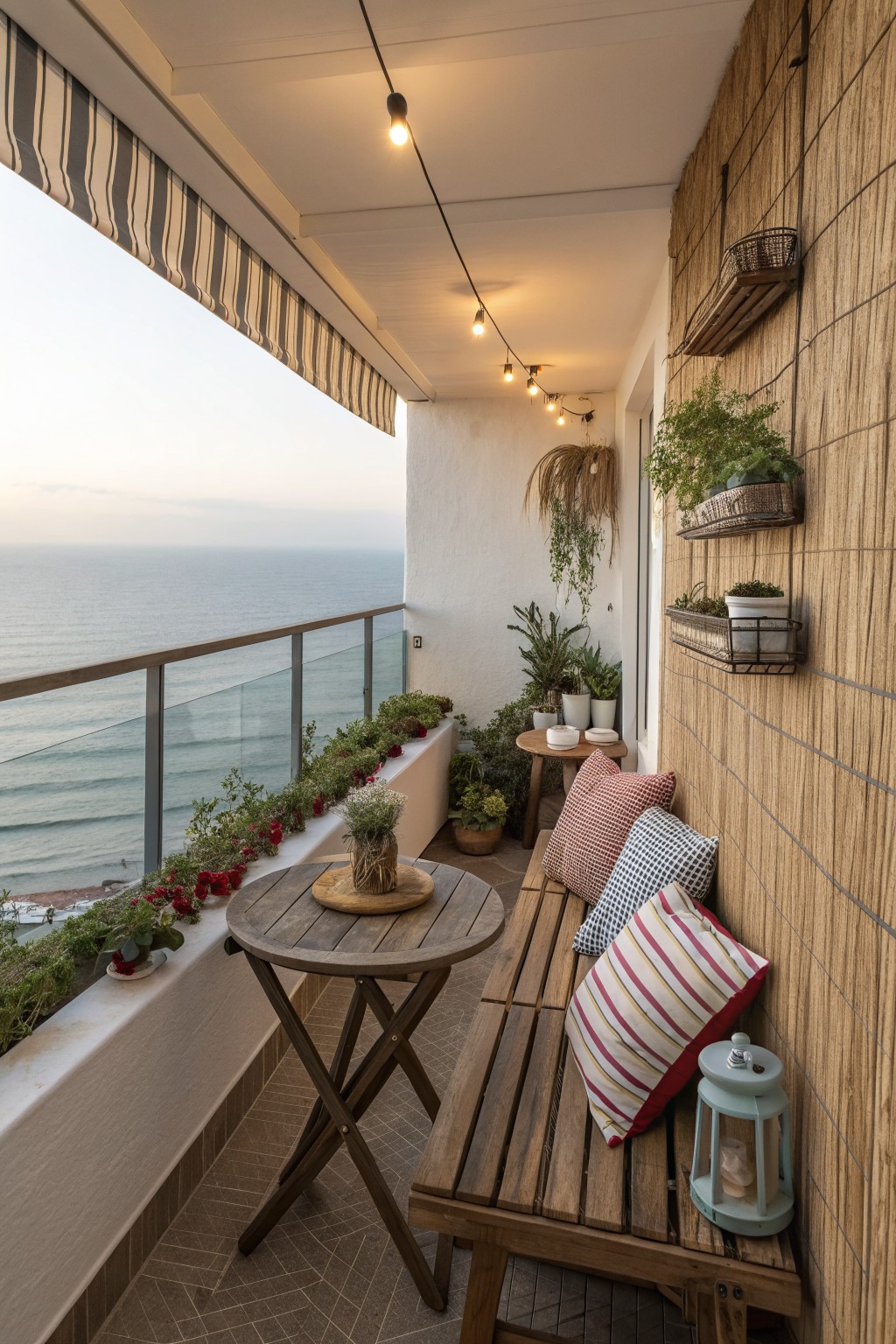
Woven reed or bamboo mats make a simple privacy screen when you stretch them across a basic wood frame. The material blocks the direct view from neighbors while still letting some air move through, and it costs far less than solid fencing or heavy lattice.
This approach works best on balconies or narrow patios where you only need coverage on one or two sides. You can attach the mats with staples or zip ties and add a few plants in front to soften the look. It suits homes that already have wood tones in the decking or railings.
Corrugated Metal Panels For Affordable Privacy
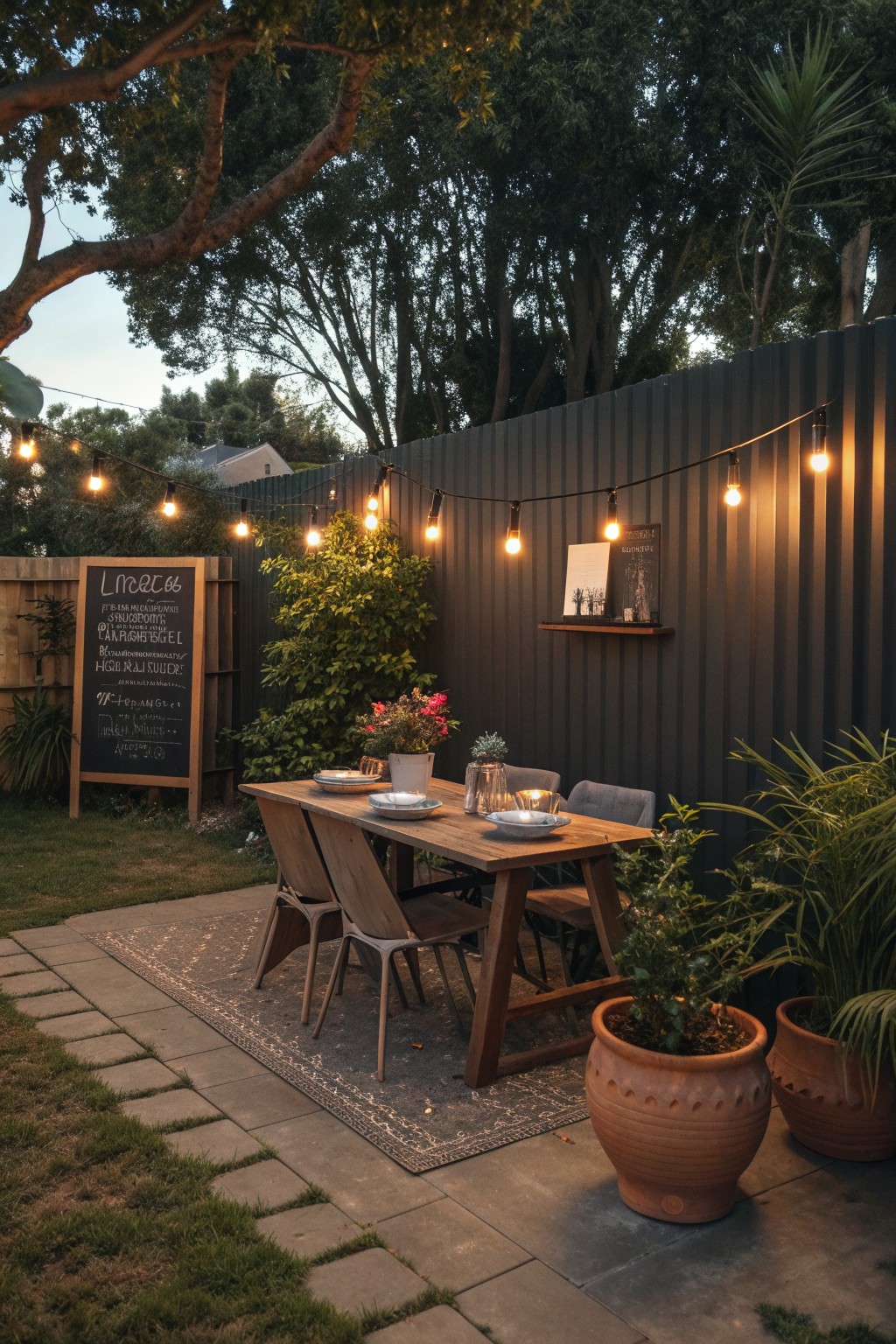
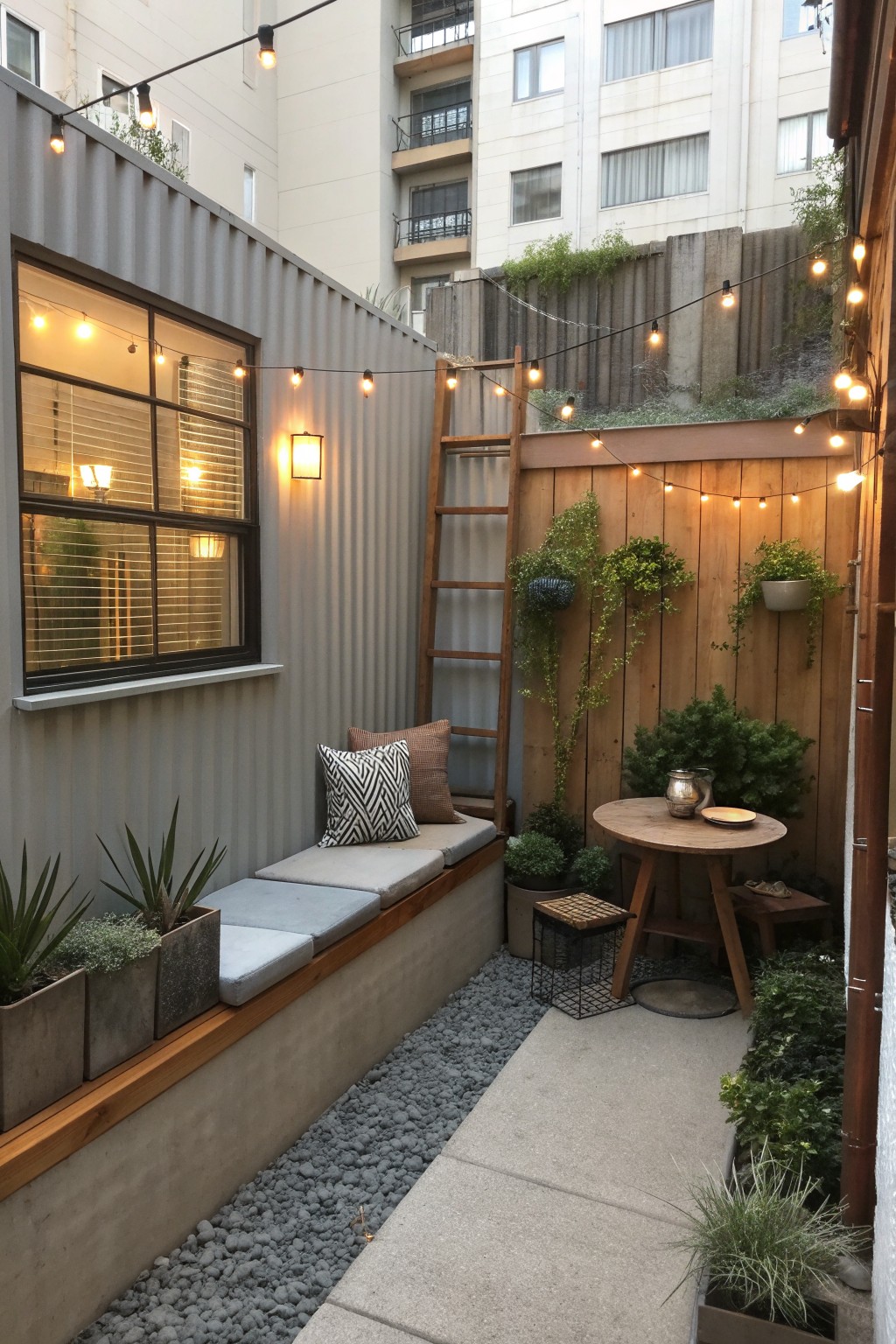
Corrugated metal gives solid privacy without costing much or taking long to install. It blocks the view completely and holds up well outside, which makes it useful for smaller yards that need a quick screen.
It works best along a patio edge or side boundary where you want a clean wall behind seating or a dining table. Set posts first, then screw the sheets in place. A few pots or lights along the base can soften the surface if the look feels too plain at first.
Wood Frame Trellis With Wire Mesh
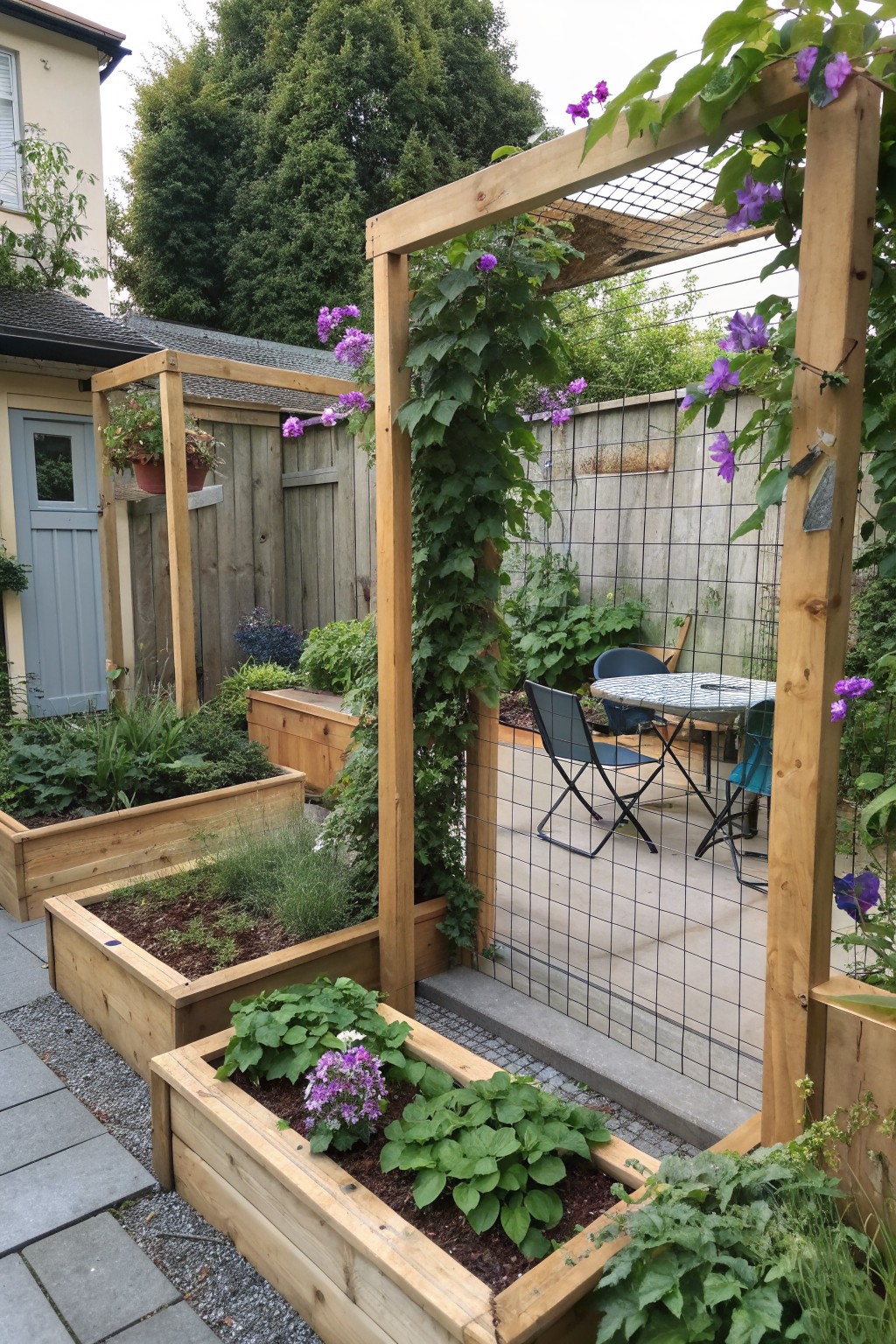
A basic wood frame covered in wire mesh gives you a lightweight privacy screen that still feels open. It costs less than solid fencing and lets air and light through while the vines fill in over time.
This setup works well along the edge of a patio or between garden beds where you want separation without blocking everything. Use pressure-treated lumber for the posts and a simple grid of welded wire so the plants have plenty of places to grab on.
Lattice Panels For Simple Porch Privacy
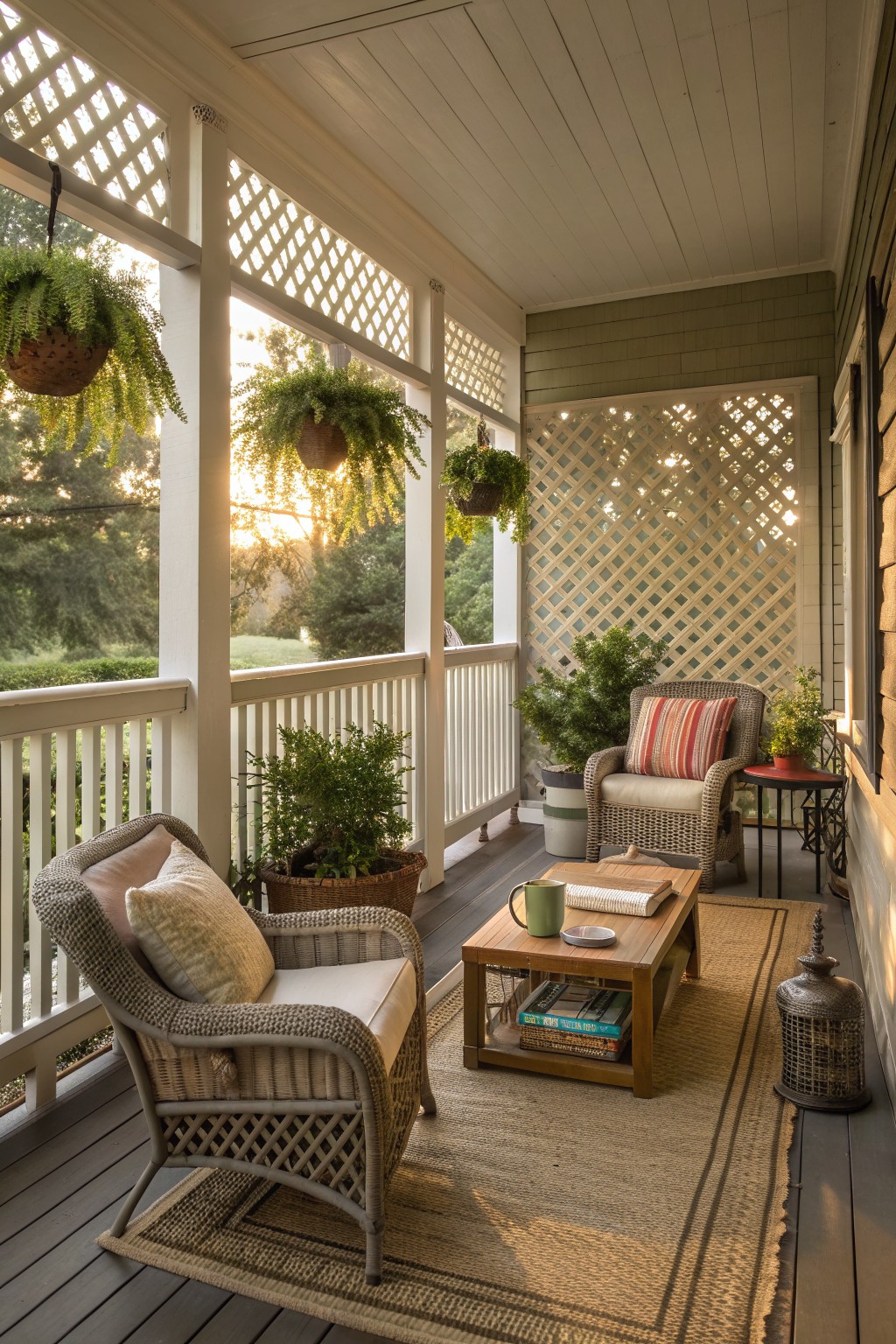
Lattice panels give you privacy without closing off a porch completely. They block the view from outside while still letting light and air move through, which keeps the space from feeling boxed in. Many homeowners turn to them because the material is inexpensive and easy to work with on an existing structure.
Mount the panels between posts or along the railing where you need the most screening. This works especially well on side or back porches where full fencing would look too heavy. Choose a grid size that gives the coverage you want and add a coat of paint or stain so it blends with the house trim.
Mix Wood and Metal for Budget Privacy
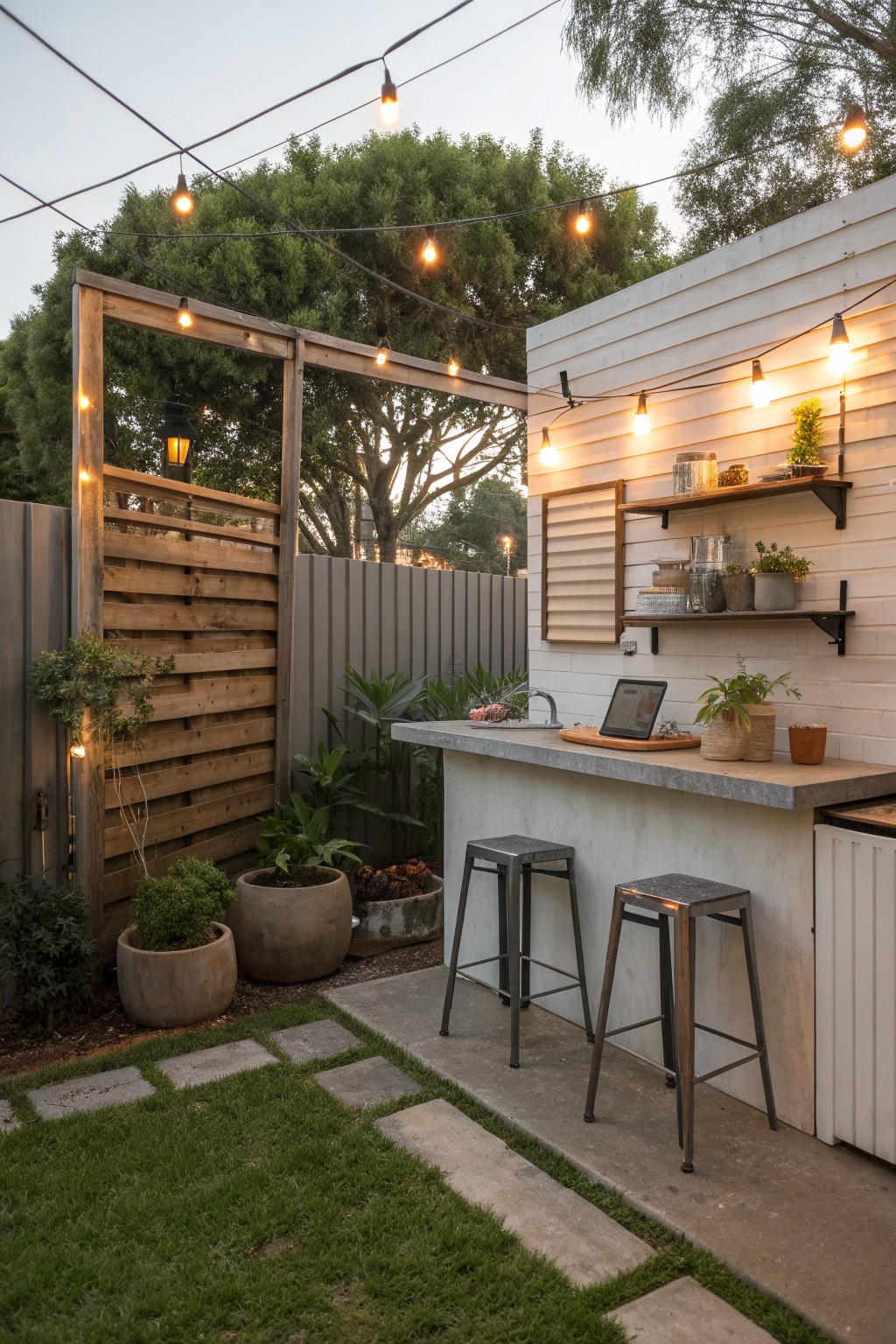
Mixing wood slats with metal panels gives you a solid privacy screen without a big expense. The wood brings a warmer look while the metal sections hold up well in weather and cost less per foot. This combination works especially well when you want to block views around a patio or outdoor bar without building one long fence out of a single material.
It fits homes with small yards or side spaces where you need quick coverage. You can often find both materials on sale or use shorter leftover pieces to keep the total low. Just make sure the posts are set deep enough so the different sections line up evenly over time.
Woven Fencing For Garden Privacy
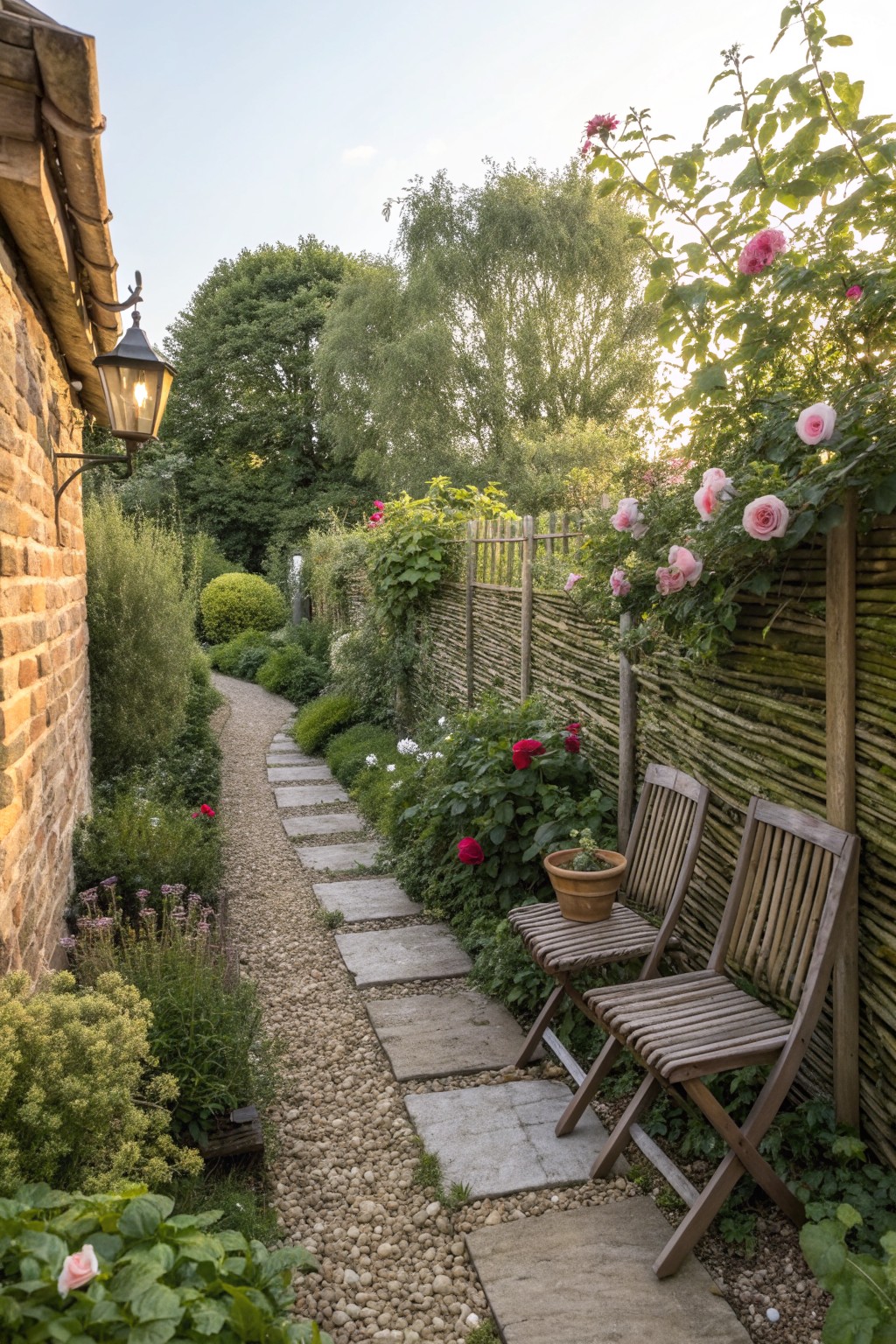
Woven hurdle fencing gives solid privacy without the cost of solid panels or masonry. The natural texture blends into planting and lets climbers like roses cover it quickly, which softens the look over time.
It works best along narrow side gardens or property lines where you need screening but still want air and light. Place it where the garden path runs close to the boundary so the fence does double duty as both boundary and backdrop.
Horizontal Slat Fences For Budget Privacy
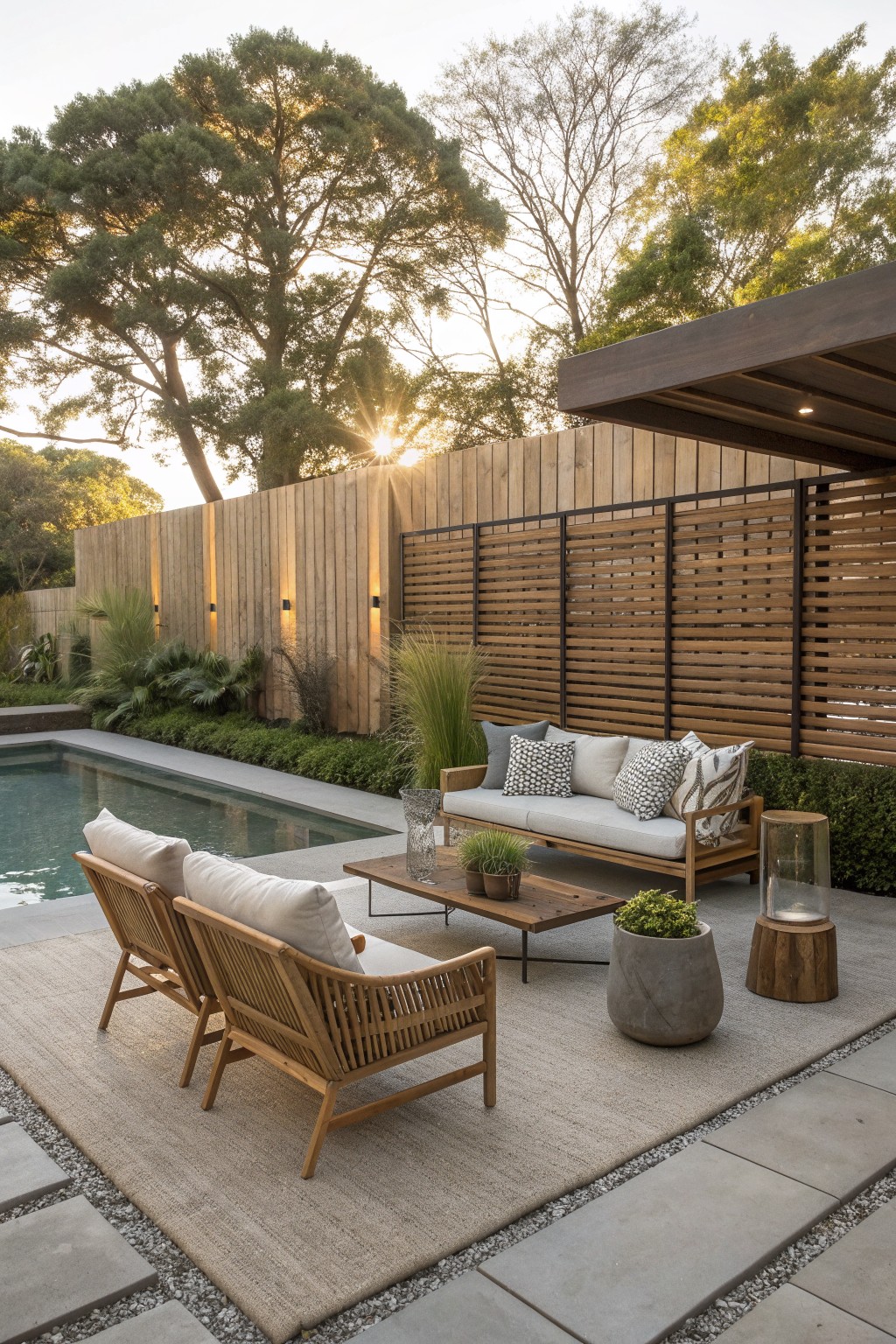
Many homeowners turn to horizontal slat fencing when they want privacy without spending a lot on solid panels. The open spacing still blocks most views from outside while letting light and breeze move through the space.
This approach works best along patios or pool edges where a full wall would feel too closed in. Use basic pressure-treated lumber or cedar, space the slats evenly, and mount them on simple posts. Keep the gaps narrow if you need stronger screening, and add a few solid sections only where the view is most direct.
Vines on a Concrete Wall
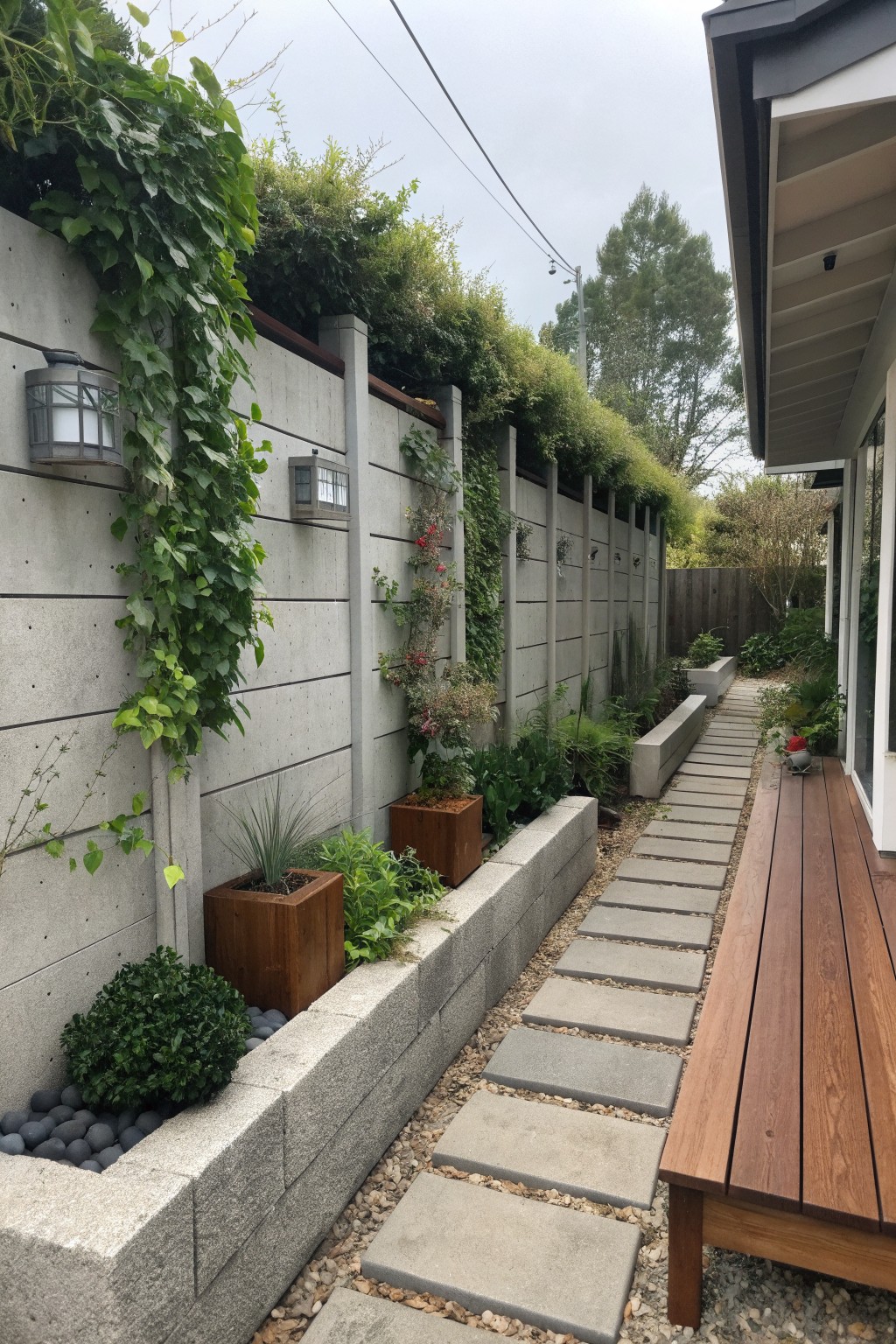
A plain concrete wall works well as a privacy fence because it is cheap to build and needs very little upkeep. It blocks the view right away without the cost of wood or metal panels that often need replacing.
Plant climbing vines along the base and let them spread upward. This softens the look over time and adds more privacy as the plants fill in. The approach suits narrow side yards or any spot where you want a simple, low-maintenance screen.
Horizontal Slat Fencing For Deck Privacy
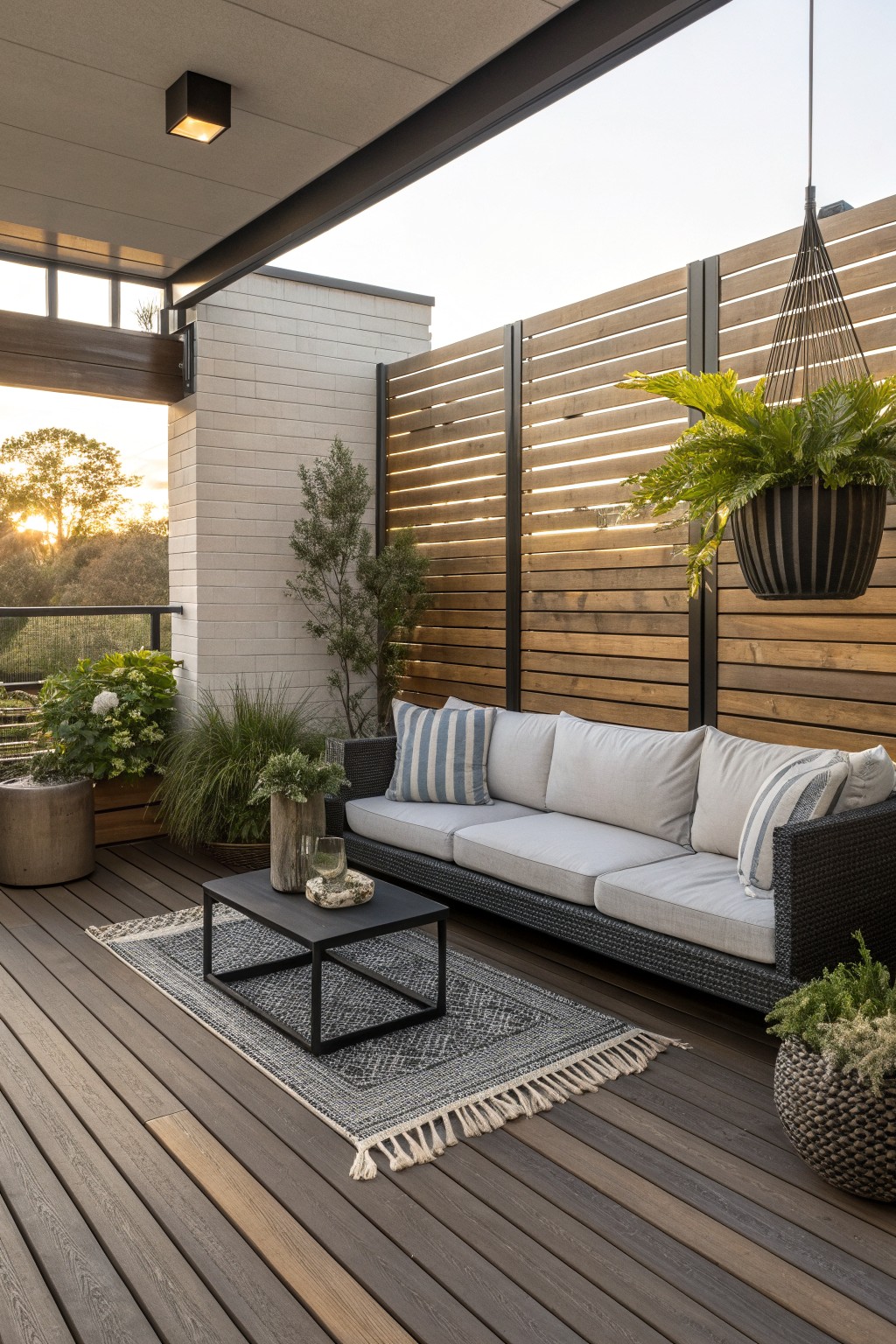
Horizontal wood slats give you privacy on a deck without turning the space into a solid wall. The gaps let light and air move through, so the area still feels open even when neighbors are close by.
This approach works well on raised decks or patios where you need a quick screen. Use pressure-treated lumber or simple fence boards, space the slats evenly, and attach them to sturdy posts. It keeps costs low and looks clean on most homes.
Bamboo Fencing For Side Yard Privacy
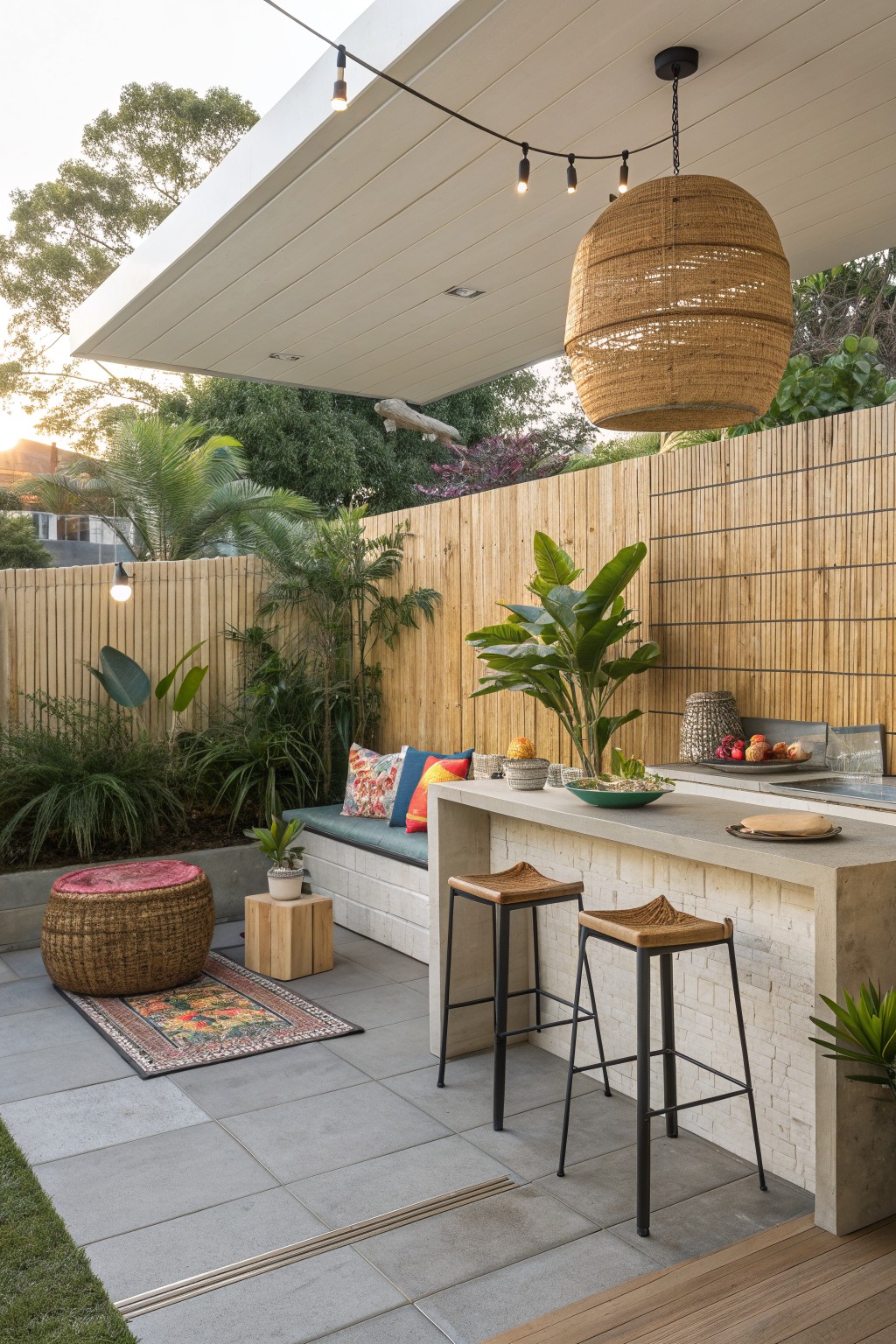
Bamboo fencing gives you solid privacy on a budget and blends in with most garden settings. The vertical reeds create a clean screen that blocks views without making the space feel closed in.
It works well along property lines or behind a seating area where you need quick coverage. Just set posts and attach the rolls, then add a few plants at the base to soften the look over time.
Lattice Fencing For Easy Privacy
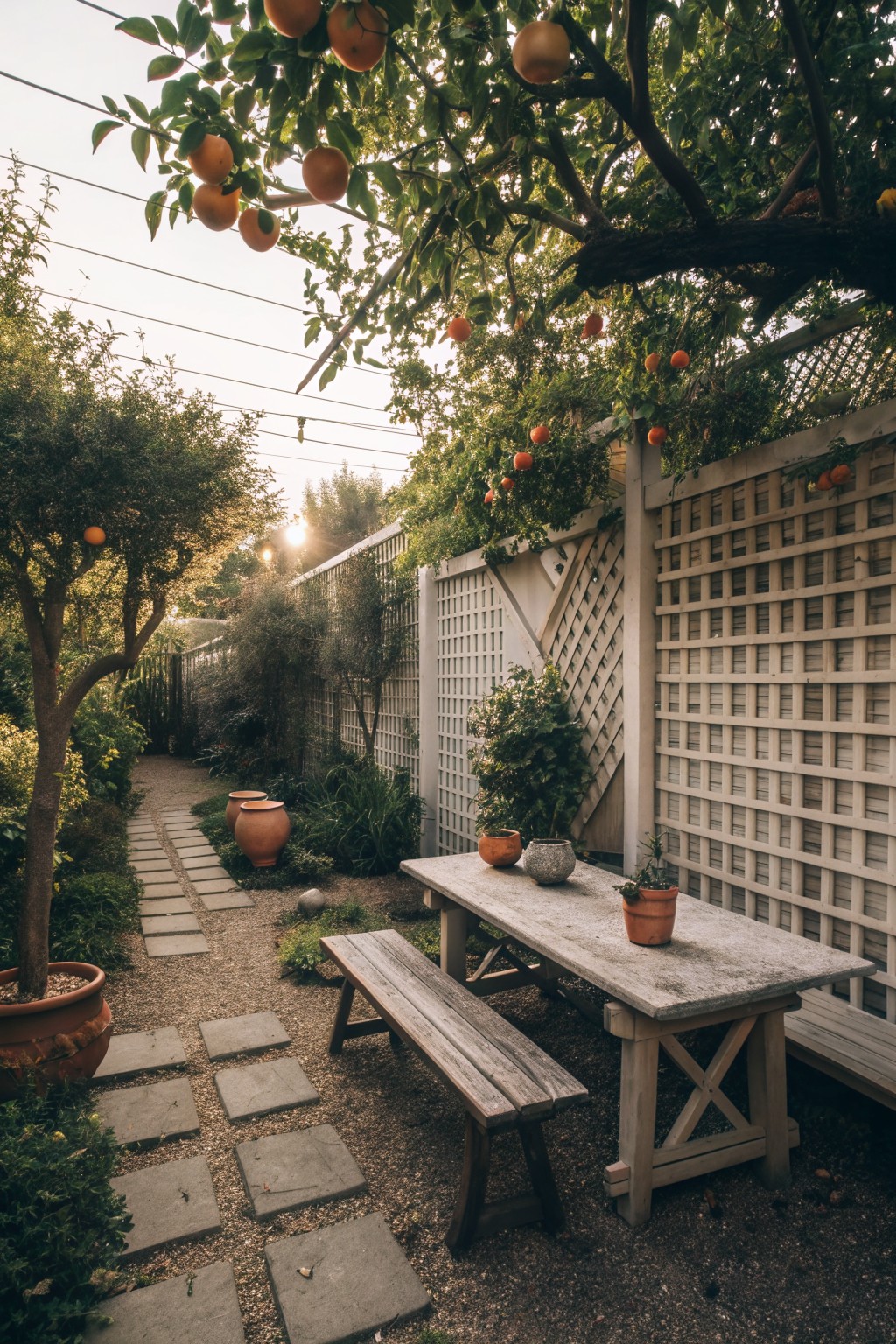
Lattice panels give you decent privacy without making a space feel closed in. They cost less than solid boards and let some light and air move through, which keeps a garden from feeling boxed off. Many people add them along one side of a yard or attach them to an existing fence to get quick coverage.
This approach works well in smaller backyards or along a patio edge where you still want some connection to the rest of the garden. You can paint the panels to match your house and let vines grow up them for extra screening over time. Just make sure the frame is sturdy since lattice can warp if it is not supported well.
Natural Reed Fencing For Quick Privacy
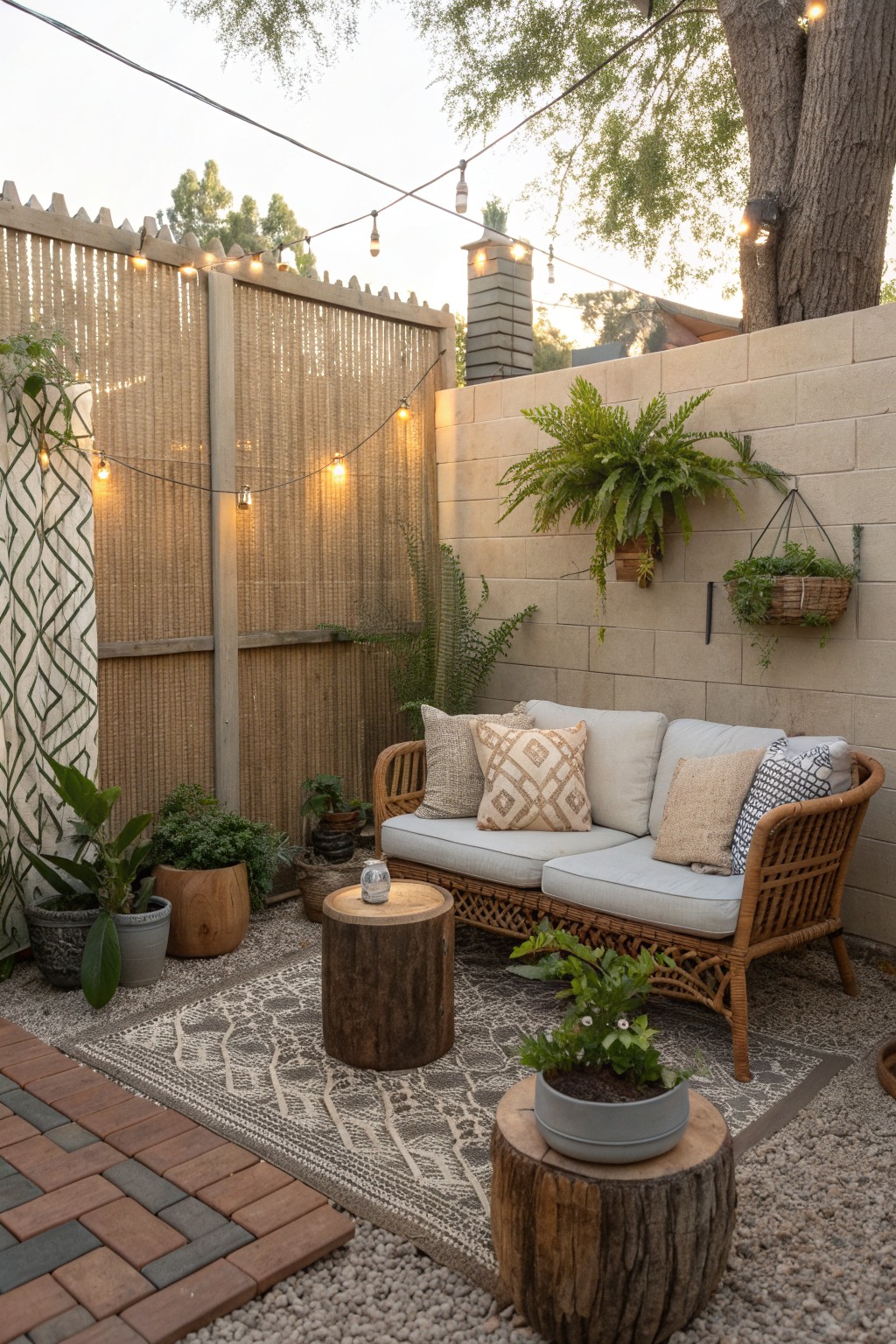
Reed screening works well when you need privacy without spending much. It blocks the view from outside while still letting some light through, and the material feels softer than solid wood or vinyl. Many people use it along one side of a patio or deck where they want a quick fix that does not require heavy construction.
This type of fencing suits small backyards or side yards on a tight budget. You can attach the panels to existing posts or a simple frame, and it pairs easily with potted plants if you want more coverage over time. Just check that the material is rated for outdoor use so it holds up in your weather.
Frequently Asked Questions
Q: How long will a pallet fence really hold up? A: Seal the pallets well before you build and they last longer. Check for rot each spring and swap out any bad boards right away.
Q: What if my yard has a slope? A: Build the fence in shorter sections that follow the ground level. This keeps it stable without extra bracing.
Q: Do I need a permit for one of these fences? A: Call your local building department before you start. Most towns have simple rules for backyard fences under six feet.


