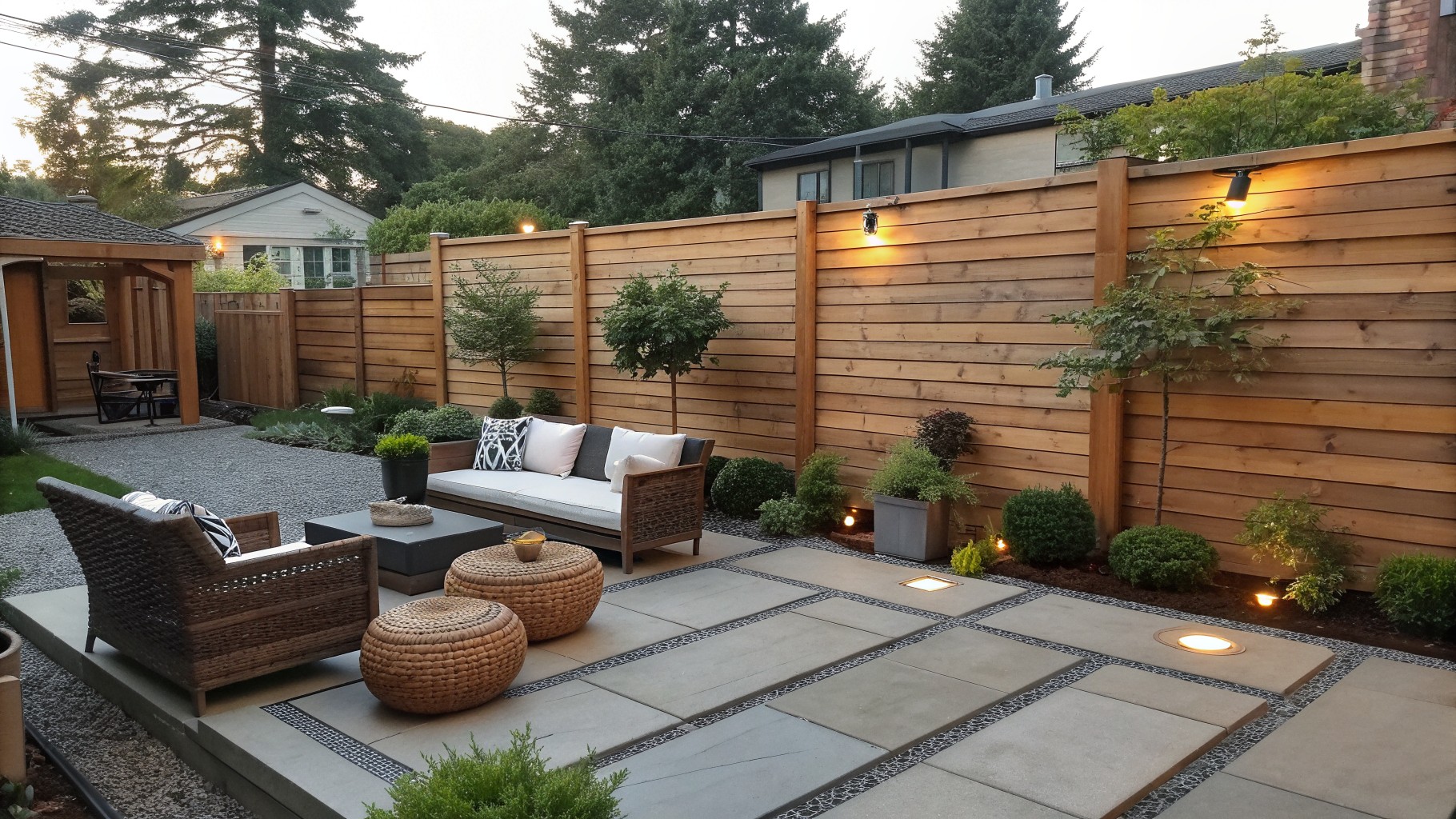
I have noticed that backyard fences often end up looking flat unless they work with the plants right from the start.
In my own yard the spots that feel most private are the ones where the structure and the greenery grow together instead of fighting for space.
Some designs end up crowding the seating area.
A fence with built-in planters can soften the boundary without eating into the open ground you actually use for chairs or a table.
Over the years I have learned to check how much sun the lower plants will still get once the fence is up.
Privacy Fences With Built-In Planters
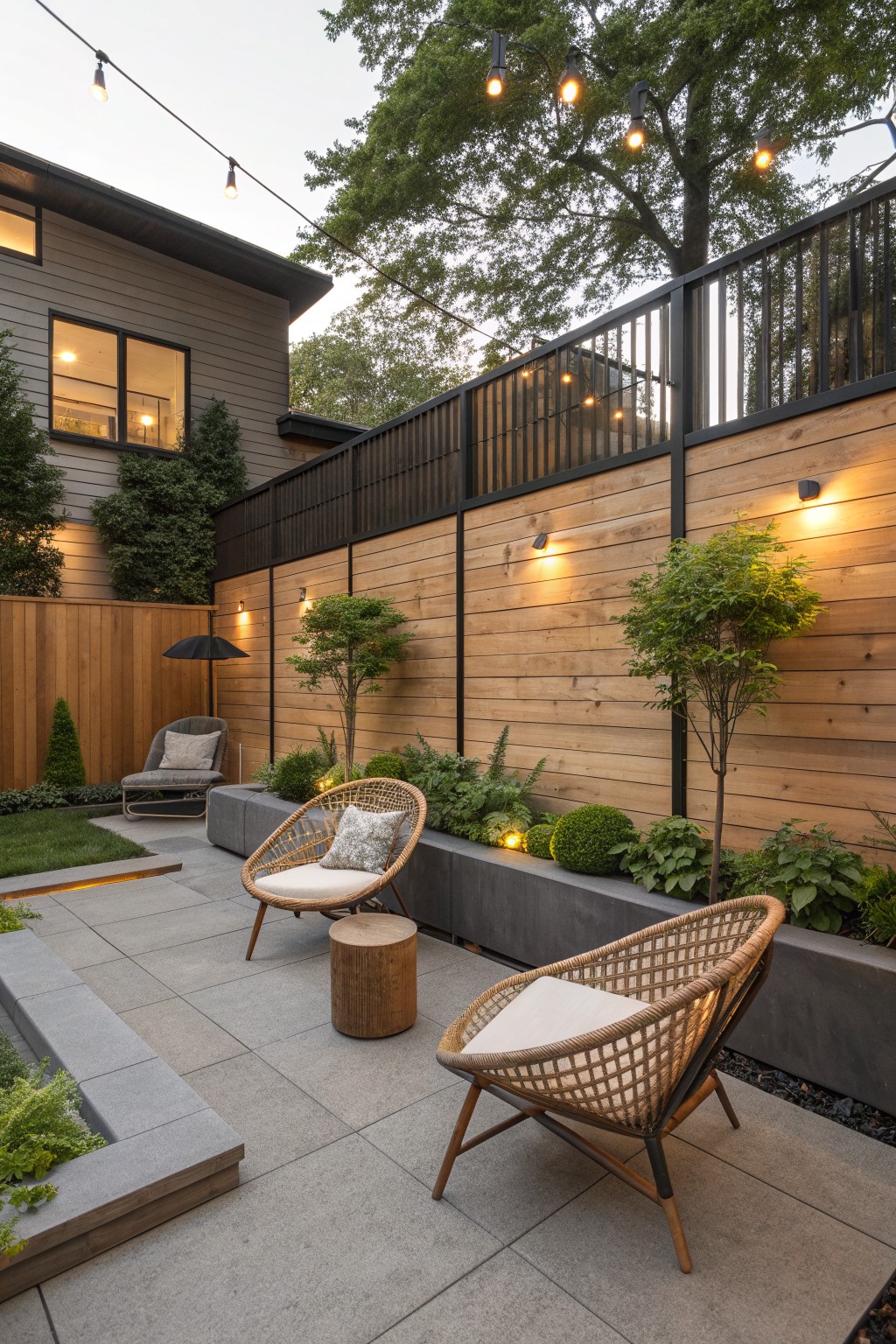
Many backyards feel cramped when you add both a tall fence and separate planting beds. Building the planters right into the base of the fence solves that by giving you privacy and greenery in the same footprint.
This setup works best on narrow lots or townhouse yards where space is tight. Use a simple wood fence and run a low concrete or wood trough along the bottom, then fill it with shrubs that stay compact. The plants soften the fence while the height still blocks the view from neighbors.
Planters Built Right Into The Fence
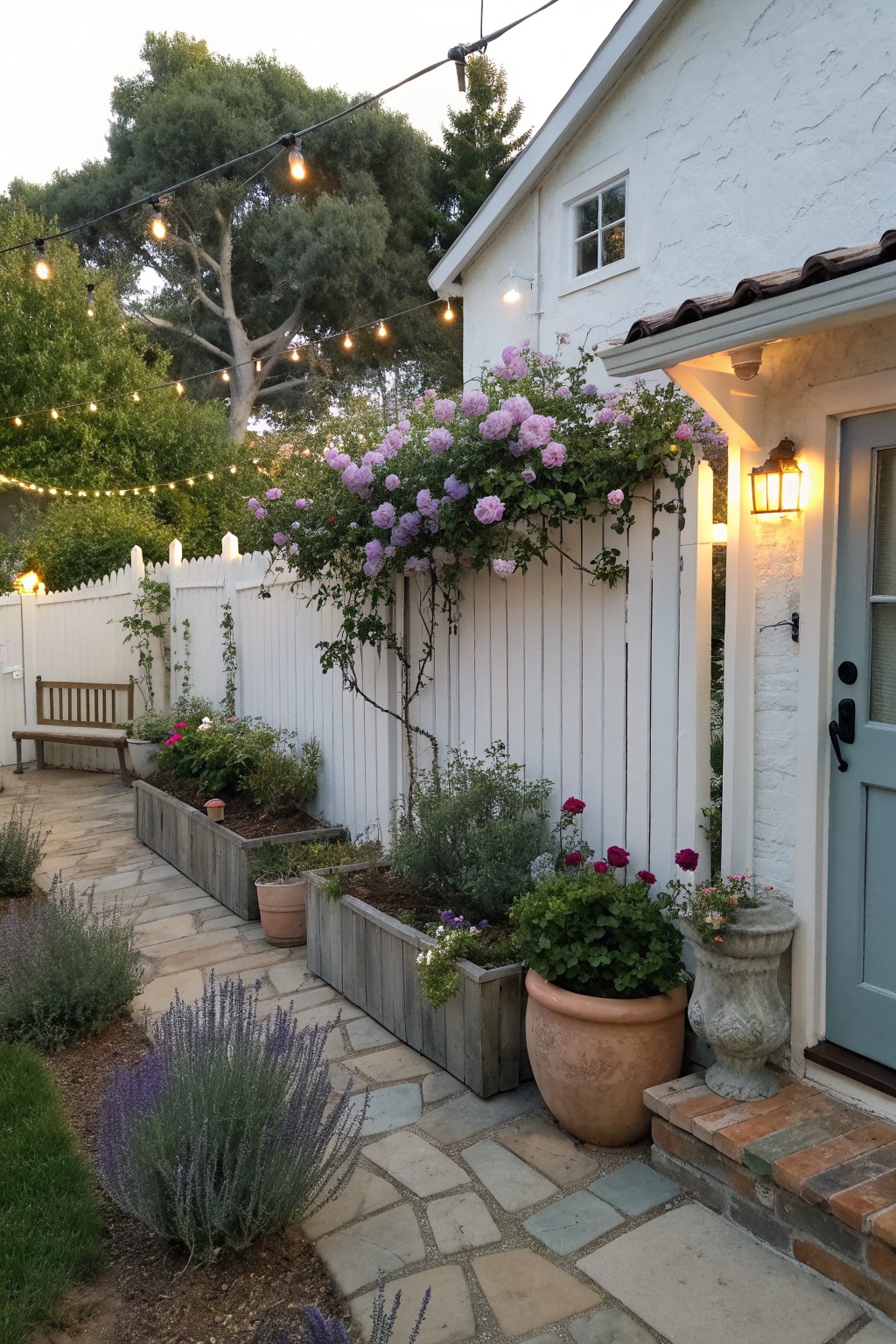
One simple way to get more privacy without a solid wall is to build planters right into the base of the fence. The wood boxes sit low and hold soil for both ground plants and climbers, so the fence gets covered faster and looks less like a barrier. It turns the fence into part of the garden instead of just a backdrop.
This works best on a long side yard or back fence where you want greenery at eye level but still need the structure for security. Use the same wood tone for the boxes and fence so it reads as one piece, and choose plants that can spill or climb to fill gaps over time. Keep the boxes wide enough for decent soil depth or the plants will dry out too fast.
Privacy Fences With Built-In Planters
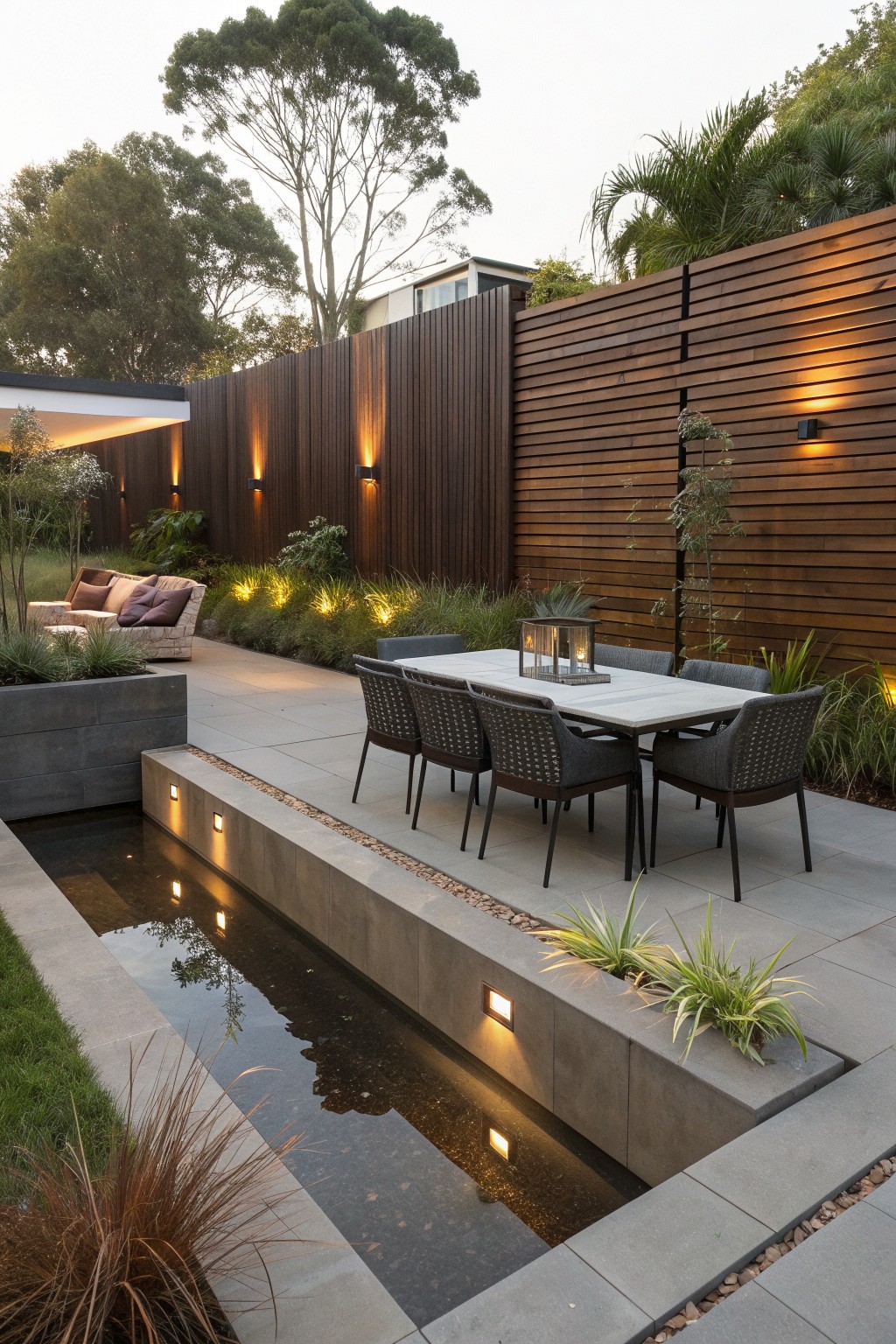
Adding built-in planters to a privacy fence gives you a way to bring plants right into the structure without crowding the patio floor. The fence stays solid for screening, but the greenery softens the look and makes the whole area feel more connected to the garden. It works especially well when you want privacy without the fence looking too harsh or bare.
This setup suits smaller backyards where space is tight and you still want room for dining or seating. Place the planters at different heights along the fence line, and keep the plants simple so they do not block light or require constant trimming. Low lighting tucked into the same structure helps the space stay usable after dark.
Build a Bench Into the Privacy Wall
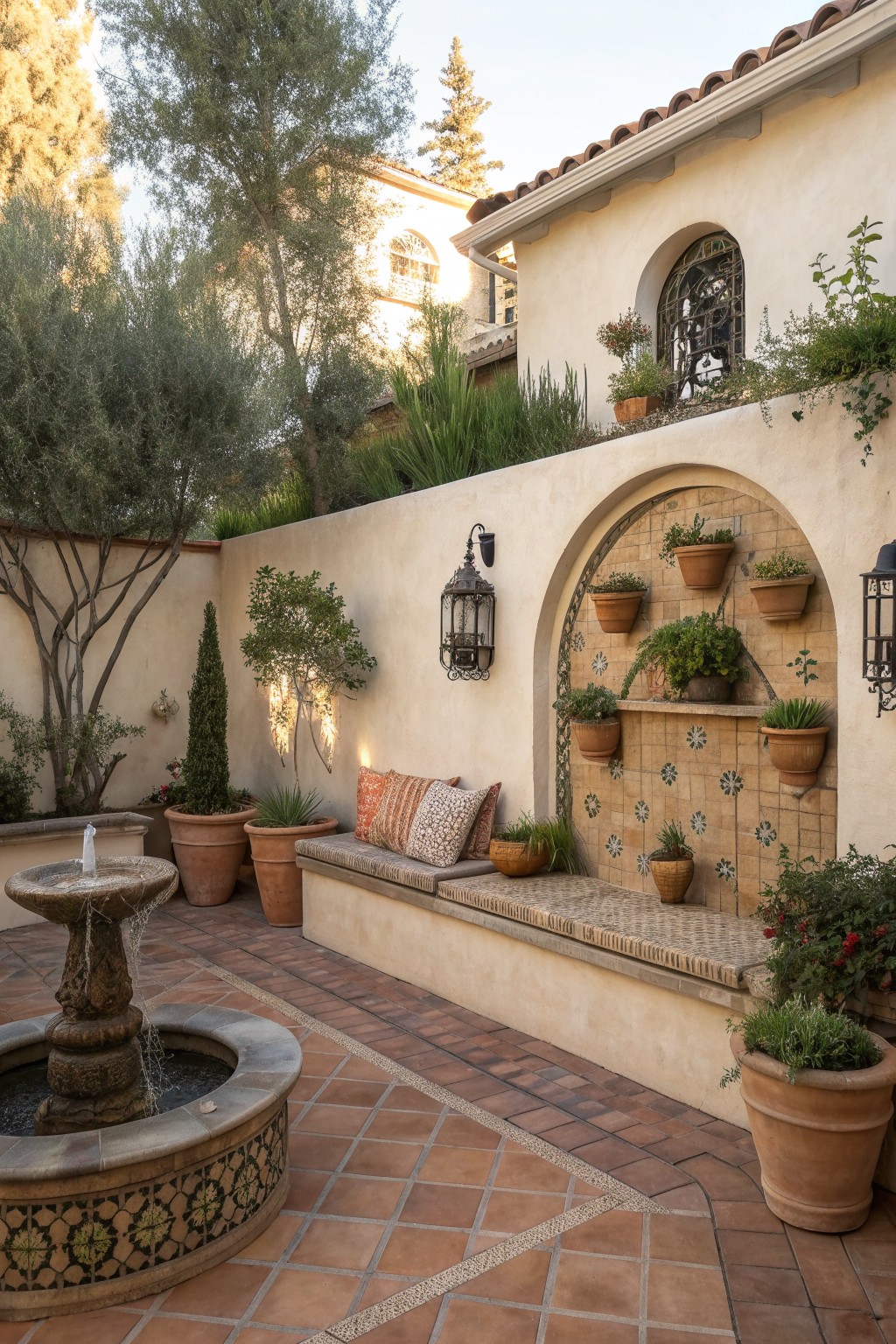
Adding a built-in bench to a privacy wall turns the fence into something you can actually use. It creates a spot to sit while the wall itself keeps the space private and enclosed.
This approach works best on a side or back wall where you want both seating and planting without crowding the patio. Set the bench low and line the area above it with recessed planters so the greenery softens the wall without blocking the seat.
Privacy Fences with Potted Plants
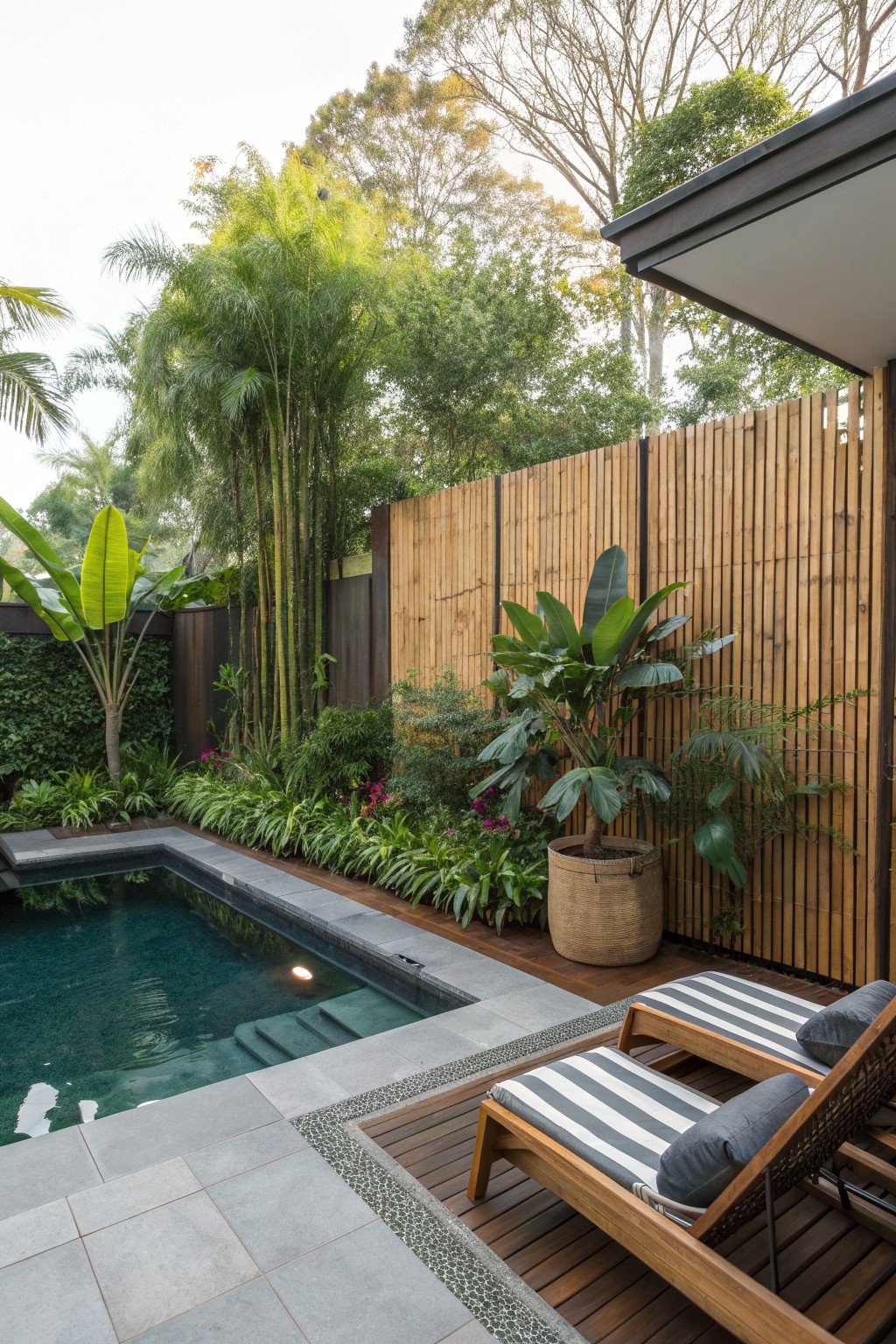
A tall fence gives solid privacy, but it can feel a bit harsh on its own. Adding large pots along the base softens the look and brings in greenery without needing a full garden bed. The plants help break up the fence line and make the space feel more like an extension of the yard.
This works well on a deck or patio where digging into the ground is not an option. Choose pots in natural materials and group a few different sizes together for better coverage. Just make sure the fence is high enough that the plants do not block the privacy you need.
Fences With Built-In Planters
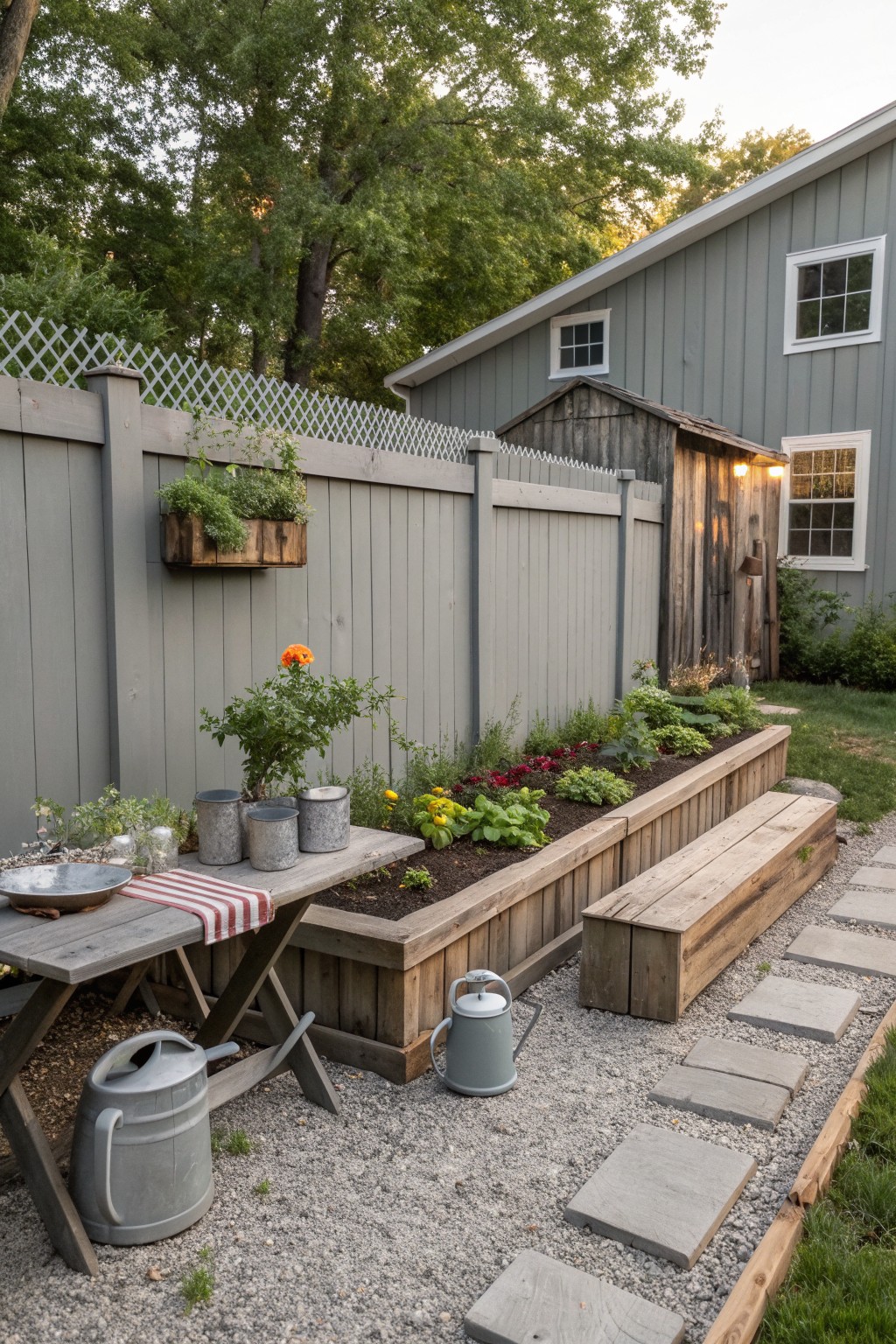
One simple way to get more out of a privacy fence is to build planters straight into it. This turns the fence into both a screen and a growing space, so you do not lose yard room to separate beds. The plants also help soften the look of the fence over time.
This setup works best in smaller yards or along property lines where you need coverage but still want to grow vegetables or flowers. Keep the planters at a comfortable height for watering, and choose a wood or finish that matches the fence so the whole thing feels like one piece.
Privacy Fences With Built-In Planters
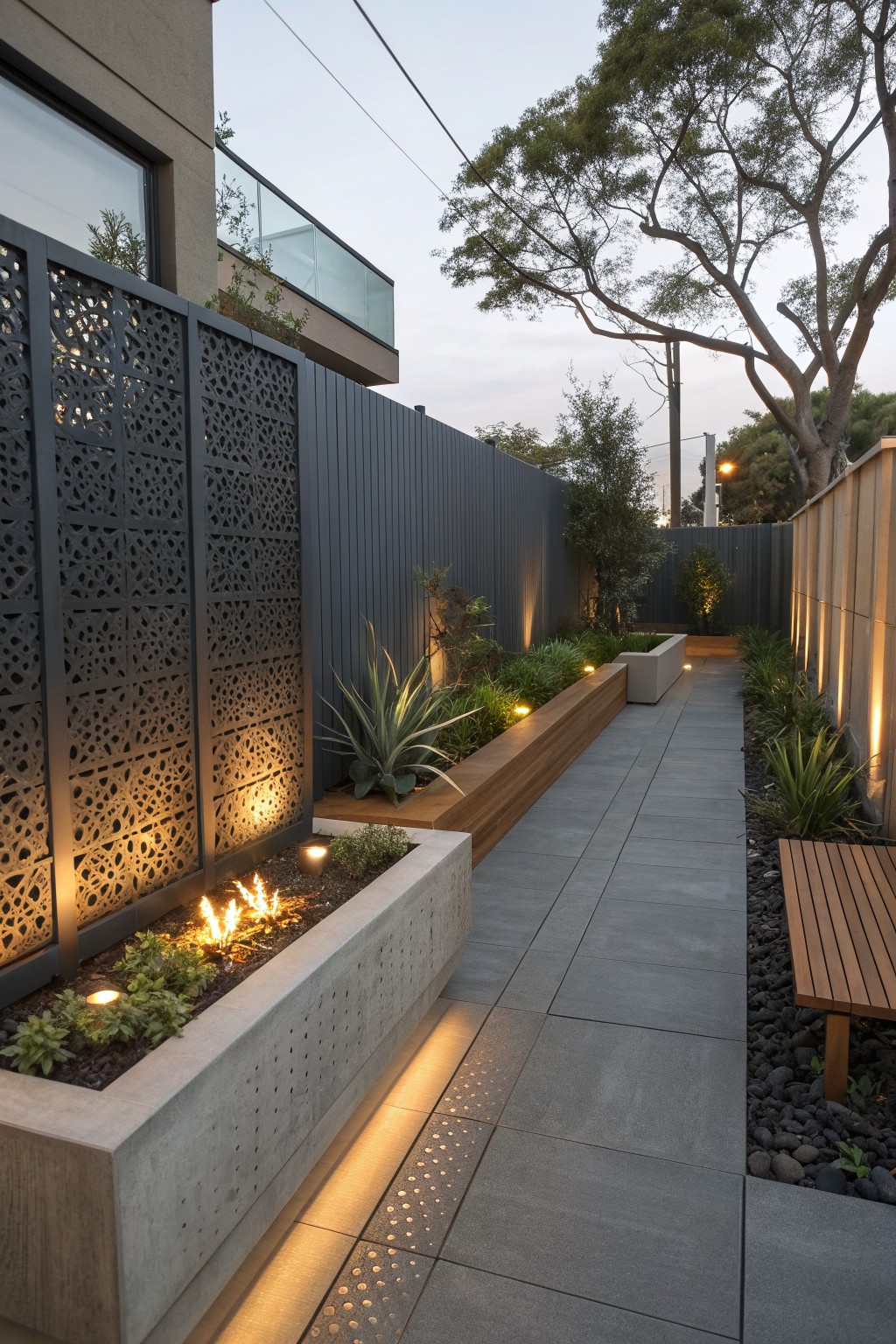
Running a raised planter right along a privacy fence gives you height where you need it without the wall feeling too solid. The plants break up the surface, add some softness, and still keep the separation from the next yard or a side path.
This setup works best in narrow spaces where a plain fence would feel too harsh. Keep the planter at least a foot or two wide so you can mix taller plants with lower ones, and make sure the fence material lets a little light through if you want the area to stay usable after dark.
Add Shelves To Your Fence For Plants
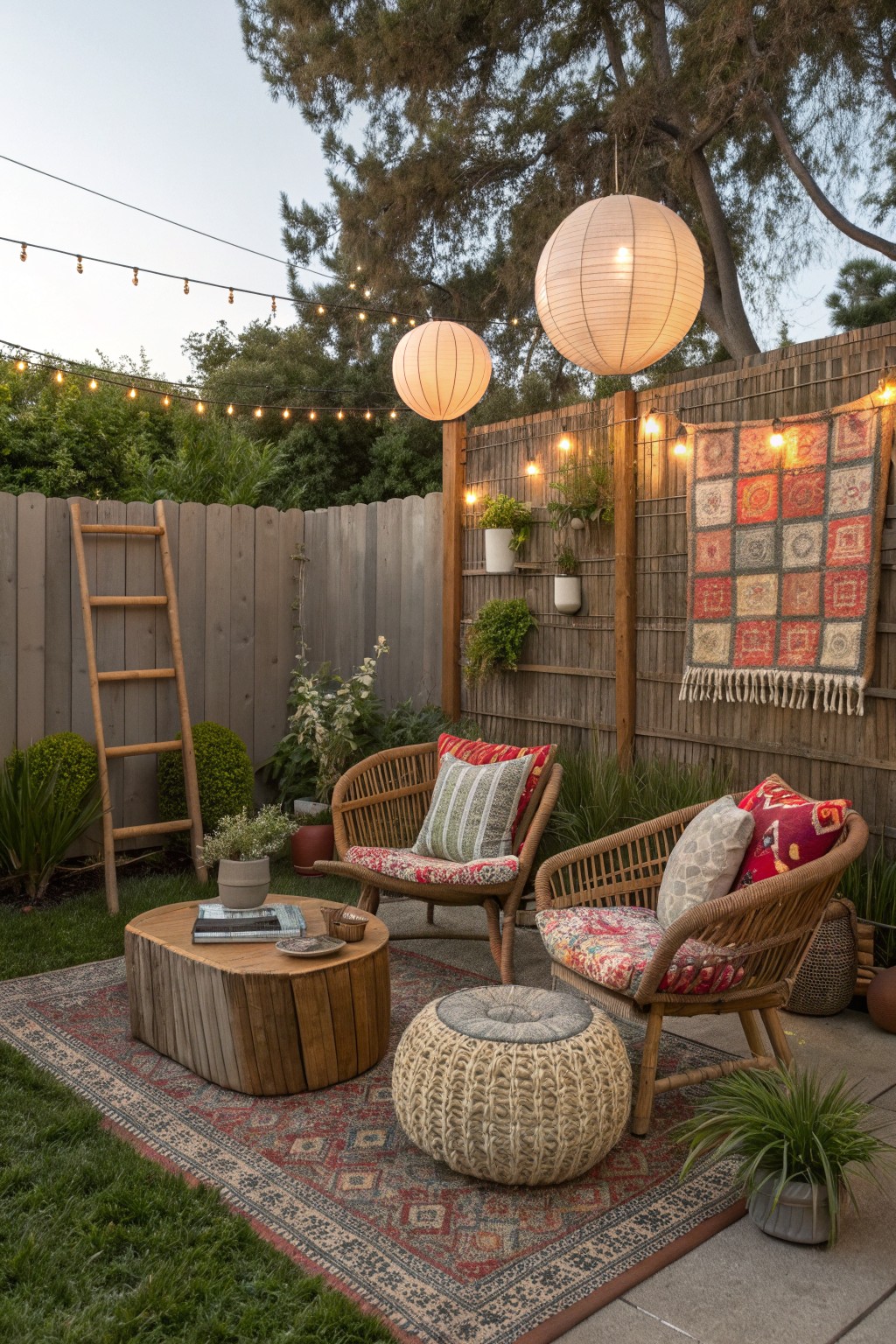
Mounting simple shelves on a privacy fence lets you bring in more greenery without using up floor space. It keeps the area open for seating while still giving the fence a finished look and adding some softness along the top.
This works best in smaller yards or spots where you want a solid screen but still need room to move around. Just check that your fence can hold the weight and pick plants that match the light in that corner.
Privacy Fences With Built-In Planters
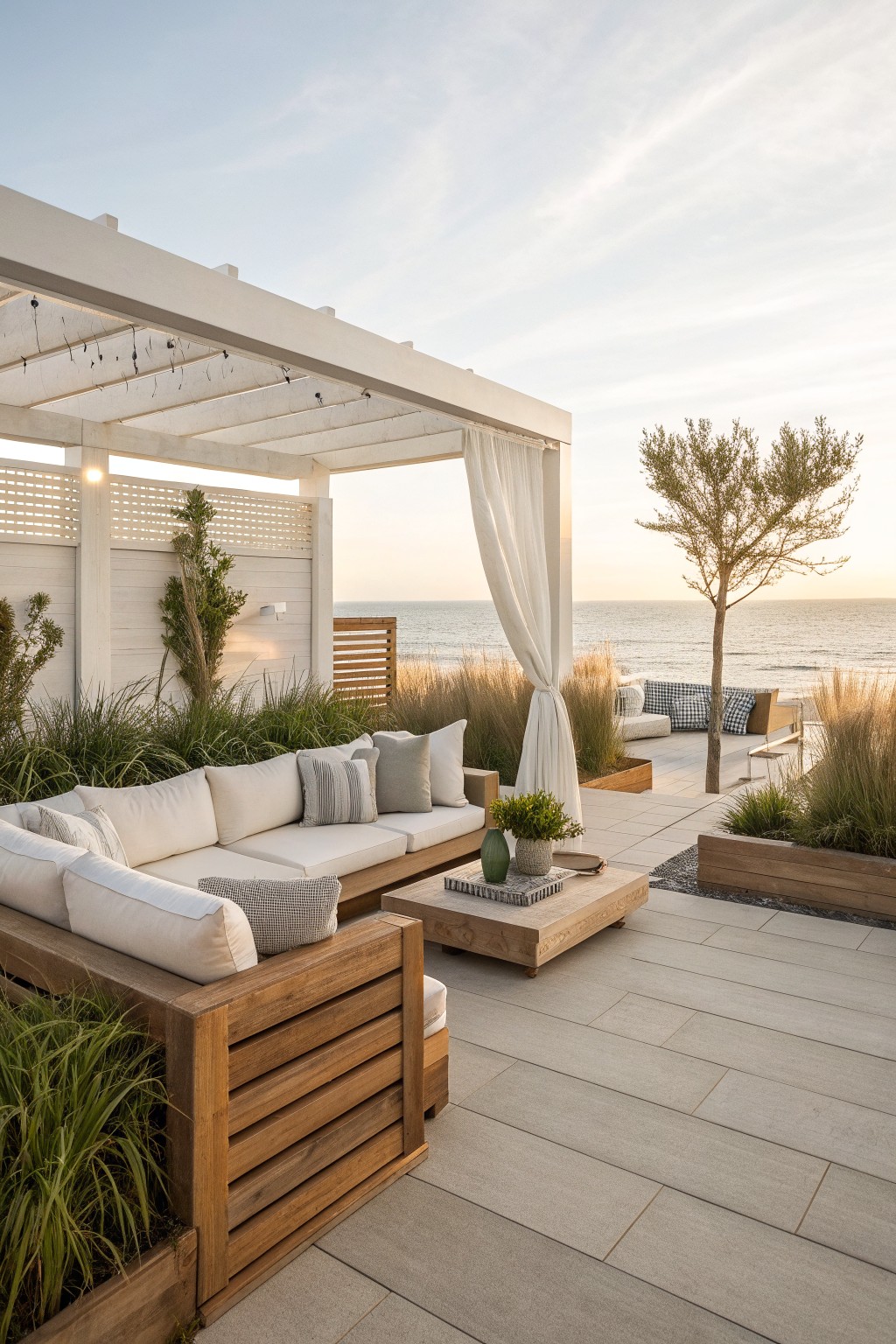
Building planters straight into a fence gives you privacy without making the space feel closed off. The plants soften the look of the wood or slats while still blocking views from outside. It works especially well on patios that sit close to open areas or neighbors.
This approach suits decks and backyard seating zones where you want greenery at eye level. Make sure the planters are deep enough and lined well so the wood lasts and the plants have room to grow.
Incorporate Built-In Planters Into Privacy Fencing
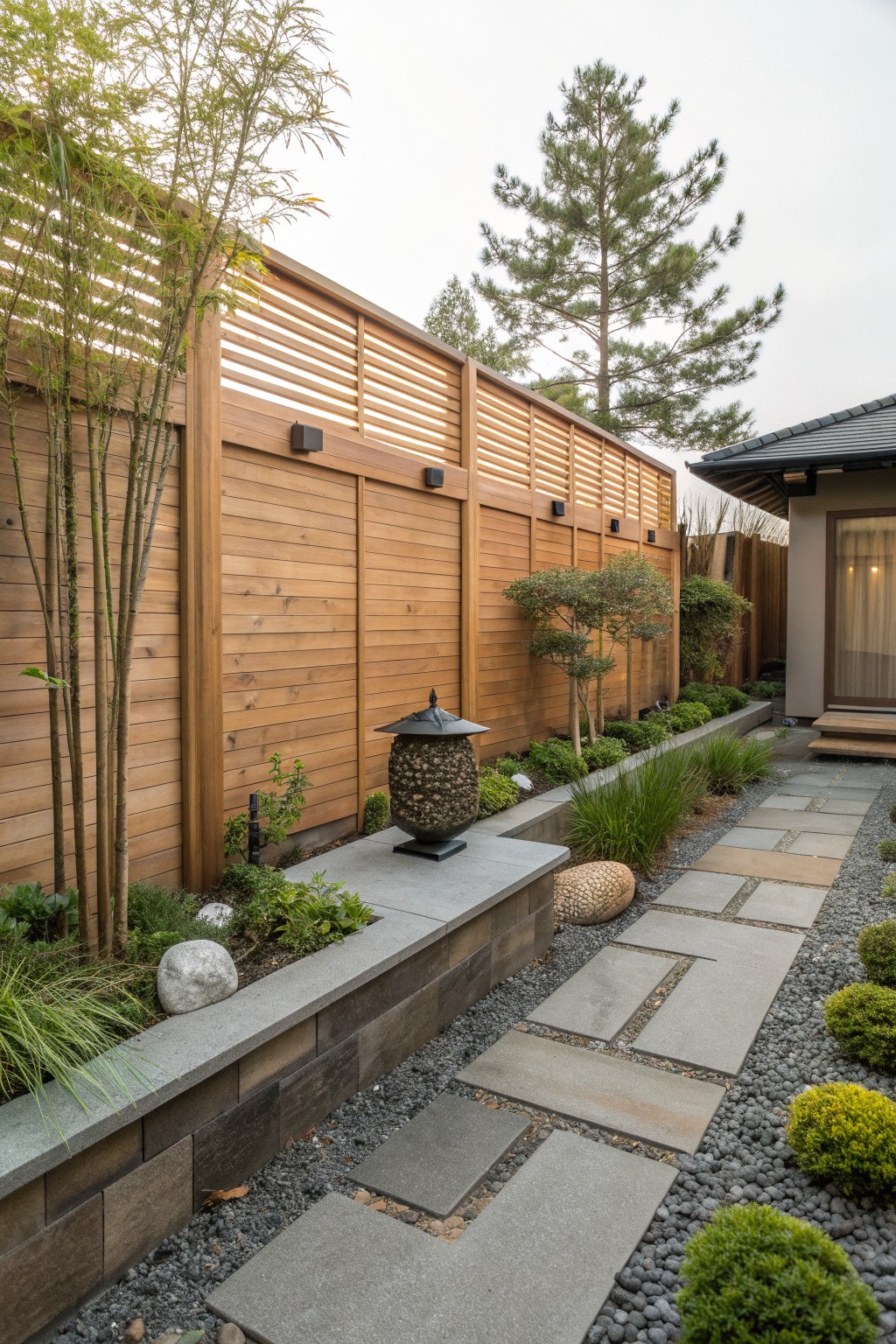
A fence that doubles as a planter base solves two problems at once. It blocks the view from neighbors while giving plants a place to sit right along the line, so the greenery feels tied into the structure instead of added later.
This setup works best in tight side yards or along back property edges where space is limited. Match the ledge material to the fence so it reads as one piece, and keep the planting depth shallow enough that watering stays simple.
Built-In Planters Along The Walls
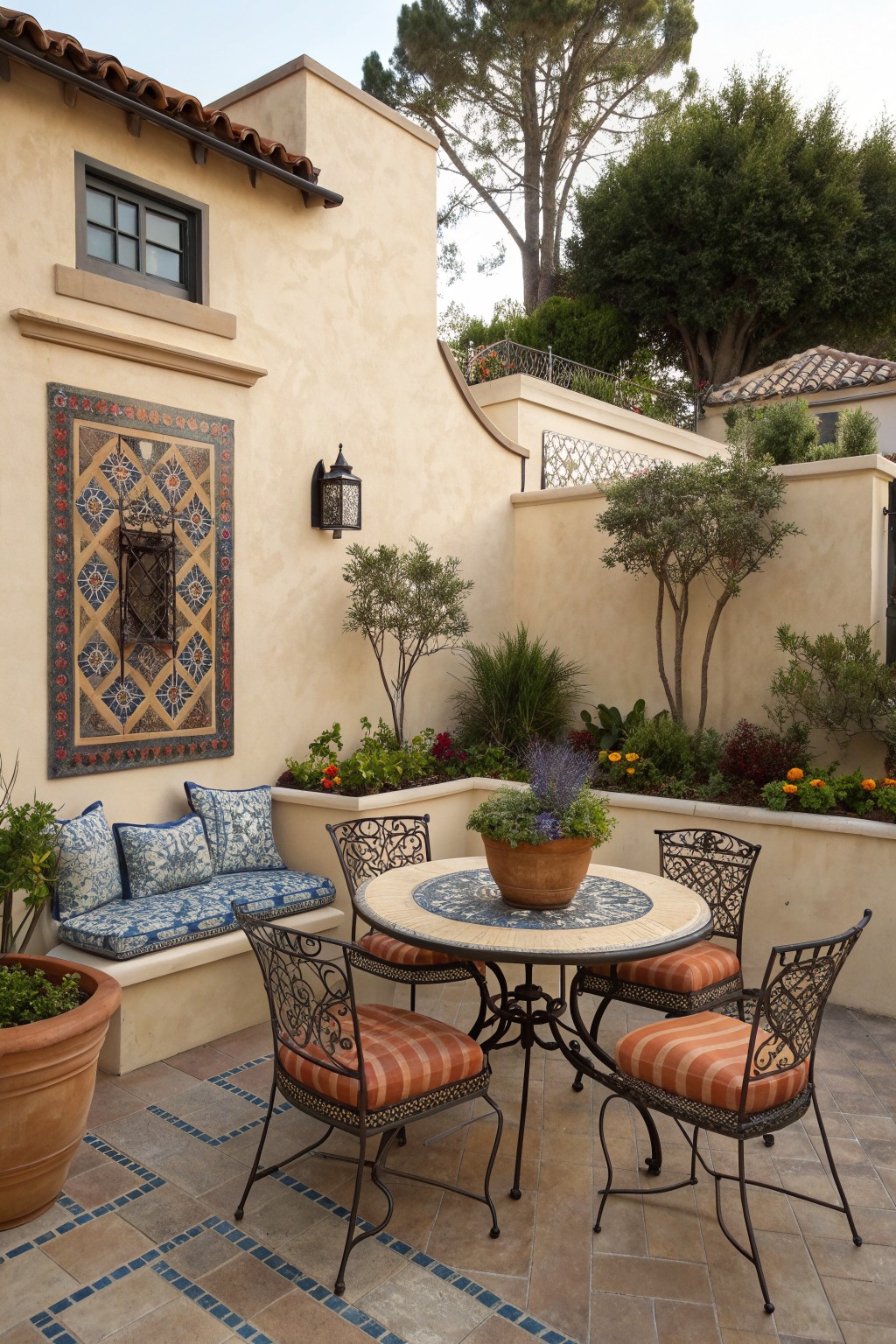
Raised planters built right into the perimeter give you privacy without putting up a tall fence that feels closed off. The plants add color and softness while the structure itself blocks the view from outside.
This setup works best on homes that already have a low wall or solid edge around the patio. Make sure the planter depth fits the plants you want and leave enough space for seating so the area stays usable.
Fences With Built-In Planters
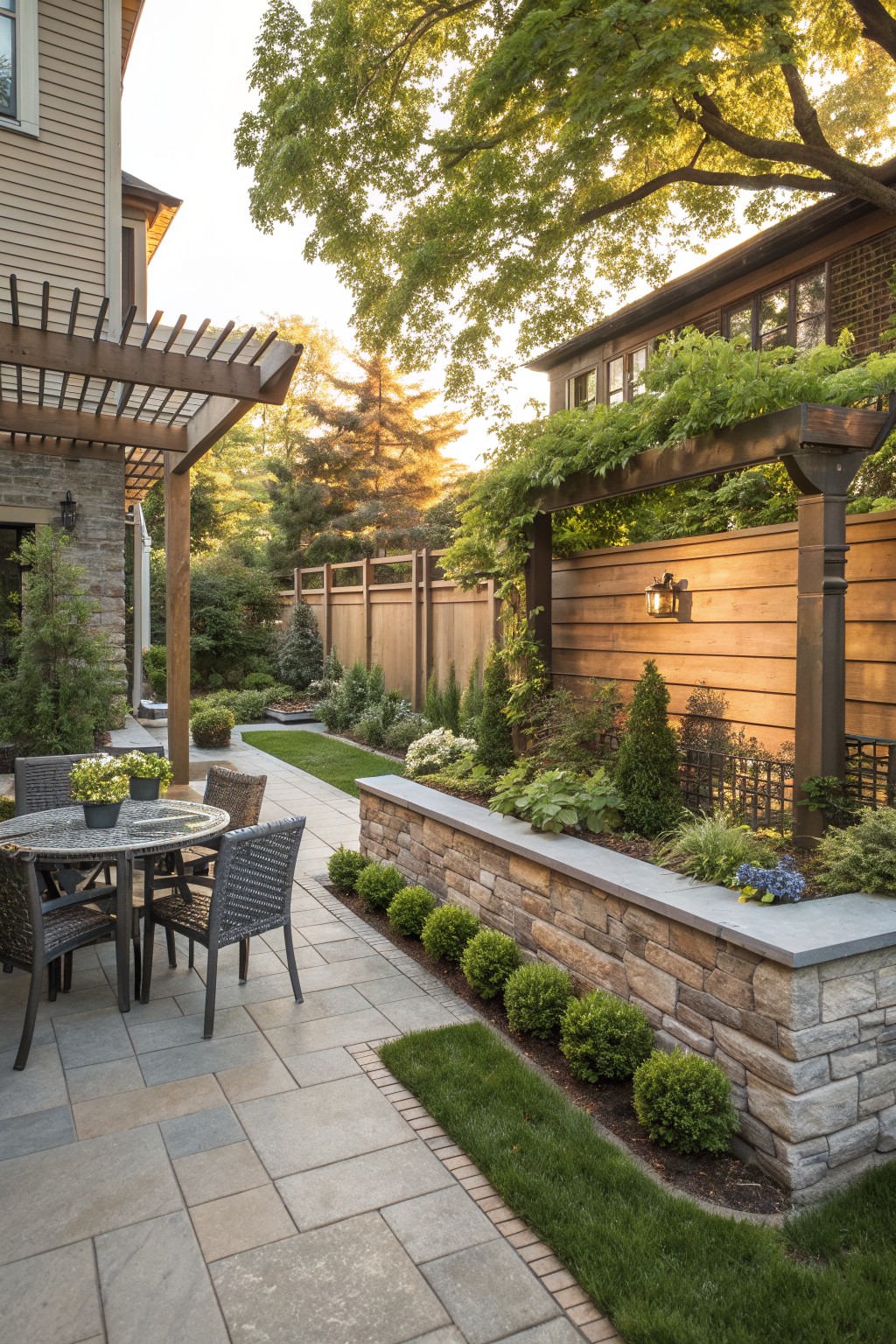
One way to get more from a privacy fence is to add planters along the top or front edge. This turns the fence into a planting area too, so you get screening without losing garden space on the ground.
It works best on lots where the yard feels tight or you want a clean edge between the patio and the rest of the yard. Make sure the fence posts can handle the extra weight and pick plants that stay manageable over time.
Privacy Walls with Built-In Plant Shelves
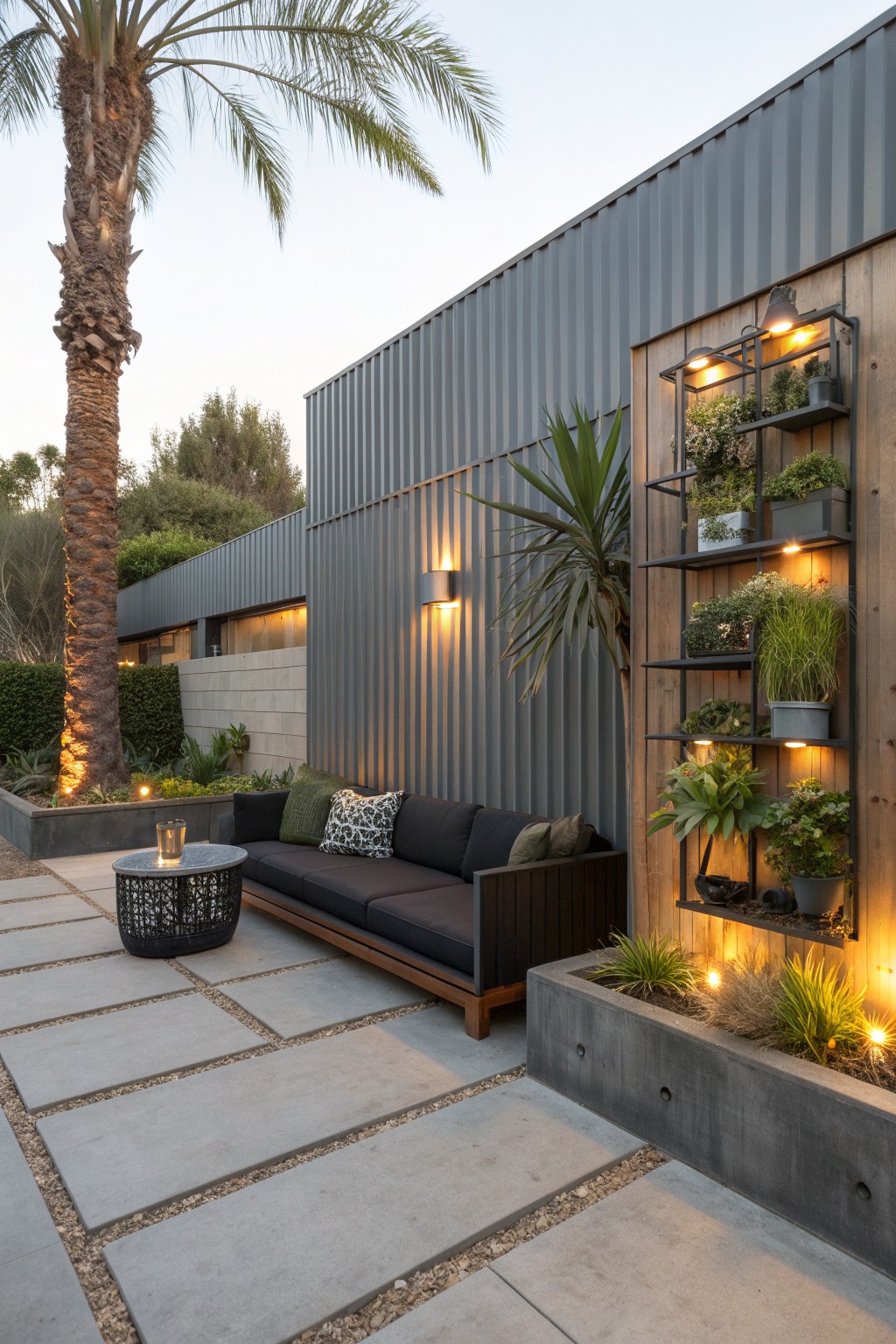
Many backyard fences stay plain because people run out of ground space for plants. Mounting shelves or boxes right on the wall solves that by turning the fence itself into a vertical garden that also blocks the view.
This setup works best along the edge of a patio or deck where you need privacy but still want some softness. Use sturdy brackets, choose plants that match your light and water conditions, and keep the lower shelves a bit deeper so the display feels balanced.
Brick Walls With Built-In Planters
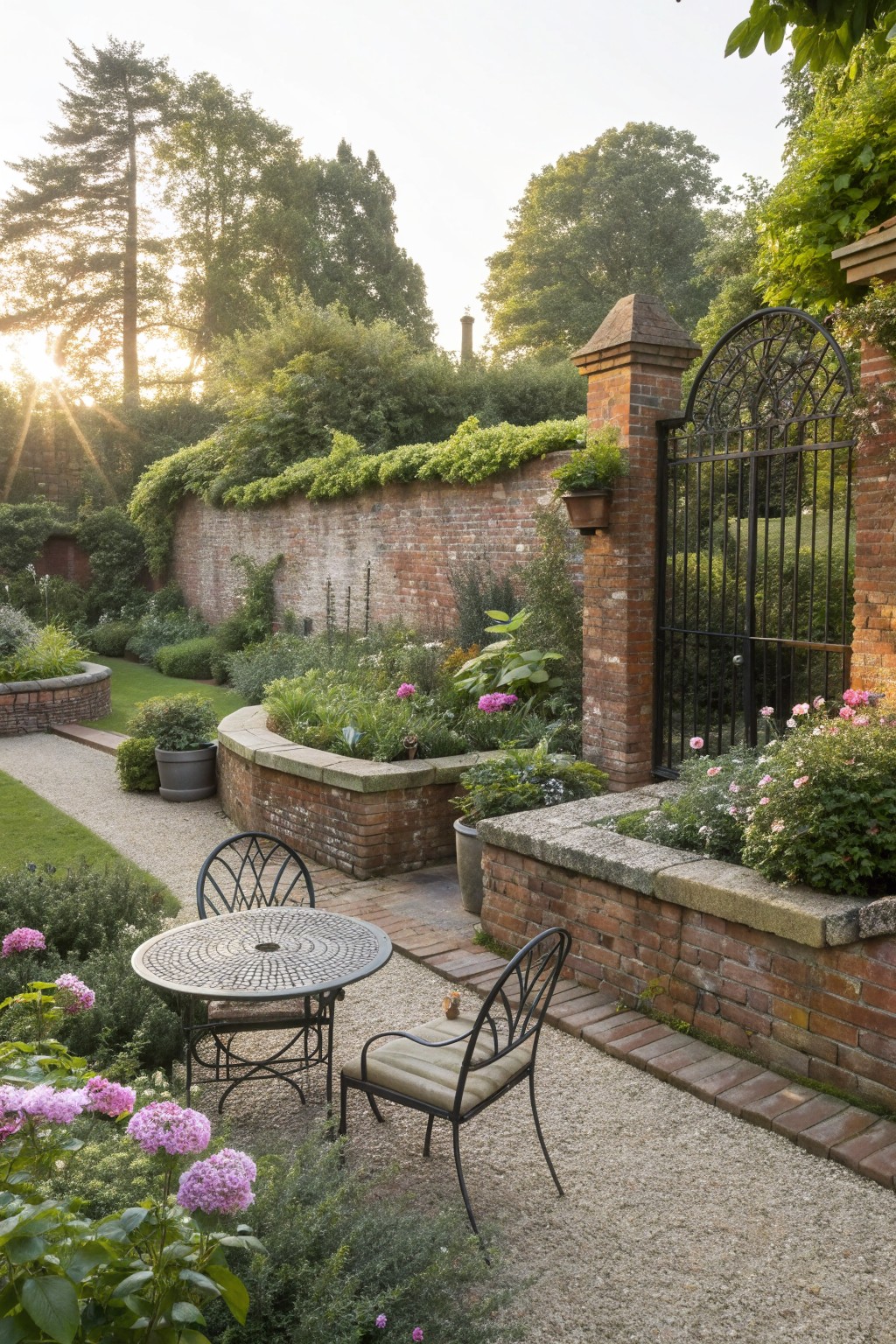
A brick wall with planters built right into it gives you solid privacy while adding planting space at the same time. The raised beds sit at a comfortable height, so you do not have to bend as far to tend the plants, and the wall itself becomes part of the garden instead of just a barrier.
This setup works best in smaller yards where space is tight and you need both enclosure and greenery. Make sure the brick has good drainage at the base so the soil does not stay soggy after rain.
Add Planters Along A Privacy Fence
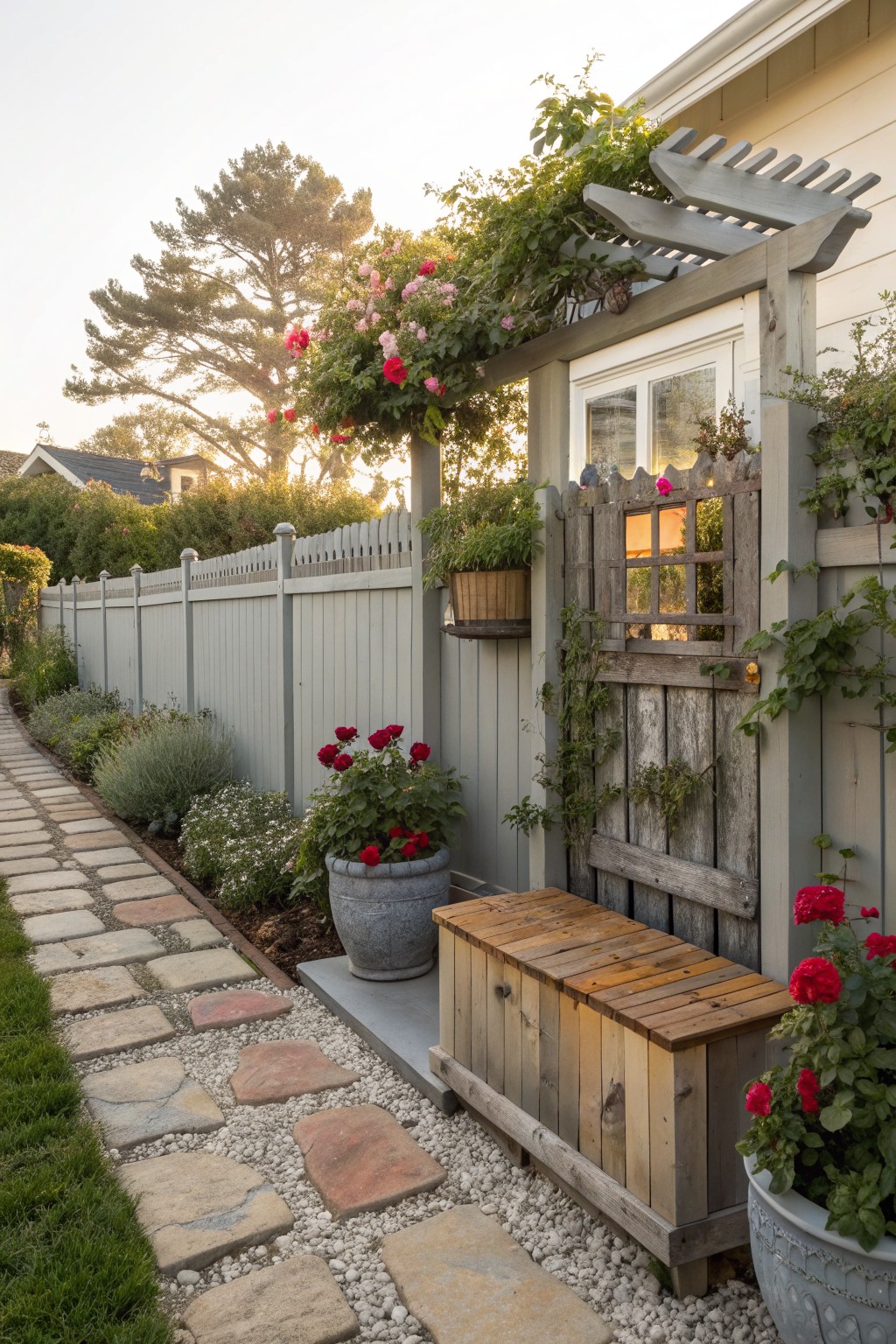
Mounting planters right on the fence gives you color and softness without eating up yard space. The climbing roses and hanging pots here show how easy it is to layer height and keep the look full even in a narrow spot.
This approach works best along a side path or near a gate where you already need screening. Use weatherproof containers, secure them well, and pick plants that can handle some shade from the fence itself.
Built-In Planters Along the Fence Line
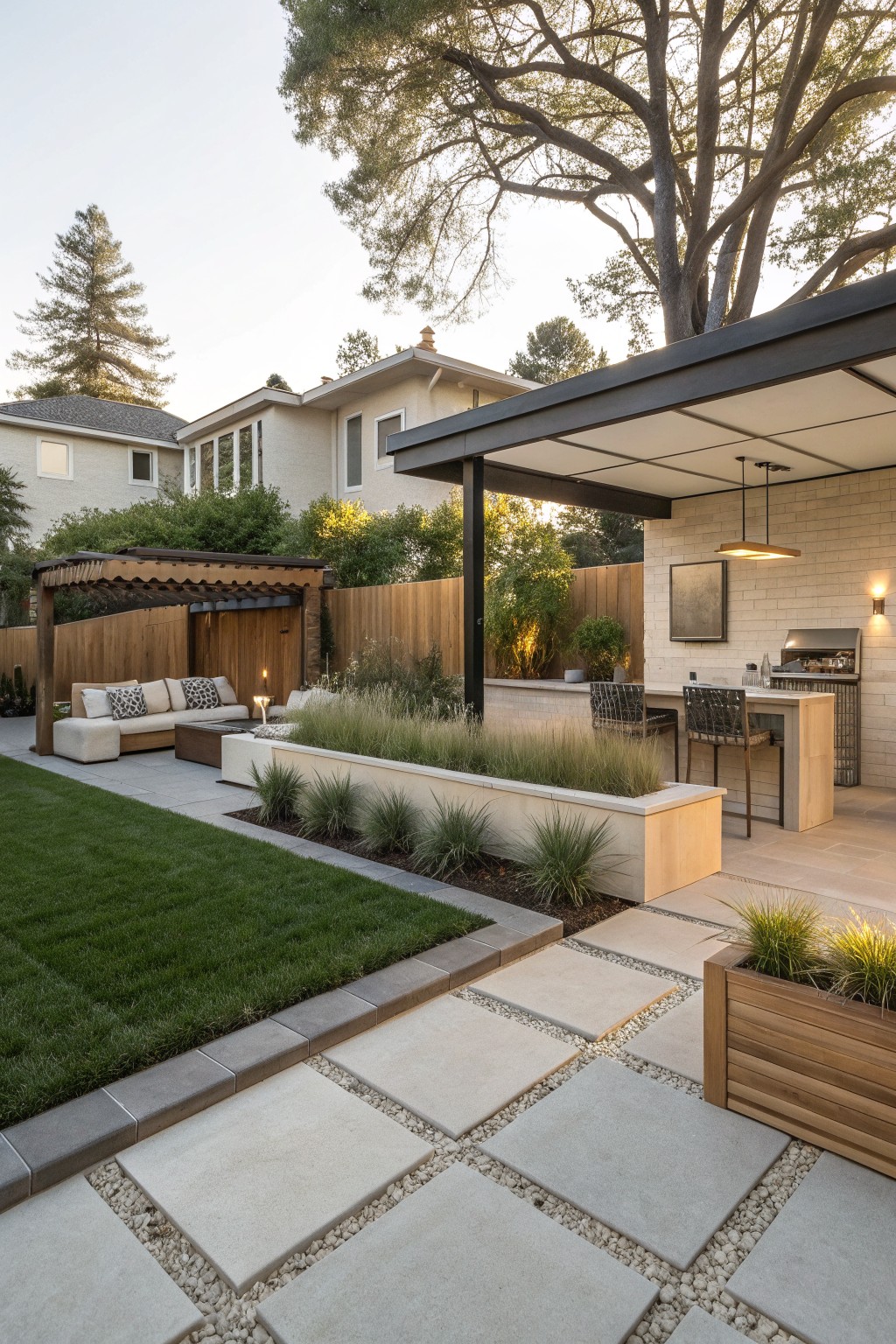
Many backyards gain a lot from adding planters right into the fence or patio edge. They block sight lines from neighbors while softening the look of the hardscape and giving the space a greener feel without needing a full hedge.
This setup works best on lots where the patio sits close to the property line. Build the planters at a height that matches your seating, and fill them with taller grasses or shrubs that grow in quickly. Keep the width reasonable so the plants do not crowd the walking area or block too much light.
Privacy Fences With Raised Planters
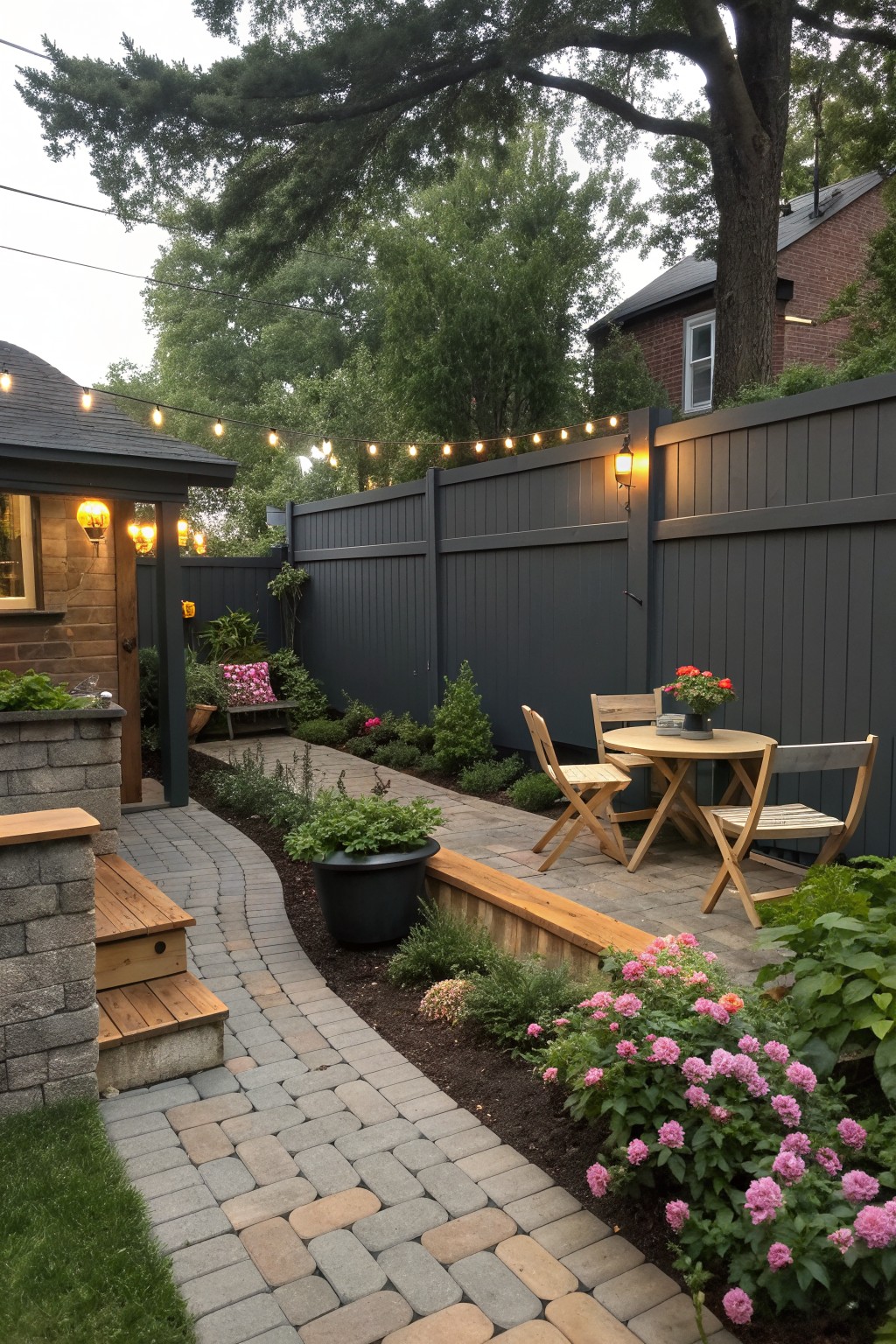
A solid fence gives you the privacy most backyards need, but adding raised planters along the base keeps the space from feeling closed off. The plants soften the fence line and add color without taking up much extra room.
This approach works well on smaller lots or along property edges where you want separation but still like seeing some greenery. Match the planter material to the fence or deck so it feels like one built element rather than separate pieces.
Add Built-In Planters To Your Retaining Wall
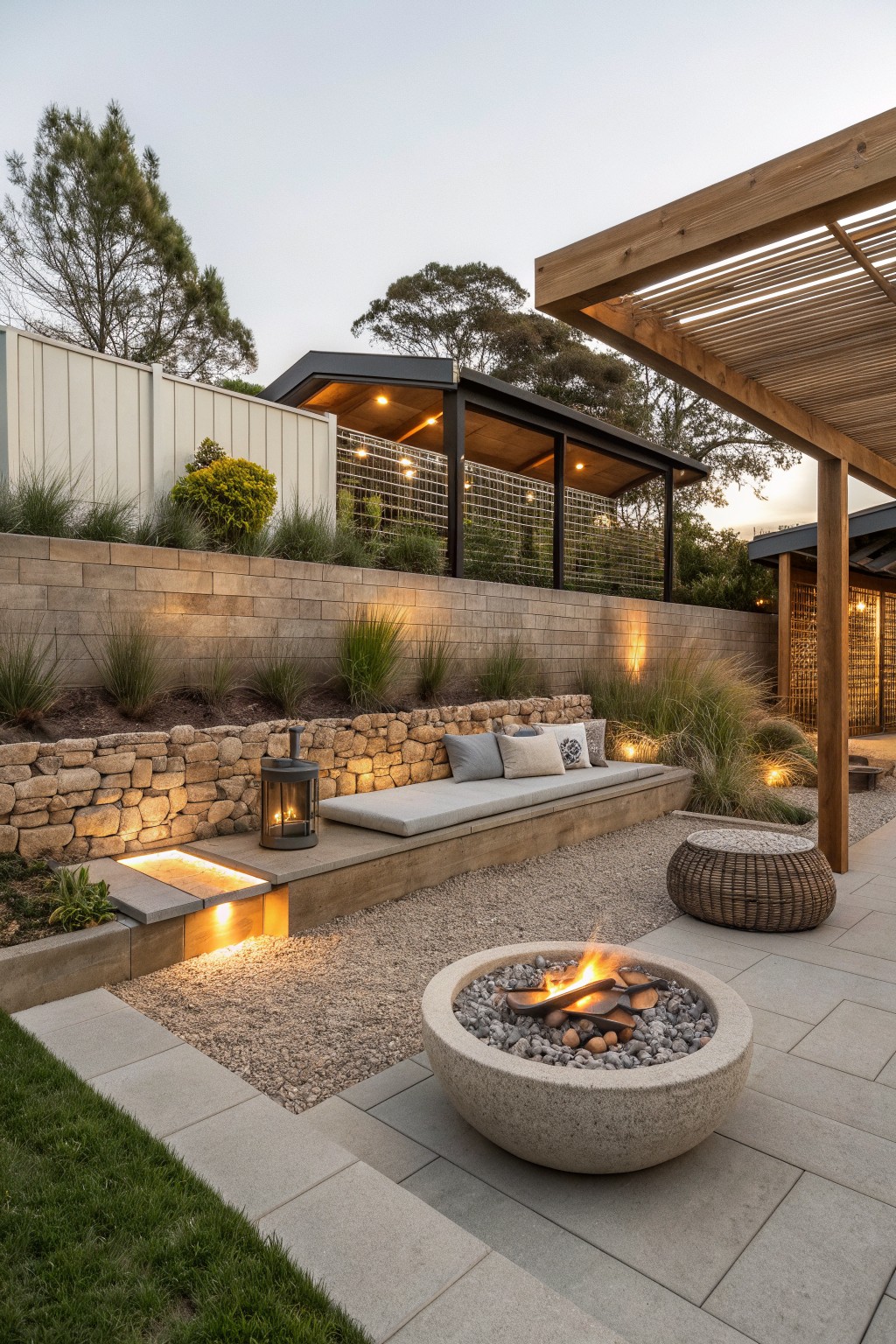
A retaining wall can do more than hold back soil. When you add planters along the top, it turns into a privacy screen that feels softer and more natural than a plain fence. The plants sit at just the right height to block views from above while the wall itself stays low enough to keep the space open.
This setup works best on sloped yards where you already need a wall for leveling. Keep the planters narrow so they do not eat up too much patio space, and choose grasses or shrubs that stay neat without constant trimming. The built-in bench in front makes the whole area feel finished and usable year-round.
Frequently Asked Questions
Q: How do I keep water from soaking the fence wood and causing rot over time? A: Add a simple plastic liner inside each planter box before you fill it with soil. Drill a few holes at the bottom for drainage and raise the whole unit slightly off the ground with small blocks. This setup lets excess water escape without pooling against the fence boards.
Q: What if the built-in planters take up too much room in my narrow yard? A: Mount the planters on the neighbor side of the fence so they do not eat into your usable space. Choose narrow boxes that hold just a single row of plants and keep the fence itself slim. You still get the privacy screen without crowding your patio or path.
Q: Can I swap out plants each season without tearing the fence apart? A: Yes. Build the planters with removable inner trays or just loose soil so you can lift plants out easily. This lets you switch from summer flowers to winter greens without tools or major work.


