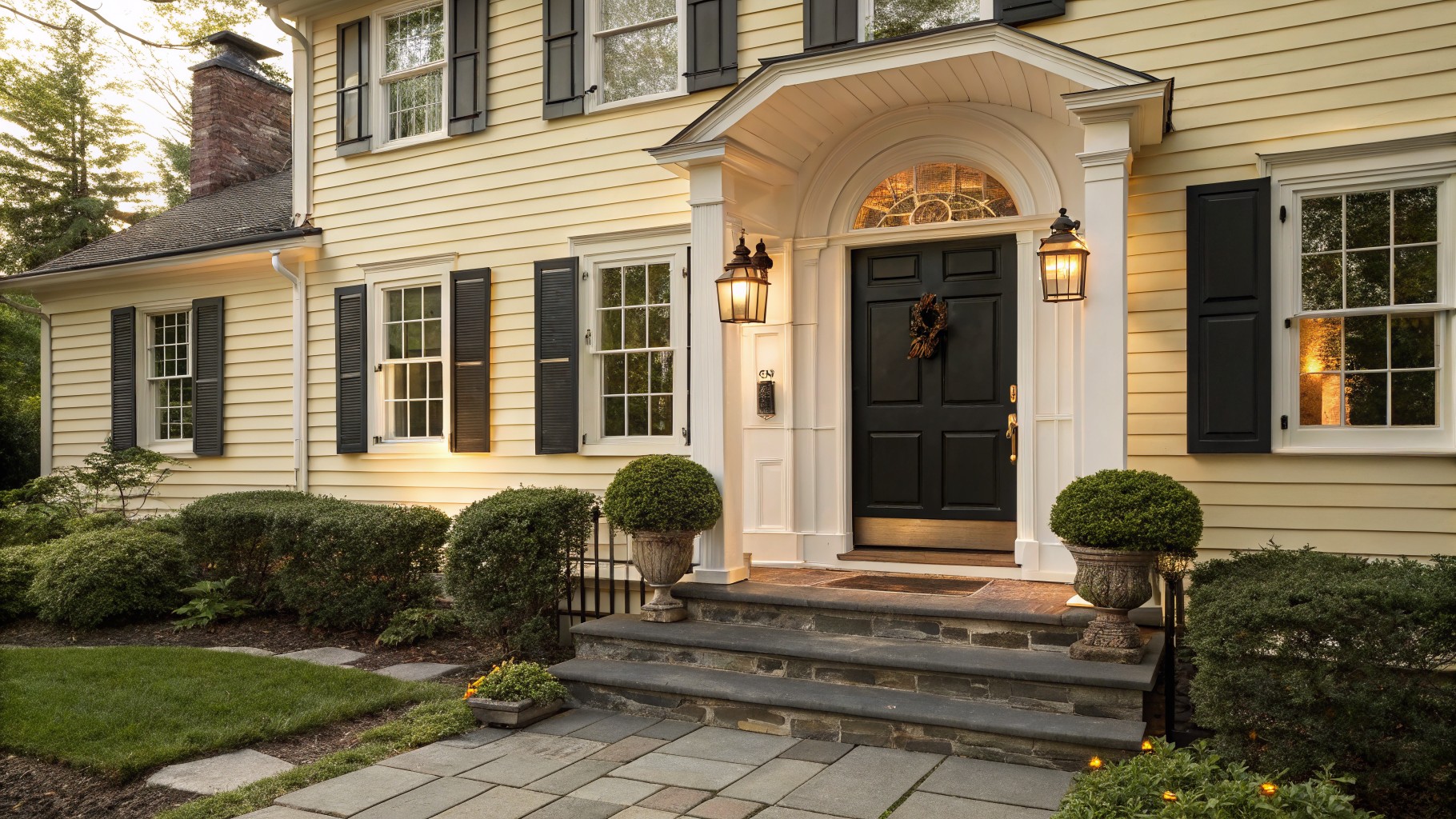
I often find that paint colors on the outside of a house shift quite a bit depending on the time of day and the weather.
The right shade needs to sit well next to your roof shingles, trim details, and any stone or brick that is already there.
I remember painting a sample board last year and watching it turn warmer in the afternoon light than it had looked in the morning.
Some shades simply hold their own better once they are surrounded by real landscaping and sky.
That is why I always suggest putting a few swatches up on the actual wall before making a final choice.
Warm Cream Siding
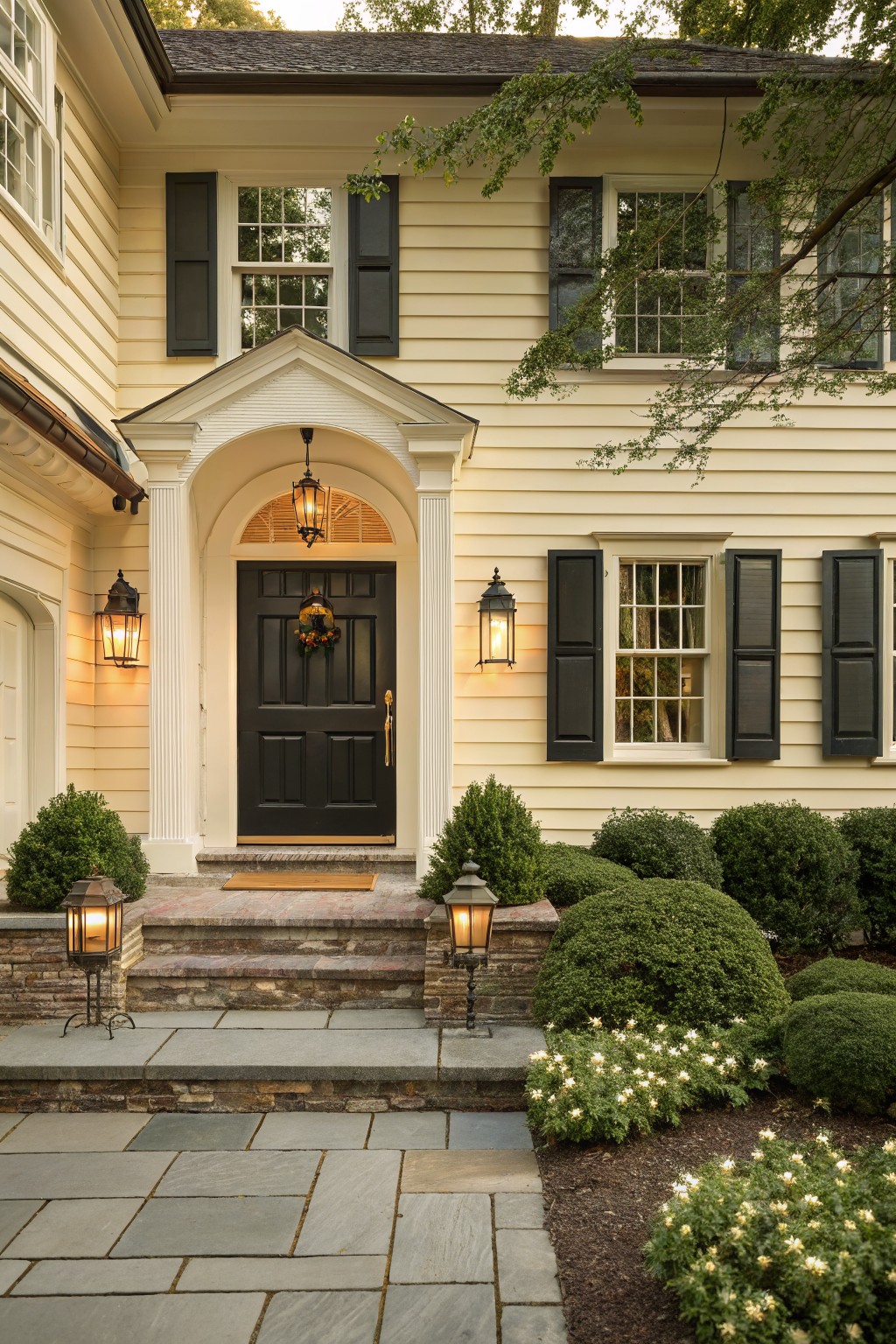
This warm cream color on the house siding is a soft neutral with gentle yellow undertones. It brightens the exterior without feeling stark and gives the whole front a calm, settled look that works on many traditional homes.
The shade sits nicely against darker trim and stone details. It holds up well in changing light and pairs easily with both natural wood accents and simple black or dark green shutters.
Soft Sage Green Siding
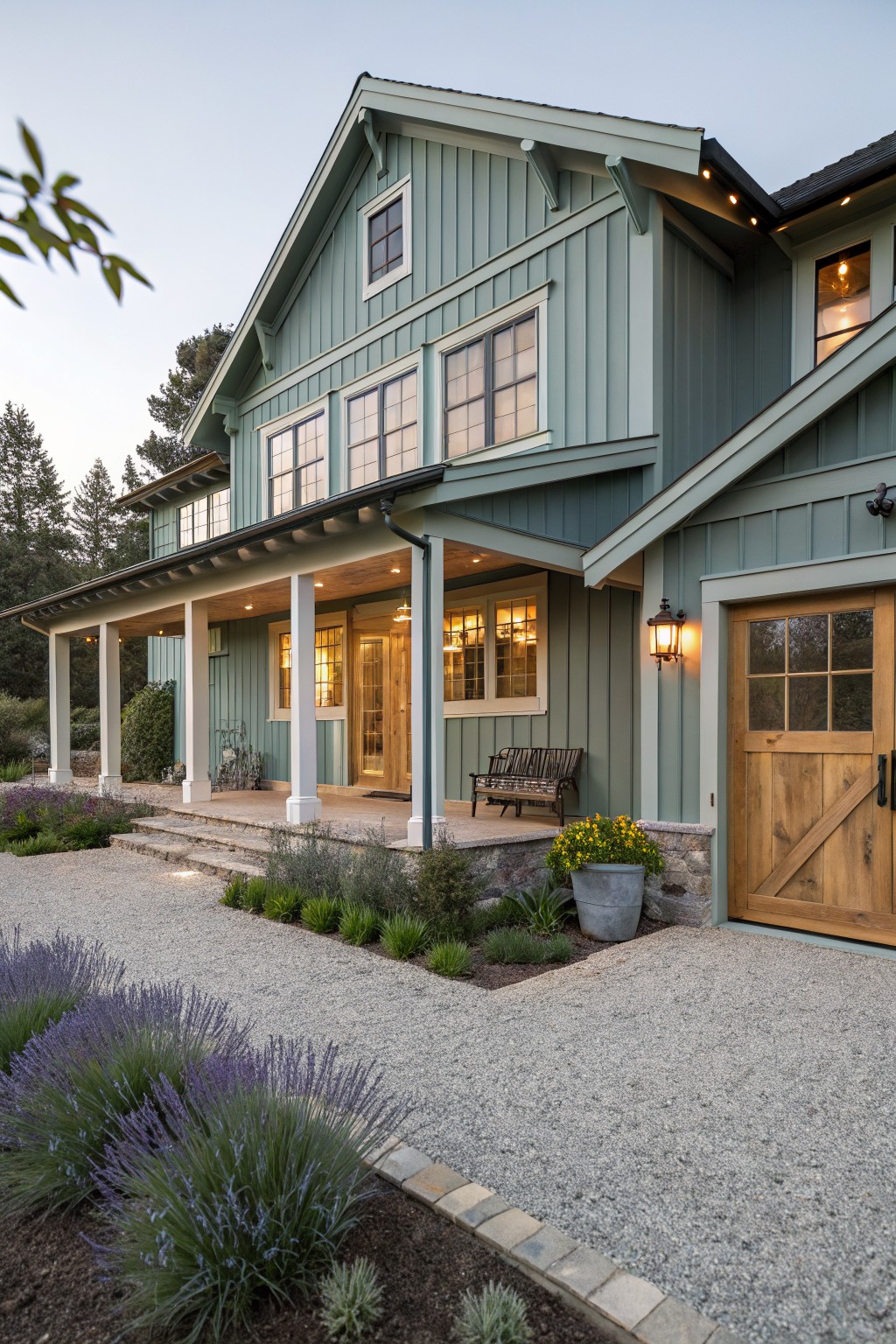
This house is painted in a soft sage green. The color sits somewhere between gray and green with a hint of blue that keeps it from looking too bright or too earthy.
It works best on homes with natural wood accents and simple trim. The shade holds up well against stone and gravel without feeling cold, though it can look a bit flat if the light is very harsh or if there is too much white around it.
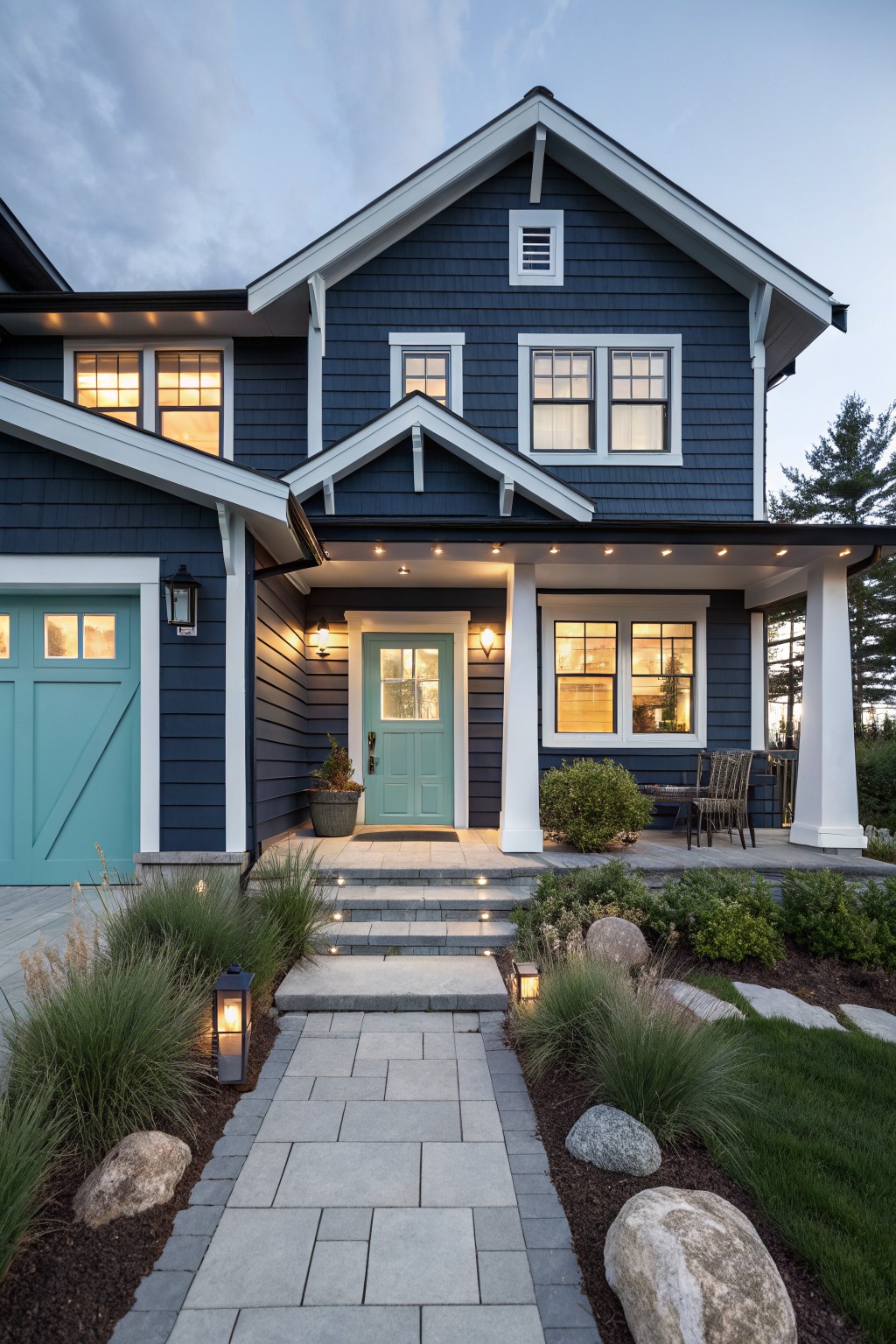
This deep navy blue siding gives the house a solid, classic feel that stands out without trying too hard. It sits in a cool color family with some gray mixed in, which keeps it from looking too bright or harsh on a large surface. Shades like Sherwin Williams Naval or Benjamin Moore Hale Navy come close to this look.
The color holds up nicely with white trim and works best on homes that have some architectural detail. It can feel a bit heavy if the house gets little sun, so most people use it where there is decent light or add lighter accents to balance things out.
Soft Sage Green With White Trim
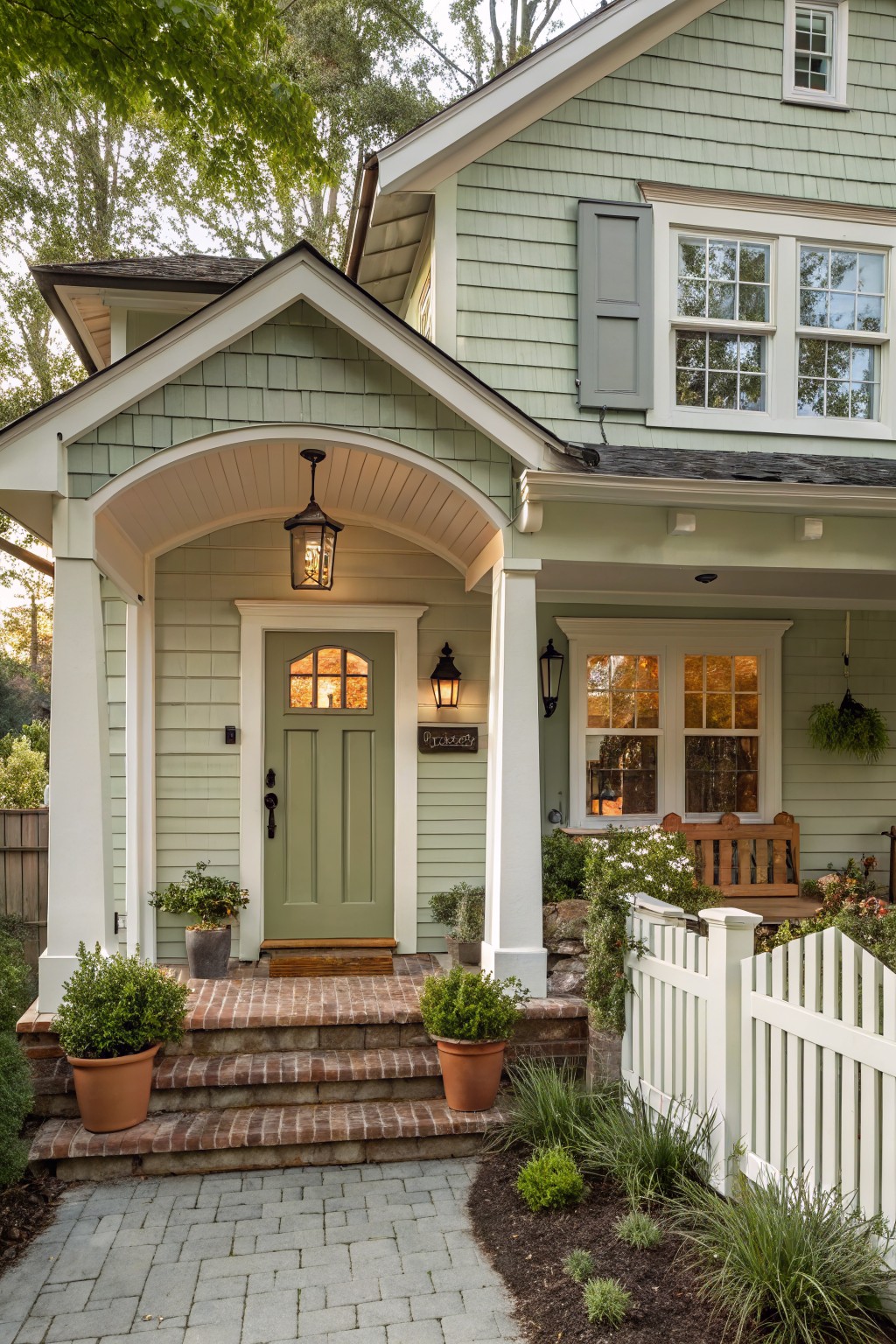
A soft sage green on the siding gives the house a calm and steady look without feeling flat. It sits in that middle ground between green and gray, so it reads as natural rather than bold. This shade tends to work on both older homes and simpler newer builds because it does not fight with the roof or brick details.
It carries a light cool undertone that stays steady even when the light changes. White trim keeps it crisp while the brick steps add a bit of warmth underneath. Most people find it pairs well with wood accents or garden greens and holds up without looking too trendy after a few years.
Soft Greige Siding
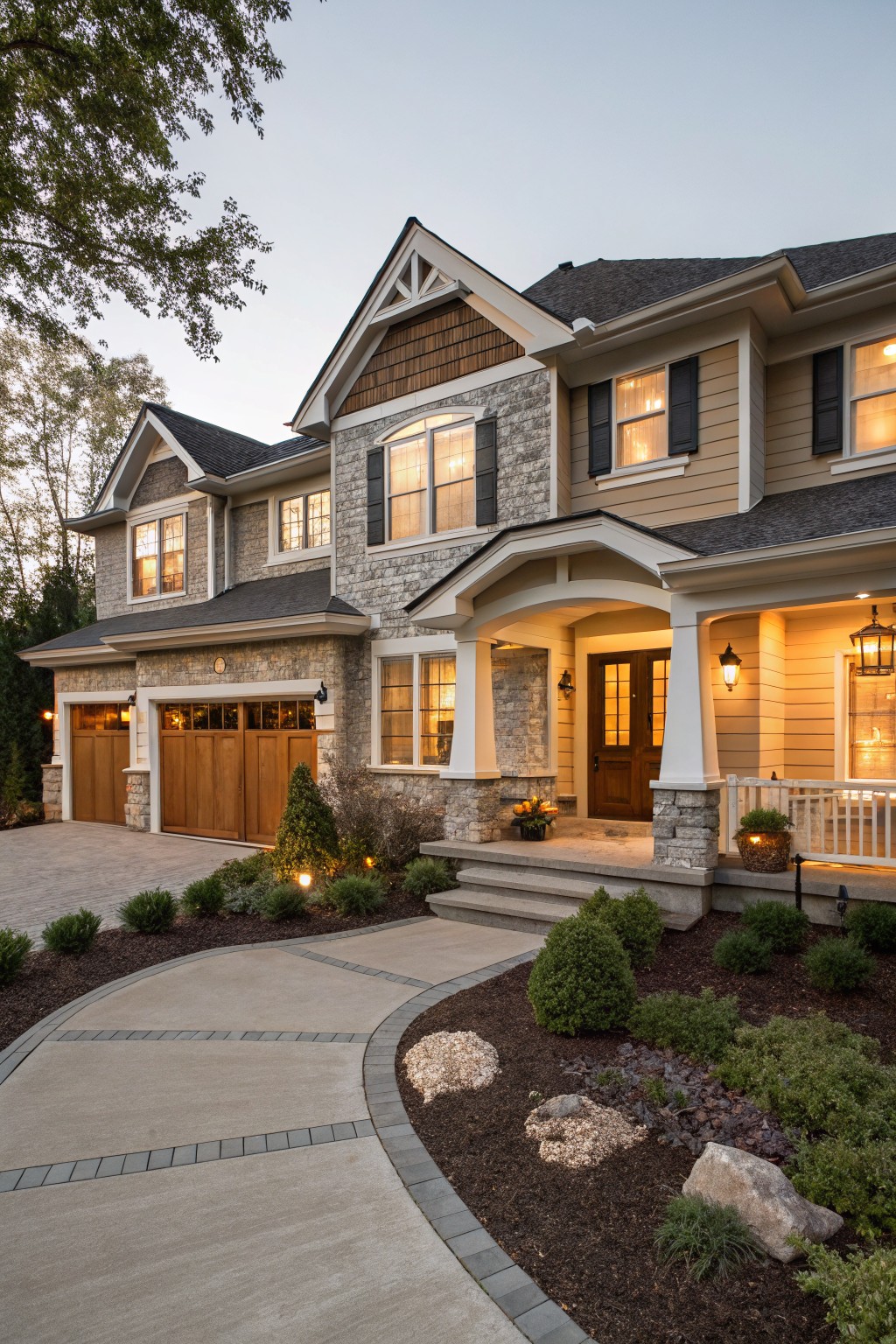
A warm greige works well on the main siding of this house. It sits somewhere between beige and gray and gives the exterior a soft look that still feels grounded.
This shade has a touch of warmth so it reads nicely next to stone and wood. It holds up in changing light and suits traditional homes that need a color that feels calm rather than stark. Try something close to Sherwin Williams Accessible Beige, Benjamin Moore Revere Pewter, or Behr Silver Satin.
Soft Yellow Siding
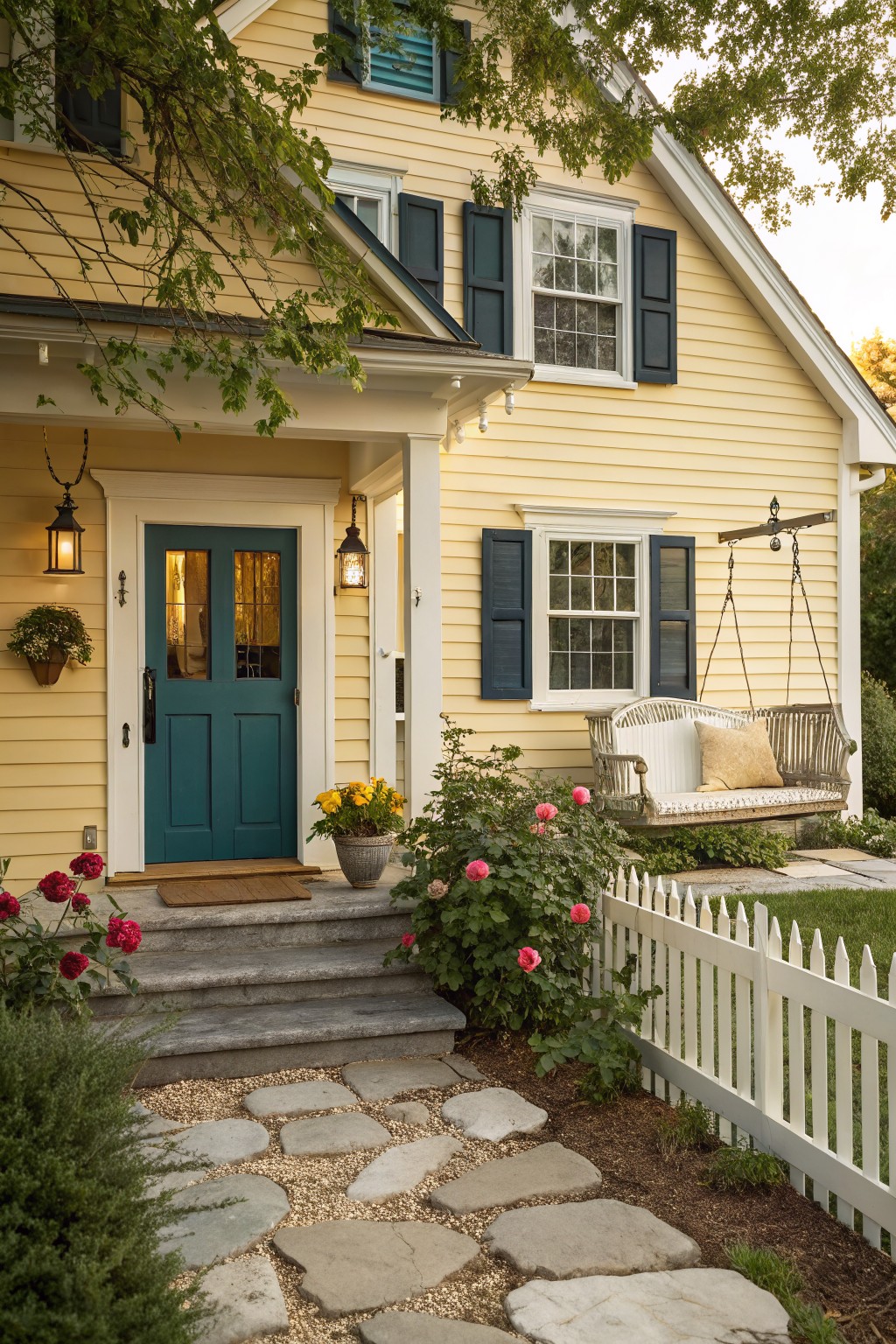
This house uses a soft yellow on the main siding. It is a light warm yellow with a slight cream tone that keeps it from looking too bright or childish. Colors in this range often read closest to Sherwin Williams Lemon Twist, Benjamin Moore Hawthorne Yellow, Behr Summer Sun, or Farrow & Ball Yellow Ground.
The creamy undertone helps it stay steady in changing light and works especially well with white trim. It suits older homes and simpler cottages where you want a friendly look without going bold. Dark shutters or a deeper door color help keep the yellow grounded.
Muted Sage Green Siding
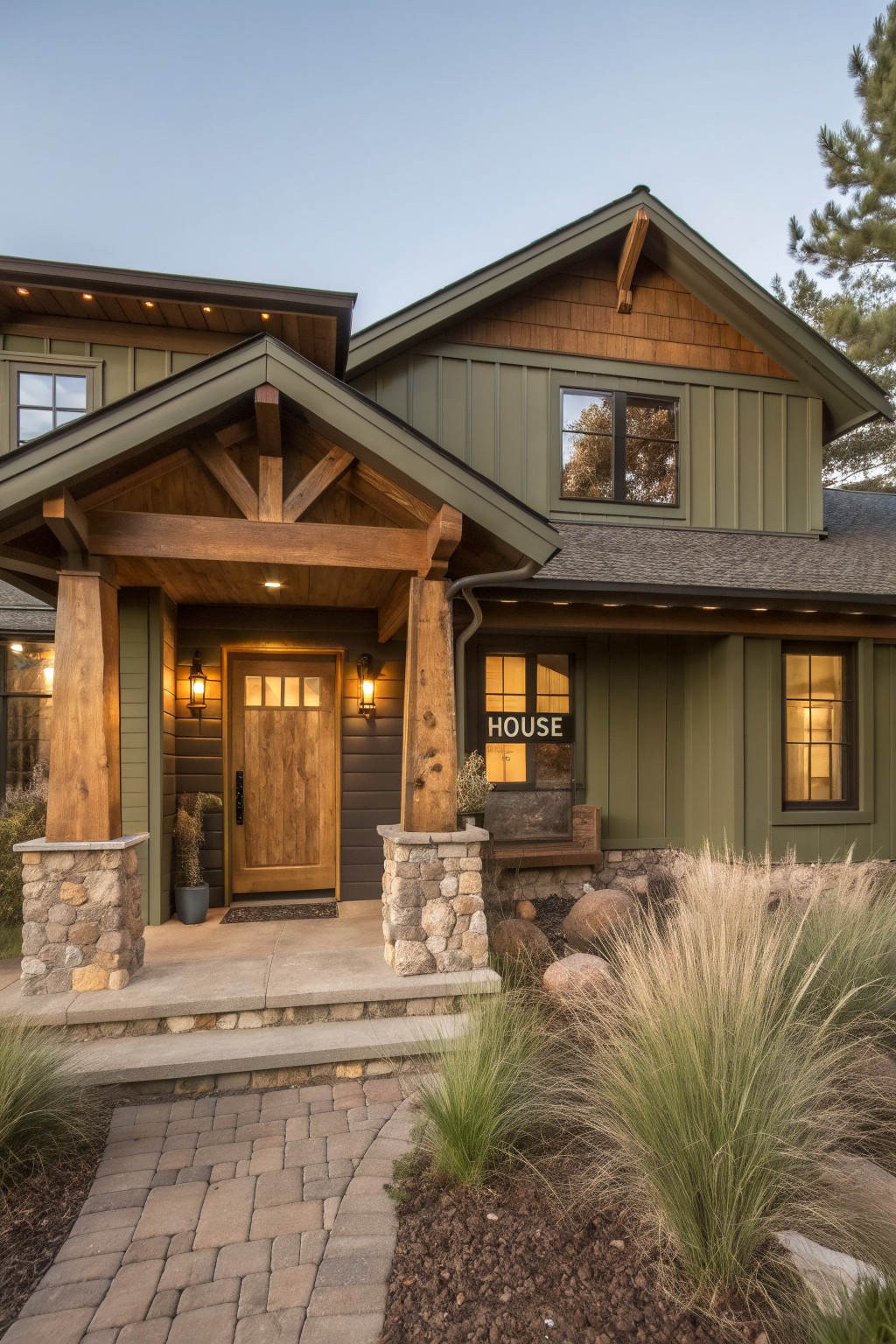
A muted sage green gives exterior siding a calm and grounded feel that still stands out in a natural way. This kind of color sits between green and gray, and it looks closest to Sherwin Williams Evergreen Fog or Benjamin Moore Guilford Green.
It works well with wood trim and stone bases because the soft undertone keeps the whole look balanced rather than stark. Many homes with this shade do best in areas with plenty of trees or mixed landscaping since the color can shift a little depending on the light.
Warm Gray Siding
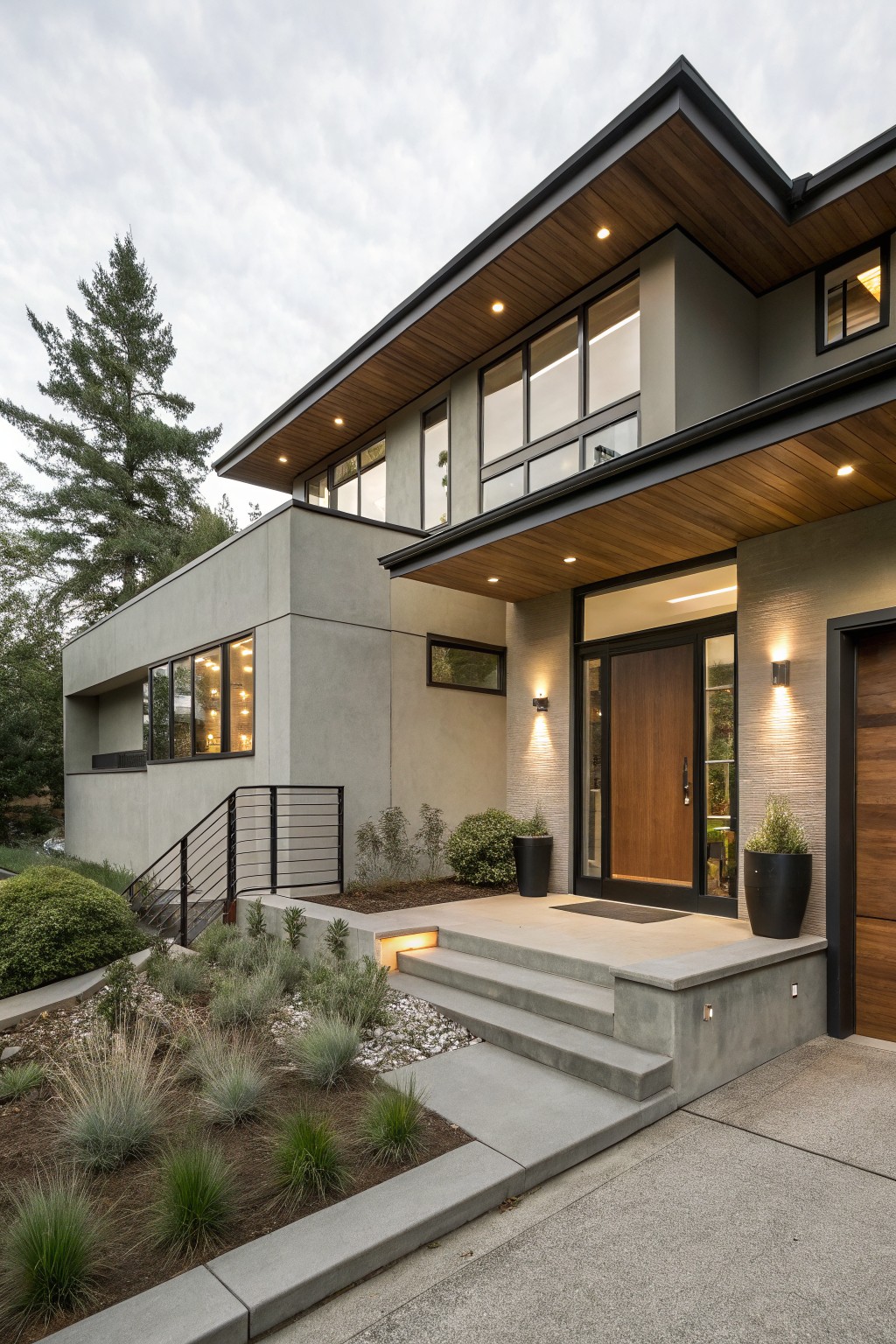
This warm gray paint on the exterior walls gives the house a clean look that still feels soft and livable. It works well because it is not too cool or stark, so the house blends in nicely with the surrounding greenery and wood details.
The color has a slight taupe undertone that shows up more in daylight. It pairs easily with black frames and natural wood accents, though it can start to feel flat if the trim is too bright white. Good matches include Sherwin Williams Agreeable Gray, Benjamin Moore Revere Pewter, Behr Silver Gray, and Farrow & Ball Mole’s Breath.
Warm Terracotta Siding
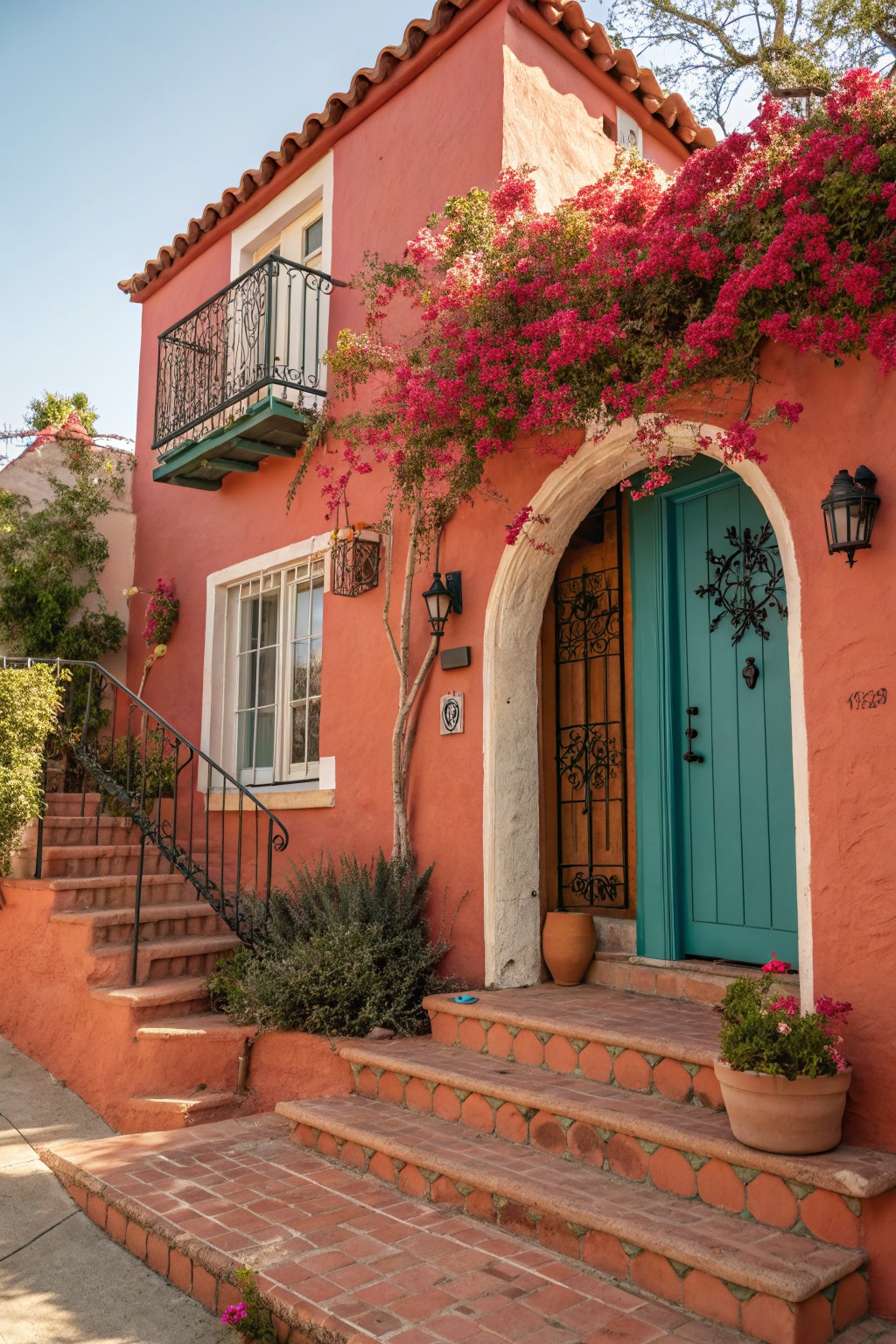
This house uses a warm terracotta pink on the stucco walls. The color has a sun baked quality that feels natural on this style of home. It reads closest to Sherwin Williams Baked Clay, Benjamin Moore Terra Cotta, Behr Adobe Rose, and Farrow & Ball Red Earth.
The shade carries gentle orange undertones that shift a bit depending on the light. It sits nicely against brick steps and a bright door color without needing much else to look complete.
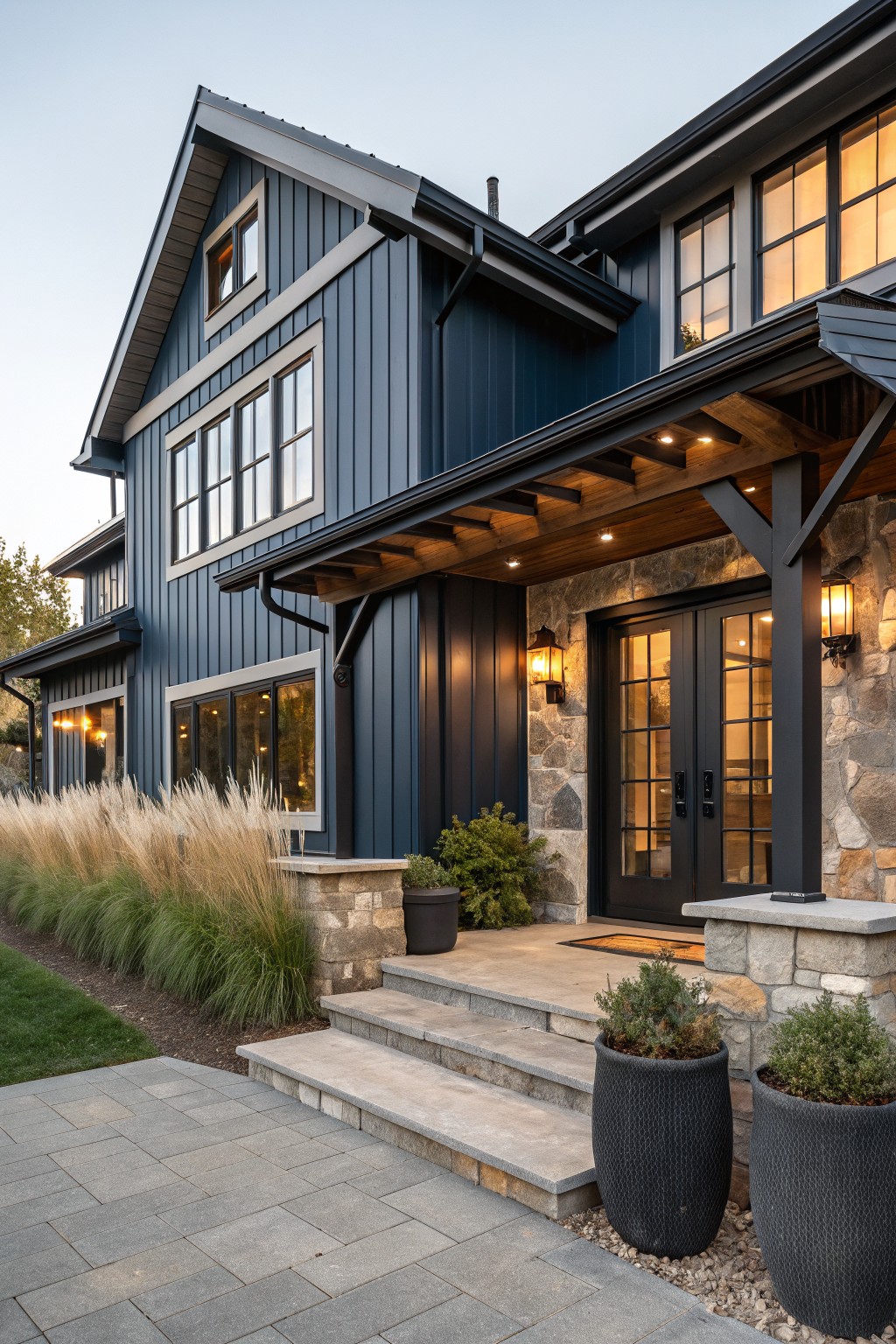
This deep navy blue works well for house siding because it feels solid without being too heavy. It has a cool tone that still reads welcoming on the outside of a home. The color looks closest to Sherwin Williams Naval or Benjamin Moore Hale Navy, with Behr Midnight Blue as another solid option.
It pairs nicely with stone foundations and wood beams because the blue stays calm next to those natural textures. Just watch how it shifts in morning versus afternoon light, since navy can look a touch darker or softer depending on the time of day.
Soft Blue Gray Siding
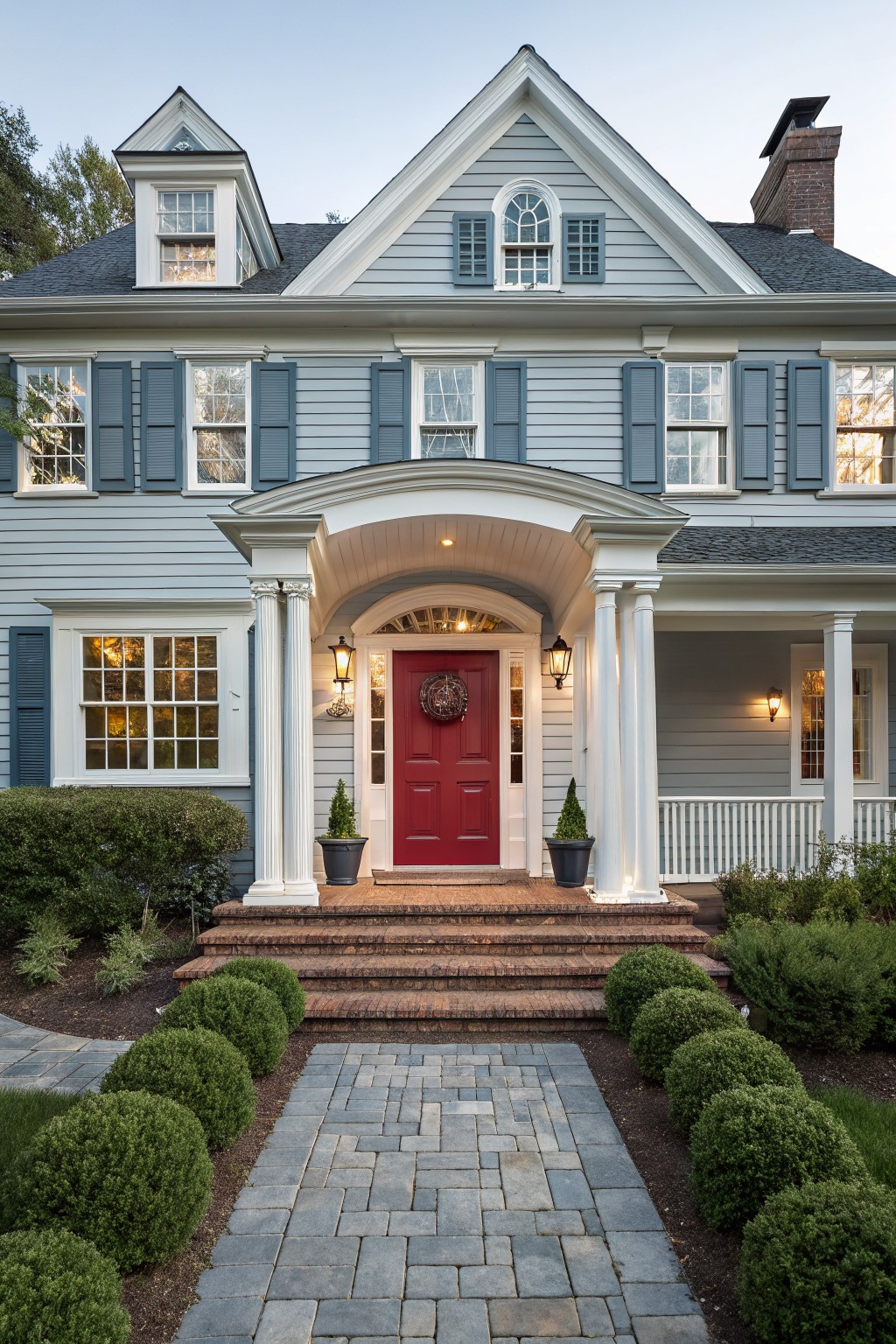
A soft blue gray works well on house siding when you want something calm but still interesting. This color family sits between gray and blue without leaning too far either way. It keeps the exterior looking clean and a little timeless while avoiding the flat look that plain grays can sometimes have.
It has cool undertones that show up more in bright light but soften nicely toward evening. This shade pairs best with white trim and a bold door color like red or deep green. It suits older homes and traditional styles especially well. Watch out for strong yellow lighting nearby since it can shift the blue side more than you expect.
Soft Green Siding
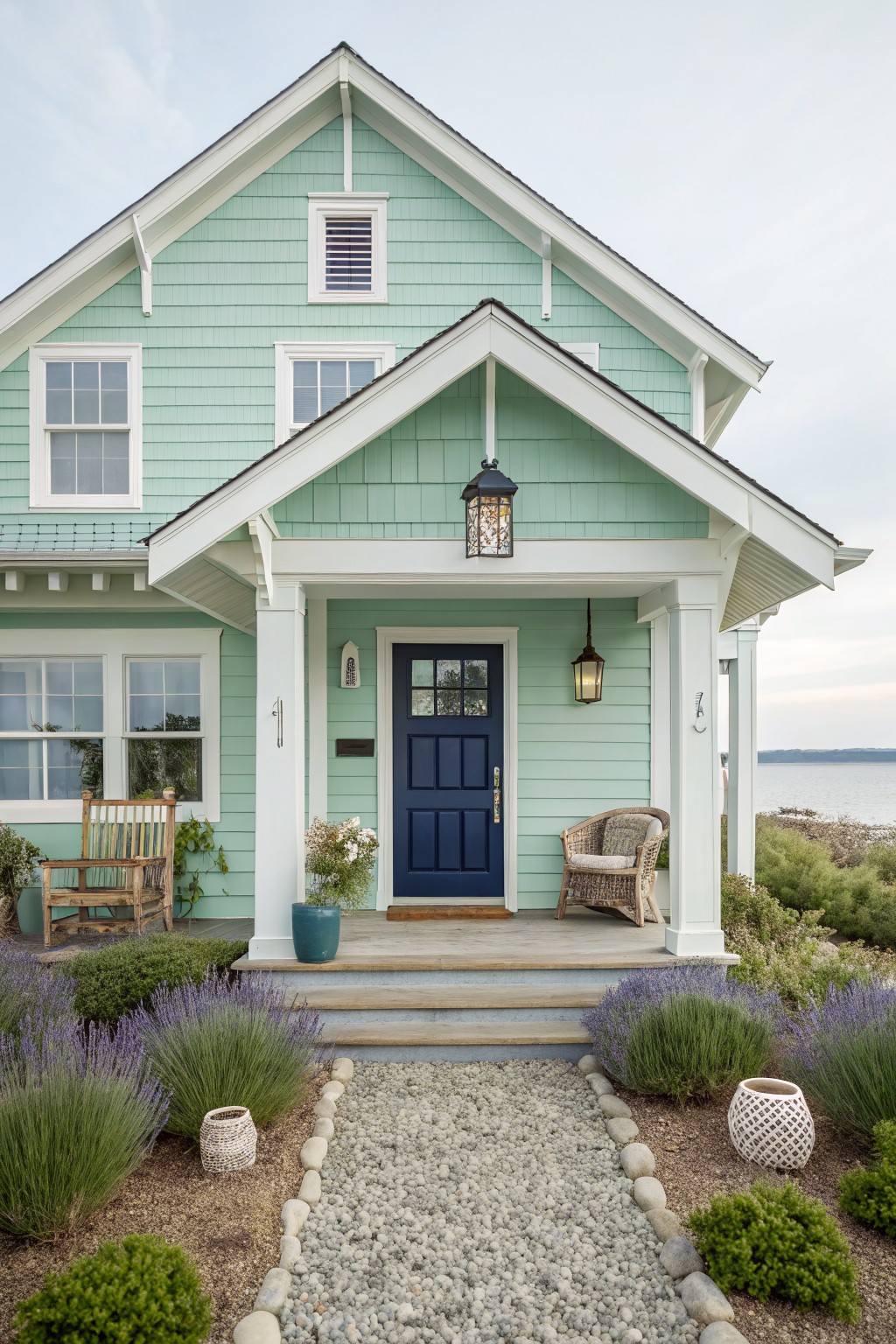
This soft green siding gives a house a light and easy look that feels welcoming from the street. It sits in that in-between space where green leans a little blue, which keeps it from looking too bold or too plain. Many people like this kind of color because it still feels natural while making the whole front stand out in a quiet way. Matches that come close include Sherwin Williams Aloe, Benjamin Moore Saybrook Sage, Behr Green Tea, and Farrow & Ball Teresa’s Green.
The color has cool undertones that can shift a bit depending on the light outside. It pairs best with clean white trim and simple landscaping so the green stays the main focus without competing. One thing to watch is how it reads next to any stone or wood on the house, since those can pull more blue or gray out of it.
Soft Sage Green for Natural Materials
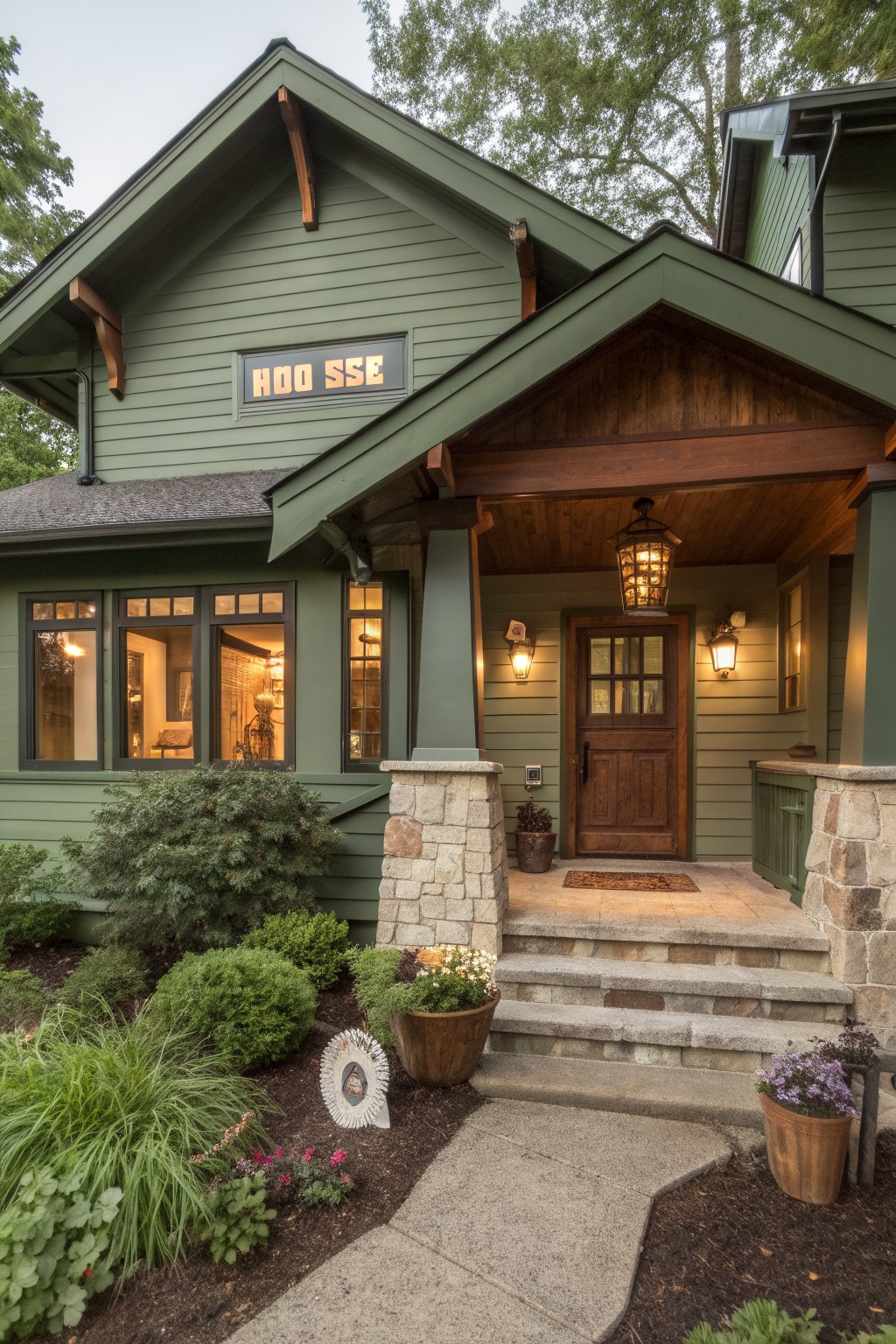
This soft sage green on the siding gives the house a calm, settled look that still feels fresh. It sits in that middle ground between green and gray, so it does not fight with the surrounding trees or roof. Many homeowners like this kind of color because it ages gracefully and does not show dirt quickly.
The shade has a slight warm undertone that helps it blend with wood trim and stone details. It works especially well on homes with natural materials nearby. Try it with warm white trim or dark wood doors. Good matches in this range include Sherwin Williams Clary Sage, Benjamin Moore Saybrook Sage, Behr Dried Thyme, or Farrow and Ball French Gray.
Soft Sage Green Door
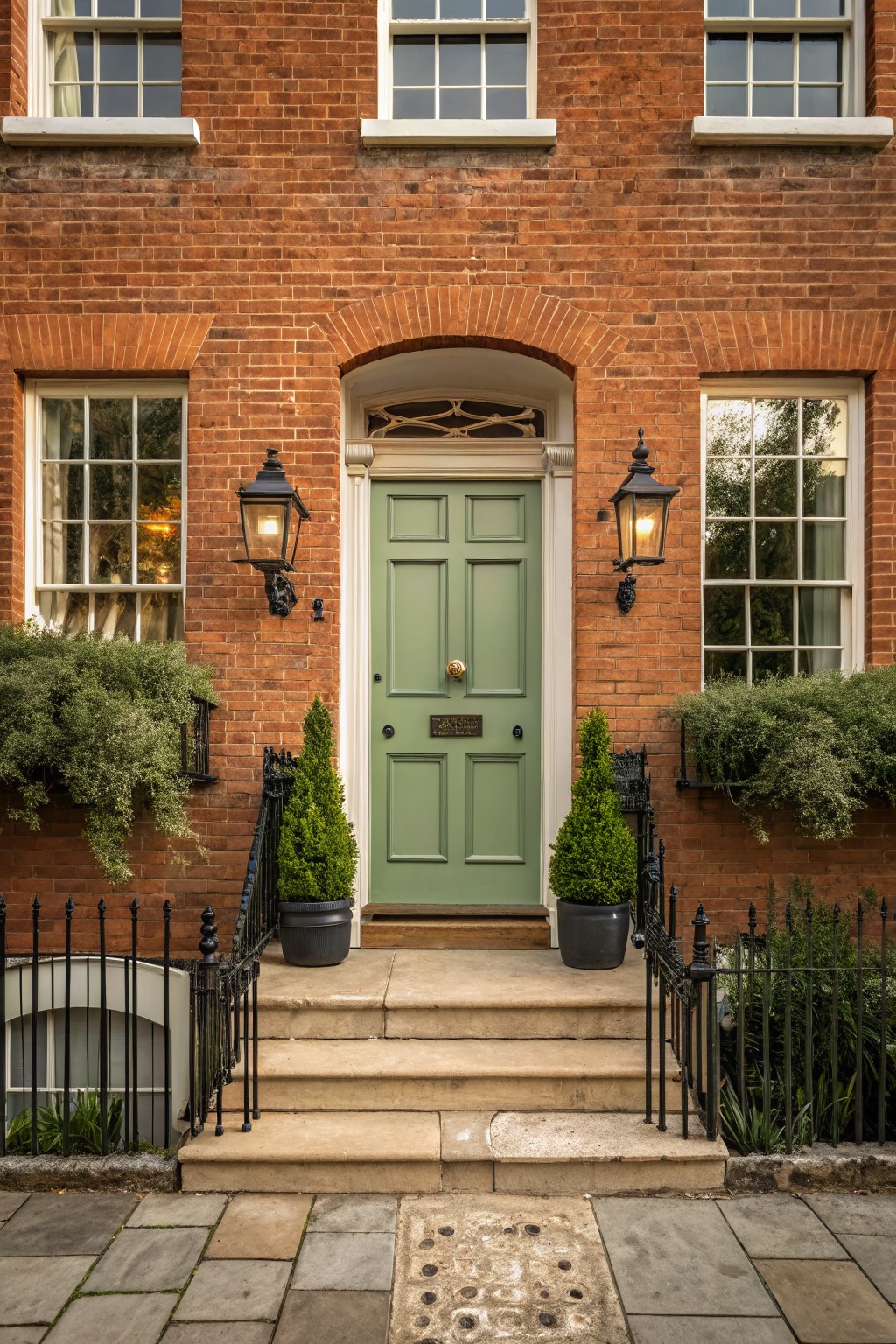
This soft sage green on the front door gives a calm look that works well with red brick. It sits in that middle ground between green and gray, so it feels quiet rather than bold and still shows up nicely against the warm brick.
It tends to read a little cooler in the shade and a touch softer in full sun. The color pairs easily with black metalwork and stone steps, though it can look flat if the trim around it is too bright white. Good matches for this shade include Benjamin Moore Saybrook Sage, Sherwin Williams Evergreen Fog, and Farrow & Ball Lichen.
Light Sage Green With Dark Roof
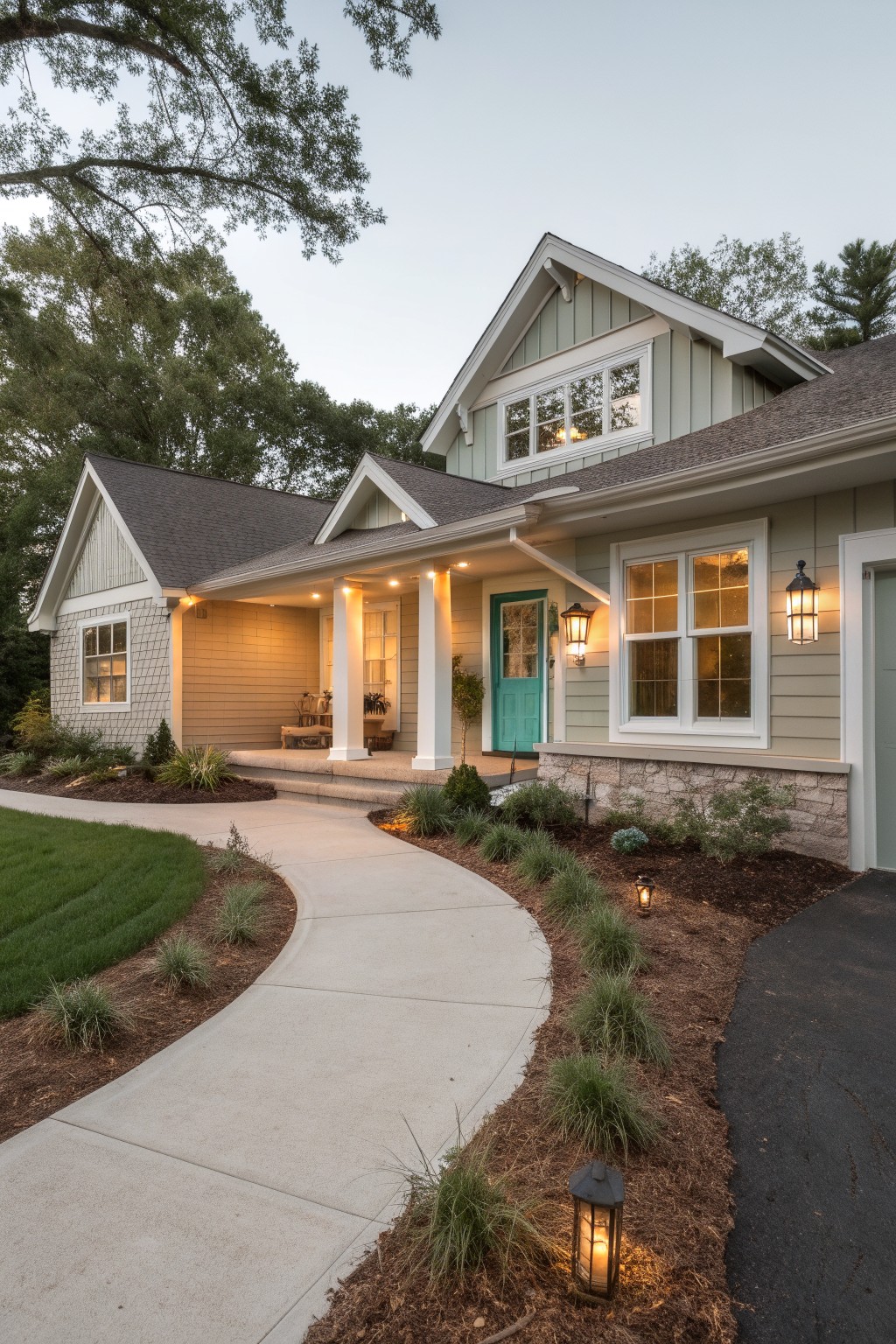
A light sage green on the siding gives a house a calm, lived-in look that still feels fresh. This color sits somewhere between gray and green, so it reads soft rather than bright and works especially well on homes with simple trim and darker roofs.
It has a quiet cool undertone that pairs best with warm white trim and natural stone or wood accents. Too much contrast in the landscaping can make it feel flat, so keeping the plantings fairly neutral usually helps it look its best.
Soft Blue Gray With White Trim
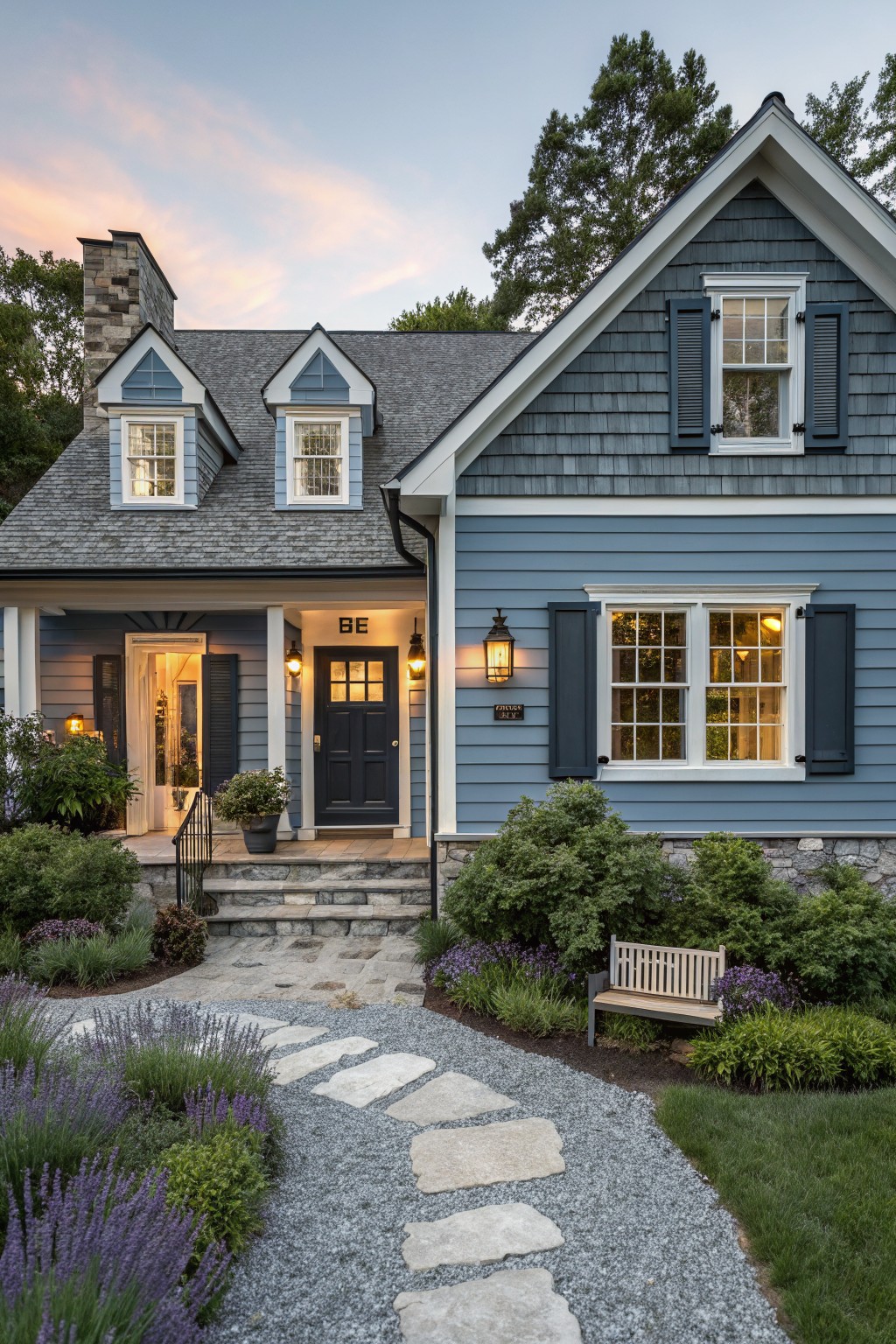
A soft blue gray makes a nice choice for house siding. This color sits right in the middle between gray and blue so it feels calm and a little traditional at the same time.
It has cool undertones that work best with white trim and dark accents. The shade holds its own next to stone details and still looks clean when the light shifts through the day.
Soft Peach Siding
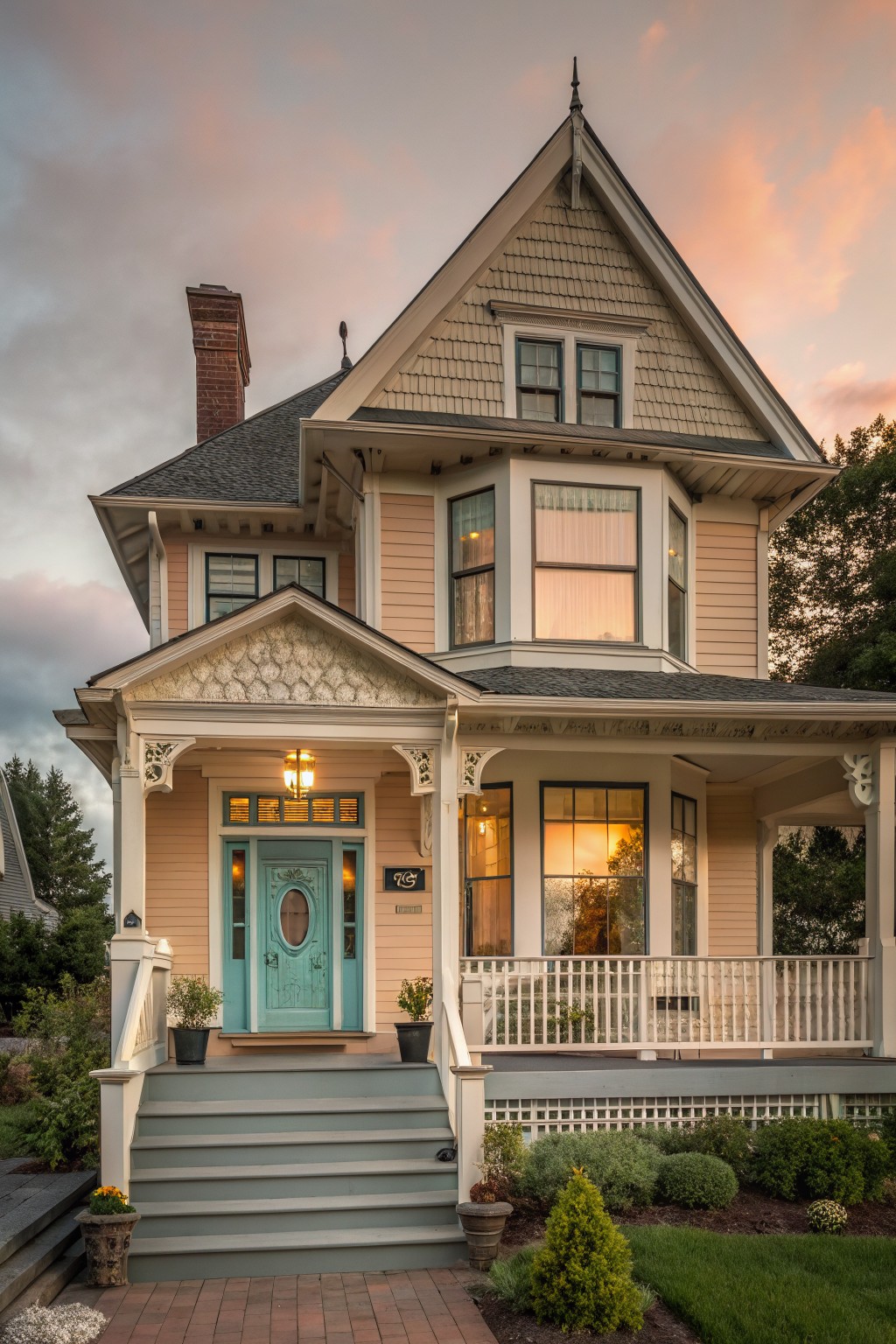
This soft peach beige siding brings a gentle warmth to the exterior. It sits between a light neutral and a faint blush, which helps the house feel welcoming rather than stark. Shades in this range tend to work nicely on older homes because they soften the lines without hiding the details.
The color has a mild pink undertone that shows more in warmer light. It looks good next to white trim and pairs well with a darker roof or gray shingles. Try it if you want something friendly that still feels classic.
Warm Greige Exterior Walls
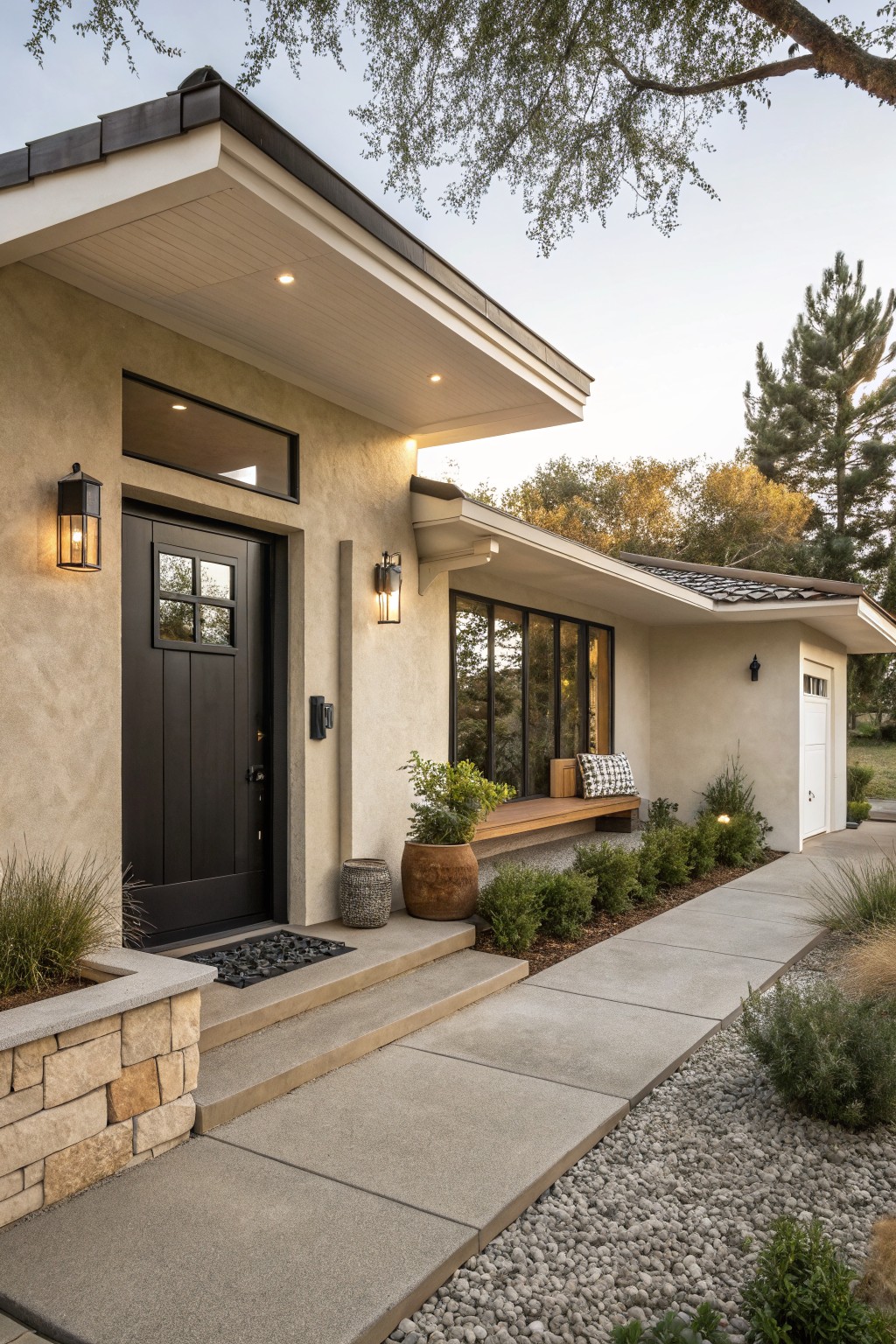
A warm greige works well on this house because it feels soft but still has enough depth to stand out against the stone base. This color family sits between beige and gray, so it reads as neutral without turning too cool or too yellow in daylight. It looks closest to Sherwin Williams Accessible Beige or Benjamin Moore Edgecomb Gray, with Behr Greige also coming close in tone.
The slight warmth helps the paint sit nicely next to natural materials like the stone and wood accents. It pairs best with white or off-white trim and a darker door or window frame to add contrast. Just watch that it does not get too pink or muddy if your light leans more golden in the afternoon.
Soft Warm Beige Siding
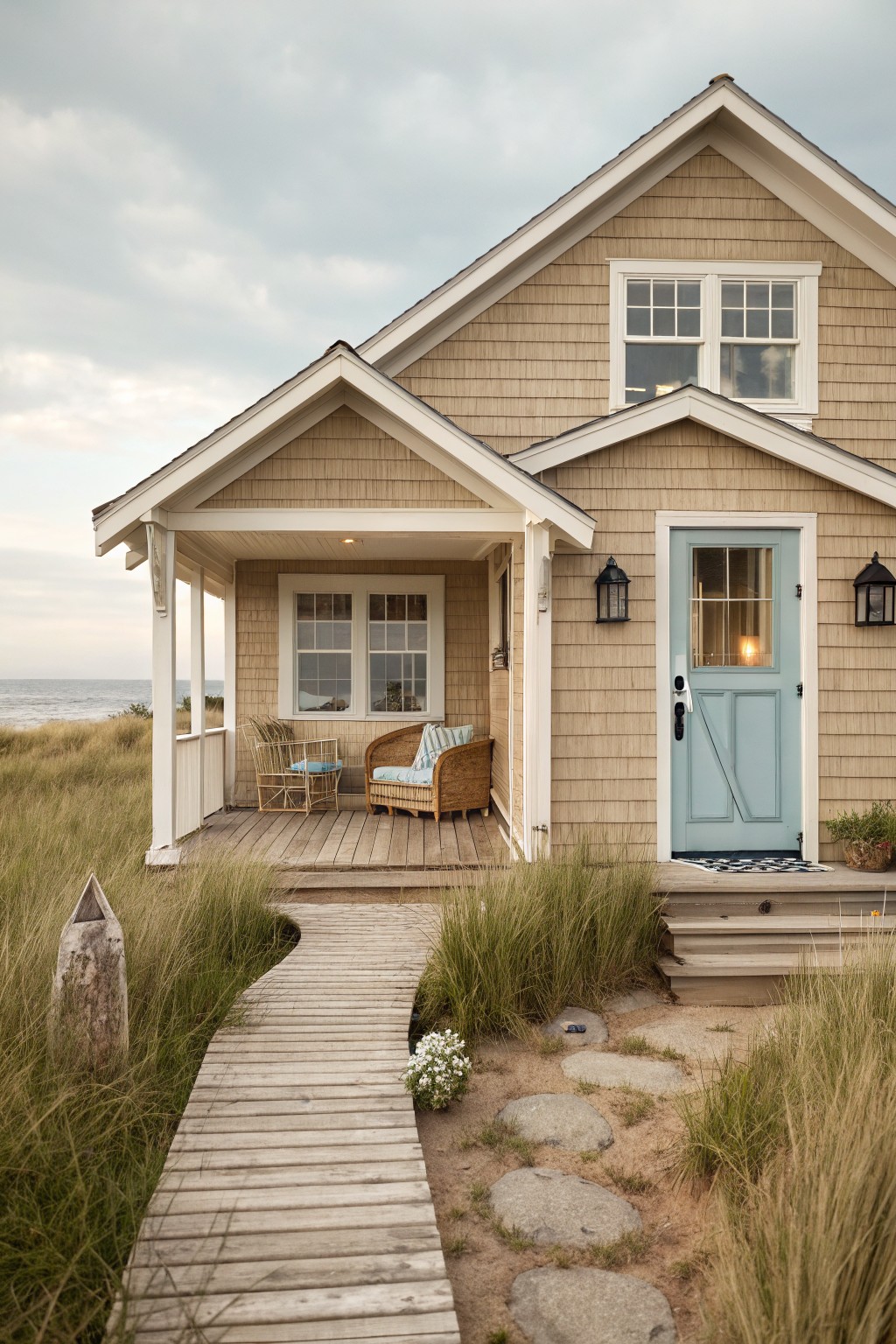
This soft warm beige gives the house a quiet, lived-in feel that works especially well near the coast. It sits right in that middle ground between tan and light taupe, never too yellow or too gray. The color looks closest to Sherwin Williams Accessible Beige, Benjamin Moore Manchester Tan, or Behr Sand Dune, all of which share that same gentle warmth.
It pairs easily with crisp white trim and stands out nicely against a soft blue door. The slight sandy undertone keeps it from feeling flat in changing light, though it can read a little cooler on very overcast days. This shade suits simple beach cottages or older homes that already have natural wood or stone nearby.
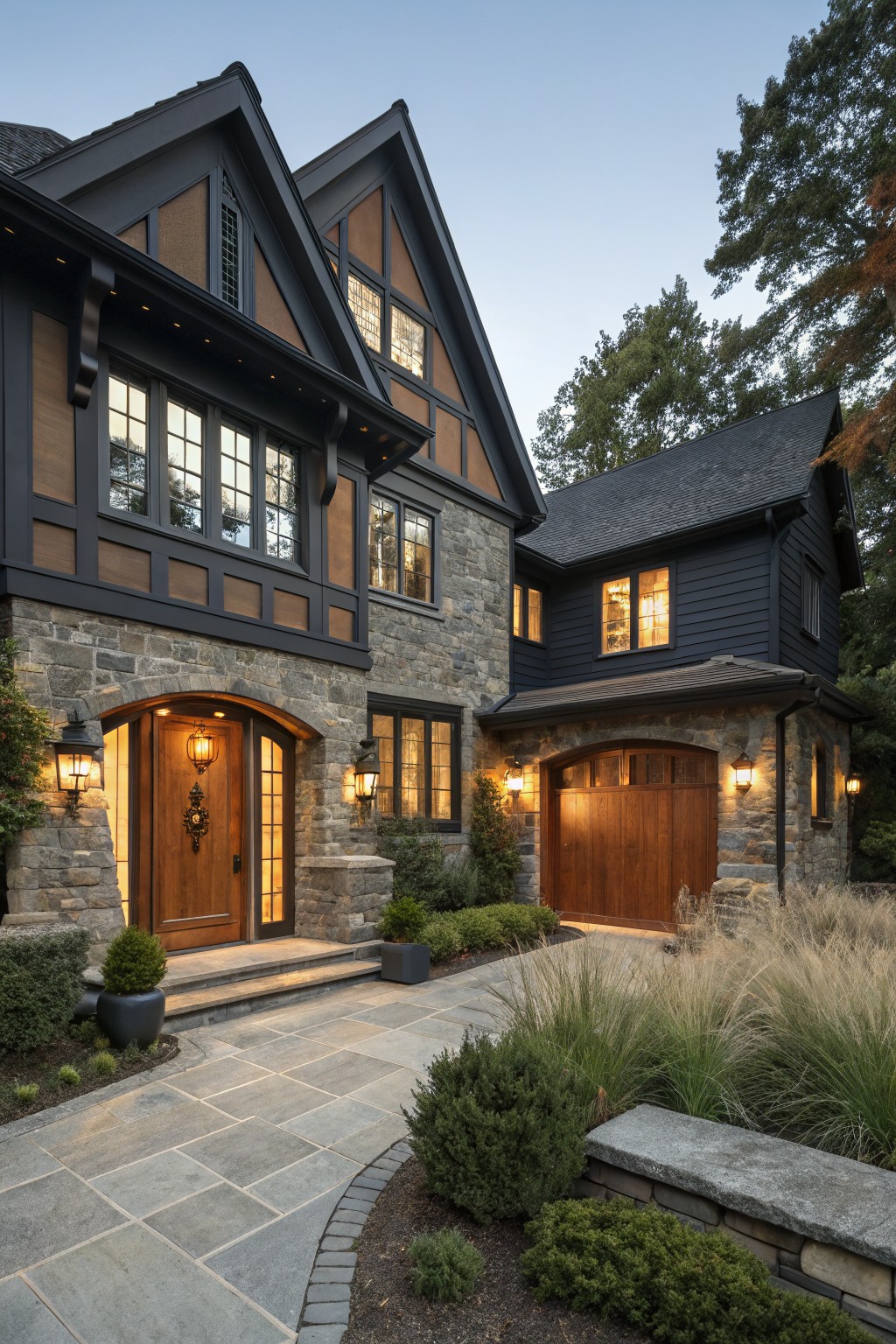
This deep navy paint on the siding gives the house a solid look that still feels welcoming. It is a dark blue with gray mixed in that sits nicely against lighter skies and natural surroundings.
It works well with stone foundations and wood accents like garage doors. Just keep an eye on how it reads in full sun since these darker shades can come across even deeper than expected on bigger surfaces.
Blue Gray Shingle Siding
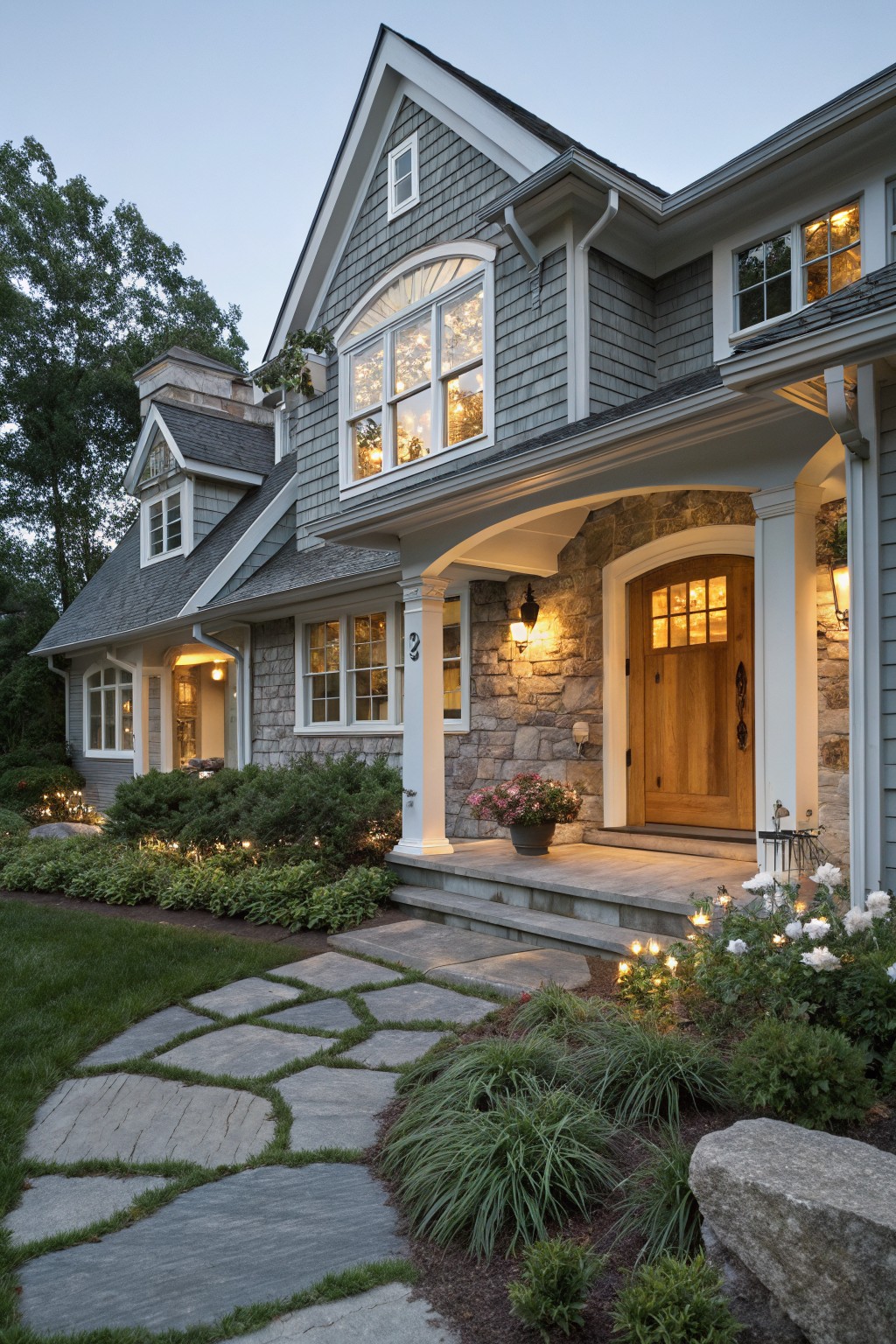
This blue gray paint gives the house a clean and steady look that feels right at home on shingle siding. The cool tone keeps things simple while still standing out against the roof and stone details.
It pairs easily with white trim and holds up well in natural light. Just watch how it shifts from morning to evening before you commit, since gray can lean greener or bluer depending on the setting.
Warm Beige Stucco Walls
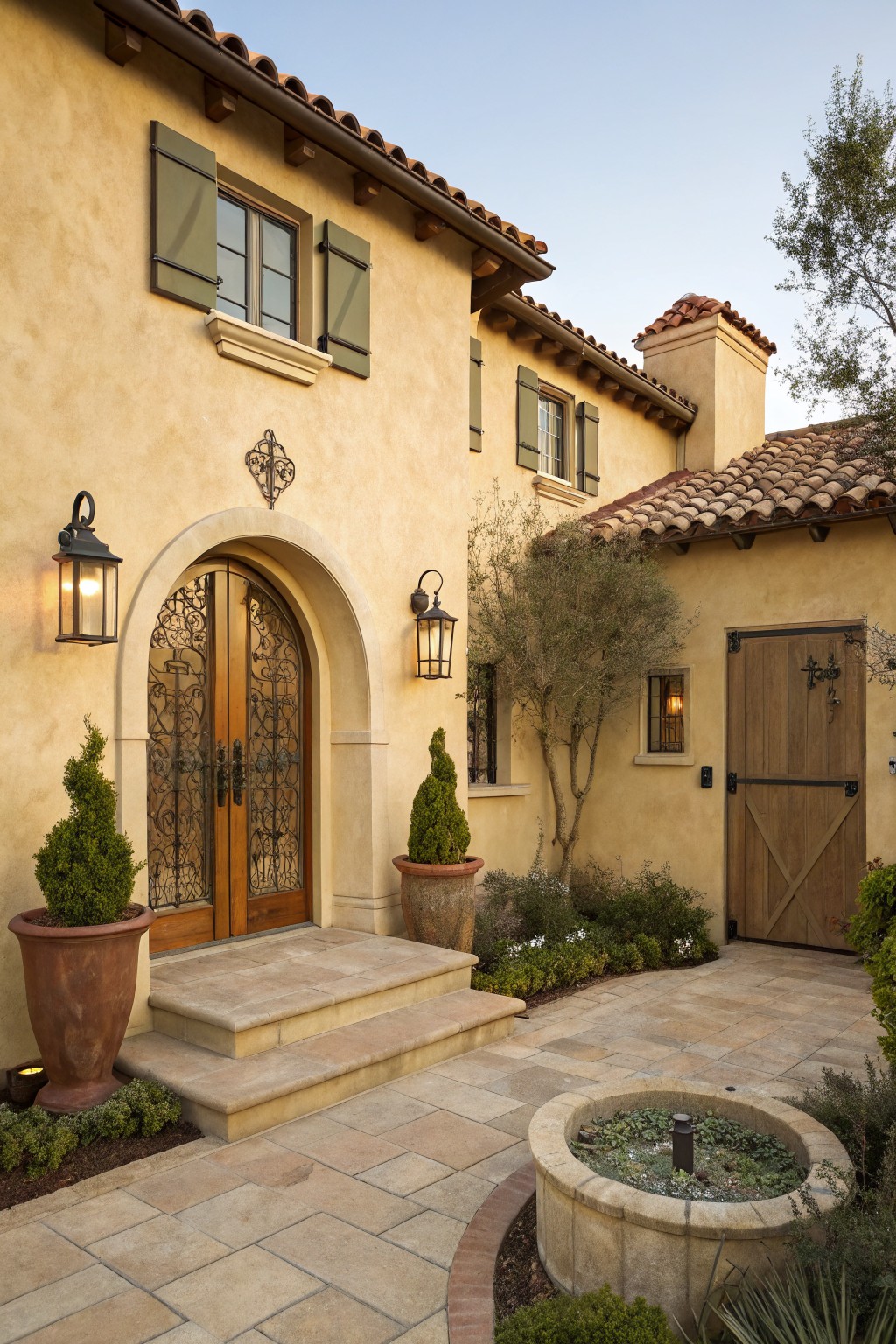
This warm beige stucco gives the house a soft, sunlit look that feels easy and lived in. It sits in that light tan family with gentle yellow undertones, which helps it blend nicely with terracotta roofs and natural wood without looking too stark or flat.
The color works best on homes with similar earthy materials. It pairs cleanly with dark wood doors and simple stone accents, though it can start to feel washed out if the roof or trim runs too cool. Sherwin Williams Accessible Beige, Benjamin Moore Manchester Tan, Behr Bungalow Beige, and Farrow & Ball Slipper Satin all land close to this shade.
Frequently Asked Questions
Q: What color should I choose if my house has a lot of brick? A: Look for shades that complement the brick tones without clashing. Try soft grays or warm beiges that let the brick stand out. Test samples on a small section first to see how they pair in natural light.
Q: How long will these exterior paints last before I need to repaint? A: Most quality exterior paints hold up for about five to seven years with proper prep. Clean your house regularly and touch up any chips right away.
Q: Can I use one of these colors even if my home is in a strict neighborhood? A: Check your HOA rules first before picking anything bold. Many areas allow soft neutrals from the list like greige or sage. Stick with those to avoid any issues while still boosting your curb appeal.