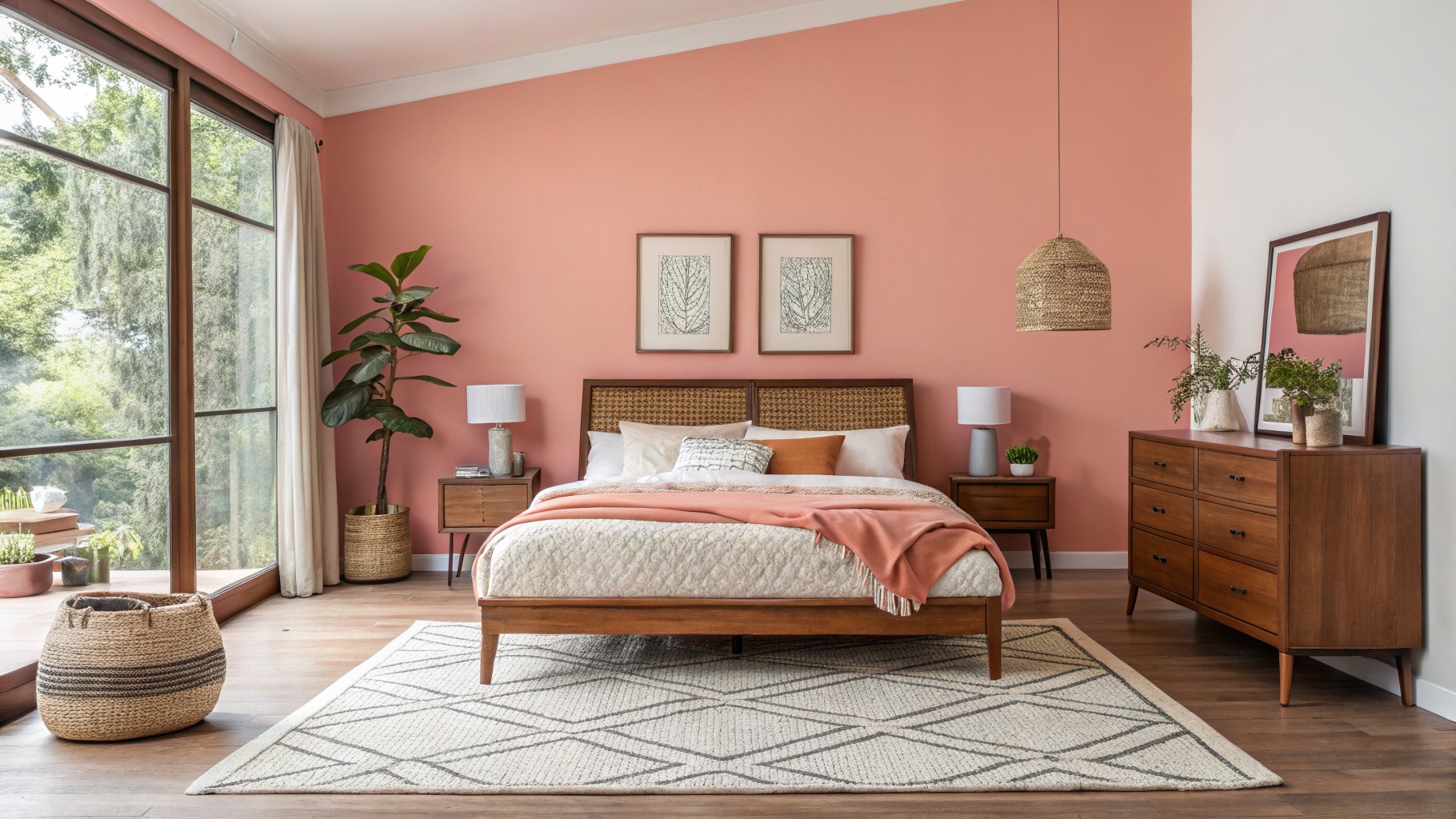
I have found that even the most vibrant shades can settle into a room once you account for how the light moves across the walls throughout the day.
Undertones often show up more clearly next to white trim or wooden floors, which is why I always test a few samples before committing.
Some colors surprise me by feeling too bold until they are balanced with softer furniture and textiles.
Try a patch on the wall first.
I have learned to pick shades that add just enough energy without fighting the rest of the space once they are up on the walls.
Warm Coral Bedroom Walls
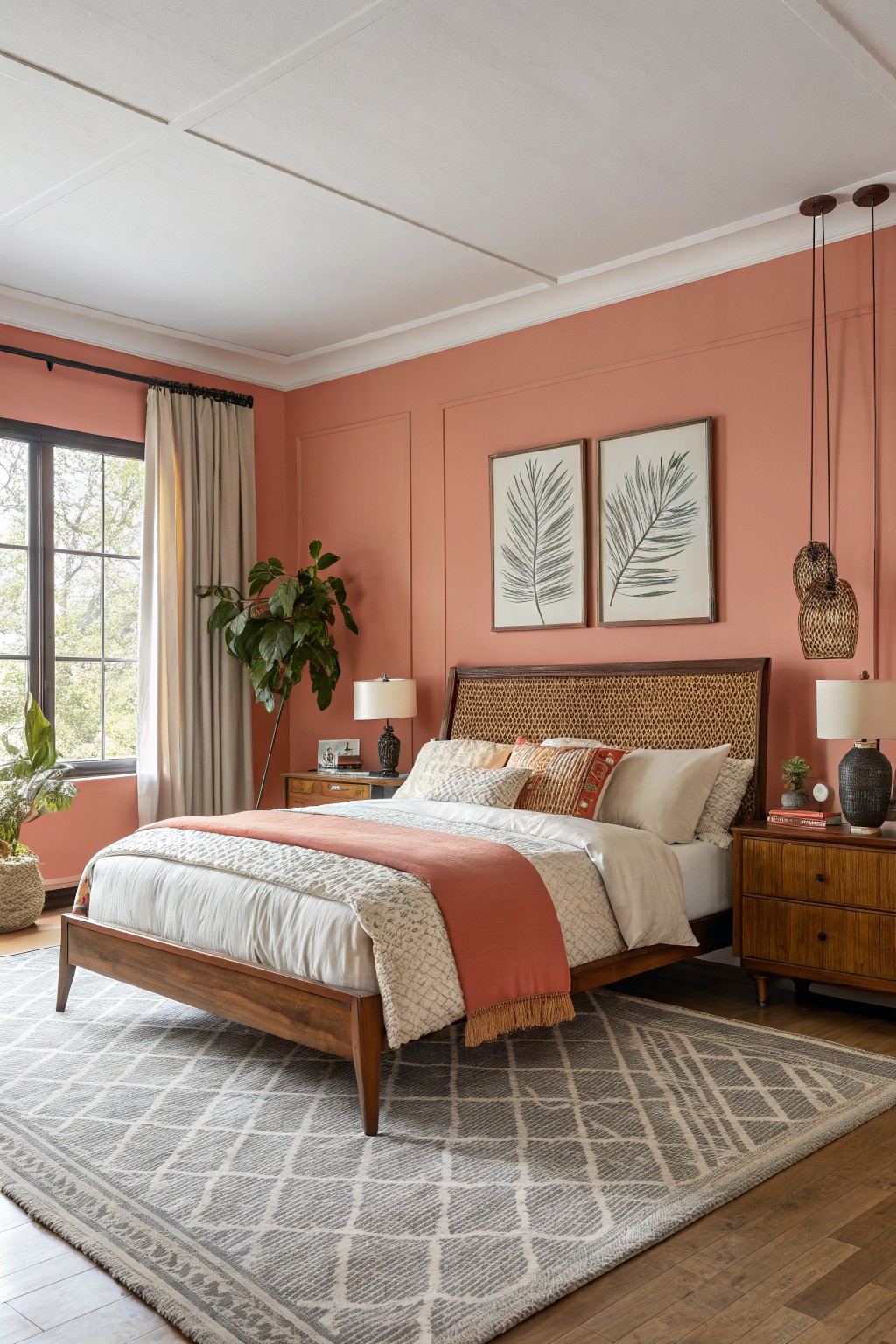
This warm coral paint adds a gentle color to a bedroom without making the space feel busy. It sits somewhere between peach and soft terracotta, with a hint of orange that keeps it from turning too pink. Many people like this kind of shade because it feels cheerful in the morning yet still calm enough for rest at night.
The color works nicely with warm wood furniture and simple neutral textiles. It can shift a little depending on the light, so it helps to test a sample on the actual wall before committing. Pairing it with natural textures like linen or a soft rug keeps the room feeling easy and balanced.
Deep teal walls
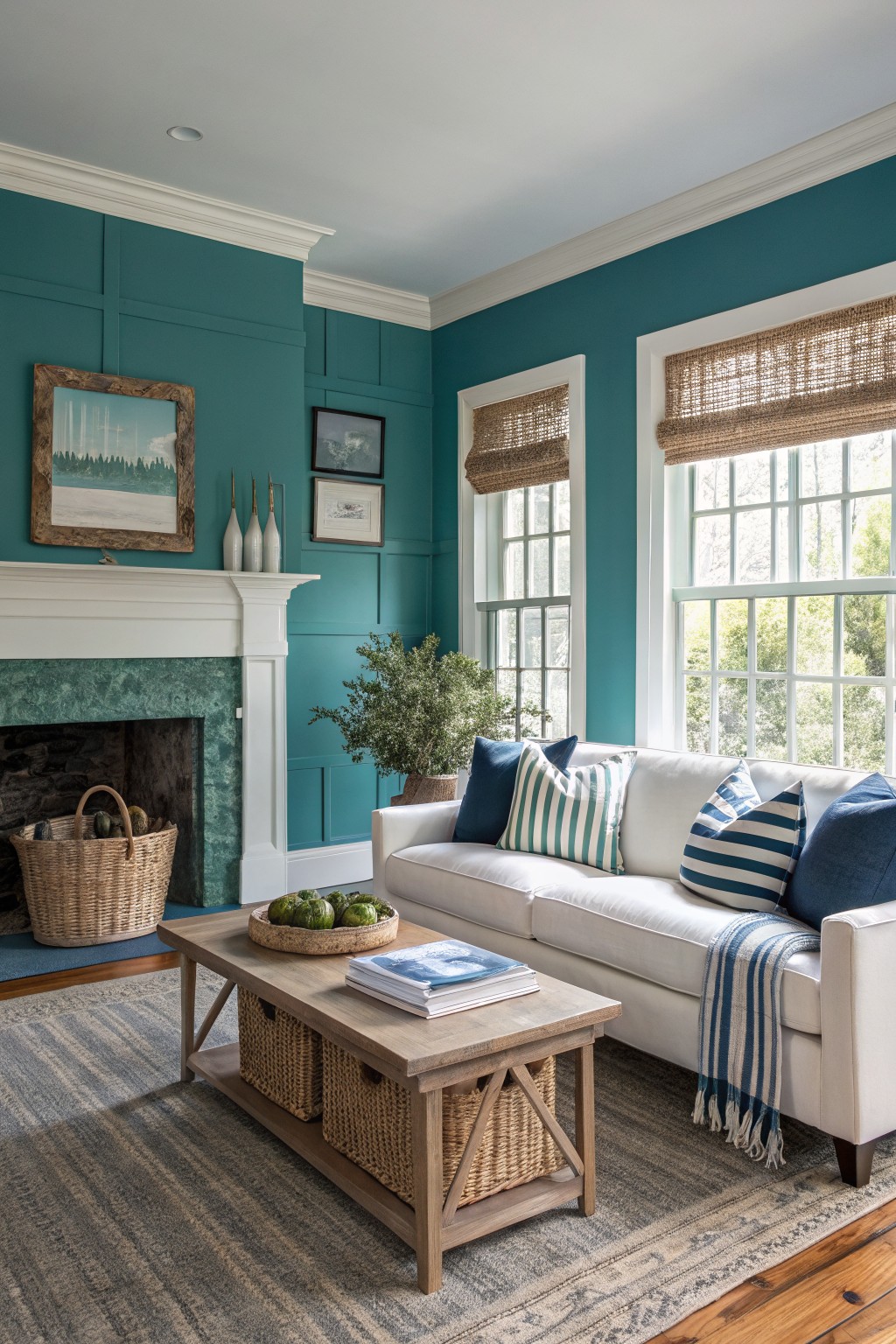
A deep teal like this brings personality to a living room without taking over. It sits somewhere between blue and green, giving the walls a fresh but steady feel that works well with white trim and wood tones.
It holds up nicely in rooms with plenty of natural light and pairs easily with neutral furniture and simple textiles. In lower light it can lean a bit cooler, so testing a sample on the wall first helps avoid surprises.
Soft Yellow Kitchen Walls
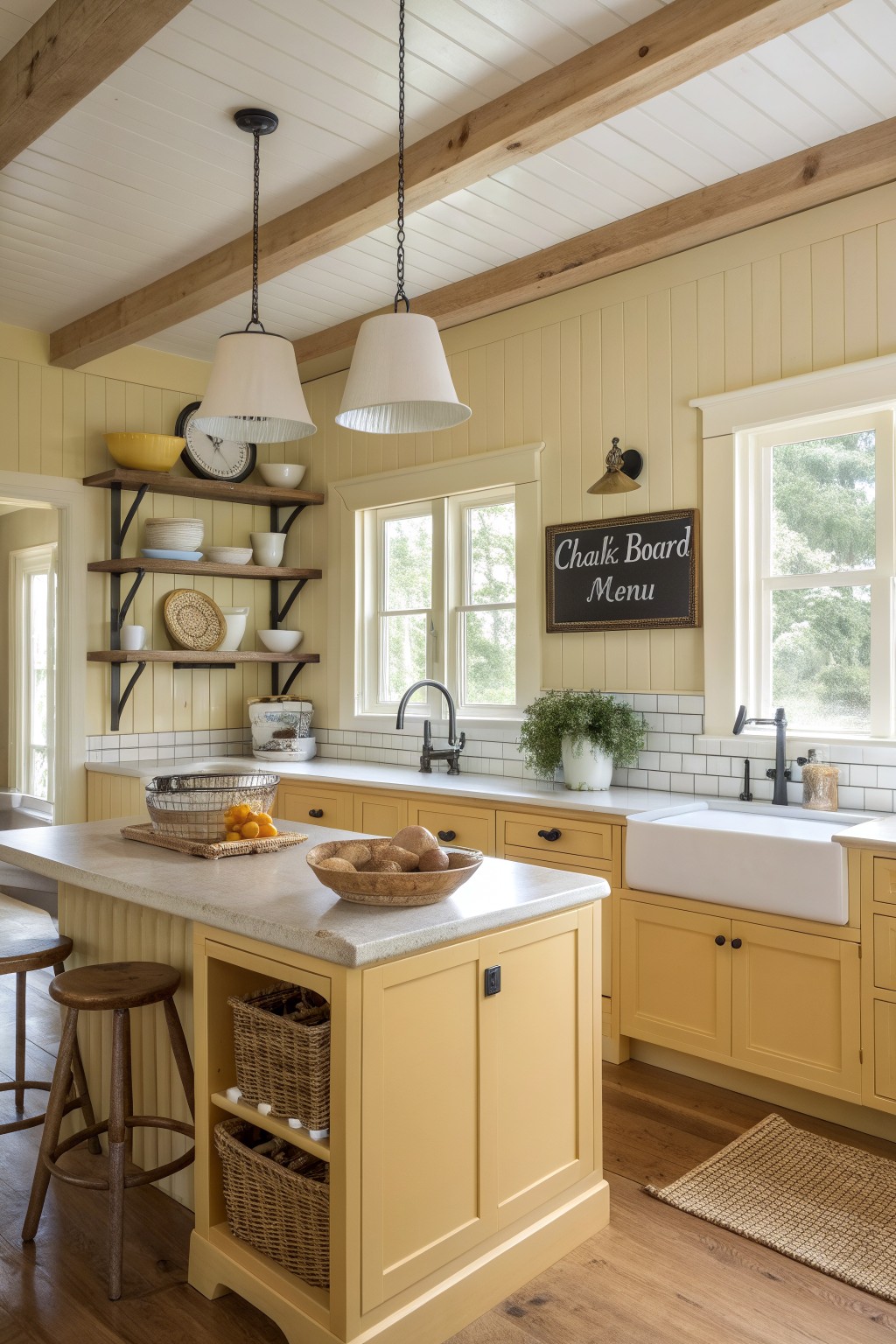
This soft yellow brings a warm, gentle brightness to the kitchen without feeling too bold. It reads as a pale buttery shade that sits somewhere between cream and true yellow, and it looks close to Sherwin Williams Friendly Yellow or Benjamin Moore Hawthorne Yellow.
The color has a light warm undertone that works nicely with wood tones and white surfaces. It suits kitchens with plenty of natural light and pairs well with simple wood accents or white countertops.
Soft Sage Green Walls
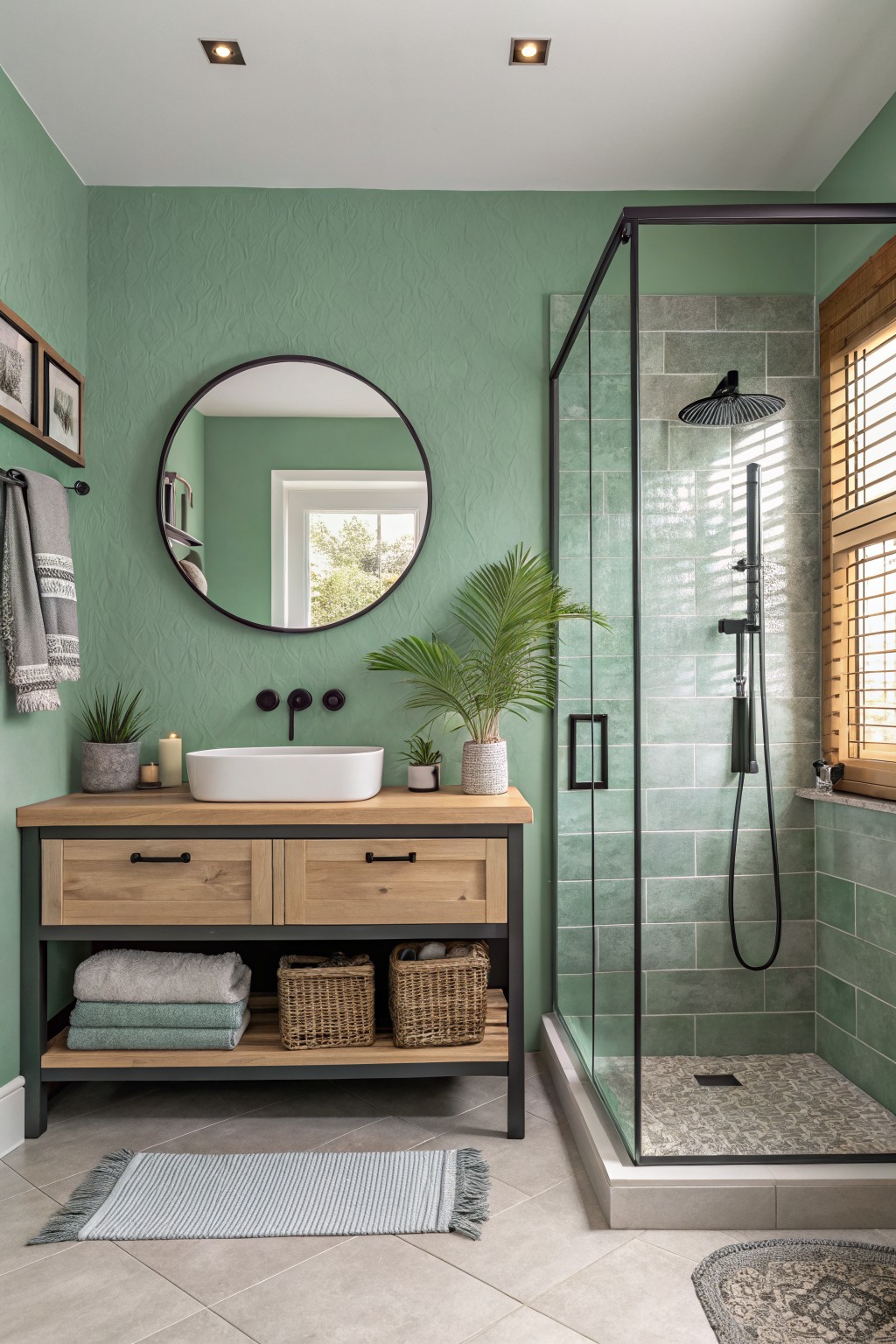
A soft sage green works well in bathrooms because it brings in a bit of color without making the space feel heavy. This shade sits in that gentle middle ground between gray and green, so it still feels calm even with wood tones and darker fixtures nearby.
It has a slight warm undertone that helps it play nicely with oak vanities and stone floors. Pair it with black hardware or simple white sinks if you want the color to stay relaxed rather than bold. Sherwin Williams Evergreen Fog, Benjamin Moore Soft Fern, or Behr Aloe Vera all land close to this look.
Warm Terracotta Walls
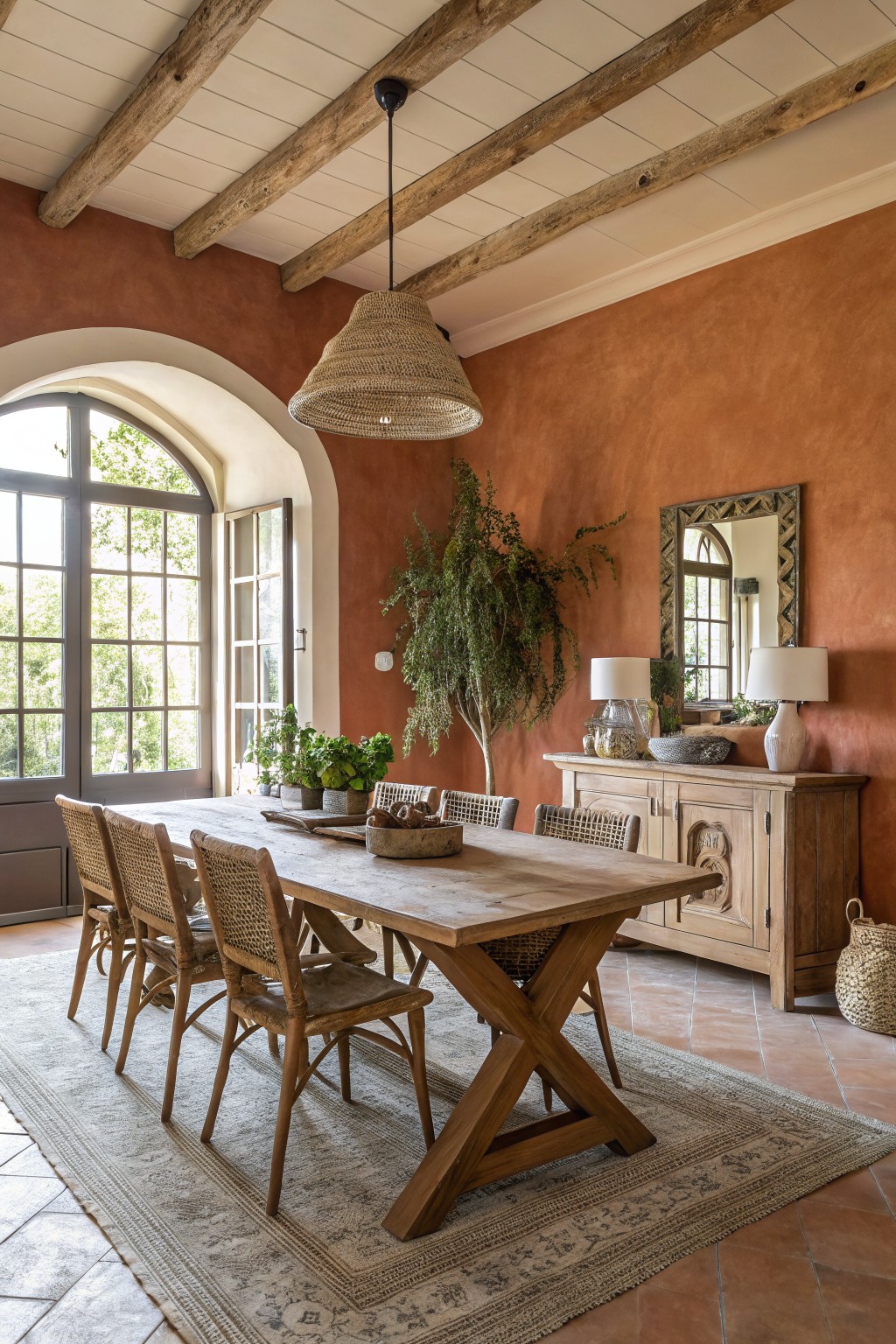
A warm terracotta like this one gives walls an earthy tone that feels grounded without closing a room in. It sits somewhere between orange and brown, which makes it easy to live with in spaces that already have wood tones and natural light.
The color carries a soft red undertone that shows up more in warmer light but stays calm overall. It pairs well with raw wood furniture and simple woven pieces, though it can start to feel heavy if the room lacks enough daylight or light-colored accents.
Soft Sage Green Stairwell Walls
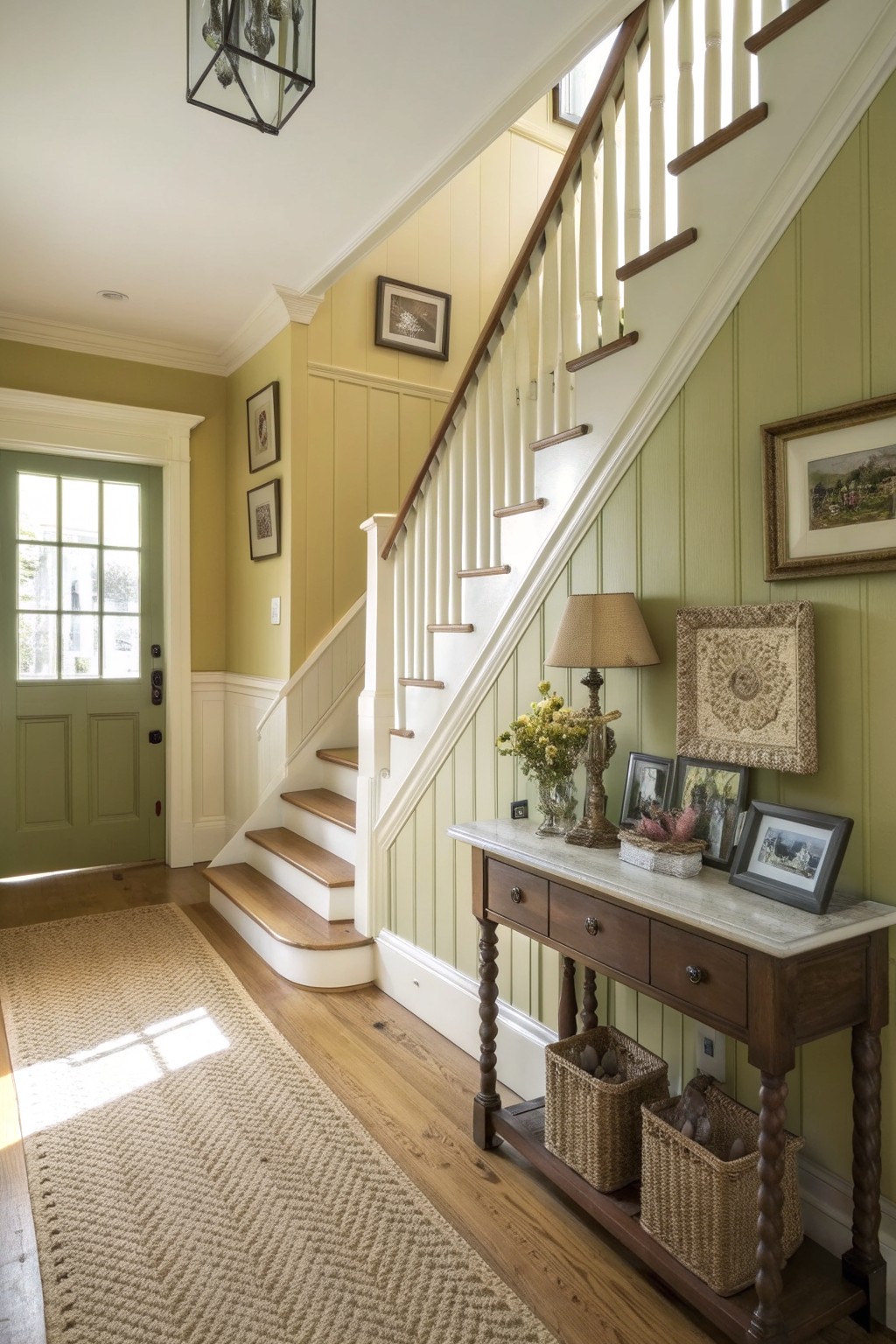
This stairwell shows off a soft sage green that feels calm but still has some character. It sits in that middle ground between gray and green, giving the space a gentle personality without making the room feel small or dark.
The color has a light warm undertone that works nicely with wood floors and white trim. It suits entryways and hallways especially well, and it stays easy to live with even when sunlight moves across the walls during the day. Similar shades include Benjamin Moore October Mist, Sherwin Williams Clary Sage, and Farrow & Ball Lichen.
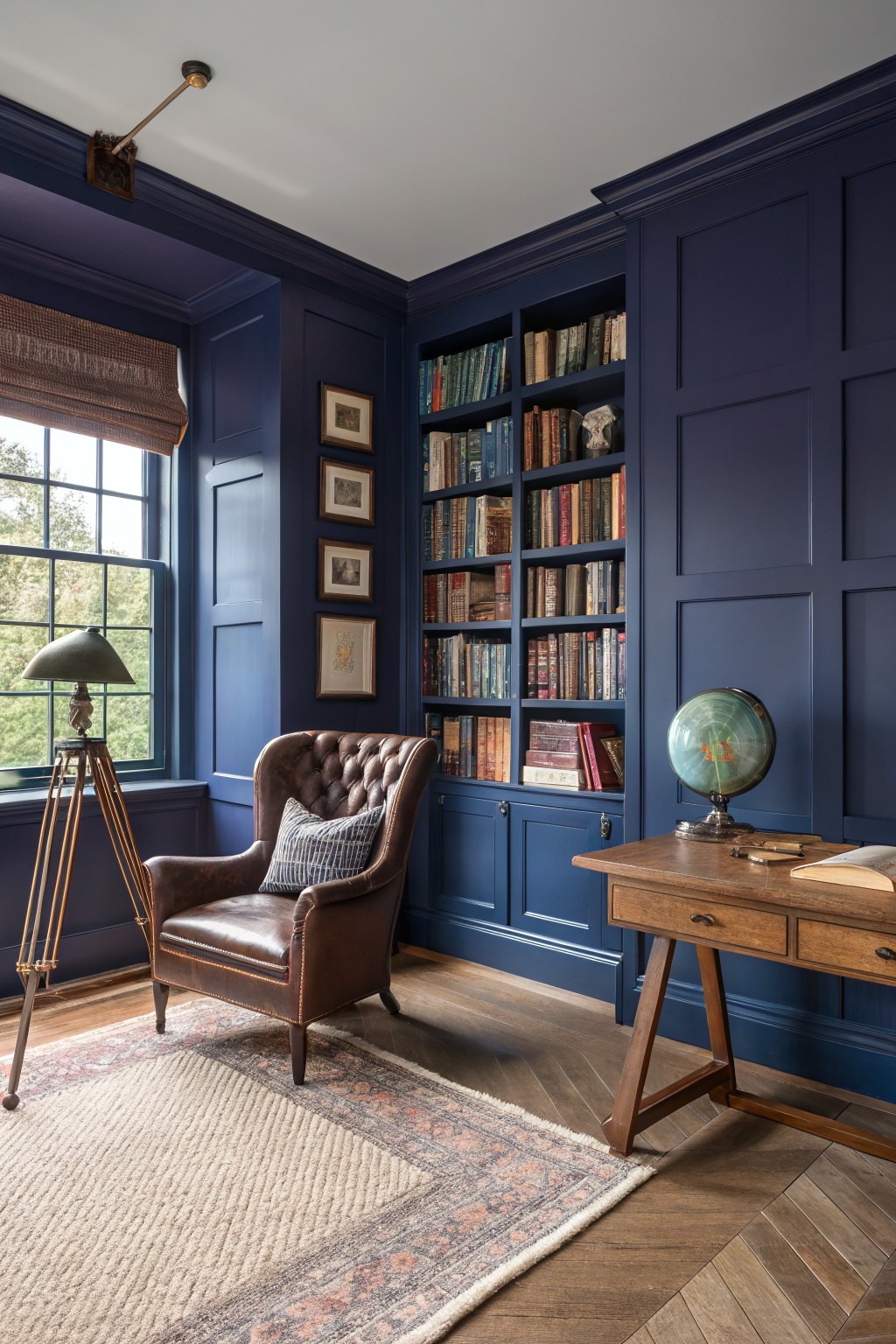
A deep navy blue like this one brings a steady, grounded feel to a room without turning it gloomy. Colors in this family read as strong but still livable, especially when the ceiling stays light and the floor is a warm wood tone. It sits close to Sherwin Williams Naval, Benjamin Moore Hale Navy, or Farrow & Ball Hague Blue.
The cool undertone shows up more in the afternoon light, so it works best in rooms that get some natural sun. Pair it with brown leather, simple rugs, and wood furniture so the blue stays the main feature instead of feeling heavy.
Soft Lavender Walls
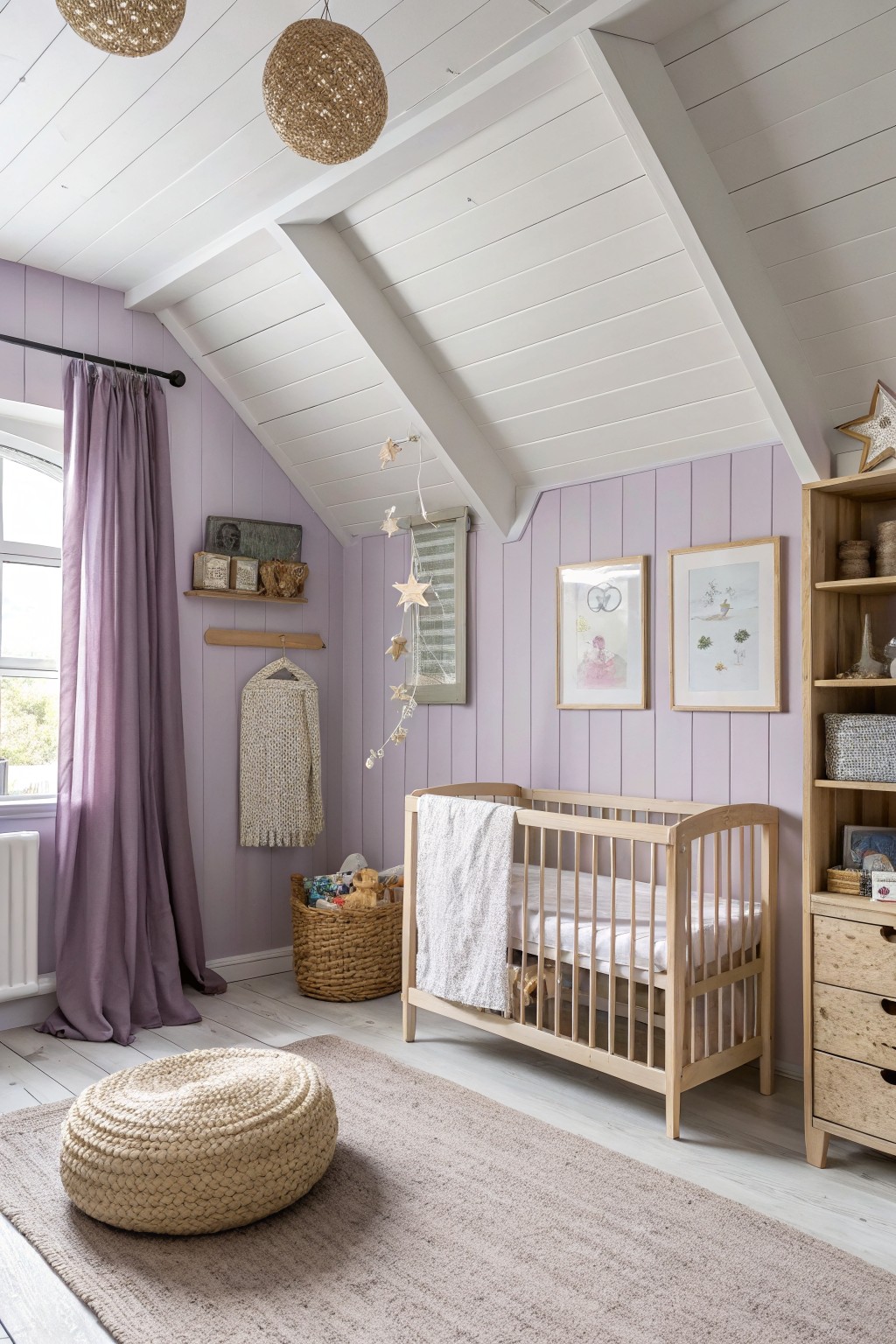
This soft lavender wall color gives a room a calm, quiet feel without turning it too sweet or childish. It sits in that gentle purple family that feels fresh but still easy to live with, and it works especially well when you want something a little different from the usual grays or blues.
The shade has cool undertones that read nicely against white trim and ceilings, though it can look a touch cooler in low light. It pairs best with light wood furniture and simple textiles. Good matches in this range are Sherwin Williams Hint of Lavender, Benjamin Moore Lavender Ice, and Behr Soothing Lilac.
Warm Ochre Built-Ins
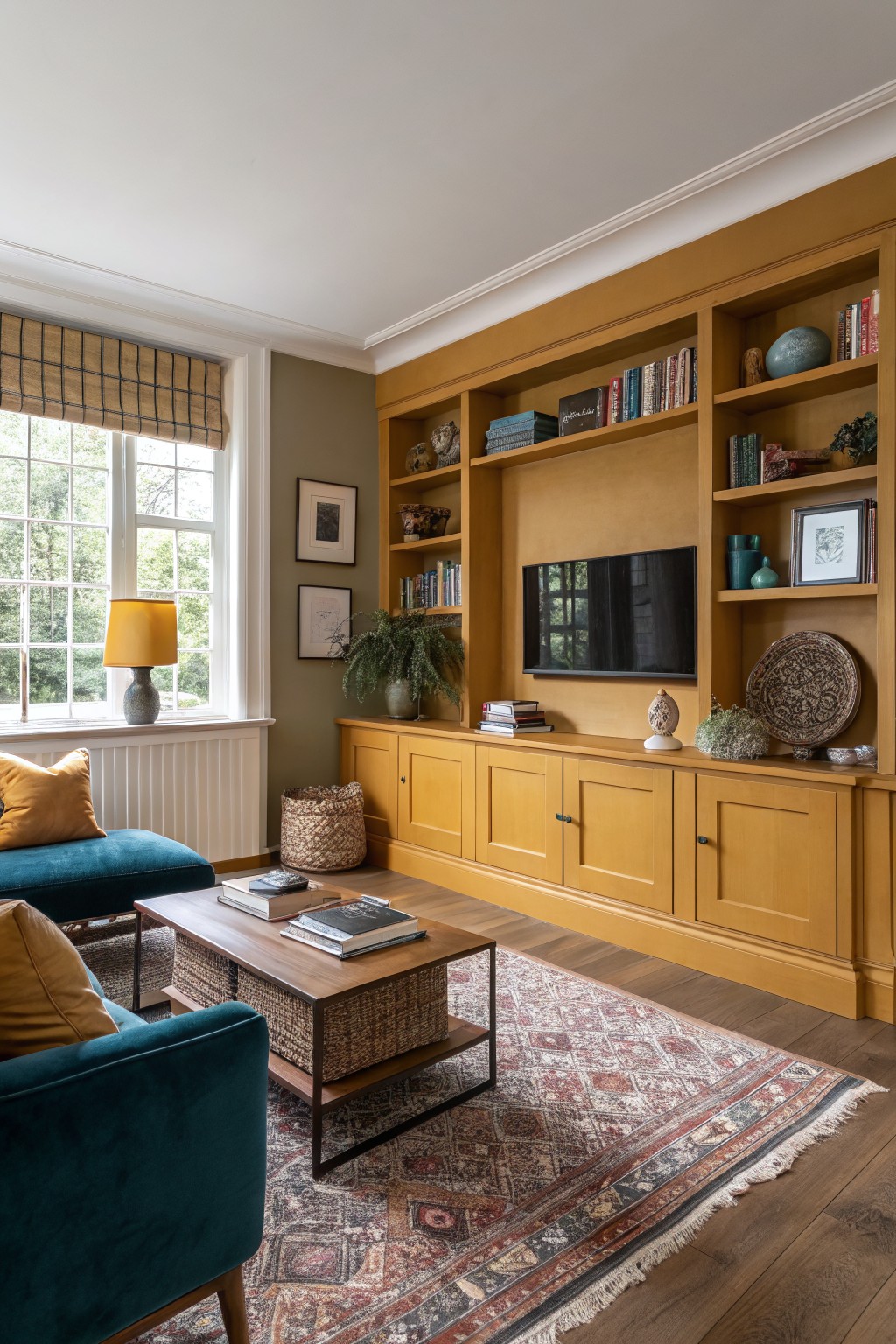
This warm ochre yellow gives the room a grounded feel that still has some life to it. It sits somewhere between mustard and golden, with enough depth to make the wood cabinetry look richer without fighting against it.
The color has a soft warm undertone that pairs easily with teal furniture and patterned rugs. It works well in spaces with decent natural light, though it can shift a bit more golden as the day goes on. Try it on built-ins first if you want to test how bold you actually like it.
Bold Red Doors
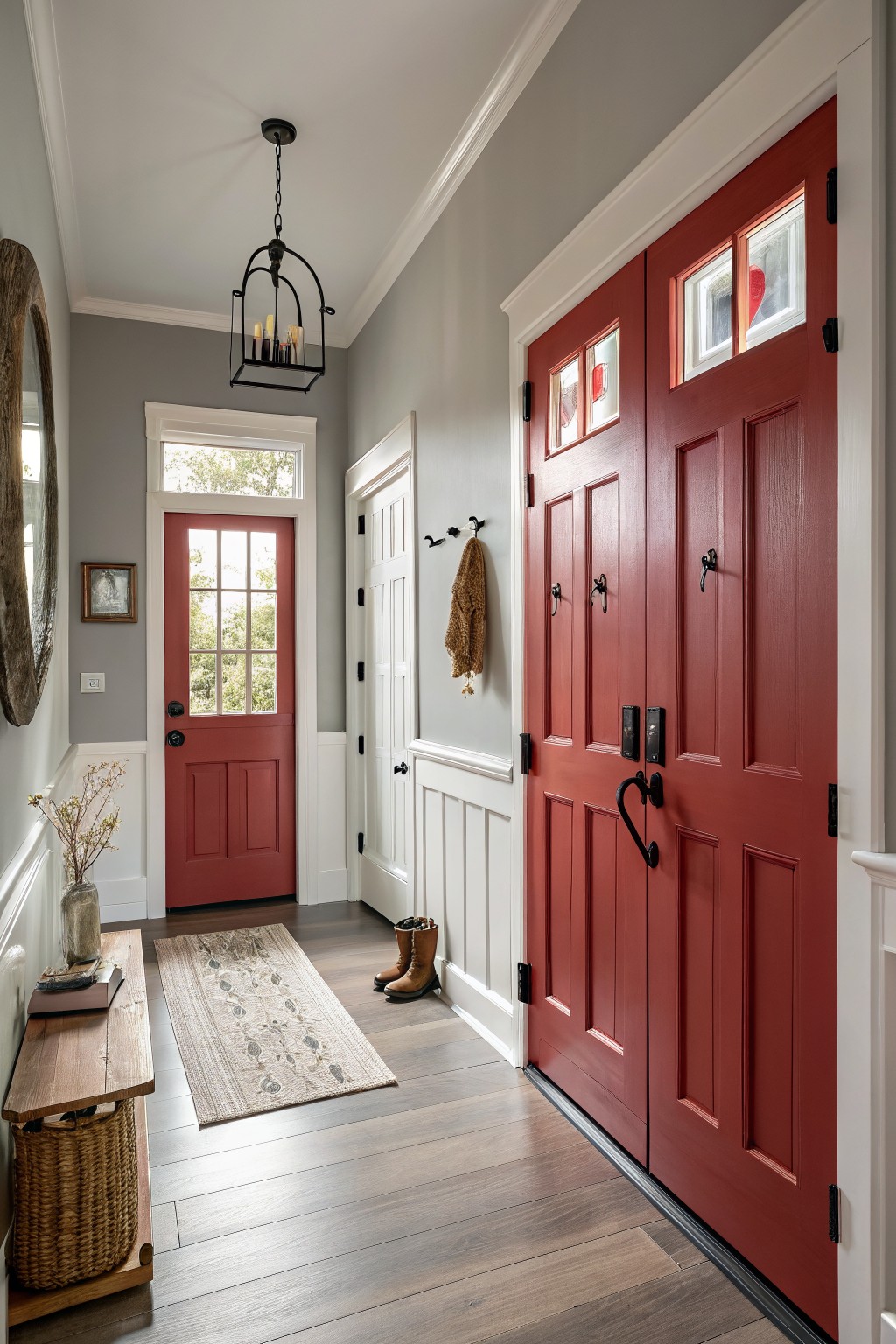
This is a warm, saturated red that brings just enough energy to an otherwise calm entry. It sits nicely against the soft gray walls and feels welcoming without shouting. The color has that same rich depth you see in shades like Benjamin Moore Caliente or Sherwin Williams Real Red, and it also reads close to Behr Moroccan Red in certain lights.
Because the red is used only on the doors, it stays friendly rather than overwhelming the space. It works especially well with warm wood floors and black hardware, and it holds up nicely under the mix of natural and overhead light. If your entry gets good daylight, this kind of red will keep looking lively instead of flat.
Deep Green Kitchen Island
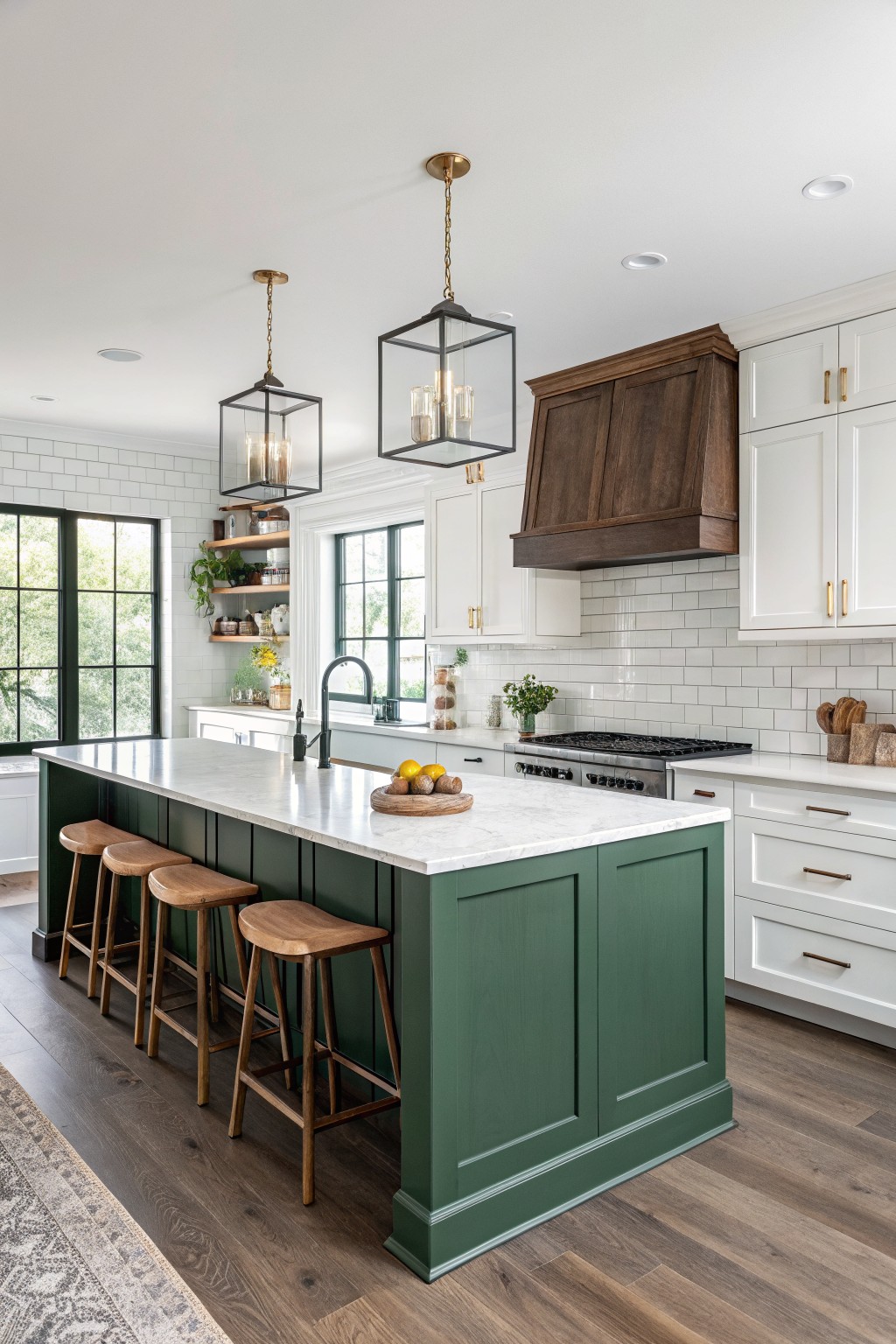
This deep forest green on the kitchen island gives the space a solid personality without feeling loud. It sits right in that middle ground where the color looks rich and full but still works with the white cabinets and light walls around it. Shades like this read close to Sherwin Williams Evergreen Fog, Benjamin Moore Hunter Green, or Farrow & Ball Green Smoke.
The green has a slight blue undertone that keeps it from turning too muddy, and it looks best when paired with warm wood floors and simple white trim. It suits kitchens that get steady daylight, though it can feel heavy if the room is small or dimly lit.
Soft Gray Walls
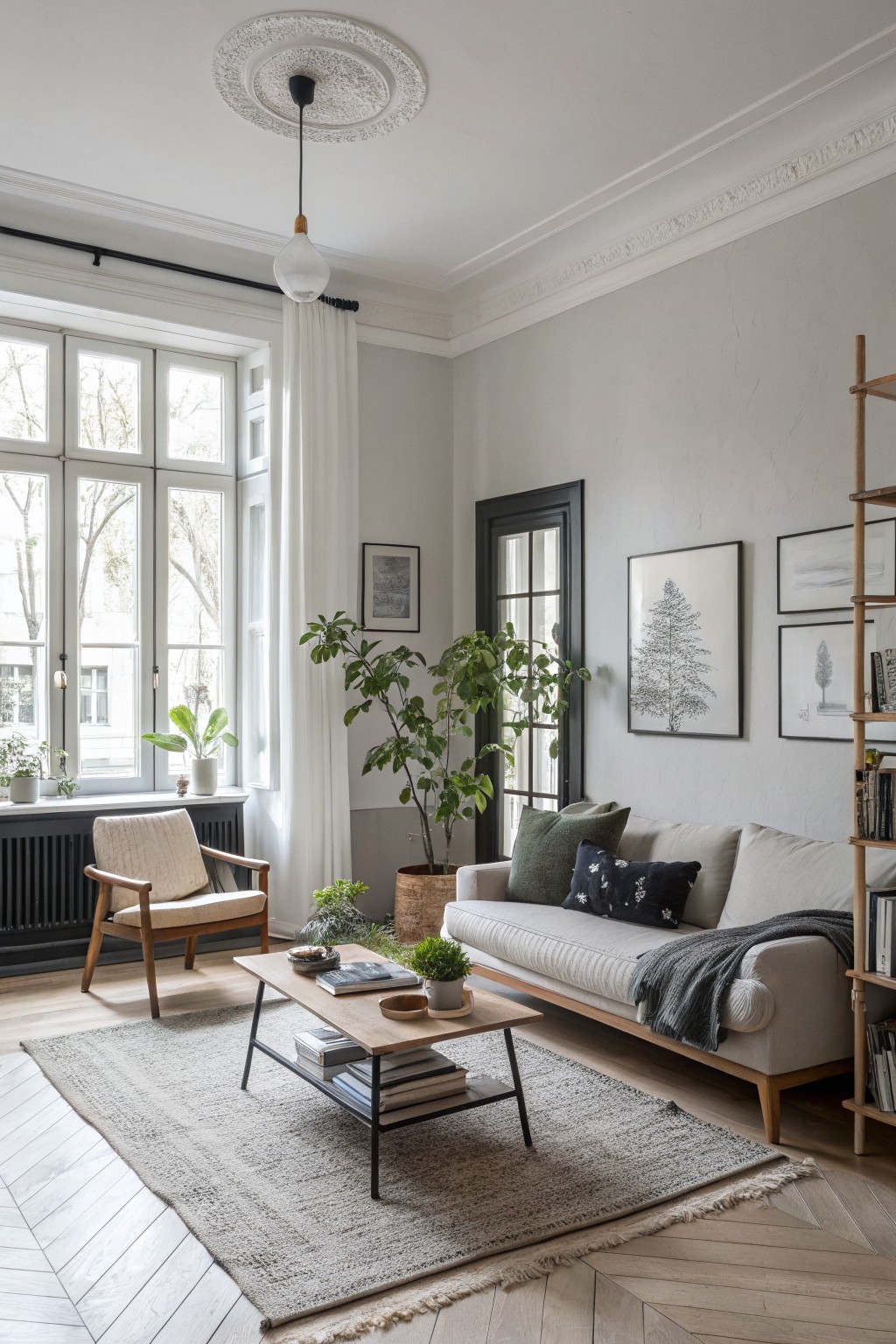
This soft light gray sits right in the middle of warm and cool, giving the room a quiet background that still feels fresh. It has enough warmth to keep the space from looking flat next to the wood floors and furniture, yet it stays neutral enough to work in almost any room. Colors like Sherwin Williams Agreeable Gray, Benjamin Moore Edgecomb Gray, or Behr Silver Satin land very close to this tone.
The color holds up well in both morning and afternoon light because it has a subtle warmth that prevents it from turning too chilly. It pairs easily with natural wood tones and white trim, and it leaves room for darker accents like the black window frames and sofa pillows without feeling busy. Just watch the undertone if your lighting leans very blue, since that can shift the gray cooler than intended.
A Soft Coral Front Door
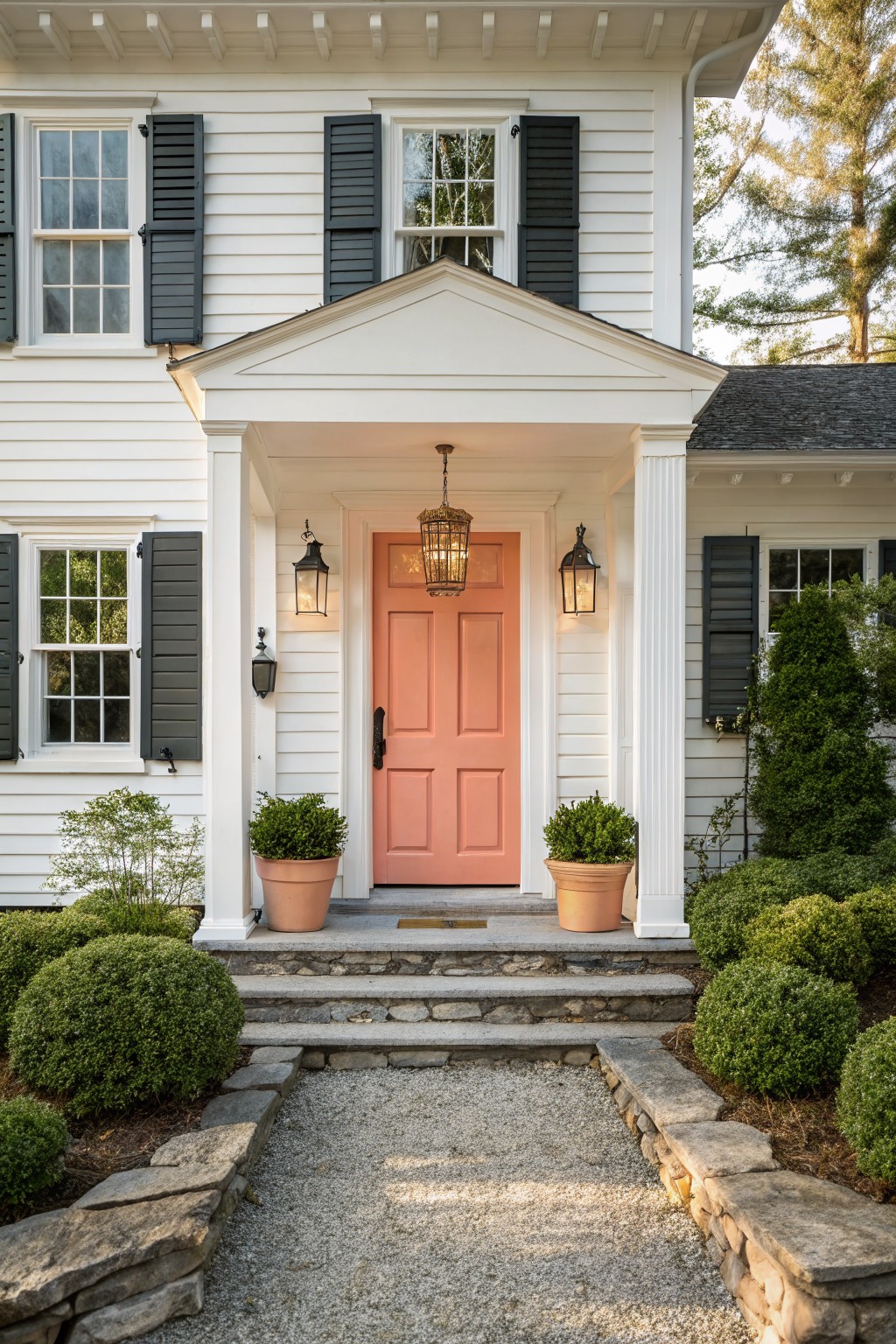
A soft coral paint color gives a front door just enough personality without feeling loud. This shade sits between peach and pink with a bit of warmth that makes the white siding around it look cleaner and brighter.
It has a light yellow undertone that keeps the color friendly even when the porch is shaded. Try it with white trim and simple stone steps, and it works well on traditional homes that need a touch of color at the entry.
Deep Blue Gray Siding
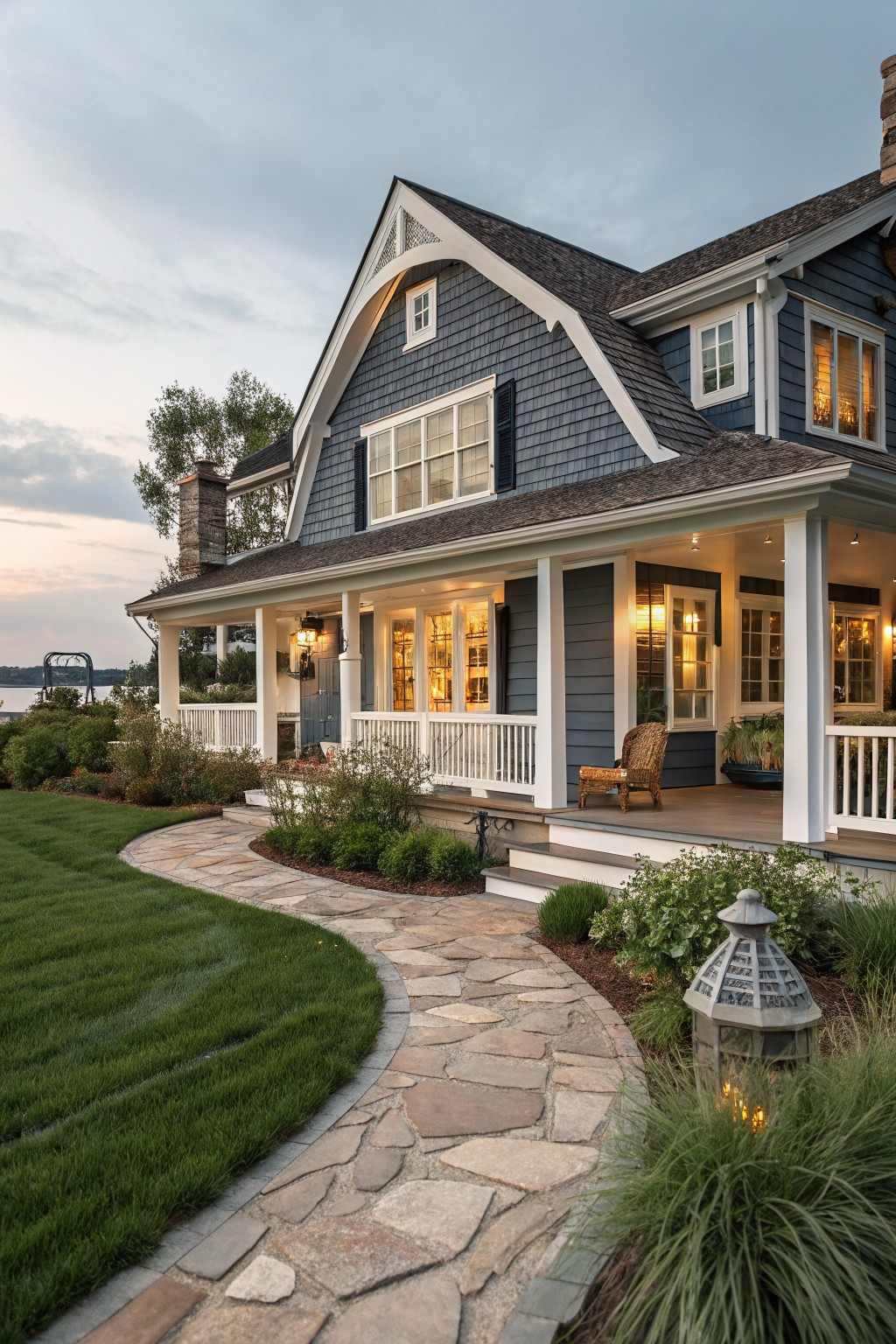
This blue gray siding gives the house a calm but steady look that still feels like it belongs outdoors. It sits between navy and charcoal without tipping too far either way. Shades like Sherwin Williams Naval, Benjamin Moore Hale Navy, or Behr Midnight Blue all have that same muted quality.
The cool undertones help it blend with white trim and stone paths. It tends to read softer in morning light and a bit deeper toward evening, so it works well on traditional homes that already have clean lines. Just keep the trim light if you want it to stay balanced.
Soft Warm Beige Exterior
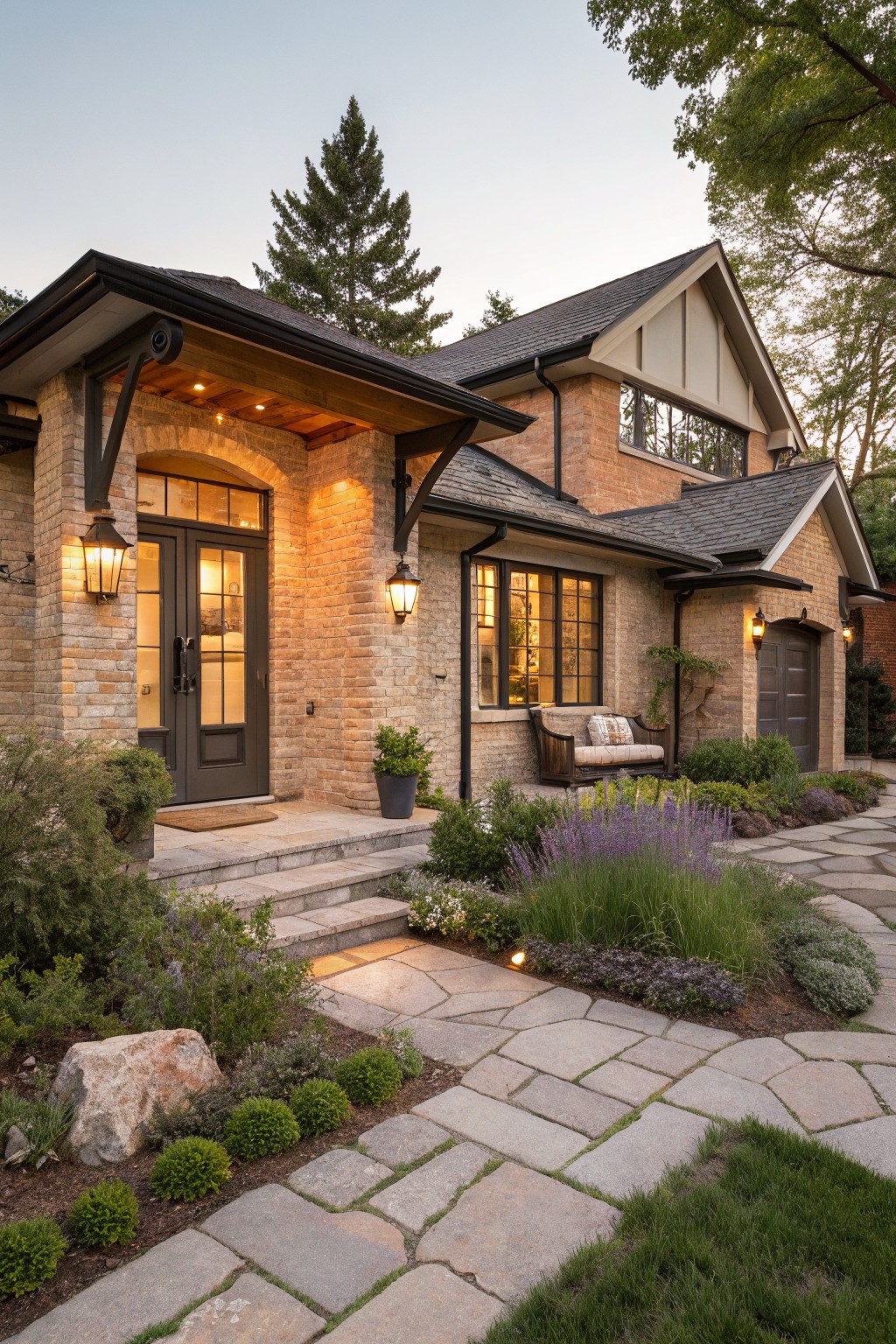
A soft warm beige is a solid choice for an exterior when you want something that feels calm but still has a bit of personality. This color family sits right in the middle between too light and too heavy, and it gives the house a friendly, settled look.
It has a gentle yellow undertone that shows up more in the afternoon light. I’d place it near Sherwin Williams Accessible Beige or Benjamin Moore Edgecomb Gray, and it also reads close to Behr Toasted Barley. It works especially well next to stone and dark trim, but keep an eye on how it shifts if your house gets a lot of shade.
Warm Red Siding
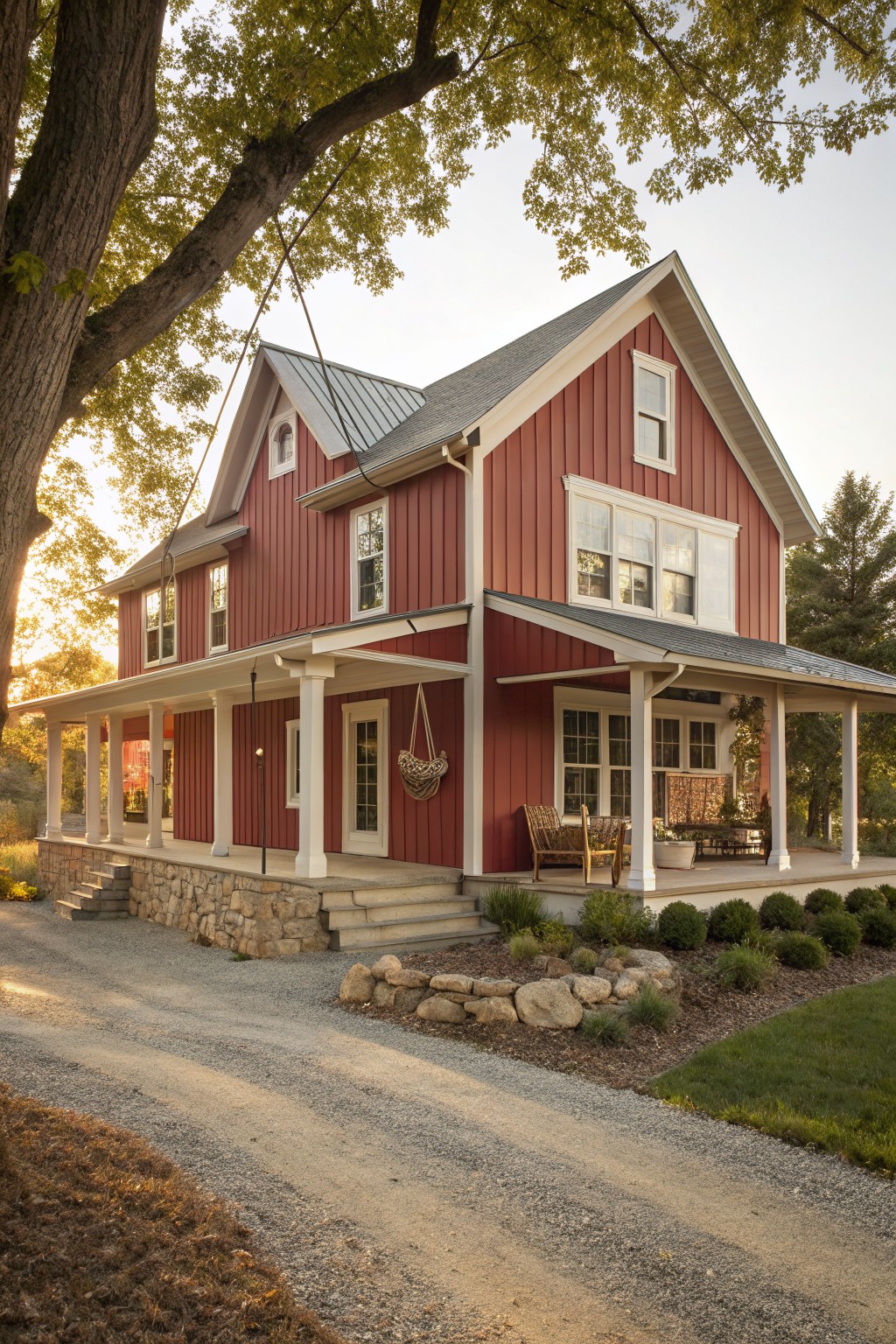
This red sits in that sweet spot between deep and bright, giving the house a solid, friendly presence. It is the kind of color that feels familiar and welcoming without trying too hard. Many older homes use shades like this because they hold their own next to trees and stone while still standing out in a good way.
It carries a slight earthy warmth that keeps it from looking too harsh against white trim or a dark roof. This red works best on homes with clean lines and natural surroundings. Pair it with soft gray or black accents if you want it to feel balanced rather than overpowering.
Dark Charcoal Siding
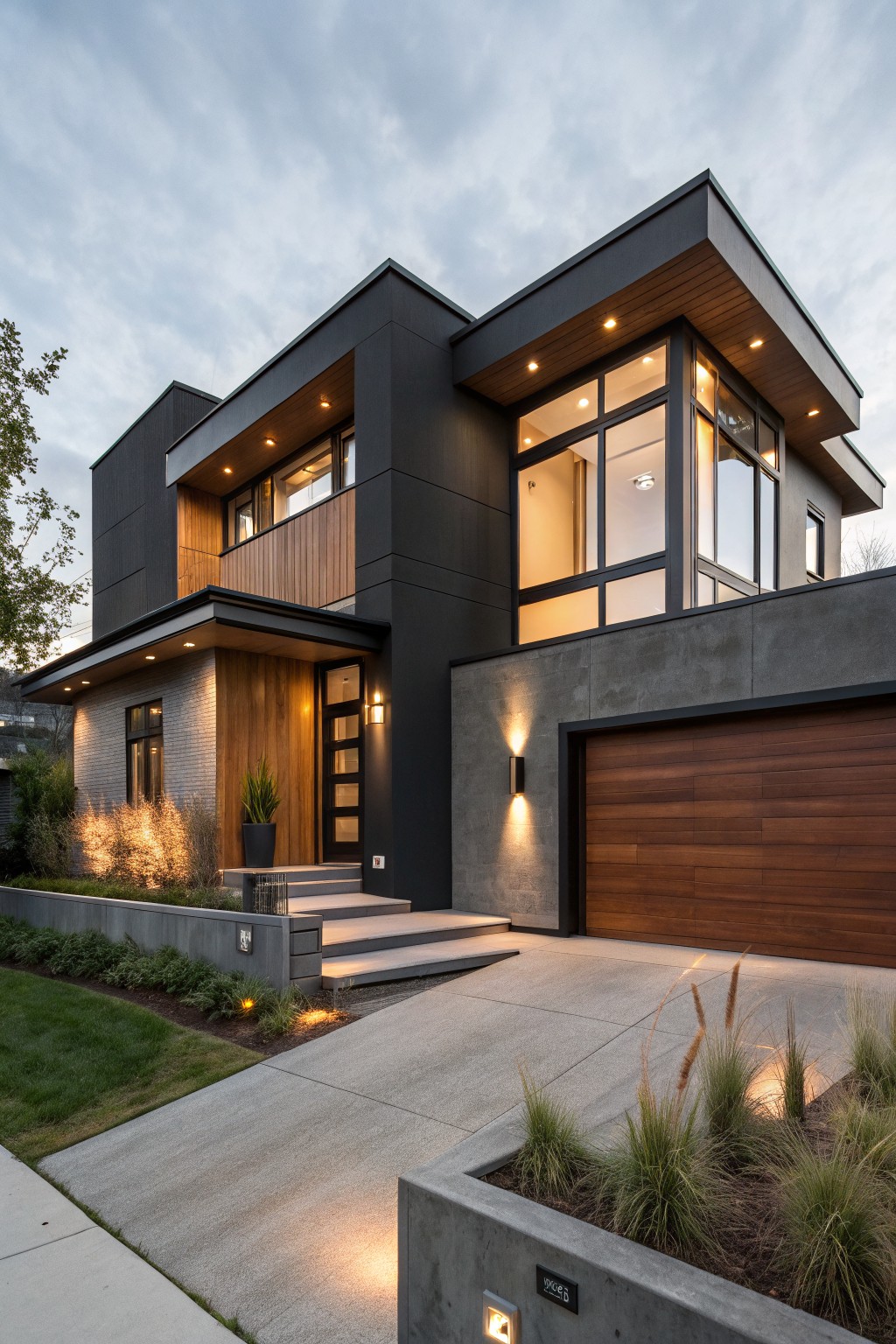
A deep charcoal gray works well on modern homes because it gives the house a solid, grounded look while still feeling current. This color sits right between black and gray, so it adds personality without turning too heavy or overwhelming the rest of the exterior.
It tends to have cool undertones that pair nicely with wood accents and concrete details. On a house like this it holds up in both bright sun and softer evening light, though it can read a bit darker once applied, so testing a few samples on the actual siding is worth the extra step.
Soft Sage Green Doors
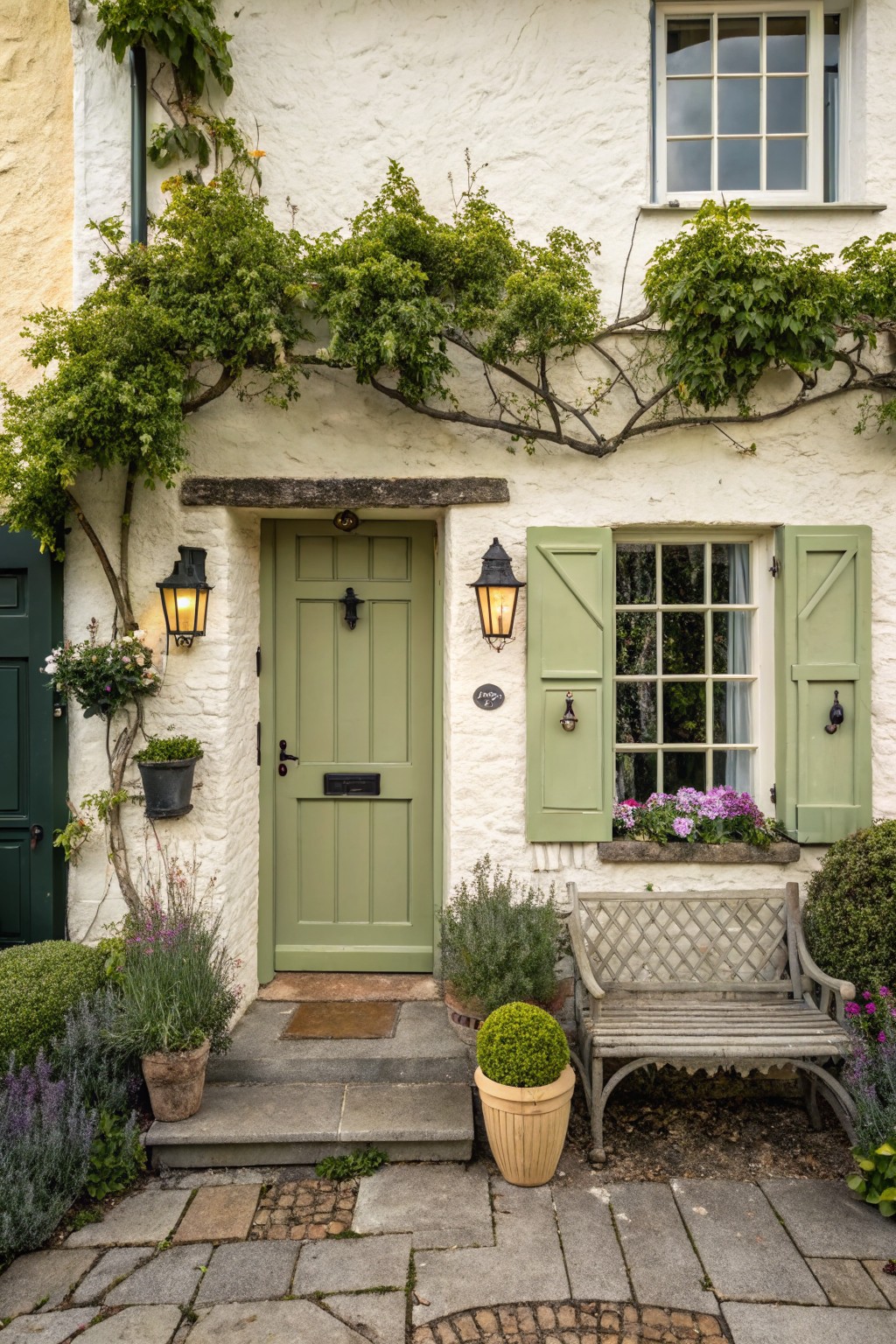
A soft sage green works well on exterior doors because it adds a bit of color without taking over the whole house. This shade sits somewhere between green and gray, which keeps it from feeling too bright or too dull on an older home.
It pairs easily with white walls and stone details, though it can look a little flat if the light is very harsh. Try it on a front door or shutters if you want something calm that still feels like it belongs outside.
Soft Green Siding
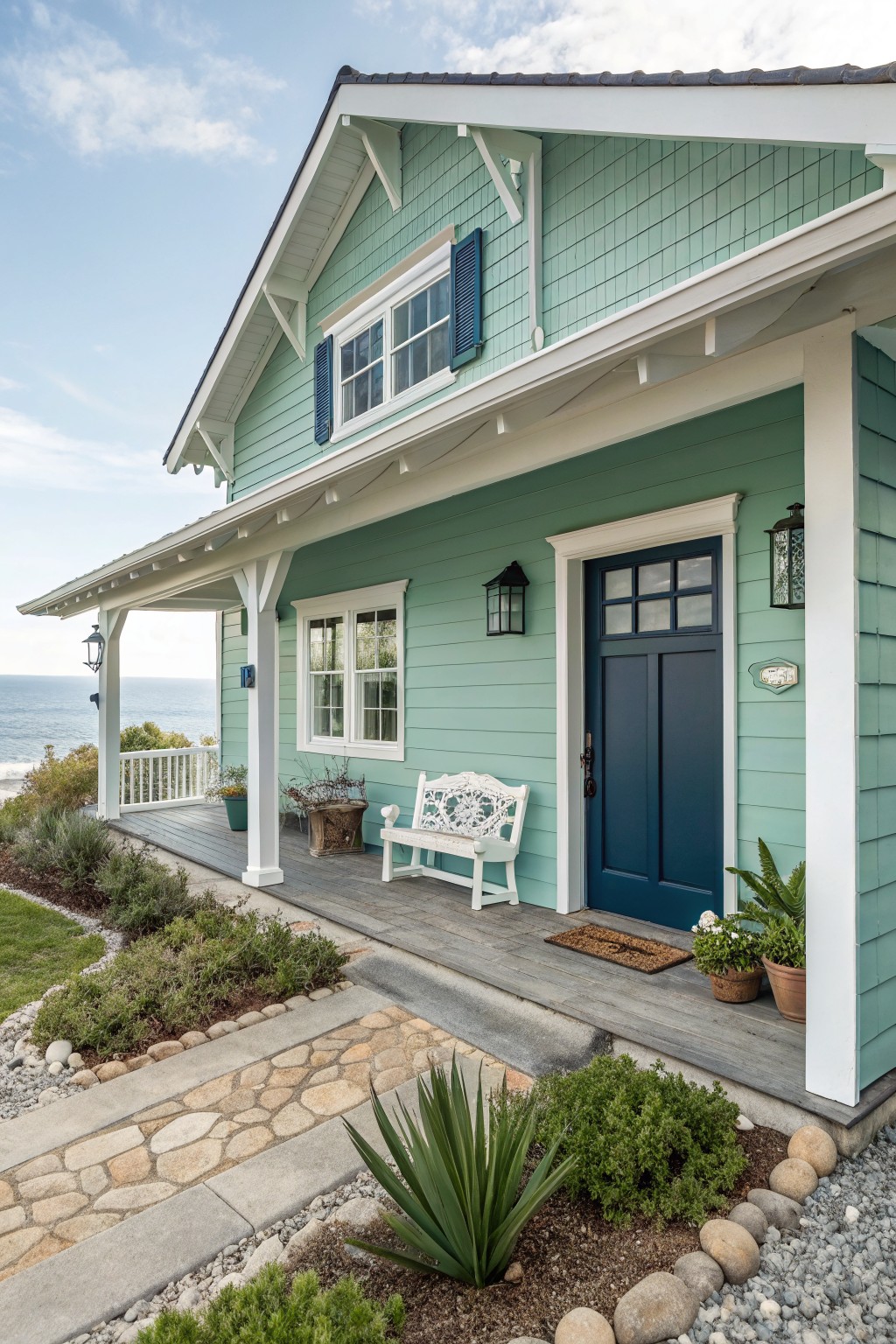
This soft green siding has a gentle seafoam tone that feels calm and a little coastal. It sits between sage and aqua so it stays interesting without grabbing too much attention.
The color carries a cool undertone that keeps it looking crisp against white trim. It works best on homes with natural wood or stone nearby and pairs well with a deeper door color. Look for something close to Sherwin Williams Rainwashed or Benjamin Moore Palladian Blue.
Soft Blue Green Siding
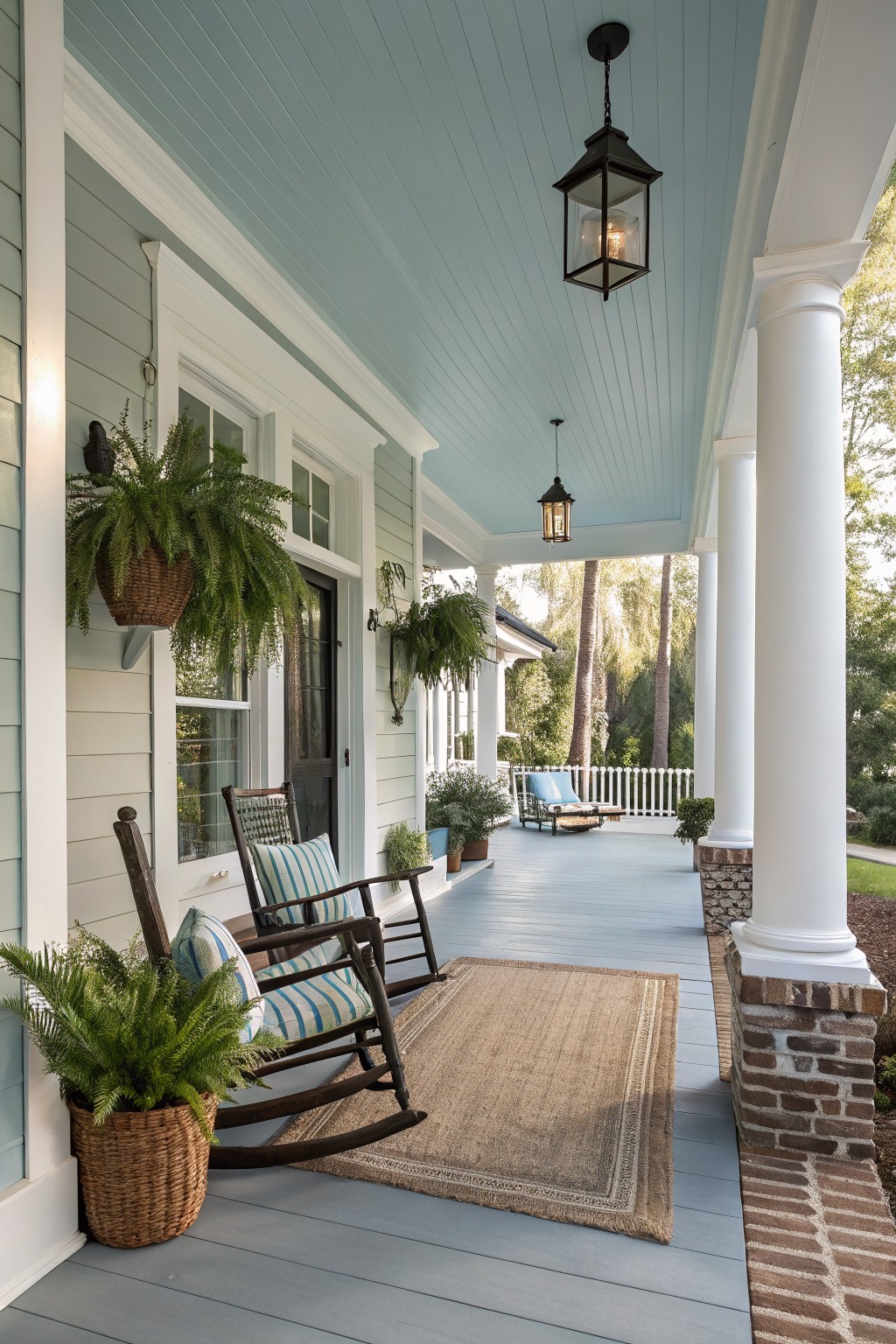
This pale blue green on the siding gives a house a calm look that still feels a bit different from plain gray or white. It sits somewhere between blue and green, so it picks up the light nicely without turning too cool or too bright. Colors like this often read best on homes with simple trim and some natural materials nearby.
It has a slight gray undertone that keeps it from feeling too tropical. White columns and trim make it look crisp, while the brick bases add a bit of warmth that stops the color from going flat. It suits older homes or cottages where you want something gentle but still noticeable from the street.
Soft Green Garage Doors
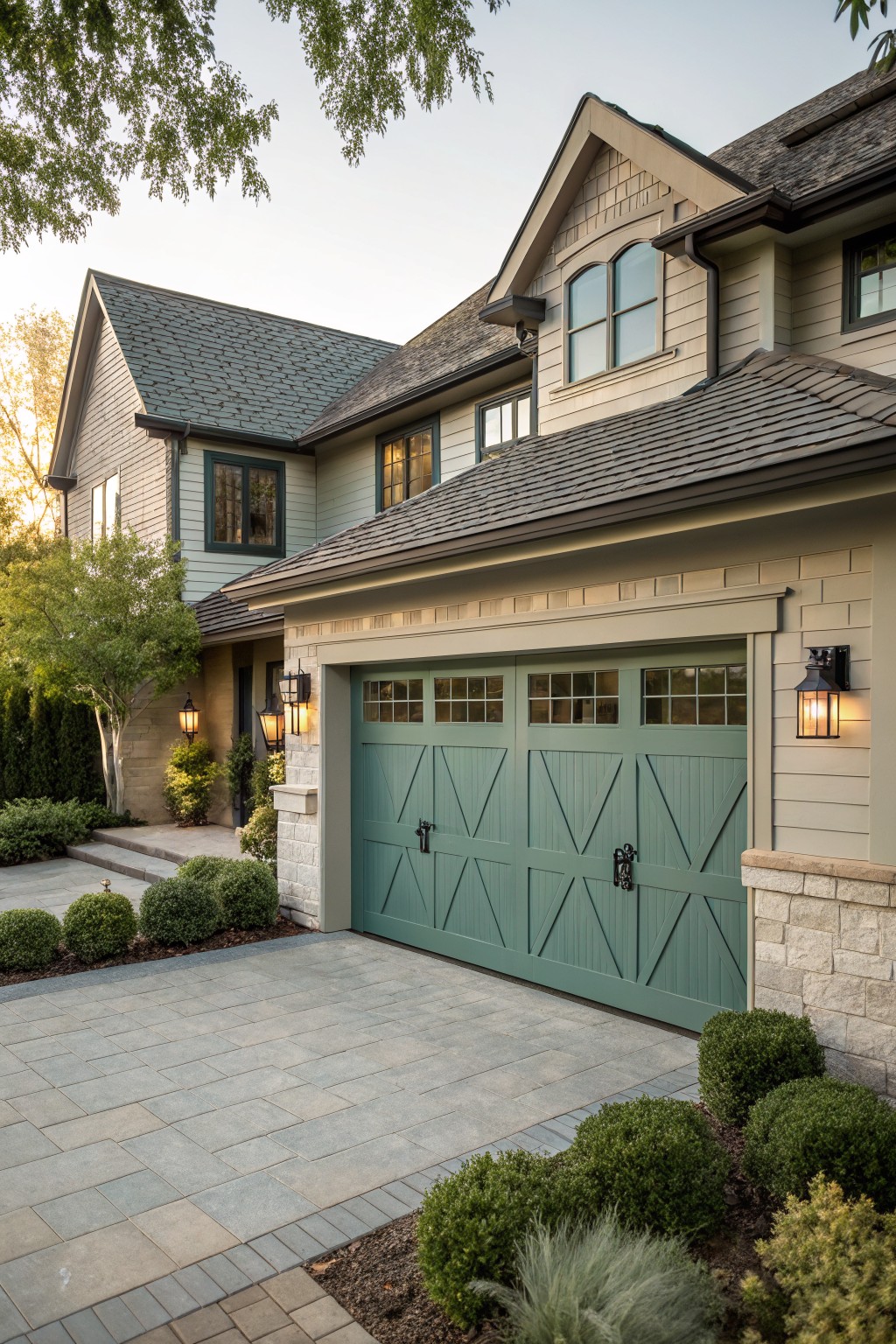
A muted sage green like the one on this garage door brings a gentle bit of color to the outside without making the whole house feel busy. It sits somewhere between gray and green, which helps it blend with stone and light siding while still standing out a little.
This shade works best on homes with simple trim and a darker roof. It holds up nicely in changing light and pairs well with warm whites or soft beiges if you want to keep things calm. Just watch that it does not lean too cool next to very yellow stone.
Creamy White Brick Exterior
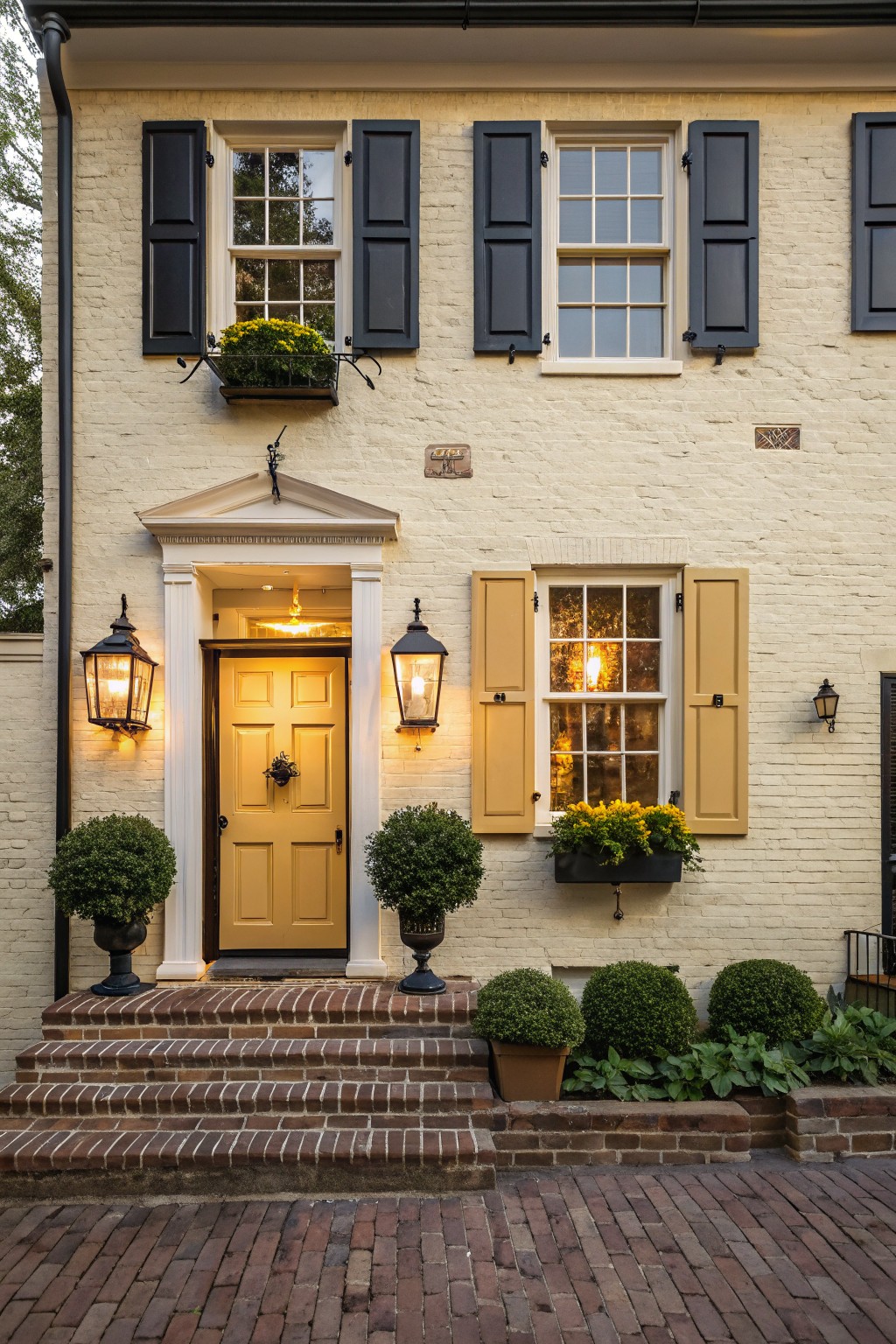
A soft warm white like this brings an easy brightness to painted brick without making the house feel stark. It has a gentle cream undertone that keeps the surface looking soft and a little aged, which suits older homes especially well. Colors in this family read as clean but still friendly next to red brick and natural wood.
It pairs best with warm trim and simple details rather than anything too sharp. Watch how it shifts in afternoon light, since the yellow undertone can show up more then. Good matches include Sherwin Williams Alabaster, Benjamin Moore White Dove, Behr Swiss Coffee, and Farrow & Ball Pointing.
Golden yellow siding
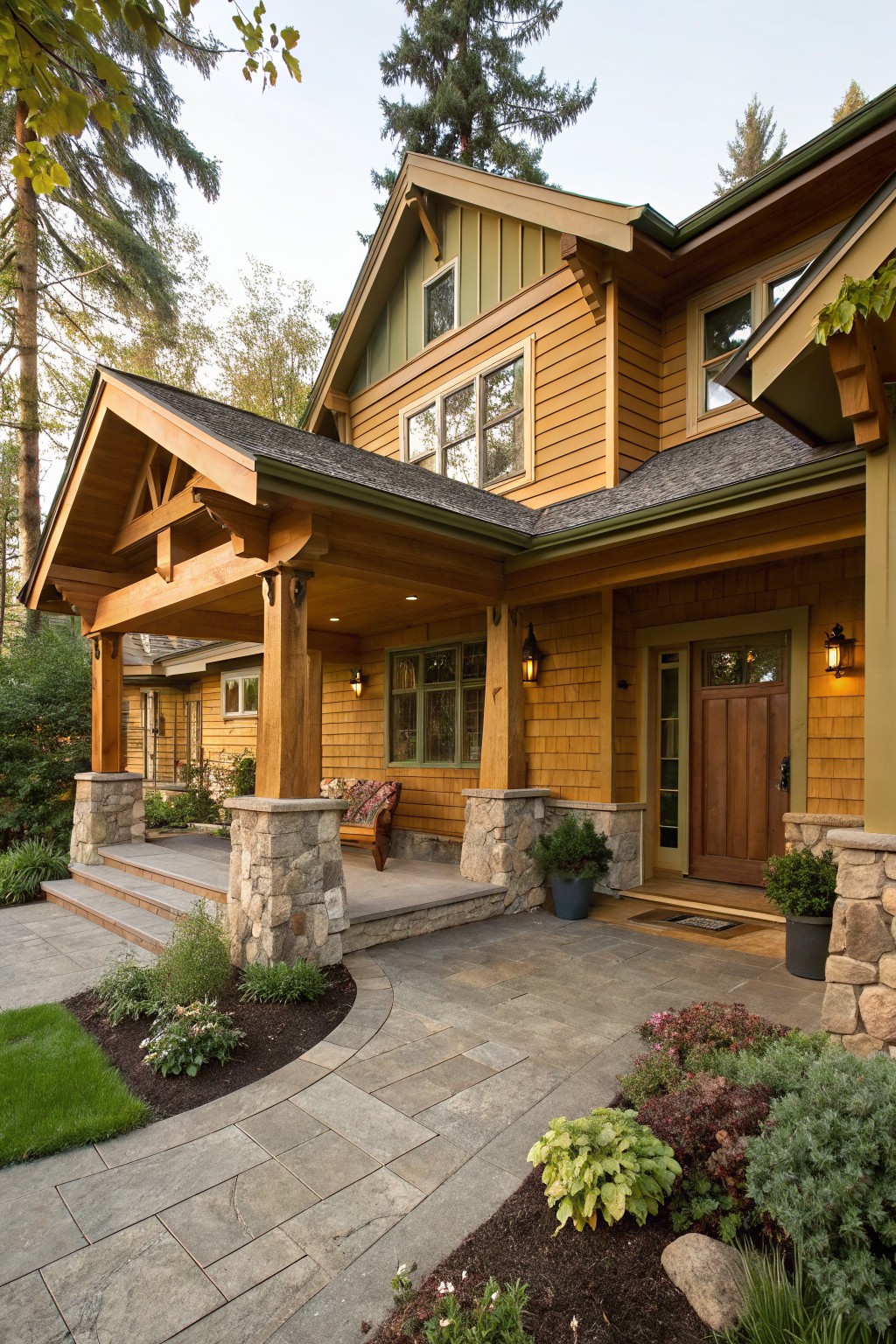
This house has a warm golden yellow on the siding. It sits somewhere between yellow and tan, which gives the whole place a soft, friendly look that still feels grounded.
The color has a light earthy undertone that keeps it from turning too bright in strong sunlight. It pairs easily with stone foundations and natural wood, and it tends to work best on homes with some trees or greenery around them.
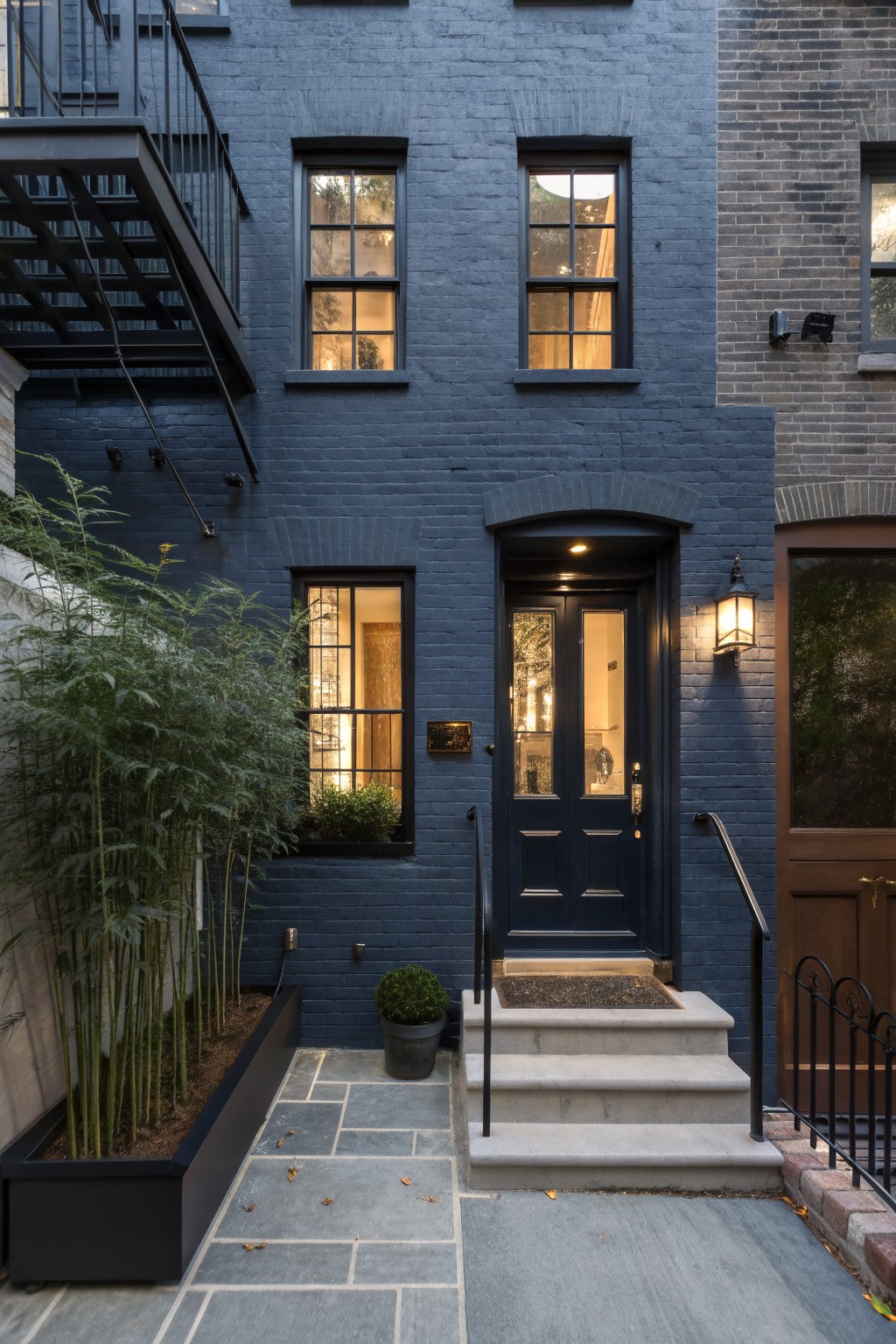
A deep navy blue like this one brings a solid, grounded look to brick exteriors. It reads as a cool, slightly muted shade that adds personality without shouting for attention.
The color has a soft gray undertone that helps it sit comfortably next to stone and wood. It works best on homes with clean lines where you want something a little bolder than a neutral but still easy to live with.
Frequently Asked Questions
Q: How can I test a vibrant shade before painting the whole wall?
A: Grab a large sample board from the paint store and prop it up in the room. Live with it for a few days to see how the light changes the color throughout the day. This helps you catch any surprises early.
Q: Will these colors clash with my neutral sofa and rugs?
A: Most vibrant shades pair nicely with neutrals because the furniture stays in the background. Pick a color that echoes a small accent already in the room like a pillow or piece of art. Keep the other walls light to balance the energy.
Q: Do vibrant colors make a small room feel cramped?
A: Not if you use them on one wall only. The rest of the space stays light and open. Focus the color where your eye lands naturally like behind a bed or sofa.
Q: Is it okay to use one of these colors in a rental?
A: Try painting just one wall in a bold color. You can always cover it later with the original shade if needed.