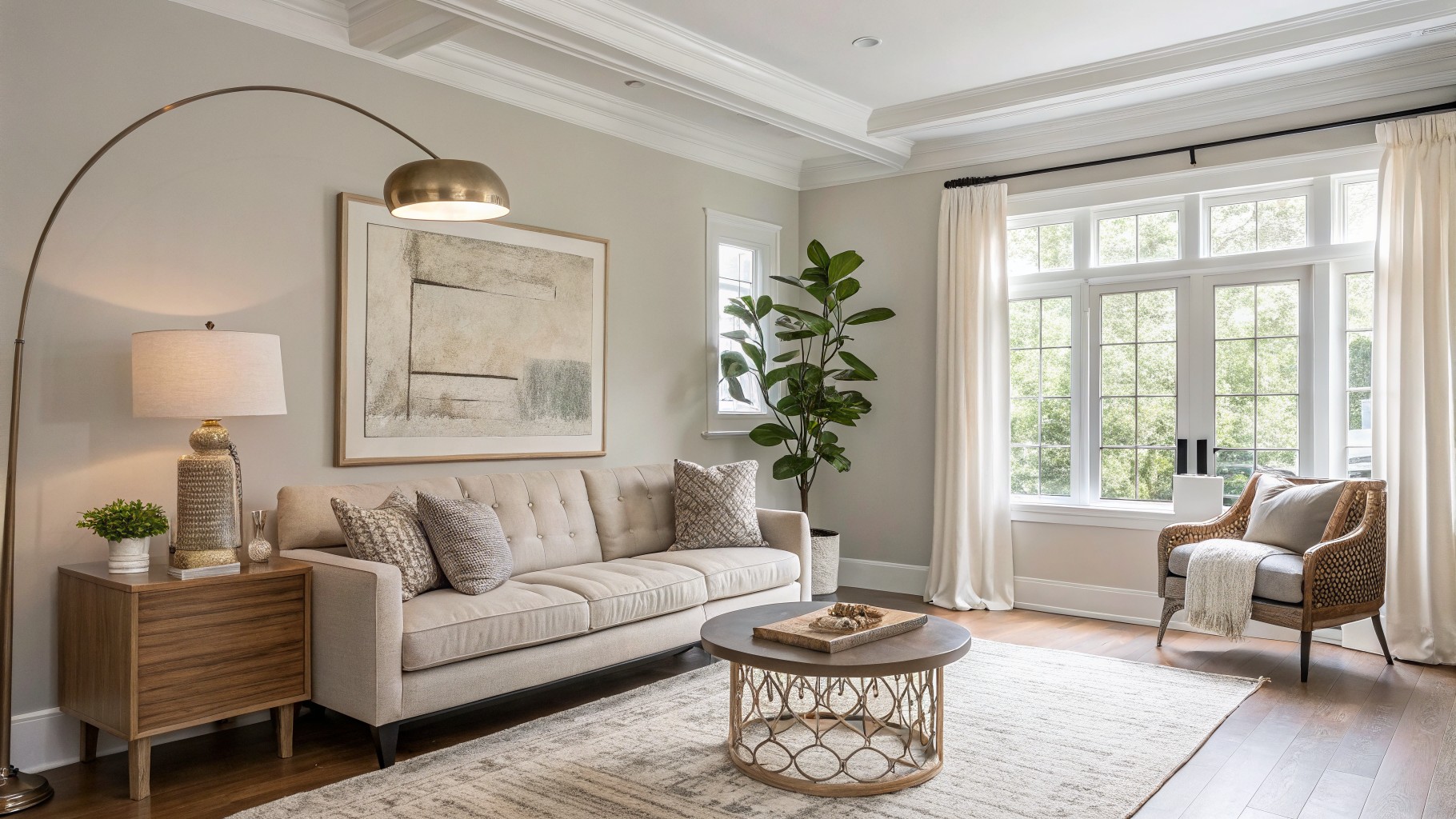
When I started refreshing my living room walls I noticed how soft neutrals can either quiet a room or leave it looking washed out once the afternoon light moves across them.
The undertones often shift against white trim and wood floors so I always check samples at different times of day before committing.
I learned the hard way that a color which looks perfectly calm in the store can turn slightly pink or gray once furniture and rugs are back in place.
Watching how each shade sits next to existing surfaces tells me more than any online photo ever could.
Testing first avoids the usual second guesses.
Soft Greige Walls
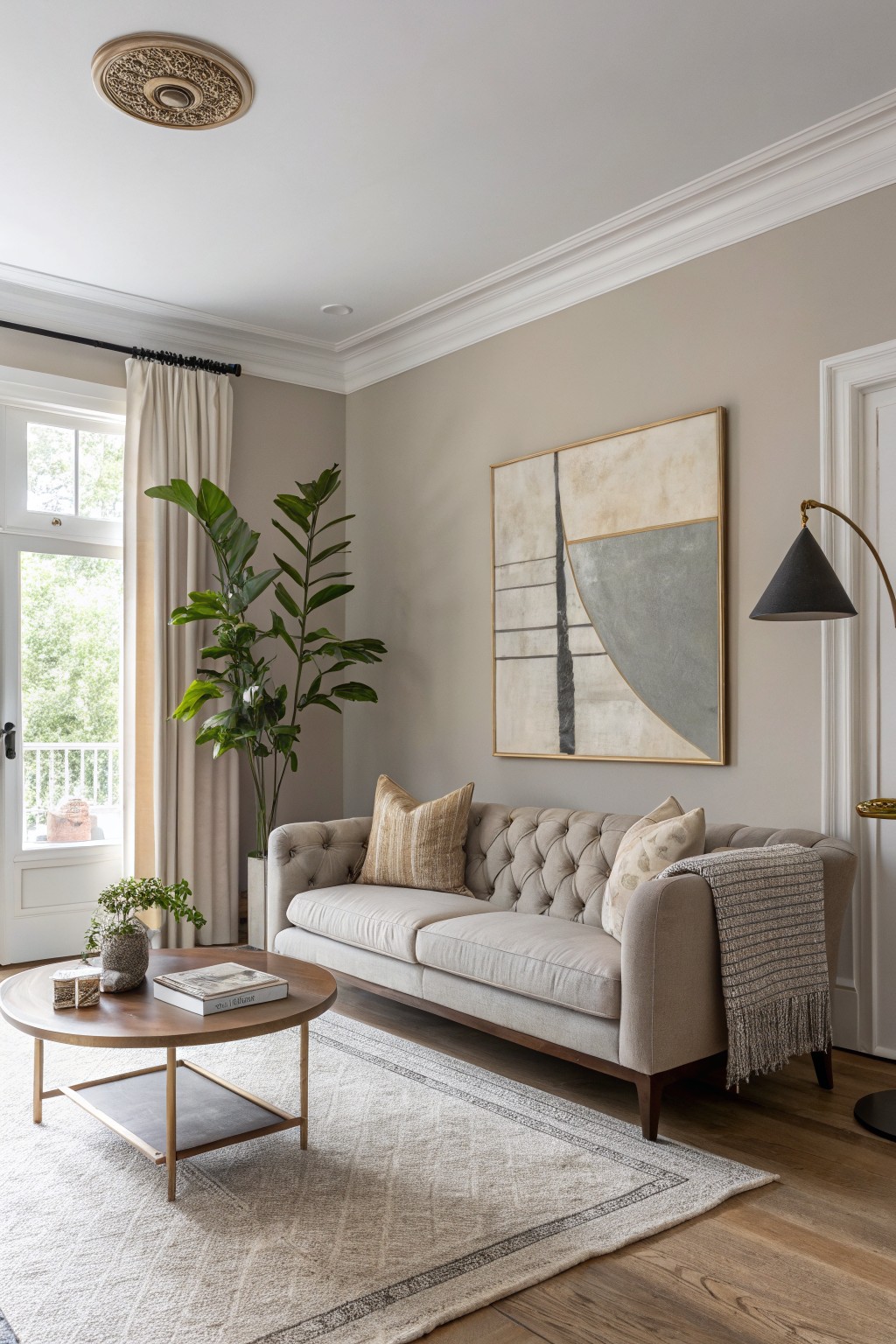
This soft greige sits in a nice middle spot between gray and beige. It has just enough warmth to feel welcoming while still looking clean and simple in a modern room. Colors like Sherwin Williams Accessible Beige, Benjamin Moore Edgecomb Gray, or Behr Almond Wisp come close to this tone.
The warmth helps it pair easily with wood floors and light upholstery without clashing. It can read a little cooler in bright daylight, so test it on a large sample first if your windows bring in a lot of sun. Keep the trim light and add natural textures like linen or jute to let the color feel calm and grounded.
Soft Yellow Walls
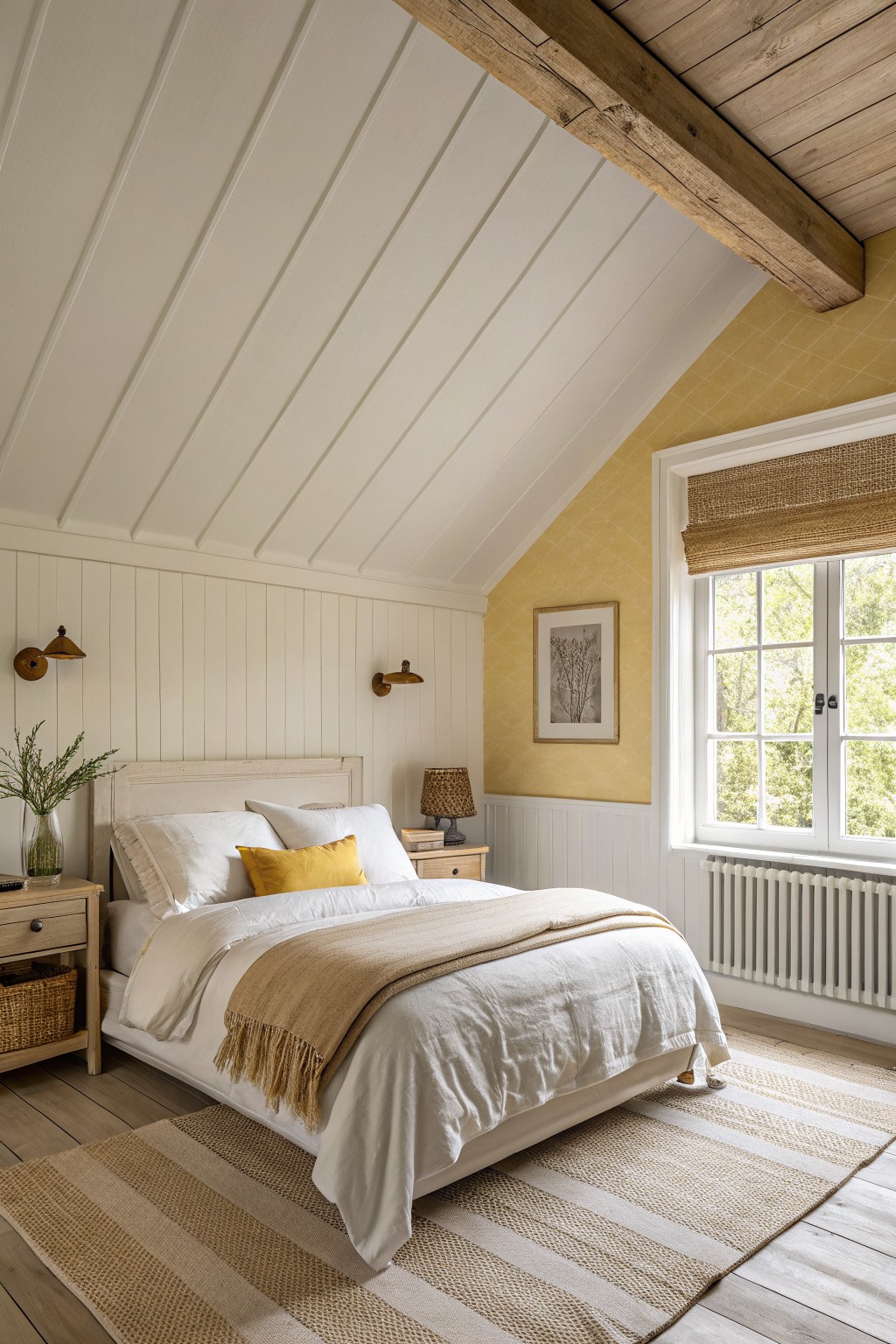
This soft warm yellow brings a gentle glow to the room without feeling too bright or bold. It sits somewhere between a pale neutral and a light ochre, which makes it easy to live with while still adding a bit of life to the space. The color works especially well with white trim and natural wood tones that keep the whole look grounded.
It has a slightly golden undertone that shows up more in natural light, so it feels cozy rather than cool. This kind of yellow suits bedrooms or other quiet spaces where you want something a little warmer than beige but still calm. It pairs nicely with linen bedding, light wood furniture, and simple woven textures.
Soft Greige Dining Room Walls
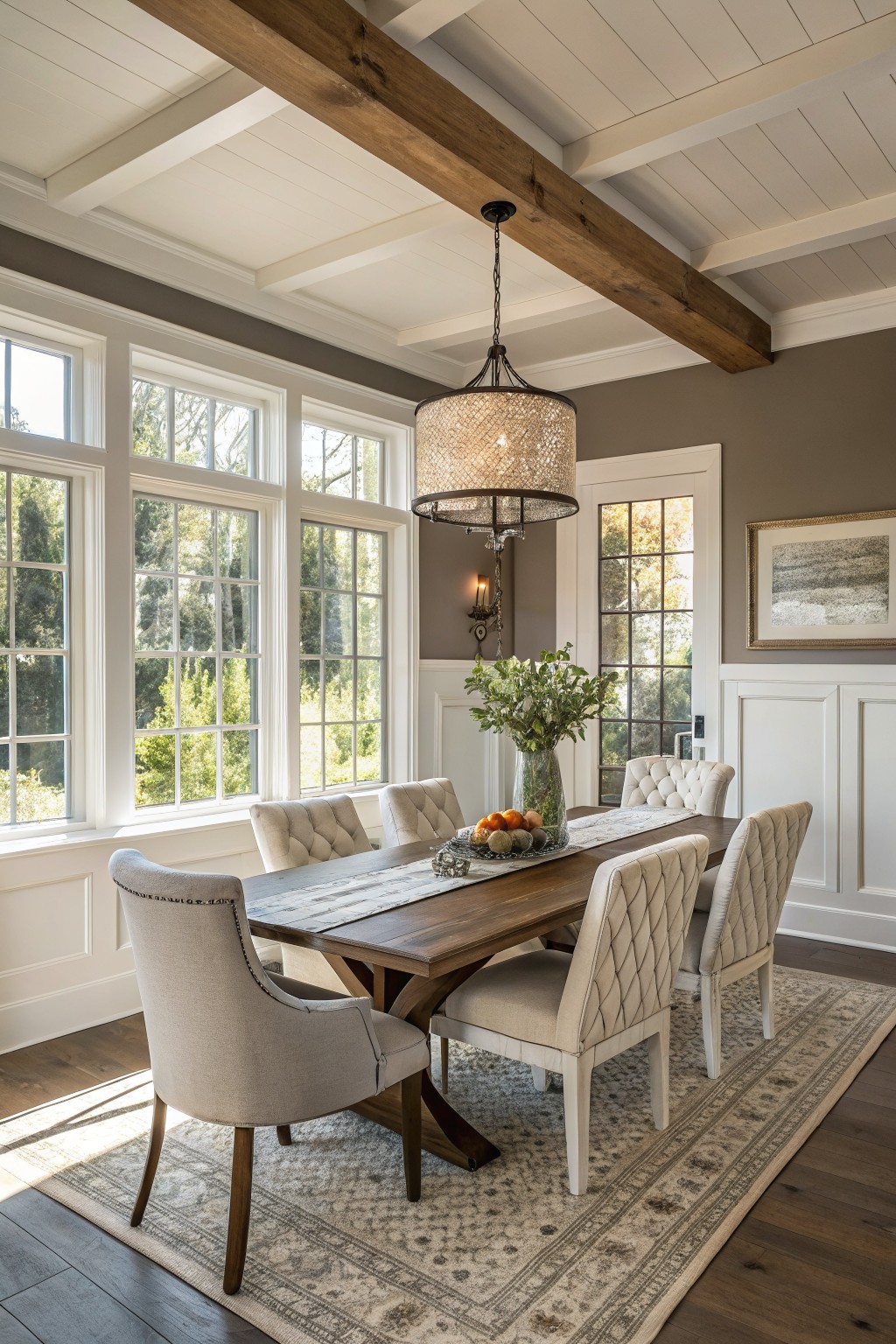
This room uses a soft greige on the walls. It sits between gray and beige with a light brown undertone that keeps the space feeling warm and steady rather than cool or flat.
The color reads nicely next to white trim and dark wood beams. It suits dining rooms or living areas with good daylight and pairs well with linen fabrics or natural wood furniture without needing much else to feel finished.
Soft Sage Green Cabinets
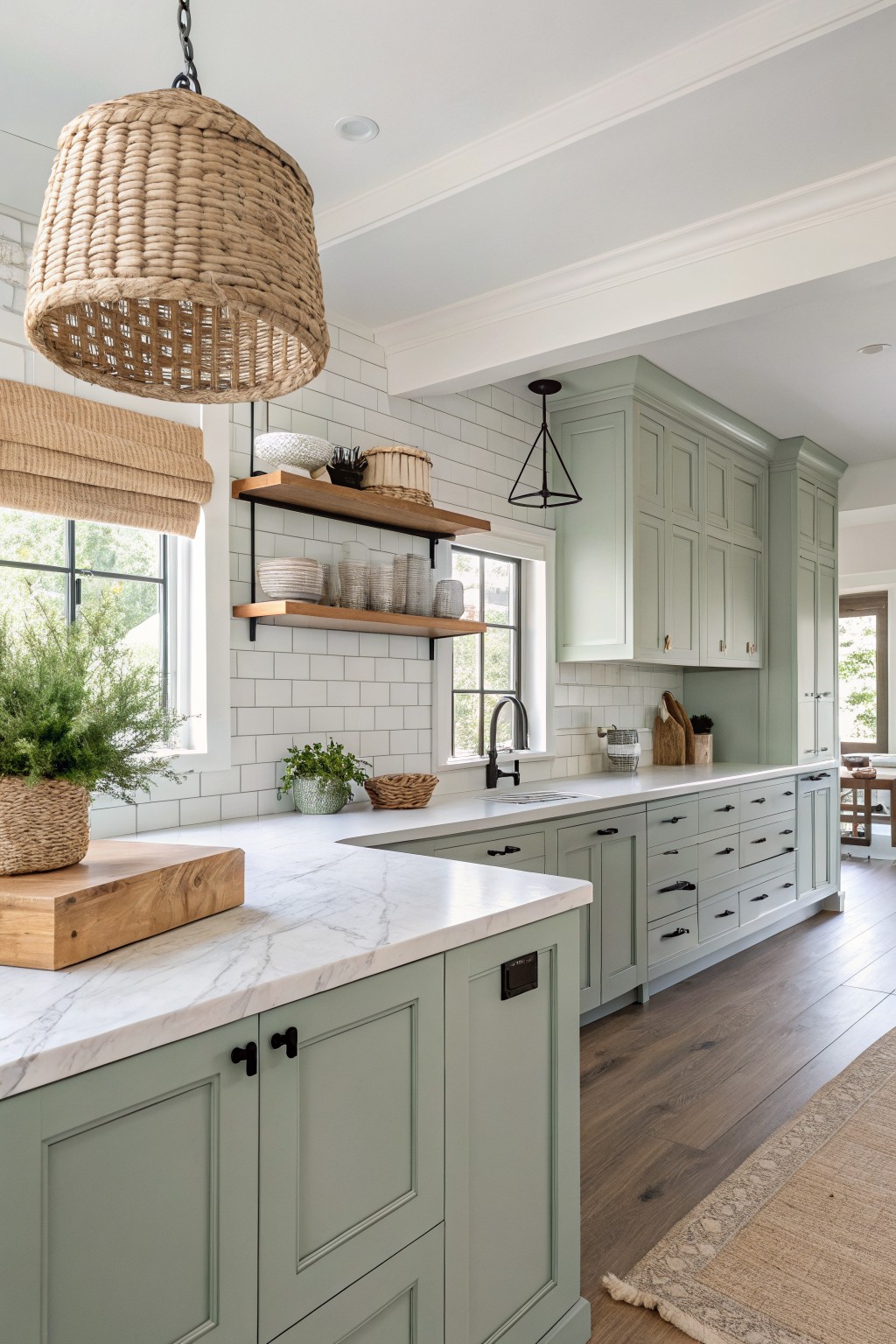
This soft sage green works well because it sits right between gray and green without leaning too far into either one. It keeps the kitchen feeling calm and modern while still adding a bit of color that white or beige would miss. The tone stays gentle even next to the white counters and dark hardware.
It has a slight gray undertone that helps it pair nicely with wood floors and natural textures. This kind of green works best in kitchens or bathrooms where you want something a little different from plain neutrals but still easy to live with. Try it with black accents or warm wood to keep the space from feeling too cool.
Soft Warm Beige Walls
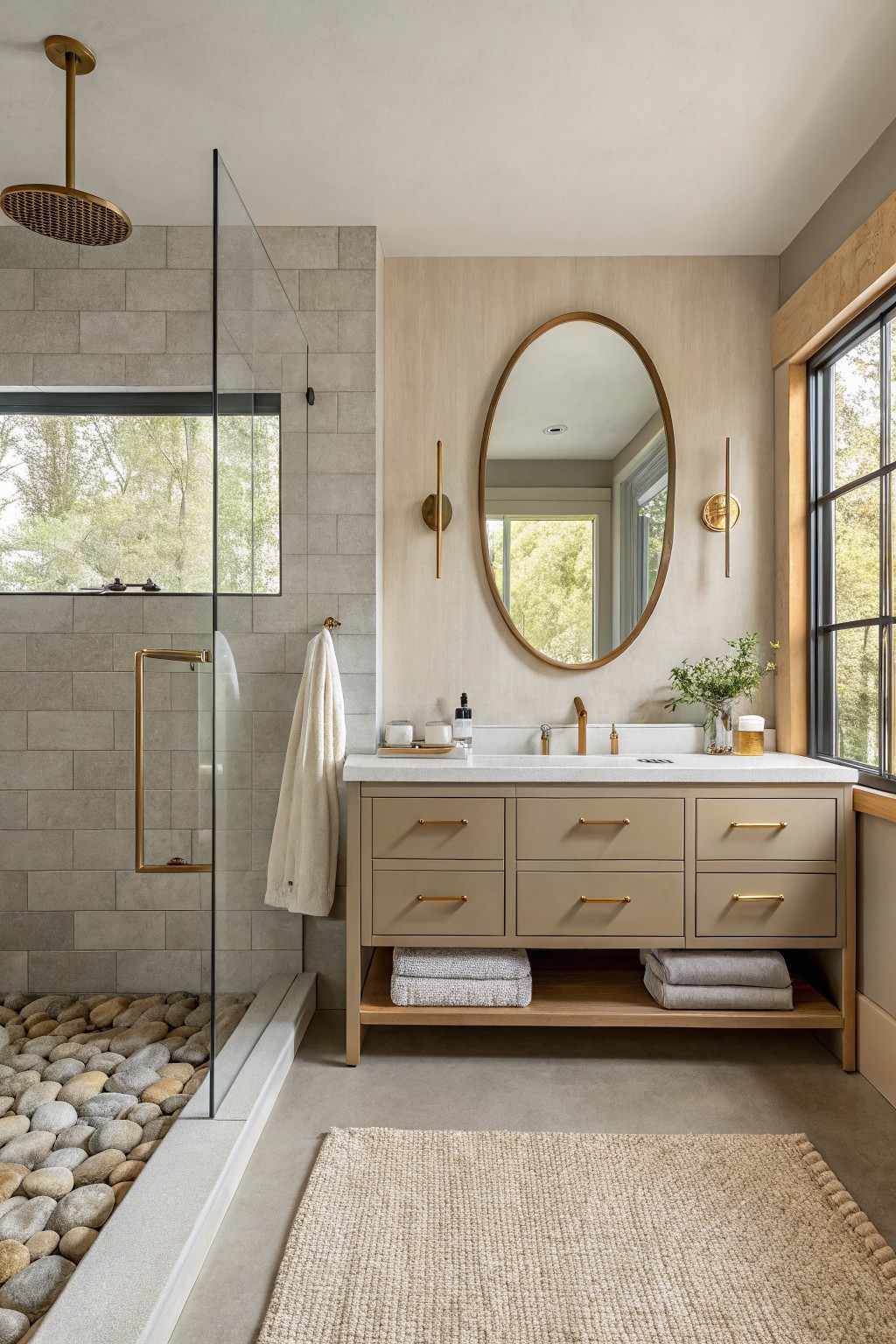
This soft warm beige on the walls gives the bathroom a calm, grounded feel without making the space look too stark. It sits nicely between gray and brown, so it works well with the wood tones on the vanity and the stone floor. Colors like this often feel more inviting than pure grays or stark whites.
It has a gentle yellow undertone that shows up more in warmer light, which keeps the room from feeling chilly. Pair it with brass fixtures or natural wood like you see here, but test a sample first because it can shift if your lighting leans cooler. Good matches include Sherwin Williams Accessible Beige, Benjamin Moore Edgecomb Gray, or Behr Toasted Almond.
Soft Blue Gray Walls
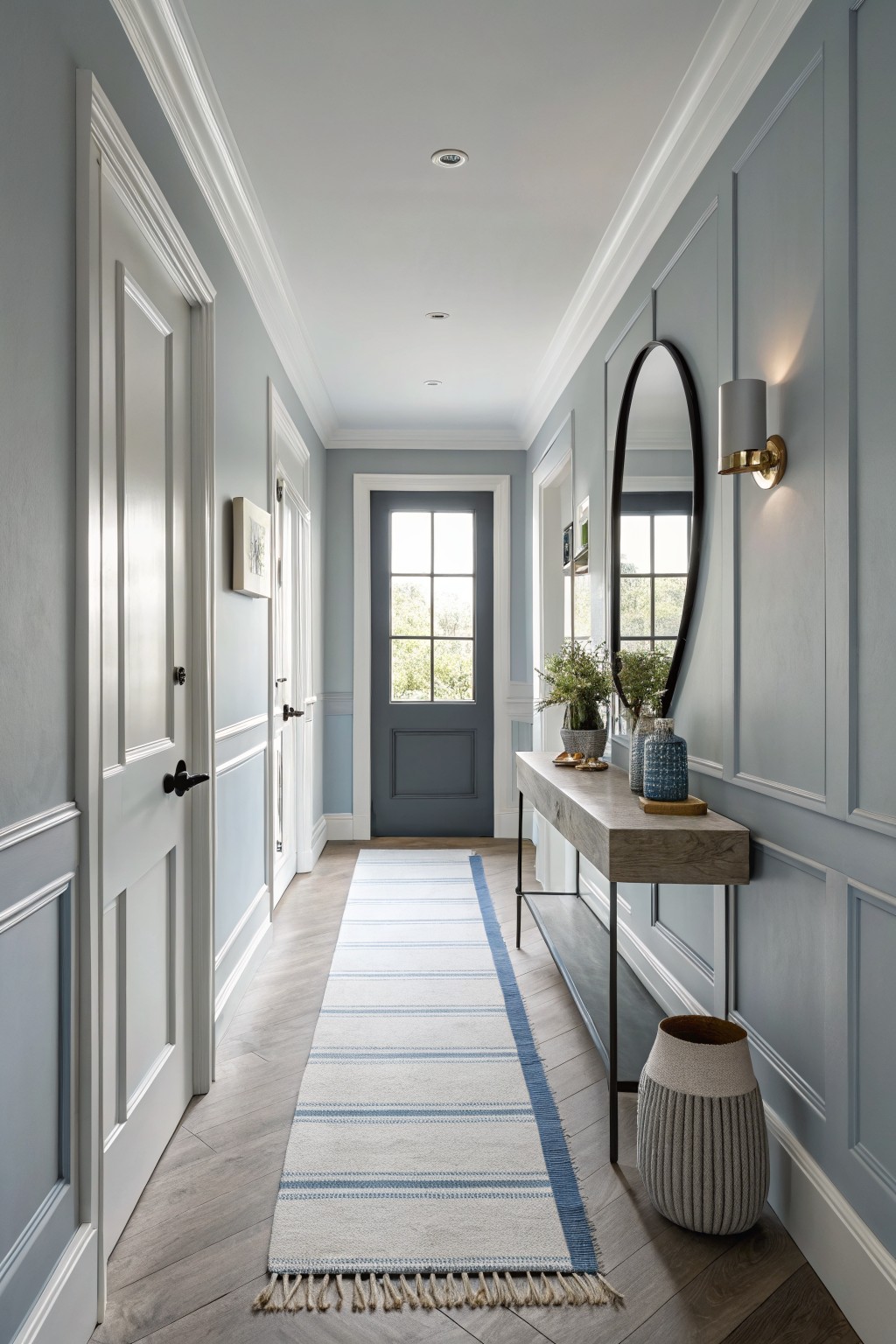
A soft blue gray like this gives a calm modern hallway a quiet, settled feel without going too cold. It sits in that middle ground between gray and blue, and it reads nicely next to white trim and light wood floors. Colors in this family often look closest to Sherwin Williams Silver Strand, Benjamin Moore Gray Owl, Behr Blueprint, or Farrow & Ball Pigeon.
The slight cool undertone keeps the space feeling fresh even with the wood underfoot, and it pairs easily with simple black hardware or natural textures. Just watch how it shifts in different light, since the blue can come forward more in the evening.
Soft Sage Green Walls
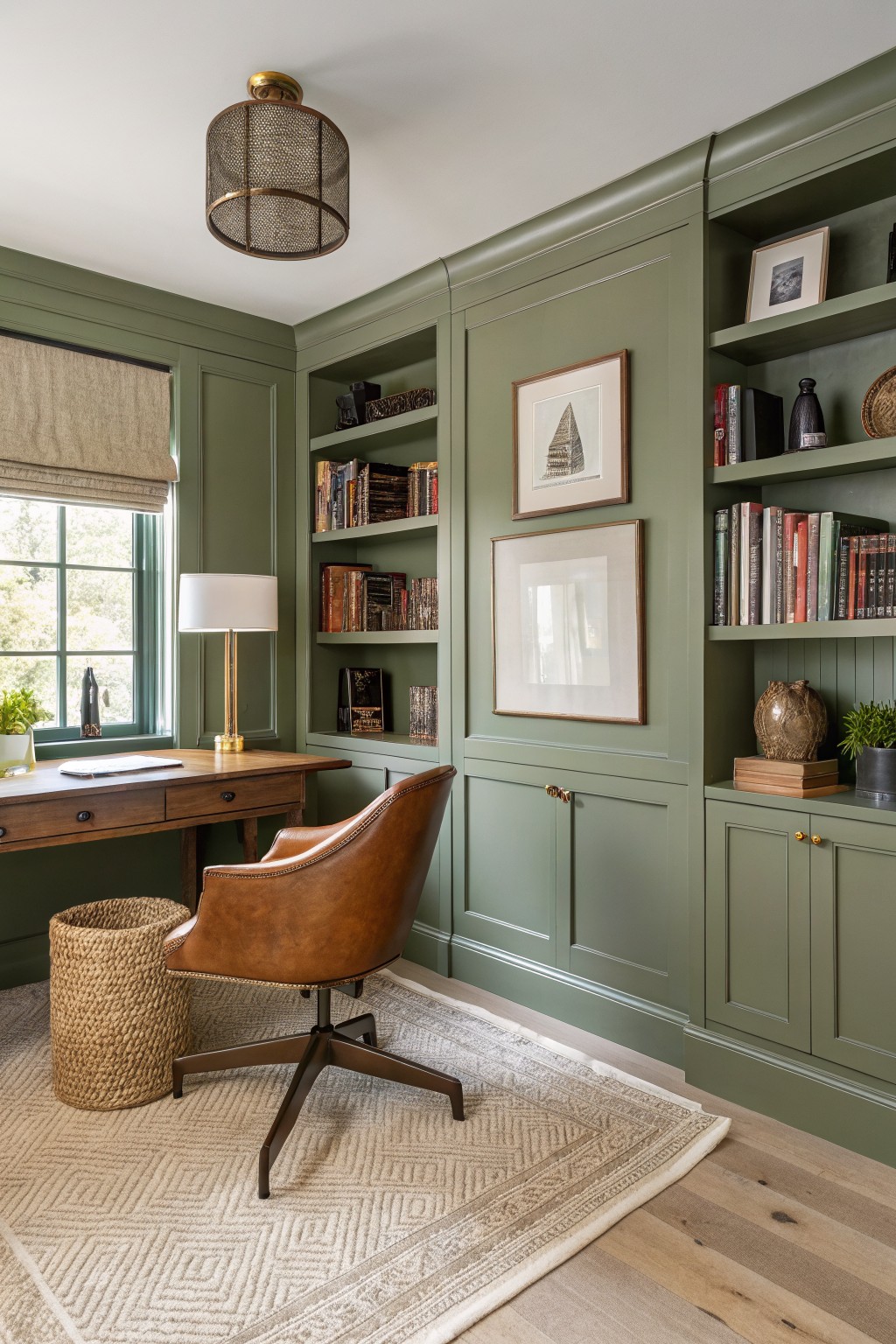
A soft sage green works well in rooms where you want something calm but still a little interesting. This color sits right between gray and green, so it feels neutral enough to use on larger surfaces like walls or built in shelving without taking over the space. It pairs easily with warm wood tones and simple furnishings, which is why it shows up often in modern homes that lean toward quiet colors.
It has a slight gray undertone that keeps it from feeling too bright or leafy. In rooms with decent natural light it stays soft, but it can read a bit deeper in lower light, so test a sample on the actual wall first. It looks nice next to light wood floors and leather or linen pieces, and it works especially well in offices or reading areas where you want the color to support rather than distract.
Soft Greige Cabinets
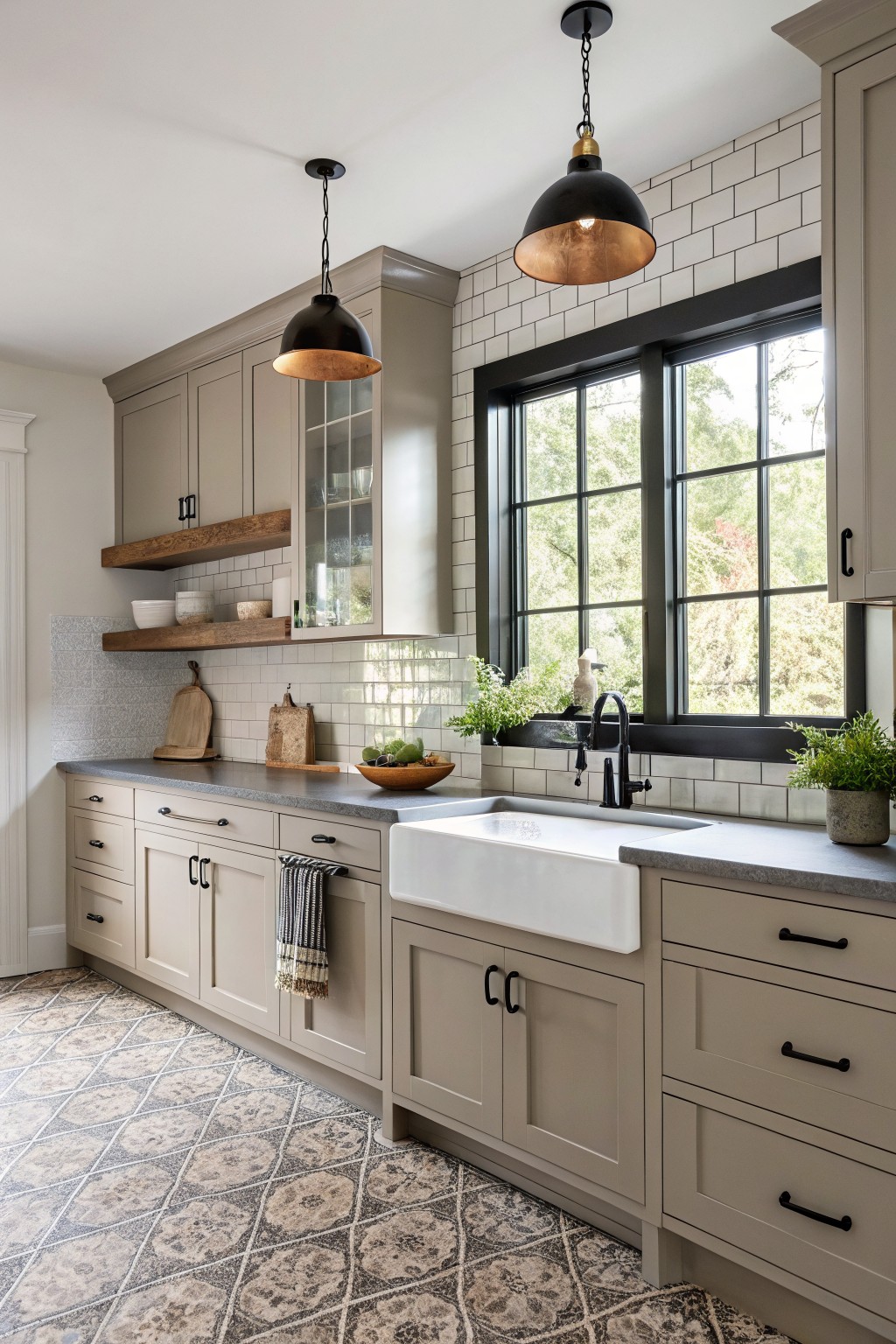
This kitchen shows a soft greige that lands between warm gray and light beige. It has a gentle warmth that keeps the room feeling calm and settled rather than stark or cold.
The color works well with wood tones and white tile because it does not pull too blue or too yellow under different lights. It suits kitchens with mixed finishes and gives a quiet background that still feels current.
Soft Blush Walls
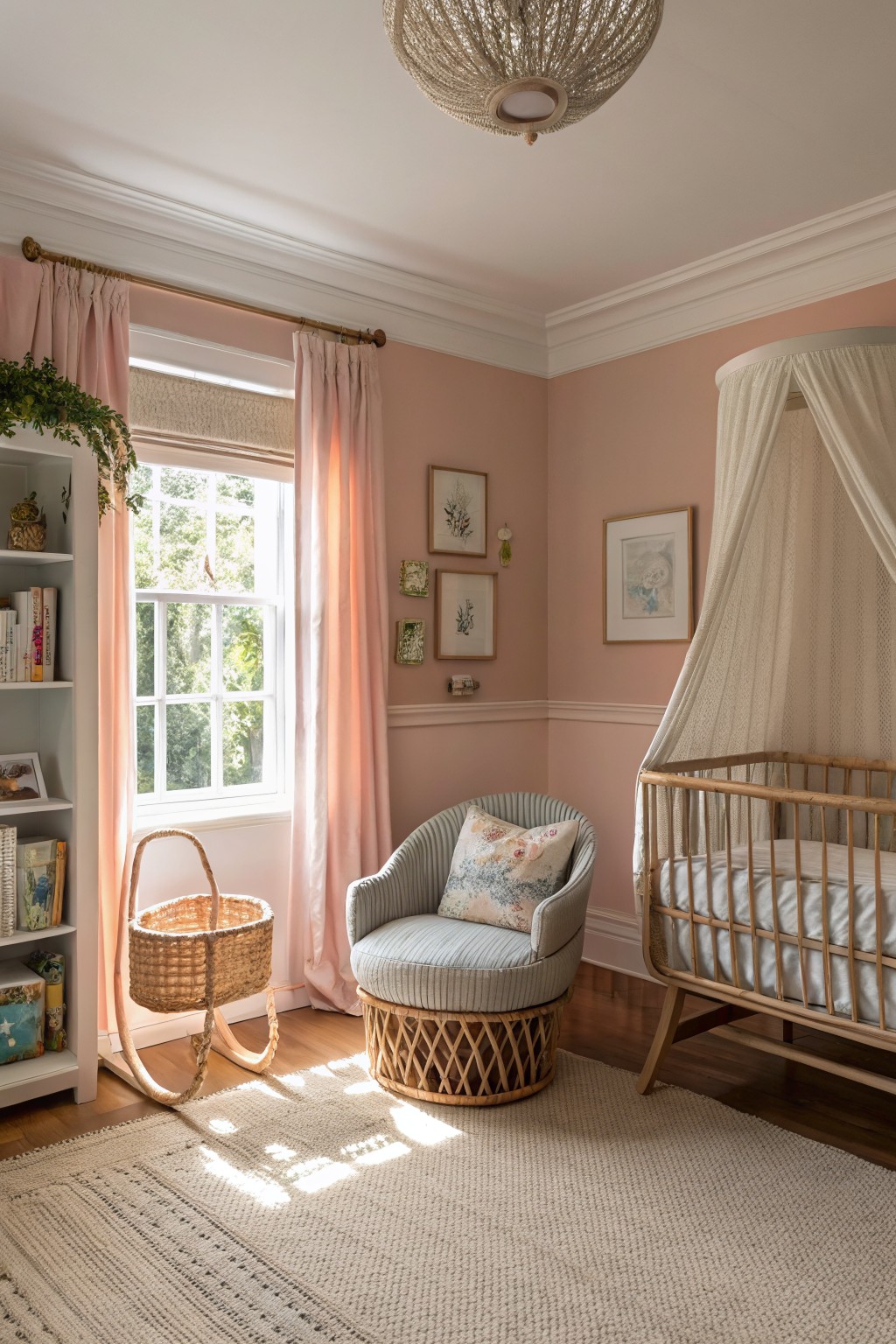
This soft blush neutral gives the room a gentle warmth without feeling too sweet. It sits between pink and beige, which helps it feel calm and modern at the same time.
The undertone stays warm so it works well with wood floors and natural textures. It looks best in spaces with good daylight and pairs easily with simple fabrics and light trim.
Soft Blue Gray Entry Walls
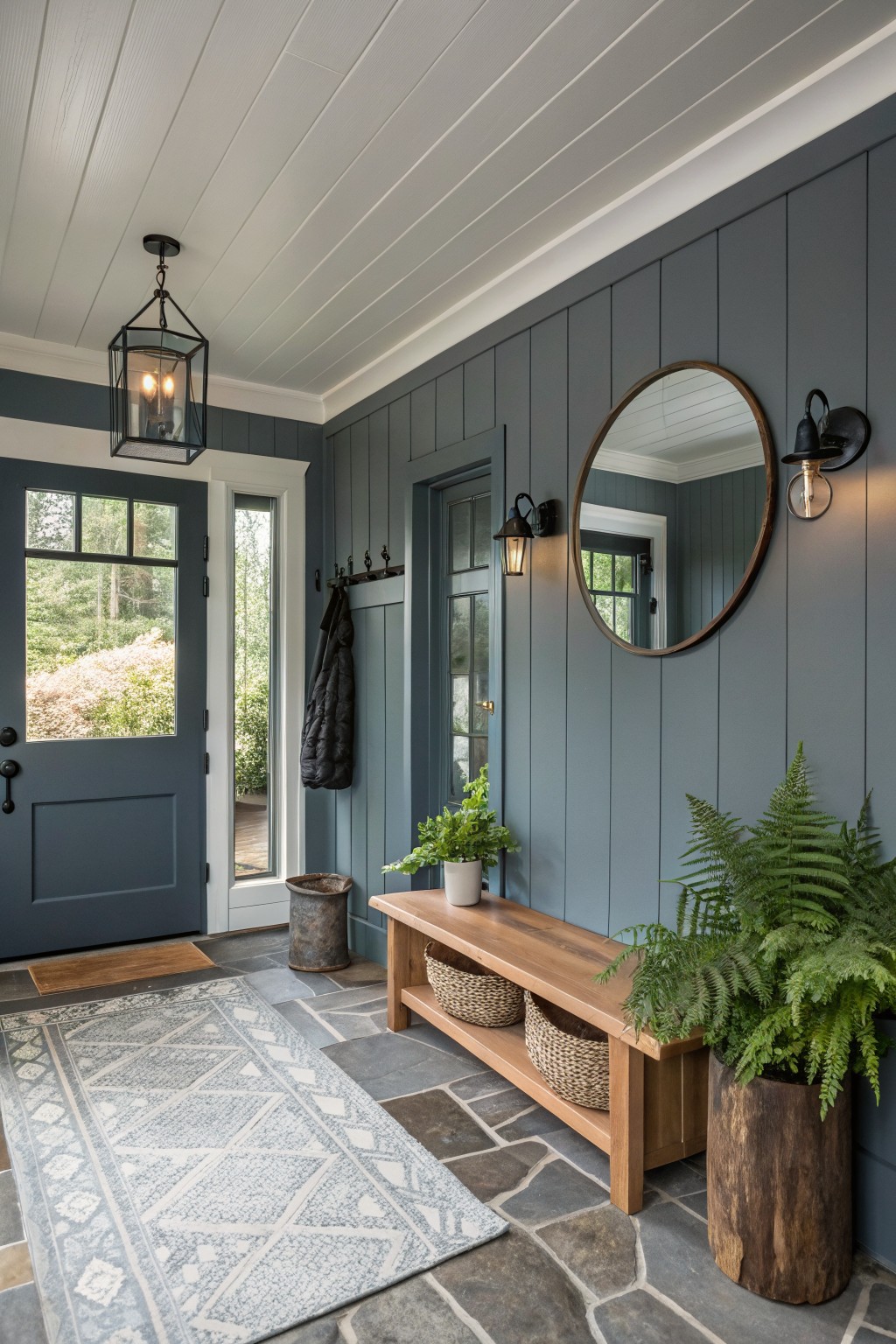
This soft blue gray gives an entry a calm modern feel while still reading as a neutral. It sits right between gray and blue with cool undertones that keep the space feeling fresh and open rather than heavy.
It works especially well with warm wood tones and stone floors, and it suits homes that want a little color without losing that quiet vibe. Just test it in different lights first since the blue can show up more in bright natural light.
Soft Beige Siding
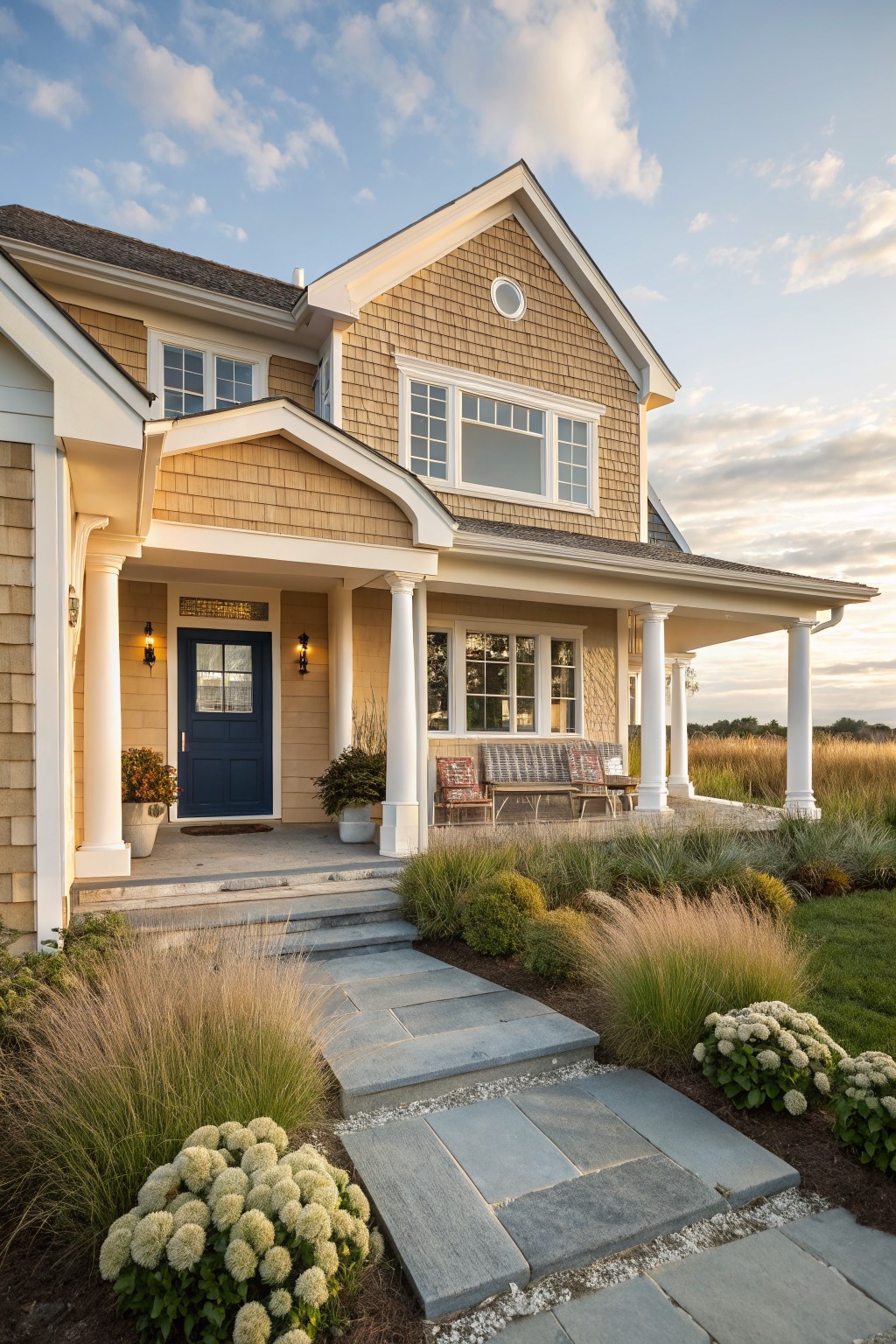
This soft beige on the siding is a warm neutral that keeps the house feeling calm and simple. It sits in that gentle middle ground between tan and light brown, which makes the whole exterior look settled rather than stark.
The color has a mild golden undertone that works well with white trim and the natural tones of the roof and landscaping. It suits suburban homes or coastal settings and pairs best with clean white columns or dark gray roofing.
Soft Greige Siding
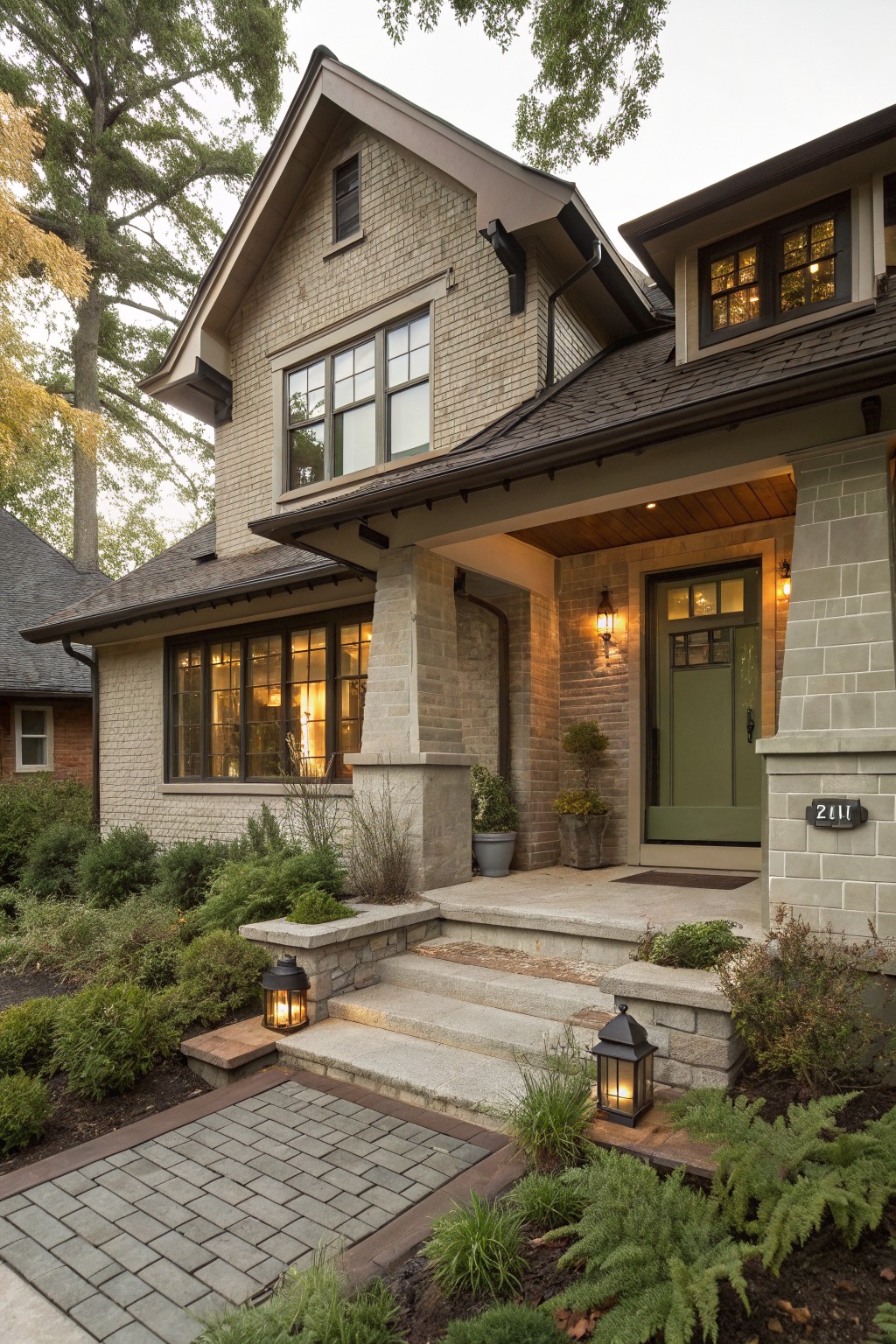
This siding shows a soft greige that sits between gray and beige without leaning too far either way. It feels calm and steady, which is why it works well on homes that want a quiet modern look rather than something too stark or too warm.
The color has a light warm undertone that keeps the stone and brick from feeling cold. It pairs easily with dark trim and roofing, though it can start to look flat if the light is very shaded or if there is too much cool gray nearby.
Soft White Siding
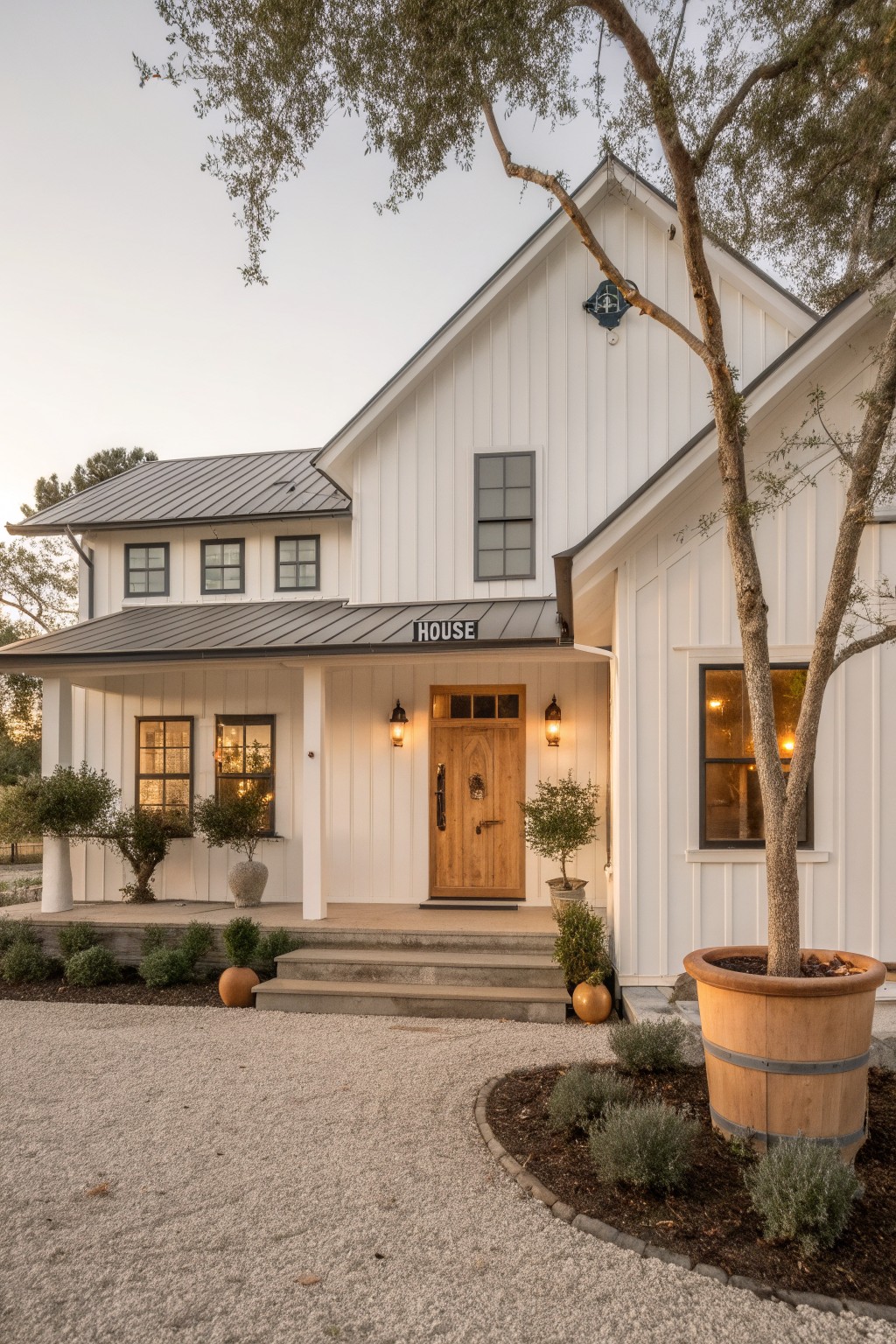
This soft white paint on the siding gives the house a clean and simple look. It reads as a bright neutral with just a touch of warmth, which helps it sit nicely next to the dark metal roof and wood door.
Colors like this work well on modern farmhouse exteriors because they keep the whole place feeling open without being stark. Try it with warm wood trim or black accents if you want the contrast to stay balanced.
Soft Sage Green Built-Ins and Walls
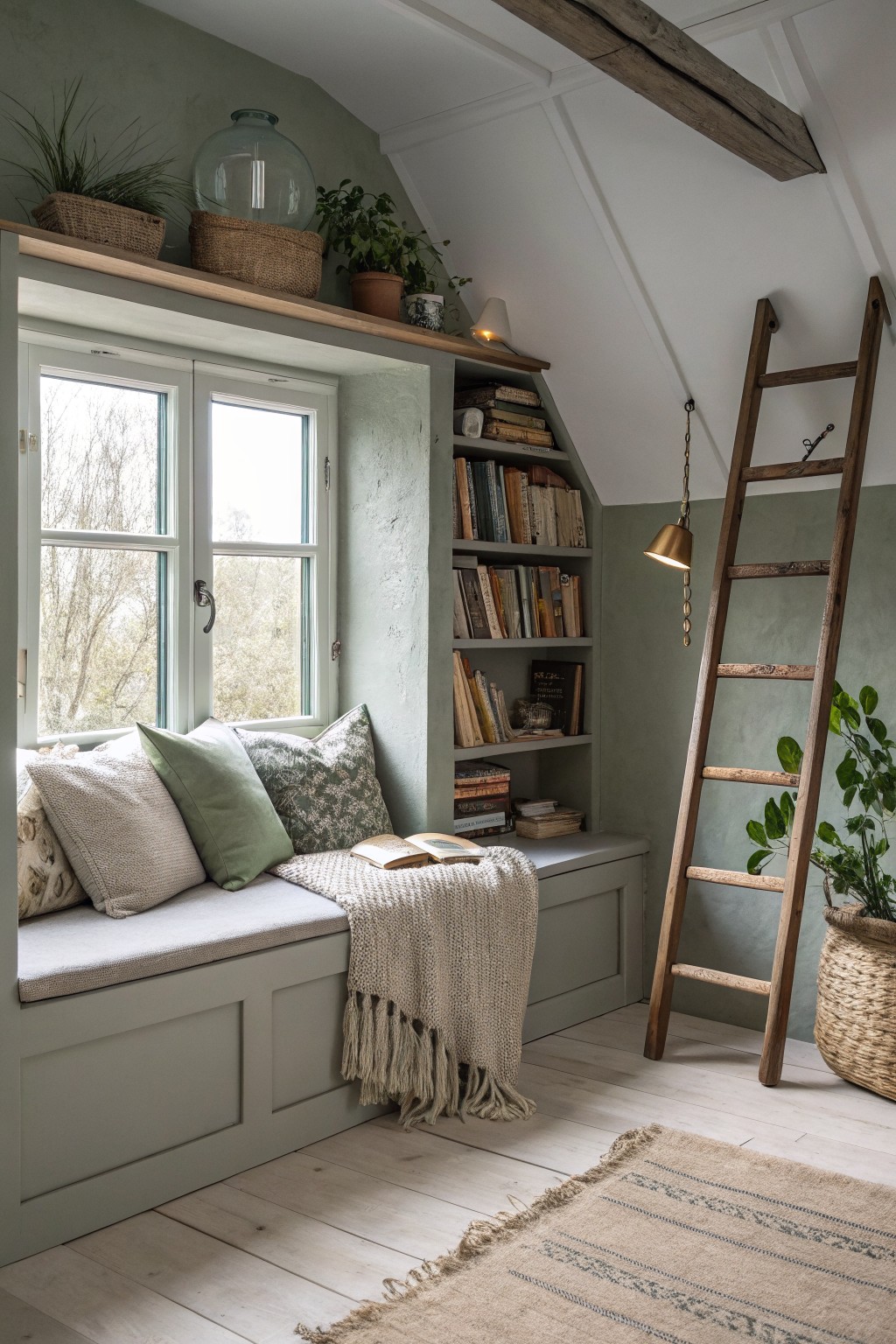
This soft sage green brings a gentle calm to the space without feeling too bold or trendy. It sits in that nice middle ground between gray and green, which makes it easy to live with day after day. The color reads very close to Sherwin Williams Rainwashed, Benjamin Moore Quiet Moments, Farrow & Ball Pigeon, or Behr Aloe Vera.
It works especially well on built-ins and trim because the soft tone lets wood floors and natural textures stand out. The shade stays flexible in different lights, though it can lean a touch cooler in shaded corners. Pair it with light linens or simple wood pieces if you want the room to feel restful rather than busy.
Soft Warm Gray Walls
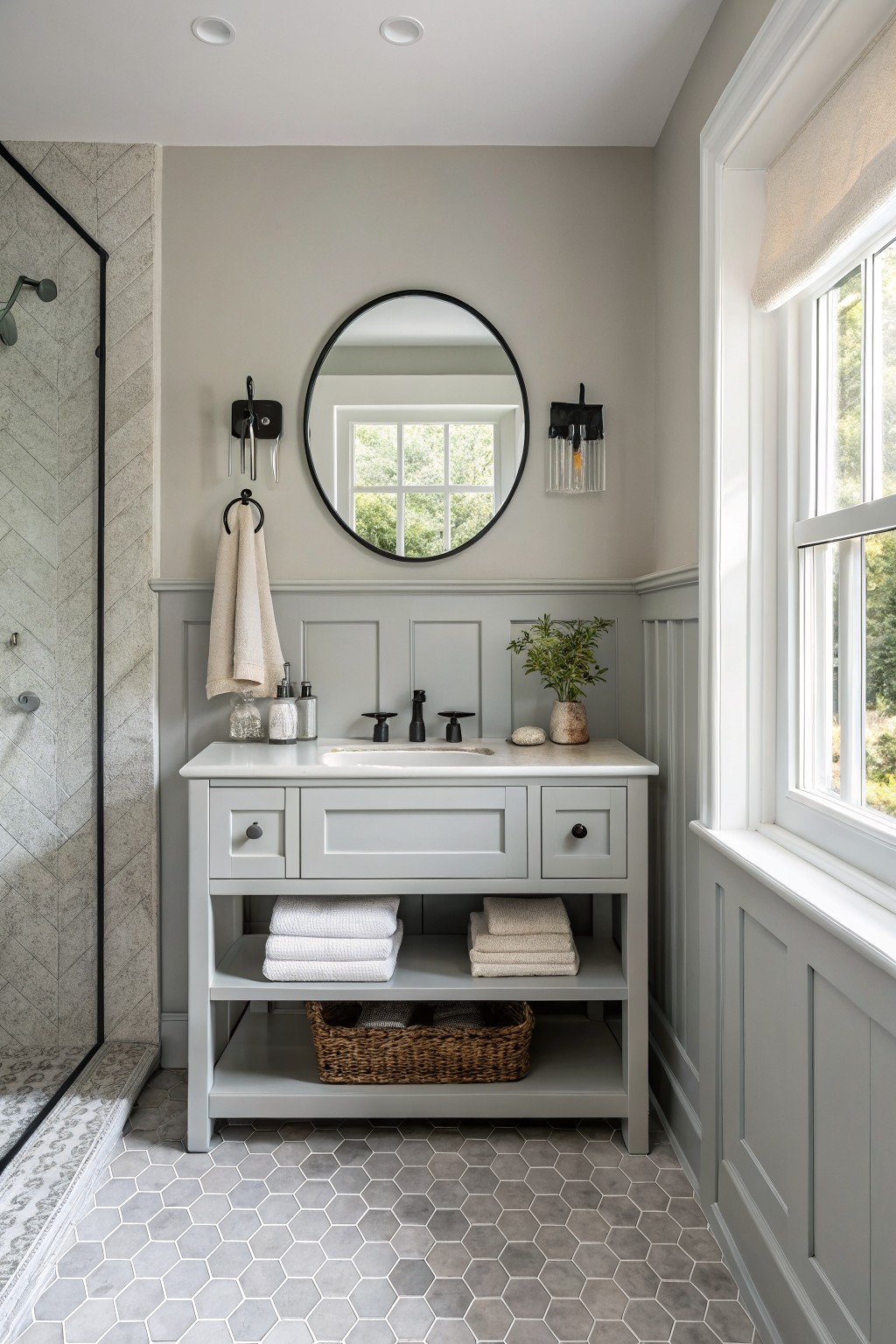
This soft warm gray brings a calm feel to a room without making it look flat or cold. It has a light touch of warmth that keeps the space feeling balanced and easy to live with.
The color works best with white trim and simple flooring or tile. It suits bathrooms and bedrooms where you want a quiet background that still feels current. Sherwin Williams Repose Gray or Benjamin Moore Edgecomb Gray come close.
Soft Greige Living Room Walls
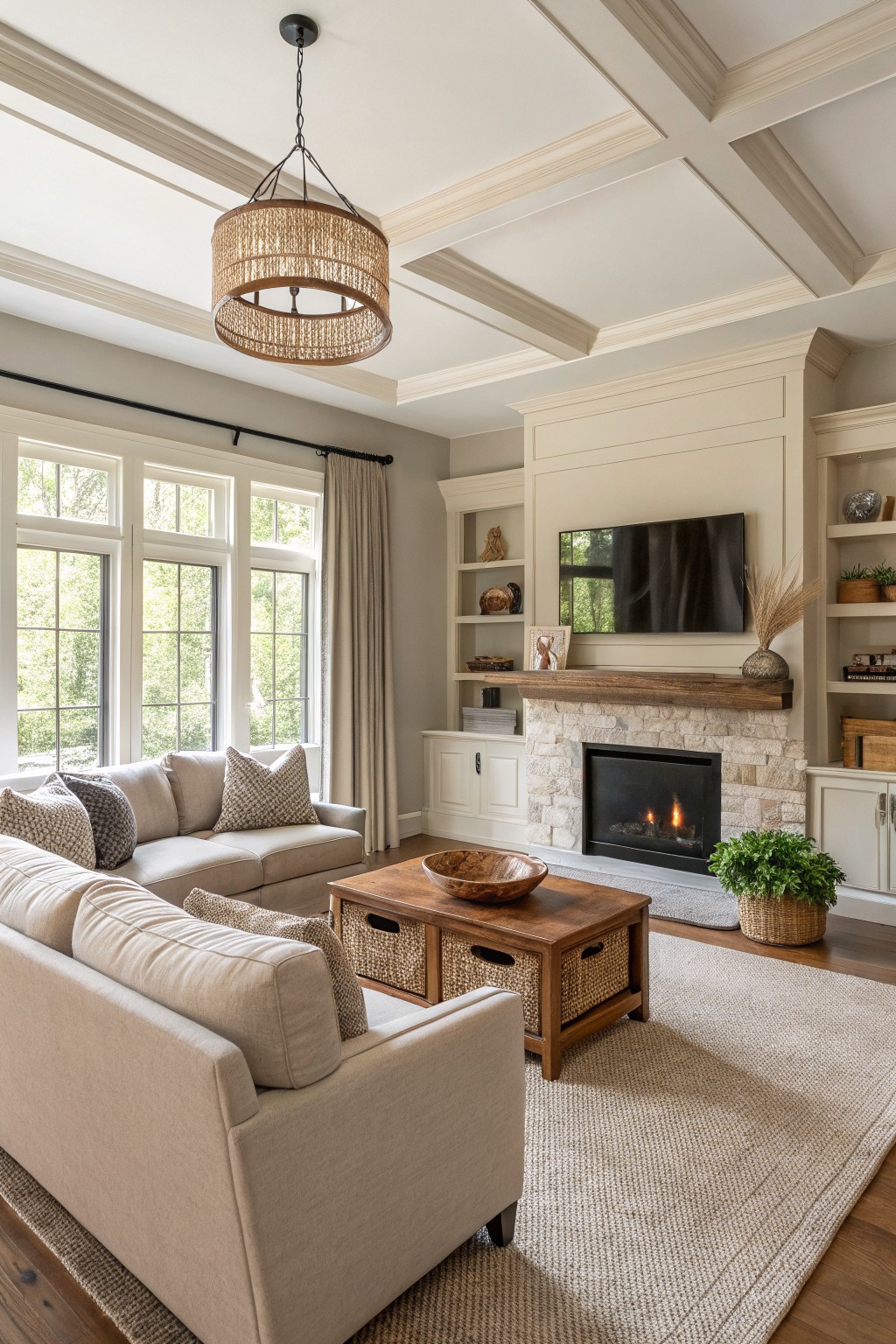
This room uses a soft greige on the walls. It is a warm neutral that sits right between gray and beige without leaning too far in either direction. The color keeps things calm and modern while still feeling lived in.
It has a light depth that works nicely with white built-ins and wood tones. This shade suits living rooms that get steady daylight and pairs well with stone or simple woven pieces. It looks closest to Sherwin Williams Agreeable Gray or Benjamin Moore Edgecomb Gray.
Soft Greige Built-Ins
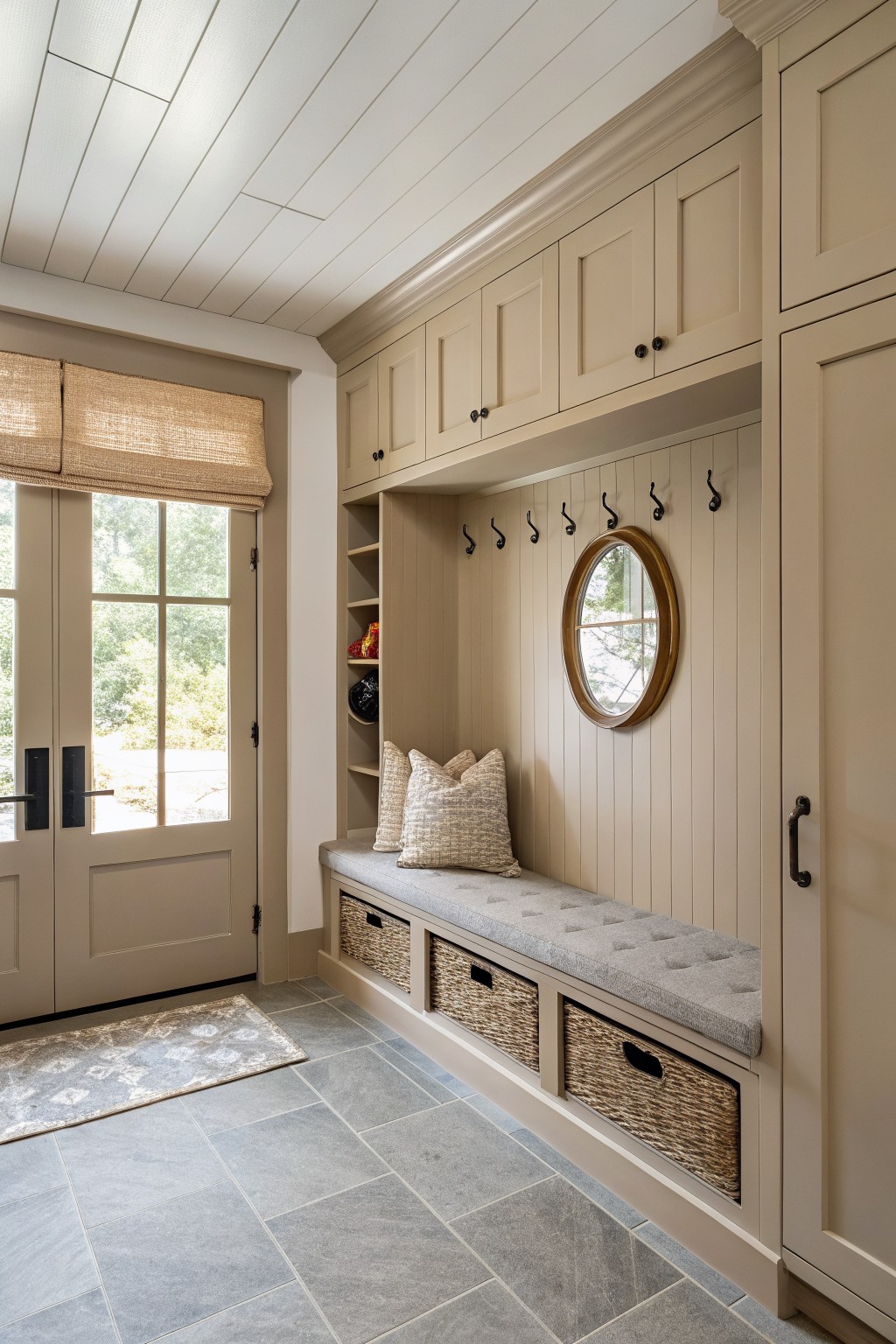
This soft greige brings a quiet warmth to the space without making it feel heavy. It sits right between beige and gray, which helps it blend with both cool floors and warmer wood tones. Colors like this work well in busy areas because they stay calm even when the light changes through the day.
It has a gentle warmth that keeps the gray tile from looking too stark. The same tone on the walls and cabinetry creates a clean backdrop that lets hooks, baskets, and simple pillows stand out without competing. It suits mudrooms, hallways, or any spot where you want things to feel organized but not stark.
Soft Blue Gray Siding
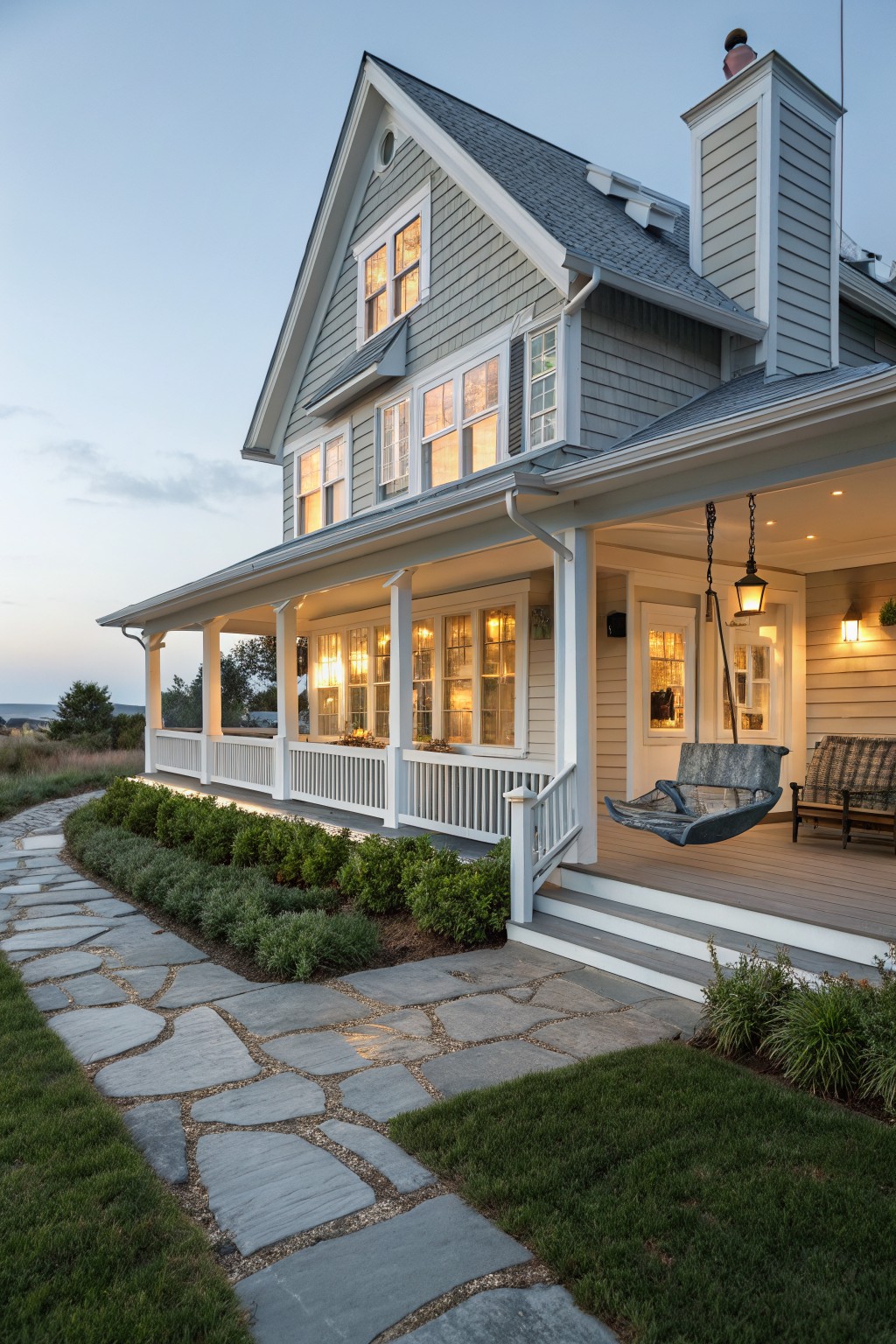
This soft blue gray works well on exterior siding because it stays calm without feeling flat. It has a cool undertone that keeps the house looking fresh next to white trim and natural wood tones on the porch.
The color sits nicely with stone paths and simple landscaping. It can read a bit greener in strong sunlight, so testing a sample on the actual wall helps avoid surprises later on.
Soft Warm Beige Siding
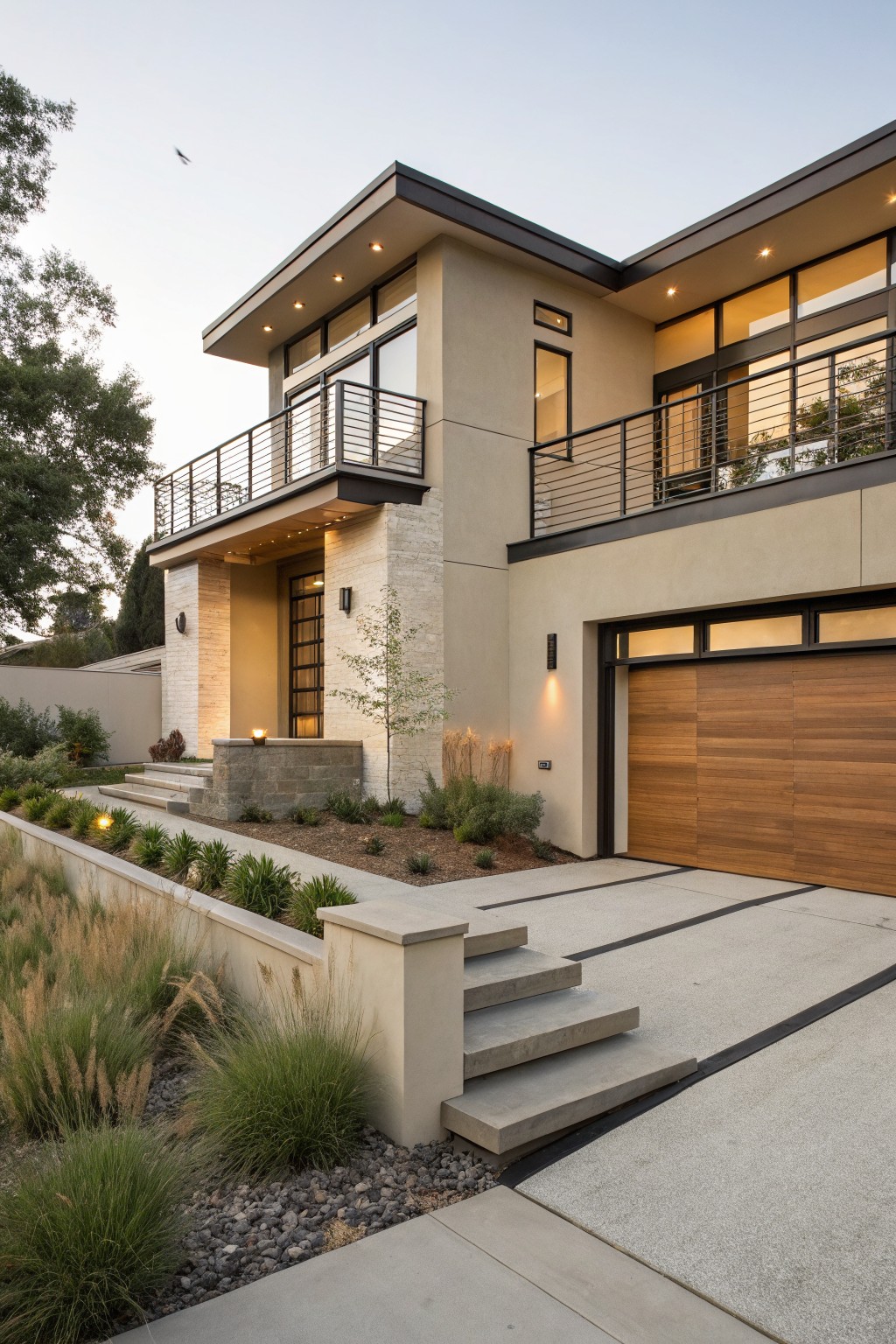
This exterior uses a soft warm beige across the main walls. It sits in that gentle neutral range that feels calm and modern without looking too stark or plain.
The color has a light warmth that helps the wood garage door and stone accents stand out nicely. It works well on homes with clean lines and mixes easily with natural materials. Try something like Sherwin Williams Accessible Beige or Benjamin Moore Pale Oak for a close match.
Soft Greige Cabinetry
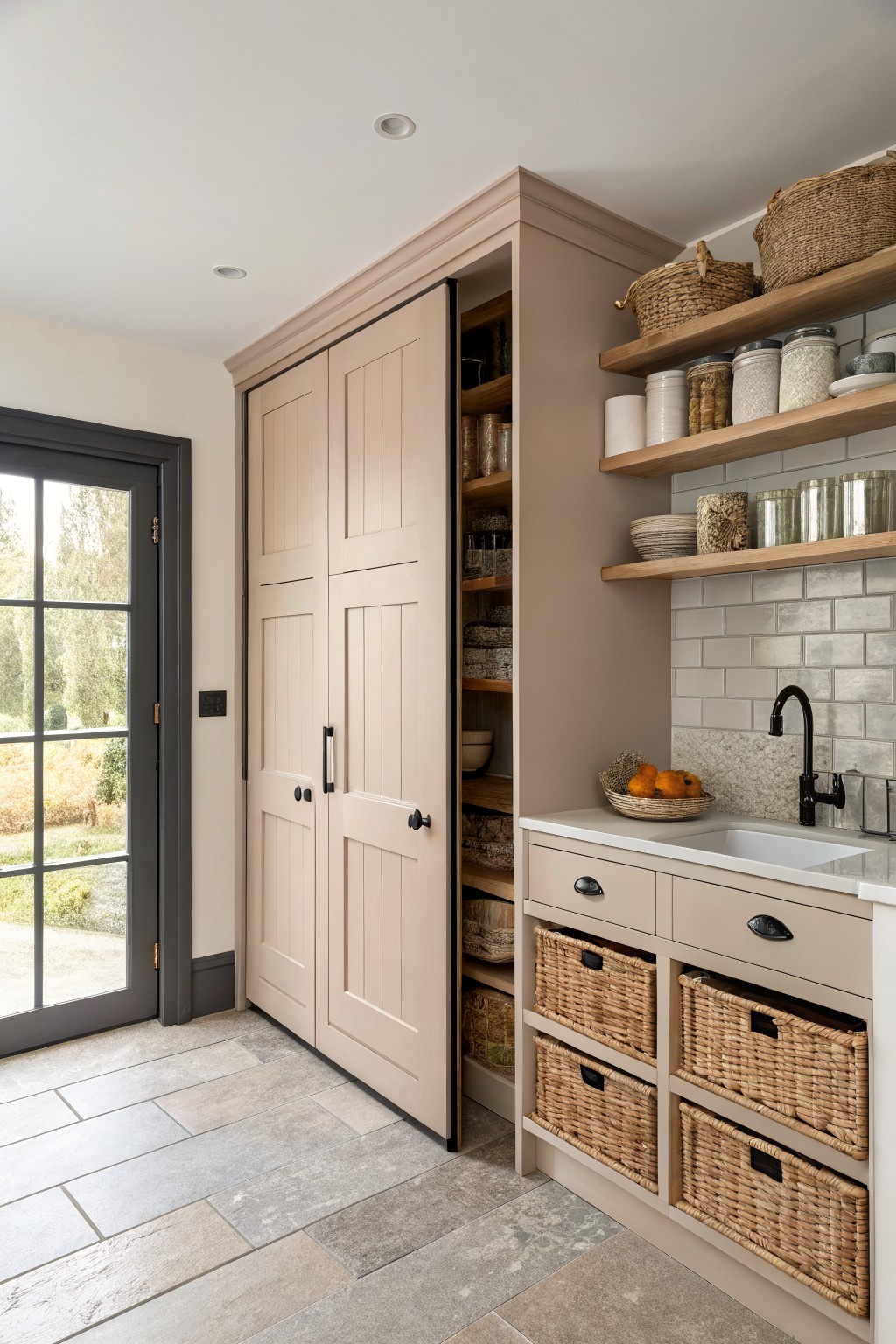
This soft warm greige on the tall cabinets and lower built-ins works well because it sits between beige and gray without leaning too far either way. It gives the space a calm modern feel while still feeling a little grounded. Colors like this often read closest to Sherwin Williams Accessible Beige, Benjamin Moore Edgecomb Gray, Behr Almond Wisp, or Farrow & Ball Skimming Stone.
The slight warmth in the undertone helps it pair nicely with wood tones and stone without looking too cool or stark. It tends to look best in rooms with decent natural light and can feel a bit flat if the space gets very little sun. Try it on cabinetry or built-ins first if you want something that stays quiet but still adds subtle depth.
Frequently Asked Questions
Q: How do I test these soft neutrals before painting the whole room?
A: Grab sample pots of two or three shades and paint big patches on different walls. Check how each one shifts with your morning light and evening lamps so you see the real effect in place.
Q: What if my room gets strong afternoon sun?
A: Lean toward a greige or warm taupe from the list since those hold up better under bright light. Cooler shades can turn flat or washed out when the sun hits them hard.
Q: Can I mix one of these neutrals with wood tones that already feel bold?
A: Yes go ahead and use the softest option on the walls to let the wood stand out without competing. The calm background keeps everything balanced instead of overwhelming the space.