I always come back to warm gray when I want a space to feel calm but still a little polished.
It has this easy balance that works with almost anything I already own, which makes decorating feel less stressful.
In this list, I pulled together some of my favorite Benjamin Moore warm grays that I keep recommending again and again.
Some lean soft and creamy, others feel a bit deeper and moodier, but they all have that cozy modern look I never get tired of.
If you’re trying to find a gray that actually feels comfortable to live with, this is where I’d start.
Soft Warm Gray That Leans Greige
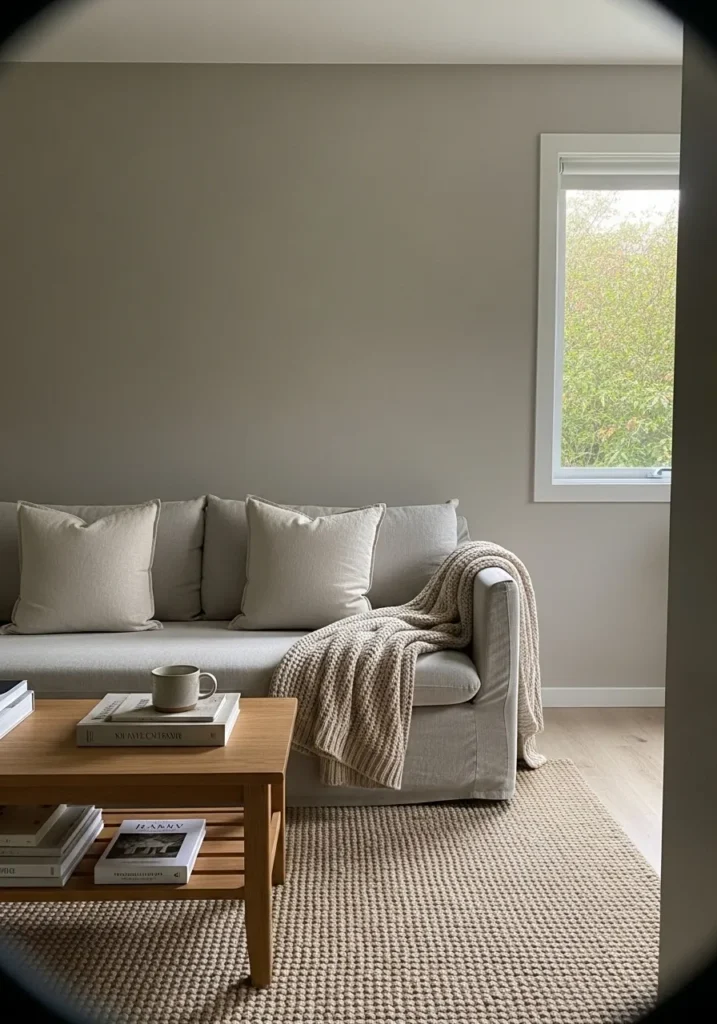
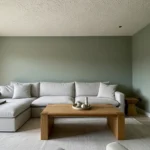
This looks closest to Benjamin Moore Revere Pewter, a classic warm gray that leans gently into greige. It has that easy, lived-in feel that works in a simple living room like this, especially next to light wood and soft neutral fabrics. It does not read cold or sharp, which makes it a comfortable choice if you want gray without that crisp edge.
The undertone sits on the warmer side, with a slight beige note that shows up more in natural light. It tends to look calm and steady through the day, though it can shift a bit warmer near cream upholstery like the sofa here. It works best with soft whites, natural wood, and woven textures, and it helps keep everything feeling relaxed without turning too beige.
Warm Gray Kitchen Cabinets That Feel Soft
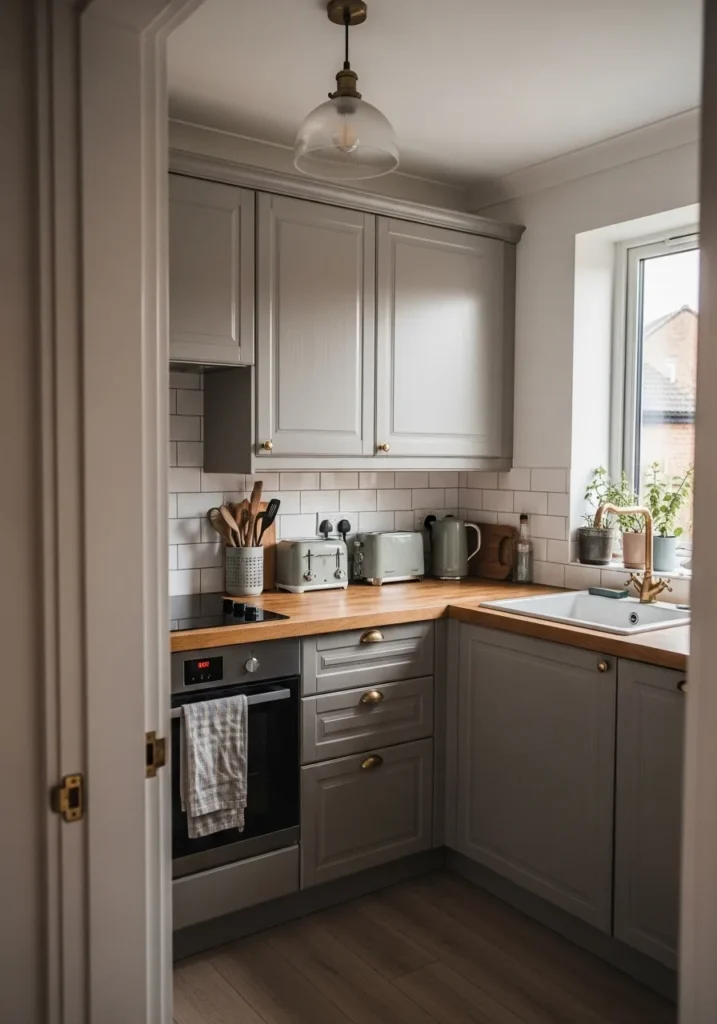
This reads very close to Benjamin Moore Edgecomb Gray, a light warm gray that leans gently into beige. It sits right in that comfortable middle ground where it does not feel too gray or too creamy. On kitchen cabinets like these, it gives a soft, settled look that works well with wood countertops and simple white tile.
The undertone is warm but quiet, so it shifts a bit depending on the light. In brighter light it can look more like a pale greige, while in softer corners it leans slightly beige. It pairs easily with brass hardware and natural wood, and it keeps a kitchen feeling relaxed without going too dark or too stark.
Deeper Warm Gray For A Quiet Bedroom
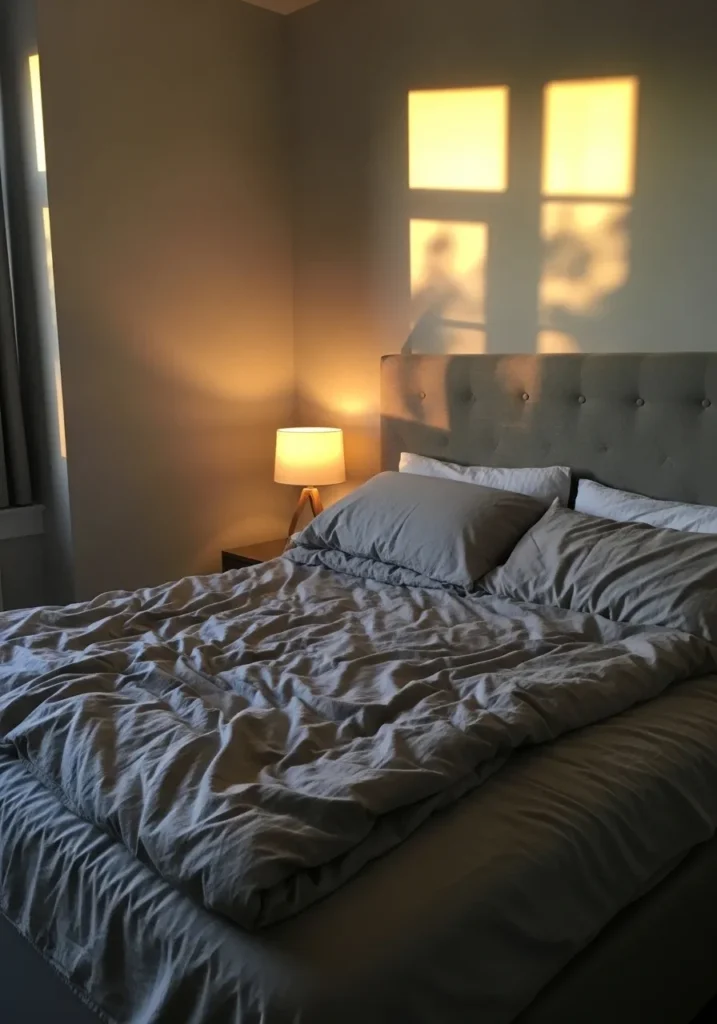
This looks closest to Benjamin Moore Chelsea Gray, a deeper warm gray that leans slightly brown. It has a calm, settled feel that works well in a bedroom, especially when paired with soft bedding and low lighting. It is not a heavy charcoal, but it still gives the room a bit more presence than lighter grays.
The undertone stays warm, which keeps it from feeling cold in the evening when the lamp is on. It can look a touch lighter on walls with direct light, but it usually holds that cozy depth. This kind of gray works best with soft whites, muted textiles, and warm wood tones, and it suits spaces where you want things a little quieter.
Warm Gray Exterior That Leans Neutral
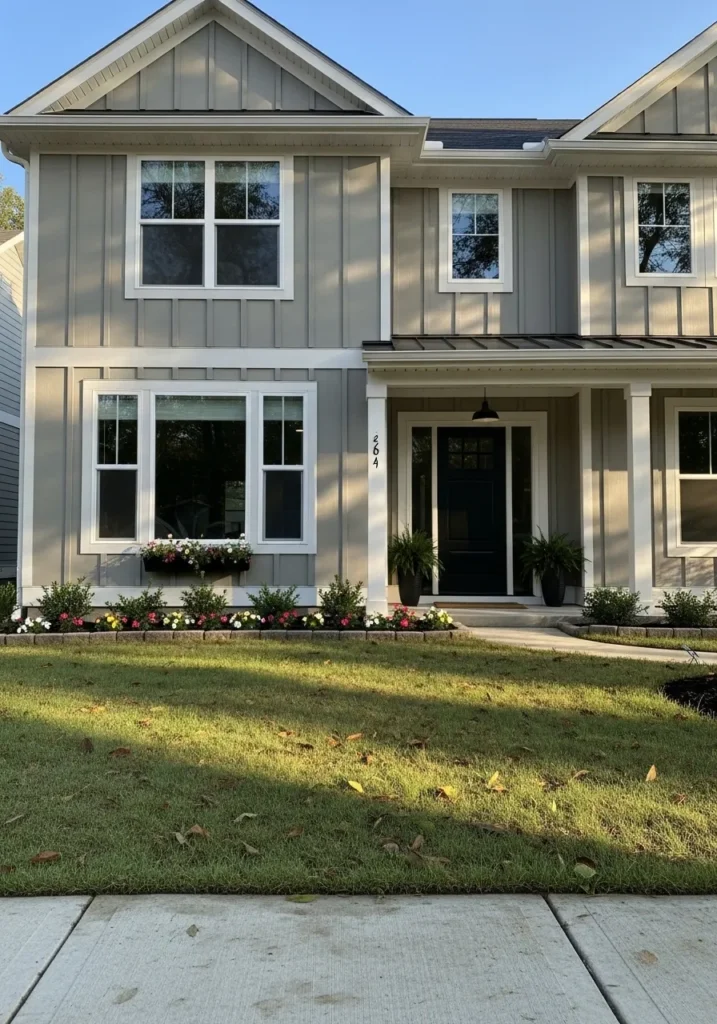
This looks closest to Benjamin Moore Revere Pewter, a mid-tone warm gray that leans slightly into beige. It has that steady, neutral feel that works well on exterior siding, especially with crisp white trim like this. It does not swing too cool, which helps it feel more welcoming from the street.
The undertone stays soft and a bit earthy, so it shifts gently depending on the light outside. In brighter sun it can read lighter and a touch more gray, while in shade it leans warmer. It pairs easily with black or deep-toned doors and simple landscaping, and it holds up well without feeling too dark or too pale.
Light Warm Gray For A Clean Bathroom
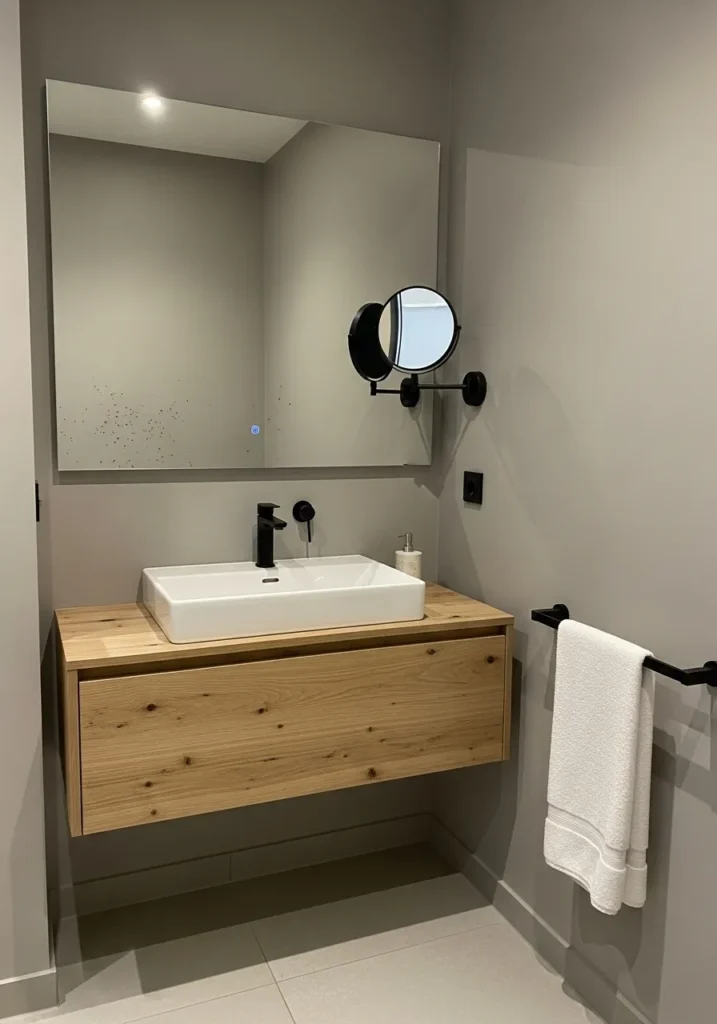
This looks closest to Benjamin Moore Classic Gray, a very light warm gray that leans soft and slightly creamy. It sits right on the edge of off-white, which makes it easy to use in a small bathroom without feeling stark. Next to a simple wood vanity like this, it keeps things feeling calm and easy.
The undertone is gently warm, so it does not go cold under artificial light. It can read a bit brighter on open walls, but it still holds that soft gray base. This kind of shade works well with black fixtures and pale wood, and it is a good choice if you want something lighter than typical gray but not fully white.
Mid Tone Warm Gray For A Reading Corner
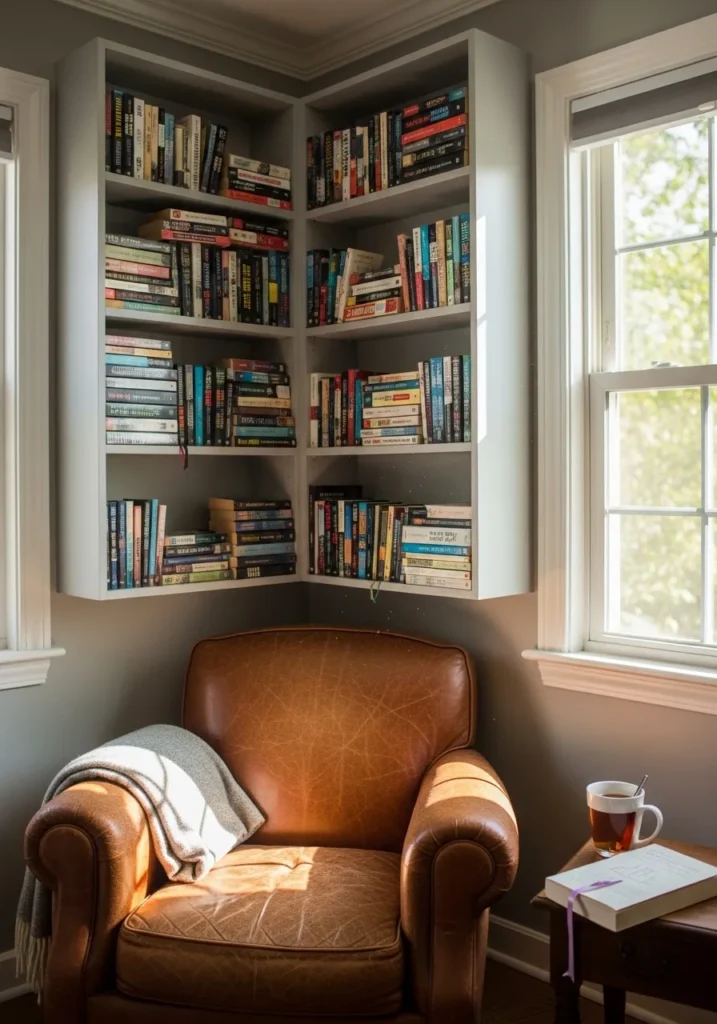
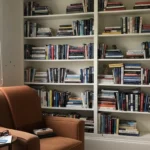
This reads very close to Benjamin Moore Gray Owl, though in this space it leans a bit warmer than usual. It is a soft mid-tone gray that does not feel heavy, which makes it easy to live with in a small corner like this. Next to a warm leather chair, it picks up just enough warmth to feel comfortable instead of cool.
The undertone can shift depending on light, sometimes showing a faint green or beige note. In brighter light near the window, it looks lighter and a touch fresher, while in the corners it settles into a warmer gray. It works well with wood, leather, and off-white trim, and it suits spaces where you want a calm backdrop without going too pale.
Dark Warm Gray That Feels Grounded
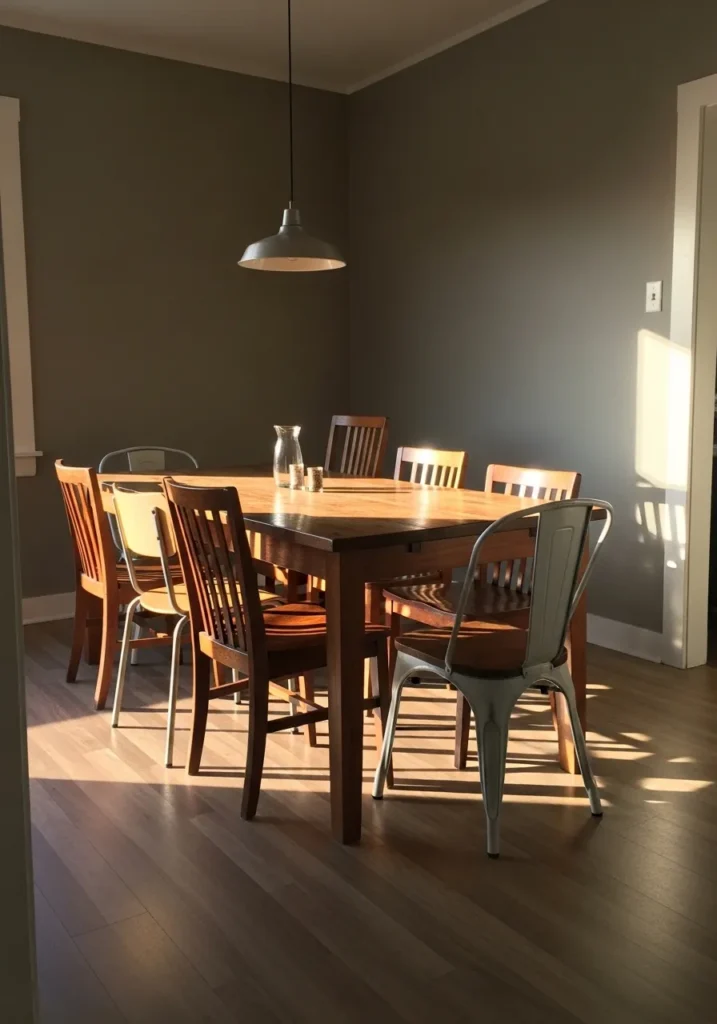
This looks closest to Benjamin Moore Kendall Charcoal, a deeper warm gray that leans slightly brown. It has a steady, heavier feel without turning fully charcoal black, which makes it a nice choice for a dining room. Against warm wood furniture like this table, it reads softer and more natural.
The undertone is warm and a bit earthy, so it shifts depending on the light coming in. In brighter light it can show more gray, but in the corners it settles into a richer tone. It works well with wood floors, mixed chairs, and simple white trim, and it suits spaces where you want a bit more depth without going too dark.
Soft Warm Gray For A Narrow Hallway
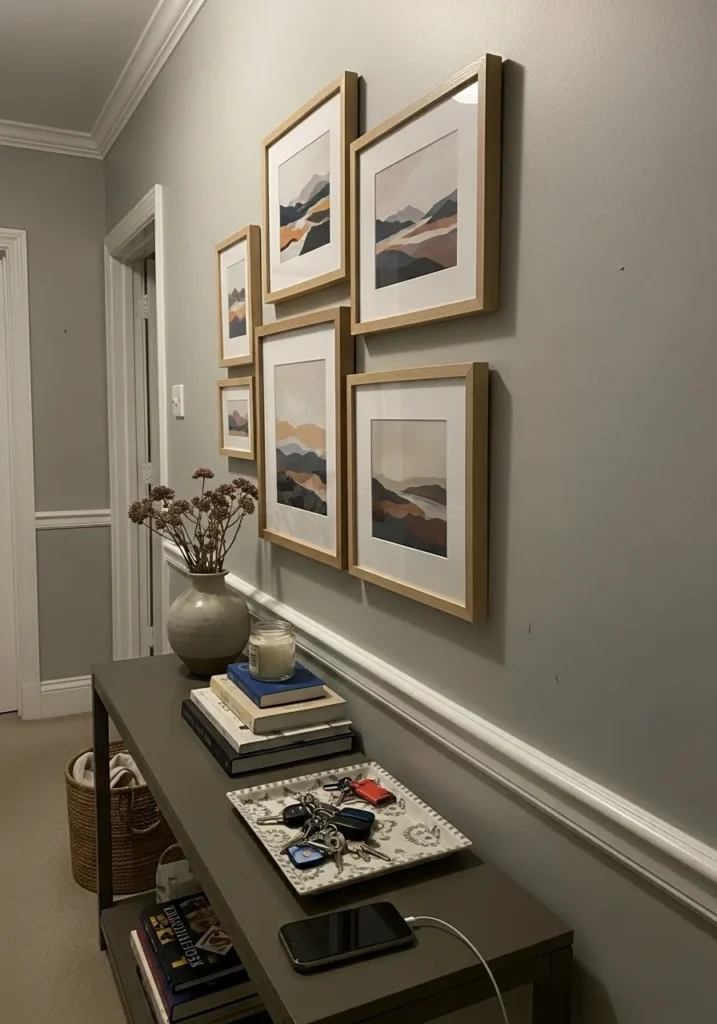
This looks closest to Benjamin Moore Balboa Mist, a light warm gray that leans gently toward greige. It has that soft, easy tone that works well in a hallway, especially with white trim and simple wood frames. It feels light without turning stark, which helps smaller spaces feel more open.
The undertone is warm with a faint beige note, so it shifts a bit as you move through the space. It can read slightly brighter near doorways, then a touch deeper along longer walls. It pairs well with soft whites, natural wood, and muted decor, and it keeps a hallway feeling calm instead of flat.
Soft Greige That Keeps Things Light
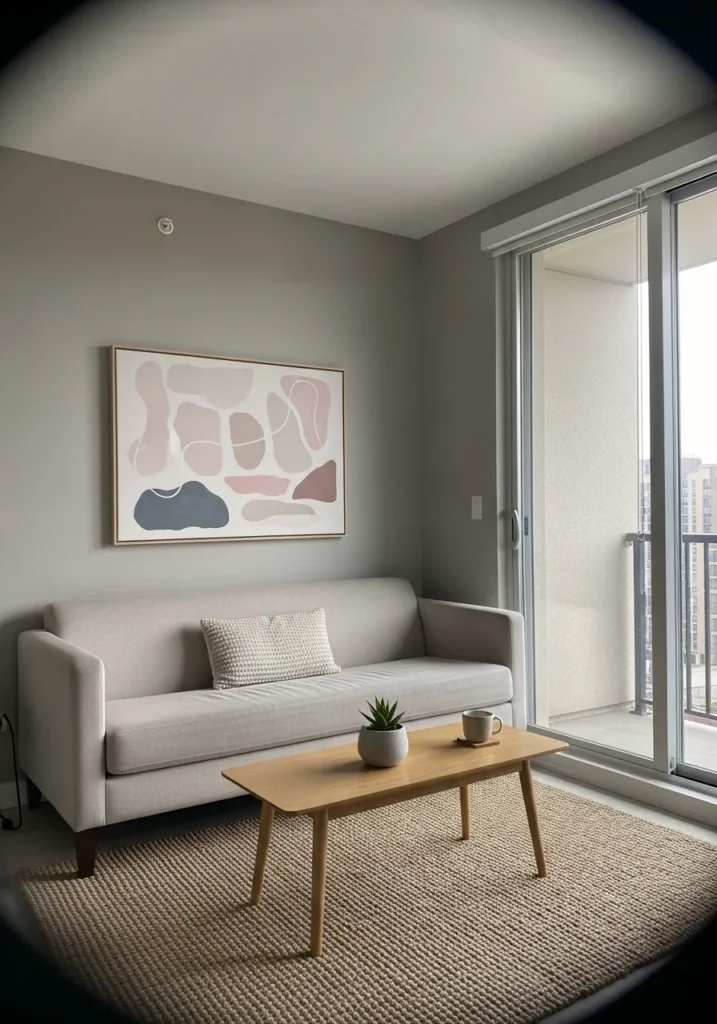
This looks closest to Benjamin Moore Pale Oak, a light warm gray that leans gently into greige. It has that soft, quiet tone that works well in a small living area like this, especially with light upholstery and simple wood pieces. It feels easy to live with and does not swing too cool.
The undertone is warm with a slight taupe note, so it shifts depending on the light coming through the window. It can read a bit brighter and more gray during the day, then soften toward beige later on. It pairs well with off-whites, natural textures, and pale wood, and it keeps the room feeling calm without going flat.
Warm Gray For A Small Attic Room
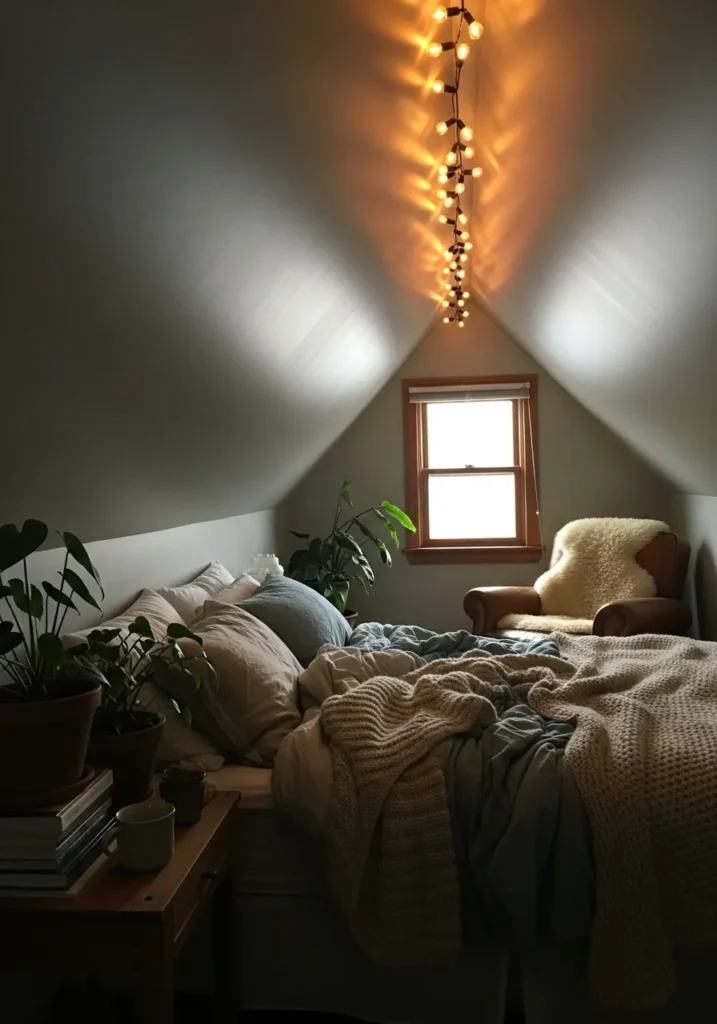
This looks closest to Benjamin Moore Gray Cashmere, a soft warm gray with a slight green undertone. It has that quiet, muted quality that works well in a tucked-away space like this. The color feels gentle on angled walls, and it does not get too dark even when the room is a bit dim.
The undertone leans warm with a hint of green, which shows up more around plants and natural wood. In lower light it can feel a touch cozier, almost like a soft olive gray. It pairs nicely with warm wood trim and layered textiles, and it works well in smaller rooms where you want something calm but not plain.
Warm Gray Siding With A Slight Taupe Feel
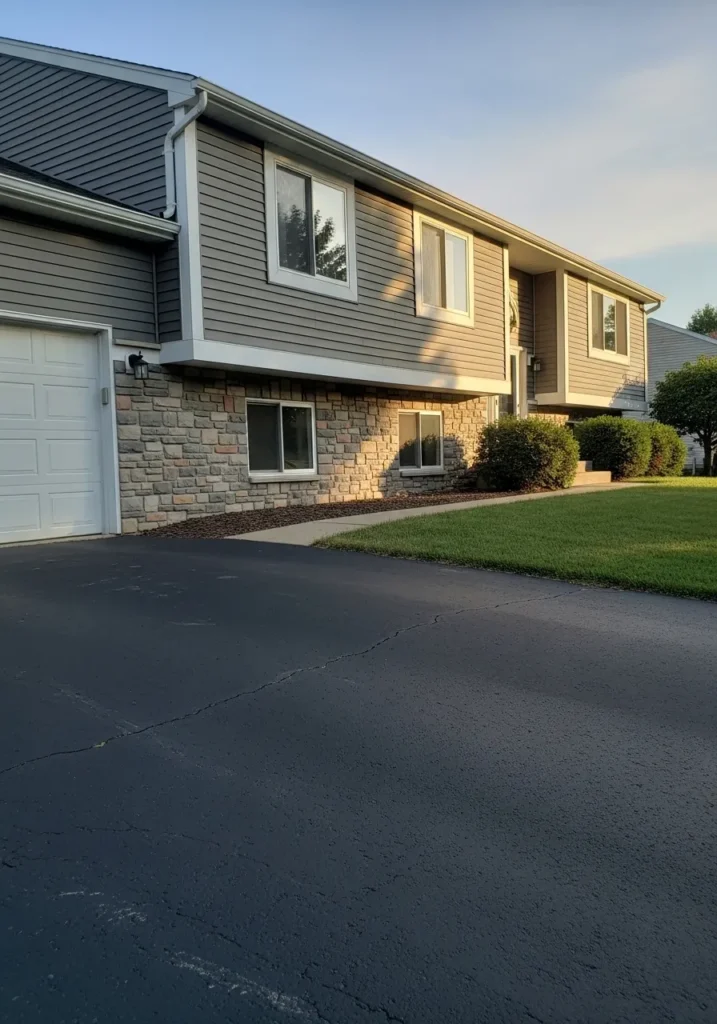
This looks closest to Benjamin Moore Chelsea Gray, though here it reads a bit lighter and softer. It is a warm gray with a subtle taupe lean, which works well on exterior siding like this. The color feels steady and neutral without turning too cool, especially next to stone and white trim.
The undertone leans warm and a little earthy, so it shifts with outdoor light. In direct sun it can look lighter and more gray, while in shade it picks up that taupe warmth. It pairs easily with natural stone, darker roofing, and simple landscaping, and it holds its tone well without feeling flat or washed out.
Medium Warm Gray For A Lived In Kitchen
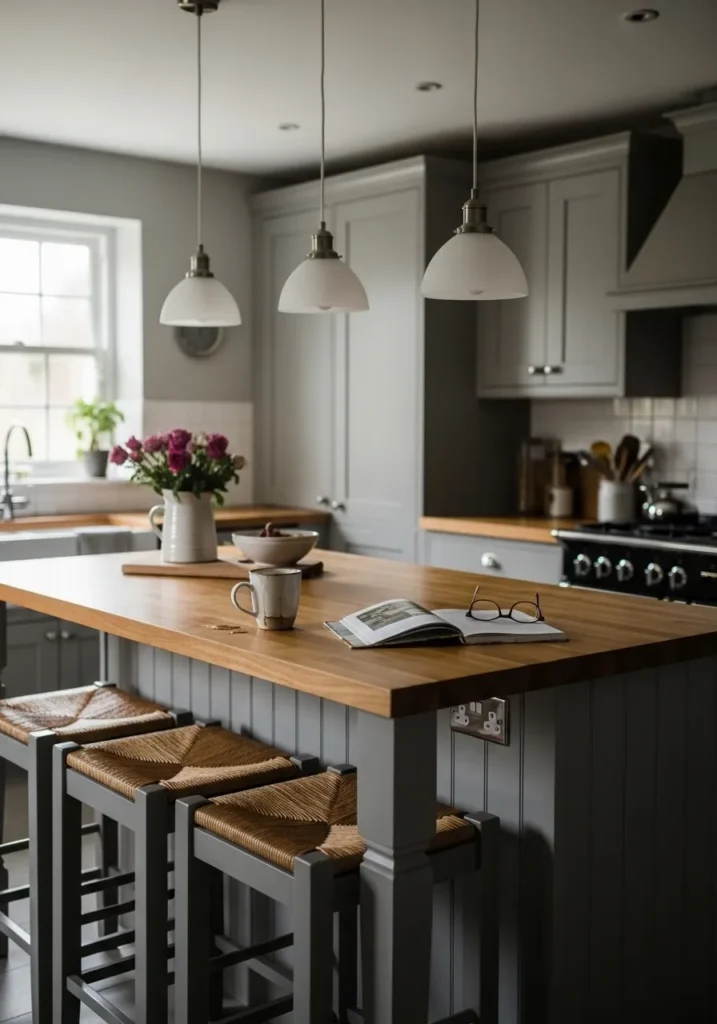
This looks closest to Benjamin Moore Stonington Gray, though here it reads a bit warmer than usual. It sits in that middle gray range, not too light and not too deep, which makes it easy to use on cabinetry and walls together. With the wood island top, it takes on a softer, more relaxed feel.
The undertone leans slightly warm in this setting, even though it can sometimes read cooler in other spaces. Light from the window helps it stay fresh, while shaded areas give it a bit more depth. It works well with white cabinets, wood surfaces, and simple tile, and it holds its balance without feeling too sharp or too beige.
Quiet Warm Gray For A Simple Workspace
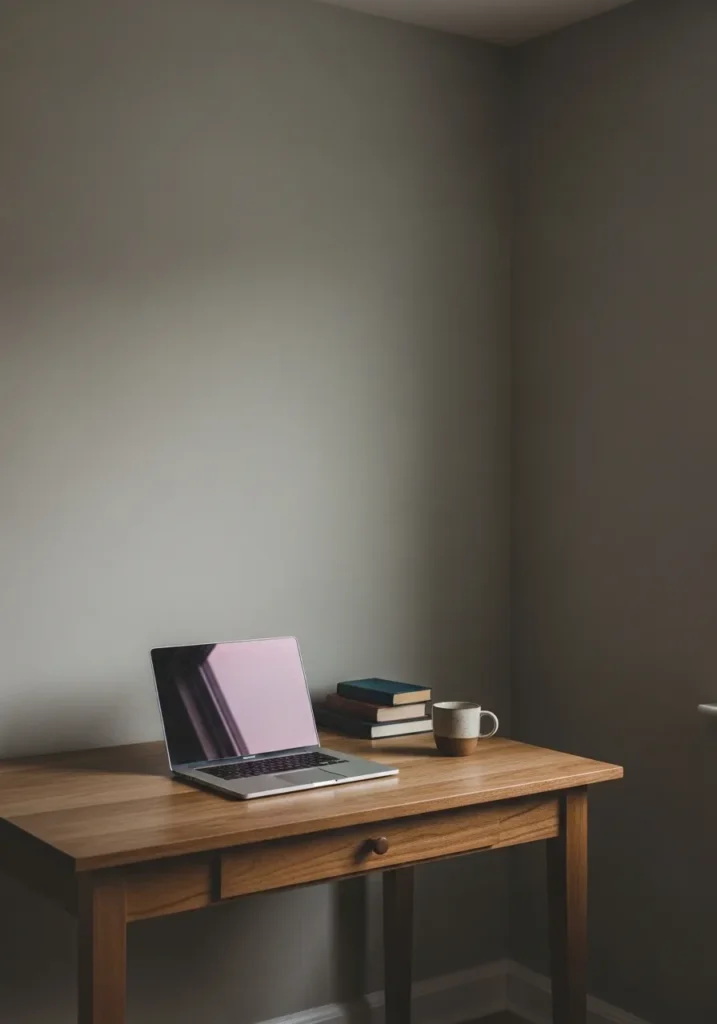
This looks closest to Benjamin Moore Edgecomb Gray, a soft warm gray that leans into beige. It sits in that easy middle range where it feels light but not washed out, which works well in a small workspace like this. Against a wood desk, it reads calm and steady without pulling too cool.
The undertone is gently warm, with a slight taupe feel that shows up more in softer light. It can look a bit brighter on open wall space, then settle into a warmer gray near corners. It pairs nicely with natural wood and simple decor, and it keeps a work area feeling relaxed without getting distracting.
Soft Warm Gray In Low Light
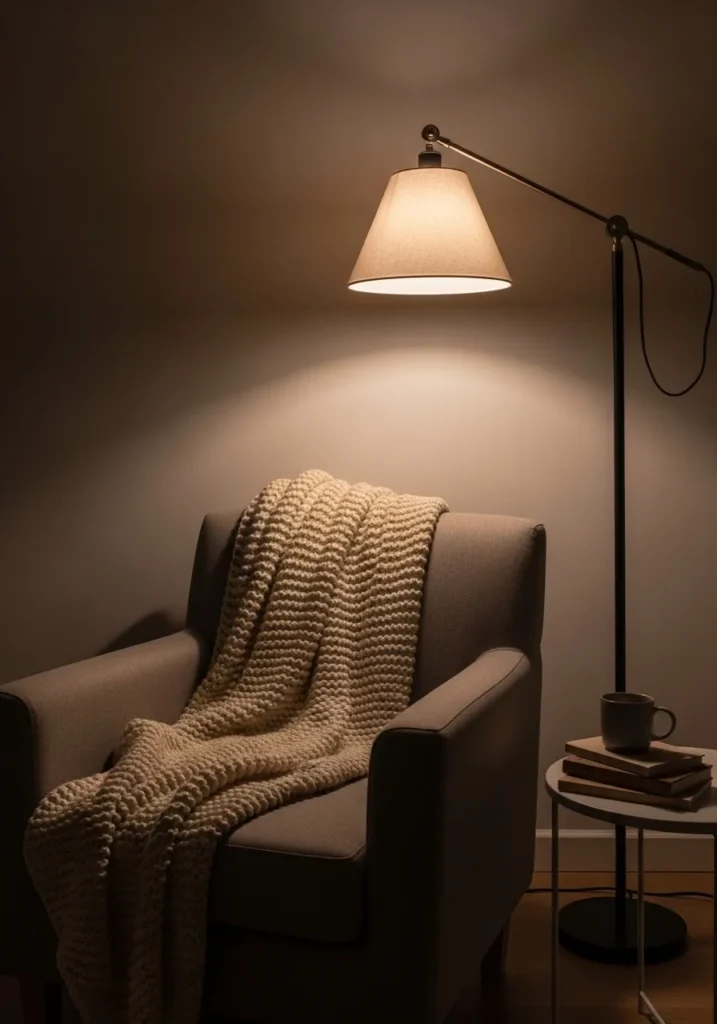
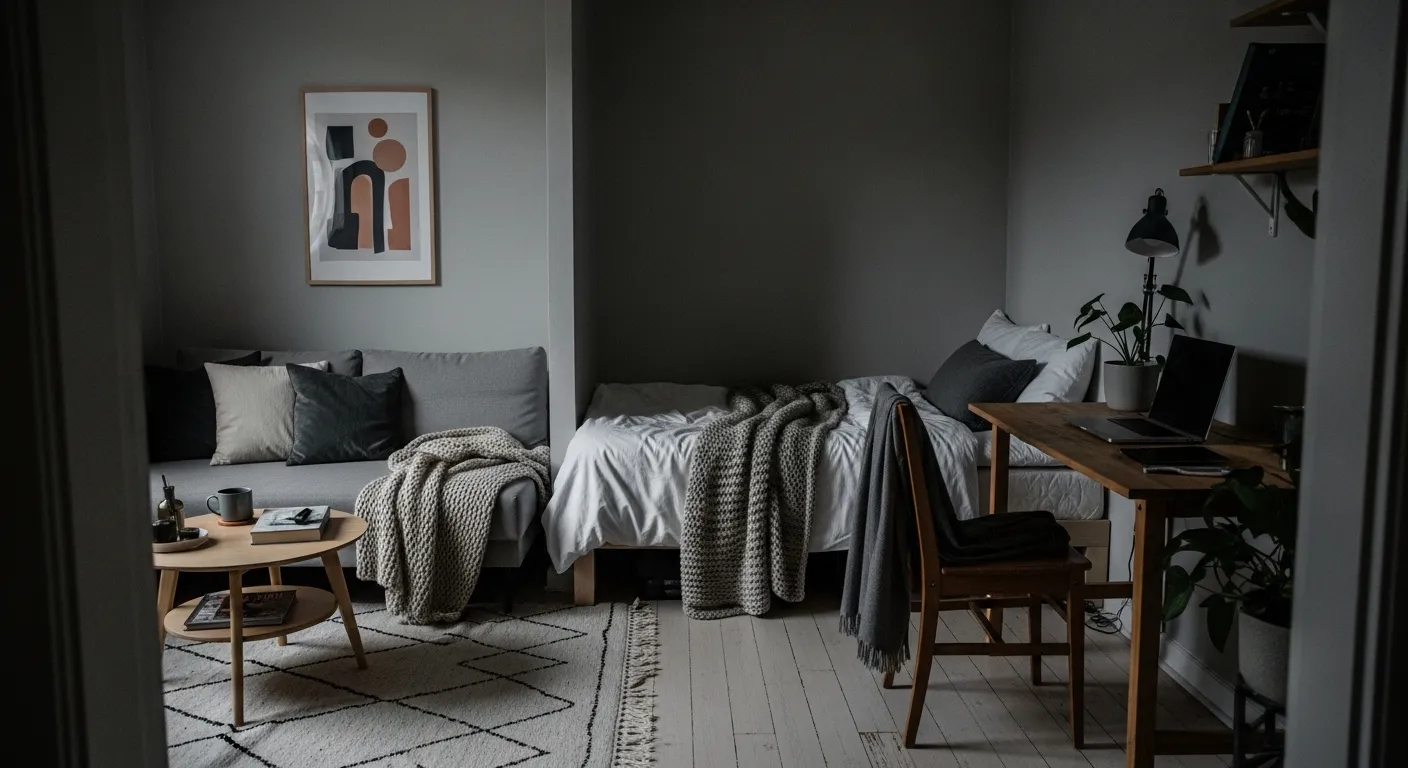
This looks closest to Benjamin Moore Revere Pewter, though here it reads a bit deeper because of the lighting. It is a warm gray with a slight beige lean, which helps it feel comfortable instead of cold. In a quiet corner like this, it comes across as soft and steady rather than flat.
The undertone is warm and a little earthy, and it really shows under a lamp like this. The color can shift darker in the evening, almost moving toward a muted taupe. It works well with textured fabrics and darker furniture, and it suits spaces where you want a calm feel without going too light.
Soft Warm Gray For A Calm Nursery
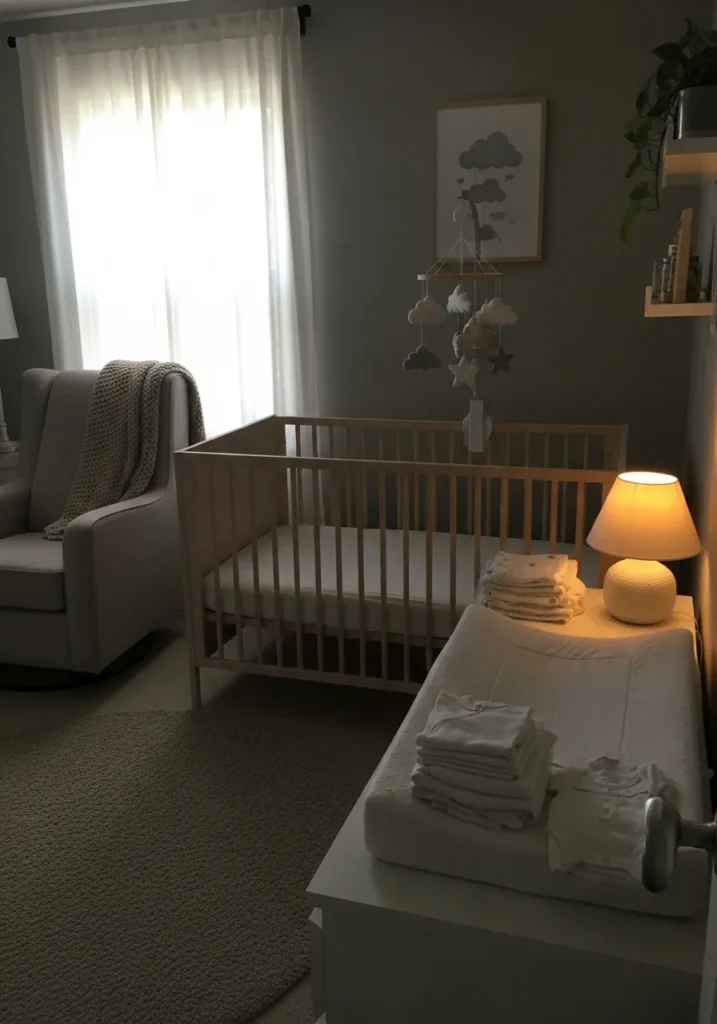
This looks closest to Benjamin Moore Silver Satin, a light warm gray that leans slightly creamy. It has a gentle, quiet feel that works well in a nursery, especially with soft fabrics and pale wood like the crib here. It stays light without feeling stark or cold.
The undertone is warm with a faint beige note, which shows more in softer lighting from a lamp. During the day it can look a bit brighter and more neutral, then ease into a warmer tone in the evening. It pairs well with whites, soft textiles, and natural wood, and it helps keep the room feeling calm without going too plain.
Warm Gray That Works Outside Too
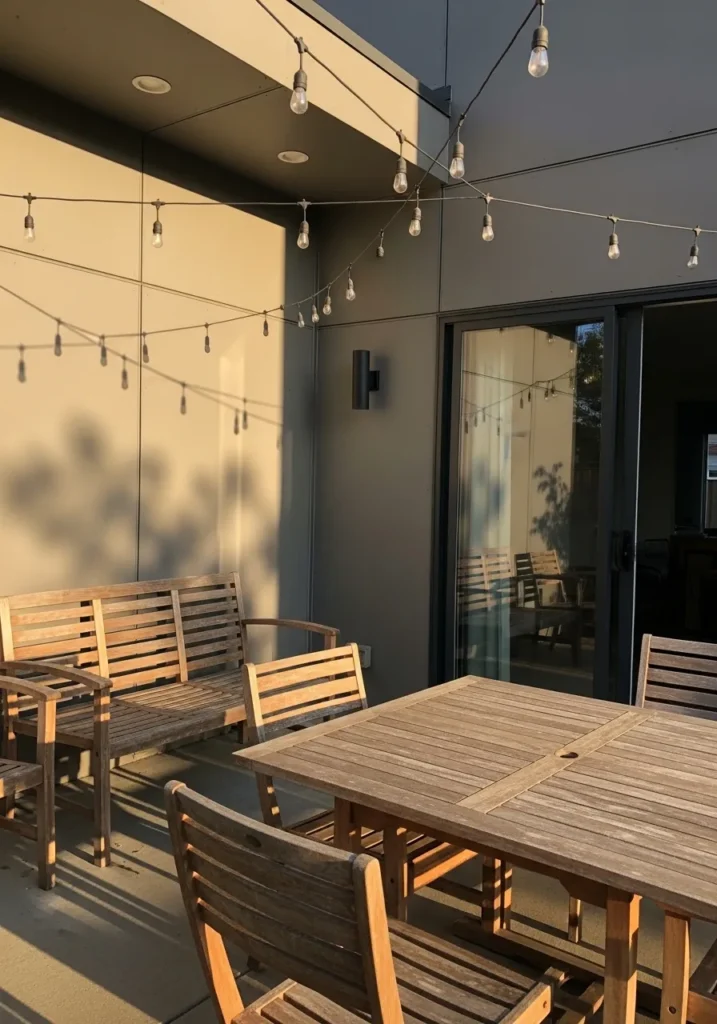
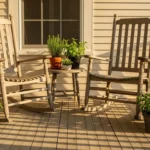
This looks closest to Benjamin Moore Revere Pewter, a mid-tone warm gray that leans slightly beige. It holds up well on exterior walls like this, especially next to wood furniture and darker trim. The color feels steady and natural without turning too cool or too flat.
The undertone is warm and a little earthy, which shows more in direct sun. It can look lighter and more gray on brighter surfaces, then shift warmer in shaded areas. It pairs easily with wood, black accents, and simple outdoor lighting, and it keeps the space feeling relaxed without going too pale.
Warm Gray Half Wall On Stairs
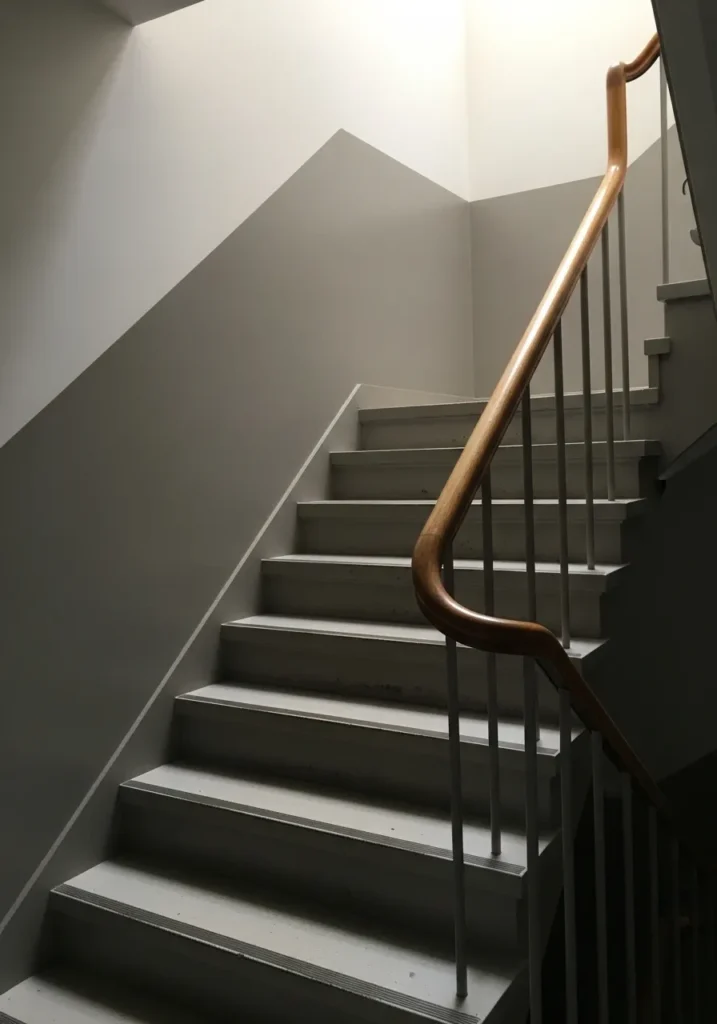
This looks closest to Benjamin Moore Edgecomb Gray, a soft warm gray that leans into beige. It works nicely on a stair wall like this, especially when paired with a clean white above. The color feels easy and balanced, not too cool and not too creamy.
The undertone is gently warm, which helps it sit well next to wood handrails and painted steps. It can look a bit lighter on the upper wall, then slightly deeper along the lower section. It pairs well with white trim and simple finishes, and it is a good choice if you want a subtle contrast without going too dark.
Light Warm Gray Around The Fireplace
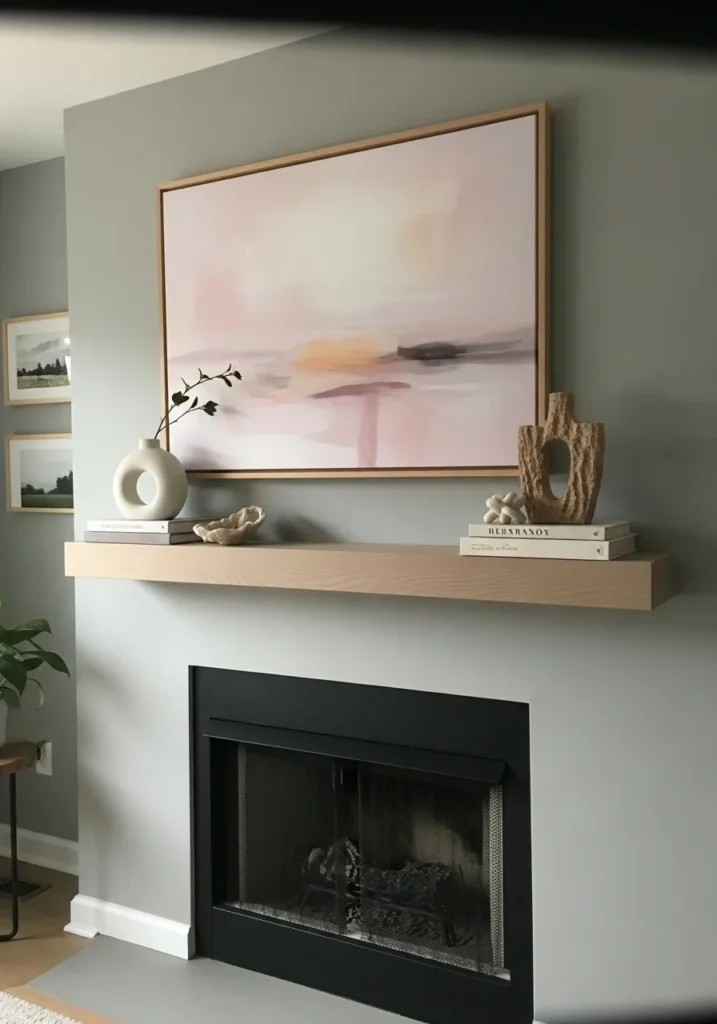
This looks closest to Benjamin Moore Classic Gray, a very soft warm gray that almost reads like an off-white. It has that quiet, pale look that works well on a fireplace wall, especially next to a simple wood mantel and black surround. It keeps things light without going stark.
The undertone leans warm with a slight beige feel, though it can look more neutral in brighter light. In softer areas it shifts just a touch warmer, which helps it sit nicely with wood tones and simple decor. It works best if you want a barely-there gray that still feels a bit warmer than plain white.
Warm Gray For Built In Storage
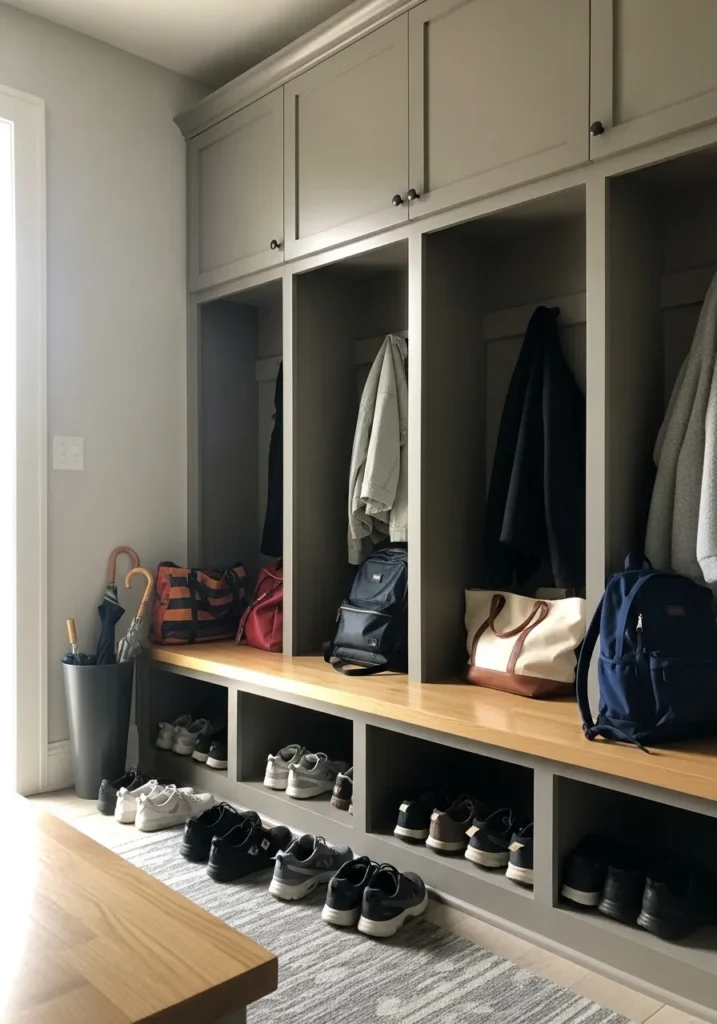
This looks closest to Benjamin Moore Pale Oak, a light warm gray with a soft beige undertone. It sits nicely on built-in cabinetry like this, especially next to a wood bench top. The color feels gentle and easy, not too cool and not too creamy.
The undertone leans warm, with a slight taupe note that shows more in shaded areas inside the cubbies. It can look a bit lighter on flat panels, then deepen just a touch in corners. It works well with natural wood, simple hardware, and everyday use spaces where you want something calm but not plain.