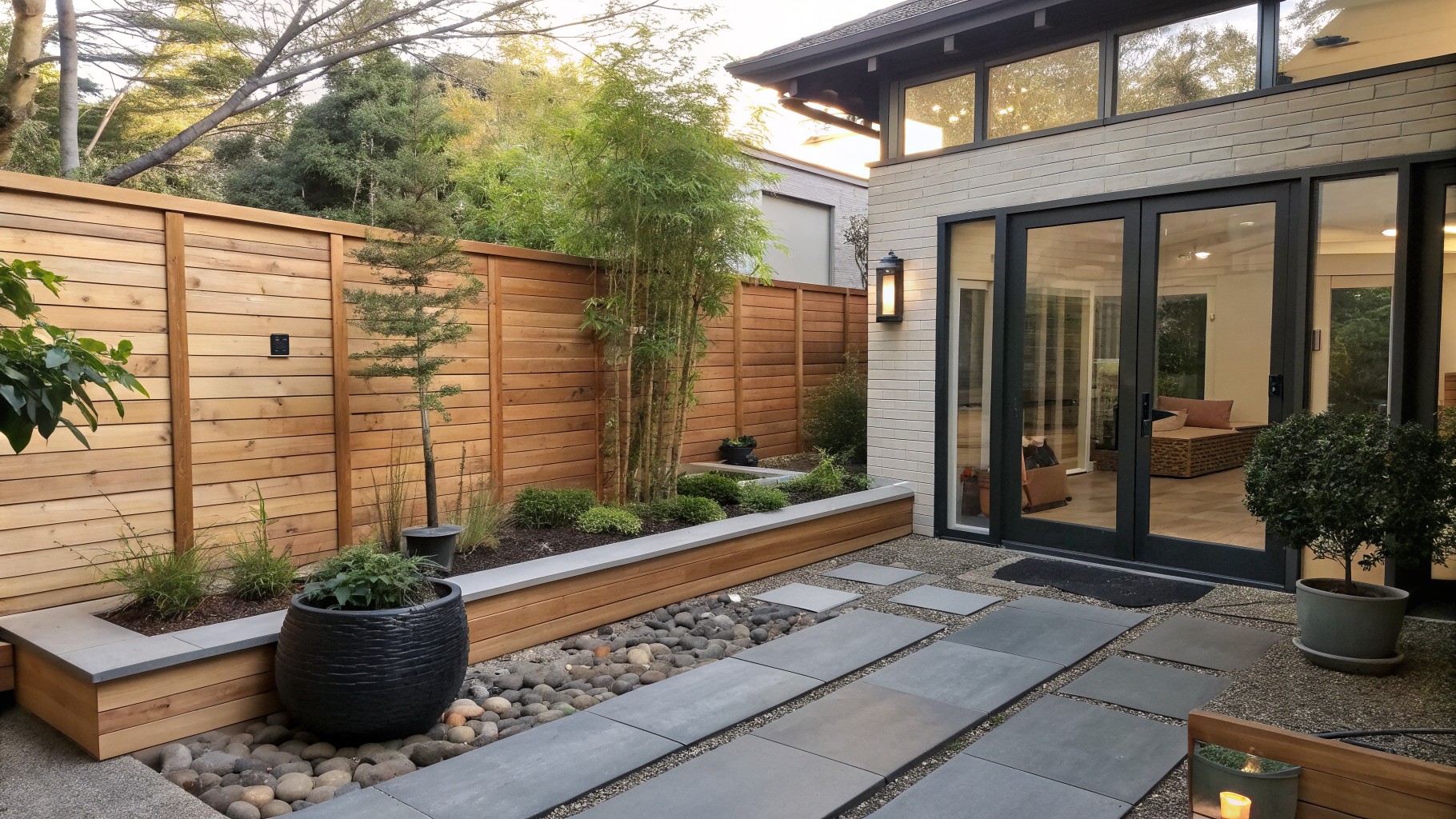
When I started thinking about adding privacy to my backyard, I realized that a fence alone often feels too stark without something green to soften the edges.
Dense plantings can create layers that block views while still letting in light and air, which makes the whole space feel more alive over the seasons.
The key is picking varieties that grow thick enough from the start.
I would test a mix of evergreens and climbers first in my own yard to see how they fill in along the boundary.
Planning the spacing and height from the beginning helps avoid gaps that show up later when the plants mature.
Screen Fences With Tall Dense Plantings
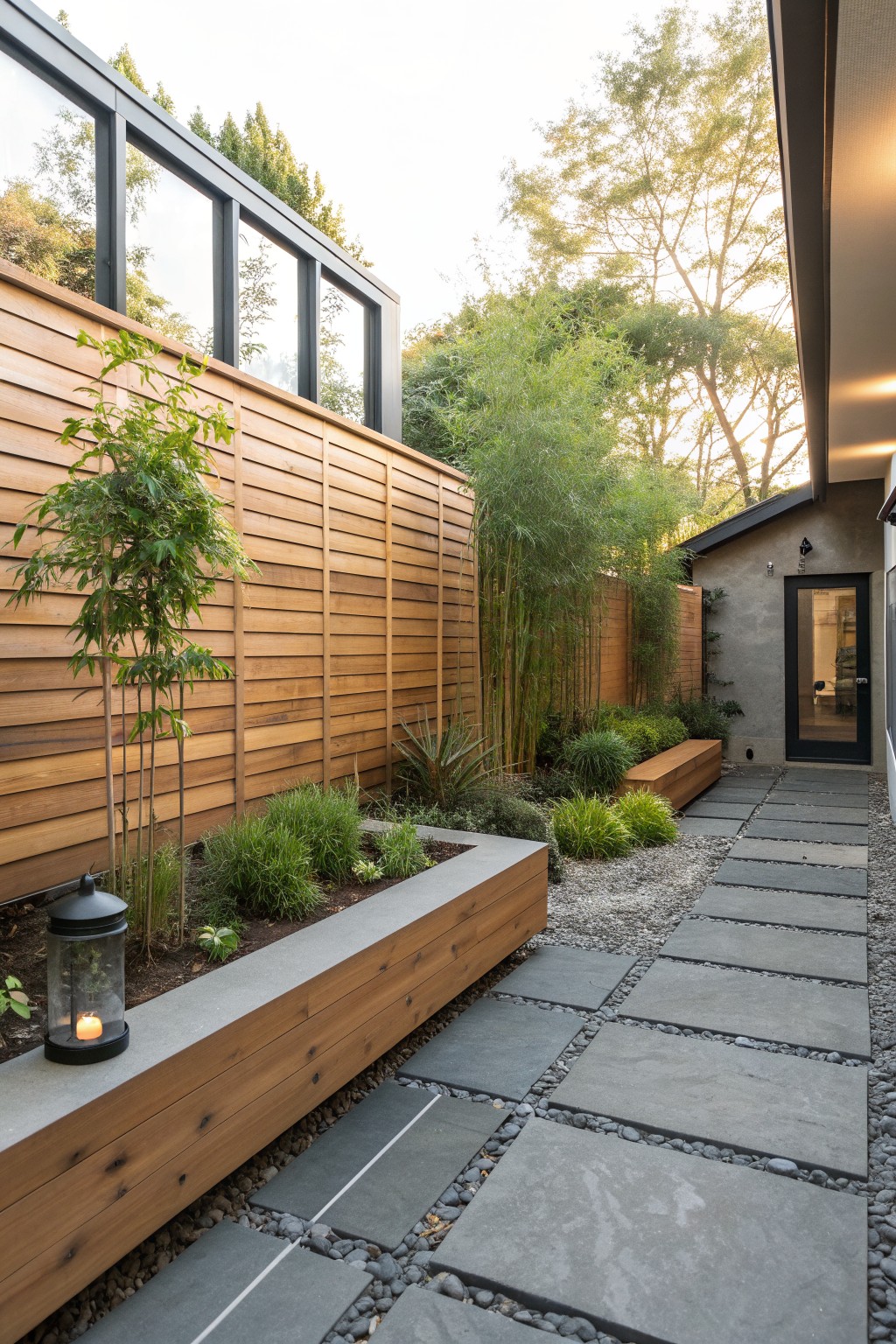
Tall plants placed right against a fence can turn a plain barrier into something that feels more like part of the garden. In a narrow side yard this approach adds height and movement while still keeping the space private. The wood fence stays visible but no longer feels so solid once the greenery fills in behind it.
This works best along property lines or between houses where you need coverage without taking up much ground space. Choose varieties that grow quickly but stay somewhat contained so they do not crowd the beds or paths over time.
Climbing Roses Form A Living Privacy Screen
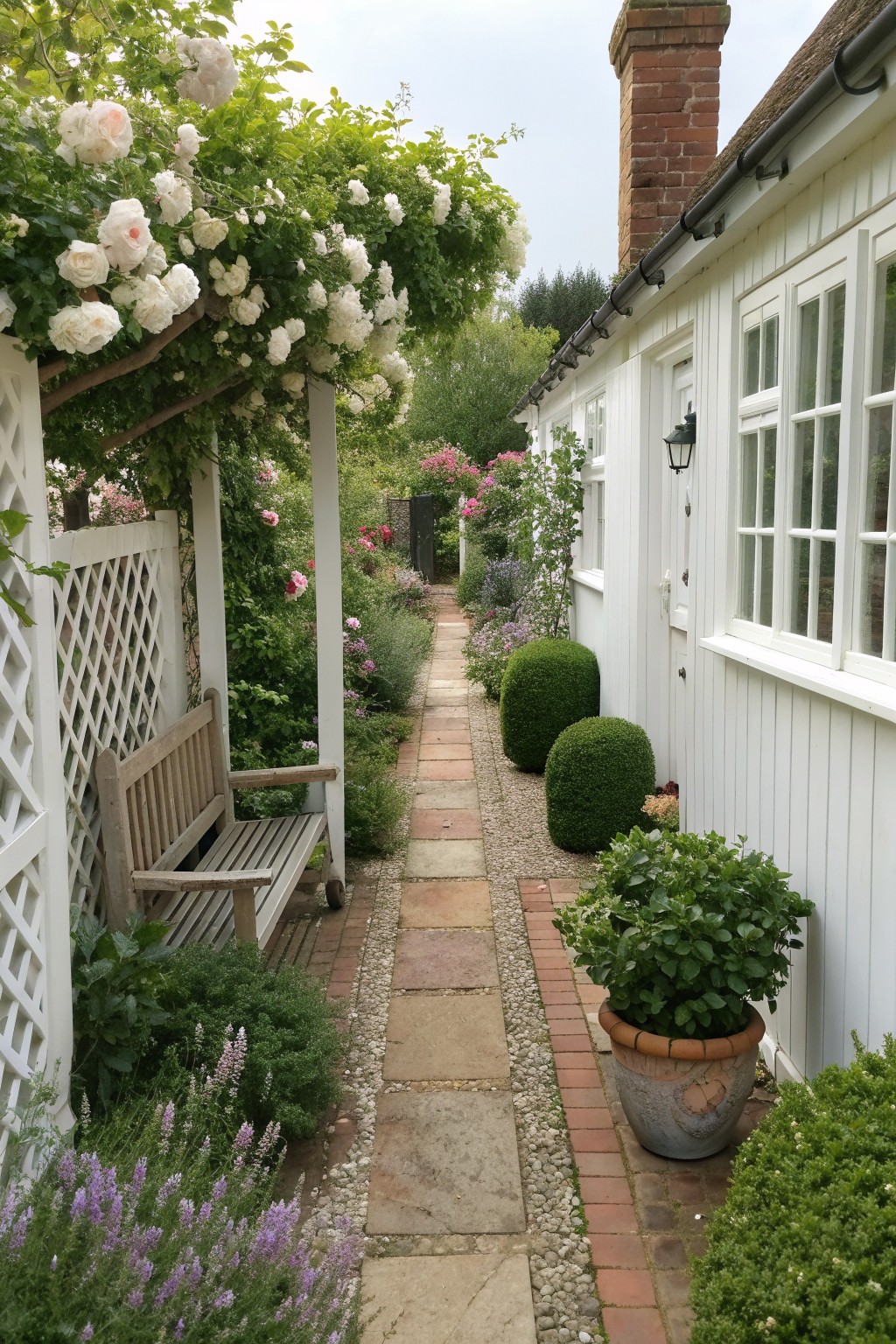
Climbing roses trained over a basic structure can block views along the side of a house without needing a solid fence. The dense growth fills in quickly and adds flowers that change with the seasons.
This works best in narrow side passages or along paths where a full fence would feel too closed in. Add lower shrubs at the base to close any gaps near the ground and keep the screen looking thick.
Grow Tall Evergreens Along Walls For Privacy
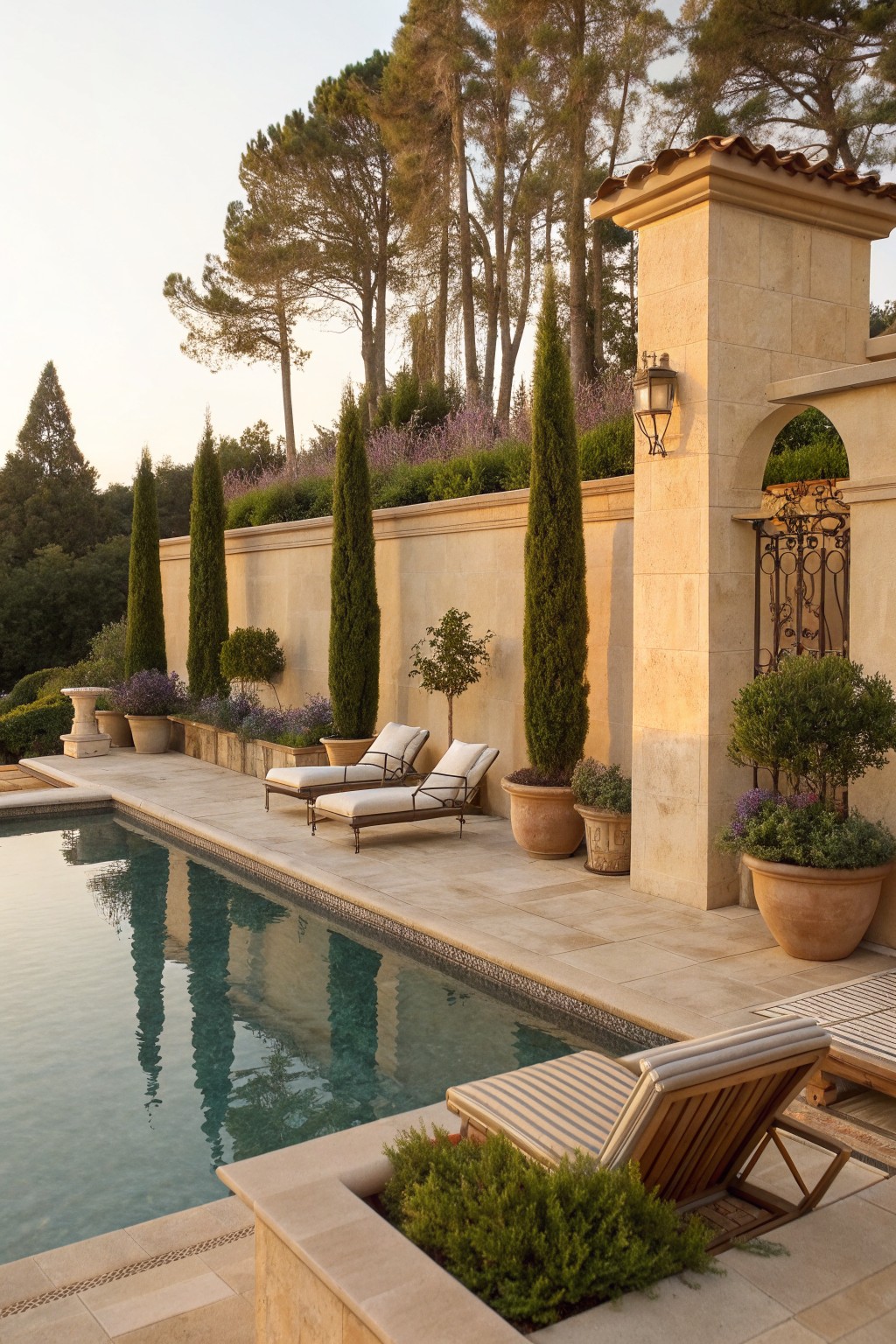
A straight row of narrow evergreens planted right against a boundary wall gives solid screening without needing a taller fence. The trees soften the hard surface and create height that feels natural rather than built.
This approach suits homes that already have a low or mid-height wall around the yard or pool. Choose slim varieties that stay under three feet wide, plant them three feet apart, and water regularly the first two seasons so roots establish well.
Layer Greenery In Front Of Wood Fencing
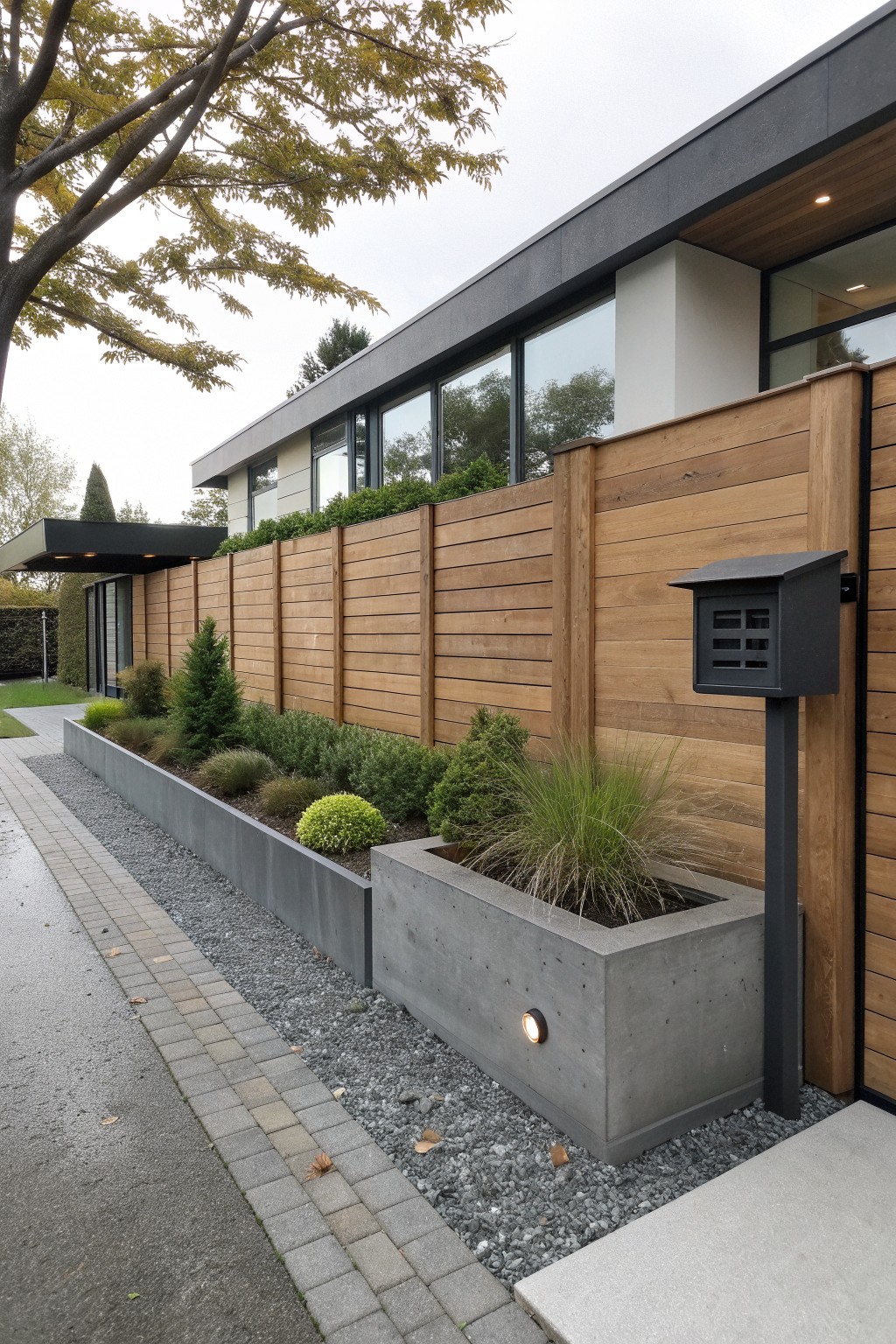
A wood privacy fence gives solid coverage, but adding plants right in front of it makes the whole setup feel less harsh and more effective. The greenery fills in gaps and softens the straight lines of the fence while still blocking views from the street or neighbors.
This works best along side yards or driveways where space is limited. Use raised beds or planters to keep the plants contained and easy to maintain. Choose a mix of shrubs and taller grasses so the coverage stays full through the seasons without needing constant trimming.
Layer Dense Planting Along Boundaries For Privacy
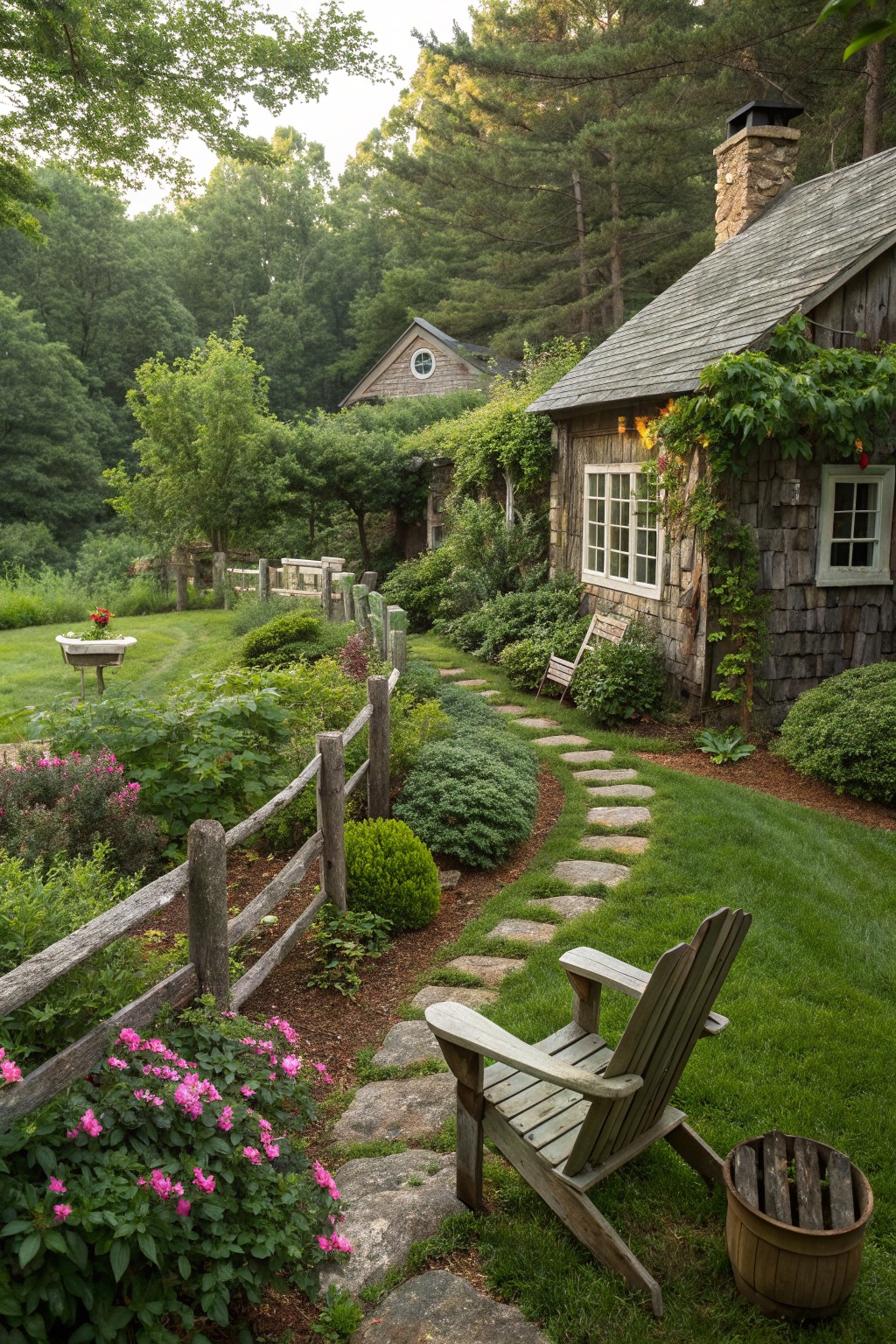
Dense greenery works well as a living privacy screen when you plant in layers instead of relying on a single row of plants. Tall trees in the background, mid-height shrubs closer in, and lower flowering plants at the edge create a full barrier that blocks views without looking like a wall. The mix of heights and textures makes the screen feel natural while still giving real seclusion.
This approach suits homes with larger yards or wooded lots where you want privacy without a solid fence running the full length. Start with evergreens for year-round coverage, then add deciduous shrubs and vines for depth. Space the plants so they fill in over a couple of seasons rather than crowding them at the start.
Hanging Plants Form A Living Privacy Screen On Balconies
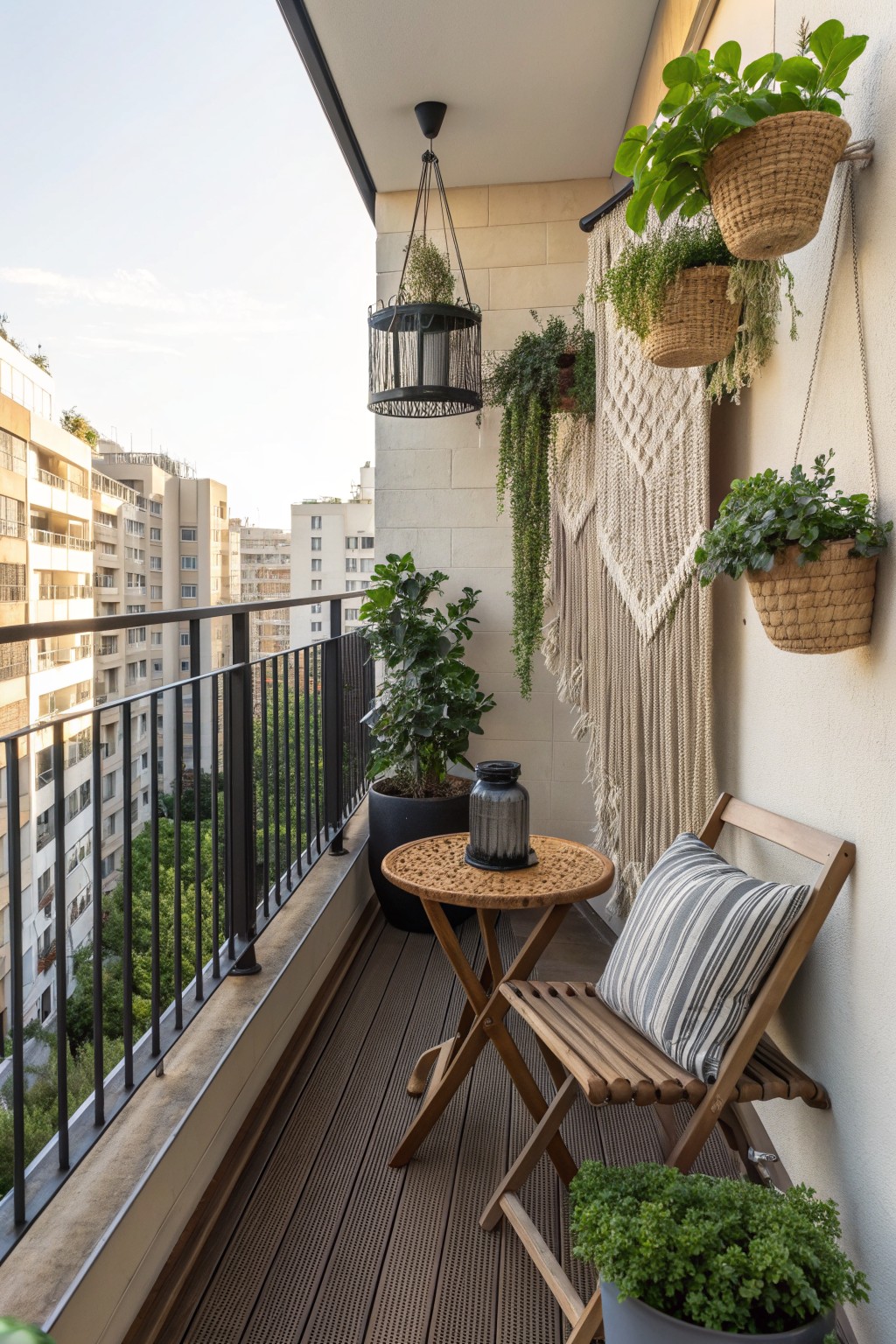
Many balconies sit right next to other units, and hanging plants offer a simple way to add privacy without building anything permanent. A row of baskets mounted along the side wall, filled with trailing greenery, creates a soft green barrier that still lets in light and air.
This approach works best on narrow city balconies where floor space is limited. Place the baskets at staggered heights and choose plants with dense foliage so the screen fills in quickly. It suits apartments that need a quick, renter-friendly solution that can be adjusted as needed.
Grow Privacy With a Vertical Garden Wall
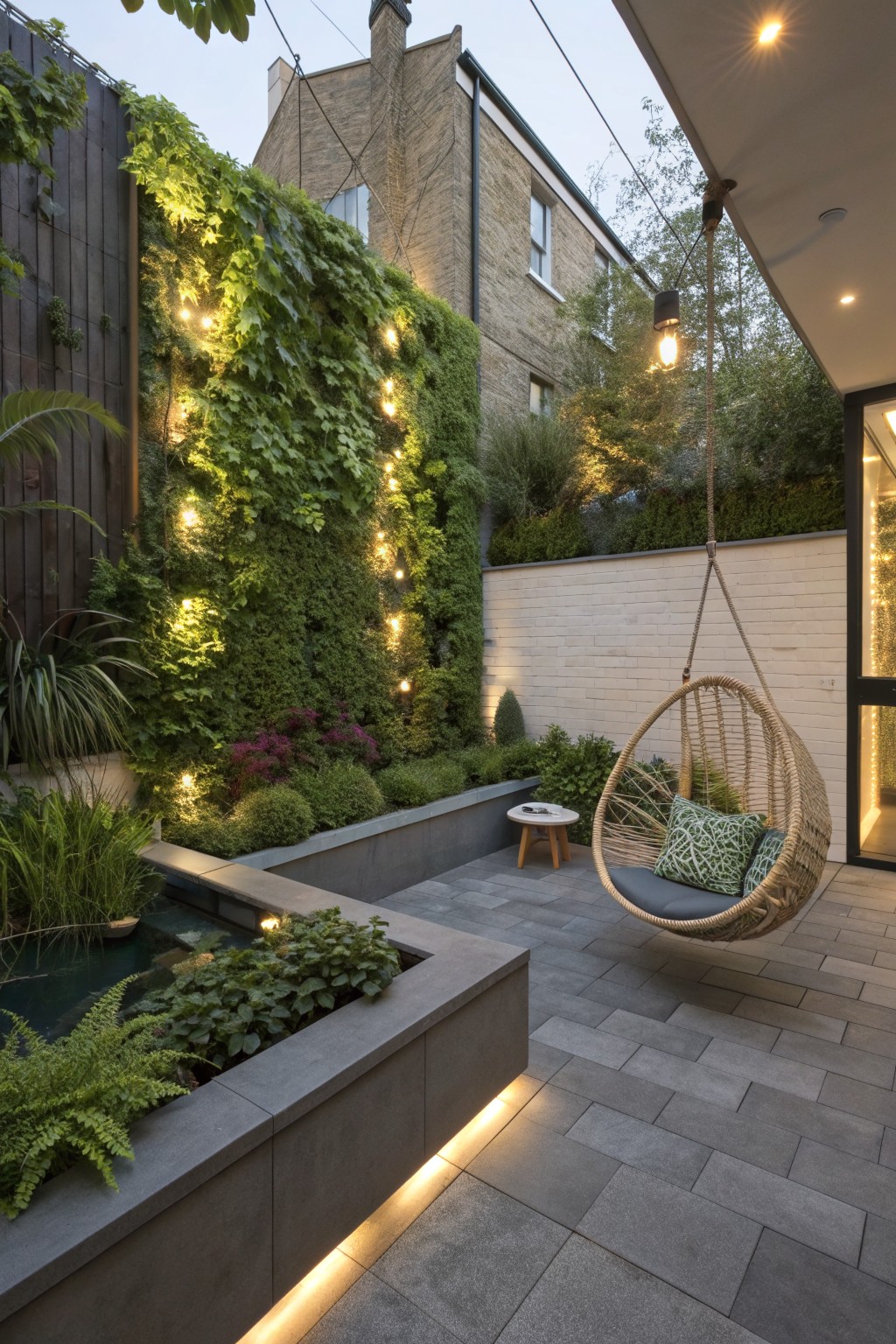
A vertical garden wall can give you solid privacy without needing a tall fence or hedge. The plants grow close together and block views from neighboring windows or streets while still letting in some light and air. This approach works especially well in tight urban yards where space on the ground is limited.
It suits homes with existing brick or concrete walls that can support the structure. Make sure the wall gets enough light for the plants you choose, and plan for watering and drainage from the start. A simple setup with layered foliage often looks full faster than trying to cover everything at once.
Let Dense Shrubs Grow Over the Fence
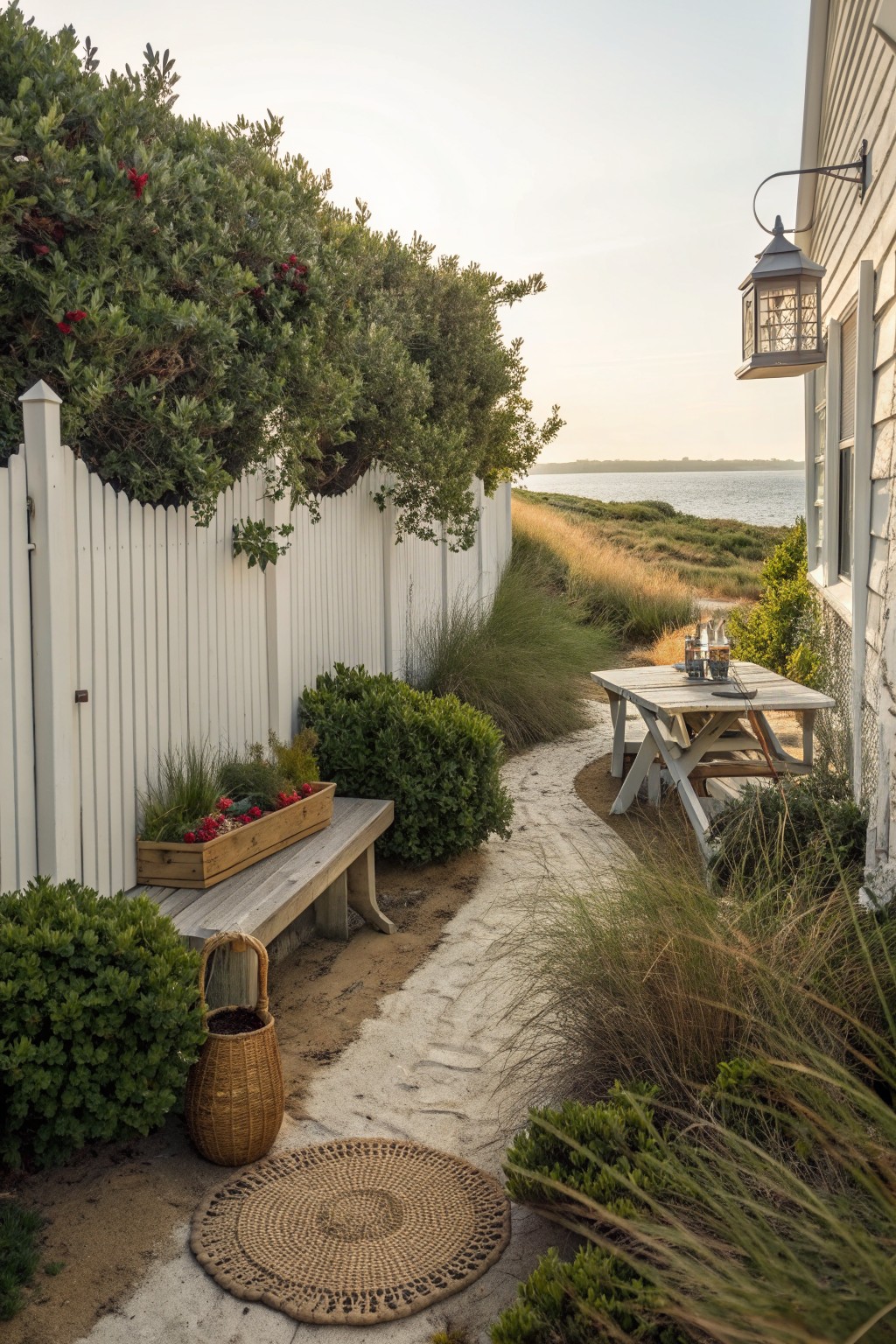
A simple white fence can start to feel like part of the landscape when you let thick shrubs grow right up against it. The plants soften the straight lines and create a living screen that blocks views without needing a solid wall. In this setup the greenery spills over the top and fills in the gaps, turning the fence into something that feels more like a garden edge than a barrier.
This works best in side yards or along paths where you want privacy but still like the look of an old fence. Choose shrubs that grow tall and full, and give them room to spread so they eventually cover most of the fence. Just keep an eye on maintenance so the growth does not push against the wood or block a walkway.
Grow Vines on a Trellis for Natural Privacy
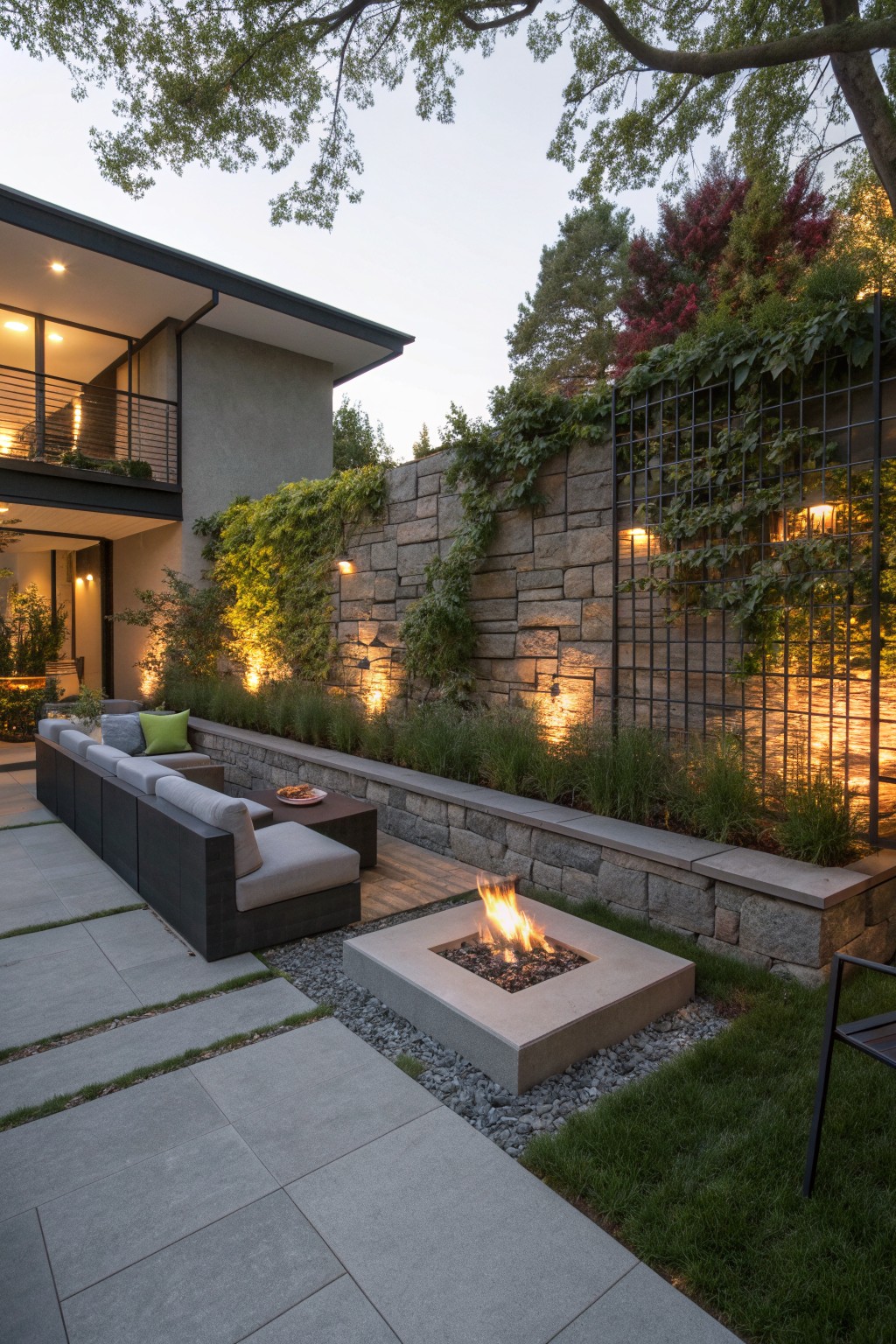
A trellis covered in dense vines works well when you want to block views without building a solid fence. It softens the edge of a patio while still giving you a clear sense of separation from the rest of the yard. The plants add movement and color that change with the seasons.
This approach suits homes with existing stone walls or garden beds along the property line. Place the trellis where you need the most screening, such as behind seating areas, and choose fast-growing climbers that can fill in within a couple of seasons. Keep the base planting simple so the vines stay the main focus.
Dense Hedges For Living Privacy Screens
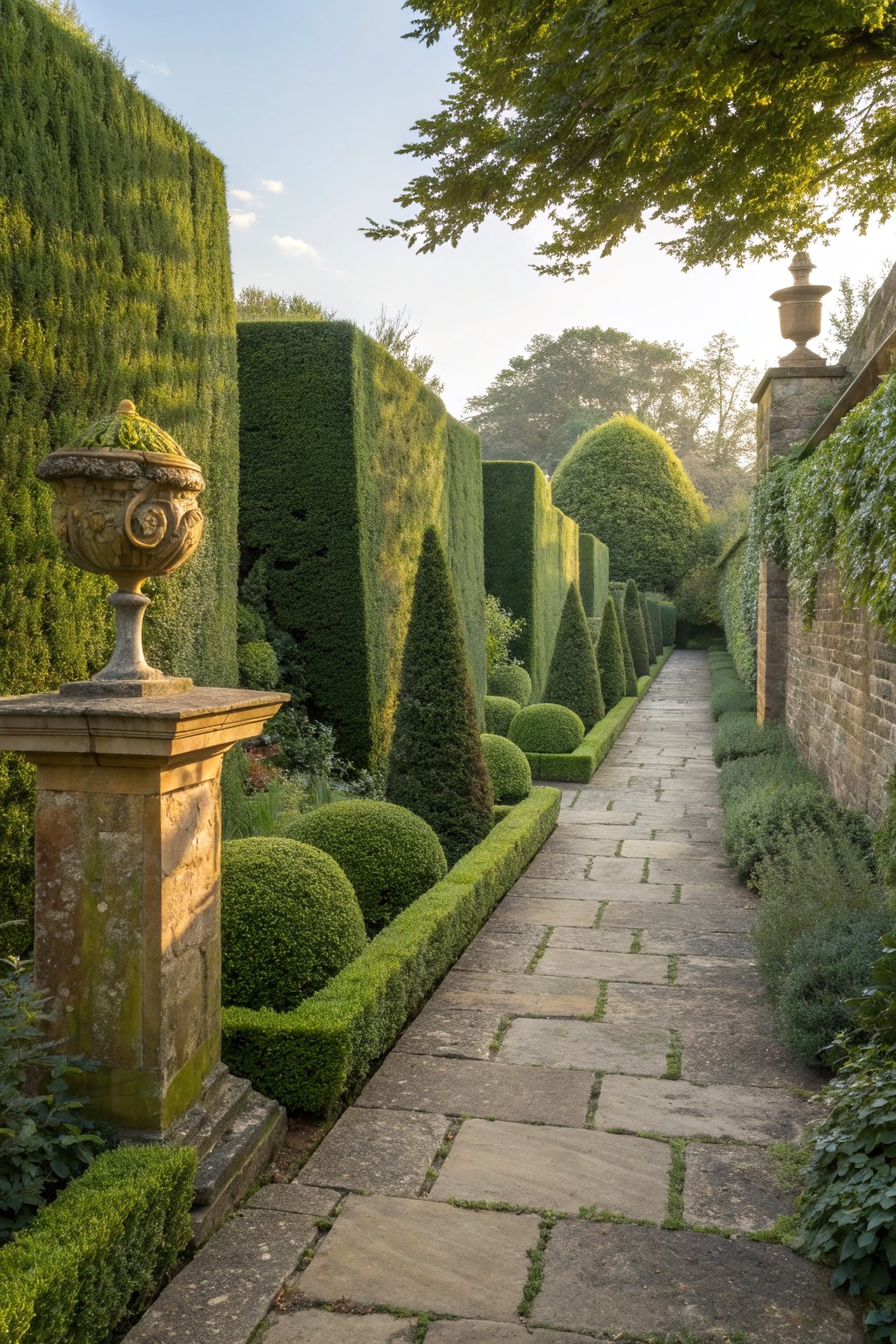
Tall, tightly grown hedges make one of the simplest ways to add privacy without putting up a fence. They block sight lines while still letting air and light move through the garden, and they soften the whole space in a way a wall never could.
This works best along paths or side boundaries where you want separation but still like the feeling of a garden. Choose evergreens that clip well, plant them close, and keep the base thick so nothing shows through from the other side.
Layer Dense Plants To Form Natural Privacy Screens
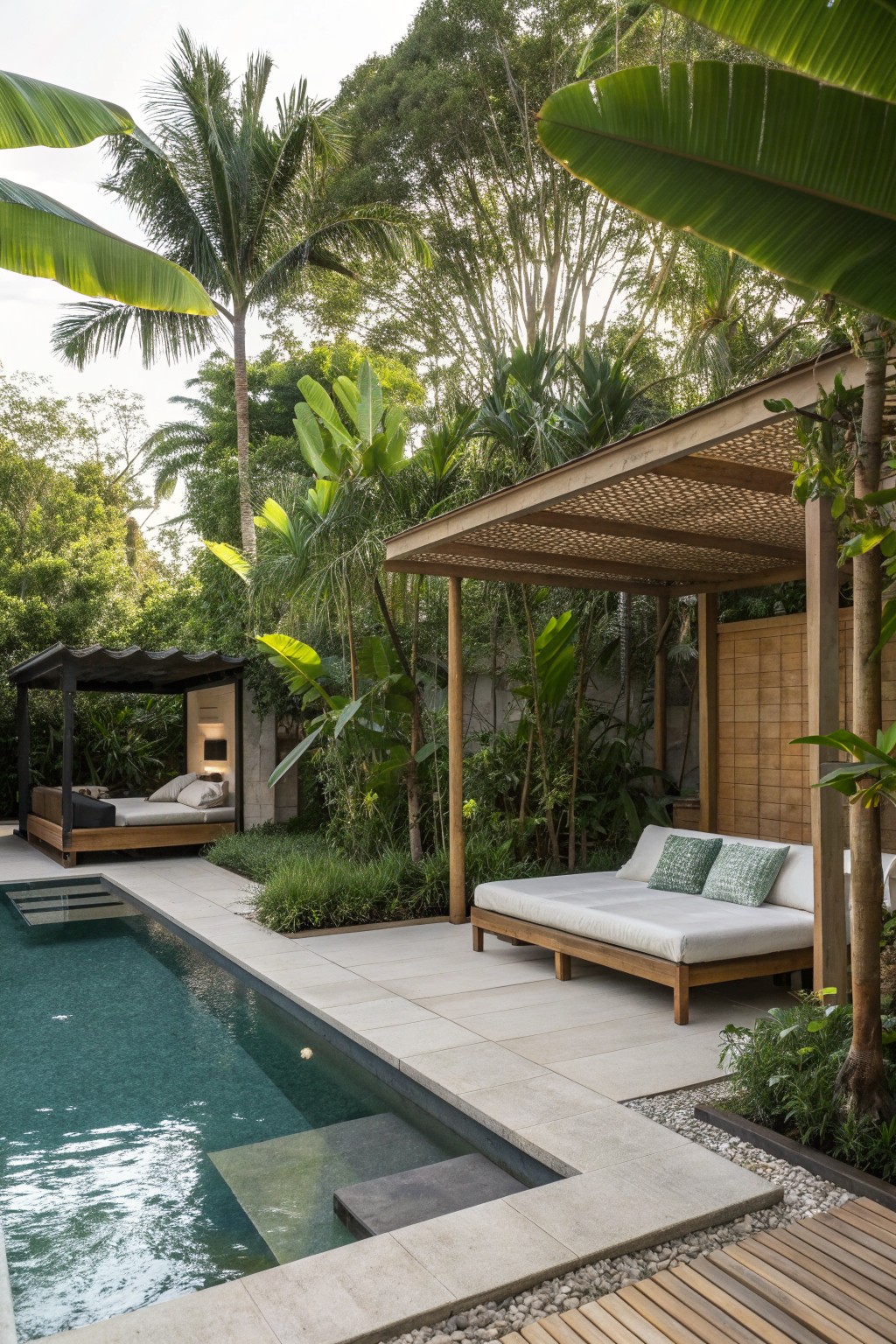
Many people turn to thick plantings instead of solid fencing when they want an outdoor space that feels private but still open to the air. The greenery softens the edges and makes the area feel like its own room without cutting off light or views upward.
This works especially well around patios or pool decks where you already have some structure in place. Group taller palms and large-leaf plants at the back edge, then fill in with mid-height shrubs closer to the seating so the screen builds gradually and blocks sightlines from neighboring yards.
Layer Plants Along a Fence for Natural Screening
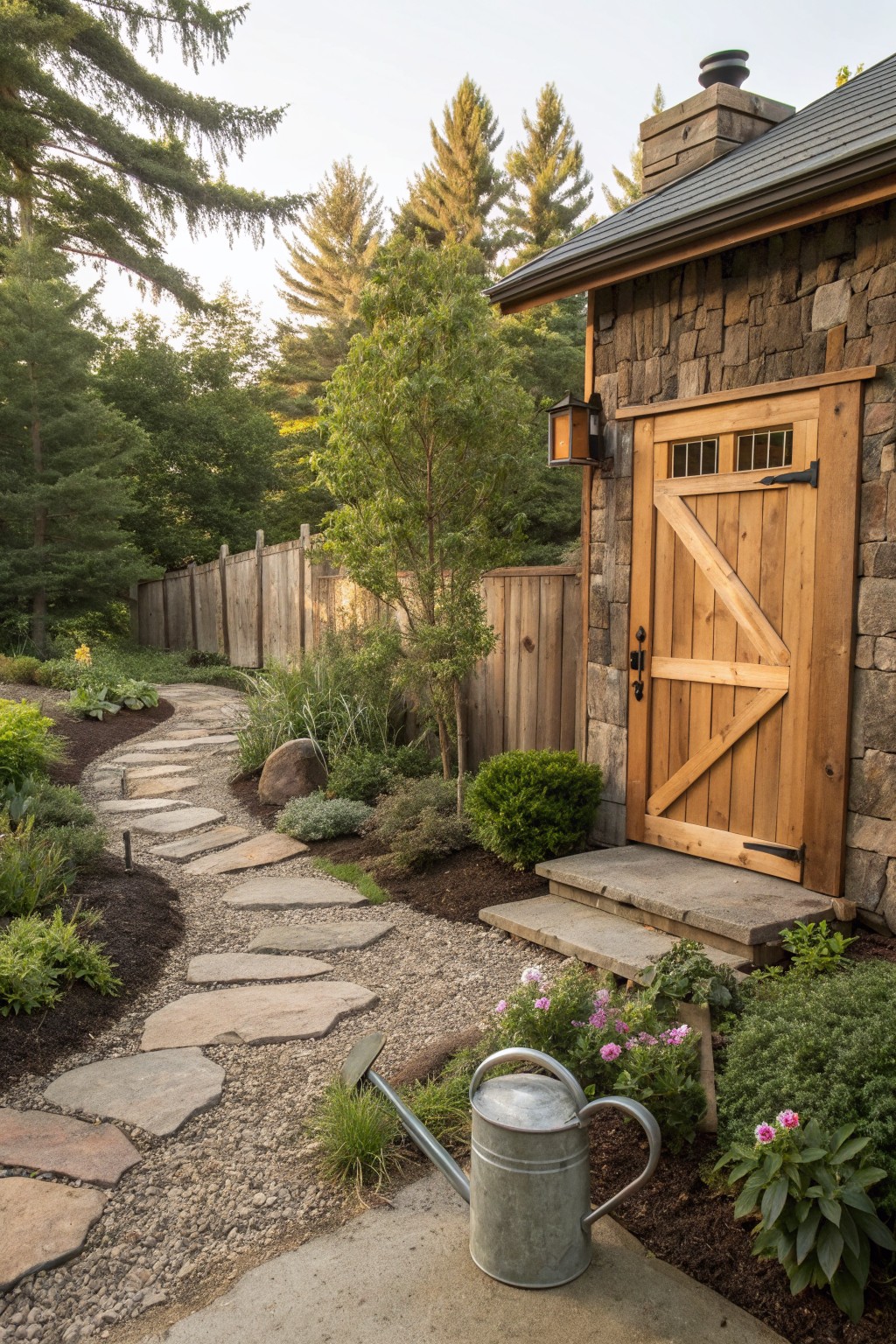
Many people plant in layers right along a fence to get privacy without a solid wall. Tall shrubs and small trees go in the back, followed by mid-size bushes and lower ground cover in front. This setup softens the fence line and fills in gaps over time.
It suits homes with a bit of yard space where the beds can extend outward. Keep the path clear if you need access, and choose plants that match your climate so the screen stays full without constant work.
Add Multi-Level Planters To Fencing For Privacy
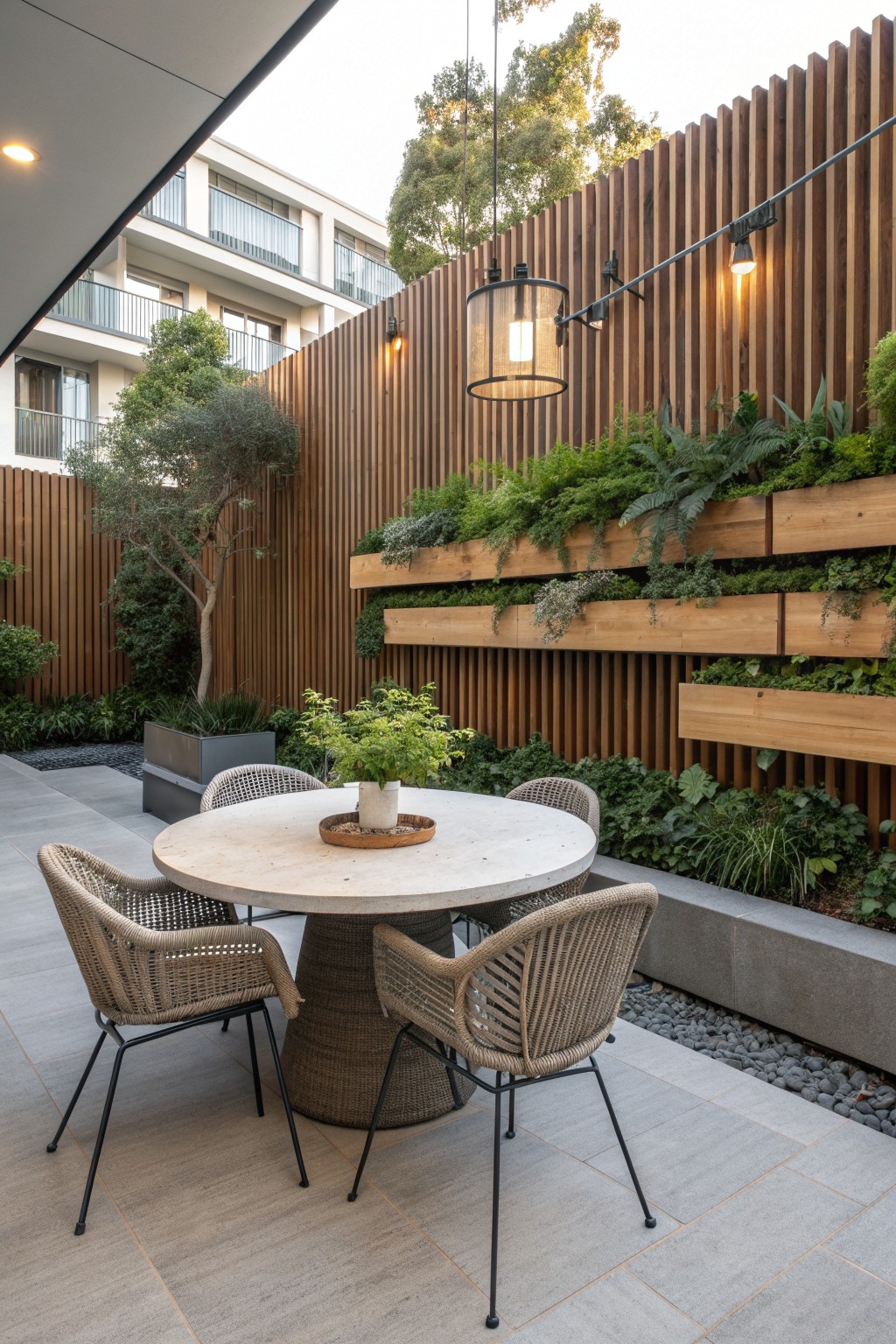
Vertical planters mounted on a fence can give an outdoor space real privacy without closing it in completely. The staggered rows let plants spill over at different heights, creating a thick green layer that blocks sightlines while still feeling open and natural.
This approach works especially well on patios or side yards where space is tight. Use sturdy wood boxes, choose plants that handle container growing, and group varieties with similar water needs so the screen fills in evenly over a season or two.
Tall Planters With Dense Shrubs For Privacy
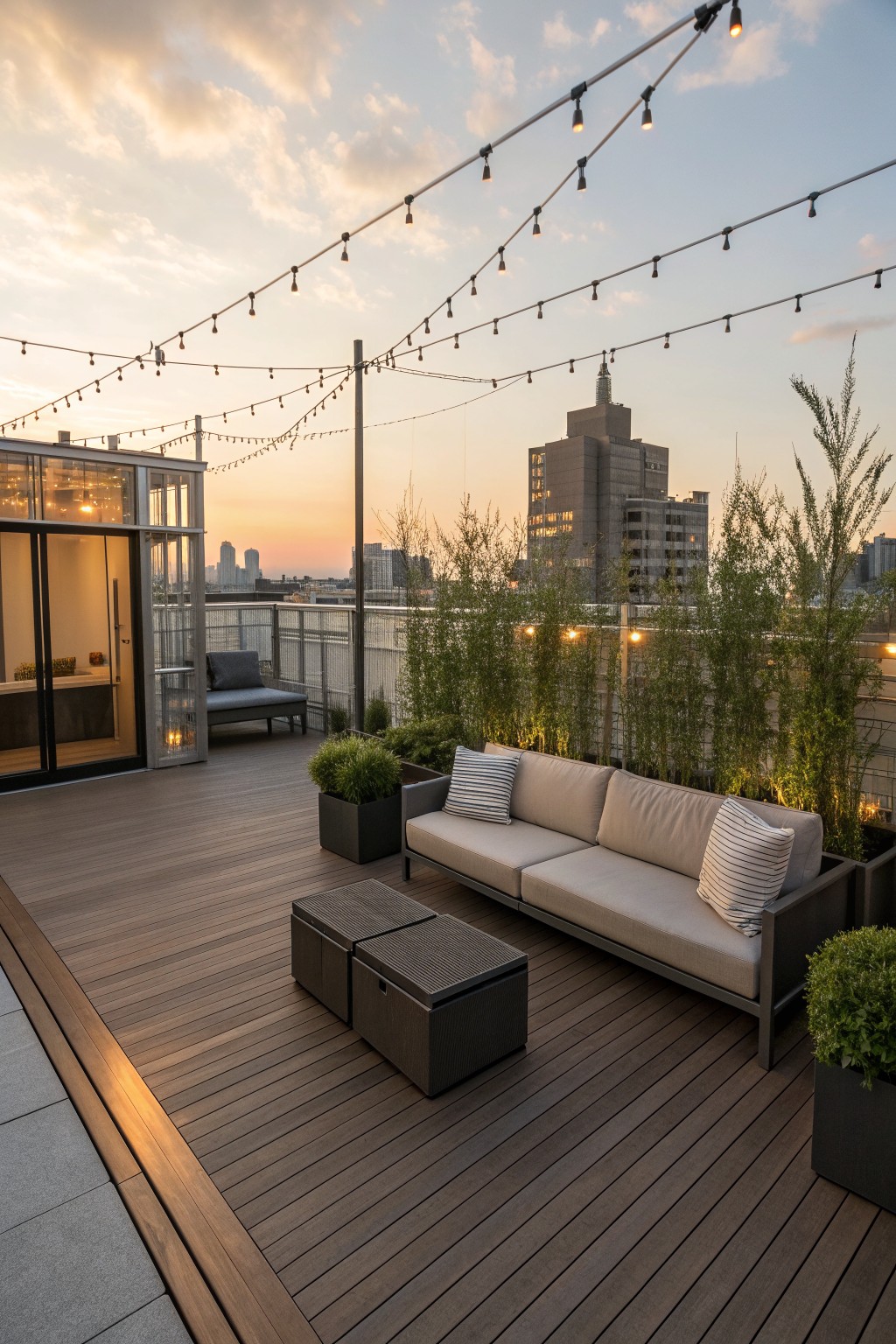
Tall planters filled with full shrubs or small trees work well when you need privacy but cannot build a solid fence. They block views without making the space feel closed in, and they soften the look of railings on rooftops and decks. The plants also add some greenery that stays green most of the year in many climates.
This approach suits urban rooftops, balconies, and side yards where space is tight. Place the planters close together along the edge so the foliage forms a solid screen. Check that the containers are heavy enough to handle wind and that the plants can handle the sun or shade in that spot.
Plant Dense Layers Against a Solid Fence
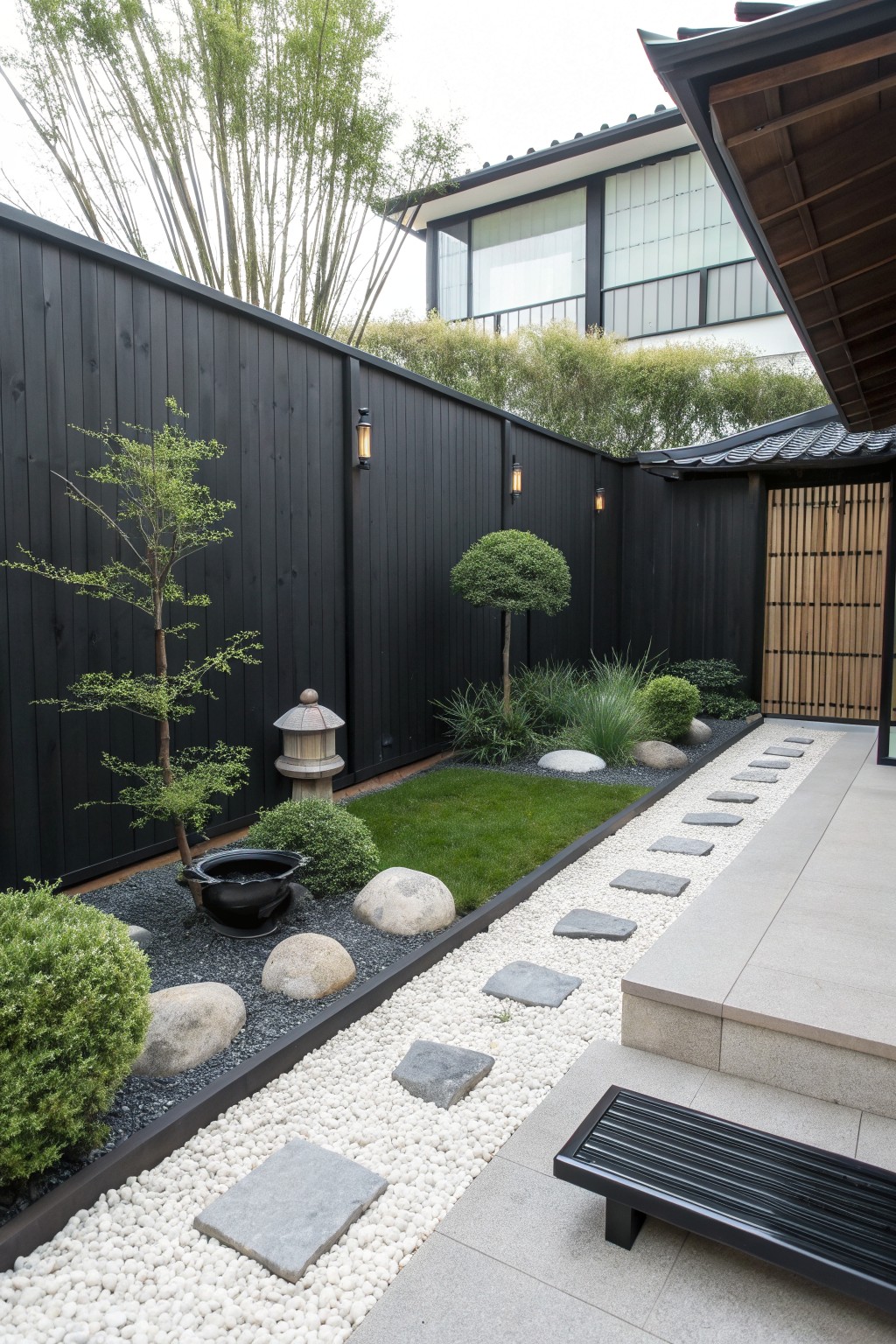
A solid fence gives you instant privacy, but it can feel stark on its own. Adding layers of shrubs, small trees, and grasses in front softens the look and makes the boundary feel more like part of the garden instead of a hard stop.
This approach works well on narrow side yards or back gardens where you want coverage without losing light. Keep the planting fairly low near paths and step up taller shapes behind so the fence stays the main screen while the greenery adds texture and movement.
Grow Vines Over a Fence for Natural Privacy

A wooden fence can feel too plain on its own, but letting vines and flowering plants cover it changes the whole look. The plants add height, color, and a living layer that blocks the view without needing a solid wall.
This works best in warm climates where vines like bougainvillea grow fast. Place the fence where you need screening most, such as beside a pool or deck, and give the plants good soil and water at the base so they fill in quickly.
Layer Tall Evergreens for Natural Privacy Screens
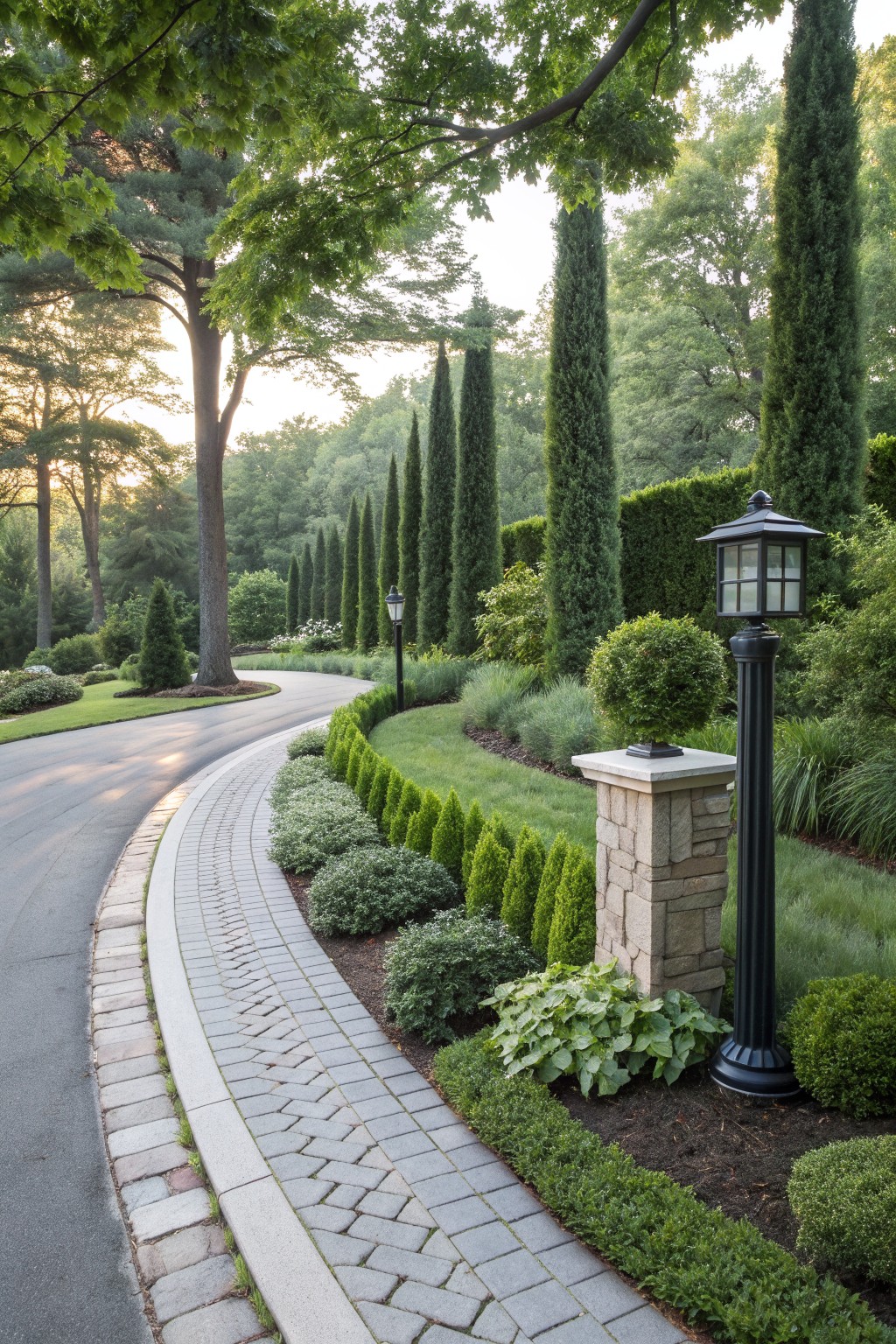
Planting a row of tall, narrow evergreens creates a living wall that blocks sightlines while still feeling like part of the garden. The dense growth stays green all year and needs little upkeep once established, which makes it a practical choice over wood or vinyl fencing in many yards.
This setup works best along driveways, side boundaries, or the edge of a property where you want height without a hard wall. Space the trees close enough to grow together over time, and add lower shrubs in front to fill the base and soften the look.
Vines On Trellises Add Living Privacy Screens
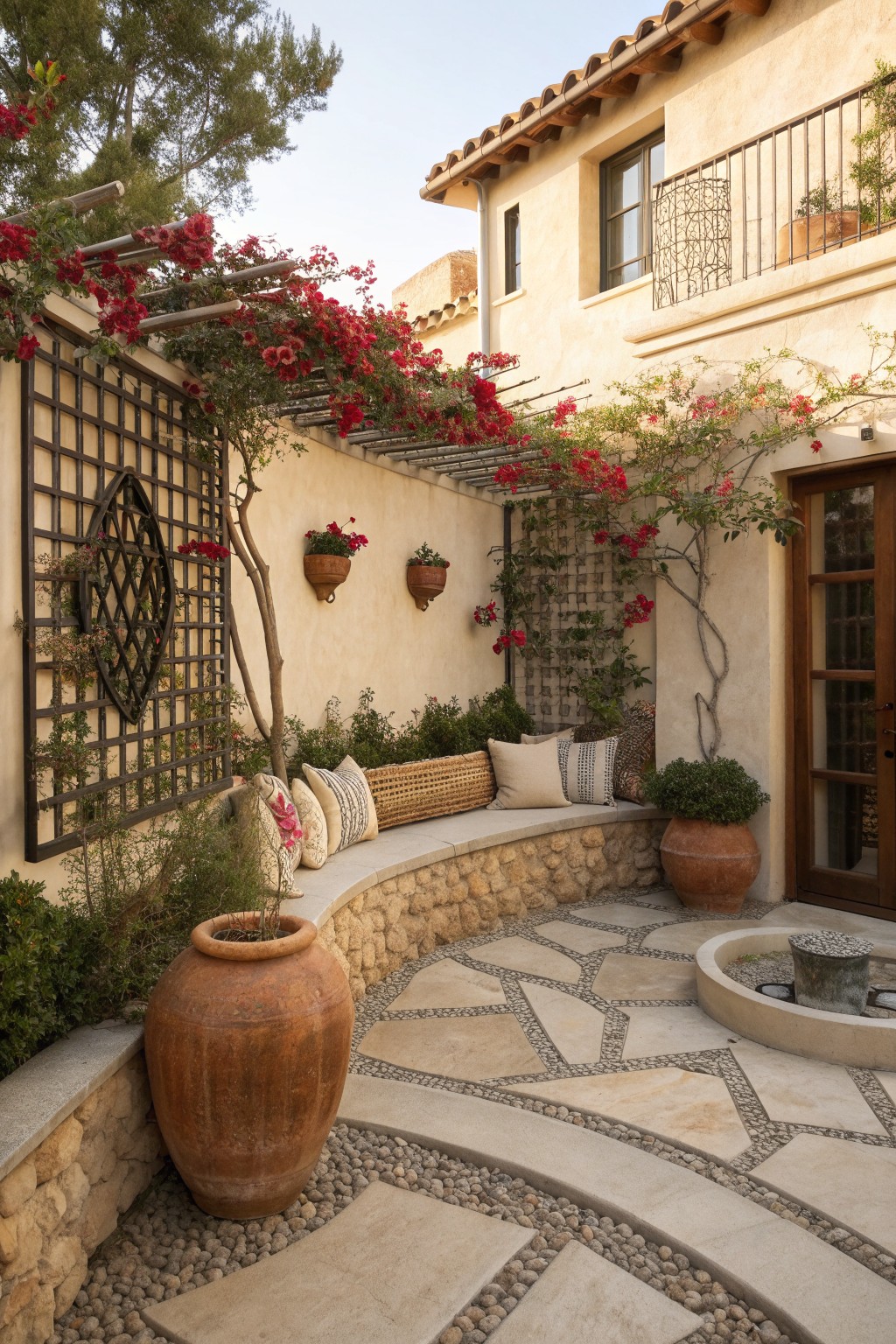
One simple way to get privacy is to let dense climbing plants cover trellises and pergolas instead of putting up a solid fence. The vines fill in over the seasons and create a green barrier that softens the space while still blocking views from outside.
This approach works best along side walls or around patios where you already have something to attach the supports to. Pick fast-growing climbers suited to your area and give them room to spread so they thicken up without constant trimming.
Frequently Asked Questions
Q: How often should I water these dense plants to keep the privacy screen looking full?
A: Water deeply once a week during dry spells. This encourages roots to grow strong and deep so the greenery stays thick without constant attention.
Q: What happens if some plants die off in the middle of the fence?
A: Replace the dead ones right away with similar sized starters. Fill the gap quickly before neighbors notice and the whole look thins out.
Q: Do I need to trim these living fences regularly?
A: Trim lightly a couple times a year. This encourages bushier growth from the base. Skip heavy cuts that might open holes in your privacy screen.


