
Small yards often leave you exposed to the street or neighbors, which makes it hard to relax outside without feeling watched.
Adding privacy does not have to mean building a solid wall that closes everything in and cuts off light.
Scale matters here.
I have seen fences that use slim panels or climbing plants to create separation while still letting air move through the yard.
Those are the kinds of solutions I would try first if I were dealing with a tight space again.
Build Seating Directly Into the Fence

A built-in bench along a privacy fence works especially well in narrow side yards where freestanding furniture would crowd the path. It keeps the walkway open while giving you a place to sit without adding extra pieces that take up space.
This approach suits homes with tight outdoor areas between the house and the property line. Use the same wood for the bench and fence so everything feels connected, and keep the bench depth shallow enough that it does not block foot traffic.
Slatted Fences That Work In Narrow Yards
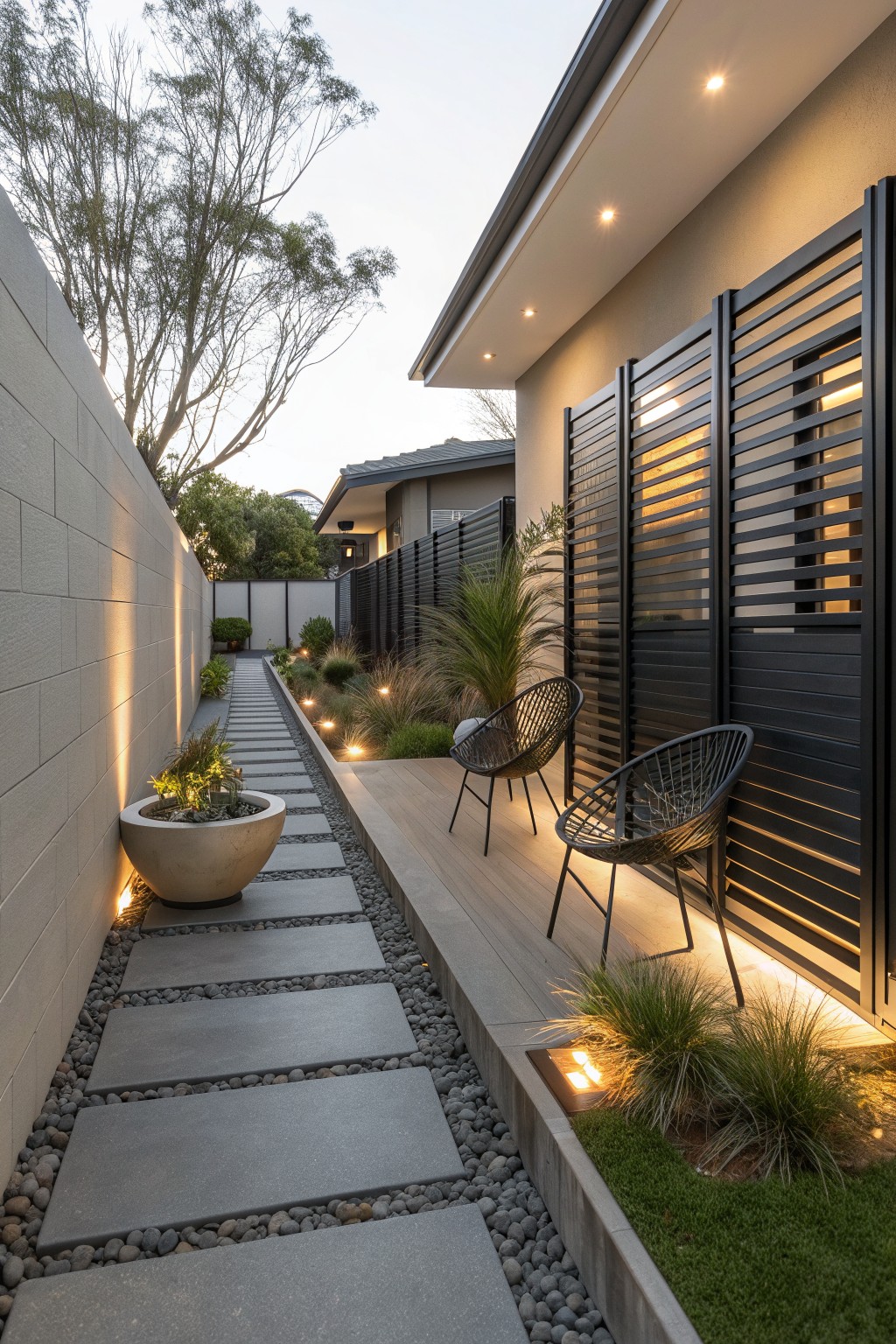
Tall slatted panels give privacy without making a small side yard feel closed in. The gaps let light pass through, so the space stays usable even when the fence runs close to the house.
This setup works best on homes where the side yard is mostly a path or a small seating spot. Keep the deck low and simple, and add just a few plants at the base so the fence does the main job of screening without crowding the area.
Use House Walls To Enclose Small Yards
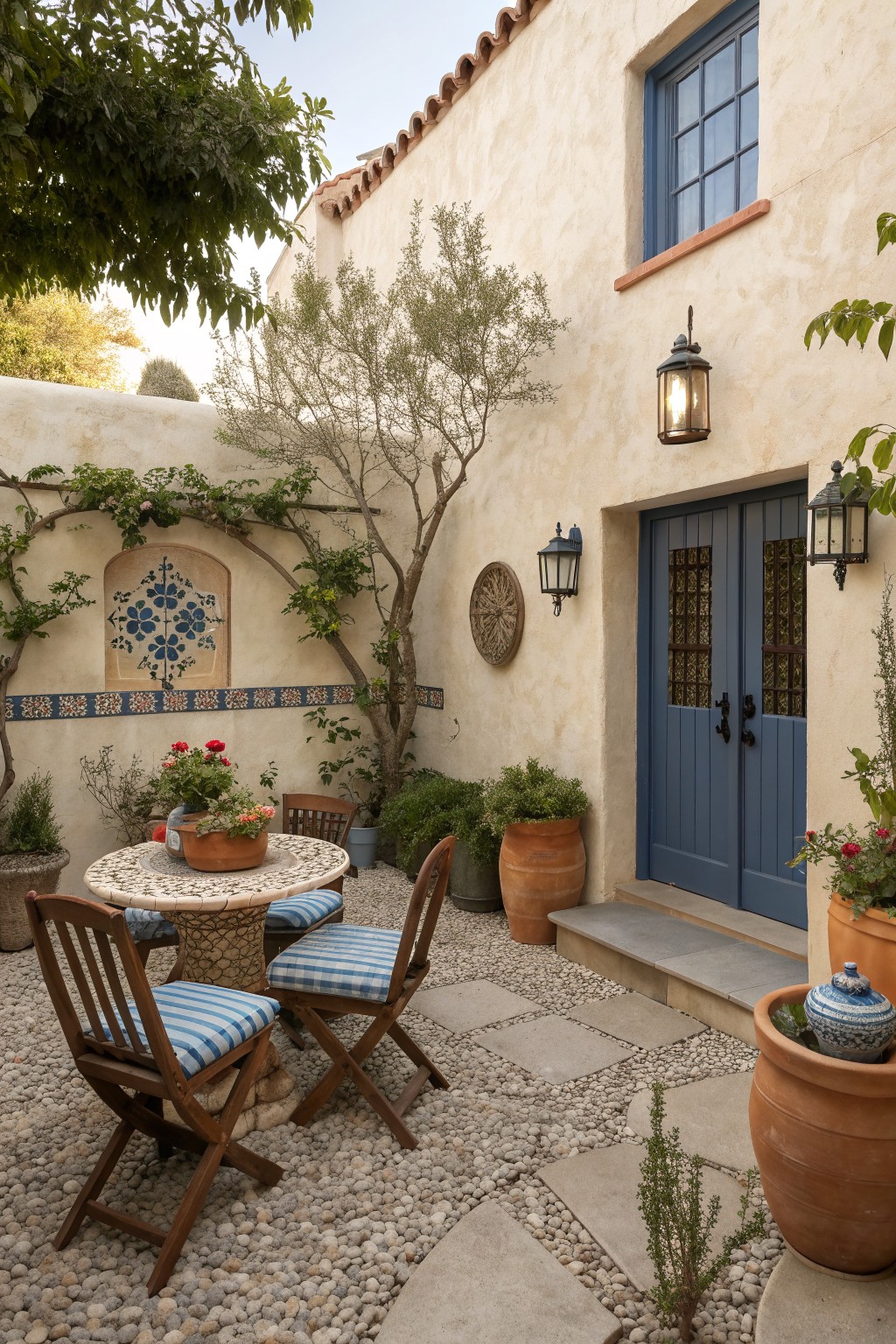
Many small yards already have one or two solid walls from the house itself. Instead of adding a fence on every side, you can lean into those existing walls to create a private outdoor room without crowding the space. The walls block views from neighbors while still letting in light and air.
This works especially well on side yards or corner lots where the house already forms two sides of the area. Add a few large pots along the open edges and keep the ground simple with gravel and pavers so the space feels open but contained. Just watch that you do not block doors or windows you still need to use.
Natural Reed Screens For Balcony Privacy
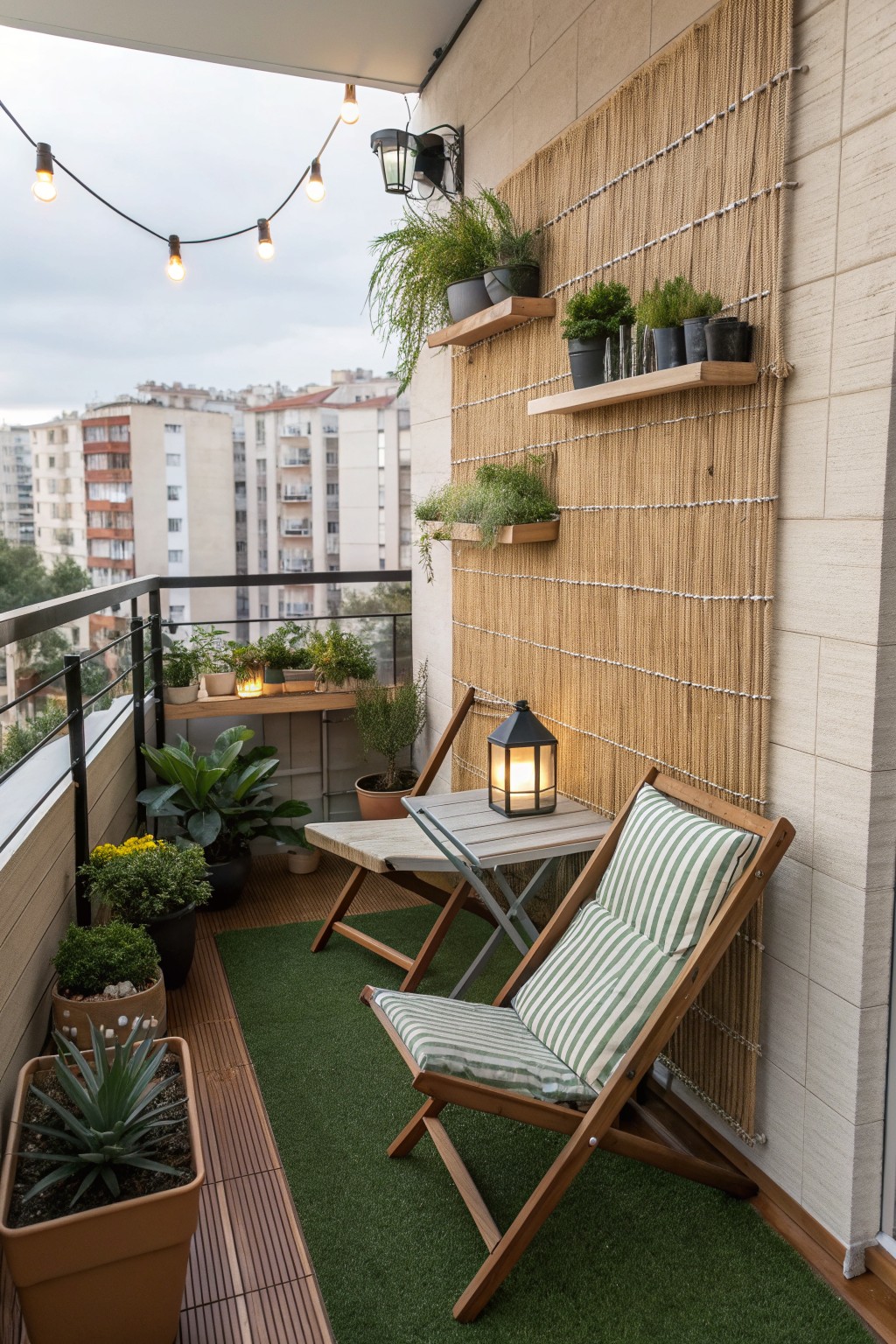
Many people use woven reed screens when they need privacy on a small balcony or patio. These screens block views from nearby buildings while still letting some light through, and the natural texture feels softer than solid fencing or heavy panels.
They suit tight urban spaces where a full fence is not possible. Mount the screen on the wall or railing, then add a few plants along the base if you want more coverage without crowding the floor space.
Build Privacy With a Living Wall

A living wall gives you screening and greenery in one move. In small yards it blocks the view from neighbors without eating into floor space the way a row of shrubs would.
Mount planters directly on a fence or frame, and mix in a few trailing varieties for coverage. This setup suits narrow side yards or patios where you need height more than width.
Bamboo Fencing for Small Yard Privacy

Bamboo fencing gives you height and coverage without eating up floor space in a tight yard. It blocks views from neighbors while still letting some air and light through, which keeps the area from feeling boxed in.
This works best along property lines in narrow side yards or at the back of small patios. Set the fence a few inches off the ground so water drains and pair it with a few large pots at the base to soften the bottom edge.
Tall Concrete Walls Work Well in Narrow Yards
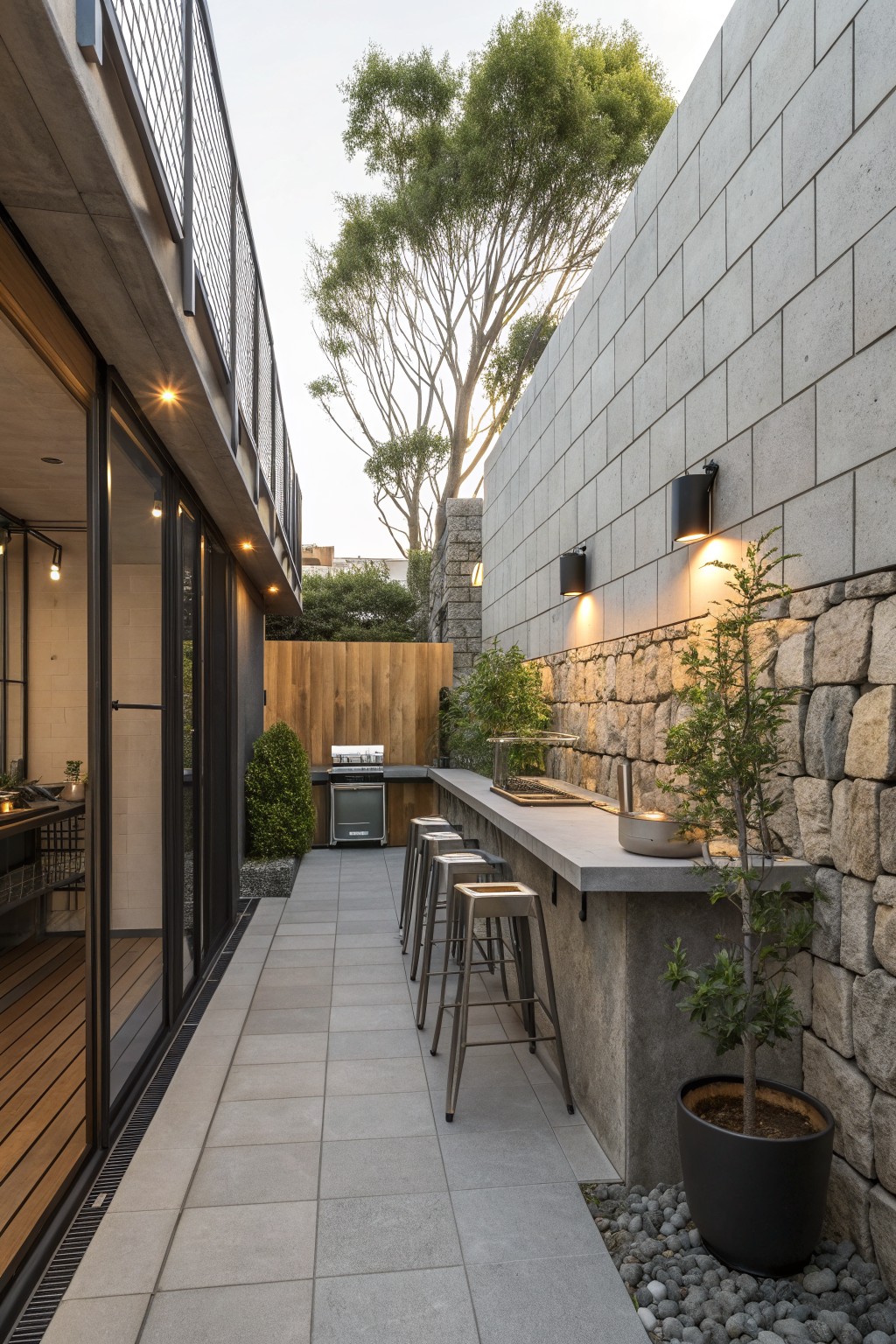
A solid concrete block wall gives a small side yard real privacy without eating up floor space. In tight layouts it creates an enclosed feel that turns the area into a usable outdoor room instead of a leftover strip.
This approach suits homes where the side yard is the only outdoor space available. Keep the wall height consistent with local codes and add a few potted plants along the base if you want to soften the surface a little.
Slatted Screens For Side Privacy
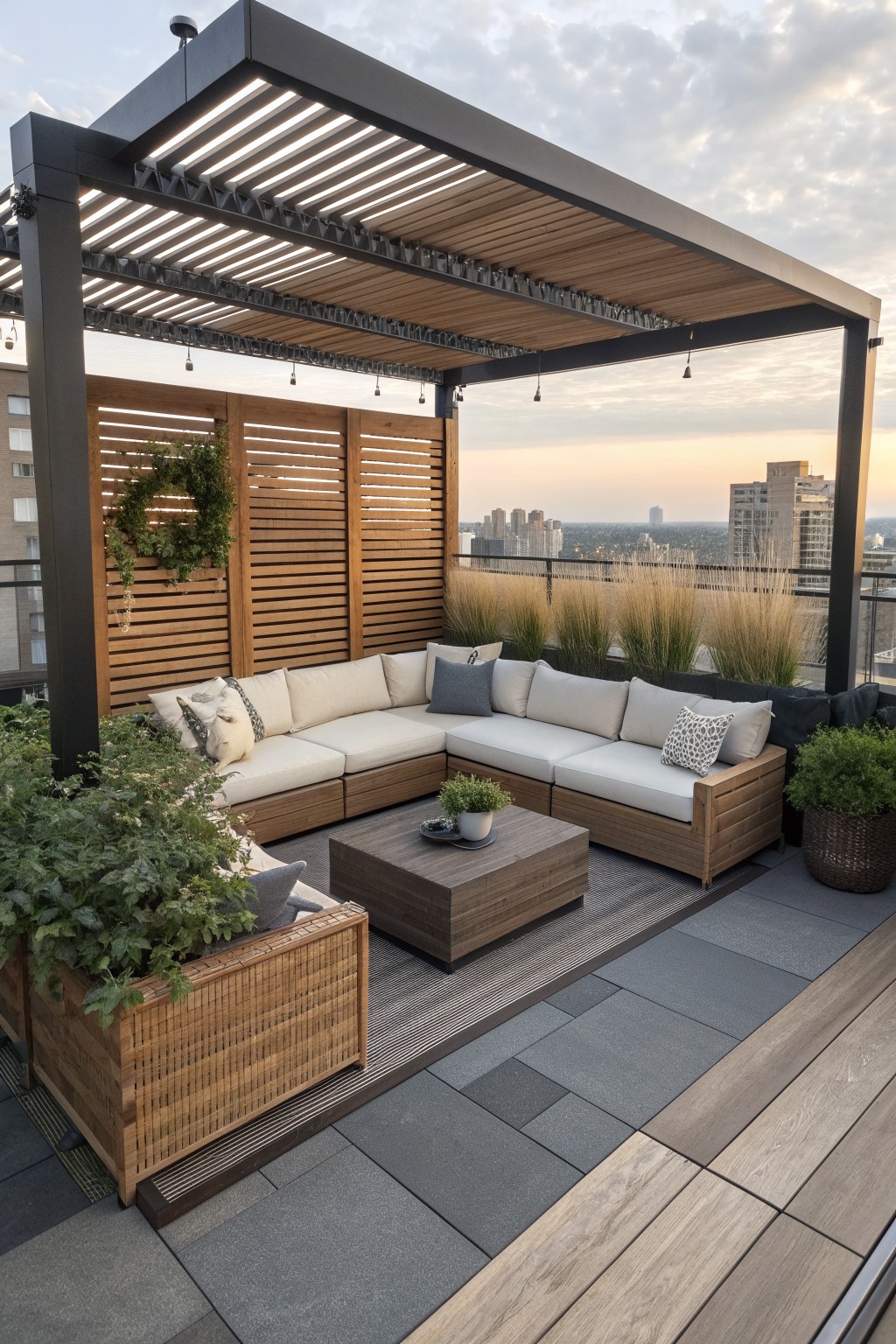
Slatted wood panels give you a clean way to add privacy on a small patio or rooftop without making the space feel closed in. The vertical boards block sight lines from nearby buildings while still letting air move through and keeping the area from feeling too dark.
This works especially well on tight outdoor spots where a solid fence would crowd the layout. Run the panels along the sides and back of your seating area so the space feels defined but still open overhead.
Pair A Privacy Fence With Terraced Retaining Walls
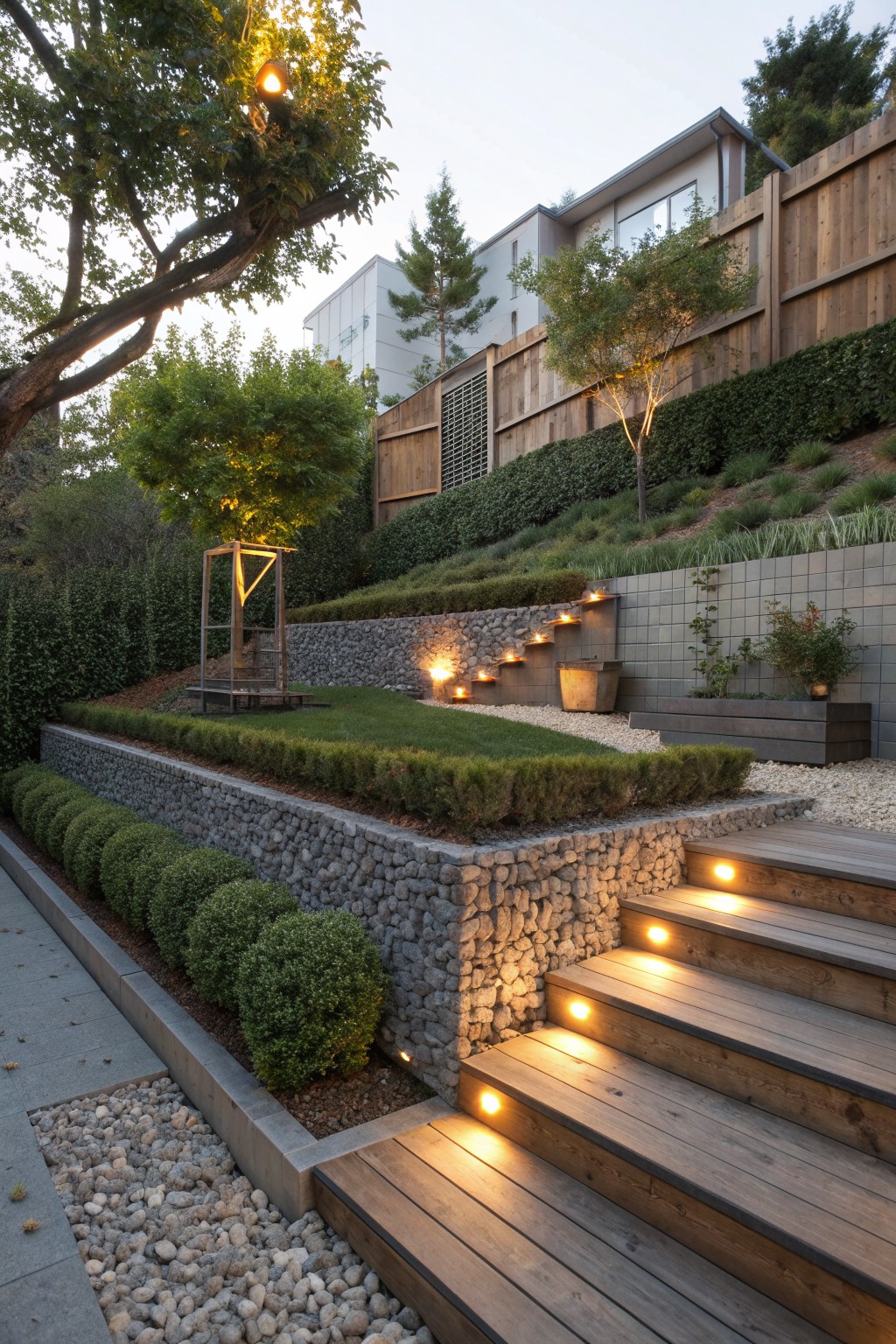
On a sloped lot, a single straight fence can leave the lower areas feeling exposed. Terracing the slope with retaining walls creates flat usable space while letting the fence sit higher up, where it blocks more of the view from neighbors.
This setup works especially well in small yards because the walls double as planting beds that add another layer of screening. Stick with simple materials like wood for the fence and stone or concrete for the walls so the whole thing feels like one structure rather than separate pieces.
Patterned Panels Give Privacy in Small Yards
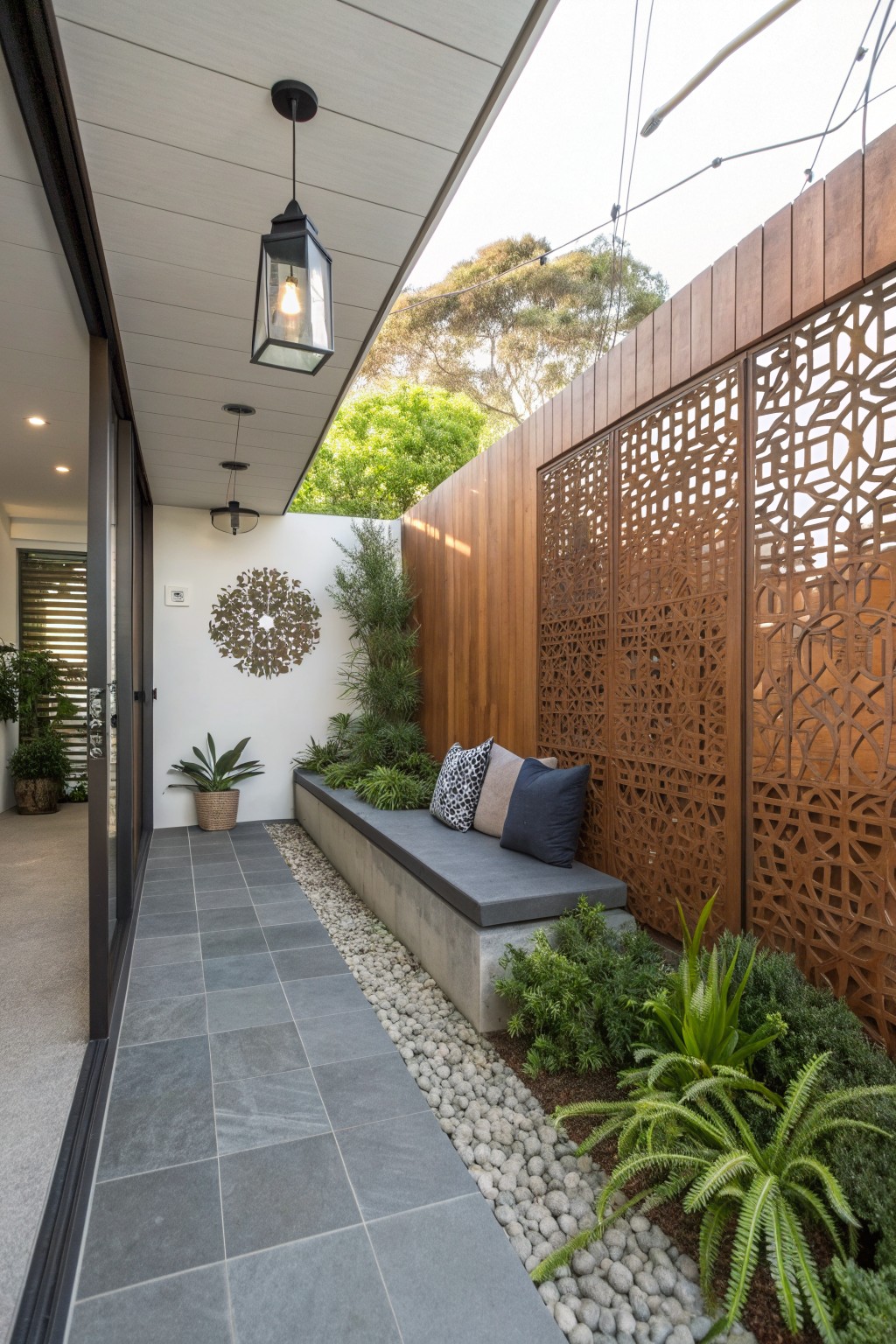
Narrow outdoor spaces often need privacy without turning into a dark box. Patterned panels like these cutout screens block the view from neighbors while still letting light and air through the openings.
They suit tight side yards or patios where a solid fence would feel heavy. Place them along the main sight line and add a few plants in front so the area stays open and usable instead of closed off.
Wood Slat Screens for Narrow Outdoor Spaces
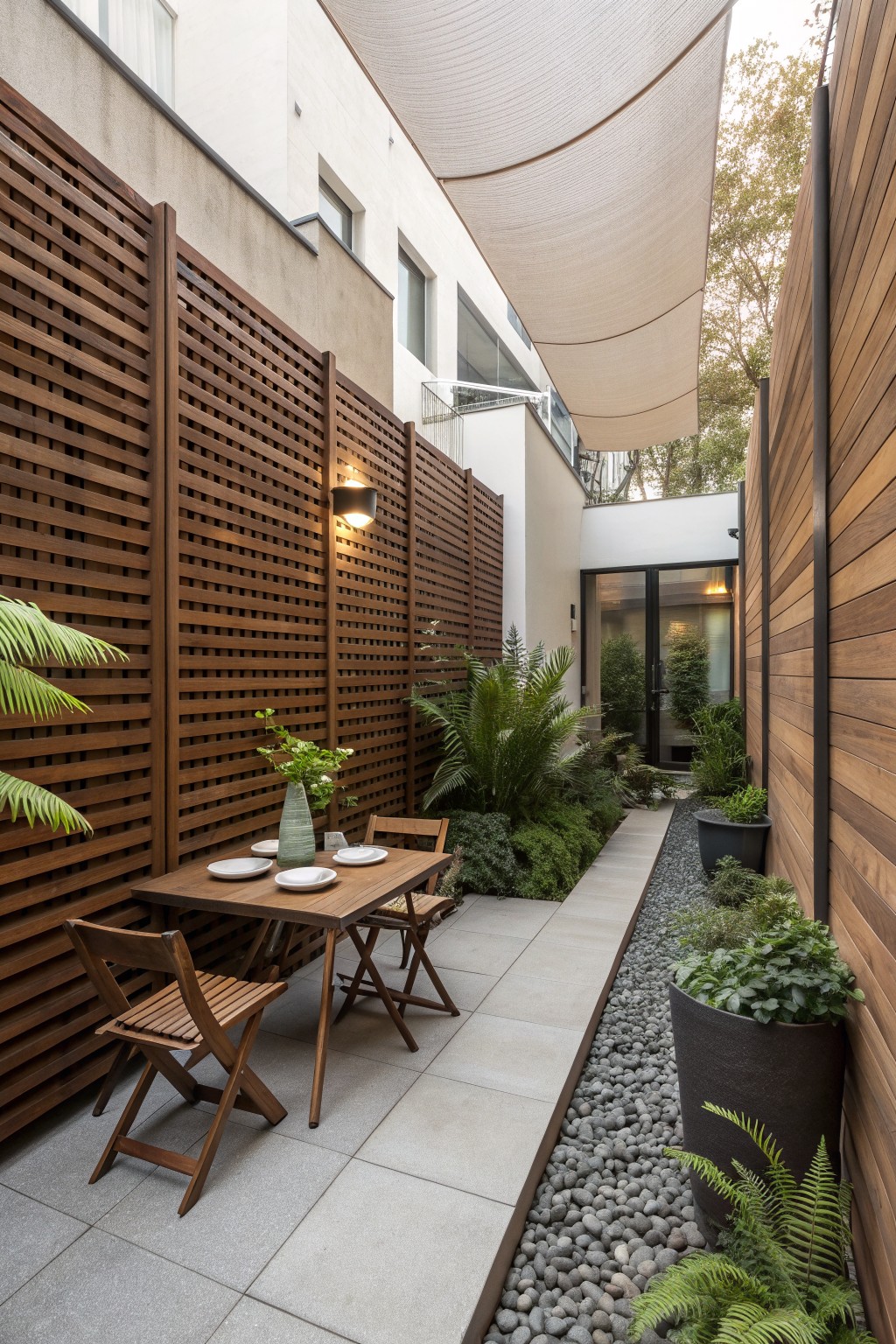
Tall wood slat screens can turn a tight side yard or small courtyard into a usable outdoor room. They block views from neighboring windows while still letting some air and light through the gaps, which keeps the space from feeling closed in.
This approach works best on homes where the outdoor area runs along the side or back of the house with limited width. Set the screens at fence height or slightly taller, then add a few large pots at the base if you want softer edges without losing the clean lines.
Mix Fence Materials for Small Yard Privacy
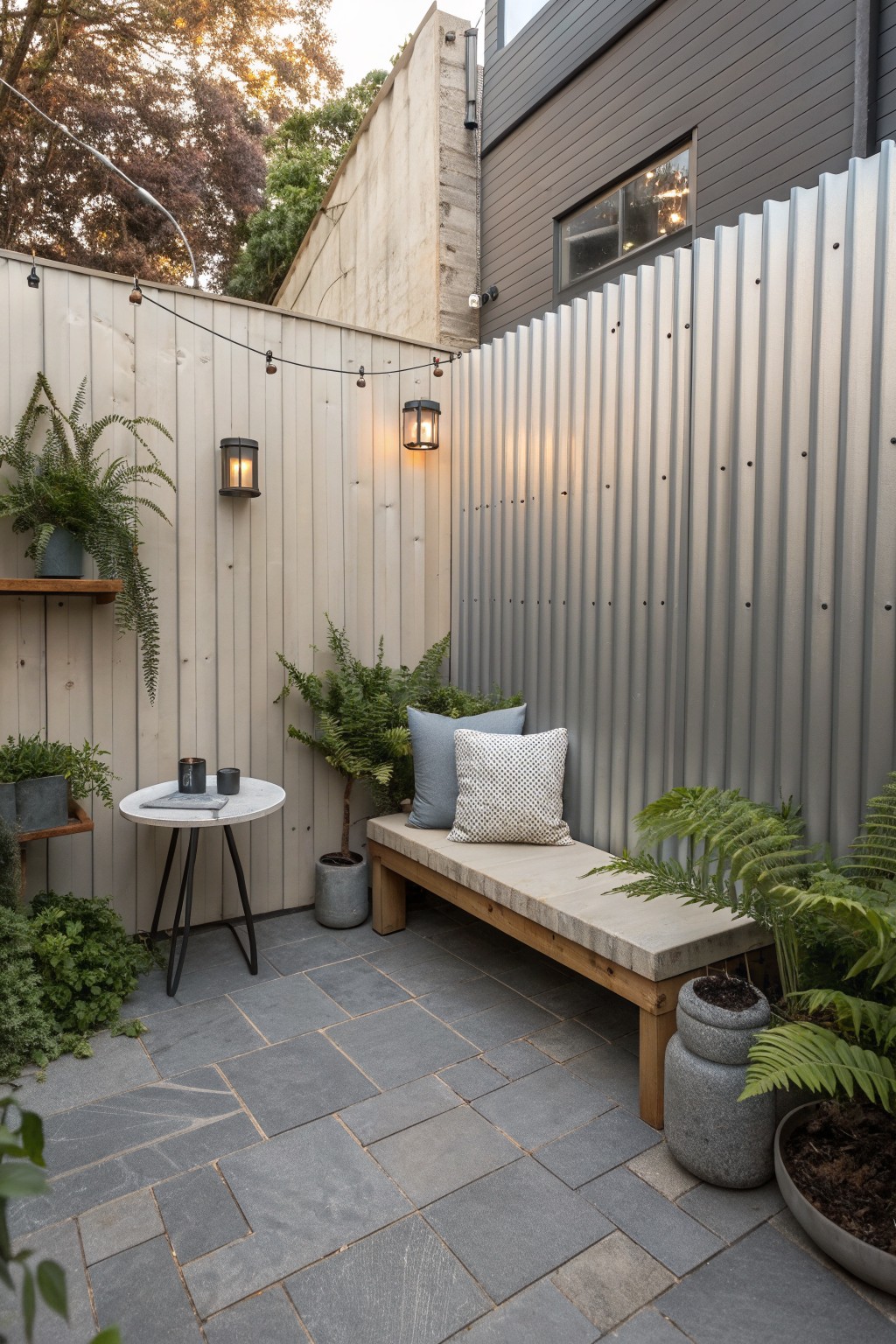
Mixing fence types gives you solid privacy without making a small yard feel boxed in. A wood section on one side softens the look while a taller metal panel on the other blocks sightlines cleanly and takes up almost no depth.
This approach works best on tight lots or between neighboring homes where you need coverage on two or more sides. Match the overall height so the space feels planned, and keep the colors simple so nothing competes.
Create Privacy with a Roofed Side Screen Structure
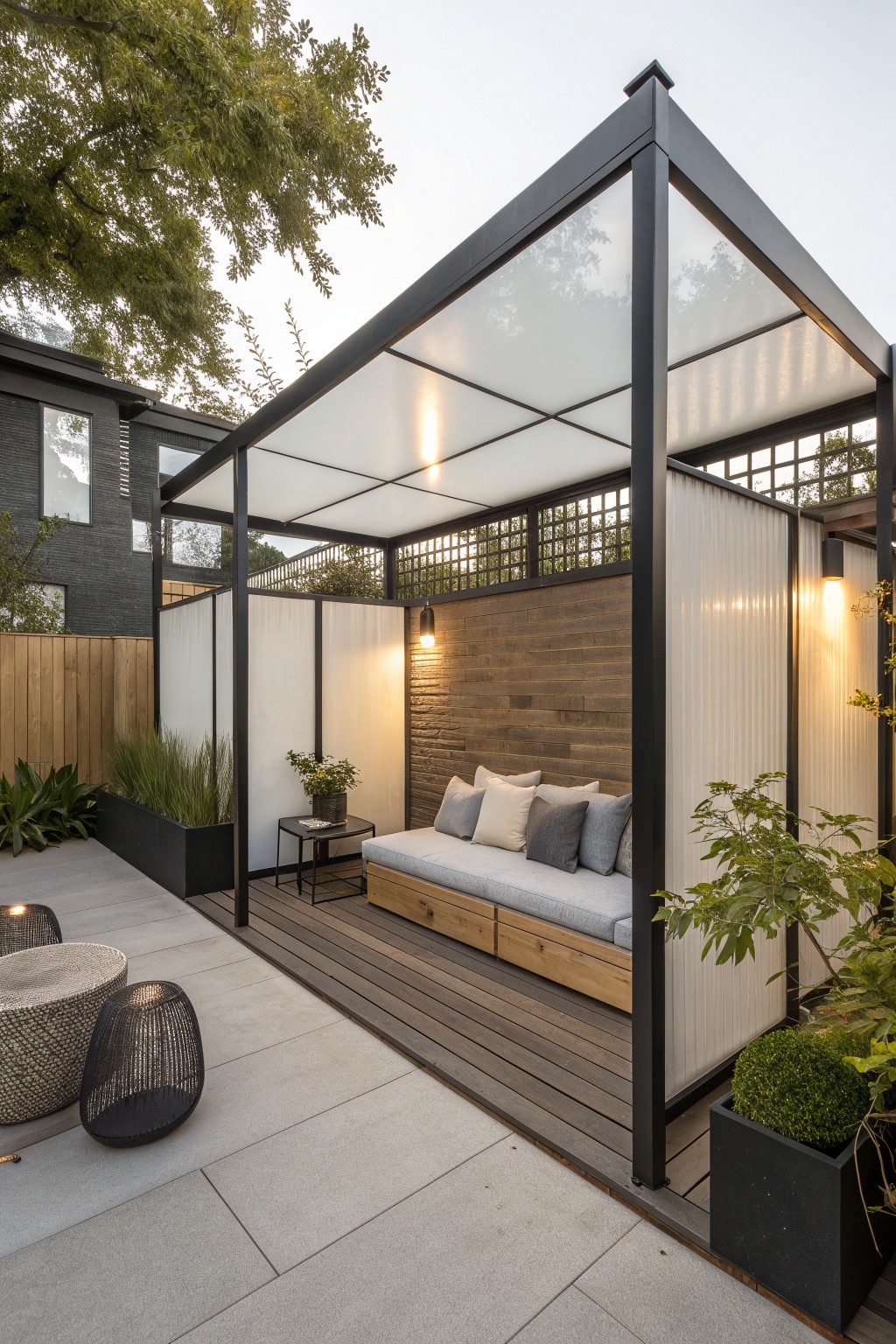
One easy way to carve out privacy in a small yard is to add a simple roofed frame with side panels around a bench or seating area. The mix of solid wood and lighter translucent sections blocks the view from neighbors while still letting in light and keeping the space from feeling boxed in.
This setup works best tucked into a corner or along a property line where you need coverage on two or three sides. Keep the frame dark so it blends with the house and use the bench base for storage to save room inside the yard.
Attach Planters to Your Privacy Fence
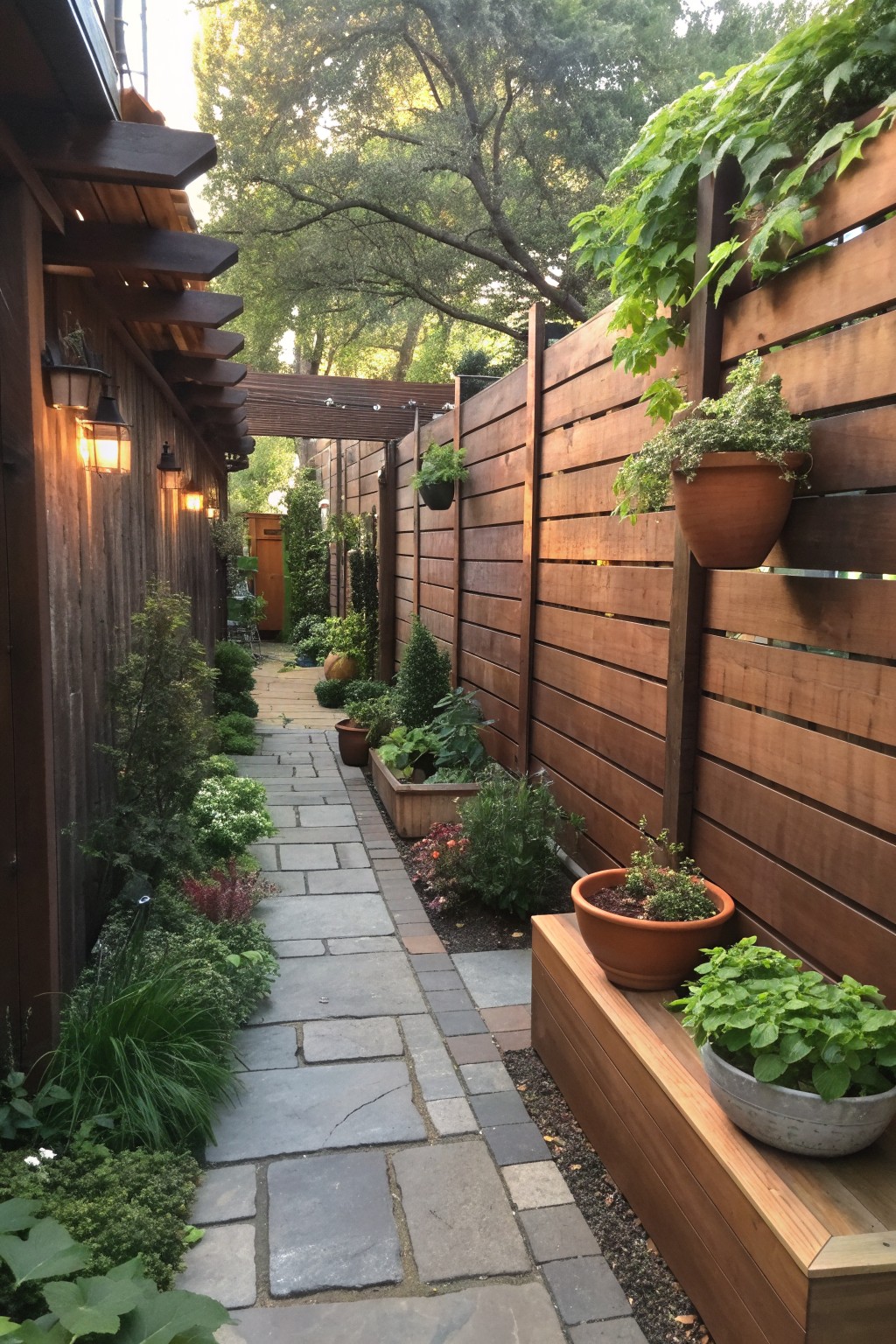
Mounting pots right on the fence lets you add plenty of plants without crowding the ground in a narrow yard. The horizontal boards give you solid spots to hang or rest containers at different heights, so the space still feels open while the fence does its job of blocking the view.
This setup works best along side yards or tight passages where floor space is limited. Use sturdy brackets and pick pots that are not too heavy, and keep the plants on the side you can reach for watering.
Ornate Metal Gates For Side Yard Privacy
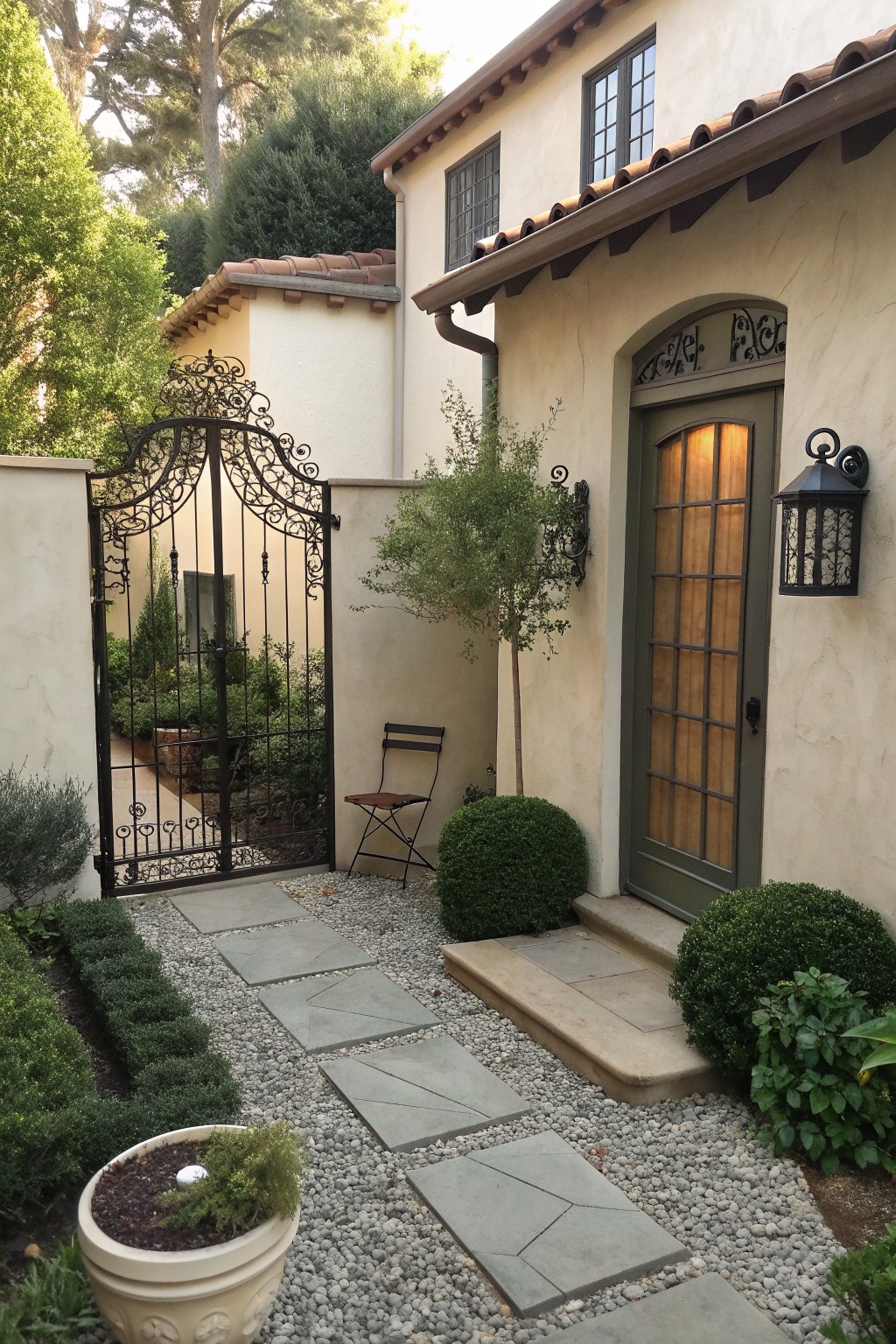
A decorative metal gate like this one gives a small side yard real privacy while still letting light and air move through. The open scrollwork keeps the space from feeling boxed in, which is useful when the area is narrow and right next to the house.
This approach works best on tight lots where a solid fence would feel too heavy. Keep the planting low and simple along the base so the gate stays the main feature and the whole entry stays easy to maintain.
Vertical Wood Screens With Planters

One simple way to add privacy in a tight yard is to run vertical wood slats along the edge and back them with raised planters. The slats block the view while still letting in some light and air, and the plants help break up the solid look.
This approach works especially well next to a pool or patio where you need screening without losing the open feel. It suits narrow lots or homes with close neighbors, and the planters make it easy to add greenery at eye level without taking up much floor space.
String Lights Along a Privacy Fence
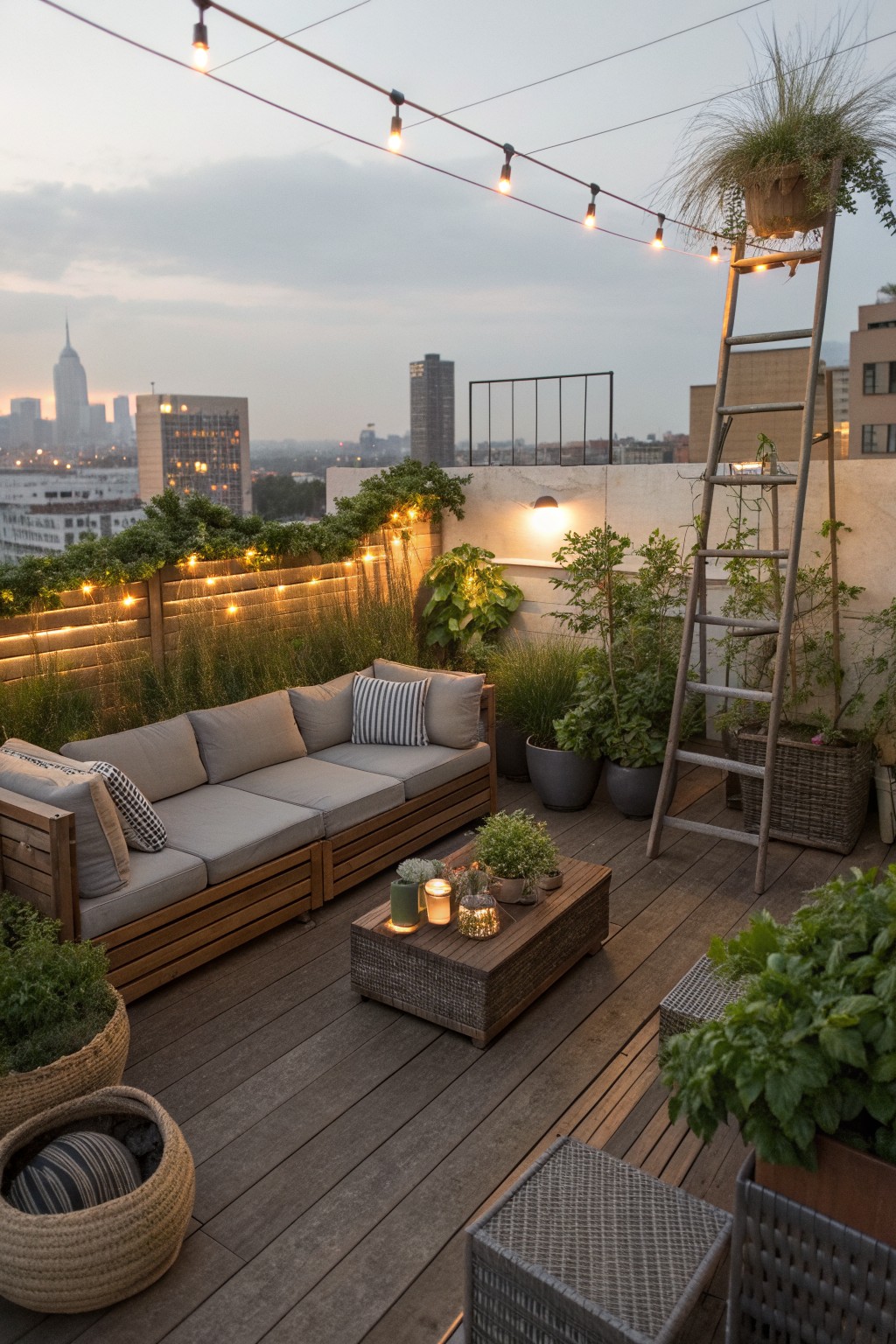
Running string lights along the top of a wood privacy fence gives a small yard or deck a gentle boundary without making it feel closed in. The lights help mark the edge of the space and add a bit of warmth once the sun goes down.
This setup works best in tight outdoor areas where you already have a solid fence in place. Keep the bulbs spaced evenly and choose a warm tone so the fence still feels like part of the yard rather than just a barrier.
Hang Planters on a Privacy Fence
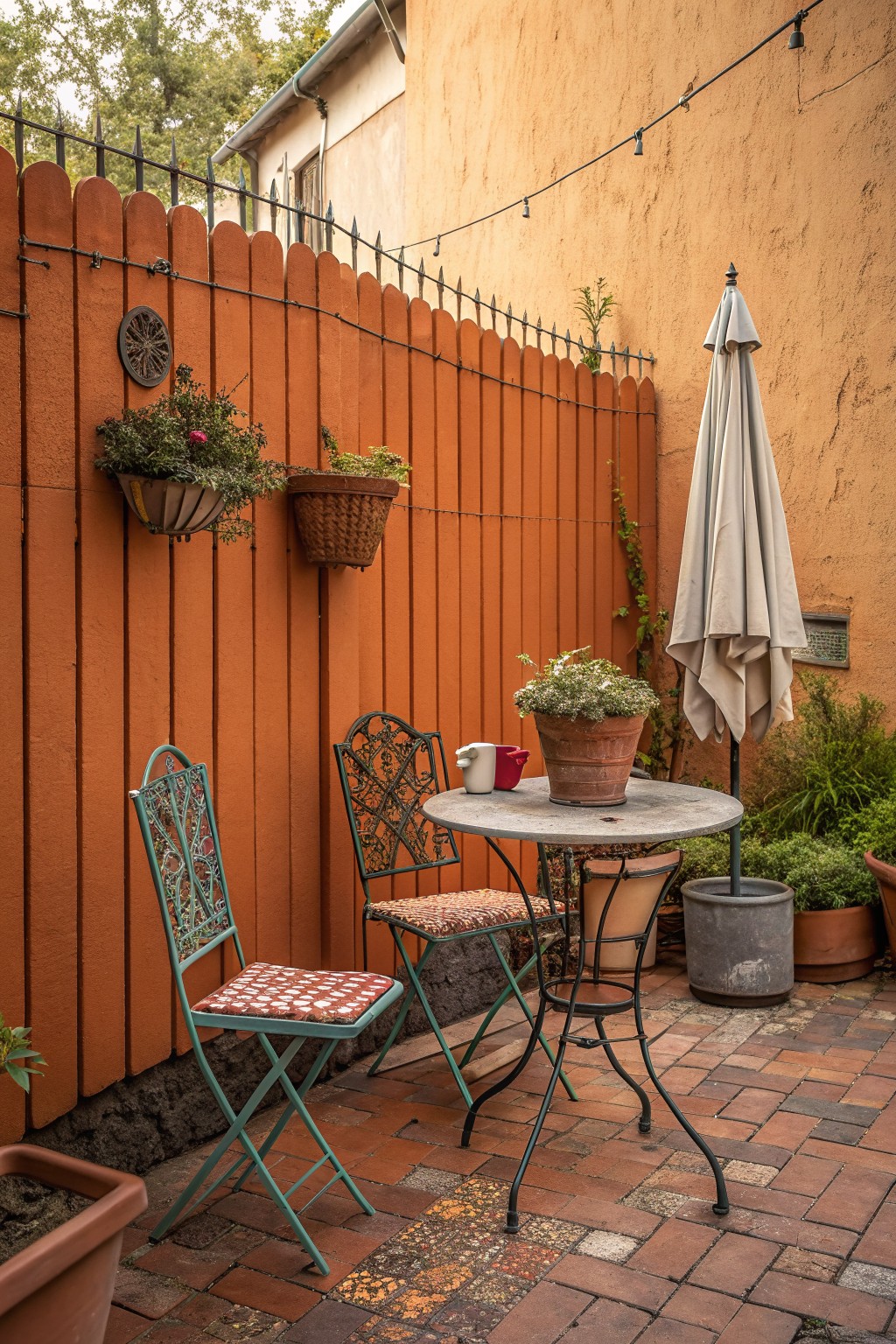
One simple way to get more privacy in a small yard is to hang planters right on the fence itself. This adds height and greenery without taking up floor space, and it turns a plain fence into something that feels softer and more enclosed.
It works best along a solid fence that already blocks the view from neighbors. Use sturdy hooks or brackets, and pick plants that handle a bit of shade if the fence faces away from the sun.
Add Built-In Seating Along Your Privacy Fence

One simple way to gain both privacy and usable space in a small yard is to build a bench right into the fence itself. The bench becomes part of the structure, so it does not eat into the open area the way freestanding furniture would, and the fence still blocks the view from outside.
This setup works best along one or two sides of a patio where you want a clear boundary without crowding the middle. Choose a fence style with some openness at the top if you still want light and air, and make sure the bench height and depth feel comfortable for regular use.
Blend Wood Fencing With Stone Walls
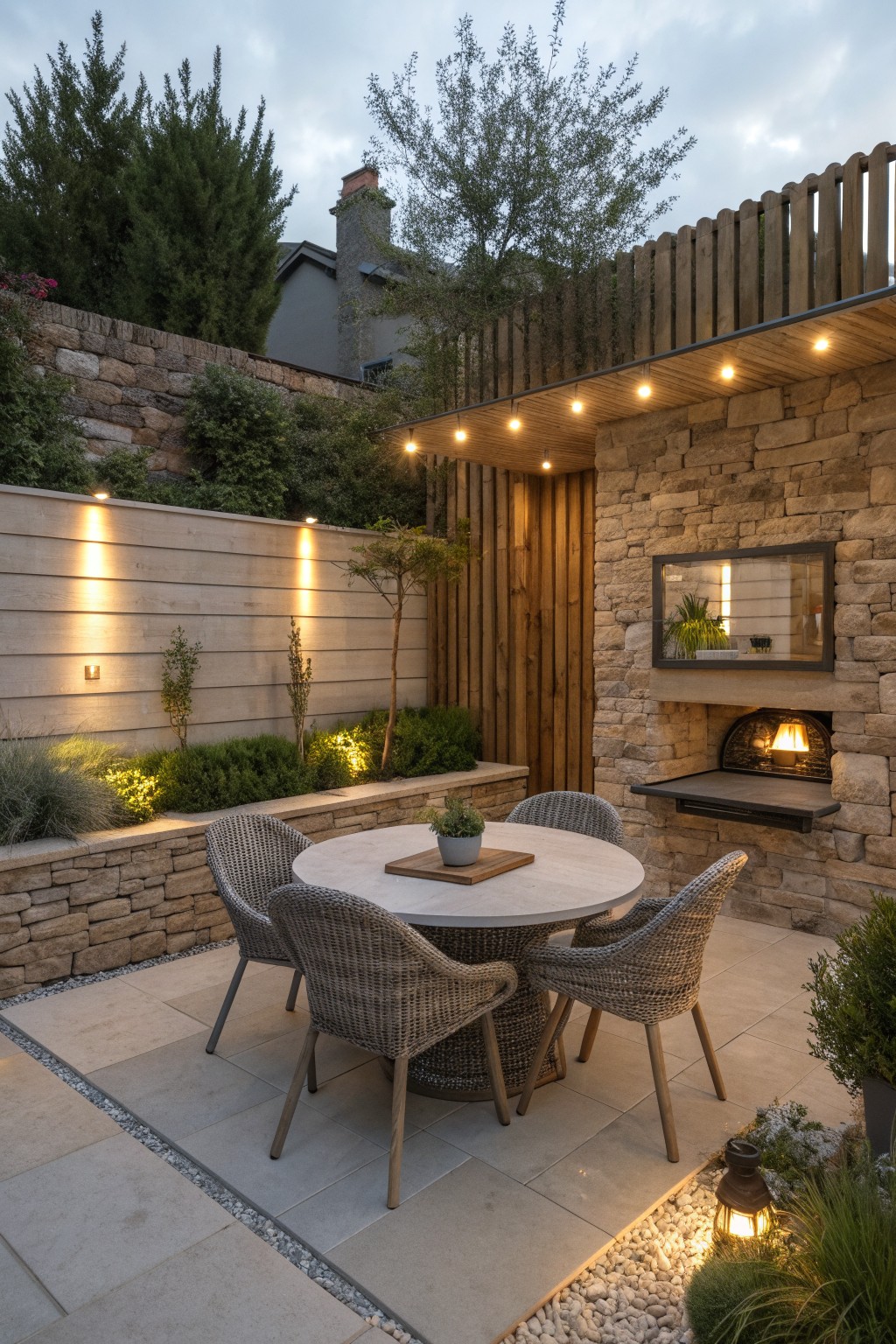
Mixing wood and stone gives a small yard solid privacy without the closed-in feeling of a single material fence. The wood adds height and some warmth while the stone keeps things grounded and durable. This approach works especially well when you already have retaining walls or need to match existing hardscaping.
It suits compact patios or side yards where you want enclosure but still need some light and air to pass through. Keep the wood sections taller in spots where neighbors can see in directly, and let the stone handle the lower areas for structure.
Built-In Seating Along Your Privacy Wall
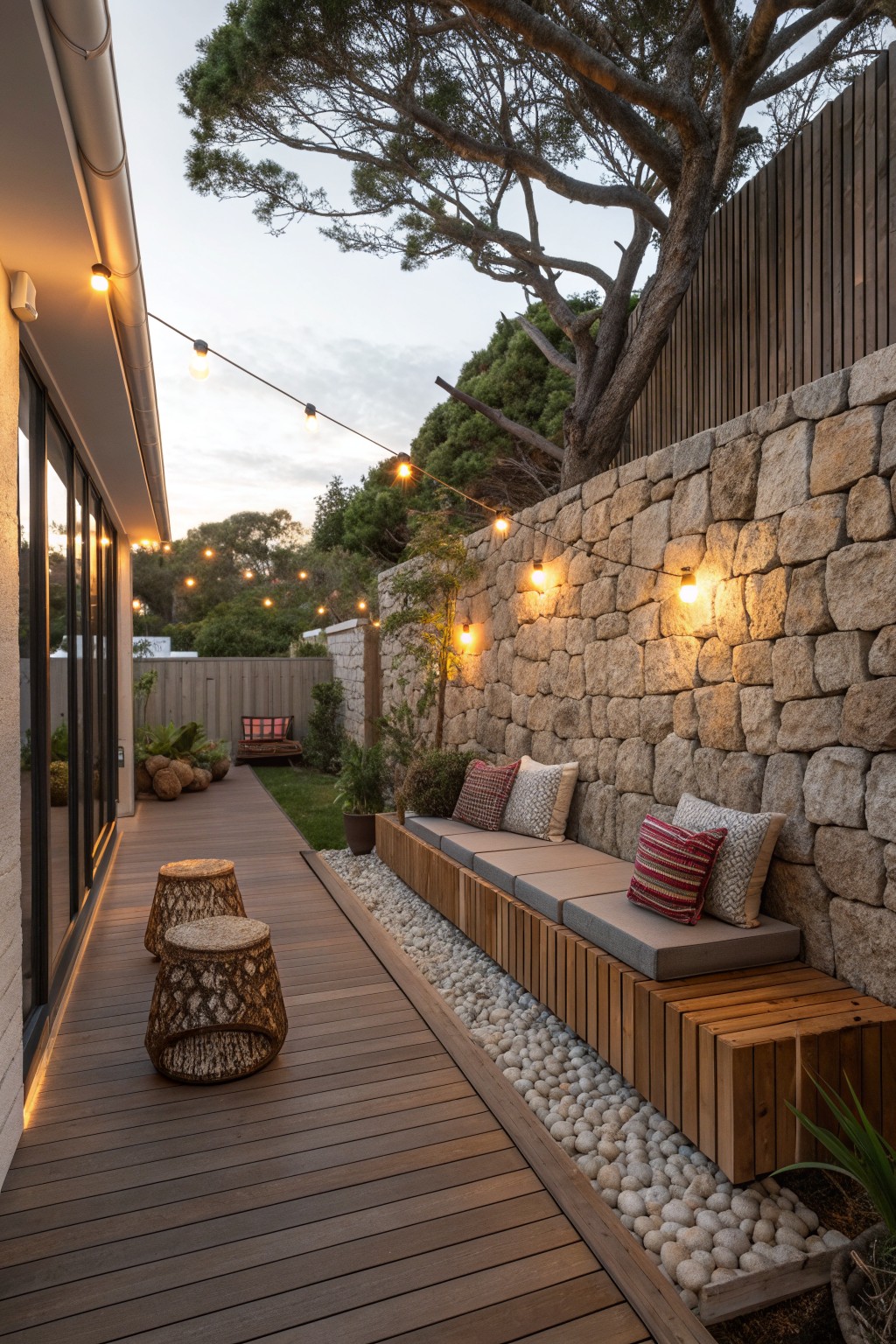
One simple way to add seating in a tight yard is to run a bench right along the base of your privacy wall. This keeps the floor open and uses the wall as the back support, so you do not need extra furniture that would crowd the space.
The setup works best with a solid wall like stone or tall fencing that can handle the attachment. Leave a narrow gravel strip in front for drainage, and choose weatherproof cushions that can stay out most of the year.
Tall Fences for Narrow Side Yards
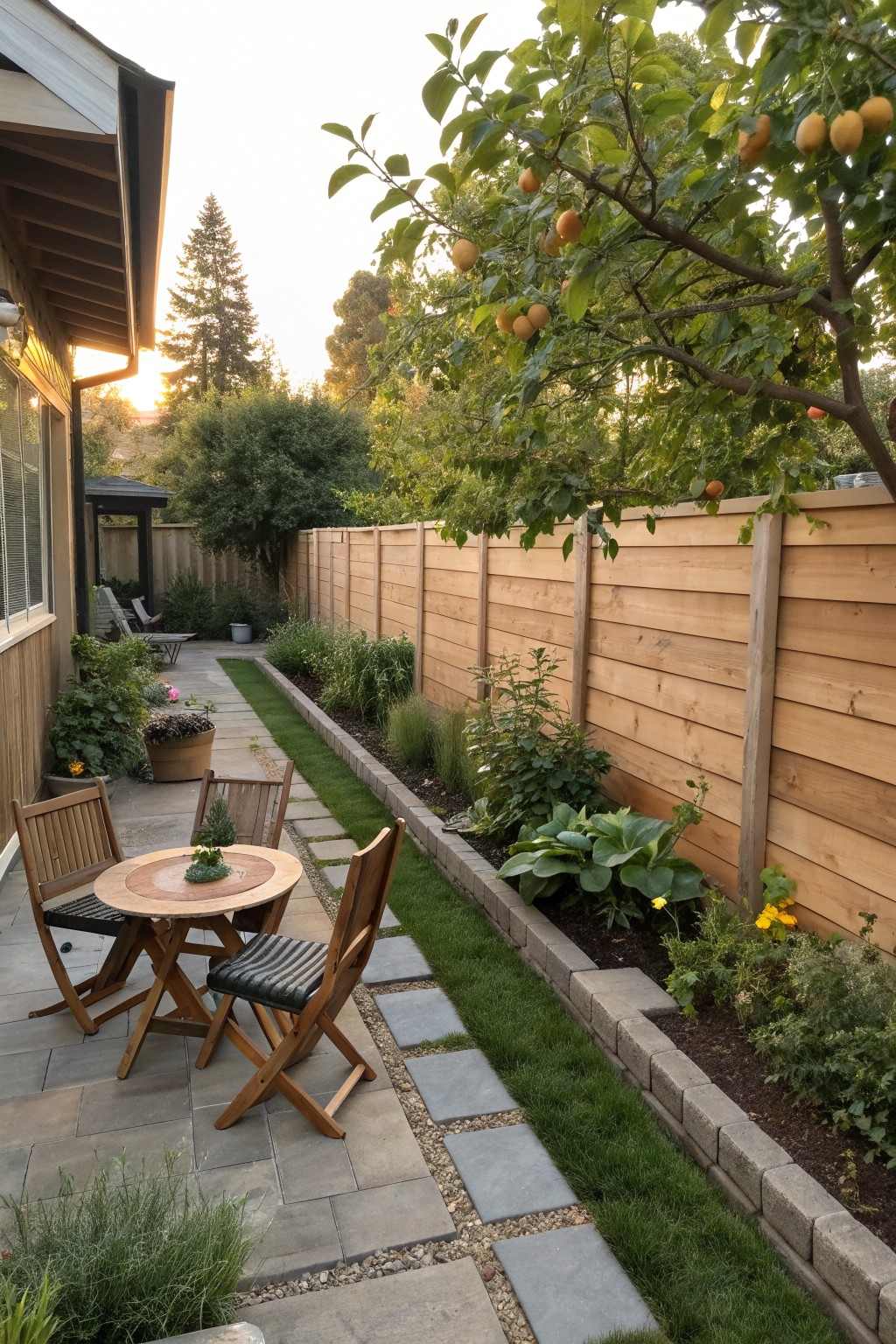
A tall wood fence can turn a slim strip of yard into a private space without eating into what little room you have. The solid boards block sight lines from the side while the fence itself takes up almost no depth on the ground.
Run a narrow planting bed along the base to soften the look and add a bit of greenery. This works best on homes where the side yard is the main outdoor area, and it keeps the whole setup simple to maintain over time.
Frequently Asked Questions
Q: How do I keep my narrow yard from feeling boxed in with a privacy fence?
A: Angle a few vertical slats or use staggered boards so air and light still move through. This breaks up the solid wall look while keeping the view blocked from the sides. Most people notice the space feels bigger this way.
Q: Can I get decent privacy on a tight budget without building the whole thing at once?
A: Put up a basic frame first and fill in sections with cheap lattice or reed screening. Add plants in front as they grow to fill gaps over time. You end up with coverage that looks finished even if it took a few months.
Q: What works best if my neighbor’s window looks straight into my patio?
A: Mount a narrow trellis on the fence and let fast vines cover it. The plants add depth without eating up floor space. One solid panel right in that sight line usually solves the problem fast.


