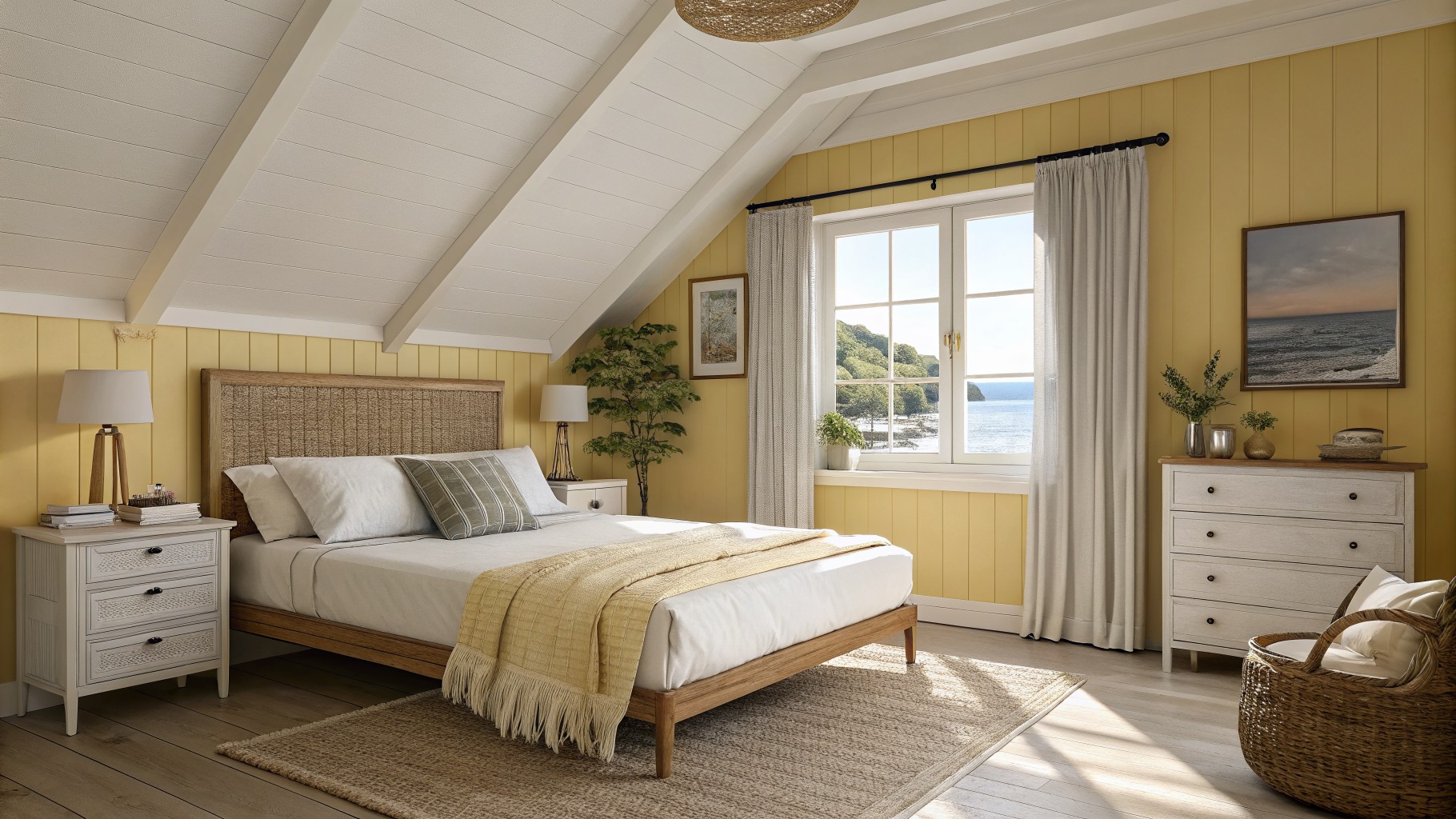
I’ve spent years picking bedroom colors and noticed that shades meant to feel light often fall flat once the room gets only a few hours of sun.
Undertones become more obvious in those conditions, turning what looked soft on a sample into something unexpectedly gray or dull against the trim.
Light matters more than the swatch.
I usually tape several options to different walls and watch how they shift next to the bed frame and flooring before making a choice.
That step saves me from colors that look airy in the store but end up making the space feel heavier once the furniture is back in place.
Pale Butter Yellow Bedroom Walls
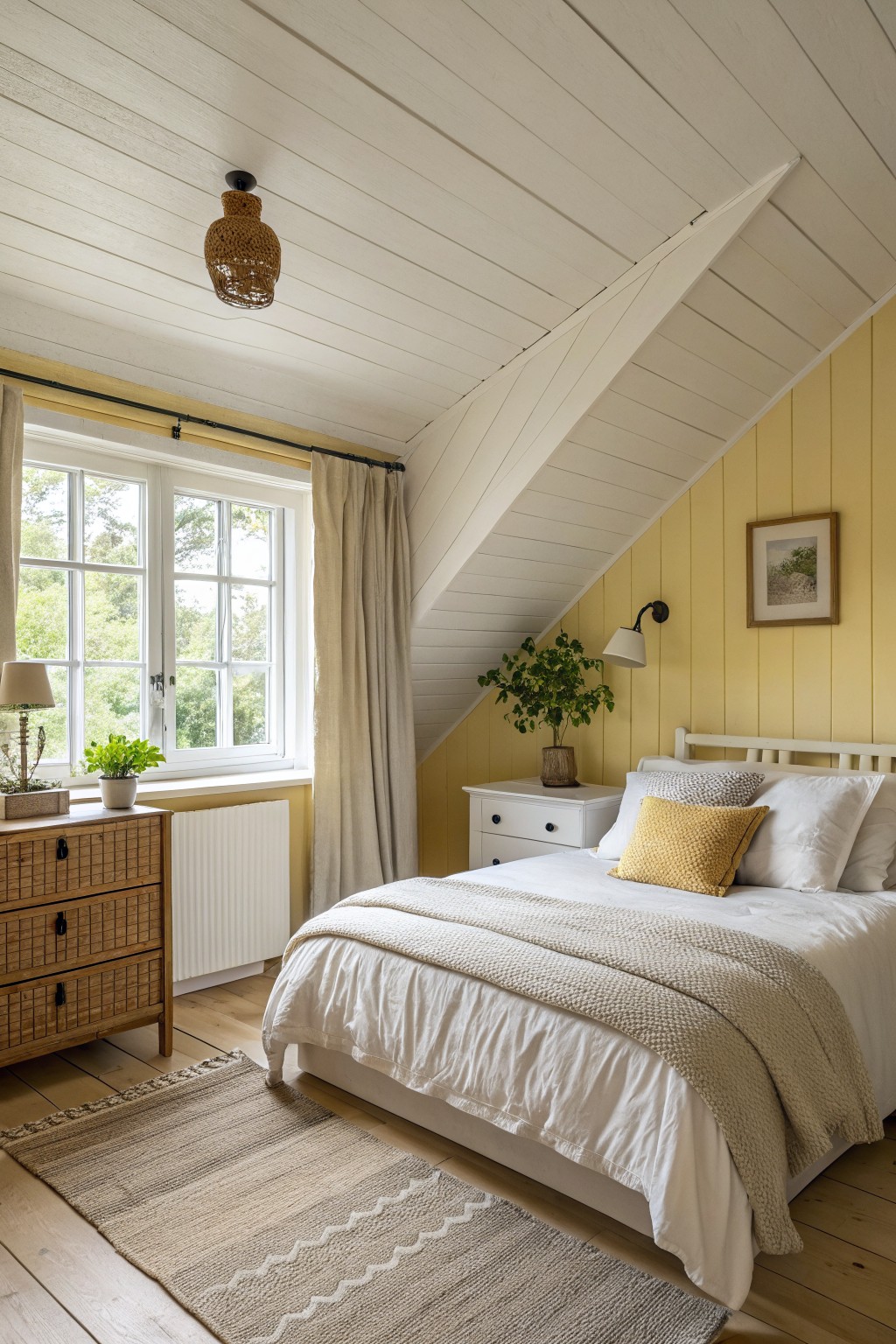
A soft yellow works nicely in bedrooms that need more light. This warm, pale shade sits close to Sherwin Williams Lemon Chiffon, Benjamin Moore Butter Yellow, Behr Lemon Ice, and Farrow & Ball Yellow Ground.
It pairs easily with white trim and wood floors, though it can look a bit stronger in cooler morning light. Stick with simple linens and natural textures so the color stays gentle.
Soft Blue Gray Walls
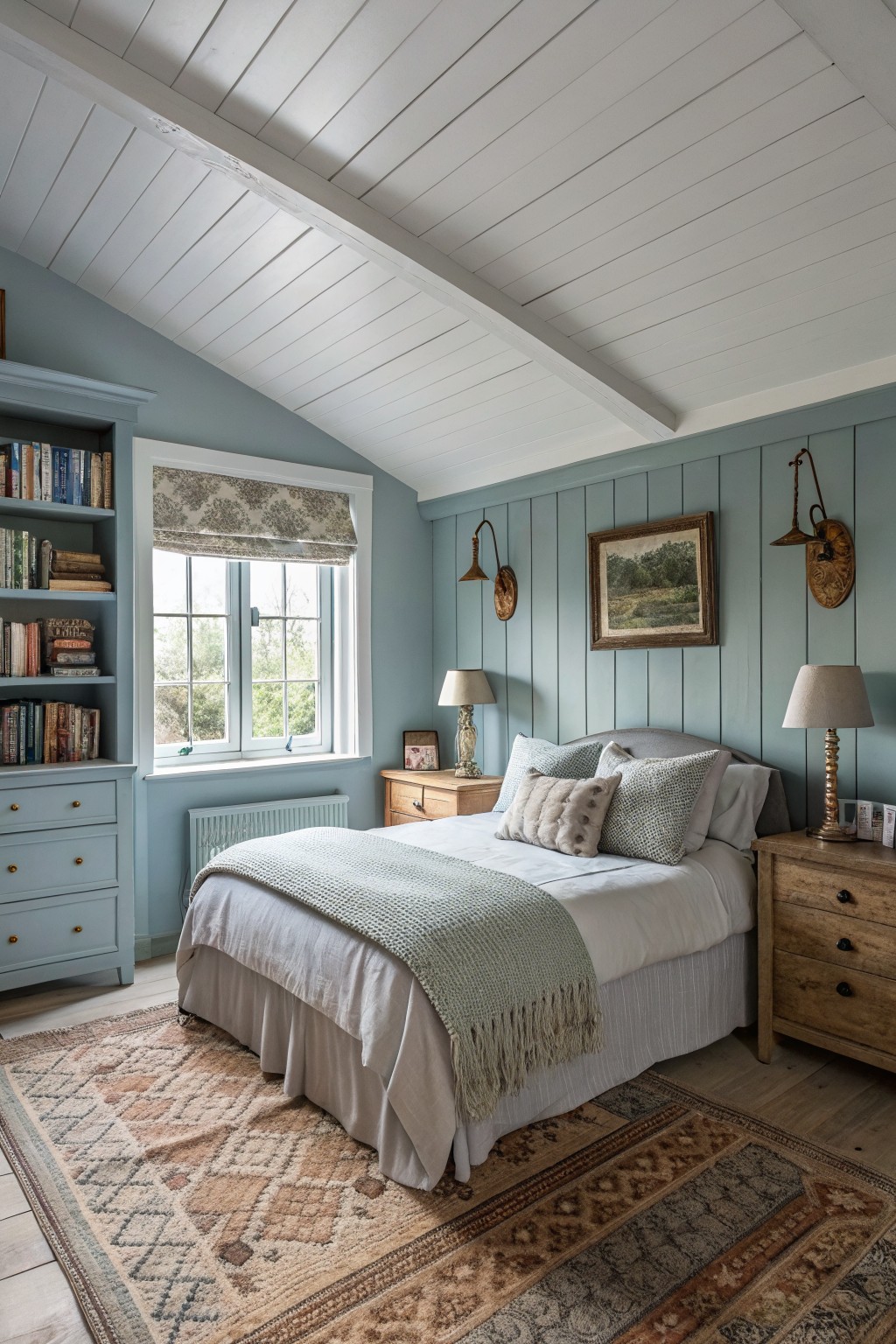
This soft blue gray reads as a cool, airy color that helps brighten bedrooms with smaller windows. It sits between gray and blue with a touch of green in the undertone, which keeps it from feeling too chilly on its own.
It pairs easily with warm wood furniture and white trim, though it can look a bit flat if the room gets very little natural light. Colors like this work best in spaces that already have some sunlight or layered lighting to bring out the subtle shift throughout the day.
Airy Sage Green Bedroom Walls
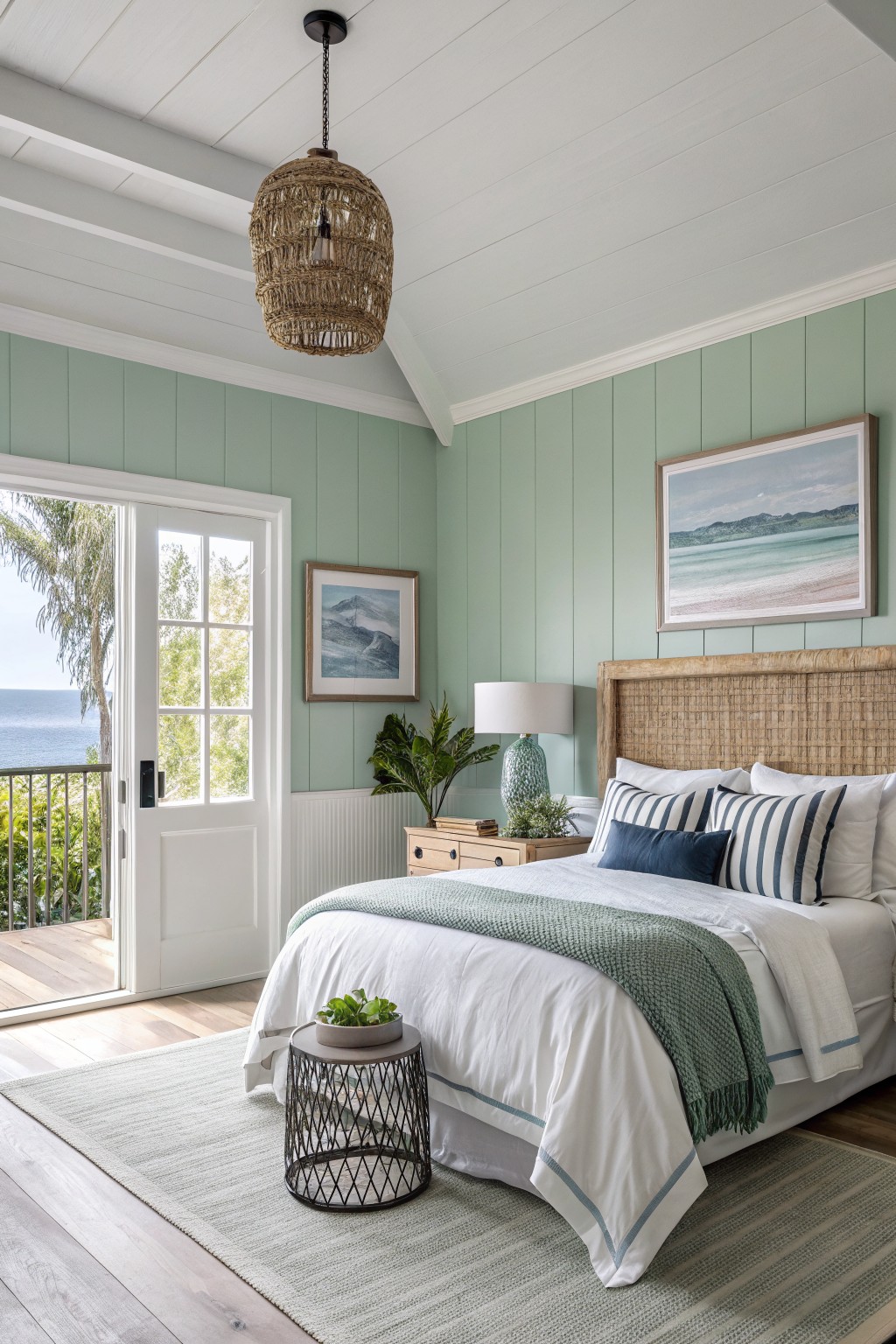
This soft sage green brings a quiet freshness to bedrooms that need more light. It sits in a cool neutral family with gray undertones, so it feels airy rather than bold or overly green.
The color reads best with crisp white trim and warm wood floors. It works well in rooms that get indirect daylight and pairs easily with simple textiles or natural textures without fighting for attention.
Soft Greige Bedroom Walls
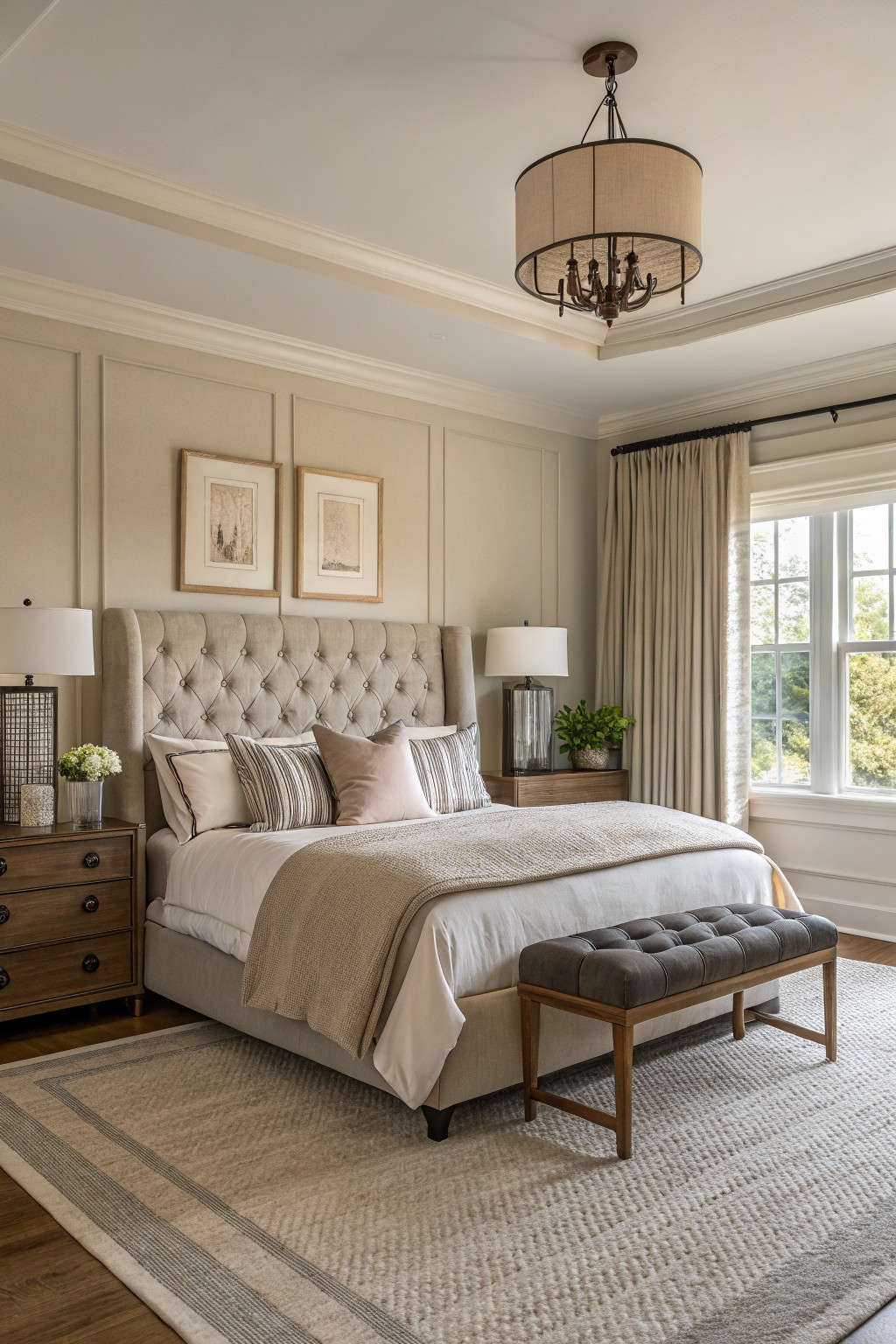
This bedroom shows a soft greige on the walls. It is a light neutral with a hint of warmth that keeps the room feeling open even with smaller windows and some shadow in the corners. The color sits nicely between beige and gray so it does not pull too cool or too yellow.
It works best with warm wood furniture and simple white or off-white trim. Pair it with linen curtains or cream textiles to keep the airy feel. One thing to watch is strong overhead lighting, which can make the gray side show more than expected.
Creamy Yellow Bedroom Walls
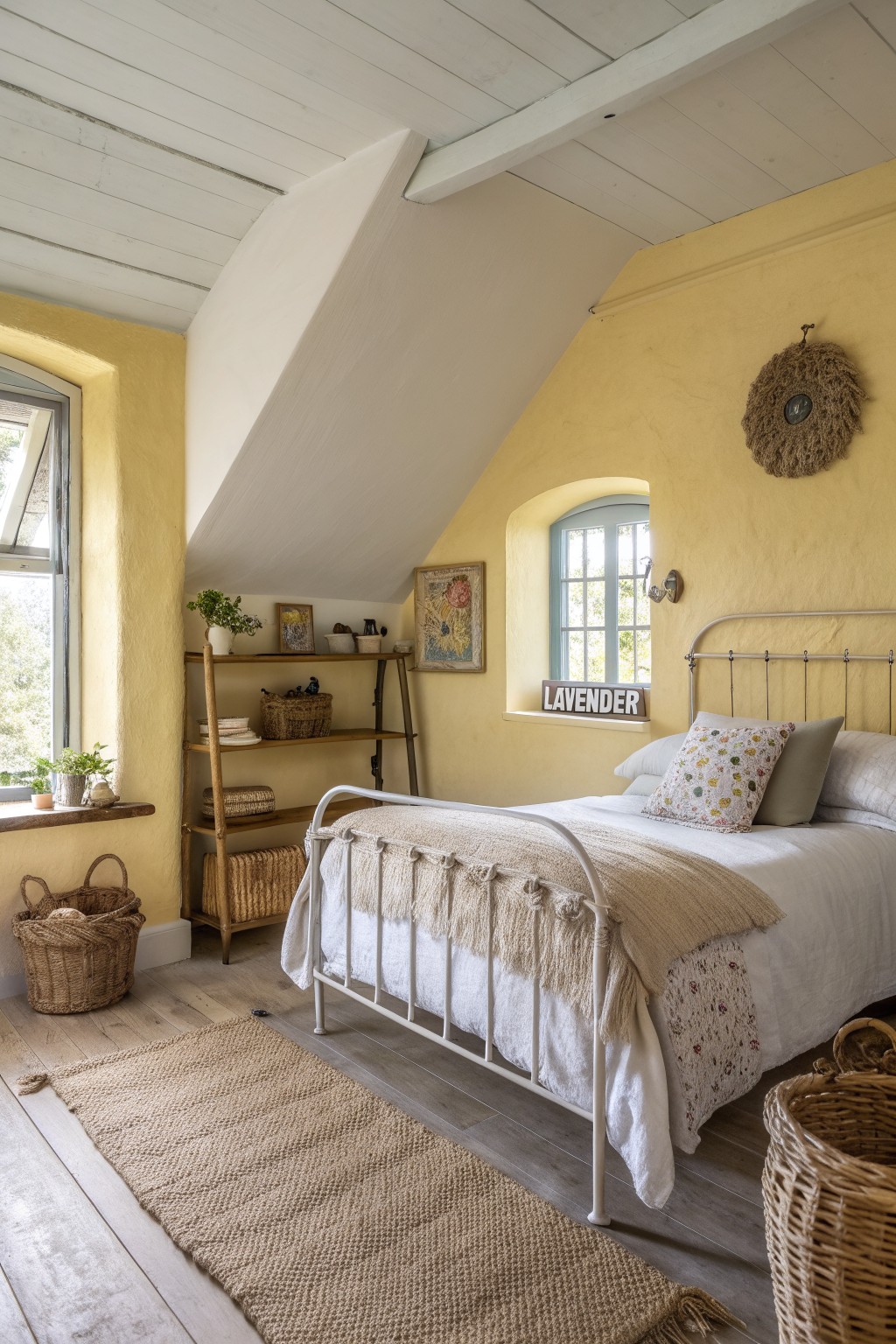
A soft yellow works well in bedrooms that need more light. This shade sits between cream and pale butter, giving the walls a gentle warmth that helps smaller windows feel less closed in.
It has a light warm undertone that sits nicely next to wood floors and white trim. Try it in rooms with some daylight, and pair it with simple linens or natural baskets so the color stays feeling calm rather than bold.
Muted Blue Gray Bedroom Walls
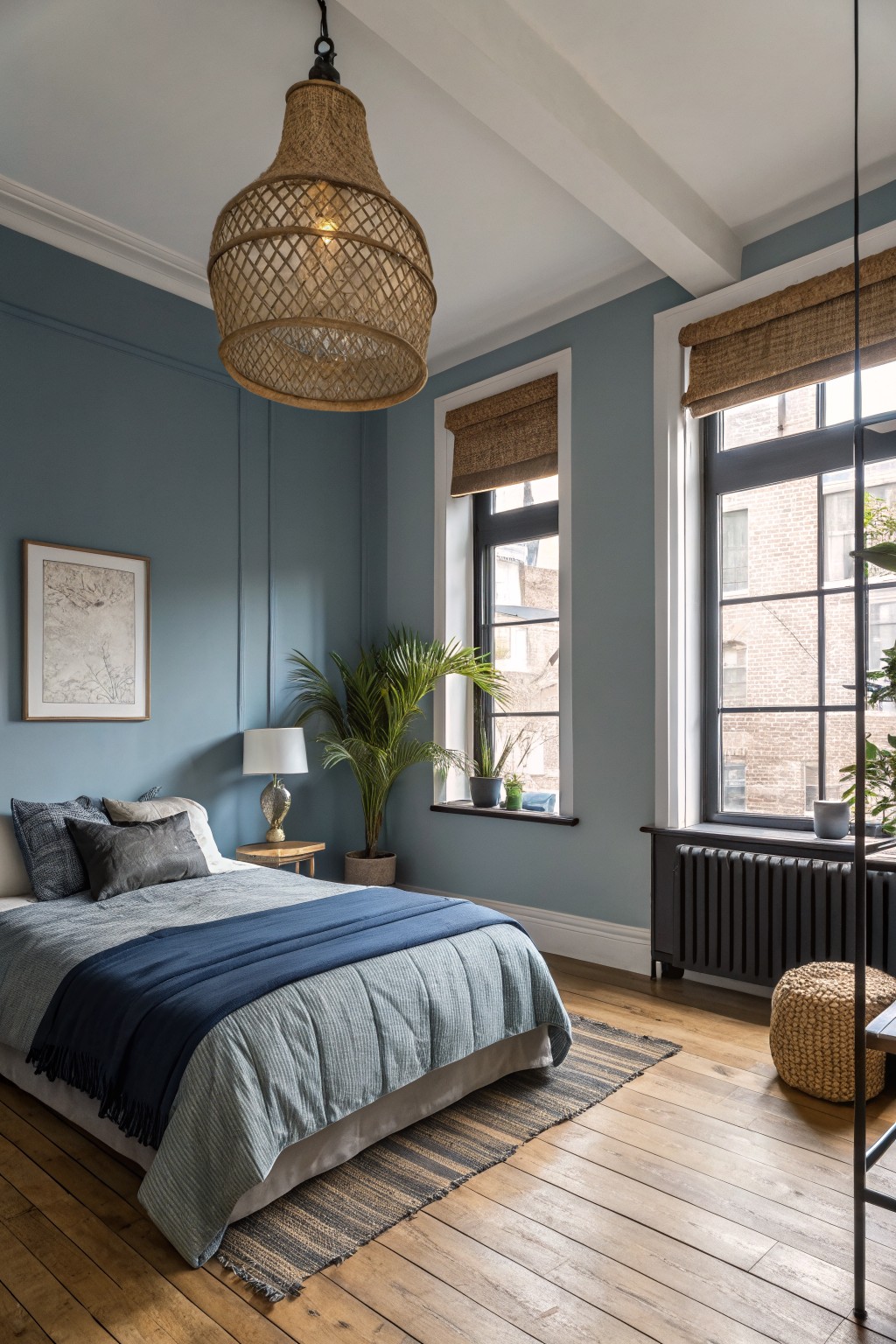
This soft blue gray keeps a bedroom feeling open even when the windows are small or the corners stay dim. It sits between blue and gray without leaning too far either way, so the room stays calm instead of cold.
The color has a slight green undertone that helps it pick up warmth from wood floors and natural light during the day. It works best with white trim and simple bedding. Good matches include Sherwin Williams Silver Strand, Benjamin Moore Wythe Blue, and Farrow & Ball Blue Gray.
Warm Greige Walls
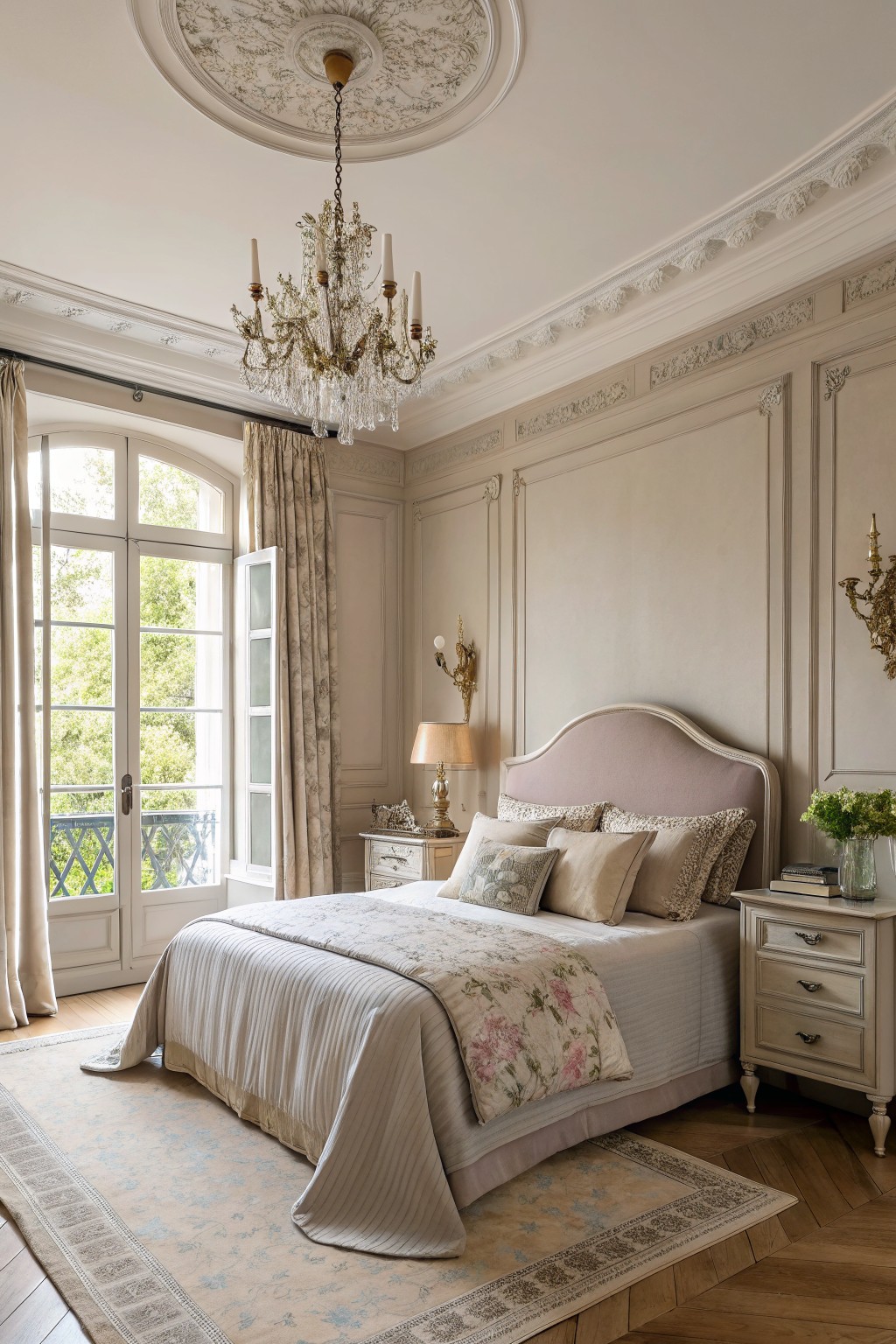
A soft greige is the main wall color here. It sits between warm gray and light beige, giving the room a gentle tone that still feels bright enough for smaller windows or darker corners. Colors like Sherwin Williams Agreeable Gray, Benjamin Moore Edgecomb Gray, or Behr Silver Drop come close to this look.
The warm undertone helps it blend with wood floors and painted trim without turning yellow or flat. It works best in bedrooms where you want something airy but not stark white, and it pairs easily with linen or cotton bedding in similar neutrals.
Sage Green Bedroom Walls
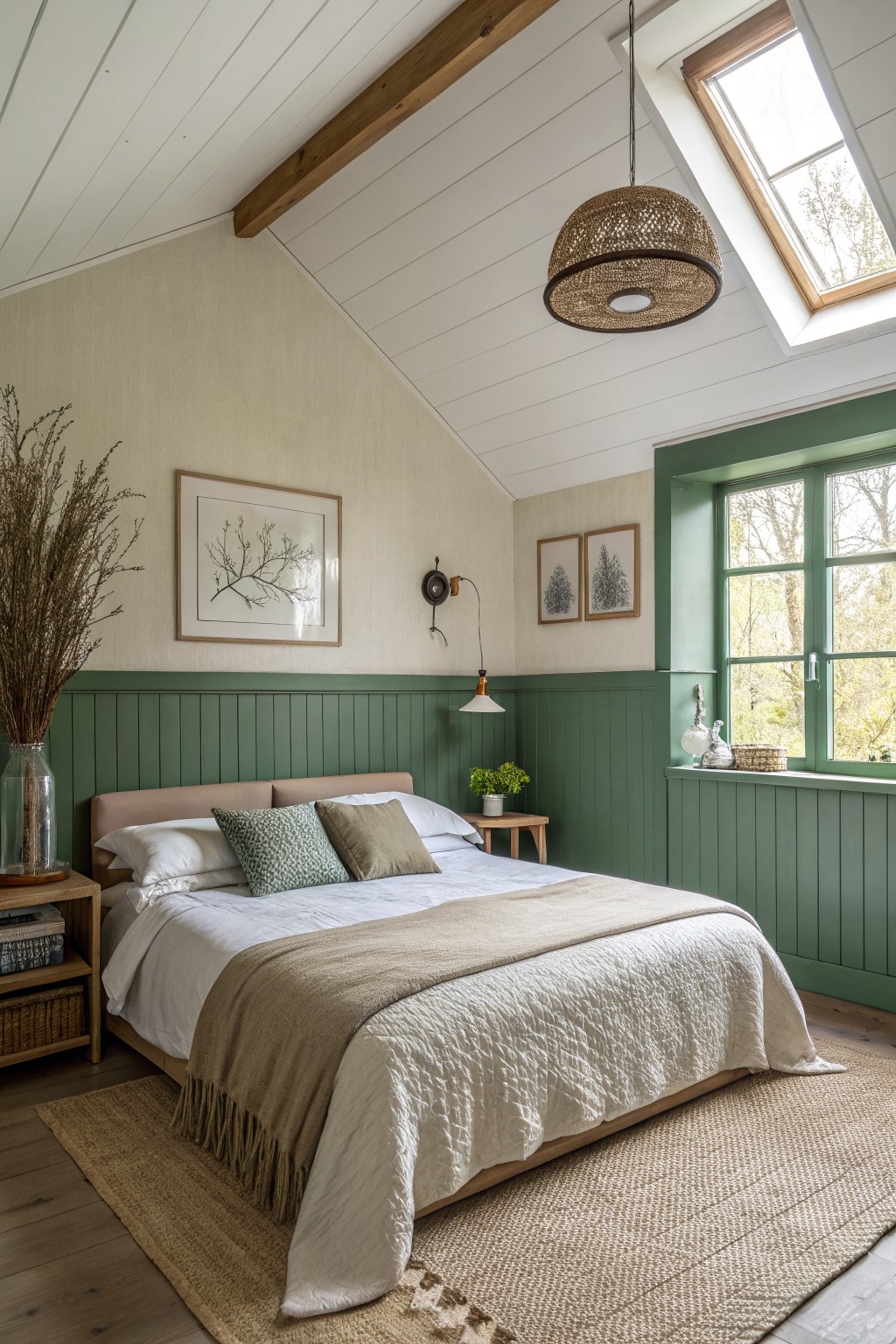
A soft sage green works well on the lower walls here. It is a muted, earthy green that feels calm without going too dark or cold. Many people like this color because it adds a gentle connection to nature while still keeping the room feeling open and light.
This green has a slight gray undertone that helps it sit nicely next to warm wood floors and white bedding. It pairs best with natural textures like linen or jute. Watch the lighting though. In very low light it can lean a bit more gray than expected. Closest matches include Sherwin Williams Clary Sage, Benjamin Moore Saybrook Sage, Behr Soft Sage, and Farrow & Ball Lichen.
Soft Blue Bedroom Walls
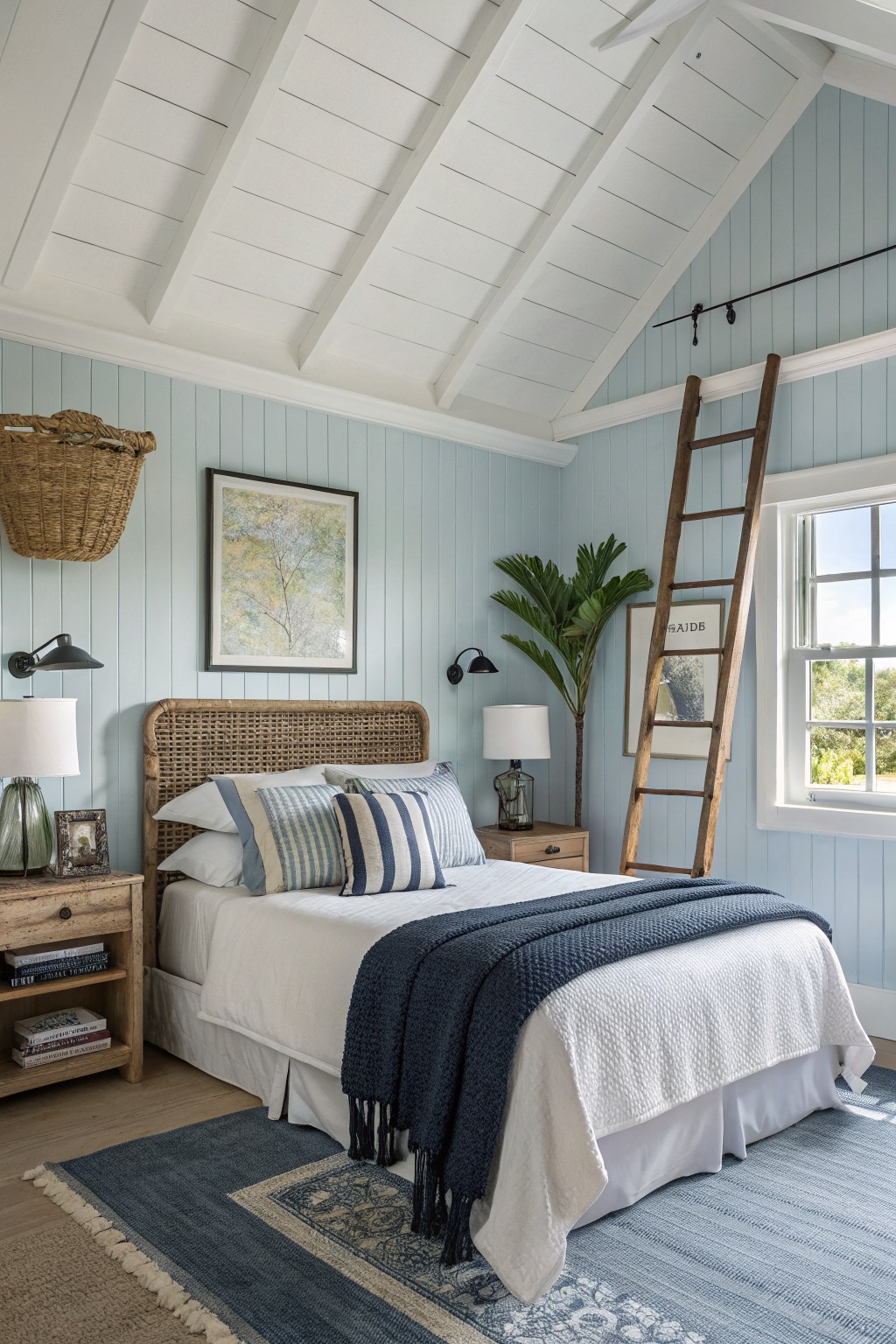
This soft blue on the walls brings a quiet, airy feel that works well in bedrooms that do not get much light. It is a cool, muted shade with just enough gray in it to keep the color from feeling too bright or childish. Good matches include Sherwin Williams Misty, Benjamin Moore Palladian Blue, Behr Icy Morn, and Farrow & Ball Skylight.
It sits nicely against white trim and light wood furniture without making the room feel chilly. The color can lean more gray in low light, so test a large sample on the wall before committing.
Warm terracotta walls
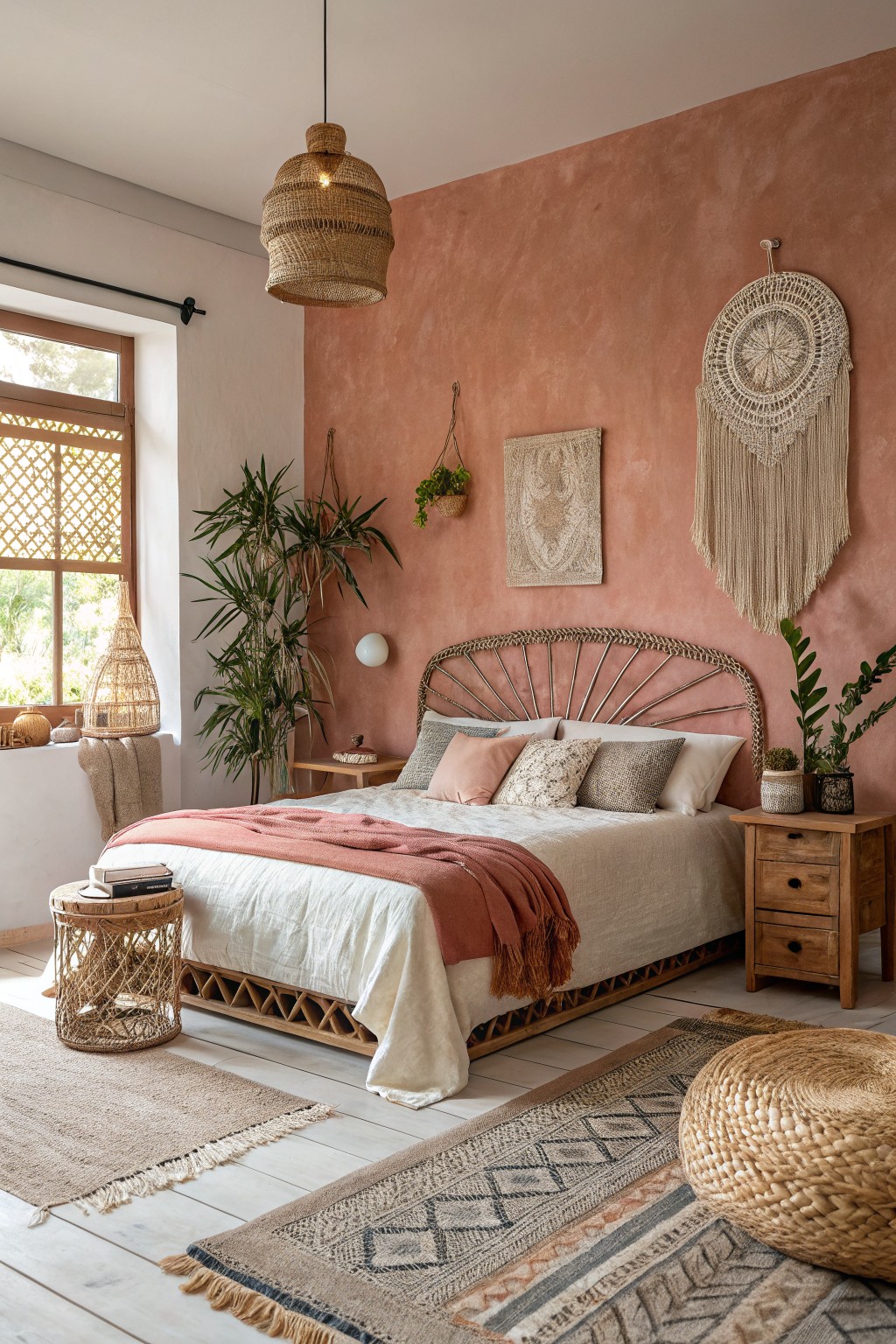
This bedroom shows a warm terracotta paint on the walls. It is a soft clay color with gentle orange undertones that feels grounded and a little earthy.
The shade sits nicely next to wood tones and linen bedding. It can help a room with smaller windows feel less stark, though it works best when kept away from too many cool grays that might fight the warmth.
Light Greige Walls
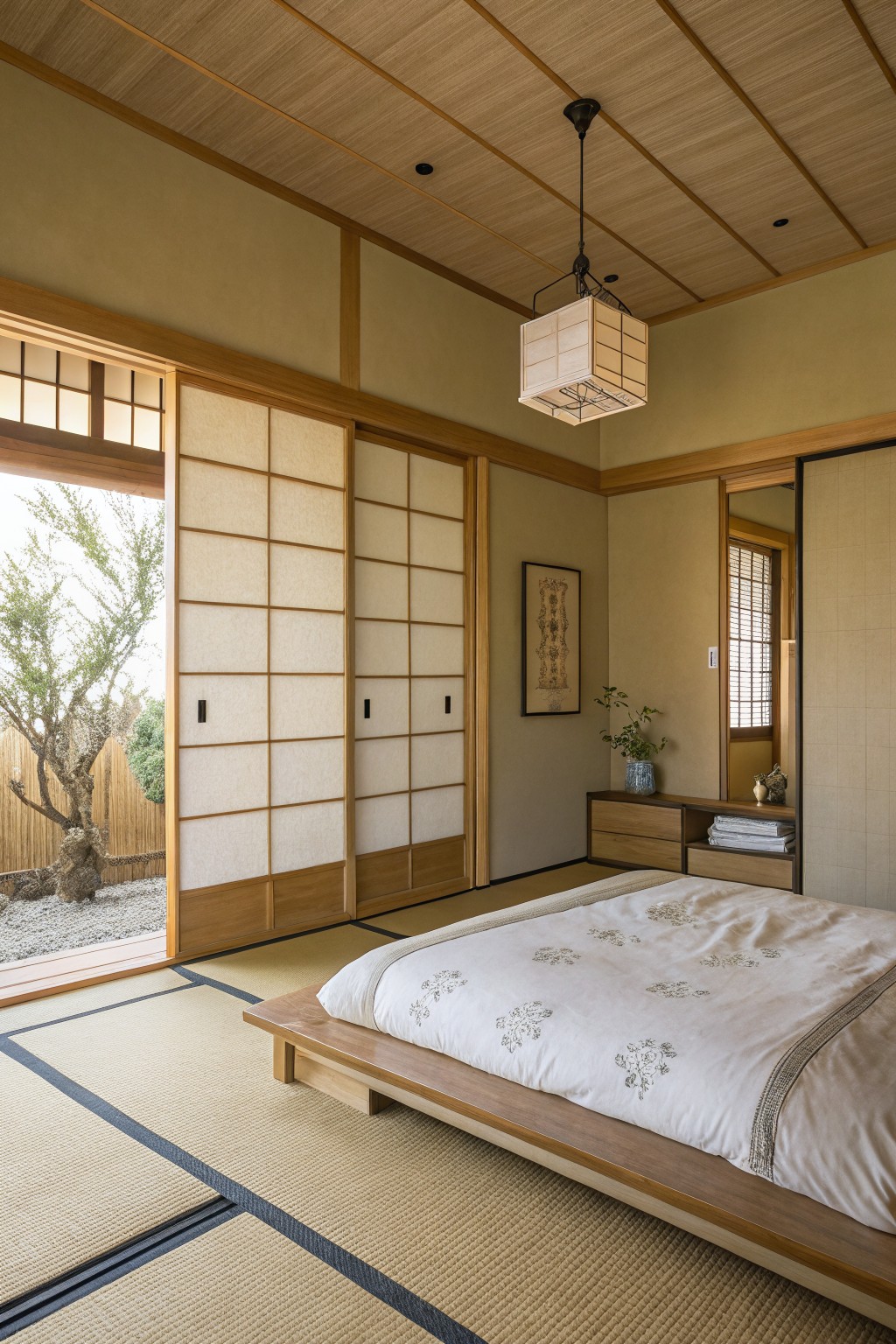
This soft warm greige on the walls gives the room a quiet, steady feel without pulling too much light away. It sits right in that middle ground between beige and gray, which makes it easy to live with even when windows are small or light is limited. Colors like Sherwin Williams Accessible Beige, Benjamin Moore Edgecomb Gray, Behr Greige, or Farrow & Ball Elephant’s Breath all land close to this tone.
The warmth comes through mainly in the way it plays against the wood trim and floors. It keeps the space from feeling flat or chilly while still reading clean. Pair it with natural wood and simple textiles if you want the same grounded look. Watch the lighting though, since cooler light can push it slightly more gray than expected.
Dusty Blue-Gray Bedroom Walls
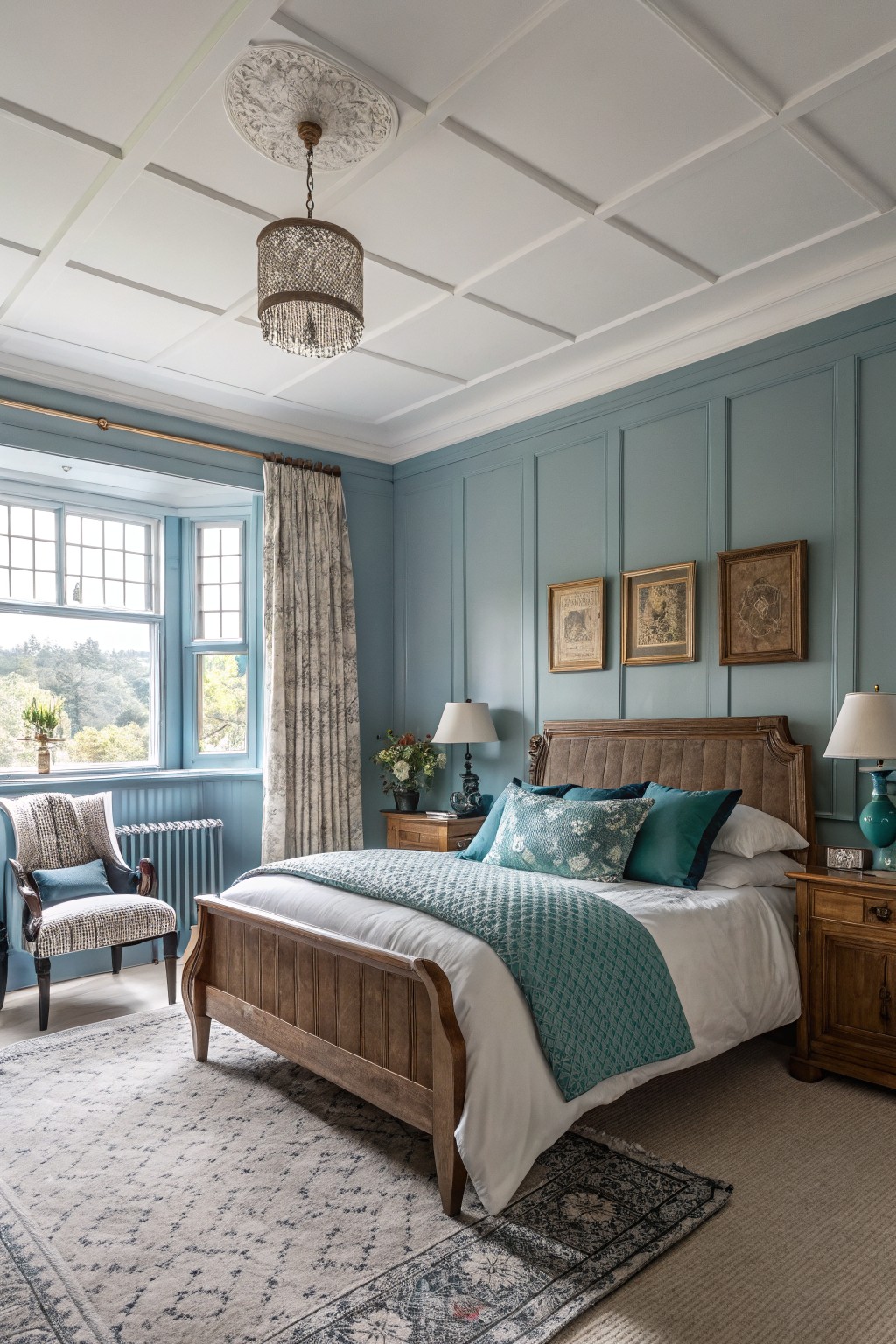
A soft blue-gray gives a bedroom that calm, slightly cool feeling without turning it flat or dull. This shade sits between gray and blue with a light green undertone that keeps it from looking too stark next to wood furniture.
It works especially well in rooms that get limited light, since the color still feels airy even when the sun is low. Pair it with white trim and simple wood tones to let the walls do the work. Good matches in this range include Sherwin Williams Rainwashed, Benjamin Moore Palladian Blue, Behr Silver Blue, and Farrow & Ball Blue Gray.
Soft white walls
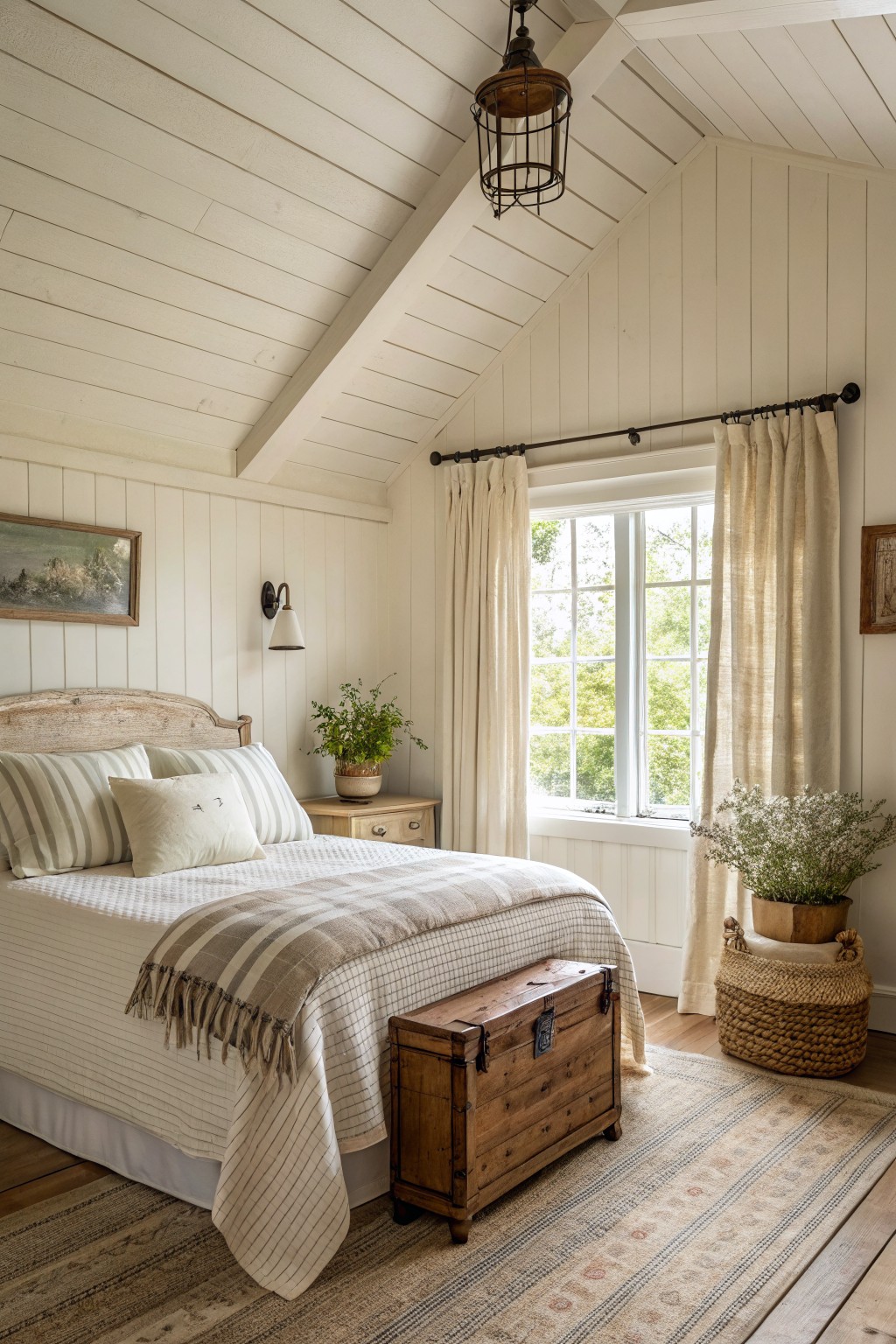
This bedroom uses a soft white on the walls that reads warm and bright at the same time. It is the kind of white that lifts a room without making it feel cold or empty.
It pairs easily with wood tones and simple trim. The color works best in rooms with limited light because it reflects what light is there without turning gray.
Soft Teal Bedroom Walls
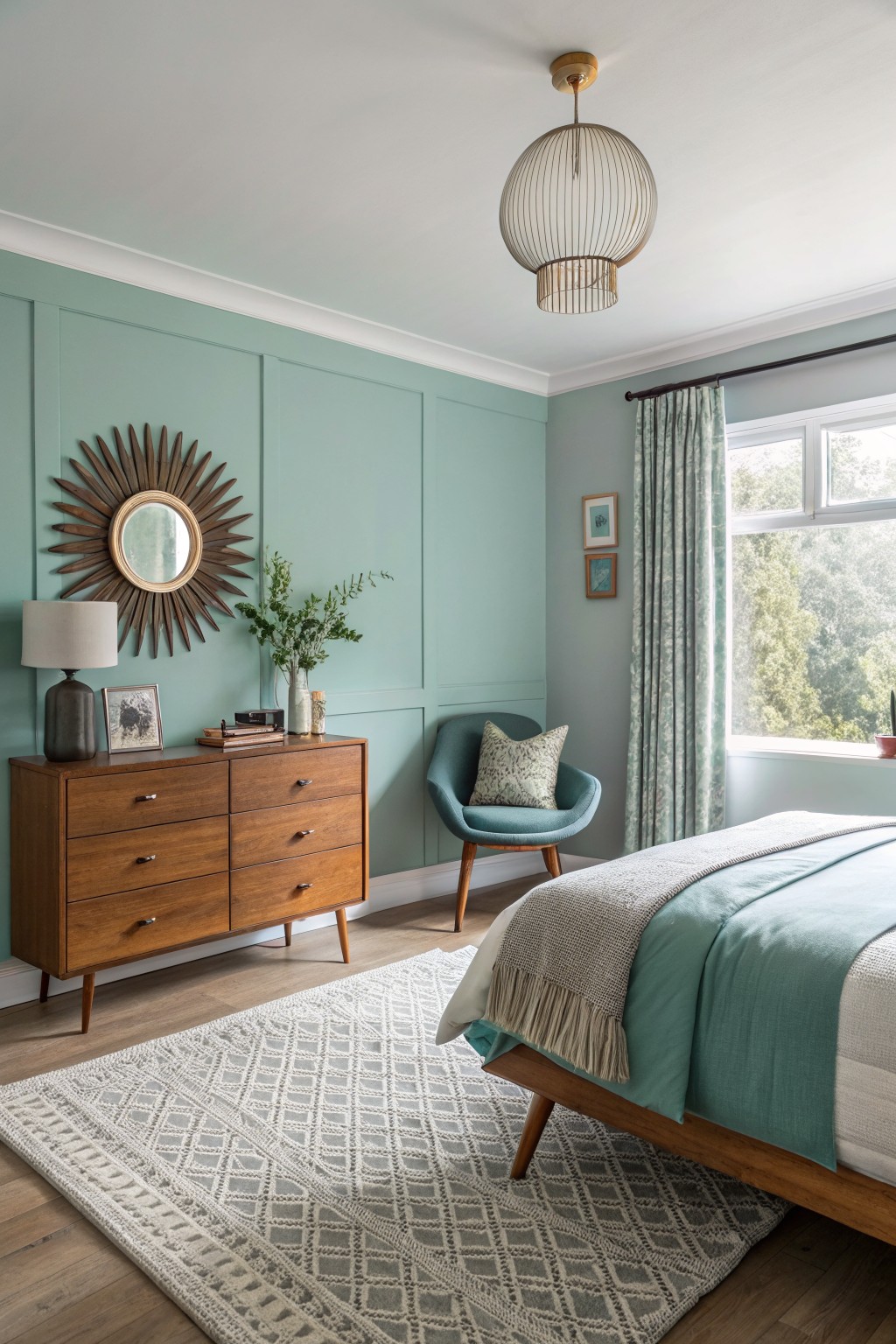
This soft teal color on the walls has a cool, muted tone that feels calm and open. It sits somewhere between green and blue, which helps it stay light even when natural light is limited.
It works best with warm wood tones and crisp white trim. The color can lean a little cooler under artificial light, so test a sample first if your room relies mostly on lamps.
Soft Pink Bedroom Walls
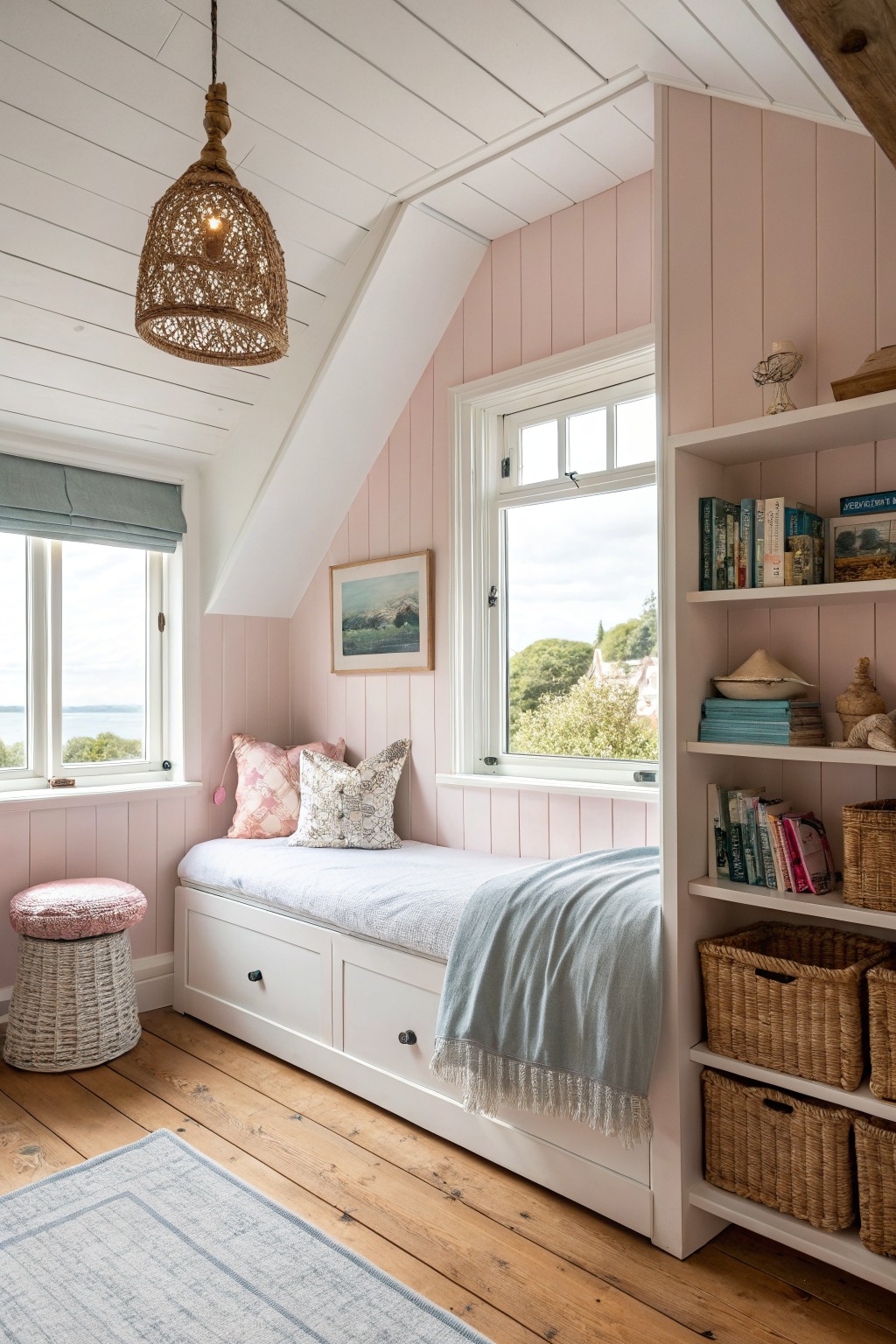
A soft blush pink brings gentle warmth to bedrooms that need more light. This color family sits between white and a true pink, so it brightens without turning sugary. It reads very close to Benjamin Moore Pink Ground, Farrow & Ball Cinder Rose, or Sherwin Williams Rosé.
The pale tone works best with crisp white trim and warm wood floors. Those pairings keep the pink from feeling flat and help the room stay airy even when windows are small. Watch the undertone in your own light, since cooler versions can lean gray while warmer ones stay softly peachy.
Gray-Green Bedroom Walls
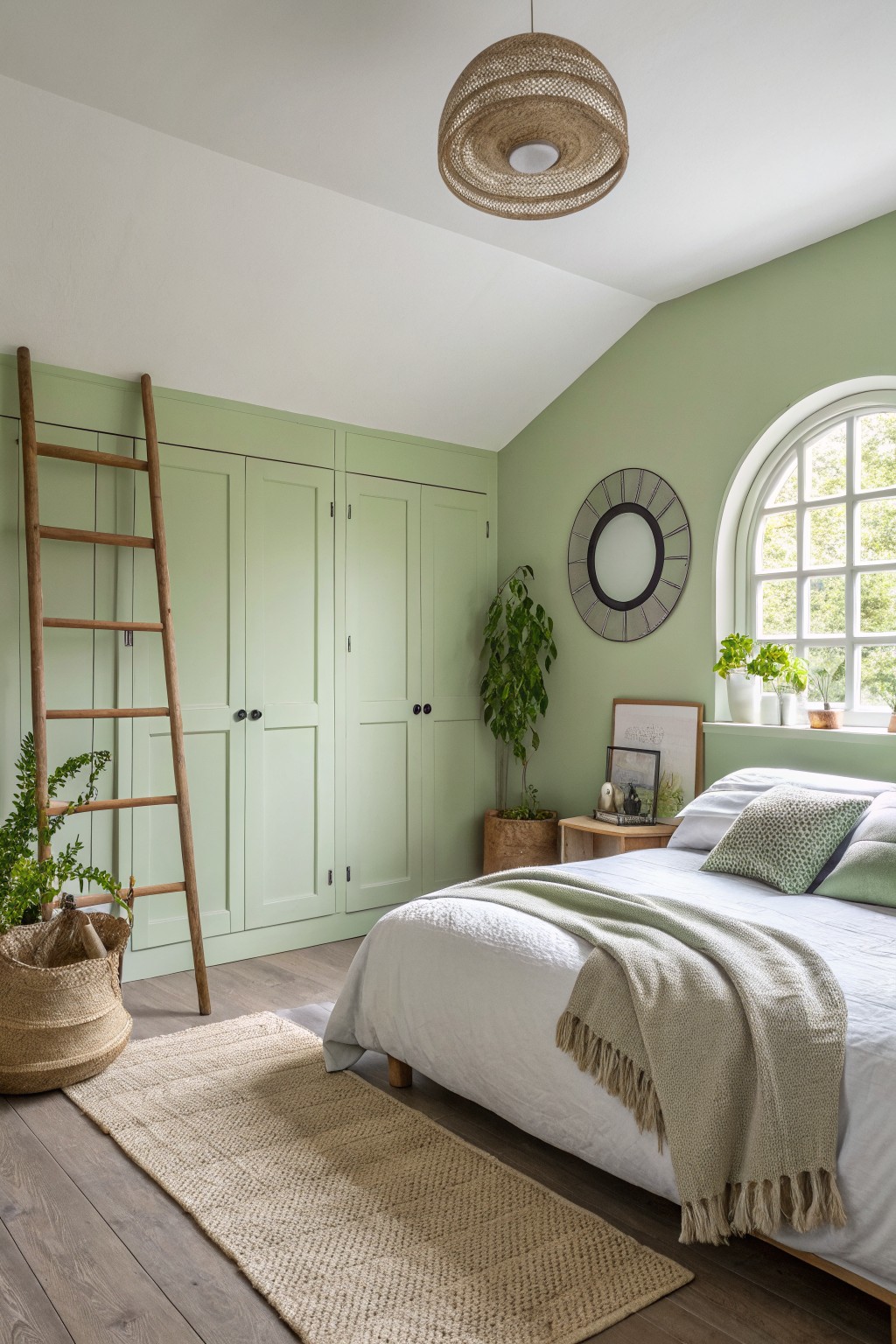
This soft sage green gives bedrooms a calm lift without feeling too bold. It sits right between gray and green so it stays light and easy even in rooms with smaller windows or less natural light.
The color has a quiet cool undertone that works well with wood floors and simple white bedding. It looks best when used on both walls and built-ins so the space feels connected and open rather than chopped up.
Soft Lavender Walls
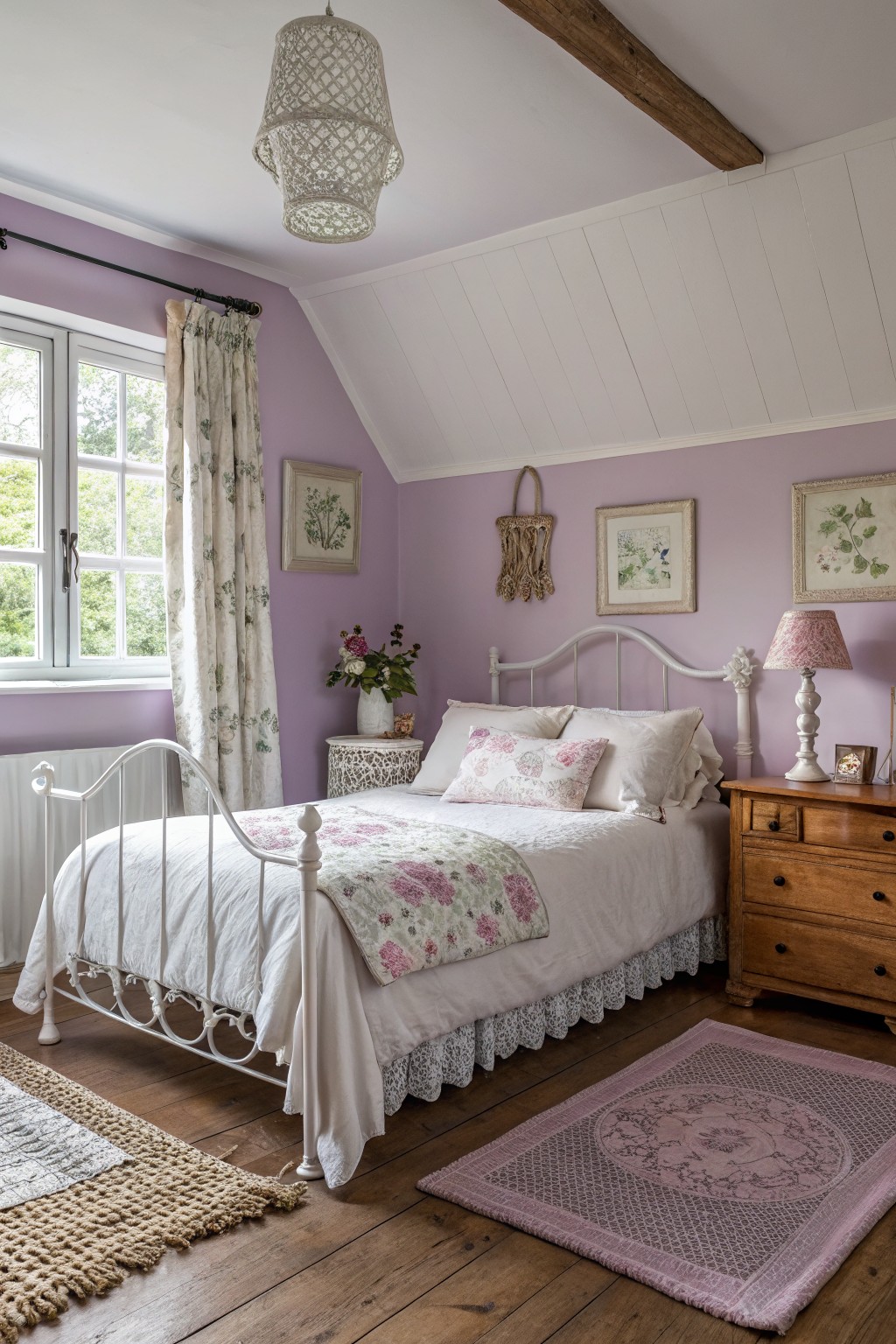
This bedroom uses a soft lavender on the walls. It is a light purple with cool undertones that keeps the space feeling open even when the windows are small.
The color pairs easily with white trim and wood floors. It works best in bedrooms that need a gentle lift without turning too sweet or overpowering the furniture.
Frequently Asked Questions
Q: How do I test these colors if my room barely gets any daylight?
A: Paint big samples on foam boards and prop them in the darkest corners. Check them morning and evening to see which ones actually lift the shadows. The winner is the shade that still feels bright when the lights are off.
Q: My furniture is all dark wood. Will any of these airy colors clash?
A: Stick with warm off-whites or the softest greiges from the list. They soften the contrast without fighting the wood tones. Cool blues or stark whites can make the furniture look heavier.
Q: What if I paint and the room still feels closed in?
A: Add one more layer of the same color on the trim. It removes hard lines and keeps the light moving. One extra coat often does more than switching shades.