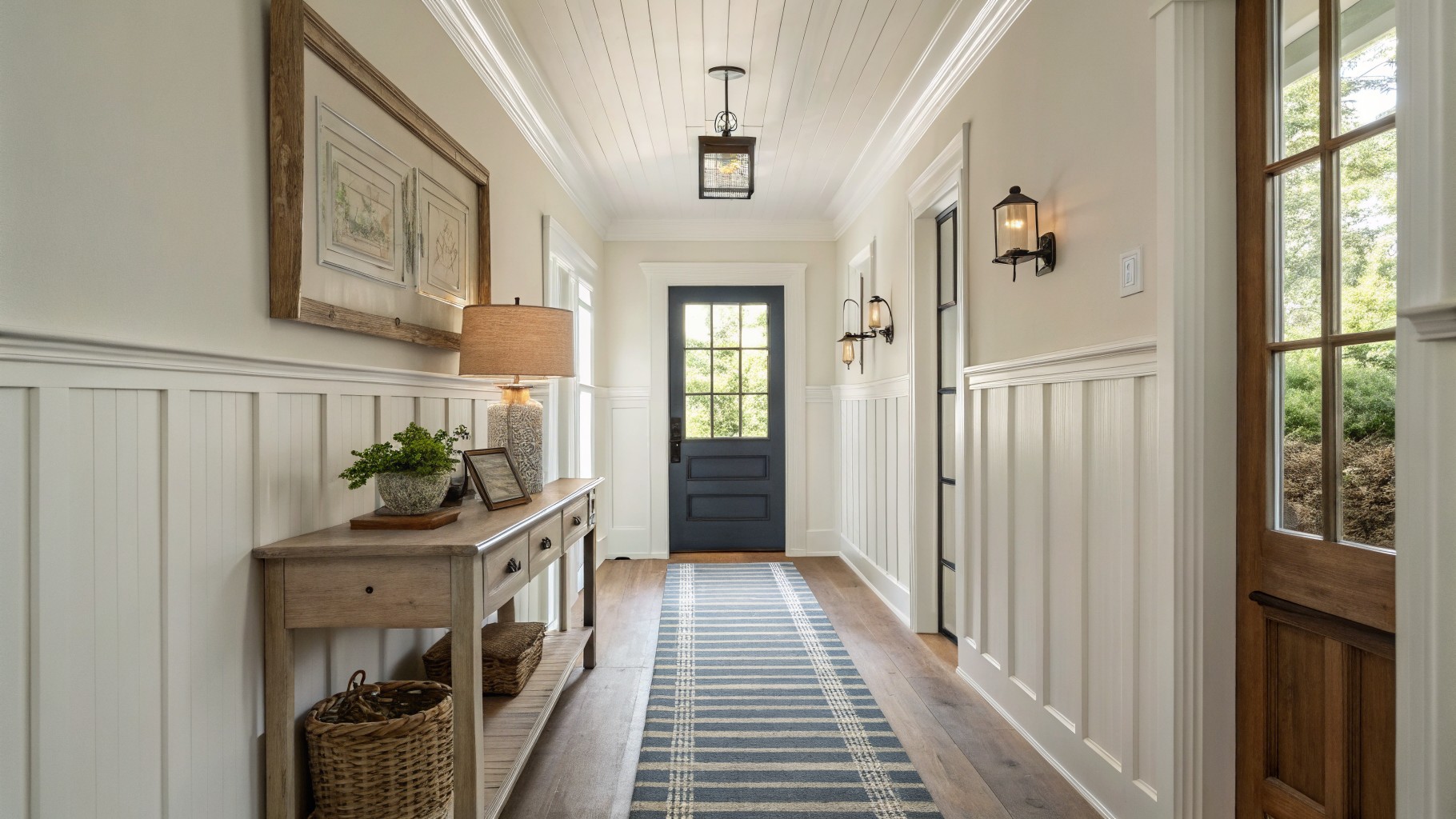
I have watched white paints change dramatically in my own small rooms depending on the time of day and how much light actually reaches the walls.
A shade that seems clean and bright on a sample board can pick up unexpected warmth or coolness once it meets the trim and flooring.
Undertones become obvious fast in low light.
The colors worth keeping are the ones that still feel balanced after furniture and daily shadows enter the picture.
I always put a few samples up for a full week before deciding.
Warm Creamy White For Hallways
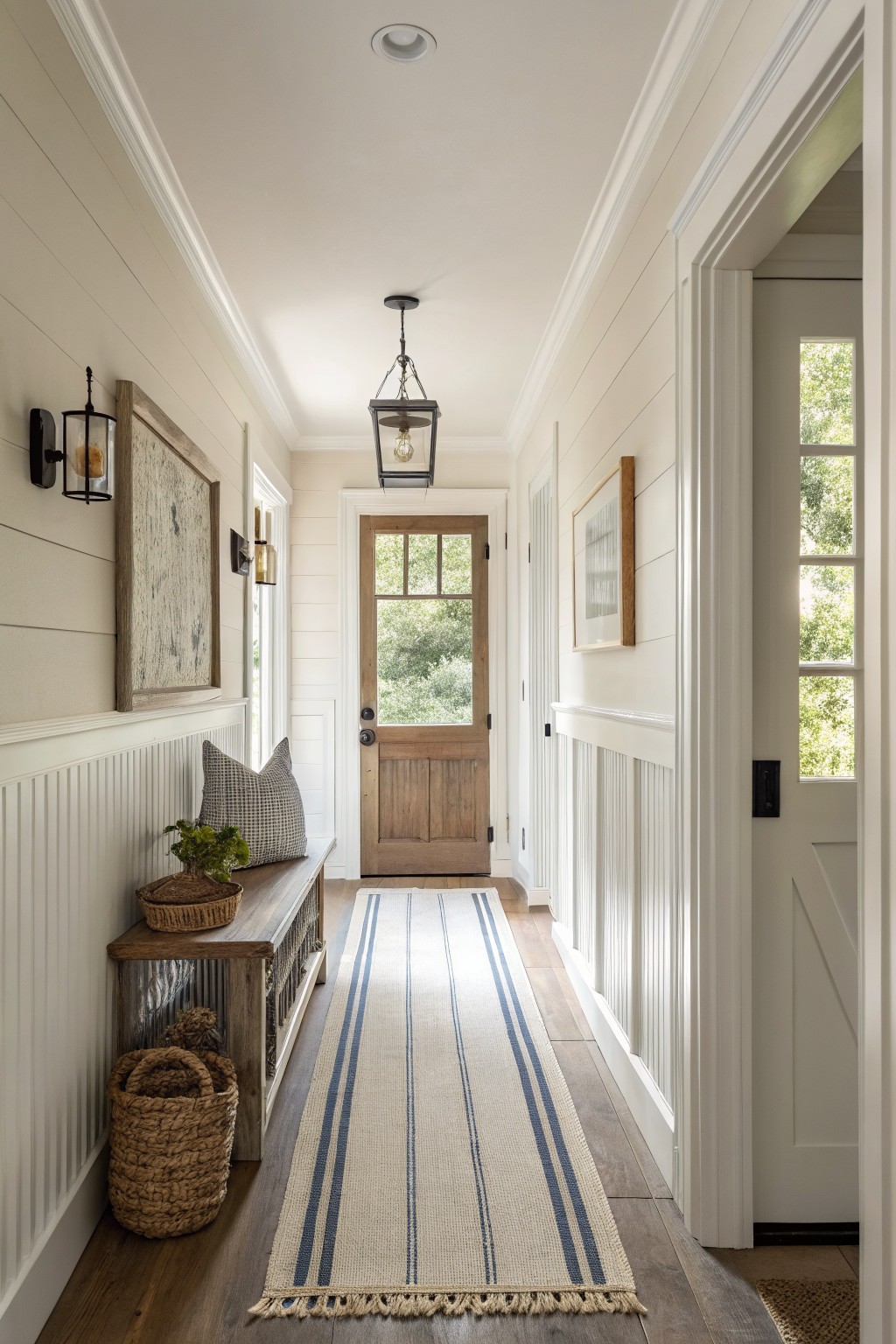
This hallway shows a warm creamy white on the walls. It gives the space a soft, light feel without turning stark, which helps in narrow spots or areas with limited natural light.
The color carries a gentle beige undertone that sits well next to wood floors and trim. It works best in farmhouse homes and pairs easily with natural wood tones or simple white millwork.
Soft Blue Gray Walls
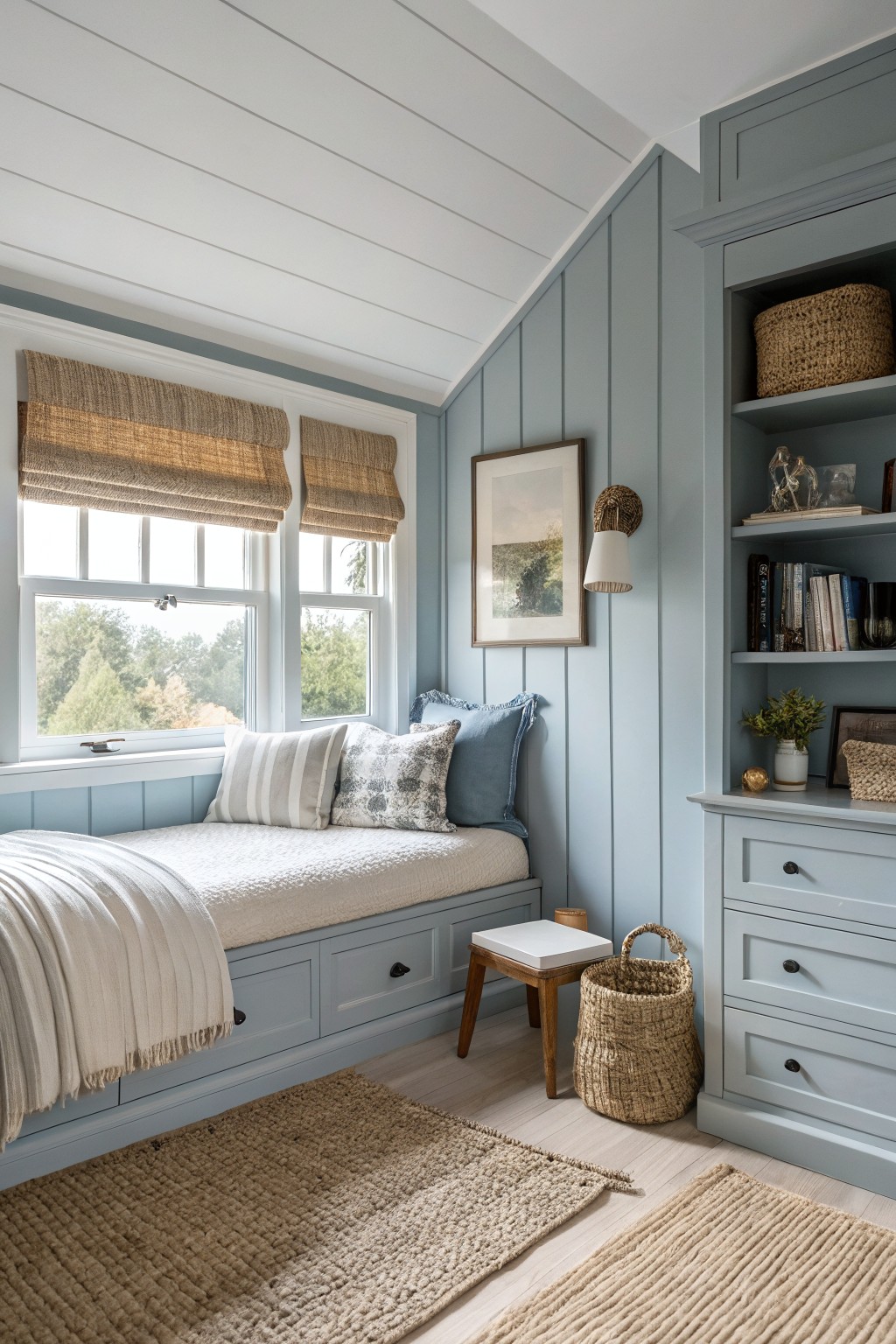
This soft blue gray gives walls a cool, quiet tone that feels light without being stark white. It has a muted blue cast with gray mixed in, which helps small rooms or low-light corners stay open and calm. The color reads closest to Sherwin Williams Silver Strand, Benjamin Moore Harbor Gray, or Behr Dusty Blue.
It works best with crisp white trim and light wood floors, since those keep the undertone from turning too chilly. In a farmhouse setting the blue gray adds a gentle shift from all-white walls while still keeping the space feeling airy.
Soft Yellow Walls
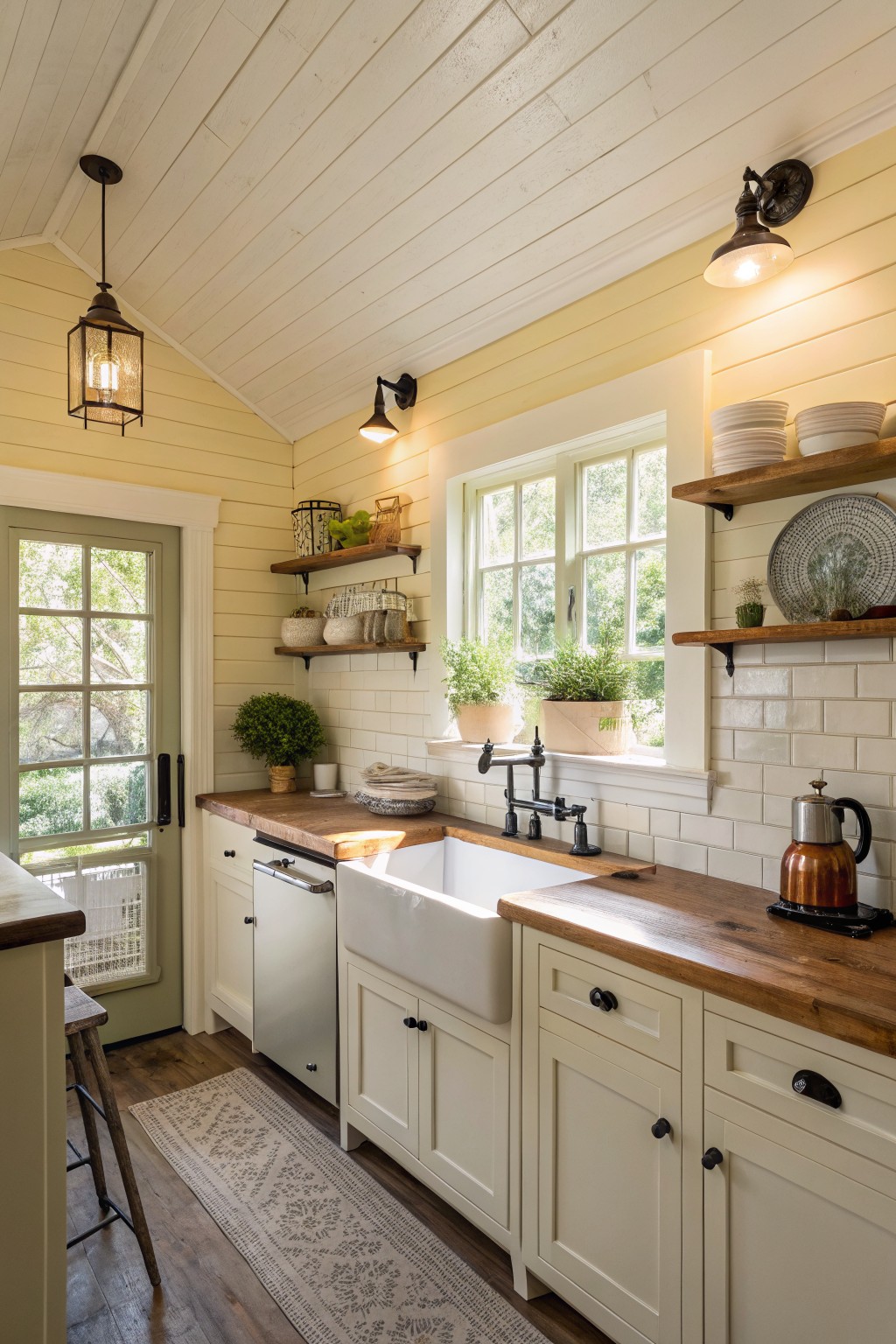
This warm pale yellow sits right between white and a true yellow. It gives small rooms a gentle lift without making them feel stark or too bright.
The color has a light cream undertone that works well with wood counters and white trim. It holds up nicely in low light and pairs easily with most farmhouse details.
Soft sage green walls
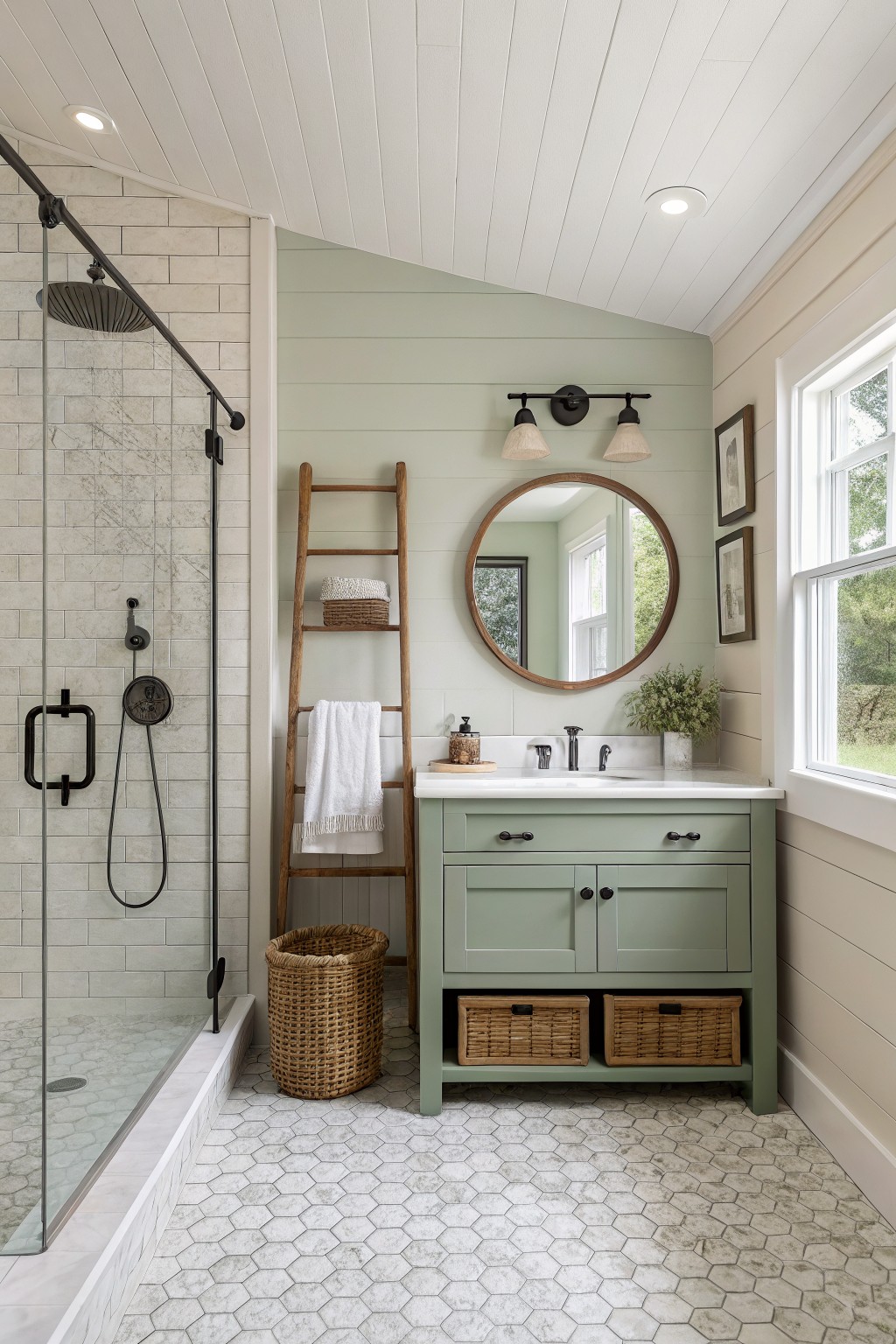
This soft sage green brings a gentle color to small bathrooms without feeling heavy. It has a light, slightly grayed tone that keeps the room feeling open even when light is limited.
It pairs nicely with white ceilings and trim, and the same color on the vanity helps tie everything together. Watch how it shifts a little cooler in the afternoon if your windows face north.
Creamy White Walls
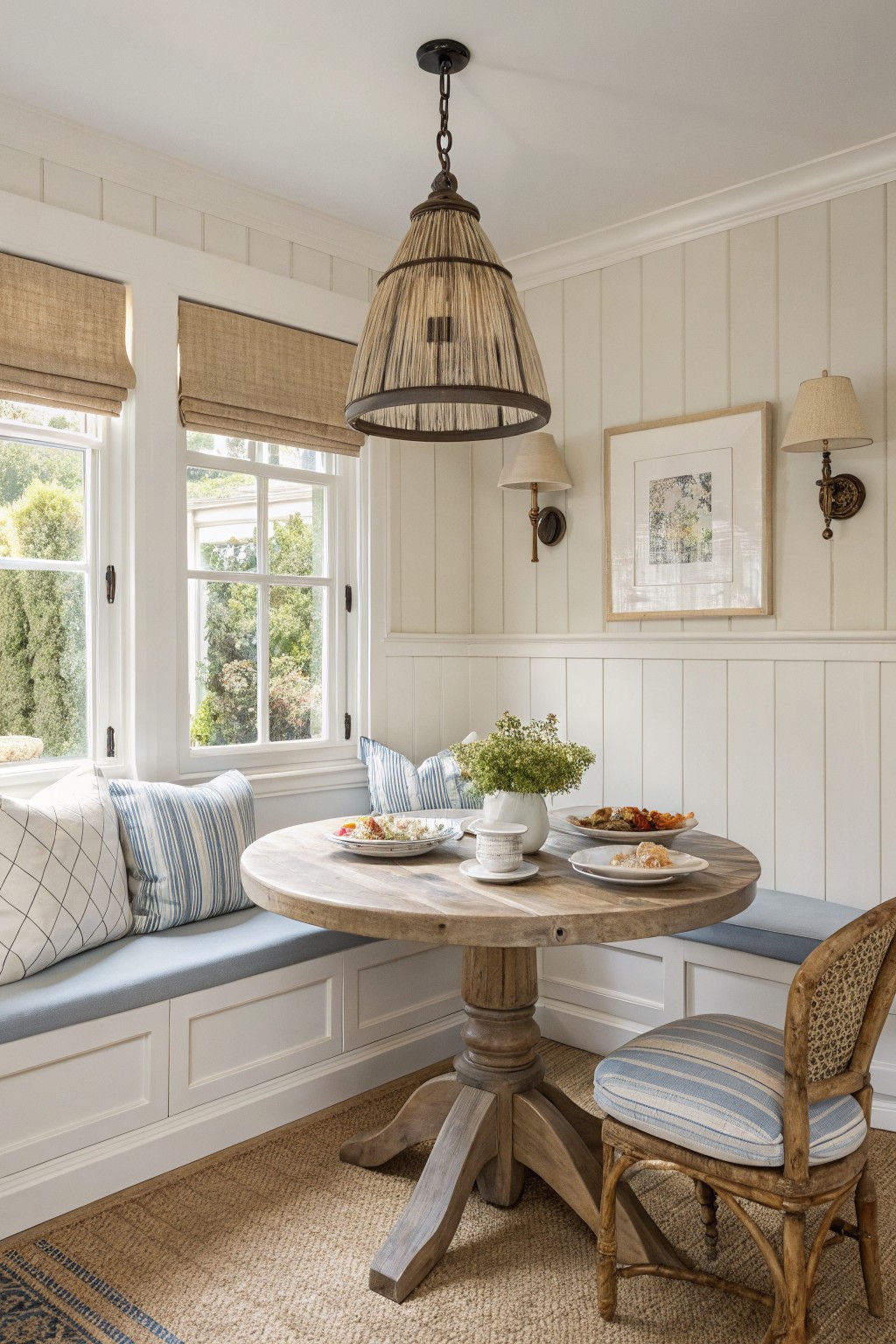
This breakfast nook uses a warm off white on the walls and wainscoting. The color stays light enough to open up the small space while adding just enough warmth to keep the room from feeling cold.
It has a soft cream undertone that sits nicely next to wood tones and blue fabrics. The same shade works well in other small rooms that get limited light, especially when paired with simple trim and natural textures.
Soft Blue Paneling
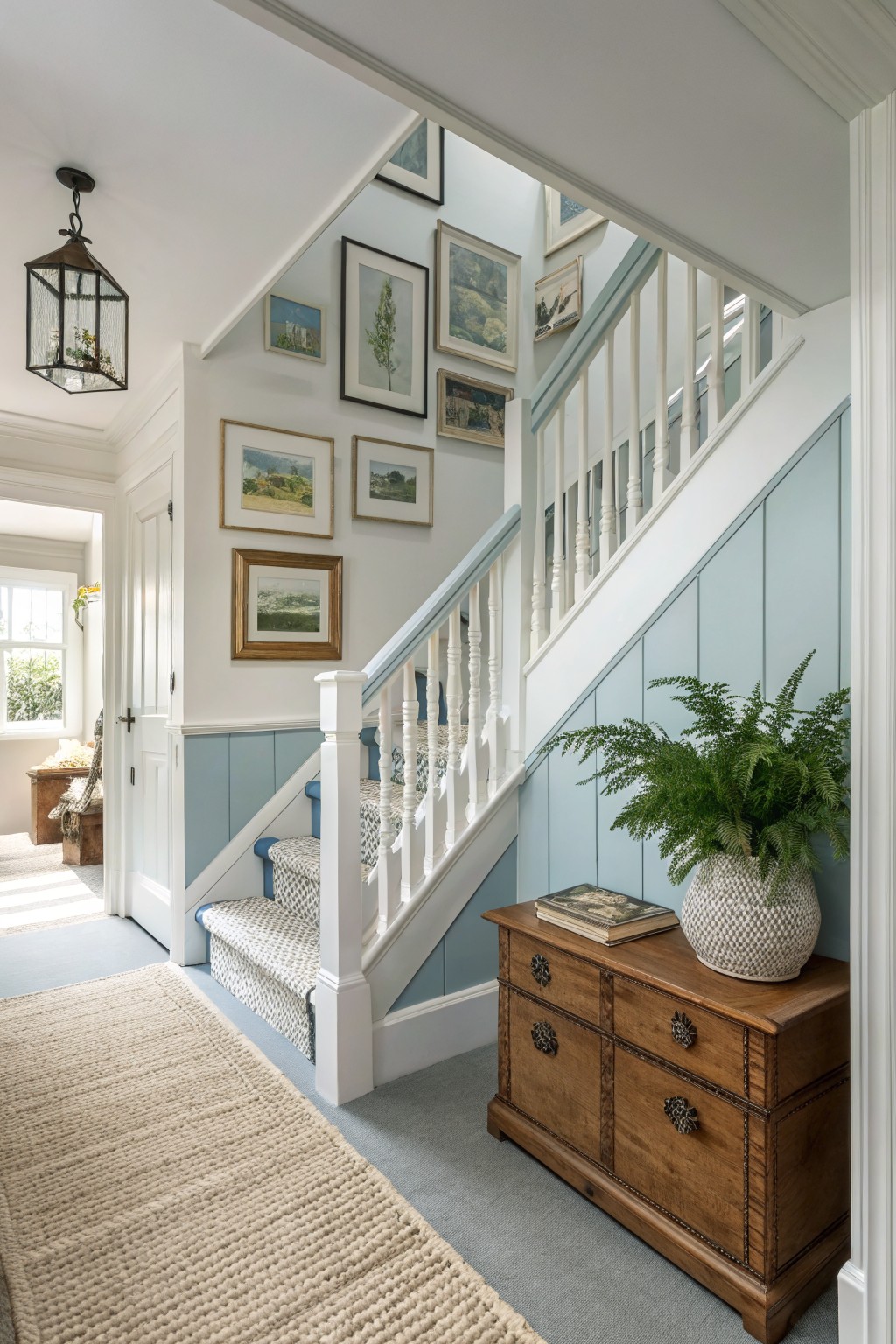
This soft blue on the lower walls reads as a cool, light gray-blue that stays airy even in a narrow stairwell. It has enough gray in it to feel calm rather than bright, which helps small hallways feel a little more open without going fully white.
The color works best with crisp white trim and warmer wood tones nearby. In low light it can lean a touch cooler, so it helps to test it on a larger patch first if your hallway gets limited sun.
Bright White Walls
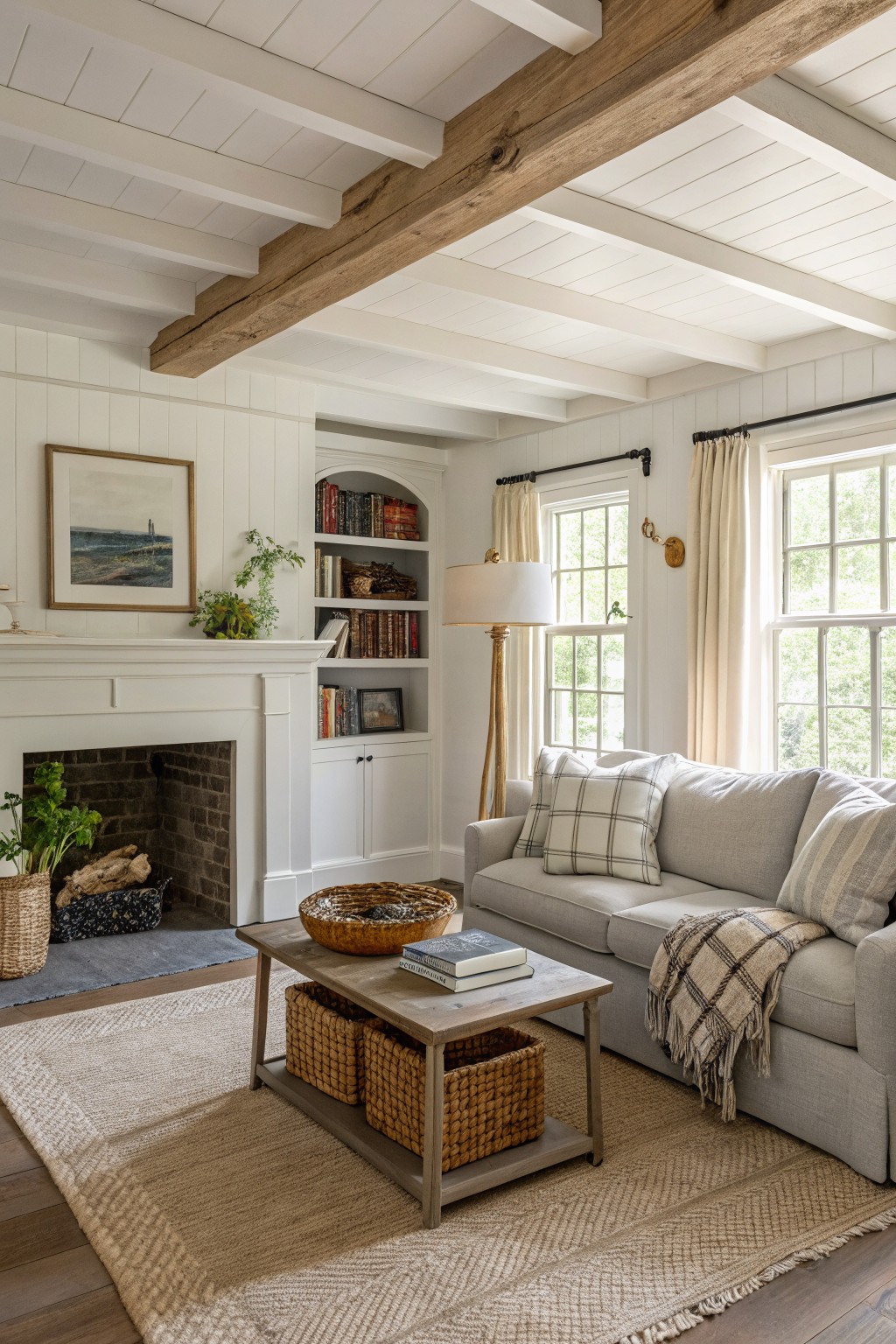
This bright white keeps the walls feeling open and light even when the room has wood beams overhead. It reads as a clean white with almost no undertone, which helps it stay consistent next to both the dark fireplace brick and the natural wood tones.
It works best with simple trim and warm wood accents rather than anything too cool or gray. Try Benjamin Moore Chantilly Lace, Sherwin Williams Pure White, or Behr Ultra Pure White if you want a similar crisp look in a small or low-light space.
Soft Blue Gray Walls
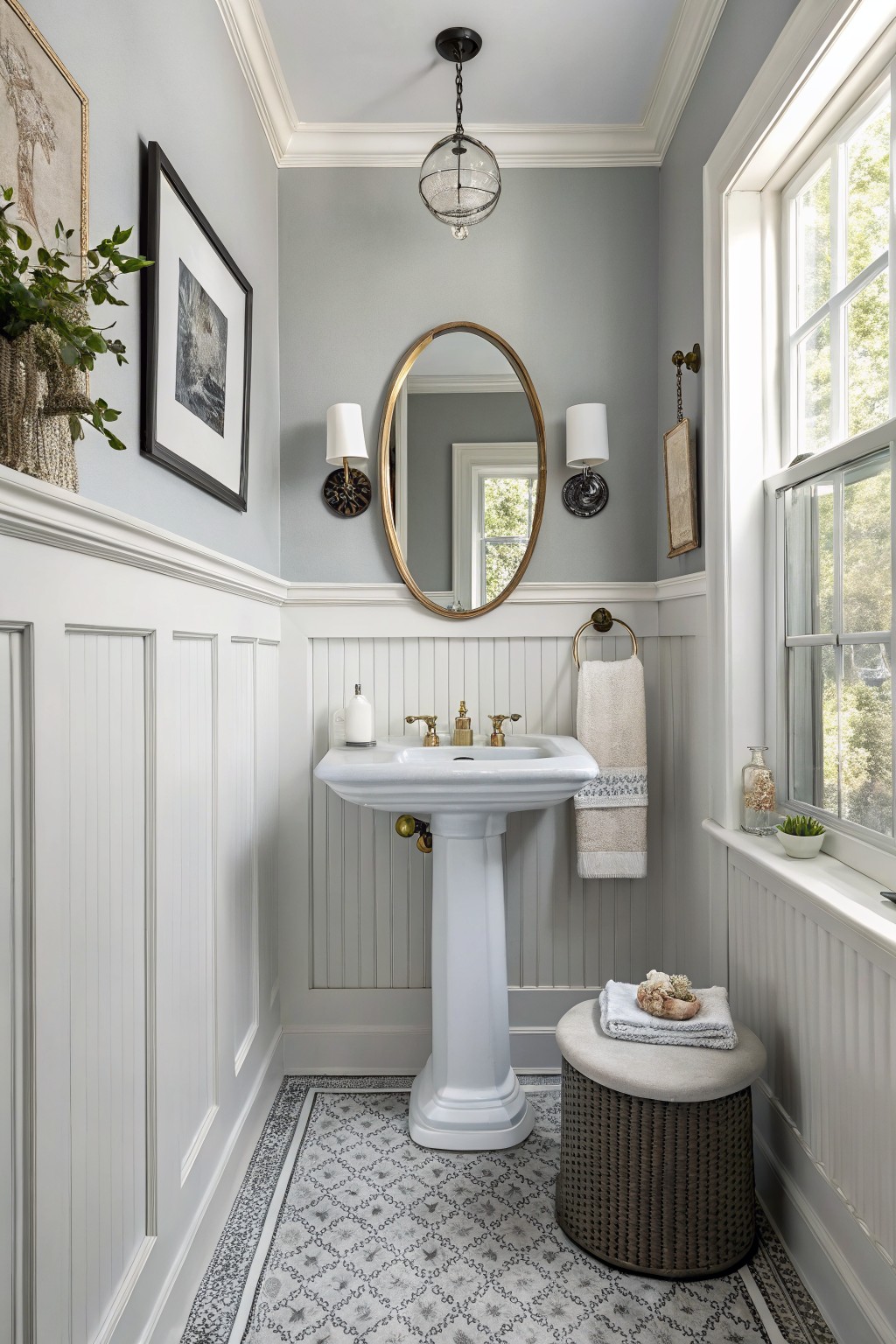
This light blue gray sits right in the middle between a true gray and a soft blue. It keeps the room feeling open without going too cool or stark. Colors in this range often read close to Sherwin Williams Rainwashed or Benjamin Moore’s Palladian Blue, with Behr’s Silver Drop as another close option.
The cool undertone holds steady in smaller spaces and low light, and it looks clean against white wainscoting and trim. It works best when you want a gentle shift from plain gray while still keeping the room feeling calm and simple.
Creamy White Built-ins
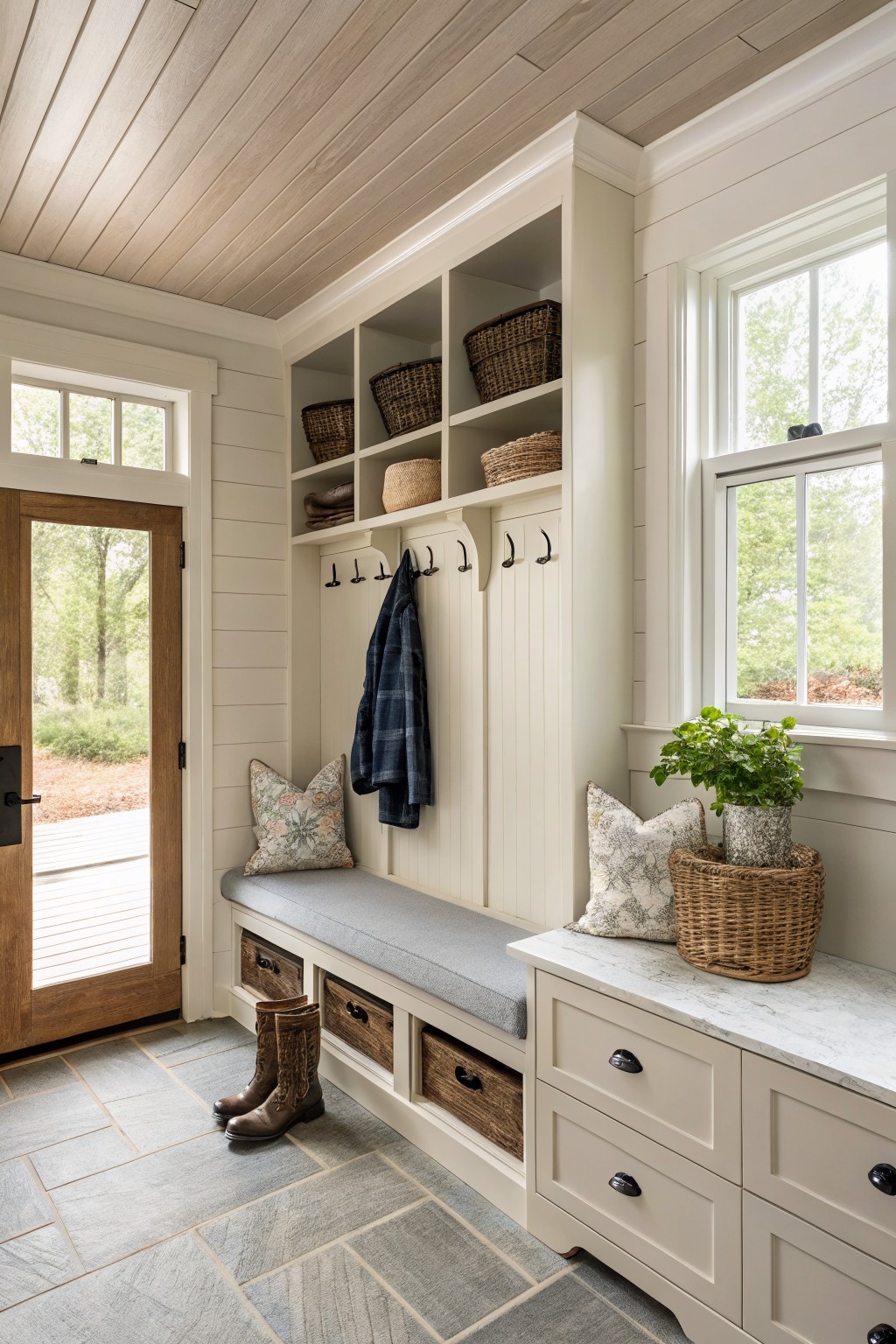
This warm off-white reads soft and light on the cabinetry and walls. It has a gentle creamy tone that keeps the space feeling open even with all the built-in storage and limited natural light. Many people choose this kind of white in small entry areas because it brightens without looking stark next to wood floors and darker accents.
It works well with warm wood tones and simple black hardware. Watch how it shifts a bit warmer in low light, so test it in the actual room before committing. Good matches include Sherwin Williams Alabaster, Benjamin Moore White Dove, Behr Creamy White, and Farrow & Ball Pointing.
Soft Blue Gray Cabinets
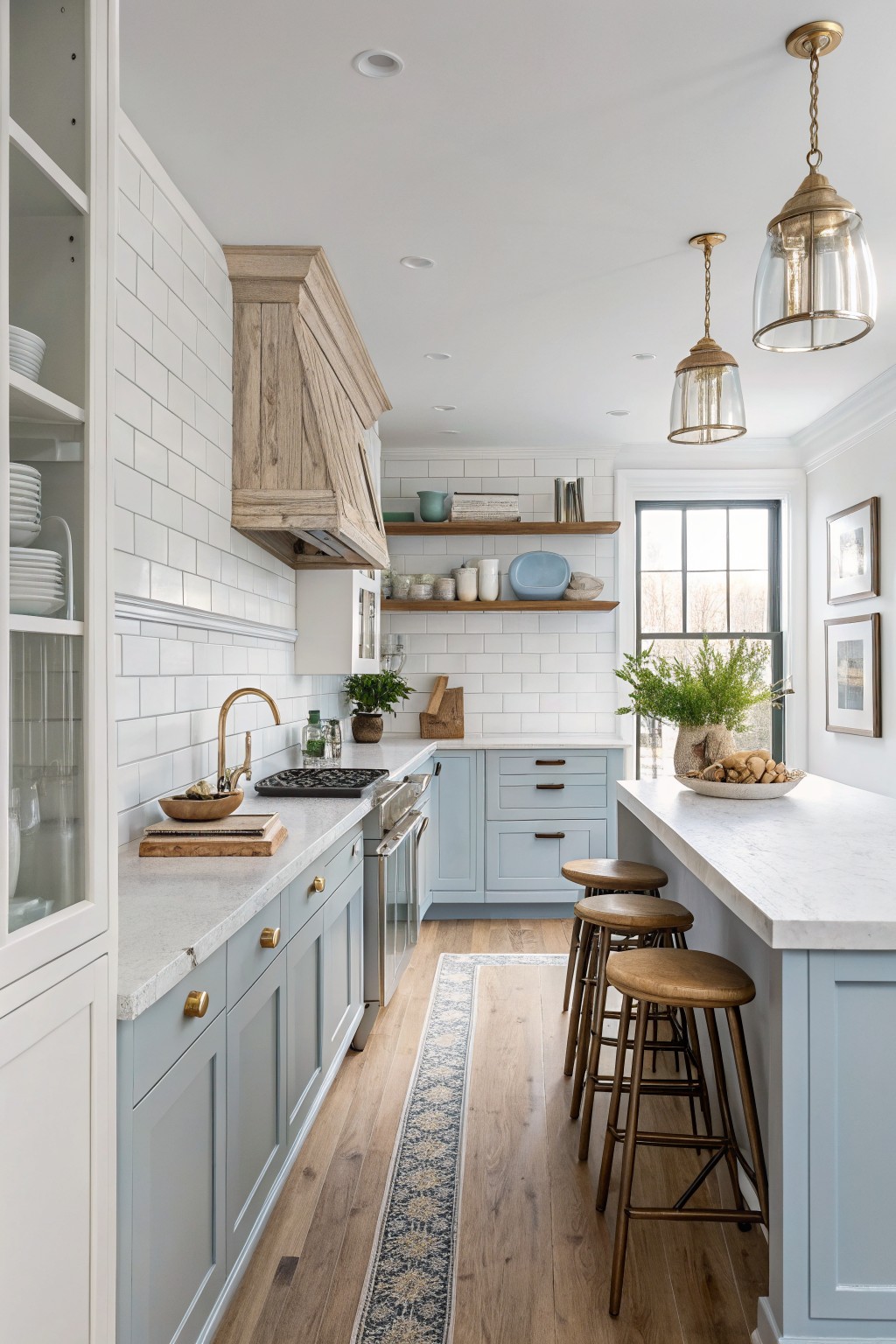
This soft blue gray reads as a gentle, muted color that feels light without turning stark. It has enough depth to ground the room while still keeping things open and calm in smaller spaces.
The undertone leans cool, so it sits nicely against white tile and warm wood floors. It works well on cabinets in kitchens or built-ins where you want a bit of color but still need the space to feel airy. Pair it with brass hardware or natural wood to keep it from looking too chilly.
Warm Peach Walls
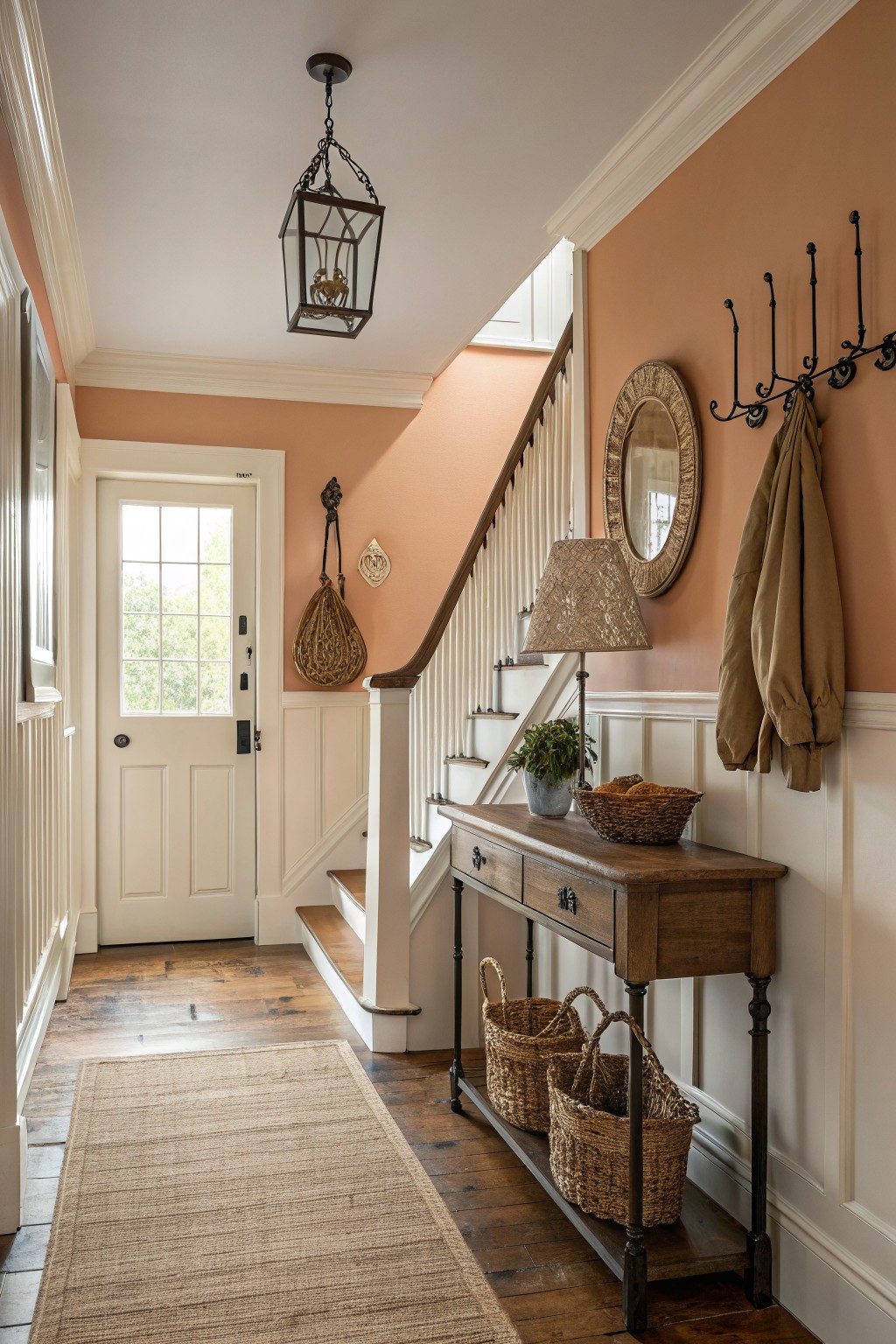
This warm peach paint color gives a soft glow to narrow hallways without making them feel smaller. It is a light, muted peach with gentle orange undertones that keeps the space feeling open even when light is limited.
The color sits well next to white trim and dark wood floors. It works best in simple farmhouse settings where you want a bit of warmth but still need the room to stay airy.
Creamy White Walls
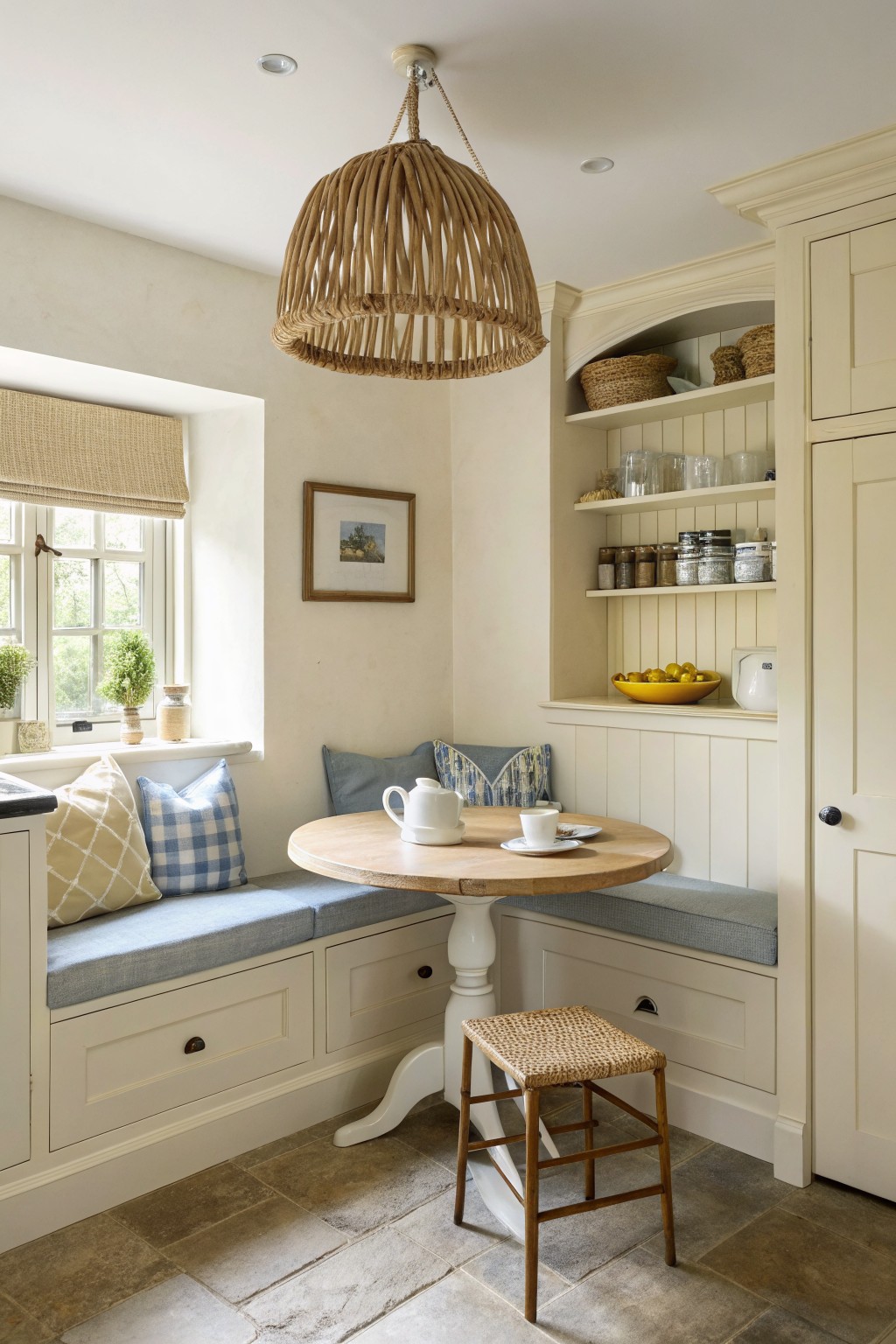
This small built in corner uses a warm creamy white on the walls that feels soft without turning yellow. It has enough warmth to sit comfortably next to the wood tones and stone floor while still keeping the space feeling light.
The color reads best in rooms with limited light and works well with painted cabinetry in a similar tone. It pairs easily with natural textures like woven shades or linen cushions and avoids the stark look that cooler whites can bring to tight areas.
Soft Blue Gray Walls
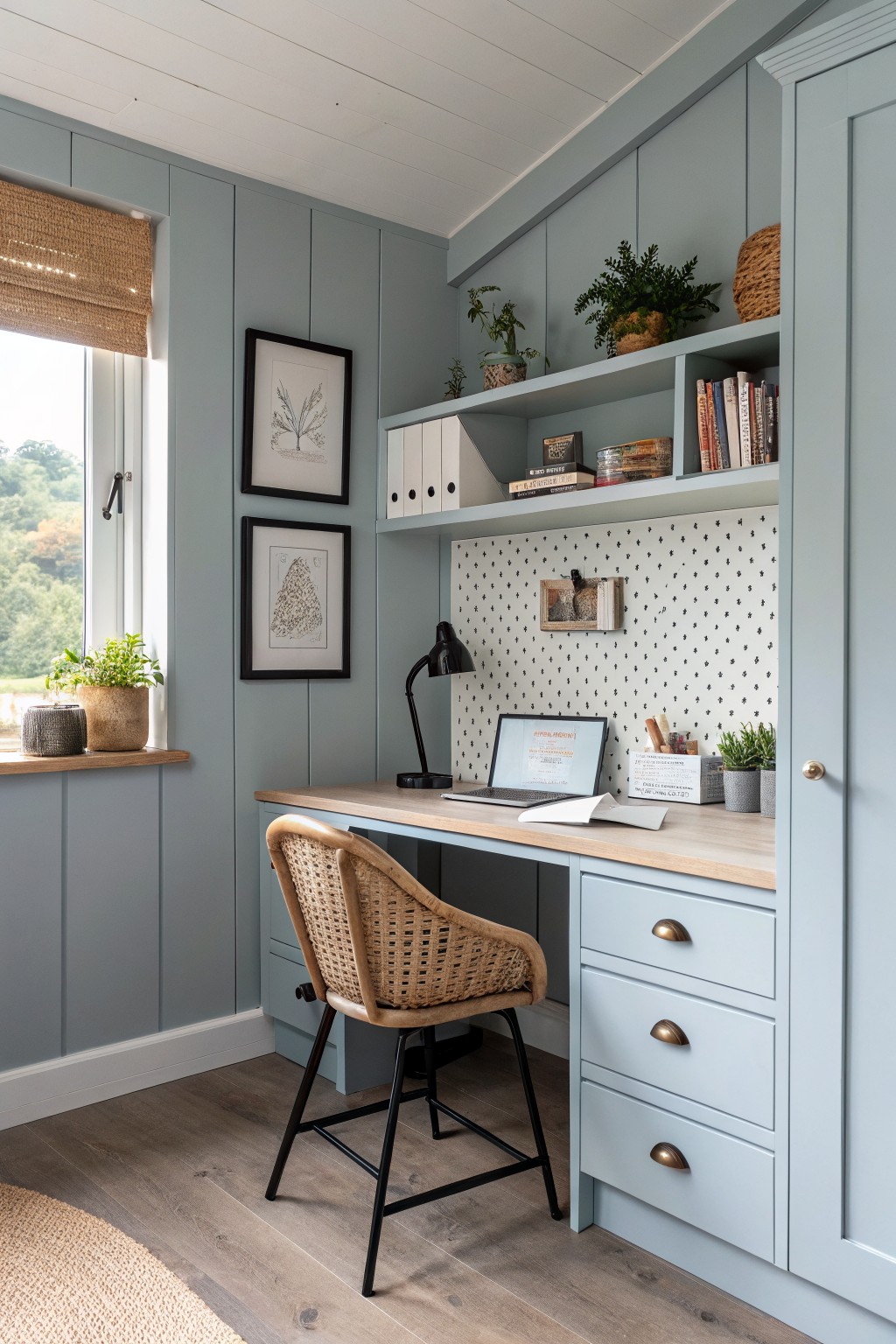
This soft blue gray gives small rooms a quiet, open feel without turning cold. It sits in that middle ground between gray and blue, so it stays light even in low light and works nicely with wood tones and simple built ins.
It has a slight cool lean that pairs best with warm flooring and natural textures. In tighter spaces it can read a little more gray if the light is weak, so test a sample on the wall first before committing.
Creamy White Built-Ins
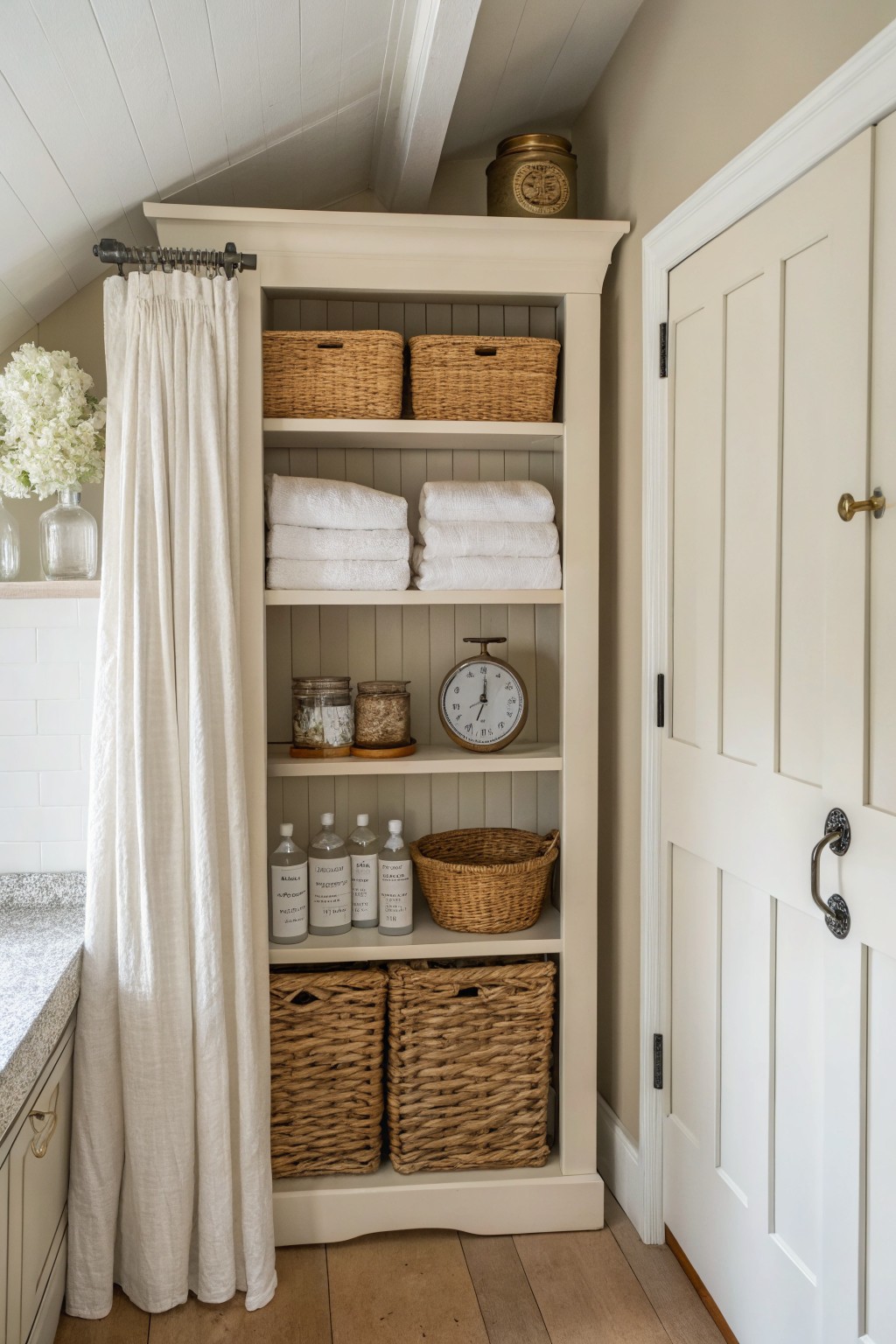
This built-in uses a creamy white that stays soft without turning stark. It has that same feel as Benjamin Moore White Dove or Sherwin Williams Alabaster, with a touch of warmth that keeps the space from feeling cold in low light.
The color works well on cabinetry like this because it sits nicely next to wood tones and natural textures. It suits small rooms or narrow hallways where you want light without going too bright or cool.
Soft White Walls For Narrow Hallways
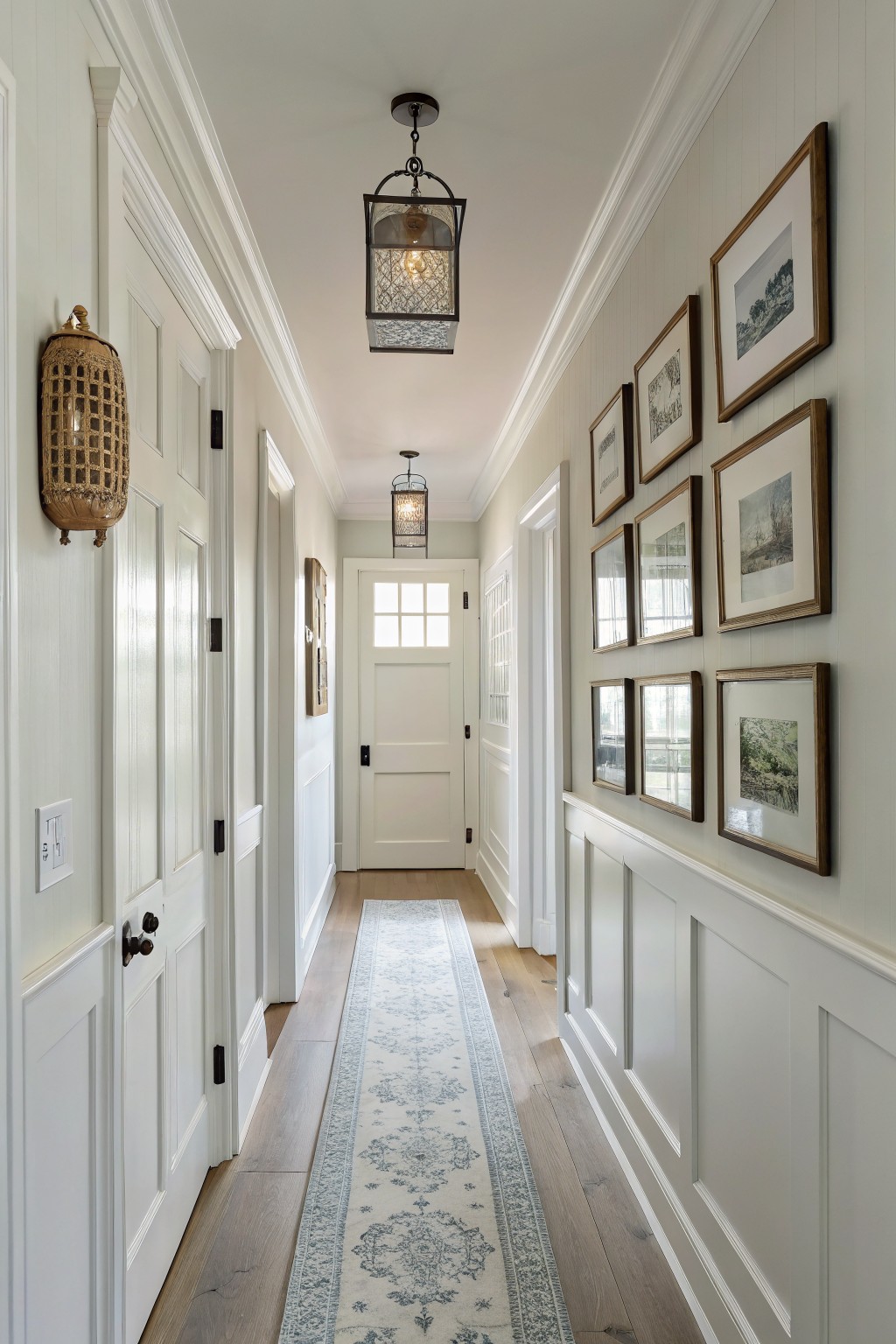
This soft white keeps the space feeling open even with limited natural light. It has a gentle warmth that prevents the color from looking flat or cold against the wood floors.
The shade works best with crisp white trim and simple wood tones. It can read slightly creamier in low light, so test it in the actual hallway before committing.
Soft Butter Yellow Walls
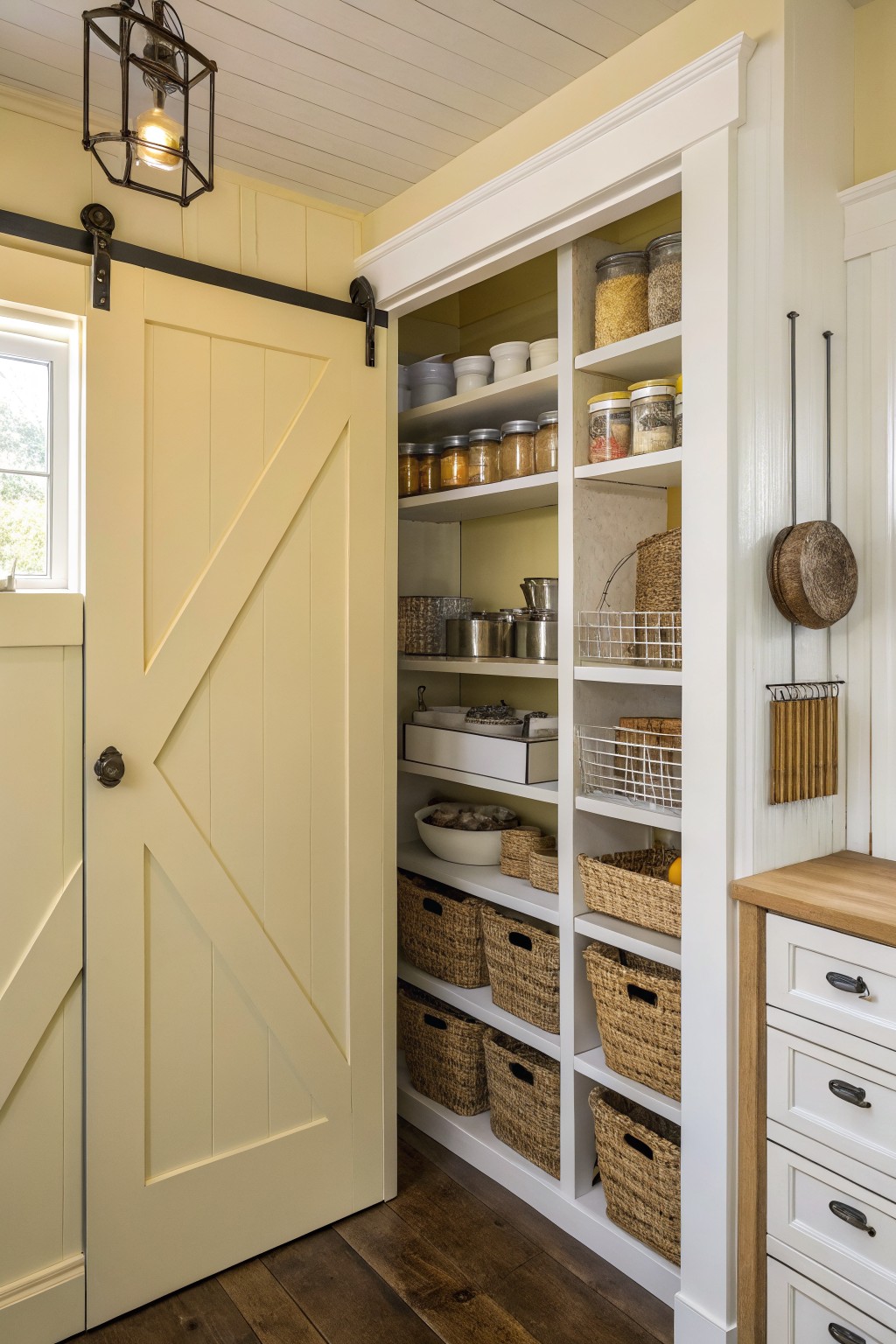
This is a warm pale yellow with creamy undertones that feels light without going stark. It works especially well in small rooms or narrow spaces because the warmth keeps things from feeling cold or flat under low light.
It sits nicely next to white trim and wood tones, though it can pick up a slight green cast in cooler lighting. Good matches include Sherwin Williams Friendly Yellow, Benjamin Moore Pale Moon, or Behr Lemon Meringue.
Creamy White Walls
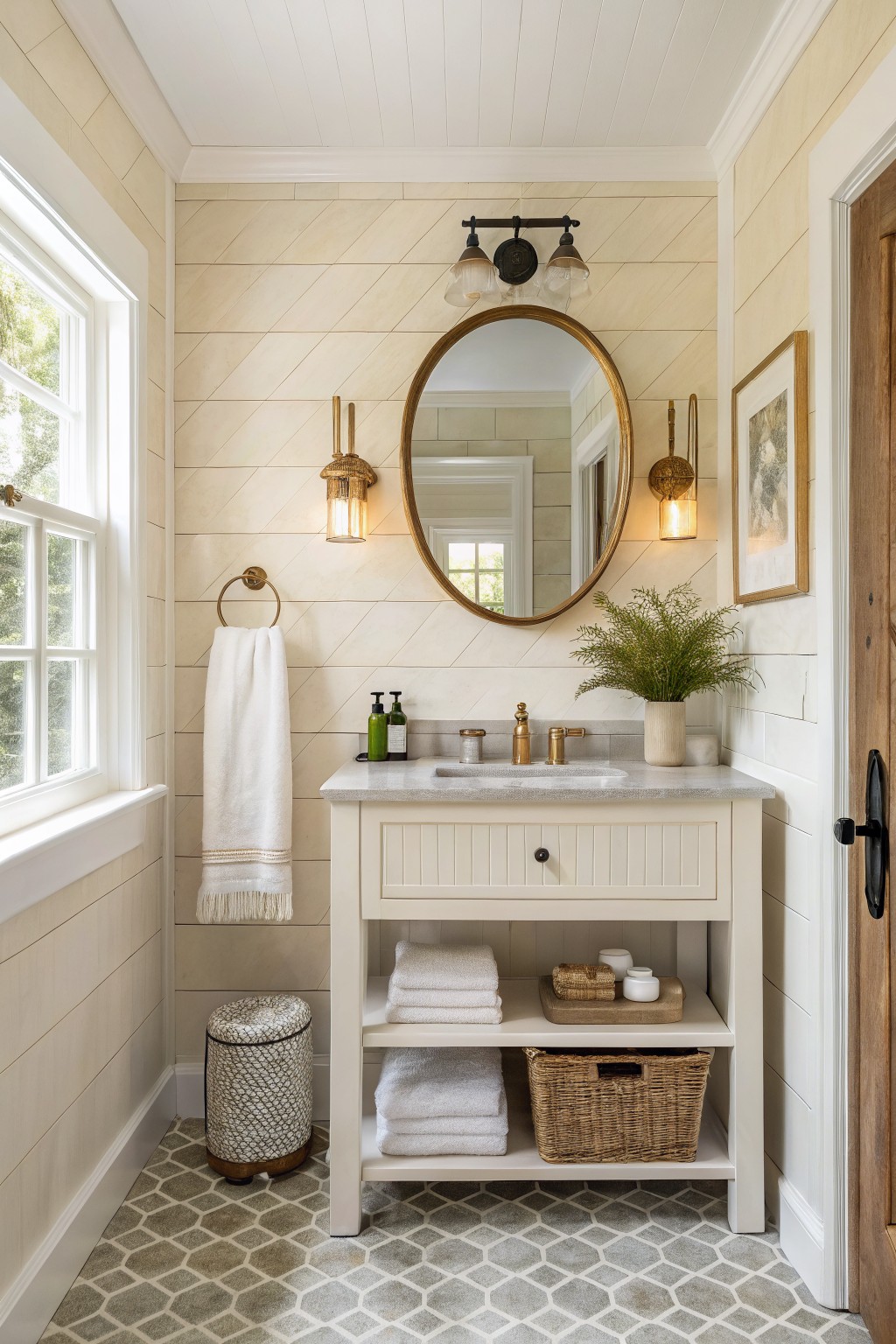
This bathroom shows a warm creamy white on the walls that feels soft and light without turning stark. It sits close to shades like Sherwin Williams Alabaster, Benjamin Moore Cloud White, or Behr Simply White.
The slight warmth helps it sit nicely with wood tones, stone counters, and brass fixtures. It works especially well in small bathrooms or narrow spaces where you want brightness but still need a bit of depth so the room does not feel flat.
Warm Off-White Paneling
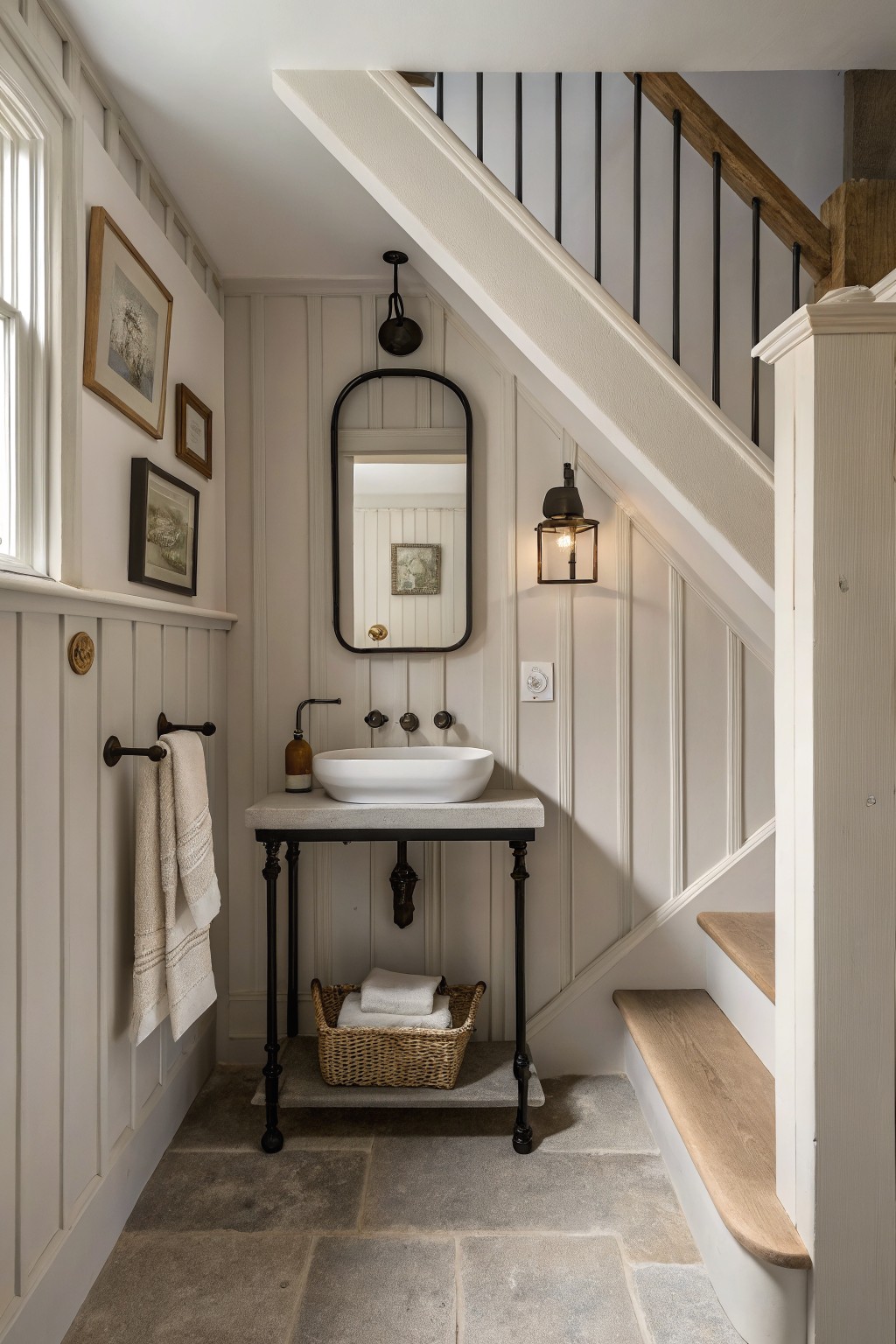
This warm off-white reads as a soft, slightly creamy white that keeps narrow hallways feeling open even with low light. It has a gentle warmth that works well on vertical paneling and helps the space feel calm rather than stark.
The color sits nicely against dark metal accents and stone floors without competing with them. It suits small bathrooms, stair areas, and tight hallways where you want brightness but still need a bit of depth. Try it with Benjamin Moore Cloud White, Sherwin Williams Creamy, Behr Antique White, or Farrow & Ball Pointing.
Soft white walls
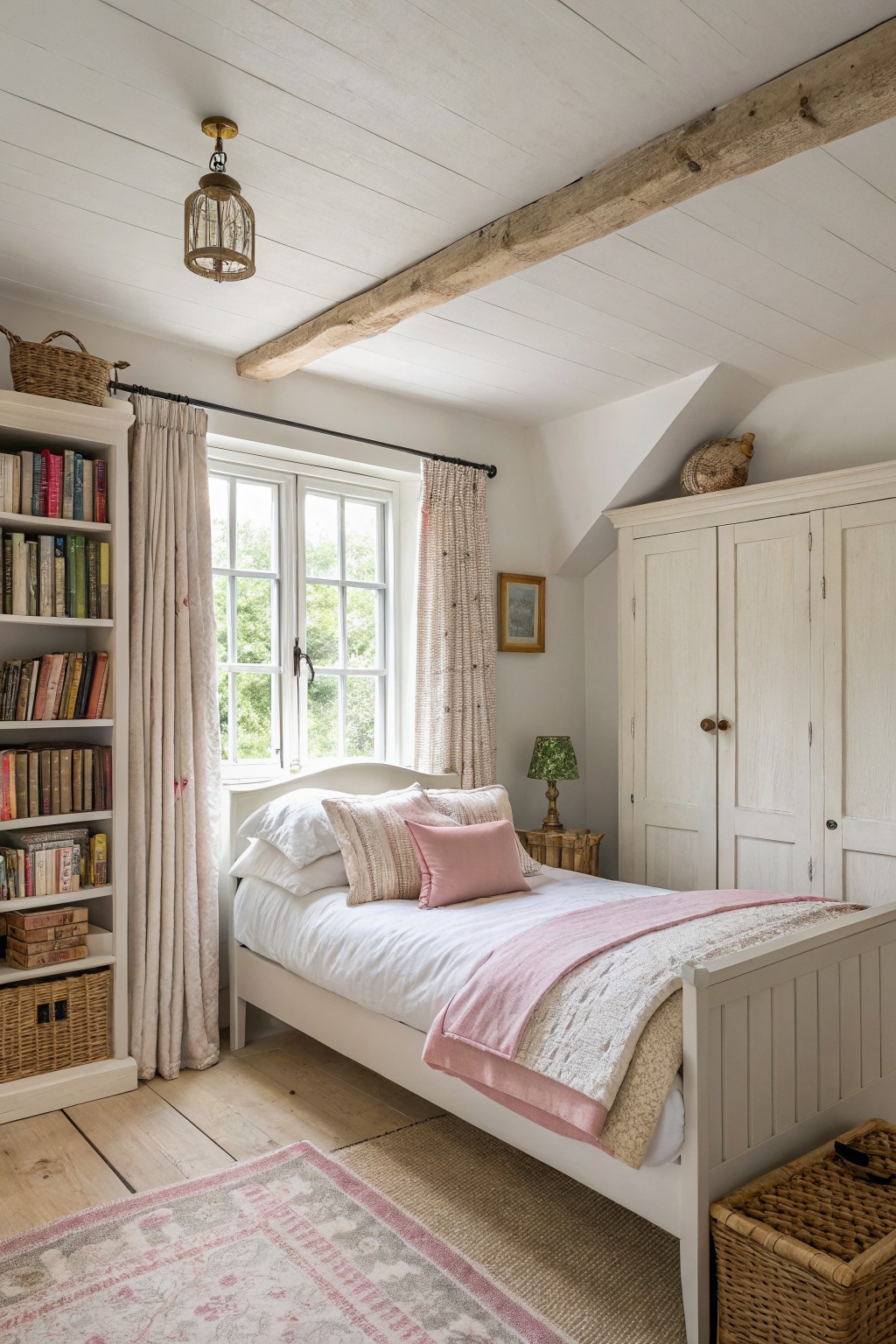
This bedroom uses a soft white on the walls that reads warm and quiet rather than bright or stark. It sits nicely against the wood ceiling beam and floor, giving the room an easy, open feel without making the space look too stark.
The color has a slight creamy undertone that helps it stay cozy in lower light. It pairs well with natural wood and simple white trim, and it works best in smaller bedrooms where you want light without a cool or washed-out look. Similar shades include Sherwin Williams Alabaster, Benjamin Moore Cloud White, and Farrow & Ball Pointing.
Creamy White Kitchen Cabinets
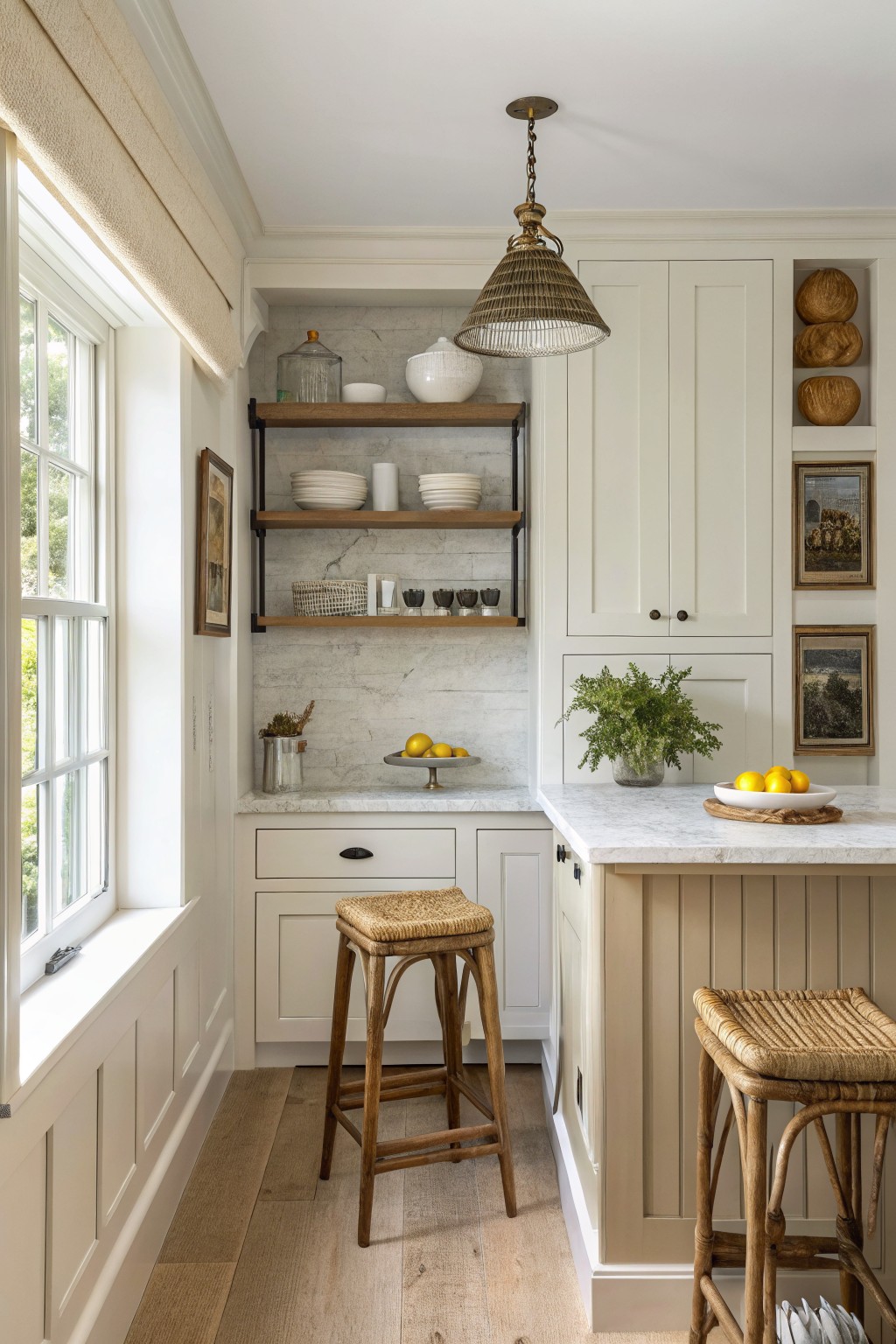
This is a warm white with a soft beige undertone that keeps the room feeling light without turning cold. It works well in small kitchens or narrow spaces because it reflects light gently while still giving the cabinets some depth next to wood tones and stone.
It pairs nicely with natural wood shelves, light flooring, and simple hardware. Watch the lighting though, since the beige undertone can shift a bit warmer in low light or next to very cool marble.
Soft sage walls
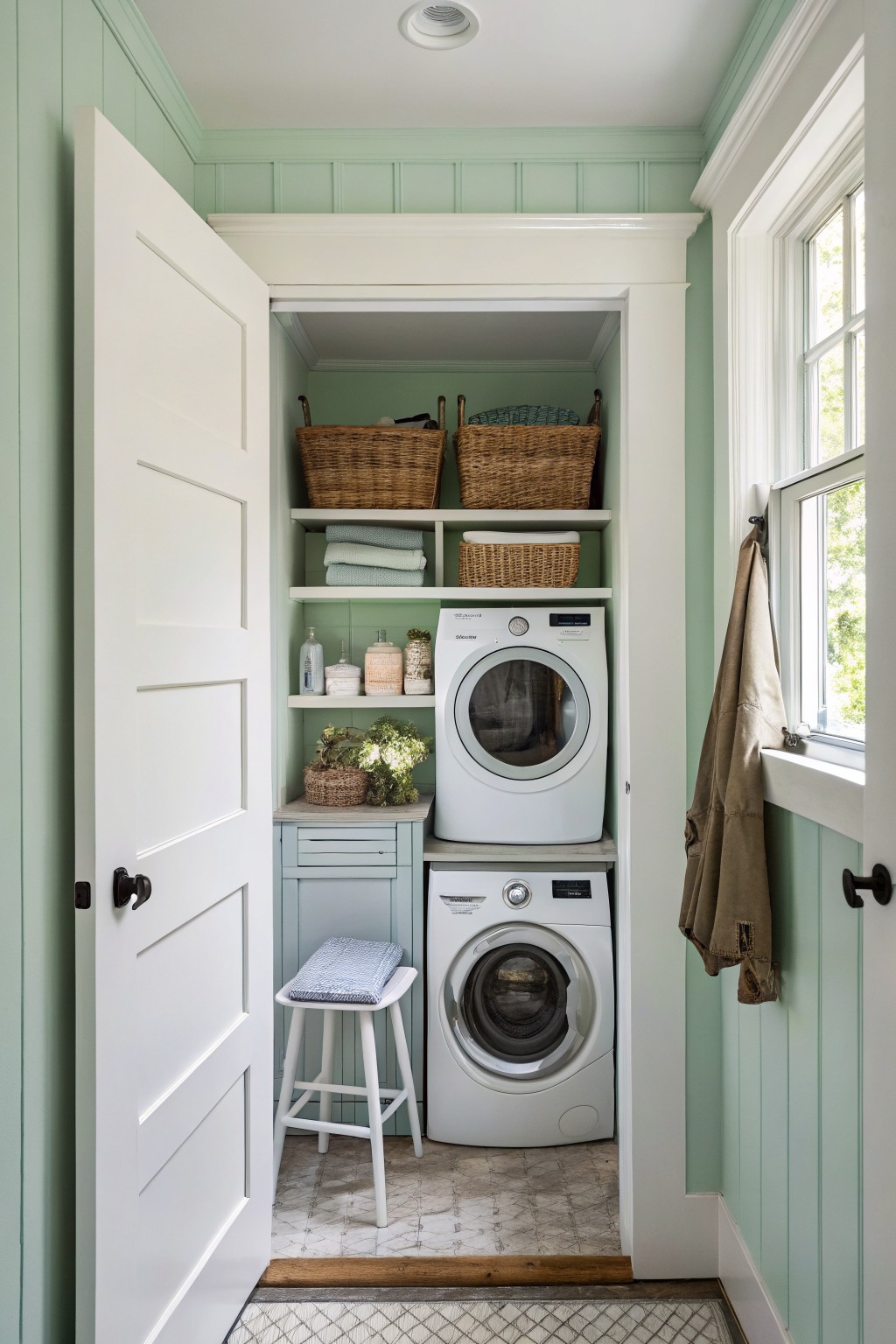
A soft sage green works well in small rooms that need some color without feeling closed in. This shade sits between gray and green, giving the walls a gentle tone that still feels light and fresh in low light or narrow spaces.
It has a cool undertone that pairs nicely with white trim and wood floors. Try it in laundry rooms, hallways, or small bathrooms where you want something a little different from plain white. Sherwin Williams Sea Salt, Benjamin Moore Saybrook Sage, and Farrow & Ball French Gray all read close to this look.
Soft White Walls In Narrow Hallways
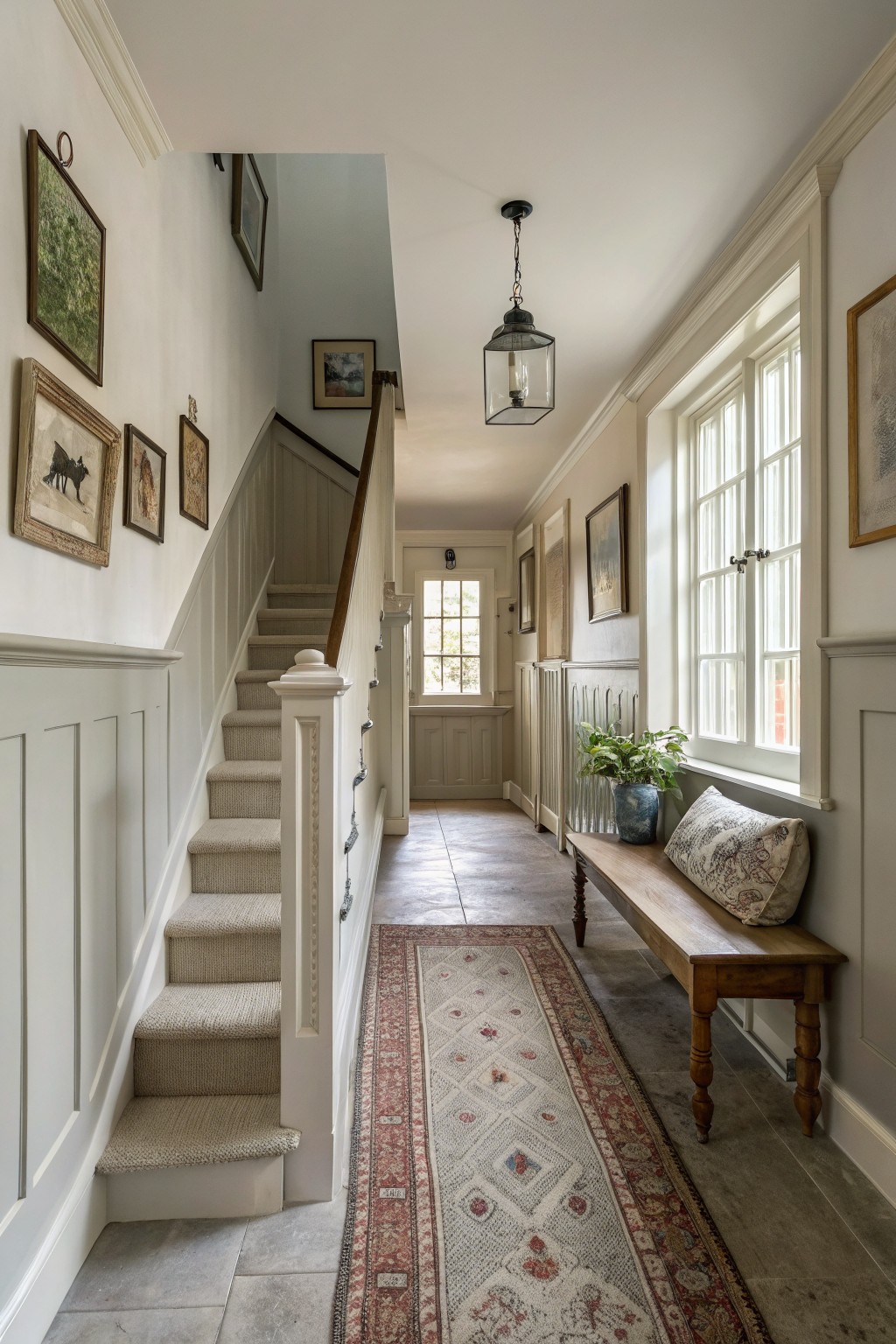
This soft white has a gentle warmth that helps a narrow hallway feel open instead of closed in. It sits between stark white and cream, giving just enough color to keep the space from looking flat while still reading light.
The tone pairs well with white trim and natural wood, and it holds up nicely in low light without turning dingy. Try something close to Benjamin Moore Cloud White, Sherwin Williams Alabaster, Behr Swiss Coffee, or Farrow & Ball Wimborne White.
Frequently Asked Questions
Q: How can I pick between all these whites for my low light bedroom? A: Start by looking at the undertones in person. Some pull pink or yellow and change the whole mood once up. Grab samples and paint big patches near your bed.
Q: Do these colors work on trim in narrow hallways too? A: They do if you want a clean all white look. It keeps things simple and bright without adding extra contrast that shrinks the space.
Q: What sheen should I choose for these airy whites? A: Go with eggshell or satin in most cases. But flat can hide imperfections better if your walls are not perfect.