I have a soft spot for greige paint. It sits right between gray and beige, which makes decorating feel so much easier. My walls, trim, and even a few cabinets have all taken a turn wearing this kind of shade.
Greige just seems to work with everything. I love how it looks calm in the morning and cozy later in the day. My favorite part is how it makes other details like wood, stone, and black accents stand out without trying too hard.
Benjamin Moore has some really beautiful greige options, and I always end up bookmarking more than I planned. Some feel warm and creamy. Others lean cooler and a bit more modern.
So I pulled together a list of my favorite ones that always seem to look good in real homes. If you are hunting for that easy neutral that still feels stylish, these greige colors are a great place to start.
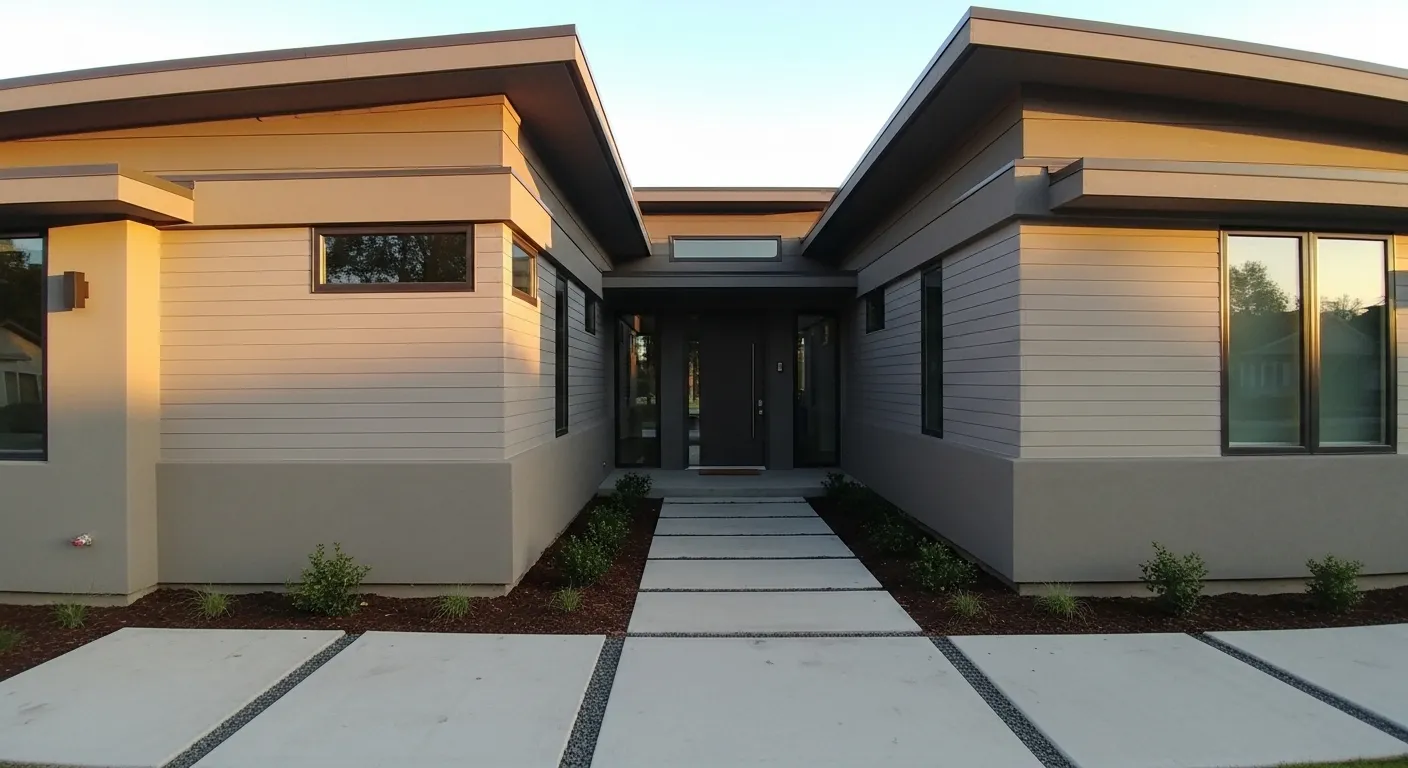
Light Greige That Works For Modern Exteriors

This exterior reads very close to Benjamin Moore Pale Oak, a soft greige that sits right between warm gray and light beige. It has that quiet, balanced look people often want for modern homes. On the siding here, the color feels clean but not stark, especially next to the white trim and the black window frames.
Pale Oak tends to lean slightly warm, which helps it stay comfortable outdoors where cooler grays can feel a bit harsh. It works especially well on larger surfaces like siding because it keeps the house looking light without turning flat or washed out. Paired with crisp white trim and darker windows, it ends up feeling calm and modern without trying too hard.
Mid Tone Greige For A Simple Exterior

This siding reads very close to Benjamin Moore Revere Pewter, one of those classic greige colors that sits comfortably between gray and beige. It has a medium depth that works well on exteriors because it looks steady without feeling heavy. Against the white trim around the windows and porch posts, the color feels calm and easy to live with.
Revere Pewter usually leans a little warm, which helps it stay natural outside where cooler grays can turn dull. On a small home like this it keeps the exterior looking neat and put together without trying too hard. It also pairs easily with white shutters, black accents, or even simple landscaping. Pretty flexible, honestly.
Soft Greige For A Modern Farmhouse Exterior

This exterior looks very close to Benjamin Moore Edgecomb Gray, a light greige that sits quietly between beige and gray. It is one of those colors that reads soft and natural on siding without looking too cool or too tan. On this home, the shade feels especially relaxed next to the natural wood front door and the darker trim.
Edgecomb Gray tends to lean slightly warm, which helps it work well with wood tones and black accents like the window frames. It is also light enough that larger walls do not feel heavy. Many people use it on modern farmhouse exteriors for that reason. Just a calm, easy color that works in a lot of places.
Pale Greige Brick For City Homes

This painted brick reads very close to Benjamin Moore Classic Gray, a very light greige that sits right on the edge of off white. It has that quiet gray beige mix that works well on older brick buildings. On a tall row house like this, the color keeps the facade looking fresh while still letting the brick texture show through.
Classic Gray leans soft and slightly warm, which helps it look natural against black window frames and darker doors. It also works well on brick because it does not feel too bright or stark. Many people choose it for city homes where they want something lighter than gray but still neutral enough to live with for years. Simple and easy to like.
Calm Greige For A Suburban Exterior

This siding reads very close to Benjamin Moore Revere Pewter, a mid tone greige that sits comfortably between gray and beige. It is one of those colors that tends to look steady on a full exterior. Not too light, not too dark. On a house like this, it keeps the walls looking clean while the white trim around the windows stands out clearly.
Revere Pewter usually carries a soft warm undertone, which helps it feel natural next to greenery and light stone paths. It also works well with simple white shutters and garage doors. If anything, the color just feels easy to live with outside. It holds its color through different lighting and rarely looks too cold.
Soft Greige For Cottage Style Homes
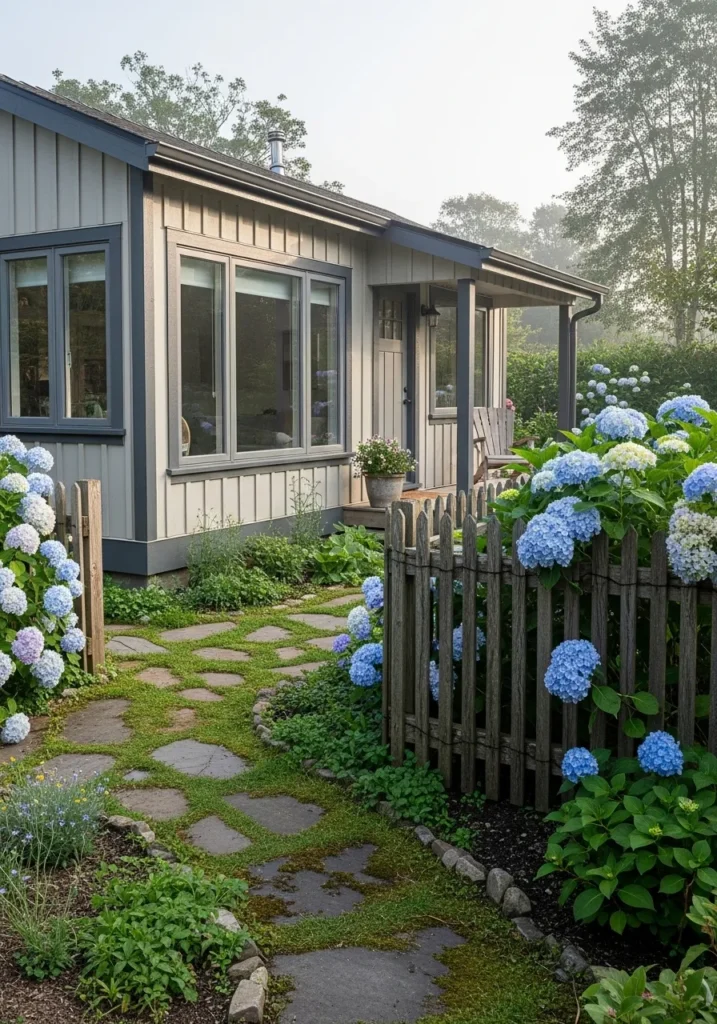
The siding here looks very close to Benjamin Moore Balboa Mist, a light greige that sits gently between gray and beige. It has a soft, quiet look that works well on smaller homes and cottages. On this exterior the color feels calm and easy, especially next to the muted trim and simple wood accents.
Balboa Mist tends to lean slightly cool, though it still carries enough warmth to avoid looking flat outdoors. It pairs nicely with natural materials like wood fencing or stone garden paths. That kind of setting helps the color feel relaxed and natural. A good choice if you want something lighter than classic greige but still neutral enough to live with for years.
Warm Greige For Modern Stucco Homes

The stucco here reads very close to Benjamin Moore Pale Oak, a light greige that leans gently toward beige. It sits in that soft middle ground where the color feels warm but still neutral. On a smooth stucco exterior like this, the shade keeps the walls looking simple and calm while the dark window frames stand out clearly.
Pale Oak often shifts a bit depending on light, but it usually keeps that quiet warm undertone. That is why it works well on modern homes with simple landscaping and clean lines. It also pairs nicely with black metal windows and natural desert materials. Nothing too bold, just a soft greige that holds its own on larger exterior walls.
Classic Greige For Painted Brick

This painted brick looks very close to Benjamin Moore Revere Pewter, a well known greige that sits right between gray and beige. It has a mid tone depth that works nicely on brick because the color shows up clearly without feeling too dark. On a traditional home like this, it keeps the exterior looking updated while the white trim around the windows and columns still feels crisp.
Revere Pewter usually leans slightly warm, which helps it sit comfortably next to landscaping and darker roof colors. That warmth also works well on brick surfaces where cooler grays can look dull. It is one of those shades that tends to look steady on larger walls. Just a reliable greige that fits both older and newer homes.
Deeper Greige For Craftsman Style Homes

This siding looks very close to Benjamin Moore Thunder, a deeper greige that leans slightly toward a soft green gray. It sits darker than many common greiges, which gives the exterior a bit more presence without going fully gray. On a craftsman style home like this, the color feels steady and natural beside the wood porch posts.
Thunder usually carries a subtle earthy undertone, which is why it pairs nicely with natural wood and simple landscaping. It tends to hold its color well on exteriors where lighter greiges sometimes wash out. If someone wants a greige that feels a little richer but still neutral, this one often lands in the right spot.
Urban Greige For Contemporary Homes
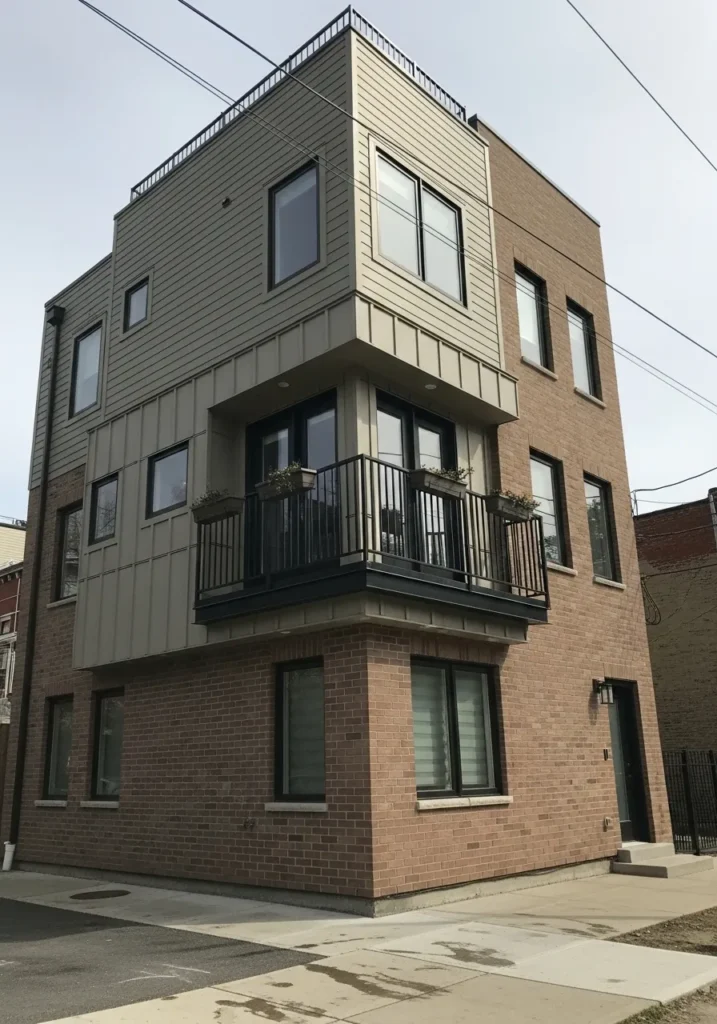
The upper siding on this building reads very close to Benjamin Moore Pashmina, a medium greige that carries a quiet beige warmth under the gray. It sits comfortably in the middle range, which makes it useful on modern homes that mix different materials. Here it works well above the brick base and next to the black balcony railing.
Pashmina tends to feel a little richer than many lighter greiges. It usually leans warm, which helps it sit nicely beside brick and darker metal accents. That kind of pairing keeps the color from feeling flat on large exterior panels. It is a good option when someone wants greige that still has a bit of substance.
Light Greige For Board And Batten Exteriors
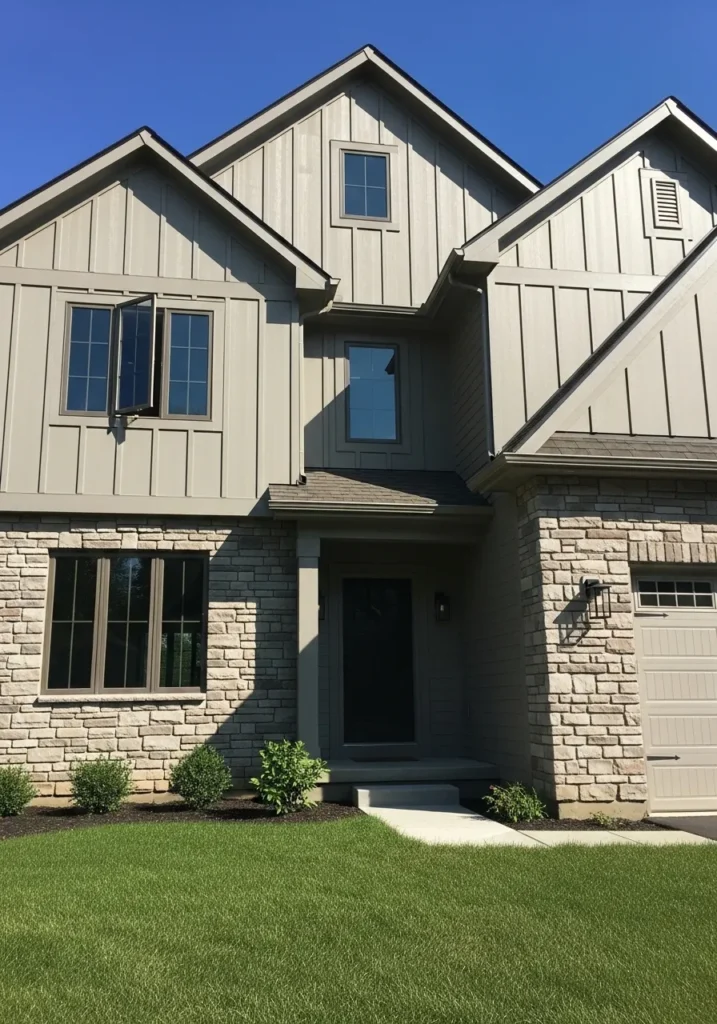
The siding here looks very close to Benjamin Moore Edgecomb Gray, a light greige that sits comfortably between warm gray and beige. It is one of those shades that reads soft on large areas of siding without looking washed out. On a board and batten exterior like this, the color keeps the lines of the panels visible while still feeling neutral and calm.
Edgecomb Gray usually carries a gentle warm undertone, which helps it work nicely with natural stone like the base of this home. That mix of stone and greige tends to feel easy and familiar. It also pairs well with darker window trim or a black front door if someone wants a little contrast without changing the whole palette.
Soft Warm Greige For Small Homes
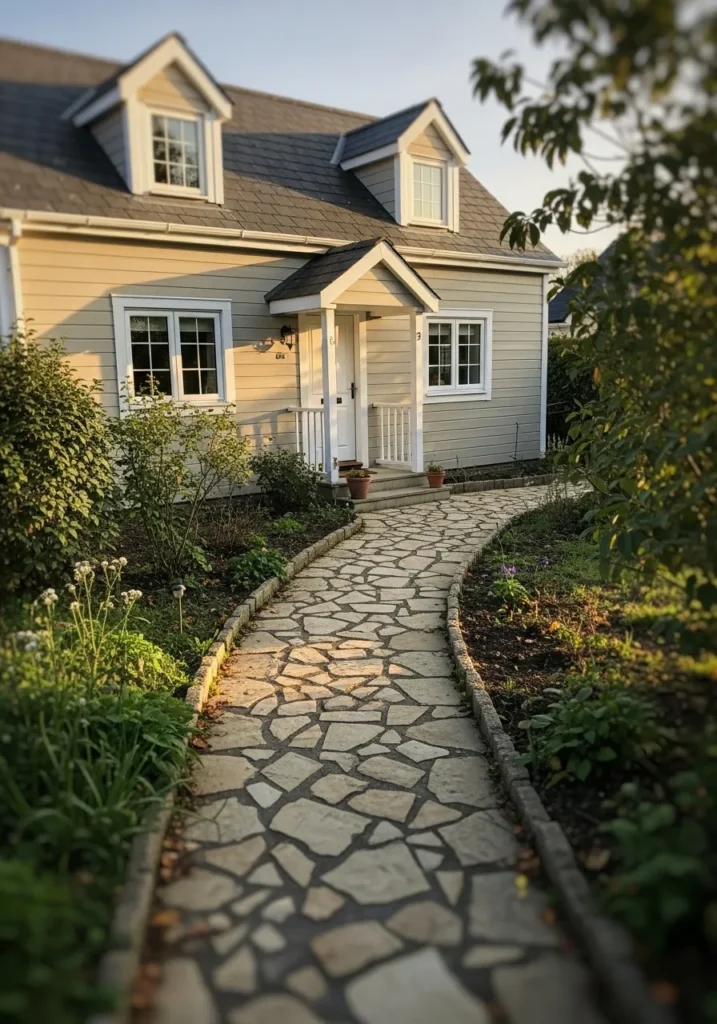
The siding here looks very close to Benjamin Moore Natural Cream, a soft greige that leans gently toward beige. It sits in that light range where the color feels warm and comfortable without turning yellow. On a smaller house like this, it helps the exterior stay bright while still looking more relaxed than plain white.
Natural Cream usually carries a mild warm undertone that works nicely with white trim and gray roof shingles. It also pairs well with natural stone paths like the one leading to the front door. That kind of combination keeps the color feeling simple and familiar. Just a quiet greige that works well when you want something light but not stark.
Warm Greige For Modern Exteriors
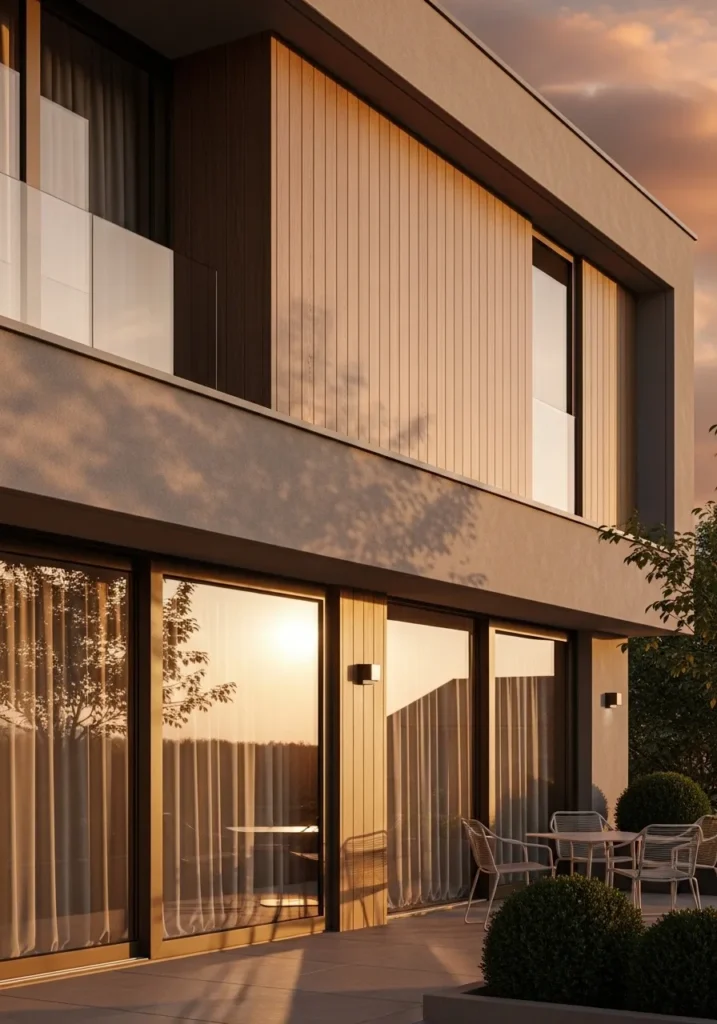
The stucco here reads very close to Benjamin Moore Muslin, a soft warm greige that leans slightly toward beige. It sits in that light to mid range where the color feels calm but still noticeable on larger walls. On a modern exterior like this, it keeps the building looking clean without turning stark against the dark window frames.
Muslin tends to carry a gentle warm undertone, which works nicely with wood panel accents and black metal details. That mix keeps the color feeling natural instead of cold. It is often a good choice for contemporary homes where you want something neutral that still has a little warmth in it.
Cool Greige For Simple Siding
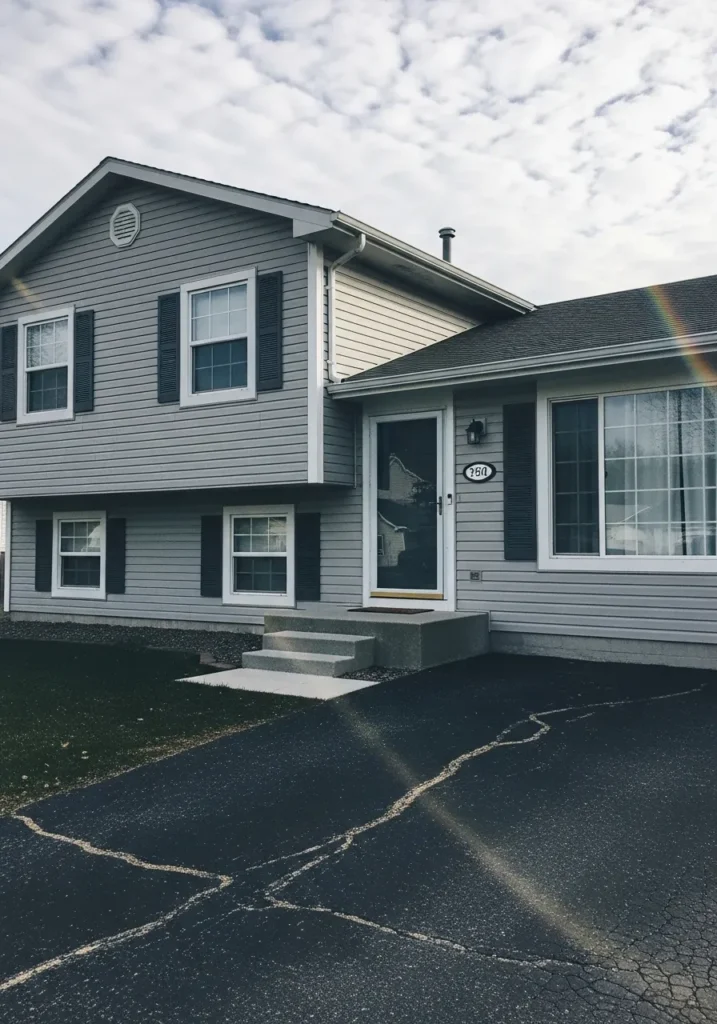
The siding here reads very close to Benjamin Moore Stonington Gray, a cooler greige that leans more toward gray than beige. It has a light to mid tone depth that works well on vinyl or horizontal siding. On this home, the color feels clean and straightforward, especially with the white trim and darker shutters.
Stonington Gray usually carries a soft cool undertone, which helps it pair nicely with black accents like shutters or a darker front door. It also tends to look crisp against white window frames. This kind of greige works well when someone wants a neutral exterior that feels a little more gray than beige but still stays easy to live with.
Light Greige For Modern Farmhouse Siding
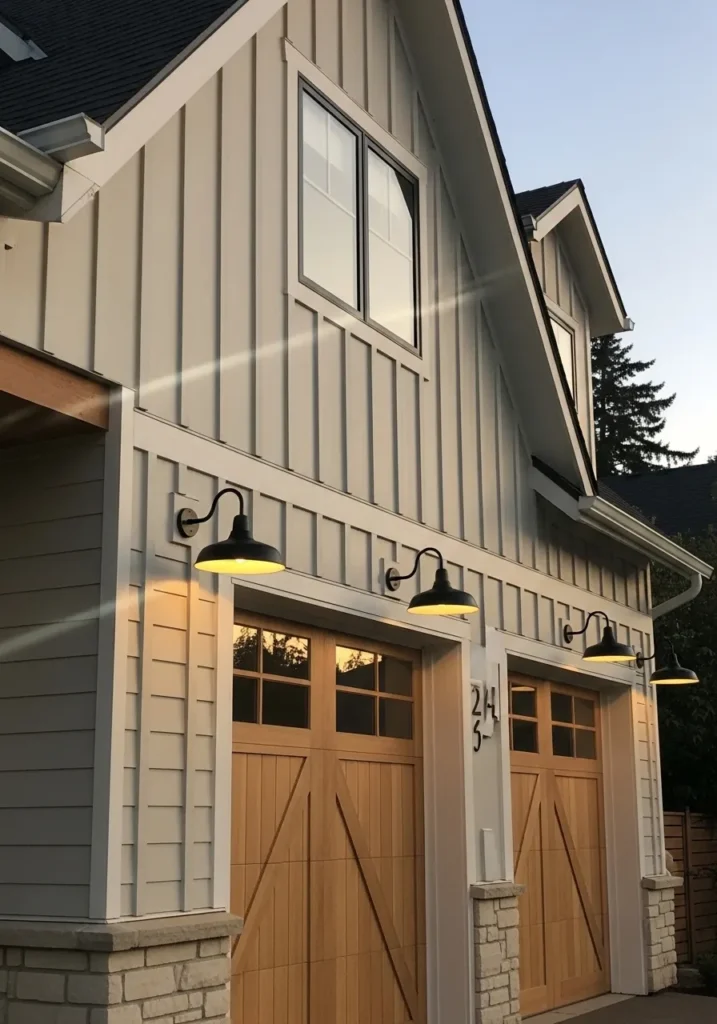
The siding here reads very close to Benjamin Moore Balboa Mist, a pale greige that sits gently between gray and beige. It is one of those lighter shades that keeps large exterior walls feeling bright without going all the way to white. On this style of home, the color feels especially natural next to the wood garage doors.
Balboa Mist usually leans a bit cool but still has enough warmth to work with stone bases and natural wood details. That mix keeps the exterior looking relaxed and simple. It is often used on farmhouse style homes because it stays neutral while letting other materials stand out. A quiet greige that tends to work in a lot of settings.
Soft Greige For Painted Brick Homes
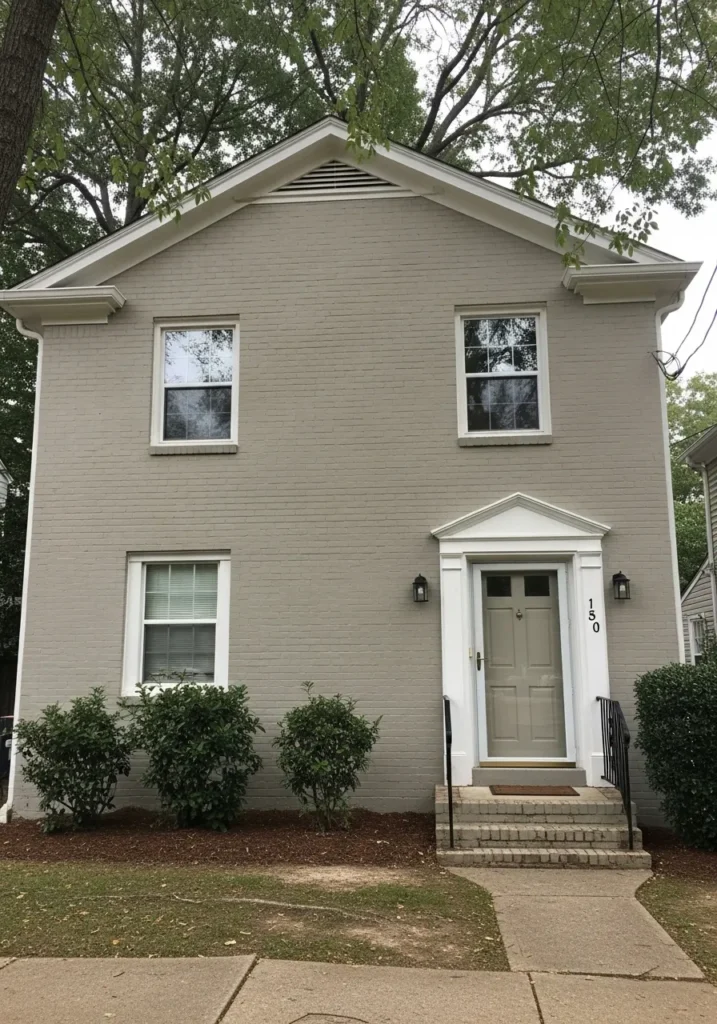
The brick here looks very close to Benjamin Moore Pale Oak, a light greige that sits right between gray and beige. It is one of those shades that reads calm and natural on brick without feeling too white. On a simple painted brick house like this, the color helps the exterior look fresh while the white trim around the windows and door still stands out.
Pale Oak usually leans a little warm, which makes it easier to live with outside where cooler grays can feel flat. That slight warmth also works nicely next to greenery and simple landscaping around the front of the house. It is often chosen for brick because it lightens the exterior without making it feel stark. Just a gentle greige that tends to age well.
Pale Greige For Minimal Modern Homes
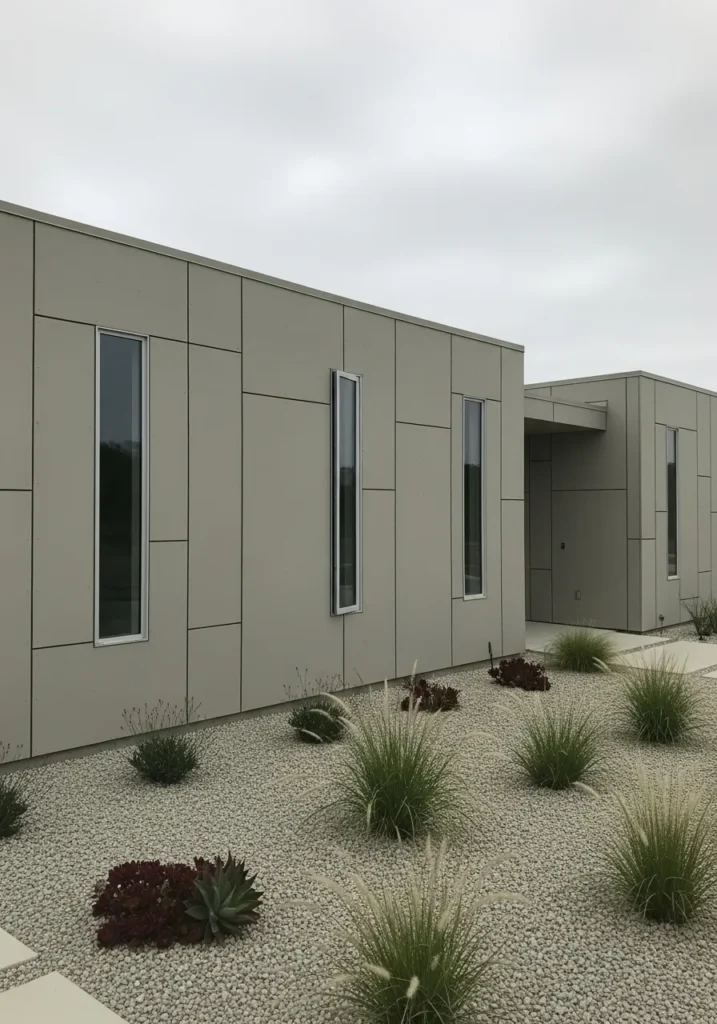
The exterior panels here look closest to Benjamin Moore Classic Gray, a very light greige that sits right on the edge of off white. It reads calm and quiet on large flat walls, which is why it often shows up on modern homes with simple architecture. The color feels soft rather than stark, especially around tall narrow windows like the ones here.
Classic Gray usually carries a mild warm undertone, though it can lean slightly cooler in cloudy light. That subtle shift actually works well on minimal homes where the walls stay uncluttered. It also pairs easily with pale stone, concrete, or simple gravel landscaping. Nothing flashy. Just a clean greige that keeps modern exteriors looking relaxed and easy.
Warm Greige For Classic Siding
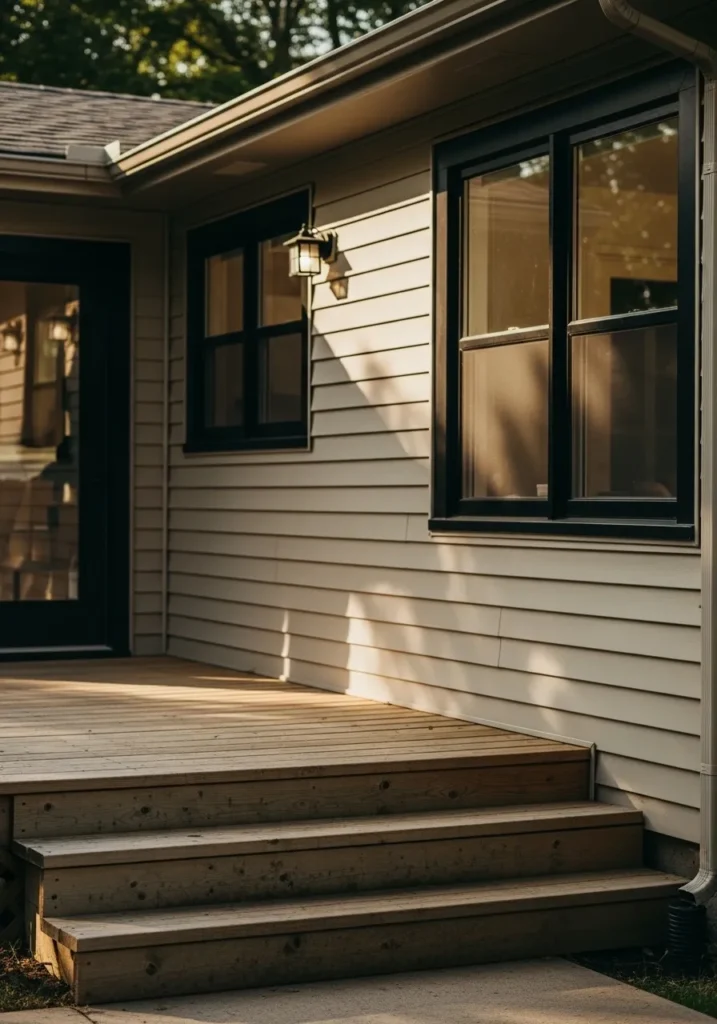
The siding here looks very close to Benjamin Moore Edgecomb Gray, a soft greige that leans a little more toward beige. It sits in that easy middle range where the color feels light but still has enough body to show up clearly on exterior siding. On a simple house like this, it gives the walls a calm neutral tone that feels relaxed and familiar.
Edgecomb Gray usually carries a gentle warm undertone, which helps it work nicely with black window frames and natural wood steps. That mix keeps the exterior from feeling too cool or flat. It is often used on traditional siding because it stays neutral while still feeling a bit warmer than typical gray paint. Just a comfortable greige that tends to work in a lot of homes.
Soft Taupe Greige For Traditional Homes
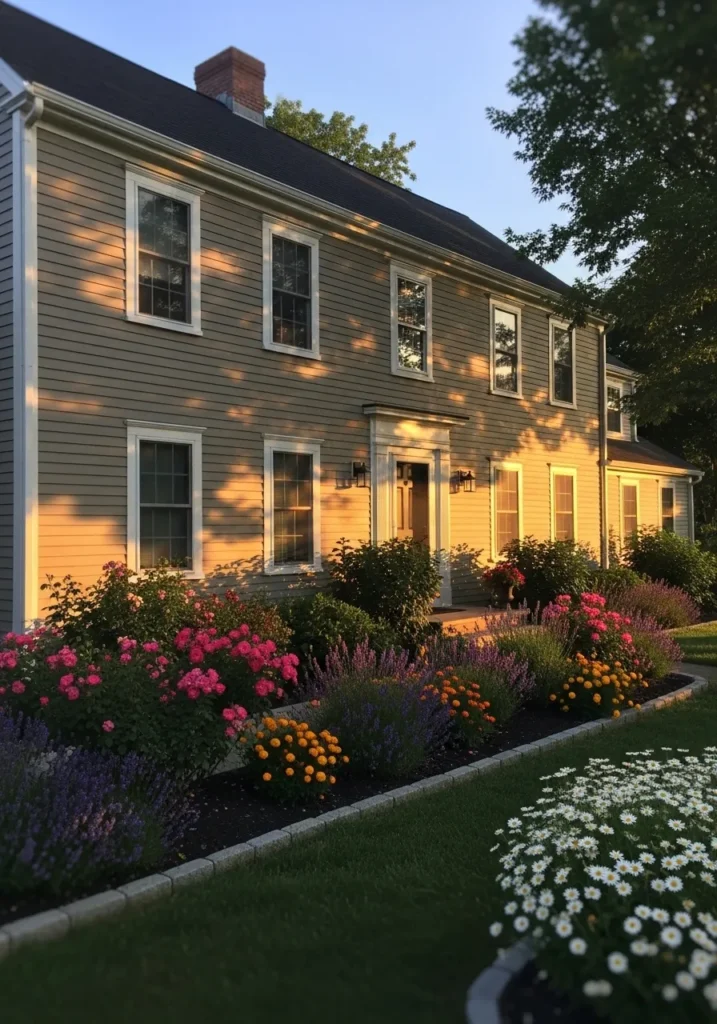
The siding here looks closest to Benjamin Moore Revere Pewter, a mid tone greige that leans slightly toward taupe. It sits right in that comfortable middle range where the color feels noticeable but still very neutral. On a traditional house like this, the shade gives the exterior a settled look without going too dark.
Revere Pewter usually carries a warm undertone that works nicely with white window trim and natural landscaping around the house. That warmth helps the siding stay friendly next to brick chimneys or darker roof shingles. It is one of those greiges that tends to work well on classic homes where you want something neutral but not pale.
Light Greige For Contemporary Brick
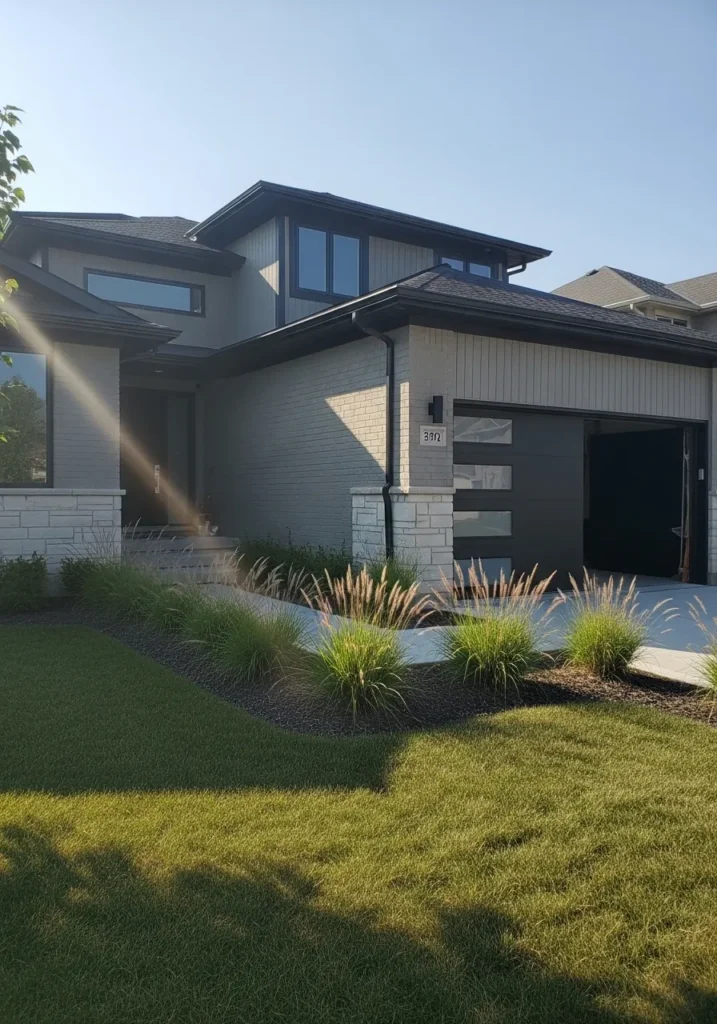
The painted brick here reads very close to Benjamin Moore Gray Owl, a light greige that leans slightly toward gray but still carries a touch of warmth. It sits in that soft middle space where the color feels bright without looking white. On a modern home like this, it keeps the exterior looking clean while still giving the brick some gentle color.
Gray Owl often shows a quiet cool undertone, which works nicely next to dark window trim and black garage doors. That contrast helps the greige stand out just enough without feeling harsh. It is a good choice for contemporary homes that mix brick, smooth siding, and darker accents. A simple greige that tends to stay easy on the eyes.
Soft Cool Greige For City Row Homes
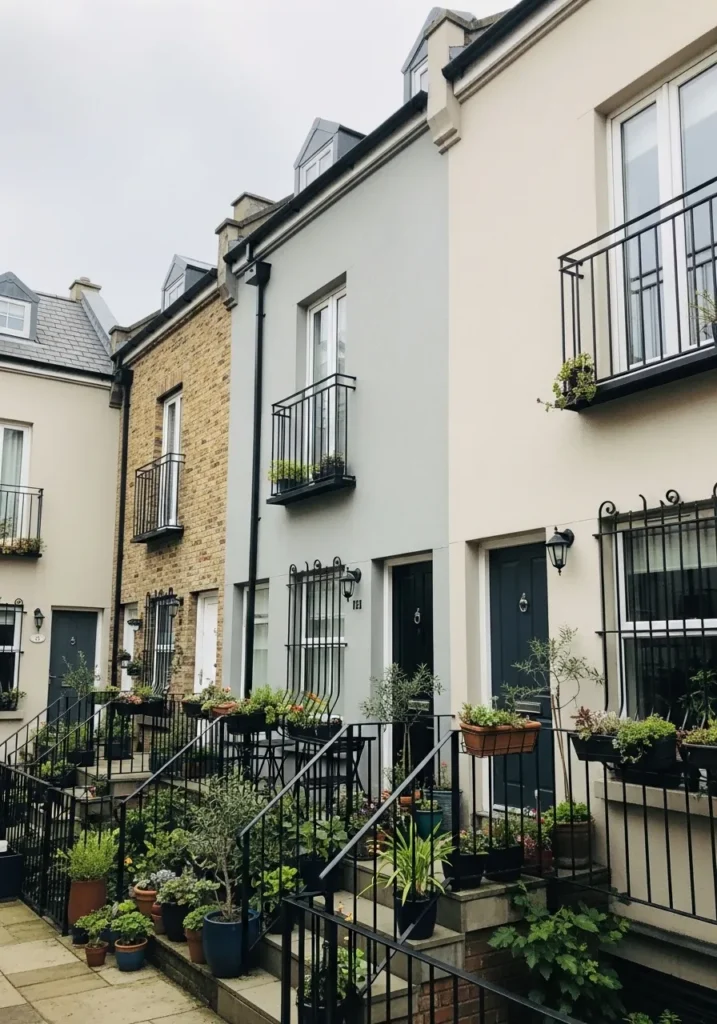
The painted façade here reads very close to Benjamin Moore Silver Satin, a pale greige that leans a bit toward gray. It sits in that light neutral range where the color keeps a building looking bright but not stark. On narrow row homes like these, a shade like this helps the exterior stay simple while still giving each house a bit of quiet character.
Silver Satin tends to carry a soft cool undertone, which works well with black railings and darker doors along the entry steps. That contrast keeps the greige from feeling washed out. It is often a nice option for urban homes where you want a clean neutral that still has a little softness to it.
Deep Greige For Modern Accent Siding

The darker siding here reads very close to Benjamin Moore Chelsea Gray, a deeper greige that leans strongly toward gray with just a hint of warmth. It sits in that medium to dark range where the color feels bold but still neutral. On modern homes, a shade like this works well for accent sections or upper levels.
Chelsea Gray often carries a subtle warm undertone that keeps it from looking cold next to natural wood siding. That contrast between dark greige and pale wood is a combination many modern homes use. It gives the exterior a clear structure without relying on bright colors. Just a steady greige that holds its depth well outdoors.
Balanced Greige For Suburban Exteriors
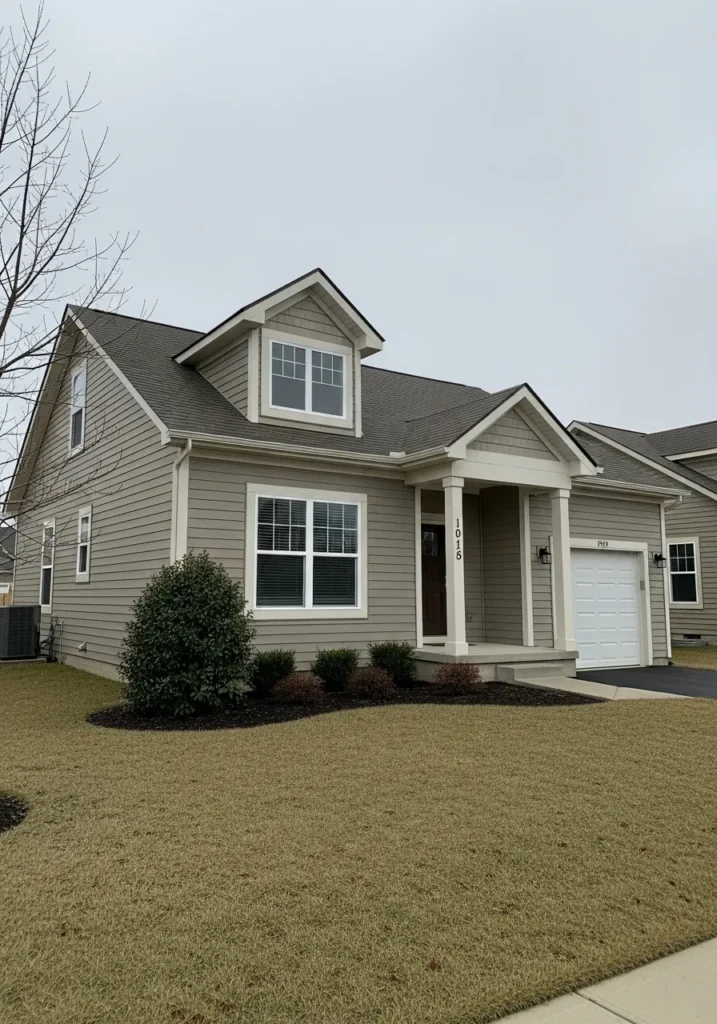
The siding here reads very close to Benjamin Moore Pashmina, a medium greige that sits comfortably between gray and beige. It has enough depth to give the house a bit of color while still feeling neutral. On homes like this with simple siding and white trim, it keeps the exterior looking calm and pulled together.
Pashmina tends to carry a gentle warm undertone, which works nicely with darker roof shingles and a wood front door. That warmth helps the color stay welcoming rather than cool or flat. It is often used on suburban homes where a steady greige feels easier than bright beige or strong gray. Just a balanced shade that usually holds up well outside.


